Clinicians › Wrist
De Quervain's Tenosynovitis
Patient-facing topic on De Quervain's tenosynovitis (first dorsal compartment) — diagnosis, conservative management, and indications for de Quervain's release.
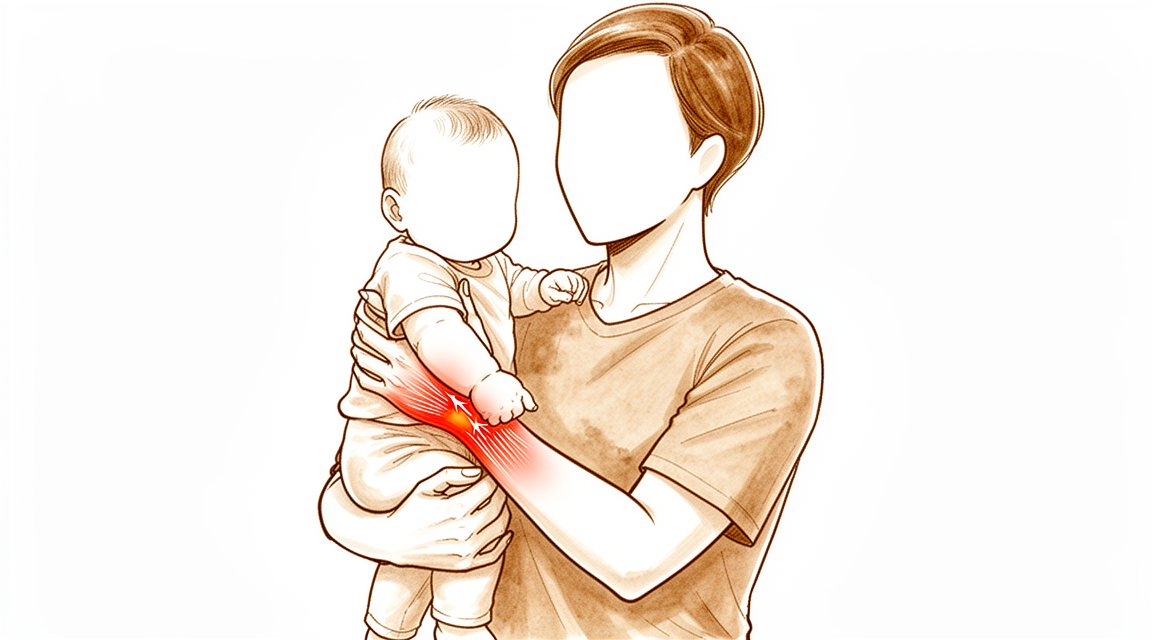
For patients: a plain-language version of this topic is available. See the patient guide.
Overview
De Quervain's tenosynovitis involves stenosing tendosynovitis of the first dorsal compartment, where anatomical variations are clinically relevant to pathophysiology and treatment [1]. Triggering of the thumb is a frequent manifestation that may represent a more severe form of the condition [2]. The "Tethered Thumb Sign" serves as a clinical maneuver to support diagnosis and guide the treatment algorithm [20]. While no sufficient scientific evidence confirms a causal relationship with occupational risk factors [10], patients often favor initial nonsurgical management [7]. However, those with physical function scores below 40 or pain interference scores above 60 have significantly increased odds of eventually undergoing surgical release [45]. Addressing misconceptions regarding symptom duration and consequences enables patients to make informed treatment decisions [9].
Corticosteroid injection is the preferred initial nonsurgical treatment and the only available option that can potentially modify the disease course [3]. Combined with short-duration immobilization, it remains the primary effective treatment [30], achieving success in 73.4% of cases within two injections [29]. Although success rates decrease with multiple injections, repeat injections remain a viable clinical option [46]. Ultrasound should be considered to improve diagnostic accuracy and treatment outcomes [18]. Efficacy is reduced in patients with metabolic syndrome [6] and diabetes mellitus [37], although the effectiveness of additional injections does not appear to diminish in diabetic patients [37].
Surgical release is the gold standard definitive therapy, with a cure rate of 91% and 88% patient satisfaction [11, 12]. The longitudinal incision is safe and effective, offering easy compartment identification, complete release of tendon sheath and adhesions, and protection against palmar subluxation [11, 17]. Endoscopic release is an effective alternative for nonoperative failures, providing earlier postoperative improvement, fewer superficial radial nerve complications, and greater scar satisfaction compared to open release, despite a slight increase in operation time [41, 44]. Pulley reconstruction yields satisfactory medium-term results and should be considered part of surgical treatment [5]. Operative failure is attributed to anatomical variations, radial superficial nerve involvement, or ignoring proximate syndromes [13]. The current literature on management is sparse, largely consisting of uncontrolled cohorts and low-quality randomized trials [49].
Anatomy & Pathophysiology
Anatomical Variations
The first dorsal compartment contains a septum in 34% of cadavers [117]. The extensor pollicis brevis (EPB) tendon is the most dorsal tendon within this compartment and is identified by its distally oriented muscle fibers [33]. In contrast, the abductor pollicis longus (APL) tendon lacks muscular fibers in the area of the first dorsal compartment [33]. The brachioradialis tendon exhibits a Y-shaped tendinous insertion on the floor of the first dorsal compartment [33]. Vascularly, the radial artery courses dorsally just beyond the radial styloid, underlying the septum of the first dorsal compartment [33].
Pathophysiology
De Quervain's syndrome involves inflammation of the APL and EPB tendons within the first dorsal compartment [4]. Friction of these tendons gliding in the tight osteoligamentous tunnel leads to inflammation and pain [4]. Compromised blood flow and nutrition within the compartment lead to adhesion development and tendon stenosis [4]. The condition may represent a myxoid degeneration, defined as a degenerative process where connective tissues are replaced by a gelatinous or mucoid substance [4]. De Quervain's syndrome may not be an isolated pathology and can be associated with trauma, extensor carpi ulnaris involvement, ligament instability, or repetitive strain [4].
Repetitive work is a controversial causative factor for De Quervain's disease, with some studies disputing its role as a primary cause [25]. Tendon damage through "wear and tear" within a stenosed tendon sheath during activity may lead to tendon rupture [25]. Ongoing tendon damage can persist even after symptomatic relief from steroid therapy in the setting of stenosing tenosynovitis [25]. Triggering of the thumb associated with first dorsal compartment stenosing tendosynovitis is probably more common than recognized and may represent a more severe form of De Quervain's tenosynovitis [2].
Biomechanical factors significantly influence tendon function. A combination of septation and wrist position significantly affects extensor pollicis brevis tendon gliding resistance [32]. Wrist position influences in vivo extensor pollicis brevis tendon excursion [85]. Clinically, any isometric effort or movement of the thumb is limited following De Quervain's disease [97]. Pinch and thumb strength in all directions are significantly decreased on the symptomatic side of De Quervain's disease [115]. Subjects with stenosing tenosynovitis demonstrate a significant decrease in maximum velocity in slow fist tasks [100].
Classification
Anatomical Variations and Pathophysiology
De Quervain's syndrome is defined as a condition originating when the abductor pollicis longus and extensor pollicis brevis tendons in the first dorsal compartment become inflamed through friction, leading to pain [4]. Blood flow and nutrition compromise in the first dorsal compartment leads to adhesion development and tendon stenosis [4]. The condition may represent a myxoid degeneration, defined as a degenerative process where connective tissues are replaced by gelatinous or mucoid substance [4]. Terminology for the condition varies between tendinosis (tendon degeneration without inflammation), tendinopathy (tendon injury), and tendovaginitis/tenosynovitis (inflammation or thickening of the fibrous sheath wall) [4].
Anatomical variations significantly influence pathology. The prevalence of a septated first dorsal compartment is considerably higher in patients with De Quervain tenosynovitis than previously reported [77]. The persistence of an intracompartmental septum between the abductor pollicis longus and extensor pollicis brevis tendons is described in a mean 43% of wrists in cadaveric studies, with a range of 20% to 75% [36]. The extensor pollicis brevis muscle is absent in 2.5% to 7% of specimens and duplication occurs between 8% and 11% of the time [28]. The tendons of the abductor pollicis longus and extensor pollicis brevis may be found lying in separate fibrous compartments [28]. Consequently, De Quervain's disease may be secondary to extensor pollicis brevis entrapment [40]. In cases where constriction involves only the extensor pollicis brevis in a separate compartment, exploration of both compartments is advised [39].
Diagnostic Features and Mimics
Extensor triggering is an uncommon component of De Quervain's stenosing tenosynovitis with a prevalence of 1.3% in a retrospective review of 827 patients [27]. Triggering or locking in extension demonstrates a more recalcitrant course when treated nonoperatively in De Quervain's stenosing tenosynovitis [27]. The tethered thumb maneuver elicits a characteristic response in many patients with De Quervain tenosynovitis and can support the diagnosis [24]. The tethered thumb sign can assist in determining an effective treatment algorithm for De Quervain tenosynovitis [20]. A new clinical test for evaluating the first extensor compartment is a useful tool in the diagnosis of De Quervain's tenosynovitis [34].
Several conditions mimic or complicate the presentation. Extensor pollicis longus tenosynovitis caused by an unusual course through the first extensor compartment is a rare condition that mimics De Quervain’s disease [52]. A hemangioma of the extensor pollicis brevis in the first dorsal compartment is an unusual cause of bilateral De Quervain's disease [14]. Post-traumatic De Quervain's syndrome is very uncommon and often overlooked initially due to its rarity [21]. De Quervain's syndrome may not be an isolated pathology and may be associated with trauma, extensor carpi ulnaris involvement, ligament instability, or repetitive strain [4].
Etiology and Risk Factors
No study has established an association between hand usage at work or trauma with De Quervain's tenosynovitis [53]. The cause of De Quervain's tenosynovitis does not correlate with manual work or trauma based on cadaver studies, clinical cases, and systematic review [19]. Styloid abnormalities do not affect the outcome of management in De Quervain's disease [23]. Wrist radiography does not influence the management of patients presenting with De Quervain tendinopathy [22].
Epidemiological data identify specific risk factors. The unadjusted incidence rate of De Quervain’s tenosynovitis in a young, active population was 0.94 per 1000 person-years [84]. The adjusted incidence rate ratio for females compared to males was 4.45 (95% CI 4.28, 4.62) after controlling for race, age, service, and rank [84]. The highest incidence rate of De Quervain’s tenosynovitis was seen in the ≥40-year-old group at 1.37 per 1000 person-years [84]. The adjusted incidence rate ratio for the ≥40-year-old group compared to the <20-year-old group was 3.65 (95% CI 3.26, 4.09) [84]. Non-white race is a risk factor for De Quervain’s tenosynovitis, with an adjusted incidence rate ratio of 1.31 (95% CI 1.21, 1.42) for black race compared to white race [84].
Patient Factors and Prognostic Indicators
Addressing misconceptions about the consequences and duration of symptoms allows patients to make informed decisions about treatment [9]. Patients who scored lower than 40 for physical function or higher than 60 for pain interference had significantly increased odds of eventually undergoing surgical release for De Quervain tenosynovitis [45]. The presence of an intracompartmental septum detected by ultrasound is associated with the failure of ultrasound-guided steroid injection in De Quervain’s syndrome [36].
Clinical Presentation
Symptoms and Signs
Patients with de Quervain's tenosynovitis typically present with soreness and tenderness on the radial side of the distal radius [60]. Symptoms are exacerbated by ulnar deviation of the thumb, a strong grasp combined with flexion and radial deviation of the wrist, or firm pinching of the index finger and thumb [60]. Physical examination reveals tenderness and swelling directly over the first dorsal compartment [60]. Crepitations on palpation at the radial styloid are a component of the clinical diagnosis [38]. Pain at the radial styloid reproduced by resisted thumb extension is also a component of the clinical diagnosis [48].
In a retrospective review of 827 patients, 11 patients with 13 affected wrists had demonstrable triggering, representing a prevalence of 1.3% [27]. Triggering or locking in extension demonstrates a more recalcitrant course when treated nonoperatively [27]. An intraneural ganglion cyst in the superficial radial nerve can mimic the symptoms of de Quervain tenosynovitis without the usual presentation of painful paresthesias [50].
Diagnostic Tests
Finkelstein's test is the standard test to confirm the diagnosis of de Quervain’s tenovaginitis [60]. Finkelstein's test is superior to Eichhoff's test in the investigation of de Quervain's disease [66]. The wrist hyperflexion and abduction of the thumb (WHAT) test is a more specific and sensitive test to diagnose de Quervain tenosynovitis than the Eichhoff’s Test [60]. A staged description of the Finkelstein test involves assessing pain with gravity-assisted gentle active ulnar deviation, followed by gentle passive ulnar deviation if necessary [67]. The tethered thumb maneuver can assist in determining an effective treatment algorithm [24]. A new test for evaluating the first extensor compartment is a useful clinical tool in the diagnosis of De Quervain's tenosynovitis [34].
Imaging and Etiology
Wrist radiography does not influence management of patients presenting with de Quervain tendinopathy [22]. No radiographic findings altered the course of treatment in patients with isolated de Quervain's tenosynovitis [64]. Styloid abnormalities do not affect the outcome of management for de Quervain's disease [23].
Investigations
Clinical Examination
Triggering of the thumb associated with first dorsal compartment stenosing tendosynovitis is probably much more common than is recognized and may represent a more severe form of de Quervain's tenosynovitis [2]. The proposed tethered thumb maneuver elicits a characteristic response in many patients with de Quervain tenosynovitis and can support the diagnosis and assist in determining an effective treatment algorithm [24]. The tethered thumb sign can support the diagnosis of de Quervain tenosynovitis and assist in determining an effective treatment algorithm [20]. A new clinical test is a useful tool in the diagnosis of De Quervain's tenosynovitis [34].
Imaging
Ultrasound: Ultrasound is a useful imaging technique for diagnosing de Quervain's disease and provides important information about anatomic variations within the first extensor compartment [74]. It is a worthwhile preoperative investigation in case of de Quervain's disease [75] and can be useful as a diagnostic tool in the management of de Quervain’s disease [18]. Furthermore, ultrasound can predict the failure of infiltrative treatment and the necessity for surgery in de Quervain's tenosynovitis [90].
Etiology and Risk Factors
The cause of De Quervain's tenosynovitis does not correlate with manual work or trauma from cadaver studies, authors' clinical cases, and systematic review [19].
Treatment
Non-Operative Management
Corticosteroid injection is the preferred initial nonsurgical treatment and the only available option that can potentially modify the course of de Quervain's tenosynovitis [3]. A single cortisone injection alleviated symptoms in 82% of patients, with over half remaining symptom-free for at least 12 months [76]. Pain and clinical outcomes significantly improved after injection [72]. While splinting is effective in immobilizing and resting the abductor pollicis longus (APL) and extensor pollicis brevis (EPB) tendons to decrease friction, studies have not shown splinting to provide long-lasting relief beyond allowing the joints to rest in an immobilized position [68]. However, the combined technique of corticosteroid injection and thumb spica casting was superior to injection alone in terms of treatment success and functional outcomes [78]. Betamethasone is a superior treatment compared to ketorolac injection [80]. Ultrasound should be considered to improve treatment outcomes and serves as a useful diagnostic tool [18]. Iontophoresis with dexamethasone may improve functional outcomes, while therapeutic pulsed ultrasound may be effective in decreasing pain [79]. Patients with diabetes mellitus have a decreased probability of success following a single injection compared to nondiabetic patients, although the effectiveness of each additional injection does not appear to diminish [37]. Post-traumatic de Quervain's syndrome is typically successfully treated non-operatively once diagnosed [21]. Providers should remain cognizant that patients may favor initial nonsurgical management [7].
Operative Management
Indications: Surgical intervention is effective as definitive therapy for de Quervain's tenosynovitis, with a cure rate of 91% and 88% of patients indicating full satisfaction [12]. Surgery is indicated for refractory disease unresponsive to nonoperative treatments [41]. Triggering or locking in extension is an uncommon symptom that demonstrates a more recalcitrant course when treated nonoperatively [27].
Surgical Approach / Technique: The release of the first extensor compartment results in good clinical outcomes with minimal morbidity [26]. A longitudinal incision offers the advantage of easy identification of the compartment, more complete releases of tendon sheath and peritendinous adhesions, and less risk of palmar subluxation of tendons [11]. This technique is safe and effective, provides good exposure, protects vital structures, prevents possible tendon subluxation in the postoperative period, and is cosmetically acceptable [17]. Endoscopic release seems to be an effective and safe procedure despite a little increase in operation time [41]. Compared with open release, endoscopic release provides earlier improvement after surgery, with fewer superficial radial nerve complications and greater scar satisfaction [44]. Pulley reconstruction should be considered part of the surgical treatment, as the technique gives satisfactory medium-term results [5]. Symptomatic palmar tendon subluxation after surgical release can be avoided by leaving a palmarly based flap of extensor retinaculum to prevent palmar subluxation of the tendons with wrist flexion [15]. Volar subluxation of the tendons of the first dorsal compartment after surgery can be treated with a distally based flap of the brachioradialis tendon to prevent tendon prolapse [51].
Other Considerations: The failure of an operation is due to anatomical variations, the involvement of the radial superficial nerve, and the ignoring of another syndrome in the proximity [13]. Anatomic variations are frequently encountered in recalcitrant cases, including multiple slips of APL and EPB in its own separate compartment [102]. These anatomical variations are clinically relevant in the pathophysiology and treatment of De Quervain's tenosynovitis [1]. At the time of surgery for triggering de Quervain’s stenosing tenosynovitis, all wrists were noted to have synovitis, separate compartments for the EPB and APL tendons, and no intratendinous nodules [27]. There were no recurrences of triggering after surgical treatment with an average follow-up period of 42 months [27]. Addressing misconceptions about the consequences for patients and how long their symptoms will last should allow patients to make informed decisions about the treatment that best matches their values [9]. The complexities of de Quervain's tendinitis and the diagnosis and treatment of associated diseases and complications are described to help prevent surgical failures and prolonged disabilities in working women [8].
Complications
Surgical Complications
Palmar Tendon Subluxation: Symptomatic palmar tendon subluxation is a recognized complication of surgical release for de Quervain's disease [15]. This risk is mitigated by leaving a palmarly based flap of the extensor retinaculum to prevent palmar subluxation of the tendons with wrist flexion [15]. The volarly based retinacular flap must remain over the released tendons to prevent volar tendon subluxation [33]. Alternatively, the longitudinal incision for release of the first extensor compartment prevents possible tendon subluxation in the postoperative period [17], offering less risk of palmar subluxation compared to other approaches [11].
Nerve Injury and Scarring: Failure of an operation in De Quervain tenosynovitis is attributed to anatomical variations, the involvement of the radial superficial nerve, and the ignoring of another syndrome in the proximity [13]. The longitudinal incision creates a longer area in which skin scar may make cutaneous nerves more subject to scar adherence [33].
Associated Pathologies and Misdiagnoses
Extensor Triggering: Extensor triggering is an uncommon but recognized component of de Quervain’s stenosing tenosynovitis [27]. In a retrospective review of 827 patients with de Quervain’s disease, 11 patients with 13 affected wrists had demonstrable triggering, representing a prevalence of 1.3% [27].
Tendon Rupture: Rupture of the abductor pollicis longus tendon in association with De Quervain’s disease has never been reported in the literature [25].
Congenital Anomalies: Congenital fusion of the scaphoid and the trapezium can cause tendinitis simulating de Quervain's stenosing tenosynovitis [57].
Associated Conditions: De Quervain’s syndrome may not be an isolated pathology and has been associated with trauma, extensor carpi ulnaris issues, ligament instability, and repetitive strain [4].
Treatment-Related Complications and Outcomes
Endoscopic Release: The presence of a septum does not significantly affect clinical outcomes or complications following endoscopic release for de Quervain's syndrome [42].
Recovery
Non-Operative Management: Most informed patients initially elect symptomatic treatment for de Quervain's disease [58]. A single injection of steroid provides complete and lasting relief in 70% of patients with de Quervain's disease [119]. A further 10% of patients with de Quervain's disease will be cured by a second steroid injection [119]. Most patients experience symptom resolution within one year [58].
Surgical Management: Eighty-eight percent of patients indicate full satisfaction after surgical intervention for de Quervain's tenosynovitis [12]. Endoscopic release for de Quervain's tenosynovitis results in fewer superficial radial nerve complications compared with open release [44]. Endoscopic release for de Quervain's tenosynovitis also results in greater scar satisfaction compared with open release [44]. Pulley reconstruction should be considered part of the surgical treatment for de Quervain tenosynovitis [5].
Prognosis and Patient Factors: Only 34.9% of patients with new stenosing tenosynovitis required surgery within a 2-year follow-up period [120]. Most patients with new stenosing tenosynovitis progress to surgery within 1 year of presentation [120]. More negative perceptions of the consequences of de Quervain's tenosynovitis and worse pain catastrophizing are associated with worse pain and reduced function at baseline in patients awaiting surgical decompression [55].
Key Evidence
- [L4] These variations are clinically relevant in the pathophysiology and treatment of De Quervain's tenosynovitis. [1] (10.1016/j.bjps.2016.08.020)
- [L4] Triggering of the thumb associated with first dorsal compartment stenosing tendosynovitis is probably much more common than is recognized and may represent a more severe form of de Quervain's tenosynovitis. [2] (10.1016/0363-5023(90)90106-2)
- [L4] According to the limited evidence available, injection of corticosteroids is the only available nonsurgical treatment that can potentially modify the course of de Quervain's tenosynovitis and is therefore the preferred initial treatment. [3] (10.1016/j.jhsa.2008.12.030)
- [L4] [4] (10.1177/1758998315599796)
- [L4] The authors believe the technique gives satisfactory medium-term results and should be considered part of the surgical treatment for de Quervain tenosynovitis. [5] (10.1055/s-0035-1556862)
- [L3] Although considerable improvements in symptom severity and hand function will likely occur in patients with metabolic syndrome, corticosteroid injection for De Quervain tenosynovitis is not as effective in these patients compared with age- and sex-matched controls in terms of functional outcomes and treatment failure. [6] (10.1177/1753193417694112)
- [L4] Providers should remain cognizant that patients presenting with de Quervain's tenosynovitis may favor initial nonsurgical management. [7] (10.1016/j.jhsg.2024.01.009)
- [L4] The complexities of de Quervain's tendinitis and the diagnosis and treatment of associated diseases and complications are described to help prevent surgical failures and prolonged disabilities in these groups of working women. [8] (10.1016/s0363-5023(87)80204-6)
- [L3] Addressing misconceptions about de Quervain's tenosynovitis in terms of the consequences for patients and how long their symptoms will last should allow patients to make informed decisions about the treatment that best matches their values. [9] (10.1097/corr.0000000000001577)
- [L1] No sufficient scientific evidence was provided to confirm a causal relationship between de Quervain tenosynovitis and occupational risk factors. [10] (10.1097/01.prs.0000434409.32594.1b)
- [L4] Surgical release of De Quervain's tenosynovitis remains the gold standard treatment, and longitudinal incision offers advantage of easy identification of compartment, more complete releases of tendon sheath and peritendinous adhesions and less risk of palmar subluxation of tendons. [11] (10.1007/s12306-018-0585-1)
- [L4] Surgical intervention is effective as definitive therapy for de Quervain's tenosynovitis, with a cure rate of 91% and 88% of patients indicating full satisfaction. [12] (10.1053/jhsu.1999.1071)
- [L4] We can conclude that the failure of an operation in the De Quervain tenosynovitis is due to anatomical variations, the involvement of the radial superficial nerve, and the ignoration of another syndrome in the proximity. [13] (10.1177/1558944716660555gr)
- [L5] [14] (10.1016/s0363-5023(96)80112-2)
- [L5] This complication can be avoided by leaving a palmarly based flap of extensor retinaculum to prevent palmar subluxation of the tendons with wrist flexion. [15] (10.1016/s0363-5023(84)80017-9)
- [L4] In our experience, the longitudinal incision for release of the first extensor compartment for de Quervain tenosynovitis is a safe and effective technique that provides good exposure, protects vital structures, prevents possible tendon subluxation in the postoperative period, and is cosmetically acceptable. [17] (10.1097/01.bth.0000181105.24124.c0)
- [L4] Therefore, ultrasound should not only be considered to improve the treatment outcome, but can also be useful as a diagnostic tool in the management of de Quervain’s disease. [18] (10.1016/j.main.2013.09.002)
- [Paper] The cause of De Quervain's tenosynovitis does not correlate with manual work or trauma from cadaver studies, authors' clinical cases, and systematic review. [19] (10.1055/s-0039-1683984)
- [L4] Post-traumatic de Quervain's syndrome is very uncommon and often overlooked initially due to its rarity, but once diagnosed is typically successfully treated non-operatively. [21] (10.1177/1753193416646722)
- [L3] Wrist radiography does not influence management of patients presenting with de Quervain tendinopathy. [22] (10.1055/s-0037-1606124)
- [L4] Though considered as a manifestation of de Quervain's disease by some authors, styloid abnormalities do not affect the outcome of management as proved in this study. [23] (10.1007/s11552-010-9258-8)
- [L4] The proposed tethered thumb maneuver elicits a characteristic response in many patients with de Quervain tenosynovitis and can support the diagnosis and assist in determining an effective treatment algorithm. [24] (10.1016/j.jhsa.2013.04.017)
- [L4] [25] (10.1016/j.jhsb.2005.09.020)
- [L4] The release of the first extensor compartment for refractory de Quervain's disease resulted in good clinical outcomes with minimal morbidity. [26] (10.4055/cios.2014.6.4.405)
- [L4] [27] (10.1053/jhsu.1999.1311)
- [L4] [28] (10.1016/s0363-5023(86)80059-4)
- [L3] This study indicates that corticosteroid injections are a useful treatment for de Quervain's tenosynovitis, leading to treatment success 73.4% of the time within 2 injections. [29] (10.1177/1558944716681976)
- [L1] Corticosteroid injection with a short duration of immobilization remains the primary and effective treatment for de Quervain tenosynovitis. [30] (10.1016/j.jhsa.2024.03.003)
- [L5] A combination of septation and wrist position significantly affected extensor pollicis brevis tendon gliding resistance in this cadaver model. [32] (10.1016/j.orthres.2004.06.014)
- [L3] The new test is a useful clinical tool in the diagnosis of De Quervain's tenosynovitis. [34] (10.1016/j.main.2011.10.017)
- [L3] [36] (10.1177/1753193415611414)
- [L4] Patients with diabetes mellitus have a decreased probability of success following a single corticosteroid injection for de Quervain tenosynovitis in comparison to nondiabetic patients, but the effectiveness of each additional injection does not appear to diminish. [37] (10.1016/j.jhsa.2022.02.018)
- [L1] [38] (10.1186/1471-2474-10-131)
- [L4] In cases with symptoms of de Quervain's syndrome where the constriction involves only the extensor pollicis brevis in a separate compartment, exploration of both compartments is advised. [39] (10.2106/00004623-194931040-00019)
- [L4] We conclude that de Quervain's disease is secondary to EPB entrapment. [40] (10.1016/s0363-5023(98)80160-3)
- [L4] Endoscopic release of the extensor compartment seems to be an effective and safe procedure in patients with de Quervain's disease who are unresponsive to nonoperative treatments, despite a little increase in operation time. [41] (10.1016/j.bjps.2011.05.015)
- [L4] The presence of a septum does not significantly affect clinical outcomes or complications following endoscopic release for de Quervain's syndrome. [42] (10.1177/17531934231214137)
- [L1] Endoscopic release for de Quervain's tenosynovitis seems to provide earlier improvement after surgery, with fewer superficial radial nerve complications and greater scar satisfaction, when compared with open release. [44] (10.1302/0301-620x.95b7.31486)
- [L4] Patients who scored lower than 40 for physical function or higher than 60 for pain interference had significantly increased odds of eventually undergoing surgical release for de Quervain tenosynovitis. [45] (10.1016/j.jhsa.2023.07.005)
- [L2] Although the success rate for the treatment of De Quervain's tenosynovitis decreases with multiple injections, repeat injections have a high rate of success and are a viable clinical option. [46] (10.1016/j.jhsa.2021.04.018)
- [L1] [48] (10.1002/14651858.cd005616.pub2)
- [L4] The scientific literature on the surgical and nonsurgical management of de Quervain tendinopathy is sparse and limited largely to uncontrolled cohorts with low-quality randomized trials. [49] (10.1016/j.jhsa.2013.06.003)
- [L4] This case demonstrates that an intraneural ganglion cyst can mimic the symptoms of de Quervain tenosynovitis without the more usual presentation of painful paresthesias. [50] (10.1055/s-0034-1384746)
- [L4] [51] (10.1016/s0363-5023(10)80007-3)
- [L5] Extensor pollicis longus tenosynovitis caused by the EPL's unusual course through the first extensor compartment is a very rare condition that mimics de Quervain’s disease. [52] (10.1016/j.jhsa.2003.11.012)
- [L1] No study has established an association between hand usage at work or trauma with de Quervain's tenosynovitis, and the belief that it is caused by work-related injury is misdirected. [53] (10.1055/s-0039-1677741)
- [L3] More negative perceptions of the consequences of de Quervain's tenosynovitis and worse pain catastrophizing are associated with worse pain and reduced function at baseline in patients awaiting surgical decompression of de Quervain's tenosynovitis. [55] (10.1097/corr.0000000000000992)
- [L5] We describe a case of nonsyndromic congenital fusion of the scaphoid and the trapezium as a cause of tendinitis simulating de Quervain's stenosing tenosynovitis, an association not previously reported. [57] (10.1016/s1297-3203(00)73478-0)
- [L4] Most informed patients initially elect symptomatic treatment for de Quervain's disease, and most experience symptom resolution within one year. [58] (10.1007/s12593-009-0018-3)
- [L2] [60] (10.1177/1753193412475043)
- [L4] [64] (10.1055/s-0040-1716522)
- [L3] [66] (10.1055/s-0038-1626690)
- [L4] [67] (10.1016/j.jhsa.2010.05.022)
- [L4] [68] (10.1007/s11552-014-9649-3)
- [L1] Pain and clinical outcomes significantly improved after corticosteroid injection in de Quervain's disease. [72] (10.1016/j.otsr.2019.11.015)
- [L5] Ultrasound is a useful imaging technique for diagnosing de Quervain's disease and provides important information about anatomic variations within the first extensor compartment. [74] (10.1136/bcr-2021-242173)
- [L4] Ultrasound is a worthwhile preoperative investigation in case of de Quervain's disease. [75] (10.1007/s12593-009-0001-z)
- [L4] A single cortisone injection was effective in alleviating symptoms of de Quervain tendinopathy in 82% of patients, with over half remaining symptom-free for at least 12 months. [76] (10.1016/j.jhsa.2014.12.027)
- [L3] The prevalence of a septated first dorsal compartment is considerably higher than previously reported, most notably in patients with De Quervain tenosynovitis. [77] (10.1177/1558944718810864)
- [L2] The combined technique of corticosteroid injection and thumb spica casting was better than injection alone in the treatment of de Quervain tenosynovitis in terms of treatment success and functional outcomes. [78] (10.1016/j.jhsa.2013.10.013)
- [L4] This study demonstrated that iontophoresis with dexamethasone may improve functional outcomes, while therapeutic pulsed ultrasound may be effective in decreasing pain in patients with de Quervain's tenosynovitis. [79] (10.1016/j.jht.2014.08.032)
- [L1] Preliminary results indicate that betamethasone is a superior treatment for De Quervain's tenosynovitis. [80] (10.1016/j.jhsa.2017.06.086)
- [L2] [84] (10.1016/j.jhsa.2008.08.020)
- [L4] In vivo EPB tendon excursion measures have been quantified, and wrist position has been found to have an influence on excursion. [85] (10.1016/j.jht.2017.12.004)
- [Paper] Le but de l’étude était de savoir si l’échographie peut prédire l’échec du traitement infiltratif et la nécessité du recours à la chirurgie au cours des ténosynovites de de Quervain. [90] (10.1016/j.main.2013.10.118)
- [L4] This suggests that any isometric effort or movement of the thumb will be limited following deQuervain’s disease. [97] (10.1197/j.jht.2006.07.008)
- [L3] Those subjects demonstrate a significant decrease in maximum velocity in slow fist tasks, highlighting the need for comprehensive assessment to ascertain the full extent of functional limitations that can occur in the setting of hand pathology. [100] (10.1177/1558944717729218)
- [L4] The pinch and thumb strength in all directions evaluated was significantly decreased on the symptomatic side (p , 0.003); no direction showed a greater decrease than the others. [115] (10.1197/j.jht.2005.10.002)
- [L5] A septum is not unusual within the first dorsal compartment of the wrist, identified in 34% of the time in 50 cadavers. [117] (10.1016/s0363-5023(09)91111-x)
- [L4] A single injection of steroid gives complete and lasting relief in 70% of patients with de Quervain's disease, and a further 10% will be cured by a second injection. [119] (10.1016/s0363-5023(09)91110-8)
- [L2] Only 34.9% of patients with new stenosing tenosynovitis required surgery within a 2-year follow-up period, with most progressing to surgery within 1 year of presentation. [120] (10.1016/j.jhsa.2017.06.088)
References
[1] Surgical anatomy of the first extensor compartment: A systematic review and comparison of normal cadavers vs. De Quervain syndrome patients. Journal of Plastic, Reconstructive & Aesthetic Surgery. 2017. DOI: 10.1016/j.bjps.2016.08.020
[2] Triggering of the thumb with de Quervain's stenosing tendovaginitis. The Journal of Hand Surgery. 1990. DOI: 10.1016/0363-5023(90)90106-2
[3] Nonsurgical Treatment for de Quervain's Tenosynovitis. The Journal of Hand Surgery. 2009. DOI: 10.1016/j.jhsa.2008.12.030
[4] De Quervain’s syndrome: It may not be an isolated pathology. Hand Therapy. 2015. DOI: 10.1177/1758998315599796
[5] Pulley Reconstruction As Part of the Surgical Treatment for de Quervain Disease: Surgical Technique with Medium-Term Results. Journal of Wrist Surgery. 2015. DOI: 10.1055/s-0035-1556862
[6] RETRACTED: Effects of metabolic syndrome on the functional outcomes of corticosteroid injection for De Quervain tenosynovitis. Journal of Hand Surgery (European Volume). 2017. DOI: 10.1177/1753193417694112
[7] De Quervain’s Tenosynovitis: As Seen from the Perspective of the Patient. Journal of Hand Surgery Global Online. 2024. DOI: 10.1016/j.jhsg.2024.01.009
[8] de Quervain's release in working women: A report of failures, complications, and associated diagnoses. The Journal of Hand Surgery. 1987. DOI: 10.1016/s0363-5023(87)80204-6
[9] Are Patient Expectations and Illness Perception Associated with Patient-reported Outcomes from Surgical Decompression in de Quervain’s Tenosynovitis?. Clinical Orthopaedics & Related Research. 2020. DOI: 10.1097/corr.0000000000001577
[10] Systematic Review and Meta-Analysis on the Work-Related Cause of de Quervain Tenosynovitis. Plastic and Reconstructive Surgery. 2013. DOI: 10.1097/01.prs.0000434409.32594.1b
[11] Functional outcome of De Quervain’s tenosynovitis with longitudinal incision in surgically treated patients. MUSCULOSKELETAL SURGERY. 2019. DOI: 10.1007/s12306-018-0585-1
[12] Patient satisfaction and outcomes of surgery for de Quervain's tenosynovitis. The Journal of Hand Surgery. 1999. DOI: 10.1053/jhsu.1999.1071
[13] Failure of Surgical Treatment in the De Quervain Tenosynovitis. HAND. 2016. DOI: 10.1177/1558944716660555gr
[14] Hemangioma of the extensor pollicis brevis in the first dorsal compartment: An unusual cause of bilateral de Quervain's disease. The Journal of Hand Surgery. 1996. DOI: 10.1016/s0363-5023(96)80112-2
[15] Symptomatic palmar tendon subluxation after surgical release for de Quervain's disease: A case report. The Journal of Hand Surgery. 1984. DOI: 10.1016/s0363-5023(84)80017-9
[17] Longitudinal Incision in Surgical Release of De Quervain Disease. Techniques in Hand & Upper Extremity Surgery. 2005. DOI: 10.1097/01.bth.0000181105.24124.c0
[18] The role of ultrasound-guided triamcinolone injection in the treatment of De Quervain's disease: Treatment and a diagnostic tool?. Chirurgie de la Main. 2013. DOI: 10.1016/j.main.2013.09.002
[19] De Quervain's Tenosynovitis. Journal of Wrist Surgery. 2019. DOI: 10.1055/s-0039-1683984
[20] Tethered_Thumb_Sign_A_Unique_Observation_in_the_Physical_Examination_of_de_Querv_S0363502313005340. n.d..
[21] Post-traumatic de Quervain’s syndrome: a rare condition, often diagnosed late. Journal of Hand Surgery (European Volume). 2016. DOI: 10.1177/1753193416646722
[22] Deferring Routine Wrist Radiography Does Not Affect Management of de Quervain Tendinopathy Patients. Journal of Wrist Surgery. 2017. DOI: 10.1055/s-0037-1606124
[23] Does Radial Styloid Abnormality in de Quervain's Disease Affect the Outcome of Management?. HAND. 2010. DOI: 10.1007/s11552-010-9258-8
[24] Tethered Thumb Sign: A Unique Observation in the Physical Examination of de Quervain Tenosynovitis. The Journal of Hand Surgery. 2013. DOI: 10.1016/j.jhsa.2013.04.017
[25] Abductor Pollicis Longus Tendon Rupture in De Quervain’s Disease. Journal of Hand Surgery. 2006. DOI: 10.1016/j.jhsb.2005.09.020
[26] Surgical Release of the First Extensor Compartment for Refractory de Quervain's Tenosynovitis: Surgical Findings and Functional Evaluation Using DASH Scores. Clinics in Orthopedic Surgery. 2014. DOI: 10.4055/cios.2014.6.4.405
[27] Extensor triggering in de Quervain's stenosing tenosynovitis. The Journal of Hand Surgery. 1999. DOI: 10.1053/jhsu.1999.1311
[28] Trigger thumb of de Quervain's disease. The Journal of Hand Surgery. 1986. DOI: 10.1016/s0363-5023(86)80059-4
[29] Effectiveness of Corticosteroid Injections for Treatment of de Quervain’s Tenosynovitis. HAND. 2016. DOI: 10.1177/1558944716681976
[30] Advancements in de Quervain Tenosynovitis Management: A Comprehensive Network Meta-Analysis. The Journal of Hand Surgery. 2024. DOI: 10.1016/j.jhsa.2024.03.003
[32] Gliding resistance of the extensor pollicis brevis tendon and abductor pollicis longus tendon within the first dorsal compartment in fixed wrist positions. Journal of Orthopaedic Research. 2005. DOI: 10.1016/j.orthres.2004.06.014
[33] Campbell S Operative Orthopaedics 4 Volume Set. EXCISION OF NECROTIC MUSCLES COMBINED WITH NEUROLYSIS OF MEDIAN AND ULNAR NERVES FOR SEVERE CONTRACTURE > SURGICAL TREATMENT OF DE QUERVAIN DISEASE.
[34] Évaluation de la première loge des extenseurs à fin diagnostique : un nouveau test dans le diagnostic de la ténosynovite de De Quervain. Chirurgie de la Main. 2011. DOI: 10.1016/j.main.2011.10.017
[36] Presence of an intracompartmental septum detected by ultrasound is associated with the failure of ultrasound-guided steroid injection in de Quervain’s syndrome. Journal of Hand Surgery (European Volume). 2015. DOI: 10.1177/1753193415611414
[37] Effectiveness of Corticosteroid Injections in Diabetic Patients With De Quervain Tenosynovitis. The Journal of Hand Surgery. 2022. DOI: 10.1016/j.jhsa.2022.02.018
[38] Randomised controlled trial of local corticosteroid injections for de Quervain's tenosynovitis in general practice. BMC Musculoskeletal Disorders. 2009. DOI: 10.1186/1471-2474-10-131
[39] AN UNUSUAL FORM OF DE QUERVAINʼS SYNDROME. The Journal of Bone & Joint Surgery. 1949. DOI: 10.2106/00004623-194931040-00019
[40] Limited surgical treatment of de quervain's disease: Decompression of only the extensor pollicis brevis subcompartment. The Journal of Hand Surgery. 1998. DOI: 10.1016/s0363-5023(98)80160-3
[41] Does endoscopic release of the first extensor compartment have benefits over open release in de Quervain’s disease?. Journal of Plastic, Reconstructive & Aesthetic Surgery. 2011. DOI: 10.1016/j.bjps.2011.05.015
[42] Prediction of an intracompartmental septum and its effect on outcomes of endoscopic release for de Quervain’s syndrome. Journal of Hand Surgery (European Volume). 2023. DOI: 10.1177/17531934231214137
[44] Endoscopicversusopen release in patients with de Quervain’s tenosynovitis. The Bone & Joint Journal. 2013. DOI: 10.1302/0301-620x.95b7.31486
[45] Association of Patient-Reported Outcomes Measurement Information System Measures With Injection and Surgical Treatment Response in Patients With De Quervain Tenosynovitis. The Journal of Hand Surgery. 2023. DOI: 10.1016/j.jhsa.2023.07.005
[46] De Quervain Tenosynovitis: An Evaluation of the Epidemiology and Utility of Multiple Injections Using a National Database. The Journal of Hand Surgery. 2022. DOI: 10.1016/j.jhsa.2021.04.018
[48] Corticosteroid injection for de Quervain's tenosynovitis. Cochrane Database of Systematic Reviews. 2009. DOI: 10.1002/14651858.cd005616.pub2
[49] Current Treatment of de Quervain Tendinopathy. The Journal of Hand Surgery. 2013. DOI: 10.1016/j.jhsa.2013.06.003
[50] Intraneural Ganglion in Superficial Radial Nerve Mimics de Quervain Tenosynovitis. Journal of Wrist Surgery. 2014. DOI: 10.1055/s-0034-1384746
[51] Tendon subluxation after de Quervain's release: Treatment by brachioradialis tendon flap. The Journal of Hand Surgery. 1991. DOI: 10.1016/s0363-5023(10)80007-3
[52] Extensor pollicis longus tenosynovitis mimicking de quervain’s disease because of its course through the first extensor compartment: a report of 2 cases. The Journal of Hand Surgery. 2004. DOI: 10.1016/j.jhsa.2003.11.012
[53] Dispelling the Myth of Work-Related de Quervain's Tenosynovitis. Journal of Wrist Surgery. 2019. DOI: 10.1055/s-0039-1677741
[55] Which Psychological Variables Are Associated With Pain and Function Before Surgery for de Quervain’s Tenosynovitis? A Cross-sectional Study. Clinical Orthopaedics & Related Research. 2019. DOI: 10.1097/corr.0000000000000992
[57] Congenital synostosis between the scaphoid and the trapezium as a cause of tenosynovitis simulating de Quervain's disease. Chirurgie de la Main. 2000. DOI: 10.1016/s1297-3203(00)73478-0
[58] Patient-centered care of de Quervain’s disease. Journal of Hand and Microsurgery. 2009. DOI: 10.1007/s12593-009-0018-3
[60] The wrist hyperflexion and abduction of the thumb (WHAT) test: a more specific and sensitive test to diagnose de Quervain tenosynovitis than the Eichhoff’s Test. Journal of Hand Surgery (European Volume). 2013. DOI: 10.1177/1753193412475043
[64] Are Plain X-Rays Necessary in the Diagnosis of De Quervain's Tenosynovitis?. Journal of Wrist Surgery. 2020. DOI: 10.1055/s-0040-1716522
[66] Finkelstein's Test Is Superior to Eichhoff's Test in the Investigation of de Quervain's Disease. Journal of Hand and Microsurgery. 2018. DOI: 10.1055/s-0038-1626690
[67] Staged Description of the Finkelstein Test. The Journal of Hand Surgery. 2010. DOI: 10.1016/j.jhsa.2010.05.022
[68] De Quervain's Tenosynovitis: A Review of the Rehabilitative Options. HAND. 2014. DOI: 10.1007/s11552-014-9649-3
[72] Prospective randomized comparison of ultrasonography-guided and blind corticosteroid injection for de Quervain's disease. Orthopaedics & Traumatology: Surgery & Research. 2020. DOI: 10.1016/j.otsr.2019.11.015
[74] Type II de Quervain’s disease: depicting subcompartmentalisation with ultrasound. BMJ Case Reports. 2021. DOI: 10.1136/bcr-2021-242173
[75] Preoperative ultrasound in de Quervain’s disease: an investigation worth doing. Journal of Hand and Microsurgery. 2009. DOI: 10.1007/s12593-009-0001-z
[76] de Quervain Tendinopathy: Survivorship and Prognostic Indicators of Recurrence Following A Single Corticosteroid Injection. The Journal of Hand Surgery. 2015. DOI: 10.1016/j.jhsa.2014.12.027
[77] Prevalence of a Septated First Dorsal Compartment Among Patients With and Without De Quervain Tenosynovitis: An In Vivo Anatomical Study. HAND. 2018. DOI: 10.1177/1558944718810864
[78] Corticosteroid Injection With or Without Thumb Spica Cast for de Quervain Tenosynovitis. The Journal of Hand Surgery. 2014. DOI: 10.1016/j.jhsa.2013.10.013
[79] Effective Conservative Treatments for De Quervain's Tenosynovitis: A Retrospective Study. Journal of Hand Therapy. 2016. DOI: 10.1016/j.jht.2014.08.032
[80] Betamethasone Versus Ketorolac Injection for the Treatment of De Quervain's Tenosynovitis: A Double-Blind Randomized Clinical Trial. The Journal of Hand Surgery. 2017. DOI: 10.1016/j.jhsa.2017.06.086
[84] Incidence of de Quervain's Tenosynovitis in a Young, Active Population. The Journal of Hand Surgery. 2009. DOI: 10.1016/j.jhsa.2008.08.020
[85] Ultrasound assessment of extensor pollicis brevis tendon excursion in different wrist positions in healthy people. Journal of Hand Therapy. 2019. DOI: 10.1016/j.jht.2017.12.004
[90] Intérêt prédictif et thérapeutique de l’échographie dans les ténosynovites de de Quervain. Chirurgie de la Main. 2013. DOI: 10.1016/j.main.2013.10.118
[97] Thumb Strength and Mobility in deQuervain's Disease. Journal of Hand Therapy. 2006. DOI: 10.1197/j.jht.2006.07.008
[100] Dynamic Functional Assessment of Hand Motion Using an Animation Glove: The Effect of Stenosing Tenosynovitis. HAND. 2017. DOI: 10.1177/1558944717729218
[102] Miller S Review Of Orthopaedics. 2. Flexor tendon injury > 5. de Quervain tenosynovitis (Fig. 7.35).
[115] Reliability and Validity of Pinch and Thumb Strength Measurements in de Quervain's Disease. Journal of Hand Therapy. 2006. DOI: 10.1197/j.jht.2005.10.002
[117] Incidence of a septum within the first dorsal compartment of the wrist. The Journal of Hand Surgery. 1990. DOI: 10.1016/s0363-5023(09)91111-x
[119] De Quervain's disease: Surgical or nonsurgical treatment. The Journal of Hand Surgery. 1990. DOI: 10.1016/s0363-5023(09)91110-8
[120] A Prospective Study of Risk Modeling for Stenosing Tenosynovitis. The Journal of Hand Surgery. 2017. DOI: 10.1016/j.jhsa.2017.06.088