Clinicians › Elbow
Stiff elbow arthrolysis
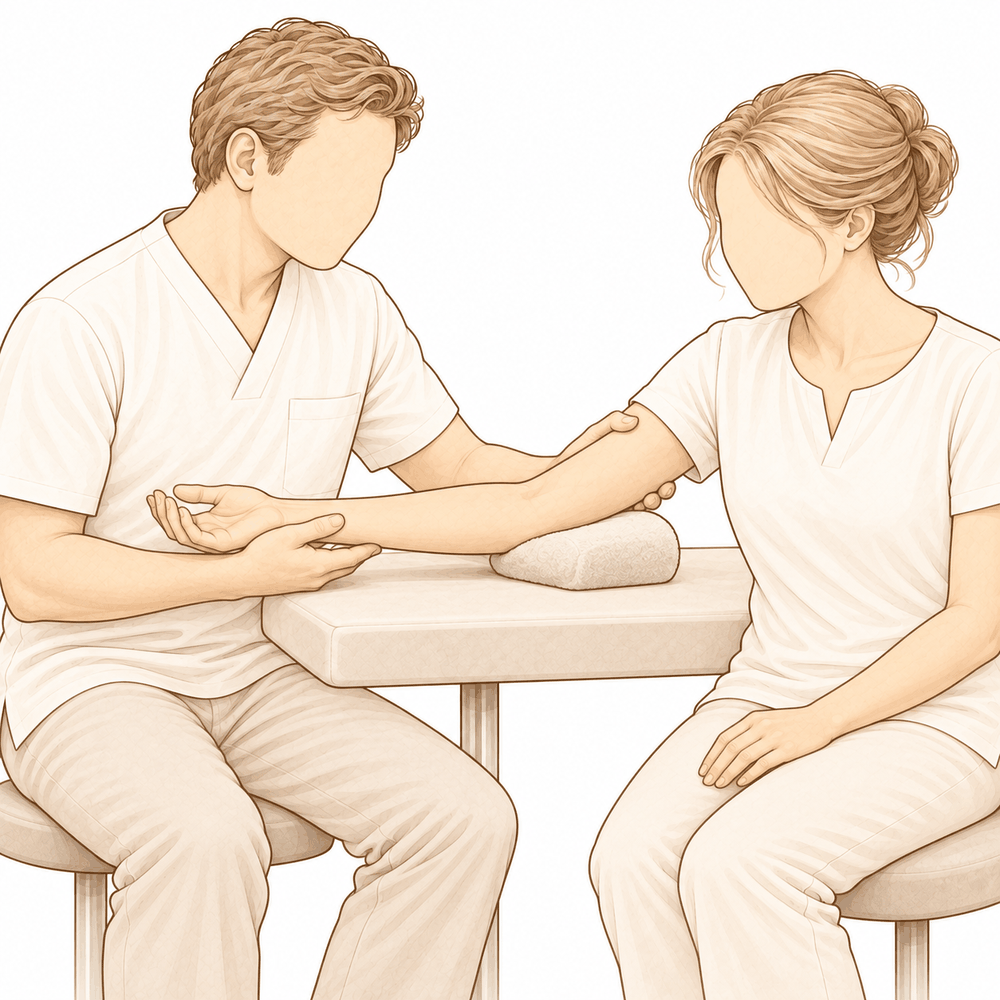
For patients: a plain-language version of this topic is available. See the patient guide.
Overview
Elbow stiffness is a challenging disorder vulnerable to contracture, with no ideal management solution [2, 14]. While most post-traumatic cases improve with time and use, significant stiffness may persist [4]. Successful intervention depends on the quality of the joint and the extent of soft tissue damage, with the functional arc of motion serving as a frame of reference rather than an absolute goal [5]. A long duration of stiffness may negatively influence functional outcomes and increase the risk of complications after arthrolysis [1]. Conservative treatment is recommended first, with surgical intervention indicated after failure [14]. In the setting of failed nonsurgical treatment, surgical release can yield sustained improvement of range of motion and patient quality of life [6]. Current treatment options range from conservative to surgical, with varying rates of success, invasiveness, and complications [7].
Arthroscopic arthrolysis is effective for restoring a functional arc of motion in the short term in most patients with extrinsic contractures [22]. It provides safe and effective restoration of range of motion, pain relief, and functional improvement in posttraumatic elbow stiffness regardless of preoperative severity [15]. Patients undergoing arthroscopic arthrolysis achieve satisfactory clinical outcomes very early postoperatively [9], with good results regarding range of motion, pain relief, functionality, and quality of life [12]. Endoscopic capsulectomy is an effective procedure for adhesiolysis in severe elbow stiffness [25]. Arthroscopic circumferential release is safe and effective regardless of preoperative severity [15].
Open arthrolysis with hinged external fixation yields satisfactory medium-term results in patients with severe posttraumatic elbow stiffness [13]. Arthrolysis should be performed by a combination of lateral and medial approaches, and routine hinged external fixation and anterior transposition of the ulnar nerve may improve postoperative recovery [16]. The use of a hinged external fixator in open arthrolysis may result in short-term improvements in flexion-extension range of motion [28], though it is accompanied by increased blood loss, longer operative time, extended hospitalization, and higher costs [28]. Ligament repair with suture anchors and a hinged external fixator is an option for ankylosed, severely or very severely stiff elbows [27]. Interposition arthroplasty is worthy of consideration for stiff, painful arthritic elbows despite the potential for instability [8]. A multinational initiative provides the first comprehensive clinical practice guideline for open arthrolysis in adult posttraumatic elbow stiffness [19]. Postoperative management is challenging for both the surgeon and therapist [21], and additional peripheral nerve block combined with a postoperative nerve block catheter in arthroscopic arthrolysis may enhance postoperative outcomes by achieving better functional range of motion, perhaps through reduced postoperative pain [106]. A subset of pediatric patients with persistent stiffness following medial epicondyle fractures may benefit from additional interventions, including intensive therapy, transposition of the ulnar nerve, and open capsular release [23]. Recent advancements in biology and pathology may lead to future breakthroughs in the prevention and treatment of elbow stiffness [2].
Anatomy & Pathophysiology
Bony Anatomy
The elbow is a trocho-ginglymoid joint consisting of medial and lateral articulations that afford bony stability [68]. The ulnohumeral joint forms via the articulation of the humeral trochlea with the ulna within the greater sigmoid notch, providing highly congruent anatomy through almost 180° of articular contact, except for a bare area devoid of cartilage [68]. The trochlea possesses a 300-degree arc of cartilage [46]. The radiocapitellar joint articulates the humeral capitellum with the radial head, while the proximal radioulnar joint articulates the radial head with the lesser sigmoid notch of the ulna [68]. The radial head is a concave elliptical structure covered with articular cartilage along the radiocapitellar joint and approximately 270° of the articular margin [68].
The distal humeral articulation is angled 30° from the longitudinal axis of the humerus [68], with the articular surface angled 30 degrees anterior to the humeral shaft axis [71]. The distal humerus consists of medial and lateral columns [71]. The medial column diverges from the humeral shaft at a 45-degree angle, and the lateral column diverges at a 20-degree angle [46]. The axis of rotation of the elbow is angulated 5° to 7° in the coronal plane relative to the epicondylar axis, with the medial side more distal than the lateral side [68]. The ulna medially bends approximately 8° at 8 cm from the tip of the olecranon [68]. The articulation to the tip of the coronoid is approximately 30° from the long axis of the ulna in the sagittal plane [68]. In full extension, 60% of axial load is transmitted through the radiocapitellar joint [71].
Ligamentous Anatomy
Elbow stability is determined by primary stabilizers, including the ulnohumeral articulation, medial ulnar collateral ligament, and lateral ulnar collateral ligament complex, and secondary stabilizers, including the radiocapitellar articulation, common flexor tendon, common extensor tendon, and joint capsule [45]. The medial ulnar collateral ligament complex comprises the anterior oblique, posterior oblique, and transverse ligaments [78]. The anterior oblique ligament is the strongest component of the medial collateral ligament complex and serves as the primary stabilizer to valgus stress [78]. It originates on the anterior-inferior edge of the medial epicondyle and inserts on the sublime tubercle of the ulna [78]. The anterior band of the medial collateral ligament is taut in extension, while the posterior band is tight in flexion [78]. The posterior bundle of the medial collateral ligament is the primary restraint to valgus stress with the elbow in maximal flexion [71]. Stability in full extension is provided by the medial collateral ligament, joint capsule, and ulnohumeral articulation [71].
The lateral ulnar collateral ligament complex originates at the geometric center of the radiocapitellar articulation, just distal to the lateral epicondyle [68]. The annular ligament holds the radius in close approximation to the ulna at the proximal radioulnar joint [68].
Normal Range of Motion
The normal elbow exhibits a range of motion from 0° to 140° from extension to flexion [45], or 0 to 150 degrees [71]. Normal forearm pronosupination is 75° and 85° in pronation and supination, respectively [45], or 80 to 85 degrees in each direction [71]. A functional arc of motion for the elbow is 100° for flexion and extension [45], specifically 30 to 130 degrees [71]. A functional arc of motion for forearm rotation is 100° [45], or 50 degrees [71]. The normal valgus carrying angle of the elbow is 5 to 10 degrees for men and 10 to 15 degrees for women [71].
Pathophysiology of Stiffness
The elbow is a highly constrained synovial hinge joint that frequently becomes stiff after injury [38]. Elbow stiffness is categorized as extrinsic (extra-articular) or intrinsic (intra-articular) [41]. Traumatic injury to the elbow often involves a combination of fracture and partial or complete dislocation with concordant ligamentous, neurologic, and muscular injury [41]. These injuries commonly result in hemarthrosis and subsequent scarring and contracture [41]. Initial surgical intervention, postoperative immobilization, and postoperative rehabilitation may worsen initial soft-tissue injuries [41]. Long-term sequelae include postoperative incisional scarring, bony malunions and nonunions, osteochondral defects or hypertrophic fracture callus, heterotopic ossification, ligamentous imbalances, compressive or scarring neuropathies, and muscular damage with associated scarring and loss of normal motion [41]. Pain from these complications leads to voluntary and involuntary guarding of the elbow, which exacerbates capsular and muscular contracture [41].
Intrinsic causes of stiffness include articular damage or malunion, intraarticular hardware, and loose bodies [56]. Extrinsic causes include a contracted joint capsule and ligaments, heterotopic ossification, prominent hardware, and skin contracture [56]. Posttraumatic or postsurgical contractures typically present with a damaged, abnormally thickened joint capsule and altered anatomy [56]. In such cases, the joint space is usually contracted and the capsule is scarred down to the bones [56]. The locations of the median and radial nerves may be altered due to contracted anterior soft tissues [56]. Restoration of joint motion in the posttraumatic stiff elbow can be a difficult, time-consuming, and costly challenge [17].
Orthogonal plate configuration, olecranon osteotomy, and longer operative time were associated with increased odds of dysfunctional elbow stiffness following operative fixation of distal humerus fractures [40]. Progression of elbow flexion contracture in obstetric brachial plexus injury appears to level off after the age of 10 to 12 years, likely ending at skeletal maturity [59]. Myofibroblast upregulators are elevated in joint capsules in posttraumatic contractures [4]. Elbow contracture may be caused by intrinsic or extrinsic limitations, and evaluation of specific structures guides the development of an effective therapy treatment program [36]. Pre-operative evaluations in elbow stiffness should identify involved articular and periarticular tissues and determine whether articular surfaces and osteoarticular congruence are preserved [18]. Mid arc range of motion pain is more common with intrinsic disease and may not improve with contracture release alone [49]. If the elbow has less than 90° to 100° of flexion, the posterior bundle of the medial collateral ligament is contracted and must be released to restore flexion [49]. The posterior bundle of the medial collateral ligament forms the floor of the cubital tunnel, along the course of the ulnar nerve [49].
Osteoarthritis of the elbow is characterized by osteophyte formation, capsular contracture, and loose bodies, often with relative preservation of the joint space [29]. Periarticular hypertrophic osteophytes act as a mechanical block at the end ranges of flexion and extension in elbow osteoarthritis [29]. Osteoarthritis typically involves the radiocapitellar joint articular cartilage preferentially, with relative preservation of the ulnohumeral articular surfaces [29]. A pathologic classification for elbow stiffness provides a new perspective on the understanding and standardization of elbow arthrolysis [32].
Classification
Successful intervention for a stiff elbow depends on the quality of the joint and the extent of soft tissue damage, with the functional arc of motion serving as a frame of reference rather than an absolute goal [5]. Many classification systems have been developed for elbow stiffness [58].
Other Considerations: The Elbow Self-Assessment Score (ESAS) is a self-administered, valid and reliable tool to assess the most important aspects of elbow function [60]. No standardized, reproducible tools specifically designed for the self-assessment of elbow stiffness or comparative evaluation of treatment outcomes exist [111].
Clinical Presentation
Patients with elbow osteoarthritis typically present with loss of terminal extension and flexion, accompanied by painful catching, clicking, or locking of the joint [29]. Pain is characteristically noted at the end ranges of motion rather than through the midrange [29]. Night pain is not typical in this condition; if present, an inflammatory cause of the arthritis should be considered [29]. The degree of disability caused by elbow osteoarthritis depends on the patient’s vocation and physical disability [29].
Ulnar neuropathy is present in up to 50% of patients with elbow osteoarthritis [29]. Forearm rotation is relatively preserved until later in the disease process [29]. Adequate elbow assessment is essential for accurate diagnosis and initiating proper treatment, as isolated elbow injuries are rare and fractures should be interpreted as proxies for associated soft tissue injuries [39]. It is important that the upper-extremity surgeon have a systematic approach to the diagnosis and management of elbow contracture in order to ensure malignant processes are considered [24].
Investigations
History and Physical Examination
The history for elbow stiffness evaluation must document the duration of the contracture, initial injury, previous surgical procedures, trials of splinting, therapy, or injections, surgical complications, and patient work or life demands [49]. The upper-extremity surgeon must adopt a systematic approach to diagnosis and management to ensure malignant processes are considered [24]. Physical examination must assess the function of the shoulder, wrist, and hand in addition to the elbow [49]. The soft tissue surrounding the elbow should be examined for previous skin incisions, grafts, eschar, or infection [49].
Active and passive flexion, extension, supination, and pronation should be evaluated using a goniometer for accurate measurement [49]. The contralateral elbow should be examined for comparison during range of motion assessment [49]. Pain assessment during range of motion should distinguish between mid-arc pain and terminal end pain, as mid-arc pain is more common with intrinsic disease and may not improve with contracture release alone [49].
The ulnar nerve is of utmost importance in the neurovascular examination due to its anatomic proximity to the elbow [49]. Electromyography and nerve conduction velocity studies should be performed if there is any question about neurologic dysfunction [49]. An assessment for ulnar nerve subluxation should be performed, as subluxation is a relative contraindication for arthroscopic procedures due to the risk of iatrogenic nerve injury [49]. If a history of prior surgical procedures exists, it must be verified whether the ulnar nerve has been transposed [49].
Imaging
Plain radiography: Radiographs should always be obtained for the evaluation of elbow stiffness [49]. Standard radiographic views include AP, lateral, and oblique views [49]. Primary bony landmarks to assess include the ulnohumeral joint, coronoid process, radial head, capitellum, radiocapitellar joint, olecranon tip, coronoid and olecranon fossae, and trochlear ridge [49]. In elbow osteoarthritis, radiographs typically show osteophyte formation at the coronoid process, coronoid fossa, radial fossa, radial head, olecranon tip, and olecranon fossa [29]. Joint spaces at the ulnohumeral joint are usually preserved, while those at the radiocapitellar joint are mildly narrowed [29]. Radiographs typically underestimate the number of loose bodies present in the elbow [29]. Serial radiography is indicated as follow-up when heterotopic ossification is present [49].
CT: CT is helpful when assessing for malunion architecture and the location and pattern of osteophytes and/or loose bodies [49]. CT is beneficial if any joint incongruity or abnormal bony anatomy is present [49]. CT may be useful for surgical planning by allowing a detailed assessment of osteophytes and the presence of loose bodies [29]. Three-dimensional CT is used to check for heterotopic ossification [49]. CT is not necessary when the stiffness is entirely soft-tissue related [49].
MRI: MRI can be used to evaluate ligaments and tendons but is rarely indicated for elbow stiffness [49].
Treatment
Non-Operative
Nonsurgical treatment may be attempted in virtually all patients with elbow stiffness, provided the intervention will not worsen the condition [89]. Conservative management includes physical therapy with active and passive range of motion (ROM) and NSAIDs for 6 to 12 weeks [89]. Intra-articular corticosteroid injections are also part of the nonsurgical regimen [89]. Splinting and ROM regimens, such as dynamic splinting, progressive static stretch, and turnbuckle orthosis, constitute mainstays of nonsurgical treatment for posttraumatic elbow stiffness [89]. Static progressive and dynamic splinting show no statistically significant difference in outcomes between the two methods [42]. Both dynamic orthoses and static progressive splinting demonstrate good results for elbow stiffness regardless of etiology [35]. Static-progressive bracing is safe, associated with early improvement in ROM, and should be considered in all patients with post-traumatic or post-operative elbow stiffness [90]. While increasing age may reduce efficacy in patients with extension deficits, static-progressive bracing is associated with improved range of motion at three months [90]. For heterotopic ossification (HO) present for less than six months, conservative treatment is indicated [54]. Current non-surgical measures for HO include physical therapy and manipulation under anesthesia to restore ROM [54]. However, non-surgical options for HO have limited effects and are mainly useful for HO causing a small limitation of ROM [54].
Operative
Indications: Surgical treatment is indicated when a course of nonsurgical treatment has failed [89]. The patient must be compliant with postoperative therapy [89]. Surgical release is ideally indicated for extrinsic contractures when the joint surface is congruous and normal joint architecture is maintained [89]. It can be helpful for some intrinsic contractures, such as osteoarthritis, but results are less predictable once the joint surface is altered or incongruous, especially with mid-arc pain [89]. Surgical release is rarely indicated for mild contractures (<40°) or cases with severe articular incongruity [89]. Intra-articular ankylosed elbow, neurologic elbow disorder, Charcot elbow, deficient skin envelope requiring a rotational flap, and posttraumatic arthritis are contraindications for surgical release [89]. Heterotopic ossification can be resected once mature, evidenced by well-corticalized margins and lack of changes on serial radiographs [89]. Surgical options are necessary if nonoperative management fails to restore function and ROM after 6 months for HO [54]. Elbow stiffness is vulnerable to contracture; conservative treatment is recommended first, with surgery indicated after failure [14].
Surgical Approach / Technique: Arthroscopic capsular release is technically demanding due to the small joint space and proximity of neurovascular structures [89]. It is indicated for osteoarthritis or extrinsic capsular contractures [89]. During posterior compartment work, olecranon tip/fossa osteophytes and loose bodies are débrided, and posterior capsular release is performed [89]. Débridement/suction is avoided medially to protect the ulnar nerve [89]. A mini-open incision may release the posterior bundle of the MCL to gain flexion and protect the ulnar nerve [89]. During anterior compartment work, coronoid tip/fossa and radial fossa osteophytes are débrided, loose bodies removed, and anterior capsulotomy/capsulectomy performed [89]. Accessory portals and retractors should be used judiciously to improve visualization and protect neurovascular structures [89]. The radial nerve is at greatest risk during arthroscopic release, followed by the ulnar and median nerves [89]. Protection strategies include insufflating the joint before portal establishment, using proximally positioned medial and lateral portals in the anterior compartment, keeping the elbow flexed when establishing anterior portals, using retractors during débridement and capsulotomy, releasing the anterior capsule proximally, and avoiding cautery and shavers in the posterior medial gutter [89]. Arthroscopic arthrolysis leads to good clinical and functional results in post-traumatic elbow stiffness regarding ROM, pain relief, functionality, and quality of life [12]. Arthroscopic circumferential release provides safe and effective restoration of ROM, pain relief, and functional improvement in posttraumatic elbow stiffness regardless of preoperative severity [15]. Outcomes may vary based on preoperative patient characteristics [43]. Patients generally see improvement in elbow ROM, but many retain residual symptoms from underlying disease after arthroscopic capsular release [26]. Arthroscopic management after subacute trauma or postsurgery should be reserved for highly experienced elbow arthroscopists [56]. The major disadvantage is damage to adjacent neurologic structures or articular cartilage [56]. The major advantage, if conducted safely, is effective contracture release without exposure-related complications such as hematoma, seroma, and skin flap issues [56].
Open arthrolysis yields a gain in range of motion of 51° with an average complication rate of 23% [37]. Arthroscopic arthrolysis yields a gain of 40° with an average complication rate of 5% [37]. Open arthrolysis with external fixation yields a gain of 88° with an average complication rate of 73% [37]. Open arthrolysis with distraction arthroplasty yields a gain of 56° with an average complication rate of 58% [37]. Complications seem to rise with the extent of the surgical procedure in post-traumatic elbow stiffness [37]. With the sequential approach to elbow arthrolysis, joint mobility is significantly improved for posttraumatic, degenerative, and miscellaneous causes of stiffness [3]. Satisfactory medium-term results are found for open arthrolysis with hinged external fixation in patients with severe posttraumatic elbow stiffness [13]. Arthrolysis should be performed by a combination of lateral and medial approaches; routine hinged external fixation and anterior transposition of the ulnar nerve may improve postoperative recovery [16]. The use of a hinged external fixator in open arthrolysis for posttraumatic elbow stiffness may result in short-term improvements in flexion-extension ROM but is accompanied by increased blood loss, longer operative time, extended hospitalization, and higher costs [28]. Open surgical release for contractures can yield sustained improvement of ROM and patient quality of life after failed nonsurgical treatment [6].
The lateral column approach can be performed through a posterior or lateral skin incision [89]. The extensor carpi radialis longus/brachioradialis muscles are elevated anteriorly and the triceps muscle is elevated posteriorly [89]. The brachialis muscle is mobilized off the anterior capsule [89]. The anterior capsule is released and excised [89]. The coronoid tip/fossae are débrided [89]. The olecranon tip/fossae are decompressed [89]. The radiocapitellar joint is débrided [89]. The posterior capsule is released/excised [89]. The open lateral column (Morrey) approach is indicated for extrinsic and/or intrinsic contracture that has failed nonsurgical treatment [89]. It must be combined with a medial release when severe loss of flexion is noted [89]. The open medial “over the top” (Hotchkiss) approach is indicated for patients with extrinsic contractures, associated medial side heterotopic ossification, ulnar neuropathy, and/or preoperative flexion limited to 90° to 100° [89]. In the open medial approach, the ulnar nerve is decompressed or transposed [89]. The posterior band of the MCL and/or the capsule is released to increase flexion [89]. The surgeon should work anterior to the flexor/pronator mass and may need to release proximally to assess the anterior capsule [89]. The anterior capsule is excised [89]. The coronoid tip/fossae are débrided [89]. A combined approach is indicated for cases of significant elbow stiffness in which a unilateral approach is inadequate for complete elbow release [89]. It is also indicated when previous hardware removal is necessary [89] and for select cases with medial and lateral heterotopic ossification [89]. In a combined approach, a posterior skin incision with medial and lateral skin flaps is made [89]. If the elbow has less than 90° to 100° of flexion, the posteromedial band of the MCL and the posterior capsule are released to restore flexion [89]. Ulnar nerve decompression or transposition should be considered if the elbow has less than 90° to 100° of flexion [89].
Interposition arthroplasty is a procedure in which the distal humerus is resurfaced with biologic material [89]. An external fixator is often used to distract the joint and provide stability in the immediate postoperative period [89]. Interposition arthroplasty is considered for intrinsic contractures in young patients (20 to 50 years) with articular cartilage destruction in whom the anatomic architecture of the distal humerus and proximal ulna are relatively preserved [89]. The procedure is worthy of consideration for stiff, painful arthritic elbows despite the potential for instability [8]. Arthrolysis, late internal fixation, and use of a hinged external fixator can solve problems associated with stiff elbow after delayed diagnosis of capitellum fracture [20]. This could be an option for treating ankylosed, severely or very severely stiff elbows using ligament repair with suture anchors and hinged external fixator [27]. The most common indications for hinged external fixation are acute or chronic instability of the elbow after trauma, distraction interposition arthroplasty, or use after contracture release or excision of heterotopic ossification [62]. Operative management of pediatric elbow contractures is effective [64].
Postoperative Management: The patient is placed into a well-padded light splint with the elbow at 90 degrees of flexion and the forearm in pronation after surgery [100]. Ideally, the dressing is removed and motion begun 48 hours after surgery unless static joint fixation has been required [100]. The incision is covered, and sutures are not removed before 14 days [100]. The elbow should not be immobilized for longer than 2 weeks to avoid excessive stiffness [100]. Active motion is preferred over passive motion as this tends to stabilize the elbow [100]. If the MCL is intact and the LCL requires protection, the forearm is rehabilitated in pronation with prosupination only performed at 90 degrees or greater of flexion [100]. Varus positioning of the arm should be avoided in patients with LCL injuries and repairs [100]. If the MCL has been injured but not repaired and the LCL is competent, flexion–extension of the elbow is performed with the forearm maintained in supination [100]. If both the MCL and LCL have been injured, active range of motion is initiated with the forearm in neutral position [100]. Extension is allowed only to the extent that allows congruent tracking intraoperatively [100]. Passive stretching of the elbow is not performed until ligament healing is progressing, typically beginning 6 weeks postoperatively [100]. Static progressive splints are not routinely applied but can be employed to improve ROM, as can turnbuckle splinting if motion goals are not being achieved [100]. Light strengthening may be started 6 weeks postoperatively, with a formal strengthening program initiated at 3 months [100]. Early postoperative motion is mandatory to prevent stiffness [100]. Some patients may require elbow release or excision of heterotopic bone to restore motion [100].
Complications: The use of indomethacin continues to be controversial and has not been proven to prevent heterotopic ossification around the elbow [100]. Given the low incidence of heterotopic ossification with simple elbow dislocations and the lack of proven efficacy, indomethacin is not recommended by the authors [100]. Nerve palsies are uncommon, but the ulnar and radial nerves are at risk with placement of an external fixator, medial ligament repair, or extensive retraction of soft tissue structures [100]. Direct visualization of the bone to ensure the nerve is not damaged by placement of the pin is recommended [100]. Elbow stiffness is a challenging problem with no ideal management solution; however, functional improvements can be achieved with both nonsurgical and surgical strategies [2].
Complications
Instability: Interposition arthroplasty of the elbow with hinged external fixation for post-traumatic arthritis carries a potential for instability [8].
Nerve palsy: Ulnar neuropathy has a negative effect on symptoms and disability, supported by sound evidence [33]. It remains unclear which patients undergoing surgery for elbow stiffness will develop new ulnar nerve dysfunction [33]. Surgical arthrolysis of the elbow carries a small risk to neuro-vascular structures [109].
Stiffness / Arthrofibrosis: Traumatic injury to the elbow commonly results in hemarthrosis and subsequent scarring and contracture [41]. Post-traumatic elbow stiffness sequelae include postoperative incisional scarring [41], bony malunions and nonunions [41], osteochondral defects or hypertrophic fracture callus [41], heterotopic ossification [41], ligamentous imbalances [41], compressive or scarring neuropathies [41], and muscular damage with associated scarring and loss of normal motion [41]. Any of these long-term complications may result in altered elbow mechanics, functional impairment, and prolonged pain [41]. Pain gives way to voluntary and involuntary guarding of the elbow, thereby exacerbating the already present capsular and muscular contracture [41].
Other Considerations: The use of a hinged external fixator in open arthrolysis for posttraumatic elbow stiffness is accompanied by increased blood loss [28], longer operative time [28], extended hospitalization [28], and higher costs [28]. Patients may have residual symptoms from their underlying disease after arthroscopic elbow capsular release [26].
Recovery
Light activity (weeks): The provided evidence does not specify a typical week range for the resumption of desk work, driving, or light activities of daily living.
Full activity (months): The provided evidence does not specify a month range for the return to manual work, sport, or full range-of-motion and strength recovery.
Complete recovery / outcome plateau (months): The provided evidence does not specify a month range for the stabilization of pain, strength, or final functional outcomes.
Rehabilitation protocol: Structured rehabilitation is combined with early surgical excision to restore functional elbow motion effectively in appropriately selected patients [34]. Anterior release is paired with continuous passive motion [116].
Functional milestones: In appropriately selected patients undergoing early surgical excision and structured rehabilitation, no clinical or radiographic recurrence was observed at 1-year follow-up [34]. Results for anterior release and continuous passive motion averaged 5° residual contracture at one-year follow-up, comparing favourably with Urbaniak et al. (1985), who reported an average residual contracture of 19° [116]. In a review of 21 elbow operations in 17 patients who underwent percutaneous release, 20 of 21 elbows resumed normal function and had an Andrews-Carson rating of approximately 198/200 [66].
Other Considerations: Satisfactory medium-term results were found for open arthrolysis with hinged external fixation in patients with severe posttraumatic elbow stiffness [13]. Open elbow arthrolysis with radial head arthroplasty yielded satisfactory short-term outcomes for posttraumatic elbow stiffness at 3 years, with substantial improvements in elbow mobility and function, and results were durable over the long term (8 years) [63]. At 43 months mean follow-up, none of the patients had significant postoperative contracture, and none had any clinically apparent signs of instability or suffered subluxation or re-dislocation [65]. There is sound evidence that ulnar neuropathy has a negative effect on symptoms and disability, but it is unclear which patients who have surgery for elbow stiffness will develop new ulnar nerve dysfunction [33]. A case of delayed-onset anterior interosseous nerve palsy developing one week after open elbow contracture release was described, likely due to a stretch injury [118].
Key Evidence
- [L3] A long duration of elbow stiffness may negatively influence functional outcomes and increase the risk of complications after arthrolysis. [1] (10.1016/j.jse.2017.11.012)
- [L4] Elbow stiffness is a challenging problem with no ideal management solution; however, functional improvements can be achieved with both nonsurgical and surgical strategies, and recent advancements in biology and pathology may lead to future breakthroughs in prevention and treatment. [2] (10.1016/j.jhsa.2013.06.007)
- [L4] The authors conclude that with the sequential approach to elbow arthrolysis, joint mobility was significantly improved for posttraumatic, degenerative, and miscellaneous causes of stiffness. [3] (10.1016/s1058-2746(97)90027-6)
- [L5] Most cases of post-traumatic elbow stiffness improve with time and use, although significant stiffness may persist. [4] (10.1177/1758573216633065)
- [L5] Successful intervention for stiff elbow depends on the quality of the joint and the extent of soft tissue damage, with the functional arc of motion serving as a frame of reference rather than an absolute goal. [5] (10.1016/j.jisako.2023.09.002)
- [L5] In the setting of failed nonsurgical treatment of the stiff elbow, surgical release can yield sustained improvement of ROM and patient quality of life. [6] (10.5435/jaaos-d-14-00051)
- [L5] Current treatment options for post-traumatic elbow stiffness range from conservative to surgical, with varying rates of success, invasiveness, and complications. [7] (10.1177/1758573218793903)
- [L4] The procedure is worthy of consideration for stiff, painful arthritic elbows despite the potential for instability. [8] (10.1016/j.jse.2007.11.008)
- [L1] Patients with stiff elbows who underwent arthroscopic arthrolysis achieved satisfactory clinical outcomes very early postoperatively. [9] (10.1016/j.jse.2024.06.009)
- [L4] Arthroscopic arthrolysis leads to good clinical and functional results in post-traumatic elbow stiffness regarding ROM, pain relief, functionality, and quality of life. [12] (10.1016/j.jse.2020.01.099)
- [L4] Satisfactory medium-term results were found for open arthrolysis with hinged external fixation with our protocol in patients who had severe posttraumatic elbow stiffness. [13] (10.1097/corr.0000000000000726)
- [L4] Elbow stiffness is a difficult disorder vulnerable to contracture, and conservative treatment should be recommended first with surgical intervention indicated after failure. [14] (10.1016/j.main.2015.10.189)
- [L3] Arthroscopic circumferential release provides safe and effective restoration of ROM, pain relief, and functional improvement in patients with posttraumatic elbow stiffness, regardless of preoperative severity. [15] (10.1177/23259671261450556)
- [L4] Arthrolysis should be performed by a combination of lateral and medial approaches, and routine hinged external fixation and anterior transposition of the ulnar nerve may improve the postoperative recovery of elbow stiffness. [16] (10.1007/s00402-012-1659-4)
- [L4] Restoration of joint motion in the posttraumatic stiff elbow can be a difficult, time-consuming, and costly challenge. [17] (10.1016/j.jhsa.2007.09.015)
- [L5] Pre-operative evaluations in elbow stiffness should identify involved articular and periarticular tissues and determine whether articular surfaces and osteoarticular congruence are preserved. [18] (10.1016/j.jisako.2023.10.009)
- [L5] This multinational initiative provides the first comprehensive clinical practice guideline for open arthrolysis in adult posttraumatic elbow stiffness. [19] (10.1016/j.jse.2025.07.015)
- [L4] Arthrolysis, late internal fixation, and use of a hinged external fixator can solve problems associated with stiff elbow after delayed diagnosis of capitellum fracture. [20] (10.1016/j.jse.2015.01.019)
- [L5] Postoperative management of the stiff elbow is challenging for both the surgeon and therapist. [21] (10.1097/bth.0000000000000207)
- [L5] Arthroscopic capsular release of the elbow is effective for restoring a functional arc of motion in the short term in most patients with extrinsic contractures. [22] (10.5435/00124635-201105000-00004)
- [L4] A subset of pediatric patients with persistent stiffness following medial epicondyle fractures may benefit from additional interventions, including intensive therapy, transposition of the ulnar nerve, and open capsular release. [23] (10.1016/j.jhsg.2023.07.002)
- [L4] It is important that the upper-extremity surgeon have a systematic approach to the diagnosis and management of elbow contracture in order to ensure malignant processes are considered. [24] (10.1177/1758573220972074)
- [L5] Endoscopic capsulectomy is an effective procedure for adhesiolysis in severe elbow stiffness. [25] (10.1016/j.jisako.2024.02.003)
- [L4] Overall, patients saw improvement in elbow ROM, but many still had residual symptoms from their underlying disease after arthroscopic elbow capsular release. [26] (10.1177/23259671231190381)
- [L4] This could be an option for treating ankylosed, severely or very severely stiff elbows. [27] (10.1016/j.jse.2014.03.013)
- [L3] The use of a hinged external fixator in open arthrolysis for posttraumatic elbow stiffness may result in short-term improvements in flexion-extension range of motion but is accompanied by increased blood loss, longer operative time, extended hospitalization, and higher costs. [28] (10.1186/s12891-024-08167-6)
- [L4] This study suggests that the proposed pathologic classification provides a new perspective on the understanding and standardization of elbow arthrolysis, providing satisfactory clinical outcomes. [32] (10.1016/j.jse.2019.08.001)
- [L5] There is sound evidence that ulnar neuropathy has a negative effect on symptoms and disability, but it is unclear which patients who have surgery for elbow stiffness will develop new ulnar nerve dysfunction. [33] (10.1016/j.jhsa.2014.04.009)
- [L5] This case illustrates that, in appropriately selected patients, early surgical excision combined with structured rehabilitation may restore functional elbow motion effectively, with no clinical or radiographic recurrence observed at 1-year follow-up. [34] (10.1016/j.xrrt.2026.100805)
- [L2] Both dynamic orthoses and static progressive splinting show good results for the treatment of elbow stiffness, regardless of etiology. [35] (10.1007/s00402-015-2199-5)
- [L5] Elbow contracture may be caused by intrinsic or extrinsic limitations, and evaluation of specific structures guides the development of an effective therapy treatment program. [36] (10.1197/j.jht.2006.02.017)
- [L4] [37] (10.1016/j.jse.2012.11.010)
- [L5] [38] (10.1016/j.jhsa.2009.02.020)
- [L5] Adequate elbow assessment is essential for accurate diagnosis and initiating proper treatment, as isolated elbow injuries are rare and fractures should be interpreted as proxies for associated soft tissue injuries. [39] (10.1016/j.jhsa.2014.04.028)
- [L3] Orthogonal plate configuration, olecranon osteotomy, and longer operative time were associated with increased odds of dysfunctional elbow stiffness. [40] (10.1016/j.jse.2024.06.010)
- [L5] [41] (10.1016/j.jse.2010.11.029)
- [L4] Static progressive and dynamic splinting are mainstays of nonsurgical treatment for posttraumatic elbow stiffness, with no statistically significant difference in outcomes between the two methods. [42] (10.1016/j.jhsa.2013.06.009)
- [L4] Arthroscopic elbow contracture release can improve function and range of motion; however, outcomes may vary based on preoperative patient characteristics. [43] (10.1016/j.jseint.2026.101621)
- [L4] The treatment resulted in significant gains in elbow motion and upper extremity function with few complications. [53] (10.1016/j.jse.2010.05.029)
- [L4] [54] (10.3390/life13122358)
- [L5] [58] (10.1016/j.jisako.2023.10.011)
- [L4] Progression of elbow flexion contracture appears to level off after the age of 10 to 12 years, likely ending at skeletal maturity. [59] (10.1177/17531934231178121)
- [L3] The Elbow Self-Assessment Score (ESAS) is a self-administered, valid and reliable tool to assess the most important aspects of the elbow function. [60] (10.1007/s00167-015-3647-z)
- [L5] The most common indications are acute or chronic instability of the elbow after trauma, distraction interposition arthroplasty, or use after contracture release or excision of heterotopic ossification. [62] (10.1016/j.hcl.2010.04.004)
- [L4] OEA with RHA yielded satisfactory short-term outcomes for PTES at 3 years, with substantial improvements in elbow mobility and function, and the results were durable over the long term (8 years). [63] (10.1016/j.jse.2021.10.028)
- [L1] Operative management of pediatric elbow contractures is effective. [64] (10.1016/j.jhsa.2024.01.010)
- [L4] At 43 months mean follow-up, none of the patients had significant postoperative contracture, and none had any clinically apparent signs of instability or suffered subluxation or re-dislocation. [65] (10.1016/j.jseint.2024.08.043)
- [L4] In a review of 21 elbow operations in 17 patients who underwent a percutaneous release, 20 of 21 elbows resumed normal function and had an Andrews-Carson rating of approximately 198/200. [66] (10.1097/00132589-200112000-00003)
- [L4] While increasing age may reduce efficacy in patients with extension deficits, static-progressive bracing appeared safe and was associated with early improvement in ROM in patients with post-traumatic or post-operative elbow stiffness and should be considered in all patients. [90] (10.1177/17585732251389182)
- [L3] Additional peripheral nerve block combined with a postoperative nerve block catheter in arthroscopic arthrolysis in cases of elbow stiffness may be an opportunity to enhance postoperative outcomes by achieving better functional ROM, perhaps through reduced postoperative pain. [106] (10.1016/j.jseint.2024.10.009)
- [L4] [109] (10.1016/s1058-2746(96)80339-9)
- [L4] [111] (10.1016/j.jseint.2025.101587)
- [L4] Our results, averaging 5° residual contracture at one-year follow-up, compare favourably with those of Urbaniak et al. (1985) who reported an average residual contracture of 19°. [116] (10.1016/0266-7681_88_90088-5)
- [Case_report] The authors describe a case of delayed-onset anterior interosseous nerve palsy developing one week after open elbow contracture release, likely due to a stretch injury. [118] (10.5397/cise.2022.00899)
See Also
References
[1] Effect of disease duration on functional outcomes and complications after arthrolysis in patients with elbow stiffness. Journal of Shoulder and Elbow Surgery. 2018. DOI: 10.1016/j.jse.2017.11.012
[2] Prevention and Treatment of Elbow Stiffness: A 5-Year Update. The Journal of Hand Surgery. 2013. DOI: 10.1016/j.jhsa.2013.06.007
[3] Operative management of the stiff elbow: Sequential arthrolysis based on a transhumeral approach. Journal of Shoulder and Elbow Surgery. 1997. DOI: 10.1016/s1058-2746(97)90027-6
[4] Conservative management of the post-traumatic stiff elbow: a physiotherapist’s perspective. Shoulder & Elbow. 2016. DOI: 10.1177/1758573216633065
[5] Elbow stiffness: Interview with professor Bernard Morrey. Journal of ISAKOS. 2024. DOI: 10.1016/j.jisako.2023.09.002
[6] Open Surgical Release for Contractures of the Elbow. Journal of the American Academy of Orthopaedic Surgeons. 2015. DOI: 10.5435/jaaos-d-14-00051
[7] Post-traumatic elbow stiffness: Pathogenesis and current treatments. Shoulder & Elbow. 2018. DOI: 10.1177/1758573218793903
[8] Interposition arthroplasty of the elbow with hinged external fixation for post-traumatic arthritis. Journal of Shoulder and Elbow Surgery. 2008. DOI: 10.1016/j.jse.2007.11.008
[9] Does tranexamic acid reduce elbow swelling and improve early function following arthroscopic arthrolysis? A double-blind randomized controlled trial. Journal of Shoulder and Elbow Surgery. 2024. DOI: 10.1016/j.jse.2024.06.009
[12] Arthroscopic arthrolysis leads to improved range of motion and health-related quality of life in post-traumatic elbow stiffness. Journal of Shoulder and Elbow Surgery. 2020. DOI: 10.1016/j.jse.2020.01.099
[13] What Range of Motion and Functional Results Can Be Expected After Open Arthrolysis with Hinged External Fixation For Severe Posttraumatic Elbow Stiffness?. Clinical Orthopaedics & Related Research. 2019. DOI: 10.1097/corr.0000000000000726
[14] Stiff elbows: Our experience. Chirurgie de la Main. 2015. DOI: 10.1016/j.main.2015.10.189
[15] Serial Comparison of Clinical Outcomes After Arthroscopic Circumferential Release for Severe and Nonsevere Posttraumatic Elbow Stiffness. Orthopaedic Journal of Sports Medicine. 2026. DOI: 10.1177/23259671261450556
[16] Open arthrolysis and hinged external fixation for posttraumatic ankylosed elbows. Archives of Orthopaedic and Trauma Surgery. 2012. DOI: 10.1007/s00402-012-1659-4
[17] The Posttraumatic Stiff Elbow: A Review of the Literature. The Journal of Hand Surgery. 2007. DOI: 10.1016/j.jhsa.2007.09.015
[18] Elbow stiffness: Arthritis and heterotopic ossification. Journal of ISAKOS. 2024. DOI: 10.1016/j.jisako.2023.10.009
[19] Clinical guideline on the open arthrolysis for post-traumatic elbow stiffness in adult patients. Journal of Shoulder and Elbow Surgery. 2026. DOI: 10.1016/j.jse.2025.07.015
[20] Arthrolysis and delayed internal fixation combined with hinged external fixation for elbow stiffness associated with malunion or nonunion of capitellum fracture. Journal of Shoulder and Elbow Surgery. 2015. DOI: 10.1016/j.jse.2015.01.019
[21] Therapeutic Management of the Posttraumatic Stiff Elbow After Open Osteocapsular Release. Techniques in Hand & Upper Extremity Surgery. 2018. DOI: 10.1097/bth.0000000000000207
[22] Arthroscopic Management of the Stiff Elbow. American Academy of Orthopaedic Surgeon. 2011. DOI: 10.5435/00124635-201105000-00004
[23] Outcomes of Therapy and Ulnar Nerve Transposition for Elbow Stiffness After Pediatric Medial Epicondyle Fractures. Journal of Hand Surgery Global Online. 2023. DOI: 10.1016/j.jhsg.2023.07.002
[24] Synovial sarcoma of the elbow presenting with painful stiffness: a case report. Shoulder & Elbow. 2020. DOI: 10.1177/1758573220972074
[25] Endoscopic anterior capsulectomy for severe elbow contractures. Journal of ISAKOS. 2024. DOI: 10.1016/j.jisako.2024.02.003
[26] Incidence of Repeat Elbow Capsular Release After Arthroscopic Elbow Capsular Release. Orthopaedic Journal of Sports Medicine. 2023. DOI: 10.1177/23259671231190381
[27] Stability of severely stiff elbows after complete open release: treatment by ligament repair with suture anchors and hinged external fixator. Journal of Shoulder and Elbow Surgery. 2014. DOI: 10.1016/j.jse.2014.03.013
[28] Comparative study of open elbow arthrolysis with and without hinge external fixation for the treatment of post-traumatic elbow stiffness. BMC Musculoskeletal Disorders. 2024. DOI: 10.1186/s12891-024-08167-6
[29] Aaos Comprehensive Orthopaedic Review 3. Arthritis and Arthroplasty of the Elbow > I. Osteoarthritis.
[32] A new pathologic classification for elbow stiffness based on our experience in 216 patients. Journal of Shoulder and Elbow Surgery. 2020. DOI: 10.1016/j.jse.2019.08.001
[33] The Role of Prophylactic Ulnar Nerve Release During Elbow Contracture Release. The Journal of Hand Surgery. 2014. DOI: 10.1016/j.jhsa.2014.04.009
[34] Early surgical excision of elbow heterotopic ossification after prolonged intensive care unit hospitalization: excellent functional recovery without recurrence. JSES Reviews, Reports, and Techniques. 2026. DOI: 10.1016/j.xrrt.2026.100805
[35] Static progressive versus dynamic splinting for posttraumatic elbow stiffness: a systematic review of 232 patients. Archives of Orthopaedic and Trauma Surgery. 2015. DOI: 10.1007/s00402-015-2199-5
[36] Managing the Stiff Elbow: Operative, Nonoperative, and Postoperative Techniques. Journal of Hand Therapy. 2006. DOI: 10.1197/j.jht.2006.02.017
[37] Surgical treatment of post-traumatic elbow stiffness: a systematic review. Journal of Shoulder and Elbow Surgery. 2013. DOI: 10.1016/j.jse.2012.11.010
[38] Prevention and Treatment of Elbow Stiffness. The Journal of Hand Surgery. 2009. DOI: 10.1016/j.jhsa.2009.02.020
[39] Examination of the Elbow: Current Concepts. The Journal of Hand Surgery. 2014. DOI: 10.1016/j.jhsa.2014.04.028
[40] Risk factors for dysfunctional elbow stiffness following operative fixation of distal humerus fractures. Journal of Shoulder and Elbow Surgery. 2024. DOI: 10.1016/j.jse.2024.06.010
[41] Arthroscopic management of the post-traumatic stiff elbow. Journal of Shoulder and Elbow Surgery. 2011. DOI: 10.1016/j.jse.2010.11.029
[42] Nonsurgical Treatment of Elbow Stiffness. The Journal of Hand Surgery. 2013. DOI: 10.1016/j.jhsa.2013.06.009
[43] Preoperative risk factors associated with patient outcomes following arthroscopic elbow contracture release. JSES International. 2026. DOI: 10.1016/j.jseint.2026.101621
[45] Orthopaedic Knowledge Update 13 Ebook Without Multimedia. Anatomy, Biomechanics, Physical Examination, and Imaging of the Elbow > Summary and Conclusions.
[46] A Lange Medical Book Current Diagnosis Treatment In Orthopedics Fifth Edition. 2Musculoskeletal Trauma Surgery > INJURIES AROUND THE ELBOW.
[49] Aaos Comprehensive Orthopaedic Review 3. Elbow Stiffness* > IV. Evaluation.
[53] Treatment of heterotopic ossification of the elbow following burn injury: Recommendations for surgical excision and perioperative prophylaxis using radiation therapy. Journal of Shoulder and Elbow Surgery. 2010. DOI: 10.1016/j.jse.2010.05.029
[54] Heterotopic Ossification around the Elbow Revisited. Life. 2023. DOI: 10.3390/life13122358
[56] Green S Operative Hand Surgery. Arthroscopic Release of the Stiff Posttraumatic or Postsurgical Elbow.
[58] Classification of elbow stiffness. Journal of ISAKOS. 2024. DOI: 10.1016/j.jisako.2023.10.011
[59] Hems T. Natural history of elbow flexion and forearm rotation contractures in obstetric brachial plexus injury. J Hand Surg Eur. 2022, 47: 1121–7. Journal of Hand Surgery (European Volume). 2023. DOI: 10.1177/17531934231178121
[60] The Elbow Self-Assessment Score (ESAS): development and validation of a new patient-reported outcome measurement tool for elbow disorders. Knee Surgery, Sports Traumatology, Arthroscopy. 2015. DOI: 10.1007/s00167-015-3647-z
[62] Hinged External Fixation of the Elbow. Hand Clinics. 2010. DOI: 10.1016/j.hcl.2010.04.004
[63] Long-term outcomes of open arthrolysis combined with radial head arthroplasty for post-traumatic elbow stiffness: results are durable over 8 years. Journal of Shoulder and Elbow Surgery. 2022. DOI: 10.1016/j.jse.2021.10.028
[64] Clinical Outcomes Following Surgical Management of Post-Traumatic Elbow Contractures in the Pediatric Age Group: A Meta-Analysis and Systematic Review. The Journal of Hand Surgery. 2025. DOI: 10.1016/j.jhsa.2024.01.010
[65] Surgical Treatment Of Varus Posteromedial Instability Of The Elbow: Internal Brace Augmentation Allows Early Rehabilitation And Prevents Stiffness. JSES International. 2024. DOI: 10.1016/j.jseint.2024.08.043
[66] Management of Lateral Epicondylitis With Percutaneous Release. Techniques in Shoulder & Elbow Surgery. 2001. DOI: 10.1097/00132589-200112000-00003
[68] Orthopaedic Knowledge Update 13 Ebook Without Multimedia. Anatomy, Biomechanics, Physical Examination, and Imaging of the Elbow > Anatomy > Bony Anatomy.
[71] Miller S Review Of Orthopaedics. SECTION 16 PATELLAR TRACKING IN TOTAL KNEE ARTHROPLASTY > ELBOW.
[78] Aaos Comprehensive Orthopaedic Review 3. Elbow Injuries in the Athlete* > II. Medial Collateral Ligament Injuries.
[89] Aaos Comprehensive Orthopaedic Review 3. Elbow Stiffness* > VI. Treatment.
[90] Static-progressive bracing is associated with improved range of motion in patients with post-traumatic and post-operative elbow stiffness at three months. Shoulder & Elbow. 2025. DOI: 10.1177/17585732251389182
[100] Rockwood And Green S Fractures In Adults. 39: Elbow Dislocations and Terrible Triad Injuries > Postoperative Care.
[106] A comparative analysis of short-term results in range of motion following arthroscopic arthrolysis with vs. without peripheral nerve block in cases of elbow stiffness. JSES International. 2025. DOI: 10.1016/j.jseint.2024.10.009
[109] Arthroscopic capsulotomy for elbow contracture. Journal of Shoulder and Elbow Surgery. 1996. DOI: 10.1016/s1058-2746(96)80339-9
[111] Simplified Assessment of Elbow Dysfunction as a Basis for Developing a Specific Score for Elbow Stiffness. JSES International. 2026. DOI: 10.1016/j.jseint.2025.101587
[116] Elbow Flexion Contractures: Treatment by Anterior Release and Continuous Passive Motion. Journal of Hand Surgery. 1988. DOI: 10.1016/0266-7681_88_90088-5
[118] Anterior interosseous nerve palsy in the early postoperative period after open capsular release for elbow stiffness: a case report. Clinics in Shoulder and Elbow. 2023. DOI: 10.5397/cise.2022.00899