Clinicians › Shoulder
Sternoclavicular Joint Disorders
Sternoclavicular joint instability, dislocation and arthritis (corpus-synthesised).
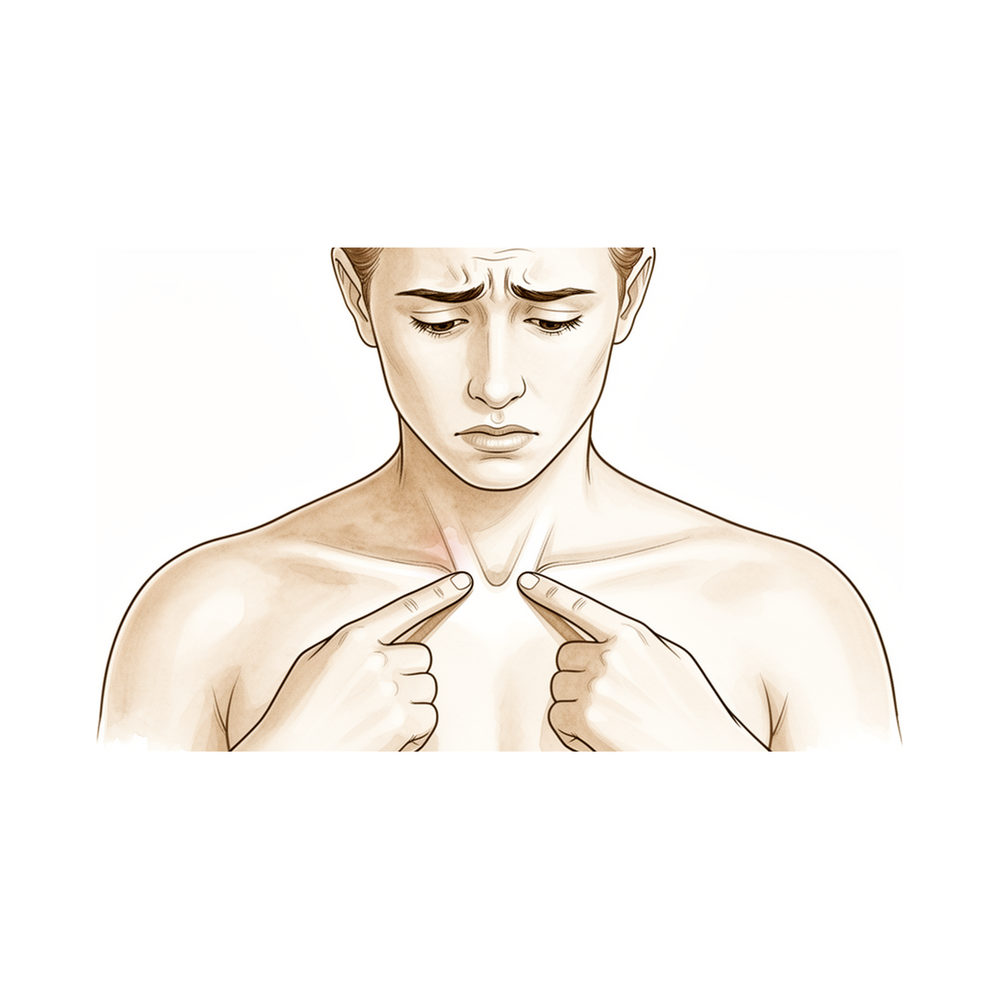
For patients: a plain-language version of this topic is available. See the patient guide.
Overview
Sternoclavicular joint disorders encompass a spectrum of traumatic and atraumatic pathologies, ranging from dislocations to degenerative arthropathy. Anatomical variability is significant, with greater than 10% of patients exhibiting substantial asymmetry that may be misinterpreted as pathological [3]. While the majority of sternoclavicular joint injuries and most atraumatic conditions are managed non-operatively [2, 16], specific presentations dictate surgical intervention. Posterior dislocations necessitate operative reduction and stabilization due to a 25% to 30% rate of serious, life-threatening complications involving vital structures [7]. Conversely, most anterior dislocations are managed non-surgically, though a small subgroup with persistent symptomatic anterior instability may require surgical stabilisation [9].
Diagnostic evaluation benefits from digital tomograms, which provide a safe, accurate, and economically beneficial investigation for joint pathology [12]. Conservative management remains the first-line approach for atraumatic dislocations, yielding improved symptoms and function over time, as no alternative treatment is currently recommended due to poor surgical outcomes [5]. For degenerative disorders, sternoclavicular injections serve as a useful conservative option; notably, short-term pain relief immediately after injection is a strong predictor of future success for operative treatment [4].
Operative management is reserved for specific indications, including posterior dislocations, which require immediate evaluation and treatment with a thoracic surgeon present [7, 16]. Surgical procedures for sternoclavicular instability generally yield good results when treatment is appropriately chosen and performed with care [1]. Techniques vary based on the pathology, including suture anchors for symptomatic instability [15], arthroscopic treatment for arthropathy in selected cases with adequate joint cavity [24], and excision arthroplasty for arthritis resistant to nonoperative measures [46]. Given the risks associated with these procedures, they should be performed by experienced surgeons with a thorough understanding of neurovascular anatomy and with a thoracic surgeon on call [37]. Complications can arise from the injury itself, nonoperative management, or operative treatment [23].
Anatomy & Pathophysiology
Bony Anatomy & Development
The sternoclavicular (SC) joint is the only true diarthrodial articulation between the upper appendicular and axial skeletons [62]. It functions as a double gliding joint with an articular disc [73]. The clavicle is the first bone to ossify, occurring in the fifth intra-uterine week [35]. The medial physis of the clavicle is the last to fuse, occurring between the ages of 23 and 25 years [35]. Consequently, injuries in patients with an open physis often result in physeal disruption rather than ligamentous injury [26].
Ligaments & Soft Tissue Stabilizers
The posterior SC joint capsule and ligaments are the primary stabilizers to anterior and posterior translation of the medial clavicle [62]. Specifically, the posterior sternoclavicular ligament is the strongest and primary restraint to anteroposterior instability [73]. Substantial force to the shoulder girdle or the medial clavicle is required to disrupt the strong ligamentous complex surrounding the SC joint [26]. The subclavius muscle has a tendinous origin from the first rib immediately lateral to the costoclavicular ligament and a long direct insertion onto the inferior surface of the clavicle [35]. This muscle acts to reduce the rate and range of upward displacement of the clavicle [35]. The SC joint is bounded by closely applied muscular layers anteriorly and posteriorly, with sternohyoid and sternothyroid behind [35].
Regional Anatomy & Vital Structures
The SC joint lies immediately above and medial to the thoracic outlet, which is bounded by the first thoracic vertebra, first rib, and upper border of the manubrium [35]. SC joint pathology may interfere with the trachea and esophagus posteromedially [35]. Additionally, SC joint pathology may interfere with the subclavian vessels and supraclavicular brachial plexus posterolaterally [35]. Posterior dislocations can be associated with mediastinal compromise in up to 25% of patients [26]. SC joint injuries sometimes result in damage to adjacent structures such as the trachea, esophagus, lungs, and great vessels [55].
Mechanisms of Injury
Sternoclavicular injuries are uncommon, accounting for only 3% of shoulder girdle injuries [6]. Traumatic dislocations of the SC joint comprise only 1% of all joint dislocations and 3% of all upper extremity dislocations [26]. The most common causes of traumatic SC joint dislocations are motor vehicle accidents, athletic accidents, and falls from a height [26]. Athletic injuries and motor vehicle accidents constitute more than 80% of injuries to the SC joint [55]. Anterior dislocations are more common than posterior dislocations [26].
Posterior Dislocation Mechanisms: * A direct force to the anteromedial clavicle results in a posterior SC dislocation [26]. * An indirect force to the posterolateral shoulder, which causes the shoulder to roll forward, results in a posterior SC dislocation [26]. * Medial compression with the shoulder anterior to the plane of the body causes posterior dislocation [11].
Anterior Dislocation Mechanisms: * An indirect force to the anterolateral shoulder, which causes the shoulder to roll backward, results in an anterior SC dislocation [26]. * If the shoulder and arm are posterior to the plane of the body, medial compression results in anterior dislocation [11].
Trauma to the SC joint can result in an intra-articular disk injury without ligamentous instability, causing localized pain, swelling, and early arthritis [26]. Patients with recurrent sternoclavicular subluxation or dislocation without a traumatic history often have generalized ligamentous laxity [11]. The sternoclavicular subluxation in patients with generalized ligamentous laxity is usually anterior [11].
Pathophysiology & Clinical Presentation
Patients with a posterior dislocation show higher levels of pain and may report shortness of breath, difficulty swallowing, or a sensation of choking [26]. Osteoarthritis of the sternoclavicular joint can cause tertiary subacromial impingement due to decreased clavicle motion [139]. Dislocations of both ends of the clavicle have been reported, most often as an anterior sternoclavicular dislocation [11].
Classification
Epidemiology and Mechanism
Sternoclavicular joint injuries account for 3% of shoulder girdle injuries [6] and constitute 3% of all injuries involving the shoulder girdle [55]. Traumatic dislocations of the SC joint comprise 1% of all joint dislocations and 3% of all upper extremity dislocations [26]. Dislocation usually requires a large force because of the strong support provided by the surrounding ligaments [55].
Directional Classification and Pathoanatomy
Anterior dislocation is the most common form of SC joint dislocation [55]. Posterior SC joint dislocation can result from both indirect and direct forces [55]. Direct anteromedial force usually results in the clavicle being pushed posteriorly into the mediastinum [55].
Atraumatic and Recurrent Instability
The sternoclavicular subluxation in patients with recurrent atraumatic instability is usually anterior [11]. Several atraumatic conditions that may affect the sternoclavicular joint are often overlooked or misdiagnosed [20]. A small subgroup of patients with anterior sternoclavicular joint dislocations develop persistent symptomatic anterior instability that may require surgical stabilisation [9].
Diagnostic and Anatomical Considerations
The medial physis of the clavicle is the last to fuse, between the ages of 23 and 25 years [35]. The medial clavicle epiphysis does not fuse with the shaft until age 23 to 25 years [55]. Posterior sternoclavicular dislocations are often initially overlooked because of their rarity [21]. Ultrasound scans of the sternoclavicular joint are more accurately interpreted and have a higher diagnostic yield compared to plain films [30].
Clinical Presentation
Traumatic Injuries
Sternoclavicular injuries account for 3% of shoulder girdle injuries [6]. Traumatic dislocations of the sternoclavicular joint comprise 1% of all joint dislocations and 3% of all upper extremity dislocations [26]. The most common causes are motor vehicle accidents, athletic accidents, and falls from a height [26]. Anterior sternoclavicular dislocations are more common than posterior dislocations [26]. Substantial force to the shoulder girdle or the medial clavicle is required to disrupt the strong ligamentous complex surrounding the sternoclavicular joint [26]. A direct force to the anteromedial clavicle results in a posterior sternoclavicular dislocation [26]. An indirect force to the posterolateral shoulder, which causes the shoulder to roll forward, results in a posterior sternoclavicular dislocation [26]. An indirect force to the anterolateral shoulder, which causes the shoulder to roll backward, results in an anterior sternoclavicular dislocation [26]. Trauma to the sternoclavicular joint can result in an intra-articular disk injury without ligamentous instability, causing localized pain, swelling, and early arthritis [26].
Patients with sternoclavicular dislocations should always be questioned about pain in the ipsilateral acromioclavicular joint [11]. Dislocations of both ends of the clavicle have been reported and are most often an anterior sternoclavicular dislocation [11]. Posterior sternoclavicular dislocations can be associated with mediastinal compromise in up to 25% of patients [26]. Patients with a posterior sternoclavicular dislocation show higher levels of pain and may report shortness of breath, difficulty swallowing, or a sensation of choking [26]. Dislocation of the sternoclavicular joint should always be considered in a trauma patient with pain, swelling, or deformity over the medial clavicle [31]. Posterior sternoclavicular dislocations are often initially overlooked due to their rarity [21]. In a series of 14 young active patients with sternoclavicular dislocation, 71.4% had a missed diagnosis with an average of 13 months until diagnosis [33]. In a series of 14 young active patients with sternoclavicular dislocation, 28.6% presented with dysphagia or dyspnea [33].
Atraumatic and Degenerative Conditions
Most atraumatic conditions of the sternoclavicular joint can be managed nonsurgically [2]. The sternoclavicular subluxation in patients with atraumatic recurrence is usually anterior [11]. Symptomatic arthritic involvement of the sternoclavicular joint is relatively uncommon and can be a result of distant trauma, infection, and sternocostoclavicular hyperostosis, postmenopausal arthritis, condensing osteitis of the proximal clavicle, or secondary to an underlying arthropathy [91]. Transient sternoclavicular joint arthropathy may often be a self-limited disease that can be effectively treated solely by the administration of nonsteroidal anti-inflammatory drugs [27]. Sternoclavicular hyperostosis is a disease of unknown etiology characterised by periosteal reaction and endosteal hyperossification [42]. Osteomyelitis of the sternoclavicular joint is a rare disease that has become more prevalent in recent years and can be associated with increasing use of long-term indwelling catheters [22]. Sternoclavicular joint infections and osteomyelitis of the clavicle are extremely rare infections, especially in the pediatric population [41]. Early signs of sternoclavicular joint infections and clavicular osteomyelitis are nonspecific and can be mistaken for common upper respiratory infections [41]. Patients who have a sternoclavicular joint pain with dermatosis should be considered as a candidate for SAPHO Syndrome [87].
Diagnostic Evaluation
The mechanism of injury helps distinguish the direction of subluxation or dislocation [26]. Patients typically report pain and swelling after trauma to the shoulder girdle or the chest [26]. In mild sprains with intact ligaments, tenderness and swelling of the sternoclavicular joint are present [26]. The most sensitive clinical test for identifying sternoclavicular arthropathy is examination for local sternoclavicular joint tenderness with 93% sensitivity [92]. Pain during active protraction has a sensitivity of 86% for identifying sternoclavicular arthropathy [92]. CT shows a sensitivity of 84% for identifying sternoclavicular arthropathy [92]. Mechanical pain in the area of the sternoclavicular region is a reliable sign for sternoclavicular arthropathy [92]. The location of pain originating from the sternoclavicular joint can be diverse and patients are often not able to identify the exact location [92]. Sternoclavicular joint pain needs to be considered in the differential diagnosis of pain from the acromioclavicular joint, the subacromial space, and cervical nerves [92]. Definitive diagnosis of sternoclavicular joint infections is with sternoclavicular joint aspiration or bone culture [41].
Investigations
Plain radiography: Radiography is the most frequently used modality in the initial assessment of the sternoclavicular joint [111]. However, its utility is often limited by the obliquity of the joints, overlapping structures, and the inability to delineate soft tissues [111]. The Serendipity view is a special radiographic view indicated for the sternoclavicular joint; it is performed with the patient supine and a 40° cephalic tilt centered on the sternum [85].
CT: Computed tomography allows for the assessment of short-term patient responses and provides a description of the procedure and reliability of imaging diagnosis when used for CT-guided sternoclavicular joint injections [17]. When using a CT scan to assess a patient with symptomatic sternoclavicular joint pathology, the prevalence of osteoarthritis of the sternoclavicular joint on computed tomography should be taken into consideration [124].
Ultrasound: Ultrasound-guided injections of the sternoclavicular joint serve as a safe and accurate alternative diagnostic method [116]. This approach saves the patient from harmful radiation and additional appointments [116].
Diagnostic Findings and Pitfalls: In patients with symptomatic sternoclavicular arthritis, the mean anterior-posterior and superior-inferior distances are significantly larger compared to normal joints [114]. These findings support the hypothesis that prominence is caused by both osseous enlargement and subluxation [114].
Diagnostic Utility of Interventions: Short-term pain relief immediately after a sternoclavicular injection is a strong predictor of future success for operative treatment [4]. Two thirds of patients having sternoclavicular joint injections of corticosteroids and local anesthetics report clinically significant improvement regardless of the abnormalities detected on their CT images [17].
Treatment
Non-Operative
Nonoperative management is the primary treatment for most sternoclavicular joint injuries, which are typically ligamentous sprains managed with sling immobilisation, pain control, and physical therapy [89]. For atraumatic dislocations, conservative care results in improved symptoms and function over time, as no alternative treatment is currently recommended due to poor surgical outcomes [5]. Most anterior dislocations are managed non-surgically, though a small subgroup may develop persistent symptomatic instability requiring surgical stabilisation [9]. Type I injuries require only a short period of immobilisation in a sling, approximately 1 week or less, with return to activity as symptoms improve [99]. Type II injuries are treated with immobilisation using either a sling or figure-of-eight brace for 4 to 6 weeks [99]. Type III injuries require closed reduction [99]. Closed reduction of anterior dislocation is recommended if the patient presents within 7 to 10 days of injury [52]. In patients older than 23 to 25 years, persistent prominence of the anterior clavicle after reduction does not interfere with usual activities or, in some cases, heavy manual labor [52]. Conservative management with counseling and physiotherapy may provide acceptable results for spontaneous subluxation [95]. Atraumatic posterior subluxation is likely self-limiting and should be treated conservatively, as surgical stabilization is difficult and may lead to complications like graft erosion [50]. Sternoclavicular injections are a useful conservative option for degenerative disorders, where short-term pain relief immediately after injection strongly predicts future success for operative treatment [4]. Sternoclavicular osteomyelitis can be successfully treated by medical management alone with antibiotics and hyperbaric oxygen, avoiding hazardous surgical intervention [105].
Operative
Indications: Posterior dislocations carry a 25% to 30% rate of serious, life-threatening complications involving vital structures, necessitating immediate evaluation and treatment with a thoracic surgeon present [16, 7]. Surgical treatment is reserved for patients who continue to have pain with symptomatic instability or arthritis [99]. Patients who fail to achieve acceptable outcomes with nonoperative treatment for anterior dislocation should be considered for surgical treatment [99]. Excision arthroplasty for arthritis resistant to nonoperative measures is rarely considered, but results for both open and arthroscopic approaches appear consistently good [46]. Arthroscopy of the sternoclavicular joint could lower the threshold for operative management of a limited number of disorders [8].
Surgical Approach / Technique: Sternoclavicular joint reconstruction using a sternocleidomastoid tendon graft is safe and offers reliable pain relief and functional improvement for chronic debilitating anterior instability [49]. A novel sternoclavicular hook plate shows excellent efficacy for unstable dislocations [84] and is effective for posterior dislocation [94]. Reconstruction with excision of the medial clavicle and internal fixation to the first rib is a salvage option for continued joint insufficiency [36]. Surgical treatment of posterior dislocation using anterior tibialis tendon allograft resulted in stable joints, resolution of symptoms, and resumption of normal activity [25]. For infections, surgical irrigation and debridement is performed, with placement of antibiotic-impregnated calcium sulfate beads clearing infection in all cases where used [41]. Resection arthroplasty for septic arthritis is safe and effective, resulting in low complication rates, eradication of infection, and good functional recovery [104].
Postoperative Rehabilitation: Following reconstruction with semitendinosus tendon autograft, the patient is immobilized in an arm sling for 3 weeks, followed by physiotherapy starting with passive movement [100]. After 5 weeks, immobilization is withdrawn and active aerobic exercises are allowed with restriction on shoulder extension [100]. Following repair with FiberWire, the shoulder is immobilized in a Gilchrist bandage for 3 weeks, during which pendulum exercises are permitted [101]. After 3 weeks, range of motion and weight bearing are increased according to clinical course, and patients avoid sporting activities for the first 12 weeks [101]. Following figure-of-8 reconstruction for chronic posterior dislocation, the arm is immobilized in a sling for a minimum of 4 weeks with pendulum exercises permitted [106]. After 4 weeks, active-assisted motion is progressed with initial maximal abduction to 90 degrees [106]. For ipsilateral acromioclavicular and sternoclavicular joint dislocation, the patient is immobilized in a sling with abduction pillow and remains non-weight-bearing for 6 weeks [102]. Physical therapy is initiated after the 6-week visit, focusing on passive and active range of motion [102]. At the 3-month follow-up, strengthening exercises begin, with the goal of return to activities by the 6-month visit [102].
Complications
Posterior Dislocation and Vital Structure Injury
Posterior sternoclavicular dislocation carries a significant risk of injury to mediastinal structures. In a review of 30 reported cases, 43% presented with compressive symptoms to vital structures, specifically involving the artery in eight cases, the vein in four cases, and the trachea or esophagus in six cases [130]. Diagnostic challenges are common; approximately 50% of these dislocations are initially misdiagnosed as sprains [130]. In a separate series of 14 patients with sternoclavicular joint dislocation, 4 patients (28.6%) presented with dysphagia or dyspnea [33]. Furthermore, 10 patients (71.4%) in that same series experienced a missed diagnosis, with an average delay of 13 months until the condition was identified [33].
Surgical and Treatment Complications
Complications associated with sternoclavicular joint injuries may arise from the injury itself, nonoperative management, or operative treatment [23]. In a series of 14 patients undergoing sternoclavicular joint reconstruction, 6 complications occurred in 5 patients [33]. Surgical stabilization of atraumatic posterior sternoclavicular subluxation is technically difficult and may result in complications such as graft erosion [50]. Arthroscopic treatment of sternoclavicular arthropathy may reduce the risk of secondary instability post-excision arthroplasty in selected cases with adequate joint cavity [24]. The unicortical sternoclavicular joint reconstruction using synthetic graft is reported to be relatively safe and allows for early postoperative functional rehabilitation [18]. In a case series of two patients treated with anterior tibialis tendon allograft for posterior sternoclavicular dislocation, both patients had wounds that healed without complication [25]. The approach for sternoclavicular joint infections has minimal impact on upper extremity function [57].
Diagnostic and Interpretive Errors
Plain radiographs can be difficult to interpret for posterior sternoclavicular dislocation due to vertebral shadow overlapping [130].
Recovery
Non-Operative Recovery
Functional milestones: A patient with positional anterior sternoclavicular joint dislocation achieved a Western Ontario Shoulder Instability Index score of zero points at two years with no recurrence of sternoclavicular joint dislocation [54].
Operative Recovery
Functional milestones: Sternoclavicular joint reconstruction using a sternocleidomastoid tendon graft offers reliable pain relief and functional improvement for patients with chronic debilitating anterior instability of the sternoclavicular joint [49]. Both patients treated with anterior tibialis tendon allograft for posterior sternoclavicular dislocation had wounds that healed without complication, stable sternoclavicular joints, resolution of preoperative symptoms, and resumption of previous normal activity [25]. Resection of the medial clavicle results in good functional outcome when the costoclavicular ligament is preserved or reconstructed [107]. At 1-year follow-up, a patient with posterior sternoclavicular epiphyseal fracture-dislocation was doing well, without symptoms, and had full use of his shoulder [112].
Other Considerations: Plate and screw fixation provides immediate mechanical stability for subacute posterior sternoclavicular joint dislocations, allowing biological healing and scar formation to support long-term joint integrity [115]. The unicortical sternoclavicular joint reconstruction using synthetic graft allows for early postoperative functional rehabilitation [18].
Key Evidence
- [Paper] The results of treatment of patients with sternoclavicular instability are generally good if treatment is chosen appropriately and indicated surgeries are carried out with care. [1] (10.1097/00132589-200209000-00002)
- [L5] Most atraumatic conditions of the sternoclavicular joint can be managed nonsurgically, with joint resection reserved for patients with persistent symptoms. [2] (10.5435/00124635-200503000-00007)
- [L4] Greater than 10% of patients show substantial asymmetry in the sternoclavicular joints, which may be misinterpreted as pathological. [3] (10.1007/s00256-009-0689-7)
- [L4] Sternoclavicular injections are a useful conservative treatment option for degenerative sternoclavicular joint disorders, and the short-term pain relief immediately after injection is a strong predictor of future success for operative treatment. [4] (10.1177/1758573220916904)
- [L4] Nonoperative treatment of atraumatic sternoclavicular dislocation results in improved symptoms and function over time, with no alternative treatment currently recommended due to poor surgical outcomes. [5] (10.1016/j.jse.2019.04.060)
- [L5] Sternoclavicular injuries are uncommon, accounting for only 3% of shoulder girdle injuries, and require tremendous force due to strong ligamentous support. [6] (10.1016/s0030-5898(05)70140-1)
- [Textbook] Posterior sternoclavicular dislocations carry a 25% to 30% rate of serious, life-threatening complications involving vital structures, necessitating operative reduction and stabilization; the most effective way to avoid these complications is accurate and prompt diagnosis with appropriate treatment. [7] (10.1016/s0278-5919(03)00013-9)
- [L4] Most anterior sternoclavicular joint dislocations can be managed non-surgically, although a small subgroup of patients develop persistent symptomatic anterior instability that may require surgical stabilisation. [9] (10.5312/wjo.v7.i4.244)
- [L5] This implies that sternoclavicular replacement may be a good treatment of a select group of patients. [10] (10.1097/01.bte.0000187961.13842.9c)
- [L5] [11] (10.1016/s0278-5919(03)00008-5)
- [L4] Digital tomograms are a safe, accurate and economically beneficial investigation for sternoclavicular joint pathology. [12] (10.1007/s00590-019-02433-3)
- [L4] The technique is recommended for symptomatic sternoclavicular joint instability. [15] (10.1016/j.jse.2005.07.005)
- [L4] Two thirds of patients having sternoclavicular joint injections of corticosteroids and local anesthetics report clinically significant improvement regardless of the abnormalities detected on their CT images. [17] (10.2214/ajr.10.4501)
- [L4] The authors report a technique for managing sternoclavicular joint injuries that is relatively safe and allows for early postoperative functional rehabilitation. [18] (10.1177/1758573218790964)
- [Paper] Several atraumatic conditions that may affect the sternoclavicular (SC) joint are often overlooked or misdiagnosed. [20] (10.1067/mse.2003.128566)
- [L4] Posterior sternoclavicular dislocations, because of their rarity, are often initially overlooked. [21] (10.1007/s00590-008-0363-0)
- [L4] Osteomyelitis of the sternoclavicular joint is a rare disease that has become more prevalent in recent years and can be associated with increasing use of long-term indwelling catheters. [22] (10.1155/2014/747315)
- [L5] Complications of the acromioclavicular (AC) and sternoclavicular (SC) joint injuries can occur as a result of the injury itself, nonoperative management, or operative treatment. [23] (10.1016/s0278-5919(02)00102-3)
- [L4] Arthroscopic treatment of sternoclavicular arthropathy may be appropriate in selected cases with adequate joint cavity to improve functional recovery and reduce the risk of secondary instability post-excision arthroplasty. [24] (10.1007/s00167-008-0692-x)
- [L4] Both patients had wounds that healed without complication, stable sternoclavicular joints, resolution of preoperative symptoms, and resumption of previous normal activity. [25] (10.1097/01.bte.0000181150.62942.e3)
- [L4] Transient sternoclavicular joint arthropathy may often be a self-limited disease that can be effectively treated solely by the administration of nonsteroidal anti-inflammatory drugs. [27] (10.1016/j.jse.2013.08.013)
- [L5] Ultrasound scans of the sternoclavicular joint however are more accurately interpreted, and have a higher diagnostic yield compared to plain films. [30] (10.1016/s0020-1383(02)00350-9)
- [L4] Dislocation of the sternoclavicular joint should always be considered in a trauma patient with pain, swelling, or deformity over the medial clavicle. [31] (10.1007/bf00197665)
- [L4] Stabilization of the sternoclavicular joint with the figure-of-eight technique seems to be a feasible alternative for young and active patients with remaining instability following conservative treatment. [32] (10.1016/j.jse.2012.02.009)
- [L4] [33] (10.1097/bot.0000000000000483)
- [L4] [35] (10.1302/0301-620x.95b6.31064)
- [L5] It is shared as a salvage option to address continued sternoclavicular joint insufficiency. [36] (10.1016/j.xrrt.2026.100867)
- [L5] Sternoclavicular joint surgical procedures offer benefits as well as risks and should be performed by experienced surgeons with a good understanding of the neurovascular anatomy and with a thoracic surgeon on call. [37] (10.1016/j.arthro.2020.02.023)
- [L4] Open sternoclavicular debridement has proved to be a simple, safe and highly effective new surgical treatment for patients with symptomatic sternoclavicular osteoarthritis unresponsive to non-operative management. [40] (10.1177/1758573220972093)
- [L5] [41] (10.5435/jaaosglobal-d-21-00302)
- [L5] Sternoclavicular hyperostosis is a disease of unknown etiology characterised by periosteal reaction and endosteal hyperossification. [42] (10.1016/s0020-1383(02)00259-0)
- [L4] Excision arthroplasty for patients with sternoclavicular arthritis resistant to nonoperative measures is only considered rarely, but the results for both open and arthroscopic excision arthroplasty appear to be consistently good. [46] (10.1053/j.otsm.2014.02.019)
- [L4] Sternoclavicular joint reconstruction using a sternocleidomastoid tendon graft is safe and offers reliable pain relief and functional improvement for patients with chronic debilitating anterior instability of the sternoclavicular joint. [49] (10.2106/jbjs.m.00681)
- [L4] The authors conclude that atraumatic posterior subluxation of the sternoclavicular joint is likely a self-limiting pathology that should have been treated conservatively, as surgical stabilization is difficult and may lead to complications like graft erosion. [50] (10.1007/s004020050424)
- [L4] [52] (10.5435/00124635-199609000-00005)
- [Case_report] The patient achieved a perfect Western Ontario Shoulder Instability Index score of zero points at two years with no recurrence of sternoclavicular joint dislocation. [54] (10.1016/j.jseint.2020.04.007)
- [L4] This approach has minimal impact on upper extremity function. [57] (10.1016/s0003-4975(01)03390-2)
- [L4] This novel sternoclavicular hook plate shows excellent efficacy for the treatment of unstable sternoclavicular joint dislocations. [84] (10.1177/2309499016684488)
- [L5] The patients who have a sternoclavicular joint pain with dermatosis should be considered as a candidate for SAPHO Syndrome. [87] (10.1016/s0020-1383(13)70161-x)
- [L4] [89] (10.1136/bjsm.2009.059295)
- [L5] Symptomatic arthritic involvement of the sternoclavicular joint is relatively uncommon and can be a result of distant trauma, infection, and sternocostoclavicular hyperostosis, postmenopausal arthritis, condensing osteitis of the proximal clavicle, or secondary to an underlying arthropathy. [91] (10.1016/s0278-5919(02)00097-2)
- [L3] [92] (10.1186/1471-2474-15-421)
- [L4] The novel sternoclavicular hook plate is effective for the treatment of posterior SCD. [94] (10.1186/s13018-023-04436-7)
- [L5] Conservative management with counseling and physiotherapy may provide acceptable results in cases of spontaneous sternoclavicular subluxation. [95] (10.1016/s1058-2746(99)90060-5)
- [L4] [99] (10.5435/jaaos-d-19-00611)
- [Case_report] [100] (10.1007/s00167-008-0527-9)
- [L4] [101] (10.1007/s00402-017-2632-z)
- [L5] [102] (10.1016/j.eats.2023.01.006)
- [L4] The procedure was found to be safe and effective, resulting in a low rate of complications, eradication of infection, and good functional recovery of the shoulder. [104] (10.1016/j.jse.2011.05.020)
- [L4] Sternoclavicular osteomyelitis can be successfully treated by medical management alone with antibiotics and hyperbaric oxygen, avoiding hazardous surgical intervention. [105] (10.1111/j.1758-5740.2010.00061.x)
- [Paper] [106] (10.1016/j.eats.2017.06.046)
- [L4] Resection of the medial clavicle results in good functional outcome when the costoclavicular ligament is preserved or reconstructed. [107] (10.1007/s00402-009-0911-z)
- [L5] Radiography is the most frequently used modality in the initial assessment of both the SC and the AC joints, but is often limited by the obliquity of the joints, overlapping structures, and inability to delineate the soft tissues. [111] (10.1016/s0278-5919(03)00006-1)
- [L5] At 1-year follow-up the patient was doing well, without symptoms, and had full use of his shoulder. [112] (10.1007/s00256-005-0076-y)
- [L4] It found that the mean anterior-posterior and superior-inferior distances were significantly larger in patients with symptomatic sternoclavicular arthritis compared to normal joints, supporting the hypothesis that prominence is caused by both osseous enlargement and subluxation. [114] (10.2106/jbjs.m.00623)
- [L5] Plate and screw fixation provides immediate mechanical stability for subacute posterior sternoclavicular joint dislocations, allowing biological healing and scar formation to support long-term joint integrity. [115] (10.1016/j.injury.2025.112760)
- [L4] The use of ultrasound-guided injections of the sternoclavicular joint is a safe and accurate alternative diagnostic method, which saves the patient from harmful radiation and additional appointments. [116] (10.1016/j.xrrt.2021.08.010)
- [L3] This should be taken into consideration when using a CT scan to assess a patient with symptomatic SCJ pathology. [124] (10.1016/j.jse.2016.04.029)
- [L5] [130] (10.1016/s1058-2746(97)90092-6)
- [L4] Osteoarthritis of the sternoclavicular joint can cause tertiary subacromial impingement due to decreased clavicle motion. [139] (10.1111/j.1758-5740.2010.00060.x)
See Also
References
[1] Unstable Sternoclavicular Joint: Indications for and Techniques of Reconstruction. Techniques in Shoulder and Elbow Surgery. 2002. DOI: 10.1097/00132589-200209000-00002
[2] Atraumatic Disorders of the Sternoclavicular Joint. Journal of the American Academy of Orthopaedic Surgeons. 2005. DOI: 10.5435/00124635-200503000-00007
[3] Variations in normal sternoclavicular joints; a retrospective study to quantify SCJ asymmetry. Skeletal Radiology. 2009. DOI: 10.1007/s00256-009-0689-7
[4] Sternoclavicular joint injections and their predictive value for the outcome of surgery. Shoulder & Elbow. 2020. DOI: 10.1177/1758573220916904
[5] Evolution of nonoperative treatment of atraumatic sternoclavicular dislocation. Journal of Shoulder and Elbow Surgery. 2019. DOI: 10.1016/j.jse.2019.04.060
[6] CONSERVATIVE MANAGEMENT OF STERNOCLAVICULAR INJURIES. Orthopedic Clinics of North America. 2000. DOI: 10.1016/s0030-5898(05)70140-1
[7] 22. Complications of Sternoclavicular Joint Injuries. Clinics in Sports Medicine. 2003. DOI: 10.1016/s0278-5919(03)00013-9
[8] Arthroscopy_of_the_Sternoclavicular_Joint_(SS-23)_S0749806312003696. 2003.
[9] Sternoclavicular joint dislocation and its management: A review of the literature. World Journal of Orthopedics. 2016. DOI: 10.5312/wjo.v7.i4.244
[10] Sternoclavicular Joint Replacement-A New Option. Techniques in Shoulder & Elbow Surgery. 2005. DOI: 10.1097/01.bte.0000187961.13842.9c
[11] Clinical evaluation of injuries to the acromioclavicular and sternoclavicular joints. Clinics in Sports Medicine. 2003. DOI: 10.1016/s0278-5919(03)00008-5
[12] Digital tomography is an effective investigation for sternoclavicular joint pathology. European Journal of Orthopaedic Surgery & Traumatology. 2019. DOI: 10.1007/s00590-019-02433-3
[15] Suture anchors for treatment of sternoclavicular joint instability. Journal of Shoulder and Elbow Surgery. 2006. DOI: 10.1016/j.jse.2005.07.005
[16] 20. Non-operative Management of Sternoclavicular Joint Injuries: Indications, Techniques, and Outcomes. 2011.
[17] CT-Guided Sternoclavicular Joint Injections: Description of the Procedure, Reliability of Imaging Diagnosis, and Short-Term Patient Responses. American Journal of Roentgenology. 2010. DOI: 10.2214/ajr.10.4501
[18] The unicortical sternoclavicular joint reconstruction using synthetic graft. Shoulder & Elbow. 2018. DOI: 10.1177/1758573218790964
[20] Atraumatic conditions of the sternoclavicular joint. Journal of Shoulder and Elbow Surgery. 2003. DOI: 10.1067/mse.2003.128566
[21] Posterior sternoclavicular dislocations. European Journal of Orthopaedic Surgery & Traumatology. 2008. DOI: 10.1007/s00590-008-0363-0
[22] Treatment of Sternoclavicular Joint Osteomyelitis with Debridement and Delayed Resection with Muscle Flap Coverage Improves Outcomes. Surgery Research and Practice. 2014. DOI: 10.1155/2014/747315
[23] Complications of the treatment of the acromioclavicular and sternoclavicular joint injuries, including instability. Clinics in Sports Medicine. 2003. DOI: 10.1016/s0278-5919(02)00102-3
[24] Arthroscopic excision of sternoclavicular joint. Knee Surgery, Sports Traumatology, Arthroscopy. 2008. DOI: 10.1007/s00167-008-0692-x
[25] Surgical Treatment of Posterior Sternoclavicular Dislocation Using Anterior Tibialis Tendon Allograft. Techniques in Shoulder & Elbow Surgery. 2005. DOI: 10.1097/01.bte.0000181150.62942.e3
[26] Chapter 77 Disorders of the Sternoclavicular Joint. 2019.
[27] Transient sternoclavicular joint arthropathy, a self-limited disease. Journal of Shoulder and Elbow Surgery. 2014. DOI: 10.1016/j.jse.2013.08.013
[30] Posterior sternoclavicular joint dislocation: the value of intra-operative ultrasound. Injury. 2003. DOI: 10.1016/s0020-1383(02)00350-9
[31] Dislocations of the sternoclavicular joint. Skeletal Radiology. 1976. DOI: 10.1007/bf00197665
[32] Reconstruction of the sternoclavicular joint in active patients with the figure-of-eight technique using hamstrings. Journal of Shoulder and Elbow Surgery. 2013. DOI: 10.1016/j.jse.2012.02.009
[33] Sternoclavicular Reconstruction in the Young Active Patient. Journal of Orthopaedic Trauma. 2016. DOI: 10.1097/bot.0000000000000483
[35] Instability of the sternoclavicular joint. The Bone & Joint Journal. 2013. DOI: 10.1302/0301-620x.95b6.31064
[36] Reconstruction of Sternoclavicular Joint with Excision of Medial Clavicle and Internal Fixation to the First Rib. JSES Reviews, Reports, and Techniques. 2026. DOI: 10.1016/j.xrrt.2026.100867
[37] Editorial Commentary: Sternoclavicular Joint Osteoarthritis Surgical Treatment Offers Benefits as Well as Risks. Arthroscopy. 2020. DOI: 10.1016/j.arthro.2020.02.023
[40] Open sternoclavicular osteophyte debridement in the surgical management of sternoclavicular osteoarthritis: clinical outcome of a new procedure. Shoulder & Elbow. 2020. DOI: 10.1177/1758573220972093
[41] Delayed Diagnosis of Pediatric Sternoclavicular Joint Infections and Clavicular Osteomyelitis During the COVID-19 Pandemic: A Report of 3 Cases. JAAOS: Global Research and Reviews. 2022. DOI: 10.5435/jaaosglobal-d-21-00302
[42] Sternoclavicular hyperostosis with pathological fracture of the clavicle—a case report. Injury. 2003. DOI: 10.1016/s0020-1383(02)00259-0
[46] Sternoclavicular Joint Arthritis: Arthroscopic and Open Resection. Operative Techniques in Sports Medicine. 2014. DOI: 10.1053/j.otsm.2014.02.019
[49] Clinical Outcome After Reconstruction for Sternoclavicular Joint Instability Using a Sternocleidomastoid Tendon Graft. Journal of Bone and Joint Surgery. 2014. DOI: 10.2106/jbjs.m.00681
[50] Atraumatic spontaneous posterior subluxation of the sternoclavicular joint. Archives of Orthopaedic and Trauma Surgery. 2005. DOI: 10.1007/s004020050424
[52] Acute and Chronic Traumatic Injuries of the Sternoclavicular Joint. Journal of the American Academy of Orthopaedic Surgeons. 1996. DOI: 10.5435/00124635-199609000-00005
[54] Positional anterior sternoclavicular joint dislocation in the acceleration phase of throwing: a case report. JSES International. 2020. DOI: 10.1016/j.jseint.2020.04.007
[55] Chapter 2 Disorders of the Acromioclavicular Joint, Sternoclavicular Joint, and Clavicle. 2019.
[57] Current presentation and optimal surgical management of sternoclavicular joint infections. The Annals of Thoracic Surgery. 2002. DOI: 10.1016/s0003-4975(01)03390-2
[62] Aaos Comprehensive Orthopaedic Review 3. Anatomy of the Shoulder, Arm, and Elbow > I. Shoulder.
[73] Miller S Review Of Orthopaedics. Genetics of musculoskeletal conditions and abnormalities are summarized in Table 1.27 > UPPER EXTREMITY > SHOULDER.
[84] Efficacy analysis of a novel sternoclavicular hook plate for treatment of unstable sternoclavicular joint dislocation or fracture. Journal of Orthopaedic Surgery. 2017. DOI: 10.1177/2309499016684488
[85] Aaos Comprehensive Orthopaedic Review 3. Imaging of the Shoulder and Elbow > I. Shoulder.
[87] PS12 SAPHO syndrome should be considered in patients who have a sternoclavicular joint pain with dermatosis: a case report. Injury. 2013. DOI: 10.1016/s0020-1383(13)70161-x
[89] Biomechanics and treatment of acromioclavicular and sternoclavicular joint injuries. British Journal of Sports Medicine. 2010. DOI: 10.1136/bjsm.2009.059295
[91] Degenerative sternoclavicular arthritis and hyperostosis. Clinics in Sports Medicine. 2003. DOI: 10.1016/s0278-5919(02)00097-2
[92] Diagnostic value of active protraction and retraction for sternoclavicular joint pain. BMC Musculoskeletal Disorders. 2014. DOI: 10.1186/1471-2474-15-421
[94] Novel sternoclavicular hook plate for the treatment of posterior sternoclavicular dislocation: a retrospective study. Journal of Orthopaedic Surgery and Research. 2023. DOI: 10.1186/s13018-023-04436-7
[95] Erosion and nonunion of the first rib after sternoclavicular reconstruction with Dacron. Journal of Shoulder and Elbow Surgery. 1999. DOI: 10.1016/s1058-2746(99)90060-5
[99] Sternoclavicular Joint Instability and Reconstruction. Journal of the American Academy of Orthopaedic Surgeons. 2022. DOI: 10.5435/jaaos-d-19-00611
[100] Sternoclavicular dislocation—reconstruction with semitendinosus tendon autograft: a case report. Knee Surgery, Sports Traumatology, Arthroscopy. 2008. DOI: 10.1007/s00167-008-0527-9
[101] Repair of sternoclavicular joint dislocations with FiberWire®. Archives of Orthopaedic and Trauma Surgery. 2017. DOI: 10.1007/s00402-017-2632-z
[102] The Floating Clavicle: Surgical Technique for Management of an Ipsilateral Acromioclavicular and Sternoclavicular Joint Dislocation. Arthroscopy Techniques. 2023. DOI: 10.1016/j.eats.2023.01.006
[104] Resection arthroplasty for septic arthritis of the sternoclavicular joint. Journal of Shoulder and Elbow Surgery. 2012. DOI: 10.1016/j.jse.2011.05.020
[105] Idiopathic Sternoclavicular Osteomyelitis Masquerading as a Pyomyositis Medically Managed with Antibiotics and Hyperbaric Oxygen. Shoulder & Elbow. 2010. DOI: 10.1111/j.1758-5740.2010.00061.x
[106] Figure‐of‐8 Reconstruction Technique for Chronic Posterior Sternoclavicular Joint Dislocation. Arthroscopy Techniques. 2017. DOI: 10.1016/j.eats.2017.06.046
[107] Long-term outcome after joint reconstruction or medial resection arthroplasty for anterior SCJ instability. Archives of Orthopaedic and Trauma Surgery. 2009. DOI: 10.1007/s00402-009-0911-z
[111] Radiographic evaluation Of the acromioclavicular and sternoclavicular joints. Clinics in Sports Medicine. 2003. DOI: 10.1016/s0278-5919(03)00006-1
[112] Posterior sternoclavicular epiphyseal fracture-dislocation with delayed diagnosis. Skeletal Radiology. 2006. DOI: 10.1007/s00256-005-0076-y
[114] Relationship of the Medial Clavicular Head to the Manubrium in Normal and Symptomatic Degenerated Sternoclavicular Joints. Journal of Bone and Joint Surgery. 2014. DOI: 10.2106/jbjs.m.00623
[115] Delayed posterior sternoclavicular joint dislocation in a young adult managed with plate fixation and cardiothoracic collaboration. Injury. 2025. DOI: 10.1016/j.injury.2025.112760
[116] Ultrasound-guided sternoclavicular joint injection: technique and case series. JSES Reviews, Reports, and Techniques. 2021. DOI: 10.1016/j.xrrt.2021.08.010
[124] The prevalence of osteoarthritis of the sternoclavicular joint on computed tomography. Journal of Shoulder and Elbow Surgery. 2017. DOI: 10.1016/j.jse.2016.04.029
[130] Chronic posterior sternoclavicular dislocation causing compression of a subclavian artery. Journal of Shoulder and Elbow Surgery. 1997. DOI: 10.1016/s1058-2746(97)90092-6
[139] Sternoclavicular Joint Arthritis: Unrecognized Cause of Shoulder Impingement. Shoulder & Elbow. 2010. DOI: 10.1111/j.1758-5740.2010.00060.x