Clinicians › Hand
Metacarpal Fracture Fixation
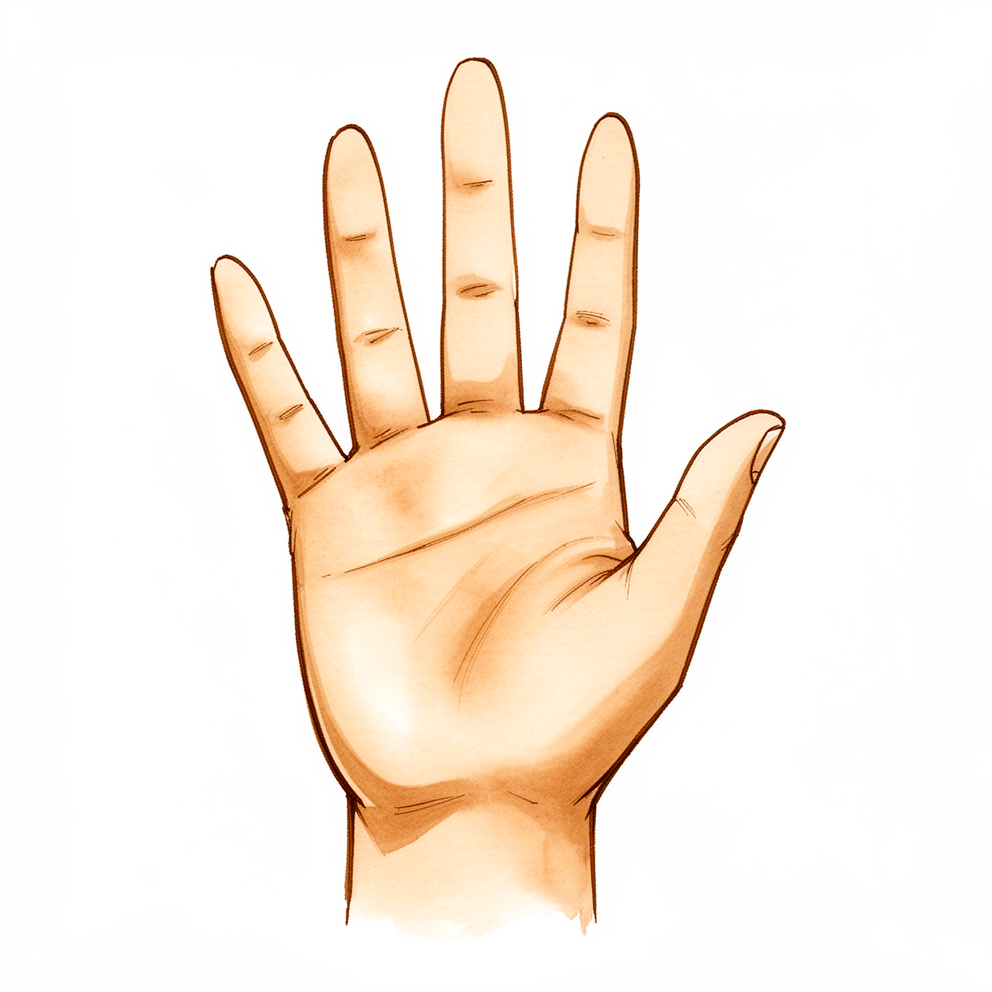
For patients: a plain-language version of this topic is available. See the patient guide.
Overview
The primary objectives of metacarpal fixation are to obtain reduction, maintain that reduction, and achieve good function [2]. While manipulation and external fixation is considered an excellent method for fractures requiring these interventions [1], surgical fixation is indicated for displaced, unstable, or multiple metacarpal fractures. Intramedullary fixation is a key modality for closed, extra-articular fractures [14], with intramedullary nail (IMN) fixation proven reliable for select transverse and oblique fractures requiring surgery [45]. Both antegrade intramedullary fixation [4] and modified retrograde percutaneous Kirschner wire fixation [3] are minimally invasive techniques that provide adequate stability with low morbidity. Intramedullary screw (IMS) fixation is safe, with a low complication incidence of 2.5% [17] and relatively uncommon complications overall [11]. Although more high-quality studies are needed to fully examine the modality [13], IMS provides adequate stability with satisfactory clinical outcomes [13] and exhibits improved functional outcomes compared to open reduction and internal fixation (ORIF) with comparable complication rates [23].
Plate fixation serves as a safe, reliable, and consistently reproducible treatment for closed multiple metacarpal fractures, particularly when fracture patterns are unsuitable for screw fixation alone [8, 15]. Miniature plates and screws are applicable for selected unstable fractures of certain configurations [6, 7], while bicortical interfragmentary screw fixation is effective for oblique metacarpal fractures [9]. Dorsal bridge plating to the second or third metacarpal yields acceptable outcomes based on fracture pattern and surgeon preference [18]. Low-profile plate fixation results in a 10% overall complication rate and a 1% reoperation rate [10]. For unstable shaft fractures not suited for standard intramedullary fixation, a minimally invasive hybrid technique appears safe and effective [33]. The stacking concept using cannulated screws for extra-articular thumb base fractures is contraindicated for intra-articular fractures, pediatric fractures, and cases with metacarpal base fragmentation [27].
Cost-effectiveness and implant durability remain important considerations. Surgical treatment of fifth metacarpal neck fractures significantly increases cost without improving functional results compared to closed treatment [30]. Further research is necessary to determine whether bioresorbable implants provide adequate stabilization for unstable metacarpal fractures [16].
Anatomy & Pathophysiology
Bony Anatomy
The hand skeleton comprises 27 bones, including 19 long bones, organized into five rays that form polyarticulated chains of metacarpals and phalanges [53]. Each metacarpal base articulates with the distal carpal row [53]. The thumb metacarpal is the shortest, while the index metacarpal is the longest [53]. The proximal and middle phalanges of the long and ring fingers are longer than those of the index finger [53]. Epiphyseal plates are located at the proximal ends of the phalanges and the first metacarpal, whereas they reside at the distal ends of the other metacarpals [53].
The index metacarpal is the most firmly fixed among the metacarpals [88]. The ring metacarpal exhibits approximately 10 degrees of mobility in flexion and extension [88]. The fifth metacarpal has a range of flexion–extension of approximately 20 degrees at its carpal articulation [88]. The second to fifth metacarpals are bound together by fibrous structures, including the deep transverse intermetacarpal ligament [88]. This ligament is also known as the interglenoid ligament because it ties together the anterior glenoid ligaments of the metacarpophalangeal articulations [88]. The metacarpophalangeal joints serve as the keystones of the longitudinal arches of the hand [88]. Volar plates prevent hyperextension at the metacarpophalangeal joints [88].
The transverse palmar axis is oblique, forming an acute angle of approximately 75 degrees with the longitudinal axis [53]. This axis is more distal at the index metacarpophalangeal joint and more proximal at the fifth metacarpophalangeal joint [53].
Soft Tissue Anatomy
The dorsal interossei act as abductors, while the volar interossei act as adductors [85]. The middle finger possesses two dorsal interossei and no volar interossei because the central axis of the hand lies within it [85]. The superficial head of each dorsal interosseous muscle abducts and weakly flexes the proximal phalanx [85]. The deep head of each dorsal interosseous muscle flexes and weakly abducts the proximal phalanx while extending the middle and distal phalanges [85]. The volar interossei form the ulnar lateral band of the index finger and the radial lateral band of the ring and little fingers [85].
Specific muscles arise from the fifth metacarpal or adjacent structures. The abductor digiti quinti arises from the fifth metacarpal and inserts onto the ulnar lateral tubercle at the base of the proximal phalanx of the little finger [85]. The flexor digiti quinti brevis arises from the fifth metacarpal and forms the ulnar lateral band of the little finger [85]. The opponens digiti quinti arises from the pisohamate ligament and the hook of the hamate and inserts onto the ulnar side of the diaphysis of the fifth metacarpal [85].
The extensor digitorum communis tendons of the middle, ring, and little fingers are tethered together by juncturae tendinum over the dorsum of the hand proximal to the metacarpophalangeal joint [52]. Sagittal bands hold the extrinsic extensor tendon balanced over the prominence of the metacarpal head to maximize mechanical efficiency [52]. Rupture or attenuation of sagittal band fibers allows the extrinsic extensor tendon to sublux to the ulnar side of the metacarpal head, causing ulnar deviation of the finger [52].
The dorsal skin is thin and possesses loose connections with deeper planes, allowing free gliding during finger flexion [94]. Flexion of the fingers produces a significant lengthening of the dorsal skin, with an average increase of 3 cm in the middle finger from extension to full flexion [94]. The superficial palmar fascia covers a triangular area of the central palm, with the proximal corner facing directly proximal [95]. The palmaris longus tendon terminates in continuity with the fibers of the proximal corner of the superficial palmar fascia when present [95]. Digital neurovascular structures are surrounded by a diffuse network of thin transverse oblique fibers, with dorsal fibers called Cleland ligament and palmar fibers called Grayson ligament [95].
Pathophysiology & Biomechanics
Metacarpal fractures comprise approximately one-third of all hand fractures [47]. Males in their second and third decades of life are most frequently affected by metacarpal fractures [47]. A punching mechanism is a common etiology for metacarpal fractures [47]. In fifth metacarpal neck fractures, the metacarpal head displaces in the direction of flexion due to the destruction of the volar cortex and deforming force of intrinsic muscles [135]. The patho-anatomy of an irreducible fracture of the neck of the fifth metacarpal resembles that of rotational supracondylar fractures of the proximal phalanx [21].
In vivo metacarpal loads are primarily apex dorsal bending [55]. Hand function after bone loss depends on maintaining length and alignment of the metacarpals and preserving joint motion [54]. Retrograde metacarpal screw fixation produces a focal cartilage defect on the metacarpal head that tracks across the entire proximal phalanx articular surface during MCP joint motion [120]. However, articular surface loss of the metacarpal head following retrograde headless compression screw insertion is negligible in a cadaveric model, with minimal engagement between the corresponding defect and the P1 base during functional ROM [121]. A dorsal retrograde entry hole at the metacarpal head did not change MCP contact area, mean pressure, or peak pressure in load in full extension across all five digits [111].
The long finger extensor tendon is most at risk during percutaneous placement of intramedullary metacarpal screws [119]. Instrumentation through a longitudinal stab incision down to the metacarpal head and the use of drill oscillation minimize extensor tendon injury during intramedullary screw placement [119].
Classification
Epidemiology: Metacarpal and phalangeal fractures account for 30% of all hand fractures [74]. Little finger metacarpal neck fractures specifically account for approximately 10% of all hand fractures [37].
AO Classification: In a series of 34 patients treated with intramedullary k-wire stabilization, the AO classification of metacarpal fractures identified B1=27 and B2=3 for closed subcapital fractures of the fifth metacarpal bone [62].
Rolando’s Fracture Morphology: In a series of 17 Rolando's fractures, 13 were classical T- or Y-shaped fractures, one was a "double-Bennett's fracture," and three were more comminuted fractures [141]. In this same series, the metacarpal shaft was angulated volarly in all cases, with a median angulation of 30° (range 10–50°) in relation to the joint surface [141].
Clinical Presentation
Little finger metacarpal neck fractures are frequently associated with aggressive, intentional punching [37]. The mechanism of injury involves palmar compression of the bone combined with intrinsic muscle pull, which results in palmar angulation of the metacarpal head [37].
Surgical Indication: Many surgeons regard an angulation of 30° as an indication for surgery in these fractures [37]. This threshold aligns with cadaveric studies indicating that 30° represents the maximum mal-union at which normal hand function can be maintained [37].
Stability Classification: Metacarpal fractures are classified as unstable if an acceptable reduction is not maintained at a follow-up visit following the index reduction performed in either the emergency room or clinic [109].
Investigations
Plain radiography: A tangential radiographic projection serves as a valuable aid in detecting occult fractures of the hand [142]. This projection should be utilized in the study of the hand following trauma [142].
Treatment
Non-Operative
Metacarpal fractures may be managed nonoperatively based on the degree of displacement, malrotation, and shortening [74]. For fifth metacarpal fractures, ambulatory non-surgical treatment involving reduction and local immobilization yields good final results at low cost [57].
Operative
Indications: Surgical fixation is indicated when rotational deformity, shortening, articular surface step-off, or multiple metacarpal fractures are present [47]. Intramedullary Kirschner wire (K-wire) fixation is specifically indicated for displaced ring and little finger metacarpal shaft fractures where closed reduction cannot be maintained in a hand cast, particularly when complete step-off exists between fragments [60]. Percutaneous intramedullary nailing is recommended for all metacarpal neck fractures, especially in the presence of severe hand swelling, due to favorable functional outcomes and low morbidity [24].
Surgical Approach / Technique: Intramedullary fixation involves device insertion into the metacarpal shaft in a retrograde fashion through an arthrotomy within the metacarpophalangeal joint [47]. Modified retrograde percutaneous intramedullary K-wire fixation is a simple and reliable technique for displaced, unstable fractures, providing sufficient stability with low morbidity [3]. The palmar approach for metacarpal shaft fractures offers satisfactory cosmesis and function with minimal tendon adhesion, though it presents challenges regarding surgical exposure and transient paraesthesiae [143]. For first metacarpal base fractures, closed reduction intermetacarpal Kirschner wire fixation has been utilized, with all patients with extra-articular fractures returning to previous work and showing no arthrotic changes on radiographs [32].
Implant Selection: Intramedullary screws are a practicable option for metacarpal fracture fixation, comparable to K-wires and plating [12, 35]. Multiple studies demonstrate superior biomechanical strength and early active range of motion with intramedullary screws for unstable metacarpal and phalangeal fractures [74]. These implants avoid hardware prominence and extensive soft-tissue stripping, which can otherwise impact tendon gliding and postoperative range of motion [74]. Metacarpal fractures can be treated with 3.6 or 4.0-mm intramedullary screws according to canal diameter [74]. Headless compression screws are used for displaced transverse or length-stable fractures, while recent noncompressive intramedullary implants expand indications to non-length stable (comminuted, oblique, or spiral) fractures [47]. Premeasured intramedullary nails offer novel instrumentation for minimally invasive treatment of unstable fractures [20].
Regarding plate fixation, miniature plates and screws are applicable for selected unstable metacarpal and phalangeal fractures of certain configurations [7]. New generation locking plates achieve higher stability [48]. A 4-screw bicortical nonlocking construct is noninferior to a 6-screw bicortical nonlocking construct, potentially minimizing soft-tissue disruption while maintaining stability [128]. In biomechanical models subject to apex dorsal bending, orthogonal constructs behave comparably to standard dorsal plate constructs, providing sufficient stability despite shorter length, lower profile, and less substantial screws [139]. The modified internal fixation method using Kirschner wires and locking plate is an alternative for fifth metacarpal neck fractures with good curative effects [59]. Cannulated screws for extra-articular metacarpal base fractures of the thumb are contraindicated for intra-articular fractures, pediatric fractures, and cases with metacarpal base fragmentation [27].
Alignment / Balancing Strategy: When compared to plate fixation, metacarpal intramedullary nailing more closely restores the ultimate load to failure of the native metacarpal after midshaft fracture [25]. Intramedullary K-wire fixation is not routinely used for ring and little finger metacarpal neck fractures because most patients are not bothered by cosmetic outcomes and functional results are almost invariably excellent even with major malunion [60]. The wide medullary canal at the metacarpal neck level reduces the effectiveness of intramedullary K-wire fixation and increases the risk of redisplacement [60]. Intramedullary K-wire fixation is not favored for multiple metacarpal fractures associated with severe soft-tissue injury [60].
Pain Management: Closed reduction internal fixation and open reduction internal fixation of simple metacarpal fractures can be executed successfully using wide-awake local anesthesia and no tourniquet, yielding good functional results without increased morbidity compared to monitored anesthesia care [79]. Intramedullary screw fixation with wide-awake anesthesia for transverse, oblique, and select comminuted fractures represents a reliable option for early active mobilization and quick return to work and ordinary activities [81].
Adjuncts: In a series of 34 patients, intramedullary K-wire stabilization was performed for subcapital fractures of the fifth metacarpal bone with a median palmar deviation of 30° [62]. In a series of 19 patients, percutaneous intramedullary K-wire fixation resulted in all patients regaining virtual pain-free, full hand movements at the 2-week postoperative appointment [40]. However, in that same series, two cases required K-wire removal because the cortical window at the base of the metacarpal broached the carpometacarpal joint, allowing buried K-wires to migrate proximally into the joint, causing pain and restricting hand function [40]. Additionally, two patients in that series complained of aching discomfort at the fracture site three months post-surgery because their intramedullary wires had bent at the fracture site, allowing recurrent fracture angulation, although hand function was satisfactory and both fractures had united [40].
Setting of Care: Professional athletes who sustained a non-thumb metacarpal fracture can safely return to professional play without restriction two weeks after internal fixation [36].
Other Considerations: Complications following intramedullary screw fixation of metacarpal fractures are relatively uncommon [11]. Retrograde intramedullary screw use appears to provide adequate stability with satisfactory clinical outcomes and minimal complications, although more high-quality studies are needed to fully examine this modality [13]. A recent meta-analysis showed intramedullary fixation of metacarpal fractures to be a safe and effective treatment allowing for early mobilization [47]. At final follow-up, no patient reported residual pain in a study of percutaneous intramedullary nailing for fifth metacarpal neck fractures [24]. Metacarpal intramedullary fixation was first described in 2010 by Boulton [47].
External fixation using K-wires and methylmethacrylate is an effective and simple method for unstable metacarpal or phalangeal fractures [39]. Manipulation and external fixation is considered excellent for metacarpal fractures requiring manipulation and fixation [1]. External fixation combined with Kirschner wire fixation and hollow screw fixation exhibited similar curative effects in treating first metacarpal bone base fractures, indicating both surgery methods may be considered as the preferred approach [105].
When compared with metallic fixation of the metacarpal shaft, absorbable fixation appears to have comparable complication rates and biomechanical properties [26]. Interosseous nylon suture fixation is suggested not as a routine procedure, but rather as an option to standard means of fracture fixation in unusual circumstances such as metal allergies [82]. Primary bone union was achieved in all metacarpals treated by early stable fixation and bone grafting for low-velocity gunshot wounds [22]. Patients may be counseled about the higher risk of implant removal when periarticular metacarpal plating is performed [70].
Complications
Intramedullary Fixation
Complication Incidence: Intramedullary screw fixation of metacarpal fractures demonstrates a low complication incidence of 2.5% [17], with complications that can be safely and effectively managed [17]. This technique is considered a safe minimally invasive solution [56], and retrograde intramedullary screw use is associated with minimal complications [13]. Complication rates are similar to open reduction internal fixation (ORIF) [23] but lower than plate and screw constructs [77]. In a series of 44 metacarpal fractures treated with intramedullary nails, 10 complications occurred [58].
Hardware-Related Issues: Intramedullary nailing is associated with higher incidences of loss of reduction, penetration to the metacarpal-phalangeal joint, and secondary surgeries for hardware removal compared to plate-screw fixation [144]. Intramedullary Kirschner wires may bend in the postoperative phase, resulting in recurrent palmar angular deformity [60], or bend at the fracture site, allowing recurrent fracture angulation [40]. Buried Kirschner wires may migrate proximally into the carpometacarpal joint if the cortical window is at the metacarpal base, causing pain and restricting hand function [40]. Intramedullary compression screw fixation may be prone to rotational instability due to the long lever arm of the finger [130]. However, all 20 fractures treated with retrograde intramedullary cannulated headless compression screws healed with no radiographic malunions, infections, non-unions, or rotational deformities [147].
Plate and Screw Fixation
Complication Incidence: Treatment of metacarpal fractures with low-profile plate fixation resulted in a 10% overall complication rate and a 1% reoperation rate [10]. Complications occur commonly with metacarpal and phalangeal fractures treated with plate fixation, leading to a high incidence of unsatisfactory results [145]. Fusetti et al. reported a 32% complication rate in 157 metacarpal fractures treated with open reduction and internal fixation using plates [130].
Specific Complications: Difficulty with fracture healing was reported in 15% of metacarpal fractures treated with plate fixation [130]. Stiffness was reported in 10% [130], and plate loosening or breakage was reported in 8% [130]. Complex regional pain syndrome was reported in two patients [130], and deep infection was reported in one patient [130]. Closer distance between the plate edge and joint line is associated with a more limited range of finger motion [67]. Patients have a higher risk of implant removal when periarticular metacarpal plating is performed [70]. One patient treated with interfragmentary compression screws for unstable metacarpal fractures required arthrolysis [130], and one patient had an extension lag [130]. Two patients treated with intramedullary compression screw fixation had a major extension lag at the proximal interphalangeal joint [130].
Kirschner Wire Fixation
Complication Incidence: K-wire fracture fixations of the hand are associated with a 15.2% complication rate [130].
Specific Complications: Osteomyelitis is a reported complication of K-wire fracture fixations of the hand [130]. Tendon rupture is a reported complication of K-wire fracture fixations of the hand [130]. Nerve lesion is a reported complication of K-wire fracture fixations of the hand [130]. Pin tract infection is a reported complication of K-wire fracture fixations of the hand [130]. Pin loosening is a reported complication of K-wire fracture fixations of the hand [130]. Pin migration is a reported complication of K-wire fracture fixations of the hand [130].
General and Comparative
Infection and Reoperation: There was no difference in infection rate when comparing wire, plate, and intramedullary nail fixation for open metacarpal and phalangeal fractures [133]. There was no difference in reoperation for infection when comparing wire, plate, and intramedullary nail fixation for open metacarpal and phalangeal fractures [133].
Nonunion: The incidence of nonunion of the metacarpals and phalanges is low [75]. Barton noted a 0.7% incidence of nonunion in 148 fractures of the phalangeal shaft [75]. Borgeskov found a 0.2% incidence among 485 phalangeal and metacarpal nonunions [75].
Other Considerations: Absorbable fixation of the metacarpal shaft appears to have comparable complication rates to metallic fixation [26].
Recovery
Light activity (weeks): Stable fixation of metacarpal fractures permits early range of motion and a relatively quick return to full work duty [137]. Retrograde headless intramedullary screw fixation specifically facilitates early motion without cast immobilization and enables an early return to work [134]. Intramedullary screw fixation with wide-awake anesthesia supports early active mobilization and a quick return to work and ordinary activities [81]. Biodegradable hemi-cerclage fixation provides sufficient stability to permit early motion exercises [129].
Full activity (months): Intramedullary screw fixation yields a quicker return to motion and faster time to full range of motion compared to plate and screw constructs [77]. Intramedullary cannulated headless screw fixation allows for early rehabilitation in comminuted subcapital metacarpal fractures [122].
Complete recovery / outcome plateau (months): Intramedullary screw fixation achieves similar time to union compared to plate and screw constructs [77]. In a series of closed reduction intermetacarpal Kirschner wire fixation for unstable fractures of the base of the first metacarpal, no patients with extra-articular fractures showed arthrotic changes on radiographs at 24-month follow-up [32].
Rehabilitation protocol: Hand function after metacarpal bone loss depends on maintaining length and alignment of the metacarpals and preserving joint motion [54].
Functional milestones: At 3 months postoperatively, median range of motion of the fifth metacarpophalangeal joint was 80° for antegrade pinning versus 69° for retrograde pinning [78]. At 3 months postoperatively, median grip strength was 81% for antegrade pinning versus 71% for retrograde pinning [78]. At 3 months postoperatively, median Visual Analogue Scale (VAS) score was 2 for antegrade pinning versus 4 for retrograde pinning [78].
Other Considerations: In a series of closed reduction intermetacarpal Kirschner wire fixation for unstable fractures of the base of the first metacarpal, all patients with extra-articular fractures returned to their previous work [32]. In the same series, all patients with intra-articular fractures were able to return to their work and hobbies [32]. One patient with an extra-articular fracture experienced a 25.7% loss of grip strength compared to the contralateral side [32]. One patient with a Bennett’s fracture had a loss of pinch strength of 22.2% compared with the contralateral side [32]. At final follow-up in a study of percutaneous intramedullary nailing for fifth metacarpal neck fractures, no patient reported residual pain [24].
Key Evidence
- [L4] The method is considered excellent for metacarpal fractures requiring manipulation and fixation. [1] (10.2106/00004623-198264050-00027)
- [L5] The objectives of metacarpal fixation are to obtain reduction, maintain reduction, and achieve good function. [2] (10.1016/s0749-0712(21)00117-7)
- [L4] This is a simple and reliable technique for displaced, unstable metacarpal fractures that provides sufficient stability to the fracture site and with low morbidity. [3] (10.1097/prs.0b013e3182402e6a)
- [L4] We recommend that this minimally invasive technique combined with the simple modifications described above provides adequate fixation of displaced metacarpal fractures with good functional results and low morbidity. [4] (10.1016/s0020-1383(99)00201-6)
- [L1] IM fixation may have a role in the treatment of certain metacarpal fractures. [5] (10.1007/s11552-013-9531-8)
- [Paper] These very favourable results suggest that miniature plates and screws are a possible choice in the treatment of low-severity metacarpal and phalangeal fractures. [6] (10.1007/s00402-004-0745-7)
- [L4] We conclude that this technique is applicable for selected unstable metacarpal and phalangeal fractures of certain configurations. [7] (10.1016/s0363-5023(86)80072-7)
- [L4] Plate fixation in closed multiple metacarpal fractures is a safe, reliable and consistently reproducible treatment method. [8] (10.1177/1753193408090101)
- [L5] The results support previously established clinical data that bicortical interfragmentary screw fixation is an effective treatment option for oblique metacarpal fractures. [9] (10.1007/s11552-008-9108-0)
- [L4] In this series, treatment of metacarpal fractures with low-profile plate fixation resulted in a 10% overall complication rate and a 1% reoperation rate. [10] (10.3928/01477447-20200925-02)
- [L4] Complications following IMS fixation of metacarpal fractures are relatively uncommon. [11] (10.1016/j.jhsa.2023.01.012)
- [L4] The use of IMS in metacarpal fracture fixation is a practicable surgical option. [12] (10.1142/s2424835524500231)
- [L2] RIS use in metacarpal fractures appears to provide adequate stability with satisfactory clinical outcomes and minimal complications, although more high-quality studies are needed to fully examine this modality. [13] (10.1177/1558944720988073)
- [L4] Intramedullary fixation should be considered for closed, extra-articular metacarpal fractures. [14] (10.1016/j.jhsg.2024.08.020)
- [L4] Plate fixation is safe and reliable for closed multiple metacarpal fractures with consistently reproducible outcomes, particularly when fracture patterns are unsuitable for screw fixation alone. [15] (10.1177/1753193409105451)
- [Paper] Further research is necessary to determine whether this level of fixation is adequate to stabilize unstable metacarpal fractures. [16] (10.1053/jhsu.2001.24145)
- [L4] Intramedullary screw fixation of metacarpal fractures is safe with a low incidence of complications (2.5%) that can be safely and effectively managed. [17] (10.1177/1558944719836214)
- [L4] Dorsal bridge plating to the second or third metacarpal both result in acceptable outcomes and can be considered based on the fracture pattern and surgeon preference. [18] (10.1016/j.jhsa.2024.12.016)
- [L4] The presented technique proposes both novel instrumentation and a method for the minimally invasive treatment of unstable metacarpal fractures. [20] (10.1016/j.jhsg.2020.04.009)
- [L5] This patho-anatomy resembles that of rotational supracondylar fractures of the proximal phalanx. [21] (10.1016/s0266-7681(96)80057-x)
- [L4] Primary bone union was achieved in all metacarpals. [22] (10.1016/0363-5023(93)90359-b)
- [L3] Intramedullary screw exhibited improved functional outcomes when compared against ORIF, exhibiting improved patient outcomes with comparable complication rates and should be considered as a method for fixation of metacarpal fractures within appropriate settings. [23] (10.1177/15589447241312416)
- [L4] At final follow-up, no patient reported residual pain, and the study recommends this minimally invasive technique for all metacarpal neck fractures, especially when severe swelling of the hand is present, due to good functional results and low morbidity. [24] (10.11604/pamj.2014.18.187.3347)
- [L5] When compared to plate fixation, metacarpal intramedullary nailing more closely restores the ultimate load to failure of the native metacarpal after midshaft fracture. [25] (10.1016/j.jhsa.2022.04.020)
- [L4] When compared with metallic fixation of the metacarpal shaft, absorbable fixation appears to have comparable complication rates and biomechanical properties. [26] (10.1177/1558944718798856)
- [L4] The procedure is contraindicated for intra-articular fractures, pediatric fractures, and cases with fragmentation of the metacarpal base. [27] (10.1177/17531934231203165)
- [L4] Surgical treatment of fifth metacarpal neck fractures significantly increases the cost of treatment without improving functional results compared to closed treatment. [30] (10.1016/j.main.2006.07.031)
- [L4] [32] (10.1016/j.injury.2011.10.038)
- [L4] This hybrid technique appears safe and effective for unstable metacarpal shaft fractures not typically suited for standard intramedullary fixation. [33] (10.1016/j.jhsa.2026.04.012)
- [L1] These findings suggest that intramedullary screw fixation is a comparable method of fixation to K-wires and plating for metacarpal fractures. [35] (10.1177/15589447241232094)
- [L4] Professional athletes who sustained a non-thumb metacarpal fracture can safely return to professional play without restriction two weeks after internal fixation. [36] (10.1302/0301-620x.99b10.bjj-2016-0686.r3)
- [L2] [37] (10.1177/1753193414560119)
- [L4] External fixation using K-wires and methylmethacrylate fixation is an effective and simple method for the treatment of unstable fractures involving the metacarpal or phalangeal bones. [39] (10.1016/0363-5023(91)90030-f)
- [L4] [40] (10.1016/s0266-7681(99)90039-6)
- [L5] In the authors' experience, IMN fixation has proven to be reliable for select transverse and oblique metacarpal fractures for which surgery is indicated. [45] (10.1016/j.hcl.2010.05.005)
- [L4] [47] (10.1177/15589447251333818)
- [L5] The new generation of locking plates can be used to achieve a higher stability for fixation of metacarpal fractures. [48] (10.1016/j.jhsa.2010.01.002)
- [L4] Hand function after bone loss depends on maintaining length and alignment of the metacarpals and preserving joint motion. [54] (10.1016/s0363-5023(81)80164-5)
- [L5] In vivo metacarpal loads are primarily apex dorsal bending, and all plates performed well in this mode. [55] (10.1053/jhsu.1999.0928)
- [L4] According to the findings of this systematic review, IMS fixation is a time-saving and safe minimally invasive solution for both metacarpal and phalangeal fractures, with a low rate of complications and promising functional and patient-rated results. [56] (10.1016/j.hansur.2021.04.009)
- [L3] Ambulatory non-surgical treatment by reduction and local immobilisation of the fractures of the fifth metacarpal provide a good final result with a low cost. [57] (10.1016/s1297-3203(01)00038-5)
- [L4] [58] (10.1177/15589447231222518)
- [L4] The modified internal fixation method is one of the alternative treatments for the fifth metacarpal neck fracture with good curative effects. [59] (10.1186/s13018-021-02627-8)
- [L4] [60] (10.1016/j.hcl.2006.02.016)
- [L4] [62] (10.1007/s00402-004-0706-1)
- [L2] Closer distance between the plate edge and joint line is associated with a more limited range of finger motion, and clinical outcomes approached an acceptable level at final follow-up. [67] (10.1177/1753193419899332)
- [Paper] When treating metacarpal shaft fractures, both ORIF with PS and IMS can achieve acceptable outcomes. [69] (10.1177/15589447251371087)
- [L4] Patients may be counseled about the higher risk of implant removal when periarticular metacarpal plating is performed. [70] (10.1016/j.jhsa.2022.01.026)
- [Paper] [74] (10.2106/jbjs.st.23.00032)
- [L4] [75] (10.1016/s0363-5023(85)80066-6)
- [L2] Intramedullary screw fixation is a reliable and safe method for metacarpal fractures, providing quicker return to motion, faster time to full range of motion, and similar time to union with fewer complications compared to plate and screw construct. [77] (10.5435/jaaos-d-24-00241)
- [L1] [78] (10.1007/s11999-014-4079-7)
- [L4] CRIF and ORIF of simple metacarpal fractures can be executed successfully using WALANT with good functional results without increased morbidity compared to monitored anesthesia care. [79] (10.1016/j.hansur.2020.01.003)
- [L4] Intramedullary screw fixation with wide-awake anesthesia for transverse, oblique, and select comminuted fractures treatment metacarpal fractures represent a reliable option to early active mobilization recovery and a quick return to the work and ordinary activities. [81] (10.1055/s-0037-1618911)
- [L5] The method is suggested not as a routine procedure, but rather as an option to standard means of fracture fixation in similar unusual circumstances. [82] (10.1016/0363-5023(89)90067-1)
- [L3] External fixation combined with Kirschner wire fixation and hollow screw fixation exhibited similar curative effect in treating first metacarpal bone base fracture, indicating both surgery methods may be considered as the preferred approach. [105] (10.1186/s12891-023-06938-1)
- [L4] [109] (10.1177/1558944717695747)
- [L5] A dorsal retrograde entry hole at the metacarpal head did not change MCP contact area, mean pressure, or peak pressure in load in full extension across all five digits. [111] (10.1016/j.jhsg.2026.100951)
- [L5] The long finger extensor tendon is most at risk, while instrumentation through a longitudinal stab incision down to the metacarpal head and the use of drill oscillation minimize injury. [119] (10.1177/15589447221105545)
- [L5] Retrograde metacarpal screw fixation produces a focal cartilage defect on the metacarpal head that tracks across the entire proximal phalanx articular surface during MCP joint motion. [120] (10.1016/j.jhsg.2025.100847)
- [L5] Articular surface loss of the metacarpal head following RHCS insertion is negligible in a cadaveric model, with minimal engagement between the corresponding defect and the P1 base during functional ROM. [121] (10.1016/j.jhsa.2022.05.010)
- [Case_report] Intramedullary cannulated headless screw fixation is a viable alternative for comminuted subcapital metacarpal fractures with limited bone stock, providing adequate stability and allowing early rehabilitation. [122] (10.1016/j.jhsa.2010.04.032)
- [L5] A 4-screw bicortical nonlocking construct is noninferior to a 6-screw bicortical nonlocking construct for fixation of metacarpal fractures, which may be advantageous to minimize disruption of soft tissues while maintaining sufficient construct stability. [128] (10.1177/1558944720974116)
- [L4] Biodegradable hemi-cerclage fixation of metacarpal fractures produces sufficient stability to permit early motion exercises and achieves results comparable to other standard fixation techniques, with no need for implant removal. [129] (10.1054/jhsb.1999.0296)
- [L4] [130] (10.1302/2058-5241.5.190068)
- [L3] There was no difference in infection rate and reoperation for infection when comparing different methods of fixation. [133] (10.1177/17531934241277949)
- [L4] Retrograde headless intramedullary screw fixation of fifth metacarpal neck and shaft fractures has overall favorable early outcomes and offers the benefit of stable fixation, early motion without cast immobilization, and the ability for early return to work. [134] (10.1007/s11552-014-9620-3)
- [L4] [135] (10.23750/abm.v88i1.6195)
- [L4] Stable fixation allows for early range of motion, rapid return to strength, and a relatively quick return to full work duty. [137] (10.3928/01477447-20130821-20)
- [L5] [139] (10.1007/s11552-014-9673-3)
- [L4] [141] (10.1016/0266-7681(91)90027-l)
- [L4] The tangential radiographic projection is a valuable aid in detecting occult fractures of the hand and should be useful in a study of the hand after trauma. [142] (10.1016/s0363-5023(77)80098-1)
- [L4] The palmar approach for metacarpal shaft fractures provides satisfactory cosmesis and function with minimal tendon adhesion, making it useful for patients wishing to avoid a dorsal scar, though it presents challenges with surgical exposure and transient paraesthesiae. [143] (10.1177/17531934221079182)
- [L3] Although operative time was shorter in the IMN group, incidences of loss of reduction, penetration to the metacarpal-phalangeal joint, and secondary surgeries for hardware removal were much higher in the IMN group. [144] (10.1016/j.jhsa.2008.07.011)
- [L4] Despite technical advances in plate design and instrumentation, including lower-profile titanium plates, complications occur commonly with metacarpal and phalangeal fractures, leading to a high incidence of unsatisfactory results. [145] (10.1016/s0363-5023(98)80157-3)
- [L4] All 20 fractures healed within 6 weeks with no radiographic malunions, infections, non-unions, or rotational deformities. [147] (10.1016/j.hansur.2017.12.005)
References
[1] Manipulation and External Fixation of Metacarpal Fractures. The Journal of Bone & Joint Surgery. 1982. DOI: 10.2106/00004623-198264050-00027
[2] METACARPAL FIXATION. Hand Clinics. 1997. DOI: 10.1016/s0749-0712(21)00117-7
[3] Prospective Multicenter Trial of Modified Retrograde Percutaneous Intramedullary Kirschner Wire Fixation for Displaced Metacarpal Neck and Shaft Fractures. Plastic and Reconstructive Surgery. 2012. DOI: 10.1097/prs.0b013e3182402e6a
[4] Antegrade intramedullary fixation of displaced fifth metacarpal fractures. Injury. 2000. DOI: 10.1016/s0020-1383(99)00201-6
[5] Systematic Review of the Best Evidence in Intramedullary Fixation for Metacarpal Fractures. HAND. 2013. DOI: 10.1007/s11552-013-9531-8
[6] Low-severity metacarpal and phalangeal fractures treated with miniature plates and screws. Archives of Orthopaedic and Trauma Surgery. 2004. DOI: 10.1007/s00402-004-0745-7
[7] Fixation of metacarpal and phalangeal fractures with miniature plates and screws. The Journal of Hand Surgery. 1986. DOI: 10.1016/s0363-5023(86)80072-7
[8] Plate Fixation in Closed Ipsilateral Multiple Metacarpal Fractures. Journal of Hand Surgery (European Volume). 2008. DOI: 10.1177/1753193408090101
[9] Minifragment Screw Fixation of Oblique Metacarpal Fractures: A Biomechanical Analysis of Screw Types and Techniques. HAND. 2008. DOI: 10.1007/s11552-008-9108-0
[10] Complications of Low-Profile Plate Fixation in Metacarpal Fractures. Orthopedics. 2021. DOI: 10.3928/01477447-20200925-02
[11] Complications Following Intramedullary Screw Fixation for Metacarpal Fractures: A Systematic Review. The Journal of Hand Surgery. 2024. DOI: 10.1016/j.jhsa.2023.01.012
[12] Metacarpal Fracture Fixation with Intramedullary Screws. The Journal of Hand Surgery (Asian-Pacific Volume). 2024. DOI: 10.1142/s2424835524500231
[13] Retrograde Intramedullary Screw Fixation for Metacarpal Fractures: A Systematic Review. HAND. 2021. DOI: 10.1177/1558944720988073
[14] Intramedullary Fixation for Metacarpal Fractures: A Multi-Institutional Prospective Outcomes Study. Journal of Hand Surgery Global Online. 2025. DOI: 10.1016/j.jhsg.2024.08.020
[15] Re: Souer JS, Mudgal CS. Plate fixation in closed ipsilateral multiple metacarpal fractures. J Hand Surg Eur. 2008, 33: 740–4. Journal of Hand Surgery (European Volume). 2009. DOI: 10.1177/1753193409105451
[16] Mechanical testing of bioresorbable implants for use in metacarpal fracture fixation. The Journal of Hand Surgery. 2001. DOI: 10.1053/jhsu.2001.24145
[17] Low Rate of Complications Following Intramedullary Headless Compression Screw Fixation of Metacarpal Fractures. HAND. 2019. DOI: 10.1177/1558944719836214
[18] Clinical and Radiographic Outcomes of Distal Radius Fractures Following Dorsal Bridge Fixation to the Second Versus Third Metacarpal. The Journal of Hand Surgery. 2025. DOI: 10.1016/j.jhsa.2024.12.016
[20] Premeasured Intramedullary Nails for the Treatment of Metacarpal Fractures: Novel Instrumentation and Technique. Journal of Hand Surgery Global Online. 2020. DOI: 10.1016/j.jhsg.2020.04.009
[21] Irreducible Fracture of the Neck of the Fifth Metacarpal. Journal of Hand Surgery. 1996. DOI: 10.1016/s0266-7681(96)80057-x
[22] Low-velocity gunshot wounds of the metacarpal: Treatment by early stable fixation and bone grafting. The Journal of Hand Surgery. 1993. DOI: 10.1016/0363-5023(93)90359-b
[23] Assessing the Return of Function After Various Approaches to Stable Fixation of Metacarpal Fractures. HAND. 2025. DOI: 10.1177/15589447241312416
[24] Fractures of the neck of the fifth metacarpal bone, treated by percutaneous intramedullary nailing: surgical technique, radiological and clinical results study (28 cases). Pan African Medical Journal. 2014. DOI: 10.11604/pamj.2014.18.187.3347
[25] Fracture Fixation Strength in Metacarpal Plating Versus Intramedullary Nailing Using a 3-Point Bending Model: A Cadaveric, Biomechanical Study. The Journal of Hand Surgery. 2024. DOI: 10.1016/j.jhsa.2022.04.020
[26] Surgical Fixation of Metacarpal Shaft Fractures Using Absorbable Implants: A Systematic Review of the Literature. HAND. 2018. DOI: 10.1177/1558944718798856
[27] The stacking concept: cannulated screws for extra-articular metacarpal base fracture of the thumb. Journal of Hand Surgery (European Volume). 2023. DOI: 10.1177/17531934231203165
[30] Évaluation du coût des fractures du col du cinquième métacarpien : traitement orthopédique et chirurgical. Chirurgie de la Main. 2006. DOI: 10.1016/j.main.2006.07.031
[32] Closed reduction intermetacarpal Kirschner wire fixation in the treatment of unstable fractures of the base of the first metacarpal. Injury. 2012. DOI: 10.1016/j.injury.2011.10.038
[33] Minimally Invasive Hybrid Fixation for Unstable Metacarpal Shaft Fractures: A New Approach to Extend Intramedullary Screw Indications. The Journal of Hand Surgery. 2026. DOI: 10.1016/j.jhsa.2026.04.012
[35] Comparison of Intramedullary Screw Fixation, Plating, and K-Wires for Metacarpal Fracture Fixation: A Meta-Analysis. HAND. 2024. DOI: 10.1177/15589447241232094
[36] Early unprotected return to contact sport after metacarpal fixation in professional athletes. The Bone & Joint Journal. 2017. DOI: 10.1302/0301-620x.99b10.bjj-2016-0686.r3
[37] Conservative treatment has comparable outcome with bouquet pinning of little finger metacarpal neck fractures: a multicentre randomized controlled study of 85 patients. Journal of Hand Surgery (European Volume). 2014. DOI: 10.1177/1753193414560119
[39] External fixation of metacarpal and phalangeal fractures. The Journal of Hand Surgery. 1991. DOI: 10.1016/0363-5023(91)90030-f
[40] Percutaneous Intramedullary Fixation of Metacarpal Shaft Fractures. Journal of Hand Surgery. 1999. DOI: 10.1016/s0266-7681(99)90039-6
[45] Intramedullary Nail Fixation for Metacarpal Fractures. Hand Clinics. 2010. DOI: 10.1016/j.hcl.2010.05.005
[47] Bent Intramedullary Metacarpal Implants. HAND. 2025. DOI: 10.1177/15589447251333818
[48] Comparison Between Locking and Non-Locking Plates for Fixation of Metacarpal Fractures in an Animal Model. The Journal of Hand Surgery. 2010. DOI: 10.1016/j.jhsa.2010.01.002
[52] A Lange Medical Book Current Diagnosis Treatment In Orthopedics Fifth Edition. 9Hand Surgery > Image DISORDERS OF THE MUSCULATURE OF THE HAND.
[53] Exam Of The Hand Wrist 2Ed. 1.1 SKELETON OF THE HAND > The osseous skeleton.
[54] Distraction-fixation in the primary treatment of metacarpal bone loss. The Journal of Hand Surgery. 1981. DOI: 10.1016/s0363-5023(81)80164-5
[55] Low-profile versus conventional metacarpal plating systems: A comparison of construct stiffness and strength. The Journal of Hand Surgery. 1999. DOI: 10.1053/jhsu.1999.0928
[56] Intramedullary screw fixation of metacarpal and phalangeal fractures – A systematic review of 837 patients. Hand Surgery and Rehabilitation. 2021. DOI: 10.1016/j.hansur.2021.04.009
[57] Traitement orthopédique des fractures du col du cinquième métacarpien : étude prospective. Chirurgie de la Main. 2001. DOI: 10.1016/s1297-3203(01)00038-5
[58] Outcomes and Complications of Intramedullary Metacarpal Fixation. HAND. 2024. DOI: 10.1177/15589447231222518
[59] The curative effect analysis of a modified Kirschner wires and locking plate internal fixation method for the fifth metacarpal neck fracture. Journal of Orthopaedic Surgery and Research. 2021. DOI: 10.1186/s13018-021-02627-8
[60] Intramedullary Fixation Of Unstable Metacarpal Fractures. Hand Clinics. 2006. DOI: 10.1016/j.hcl.2006.02.016
[62] Intramedullary k-wire fixation of metacarpal fractures. Archives of Orthopaedic and Trauma Surgery. 2004. DOI: 10.1007/s00402-004-0706-1
[67] Clinical outcomes of unstable metacarpal and phalangeal fractures treated with a locking plate system: a prospective study. Journal of Hand Surgery (European Volume). 2020. DOI: 10.1177/1753193419899332
[69] Outcomes of Metacarpal Shaft Fractures Treated by Open Reduction Internal Fixation With Plates and Screws Versus Intramedullary Screws. HAND. 2025. DOI: 10.1177/15589447251371087
[70] Factors Associated With Implant Removal Following Plate-and-Screw Fixation of Isolated Metacarpal Fractures. The Journal of Hand Surgery. 2023. DOI: 10.1016/j.jhsa.2022.01.026
[74] Treatment of Metacarpal and Phalangeal Fractures. JBJS Essential Surgical Techniques. 2025. DOI: 10.2106/jbjs.st.23.00032
[75] The management of delayed union and nonunion of the metacarpals and phalanges. The Journal of Hand Surgery. 1985. DOI: 10.1016/s0363-5023(85)80066-6
[77] Comparing Fixation Techniques in Metacarpal Fractures: Intramedullary Screw Versus Open Reduction Internal Fixation With Plate and Screw Construct. Journal of the American Academy of Orthopaedic Surgeons. 2025. DOI: 10.5435/jaaos-d-24-00241
[78] Antegrade Intramedullary Pinning Versus Retrograde Intramedullary Pinning for Displaced Fifth Metacarpal Neck Fractures. Clinical Orthopaedics & Related Research. 2015. DOI: 10.1007/s11999-014-4079-7
[79] Internal fixation of metacarpal fractures using wide awake local anesthesia and no tourniquet. Hand Surgery and Rehabilitation. 2020. DOI: 10.1016/j.hansur.2020.01.003
[81] Percutaneous Intramedullary Headless Screw Fixation and Wide-Awake Anesthesia to Treat Metacarpal Fractures: Early Results in 25 Patients. Journal of Hand and Microsurgery. 2018. DOI: 10.1055/s-0037-1618911
[82] Metacarpal fracture fixation with interosseous nylon suture in a patient with metal allergies. The Journal of Hand Surgery. 1989. DOI: 10.1016/0363-5023(89)90067-1
[85] Green S Operative Hand Surgery. Interosseous and Hypothenar Muscles.
[88] Exam Of The Hand Wrist 2Ed. The arches of the hand > The metacarpal arch.
[94] Exam Of The Hand Wrist 2Ed. The dorsal skin.
[95] Green S Operative Hand Surgery. PERTINENT ANATOMY.
[105] Curative effect of external fixation combined with kirschner wire versus hollow screw in the treatment of first metacarpal bone base fracture. BMC Musculoskeletal Disorders. 2023. DOI: 10.1186/s12891-023-06938-1
[109] Radiographic and Clinical Assessment of Intramedullary Nail Fixation for the Treatment of Unstable Metacarpal Fractures. HAND. 2017. DOI: 10.1177/1558944717695747
[111] The Effect of Retrograde Intramedullary Nail Entry at the Metacarpal Head on Metacarpophalangeal Joint Contact Mechanics. Journal of Hand Surgery Global Online. 2026. DOI: 10.1016/j.jhsg.2026.100951
[119] Extensor Tendon Integrity After Percutaneous Placement of Intramedullary Metacarpal Screws: A Cadaveric Study. HAND. 2022. DOI: 10.1177/15589447221105545
[120] Cartilage Defect Articulation With the Proximal Phalanx After Retrograde Intramedullary Screw Fixation of Metacarpal Fractures: A Cadaveric Study. Journal of Hand Surgery Global Online. 2026. DOI: 10.1016/j.jhsg.2025.100847
[121] Articular Involvement With Retrograde Headless Compression Screw Fixation of the Metacarpal. The Journal of Hand Surgery. 2024. DOI: 10.1016/j.jhsa.2022.05.010
[122] Intramedullary Cannulated Headless Screw Fixation of a Comminuted Subcapital Metacarpal Fracture: Case Report. The Journal of Hand Surgery. 2010. DOI: 10.1016/j.jhsa.2010.04.032
[128] Comparison of Screw Quantity and Placement of Metacarpal Fracture Fixation: A Biomechanical Study. HAND. 2020. DOI: 10.1177/1558944720974116
[129] Fixation of Metacarpal Fractures Using Absorbable Hemi-Cerclage Sutures. Journal of Hand Surgery. 1999. DOI: 10.1054/jhsb.1999.0296
[130] Intramedullary compression screw fixation of metacarpal and phalangeal fractures. EFORT Open Reviews. 2020. DOI: 10.1302/2058-5241.5.190068
[133] Comparing infection rates with wire, plate and intramedullary nail fixation of open metacarpal and phalangeal fractures. Journal of Hand Surgery (European Volume). 2025. DOI: 10.1177/17531934241277949
[134] Retrograde Headless Intramedullary Screw Fixation for Displaced Fifth Metacarpal Neck and Shaft Fractures: Short Term Results. HAND. 2014. DOI: 10.1007/s11552-014-9620-3
[135] Fifth metacarpal neck fractures: fixation with antegrade locked flexible intramedullary nailing. Acta Biomed. 2017. DOI: 10.23750/abm.v88i1.6195
[137] Internal Fixation of Distal Metacarpal Fractures: New Uses for an Old Plate. Orthopedics. 2013. DOI: 10.3928/01477447-20130821-20
[139] Biomechanical Evaluation of Metacarpal Fracture Fixation: Application of a 90° Internal Fixation Model. HAND. 2014. DOI: 10.1007/s11552-014-9673-3
[141] Rolando’s Fracture. Journal of Hand Surgery. 1991. DOI: 10.1016/0266-7681(91)90027-l
[142] Detecting occult fractures of the metacarpal head: The Brewerton view. The Journal of Hand Surgery. 1977. DOI: 10.1016/s0363-5023(77)80098-1
[143] Palmar approach for fixation of metacarpal fractures. Journal of Hand Surgery (European Volume). 2022. DOI: 10.1177/17531934221079182
[144] Comparison of Intramedullary Nailing Versus Plate-Screw Fixation of Extra-Articular Metacarpal Fractures. The Journal of Hand Surgery. 2008. DOI: 10.1016/j.jhsa.2008.07.011
[145] Complications and range of motion following plate fixation of metacarpal and phalangeal fractures. The Journal of Hand Surgery. 1998. DOI: 10.1016/s0363-5023(98)80157-3
[147] Retrograde fixation of metacarpal fractures with intramedullary cannulated headless compression screws. Hand Surgery and Rehabilitation. 2018. DOI: 10.1016/j.hansur.2017.12.005