Clinicians › Hand
Hand Infections
Paronychia, deep-space and flexor sheath infections — recognition, antibiotics, drainage.
For patients: a plain-language version of this topic is available. See the patient guide.
Overview
Hand infections present a considerable surgical challenge despite recent advances in medical technology [17]. Early identification and treatment are essential to achieve optimal outcomes, as delayed diagnosis can result in amputation or death [1]. The morbidity associated with these conditions is often difficult to manage and is linked to a high rate of complications [5]. Understanding the different types of hand infections, which are often unique to the particular anatomy of the hand, is critical for decreasing morbidity [3]. Although deep infection after hand surgery is uncommon, it can lead to significant morbidity [9], and post-operative wound infection may be more common than previously thought [35]. Consequently, all units involved in hand surgery require a clear policy for antibiotic use [35].
Prompt diagnosis, surgical debridement, and antibiotic coverage remain the standard of care for hand infections [15]. With prompt and appropriate care, most soft tissue hand infection patients can achieve full resolution of their infections [7]. Treatment outcomes have improved dramatically using established guidelines [6]. However, challenges persist with immunosuppressed patients and intravenous drug users regarding the standard of care [15]. Aggressive treatment is needed in immunosuppressed patients to prevent limb and life-threatening complications [39]. Hand infection requiring hospitalization is an infrequent complication in diabetics [40].
Despite modern antibiotics, hand infections with a variety of organisms continue to be a source of morbidity and possible long-term disability [10]. The rising incidence of virulent and MRSA infections is highlighted in the management of bone and soft-tissue infections of the hand and wrist [39]. Specifically, the proportion of surgically treated hand infections due to community-acquired methicillin-resistant Staphylococcus aureus (CA-MRSA) has increased during the last decade [75].
Anatomy & Pathophysiology
General Principles & Risk Factors
Early identification and treatment of hand infections are essential to achieve optimal outcomes, as delayed diagnosis can result in amputation or death [1]. Established hand infections, particularly when caused by human or animal bites, or of unknown etiology, often result in permanent impairment of hand function [4]. Hand and upper-extremity infections are usually a clinical diagnosis, but imaging and laboratory evaluation aid in diagnosis [11]. Prompt diagnosis, surgical debridement, and antibiotic coverage remain the standard of care for hand infections, though challenges persist with immunosuppressed patients and intravenous drug use [15]. The most common site of hand infections is subcutaneous tissue and the most common mechanism is trauma [24]. An immunocompromised state, intravenous drug abuse, diabetes mellitus, and steroid use all predispose to hand infections [24]. Hand involvement is an independent risk factor for hospital admission for patients presenting to the emergency department with cellulitis [26]. Prolonged hospitalization, chronic illness, IV drug abuse, and prior hand infection are known risk factors for MRSA hand infections [26]. Infections in immunosuppressed patients were more likely to involve deeper structures such as joints, bone, tendons, and muscle [26].
Chronic infections of the hand and upper extremity can be caused by a variety of agents: viruses, bacteria, mycobacteria, fungi, Prototheca, protozoa, parasites, and insects [25]. An infection may be superficial and affect the skin or nails, or it may affect subcutaneous tissue, or it may be deep and affect the nerves, tendons (tenosynovium), joints (synovium), bone, and (rarely) muscles [25]. Chronic lesions of the hand, both superficial and deep, have a nonspecific presentation and early biopsy and cultures facilitate diagnosis [25]. In an immunocompromised patient, infection must always be included in the differential diagnosis of a chronic lesion of the hand [25]. An infection that does not respond to antibiotics, incision, drainage, or debridement is suspect for a chronic or atypical etiology [25]. The continued emergence of antibiotic-resistant bacteria and the development of only a few new classes of antibiotics over the past 50 years have made the treatment of acute hand infections problematic [24]. Hand stiffness, contractures, and even amputation can result from missed diagnoses or delayed treatment of acute hand infections [24].
Microbiology & Resistance
Community-acquired MRSA (CA-MRSA) hand infections increased rapidly in prevalence over the past two decades, but may be decreasing as polymicrobial infections become more frequent [26]. Anywhere from 30% to 70% of surgical hand infections are MRSA related [26]. Multidrug-resistant strains of MRSA are being increasingly reported with a higher incidence of resistance to clindamycin and levofloxacin [26]. Risk factors for multidrug-resistant MRSA pathogens at an urban center included young age, intravenous drug use, and nosocomial infection [26]. The most common species recovered from specimens sent for tissue culture in candidiasis include C. albicans, C. tropicalis, C. glabrata, and C. parapsilosis [38]. Candida albicans and dermatophytes (Trichophyton, Microsporum, and Epidermophyton) are the cause of the majority of chronic cutaneous and nail infections [56]. Trichophyton rubrum infection (tenia) is a common skin infection of the hand [56]. C. albicans is responsible for the majority (70% to 97%) of cases of chronic paronychia [70]. Actinomycosis is most commonly caused by Actinomyces israelii, a normal inhabitant of the oral cavity [98].
42 different bacterial species have been identified in the normal human mouth flora, creating a high chance of inoculating the hand with virulent organisms during human bite injuries [162]. Staphylococcus aureus was found in 40% to 75% of positive cultures in several series of pyogenic flexor tenosynovitis [184]. Methicillin-resistant S. aureus (MRSA) has been found in up to 29% of cases of pyogenic flexor tenosynovitis in several series [184]. Other commonly isolated bacteria in pyogenic flexor tenosynovitis include S. epidermidis, β-hemolytic Streptococcus species, and Pseudomonas aeruginosa [184]. In one recent series of pyogenic flexor tenosynovitis, mixed flora infections were found in 36 of 61 patients (59%), with 26% of cultures demonstrating mixtures of anaerobic and aerobic organisms [184]. Rare causes of pyogenic flexor tenosynovitis include Eikenella corrodens from a human bite or Pasteurella multocida from an animal bite [184].
Nontuberculous mycobacterial (NTM) infections of the hand are now more common than Mycobacterium tuberculosis infections [25]. Tenosynovial infections of both tuberculous and nontuberculous mycobacterial types are far more common than joint and bone infections [25]. In North America, the most common fungal infection is sporotrichosis [25]. Hansen disease is the most common chronic infection affecting the hand in developing countries [25]. Sporotrichosis is the most common cutaneous and lymphatic (lymphocutaneous) fungal infection in North America [101]. Mycobacterial tenosynovitis is the most common form of TB of the hand [103]. More than half of the reported hand NTM tenosynovial infections are due to M. marinum [103]. The second most common infecting organism for NTM tenosynovitis is M. kansasii, and the ratio of M. kansasii and M. marinum is 1:5 [103]. The third most frequent infecting organism for NTM tenosynovitis is M. avium-intracellulare complex [103]. NTM tenosynovitis is more common than TB mycobacterial tenosynovitis [103].
Specific Infection Pathophysiology
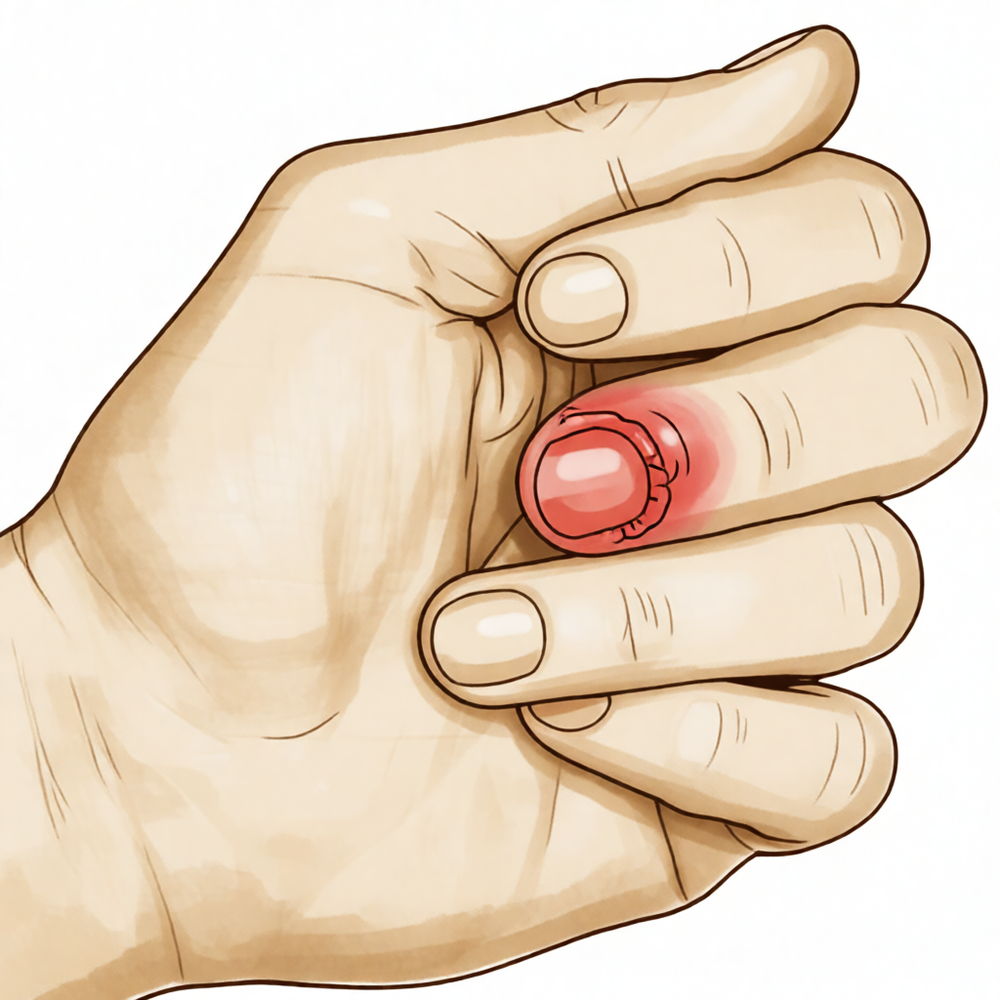
The pulp of the fingertip consists of multiple small compartments of subcutaneous fat separated by fibrous septae between the distal phalanx and dermis [67]. As a felon abscess forms, swelling and pressure within these compartments increase, often causing significant discomfort [67]. The resulting local vascular compromise in a felon promotes further necrosis and spread of the infection, occasionally resulting in infections of the distal phalanx, distal interphalangeal (DIP) joint, or flexor tendon sheath [67]. Bacteria gain entry into the nail fold for paronychia through a break in the seal between the nail fold and plate, often as a result of nail biting or manicures [67]. Staphylococcus aureus is the usual pathogen for acute paronychia [67]. Candida albicans frequently is cultured from chronic paronychia [67].
Chronic paronychia is characterized by a relatively well-localized area of skin inflammation proximal to the cuticle of a fingernail where the skin becomes pink, warm, indurated, glistening, and tense [70]. The cuticle in chronic paronychia is chronically rounded and detached from the nail plate, allowing free passage of moisture and water under the eponychium [70]. Mechanical trauma that damages the cuticle at modern nail salons is responsible for bacterial and fungal invasion of the nail fold in chronic paronychia [70]. Patients with chronic paronychia have a higher incidence of Candida colonization of the mouth, bowel, and vagina than controls [70]. Unless the disease process is stopped, secondary thickening, ridging, and discoloration of the nail can occur in chronic paronychia, eventually resulting in nail loss [70].
An infection within the flexor tendon sheath may be the result of local injury or puncture wound to the volar aspect of the finger near a flexor crease [27]. Direct inoculation is the most common cause of infectious tenosynovitis, but adjacent spread from a local infection or hematogenous spread are also possible causes [27]. Although the flexor sheath usually is involved in tenosynovitis, the radial and ulnar bursae may be involved as well [27]. With persistent tenosynovial infection, pressures within the flexor sheath can exceed 30 mm Hg, rendering the tendons ischemic in the presence of infection [27]. Delay in treatment of flexor tenosynovitis may lead to damage to the flexor tendon, with resulting adhesion, loss of excursion, finger stiffness, and impaired function [27]. The prognosis for function is poor if an infection in the flexor tendon sheath produces pus that must be drained [27]. If drainage is required for flexor tenosynovitis, an open or closed irrigation technique can be used, but if an open technique is used, healing and rehabilitation are prolonged and full motion may not be regained [27]. The use of a continuous postoperative irrigation catheter for flexor tenosynovitis has not been shown to improve outcomes, but rather increases postoperative pain and adds difficulty to postoperative care [27]. Patients presenting with subcutaneous purulence and those with ischemic changes in flexor tenosynovitis had amputation rates of 8% and 59%, respectively, with increasing loss of total active motion [27]. Stiffness and contracture are the most common sequela of pyogenic flexor tenosynovitis and benefit from early motion and hand therapy [116].
The mechanism for introducing anaerobic bacteria into the joint during a human bite injury occurs because the injury happens when the hand is in a fist, and when the finger is next extended, the injured joint is closed because the tendon that was lacerated by the tooth glides proximally [162]. This mechanism provides an anaerobic environment for growth of the bacteria introduced during human bite injuries [162]. Chondral and osteochondral fractures are present in 6% to 59% of patients with clenched-fist human bite injuries [162]. The incidence of complications from human bite injuries ranges from 25% to 50% [162]. Reported complications from human bite injuries include osteomyelitis, fracture, pain, permanent joint stiffness, arthritis, digital amputation, systemic sepsis, and death [162]. Patients presenting with human bite infections more than 8 days after the initial injury have been reported to have an 18% chance of requiring amputation [162]. Human bite wounds of the hand can be classified in four groups: self-inflicted inadvertent wounds, traumatically amputated fingers or fingertips, full-thickness bite wounds, and injuries from striking another person's mouth with the fist [177]. Full-thickness bite wounds into the various parts of the hand constitute the most frequent injury among human bite wounds [177]. Injuries from striking another person's mouth with the fist probably have the highest incidence of complications, including stiff joints and eventual amputations [177]. Deep compartments of the hand are readily accessible to injury in clenched-fist injuries, and the skin wound is at a more proximal level when the hand is in the relaxed position, resulting in a wound with traumatized tissue and rich synovial fluid in an anaerobic environment [177].
Actinomycosis in the hand is most commonly caused by a closed-fist injury or a bite, designated as "punch actinomycosis" when oral flora is implanted over the metacarpophalangeal joint or the metacarpal head on impact [98]. Once actinomycosis is established locally, it spreads contiguously in a slow but progressive manner, ignoring tissue planes [98]. Contiguous invasion of subjacent bones occurs in actinomycosis, and the bones of the hand and wrist may have cystic, sclerotic, or lytic changes [98]. Infectious destruction in actinomycosis may even cross from the dorsal-to-palmar or palmar-to-dorsal side of the hand [98]. A mycetoma is a characteristic clinical triad of tumification, draining sinuses, and granules in the discharging pus in the distal aspect of a limb [99]. Mycetoma infection begins in the skin and subcutaneous tissues as a nodule or nodules and tends to follow fascial planes as it spreads proximally and mediolaterally [99]. With increasing depth, mycetoma progressively infects and destroys all connective tissues and eventually bone [99]. The lesion in mycetoma may be on both sides of the hand when the infection crosses the metacarpals from the dorsal-to-palmar or from the palmar-to-dorsal side of the hand [99].
Sporotrichosis infection begins when the fungus is inoculated into a site of skin injury on the exposed part of hand or forearm and produces an erythematous or verrucous nodule that gradually ulcerates [101]. The infection in sporotrichosis is characterized by linear marching nodules on the forearm and arm, which represent spread through local lymphatic channels [101]. Regional lymph nodes become enlarged in sporotrichosis, and seropurulent drainage may occur from both the primary lesion and the involved nodes [101]. The lymphocutaneous lesions in sporotrichosis are typically painless, and a chronic cyclical process of spontaneous healing, nodule formation, ulceration, and drainage may continue for years if untreated [101]. Infection in sporotrichosis can result in exposure of the tendons and require skin grafting [101].
Mycobacterial tenosynovitis caused by tuberculous mycobacteria and nontuberculous mycobacteria is clinically similar, with the patient generally healthy and lacking constitutional symptoms [103]. Inflammatory signs such as erythema, warmth, and tenderness are absent in mycobacterial tenosynovitis, presenting as a cold abscess [103]. The most common presentation of all mycobacterial tenosynovitis is digital flexor tenosynovitis [103]. Tubercular finger tenosynovitis may appear as a "sausage finger" and the physician may feel rice bodies [103]. Blastomycosis clinical findings are nonspecific and multifarious, appearing as a plaque, ulcer, or nodules on a finger, hand, or forearm [105]. Subcutaneous nodules in blastomycosis can develop into abscesses with draining fistulas and finally into ulcers [105]. Contiguous spread to bone, joint, or flexor tendon of a finger can occur in blastomycosis [105]. Osteoarticular lesions occur in 60% of patients who have systemic blastomycosis and may include septic arthritis and osteomyelitis in the hand and elbow [105].
Extrapulmonary TB accounts for almost 20% of all cases of TB in the general population and 72% of all cases in U.S. AIDS patients [63]. In the United States, skeletal TB is 1% of all TB and 10% of all extrapulmonary TB [63]. Of skeletal TB, approximately 50% occurs in the spine, 33% in the lower extremity, 7% in the ribs, and 10% in the upper extremity [63]. In the upper extremity, skeletal TB occurs in 1% of cases in the shoulder and humerus, 2% in the elbow, forearm, and wrist, 4% in the hand and fingers, and an additional 3% in the hand accompanied by multifocal sites elsewhere [63]. TB of the bones of the hand is less common than TB of the tenosynovium and joints of the hand [63]. Tuberculous osteomyelitis of the hand typically occurs in the phalanges (i.e., tuberculous dactylitis) and metacarpals [63].
Congenital syphilis may present as bilateral dactylitis and metacarpitis in a newborn [73]. Syphilitic dactylitis is characterized by edema of the hands and fusiform swelling of digits [73]. Metacarpals and phalanges in congenital syphilis show new bone formation (i.e., reactive sclerosis), bone destruction (i.e., patchy rarefaction), and periosteal new bone formation [73]. Syphilitic dactylitis in the infant may resemble tuberculous spina ventosa [73]. Pathologic fractures of the metaphysis in congenital syphilis can masquerade as pseudoparalysis [73]. Primary syphilis of fingers is seldom seen now and usually occurs in men who have had contact with genital or anal lesions during sexual encounters [73]. Extragenital syphilitic ulcers in adults occur
Classification
Hand infections are classified based on specific types often unique to the particular anatomy of the hand [3]. These entities represent a diverse array of conditions with potential for serious morbidity [14]. The most common site of infection is subcutaneous tissue, and the most common mechanism is trauma [24].
Anatomical and Clinical Subtypes: Infections are classified by site and type, with 53.8% arising distal to the distal interphalangeal joints of the digits [44]. Specific clinical types include felon, web-space, paronychia, deep-space, superficial, flexor tenosynovitis, necrosis, and septic arthritis [76]. Fungal infections of the upper extremity are classified based on anatomic location and epidemiology [58]. Anatomic categories include cutaneous, subcutaneous, and deep infections [58], while epidemiologic classifications include endemic and opportunistic infections [58]. Chronic hand infections are grouped by microorganism into bacterial (mycobacterial and others), fungal, and viral types [18]. Three major subcutaneous fungal infections of the hand are chronic paronychia, sporotrichosis, and phaeomycotic cysts [70].
Necrotizing Soft Tissue Infections: Necrotizing soft tissue infections (NSTIs) can be classified based on anatomic location, depth of involvement, or microbial pathogen [127]. Type II necrotizing soft tissue infections are monomicrobial and comprise approximately 20% to 30% of cases [127]. Type IV fungal necrotizing infections are rare and primarily affect immunocompromised patients [127].
Michon Classification: The Michon classification for severity of flexor tenosynovitis divides the condition into three intraoperative stages [27]. Stage I is characterized by increased fluid in the sheath, primarily serous exudate [27]. Stage II is characterized by cloudy or purulent fluid and granulomatous synovium [27]. Stage III is characterized by septic necrosis of the tendon, pulleys, or tendon sheath [27]. This classification has not been validated [27].
Mycetoma Grading: Mycetoma of the hand and upper extremity has been graded into five stages [158]. Stage I is characterized by a small, firm, painless subcutaneous nodule or nodules under the skin [158]. Stage II is characterized by nodules becoming abscesses and draining granules through sinuses to the surface of the skin or an ulcerated nodule [158]. Stage III is characterized by progression to osteomyelitis [158]. Stage IV is characterized by limb deformity occurring over the course of a year or more [158]. Stage V is characterized by metastasis of lesions to the axilla and the chest wall [158].
Open Fracture Risk Classification: A new classification system for open fractures of the hand divides patients into three groups based on a risk score to predict infection requiring re-debridement [102].
Other Considerations: Atypical hand infections are difficult to recognize and treat due to their indolent nature and nonspecific symptoms [12]. Misdiagnosis of mimicking conditions often occurs despite available and successful treatment for true hand infections [16]. Herpetic infections of the pulp in AIDS patients should not be mistaken for felons or paronychia [152]. Chronic paronychia is usually initially misdiagnosed as a bacterial infection [70]. Lack of response to repeated courses of the usual antibiotics is an important clue to the fungal etiology of chronic paronychia [70].
Clinical Presentation
Hand infections are usually a clinical diagnosis, though imaging and laboratory evaluation aid in diagnosis [11]. An immunocompromised state, intravenous drug abuse, diabetes mellitus, and steroid use predispose patients to hand infections [24]. Chronic hand infections are uncommon and require a high index of suspicion for early diagnosis [18]. Chronic lesions of the hand, both superficial and deep, have a nonspecific presentation [25]. Hand infections following trauma that fail to resolve with conventional management should raise the possibility of viral infections of the wound [22]. Atypical hand infections caused by organisms such as Mycobacterium, fungi, and viruses often do not respond to conventional management and require a high clinical suspicion for diagnosis [29]. A chronic draining infection in the hand, especially in an immunocompromised patient, that does not respond to usual surgical drainage and conventional antibiotics should raise the suspicion of atypical infection from a mycobacterial, fungal, or actinomycete source [94]. Clinically significant fungal infections of the upper extremity are uncommon, but the incidence is increasing secondary to an increase in immunocompromised individuals and intentional immunosuppression [58]. The most common fungal infections of the hand are cutaneous infections involving the skin and nails [58]. Deep fungal infections are rare in the hand and upper extremity but result in serious clinical problems [58]. Pyoderma gangrenosum of the hand is rare and is usually mistaken for infection [54]. Misdiagnosis of conditions that mimic true hand infections often occurs [16]. Conditions that can be confused with hand infections include gout, acute calcium deposition, pseudogout, pyogenic granuloma, insect bites, pyoderma gangrenosum, foreign bodies, factitious lesions, herpetic gangrenes, metastatic lesions, silicone synovitis, granuloma annulare, rheumatoid arthritis, nonspecific tenosynovitis, reactions to intravenous medications, and Sweet syndrome [111].
Septic Arthritis
Wrist pain and stiffness are the most common presentations of septic arthritis of the wrist [95]. As few as 18% of patients with septic arthritis of the wrist may present with a true fever [95]. Septic arthritis of the wrist most commonly affects adults in the fifth through seventh decades of life [95]. The diagnosis of an acutely septic joint of the hand is clinical [93]. Finger joint infections usually present with swollen, tender, and warm joints, and the finger is usually held in slight flexion [100]. Active and passive motions of an infected finger joint are usually quite painful [100]. A joint aspiration is necessary to confirm the diagnosis of a septic joint, looking at the fluid analysis’ complete blood cell count with a differential and cultures of the fluid [92]. Fluid obtained from a septic joint is usually turbid, opaque, or grossly purulent [100]. Fluid analysis of the joint for cultures and cell count provides a definitive diagnosis of septic arthritis [93]. The joint fluid white blood cell count in septic arthritis is usually greater than 50,000/mm³ [100]. Many experts loosely set the white blood cell count threshold for a diagnosis of septic arthritis at greater than 50,000 WBC/mm³ [92]. Lowering the synovial fluid white blood cell count threshold to 17,500/mm³ increases the sensitivity of the diagnosis of septic arthritis to 83% [100]. The polymorphonuclear count in septic joint fluid is usually greater than 75% [100]. The synovial fluid glucose level in septic arthritis is 40 mg or less [100].
Flexor Tenosynovitis
Kanavel's signs are well accepted for diagnosing septic flexor tenosynovitis, but not every patient with the condition has all four signs [91]. The specificity of Kanavel's signs for diagnosing infectious flexor tenosynovitis has come into question [62]. Radiographic soft tissue swelling does not distinguish flexor tenosynovitis from other causes [62]. Magnetic resonance imaging access and time spent obtaining the scan may delay diagnosis, with a negative impact on patient outcomes [62]. Ultrasound has been studied as a diagnostic tool for flexor tenosynovitis with high sensitivity but mediocre specificity [62]. Ultrasound for flexor tenosynovitis diagnosis comes with inherent user variability and limitations with access and equipment [62].
Atypical and Chronic Infections
A high index of suspicion coupled with an excellent knowledge of hand anatomy and function allows for an accurate diagnosis and effective management of deep space infections [32]. Fluctuance can be difficult to identify in the hand [111]. The specificity of all inflammation markers (WBC, C-reactive protein, ESR) is inadequate for the diagnosis of hand infections [111]. Slightly fewer than half of patients with finger infections had elevated C-reactive protein levels [111]. Patients with renal disease and diabetes have an increased risk of failed outpatient management of cellulitic hand infections [55]. Persisting signs of infection after several days of intravenous antibiotics, especially in immunocompromised patients, should alert the clinician to look for unusual closed-space infections [53]. Hand surgeons should consider mycobacterial infection in patients receiving TNF inhibitors with atypical presentations of tenosynovitis or postoperative infections [60]. Tuberculosis of the finger should be suspected in the presence of epidemiological, clinical, radiological, and immunological arguments [61]. Nontuberculous mycobacterial infections of the hand are now more common than Mycobacterium tuberculosis infections [25]. Tenosynovial infections of mycobacterial types are far more common than joint and bone infections [25]. In North America, the most common fungal infection of the hand is sporotrichosis [25]. Hansen disease infects peripheral nerves, and the level of suspicion should be high when peripheral neuropathy of the ulnar nerve, with or without nerve enlargement, is seen in an immigrant [25]. Chronic hand infections caused by protozoa, Prototheca, parasites, and insects are sporadically encountered in Africa, Asia, and South America but are rare in North America [25]. Human immunodeficiency virus (HIV) blood testing and counseling should be considered in polymicrobial acute, recurrent, and chronic infections of the hand [25]. Atypical mycobacterial hand infections are increasingly reported in the literature, but diagnosis is often delayed because of lack of clinical suspicion and the absence of a proven sensitive and specific diagnostic test [52]. The natural history of herpetic hand infections is similar in adult and pediatric populations [23]. In the absence of a focal fluid collection, initial management with prolonged antibiotics may be performed for 4–6 weeks minimum or until symptom and sign resolution [92].
Investigations
Clinical Diagnosis and History
The hand surgeon must maintain a high index of suspicion for opportunistic mycotic infections to establish an early diagnosis and institute appropriate management [30]. Misdiagnosis of conditions mimicking infection is common, whereas treatment for true hand infections is available and successful [16]. Ewing’s sarcoma in the hand presents with pain, swelling, erythema, and a soft tissue mass, closely resembling infection [153]. Several reports document the misdiagnosis and prolonged treatment of presumed infection for Ewing’s sarcoma in the hand [153]. Persisting signs of infection after several days of intravenous antibiotics, especially in immunocompromised patients, should alert the clinician that specialty consultation is appropriate to look for unusual closed-space infections [53].
Imaging
Plain radiography: Radiographic soft tissue swelling does not distinguish infectious flexor tenosynovitis (FTS) from other causes [62]. A combination of ultrasound and x-ray films should allow for diagnosis and localization of virtually all foreign bodies in the hand [145].
MRI: MRI has been described in aiding the diagnosis of FTS, but sensitivity and specificity have not been well studied [62]. Access to MRI and the time spent obtaining it may delay diagnosis, with a negative impact on patient outcomes [62]. MRI is particularly useful in delineating the extent of bone and soft tissue involvement that may not be apparent on plain radiographs for Ewing’s sarcoma [153]. Successful management of mycobacterial flexor tenosynovitis requires early advanced imaging [167].
CT: Contrast-enhanced computed tomography (CT) was evaluated to increase the successful diagnosis of FTS [62].
Ultrasound: Ultrasound has been briefly studied as a diagnostic tool for FTS with high sensitivity, but mediocre specificity [62]. It comes with inherent user variability and limitations with access and equipment [62]. The resolution of ultrasound can be excellent in detecting small wooden foreign bodies in the soft tissue of the hand if plain x-ray films are negative [163].
Other Considerations: It describes various modes of spread, the common radiologic appearances of hand infections with emphasis on findings at magnetic resonance imaging and ultrasonography, and the role of radiology in the management of these infections [31]. The diagnosis of infectious flexor tenosynovitis (FTS) has historically been made based on physical exam using Kanavel's signs, but the specificity of these findings has come into question [62].
Laboratory and Microbiological Diagnosis
Laboratory: Deep tissue cultures are the most accurate method of diagnosis for osteomyelitis of the hand [139]. S aureus and S epidermidis are the most common infecting organisms for osteomyelitis of the hand, but regional variation exists in the epidemiology [139]. The presence of an indolent course suggests a fungal or mycobacterial cause for osteomyelitis [139]. Early identification through appropriate laboratory testing and surgical treatment paired with medical management is imperative for eradication of the causative organism in atypical hand infections [12]. Resolution of the hand infection was recognized clinically by the absence of acute inflammation and pus, the absence of pyrexia, and the presence of pain relief [48].
Biopsy: Incisional biopsy is indicated for patients with lytic destructive lesions of the bones of the hand [153]. Biopsy must always be strongly considered before the initiation of treatment for presumed deep infection because this is the most common error in diagnosis [153]. Cytogenetic analysis should be performed on biopsy specimens to improve the accuracy of diagnosis and assist in the diagnosis of particularly difficult cases [153].
Bone scan: MRI, CT, and 3-phase bone scans may add to the radiographic diagnosis made on plain radiographs, but all have poor sensitivity and specificity for osteomyelitis [139].
Treatment
General Principles
Treatment outcomes for hand infections have improved dramatically with the use of established guidelines [6]. While treatment for true hand infections is available and successful, misdiagnosis of mimicking conditions often occurs [16]. Infections that do not respond to antibiotics, incision, drainage, or debridement are suspect for chronic or atypical etiologies [25]. The adage "culture a tumor and biopsy an infection" is useful when an unusual lesion is encountered to avoid missing chronic or emerging infections [25]. Once a diagnosis of chronic hand infection is made, consultation with an infectious disease specialist is recommended [25]. Pharmacologic treatment of a chronic hand infection requires close monitoring for serious side effects and drug resistance [25]. Consultation with an infectious disease specialist, microbiology personnel, and a pathologist improves diagnostic accuracy when organisms are scarce, slow to grow, and require special media and temperature to grow [25]. Management of complex post-operative hand infections may require a multidisciplinary approach including the hand surgeon, dermatologist, infectious disease specialist, anatomopathologist, and bacteriologist [33]. All units involved in hand surgery need a clear policy for antibiotic use, as post-operative wound infection in hand surgery may be more common than previously thought [35].
Antibiotic Management
Empiric Therapy: The choice of empiric antibiotics for acute infections of the hand should be based on the severity of the infection, the comorbidities of the patient, and local prevalence of MRSA [21]. A systematic review recommends empiric coverage for CA-MRSA should be provided if local prevalence rates exceed 10% to 15% [26]. The mixed aerobic and anaerobic nature of many hand infections demands initial antibiotic coverage that effectively covers all bacteria that frequently cause infections [123]. Failure to definitively treat all offending organisms may leave a smouldering, residual infection that results in recrudescence, further tissue destruction, and subsequent deformity, arthritis, and disability [123]. Vancomycin is effective for infections caused by gram-positive bacteria, whereas ciprofloxacin is most effective for gram-negative organisms, including Pseudomonas [27]. Treatment options differ for MRSA infections compared to other hand infections, which should be taken into account when managing seemingly routine cases [72]. With the use of a formal hand infection treatment algorithm, there was no statistical difference in appropriate antibiotic delivery time and length of stay between CA-MRSA and non-MRSA hand infections [71]. A prospective randomized trial demonstrated increased cost and mean hospital stay for patients treated with cefazolin compared with vancomycin for MRSA hand infections [26]. Early antibiotic administration has not been shown to greatly reduce bacterial culture growth from hand abscess so long as decompression is performed within 24 hours [26].
Prophylaxis: For low-risk, traumatic injuries with clean wounds and no devitalized tissue, no antibiotic prophylaxis is indicated [106]. For injuries in immunocompromised patients (e.g., HIV infection, diabetes), gram-positive cocci coverage is indicated for antibiotic prophylaxis [106]. For wounds with devitalized tissue, gram-positive cocci coverage is indicated if the wound, tendon, or joint space is contaminated [106]. For animal and human bites (other than superficial abrasions), a first-generation cephalosporin is recommended for antibiotic prophylaxis [106]. In patients with bites that may contain Pasteurella multocida or Eikenella corrodens, penicillin or amoxicillin-clavulanate potassium is considered for antibiotic prophylaxis [106]. In immunocompromised patients with bites, erythromycin or amoxicillin-clavulanate is considered for antibiotic prophylaxis [106]. In patients with sepsis and petechial rash following a bite, intravenous ciprofloxacin and clindamycin are considered for antibiotic prophylaxis [106]. For puncture wounds, antibiotic prophylaxis is a case-by-case decision [106]. Routine preoperative antibiotics are not supported for clean hand surgery [39]. Prophylactic antibiotics are indicated for hand surgery procedures lasting longer than 2 hours, contaminated wounds, and open fractures [9]. The use of prophylactic antibiotics in small elective soft tissue procedures is debated and often not necessary [9]. A prospective multicenter trial showed no significant difference in infection rate in elective hand surgery whether antibiotics were administered preoperatively or not [65].
Specific Pathogens: Specimens of infected tissue should be sent for aerobic and anaerobic cultures [24]. If chronic hand infection is suspected, fungal and atypical cultures should be obtained [24]. For acute paronychia, warm soaks and antistaphylococcal antibiotics can manage early-stage presentations [67]. When drainage is pursued for paronychia, antibiotics as well as warm soapy soaks should be recommended following the procedure [67]. Routine oral antibiotics usually are not effective for chronic paronychia [67]. In children with herpetic whitlow, a 10-day course of a penicillinase-resistant oral antibiotic is required if cultures from blistering dactylitis reveal bacterial growth [67]. When administered early, oral acyclovir may lessen symptom severity in herpetic whitlow [67]. Fluconazole and AmB are the drugs of choice for use in patients with deep candidiasis [38]. For periprosthetic candidal infection, a chemotherapy combination of amphotericin B and 5-fluorouracil is recommended in addition to radical synovectomy, tenosynovectomy, and removal of the implant [38].
Surgical Management
Setting and Protocol: Adequate surgical drainage of hand infections is often not accomplished in an emergency department setting and is probably best done in an operating room [123]. Institution of a protocol for hand infection treatment significantly lowered the complication rate compared with individual choice for antibiotics and place of surgical drainage [123]. An initial debridement of dorsal hand infections at the bedside is at least as effective as formal debridement in the operating room, decreasing the number of formal debridements and hospital days without increasing complications [69]. When well-established abscesses of the hand occur, intravenous antibiotics are no longer sufficient therapy and surgical drainage is required [46].
Diagnostic Imaging: For patients with fluctuance concerning for abscess, ultrasonography may be of value as a diagnostic test [26]. Ultrasonography has a 78.4% positive predictive value of identifying an abscess and a negative predictive value of 90% to rule out an abscess [26].
Post-Operative Care: After surgical decompression, débridement, and irrigation of the abscess, packing is often used, at least initially, to allow for continued drainage [26]. No difference has been shown between different soaks and daily dressing changes in clearing the infection postoperatively [26]. Suction drainage in non-septic wrist surgery is of no interest [130]. A protocol for pin site care in hand surgery supports leaving wires exposed in adult hand and wrist surgery, resulting in a 99.5% wire survival rate and a 4.5% pin site infection rate with no cases of bony infection requiring further surgery [28].
Trauma and Bite Management: In the mangled hand or in patients with multiple trauma, urgent temporary measures such as minimizing ischemia time, debriding the wound, splinting the hand, administering antibiotics, and preparing the injury site for secondary repair offer the best chance for optimizing hand function [106]. If a wound is contaminated, debridement is required [106]. Patients with sepsis or petechial rash following a bite should be hospitalized [106].
Specific Infection Types
Flexor Tenosynovitis
Prompt diagnosis and early treatment with broad-spectrum intravenous antibiotics and surgical irrigation and debridement are essential to avoid complications and preserve hand function in pyogenic flexor tenosynovitis [20]. Severe pyogenic flexor tenosynovitis infection can still lead to impaired function or amputation [20]. When early tenosynovitis is suspected, immediate treatment with antibiotics and splinting may abort the spread of infection if the patient’s symptoms have been present for less than 48 hours [27]. If nonsurgical treatment is selected for early tenosynovitis, patients should be followed closely with a low threshold for hospital admission [27]. Good results have been reported in patients with pyogenic flexor tenosynovitis treated with surgical drainage, followed by outpatient management with intravenous antibiotics, wound care, and rehabilitation [27]. Under ideal circumstances, fluid should be obtained from the flexor sheath for Gram stain, culture, and antibiotic sensitivity testing [27]. If gross pus is obtained from the aspiration of the digital flexor sheath, surgical drainage usually is indicated [27]. Needle aspiration of the flexor sheath through cellulitic tissue creates the risk of inoculating the uninfected sheath with bacteria [27]. The prognosis for function is poor if an infection in the flexor sheath produces pus that must be drained [27]. If an open technique is used for flexor tenosynovitis drainage, healing and rehabilitation are prolonged and full motion may not be regained [27]. The use of a continuous postoperative irrigation catheter has not been shown to improve outcomes for flexor tenosynovitis, but rather increases postoperative pain and adds difficulty to postoperative care [27]. The Michon classification recommends minimally invasive drainage and catheter irrigation for stage I or II flexor tenosynovitis [27]. The Michon classification recommends extensile open debridement and possible amputation for stage III flexor tenosynovitis characterized by septic necrosis of tendon, pulleys, or tendon sheath [27]. The Michon classification for flexor tenosynovitis has not been validated [27]. Patients presenting with subcutaneous purulence had an amputation rate of 8% for flexor tenosynovitis [27]. Patients presenting with ischemic changes had an amputation rate of 59% for flexor tenosynovitis [27].
Osteomyelitis
Management principles for osteomyelitis of the hand include good surgical debridement and culture-guided antimicrobial therapy [2]. Antibiotic therapy for osteomyelitis of the hand typically lasts 4–6 weeks [2]. The optimal length and mode of administration of antibiotics for osteomyelitis of the hand remain under study [2]. Management of osteomyelitis of the hand and wrist should consist of a combined surgical and medical approach to achieve the most favorable outcome [41].
Septic Arthritis
Septic arthritis of hand joints can be treated with expectation of good overall results and minimal disability in the medium term if adequate wash-out and debridement of the joints is carried out within 7 days, antibiotics are started early, and hand therapy is started early [43].
Mycobacterial and Atypical Infections
Initial treatment for mycobacterial infections in the hand involves a combination of long-term antibiotics and surgical debridement to cure the infection [8]. Reconstructive procedures aid in restoring hand function lost secondary to mycobacterial disease processes [8]. Tenosynovial infections of mycobacteria are far more common than joint and bone infections [25]. Fungal infections are on the rise and recently identified fungal infections are reported more frequently [66]. Many fungal infections respond inadequately to currently available antifungal antibiotics [66].
Fungal Infections
The most common fungal infections of the hand are cutaneous infections (skin and nail) [56]. Nail infections (onychomycosis) can be diagnosed by direct smear in 75% and by histology in 80% of the cases [56]. Cutaneous fungal infections are caused by fungi that infect and metabolize keratin and do not invade beneath the skin [56]. Chronic cutaneous C. albicans infection occurs in the moist palms and webs of a “clenched fist” in patients with spasticity [56]. Trichophytosis (“ringworm”) is the most common cutaneous (and nail) infection [56]. “Wristwatch ringworm” occurs in moist skin under a watch or its strap [56].
Complications
Functional Impairment and Morbidity: Established hand infections, particularly those caused by human or animal bites or of unknown etiology, often result in permanent impairment of hand function [4]. Despite modern antibiotics, hand infections continue to be a source of morbidity and possible long-term disability [10]. Deep infection after hand surgery can lead to significant morbidity [9], and complications associated with mycobacterial hand infections can be significant [34]. Outcomes such as stiffness, fibrosis, sepsis, and amputation can be avoided with prompt treatment of hand abscesses [124].
Risk Factors and Host Factors: Prolonged hospitalization, chronic illness, IV drug abuse, and prior hand infection are known risk factors for hand infections [26]. Infections in immunosuppressed patients are more likely to involve deeper structures such as joints, bone, tendons, and muscle [26], and these patients are at a higher risk for atypical infections [26]. Patients on immunosuppressive therapy are at increased risk for deep structure hand infections [112]. The higher incidence of complications due to upper extremity infections is well established for patients with systemic conditions such as HIV, diabetes, and rheumatoid arthritis [112]. Diabetics are at increased risk for hand infections associated with severe complications, including necrotizing fasciitis [112]. Patients with AIDS have a tendency for the development of 'atypical' manifestations of infections with 'typical' organisms [117].
Flexor Tenosynovitis and Amputation: The prognosis for function is poor if a flexor tendon infection produces pus that must be drained [27]. Patients presenting with ischemic changes in flexor tenosynovitis had amputation rates of 59% [27], whereas patients presenting with subcutaneous purulence in flexor tenosynovitis had amputation rates of 8% [27].
Paronychia and Iatrogenic Complications: Complicated paronychia and hand infections are more frequent than expected, occurring in 33% of cases [121]. These complications are often iatrogenic [121].
Antimicrobial Resistance: Patients with a history of intravenous drug use are 11 times more likely to have concurrent clindamycin resistance in MRSA hand abscesses [124]. Patients with nosocomial acquired MRSA are 5 times more likely to have concurrent clindamycin resistance in hand abscesses [124].
Mycobacterial and Fungal Infections: One-third of patients with nonmarinum, nontuberculous mycobacterial infections of the upper extremity experienced complications and/or recurrence [125]. Immunosuppressed patients with nonmarinum, nontuberculous mycobacterial infections experienced higher rates of side effects, complications, and recurrence [125]. Fungal infections following organ transplantation can have an associated mortality as high as 76% [118]. Histoplasmosis in necrotizing myofasciitis can result in fatality [118].
Chronic Infections: Chronic hand infections are rare and are primarily a problem of diagnosis [25]. They often are not considered in the differential diagnosis of hand lesions [25]. An infection that does not respond to antibiotics, incision, drainage, or debridement is suspect for a chronic infection [25]. Recurrence of chronic hand infection due to drug resistance may occur because of poor patient compliance or poor prescription practices [25]. Tertiary syphilis lesions in the hand present as gummas, which are nonspecific, chronic granulomatous lesions that may involve tissues from skin to bone [73].
Amputation and Resection Outcomes: Thumb amputation is associated with substantial disability because the thumb provides over 40% of the hand function [114]. Ray amputation can narrow the palm span by 10%, with a resultant decrease in grip strength [142]. Loss of hand span can decrease hand width, which decreases forearm rotation, strength, and grip stability [142]. Patients who underwent primary ray resection lost an average of 28% of grip strength, 26% of opposition, and 13% of key pinch strength [142]. Patients who had an amputation of central digits had impaired manual dexterity compared to those with border digit amputations [142]. Cold intolerance was the most common persistent symptom after ray amputation, occurring in 35 of 41 patients [142]. Fifty-nine percent of patients had suboptimal results after ray amputation owing to hyperesthesia in the thumb/long finger web space [142], and this hyperesthesia interfered with hand function in 37% of patients [142]. Twenty-one of 34 patients complained of pain in the residual limb before transmetacarpal amputation, and only 3 experienced complete relief after the procedure [142].
Recovery
Light activity (weeks): The evidence does not specify a defined week range for the resumption of desk work, driving, or light activities of daily living.
Full activity (months): The evidence does not specify a defined month range for the return to manual work, sport, or full range of motion and strength.
Complete recovery / outcome plateau (months): The evidence does not specify a defined month range for the stabilization of pain, strength, or final functional outcomes.
Rehabilitation protocol: The evidence does not detail specific physiotherapy phasing, immobilisation durations, weight-bearing or range-of-motion progression schedules, or timing for sling or brace removal.
Functional milestones: The evidence does not provide validated patient-reported outcome measure trajectories or specific benchmark scores for hand function.
Other Considerations: Prognosis varies significantly by etiology and severity. Severe pyogenic flexor tenosynovitis can lead to impaired function or amputation despite prompt diagnosis and early treatment [20], and even with timely and thorough treatment, it may result in impaired function or amputation of the affected digit [189]. The long-term functional prognosis for flexor tendon sheath phlegmons was generally poor, with sequelae of stiffness or digital amputation [115]. In contrast, septic arthritis of hand joints can be treated with expectation of good overall results and minimal disability in the medium term if adequate wash-out and debridement are carried out within 7 days, antibiotics are started early, and hand therapy is started early [43].
Resolution timelines for general hand infections show that complete resolution occurred within 1 to 7 days in 43% of patients, within 8 to 14 days in 28.9% of patients, and in 15 days or longer in 28.1% of patients [48]. For four of eight clinical types of hand infection, a longer delay between the onset of infection and the start of therapy resulted in more prolonged resolution [48]. Four digital amputations, regarded as failures of therapy, occurred after the second week of treatment [48]. Late presentation of human bite infections of the hand is characterized by a high rate of infection-related complications, a prolonged morbidity period, and a less favorable final functional result [129].
Immunosuppression negatively impacts recovery trajectories. In a matched cohort study, infections in immunosuppressed patients were more likely to involve deeper structures such as joints, bone, tendons, and muscle [26]. In a review of 74 HIV-seropositive patients treated for upper extremity infections, 29% of infections required more than one operation and 12% resulted in amputation [144]. Among 14 AIDS patients with hand infections, almost one-third needed multiple debridements and resulted in amputation of a finger or hand [144].
Specific etiologies demonstrate distinct recovery profiles. No long-term functional impairment is expected following catfish spine envenomation of the hand [133], nor following toxic shock syndrome associated with hand infection [134]. At three-month follow-up, wounds from a hand hematoma complication of thrombolysis had healed well with excellent and full recovery of hand function [64]. For pyoderma gangrenosum, once azathioprine was commenced, recovery was much more rapid and final hand function was better than would have been expected after infection [113]; a 6-week follow-up revealed complete resolution of the ulcerative lesions with no limitation of hand function [119]. The evolution after a two-year follow-up for tuberculous osteomyelitis of the thumb was good with disappearance of clinical and radiological signs [187].
Key Evidence
- [L5] Early identification and treatment of hand infections are essential to achieve optimal outcomes, as delayed diagnosis can result in amputation or death. [1] (10.1016/j.jhsa.2018.05.027)
- [L5] Management principles include good surgical debridement and culture-guided antimicrobial therapy, with antibiotic therapy typically lasting 4–6 weeks, though the optimal length and mode of administration in the hand remain under study. [2] (10.1177/1753193415612373)
- [L5] The morbidity of hand infections can be decreased with understanding of the different types of hand infections often unique to the particular anatomy of the hand. [3] (10.5435/00124635-199607000-00006)
- [L1] Established hand infections, particularly when caused by human or animal bites, or of unknown etiology, often result in permanent impairment of hand function. [4] (10.1016/s0363-5023(83)80124-5)
- [L5] Hand infections are associated with a high rate of complications that are often difficult to manage. [5] (10.1016/j.hcl.2020.03.010)
- [L5] Using these guidelines, the treatment outcomes for infections of the hand have improved dramatically. [6] (10.1016/s0749-0712(21)00413-3)
- [L4] With prompt and appropriate care, most soft tissue hand infection patients can achieve full resolution of their infections. [7] (10.7717/peerj.513)
- [L5] Initial treatment involves a combination of long-term antibiotics and surgical debridement to cure the infection, with reconstructive procedures aiding in restoring hand function lost secondary to the disease process. [8] (10.1016/j.hcl.2020.03.013)
- [Paper] Deep infection after hand surgery is uncommon but can lead to significant morbidity; prophylactic antibiotics are indicated for procedures lasting longer than 2 hours, contaminated wounds, and open fractures, while their use in small elective soft tissue procedures is debated and often not necessary. [9] (10.1016/j.hcl.2014.12.007)
- [L4] Despite modern antibiotics, hand infections with a variety of organisms continue to be a source of morbidity and possible long-term disability. [10] (10.1016/j.ijid.2005.06.009)
- [L5] Hand and upper-extremity infections are usually a clinical diagnosis, but imaging and laboratory evaluation aid in diagnosis. [11] (10.1016/j.hcl.2020.03.002)
- [L4] Atypical hand infections are difficult to recognize and treat due to their indolent nature and nonspecific symptoms; early identification through appropriate laboratory testing and surgical treatment paired with medical management is imperative for eradication of the causative organism. [12] (10.1016/j.jhsa.2025.09.023)
- [L5] Hand infections include a diverse array of entities with potential for serious morbidity. [14] (10.1016/j.jhsa.2011.05.035)
- [L5] Prompt diagnosis, surgical debridement, and antibiotic coverage remain the standard of care for hand infections, though challenges persist with immunosuppressed patients and intravenous drug use. [15] (10.1016/j.hcl.2020.03.001)
- [L5] The authors emphasize that while treatment for true hand infections is available and successful, misdiagnosis of mimicking conditions often occurs. [16] (10.1016/s0749-0712(21)00414-5)
- [L5] Infections of the hand and upper extremity pose a considerable challenge to the surgeon despite recent advances in medical technology. [17] (10.1016/s0749-0712(21)00470-4)
- [L5] Chronic hand infections are uncommon and require a high index of suspicion for early diagnosis; they are grouped by microorganism into bacterial (mycobacterial and others), fungal, and viral types, with specific presentations and treatments emphasized for each. [18] (10.1016/j.jhsa.2014.04.003)
- [L5] Prompt diagnosis and early treatment with broad-spectrum intravenous antibiotics and surgical irrigation and debridement are essential to avoid complications and preserve hand function, though severe infection can still lead to impaired function or amputation. [20] (10.1016/j.jhsa.2019.04.011)
- [L5] The choice of empiric antibiotics for acute infections of the hand should be based on the severity of the infection, the comorbidities of the patient, and local prevalence of MRSA. [21] (10.1016/j.jhsa.2009.10.024)
- [L5] Hand infections following trauma, which fail to resolve with conventional management, should raise the possibility of viral infections of the wound. [22] (10.1016/s0266-7681(96)80160-4)
- [L4] The natural history of herpetic hand infections is similar in adult and pediatric populations. [23] (10.1016/s0363-5023(09)91128-5)
- [L5] [24] (10.1016/j.jhsa.2014.03.031)
- [L4] The study confirms a very high wire survival rate (99.5%) and a very low rate of pin site infection (4.5%) with no cases of bony infection requiring further surgery, supporting the recommendation to leave wires exposed in adult hand and wrist surgery when this specific protocol is adopted. [28] (10.1177/1753193421991318)
- [L5] Atypical hand infections caused by organisms such as Mycobacterium, fungi, and viruses often do not respond to conventional management and require a high clinical suspicion for diagnosis. [29] (10.1016/j.ocl.2016.12.013)
- [L5] The hand surgeon should be aware of these infections and should have a high index of suspicion in order to establish an early diagnosis and institute an appropriate management. [30] (10.1016/s0266-7681(96)80089-1)
- [L5] It describes various modes of spread, the common radiologic appearances of hand infections with emphasis on findings at magnetic resonance imaging and ultrasonography, and the role of radiology in the management of these infections. [31] (10.1148/rg.347130101)
- [L5] A high index of suspicion coupled with an excellent knowledge of hand anatomy and function allows for an accurate diagnosis and effective management of deep space infections. [32] (10.1016/j.hcl.2020.03.014)
- [L5] Its management requires a multidisciplinary approach including the hand surgeon, dermatologist, infectious disease specialist, anatomopathologist, and bacteriologist. [33] (10.1016/j.main.2011.06.003)
- [L4] The complications associated with mycobacterial hand infections can be significant. [34] (10.1177/1558944720940064)
- [L2] There is a need for all units involved in hand surgery to have a clear policy for antibiotic use, as post-operative wound infection in hand surgery may be more common than previously thought. [35] (10.1016/s0266-7681(05)80137-8)
- [L4] Hand infection requiring hospitalization is an infrequent complication in diabetics. [40] (10.1016/s0266-7681(97)80041-1)
- [L5] Management of osteomyelitis of the hand and wrist should consist of a combined surgical and medical approach to achieve the most favorable outcome. [41] (10.1016/j.jhsa.2009.03.020)
- [L4] This small study suggests that septic arthritis of hand joints can be treated with expectation of good overall results and minimal disability in the medium term, if adequate wash-out and debridement of the joints is carried out within 7 days, antibiotics are started early and hand therapy is started early. [43] (10.1016/j.jhsb.2006.08.011)
- [L3] [44] (10.1016/0266-7681(93)90208-w)
- [L4] When well-established abscesses of the hand occur, intravenous antibiotics are no longer sufficient therapy and surgical drainage is required. [46] (10.1016/s0363-5023(86)80234-9)
- [L4] [48] (10.1016/s0363-5023(82)80150-0)
- [L4] Atypical mycobacterial hand infections are increasingly reported in the literature, but diagnosis is often delayed because of lack of clinical suspicion and the absence of a proven sensitive and specific diagnostic test. [52] (10.1016/s1297-3203(01)00047-6)
- [L4] Persisting signs of infection after several days of intravenous antibiotics, especially in immunocompromised patients, should alert the clinician that specialty consultation, such as with a hand surgeon, is appropriate to look for unusual closed-space infections. [53] (10.1016/s0363-5023(97)80055-x)
- [L4] Pyoderma gangrenosum of the hand is rare and is usually mistaken for infection. [54] (10.1053/jhsu.2001.24962)
- [L3] [55] (10.1186/s13018-023-03911-5)
- [L5] [58] (10.1016/j.hcl.2020.03.009)
- [L4] Hand surgeons should consider mycobacterial infection in patients receiving TNF inhibitors with atypical presentations of tenosynovitis or postoperative infections. [60] (10.1016/j.jhsa.2009.09.018)
- [L5] Tuberculosis of the finger should be suspected in the presence of epidemiological, clinical, radiological, and immunological arguments. [61] (10.1016/j.main.2007.12.002)
- [L3] [62] (10.1177/15589447221092058)
- [L5] At three-month follow-up, her wounds had healed well with excellent and full recovery of hand function. [64] (10.1016/j.jhse.2007.06.004)
- [L2] Our prospective multicenter trial showed no significant difference in infection rate in elective hand surgery whether antibiotics were administered preoperatively or not. [65] (10.1177/1558944719842238)
- [L3] An initial debridement of dorsal hand infections at the bedside is at least as effective as formal debridement in the operating room, decreasing the number of formal debridements and hospital days without increasing complications. [69] (10.1177/1558944719836234)
- [L4] With the use of a formal hand infection treatment algorithm, we did not identify a statistical difference in appropriate antibiotic delivery time and length of stay between ca-MRSA and non-MRSA hand infections. [71] (10.1016/j.jhsa.2008.11.021)
- [L4] This should be taken into account when managing seemingly routine hand infections given that the treatment options are different for MRSA infections. [72] (10.1016/j.jhsa.2007.01.006)
- [L3] The proportion of surgically treated hand infections due to CA-MRSA has increased during the last decade. [75] (10.1016/j.jhsa.2009.09.004)
- [L3] [76] (10.1177/1753193420977791)
- [L5] [91] (10.1016/j.jhsa.2010.11.033)
- [L5] [92] (10.1016/j.hcl.2020.03.012)
- [L4] [93] (10.1097/bth.0000000000000241)
- [L5] A chronic draining infection in the hand, especially in an immunocompromised patient, that does not respond to usual surgical drainage and conventional antibiotics should raise the suspicion of atypical infection from a mycobacterial, fungal, or actinomycete source. [94] (10.1016/s0363-5023(96)80373-x)
- [L5] [95] (10.5435/jaaos-d-16-00414)
- [L3] The new classification system divides patients into three groups based on a risk score to predict infection requiring re-debridement. [102] (10.1177/17531934231187553)
- [L5] [112] (10.1016/j.hcl.2020.03.008)
- [L5] Once azathioprine was commenced recovery was much more rapid and final hand function better than would have been expected after infection. [113] (10.1016/s0266-7681(96)80193-8)
- [L4] The long-term functional prognosis was generally poor, with sequelae of stiffness or digital amputation. [115] (10.1016/j.main.2011.10.025)
- [L5] Stiffness and contracture are the most common sequela and benefit from early motion and hand therapy. [116] (10.2106/jbjs.rvw.26.00015)
- [L4] The study suggests that patients with AIDS have a tendency for the development of 'atypical' manifestations of infections with 'typical' organisms, and that the 'atypical' presentation of a hand infection in a high-risk patient should cause the examining physician to strongly consider the possibility that the patient may be immunocompromised as a result of HIV infection. [117] (10.1016/s0363-5023(88)80146-1)
- [L5] A 6-week follow-up revealed complete resolution of the ulcerative lesions, with no limitation of hand function. [119] (10.1016/s0363-5023(88)80061-3)
- [L4] Complicated paronychia and hand infections are more frequent than expected (33% of cases) and often iatrogenic. [121] (10.1016/j.hansur.2019.10.076)
- [L3] [123] (10.1016/s0363-5023(88)80060-1)
- [L3] [124] (10.1016/j.jhsa.2014.12.044)
- [L4] [125] (10.1016/j.jhsa.2022.03.019)
- [L4] [127] (10.5435/jaaos-d-17-00716)
- [L4] Late cases were characterized by a high rate of infection-related complications, a prolonged morbidity period, and a less favorable final functional result. [129] (10.1016/s0363-5023(85)80167-2)
- [L4] The results of our study show that suction drainage in non-septic wrist surgery is of no interest. [130] (10.1016/j.hansur.2016.10.166)
- [L5] No long-term functional impairment is expected. [133] (10.1016/s0363-5023(89)80058-9)
- [L4] No long-term functional impairment is expected. [134] (10.1016/s0363-5023(89)80059-0)
- [Paper] A combination of ultrasound and x-ray films should allow for diagnosis and localization of virtually all foreign bodies in the hand. [145] (10.1016/s0363-5023(05)80287-4)
- [L5] The resolution of ultrasound can be excellent in detecting small wooden foreign bodies in the soft tissue of the hand if plain x-ray films are negative. [163] (10.1016/s0363-5023(05)80106-6)
- [L5] Successful management requires early advanced imaging, serial debridement to establish local control, and a multidisciplinary approach with tailored antimicrobial therapy. [167] (10.1016/j.jhsg.2021.12.010)
- [L4] [177] (10.1016/s0363-5023(77)80090-7)
- [L5] [184] (10.5435/jaaos-20-06-373)
- [L5] The evolution after a two-year follow-up was good with disappearance of clinical and radiological signs. [187] (10.1016/j.main.2004.08.006)
- [Paper] Despite timely and thorough treatment, severe infection can nevertheless lead to impaired function or even amputation of the affected digit. [189] (10.1055/s-0039-1700370)
See Also
References
[1] Hand Infections. The Journal of Hand Surgery. 2019. DOI: 10.1016/j.jhsa.2018.05.027
[2] Osteomyelitis of the hand. Journal of Hand Surgery (European Volume). 2015. DOI: 10.1177/1753193415612373
[3] Hand Infections: Treatment Recommendations for Specific Types. Journal of the American Academy of Orthopaedic Surgeons. 1996. DOI: 10.5435/00124635-199607000-00006
[4] Established hand infections: A controlled, prospective study. The Journal of Hand Surgery. 1983. DOI: 10.1016/s0363-5023(83)80124-5
[5] Complications of Hand Infections. Hand Clinics. 2020. DOI: 10.1016/j.hcl.2020.03.010
[6] THE HISTORY OF HAND INFECTIONS. Hand Clinics. 1998. DOI: 10.1016/s0749-0712(21)00413-3
[7] Hand infections: a retrospective analysis. PeerJ. 2014. DOI: 10.7717/peerj.513
[8] Mycobacterial Infections in the Hand and Wrist. Hand Clinics. 2020. DOI: 10.1016/j.hcl.2020.03.013
[9] Infection After Hand Surgery. Hand Clinics. 2015. DOI: 10.1016/j.hcl.2014.12.007
[10] Epidemiology of bacterial hand infections. International Journal of Infectious Diseases. 2006. DOI: 10.1016/j.ijid.2005.06.009
[11] Imaging and Laboratory Workup for Hand Infections. Hand Clinics. 2020. DOI: 10.1016/j.hcl.2020.03.002
[12] Atypical Hand Infections. The Journal of Hand Surgery. 2026. DOI: 10.1016/j.jhsa.2025.09.023
[14] Hand Infections. The Journal of Hand Surgery. 2011. DOI: 10.1016/j.jhsa.2011.05.035
[15] Hand Infections. Hand Clinics. 2020. DOI: 10.1016/j.hcl.2020.03.001
[16] MIMICKERS OF HAND INFECTIONS. Hand Clinics. 1998. DOI: 10.1016/s0749-0712(21)00414-5
[17] HAND INFECTIONS IN THE TRAUMA PATIENT. Hand Clinics. 1999. DOI: 10.1016/s0749-0712(21)00470-4
[18] Chronic Hand Infections. The Journal of Hand Surgery. 2014. DOI: 10.1016/j.jhsa.2014.04.003
[20] Pyogenic Flexor Tenosynovitis: Evaluation and Treatment Strategies. The Journal of Hand Surgery. 2019. DOI: 10.1016/j.jhsa.2019.04.011
[21] Empiric Antibiotics for Acute Infections of the Hand. The Journal of Hand Surgery. 2010. DOI: 10.1016/j.jhsa.2009.10.024
[22] Hand Trauma and Herpes Infection. Journal of Hand Surgery. 1996. DOI: 10.1016/s0266-7681(96)80160-4
[23] Pediatric herpetic hand infections. The Journal of Hand Surgery. 1990. DOI: 10.1016/s0363-5023(09)91128-5
[24] Acute Hand Infections. The Journal of Hand Surgery. 2014. DOI: 10.1016/j.jhsa.2014.03.031
[25] Green S Operative Hand Surgery. GENERAL PRINCIPLES.
[26] Orthopaedic Knowledge Update 13 Ebook Without Multimedia. Bone and Soft-Tissue Infections of the Hand and Wrist > Soft-Tissue Infections > Hand Cellulitis and Abscesses.
[27] Campbell S Operative Orthopaedics 4 Volume Set. TUMORS AND TUMOROUS CONDITIONS OF THE HAND > TENOSYNOVITIS.
[28] Reducing the incidence of pin site infection in hand surgery with the use of a protocol from Ilizarov. Journal of Hand Surgery (European Volume). 2021. DOI: 10.1177/1753193421991318
[29] Atypical Hand Infections. Orthopedic Clinics of North America. 2017. DOI: 10.1016/j.ocl.2016.12.013
[30] Opportunistic Mycotic Infections of the Upper Limb. Journal of Hand Surgery. 1996. DOI: 10.1016/s0266-7681(96)80089-1
[31] Hand Infections: Anatomy, Types and Spread of Infection, Imaging Findings, and Treatment Options. RadioGraphics. 2014. DOI: 10.1148/rg.347130101
[32] Hand Abscesses. Hand Clinics. 2020. DOI: 10.1016/j.hcl.2020.03.014
[33] Dermo-hypodermites nécrosantes neutrophiliques postopératoires de la main. Un diagnostic à ne pas rater. Chirurgie de la Main. 2011. DOI: 10.1016/j.main.2011.06.003
[34] Mycobacterial Infections of the Hand. HAND. 2020. DOI: 10.1177/1558944720940064
[35] Post-Operative Infection Following Hand Surgery. Journal of Hand Surgery. 1995. DOI: 10.1016/s0266-7681(05)80137-8
[38] Green S Operative Hand Surgery. Candidiasis.
[39] Chapter 30 Bone and Soft-Tissue Infections of the Hand and Wrist. 2020.
[40] Hand Infections in the Diabetic Patient. Journal of Hand Surgery. 1997. DOI: 10.1016/s0266-7681(97)80041-1
[41] Current Recommendations in the Management of Osteomyelitis of the Hand and Wrist. The Journal of Hand Surgery. 2009. DOI: 10.1016/j.jhsa.2009.03.020
[43] Septic Arthritis of the Small Joints of the Hand. Journal of Hand Surgery. 2006. DOI: 10.1016/j.jhsb.2006.08.011
[44] Hand Infections: An Audit of 160 Infections Treated in an Accident and Emergency Department. Journal of Hand Surgery. 1993. DOI: 10.1016/0266-7681(93)90208-w
[46] Abscesses of the hand associated with otopharyngeal infections in children. The Journal of Hand Surgery. 1986. DOI: 10.1016/s0363-5023(86)80234-9
[48] Factors related to the resolution of treated hand infections. The Journal of Hand Surgery. 1982. DOI: 10.1016/s0363-5023(82)80150-0
[52] Atypical mycobacterial infections of the hand: report of eight cases and literature review. Chirurgie de la Main. 2001. DOI: 10.1016/s1297-3203(01)00047-6
[53] Acute hematogenous staphylococcal infections involving upper-extremity musculotendinous compartments: Report of 2 cases. The Journal of Hand Surgery. 1997. DOI: 10.1016/s0363-5023(97)80055-x
[54] Pyoderma gangrenosum of the hand: A case series and review of the literature. The Journal of Hand Surgery. 2001. DOI: 10.1053/jhsu.2001.24962
[55] Renal disease and diabetes increase the risk of failed outpatient management of cellulitic hand infections: a retrospective cohort study. Journal of Orthopaedic Surgery and Research. 2023. DOI: 10.1186/s13018-023-03911-5
[56] Green S Operative Hand Surgery. Cutaneous Fungal Infections > Etiology and Epidemiology.
[58] Fungal Infections of the Hand. Hand Clinics. 2020. DOI: 10.1016/j.hcl.2020.03.009
[60] Mycobacterial Hand Infections Occurring Postoperatively in Patients Treated With Tumor Necrosis Factor-α Inhibitors for Inflammatory Arthritis: Report of Three Cases. The Journal of Hand Surgery. 2010. DOI: 10.1016/j.jhsa.2009.09.018
[61] La tuberculose digitale : à propos d’un cas. Chirurgie de la Main. 2008. DOI: 10.1016/j.main.2007.12.002
[62] Contrast Enhanced Computed Tomography in the Diagnosis of Acute Pyogenic Flexor Tenosynovitis. HAND. 2022. DOI: 10.1177/15589447221092058
[63] Green S Operative Hand Surgery. Mycobacterial Osteomyelitis.
[64] Haematoma of the Hand as a Complication of Thrombolysis for Myocardial Infarction. Journal of Hand Surgery (European Volume). 2007. DOI: 10.1016/j.jhse.2007.06.004
[65] Prospective Analysis of Hand Infection Rates in Elective Soft Tissue Procedures of the Hand: The Role of Preoperative Antibiotics. HAND. 2019. DOI: 10.1177/1558944719842238
[66] Green S Operative Hand Surgery. CONCLUSION.
[67] Aaos Comprehensive Orthopaedic Review 3. Infections of the Hand* > I Fingertip Infections.
[69] Initial Debridement of Dorsal Hand Abscesses in the Operating Room Does Not Improve Outcomes. HAND. 2019. DOI: 10.1177/1558944719836234
[70] Green S Operative Hand Surgery. Subcutaneous Fungal Infections.
[71] Community-Acquired Methicillin-Resistant Staphylococcus aureus Infections of the Hand: Prevalence and Timeliness of Treatment. The Journal of Hand Surgery. 2009. DOI: 10.1016/j.jhsa.2008.11.021
[72] Community-Associated Methicillin-Resistant Staphylococcus aureus Hand Infections in an Urban Setting. The Journal of Hand Surgery. 2007. DOI: 10.1016/j.jhsa.2007.01.006
[73] Green S Operative Hand Surgery. Syphilis > Clinical Findings.
[75] Community-Acquired Methicillin-Resistant Staphylococcus aureus in Surgically Treated Hand Infections. The Journal of Hand Surgery. 2010. DOI: 10.1016/j.jhsa.2009.09.004
[76] Factors affecting suboptimal outcomes in hand infections. Journal of Hand Surgery (European Volume). 2020. DOI: 10.1177/1753193420977791
[91] Septic Flexor Tenosynovitis. The Journal of Hand Surgery. 2011. DOI: 10.1016/j.jhsa.2010.11.033
[92] Pediatric Hand Infections. Hand Clinics. 2020. DOI: 10.1016/j.hcl.2020.03.012
[93] Techniques for Continuous Irrigation of Septic Joints of the Hand. Techniques in Hand & Upper Extremity Surgery. 2019. DOI: 10.1097/bth.0000000000000241
[94] Actinomycetoma of the phalanx in an immunocompromised patient: A case report. The Journal of Hand Surgery. 1996. DOI: 10.1016/s0363-5023(96)80373-x
[95] Septic Arthritis of the Wrist. Journal of the American Academy of Orthopaedic Surgeons. 2018. DOI: 10.5435/jaaos-d-16-00414
[98] Green S Operative Hand Surgery. CHRONIC BACTERIAL INFECTIONS > Actinomycosis.
[99] Green S Operative Hand Surgery. Clinical Findings.
[100] Campbell S Operative Orthopaedics 4 Volume Set. TUMORS AND TUMOROUS CONDITIONS OF THE HAND > SEPTIC ARTHRITIS.
[101] Green S Operative Hand Surgery. Sporotrichosis > Rose thorn disease (rose gardener’s disease, cutaneous sporotrichosis).
[102] Open fractures of the hand: a new classification based on risk score to predict infection requiring re-debridement. Journal of Hand Surgery (European Volume). 2023. DOI: 10.1177/17531934231187553
[103] Green S Operative Hand Surgery. Deep Mycobacterial Infections > Mycobacterial Tenosynovitis.
[105] Green S Operative Hand Surgery. Blastomycosis.
[106] Campbell S Operative Orthopaedics 4 Volume Set. RESULTS OF SUTURE OF THE SCIATIC NERVE > Antibiotic Prophylaxis for Hand Injuries.
[111] Campbell S Operative Orthopaedics 4 Volume Set. TUMORS AND TUMOROUS CONDITIONS OF THE HAND > GENERAL APPROACH TO HAND INFECTIONS.
[112] Hand Infections Associated with Systemic Conditions. Hand Clinics. 2020. DOI: 10.1016/j.hcl.2020.03.008
[113] Pyoderma Gangrenosum Severely Affecting Both Hands. Journal of Hand Surgery. 1996. DOI: 10.1016/s0266-7681(96)80193-8
[114] Green S Operative Hand Surgery. MULTIPLE-DIGIT AMPUTATIONS.
[115] Phlegmons des gaines des tendons fléchisseurs des doigts : étude de 120 cas. Chirurgie de la Main. 2011. DOI: 10.1016/j.main.2011.10.025
[116] Management of Pyogenic Flexor Tenosynovitis. JBJS Reviews. 2026. DOI: 10.2106/jbjs.rvw.26.00015
[117] Hand infections in patients with acquired immunodeficiency syndrome. The Journal of Hand Surgery. 1988. DOI: 10.1016/s0363-5023(88)80146-1
[118] Green S Operative Hand Surgery. Histoplasmosis.
[119] A case study of pyoderma gangrenosum. The Journal of Hand Surgery. 1988. DOI: 10.1016/s0363-5023(88)80061-3
[121] Les panaris compliqués d’emblée : plus fréquents qu’attendus et souvent iatrogènes. Hand Surgery and Rehabilitation. 2019. DOI: 10.1016/j.hansur.2019.10.076
[123] A protocol for the treatment of severe infections of the hand. The Journal of Hand Surgery. 1988. DOI: 10.1016/s0363-5023(88)80060-1
[124] Risk Factors Associated With Clindamycin-Resistant, Methicillin-Resistant Staphylococcus aureus in Hand Abscesses. The Journal of Hand Surgery. 2015. DOI: 10.1016/j.jhsa.2014.12.044
[125] Nonmarinum, Nontuberculous Mycobacterial Infections of the Upper Extremity: A Multi-Institutional Descriptive Report. The Journal of Hand Surgery. 2023. DOI: 10.1016/j.jhsa.2022.03.019
[127] Necrotizing Infections of the Hand and Wrist: Diagnosis and Treatment Options. Journal of the American Academy of Orthopaedic Surgeons. 2020. DOI: 10.5435/jaaos-d-17-00716
[129] Human bites of the hand: A study of one hundred six patients. The Journal of Hand Surgery. 1985. DOI: 10.1016/s0363-5023(85)80167-2
[130] Intérêt du drainage aspiratif en chirurgie du poignet non septique. Hand Surgery and Rehabilitation. 2016. DOI: 10.1016/j.hansur.2016.10.166
[133] Catfish spine envenomation of the hand. The Journal of Hand Surgery. 1989. DOI: 10.1016/s0363-5023(89)80058-9
[134] Toxic shock syndrome. The Journal of Hand Surgery. 1989. DOI: 10.1016/s0363-5023(89)80059-0
[139] Orthopaedic Knowledge Update 13 Ebook Without Multimedia. Bone and Soft-Tissue Infections of the Hand and Wrist > Bone Infections.
[142] Green S Operative Hand Surgery. RAY AMPUTATIONS.
[144] Green S Operative Hand Surgery. Clinical Manifestations of AIDS Infection in the Hands.
[145] Sensitivity and specificity of ultrasound in the diagnosis of foreign bodies in the hand. The Journal of Hand Surgery. 1995. DOI: 10.1016/s0363-5023(05)80287-4
[152] Green S Operative Hand Surgery. Classification and Clinical Diagnosis > ETABLE 3.2 Grading for AIDS Based on Clinical Conditions and CD4+ Lymphocyte Count.
[153] Green S Operative Hand Surgery. BOX 59.1 Ganglions of the Hand and Wrist > Ewing's Sarcoma.
[158] Green S Operative Hand Surgery. Staging.
[162] Campbell S Operative Orthopaedics 4 Volume Set. TUMORS AND TUMOROUS CONDITIONS OF THE HAND > HUMAN BITE INJURIES.
[163] Detection of a 0.5-mm-thick thorn using ultrasound: A case report. The Journal of Hand Surgery. 1995. DOI: 10.1016/s0363-5023(05)80106-6
[167] Flexor Tenosynovitis Caused by Mycobacterium heraklionense. Journal of Hand Surgery Global Online. 2022. DOI: 10.1016/j.jhsg.2021.12.010
[177] Human bites of the hand: Twenty years of experience. The Journal of Hand Surgery. 1977. DOI: 10.1016/s0363-5023(77)80090-7
[184] Flexor Tendon Sheath Infections of the Hand. Journal of the American Academy of Orthopaedic Surgeons. 2012. DOI: 10.5435/jaaos-20-06-373
[187] Tuberculose osseuse du pouce révélée par un traumatisme. Chirurgie de la Main. 2004. DOI: 10.1016/j.main.2004.08.006
[189] Pyogenic Flexor Tenosynovitis: Evaluation and Treatment Strategies. Journal of Hand and Microsurgery. 2019. DOI: 10.1055/s-0039-1700370