Clinicians › Shoulder
Reverse shoulder arthroplasty
Surgeon-side topic for reverse shoulder arthroplasty. Backed by 399 articles from the corpus, retrieved via combined MeSH + title-text matching.
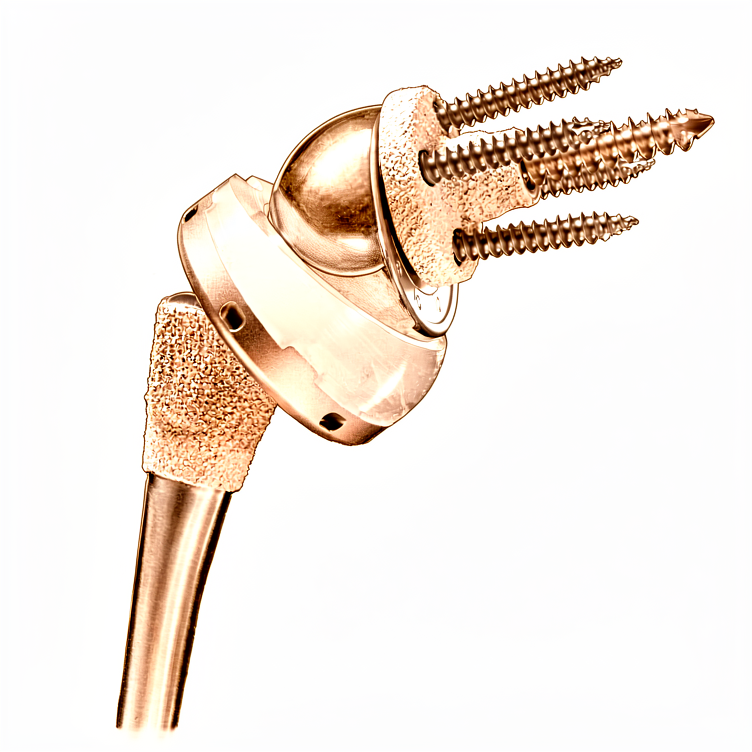
For patients: a plain-language version of this topic is available. See the patient guide.
Overview
Reverse total shoulder arthroplasty (RTSA) is a reliable surgical intervention that restores shoulder function and provides significant improvements in pain, motion, and function [1, 3, 5]. The procedure has demonstrated high success rates in cuff-deficient shoulders and massive rotator cuff tears, with indications continuing to broaden [30, 32]. Clinical benefits are maintained out to 10 years, with low revision rates and complications within an acceptable range for primary cases [39, 45]. While RTSA is associated with moderate complications [3], it offers optimal outcomes and low complication rates for glenohumeral osteoarthritis with an intact rotator cuff across short-term follow-up [155]. Notably, RTSA does not appear to offer functional benefits over anatomic total shoulder arthroplasty for primary osteoarthritis with an intact rotator cuff and no glenoid deformity [4].
Utilization of primary shoulder arthroplasty has increased significantly, with RTSA making a major contribution to this trend [7]. The procedure is increasingly used in patients younger than 60 years, although these patients experience significantly higher rates of 90-day surgical complications compared to older cohorts [12]. Primary RTSA in patients aged 65 years or younger yields good short- to medium-term outcomes and high implant survival, though smoking increases the risk for revision, reoperation, and complications in this demographic [14]. In morbidly obese patients, RTSA appears as safe and effective as in non-obese populations, but is associated with increased cost, a lower rate of discharge to home, and greater care needs after discharge [62].
Revision RTSA outcomes are generally inferior to primary cases, with complications and revision surgeries being common [2]. Despite this, revision procedures lead to notable improvements in pain, motion, and function [2], with significant long-term clinical improvements and an implant survival rate of 85% at ten years [6]. Indications for initial shoulder replacement do not influence the clinical outcome after conversion to RTSA at long-term follow-up [9]. For acute proximal humeral fractures in the geriatric patient, RTSA has shown promising results, with mean active anterior elevation improving from 97 to 122 degrees [21]. Complication rates for this indication range from 15% to 28% in short-term studies [21], and the indication is steadily increasing in acute displaced proximal humeral fracture [56]. Revision rates were lower for RTSA than hemiarthroplasty in acute proximal humeral fractures, but the difference was not statistically significant [35].
Anatomy & Pathophysiology
Bony Anatomy and Implant Biomechanics
The glenoid is suspended from the scapular body by the neck and fixed to the clavicle by the acromioclavicular and coracoclavicular ligaments [46]. The glenoid vault narrows as the face of the glenoid transitions into the neck [46]. The scapular spine is subcutaneous posteriorly and widens gradually as it transitions into the base of the acromion laterally [46]. The acromion curves anteriorly and meets the clavicle at the acromioclavicular joint and the coracoid via the coracoacromial ligament [46].
The goal of glenoid component implantation is to place the central peg or screw within the glenoid vault in the axis of the scapular body without perforation [46]. Peripheral locking screws guide fixation into specific bony landmarks: the lateral pillar of the scapula for inferior and posterior screws, the base of the coracoid for the superior screw, and the scapular spine for the anterior screw [46].
In the Grammont reverse prosthesis, the center of rotation is medial to the glenoid component–bone interface to decrease shear stress and provide compressive stress [69]. The Grammont humeral component is inset within the proximal humerus metaphysis with a relatively horizontal opening angle of 155 degrees [69]. This medialization and distalization of the humerus provides a mechanical advantage to the deltoid for active elevation in the absence of a rotator cuff [69]. Subsequent reverse designs modified features to place the center of rotation more lateral than the Grammont prosthesis, with a 135-degree opening angle [69]. Later designs introduced onlay humeral bearings that lateralize the humerus without changing the center of rotation, using a 145-degree opening angle [69].
The semiconstrained nature of the reverse prosthesis provides a stable fulcrum that allows the deltoid to elevate the shoulder even in the absence of a functional rotator cuff [69]. Anatomic total shoulder arthroplasty aims to reproduce premorbid kinematics, while reverse shoulder arthroplasty achieves stability through a semi-constrained design [89]. A shoulder prosthesis that medializes the center of rotation, lengthens the deltoid muscle, and increases the deltoid lever arm results in significantly more powerful abduction despite complete loss of rotator cuff function [101].
The traditional Grammont style decreases shear forces on the glenoid and lowers baseplate failure by medializing the center of rotation, at the risk of inferior scapular notching in adduction [153]. Distalization doubles the lever arm of the deltoid and optimizes its length–tension curve, increasing efficiency by 30% at the cost of rotational strength [153]. Lateralized glenosphere and lateralized humerus designs have gained popularity to improve rotational profile, deltoid function, implant stability, and decrease impingement [153]. Early reverse designs had a high failure rate due to the profound lever arm on the glenoid and baseplate bone [153]. Recent reverse designs have a better track record but increased forces are seen by the scapula and acromion [153].
The polyethylene cup on the humeral component is relatively shallow compared with ball-in-socket articulations, resulting in low coverage of the hemispherical glenosphere [202]. During shoulder motion involving humeral elevation, the reverse shoulder arthroplasty articulation is regularly subjected to oblique loading with a shear component of deltoid force acting perpendicular to the central axis of the polyethylene cup [202]. The biomechanics of the shoulder rely on a careful balancing between stability and mobility [89].
Varying glenosphere configurations leads to changes in range of motion and muscle length following reverse shoulder arthroplasty [143]. Increasing the diameter of the glenosphere alone did not alter the deltoid moment arm [144]. Moderate lateralization of the glenosphere of +5 mm improved range of motion in a cadaveric experimental setup [150]. The anterior deltoid is biomechanically important for balanced function after reverse total shoulder arthroplasty [96]. Even if the teres minor external rotation moment arm is higher in reverse shoulder arthroplasty than in a normal shoulder, decreased muscle length could impair its force generation [117]. Greater tuberosity healing does not seem to impact reverse shoulder arthroplasty biomechanics during abduction or forward flexion, but it does affect biomechanics during external rotation [114]. Repair of the subscapularis did not lead to inferior clinical outcomes as predicted by biomechanical models [103]. Biomechanical analysis demonstrated that reverse shoulder arthroplasty models produce moment arms that vary between muscles, with some contributing more to abduction and some contributing less [147]. Impingement in reverse shoulder arthroplasty is determined by scapular motion, which should be included in all shoulder models [100]. Preoperative planning using supine CT may inaccurately pose bones, with consequent effects on the surgical plan, resultant shoulder biomechanics, and clinical outcomes [142].
Kinematics and Scapulohumeral Rhythm
Reverse shoulder arthroplasty shoulders show kinematics that are significantly different from normal shoulders, utilizing much more scapulothoracic motion and much less glenohumeral motion to elevate the arm [91]. This pattern of increased scapulothoracic motion and decreased glenohumeral motion is consistent across studies [92]. The scapulothoracic contribution to overall shoulder movement is significantly increased in patients with reverse total shoulder arthroplasty compared with a healthy shoulder [146].
Scaption kinematics of reverse shoulder arthroplasty do not change after the sixth postoperative month [93]. Shoulders with good elevation after reverse shoulder arthroplasty showed significantly higher scapulohumeral rhythm than those with poor elevation, with no other statistically significant kinematic differences found between the groups [106]. Postoperative changes in scapular kinematics following reverse total shoulder arthroplasty positively impact shoulder function and patient-reported outcome measures [145].
Scapular kinematics of patients with shoulder arthroplasty was influenced by the implementation of external loads, but not by the type of load [88]. Scapulothoracic upward rotation can be effectively predicted from component motions as a function of acromioclavicular internal rotation [107]. Posterior shoulder tightness resulted in scapular malposition, with muscular and capsular components affecting scapular position differently [148].
Neurovascular Anatomy and Nerve Injury
The suprascapular nerve arises from the C4–C5 nerve roots off of the supraclavicular brachial plexus at “Erb’s point” [46]. It runs just medial to the base of the coracoid, under the transverse scapular ligament within the suprascapular notch, and gives off branches to the supraspinatus within 1 cm of the notch [46]. The nerve continues through the supraspinatus fossa heading laterally and distally on the under surface of the supraspinatus [46]. It then runs under the ill-defined spinoglenoid ligament around the lateral base of the scapula within the spinoglenoid notch before terminating in posterior capsular sensory branches and an infraspinatus motor branch [46].
Cadaver studies show the suprascapular nerve is present 29 mm (range 23 to 35 mm) from the superior rim of the glenoid at the suprascapular notch [46]. At the spinoglenoid notch, the nerve is present 18 mm (range 14 to 24 mm) from the posterior rim [46]. Injury to the suprascapular nerve can cause pain and denervation of the supraspinatus and infraspinatus [46]. It is recommended to limit superior screw length to ≤25 mm and posterior screws to ≤15 mm when possible to reduce the risk of suprascapular nerve injury [46]. The suprascapular nerve is commonly injured by the fracture itself or becomes encased in callus in the setting of periprosthetic scapular fractures [46].
Pathophysiology of Periprosthetic Scapular Fractures
Periprosthetic scapular fractures are universally associated with stable glenoid implants [43]. They are unlikely in the face of dislocation, glenosphere dissociation, or baseplate pullout at the bone–baseplate interface [43]. Periprosthetic scapular fracture has been noted to result in new glenohumeral instability due to the change of orientation of the glenosphere and loss of deltoid tension [43].
Diagnosis of periprosthetic scapular fractures is often subtle and requires a high index of suspicion [43]. New pain at the base of the acromion may be the only finding in a stress reaction and should raise suspicion for fracture [43]. Stress fractures can be more painful than after they propagate into a displaced fracture [43]. Patients typically present around their 8th decade of life after a sudden increase in pain or loss of function in an otherwise smooth postoperative course [43]. Periprosthetic scapular fractures generally occur within 1 year but up to 2 years from surgery [43]. Patients who go on to have periprosthetic scapular fractures initially outperform those who do not [43].
Risk factors for periprosthetic scapular fracture include a history of steroid use, osteoporosis, subacromial decompression, or rotator cuff tear arthropathy [43]. Female gender has been implicated as a risk factor, with females accounting for up to 100% of some series [153]. Periprosthetic scapular fractures typically occur in patients 70 to 80 years old [153]. A study of patients under age 65 undergoing reverse shoulder arthroplasty showed a 0% (0/67) postoperative periprosthetic scapular fracture rate [153]. Patients with postoperative acromial fracture were found to be significantly older than those without fracture in a retrospective cohort study of 318 reverse shoulder arthroplasties [153].
Osteoporosis is a significant risk factor for periprosthetic scapular fracture, with 30.8% of fracture patients having osteoporosis compared to 18.4% of controls (OR 1.97; p < 0.05) [153]. Smoking status and prolonged steroid use were nearly double in the fracture group compared to controls but were not statistically significant risk factors [153]. Endocrine disease, autoimmune disease, and alcohol abuse were not statistically found to be risk factors for periprosthetic scapular fracture [153]. Fatigue fracture has been found to occur through already weakened acromiums or those with preexisting lesions [153]. Acromial thinning and eventual fragmentation occur at the final stages of rotator cuff-tear arthropathy as the humeral head acetabularizes the acromion [153].
Postoperative periprosthetic scapular fractures have been increasingly recognized following reverse shoulder arthroplasty, with rates of 0.9% to 11.2% reported in the literature [153]. Periprosthetic scapular fracture is a challenge unique to reverse shoulder arthroplasty and occurs more commonly than periprosthetic humeral fractures [153]. These fractures are an effect of nonphysiologic forces transferred from the implant to the scapula, often in a suboptimal host [153].
Deformity on inspection is concerning for dislocation, hematoma, or displaced fracture [43]. Erythema or incisional dehiscence is concerning for infection [43]. Tenderness along the acromion or scapular spine raises suspicion for fracture which should be confirmed with imaging [43]. A sudden loss of function or increase in pain is consistent with both scapular fracture and infection and should trigger further workup [43].
Classification
Acromial Fracture Classification: A classification system for postoperative acromial fractures following reverse shoulder arthroplasty has been developed and demonstrated reliable reproducibility among fellowship-trained shoulder surgeons [75]. Type-I fractures involve only a portion of the middle deltoid origin [75]. Type-II fractures involve at least the entire middle deltoid origin and may include portions of the posterior deltoid origin [75]. Type-III fractures involve the entire middle and posterior deltoid origin [75].
Glenoid Wear Classification (Primary RSA): In primary reverse shoulder arthroplasty cases, glenoids are classified into four groups based on the location and severity of glenoid wear [80]. Group 1 includes severe central glenoid erosion with medialization of the joint line [80]. Group 2 includes anterior glenoid bone loss [80]. Group 3 includes posterior glenoid bone loss with a posterior subluxation [80]. Group 4 includes small glenoids with osteoporotic bone and a glenoid vault ≤ 20 mm of depth in the coronal plane [80]. Glenoid erosion in the sagittal plane is evaluated using the Favard classification [80].
Favard Classification: The Favard classification defines E0 as superior humeral head migration without erosion of the glenoid [179]. E1 is defined as concentric erosion of the glenoid [179]. E2 is defined as erosion limited to the superior part of the glenoid [179]. E3 is defined as erosion extending to the inferior part of the glenoid [179].
Sauzieres' Classification (Revision RSA): In revision cases, glenoid bone loss is quantified according to the Sauzieres' classification into five different types [80]. Type A is a central defect respecting cortical bone [80]. Type B is a peripheral defect of the anterior wall of less than a third of the depth [80].
Other Considerations: Current classification systems exhibit poor reliability in categorizing glenoid defects post-reverse shoulder arthroplasty removal [102]. Outcomes scores were universally improved from preoperative scores for all type-II acromial fractures [75]. Outcomes scores were not improved for any outcome measure for type-I acromial fractures [75]. Only the SANE score improved significantly for type-III acromial fractures [75]. No good or excellent results were observed for type-III acromial fractures [75]. Two revision arthroplasties occurred in patients with type-III acromial fractures who sustained subsequent glenohumeral dislocations [75].
Clinical Presentation
General Outcomes and Function
Reverse total shoulder arthroplasty (RTSA) yields significant improvements in both primary and revision cases [1], restoring shoulder function with moderate complications [3]. Patients report significant improvements in the American Shoulder and Elbow Surgeons (ASES) and Visual Analog Scale (VAS) scores [54], alongside significant improvements in range of motion and markedly decreased pain [57]. When patient selection is optimized, RTSA is a reliable means of relieving pain and improving function with excellent success [32]. Short- and mid-term follow-up results suggest that in experienced hands, RTSA may be a reasonable treatment for many previously difficult-to-treat pathologies within the shoulder [49]. Clinical benefits are maintained out to 10 years [39], and patients who underwent RTSA a mean of 5 years earlier exhibit similar functionality and health-related quality of life with respect to healthy controls [36]. RTSA provides generally satisfactory outcomes regardless of preoperative pathology [59]. The clinical and radiographic evaluation of a bone-preserving metaphyseal humeral component is promising, with good clinical results and no signs of loosening or subsidence [53]. Onlay RTSA yields good short-term clinical results [52].
Specific Pathologies and Populations
In patients with primary osteoarthritis, an intact rotator cuff, and no glenoid deformity, RTSA does not appear to offer functional benefits over anatomic total shoulder arthroplasty [4]. Total shoulder arthroplasty provides better value than RTSA at an average of 4 years in patients with glenohumeral osteoarthritis and an intact rotator cuff, despite higher rates of radiographic loosening without higher revision rates [8]. In rheumatoid arthritis, RTSA improved shoulder function with a low incidence of complications [33]. For older patients with fractures, RTSA relieved pain and improved function at short term [17]. In acute proximal humeral fractures in the geriatric patient, short-term studies report promising results with mean active anterior elevation improving from 97 to 122 degrees and complication rates of 15% to 28% [21]. Treatment with RTSA provides superior functional outcomes compared with conservative treatment for patients presenting with an acute proximal humeral fracture [55]. As a salvage procedure after failed internal fixation of proximal humerus fractures, the mean ASES score improved from 27.8 to 50.1, the mean Simple Shoulder Test score improved from 0.7 to 3.2, and the mean VAS for pain improved from 6.8 to 4.3 [136].
In the obese population, functional outcomes after 4 years of follow-up are good but worse than those recorded in the population with a BMI under 35 [50]. RTSA appears to be as safe and effective in morbidly obese patients, although it has an increased cost and patients have a lower rate of discharge to home and greater care needs after discharge [62]. All patients stated that they would undergo RTSA again in weight-bearing shoulders of wheelchair-dependent patients [13]. RTSA can be used to treat deltoid myopathy due to corticosteroid usage and can produce reliable improvements in clinical manifestations and functions without an increased risk of dislocation [122]. In the predominantly male patient population below the age of 55, RTSA and stemless anatomic total shoulder arthroplasty have a lower short-term revision risk than stemmed anatomic total shoulder arthroplasty [16]. Primary RTSA in patients aged 65 years or younger yields good short-term to medium-term outcomes with high implant survival, though smoking increases the risk for revision, reoperation, and complications [14]. RTSA use has increased among patients younger than 60 years of age, but this population experiences significantly higher rates of 90-day surgical complications compared to older patients [12]. RTSA provides reliable clinical improvements in patients younger than 65 years with a cuff-deficient shoulder [65]. In this younger cohort, the overall complication rate was 17% (range, 7%-38%), with the most common complications being instability (5%) and infection (4%), and the reintervention rate was 10% at 4 years, with implant revision in 7% of cases [65]. The mean weighted American Shoulder and Elbow Surgeons score, active forward elevation, and external rotation were 64 points, 121°, and 29°, respectively [65].
Revision and Conversion
Although the outcomes are generally inferior to primary RTSA and complications and revision surgeries are common, revision procedures still lead to notable improvements in pain, motion, and function [2]. Revision RTSA demonstrates significant long-term clinical improvements and an implant survival rate of 85% at ten years [6]. At long-term follow-up, indications for initial shoulder replacement do not influence the clinical outcome after conversion to RTSA [9]. At mid-to-long-term follow-up, RTSA demonstrated significantly fewer complications and reoperations than anatomic total shoulder arthroplasties [11]. No statistically significant differences in any range of motion or clinical outcome measure were found between revision RTSA for failed primary anatomic versus reverse total shoulder arthroplasty [118].
Complications and Adverse Events
RTSA has a higher reported rate of infection compared with anatomic total shoulder arthroplasty [38]. The majority of painful complications after RTSA, including instability, fractures, and infection, can be successfully treated to maintain a functional implant [40]. Patients who go on to have periprosthetic scapular fractures initially outperform those who do not [43]. Typically, patients will present around their 8th decade of life after a sudden increase in pain or loss of function in an otherwise smooth postoperative course for periprosthetic scapular fractures, generally within 1 year but up to 2 years from surgery [43]. In the case of a stress reaction, new pain at the base of the acromion may be the only finding and should raise suspicion and spark further imaging or a period of rest [43]. Often these stress fractures can actually be more painful than after it propagates into a displaced fracture [43]. Fracture can result in motion limited by pain, new weakness, or loss of function [43]. Deformity is concerning for dislocation, hematoma, or displaced fracture [43]. Functional outcomes of proximal humeral fractures treated with RTSA improve with surgical experience, and outcomes become less variable after approximately 20 procedures [37]. Patients with good outcomes after first RTSA can be counseled on contralateral TSA as early as 3 months postoperatively with confidence of a similar result on the contralateral side [22]. Patients achieved maximum medical improvement at 1 postoperative year following RTSA [23]. RTSA should be deferred at least 4 weeks after a patient receives a corticosteroid injection [18]. The results of Kim et al. are reassuring because they indicate that patients who have severe rotator cuff arthropathy and iatrogenic bone loss are not precluded from undergoing RTSA [60].
Investigations
Plain radiography: Radiographic measurements are generally valid for evaluating postoperative parameters in reverse total shoulder arthroplasty [172]. Preoperative assessment requires careful evaluation of radiographs to understand fracture patterns and anticipate the ideal height of stem implantation [71]. Radiographs of both humeri with magnifier markers may be used to determine where the stem should be positioned in reference to the fracture line on the humeral shaft [71]. The glenoid must be assessed in radiographs to plan component positioning, version, inclination, and rotation, as well as anticipated screw length [71]. Postoperatively, placing the glenoid component with inferior tilt does not reduce the incidence or severity of radiographic scapular notching [204].
CT: Clinical CT is inconsistent at visualizing the presence or absence of bone graft resorption adjacent to a reverse shoulder arthroplasty glenoid baseplate due to metal artifact [201]. Preoperative CT with three-dimensional reconstruction is useful for understanding fracture patterns and anticipating the ideal height of stem implantation in reverse shoulder arthroplasty for fracture [71]. The glenoid should be assessed in CT to plan for component positioning, version, inclination, and rotation, as well as anticipated screw length [71]. A modification to the Walch classification of the glenoid in primary glenohumeral osteoarthritis using three-dimensional imaging has been described [24]. In the workup for periprosthetic scapular fractures, CT scanning confirmed a scapular fracture uniquely separate from the Crosby classification in one case [43]. Three-dimensional CT reconstruction can show minimally displaced scapular neck and body fractures [43].
Other Considerations: A smaller subcoracoid distance is significantly associated with higher postoperative pain and reduced internal rotation at the spine level two years after reverse shoulder arthroplasty [82]. The value of reverse shoulder arthroplasty in patients with massive rotator cuff tear was very low in comparison with controls regarding risk factors for poor functional improvement [28]. Past medical history must identify risk factors for periprosthetic scapular fractures, including a history of steroid use, osteoporosis, subacromial decompression, or rotator cuff tear arthropathy [43]. Previous operative reports, clinic notes, and imaging can help provide a thorough understanding of any previous surgeries on the shoulder or history of radiation when assessing for periprosthetic scapular fractures [43].
Postoperative Workup: Workup for periprosthetic scapular fractures should begin with a complete history and examination [43]. New pain at the base of the acromion may be the only finding in the case of a stress reaction and should raise suspicion for further imaging or a period of rest [43]. Infection should be investigated with laboratory tests when a sudden loss of function or increase in pain is present [43]. In vivo wear of reverse total shoulder arthroplasty is multidirectional and perceptible [76].
Treatment
Non-Operative
Conservative management serves as a baseline for comparison, as reverse total shoulder arthroplasty provides superior functional outcomes compared with conservative treatment for patients presenting with an acute proximal humeral fracture [55].
Operative
Indications: Reverse shoulder arthroplasty has been highly successful in cuff-deficient shoulders, with indications continuing to broaden [30]. It is a powerful tool for managing proximal humerus fracture sequelae when joint-preserving options are not optimal, provided there is careful management of the tuberosities and understanding of associated pearls and pitfalls [119]. For elderly patients with complex proximal humerus fractures, comparative studies support its use because functional outcomes and relief of pain are reliably improved [178]. While management of complex fractures of the superior extremity of the humerus by reverse shoulder arthroplasty is an accepted approach, such treatment is restricted to elderly patients [128]. The procedure may lead to a significant reduction in pain, improvement in function, and a high degree of satisfaction for nonunion of a fracture of the proximal humerus [181]. Patients with both proximal humerus fracture and rotator cuff arthropathy achieved similar postoperative pain levels after reverse total shoulder arthroplasty [182]. It is a reasonable option for tumors of the proximal humerus with low morbidity, restoring a mean active abduction of 157 degrees and limiting the impairment of activities of daily living at medium-term followup [79]. Reverse shoulder arthroplasty is a versatile revision option following failure of primary procedures including failed shoulder arthroplasty, rotator cuff repair, or proximal humerus open reduction and internal fixation, with a large body of literature demonstrating its success [169]. The reverse shoulder prosthesis is now considered to be a viable alternative for patients with a failed prior shoulder replacement [195]. Improvements in both pain and function can be anticipated in the revision setting for reverse shoulder arthroplasty [195]. Reverse total shoulder arthroplasty was effective in restoring forward elevation irrespective of latissimus dorsi and teres major transfer or lateralization [126]. Reverse shoulder arthroplasty associated with a repair of deltoid tear could be a viable surgical option in cases of tear involving the anterior and middle deltoid [125]. A novel surgical technique for pectoralis major transfer in reverse shoulder arthroplasty with deficient subscapularis showed significant improvement in Constant scores from a mean of 17.7 pre-operatively to 61 post-operatively [115].
Surgical Approach / Technique: The deltopectoral approach is generally preferred for accessing the glenohumeral joint during reverse shoulder arthroplasty [83]. The anterosuperior approach can be used in primary and revision reverse shoulder arthroplasty, as well as in acute humeral head fracture [112]. The preferred surgical technique for reverse shoulder arthroplasty in proximal humerus fractures uses a deltopectoral approach with the patient in the beach-chair position [193]. A standard deltopectoral approach with the patient in the beach-chair position allows for exposure of the proximal humeral fracture as well as for identification and mobilization of the greater and lesser tuberosities [199]. Although a superolateral approach frequently is used in the setting of reverse shoulder arthroplasty for the treatment of rotator cuff tear arthropathy, this approach can also be used in the fracture setting, but access to the lesser tuberosity fragment may be difficult [199]. The deltopectoral approach allows adequate access to the fracture fragments for suture fixation and provides excellent glenoid exposure after fracture fragment mobilization [193]. The anterosuperior approach uses a more limited superiorly based incision and a deltoid split, with one potential advantage being greater tuberosity access [193]. Disadvantages of the anterosuperior approach include the requirement for deltoid detachment and potential dehiscence, as well as limited extensibility, which is especially relevant during humeral shaft exposure if there is shaft comminution [193]. The deltopectoral approach has several disadvantages, including that the role of the subscapularis in function and stability of a reverse arthroplasty is controversial, with several studies associating subscapularis dysfunction with greater risk of instability as well as increased danger of nerve injury [186]. Visualization and instrumentation of the posterior glenohumeral structures can be difficult from an anterior approach, making the exposure and reduction of the greater tuberosity or the implantation of the base plate a demanding procedure [186]. The anterosuperior approach uses a more limited superior incision via deltoid split, starting at the anterolateral corner and extending distally up to 4 cm [186]. Positive outcomes gained when using the anterosuperior approach include adequate exposure of the glenoid, better access to the greater tuberosity, and the ability to preserve the subscapularis tendon whilst reducing trauma to the deltoid [186]. The deltopectoral approach is the universal and familiar approach to the shoulder, allowing adequate access to the fracture fragments for suture fixation and providing adequate glenoid exposure after fracture fragment mobilization [186]. Reducing trauma to the deltoid has a theoretic advantage in the deltopectoral approach, given that reverse arthroplasty is powered primarily by the deltoid muscle [186]. The surgical approach for an RSA has been either the standard deltopectoral approach or the anterosuperior approach, with each having its advantages and disadvantages [193]. The deltopectoral approach is the universal and familiar approach to the shoulder, allowing adequate access to the fracture fragments for suture fixation and providing excellent glenoid exposure after fracture fragment mobilization [193]. Exposure and reduction of the greater tuberosity can be challenging through the deltopectoral approach [193]. A mechanical arm holder assists with positioning of the extremity throughout the entire case, ensuring the patient's arm can be adducted and extended during the case for proper humeral preparation [193]. A skin incision is made from the coracoid process distally (approximately 10 cm) in the deltopectoral approach [193]. The cephalic vein is retracted laterally in the deltopectoral approach [193]. The axillary nerve is identified medially underneath the conjoined tendon in the deltopectoral approach [193]. The musculocutaneous nerve is identified posterior to the conjoined tendon before placement of a self-retaining retractor between the conjoined tendon and the deltoid [193]. A soft tissue biceps tenodesis is performed in all cases in the del
Implant Selection: Each subscapularis management technique (tenotomy, peel, and lesser tuberosity osteotomy) has been shown to be effective and safe in the short term with no proven difference [83]. The humeral component in reverse shoulder arthroplasty can be implanted in any retroversion between 0° and 20° [70]. The general consensus tends to agree on restoring 0 to 20 degrees of retroversion for the humeral component in reverse shoulder arthroplasty [83]. Concomitant subscapularis repair in lateralized reverse total shoulder arthroplasty decreased glenohumeral abduction and increased internal rotation [113]. Glenosphere position significantly affected humeral internal and external rotation after reverse total shoulder arthroplasty [161]. We recommend humeral lengthening of at least 24 mm after implanting a total reverse shoulder prosthesis [151]. Significant differences in initial fixation exist between reverse shoulder implants having an equivalent center of rotation, suggesting that design parameters other than center of rotation position significantly affect fixation [164]. In the Grammont reverse prosthesis, the center of rotation of the arthroplasty is medial to the glenoid component–bone interface, with the intention being to decrease shear stress and provide compressive stress in an effort to decrease the chances of glenoid loosening [69]. The humeral component in the Grammont reverse prosthesis is inset and has a relatively horizontal opening angle of 155 degrees compared with conventional arthroplasty [69]. Once the implants are articulated in a Grammont reverse prosthesis, the humerus is more medial and more distal than preoperatively, which provides a mechanical advantage to the deltoid for active elevation in the absence of a rotator cuff [69]. A more horizontal opening angle was selected in the Grammont reverse prosthesis to decrease the chances of dislocation [69]. The humeral component in the Grammont reverse prosthesis was recommended to be implanted in more anteversion (0 to 10 degrees of retroversion) than conventional arthroplasty [69]. Subsequent reverse designs modified features including a larger portion of a sphere, placing the center of rotation more lateral than Grammont's prosthesis, and an opening angle of the humeral component of 135 degrees [69]. Later reverse designs introduced humeral components with an onlay humeral bearing, which lateralized the position of the humerus without changing the center of rotation of the arthroplasty, and selected a 145-degree opening angle for the bearing [69]. Reverse shoulder arthroplasty provides satisfactory pain relief for proximal humerus fractures regardless of humeral fixation type [194]. This supports the use of the novel inverse combination (Vitamin E and ceramic) in clinical practice to attain longer-term survivorship in reverse total shoulder replacements [61]. One patient underwent a successful second-stage implantation of a reverse shoulder arthroplasty after glenoid reconstruction with tricortical iliac crest structural bone graft enhanced with resorbable cement [27]. The primary or secondary implantation of the reverse shoulder prosthesis in proximal humeral fractures has to be planned carefully, since long-term results are still lacking and treatment options after failed reverse shoulder arthroplasty are few [66]. In the treatment of proximal humerus nonunion, not performing a tuberosity repair at the time of reverse arthroplasty has been correlated with a higher rate of dislocation [69]. Many believe that healing of at least the greater tuberosity in good position provides a higher chance of restoration of active external rotation, very important for the overall functional outcome in reverse arthroplasty for fracture [69]. The technical principles of implantation of a reverse arthroplasty for cuff tear arthropathy may need to be modified to enhance tuberosity healing, which may translate into avoiding translating the humeral shaft too lateral or too distal so that the tuberosities can actually overlap a few millimeters with the shaft [69]. Use of a stem with fracture-dedicated features (proximal ingrowth surface, small cross section, holes for suture fixation) may be beneficial for reverse arthroplasty in proximal humeral fractures [69].
Revision: The functional results of revision arthroplasty with reverse shoulder prosthesis in patients that sustained complex fracture of proximal humerus are altogether good, although less satisfactory than those of primary reverse prosthesis implant [26]. Shoulder function and pain improved in patients treated with a second-stage reimplantation of a reverse prosthesis and the reinfection rate was low [78]. Functional improvement was obtained after reimplantation of a reverse total shoulder prosthesis but was not seen after hemiarthroplasty and cement spacer for shoulder prosthetic joint infections [166].
Other Considerations: Total shoulder arthroplasty provides better value than reverse shoulder arthroplasty at an average of 4 years, despite higher rates of radiographic loosening without higher revision rates [8]. The value of reverse shoulder arthroplasty in the case group was very low in comparison with controls for massive rotator cuff tear [28]. More predictable outcomes and lower revision rates are seen in older individuals treated primarily or secondarily with reverse shoulder arthroplasty compared to those treated with hemiarthroplasty for proximal humerus fractures [20]. Reverse shoulder arthroplasty could be considered primary treatment for proximal humerus fractures, especially when optimal range of motion is of great importance to the patient [51]. Reverse shoulder arthroplasty indication is steadily increasing in acute displaced proximal humeral fracture [56]. The utilization of primary shoulder arthroplasty significantly increased in just a 3-year time span, with a major contribution from reverse shoulder arthroplasty in 2011 [7]. Recent literature shows an increase in reverse shoulder arthroplasty and a decrease in hemiarthroplasty performed for proximal humerus fractures [20]. Reverse shoulder arthroplasty currently is the replacement procedure of choice when arthroplasty is considered for proximal humeral fractures [69]. Currently, hemiarthroplasty is less commonly considered than reverse arthroplasty for proximal humeral nonunion [72]. It has been suggested that reverse shoulder arthroplasty may improve the shoulder function in patients with nonunions associated with severe tuberosity malunions [72]. The author concludes that surgeons may need to reconsider the routine use of reverse total shoulder arthroplasty over locked plating until consistent evidence demonstrates an advantage, particularly regarding functional outcomes or reoperation risk [170]. Pre-operative glenoid bone mineral density (BMD) varies significantly by indication for reverse total shoulder arthroplasty [63]. This review article identifies the most common and serious complications associated with reverse total shoulder arthroplasty and discusses current methods of management [34]. Although nonsurgical and surgical treatment improves clinical outcomes from the patient's preoperative state, outcomes for patients with fractures are generally inferior to those of a control group undergoing reverse shoulder arthroplasty without fracture [157]. Results of nonoperative treatment of acromial/scapular spine fractures following reverse shoulder arthroplasty differ based on fracture location [163]. Controversial management areas in reverse shoulder arthroplasty have been highlighted and require exploration by further clinical studies [19].
Complications
General Complication Rates: Revision reverse shoulder arthroplasty outcomes are generally inferior to primary procedures, with complications and revision surgeries being common [2]. In patients younger than 65 years, the overall complication rate is 17% (range 7% to 38%), with a reintervention rate of 10% at 4 years and implant revision occurring in 7% of cases [65]. Reverse total shoulder arthroplasty continues to present high rates of complications, including instability, infection, scapular notching, neurologic injury, and component loosening [231]. In a series of 297 shoulders, the overall complication rate was 5.1% [175]. For proximal humeral fractures, short-term studies report complication rates of 15% to 28% [21]. Males are more likely to sustain perioperative complications after reverse shoulder arthroplasty for proximal humeral fracture than females, with male sex identified as an independent risk factor for any complication and unplanned reoperation [233]. Smoking increases the risk for revision, reoperation, and complications in primary reverse shoulder arthroplasty in patients aged 65 years or younger [14].
Infection (PJI): Patients with patient-reported penicillin allergy are at an increased risk for prosthetic joint infection after total shoulder arthroplasty, likely due to receiving second-line antibiotics [232]. Previous rotator cuff repair increases the risk of revision surgery for periprosthetic joint infection after reverse shoulder arthroplasty [221]. Staged reverse shoulder arthroplasty implantation is a reliable treatment option for primary, secondary, and periprosthetic infections of the shoulder with satisfactory infection control and survival rates, though functional impairment persists [223]. Two-stage reimplantation eradicated periprosthetic shoulder infection in 85% of the shoulders [224]. Reverse shoulder arthroplasty should be deferred at least 4 weeks after a patient receives a corticosteroid injection to mitigate infection risk [18].
Aseptic Loosening: Aseptic loosening of the baseplate in reverse shoulder arthroplasty is a rare complication compared to loosening of the glenoid component in anatomic shoulder arthroplasty, accounting for only 1.7% of cases in long-term follow-up [74]. Early loosening of the baseplate during the first weeks postoperatively suggests inadequate strength of primary anchorage due to technical failure or poor quality of bone stock [74]. Malposition of the baseplate with superior inclination exceeding 20° or more than 20 mm above the inferior glenoid rim, as well as too much lateralization, can lead to excessive shearing forces and pull-out of the baseplate [74]. If a bone graft has been used for baseplate fixation, loosening may occur due to inadequate fixation of the central post or screw in the native bone, which should exceed at least 5–10 mm [74]. Baseplates with a central non-coated screw instead of a coated post may fail with a delay of more than 6–12 weeks [74]. Primary inlay reverse total shoulder arthroplasty has a higher rate of revision than onlay reverse total shoulder arthroplasty [217]. The use of long-stem humeral components in revision reverse shoulder arthroplasty is beneficial, although a high percentage of patients with humeral loosening is concerning [213]. In revision reverse shoulder arthroplasty using the cement-within-cement technique, higher rates of complications and re-revision surgery were observed over time secondary to aseptic glenoid component loosening and instability [196]. Complications and reoperation rates were higher for revision reverse shoulder arthroplasty than for primary reverse shoulder arthroplasty [207].
Instability: Instability was the most common complication in patients younger than 65 years undergoing reverse shoulder arthroplasty, occurring in 5% of cases [65]. Some common complications of reverse shoulder arthroplasty could be effectively reduced by a suitable positioning of the prosthesis components [219]. In a study comparing glenosphere sizes, no significant differences were observed between 38 mm and 42 mm glenospheres for specific complications, including residual pain and stiffness [175].
Periprosthetic Fracture: Reported complications in a series of 297 shoulders included postoperative periprosthetic humeral fractures (3 cases, 1.0%) [175]. Acromion/scapular spine stress fractures occurred in 5 cases (1.7%) in the same series [175].
Nerve Palsy: The main anterior circumflex branch of the axillary nerve is in close contact to the humeral metaphysis with a mean distance of 5.2 ± 2.1 mm (range, 2.0 to 8.1 mm) between the nerve and the metaphysis [116]. Contact between the main anterior circumflex branch of the axillary nerve and the humeral implant was obvious in 3 out of 6 specimens in an anatomical study [116]. The only structure separating the axillary nerve from the humeral implants in an anatomical study was the thin capsule, which was damaged by metaphyseal reaming in 1 case [116]. Causes of nerve injury after reverse shoulder arthroplasty are multifactorial and include direct nerve damage during surgical dissection, compression secondary to retractors or postoperative hematoma, and excessive mobilization [116]. Brachial plexus palsy was reported as a single-case complication in a series of 297 shoulders undergoing reverse total shoulder arthroplasty [175]. In a cohort of 29 shoulders undergoing reverse shoulder arthroplasty for proximal humeral fractures, one postoperative axillary nerve palsy was reported that completely resolved spontaneously within 12 months [173].
Thromboembolism: Venous thromboembolism occurred in 0.82% of patients following reverse total shoulder arthroplasty [200].
Other Considerations: Complications for primary reverse shoulder arthroplasty using augmented baseplates are within an acceptable range, with a low rate of revision [45]. In a series of 297 shoulders, residual pain and stiffness occurred in 3 cases (1.0%) [175]. Single-case complications in that series included glenoid prosthesis loosening, superficial wound infection, and complications due to the surgical scar [175]. No implant loosening or infection was documented in a cohort of 29 shoulders undergoing reverse shoulder arthroplasty for proximal humeral fractures [173]. The Grammont design had a higher scapular notching rate compared to all other designs combined (42.5% vs. 12.3%, P < .05) [184]. Although outcomes are generally inferior to primary reverse total shoulder arthroplasty, revision procedures still lead to notable improvements in pain, motion, and function [2]. The functional results of revision arthroplasty with a reverse shoulder prosthesis in patients who sustained complex fractures of the proximal humerus are altogether good, although less satisfactory than those of primary reverse prosthesis implantation [26]. In revision shoulder arthroplasty after failed primary shoulder arthroplasty, an inverse design can improve the functional outcome, and patient satisfaction is usually high [220]. Patients with good outcomes after a first reverse total shoulder arthroplasty can be counseled on contralateral total shoulder arthroplasty as early as 3 months postoperatively with confidence of a similar result on the contralateral side [22]. The value of reverse shoulder arthroplasty in a specific case group was very low in comparison with controls [28]. Reverse shoulder arthroplasty leads to improvement in shoulder mobility and patient-reported outcomes with high satisfaction rates, though revision rates are high in the long term [228]. All patients stated that they would undergo reverse shoulder arthroplasty again in a cohort of wheelchair-dependent patients [13]. While remaining a technically demanding operation, there appears to be a substantial reduction in serious complications after reverse shoulder arthroplasty with increased surgeon experience [41]. In comparison to the trend seen after 16 cases for anatomical shoulder replacement, no trend was seen in the reverse shoulder replacement cohort regarding early complications [44]. Revision reverse shoulder arthroplasty demonstrates an implant survival rate of 85% at ten years [6]. Primary reverse shoulder arthroplasty for cuff-deficient shoulders or primary osteoarthritis leads to a high 10-year survival, but revision reverse shoulder arthroplasty or primary reverse shoulder arthroplasty for fracture sequelae and tumors are at high risk for revision [226]. At midterm follow-up, total shoulder arthroplasty is associated with lower cost than reverse shoulder arthroplasty [230].
Recovery
Rehabilitation protocol: Early, active rehabilitation following reverse total shoulder arthroplasty is safe and effective, offering early clinical benefits over conservative, delayed mobilisation programmes [139]. Physical therapy plays an important role in the mid-term to long-term follow-up, specifically regarding range of motion and activities of daily living [123, 129]. Self-directed home therapy may serve as a viable alternative to formal supervised physical therapy, as it shows no significant differences in outcomes across multiple measures [149].
Functional milestones: Preoperative baseline scores serve as strong predictors of success in patients undergoing primary reverse shoulder arthroplasty, allowing clinicians to counsel patients on surgery and tailor postoperative protocols [168]. Although initially exhibiting slower recovery, patients with proximal humerus fractures can expect similar functional recovery and satisfaction at 1-year compared to those who received reverse shoulder arthroplasty for degenerative indications [222].
Other Considerations: Most patients who were active prior to surgery are successfully able to return to their activity afterwards [111]. Return to sports after reverse shoulder arthroplasty is possible and highly frequent [162]. In elderly patients undergoing reverse shoulder arthroplasty for acute proximal humeral fractures, anatomic tuberosity healing improves objective and subjective outcomes [84]. Functional outcome is improved following reverse shoulder arthroplasty for proximal humeral fractures when tuberosity healing occurs [218]. Active external rotation after reverse total shoulder arthroplasty is complex and not governed by a single muscle-tendon unit [132].
Key Evidence
- [L4] Reverse total shoulder arthroplasty has yielded significant improvements in primary and revision cases. [1] (10.1097/00132589-200306000-00006)
- [L5] Although the outcomes are generally inferior to primary reverse total shoulder arthroplasty and complications and revision surgeries are common, revision procedures still lead to notable improvements in pain, motion, and function. [2] (10.5435/jaaos-d-17-00535)
- [L2] Reverse total shoulder arthroplasty restores function in the shoulder with significant improvements in function and moderate complications. [3] (10.1177/1758573220977184)
- [L3] Reverse total shoulder arthroplasty does not appear to offer functional benefits over anatomic total shoulder arthroplasty in this population. [4] (10.1016/j.jse.2025.01.038)
- [L3] Reverse shoulder arthroplasty markedly improved shoulder function. [5] (10.1007/s00264-013-2277-7)
- [L3] Revision reverse shoulder arthroplasty demonstrates significant long-term clinical improvements and an implant survival rate of 85% at ten years. [6] (10.1302/0301-620x.107b11.bjj-2025-0436.r1)
- [L3] The utilization of primary shoulder arthroplasty significantly increased in just a 3-year time span, with a major contribution from reverse shoulder arthroplasty in 2011. [7] (10.1016/j.jse.2014.06.055)
- [Abstract] Total shoulder arthroplasty provides better value than reverse shoulder arthroplasty at an average of 4 years, despite higher rates of radiographic loosening without higher revision rates. [8] (10.1016/j.jse.2014.11.013)
- [Abstract] At long-term follow-up, indications for initial shoulder replacement do not influence the clinical outcome after conversion to reverse total shoulder arthroplasty. [9] (10.1016/j.jse.2022.01.004)
- [L3] Reverse shoulder arthroplasty is related to promising subjective, objective and radiologic long-term results for the treatment of failed anatomic shoulder arthroplasty. [10] (10.1016/j.jse.2022.01.003)
- [L3] At mid-to-long-term follow-up, reverse shoulder arthroplasties demonstrated significantly fewer complications and reoperations than anatomic total shoulder arthroplasties. [11] (10.1177/1758573220921150)
- [L3] Reverse total shoulder arthroplasty use has increased among patients younger than 60 years of age, but this population experiences significantly higher rates of 90-day surgical complications compared to older patients. [12] (10.1016/j.jseint.2025.05.020)
- [L4] All patients stated that they would undergo reverse shoulder arthroplasty again. [13] (10.1016/j.pmrj.2017.10.010)
- [L3] Primary reverse shoulder arthroplasty in patients aged 65 years or younger yields good short-term to medium-term outcomes with high implant survival, though smoking increases the risk for revision, reoperation, and complications. [14] (10.1016/j.jse.2016.05.026)
- [Paper] The most-cited articles on reverse total shoulder arthroplasty are expert opinions, case studies, and cohort studies published by American authors. [15] (10.1177/17585732231155123)
- [L3] In the predominantly male patient population below the age of 55, reverse shoulder arthroplasty and stemless anatomic total shoulder arthroplasty have a lower short-term revision risk than stemmed anatomic total shoulder arthroplasty. [16] (10.1016/j.jse.2024.07.032)
- [L4] At short term, reverse total shoulder arthroplasty relieved pain and improved function. [17] (10.1007/s11999-011-2055-z)
- [L3] Reverse shoulder arthroplasty should be deferred at least 4 weeks after a patient receives a corticosteroid injection. [18] (10.1016/j.jse.2023.01.008)
- [L5] Controversial management areas in reverse shoulder arthroplasty have been highlighted and require exploration by further clinical studies. [19] (10.5604/15093492.1119621)
- [L4] [20] (10.1007/s12178-020-09597-0)
- [L4] Reverse shoulder arthroplasty has shown promising results with mean active anterior elevation from 97 to 122 degrees reported with complication rates of 15% to 28% in short-term studies. [21] (10.1177/2151458511420140)
- [L4] Patients with good outcomes after first reverse total shoulder arthroplasty can be counseled on contralateral TSA as early as 3 months postoperatively with confidence of a similar result on the contralateral side. [22] (10.1016/j.jse.2023.10.007)
- [L2] Patients achieved maximum medical improvement at 1 postoperative year following reverse total shoulder arthroplasty. [23] (10.1016/j.jse.2018.05.029)
- [L4] The functional results of revision arthroplasty with reverse shoulder prosthesis in patients that sustained complex fracture of proximal humerus are altogether good, although less satisfactory than those of primary reverse prosthesis implant. [26] (10.1007/s12306-009-0006-6)
- [L4] One patient underwent a successful second-stage implantation of a reverse shoulder arthroplasty after glenoid reconstruction. [27] (10.1097/bte.0b013e31820b3517)
- [L3] The value of reverse shoulder arthroplasty in the case group was very low in comparison with controls. [28] (10.1016/j.jse.2015.05.007)
- [L4] The reverse shoulder arthroplasty has been highly successful in cuff deficient shoulders, with indications continuing to broaden. [30] (10.1007/s12178-011-9097-4)
- [L4] When patient selection is optimized, reverse shoulder arthroplasty is a reliable means of relieving pain and improving function with excellent success. [32] (10.1007/s12178-018-9467-2)
- [L4] Reverse arthroplasty in rheumatoid arthritis improved shoulder function with a low incidence of complications. [33] (10.1007/s11999-010-1654-4)
- [L4] This review article identifies the most common and serious complications associated with reverse total shoulder arthroplasty and discusses current methods of management. [34] (10.1007/s12178-014-9252-9)
- [L3] Revision rates were lower for reverse shoulder arthroplasty but the difference was not statistically significant. [35] (10.1016/j.jse.2017.02.005)
- [L4] Patients who had undergone reverse shoulder arthroplasty a mean of 5 years earlier exhibit similar functionality and health-related quality of life with respect to healthy controls. [36] (10.1016/j.jse.2013.01.020)
- [L4] Functional outcomes of proximal humerus fractures treated with reverse shoulder arthroplasty improve with surgical experience, and outcomes become less variable after approximately 20 procedures. [37] (10.1016/j.jseint.2021.07.008)
- [L4] Reverse shoulder arthroplasty has a higher reported rate of infection compared with anatomic total shoulder arthroplasty. [38] (10.1007/s12178-020-09670-8)
- [L4] This study confirms the clinical benefits of reverse shoulder arthroplasty, with improvements maintained out to 10 years. [39] (10.1177/1758573219832283)
- [L4] The majority of painful complications after reverse shoulder arthroplasty, including instability, fractures, and infection, can be successfully treated to maintain a functional implant. [40] (10.1177/1758573217702333)
- [L4] While remaining a technically demanding operation, there does appear to be a substantial reduction in serious complications after reverse shoulder arthroplasty with increased surgeon experience. [41] (10.1016/j.jse.2007.02.059)
- [L4] In comparison to the trend seen after 16 cases for anatomical shoulder replacement, no trend was seen in the reverse shoulder replacement cohort. [44] (10.1308/rcsann.2018.0062)
- [L4] Complications are within an acceptable range for primary reverse shoulder arthroplasty, with a low rate of revision. [45] (10.1016/j.xrrt.2022.08.008)
- [L4] Short- and mid-term follow-up results suggest that in experienced hands, reverse total shoulder arthroplasty may be a reasonable treatment for many previously difficult to treat pathologies within the shoulder. [49] (10.1007/s12178-016-9316-0)
- [L3] The functional outcomes of reverse shoulder arthroplasty are good in the obese population after 4 years of follow-up, but these outcomes are worse than those recorded in the population with a BMI under 35. [50] (10.1007/s00402-017-2816-6)
- [L3] Therefore, reverse shoulder arthroplasty could be considered primary treatment, especially when optimal range of motion is of great importance to the patient. [51] (10.1177/17585732231190038)
- [L4] Onlay reverse shoulder arthroplasty yields good short-term clinical results. [52] (10.1016/j.jse.2017.05.021)
- [L4] The clinical and radiographic evaluation of a bone preserving metaphyseal humeral component in reverse shoulder arthroplasty is promising, with good clinical results, no signs of loosening or subsidence. [53] (10.1007/s00264-014-2328-8)
- [L4] Patients who underwent reverse shoulder arthroplasty had significant improvement in the ASES and VAS scales. [54] (10.1016/j.rboe.2017.04.007)
- [L1] Treatment with reverse shoulder arthroplasty provides superior functional outcomes compared with conservative treatment for patients presenting with an acute proximal humeral fracture. [55] (10.1016/j.jse.2024.02.023)
- [L3] Reverse shoulder arthroplasty indication is steadily increasing in acute displaced proximal humeral fracture. [56] (10.1007/s12306-014-0322-3)
- [L5] Patients experience a significant improvement in range of motion and markedly decreased pain after undergoing reverse shoulder arthroplasty. [57] (10.1148/rg.271065076)
- [L5] [59] (10.1016/j.jseint.2024.06.018)
- [Paper] The results of Kim et al. are reassuring because they indicate that patients who have severe rotator cuff arthropathy and iatrogenic bone loss are not precluded from undergoing reverse shoulder arthroplasty. [60] (10.1097/corr.0000000000003182)
- [L5] This supports the use of the novel inverse combination in clinical practice to attain longer-term survivorship in reverse total shoulder replacements. [61] (10.1177/17585732241265627)
- [L3] Reverse shoulder arthroplasty appears to be as safe and effective in morbidly obese patients, although it has an increased cost and patients have a lower rate of discharge to home and greater care needs after discharge. [62] (10.2106/jbjs.m.00735)
- [L4] Pre-operative glenoid bone mineral density (BMD) varies significantly by indication for reverse total shoulder arthroplasty. [63] (10.1016/j.jseint.2026.101720)
- [L4] [65] (10.1016/j.jses.2019.06.003)
- [Case_report] The primary or secondary implantation of the reverse shoulder prosthesis in proximal humeral fractures has to be planned carefully, since long-term results are still lacking and treatment options after failed reverse shoulder arthroplasty are few. [66] (10.1007/s00402-007-0519-0)
- [L4] Therefore, the humeral component in reverse shoulder arthroplasty can be implanted in any retroversion between 0° and 20°. [70] (10.1007/s12306-016-0443-y)
- [L4] [74] (10.1007/s11678-020-00598-6)
- [L3] [75] (10.2106/jbjs.k.01516)
- [L4] In vivo wear of reverse total shoulder arthroplasty is multidirectional and perceptible. [76] (10.1016/j.jse.2019.11.031)
- [L4] Shoulder function and pain improved in patients treated with a second-stage reimplantation of a reverse prosthesis and the reinfection rate was low. [78] (10.1007/s11999-011-1774-5)
- [L4] At medium-term followup, reverse total shoulder arthroplasty is a reasonable option for tumors of the proximal humerus with low morbidity, restoring a mean active abduction of 157 degrees and limiting the impairment of activities of daily living. [79] (10.1007/s11999-010-1758-x)
- [Paper] [80] (10.1007/s00264-018-4249-4)
- [L4] A smaller subcoracoid distance is significantly associated with higher postoperative pain and reduced internal rotation at the spine level two years after reverse shoulder arthroplasty. [82] (10.1016/j.jseint.2024.01.010)
- [L5] [83] (10.1016/j.jisako.2023.05.007)
- [L3] In elderly patients who have undergone a reverse shoulder arthroplasty for acute proximal humeral fractures, anatomic tuberosity healing improves objective and subjective outcomes. [84] (10.1016/j.jse.2018.05.030)
- [L4] Scapular kinematics of patients with shoulder arthroplasty was influenced by implementation of external loads, but not by the type of load. [88] (10.1016/j.clinbiomech.2012.04.009)
- [L5] The biomechanics of the shoulder relies on careful balancing between stability and mobility, with anatomic total shoulder arthroplasty aiming to reproduce premorbid kinematics and reverse shoulder arthroplasty achieving stability through a semi-constrained design. [89] (10.1302/2058-5241.6.210014)
- [Abstract] RTSA shoulders show kinematics that are significantly different from normal shoulders, utilizing much more scapulothoracic motion and much less glenohumeral motion to elevate the arm. [91] (10.1016/j.jse.2014.11.012)
- [L4] RTSA shoulders show kinematics that are significantly different from normal shoulders, using more scapulothoracic motion and less glenohumeral motion to elevate the arm. [92] (10.1016/j.jse.2014.11.043)
- [L4] Scaption kinematics of reverse shoulder arthroplasty do not change after the sixth postoperative month. [93] (10.1016/j.clinbiomech.2018.07.005)
- [L5] The anterior deltoid is important biomechanically for balanced function after a reverse total shoulder arthroplasty. [96] (10.1016/j.jse.2012.02.002)
- [L5] In addition, impingement is determined by scapular motion, which should be included in all shoulder models. [100] (10.1016/j.jse.2015.06.011)
- [L5] From a biomechanical point of view, a shoulder prosthesis which medializes the centre of rotation, lengthens the deltoid muscle and increases the deltoid lever arm, results in a significantly more powerful abduction of the shoulder, despite complete loss of rotator cuff function. [101] (10.1016/j.orthres.2004.03.010)
- [Paper] Current classifications exhibit poor reliability in categorizing glenoid defects post-reverse shoulder arthroplasty removal. [102] (10.1016/j.jseint.2024.08.170)
- [L3] Repair of the subscapularis did not lead to inferior clinical outcomes as predicted by biomechanical models. [103] (10.1016/j.jse.2016.09.027)
- [L3] Shoulders with good elevation showed significantly higher scapulohumeral rhythm than those with poor elevation, while no other statistically significant kinematic differences were found between the groups. [106] (10.1016/j.jseint.2021.02.002)
- [L4] Scapulothoracic upward rotation can be effectively predicted from the component motions as a function of acromioclavicular internal rotation. [107] (10.1093/ptj/pzz165)
- [L4] Most patients being active prior to reverse shoulder arthroplasty surgery are successfully able to return to their activity afterwards. [111] (10.1007/s00402-016-2494-9)
- [L4] The anterosuperior approach can be used in primary and revision reverse shoulder arthroplasty, as well as in acute humeral head fracture. [112] (10.1007/s11999-011-1861-7)
- [L5] Concomitant subscapularis repair in lateralized reverse total shoulder arthroplasty decreased glenohumeral abduction and increased internal rotation. [113] (10.5397/cise.2025.00675)
- [L5] Greater tuberosity healing does not seem to impact reverse shoulder arthroplasty biomechanics during abduction or forward flexion; however, it does affect biomechanics during external rotation. [114] (10.1016/j.jse.2019.07.022)
- [L4] The study reports preliminary results of a novel surgical technique for pectoralis major transfer in reverse shoulder arthroplasty with deficient subscapularis, showing significant improvement in Constant scores from a mean of 17.7 pre-operatively to 61 post-operatively. [115] (10.1016/j.jse.2023.02.081)
- [Paper] [116] (10.1016/j.otsr.2013.09.006)
- [L5] Even if TM external rotation moment arm is higher in RTSA than in a normal shoulder, the decreased length could impair its force generation. [117] (10.1016/j.jse.2014.08.019)
- [L3] [118] (10.1016/j.jseint.2022.11.003)
- [L5] Reverse shoulder arthroplasty is a powerful tool for managing proximal humerus fracture sequelae when joint-preserving options are not optimal, provided there is careful management of the tuberosities and understanding of associated pearls and pitfalls. [119] (10.5435/jaaos-d-23-00740)
- [Case_report] Reverse shoulder arthroplasty can be used to treat deltoid myopathy due to corticosteroid usage and can produce reliable improvements in clinical manifestations and functions without an increased risk of dislocation. [122] (10.5397/cise.2021.00241)
- [L3] Physical therapy plays an important role subsequent to reverse shoulder arthroplasty and has an effect in the mid-term to long-term follow-up regarding range of motion and activities of daily living. [123] (10.1007/s00402-018-3015-9)
- [L4] Reverse shoulder arthroplasty associated with a repair of deltoid tear could be a viable surgical option in cases of tear involving the anterior and middle deltoid. [125] (10.1016/j.jos.2016.06.016)
- [L3] Reverse total shoulder arthroplasty was effective in restoring forward elevation irrespective of latissimus dorsi and teres major transfer or lateralization. [126] (10.1016/j.jseint.2026.101636)
- [L3] Management of complex fractures of the superior extremity of the humerus by reverse shoulder arthroplasty is an accepted approach, but such treatment is restricted to elderly patients. [128] (10.1016/j.jse.2012.03.011)
- [Paper] Physical therapy plays an important role subsequent to reverse shoulder arthroplasty and has an effect in the mid-term to long-term follow-up regarding the range of motion as well as activities of daily living. [129] (10.1007/s00402-018-2977-y)
- [L4] Active external rotation after reverse total shoulder arthroplasty is complex and not governed by a single muscle-tendon unit. [132] (10.1016/j.jse.2023.08.031)
- [L3] [136] (10.1302/0301-620x.97b7.35713)
- [L1] Early, active rehabilitation after reverse total shoulder arthroplasty is safe and effective, and may have early clinical benefits over a conservative, delayed mobilisation programme. [139] (10.1177/1758573220937394)
- [L4] Thus, preoperative planning using supine CT may inaccurately pose bones, with consequent effects on the surgical plan, the resultant shoulder biomechanics, and clinical outcomes. [142] (10.1016/j.xrrt.2025.08.006)
- [L5] Varying the glenosphere configurations leads to ROM and muscle length changes following RSA. [143] (10.1007/s00264-018-3850-x)
- [L5] Increasing the diameter of the glenosphere alone did not alter the deltoid moment arm. [144] (10.1302/0301-620x.98b2.35912)
- [L4] The current study's findings suggest that postoperative changes in scapular kinematics following a reverse total shoulder arthroplasty positively impact shoulder function and patient-reported outcome measures. [145] (10.1016/j.jisako.2025.100761)
- [L4] The ST contribution to overall shoulder movement is significantly increased in patients with an rTSA compared with a healthy shoulder. [146] (10.1016/j.jse.2024.12.018)
- [L5] Biomechanical analysis demonstrated that RSA and SCR models produce moment arms that vary between muscles, with some contributing more to abduction and some contributing less. [147] (10.1177/2325967121s00333)
- [L5] Posterior shoulder tightness resulted in scapular malposition, with muscular and capsular components affecting scapular position differently. [148] (10.1016/j.jse.2019.05.040)
- [L2] This study suggests that self-directed home therapy following reverse shoulder arthroplasty may be a viable alternative to formal supervised physical therapy, showing no significant differences in outcomes across multiple measures. [149] (10.1016/j.jseint.2025.02.012)
- [L5] Moderate lateralization of the glenosphere of + 5 mm has improved the range of motion in our experimental cadaveric setup. [150] (10.1016/j.jor.2021.02.016)
- [L4] We recommend humeral lengthening of at least 24 mm after implanting a total reverse shoulder prosthesis. [151] (10.1016/j.jse.2018.05.027)
- [L4] Reverse shoulder arthroplasty provides optimal outcomes with low complication rates across a short term of follow-up for glenohumeral osteoarthritis with an intact rotator cuff. [155] (10.1016/j.jse.2021.06.010)
- [L2] Although nonsurgical and surgical treatment improves clinical outcomes from the patient's preoperative state, outcomes for patients with fractures are generally inferior to those of a control group undergoing reverse shoulder arthroplasty without fracture. [157] (10.5435/jaaos-d-20-01205)
- [L5] Glenosphere position significantly affected humeral internal and external rotation after reverse total shoulder arthroplasty. [161] (10.1016/j.jse.2012.07.013)
- [L4] Return to sports after reverse shoulder arthroplasty is possible and highly frequent. [162] (10.1136/jisakos-2020-000581)
- [L3] Results of nonoperative treatment of acromial/scapular spine fractures following reverse shoulder arthroplasty differ based on fracture location. [163] (10.1016/j.jse.2021.12.024)
- [L5] Significant differences in initial fixation exist between reverse shoulder implants having an equivalent center of rotation, suggesting that design parameters other than center of rotation position significantly affect fixation. [164] (10.1016/j.jse.2013.01.037)
- [L3] Functional improvement was obtained after reimplantation of a reverse total shoulder prosthesis but was not seen after hemiarthroplasty and cement spacer. [166] (10.1007/s11999.0000000000000049)
- [L3] Preoperative baseline scores can serve as strong predictors of success in patients undergoing primary reverse shoulder arthroplasty and can be used to both counsel patients on surgery and to tailor postoperative protocols. [168] (10.1016/j.jse.2021.03.033)
- [L5] Reverse shoulder arthroplasty is a versatile revision option following failure of primary procedures including failed shoulder arthroplasty, rotator cuff repair, or proximal humerus open reduction and internal fixation, with a large body of literature demonstrating its success. [169] (10.1016/j.jseint.2025.02.019)
- [L5] The author concludes that surgeons may need to reconsider the routine use of reverse total shoulder arthroplasty over locked plating until consistent evidence demonstrates an advantage, particularly regarding functional outcomes or reoperation risk, and suggests that future studies should include nonsurgical management and assess quality of life. [170] (10.1097/corr.0000000000001827)
- [L3] The study confirms that radiographic measurements are generally valid for evaluating postoperative parameters in reverse total shoulder arthroplasty. [172] (10.1016/j.jse.2024.10.016)
- [L4] [173] (10.1016/j.jse.2014.05.022)
- [L3] [175] (10.1016/j.jse.2015.10.027)
- [L4] Comparative studies support the use of reverse shoulder arthroplasty in elderly patients with complex proximal humerus fractures because the functional outcomes and relief of pain are reliably improved. [178] (10.5435/jaaos-d-13-00190)
- [L3] [179] (10.1016/j.jse.2008.02.010)
- [L3] Reverse total shoulder replacement may lead to a significant reduction in pain, improvement in function and a high degree of satisfaction. [181] (10.1302/0301-620x.96b9.33157)
- [L3] Patients with both proximal humerus fracture and rotator cuff arthropathy achieved similar postoperative pain levels after reverse total shoulder arthroplasty. [182] (10.5435/jaaosglobal-d-23-00169)
- [L2] [184] (10.1016/j.jseint.2020.07.017)
- [L4] [186] (10.2174/1874325001711010108)
- [L5] [193] (10.1016/j.jse.2013.10.003)
- [L3] Reverse shoulder arthroplasty provides satisfactory pain relief for proximal humerus fractures regardless of humeral fixation type. [194] (10.1016/j.jse.2017.06.027)
- [Paper] [195] (10.1016/j.ocl.2013.03.010)
- [L4] Although a low rate of humeral component loosening was observed, higher rates of complications and re-revision surgery were observed over time secondary to aseptic glenoid component loosening and instability. [196] (10.1016/j.xrrt.2024.08.006)
- [L2] [199] (10.2106/jbjs.rvw.m.00140)
- [L3] VTE occurred infrequently following shoulder arthroplasty, with an incidence of 0.61% after aTSA and 0.82% after rTSA. [200] (10.1016/j.jsea.2026.100061)
- [L4] Clinical CT is inconsistent at visualizing the presence or absence of bonegraft resorption adjacent to a reverse shoulder arthroplasty glenoid baseplate due to metal artifact. [201] (10.1016/j.otsr.2015.03.010)
- [L5] [202] (10.1177/0954411916642801)
- [L1] Placing the glenoid component with inferior tilt does not reduce the incidence or severity of radiographic scapular notching after reverse shoulder arthroplasty. [204] (10.1016/j.jse.2011.08.057)
- [L4] Complications and reoperation rates were higher than those for primary RSA but outcomes were comparable for revision of failed anatomic shoulder arthroplasty. [207] (10.1016/j.jse.2023.06.039)
- [L4] The use of long-stem humeral components is a beneficial treatment in revision reverse shoulder arthroplasty, although the high percentage of patients with humeral loosening is concerning. [213] (10.1016/j.jse.2016.05.015)
- [L3] Primary inlay reverse total shoulder arthroplasty (in-rTSA) has a higher rate of revision than onlay reverse total shoulder arthroplasty (on-rTSA). [217] (10.1177/17585732221122275)
- [L4] Functional outcome is improved following reverse shoulder arthroplasty for proximal humeral fractures when tuberosity healing occurs. [218] (10.1007/s00590-020-02649-8)
- [Paper] Some common complications of the reverse shoulder arthroplasty could be effectively reduced by a suitable positioning of the prosthesis components. [219] (10.1016/j.injury.2019.01.039)
- [Paper] In revision shoulder arthroplasty after failed primary shoulder arthroplasty an inverse design can improve the functional outcome, and patient satisfaction is usually high. [220] (10.1007/s00264-012-1742-z)
- [L3] There is an increased risk of revision owing to periprosthetic joint infection after reverse shoulder arthroplasty for patients with previous rotator cuff repair. [221] (10.1016/j.jse.2022.07.001)
- [L3] Although initially exhibiting slower recovery, patients with proximal humerus fractures can expect similar functional recovery and satisfaction at 1-year compared to those who received reverse shoulder arthroplasty for degenerative indications. [222] (10.1177/17585732221097415)
- [L4] Staged RSA implantation was confirmed to be a reliable treatment option for primary, secondary, and periprosthetic infections of the shoulder with satisfactory infection control and survival rates, though functional impairment persists. [223] (10.1016/j.jseint.2020.08.012)
- [L4] Two-stage reimplantation eradicated periprosthetic shoulder infection in 85% of the shoulders. [224] (10.1016/j.jse.2017.05.005)
- [L3] Primary RSA for cuff-deficient shoulders or primary osteoarthritis leads to a high 10-year survival, but revision RSA or primary RSA for fracture sequelae and tumors are at high risk for revision. [226] (10.3390/jcm11102677)
- [L4] Reverse shoulder arthroplasty leads to improvement in shoulder mobility and patient-reported outcomes with high satisfaction rates, though revision rates are high in the long term and more longer-term studies are needed to validate efficacy. [228] (10.1016/j.jisako.2023.10.005)
- [L3] At midterm follow-up, total shoulder arthroplasty is associated with lower cost than RSA. [230] (10.1016/j.jse.2015.01.005)
- [L4] Reverse total shoulder arthroplasty continues to have high rates of complications, which include instability, infection, scapular notching, neurologic injury, and component loosening, among others. [231] (10.2106/jbjs.rvw.17.00152)
- [L3] Patients with patient-reported penicillin allergy were at an increased risk for prosthetic joint infection after total knee arthroplasty and total shoulder arthroplasty, likely due to receiving second-line antibiotics. [232] (10.1097/corr.0000000000001497)
- [L3] Males were more likely to sustain perioperative complications after reverse shoulder arthroplasty for proximal humeral fracture than females, with male sex identified as an independent risk factor for any complication and unplanned reoperation. [233] (10.1016/j.jseint.2020.12.005)
See Also
- Total shoulder arthroplasty
- Rotator Cuff
- Shoulder Arthroplasty
- Fractures
- Subacromial Decompression
- Internal Fixation
- Cuff Arthropathy
- Proximal Humerus Fracture
- Rotator Cuff Repair
- Biceps Tenodesis
References
[1] Reverse Total Shoulder Replacement for Arthritis With an Irreparable Rotator Cuff Tear. Techniques in Shoulder and Elbow Surgery. 2003. DOI: 10.1097/00132589-200306000-00006
[2] Revision Reverse Shoulder Arthroplasty. Journal of the American Academy of Orthopaedic Surgeons. 2019. DOI: 10.5435/jaaos-d-17-00535
[3] Prospective multicentre mid-term clinical and radiological outcomes of 159 reverse total shoulder replacements and assessment of the influence of post-operative complications. Shoulder & Elbow. 2020. DOI: 10.1177/1758573220977184
[4] Exactech Equinoxe anatomic vs. reverse total shoulder arthroplasty for primary osteoarthritis with an intact rotator cuff in patients with no glenoid deformity. Journal of Shoulder and Elbow Surgery. 2025. DOI: 10.1016/j.jse.2025.01.038
[5] Clinical and radiological outcome of the Total Evolutive Shoulder System (TESS®) reverse shoulder arthroplasty: a prospective comparative non-randomised study. International Orthopaedics. 2014. DOI: 10.1007/s00264-013-2277-7
[6] Long-term results and implant survival of revision reverse shoulder arthroplasty after a mean follow-up of ten years. The Bone & Joint Journal. 2025. DOI: 10.1302/0301-620x.107b11.bjj-2025-0436.r1
[7] The contribution of reverse shoulder arthroplasty to utilization of primary shoulder arthroplasty. Journal of Shoulder and Elbow Surgery. 2014. DOI: 10.1016/j.jse.2014.06.055
[8] Outcomes and Value of Reverse Shoulder Arthroplasty for the Treatment of Glenohumeral Osteoarthritis with an Intact Rotator Cuff: A Matched Cohort Study. Journal of Shoulder and Elbow Surgery. 2015. DOI: 10.1016/j.jse.2014.11.013
[9] Conversions From Anatomic Shoulder Replacements To Reverse Shoulder Arthroplasty: Do The Indications For Initial Surgery Influence The Outcome?. Journal of Shoulder and Elbow Surgery. 2022. DOI: 10.1016/j.jse.2022.01.004
[10] Reverse Shoulder Arthroplasty After Failed Anatomic Shoulder Arthroplasty. Does The Design Of The Original Implant Affect The Long-Term Outcome?. Journal of Shoulder and Elbow Surgery. 2022. DOI: 10.1016/j.jse.2022.01.003
[11] Anatomic versus reverse shoulder arthroplasty: a mid-term follow-up comparison. Shoulder & Elbow. 2020. DOI: 10.1177/1758573220921150
[12] Increasing use of reverse total shoulder arthroplasty in younger adults despite higher complication rates. JSES International. 2025. DOI: 10.1016/j.jseint.2025.05.020
[13] Reverse Shoulder Arthroplasty in Weight‐Bearing Shoulders of Wheelchair‐Dependent Patients: Outcomes and Complications at 2 to 5 years. PM&R. 2017. DOI: 10.1016/j.pmrj.2017.10.010
[14] Primary reverse shoulder arthroplasty in patients aged 65 years or younger. Journal of Shoulder and Elbow Surgery. 2017. DOI: 10.1016/j.jse.2016.05.026
[15] The 50 most-cited articles in reverse shoulder arthroplasty. Shoulder & Elbow. 2023. DOI: 10.1177/17585732231155123
[16] Stemless anatomic and reverse shoulder arthroplasty in patients under 55 years of age with primary glenohumeral osteoarthritis: an analysis of the Australian Orthopedic Association National Joint Replacement Registry at 5 years. Journal of Shoulder and Elbow Surgery. 2025. DOI: 10.1016/j.jse.2024.07.032
[17] Is Reverse Shoulder Arthroplasty Appropriate for the Treatment of Fractures in the Older Patient?: Early Observations. Clinical Orthopaedics & Related Research. 2011. DOI: 10.1007/s11999-011-2055-z
[18] Does preoperative corticosteroid injection increase the risk of periprosthetic joint infection after reverse shoulder arthroplasty?. Journal of Shoulder and Elbow Surgery. 2023. DOI: 10.1016/j.jse.2023.01.008
[19] Reverse Shoulder Arthroplasty – Minimum Age for Surgery, Postoperative Rehabilitation and Long Term Restrictions. A Delphi Consensus Study. Ortopedia Traumatologia Rehabilitacja. 2014. DOI: 10.5604/15093492.1119621
[20] Reverse Shoulder Arthroplasty for Proximal Humerus Fracture. Current Reviews in Musculoskeletal Medicine. 2020. DOI: 10.1007/s12178-020-09597-0
[21] Reverse Shoulder Arthroplasty for Acute Proximal Humeral Fractures in the Geriatric Patient. Geriatric Orthopaedic Surgery & Rehabilitation. 2011. DOI: 10.1177/2151458511420140
[22] Early outcomes after first reverse total shoulder arthroplasty better prognosticate contralateral success compared with early outcomes after anatomic total shoulder arthroplasty. Journal of Shoulder and Elbow Surgery. 2024. DOI: 10.1016/j.jse.2023.10.007
[23] Establishing maximum medical improvement following reverse total shoulder arthroplasty for rotator cuff deficiency. Journal of Shoulder and Elbow Surgery. 2018. DOI: 10.1016/j.jse.2018.05.029
[24] Campbell S Operative Orthopaedics 4 Volume Set. RECONSTRUCTIVE PROCEDURES OF THE SHOULDER AND ELBOW IN ADULTS > REVERSE SHOULDER ARTHROPLASTY.
[26] Reverse shoulder prosthesis as revision surgery after fractures of the proximal humerus, treated initially by internal fixation or hemiarthroplasty. MUSCULOSKELETAL SURGERY. 2009. DOI: 10.1007/s12306-009-0006-6
[27] Glenoid Tricortical Iliac Crest Structural Bone Graft Enhanced With Resorbable Cement for the Treatment ofAseptic Glenoid Loosening. Techniques in Shoulder & Elbow Surgery. 2011. DOI: 10.1097/bte.0b013e31820b3517
[28] Reverse Shoulder Arthroplasty for Massive Rotator Cuff Tear: Risk Factors for Poor Functional Improvement. Journal of Shoulder and Elbow Surgery. 2015. DOI: 10.1016/j.jse.2015.05.007
[30] Reverse shoulder arthroplasty. Current Reviews in Musculoskeletal Medicine. 2011. DOI: 10.1007/s12178-011-9097-4
[32] Massive Rotator Cuff Tear: When to Consider Reverse Shoulder Arthroplasty. Current Reviews in Musculoskeletal Medicine. 2018. DOI: 10.1007/s12178-018-9467-2
[33] Can Reverse Shoulder Arthroplasty be Used with Few Complications in Rheumatoid Arthritis?. Clinical Orthopaedics & Related Research. 2011. DOI: 10.1007/s11999-010-1654-4
[34] Management of complications after reverse shoulder arthroplasty. Current Reviews in Musculoskeletal Medicine. 2015. DOI: 10.1007/s12178-014-9252-9
[35] Reverse shoulder arthroplasty compared with hemiarthroplasty in the treatment of acute proximal humeral fractures. Journal of Shoulder and Elbow Surgery. 2017. DOI: 10.1016/j.jse.2017.02.005
[36] Health-related quality of life and functionality after reverse shoulder arthroplasty. Journal of Shoulder and Elbow Surgery. 2013. DOI: 10.1016/j.jse.2013.01.020
[37] Surgical learning curve in reverse shoulder arthroplasty for proximal humerus fractures. JSES International. 2021. DOI: 10.1016/j.jseint.2021.07.008
[38] Periprosthetic Infection After Reverse Shoulder Arthroplasty: a Review. Current Reviews in Musculoskeletal Medicine. 2020. DOI: 10.1007/s12178-020-09670-8
[39] Delta Xtend reverse shoulder arthroplasty – Results at a minimum of five years. Shoulder & Elbow. 2019. DOI: 10.1177/1758573219832283
[40] Management of painful reverse shoulder arthroplasty. Shoulder & Elbow. 2017. DOI: 10.1177/1758573217702333
[41] Early Complications With The Delta Reverse Shoulder Arthroplasty: Influence Of The Learning Curve. Journal of Shoulder and Elbow Surgery. 2007. DOI: 10.1016/j.jse.2007.02.059
[43] Rockwood And Green S Fractures In Adults. 29: Principles of Nonunion and Bone Defect Treatment > Injuries Associated with Periprosthetic Scapular Fractures About Reverse Shoulder Arthroplasty.
[44] Comparative learning curves for early complications in anatomical and reverse shoulder arthroplasty. The Annals of The Royal College of Surgeons of England. 2018. DOI: 10.1308/rcsann.2018.0062
[45] Augmented baseplates in reverse shoulder arthroplasty: a systematic review of outcomes and complications. JSES Reviews, Reports, and Techniques. 2023. DOI: 10.1016/j.xrrt.2022.08.008
[46] Rockwood And Green S Fractures In Adults. 29: Principles of Nonunion and Bone Defect Treatment > Pathoanatomy and Applied Anatomy Related to Periprosthetic Scapular Fractures About Reverse Shoulder Arthroplasty.
[49] Expanding roles for reverse shoulder arthroplasty. Current Reviews in Musculoskeletal Medicine. 2016. DOI: 10.1007/s12178-016-9316-0
[50] Reverse shoulder arthroplasty in obese patients: analysis of functionality in the medium-term. Archives of Orthopaedic and Trauma Surgery. 2017. DOI: 10.1007/s00402-017-2816-6
[51] Does primary treatment of proximal humerus fractures show favourable functional outcomes over secondary treatment with reverse shoulder arthroplasty?. Shoulder & Elbow. 2023. DOI: 10.1177/17585732231190038
[52] Does arm lengthening affect the functional outcome in onlay reverse shoulder arthroplasty?. Journal of Shoulder and Elbow Surgery. 2017. DOI: 10.1016/j.jse.2017.05.021
[53] Reverse shoulder arthroplasty with a short metaphyseal humeral stem. International Orthopaedics. 2014. DOI: 10.1007/s00264-014-2328-8
[54] Reverse shoulder arthroplasty: clinical results and quality of life evaluation. Revista Brasileira de Ortopedia (English Edition). 2017. DOI: 10.1016/j.rboe.2017.04.007
[55] Reverse shoulder arthroplasty or nothing for patients with displaced proximal humeral fractures: a randomized controlled trial. Journal of Shoulder and Elbow Surgery. 2024. DOI: 10.1016/j.jse.2024.02.023
[56] Hemiarthroplasty versus reverse shoulder arthroplasty: comparative study of functional and radiological outcomes in the treatment of acute proximal humerus fracture. MUSCULOSKELETAL SURGERY. 2014. DOI: 10.1007/s12306-014-0322-3
[57] Radiologic Assessment of Reverse Shoulder Arthroplasty. RadioGraphics. 2007. DOI: 10.1148/rg.271065076
[59] Does preoperative diagnosis impact patient outcomes following reverse total shoulder arthroplasty?. JSES International. 2025. DOI: 10.1016/j.jseint.2024.06.018
[60] CORR Insights®: Acquired Acromion Compromise, Including Thinning and Fragmentation, Is Not Associated With Poor Outcomes After Reverse Shoulder Arthroplasty. Clinical Orthopaedics & Related Research. 2024. DOI: 10.1097/corr.0000000000003182
[61] A unique tribological inverted bearing solution for reverse shoulder arthroplasty: Vitamin E and ceramic (unique inverse pairings in rTSR). Shoulder & Elbow. 2024. DOI: 10.1177/17585732241265627
[62] Outcomes and Costs of Reverse Shoulder Arthroplasty in the Morbidly Obese. Journal of Bone and Joint Surgery. 2014. DOI: 10.2106/jbjs.m.00735
[63] Pre-operative glenoid bone density varies by indication for reverse shoulder arthroplasty: a comparison of glenoid bone density in proximal humerus fractures, glenohumeral osteoarthritis, and rotator cuff arthropathy. JSES International. 2026. DOI: 10.1016/j.jseint.2026.101720
[65] Reverse shoulder arthroplasty in patients aged 65 years or younger: a systematic review of the literature. JSES Open Access. 2019. DOI: 10.1016/j.jses.2019.06.003
[66] The reverse shoulder prosthesis for primary and secondary treatment of proximal humeral fractures: a case report. Archives of Orthopaedic and Trauma Surgery. 2007. DOI: 10.1007/s00402-007-0519-0
[69] Rockwood And Green S Fractures In Adults. 29: Principles of Nonunion and Bone Defect Treatment > Reverse Shoulder Arthroplasty.
[70] Is there any influence of humeral component retroversion on range of motion and clinical outcome in reverse shoulder arthroplasty? A clinical study. MUSCULOSKELETAL SURGERY. 2016. DOI: 10.1007/s12306-016-0443-y
[71] Rockwood And Green S Fractures In Adults. 29: Principles of Nonunion and Bone Defect Treatment > Preoperative Planning > Reverse Shoulder Arthroplasty for Fracture: Preoperative Planning Checklist.
[72] Rockwood And Green S Fractures In Adults. 29: Principles of Nonunion and Bone Defect Treatment > Reverse Shoulder Arthroplasty and Hemiarthroplasty.
[74] Revision of failed reverse shoulder arthroplasty—a point of no return?. Obere Extremität. 2020. DOI: 10.1007/s11678-020-00598-6
[75] Classification of Postoperative Acromial Fractures Following Reverse Shoulder Arthroplasty. The Journal of Bone and Joint Surgery-American Volume. 2013. DOI: 10.2106/jbjs.k.01516
[76] In vivo volumetric and linear wear measurement of reverse shoulder arthroplasty at minimum 5-year follow-up. Journal of Shoulder and Elbow Surgery. 2020. DOI: 10.1016/j.jse.2019.11.031
[78] Two-stage Reimplantation for Treating Prosthetic Shoulder Infections. Clinical Orthopaedics & Related Research. 2011. DOI: 10.1007/s11999-011-1774-5
[79] Does Reverse Shoulder Arthroplasty for Tumors of the Proximal Humerus Reduce Impairment?. Clinical Orthopaedics & Related Research. 2011. DOI: 10.1007/s11999-010-1758-x
[80] Benefits of a metallic lateralized baseplate prolonged by a long metallic post in reverse shoulder arthroplasty to address glenoid bone loss. International Orthopaedics. 2018. DOI: 10.1007/s00264-018-4249-4
[82] The subcoracoid distance is correlated with pain and internal rotation after reverse shoulder arthroplasty. JSES International. 2024. DOI: 10.1016/j.jseint.2024.01.010
[83] Reverse shoulder arthroplasty: State-of-the-art. Journal of ISAKOS. 2023. DOI: 10.1016/j.jisako.2023.05.007
[84] How the greater tuberosity affects clinical outcomes after reverse shoulder arthroplasty for proximal humeral fractures. Journal of Shoulder and Elbow Surgery. 2018. DOI: 10.1016/j.jse.2018.05.030
[88] Kinematic evaluation of patients with total and reverse shoulder arthroplasty during rehabilitation exercises with different loads. Clinical Biomechanics. 2012. DOI: 10.1016/j.clinbiomech.2012.04.009
[89] Biomechanics of anatomic and reverse shoulder arthroplasty. EFORT Open Reviews. 2021. DOI: 10.1302/2058-5241.6.210014
[91] Scapulohumeral Rhythm in Shoulders with Reverse Shoulder Arthroplasty. Journal of Shoulder and Elbow Surgery. 2015. DOI: 10.1016/j.jse.2014.11.012
[92] Scapulohumeral rhythm in shoulders with reverse shoulder arthroplasty. Journal of Shoulder and Elbow Surgery. 2015. DOI: 10.1016/j.jse.2014.11.043
[93] Scaption kinematics of reverse shoulder arthroplasty do not change after the sixth postoperative month. Clinical Biomechanics. 2018. DOI: 10.1016/j.clinbiomech.2018.07.005
[96] The anterior deltoid's importance in reverse shoulder arthroplasty: a cadaveric biomechanical study. Journal of Shoulder and Elbow Surgery. 2013. DOI: 10.1016/j.jse.2012.02.002
[100] Mechanical tradeoffs associated with glenosphere lateralization in reverse shoulder arthroplasty. Journal of Shoulder and Elbow Surgery. 2015. DOI: 10.1016/j.jse.2015.06.011
[101] Shoulder prostheses treating cuff tear arthropathy: A comparative biomechanical study. Journal of Orthopaedic Research. 2004. DOI: 10.1016/j.orthres.2004.03.010
[102] Glenoid Defects In Revision Reverse Shoulder Arthroplasty: Are Current Classification Systems Appropriate?. JSES International. 2024. DOI: 10.1016/j.jseint.2024.08.170
[103] Comparison of reverse total shoulder arthroplasty outcomes with and without subscapularis repair. Journal of Shoulder and Elbow Surgery. 2017. DOI: 10.1016/j.jse.2016.09.027
[106] Three-dimensional kinematics of reverse shoulder arthroplasty: a comparison between shoulders with good or poor elevation. JSES International. 2021. DOI: 10.1016/j.jseint.2021.02.002
[107] The Coupled Kinematics of Scapulothoracic Upward Rotation. Physical Therapy. 2019. DOI: 10.1093/ptj/pzz165
[111] Activity levels after reverse shoulder arthroplasty. Archives of Orthopaedic and Trauma Surgery. 2016. DOI: 10.1007/s00402-016-2494-9
[112] Surgical Technique: The Anterosuperior Approach for Reverse Shoulder Arthroplasty. Clinical Orthopaedics & Related Research. 2011. DOI: 10.1007/s11999-011-1861-7
[113] Concomitant subscapularis tendon repair in reverse total shoulder arthroplasty and assessment of superior migration of reattachment: a cadaveric biomechanical study. Clinics in Shoulder and Elbow. 2026. DOI: 10.5397/cise.2025.00675
[114] The role of greater tuberosity healing in reverse shoulder arthroplasty: a finite element analysis. Journal of Shoulder and Elbow Surgery. 2020. DOI: 10.1016/j.jse.2019.07.022
[115] Pectoralis Major Tendon Transfer In Reverse Shoulder Arthroplasty With Deficient Subscapularis: Surgical Technique And Preliminary Results. Journal of Shoulder and Elbow Surgery. 2023. DOI: 10.1016/j.jse.2023.02.081
[116] Injury to the axillary nerve after reverse shoulder arthroplasty: An anatomical study. Orthopaedics & Traumatology: Surgery & Research. 2014. DOI: 10.1016/j.otsr.2013.09.006
[117] The effect of humeral version on teres minor muscle moment arm, length, and impingement in reverse shoulder arthroplasty during activities of daily living. Journal of Shoulder and Elbow Surgery. 2015. DOI: 10.1016/j.jse.2014.08.019
[118] Comparison of clinical outcomes of revision reverse total shoulder arthroplasty for failed primary anatomic vs. reverse shoulder arthroplasty. JSES International. 2023. DOI: 10.1016/j.jseint.2022.11.003
[119] Reverse Shoulder Arthroplasty to Treat Proximal Humerus Fracture Sequelae: A Review. Journal of the American Academy of Orthopaedic Surgeons. 2024. DOI: 10.5435/jaaos-d-23-00740
[122] Reverse shoulder arthroplasty for corticosteroid-induced deltoid myopathy in a patient with systemic lupus erythematosus: a case report. Clinics in Shoulder and Elbow. 2021. DOI: 10.5397/cise.2021.00241
[123] Reverse shoulder arthroplasty: the role of physical therapy on the clinical outcome in the mid-term to long-term follow-up. Archives of Orthopaedic and Trauma Surgery. 2018. DOI: 10.1007/s00402-018-3015-9
[125] Massive irreparable rotator cuff tear and associated deltoid tear. Does the reverse shoulder arthroplasty and deltoid repair be a possible option of treatment?. Journal of Orthopaedic Science. 2016. DOI: 10.1016/j.jos.2016.06.016
[126] Optimizing reverse total shoulder arthroplasty for combined loss of elevation and external rotation: latissimus dorsi and teres major transfer, lateralization, or both?. JSES International. 2026. DOI: 10.1016/j.jseint.2026.101636
[128] Improvement in shoulder rotation in complex shoulder fractures treated by reverse shoulder arthroplasty. Journal of Shoulder and Elbow Surgery. 2013. DOI: 10.1016/j.jse.2012.03.011
[129] Reverse shoulder arthroplasty: the role of physical therapy on the clinical outcome in the mid-term to long-term follow-up. Archives of Orthopaedic and Trauma Surgery. 2018. DOI: 10.1007/s00402-018-2977-y
[132] Muscle activation patterns during active external rotation after reverse total shoulder arthroplasty: an electrophysiological study of the teres minor and associated musculature. Journal of Shoulder and Elbow Surgery. 2024. DOI: 10.1016/j.jse.2023.08.031
[136] Reverse shoulder arthroplasty as a salvage procedure after failed internal fixation of fractures of the proximal humerus. The Bone & Joint Journal. 2015. DOI: 10.1302/0301-620x.97b7.35713
[139] A randomised trial comparing two rehabilitation approaches following reverse total shoulder arthroplasty. Shoulder & Elbow. 2020. DOI: 10.1177/1758573220937394
[142] Shoulder joint angles in supine and upright imaging of the preoperative reverse total shoulder arthroplasty patient. JSES Reviews, Reports, and Techniques. 2025. DOI: 10.1016/j.xrrt.2025.08.006
[143] What is the best glenoid configuration in onlay reverse shoulder arthroplasty?. International Orthopaedics. 2018. DOI: 10.1007/s00264-018-3850-x
[144] The effect of glenosphere diameter and eccentricity on deltoid power in reverse shoulder arthroplasty. The Bone & Joint Journal. 2016. DOI: 10.1302/0301-620x.98b2.35912
[145] Effect of Glenosphere Lateralization or Inferiorization and Humeral Offset on Range of Motion after Reverse Total Shoulder Arthroplasty: A Robotic Assessment. Journal of ISAKOS. 2025. DOI: 10.1016/j.jisako.2025.100761
[146] Involvement of the scapulothoracic articulation after well-functioning reverse total shoulder arthroplasty. Journal of Shoulder and Elbow Surgery. 2025. DOI: 10.1016/j.jse.2024.12.018
[147] Muscle Fiber Contribution to Rotator Cuff Moment Arms During Abduction for Intact Rotator Cuff, Complete Supraspinatus Tear, Superior Capsular Reconstruction, and Reverse Shoulder Arthroplasty. (225). Orthopaedic Journal of Sports Medicine. 2021. DOI: 10.1177/2325967121s00333
[148] Posterior shoulder tightness can be a risk factor of scapular malposition: a cadaveric biomechanical study. Journal of Shoulder and Elbow Surgery. 2020. DOI: 10.1016/j.jse.2019.05.040
[149] Is formal physical therapy necessary after reverse total shoulder arthroplasty? A single-blinded, randomized controlled trial. JSES International. 2025. DOI: 10.1016/j.jseint.2025.02.012
[150] The effect of metaglene lateralization on joint mobility of reverse shoulder arthroplasty: A cadaveric biomechanical study. Journal of Orthopaedics. 2021. DOI: 10.1016/j.jor.2021.02.016
[151] Geometric modification of the humeral position after total reverse shoulder arthroplasty: what is the optimal lowering of the humerus?. Journal of Shoulder and Elbow Surgery. 2018. DOI: 10.1016/j.jse.2018.05.027
[153] Rockwood And Green S Fractures In Adults. 29: Principles of Nonunion and Bone Defect Treatment > Periprosthetic Scapular Fractures About Reverse Shoulder Arthroplasty.
[155] Glenohumeral osteoarthritis with intact rotator cuff treated with reverse shoulder arthroplasty: a systematic review. Journal of Shoulder and Elbow Surgery. 2021. DOI: 10.1016/j.jse.2021.06.010
[157] Scapular Fractures After Reverse Shoulder Arthroplasty. Journal of the American Academy of Orthopaedic Surgeons. 2022. DOI: 10.5435/jaaos-d-20-01205
[161] Effects of glenosphere positioning on impingement-free internal and external rotation after reverse total shoulder arthroplasty. Journal of Shoulder and Elbow Surgery. 2013. DOI: 10.1016/j.jse.2012.07.013
[162] Return to sport after reverse total shoulder arthroplasty is highly frequent: a systematic review. Journal of ISAKOS. 2021. DOI: 10.1136/jisakos-2020-000581
[163] Nonoperative treatment of acromial fractures following reverse shoulder arthroplasty: clinical and radiographic outcomes. Journal of Shoulder and Elbow Surgery. 2022. DOI: 10.1016/j.jse.2021.12.024
[164] Initial glenoid fixation using two different reverse shoulder designs with an equivalent center of rotation in a low-density and high-density bone substitute. Journal of Shoulder and Elbow Surgery. 2013. DOI: 10.1016/j.jse.2013.01.037
[166] Staged Revision With Antibiotic Spacers for Shoulder Prosthetic Joint Infections Yields High Infection Control. Clinical Orthopaedics & Related Research. 2018. DOI: 10.1007/s11999.0000000000000049
[168] Role of Preoperative PROMIS Scores in Predicting Postoperative Outcomes and Likelihood of Achieving MCID Following Reverse Shoulder Arthroplasty. Journal of Shoulder and Elbow Surgery. 2021. DOI: 10.1016/j.jse.2021.03.033
[169] Reverse shoulder arthroplasty in the revision setting. JSES International. 2025. DOI: 10.1016/j.jseint.2025.02.019
[170] CORR Insights®: In-hospital Complications Are More Likely to Occur After Reverse Shoulder Arthroplasty Than After Locked Plating for Proximal Humeral Fractures. Clinical Orthopaedics & Related Research. 2021. DOI: 10.1097/corr.0000000000001827
[172] The validity of radiographic measurements compared to 3-dimensional-surface model-based measurements in shoulders with reverse total shoulder arthroplasty. Journal of Shoulder and Elbow Surgery. 2025. DOI: 10.1016/j.jse.2024.10.016
[173] Reverse shoulder arthroplasty for the treatment of three-part and four-part proximal humeral fractures in the elderly. Journal of Shoulder and Elbow Surgery. 2015. DOI: 10.1016/j.jse.2014.05.022
[175] Impact of glenosphere size on clinical outcomes after reverse total shoulder arthroplasty: an analysis of 297 shoulders. Journal of Shoulder and Elbow Surgery. 2016. DOI: 10.1016/j.jse.2015.10.027
[178] Reverse Shoulder Arthroplasty for the Management of Proximal Humerus Fractures. Journal of the American Academy of Orthopaedic Surgeons. 2015. DOI: 10.5435/jaaos-d-13-00190
[179] Scapular notching in reverse shoulder arthroplasty. Journal of Shoulder and Elbow Surgery. 2008. DOI: 10.1016/j.jse.2008.02.010
[181] Reverse total shoulder replacement for nonunion of a fracture of the proximal humerus. The Bone & Joint Journal. 2014. DOI: 10.1302/0301-620x.96b9.33157
[182] Outcomes of Reverse Total Shoulder Arthroplasty for Proximal Humerus Fracture Versus Rotator Cuff Arthropathy. JAAOS: Global Research and Reviews. 2023. DOI: 10.5435/jaaosglobal-d-23-00169
[184] The modern reverse shoulder arthroplasty and an updated systematic review for each complication: part I. JSES International. 2020. DOI: 10.1016/j.jseint.2020.07.017
[186] Reverse Shoulder Arthroplasty for the Treatment of 3 and 4- Part Fractures of the Humeral Head in the Elderly. The Open Orthopaedics Journal. 2017. DOI: 10.2174/1874325001711010108
[193] Reverse shoulder arthroplasty for proximal humeral fractures: update on indications, technique, and results. Journal of Shoulder and Elbow Surgery. 2014. DOI: 10.1016/j.jse.2013.10.003
[194] Are outcomes of uncemented reverse shoulder arthroplasty for acute proximal humerus fractures equivalent to cemented stems?. Journal of Shoulder and Elbow Surgery. 2017. DOI: 10.1016/j.jse.2017.06.027
[195] Reverse Shoulder Arthroplasty. Orthopedic Clinics of North America. 2013. DOI: 10.1016/j.ocl.2013.03.010
[196] Cement-within-cement technique in revision reverse total shoulder arthroplasty: complications, reoperations, and revision rates at 5-year mean follow-up. JSES Reviews, Reports, and Techniques. 2025. DOI: 10.1016/j.xrrt.2024.08.006
[199] Reverse Shoulder Arthroplasty for the Treatment of Proximal Humeral Fractures. JBJS Reviews. 2014. DOI: 10.2106/jbjs.rvw.m.00140
[200] Ninety-day venous thromboembolism incidence and associated risk factors after total and reverse shoulder arthroplasty: a national database analysis. Journal of Shoulder and Elbow Arthroplasty. 2026. DOI: 10.1016/j.jsea.2026.100061
[201] Effectiveness of CT for the detection of glenoid bone graft resorption following reverse shoulder arthroplasty. Orthopaedics & Traumatology: Surgery & Research. 2015. DOI: 10.1016/j.otsr.2015.03.010
[202] Wear simulation strategies for reverse shoulder arthroplasty implants. Proceedings of the Institution of Mechanical Engineers, Part H: Journal of Engineering in Medicine. 2016. DOI: 10.1177/0954411916642801
[204] Inferior tilt of the glenoid component does not decrease scapular notching in reverse shoulder arthroplasty: results of a prospective randomized study. Journal of Shoulder and Elbow Surgery. 2012. DOI: 10.1016/j.jse.2011.08.057
[207] Revision reverse shoulder arthroplasty for the management of baseplate failure: an analysis of 676 revision reverse shoulder arthroplasty procedures. Journal of Shoulder and Elbow Surgery. 2024. DOI: 10.1016/j.jse.2023.06.039
[213] Long-term analysis of revision reverse shoulder arthroplasty using cemented long stems. Journal of Shoulder and Elbow Surgery. 2017. DOI: 10.1016/j.jse.2016.05.015
[217] Primary inlay reverse shoulder arthroplasty has a higher rate of revision than onlay reverse shoulder arthroplasty: Analysis from the Australian Orthopaedic Association National Joint Replacement Registry. Shoulder & Elbow. 2022. DOI: 10.1177/17585732221122275
[218] Tuberosity healing improves functional outcome following primary reverse shoulder arthroplasty for proximal humeral fractures with a 135° prosthesis. European Journal of Orthopaedic Surgery & Traumatology. 2020. DOI: 10.1007/s00590-020-02649-8
[219] A new method to evaluate the influence of the glenosphere positioning on stability and range of motion of a reverse shoulder prosthesis. Injury. 2019. DOI: 10.1016/j.injury.2019.01.039
[220] Reverse shoulder arthroplasty in revision of failed shoulder arthroplasty—outcome and follow-up. International Orthopaedics. 2012. DOI: 10.1007/s00264-012-1742-z
[221] Previous rotator cuff repair increases the risk of revision surgery for periprosthetic joint infection after reverse shoulder arthroplasty. Journal of Shoulder and Elbow Surgery. 2023. DOI: 10.1016/j.jse.2022.07.001
[222] Comparable outcomes of reverse shoulder arthroplasty for proximal humerus fractures and for rotator cuff arthropathy in a predominantly asian population. Shoulder & Elbow. 2022. DOI: 10.1177/17585732221097415
[223] Infection control and outcome of staged reverse shoulder arthroplasty for the management of shoulder infections. JSES International. 2020. DOI: 10.1016/j.jseint.2020.08.012
[224] Two-stage reimplantation for the treatment of deep infection after shoulder arthroplasty. Journal of Shoulder and Elbow Surgery. 2017. DOI: 10.1016/j.jse.2017.05.005
[226] Survivorship of Reverse Shoulder Arthroplasty According to Indication, Age and Gender. Journal of Clinical Medicine. 2022. DOI: 10.3390/jcm11102677
[228] Short- to medium-term outcomes and future direction of reverse shoulder arthroplasty: Current concepts. Journal of ISAKOS. 2023. DOI: 10.1016/j.jisako.2023.10.005
[230] Outcome and value of reverse shoulder arthroplasty for treatment of glenohumeral osteoarthritis: a matched cohort. Journal of Shoulder and Elbow Surgery. 2015. DOI: 10.1016/j.jse.2015.01.005
[231] Reverse Shoulder Arthroplasty. JBJS Reviews. 2018. DOI: 10.2106/jbjs.rvw.17.00152
[232] Is Patient-reported Penicillin Allergy Independently Associated with Increased Risk of Prosthetic Joint Infection After Total Joint Arthroplasty of the Hip, Knee, and Shoulder?. Clinical Orthopaedics & Related Research. 2020. DOI: 10.1097/corr.0000000000001497
[233] Biological sex impacts perioperative complications after reverse shoulder arthroplasty for proximal humeral fracture. JSES International. 2021. DOI: 10.1016/j.jseint.2020.12.005