Clinicians › Shoulder
Rehabilitation After Labral / SLAP Repair
Phased rehabilitation protocols after arthroscopic labral / SLAP repair. Protection phase, loading restrictions, return-to-overhead timelines. Modifications for combined nerve decompression.
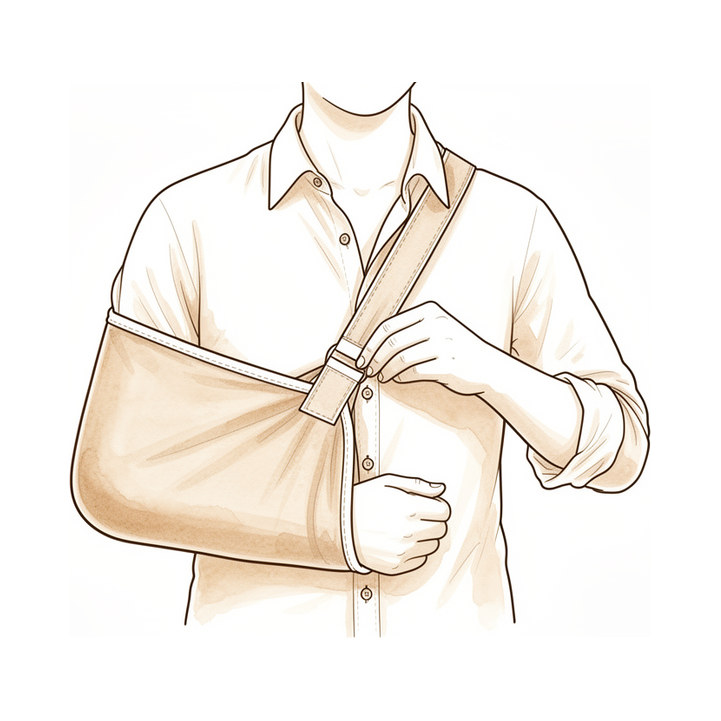
Overview
Arthroscopic repair of superior labral anterior and posterior (SLAP) lesions yields predictably good functional results, with acceptable rates of return to sport and work [4]. Long-term outcomes for isolated labral repair are good and independent of age [1], with 87% of patients achieving a good or excellent functional outcome after type II SLAP repair [11]. Patients undergoing repair following acute trauma experience the most reliable functional recovery, characterized by increased forward flexion, lower revision risk, and higher return to play compared with other cohorts [2]. In the general population, arthroscopic type 2 SLAP repair induces good short- and long-term clinical outcomes, return to overhead activities, and subjective satisfaction regardless of age [15]. Good to excellent results and high return to prior level of activity can be expected for the majority of properly indicated patients who undergo isolated type II repairs, regardless of age [66].
Indications for surgical intervention require that nonsurgical management has failed [36]. Nonoperative treatment of SLAP tears in athletes can be successful, especially in patients who complete their rehabilitation program before attempting a return to play [13]. However, return to play after SLAP repair in overhead throwing athletes is poor, requiring surgeons to be cautious with indications [35]. Athletes who undergo an objective return to play criteria based testing protocol have lower rates of recurrent instability following arthroscopic shoulder stabilization surgery than those cleared by time from surgery [38]. While there is minimal variability in recommendations between North American and European shoulder surgeons regarding return to play criteria despite the absence of evidence-based guidelines [3], neither labral repair nor biceps tenodesis provided significant clinical benefit over sham surgery for patients with SLAP II lesions in the studied population [5].
Specific patient subgroups demonstrate distinct outcome profiles. Predictable short-term surgical results and return to activity can be expected after repair of type II SLAP lesions in patients younger than 50 years who have a coexistent rotator cuff tear [6]. Arthroscopic treatment of both rotator cuff and labral lesions yields good clinical outcomes, restoration of motion, and a high degree of patient satisfaction [7]. In active duty males, arthroscopic repair of isolated Type II SLAP had comparable results to a cohort of Type II SLAP repairs treated in combination with other shoulder conditions, with the combined treatment group having significantly better results in two of three parameters measured [12]. Following arthroscopic repair, patients with Type V SLAP tears had a similar overall rate of return to play when compared directly to a control group of patients who underwent arthroscopic Bankart repair alone [17]. Both arthroscopic-assisted subpectoral biceps tenodesis combined with anterior labral repair and arthroscopic SLAP repair led to statistically and clinically significant increases in outcome scores, marked improvements in pain, and high rates of return to unrestricted active duty in military patients with type V SLAP lesions [21].
Anatomy & Pathophysiology
Bony Anatomy
The glenoid is a convex structure of shallow depth shaped like an inverted pear [72]. The glenoid cavity is a shallow socket, approximately one third the size of the humeral head [74]. The subchondral bone of the glenoid is relatively flat, with articular concavity augmented by cartilage and a circumferential labrum [76]. The glenoid averages 5° of retroversion in relation to the axis of the scapular body [76]. The scapula is anteverted on the chest wall approximately 30 degrees relative to the body [87]. The glenoid is retroverted approximately 5 degrees relative to the scapular body [87]. The glenoid is connected with the flat body of the scapula by the scapular neck [75]. The coracoid process curves forwards from the superior surface of the scapular neck [75]. The scapular spine ends in a flattened bony process, the acromion, which curves forwards [75]. Two bony pillars extend between the glenoid and the scapular body to transmit compressive forces from the glenoid fossa [75]. The lateral pillar connects the inferior border of the glenoid with the inferior angle [75]. The spinal pillar arises from the central part of the glenoid and continues medially to become part of the base of the scapular spine [75]. The weakest bone in the scapula is located primarily in the central part of the biomechanical body, specifically in the infraspinous fossa [75]. The weakest area of the circumference of the biomechanical body of the scapula is the spinomedial angle [75].
The humeral head is spherical with a diameter of 37 to 57 mm [72]. The articular surface of the humeral head is essentially spherical, with an arc of approximately 160 degrees covered by articular cartilage [85]. The radius of curvature of the humeral head is approximately 25 mm and is slightly larger in men than in women [85]. The glenoid articular surface radius of curvature is 2 to 3 mm larger than that of the humeral head [85]. The most superior portion of the articular surface of the humeral head averages 8 mm above the greater tuberosity [72]. The superior margin of the humeral head articular surface is normally superior to the top of the greater tuberosity by 8 to 10 mm [85]. Head height is approximately 5.6 cm above the superior border of the pectoralis major tendon [87]. Humeral version averages 29.8 degrees, with a range of 10 to 55 degrees [72]. Proximal humeral retroversion is highly variable, ranging from 0 to 55 degrees depending on the method used for measurement [85]. Mean humeral retroversion values are around 26 degrees in healthy adults [80]. The humeral head is retroverted 30 degrees relative to the transepicondylar axis of the humerus [87]. The humeral head is inclined approximately 130 degrees with respect to the humeral shaft [72]. The humeral head averages 19° of retroversion and 41° of inclination (neck-shaft angle) [76]. The average neck-shaft angle is 45 degrees (±5 degrees), with a range of 30 to 50 degrees [85].
The bicipital groove lies between the greater and lesser tuberosities and serves as a pathway for the long head of the biceps [72]. The distal aspect of the bicipital groove is internally rotated with respect to the proximal portion [72]. The greater tuberosity serves as the attachment site for the supraspinatus, infraspinatus, and teres minor tendons [72]. The lesser tuberosity serves as the attachment site for the subscapularis tendon [72]. The acromion, coracoacromial ligament, and coracoid process form the coracoacromial arch, a rigid bony-ligamentous structure that imparts stability to the shoulder girdle [72]. The distance from the lateral base of the coracoid process to the lateral margin of the greater tuberosity is called the lateral humeral offset [85]. A significant decrease in lateral humeral offset reduces the lever arms for the deltoid and supraspinatus muscles, weakening abduction and impairing function [85]. A significant increase in lateral humeral offset causes excessive tension on soft tissues, resulting in loss of motion and likely accelerating polyethylene wear [85]. Humeral articular malposition of more than 4 mm led to increased subacromial contact in a biomechanical cadaver study [85]. An offset of 8 mm in any direction significantly decreased passive range of motion in a biomechanical cadaver study [85].
The proximal humerus receives its blood supply from the anterior and posterior humeral circumflex branches from the third division of the axillary artery [72]. The anterior humeral circumflex artery provides vascular inflow to the humeral head by way of its terminal anterolateral branch, known as the artery of Laing or arcuate artery [72]. The ascending branch of the anterior humeral circumflex artery courses parallel to the lateral aspect of the long head biceps tendon and enters the humeral head at the interface of the bicipital groove and greater tuberosity [72]. The anterolateral ascending branch of the anterior humeral circumflex artery provides the primary blood supply to the humeral head [76]. The terminal intraosseous portion of the anterior humeral circumflex artery enters at the proximal aspect of the intertubercular groove as the arcuate artery [76].
The proximal humerus has three ossification centers: for the greater and lesser tuberosities and for the humeral head [80]. The ossification center for the humeral head is usually present at birth [80]. The greater tuberosity ossification center appears by 1 to 3 years of age [80]. The lesser tuberosity ossification center appears by 5 years of age [80]. Proximal humeral ossification centers fuse by 5 to 7 years of age to form the humeral head [80]. The proximal humeral physis closes by 14 to 17 years of age in girls and by 16 to 18 years in boys [80]. In infants and young children, humeral retroversion averages 65 degrees and gradually decreases, approaching adult values by 11 years of age [80]. Eighty percent of subsequent humeral growth comes from the proximal humeral physis, accounting for approximately 40% of the growth of the entire upper extremity [80]. Less than 75% of humeral growth occurs before 2 years of age and more than 85% occurs by 8 years of age [80].
The scapula has shifted caudally from the cervical position in lower animals, freeing the shoulder from the head and neck to serve as a base for arm movement [83]. Broadening of the infraspinatus fossa has resulted in a change in the vector of muscle pull from the axillary border of the scapula to the glenoid fossa [83]. This adaptation allows the infraspinatus and teres minor muscles to be more effective in their roles as depressors and external rotators of the humeral head [83]. The acromion has enlarged over time, reflecting the increasing role of the deltoid muscle in shoulder function [83]. The broader attachment of the deltoid on the acromion and its more distal insertion on the humerus have increased its mechanical advantage in shoulder motion [83]. The coracoid process has undergone an increase in size over time [83]. With the shoulder in 90 degrees of abduction, the coracoid extension over the glenohumeral joint can mechanically limit anterior translation of the humerus relative to the glenoid [83].
Soft Tissue Anatomy
The rotator cuff is a sheet of conjoined tendons closely applied over the shoulder capsule and inserting mainly into the greater tuberosity of the humerus [81]. The subscapularis is inserted into the lesser tuberosity [81]. The rotator cuff is made up of subscapularis in front, supraspinatus above, and infraspinatus and teres minor behind [81]. The rotator cuff has an important function in stabilizing the head of the humerus by pulling it firmly into the glenoid whenever the deltoid lifts the arm forwards or sideways [81]. The coracoacromial arch is formed by the acromion process posterosuperiorly, the coracoid process anteriorly, and the coracoacromial ligament joining them [81]. The subacromial bursa separates the tendons from the coracoacromial arch and allows them to glide [81].
The subscapular bursa lies between the subscapularis tendon and the neck of the scapula [77]. The subscapular bursa communicates with the joint cavity between the superior and middle glenohumeral ligaments [77]. The subscapular bursa protects the tendon of the subscapularis at the point where it passes under the base of the coracoid process and over the neck of the scapula [77]. The subscapular bursa is linked to the coracoid process by a suspensory ligament [77]. In 28% of specimens dissected by Colas and colleagues, the subscapular bursae merged with the subcoracoid bursae, forming a unique wide bursa [77]. The subscapular bursa often houses loose bodies in the shoulder [77]. The subscapular bursa is a region in which synovitis of the shoulder may be most intense, where small fringes or villi can project into the joint cavity [77].
A soft tissue sheath consistently covers the long head of the biceps tendon to the level of the proximal margin of the pectoralis major tendon and contributes to the roof of the bicipital tunnel [77]. The fibro-osseous bicipital tunnel consists of three distinct anatomic zones [77]. Zone 1 of the bicipital tunnel represents the traditional bony bicipital groove beginning at the articular margin and ending at the distal margin of the subscapularis tendon [77]. Zone 2 of the bicipital tunnel extends from the distal margin of the subscapularis tendon to the proximal margin of the pectoralis major tendon and represents a "no man's land" because it is not viewable from arthroscopy above or from subpectoral exposure below [77]. Zone 3 of the bicipital tunnel is distal to the proximal margin of the pectoralis major tendon and represents the subpectoral region [77].
The rotator interval is defined medially by the base of the coracoid, superiorly by the supraspinatus tendon, and inferiorly by the subscapularis tendon [76]. The rotator interval contains the coracohumeral ligament, the superior glenohumeral ligament, and the intra-articular portion of the long head of the biceps tendon [76]. Laxity of the rotator interval results in inferior laxity (the sulcus sign) [76]. Contracture of the rotator interval is seen with adhesive capsulitis [76]. The coracohumeral ligament restricts external rotation in adduction [76]. The coracohumeral ligament is a static restraint to inferior and posterior translation in adduction and external rotation [76]. The superior glenohumeral ligament is a primary static restraint against anterior translation with the arm at the side [76]. With the coracohumeral ligament, the superior glenohumeral ligament forms a pulley that provides restraint against medial subluxation of the long head of the biceps tendon [76]. The middle glenohumeral ligament is a primary static restraint against anterior translation with the arm in external rotation and 45° of abduction [76]. The anterior band of the inferior glenohumeral ligament is a primary static restraint against anterior-inferior dislocation of the glenohumeral joint in 90° of abduction and external rotation [76]. The posterior band of the inferior glenohumeral ligament is a primary static restraint against posterior-inferior translation in internal rotation and adduction [76].
The superior transverse scapular ligament arises from the medial base of the coracoid overlying the suprascapular notch [76]. The suprascapular artery runs superior to the superior transverse scapular ligament and the nerve runs deep to the ligament [76]. Entrapment of the suprascapular nerve at the superior transverse scapular ligament causes denervation of both the supraspinatus and the infraspinatus [76]. The spinoglenoid ligament overlies the suprascapular nerve at the spinoglenoid notch [76]. Entrapment, traction, or compression of the suprascapular nerve at the spinoglenoid notch causes denervation of the infraspinatus [76]. The suprascapular artery passes superior to the superior transverse scapular ligament and the suprascapular nerve passes inferior to the ligament through the suprascapular notch [87]. At the spinoglenoid notch, both the artery and nerve are inferior to the inferior transverse scapular ligament [87].
The tendinous insertions of the rotator cuff muscles, the articular capsule, the coracohumeral ligament, and the glenohumeral ligament complex blend into a confluent sheet before insertion into the humeral tuberosities [86]. The tendons of the infraspinatus and supraspinatus muscles join approximately 15 mm proximal to their insertion and cannot be readily separated by blunt dissection [86]. The infraspinatus and teres minor fuse near their musculotendinous junctions [86]. The supraspinatus and subscapularis tendons join as a sheath that surrounds the biceps tendon at the entrance of the bicipital groove [86]. The roof of the biceps sheath consists of a portion of the supraspinatus tendon, and a sheet of the subscapularis tendon forms the floor [86]. This relationship is relevant to the frequent coexistence of subscapularis tendon tears with lesions and/or instability of the long head of the biceps [86]. The coracohumeral ligament is a thick band of fibrous tissue extending from the coracoid process along the surface of the capsule to the tuberosities between the supraspinatus and subscapularis tendons [86]. The coracohumeral ligament is deep to the tendinous insertion of the cuff and blends with the capsule and supraspinatus tendon to form part of the roof of the biceps sheath [86]. A 1-cm wide thickening of fibrous tissue extends posteriorly from the coracohumeral ligament origin on the coracoid to the posterior margin [86].
The capsule of the glenohumeral joint extends from the glenoid rim, progressing laterally toward the surgical neck of the humerus and blending with the tendons of the rotator cuff musculature [80]. The posteromedial metaphysis, a portion of the physis, and the epiphysis are intracapsular [80]. A large part of the proximal humeral physis is extracapsular, making it susceptible to traumatic injury [80]. The proximal humeral physis is irregularly shaped, with its apex located on the posteromedial portion of the proximal humerus [80]. The periosteum is thicker and stronger in the posteromedial portion of the proximal humerus as opposed to the anterolateral portion, which is often quite thin [80]. This fundamental anatomy explains the tendency of proximal humeral metaphyseal fracture fragments to penetrate the anterolateral periosteum [80]. The subscapularis originates from the anterior scapula and inserts anteriorly onto the lesser tuberosity [80]. The greater tuberosity provides attachment superiorly and posteriorly for the supraspinatus, infraspinatus, and teres minor, all of which originate from the posterior scapula [80]. The deltoid forward flexes and abducts the shoulder and courses from the clavicle and acromion superiorly, coalescing into a
Classification
Snyder: The Snyder classification system categorizes SLAP tears based on the degree of labral tearing and bicipital tendon involvement [28]. For experienced shoulder surgeons, this system is a reliable method for identifying SLAP lesions [157].
Type I: These lesions are characterized by fraying of the superior labrum with the biceps anchor intact [160]. They are largely degenerative in nature [146].
Type II: Type II SLAP tears are the most common type overall [28]. In large series, they are the second most common but represent the most common type seen in overhead athletes [146]. These lesions involve fraying of the superior labrum and the detachment of the biceps anchor from the superior glenoid [28]. Specifically, they are characterized by a superior labrum detached with detachment of the biceps anchor [160]. The tear begins posteriorly and extends anteriorly to the midglenoid notch [160].
Type III: These lesions are characterized by a bucket-handle tear of the superior labrum without involvement of the long head of biceps [160]. They are found in overhead throwing athletes and those with instability [146].
Type IV: These lesions are characterized by a bucket-handle tear of the superior labrum [160]. Like Type III lesions, they are found in overhead throwing athletes and those with instability [146].
Clinical Presentation
SLAP lesions are recognized as major factors in throwing shoulders and other patients involved in overhead recreational and vocational activities [117]. Accurate recognition and treatment of the SLAP lesion are considered to comprise one of the keys to the restoration of function for these patients [117]. The classic definition of a SLAP lesion is a disruption of the superior labrum between the 10- and 2-o’clock position of the glenoid [135]. Lesions are categorized by specific morphological features: * Type I: Degenerative changes to the glenoid labrum with an attached labrum to the glenoid rim [135]. * Type II: Degenerative changes, fraying, complete detachment of the labrum from the glenoid rim, and instability of the biceps tendon attachment [135]. * Type III: A displaced free-margin of the labrum into the joint with an attached biceps tendon [135]. * Type IV: A displaced labrum into the joint and an affected long biceps tendon injury, such as partial rupture [135].
In a cohort of 50 patients with type II SLAP lesions, all had shoulder pain, especially with overhead activity [119]. The O’Brien test was positive in 26 of 26 patients from the isolated SLAP group and in 9 of 10 patients from the combined group [119]. None of these patients had tenderness of the acromioclavicular joint [119]. All had a preoperative MRI consistent with a type II SLAP lesion and a failed course of conservative treatment lasting at least 3 months [119]. In patients with type VIII SLAP tears, the primary chief complaint was shoulder pain with activity severe enough to interfere with activities of daily living and military job duties [46]. All reported pain with both overload activity and with axial load at 90° of elevation [46]. All had pain provoked by the Kim test on physical examination [46]. In a series of 21 shoulders with posterior labral detachment after a traumatic event, pain was the major symptom in 15 patients [152].
Etiology and Associated Pathology
The cause of persistent pain or recurrent symptoms after SLAP repair is likely multifactorial [18]. Potential causes include postoperative stiffness [18], unrecognized pathology of the long head of the biceps tendon [18], implant problems such as prominence or failure [18], chondral injury [18], associated pathology such as rotator cuff tears [18], AC joint impingement [18], arthritis [18], and a true unhealed or recurrent SLAP tear [18]. It is unclear whether preoperative pain in SLAP lesions is generated from the labrum, the biceps, the anterior ligaments, or from all of these structures [27]. In overhead athletes, chronic attritional loads placed on the superior labrum in the late cocking stage of throwing may be too high for even a repaired labrum to withstand [27]. Pain associated with SLAP lesions in overhead athletes is likely multifactorial and related to pitch counts, throwing mechanics, internal rotation deficits, and rotator cuff internal impingement [27]. Humeral head abrasion is common in patients with a pathologic biceps-labral complex, especially those with failed SLAP repair [151]. A significant tear of the infraspinatus in combination with glenohumeral internal rotation deficit and SLAP tears in the throwing athlete results in a guarded prognosis in return to play at the same level [149]. Glenoid Bone Loss was identified as a significant prognostic factor for patients not returning to sport following Arthroscopic Labral Repair [51].
Prognostic Factors and Outcomes
Patients undergoing superior labral repair following acute trauma experienced the most reliable functional recovery, with increased forward flexion, lower revision risk, and higher RTP compared with other cohorts [2]. Recent outcomes studies have shown predictably good functional results and an acceptable rate of return to sport and/or work with arthroscopic treatment of SLAP tears [4]. In 87% of cases, a good or excellent functional outcome can be anticipated after arthroscopic repair of type II SLAP lesions [11]. Arthroscopic repair of isolated type II SLAP lesions with suture anchors leads to a satisfactory functional outcome and return to pre-injury sports levels [19]. This repair is associated with delayed, but significant pain relief observed 6 months after surgery [19]. Outcomes after SLAP repair are largely favorable, although less successful outcomes have been demonstrated in certain populations, such as overhead athletes, patients older than 35 years of age, workers' compensation patients, and patients with concomitant shoulder pathologic abnormality [20]. Patients who underwent SLAP repair were associated with a higher risk of revision surgery and subsequent rotator cuff strain diagnosis [22]. A 10.1% incidence of subsequent surgery was identified after isolated SLAP repair, often related to an additional diagnosis [31]. Emerging evidence suggests that isolated SLAP repairs are not always benign, with 1 in 10 people needing additional surgery within 3 years [133]. Additional surgery after isolated SLAP repair is often for disorders of the rotator cuff, biceps, and distal clavicle [133]. In a young active population, primary arthroscopic biceps tenodesis is a viable surgical alternative to labral repair for type II SLAP lesions [9]. Neither labral repair nor biceps tenodesis had any significant clinical benefit over sham surgery for patients with SLAP II lesions in the population studied [5]. In patients with rotator cuff and labral lesions, arthroscopic treatment of both lesions yields good clinical outcomes, restoration of motion, and a high degree of patient satisfaction [7]. Predictable short-term surgical results and return to activity can be expected after repair of type II SLAP lesions in patients younger than 50 years who have coexistent rotator cuff tear [6]. There are no advantages in repairing a type II SLAP lesion when associated with a rotator cuff tear in patients over 50 years of age [45]. Combined posterior labral and SLAP repair led to statistically and clinically significant increases in outcome scores and high rates of return to active-duty military service that did not differ significantly from the results after isolated posterior labral repair [24]. Arthroscopic posterior labral repair has demonstrated favorable outcomes with high rates of return to play [10]. Arthroscopic evaluation and repair of posterior labral lesions resulted in 26 of 28 patients (93%) returning to sport and 23 of 28 (82%) returning without any limitations [23]. In a population of active duty males, arthroscopic repair of isolated Type II SLAP had comparable results with a cohort of Type II SLAP repairs treated in combination with other shoulder conditions [12]. In a population of active duty males, the combined treatment group for Type II SLAP repairs had significantly better results in two of three parameters measured compared to isolated repair [12]. The results suggest that concomitant shoulder pathology should be treated at the time of SLAP repair [8]. Reported outcomes of surgical management of failed SLAP repair are inferior to those of primary repair [18].
Investigations
Plain radiography: Standardized plain films are almost always sufficient for shoulder evaluation, and the temptation to "overimage" should be resisted [42]. At least two views are required: an anteroposterior (AP) view in the plane of the scapula and an axillary projection with the arm in abduction [94]. The AP view demonstrates the superoinferior position of the humeral head relative to the glenoid, presence of osteophytes, joint space narrowing, and degree of medial displacement of the humerus [42]. The axillary view, taken with the arm in the functional position of elevation, is referred to as the "truth view" because it demonstrates glenohumeral relationships in that functional position [42]. This standardized axillary "truth view" enables measurement of posterior subluxation or "functional decentering" that is not evident in images taken with the arm at the side [42]. Radiographs should be the first imaging study obtained [210]. When patients with clinical suspicion of rotator cuff tear present with radiographic signs of greater tuberosity spurs and narrow acromiohumeral intervals, a prompt MRI examination and a referral to a shoulder specialist are recommended [53].
CT: CT scans may offer increased precision in the measurement of glenoid version, but this precision does not necessarily improve the quality of the surgery or the clinical outcome [42]. CT is helpful for planning fracture surgery and shoulder joint replacement [94]. CT with three-dimensional reconstructions is the advanced imaging study of choice for determining the extent of glenoid bone loss in the setting of shoulder instability [105]. A contrast-filled gap between the labrum and glenoid on neutral CT arthrography after SLAP repair is frequently observed even in patients with satisfactory clinical outcomes [50].
MRI: MRI is the modality of choice for evaluating the rotator cuff, biceps, and subacromial/subdeltoid bursa [104]. It provides the best overall evaluation of the rotator cuff [210]. MRI is useful to identify labral tears and rotator cuff tears, although the accuracy for these is enhanced by combining the scan with arthrography [94]. MR arthrography is considered the benchmark for evaluation of labral tears and is rarely indicated for evaluation of rotator cuff pathology [104]. In a meta-analysis of 6 studies including 4,667 shoulders, MR arthrography demonstrated greater diagnostic test accuracy for glenoid labral lesions than MRI, with sensitivity of 88% and specificity of 93% for MRA versus sensitivity of 76% and specificity of 87% for MRI [101].
Ultrasonography: Ultrasonography is a simple and accurate test for identifying rotator cuff tears and calcific tendinitis [94]. It serves as a low-cost alternative to MRI and arthrography for evaluating both skeletal and soft-tissue structures of the shoulder [104]. Ultrasonography can provide immediate, real-time visualization of the rotator cuff, biceps tendon, and calcific deposits [104]. However, it is highly operator dependent and is not as useful for evaluating labral tears or rotator cuff tears that are very small or larger than 3 cm [104]. The accuracy of diagnostic musculoskeletal ultrasound depends on the skill of the scanner operator and an awareness of pitfalls that are encountered [90].
Postoperative Imaging: No features on postoperative MR arthrogram predicted either functional outcome or recurrent instability in a pilot study evaluating the labrum 6 months after Bankart repair [191]. No correlations between functional outcomes and radiographic shoulder findings at mid-term were identified in a study of superior capsular reconstruction using xenograft [44].
Treatment
Non-Operative
Nonoperative management is an appropriate initial treatment for superior labral injuries, particularly in young active patients with isolated SLAP tears or middle-aged patients with symptomatic lesions [34, 52, 177]. In athletes, conservative treatment can be successful if the patient completes the rehabilitation program before attempting a return to play [13]. Nonsurgical treatment effectively resolves pain and restores function in patients with SLAP tears or biceps lesions [14]. Conservative management is preferred for athletes, as those completing nonoperative treatment return to play at 6 months on average, compared to 12 months for surgical counterparts [188].
Operative
Indications: Arthroscopic proximal biceps reattachment (SLAP repair) is indicated for type II SLAP lesions in active younger patients with consistent history, physical examination, and imaging findings, and no identifiable concomitant pathologic abnormality [20]. SLAP repair should be considered only after nonsurgical management has failed [36]. Treatment decisions are driven primarily by the presence of pain, overhead activity level, and prior non-operative management [180]. Biceps tenodesis is indicated for proximal biceps pathologic abnormality, including SLAP tears and intrinsic biceps disorders [20]. For younger or more active patients, tenodesis is the recommended surgical procedure for addressing long head of biceps pathology [178].
Surgical Approach / Technique: Arthroscopic SLAP repair of type II lesions with bioabsorbable suture anchors provides significant improvement in functional capacity and pain relief [215]. Arthroscopic repair of isolated type II SLAP lesions with suture anchors leads to satisfactory functional outcomes and return to pre-injury sports levels, with delayed but significant pain relief observed 6 months after surgery [19]. The majority of patients returned to their pre-injury activity level after arthroscopic repair of type-2 SLAP lesions using one double-looped Corkscrew anchor [217]. Arthroscopic biceps tenodesis provides consistently favorable outcomes in terms of function and pain relief, without any long-term difference in clinical outcomes or complications when compared with open subpectoral tenodesis [20]. Numerous arthroscopic fixation methods for biceps tenodesis have been described; however, the use of an interference screw or suture anchor construct is supported by most clinical evidence [20]. The detailed approach described allows the arthroscopist access to the entire glenohumeral joint and transforms repair of complex intra-articular pathology into simple exercises in arthroscopic surgical technique [163].
Implant Selection: SLAP repair and biceps tenodesis both present viable treatment options but come with specific advantages and disadvantages, with the decision ultimately made individually with the patient [192]. SLAP repair remains the most commonly performed index procedure; however, biceps tenodesis appears equally efficacious and may represent an attractive alternative [59]. Tenotomy may offer a quicker recovery period, along with the benefit of providing less technical challenges intraoperatively [178]. Tenotomy has been found to be associated with a greater risk of a cosmetic “Popeye” deformity, along with symptoms of cramping, spasms, and quicker time to fatigue [178].
Pain Management: Patients who were prescribed NSAIDs as part of a postoperative pain management regimen following primary arthroscopic labral repair for glenohumeral instability had similar patient-reported outcomes, revision rates, and rates of return to preinjury activities compared to those who were not prescribed NSAIDs [205].
Other Considerations: The reason for unsatisfactory outcomes after some SLAP repairs is not well understood and remains the subject of debate [27]. The ideal surgical technique, using suture anchors or otherwise, is not well understood, nor is the ideal postoperative rehabilitation program or the biologic healing potential of these repairs [27]. In overhead athletes, the chronic attritional loads placed on the superior labrum in the late cocking stage of throwing may be too high for even a repaired labrum to withstand [27]. It is anatomically possible that suprascapular nerve could sustain iatrogenic injury during labral anchor placement during SLAP repair [206]. Implant related complications should be considered when patients present with recurrent pain after arthroscopic SLAP repair using suture anchors, in particular during overhead activity [70]. In a population of active duty males, arthroscopic repair of isolated Type II SLAP had comparable results with a cohort of Type II SLAP repairs treated in combination with other shoulder conditions, with the combined treatment group having significantly better results in two of three parameters measured [12]. The authors present an effective arthroscopic technique for managing combined anterior shoulder instability and type IV SLAP lesions by repairing all pathoanatomy present, including the superior labrum and biceps tendon split [32].
Rehabilitation and Return to Play: Despite the absence of evidence-based guidelines, there exists minimal variability in recommendations between North American and European shoulder surgeons regarding return to play criteria [3]. Criteria for determining successful return to sport and return to preinjury level after superior labral pathophysiology treatment were not reported by most studies [37]. There is no clear consensus regarding optimal post-operative rehabilitation following arthroscopic shoulder stabilisation [196]. The postoperative protocol for revision arthroscopic type II SLAP repairs did not differ from the standard protocol for primary arthroscopic type II SLAP repairs, which included initially placing patients in a sling for 7 to 10 days [64]. Arthroscopic SLAP repairs show favorable clinical and radiological outcomes; however, the study findings raise a concern that return to play may still be problematic in elite baseball players [62]. Return to play after SLAP repair in overhead throwing athletes is poor, with surgeons needing to be cautious with indications [35]. Patients undergoing superior labral repair following acute trauma experienced the most reliable functional recovery, with increased forward flexion, lower revision risk, and higher RTP compared with the other cohorts [2]. In 87% of cases, a good or excellent functional outcome can be anticipated after arthroscopic repair of type II SLAP lesions with the described techniques [11].
Complications
Failed Repair and Revision
Failed Repair: Reported outcomes of surgical management for failed SLAP repair are inferior to those of primary repair [18]. Symptoms after SLAP repair can be caused by postoperative stiffness, unrecognized pathology of the long head of the biceps tendon, implant problems such as prominence or failure, chondral injury, associated pathology such as rotator cuff tears, AC joint impingement, arthritis, or a true unhealed or recurrent SLAP tear [18]. Overconstraining or shortening the biceps tendon during SLAP repair is likely detrimental [27].
Revision Protocol: No current studies have described a postoperative protocol for rehabilitation of either a revision SLAP repair or biceps tenodesis for failed SLAP repair [18]. For failed SLAP repair, a rehabilitation program similar to that used after the index procedure is typically recommended, including 4 to 6 weeks in a sling, active range of motion beginning at approximately 6 weeks postoperatively, and strengthening exercises beginning at approximately 8 to 10 weeks [18]. For overhead athletes undergoing revision for failed SLAP repair, a throwing program is instituted 3 to 4 months postoperatively, with average return to play at 4 to 6 months [18].
Subsequent Surgery and Associated Pathology
Concomitant Pathology: Concomitant shoulder pathology should be treated at the time of SLAP repair [8]. In a population of active duty males, the combined treatment group for Type II SLAP repairs treated in combination with other shoulder conditions had significantly better results in two of three parameters measured compared to isolated Type II SLAP repairs [12]. The presence of other associated shoulder pathology, such as Bankart lesion or rotator cuff pathology, did not affect the SLAP reoperation rate in a cohort of 348 patients [26].
Rotator Cuff Co-repair: Repairing rotator cuff tears and SLAP tears together results in significant clinical benefits compared to repairing just rotator cuff tears and analogous results against SLAP-only repair [235]. Results of concomitant rotator cuff and SLAP repair are not affected by an unhealed SLAP lesion [139]. Radiologic evidence of an unhealed SLAP lesion was identified in 19.7% of patients undergoing concomitant rotator cuff and SLAP repair [139]. The retear rate for the rotator cuff was not significantly different between patients with healed and unhealed SLAP lesions in concomitant repair [139].
Specific Complications and Etiologies
Implant Complications: Poly-L/D-lactic acid anchors are associated with reoperation and failure of SLAP repairs [26]. Implant-related complications, specifically posterosuperior suture granuloma impingement, should be considered when patients present with recurrent pain after arthroscopic SLAP repair using suture anchors, particularly during overhead activity [70].
Risk Factors and Outcomes: Less successful outcomes after SLAP repair have been demonstrated in certain populations, such as overhead athletes, patients older than 35 years of age, workers' compensation patients, and patients with concomitant shoulder pathologic abnormality [20]. The authors suggest that too many SLAP repairs are being performed in elderly patients despite evidence questioning its use in this population [230]. Patients with Type V SLAP tears had a similar overall rate of return to play when compared directly to a control group of patients who underwent arthroscopic Bankart repair alone [17]. The SLAP literature is characterized by substantial variability in outcomes reporting, with time to return to play noted in few studies [227].
Recovery
General Outcomes and Return to Play: Overall, nearly a quarter of athletes were unable to return to play after arthroscopic superior labral repair [60]. Studies reviewed reported moderate return to play and return to previous level of performance rates following SLAP repairs in competitive overhead athletes [218]. Return to preinjury level of competition for elite overhead athletes after type II SLAP lesion repairs was 57%, despite high American Shoulder and Elbow Surgeons scores [69].
Influence of Injury Mechanism and Pathology: Although clinical evidence is limited, arthroscopic posterior labral repair has demonstrated favorable outcomes with high rates of return to play [10]. Arthroscopic evaluation and repair of these posterior labral lesions resulted in 26 of 28 patients (93%) returning to sport and 23 of 28 (82%) returning without any limitations [23]. Most patients successfully returned to sports, with nearly 80% returning at their preinjury level [67]. Undergoing repair of the throwing or trail batting shoulder can delay return to sport by several months, though pitching workload returns to baseline by the second season postoperatively [174].
Nonoperative Management: Overall, nonoperative treatment of SLAP tears in athletes can be successful, especially in the subset of patients who are able to complete their rehabilitation program before attempting a return to play [13].
Rehabilitation Protocols and Return-to-Sport Testing: For failed SLAP repair, a typical rehabilitation program includes 4 to 6 weeks in a sling, with active range of motion beginning at approximately 6 weeks postoperatively [18]. Strengthening exercises are typically begun at approximately 8 to 10 weeks after failed SLAP repair [18]. For overhead athletes undergoing failed SLAP repair, a throwing program is instituted 3 to 4 months postoperatively, with average return to play at 4 to 6 months [18]. The postoperative protocol for revision arthroscopic type II SLAP repairs did not differ from the standard protocol for primary arthroscopic type II SLAP repairs [64]. Patients undergoing revision arthroscopic type II SLAP repairs were initially placed in a sling for 7 to 10 days [64]. While RTS testing in young athletes after posterior labral repair did not reduce recurrence or improve return to play compared to time-based clearance, two-thirds of athletes who underwent testing failed at least 1 section, indicating some functional deficit [221].
Key Evidence
- [L4] Long-term outcomes after isolated labral repair for SLAP lesions are good and independent of age. [1] (10.1016/j.arthro.2012.02.025)
- [L4] Patients undergoing superior labral repair following acute trauma experienced the most reliable functional recovery, with increased forward flexion, lower revision risk, and higher RTP compared with the other cohorts. [2] (10.1177/2325967126s00526)
- [L4] Despite the absence of evidence-based guidelines, there exists minimal variability in recommendations between North American and European shoulder surgeons regarding return to play criteria. [3] (10.1016/j.jse.2021.01.026)
- [L5] Recent outcomes studies have shown predictably good functional results and an acceptable rate of return to sport and/or work with arthroscopic treatment of SLAP tears. [4] (10.5435/00124635-200910000-00005)
- [L1] Neither labral repair nor biceps tenodesis had any significant clinical benefit over sham surgery for patients with SLAP II lesions in the population studied. [5] (10.1136/bjsports-2016-097098)
- [L3] Predictable short-term surgical results and return to activity can be expected after repair of type II SLAP lesions in patients younger than 50 years who have coexistent rotator cuff tear. [6] (10.1177/0363546509347364)
- [L3] In patients with rotator cuff and labral lesions, arthroscopic treatment of both lesions yields good clinical outcomes, restoration of motion, and a high degree of patient satisfaction. [7] (10.1177/0363546507300062)
- [L4] The results suggest that concomitant shoulder pathology should be treated at the time of SLAP repair. [8] (10.1016/j.jse.2006.05.015)
- [L3] In a young active population, primary arthroscopic biceps tenodesis is a viable surgical alternative to labral repair for type II SLAP lesions. [9] (10.1007/s00167-020-05971-0)
- [L4] Although clinical evidence is limited, arthroscopic posterior labral repair has demonstrated favorable outcomes with high rates of return to play. [10] (10.5435/jaaos-d-24-00287)
- [L4] In 87% of cases, a good or excellent functional outcome can be anticipated after arthroscopic repair of type II SLAP lesions with the described techniques. [11] (10.1016/j.arthro.2011.09.005)
- [L3] In a population of active duty males, arthroscopic repair of isolated Type II SLAP had comparable results with a cohort of Type II SLAP repairs treated in combination with other shoulder conditions, with the combined treatment group having significantly better results in two of three parameters measured. [12] (10.1007/s00167-007-0334-8)
- [L4] Overall, nonoperative treatment of SLAP tears in athletes can be successful, especially in the subset of patients who are able to complete their rehabilitation program before attempting a return to play. [13] (10.1016/j.jse.2021.12.022)
- [L4] Arthroscopic type 2 SLAP repair induced good short- and long-term clinical outcomes, return to overhead activities, and subjective satisfaction in the general population, regardless of age. [15] (10.1007/s00167-021-06608-6)
- [L3] Surgical positioning for arthroscopic posterior shoulder labral repair did not affect postoperative clinical and patient-reported outcomes. [16] (10.1177/03635465221095243)
- [L3] Following arthroscopic repair, patients with Type V SLAP tears had a similar overall rate of return to play when compared directly to a control group of patients who underwent arthroscopic Bankart repair alone. [17] (10.1007/s00167-020-06388-5)
- [L5] [18] (10.5435/jaaos-22-09-554)
- [L4] Arthroscopic repair of isolated type II SLAP lesions with suture anchors leads to a satisfactory functional outcome and return to pre-injury sports levels, with delayed, but significant pain relief observed 6 months after surgery. [19] (10.1186/s12891-017-1620-3)
- [Paper] [20] (10.1016/j.csm.2015.08.001)
- [L3] Both arthroscopic-assisted subpectoral biceps tenodesis combined with anterior labral repair and arthroscopic SLAP repair led to statistically and clinically significant increases in outcome scores, marked improvements in pain, and high rates of return to unrestricted active duty in military patients with type V SLAP lesions. [21] (10.1177/03635465231169238)
- [L3] Patients who underwent SLAP repair were associated with a higher risk of revision surgery and subsequent rotator cuff strain diagnosis. [22] (10.1016/j.jse.2023.12.015)
- [L4] Arthroscopic evaluation and repair of these posterior labral lesions resulted in 26 of 28 patients (93%) returning to sport and 23 of 28 (82%) returning without any limitations. [23] (10.1016/j.arthro.2010.01.006)
- [L3] Combined posterior labral and SLAP repair led to statistically and clinically significant increases in outcome scores and high rates of return to active-duty military service that did not differ significantly from the results after isolated posterior labral repair. [24] (10.1177/03635465231181702)
- [L3] [26] (10.1016/j.arthro.2011.06.021)
- [L5] [27] (10.1016/j.jse.2010.11.013)
- [L3] [28] (10.1177/17585732211015825)
- [L3] We identified a 10.1% incidence of subsequent surgery after isolated SLAP repair, often related to an additional diagnosis, suggesting that clinicians should consider other potential causes of shoulder pain when considering surgery for patients with SLAP lesions. [31] (10.1016/j.arthro.2016.01.053)
- [L4] The authors present an effective arthroscopic technique for managing combined anterior shoulder instability and type IV SLAP lesions by repairing all pathoanatomy present, including the superior labrum and biceps tendon split. [32] (10.1016/j.arthro.2009.04.075)
- [L5] Nonoperative management is often an appropriate and effective initial treatment for superior labral injuries, unless there are obvious pathologic changes altering the mechanics of the glenohumeral joint or other associated injuries. [34] (10.1016/j.arthro.2025.03.059)
- [L4] Return to play after SLAP repair in overhead throwing athletes is poor, with surgeons needing to be cautious with indications. [35] (10.1016/j.csm.2016.05.003)
- [L4] SLAP repair should continue to be considered as an option for SLAP tear treatment only after nonsurgical management has failed. [36] (10.1177/0363546517728256)
- [L1] Criteria for determining successful return to sport and return to preinjury level after superior labral pathophysiology treatment were not reported by most studies. [37] (10.1016/j.arthro.2024.09.053)
- [L3] Athletes who undergo an objective return to play criteria based testing protocol have lower rates of recurrent instability following arthroscopic shoulder stabilization surgery than those cleared by time from surgery. [38] (10.1177/2325967120s00381)
- [L5] No correlations between functional outcomes and radiographic shoulder findings at mid-term were identified. [44] (10.1016/j.arthro.2025.07.020)
- [L1] There are no advantages in repairing a type II SLAP lesion when associated with a rotator cuff tear in patients over 50 years of age. [45] (10.1177/0363546507308194)
- [L4] [46] (10.1016/j.arthro.2022.03.021)
- [L4] A contrast-filled gap between the labrum and glenoid on neutral CT arthrography after SLAP repair is frequently observed even in patients with satisfactory clinical outcomes. [50] (10.1007/s00167-014-3350-5)
- [L3] Glenoid Bone Loss was identified as a significant prognostic factor for patients not returning to sport following Arthroscopic Labral Repair. [51] (10.1016/j.jse.2023.02.060)
- [L3] An initial trial of nonoperative management may be considered in young active patients with isolated SLAP tear. [52] (10.1016/j.jse.2015.09.008)
- [L4] When patients with clinical suspicion of rotator cuff tear present with combinations of these radiographic signs, a prompt MRI examination and a referral to a shoulder specialist are recommended. [53] (10.1016/j.jseint.2020.09.015)
- [L3] High-demand patients with biceps tendonitis in the setting of a SLAP lesion with labral instability who undergo combined tenodesis and labral repair have significantly worse outcomes than patients who undergo either isolated labral repair for type II SLAP tears or isolated biceps tenodesis for a SLAP tear and biceps tendonitis. [57] (10.1007/s00167-015-3774-6)
- [L4] SLAP repair remains the most commonly performed index procedure; however, BT appears equally efficacious and may represent an attractive alternative. [59] (10.1016/j.arthro.2018.12.015)
- [L4] Overall, nearly a quarter of athletes were unable to return to play after arthroscopic superior labral repair. [60] (10.1177/03635465241246122)
- [L4] Arthroscopic SLAP repairs show favorable clinical and radiological outcomes; however, the study findings raise a concern that return to play may still be problematic in elite baseball players. [62] (10.1177/0363546513485361)
- [L4] [64] (10.1177/0363546511398648)
- [L3] Good to excellent results and high return to prior level of activity can be expected for the majority of properly indicated patients who undergo isolated type II superior labral anterior posterior repairs, regardless of age. [66] (10.1177/0363546508328417)
- [L5] Most patients successfully returned to sports, with nearly 80% returning at their preinjury level. [67] (10.1016/j.arthro.2025.07.040)
- [L3] Return to preinjury level of competition for elite overhead athletes after type II SLAP lesion repairs was 57%, despite high American Shoulder and Elbow Surgeons scores. [69] (10.1177/0363546510379971)
- [Case_report] Implant related complications should be considered when patients present with recurrent pain after arthroscopic SLAP repair using suture anchors, in particular during overhead activity. [70] (10.1007/s00167-008-0524-z)
- [L4] [117] (10.1016/j.arthro.2015.06.033)
- [L4] [119] (10.1177/0363546506296735)
- [L5] Emerging evidence suggests that isolated SLAP repairs are not always benign, with 1 in 10 people needing additional surgery within 3 years, often for disorders of the rotator cuff, biceps, and distal clavicle. [133] (10.1016/j.arthro.2016.07.004)
- [L1] [135] (10.1016/j.jse.2011.07.012)
- [L4] [139] (10.1016/j.jse.2010.04.003)
- [L5] [146] (10.1016/j.csm.2004.01.005)
- [L4] A significant tear of the infraspinatus in combination with glenohumeral internal rotation deficit and SLAP tears in the throwing athlete results in a guarded prognosis in return to play at the same level. [149] (10.1177/0363546512459481)
- [L4] Humeral head abrasion is common in patients with a pathologic biceps-labral complex, especially those with failed SLAP repair. [151] (10.1016/j.jse.2010.05.013)
- [L4] In this series of 21 shoulders, pain was the major symptom in 15 patients with posterior labral detachment after a traumatic event. [152] (10.1111/j.1758-5740.2010.00069.x)
- [L3] For experienced shoulder surgeons, the Snyder classification is a reliable system for identifying SLAP lesions. [157] (10.1177/0363546510392332)
- [L4] [160] (10.1016/j.arthro.2018.01.031)
- [L5] The detailed approach described allows the arthroscopist access to the entire glenohumeral joint and transforms repair of complex intra-articular pathology into simple exercises in arthroscopic surgical technique. [163] (10.1016/j.arthro.2009.09.019)
- [L4] Undergoing repair of the throwing or trail batting shoulder can delay return to sport by several months, though pitching workload returns to baseline by the second season postoperatively. [174] (10.1016/j.jse.2025.01.024)
- [L4] Non-operative treatment with an appropriate regimen provided satisfactory clinical outcomes in middle-aged patients with symptomatic SLAP lesions and should be considered before recommending operative treatment. [177] (10.1007/s00167-016-4226-7)
- [L5] [178] (10.1016/j.eats.2023.04.002)
- [L5] Treatment decisions for SLAP lesions are driven primarily by the presence of pain, overhead activity level, and prior non-operative management. [180] (10.1016/j.jisako.2026.101087)
- [L4] Conservative management is preferred as athletes completing nonoperative treatment return to play at 6 months on average compared to 12 months for surgical counterparts. [188] (10.1016/j.xrrt.2021.08.007)
- [L4] In this pilot study, MR arthrogram was used to evaluate the labrum in detail 6 months postoperatively, but no features on postoperative MR arthrogram predicted either functional outcome or recurrent instability. [191] (10.1177/1758573214550839)
- [L5] SLAP repair and biceps tenodesis both present viable treatment options but come with specific advantages and disadvantages, with the decision ultimately made individually with the patient. [192] (10.1016/j.arthro.2019.02.026)
- [L4] There is no clear consensus regarding optimal post-operative rehabilitation following arthroscopic shoulder stabilisation. [196] (10.1177/17585732231154889)
- [L4] Arthroscopic capsulolabral repair for posterior shoulder instability was a durable treatment option that improved long-term shoulder pain and function and facilitated return to sport in the majority of patients at a mean follow-up of 15.4 years, although a notable proportion of patients met various criteria for failure. [197] (10.1177/03635465231162271)
- [L3] Patients who were prescribed NSAIDs as part of a postoperative pain management regimen following primary arthroscopic labral repair for glenohumeral instability had similar patient-reported outcomes, revision rates, and rates of return to preinjury activities compared to those who were not prescribed NSAIDs. [205] (10.1016/j.jse.2025.02.048)
- [L5] It is anatomically possible that suprascapular nerve could sustain iatrogenic injury during labral anchor placement during SLAP repair. [206] (10.1007/s00167-016-4086-1)
- [Paper] Radiographs should be the first imaging study obtained, and magnetic resonance imaging provides the best overall evaluation of the cuff. [210] (10.1016/j.csm.2012.07.010)
- [L4] Arthroscopic SLAP repair of type II lesions with bioabsorbable suture anchors provides a significant improvement in functional capacity and pain relief. [215] (10.1016/j.jse.2010.03.004)
- [L4] The majority of patients returned to their pre-injury activity level and the subjective patient-administered evaluations appeared to improve after arthroscopic repair of type-2 SLAP lesions using one double-looped Corkscrew anchor. [217] (10.1007/s00167-003-0462-8)
- [L4] Studies reviewed reported moderate return to play and return to previous level of performance rates following SLAP repairs in competitive overhead athletes. [218] (10.1016/j.arthro.2022.03.026)
- [L3] While RTS testing in young athletes after posterior labral repair did not reduce recurrence or improve return to play compared to time-based clearance, two-thirds of athletes who underwent testing failed at least 1 section, indicating some functional deficit. [221] (10.1016/j.jseint.2023.01.002)
- [L4] The SLAP literature is characterized by substantial variability in outcomes reporting, with time to return to play noted in few studies. [227] (10.1016/j.jse.2016.04.020)
- [L3] The authors suggest that too many SLAP repairs are being performed in elderly patients despite evidence questioning its use in this population. [230] (10.1016/j.jse.2012.02.001)
- [L3] Repairing RCT and SLAP tears together results in significant clinical benefits compared to repairing just RCT and analogous results against SLAP-only repair. [235] (10.1016/j.jseint.2020.07.014)
See Also
- Biceps Tenodesis
- Rotator Cuff
- Shoulder Instability
- Calcific Tendinitis
References
[1] Long‐Term Results After SLAP Repair: A 5‐Year Follow‐up Study of 107 Patients With Comparison of Patients Aged Over and Under 40 Years. Arthroscopy. 2012. DOI: 10.1016/j.arthro.2012.02.025
[2] Poster 231. Outcomes following Superior Labral Repairs Based on Mechanism of Injury. Orthopaedic Journal of Sports Medicine. 2026. DOI: 10.1177/2325967126s00526
[3] Return to play criteria among shoulder surgeons following shoulder stabilization. Journal of Shoulder and Elbow Surgery. 2021. DOI: 10.1016/j.jse.2021.01.026
[4] Superior Labral Tears of the Shoulder: Pathogenesis, Evaluation, and Treatment. Journal of the American Academy of Orthopaedic Surgeons. 2009. DOI: 10.5435/00124635-200910000-00005
[5] Sham surgery versus labral repair or biceps tenodesis for type II SLAP lesions of the shoulder: a three-armed randomised clinical trial. British Journal of Sports Medicine. 2017. DOI: 10.1136/bjsports-2016-097098
[6] The Effect of Rotator Cuff Tears on Surgical Outcomes after Type II Superior Labrum Anterior Posterior Tears in Patients Younger than 50 Years. The American Journal of Sports Medicine. 2009. DOI: 10.1177/0363546509347364
[7] Outcomes of Combined Arthroscopic Rotator Cuff and Labral Repair. The American Journal of Sports Medicine. 2007. DOI: 10.1177/0363546507300062
[8] Arthroscopic superior labrum anterior-posterior repair in military patients. Journal of Shoulder and Elbow Surgery. 2007. DOI: 10.1016/j.jse.2006.05.015
[9] Arthroscopic treatment of type II superior labral anterior to posterior (SLAP) lesions in a younger population: minimum 2‐year outcomes are similar between SLAP repair and biceps tenodesis. Knee Surgery, Sports Traumatology, Arthroscopy. 2020. DOI: 10.1007/s00167-020-05971-0
[10] Batter's Shoulder: Diagnosis, Management, and Outcomes. Journal of the American Academy of Orthopaedic Surgeons. 2024. DOI: 10.5435/jaaos-d-24-00287
[11] Long‐Term Outcome After Arthroscopic Repair of Type II SLAP Lesions: Results According to Age and Workers' Compensation Status. Arthroscopy. 2012. DOI: 10.1016/j.arthro.2011.09.005
[12] Isolated and combined Type II SLAP repairs in a military population. Knee Surgery, Sports Traumatology, Arthroscopy. 2007. DOI: 10.1007/s00167-007-0334-8
[13] Return to play following nonsurgical management of superior labrum anterior-posterior tears: a systematic review. Journal of Shoulder and Elbow Surgery. 2022. DOI: 10.1016/j.jse.2021.12.022
[14] Chapter 78 Superior Labrum Anterior to Posterior Tears and Lesions of the Proximal Biceps Tendon. 2019.
[15] Posterior repair of isolated type 2 superior labrum anterior–posterior lesion prevents external rotation deficiency: long‐term outcome study. Knee Surgery, Sports Traumatology, Arthroscopy. 2021. DOI: 10.1007/s00167-021-06608-6
[16] Beach-Chair Versus Lateral Decubitus Positioning for Arthroscopic Posterior Shoulder Labral Repair: A Retrospective Comparison of Clinical and Patient-Reported Outcomes. The American Journal of Sports Medicine. 2022. DOI: 10.1177/03635465221095243
[17] Type V superior labral anterior–posterior tears results in lower rates of return to play. Knee Surgery, Sports Traumatology, Arthroscopy. 2021. DOI: 10.1007/s00167-020-06388-5
[18] Etiology, Diagnosis, and Management of Failed SLAP Repair. Journal of the American Academy of Orthopaedic Surgeons. 2014. DOI: 10.5435/jaaos-22-09-554
[19] Progression of function and pain relief as indicators for returning to sports after arthroscopic isolated type II SLAP repair—a prospective study. BMC Musculoskeletal Disorders. 2017. DOI: 10.1186/s12891-017-1620-3
[20] Arthroscopic Surgical Techniques for the Management of Proximal Biceps Injuries. Clinics in Sports Medicine. 2016. DOI: 10.1016/j.csm.2015.08.001
[21] Midterm Outcomes Following Combined Biceps Tenodesis and Anterior Labral Repair in Active Duty Military Patients Younger Than 35 Years. The American Journal of Sports Medicine. 2023. DOI: 10.1177/03635465231169238
[22] Superior labrum anterior to posterior (SLAP) repair is associated with increased rate of subsequent rotator cuff diagnoses and revision surgery: a propensity-matched comparison. Journal of Shoulder and Elbow Surgery. 2024. DOI: 10.1016/j.jse.2023.12.015
[23] Arthroscopic Posterior Labral Repair in Athletes: Outcome Analysis at 2‐Year Follow‐up. Arthroscopy. 2010. DOI: 10.1016/j.arthro.2010.01.006
[24] Outcomes Following Combined Posterior Labral and SLAP Repair in Military Patients Younger Than 35 Years. The American Journal of Sports Medicine. 2023. DOI: 10.1177/03635465231181702
[26] Poly‐L/D‐Lactic Acid Anchors Are Associated With Reoperation and Failure of SLAP Repairs. Arthroscopy. 2011. DOI: 10.1016/j.arthro.2011.06.021
[27] Superior labral tears: repair versus biceps tenodesis. Journal of Shoulder and Elbow Surgery. 2011. DOI: 10.1016/j.jse.2010.11.013
[28] Is timing of superior labrum anterior to posterior (SLAP) repair important? A cohort study evaluating the effect of the duration of symptoms prior to surgery on the outcomes of patients who underwent type II SLAP repair. Shoulder & Elbow. 2021. DOI: 10.1177/17585732211015825
[31] Subsequent Shoulder Surgery After Isolated Arthroscopic SLAP Repair. Arthroscopy. 2016. DOI: 10.1016/j.arthro.2016.01.053
[32] Combined Arthroscopic Repair of a Type IV SLAP Tear and Bankart Lesion. Arthroscopy. 2009. DOI: 10.1016/j.arthro.2009.04.075
[34] A Mechanistic Classification for Superior Labral Injuries Guides Operative Management. Arthroscopy. 2025. DOI: 10.1016/j.arthro.2025.03.059
[35] Return to Play After Shoulder Surgery in Throwers. Clinics in Sports Medicine. 2016. DOI: 10.1016/j.csm.2016.05.003
[36] Return to Play and Outcomes in Baseball Players After Superior Labral Anterior-Posterior Repairs. The American Journal of Sports Medicine. 2017. DOI: 10.1177/0363546517728256
[37] Ill‐defined Return‐to‐Sport Criteria and Inconsistent Unsuccessful Return Rates Caused by Various Reasons Not Necessarily Related to Treatment After Superior Labral Treatments: A Systematic Review. Arthroscopy. 2024. DOI: 10.1016/j.arthro.2024.09.053
[38] Recurrence Rates Following Arthroscopic Shoulder Stabilization are Improved Following a Criteria Based Return to Sport Testing Protocol. Orthopaedic Journal of Sports Medicine. 2020. DOI: 10.1177/2325967120s00381
[42] Rockwood And Matsen S The Shoulder. Arthroscopic Management of Prearthritic and Arthritic Conditions of the Shoulder and the Postarthroplasty Shoulder > Radiographic Evaluation.
[44] Shoulder Superior Capsular Reconstruction Using Xenograft Shows No Deterioration in Functional Improvement at 5-Year Follow-Up. Arthroscopy: The Journal of Arthroscopic & Related Surgery. 2025. DOI: 10.1016/j.arthro.2025.07.020
[45] No Advantages in Repairing a Type II Superior Labrum Anterior and Posterior (SLAP) Lesion When Associated with Rotator Cuff Repair in Patients over Age 50. The American Journal of Sports Medicine. 2007. DOI: 10.1177/0363546507308194
[46] Biceps Tenodesis Combined With Arthroscopic Posterior Labral Repair for Type VIII SLAP Lesions in Active‐Duty Military Patients Yields Excellent Return to Military Duty. Arthroscopy. 2022. DOI: 10.1016/j.arthro.2022.03.021
[50] External rotation and active supination CT arthrography for the postoperative evaluation of type II superior labral anterior to posterior lesions. Knee Surgery, Sports Traumatology, Arthroscopy. 2014. DOI: 10.1007/s00167-014-3350-5
[51] Prognostic Factors For Patients Not To Return To Sport Following Arthroscopic Labral Repair: A Retrospective Multicentre Study. Journal of Shoulder and Elbow Surgery. 2023. DOI: 10.1016/j.jse.2023.02.060
[52] Predictive factors associated with failure of nonoperative treatment of superior labrum anterior-posterior tears. Journal of Shoulder and Elbow Surgery. 2016. DOI: 10.1016/j.jse.2015.09.008
[53] Radiographic greater tuberosity spurs and narrow acromiohumeral intervals are associated with advanced retraction of the supraspinatus tendon in patients with symptomatic rotator cuff tears. JSES International. 2021. DOI: 10.1016/j.jseint.2020.09.015
[57] Combined SLAP repair and biceps tenodesis for superior labral anterior–posterior tears. Knee Surgery, Sports Traumatology, Arthroscopy. 2015. DOI: 10.1007/s00167-015-3774-6
[59] Labral Repair Versus Biceps Tenodesis for Primary Surgical Management of Type II Superior Labrum Anterior to Posterior Tears: A Systematic Review. Arthroscopy. 2019. DOI: 10.1016/j.arthro.2018.12.015
[60] Return to Play After Arthroscopic Superior Labral Repair: A Systematic Review. The American Journal of Sports Medicine. 2025. DOI: 10.1177/03635465241246122
[62] Clinical and Radiological Outcomes of Type 2 Superior Labral Anterior Posterior Repairs in Elite Overhead Athletes. The American Journal of Sports Medicine. 2013. DOI: 10.1177/0363546513485361
[64] Outcomes of Revision Arthroscopic Type II Superior Labral Anterior Posterior Repairs. The American Journal of Sports Medicine. 2011. DOI: 10.1177/0363546511398648
[66] Isolated Type II Superior Labral Anterior Posterior Lesions. The American Journal of Sports Medicine. 2009. DOI: 10.1177/0363546508328417
[67] Posterior Labral Repair With Capsular Plication Shows Enduring Mid-Term Outcomes and Return to Sports With Low Recurrence Rates. Arthroscopy: The Journal of Arthroscopic & Related Surgery. 2025. DOI: 10.1016/j.arthro.2025.07.040
[69] Outcome of Type II Superior Labral Anterior Posterior Repairs in Elite Overhead Athletes. The American Journal of Sports Medicine. 2010. DOI: 10.1177/0363546510379971
[70] Posterosuperior suture granuloma impingement after arthroscopic SLAP repair using suture anchors: a case report. Knee Surgery, Sports Traumatology, Arthroscopy. 2008. DOI: 10.1007/s00167-008-0524-z
[72] Rockwood And Matsen S The Shoulder. Shoulder and Elbow Specialty Clinic Workers’ Survey > ANATOMY.
[74] A Lange Medical Book Current Diagnosis Treatment In Orthopedics Fifth Edition. 2Musculoskeletal Trauma Surgery > SHOULDER AND ARM INJURIES.
[75] Rockwood And Green S Fractures In Adults. 29: Principles of Nonunion and Bone Defect Treatment > Applied Anatomy Related to Scapular Fractures.
[76] Aaos Comprehensive Orthopaedic Review 3. Anatomy of the Shoulder, Arm, and Elbow > I. Shoulder.
[77] Rockwood And Matsen S The Shoulder. Developmental Anatomy of the Shoulder and Anatomy of the Glenohumeral Joint > Bursae.
[80] Rockwood And Matsen S The Shoulder. Fractures, Dislocations, and Acquired Problems of the Shoulder in Children > FRACTURES OF THE PROXIMAL HUMERUS.
[81] Apley And Solomon S Concise System Of Orthopaedics And Trauma. DISORDERS OF THE ROTATOR CUFF.
[83] Rockwood And Matsen S The Shoulder. Developmental Anatomy of the Shoulder and Anatomy of the Glenohumeral Joint > Development of Individual Regions.
[85] Campbell S Operative Orthopaedics 4 Volume Set. RECONSTRUCTIVE PROCEDURES OF THE SHOULDER AND ELBOW IN ADULTS > ANATOMY AND BIOMECHANICS.
[86] Campbell S Operative Orthopaedics 4 Volume Set. ANTERIOR CRUCIATE LIGAMENT RECONSTRUCTION WITH BONE-PATELLAR TENDON-BONE GRAFT > SHOULDER INJURIES > ANATOMY AND BIOMECHANICS.
[87] Miller S Review Of Orthopaedics. Genetics of musculoskeletal conditions and abnormalities are summarized in Table 1.27 > UPPER EXTREMITY > SHOULDER.
[90] Orthopaedic Knowledge Update Sports Medicine 6. Diagnostic Ultrasonography and Ultrasonography-Guided Procedures > Annotated References.
[94] Apley And Solomon S Concise System Of Orthopaedics And Trauma. INVESTIGATION.
[101] Rockwood And Green S Fractures In Adults. 29: Principles of Nonunion and Bone Defect Treatment > Magnetic Resonance Imaging and Arthrography.
[104] Orthopaedic Knowledge Update 13 Ebook Without Multimedia. Shoulder Anatomy and Biomechanics, Clinical Evaluation, Imaging > Clinical Evaluation > Imaging.
[105] Aaos Comprehensive Orthopaedic Review 3. Imaging of the Shoulder and Elbow > I. Shoulder.
[117] Current Practice for the Diagnosis of a SLAP Lesion: Systematic Review and Physician Survey. Arthroscopy. 2015. DOI: 10.1016/j.arthro.2015.06.033
[119] Arthroscopic Repair of Type II Superior Labral Anterior Posterior Lesions with and without Acromioplasty. The American Journal of Sports Medicine. 2007. DOI: 10.1177/0363546506296735
[133] Editorial Commentary: The Not So Benign Nature of an Isolated SLAP Repair. Arthroscopy. 2016. DOI: 10.1016/j.arthro.2016.07.004
[135] Diagnostic accuracy of five orthopedic clinical tests for diagnosis of superior labrum anterior posterior (SLAP) lesions. Journal of Shoulder and Elbow Surgery. 2012. DOI: 10.1016/j.jse.2011.07.012
[139] Results of concomitant rotator cuff and SLAP repair are not affected by unhealed SLAP lesion. Journal of Shoulder and Elbow Surgery. 2011. DOI: 10.1016/j.jse.2010.04.003
[146] Return to play for rotator cuff injuries and superior labrum anterior posterior (SLAP) lesions. Clinics in Sports Medicine. 2004. DOI: 10.1016/j.csm.2004.01.005
[149] Return to High-Level Throwing After Combination Infraspinatus Repair, SLAP Repair, and Release of Glenohumeral Internal Rotation Deficit. The American Journal of Sports Medicine. 2012. DOI: 10.1177/0363546512459481
[151] Humeral head abrasion: An association with failed superior labrum anterior posterior repairs. Journal of Shoulder and Elbow Surgery. 2011. DOI: 10.1016/j.jse.2010.05.013
[152] Arthroscopic Treatment of Traumatic Posterior Shoulder Instability in Athletes. Shoulder & Elbow. 2010. DOI: 10.1111/j.1758-5740.2010.00069.x
[157] Reproducibility and Reliability of the Snyder Classification of Superior Labral Anterior Posterior Lesions Among Shoulder Surgeons. The American Journal of Sports Medicine. 2011. DOI: 10.1177/0363546510392332
[160] Arthroscopic Management of SLAP Lesions With Concomitant Spinoglenoid Notch Ganglion Cysts: A Systematic Review Comparing Repair Alone to Repair With Decompression. Arthroscopy. 2018. DOI: 10.1016/j.arthro.2018.01.031
[163] Four‐Quadrant Approach to Capsulolabral Repair: An Arthroscopic Road Map to the Glenoid. Arthroscopy. 2010. DOI: 10.1016/j.arthro.2009.09.019
[174] Return-to-sport and performance outcomes after isolated posterior labral repair in professional baseball players. Journal of Shoulder and Elbow Surgery. 2025. DOI: 10.1016/j.jse.2025.01.024
[177] Clinical outcomes of non-operative treatment for patients presenting SLAP lesions in diagnostic provocative tests and MR arthrography. Knee Surgery, Sports Traumatology, Arthroscopy. 2016. DOI: 10.1007/s00167-016-4226-7
[178] Arthroscopic Suprapectoral Biceps Tenodesis Using Standard Portals. Arthroscopy Techniques. 2023. DOI: 10.1016/j.eats.2023.04.002
[180] Factors influencing surgeons’ decision-making in the treatment of SLAP lesions: A case-vignette study. Journal of ISAKOS. 2026. DOI: 10.1016/j.jisako.2026.101087
[188] Management of common upper extremity injuries in throwing athletes: a critical review of current outcomes. JSES Reviews, Reports, and Techniques. 2021. DOI: 10.1016/j.xrrt.2021.08.007
[191] Functional outcome and the structural integrity of arthroscopic Bankart repair: a prospective trial. Shoulder & Elbow. 2014. DOI: 10.1177/1758573214550839
[192] Editorial Commentary: Which to Fix—the Biceps or the Labrum? The Shoulder SLAP Tear Is Still Controversial. Arthroscopy. 2019. DOI: 10.1016/j.arthro.2019.02.026
[196] Rehabilitation following shoulder arthroscopic stabilisation surgery: A survey of UK practice. Shoulder & Elbow. 2023. DOI: 10.1177/17585732231154889
[197] Minimum 10-Year Clinical Outcomes After Arthroscopic Capsulolabral Repair for Isolated Posterior Shoulder Instability. The American Journal of Sports Medicine. 2023. DOI: 10.1177/03635465231162271
[205] No difference in clinical outcomes and return to sport and work with use of postoperative nonsteroidal anti-inflammatory medications following primary arthroscopic glenoid labral repair. Journal of Shoulder and Elbow Surgery. 2025. DOI: 10.1016/j.jse.2025.02.048
[206] Drilling through lateral transmuscular portal lowers the risk of suprascapular nerve injury during arthroscopic SLAP repair. Knee Surgery, Sports Traumatology, Arthroscopy. 2016. DOI: 10.1007/s00167-016-4086-1
[210] Imaging Evaluation of the Rotator Cuff. Clinics in Sports Medicine. 2012. DOI: 10.1016/j.csm.2012.07.010
[215] Outcomes of type II superior labrum, anterior to posterior (SLAP) repair: Prospective evaluation at a minimum two-year follow-up. Journal of Shoulder and Elbow Surgery. 2010. DOI: 10.1016/j.jse.2010.03.004
[217] Repair of type‐2 SLAP lesions using Corkscrew anchors. Knee Surgery, Sports Traumatology, Arthroscopy. 2004. DOI: 10.1007/s00167-003-0462-8
[218] Moderate Return to Play and Previous Performance After SLAP Repairs in Competitive Overhead Athletes: A Systematic Review. Arthroscopy. 2022. DOI: 10.1016/j.arthro.2022.03.026
[221] Criteria-based return-to-sport testing helps identify functional deficits in young athletes following posterior labral repair but may not reduce recurrence or increase return to play. JSES International. 2023. DOI: 10.1016/j.jseint.2023.01.002
[227] Variable reporting of functional outcomes and return to play in superior labrum anterior and posterior tear. Journal of Shoulder and Elbow Surgery. 2016. DOI: 10.1016/j.jse.2016.04.020
[230] The rising incidence of arthroscopic superior labrum anterior and posterior (SLAP) repairs. Journal of Shoulder and Elbow Surgery. 2012. DOI: 10.1016/j.jse.2012.02.001
[235] Comparing clinical outcomes between rotator cuff repairs, SLAP repairs, and combined repairs. JSES International. 2020. DOI: 10.1016/j.jseint.2020.07.014