Clinicians › Hand
Amputation and Replantation
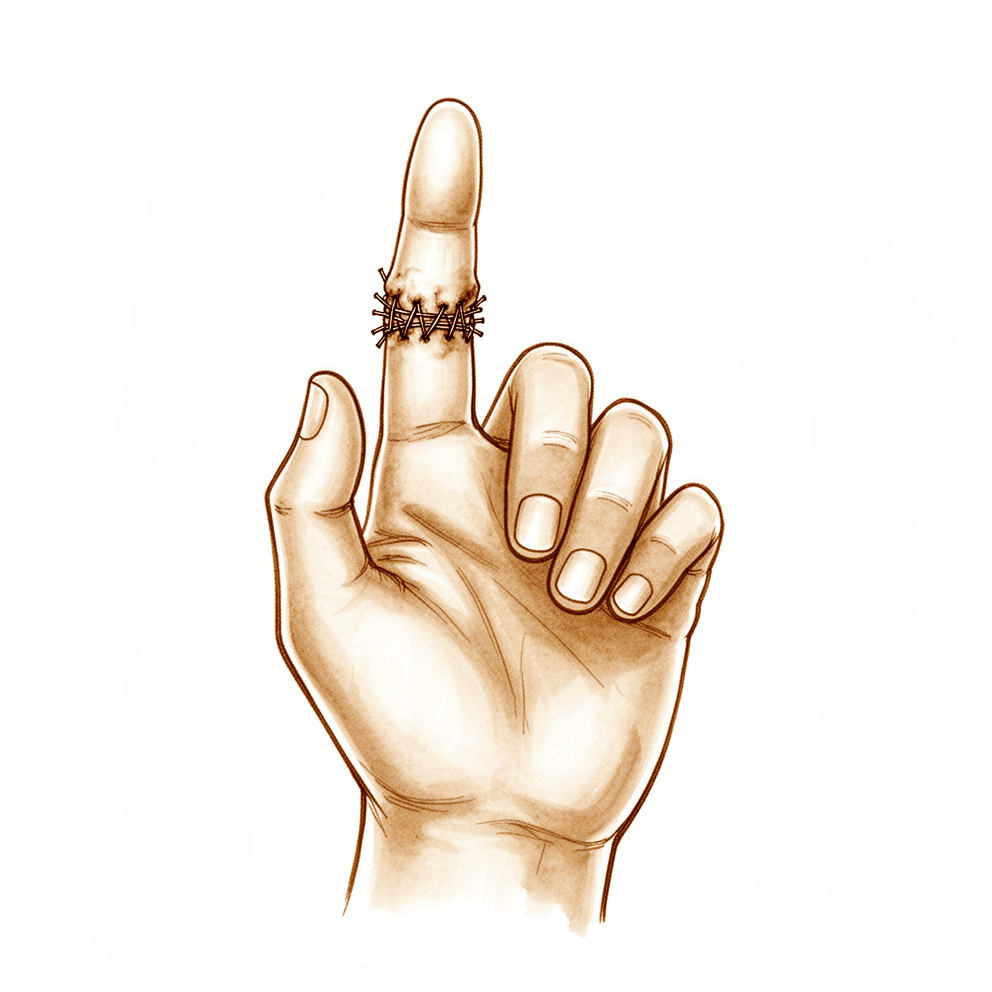
Amputation vs replantation: patient selection, ischemia time limits, level-specific considerations, and post-operative rehabilitation.
Overview
Major limb replantation and revascularization yield excellent functional results in selected cases, with high patient satisfaction [1]. In a series of seven upper extremity amputations, the overall survival rate was 67 per cent [2, 3, 4, 5, 6]. Replantation surgery is not associated with worse patient-reported outcomes than revision amputation after traumatic hand amputation [9]. The success of digit replantation extends beyond intraoperative survival; secondary procedures optimize functional outcomes to far exceed those of revision amputation [19]. Consequently, survival of a replanted part is no longer a criterion of success; replants must function and be an asset, not a liability, to the injured extremity and patient [28].
Standard indications for replantation include thumb amputation, multi-digit amputations, and distal amputations, while ring finger replantations are considered more controversial [23]. Amputation of the digits in children is an absolute indication for replantation, whether a single digit or many digits are involved [32]. In children, successful replantation and revascularization promises good functional outcomes, thus the indications for attempting these procedures are broad [99]. The type of amputation strongly influences the survival of thumb replantation [10]. Heterotopic digital replantation is particularly indicated when orthotopic digital replantation of available amputated parts would yield a suboptimal result [20]. The feasibility of gaining useful outcome through secondary procedures like free functioning muscle transfer should serve as an encouragement to extend the indications for replantation in avulsion amputations of the forearm [54]. A strategy of shortening the leg and later elongation may extend the indications for lower extremity replantations in selected patients [57].
In the absence of means to identify patients whose replants are likely to fail, economics dictate that replantation of distal finger amputations is not attempted or the cost of the small group of failed patients is borne to allow successful cases to achieve clinical benefits [7]. No data support definitive indications for limb salvage versus amputation in the mangled lower extremity [12]. Long-term studies show that patients with limb-threatening injuries sustain significant disability regardless of the treatment chosen [12]. The amputated part should be examined carefully to eliminate rare conditions where replantation might not be the best option [14]. Histopathological evaluation should be performed if replantation is not indicated [14]. The general public in the United States and Japan prefer replantation over wound closure for digit amputations [16]. Prosthetic use and microvascular replantation should be used together to achieve the best results for patients with amputations rather than being competitors or adversaries [21]. For patients who choose revision amputation or whose replants do not survive, a variety of reconstructive options are available, such as toe-to-hand transfer [102]. The downtrend in replantations outpaced the downtrend in revision amputations in the United States from 2009 to 2019, resulting in a decreased replantation-to-amputation ratio [13].
Anatomy & Pathophysiology
Osseous Skeleton and Architecture
The skeleton of the hand and wrist comprises 27 bones, 19 of which are long bones [38]. The hand skeleton is organized into five rays, each forming a polyarticulated chain of metacarpals and phalanges [38]. The thumb ray, or first ray, is the shortest, consisting of only a metacarpal and two phalanges [38]. In the sagittal plane, the thumb metacarpal makes an angle of approximately 45 degrees with the second metacarpal [38]. The index metacarpal is the longest, while the thumb metacarpal is the shortest [38]. The proximal and middle phalanges of the middle and ring fingers are longer than those of the index finger [38]. Epiphyseal plates are located at the proximal ends of the phalanges and the first metacarpal, whereas they are situated at the distal ends of the other metacarpals [38].
The transverse axis of the palm is oblique, forming an acute angle of approximately 75 degrees with the longitudinal axis [38]. The hand presents a longitudinal and transverse concavity, creating a cup shape with palmar concavity when the thumb is placed next to the index finger [38]. The metacarpal arch possesses adaptability due to the mobility of the peripheral metacarpals [75]. The index metacarpal is the most firmly fixed, while the fifth metacarpal has a range of flexion–extension of approximately 20 degrees [75]. The second to fifth metacarpals are bound together by fibrous structures, the most distal of which is the deep transverse intermetacarpal ligament [75]. The metacarpophalangeal articulations serve as the keystones of the longitudinal arches of the hand [75].
Musculature and Extensor Mechanism
Control of digital posture requires a complex balance of extrinsic and intrinsic muscle forces [37]. Extrinsic muscles originate outside the hand and insert on the hand or carpus, whereas intrinsic muscles have both origin and insertion within the hand [37]. The extrinsic extensors run through six different fibroosseous retinacular compartments at the wrist level [37]. The first extensor compartment contains the abductor pollicis longus and the extensor pollicis brevis [37]. The second extensor compartment contains the extensor carpi radialis longus and the extensor carpi radialis brevis [37]. The third compartment contains the extensor pollicis longus, which turns abruptly radialward about Lister tubercle [37]. The fourth extensor compartment contains the extensor indicis proprius lying deep to the four tendons of the extensor digitorum communis [37]. The fifth compartment contains the extensor digiti quinti [37]. The extensor carpi ulnaris tendon runs through the sixth compartment and inserts at the base of the little finger metacarpal [37].
The principal bony insertion of the extrinsic digital extensors is on the dorsal proximal aspect of the middle phalanx [37]. Metacarpophalangeal joint extension is provided by extrinsic extensor force transmitted through the sagittal bands [37]. Distal interphalangeal joint extension is achieved through the conjoined lateral bands composed of tendinous slips from extrinsic and intrinsic tendons [37]. The sagittal band fibers insert onto the volar proximal phalanx and onto the lateral borders of the volar plate [37]. Rupture or attenuation of the sagittal band fibers allows the extrinsic extensor tendon to sublux to the ulnar side of the metacarpal head, causing ulnar deviation of the finger [37].
There are seven interosseous muscles: four dorsal and three volar [72]. The dorsal interossei are abductors, while the volar interossei are adductors [72]. The middle finger has two dorsal interossei and no volar interossei because the central axis of the hand lies within it [72]. Each dorsal interosseous muscle, with the exception of the third, has two muscle heads: a superficial head and a deep head [72]. The superficial head of the dorsal interosseous muscles abducts and weakly flexes the proximal phalanx [72]. The deep head of the dorsal interosseous muscles flexes and weakly abducts the proximal phalanx while extending the middle and distal phalanges [72]. The volar interossei have only one muscle head and none insert onto the proximal phalanx [72].
The flexor digitorum profundus inserts on the proximal volar aspect of the distal phalanx [37]. The flexor digitorum superficialis acts as a flexor of the proximal interphalangeal and metacarpophalangeal joints [37]. The flexor digitorum profundus of the index and middle fingers is innervated by the anterior interosseous branch of the median nerve, while the profundus of the ring and little fingers is innervated by the ulnar nerve [79]. The entire flexor digitorum superficialis muscle receives innervation from the median nerve [79]. The flexor pollicis longus inserts into the proximal base of the thumb distal phalanx and is innervated by the anterior interosseous branch of the median nerve [79].
Flexor Tendon Sheath and Pulleys
The fibroosseous tunnel, or digital flexor sheath, extends distally to the proximal aspect of the distal phalanx [79]. The tenosynovial sheath of the flexor pollicis longus is continuous with the radial bursa [79]. The tenosynovial sheath to the little finger is continuous with the ulnar digital bursa [79]. In some patients, the radial and ulnar bursae communicate, allowing a horseshoe abscess to spread between the thumb and little finger [79]. The A2 and A4 pulleys are the most essential in maintaining the mechanical advantage of the flexor tendons [79]. The tenosynovium lining the fibroosseous tunnel supplies nutrition and lubrication to the poorly vascularized flexor tendons [79]. Within the sheath, tendon vascularity is supplied via the vincula system: the vinculum longus and brevis [79].
Vascular Anatomy
The "princeps pollicis" artery is the terminal branch of the radial artery that crosses the first intermetacarpal space [76]. In the classical layout, the princeps pollicis divides into two terminal rami, the collateral palmar arteries of the thumb, which unite in the pulp arcade [76]. Only 15% of anatomical dissections of the palmar arteries of the thumb fall into the "typical" classical category [76]. In the second segment of the thumb, the main artery is the ulnar collateral artery, which is more often easier to dissect than the radial collateral artery [76]. The volar metacarpal vessels play an important part in the vascularity of the hand [142, 143]. Arteries are thicker and seem to get avulsed more easily than thinner veins [147]. Avulsion causes more extensive damage to the arterial intima and media than to veins [147].
Cutaneous Anatomy and Skin Units
The dorsal skin possesses a normal pilosebaceous system, unlike the palm [81]. The dorsal skin is thin and has loose connections with deeper planes, allowing free gliding [81]. Flexion of the fingers produces a significant lengthening of the dorsal skin, with an average increase of 3 cm in the middle finger from extension to full flexion [81]. The palm forms a cutaneous unit extending from the distal transverse crease of the wrist up to the transverse crease at the base of the digits [71]. The palmar integument is subdivided into two zones by the oppositional crease of the thumb [71]. The skin of the radial portion of the palm covers the thenar eminence and is the mobile portion [71]. The skin of the ulnar and distal portion covers the hypothenar eminence where the skin has poor mobility [71]. The central triangular part of the palm has fixed and poorly vascularized skin covering almost directly the superficial palmar aponeurosis [71].
When a digit is completely flexed, the integument of adjacent phalanges comes into contact in the zones of the flexion creases, establishing areas of cutaneous contact in the form of a diamond [71]. The sides of this diamond do not undergo variations in length during flexion and extension movements [71]. The dorsal slope of the web spaces has a gradual incline and its supple skin is not adherent to the subjacent region [71]. The palmar surface of the web spaces is flat and precipitously interrupted, with skin densely adherent to the commissural skeleton [71]. The necessary skin to cover the thumb distal to the metacarpophalangeal joint is about 9 cm wide and 8 cm long [74]. Skin loss of the thumb and first metacarpal is 13 cm wide and 12 cm long [74]. The skin cover of both the palmar and dorsal surfaces of the hand is 12 cm by 10 cm [74]. The skin covering each finger is 7 cm by 10 cm on both the palmar and dorsal aspects [74].
Functional Mechanics and Kinematics
The hand functions efficiently only if the proximal joints of the limb are stable and yet mobile [70]. The combined movements of the wrist and forearm place the hand in a position for grasping [70]. For gripping, the wrist is usually in flexion when close to the trunk and in extension when placed at a distance [70]. The digits converge in closing (flexion and adduction) and diverge in opening (extension and abduction) [70]. When the fingers are extended and separated, the tips of the fingers lie on the circumference of a circle whose center is the head of the third metacarpal [70]. The wrist has three axes of movement, permitting the hand to be positioned in any spatial configuration [38]. The radial ray continues the external column of the carpus formed by the scaphoid and trapezium [38]. The convergence of the palmar digits toward the scaphoid tubercle results from the orientation of their distal segments in flexion [38]. The axes of flexion are arranged so that flexion of all the metacarpophalangeal and proximal interphalangeal joints causes the fingers to converge toward the scaphoid [83]. The ability of border digits to move laterally is critical to functional grasping activities that involve all four fingers [105]. The extensor digitorum communis tendons of the middle, ring, and little fingers are tethered together by juncturae tendinum over the dorsum of the hand proximal to the metacarpophalangeal joint [37]. The extensor indicis proprius tendon possesses the most distal muscle belly of any of the digital extensor tendons at the wrist level [37].
Pathophysiology and Injury Mechanisms
Amputation of a damaged or diseased limb is one of the oldest major surgical procedures [55]. Amputation may be required because of trauma, cancer, infection, congenital malformation, or vascular disease [55]. Amputation is a reconstructive procedure that should provide the patient with the best possible residual limb for prosthetic fitting [55]. The target for hand reconstruction should be a hand with at least three fingers, at near normal length, with near normal sensation and a functioning thumb [59]. Replantation success rates range from 48% to 97% [46]. More than 50% of replantation patients undergo secondary procedures [46]. The majority of replant failures occur within 1 week of surgery and are caused by venous congestion or arterial thrombosis [46]. Complete amputation is associated with higher failure rates compared to incomplete amputation [46]. Crush, avulsion, and degloving mechanisms carry higher failure rates than sharp mechanisms [46].
The ideal candidate for replantation is a young, healthy person with a sharp mechanism of injury and minimal tissue destruction and contamination [48]. Indications for replantation include loss of a thumb, multiple digit amputations, and amputations at or proximal to specific levels [48]. Amputation of the digits in children is an absolute indication for replantation, regardless of whether a single digit or many digits are involved [32]. In the absence of means to identify patients whose replants are likely to fail, economics dictate that replantation of distal finger amputations is not attempted or the cost is borne to achieve clinical benefits for successful cases [7]. Biomechanical analysis shows that a steer pulling on the thumb generates force and pressure several times larger than that of ring avulsion injury [114]. The red line sign and the ribbon sign are recognized as indicators of damaged vessels and suggestive of a poor prognosis for replantation [165]. The presence of a red line sign is considered a contraindication to thumb revascularization [165]. No attempt should be made to revascularize a digital vessel that has a ribbon sign, but if the ribbon sign is unilateral, revascularization of the opposite digital artery may be warranted [165]. Avulsion amputations involve a traction force placed across the affected segment, tearing tissues apart rather than cutting them [165]. In avulsion amputations, soft-tissue injuries often occur more proximally than skeletal injuries [165]. The thumb is technically more difficult to replant than other digits due to the anatomic arrangement of the neurovascular bundles [165]. Good sensory return, especially on the ulnar side, is considered essential for the normal function of the thumb [165].
The most common injury mechanism for traumatic upper limb amputations is a saw blade [67]. In replantation cases, the amputation mainly affected the distal phalanx [67]. In surgical amputation cases, the amputation occurred through the distal interphalangeal joint in most cases [67]. The most common digit involved in surgical amputations was the index finger [67]. The most common digit involved in replantations was the thumb [67]. Microsurgery was successful in 73% of replantation cases and failed in 27% [67]. Single-finger replantation was successful in 70% of cases [67]. The mean age for patients undergoing replantation was 48 years [67]. The mean age for patients undergoing surgical amputation was 59 years [67]. The left upper limb was affected in 339 cases of replantation [67]. Amputation due to a work-related accident occurred in less than half of replantation cases [67]. Most amputations for surgical closure occurred outside the work context [67]. Lawn mower amputations had the highest proportion in spring (62.5%) [175]. Blast amputations had the highest proportion in summer (75.0%) [175]. Snow blower amputations had the highest proportion in winter (90.9%) [175]. Saw and laceration amputations are more likely to be successfully replanted than crush amputations due to differences in soft tissue involvement [175]. Digit survival depends on the zone of injury, number of digits, ischemia time, age, smoking status, and mechanism of injury [175].
The principal functional deficits following emergency cross-hand replantation include an inability to manipulate objects between the thumb and the long, ring, or small fingers and a decrease in forearm rotation [115]. Thumb ray dysfunction in sensibility and mobility remains the main functional disability following "exploded hand" injuries [129]. Fusion at the thumb can be carried out as soon as necessary and has minimal effects on gripping or work-related activities [108]. The overall hand strength averaged 85.2% of the contralateral side following distal phalanx fracture treatment [106]. The extensor plus finger occurs from the imbalance in finger mechanism [151]. If the parts cannot be moved and controlled, the hand should be positioned in the 'safe' or intrinsic-plus position [124]. Preservation of wrist flexion and rotation is distinctly beneficial for prosthetic function [136]. New devices and techniques allow for the fabrication of forearm sockets that preserve wrist flexion and rotation without sacrificing prosthetic function [136]. Mechanical solutions to minimize force required at the wrist to activate grip are still required for 3D-printed custom-designed prostheses [100]. Reconstruction is a better option than prosthesis fitting due to the ability to perform secondary procedures and increased hand use over time.
Classification
Chen Criteria: Designed specifically for complete limb replantation after traumatic amputation, these criteria are ideal for assessing outcomes of severe complex multisystem injuries [39]. The system includes a grade V result category to indicate amputation, whether early or late [39].
Distal Replantation Classification: This system categorizes amputations into four zones based on the level of injury relative to the distal interphalangeal joint [50].
Urbaniak Ring Avulsion Classification: Proposed by Urbaniak et al., this simplified classification emphasizes principles of treatment for ring avulsion injuries [119]. * Class I: Characterized by adequate circulation, where standard bone and soft tissue treatment is sufficient [119]. * Class II: Characterized by inadequate circulation, where vessel repair preserves viability and permits immediate or delayed repair of other tissues [119]. * Class IIA: Defined as injuries in which only digital arteries are damaged but all other structures are intact and functional [119]. * Class III: Involves complete degloving or amputation, requiring judgment since revascularization of a nonfunctional digit results in a parasitic member [119]. This class includes the avulsion-amputation type, which leaves the soft tissue envelope partially attached to the distal portion and necessitates reconstruction of bone, tendon, vessels, and nerves [160]. It also includes the complete degloving type, which usually leaves bone and tendon units intact but badly damages the skin envelope with severe avulsion injury to the digital artery at its most distal portion [160].
Mangled Digit Severity Score (MDSS): This score classifies severe digital injuries into salvage or amputation predicted ranges, with an MDSS ≥ 35 falling within the amputation-predicted range [146].
Allen’s Classification: Used to categorize fingertip amputations, with types III and IV being technically difficult for microsurgical replantation [152].
Das Classification: Used to evaluate the level of amputation in fingertip injuries, with level I amputations being more susceptible to successful composite grafting [168].
Clinical Presentation
The clinical presentation of amputation and replantation candidates is defined by the mechanism of injury, the condition of the residual limb, and specific patient factors such as age and comorbidities [31]. Initial management often occurs at centers lacking the expertise required for replantation or appropriate amputee treatment [31]. Life-threatening injuries always take precedence over amputation or replantation decisions [31]. The decision to replant depends on patient factors and the condition of the residual limb and amputated body part [31]. No data support definitive indications for limb salvage versus amputation, and long-term studies show that patients with limb-threatening injuries sustain significant disability regardless of the treatment chosen [12]. The physician team should prioritize patient survival in the limb reconstruction versus amputation decision [43]. Limb-specific damage control measures or immediate amputation should be considered when additional attempts at definitive salvage will increase the risk of mortality [43].
Etiology and Demographics
In a tertiary hospital experience in northwestern Tanzania, lower limbs were involved in 140 (86.4%) of major limb amputation cases [27]. Complication of diabetes mellitus was the main indication for major limb amputations in 68 (41.9%) patients, followed by trauma in 62 (38.4%) patients and vascular disease in 14 (8.6%) patients [27]. The major indications for upper limb amputations were trauma (42.3%) and malignancies (24.6%), while diabetic gangrene (45.5%) and trauma (32.2%) were the most common causes of amputation in lower limbs [27]. Trauma and malignancies were the most common indications for amputations in young adults (2nd to 3rd decades), whereas complications of diabetes and peripheral vascular diseases were the main indications in the 4th to 5th decades of age [27]. In a study on predictors of mortality and revision following digital amputation, patients were mostly men (80.3%), White (89.4%), not Hispanic or Latino (95.0%), active smokers (55.6%), and had a mean age of 50.3 years [91]. There were 484 amputations among 360 patients who met inclusion criteria, with 358 amputations among patients who experienced trauma and 126 among patients with infection or necrosis [91]. In a series of 66 upper extremity replantation and revascularization cases, the average age was 23 years [47].
Inspection and Assessment of the Amputated Part
The amputated part should be examined carefully to eliminate rare conditions where replantation might not be the best option, and histopathological evaluation should be performed if replantation is not indicated [14]. The amputated thumb and proximal amputation stump were assessed for suitability for replantation, including a search for avulsed nerves and arteries [85]. The amputated thumb was checked for signs of extensive vascular damage, as indicated by the ‘red line' or "ribbon'' signs [85]. The amputated part should never be placed directly on ice; direct exposure to ice or ice water will result in tissue damage [31]. The amputated part should be wrapped in wet gauze and placed in a plastic bag on ice [31]. Tissue viability is not the sole determinant of successful replantation [48]. It appears unrealistic to expect absolute accuracy in the prediction of success or failure at different potential amputation levels in patients with peripheral vascular insufficiency [92].
Indications and Contraindications
Mid-palm amputations, whether or not they include the thumb, are ideal candidates for replantation and constitute an absolute indication [44]. In children, an attempt should be made to replant almost any amputated digit [44]. The most commonly replanted parts are the thumb, multiple digits in adults, and amputated digits in children [31]. The authors suggest that amputation should be limited to a small group of patients needing surgery for recurrent disease, and alternatives to amputation should be sought [40]. Revision amputation requires serious consideration to minimize further loss of function [52]. In the absence of means to identify patients whose replants are likely to fail, economics dictate that replantation of distal finger amputations is not attempted or the cost is borne to allow successful cases to achieve clinical benefits [7]. A patient was not referred for treatment until it was clear that no possibility of restoring circulation existed, leading to amputation [29]. Early amputation seems to be better in cases of complications, despite similar quality of life in the two groups in the long-term [30].
Prognosis and Outcomes
The overall survival rate for 7 cases of complete or incomplete upper extremity amputations requiring replantation was 67 per cent [2, 3, 4, 5, 6, 11]. Of 29 limbs having revascularization or replantation, 27 survived for a viability rate of 93% [39]. The range of follow-up for 29 patients with revascularization or replantation was from 1 to 8 years, with a mean of 3 years [39]. Eleven patients achieved a grade I functional result, 11 a grade II result, 5 grade III, 0 grade IV, and 2 grade V results in a series of 29 limbs [39]. In a series of 66 cases of replantation and revascularization of limbs (33 complete and 33 severe incomplete amputations), the overall graft survival rate was 82% [47]. The restoration of amputated digits has a success incidence in the range of 48%–97% reported for replantation procedures [46]. Revascularization/replantation procedures carry high incidences of complication, and >50% undergo secondary procedures [46]. Complete amputation (vs. incomplete) is a factor most consistently associated with early replant failure [46]. Inability to perform a vascular anastomosis at the time of surgery is a factor most consistently associated with early replant failure [46].
Functional results after a major limb replantation are better than revision amputation and prosthesis fitting [18]. Replantation surgery was not associated with worse patient-reported outcomes than revision amputation [9]. If replantation is successful with adequate restoration of both power grasp and light pinch, the hand achieves a functional ability which is superior to any type of prosthetic device [44]. The functional results of single finger replantation were most dependent on the level of amputation [26]. The incidence of successful replantation is significantly higher for amputations at the level of the superficial or deep palmar arch, compared with those at the level of the common digital arteries [44]. Primary amputations and unsuccessful replantation or revascularization seem to do just as well as successful ones in terms of work status, being less expensive [49]. Two patients would have preferred primary amputation without any economic compensation, and one patient would have been pleased with SEK 31,000 [49]. The perceived result of amputation is not associated with the amount of the limb that was amputated but rather with factors that may be optimized by surgical, prosthetic, and social management [89].
Specific Case Series and Techniques
Two patients presented 16 and 17 years, respectively, after complete or incomplete amputation/replantation of the arm [8]. A patient with a 7-year follow-up is considered one of the most successful cases of leg replantation [15]. A 70-year-old man sustained an amputation of the left lower extremity through mid-thigh level and succeeded in replantation with satisfactory plantar flexion and protective sensation 1.5 years after surgery [90]. Of 40 patients with amputated thumbs, 24 were replanted and 14 survived [33]. Eight of ten amputated parts were thumbs, and in eight patients the mechanism of trauma was avulsion in a study on arterial spasticity and cold intolerance [42]. Nine control patients who suffered amputation of one or more digits treated by revision of the stump and closure were selected to match the study group based on level, extent, and type of the original amputation injury [17]. Successful replantation with 2 year follow-up were observed in 35 patients in group 1 and 57 patients in group 2 in a study on allopurinol [88]. The recovery of sensation, determined by two-point discrimination at the tip of the replanted thumb, was better in group 2 [88].
In cases of forearm amputation where full replantation is not indicated, forearm stump closure with length preservation may not be possible with a combination of local skin and further bony shortening [45]. Resection-replantation with subsequent lengthening of the forearm causes less body image disturbance than does amputation [53]. The paper describes a surgical technique for distal replantation, classifying amputations into four zones based on the level of injury relative to the distal interphalangeal joint [50]. A new classification system describes replantation as well as its complications and management [24]. The study aimed to determine the postoperative time when maximum recovery, assessed by patient-reported outcomes, is expected after replantation or revision amputation using data from an international multi-centre study [34]. Probabilities for health states representing complications were averaged based on sample sizes of each study in an economic analysis of revision amputation and replantation [41]. The downtrend in replantations outpaced the downtrend in revision amputations, resulting in a decreased replantation-to-amputation ratio [13].
Investigations
Clinical Evaluation: Clinical evaluation of the injured or dysfunctional hand and wrist requires combining patient history with a careful physical examination to pinpoint or narrow the scope of possible pathologic processes [36]. A careful physical examination is essential to direct care and future testing if indicated [36]. Diagnostic tests such as imaging and serum laboratory studies are useful in determining hand pathology but can be expensive, time consuming, and often nonspecific [36].
Other Considerations: Intravascular introduction of radio contrast agents to an amputated digit prior to replantation may provide further information, particularly in avulsion amputations [120]. Had the surgeon heeded the evidence of the fluorescein angiogram, three of the seven failures of primary amputation and both of the failures of secondary amputation could have been prevented [62].
Treatment
Non-Operative
Amputation remains a valid treatment option for long-standing therapy-resistant Complex Regional Pain Syndrome Type I [163]. In cases of recurrent Dupuytren’s disease, amputation should be limited to a small group of patients, with alternatives to amputation actively sought [40].
Operative
Indications: Amputation of digits in children is an absolute indication for replantation, regardless of whether a single digit or many digits are involved [32]. Standard indications for replantation include thumb amputation, multi-digit amputations, and distal amputations, while ring finger replantations are considered more controversial [23]. Bilateral hand transplantation is justified in cases of bilateral amputations with strict indications, whereas transplantation for the loss of one hand is not indicated [93]. The decision to replant, revascularize, or amputate a nonviable digit depends on injury factors such as mechanism of injury, affected digit, and zone of injury, as well as the surgeon [133]. Patient factors such as age and comorbidities, and the condition of the residual limb and amputated body part, also determine whether to replant [31]. In the absence of reliable evidence, the physician team should prioritize patient survival in the limb reconstruction versus amputation decision [43]. No data support definitive indications for limb salvage versus amputation in mangled lower extremities, and long-term studies show that patients with limb-threatening injuries sustain significant disability regardless of the treatment chosen [12]. The decision to amputate should be multidisciplinary, involving rehabilitation and orthotic specialists, with long-term management and the fullest possible prior information for the patient [149].
Preoperative and Initial Management: The amputated part should never be placed directly on ice, as direct exposure to ice or ice water will result in tissue damage [31]. The patient should be placed on nothing-by-mouth (NPO) status for replantation [31]. Tetanus prophylaxis, antibiotic therapy, and intravenous fluids should be administered during preoperative management for replantation [31]. Radiographs of the residual limb and the amputated part should be obtained during preoperative management [31]. In multiply injured patients, the use of salvage flaps from non-replantable amputated limbs must be considered to prevent more proximal amputation [94]. The use of “spare part” flaps from a non-replantable limb to cover amputation stumps in the upper extremity preserves limb length, provides durable coverage and sensation, and avoids additional donor site morbidity [153].
Surgical Approach / Technique: Replantation is the most dramatic application of microsurgery, and survival of a replanted part is no longer a criterion of success; the replants must function and be an asset, not a liability, to the injured extremity and patient [28]. In cases with severe mutilation of some digits, the least damaged digit can be transposed to the most useful stumps using transpositional microsurgery [44]. Primary metacarpophalangeal joint arthroplasty during replantation offers the best opportunity for satisfactory hand function in uncontaminated amputation with good peroperative care, antibiotic prophylaxis, and viable soft tissue cover [159]. Two teams simultaneously seem the better approach to manage bilateral hand replantation [118]. Free flap reconstruction can be used simultaneously with delayed replantation to provide coverage of vital structures such that the replantation need not be performed as a subsequent staged procedure [66]. Negative pressure wound therapy (NPWT) maintains wound homeostasis and reduces wound exudate and soft tissue edema in extremity salvage [66]. Use of NPWT on the amputation stump may shorten the delay from initial ectopic banking to subsequent delayed replantation [66]. Pulse oximetry is a simple, noninvasive, continuous, and accurate method that reliably assesses revascularized digits and replanted parts [157].
Outcomes and Functional Results: The functional results of major limb replantation or revascularization are excellent in selected cases, and patient satisfaction after these procedures remains high [1]. The success of digit replantation extends beyond survival in the operating room; secondary procedures optimize functional outcomes to far exceed those of revision amputation [19]. Although fingertip replantation offers better functional results than revision amputation, replantation is more technically demanding and requires longer recovery time [22]. Successful replantation of single fingertip amputations resulted in minimal pain, better functional outcome, better appearance, and higher patient satisfaction [96]. Among replantations with vascular success, approximately 30% achieved complete functional success at one year without revision surgery [56]. Seventy of 91 replantations were successful, and 21 were failures, for a success rate of 77% [104]. Survival was achieved in nineteen of twenty-three thumb replantations [98]. While microsurgery has made replantation a routine procedure with reliable viability rates, achieving a satisfactory functional result is difficult and depends on a variety of factors [103]. A proper functional result can be accomplished with bilateral hand replantation although it would take a long time, require close follow-up, regular physiotherapy, and often multiple secondary surgical procedures [118]. Results achieved with lower limb replantation give hope to proceed with such procedures, although controversies exist [65]. Hand replantation can be performed successfully both in survival and function in a non-specialized hospital of a sub-Saharan African country [164]. The target for reconstruction in mangled hands should be a hand with at least three fingers, at near normal length, with near normal sensation and a functioning thumb [59].
Economic and Societal Considerations: In the absence of any means of identification of patients whose replants are likely to fail, economics dictate that replantation of amputations of the distal finger is not attempted or the cost of this small group of patients is borne in order that those with successful replantations achieve the clinical benefits [7]. Primary amputations and unsuccessful replantation or revascularization seem to do just as well as successful ones in terms of labor force participation, are less expensive, and none of the patients had to leave the labor force or accept a lower wage [49]. People may be prepared to pay extra for the higher quality of life following a successful replantation [49]. The general public in both the United States and Japan prefer replantation over wound closure for digit amputations [16]. The downtrend in replantations outpaced the downtrend in revision amputations, resulting in a decreased replantation-to-amputation ratio in the United States from 2009 to 2019 [13].
Complications
Vascular Complications
Late Occlusion: Late occlusion of microvascular vein grafts in replantation has been reported in patients presenting 16 and 17 years after complete or incomplete amputation/replantation of the arm [8]. Arterial Spasm: Cold-induced arterial spasm is a complication following digital amputation [17].
Graft and Replant Survival
Survival Rates: In a series of 66 cases of upper limb replantation and revascularization (33 complete and 33 severe incomplete amputations), the overall graft survival rate was 82% [47]. Thumb Replantation: The type of amputation strongly influences the survival of replantation of the thumb [10]. Failure Definition: Failure in digit replantation is defined as necrosis of the replanted finger, requiring revision amputation or a flap to cover the bone [156].
Functional Outcomes and Disability
Limb Replantation: The functional results of major limb replantation or revascularization are excellent in selected cases, and patient satisfaction after limb replantation or revascularization procedures remains high [1]. Long-term Disability: Regardless of the treatment chosen for limb-threatening injuries, long-term studies show that patients sustain significant disability [12]. Multi-limb Amputation: In a two-year follow-up study of multi-limb amputees following the 2023 Türkiye earthquake, there was a high rate of reoperation, substantial mortality, and limited functional recovery [61].
Amputation and Revision Outcomes
Delayed Replantation: The results of delaying replantation of digits overnight give results comparable with those of immediate replantation in selected cases [63].
Economic and Systemic Factors
Cost-Benefit Analysis: In the absence of any means of identification of patients whose replants are likely to fail, economics dictate that replantation of amputations of the distal finger is not attempted or the cost of this small group of patients is borne in order that those with successful replantations achieve the clinical benefits indicated by this and other studies [7].
Recovery
Functional Outcomes and Comparison to Amputation: Functional results of major limb replantation or revascularization are excellent in selected cases [1]. Secondary procedures optimize functional outcomes to far exceed those of revision amputation [19]. Fingertip replantation offers better functional results than revision amputation [22]. Follow-up assessments show that the majority of zone I replantations led to satisfactory function [122]. The goal of hand allotransplantation is the achievement of long-term graft survival and useful function [113].
Specific Anatomical and Injury Factors: Gender and ischemia time had no significant influence on the survival rate of amputation replantation [176]. A unique replantation of a completely amputated thumb following prolonged ischaemia time (23 hours) and hot weather exposure of about 40 °C yielded excellent final results [185]. Of 25 growing epiphyses in a series that were transferred, the average length attained was 89% of normal in elective transfer, 93% of normal in replanted digits, and 92% overall [187].
Survival Rates and Complications: The overall survival rate for 7 cases of complete or incomplete amputations of the upper extremity requiring replantation was 67 per cent [2, 3, 4, 5, 6, 11]. Two cases are described in which patients presented 16 and 17 years, respectively, after complete or incomplete amputation/replantation of the arm [8]. Apart from the first case which was amputated after voluntarily stopping treatment, survival at 2-year follow-up was 100% for composite tissue allotransplantation [68]. The authors believe that a specific patient is one of the most successful cases of replantation of the leg, with a long follow-up period [15].
Timing and Technique Effects on Recovery: Delayed and suspended replantations demonstrate results comparable to immediate replantation regarding graft survival and clinical outcome [184]. The average operative time per replanted digit using the fibrin glue-assisted microvascular anastomosis technique was 3.2 hours, considerably less than the 4.5 hours documented with standard replantation technique [183].
Long-term Disability and Population Outcomes: No data support definitive indications for limb salvage versus amputation, and regardless of the treatment chosen, long-term studies show that patients with limb-threatening injuries sustain significant disability [12]. A two-year follow-up study of multi-limb amputees following a civilian earthquake highlighted the high rate of reoperation, substantial mortality, and limited functional recovery [61]. The decision for salvage versus amputation must consider the overall injury burden and patient preferences [69].
Key Evidence
- [L4] The functional results of major limb replantation or revascularization are excellent in selected cases, and patient satisfaction after limb replantation or revascularization procedures remains high. [1] (10.1016/s0363-5023(84)80001-5)
- [L4] The paper describes 7 cases of complete or incomplete amputations of the upper extremity which required replantation with an overall survival rate of 67 per cent. [2] (10.1016/0020-1383(75)90197-7)
- [L4] The paper describes 7 cases of complete or incomplete amputations of the upper extremity which required replantation with an overall survival rate of 67 per cent. [3] (10.1016/0020-1383(75)90195-3)
- [L4] The paper describes 7 cases of complete or incomplete amputations of the upper extremity which required replantation with an overall survival rate of 67 per cent. [4] (10.1016/0020-1383(75)90193-x)
- [L4] The paper describes 7 cases of complete or incomplete amputations of the upper extremity which required replantation with an overall survival rate of 67 per cent. [5] (10.1016/0020-1383(75)90194-1)
- [L4] The paper describes 7 cases of complete or incomplete amputations of the upper extremity which required replantation with an overall survival rate of 67 per cent. [6] (10.1016/0020-1383(75)90198-9)
- [L4] In the absence of any means of identification of patients whose replants are likely to fail, economics dictate that replantation of amputations of the distal finger is not attempted or the cost of this small group of patients is borne in order that those with successful replantations achieve the clinical benefits indicated by this and other studies. [7] (10.1016/s0266-7681(97)80282-3)
- [L4] Two cases are described in which patients presented 16 and 17 years, respectively, after complete or incomplete amputation/replantation of the arm. [8] (10.1016/s0363-5023(98)80024-5)
- [L3] Replantation surgery was not associated with worse patient-reported outcomes than revision amputation. [9] (10.1097/corr.0000000000002906)
- [L4] The type of amputation strongly influences the survival of replantation of the thumb. [10] (10.1016/0266-7681(93)90094-v)
- [L4] The paper describes 7 cases of complete or incomplete amputations of the upper extremity which required replantation with an overall survival rate of 67 per cent. [11] (10.1016/0020-1383(75)90196-5)
- [L4] The downtrend in replantations outpaced the downtrend in revision amputations, resulting in a decreased replantation-to-amputation ratio. [13] (10.1016/j.jhsg.2024.07.012)
- [L4] The amputated part should be examined carefully to eliminate rare conditions where replantation might not be the best option, and histopathological evaluation should be performed if replantation is not indicated. [14] (10.1016/j.jhsa.2015.08.028)
- [L5] The authors believe that this patient is one of the most successful cases of replantation of the leg, with a long follow-up period. [15] (10.1016/s0020-1383(84)80013-3)
- [L3] The general public in both countries prefer replantation over wound closure for digit amputations. [16] (10.1016/j.jhsa.2015.05.026)
- [L4] [17] (10.1016/0266-7681(91)90006-a)
- [L4] Functional results after a major limb replantation are better than revision amputation and prosthesis fitting. [18] (10.1016/j.jhsa.2011.03.039)
- [L5] The success of digit replantation extends beyond survival in the operating room; secondary procedures optimize functional outcomes to far exceed those of revision amputation. [19] (10.1016/j.jhsg.2024.07.010)
- [L4] It is particularly indicated when orthotopic digital replantation of the available amputated parts would yield a suboptimal result. [20] (10.1177/1558944716660555eh)
- [L5] Prosthetic use and microvascular replantation rather than being competitors or adversaries should actually be used together to achieve the best results for our patients with amputations. [21] (10.1016/s0363-5023(84)80057-x)
- [L5] Although fingertip replantation offers better functional results than does revision amputation, replantation is more technically demanding and requires longer recovery time. [22] (10.5435/00124635-201312000-00006)
- [L5] Indications recognized as standards such as thumb amputation, multi-digit amputations and distal amputations are detailed, as well as the more controversial ring finger replantations. [23] (10.1016/j.hansur.2019.10.198)
- [L5] Using a new classification system, replantation as well as its complications and management is described. [24] (10.1016/j.hcl.2015.01.006)
- [L4] The functional results of single finger replantation were most dependent on the level of amputation. [26] (10.2106/00004623-198567040-00017)
- [L4] [27] (10.1186/1749-799x-7-18)
- [Paper] Replantation is the most dramatic application of microsurgery, and survival of a replanted part is no longer a criterion of success; the replants must function and be an asset, not a liability, to the injured extremity and patient. [28] (10.1016/s0363-5023(83)80256-1)
- [L5] The patient was not referred for treatment until it was clear that no possibility of restoring circulation existed, leading to amputation. [29] (10.1016/s0363-5023(80)80018-9)
- [Paper] Early amputation seems to be better in cases of complications, despite similar quality of life in the two groups in the long-term. [30] (10.1016/j.otsr.2017.05.022)
- [L4] Amputation of the digits in children is an absolute indication for replantation, no matter whether a single digit or many digits are involved. [32] (10.1016/s0363-5023(98)80049-x)
- [L4] Of 40 patients with amputated thumbs, 24 were replanted and 14 survived. [33] (10.1016/0266-7681(84)90028-7)
- [L3] The study aimed to determine the postoperative time when maximum recovery, assessed by patient-reported outcomes, is expected after replantation or revision amputation using data from an international multi-centre study. [34] (10.1177/1753193420960352)
- [L4] [39] (10.1016/0363-5023(91)90176-c)
- [L4] The authors suggest that amputation should be limited to a small group of patients needing surgery for recurrent disease, and alternatives to amputation should be sought. [40] (10.1016/0266-7681(93)90245-b)
- [L4] [41] (10.1097/prs.0000000000000019)
- [L4] [42] (10.1016/0266-7681(93)90002-w)
- [L2] [43] (10.5435/jaaos-d-20-00188)
- [L5] [44] (10.1054/jhsb.2001.0595)
- [L5] In cases of forearm amputation, where full replantation is not indicated, forearm stump closure with length preservation may not be possible with a combination of local skin and further bony shortening. [45] (10.1016/s0363-5023(80)80180-8)
- [L4] [46] (10.1177/17531934211028155)
- [L4] [47] (10.1016/0363-5023(90)90116-9)
- [L5] [48] (10.5435/jaaos-d-14-00039)
- [L4] [49] (10.1016/s0266-7681(96)80134-3)
- [L5] The paper describes a surgical technique for distal replantation, classifying amputations into four zones based on the level of injury relative to the distal interphalangeal joint. [50] (10.1097/00130911-199906000-00003)
- [L5] Revision amputation requires serious consideration to minimize further loss of function. [52] (10.1016/s0749-0712(21)00524-2)
- [Case_report] Resection-replantation with subsequent lengthening of the forearm causes less body image disturbance than does amputation. [53] (10.1016/j.jhsa.2014.03.030)
- [L5] The feasibility of gaining useful outcome through secondary procedures like FFMT should serve as an encouragement to extend the indications for replantation in avulsion amputations of the forearm. [54] (10.1016/j.injury.2019.10.059)
- [L4] Among replantations with vascular success, approximately 30% achieved complete functional success at one year without revision surgery. [56] (10.1016/j.main.2005.08.005)
- [Case_report] This strategy of treatment, shortening of the leg and later elongation, may extend the indications for lower extremity replantations in selected patients. [57] (10.2106/00004623-199411000-00016)
- [L5] The target should be a hand with at least three fingers, at near normal length, with near normal sensation and a functioning thumb. [59] (10.1016/j.main.2010.07.001)
- [L4] This study presents one of the largest case series of multi-limb amputees following a civilian earthquake, highlighting the high rate of reoperation, substantial mortality, and limited functional recovery at two-year follow-up in this population. [61] (10.1186/s13018-025-06231-y)
- [L4] Had the surgeon heeded the evidence of the fluorescein angiogram, three of the seven failures of primary amputation and both of the failures of secondary amputation could have been prevented. [62] (10.2106/00004623-198264060-00010)
- [L4] The results of delaying replantation of digits overnight give results comparable with those of immediate replantation in selected cases. [63] (10.1016/j.jhsa.2018.03.047)
- [L4] Results achieved with this patient give hope to proceed with lower limb replantations, although controversies exist. [65] (10.1016/j.injury.2020.02.113)
- [L4] [66] (10.1016/j.hcl.2019.01.002)
- [L4] [67] (10.1016/j.otsr.2017.12.014)
- [L4] Apart from the first case which was amputated after voluntarily stopping treatment, survival at 2-year follow-up was 100%. [68] (10.1016/j.main.2009.01.003)
- [L5] Successful and functional reconstruction of a severely damaged limb is possible with modern advances, but the decision for salvage versus amputation must consider the overall injury burden and patient preferences. [69] (10.1016/j.hcl.2017.09.002)
- [L4] [85] (10.1016/s0363-5023(81)80007-x)
- [L2] [88] (10.1054/jhsb.1998.0215)
- [L3] The perceived result of amputation is not associated with the amount of the limb that was amputated but rather with factors that may be optimized by surgical, prosthetic, and social management. [89] (10.2106/00004623-200008000-00004)
- [L4] [90] (10.1097/00130911-200209000-00007)
- [L4] [91] (10.1016/j.jhsa.2023.01.014)
- [L5] [92] (10.2106/00004623-198163090-00020)
- [L5] Bilateral hand transplantation is justified in cases of bilateral amputations with strict indications, while transplantation for the loss of one hand is not indicated. [93] (10.1054/jhsb.2001.0674)
- [L4] In multiply injured patients, the use of salvage flaps from non-replantable amputated limbs must be considered to prevent more proximal amputation. [94] (10.1016/s0020-1383(97)00078-8)
- [L3] Successful replantation of single fingertip amputations resulted in minimal pain, better functional outcome, better appearance, and higher patient satisfaction. [96] (10.1197/j.jht.2006.11.008)
- [L4] Survival was achieved in nineteen of twenty-three replantations. [98] (10.1016/s0363-5023(10)80024-3)
- [L5] In children, successful replantation and revascularization promises good functional outcomes, thus the indications for attempting these procedures are broad. [99] (10.1016/j.hcl.2018.12.006)
- [L4] Mechanical solutions to minimize force required at the wrist to activate grip are still required. [100] (10.1016/j.jht.2020.04.005)
- [L5] For patients who choose revision amputation or whose replants do not survive, there are a variety of reconstructive options available, such as toe-to-hand transfer. [102] (10.1097/00130911-200212000-00003)
- [L5] While microsurgery has made replantation a routine procedure with reliable viability rates, achieving a satisfactory functional result is difficult and depends on a variety of factors. [103] (10.5435/00124635-199803000-00004)
- [L4] Seventy of 91 replantations were successful, and 21 were failures, for a success rate of 77%. [104] (10.1016/s0363-5023(81)80032-9)
- [L4] In the supple hand this ability of the border digits to move laterally is critical to functional grasping activities that involve all four fingers. [105] (10.1016/s0894-1130(89)80005-5)
- [L4] The overall hand strength averaged 85.2% of the contralateral side. [106] (10.1016/j.hansur.2016.10.044)
- [L4] Fusion at the thumb can be carried out as soon as necessary; while it theoretically reduces the mobility, it has minimal effects on gripping and does not negatively affect work-related and daily activities. [108] (10.1016/j.hansur.2019.09.001)
- [L5] Similar to replantation, the goal of hand allotransplantation is the achievement of long-term graft survival and useful function. [113] (10.1016/j.hcl.2011.08.001)
- [L4] Biomechanical analysis showed a huge amount of force and pressure, several times larger than that of ring avulsion injury, results when a steer pulls on the thumb. [114] (10.1177/03635465030310051601)
- [L5] The principal functional deficits were an inability to manipulate objects between the thumb and the long, ring, or small fingers and a decrease in forearm rotation. [115] (10.1016/0363-5023(92)90393-4)
- [L5] [118] (10.1016/j.main.2013.06.005)
- [L4] [119] (10.1016/s0363-5023(84)80053-2)
- [L4] Intravascular introduction of radio contrast agents to amputated digit prior to replantation may give further information particularly in avulsion amputations. [120] (10.1142/s2424835518500261)
- [L4] Follow-up assessments show that the majority of zone I replantations led to satisfactory function. [122] (10.1016/j.jhsa.2008.05.005)
- [L5] If the parts cannot be moved and controlled, the hand should be positioned in the 'safe' or intrinsic-plus position. [124] (10.1016/s0363-5023(83)80279-2)
- [L4] While general outcomes were good, thumb ray dysfunction in sensibility and mobility remained the main functional disability. [129] (10.1177/1753193412468577)
- [L3] The decision to replant, revascularize, or amputate a nonviable digit and the success of replantation and revascularization are related to both injury factors, such as mechanism of injury, affected digit, and zone of injury, and the surgeon. [133] (10.1007/s11552-013-9520-y)
- [L4] Preservation of wrist flexion and rotation is distinctly beneficial, and new devices and techniques allow for the fabrication of forearm sockets that preserve these motions without sacrificing prosthetic function. [136] (10.2106/00004623-195638060-00001)
- [L4] The volar metacarpal vessels play an important part in the vascularity of the hand. [142] (10.1016/0266-7681_88_90140-4)
- [L4] The volar metacarpal vessels play an important part in the vascularity of the hand. [143] (10.1016/0266-7681(88)90140-4)
- [L4] [146] (10.1016/j.jhsa.2026.06.001)
- [L4] [147] (10.1016/j.main.2015.08.003)
- [L5] The decision to amputate should be multidisciplinary, involving rehabilitation and orthotic specialists, with long-term management and the fullest possible prior information for the patient. [149] (10.1016/j.otsr.2017.12.001)
- [L5] The extensor plus finger occurs from the imbalance in finger mechanism. [151] (10.1097/bth.0b013e31822af060)
- [L4] [152] (10.1142/s242483551672022x)
- [L4] The use of “spare part” flaps from a non-replantable limb to cover amputation stumps in the upper extremity preserves limb length, provides durable coverage and sensation and will avoid additional donor site morbidity. [153] (10.1016/s0266-7681(97)80359-2)
- [L3] [156] (10.2106/jbjs.17.00494)
- [L4] This method is simple, noninvasive, continuous, and accurate, and it reliably assesses revascularized digits and replanted parts. [157] (10.1016/s0363-5023(86)80013-2)
- [L4] The authors report two patients in whom satisfactory results from primary metacarpophalangeal joint arthroplasty during replantation led them to believe that in uncontaminated amputation, with good peroperative care, antibiotic prophylaxis, and viable soft tissue cover, this procedure offers the best opportunity for satisfactory hand function. [159] (10.1016/0266-7681(86)90169-5)
- [L5] [160] (10.1016/0363-5023(92)90322-g)
- [L4] However, amputation should not be ignored as a treatment option for long-standing therapy-resistant CRPS-I. [163] (10.2106/jbjs.m.00788)
- [L5] Through this first experience, the authors state that hand replantation can be performed successfully both in survival and function in a non-specialized hospital of a sub-Saharan African country. [164] (10.4103/0970-0358.182228)
- [L4] [165] (10.1016/s0363-5023(87)80070-9)
- [L1] [168] (10.1186/s13018-024-05230-9)
- [L4] [175] (10.1177/1558944719844347)
- [L5] Gender and ischemia time had no significant influence on the survival rate of amputation replantation. [176] (10.1177/1753193415594572)
- [L4] The average operative time per replanted digit was 3.2 hours, considerably less than the 4.5 hours documented with standard replantation technique. [183] (10.1016/s0266-7681(96)80133-1)
- [L4] Delayed and suspended replantations demonstrate results comparable to immediate replantation regarding graft survival and clinical outcome. [184] (10.1016/j.jhsa.2015.01.006)
- [L5] The authors report a unique replantation of a completely amputated thumb following prolonged ischaemia time (23 hours) and hot weather exposure of about 40 °C with excellent final results. [185] (10.1016/j.hansur.2019.10.145)
- [L4] Of 25 growing epiphyses in our series that were transferred, 17 by replantation and eight by free tissue transfer supported by microvascular anastomosis, over an interval varying from 27 to 81 months, average length attained was 89% of normal in elective transfer, 93% of normal in replanted digits, and 92% overall. [187] (10.1016/s0363-5023(87)80288-5)
See Also
References
[1] The late functional results of upper limb revascularization and replantation. The Journal of Hand Surgery. 1984. DOI: 10.1016/s0363-5023(84)80001-5
[2] Silicone arthroprostheses. Injury. 1975. DOI: 10.1016/0020-1383(75)90197-7
[3] Sensory flaps. Injury. 1975. DOI: 10.1016/0020-1383(75)90195-3
[4] Major replantation surgery. Injury. 1975. DOI: 10.1016/0020-1383(75)90193-x
[5] Finger amputations. Injury. 1975. DOI: 10.1016/0020-1383(75)90194-1
[6] Hand trauma. Injury. 1975. DOI: 10.1016/0020-1383(75)90198-9
[7] A Comparison of Replantation and Terminalization after Distal Finger Amputation. Journal of Hand Surgery. 1997. DOI: 10.1016/s0266-7681(97)80282-3
[8] Late occlusion of microvascular vein grafts in replantation. The Journal of Hand Surgery. 1998. DOI: 10.1016/s0363-5023(98)80024-5
[9] Is Replantation Associated With Better Hand Function After Traumatic Hand Amputation Than After Revision Amputation?. Clinical Orthopaedics & Related Research. 2023. DOI: 10.1097/corr.0000000000002906
[10] Thumb Replantation: Survival Factors and Re-Exploration in 122 Cases. Journal of Hand Surgery. 1993. DOI: 10.1016/0266-7681(93)90094-v
[11] The metacarpal hand. Injury. 1975. DOI: 10.1016/0020-1383(75)90196-5
[12] Chapter 15 The Mangled Lower Extremity. 2021.
[13] Trends in Digit Replantation and Revision Amputation in the United States From 2009 to 2019. Journal of Hand Surgery Global Online. 2024. DOI: 10.1016/j.jhsg.2024.07.012
[14] Melanoma in an Amputated Fingertip. The Journal of Hand Surgery. 2015. DOI: 10.1016/j.jhsa.2015.08.028
[15] Successful replantation of a leg—a 7-year follow-up. Injury. 1984. DOI: 10.1016/s0020-1383(84)80013-3
[16] A Comparative Study of Attitudes Regarding Digit Replantation in the United States and Japan. The Journal of Hand Surgery. 2015. DOI: 10.1016/j.jhsa.2015.05.026
[17] Cold-Induced Arterial Spasm after Digital Amputation. Journal of Hand Surgery. 1991. DOI: 10.1016/0266-7681(91)90006-a
[18] Replantation Surgery. The Journal of Hand Surgery. 2011. DOI: 10.1016/j.jhsa.2011.03.039
[19] Efficient Replantation: Techniques, Tricks, and Secondary Procedures for Improved Functional Outcomes. Journal of Hand Surgery Global Online. 2025. DOI: 10.1016/j.jhsg.2024.07.010
[20] Heterotopic Digital Replantation in Mutilating Hand Injuries. HAND. 2016. DOI: 10.1177/1558944716660555eh
[21] Amputation stump closure—A reconstructive procedure, not a failure. The Journal of Hand Surgery. 1984. DOI: 10.1016/s0363-5023(84)80057-x
[22] Fingertip Injuries: An Update on Management. Journal of the American Academy of Orthopaedic Surgeons. 2013. DOI: 10.5435/00124635-201312000-00006
[23] Finger and thumb replantation: From biomechanics to practical surgical applications. Hand Surgery and Rehabilitation. 2020. DOI: 10.1016/j.hansur.2019.10.198
[24] Management of Complications Relating to Finger Amputation and Replantation. Hand Clinics. 2015. DOI: 10.1016/j.hcl.2015.01.006
[26] The results of replantation after amputation of a single finger.. The Journal of Bone & Joint Surgery. 1985. DOI: 10.2106/00004623-198567040-00017
[27] Major limb amputations: A tertiary hospital experience in northwestern Tanzania. Journal of Orthopaedic Surgery and Research. 2012. DOI: 10.1186/1749-799x-7-18
[28] Report of the Microsurgical Committee. The Journal of Hand Surgery. 1983. DOI: 10.1016/s0363-5023(83)80256-1
[29] Early vascular repair of ring injury. The Journal of Hand Surgery. 1980. DOI: 10.1016/s0363-5023(80)80018-9
[30] Is amputation a viable treatment option in lower extremity trauma?. Orthopaedics & Traumatology: Surgery & Research. 2017. DOI: 10.1016/j.otsr.2017.05.022
[31] Chapter 4 Orthoses, Amputations, and Prostheses. 2019.
[32] Digital replantation in children: A long-term follow-up study. The Journal of Hand Surgery. 1998. DOI: 10.1016/s0363-5023(98)80049-x
[33] Twenty Four Thumb Replantations. Journal of Hand Surgery. 1984. DOI: 10.1016/0266-7681(84)90028-7
[34] Reposition graft technique for motorcycle chain injury fingertip amputations: experience with 50 patients. Journal of Hand Surgery (European Volume). 2020. DOI: 10.1177/1753193420960352
[36] Orthopaedic Knowledge Update 13 Ebook Without Multimedia. Anatomy, Evaluation, Clinical Examination, and Imaging > Evaluation and Clinical Examination: Current Concepts.
[37] A Lange Medical Book Current Diagnosis Treatment In Orthopedics Fifth Edition. 9Hand Surgery > Image DISORDERS OF THE MUSCULATURE OF THE HAND.
[38] Exam Of The Hand Wrist 2Ed. 1.1 SKELETON OF THE HAND > The osseous skeleton.
[39] Severe complex injuries to the upper extremity: Revascularization and replantation. The Journal of Hand Surgery. 1991. DOI: 10.1016/0363-5023(91)90176-c
[40] Amputations in the Treatment of Dupuytren’s Disease. Journal of Hand Surgery. 1993. DOI: 10.1016/0266-7681(93)90245-b
[41] Economic Analysis of Revision Amputation and Replantation Treatment of Finger Amputation Injuries. Plastic & Reconstructive Surgery. 2014. DOI: 10.1097/prs.0000000000000019
[42] Arterial Spasticity and Cold Intolerance in Relation to Time after Digital Replantation. Journal of Hand Surgery. 1993. DOI: 10.1016/0266-7681(93)90002-w
[43] American Academy of Orthopaedic Surgeons Clinical Practice Guideline Summary for Limb Salvage or Early Amputation. Journal of the American Academy of Orthopaedic Surgeons. 2021. DOI: 10.5435/jaaos-d-20-00188
[44] Indications and Selection for Digital Amputation and Replantation. Journal of Hand Surgery. 2001. DOI: 10.1054/jhsb.2001.0595
[45] Palm of hand free flap for forearm length preservation in nonreplantable forearm amputation: A case report. The Journal of Hand Surgery. 1980. DOI: 10.1016/s0363-5023(80)80180-8
[46] Factors associated with early and late digital revascularization and replantation failure: a retrospective cohort study. Journal of Hand Surgery (European Volume). 2021. DOI: 10.1177/17531934211028155
[47] Reconstructive microsurgery of the upper extremity. The Journal of Hand Surgery. 1990. DOI: 10.1016/0363-5023(90)90116-9
[48] Replantation of the Upper Extremity. Journal of the American Academy of Orthopaedic Surgeons. 2015. DOI: 10.5435/jaaos-d-14-00039
[49] Replantation–Revascularization and Primary Amputation in Major Hand Injuries. Journal of Hand Surgery. 1996. DOI: 10.1016/s0266-7681(96)80134-3
[50] Technique for Distal Replantation. Techniques in Hand & Upper Extremity Surgery. 1999. DOI: 10.1097/00130911-199906000-00003
[52] REVISION AMPUTATION ACHIEVING MAXIMUM FUNCTION AND MINIMIZING PROBLEMS. Hand Clinics. 2001. DOI: 10.1016/s0749-0712(21)00524-2
[53] Osteosarcoma of the Distal Radius Treated With Segmental Forearm Resection, Hand Replantation, and Subsequent Limb Lengthening: Case Report. The Journal of Hand Surgery. 2014. DOI: 10.1016/j.jhsa.2014.03.030
[54] Role of free functioning muscle transfer in improving the functional outcomes following replantation of crush avulsion amputations of the forearm. Injury. 2019. DOI: 10.1016/j.injury.2019.10.059
[55] Orthopaedic Knowledge Update Trauma. Amputations in Patients With Trauma > Introduction.
[56] Résultats de 46 replantations digitales. À un an de recul minimum. Chirurgie de la Main. 2005. DOI: 10.1016/j.main.2005.08.005
[57] Replantation, revascularization, and reconstruction of both legs after amputations. A case report.. The Journal of Bone & Joint Surgery. 1994. DOI: 10.2106/00004623-199411000-00016
[59] Limits of reconstruction in mangled hands. Chirurgie de la Main. 2010. DOI: 10.1016/j.main.2010.07.001
[61] Functional outcomes and mortality after multi-limb amputations following the 2023 Türkiye earthquake: a two-year follow-up study from a level I trauma center. Journal of Orthopaedic Surgery and Research. 2025. DOI: 10.1186/s13018-025-06231-y
[62] The assessment of skin viability using fluorescein angiography prior to amputation.. The Journal of Bone & Joint Surgery. 1982. DOI: 10.2106/00004623-198264060-00010
[63] Immediate Versus Overnight-Delayed Digital Replantation: Comparative Retrospective Cohort Study of Survival Outcomes. The Journal of Hand Surgery. 2018. DOI: 10.1016/j.jhsa.2018.03.047
[65] Lower limb replantation: 27 years follow up. Injury. 2020. DOI: 10.1016/j.injury.2020.02.113
[66] Revascularization and Replantation in the Hand. Hand Clinics. 2019. DOI: 10.1016/j.hcl.2019.01.002
[67] Epidemiology of traumatic upper limb amputations. Orthopaedics & Traumatology: Surgery & Research. 2018. DOI: 10.1016/j.otsr.2017.12.014
[68] Allotransplantation de tissus composites au membre supérieur : de la recherche à la réalité clinique. Chirurgie de la Main. 2009. DOI: 10.1016/j.main.2009.01.003
[69] “Damage Control” Hand Surgery. Hand Clinics. 2018. DOI: 10.1016/j.hcl.2017.09.002
[70] Exam Of The Hand Wrist 2Ed. INTRODUCTION.
[71] Exam Of The Hand Wrist 2Ed. Functional cutaneous units.
[72] Green S Operative Hand Surgery. Interosseous and Hypothenar Muscles.
[74] Exam Of The Hand Wrist 2Ed. Planning skin cover of the hand and forearm.
[75] Exam Of The Hand Wrist 2Ed. The arches of the hand > The metacarpal arch.
[76] Exam Of The Hand Wrist 2Ed. Techniques of investigation of the arterial supply by J P Melki > Vascularization of the thumb > Palmar aspect.
[79] A Lange Medical Book Current Diagnosis Treatment In Orthopedics Fifth Edition. 9Hand Surgery > FLEXOR TENDON INJURY.
[81] Exam Of The Hand Wrist 2Ed. The dorsal skin.
[83] Exam Of The Hand Wrist 2Ed. The digital rays.
[85] Primary neurovascular bundle transfer in the management of avulsed thumbs. The Journal of Hand Surgery. 1981. DOI: 10.1016/s0363-5023(81)80007-x
[88] The Role of Allopurinol in Digital Replantation. Journal of Hand Surgery. 1999. DOI: 10.1054/jhsb.1998.0215
[89] Correlations with Patientsʼ Perspectives of the Result of Lower-Extremity Amputation. The Journal of Bone and Joint Surgery-American Volume*. 2000. DOI: 10.2106/00004623-200008000-00004
[90] Mixed Nerve Suture Facilitated by Enzyme-Staining Techniques. Techniques in Hand and Upper Extremity Surgery. 2002. DOI: 10.1097/00130911-200209000-00007
[91] Predictors of Mortality and Revision Following Digital Amputation for Infection and Necrosis. The Journal of Hand Surgery. 2023. DOI: 10.1016/j.jhsa.2023.01.014
[92] Determining amputation levels in peripheral vascular disease.. The Journal of Bone & Joint Surgery. 1981. DOI: 10.2106/00004623-198163090-00020
[93] Bilateral Hand Transplantation – Indication and Rationale. Journal of Hand Surgery. 2001. DOI: 10.1054/jhsb.2001.0674
[94] Lower limb salvage using parts of the contralateral amputated leg. Injury. 1997. DOI: 10.1016/s0020-1383(97)00078-8
[96] A_Retrospective_Study_of_Functional_Outcomes_after_Successful_Replantation_Versu_S0894113006002377. Journal of Hand Therapy. 2007. DOI: 10.1197/j.jht.2006.11.008
[98] Rotating shaft avulsion amputations of the thumb. The Journal of Hand Surgery. 1991. DOI: 10.1016/s0363-5023(10)80024-3
[99] Pediatric Replantation and Revascularization. Hand Clinics. 2019. DOI: 10.1016/j.hcl.2018.12.006
[100] 3D-printed custom-designed prostheses for partial hand amputation: Mechanical challenges still exist. Journal of Hand Therapy. 2021. DOI: 10.1016/j.jht.2020.04.005
[102] Digital Replantation Including Postoperative Care. Techniques in Hand and Upper Extremity Surgery. 2002. DOI: 10.1097/00130911-200212000-00003
[103] Amputations of the Fingers and Hand: Indications for Replantation. Journal of the American Academy of Orthopaedic Surgeons. 1998. DOI: 10.5435/00124635-199803000-00004
[104] Replantation of severed limbs—Clinical analysis of 91 cases. The Journal of Hand Surgery. 1981. DOI: 10.1016/s0363-5023(81)80032-9
[105] Convergence points of normal fingers in individual flexion and simultaneous flexion. Journal of Hand Therapy. 1989. DOI: 10.1016/s0894-1130(89)80005-5
[106] Traitement des fractures instables de la phalange distale par brochage extra-articulaire de l’IPD : à propos de 12 cas. Hand Surgery and Rehabilitation. 2016. DOI: 10.1016/j.hansur.2016.10.044
[108] Long-term functional results of digital replantation: A survey of 28 patients. Hand Surgery and Rehabilitation. 2019. DOI: 10.1016/j.hansur.2019.09.001
[113] Surgical and Technical Aspects of Hand Transplantation: Is it Just Another Replant?. Hand Clinics. 2011. DOI: 10.1016/j.hcl.2011.08.001
[114] Thumb Amputations from Team Roping. The American Journal of Sports Medicine. 2003. DOI: 10.1177/03635465030310051601
[115] Functional evaluation of an emergency cross-hand replantation: A 9-year follow-up. The Journal of Hand Surgery. 1992. DOI: 10.1016/0363-5023(92)90393-4
[118] Six years of follow-up after bilateral hand replantation. Chirurgie de la Main. 2013. DOI: 10.1016/j.main.2013.06.005
[119] Class IIA ring avulsion injuries: An absolute indication for microvascular repair. The Journal of Hand Surgery. 1984. DOI: 10.1016/s0363-5023(84)80053-2
[120] Arteriography and Histopathology of Vascular Beds in Traumatically Amputated Fingers. The Journal of Hand Surgery (Asian-Pacific Volume). 2018. DOI: 10.1142/s2424835518500261
[122] Reconstruction of Circulation in the Fingertip Without Vein Repair in Zone I Replantation. The Journal of Hand Surgery. 2008. DOI: 10.1016/j.jhsa.2008.05.005
[124] Care of war injuries of the hand and upper extremity: Report of the War Injury Committee. The Journal of Hand Surgery. 1983. DOI: 10.1016/s0363-5023(83)80279-2
[129] The exploded hand syndrome: a report of five industrial injury cases. Journal of Hand Surgery (European Volume). 2012. DOI: 10.1177/1753193412468577
[133] Replantation and Revascularization vs. Amputation in Injured Digits. HAND. 2013. DOI: 10.1007/s11552-013-9520-y
[136] Upper-Extremity Amputation Surgery and Prosthetic Prescription. The Journal of Bone & Joint Surgery. 1956. DOI: 10.2106/00004623-195638060-00001
[142] Transmetacarpal Amputations and Replantation: The Importance of the Normal Vascular Anatomy. Journal of Hand Surgery. 1988. DOI: 10.1016/0266-7681_88_90140-4
[143] Transmetacarpal amputations and replantation: The importance of the normal vascular anatomy. The Journal of Hand Surgery: Journal of the British Society for Surgery of the Hand. 1988. DOI: 10.1016/0266-7681(88)90140-4
[146] Single Institution Validation Study of the Mangled Digit Severity Score for Predicting Salvageability of Severe Digital Injuries. The Journal of Hand Surgery. 2026. DOI: 10.1016/j.jhsa.2026.06.001
[147] Replantation by palmar arteriovenous anastomosis in complex finger amputations. Chirurgie de la Main. 2015. DOI: 10.1016/j.main.2015.08.003
[149] Comments on: “Is amputation a viable treatment option in lower extremity trauma?” of M Barla, B Gavanier, M Mangin, J Parot, C Bauer, D Mainard published in Orthop Traumatol Surg Res 2017;103(6):971–975. Orthopaedics & Traumatology: Surgery & Research. 2018. DOI: 10.1016/j.otsr.2017.12.001
[151] The Effect of Conservative Management in Extensor Plus Finger After Partial Amputation to the Ulnar Digits—A Case Report. Techniques in Hand & Upper Extremity Surgery. 2012. DOI: 10.1097/bth.0b013e31822af060
[152] Does Graft on Flap Method Work on Sequela of Fingertip Amputation?. The Journal of Hand Surgery (Asian-Pacific Volume). 2016. DOI: 10.1142/s242483551672022x
[153] “Spare Part” Forearm Free Flaps Harvested from the Amputated Limb for Coverage of Amputation Stumps. Journal of Hand Surgery. 1997. DOI: 10.1016/s0266-7681(97)80359-2
[156] Patency Test of Vascular Anastomosis with Assistance of High-Speed Video Recording in Digit Replantation. Journal of Bone and Joint Surgery. 2018. DOI: 10.2106/jbjs.17.00494
[157] Pulse oximetry for vascular monitoring in upper extremity replantation surgery. The Journal of Hand Surgery. 1986. DOI: 10.1016/s0363-5023(86)80013-2
[159] Primary flexible implant arthroplasty of the metacarpophalangeal joints during digital replantation. The Journal of Hand Surgery: Journal of the British Society for Surgery of the Hand. 1986. DOI: 10.1016/0266-7681(86)90169-5
[160] Salvage in a case of ring avulsion injury with an immediate second-toe wrap-around flap. The Journal of Hand Surgery. 1992. DOI: 10.1016/0363-5023(92)90322-g
[163] Informed Decision-Making Regarding Amputation for Complex Regional Pain Syndrome Type I. Journal of Bone and Joint Surgery. 2014. DOI: 10.2106/jbjs.m.00788
[164] Hand replantation: First experience in a sub-Saharan African country (Togo). Indian Journal of Plastic Surgery. 2016. DOI: 10.4103/0970-0358.182228
[165] Thumb avulsion: Results of replantation/revascularization. The Journal of Hand Surgery. 1987. DOI: 10.1016/s0363-5023(87)80070-9
[168] Factors predicting composite grafts survivability in patients with fingertip amputations; a systematic review and meta-analysis. Journal of Orthopaedic Surgery and Research. 2024. DOI: 10.1186/s13018-024-05230-9
[175] Seasonal Trends in Traumatic Digit Amputations: Experience of a Level І and a Level ІІ Hospital in a Northeastern State. HAND. 2019. DOI: 10.1177/1558944719844347
[176] Effects of non-surgical factors on digital replantation survival rate: a meta-analysis. Journal of Hand Surgery (European Volume). 2015. DOI: 10.1177/1753193415594572
[183] Clinical Outcome of Digital Replantation using the Fibrin Glue-Assisted Microvascular Anastomosis Technique. Journal of Hand Surgery. 1996. DOI: 10.1016/s0266-7681(96)80133-1
[184] Delayed and Suspended Replantation for Complete Amputation of Digits and Hands. The Journal of Hand Surgery. 2015. DOI: 10.1016/j.jhsa.2015.01.006
[185] Réimplantation du pouce après une ischémie prolongée et une exposition à des températures extrêmement chaudes : ces facteurs ont-ils une influence significative sur les résultats finaux ?. Hand Surgery and Rehabilitation. 2019. DOI: 10.1016/j.hansur.2019.10.145
[187] Longitudinal epiphyseal growth after replantation and transplantation in children. The Journal of Hand Surgery. 1987. DOI: 10.1016/s0363-5023(87)80288-5