Clinicians › Shoulder
Thoracic Outlet Syndrome
Thoracic outlet syndrome: neurogenic vs vascular, first rib resection (corpus-synthesised).
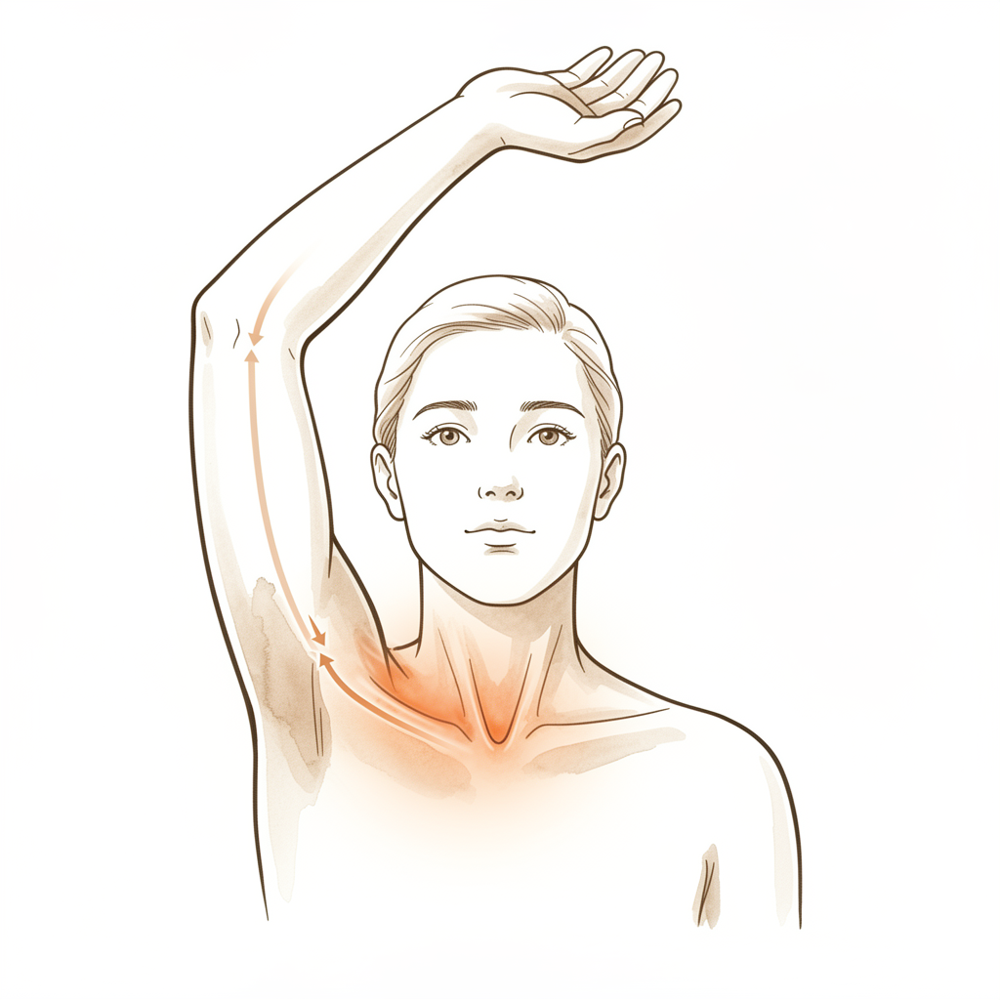
For patients: a plain-language version of this topic is available. See the patient guide.
Overview
Thoracic outlet syndrome (TOS) is defined as neurovascular compression at the thoracic inlet [16]. It is a specific disease with distinct symptoms that is treatable [4], yet it remains a complex condition that is difficult to diagnose and should be considered a cause of neck and arm pain [15]. The incidence of TOS remains a source of controversy [16], and consensus in diagnostic criteria has not yet been established [2]. Neurogenic TOS is one of the most controversial pain syndromes of the upper limbs, with debates revolving around both the diagnosis and treatment of non-specific or subjective subtypes [7]. Arterial TOS is rare but can be devastating when the diagnosis is overlooked or delayed [5].
General first-line therapy for TOS is conservative treatment [2]. Most patients are successful with conservative management unless there is significant neural loss or vascular compression [11]. Physical therapy relieves pain in the proximal regions, such as the neck and shoulder, in the majority of patients [30]. Diagnosing and treating TOS can be challenging and frustrating [3]. Failure to make the correct diagnosis or to appreciate the presence of a significant shoulder problem or additional peripheral nerve problems is a major concern in treatment [10].
Surgery is considered for patients who fail conservative therapy [2]. Surgical decompression of the thoracic outlet is reserved for compliant patients who fail nonsurgical management and respond favorably to targeted injections [38]. Surgical treatment is recommended for younger patients with clear evidence of TOS who are engaged in occupations demanding little repetitive work [19]. Patients did well long-term after decompression of the thoracic outlet in adolescent patients [18]. Persistence of complaints in the upper extremity after adequate decompression at the thoracic outlet is an indication that additional distal compression should be attempted [17].
Anatomy & Pathophysiology
Etiology and Mechanisms
The etiology of thoracic outlet syndrome is multifactorial, typically developing as a nerve entrapment syndrome driven by a combination of anatomical predisposition and extraneous factors [31]. The most common cause is a change in shoulder girdle alignment wherein the shoulder droops, compressing nerves and vessels between the clavicle and the first rib [6]. In most patients, cervical ribs and anomalous scalene muscles act as predisposing factors rather than the actual etiology [13]. Fifty percent of an asymptomatic normal population have abnormal bands in the region of the thoracic outlet, of which only 1% will develop thoracic outlet syndrome [14]. Trauma is the factor that causes susceptible patients with congenital bands to develop the condition [14]. Ochsner et al. theorized that a neck injury caused spasm of the scalenus anterior muscle which mechanically elevated the first rib [14].
Neck trauma is a primary mechanism, with more than 80% of patients with neurogenic thoracic outlet syndrome developing symptoms from neck trauma, most commonly whiplash injury in an auto accident [13]. This trauma damages scalene muscles, which tighten against the brachial plexus to produce symptoms [13]. Histologic studies of scalene muscles from neurogenic thoracic outlet syndrome patients demonstrate a 200% increase in muscle connective tissue plus loss and atrophy of type 2 muscle fibers [13]. Brachial plexus traction injuries are responsible for the development of thoracic outlet syndrome in 45.8% of patients and are most often after the extension or acute flexion of the neck [31]. Whiplash injury to the brachial plexus is described in 19% of patients with thoracic outlet syndrome [31]. Extraneous factors leading to decompensation include acquired factors, neck trauma, and shoulder trauma [31].
Repetitive throwing motion can increase the stiffness of the middle scalene muscle, potentially leading to compression of the brachial plexus and/or subclavian artery [88]. Abduction and external rotation of the shoulder in a simulated throwing position showed high elastic moduli of the anterior and middle scalene muscles [71].
Anatomical Variants and Bony Pathology
Arterial thoracic outlet syndrome is uncommon, accounting for only 1% to 2% of all cases of thoracic outlet syndrome [75]. It is unlikely to have a case of arterial thoracic outlet syndrome without a bony anomaly [75]. Arterial thoracic outlet syndrome almost always involves an osseous anomaly such as a cervical rib, an anomalous first rib, or a history of fracture [75]. The subclavian artery can become stenotic or develop an aneurysm because of compression between the rib and the clavicle or because of traction over the cervical rib [75]. Clavicle nonunion, malunion, posttraumatic subluxation of the sternoclavicular joint, and rib fractures have been identified as causes of arterial thoracic outlet syndrome [75].
The mean distance of the neurovascular bundle from the posterior border of the clavicle was found to be 9.2 mm [76]. Late vascular complications following clavicle fractures can be secondary to vascular compression applied by bony callus in cases of malunion or to chronic injury to vessels in cases of non-union [76]. The lower placement of the shoulder girdle relative to the upper thorax was related to neurogenic thoracic outlet syndrome [54].
Neurovascular Compression and Clinical Presentation
Thoracic outlet syndrome is generally regarded as a compressive neurovascular disorder of the upper extremity with multiple causes and symptoms [20]. More than 95% of thoracic outlet syndrome is attributed to entrapment of the brachial plexus at the thoracic outlet, while vascular thoracic outlet syndrome is thought to be present in only about 5% of patients [42]. Symptoms of thoracic outlet syndrome may be related to increased tension of the brachial plexus and surrounding vasculature due to muscular imbalance and resultant downward traction [42]. Some patients with thoracic outlet syndrome have droopy shoulder syndrome, with symptoms resulting from stretching of the brachial plexus [42].
Both patients with long thoracic nerve paralysis associated with thoracic outlet syndrome had abnormal posture, with low-set shoulders and winged scapulae [25]. A loss of throwing arm external rotation appears to be the main factor behind shoulder range of motion changes in the neurogenic thoracic outlet syndrome group [86]. Recognition of dorsal scapular nerve anatomy and pathology may provide a more comprehensive understanding of scapular dysfunction in patients with thoracic outlet syndrome [98].
Classification
Thoracic outlet syndrome (TOS) is a complex, controversial entity representing a constellation of symptoms from a myriad of causes [20]. It is generally regarded as a nonspecific diagnosis referring to an array of conditions caused by the compression of neurovascular structures passing through the thoracic outlet [72]. This compression involves fibromuscular and fibro-osseous tissues, often leading to misdiagnosis [35]. The thoracic outlet contains three important structures: the subclavian artery and vein and the brachial plexus [24]. TOS is a difficult diagnosis due to its varied manifestations and lack of confirmatory testing [29], and it should be considered as a potential cause of neck and arm pain [15]. In aquatic athletes, TOS is often overlooked in the differential diagnosis of shoulder pain [34].
Neurogenic TOS (NTOS): This subtype presents with upper-extremity symptoms attributable to compression of the brachial plexus [72]. Disputed neurogenic TOS, now termed electrically negative neurogenic TOS, accounts for the vast majority of cases and lacks definitive diagnostic studies [21].
Venous TOS (VTOS): Also known as Paget-Schroetter Syndrome, this condition involves subclavian-axillary venous occlusion, thrombus formation, and rare embolization [72].
Arterial TOS (ATOS): This subtype results from obstruction of the subclavian artery with claudication, thrombus formation, and possible embolization [72].
Other Considerations: Patients with TOS most commonly present with nerve compression symptoms, but they can have acute or chronic arterial or venous compression as well [20]. TOS is a complex entity resulting in neurogenic or vascular manifestations [73].
Clinical Presentation
Diagnostic Challenges and Differential Diagnosis
Diagnosing and treating thoracic outlet syndrome (TOS) remains challenging and frustrating, often requiring consultation with multiple specialists before a final diagnosis is established [3, 20]. TOS is a clinical entity defined by compression of neurovascular bundles in the upper limb, with distinct vascular and neurogenic subtypes [21, 28]. Neurogenic TOS accounts for the vast majority of cases and is one of the most controversial pain syndromes of the upper limbs, particularly regarding the diagnosis and treatment of non-specific or subjective subtypes [7, 21]. These subjective forms are controversial due to varied clinical presentations, a large spectrum of lesions, and diverse compressive causes [28]. TOS has become a common label for upper-extremity pain syndromes and should be included in the differential diagnosis for patients with upper extremity signs and symptoms not referable to more common conditions [29, 58].
The differential diagnosis for TOS includes carpal tunnel syndrome, ulnar neuropathy, cervical spine disease or radiculopathy, tendinitis of shoulder musculature, brachial neuritis, reflex sympathetic dystrophy, lung tumors, and other supraclavicular fossa pathology [20]. Failure to correctly diagnose TOS or to appreciate significant shoulder problems or additional peripheral nerve issues is a major concern in treatment [10].
Clinical Diagnosis and Examination
TOS is primarily a clinical diagnosis based on a combination of arm pain, color change of the hand, and a radicular pattern of sensory loss and weakness [42]. No specific diagnostic tests currently exist for TOS [42]. Clinical assessment is best achieved by reproducing symptoms with compression and positional provocative testing [26]. Examination of neurologic symptoms elicited by provocative manoeuvres is important for establishing the diagnosis of neurologic TOS [42]. Tests evaluating positional changes on the radial pulse have proved unreliable [42].
The physical exam has low accuracy but serves as the first step before ordering complementary exams, focusing on the shoulder, upper limbs, and cervical spine [55]. The physical examination alone is insufficient to establish a diagnosis, requiring subsequent imaging tests [55]. Future studies evaluating the diagnostic accuracy of MRI and/or MRN in TOS must be prospective, include an objective reference standard to minimize bias, and adopt concrete diagnostic criteria for patient inclusion and operative indications [12]. Dynamic neuromusculoskeletal ultrasound offers a simple, objective, and visual diagnostic test that can validate the presence or absence of brachial plexus compression during arm elevation in patients with brachial plexus injury and TOS [39]. Exercise-enhanced anterior scalene muscle/pectoralis minor muscle blocks can facilitate the clinical diagnosis of neurogenic TOS in high-performance overhead athletes with 'dead arm' symptoms [56]. The technique of multidetector CT and three-dimensional reconstructions holds promise for refining the understanding of anatomic anomalies associated with TOS [37].
Symptoms and Signs
Most commonly, patients with TOS present with nerve compression symptoms [20]. More than 95% of TOS is attributed to entrapment of the brachial plexus at the thoracic outlet, while vascular TOS is thought to be present in only about 5% of patients [42]. Patients with TOS can have acute or chronic arterial or venous compression [20]. Vascular TOS can cause blood pressure differences of > 20 mmHg between arms, with cyanosis, and chest or shoulder edema [55]. Aneurysmal pulsations or supraclavicular fullness may occur in TOS [55]. The Gilliatt-Sumner hand is a sign caused by neurogenic TOS due to atrophy of the abductor pollicis, hypothenar, and interosseous muscles [55].
Elements encountered in more than 90% of patients with neurogenic TOS included pain (99%), symptoms exacerbated by elevation (97%), tenderness to palpation of scalene triangle/subcoracoid space (96%), numbness, paraesthesia or weakness in arm and/or hand (94%), and a positive EAST test (94%) [40]. The least prevalent positive elements in neurogenic TOS were a history of previous clavicle/first rib fracture or presence of a cervical rib (8%) and previous cervical or peripheral nerve surgery (20%) [40].
TOS patients’ symptoms often reflect a wider disturbance than merely anatomical compression in the thoracic outlet [27]. Symptoms might be related to increased tension of the brachial plexus and surrounding vasculature due to muscular imbalance and the resultant downward traction [42]. Some patients with TOS have droopy shoulder syndrome, and their symptoms may result from stretching of the brachial plexus [42]. Both patients with long thoracic nerve paralysis associated with TOS had abnormal posture, with low-set shoulders and winged scapulae [25].
Etiology and Risk Factors
The etiology of TOS is multifactorial, with the most common cause being a change in the alignment of the shoulder girdle wherein the shoulder droops, compressing nerves and vessels between the clavicle and the first rib [6]. TOS typically develops as a nerve entrapment syndrome under pathophysiological mechanisms, including a combination of anatomical predisposition and extraneous factors [31]. The predisposing anatomy at the thoracic outlet region is common [31]. Extraneous factors leading to decompensation include acquired factors and neck trauma, as well as shoulder trauma [31].
More than 80% of patients with neurogenic TOS developed their symptoms from neck trauma, the most common cause being a whiplash injury in an auto accident [13]. Neck trauma damages the scalene muscles, which tighten against the brachial plexus, producing symptoms [13]. Histologic studies of scalene muscles from neurogenic TOS patients demonstrate a 200% increase in muscle connective tissue plus loss and atrophy of type 2 muscle fibers [13]. BP traction injuries are most often after the extension or acute flexion of the neck and are responsible for the development of TOS after neck trauma [31]. The direct traction of the scalene muscles is responsible for the development of TOS by the patient undergoing whiplash injury [31]. The brachial plexus is easily injured by whiplash injuries [31]. 45% of TOS patients have a history of whiplash injury to the BP [31].
Congenital bands may predispose to the development of TOS but may not be the primary aetiological factor [14]. 50% of an asymptomatic normal population have abnormal bands in the region of the thoracic outlet, of which only 1% will develop TOS [14]. Trauma seems to be the factor that causes susceptible patients to develop TOS [14]. Iatrogenic TOS can be caused by revision surgery for multiple subacute fixation failures of a clavicle fracture [41]. Surgeons must be vigilant in considering iatrogenic TOS during clavicle fracture fixation, especially with multiple subacute failures, and should have a low threshold for diagnostic testing like venography if signs develop [41]. Congenital pseudarthrosis of the clavicle can cause TOS [36]. Operative management successfully treated the symptoms of TOS caused by congenital pseudarthrosis of the clavicle [36].
Investigations
Clinical Assessment
Clinical assessment of thoracic outlet syndrome is best achieved by reproduction of symptoms with compression and positional provocative testing [26]. The etiology of the condition is multifactorial, with the most common cause being a change in the alignment of the shoulder girdle wherein the shoulder droops, compressing nerves and vessels between the clavicle and the first rib [6].
Imaging
MRI: MRI should be used in combination with clinical assessment and other investigations for thoracic outlet syndrome [84]. Future studies evaluating diagnostic accuracy of MRI and/or MRN in thoracic outlet syndrome must be prospective, include an objective reference standard to minimize bias, and adopt concrete diagnostic criteria for patient inclusion and operative indications [12].
CT: The use of four-dimensional computed tomography helped to identify the aetiology of painful shoulder clunking in a patient with thoracic outlet syndrome after no diagnosis was determined using conventional imaging [53]. Measurements from CT images and cadavers were significantly similar, suggesting CT measurements may be used to evaluate the thoracic outlet region in patients with thoracic outlet syndrome [82]. Multidetector CT and three-dimensional reconstructions hold promise for refining the understanding of anatomic anomalies associated with thoracic outlet syndrome [37].
Electrophysiology and Ultrasound
Dynamic neuromusculoskeletal ultrasound offers a simple, objective, and visual diagnostic test that can validate the presence or absence of brachial plexus compression during arm elevation in patients with brachial plexus injury and thoracic outlet syndrome [39].
Diagnostic Challenges and Differential Diagnosis
Neurogenic thoracic outlet syndrome is one of the most controversial pain syndromes of the upper limbs, with controversies revolving around both the diagnosis and treatment of the non-specific or subjective subtypes [7]. Thoracic outlet syndrome is a complex disease hard to be diagnosed that should be taken into consideration as it may be a reason of neck and arm pain [15]. Thoracic outlet syndrome is a controversial condition involving compression of neurovascular structures by fibromuscular and fibro-osseous tissues, often leading to misdiagnosis [35]. Thoracic outlet syndrome is often overlooked in the differential diagnosis of shoulder pain in aquatic athletes [34].
Treatment
Non-Operative
The mainstay of treatment for thoracic outlet syndrome is nonsurgical management, which includes education, activity modification, and physical therapy [29]. Outcomes have been shown to be good with this conservative approach [29]. For overhead athletes with neurogenic thoracic outlet syndrome, rehabilitation emphasizes restoring full shoulder mobility, motor control, and normalized scapular mechanics, as well as improving functional thoracic range of motion [63]. Neuromuscular electrical stimulation and targeted muscle exercises are incorporated into the rehabilitation process for these athletes [63]. A collegiate-level throwing athlete with neurogenic thoracic outlet syndrome returned to full participation at her previous level of play within 18 weeks of rehabilitation initiation [63].
Operative
Indications: Surgery is considered for patients with thoracic outlet syndrome who fail conservative therapy [2] or present with recalcitrant cases [29]. Surgical treatment is recommended for disabling thoracic outlet syndrome, especially for younger patients with clear evidence of the condition who are engaged in occupations demanding little repetitive work [19]. In cases of vascular thoracic outlet syndrome, surgery should be considered more promptly because of the underlying potential of limb- or life-threatening complications [29].
Surgical Approach / Technique: The literature is conflicting regarding the optimal surgical approach for thoracic outlet syndrome, with consideration given to the underlying etiology and surgeon preference [29]. Pectoralis minor tenotomy (PMT) is utilized in the surgical management of neurogenic thoracic outlet syndrome [22]. For patients that fail nonoperative management, surgical release of the pectoralis minor may be performed safely with effective resolution of neurogenic symptoms [65]. A direct, 3-step approach for the decompression of common sites of brachial plexus entrapment in patients with neurogenic thoracic outlet syndrome has been described [32]. Operative management successfully treated symptoms of thoracic outlet syndrome caused by congenital pseudarthrosis of the clavicle [36]. Corrective clavicular osteotomy and plate fixation can effectively alleviate persistent symptoms of thoracic outlet syndrome caused by clavicular malunion [44]. Nonunion of a first rib fracture may lead to thoracic outlet syndrome that is unresponsive to conservative treatment, and resection of the first rib may be necessary [51].
Postoperative Care: A postoperative care protocol exists for patients who had thoracic outlet release with scalenectomy and neurolysis [50]. Physiotherapy was started the second postoperative day for a patient undergoing partial left first rib resection for thoracic outlet syndrome [59]. The patient was discharged and started ambulating using sling arm support for 4 weeks following partial left first rib resection for thoracic outlet syndrome [59]. At 12 months follow-up, none of the previous thoracic outlet symptoms were present and the patient was able to resume pre-injury activities after partial left first rib resection [59].
Complications
General Surgical Morbidity: The morbidity associated with operative procedures for thoracic outlet syndrome remains significant, and these interventions should be attempted only by experienced surgeons [20].
Other Considerations: Iatrogenic or secondary neurovascular thoracic outlet syndrome can result from misalignment of the clavicle following intramedullary fixation of a midshaft fracture with a titanium elastic nail [47]. Additionally, possible transformation or straightening of the natural curvature of the clavicle may cause neurovascular thoracic outlet syndrome [47]. In previously asymptomatic individuals with congenital synostoses of the first and second ribs, traumatic events can lead to combined arterial and neurogenic thoracic outlet syndrome [48].
Recovery
Rehabilitation protocol: General first-line therapy for thoracic outlet syndrome is conservative treatment, with surgery considered for patients who fail conservative therapy [2]. Physical therapy relieves pain in the proximal regions (neck and shoulder) in the majority of patients with thoracic outlet syndrome [30].
Other Considerations: In professional baseball players, surgery for thoracic outlet syndrome can help prolong a career and help pitchers maintain their performance over time similar to their peers who have not had surgery for TOS [93]. There was no difference in return to play based on the type of thoracic outlet syndrome in professional baseball players [49].
Key Evidence
- [L5] This article aims to review the epidemiology, etiology, relevant anatomy, clinical presentations, diagnosis, and management of thoracic outlet syndrome, noting that while consensus in diagnostic criteria has not yet been established, general first-line therapy is conservative treatment and surgery is considered for patients who fail conservative therapy. [2] (10.3390/jcm10050962)
- [L5] Diagnosing and treating thoracic outlet syndrome can be challenging and frustrating. [3] (10.1016/s0749-0712(03)00080-5)
- [L5] Thoracic outlet syndrome (TOS) is a specific disease with specific symptoms that is treatable. [4] (10.1016/s0749-0712(03)00087-8)
- [L5] Arterial thoracic outlet syndrome is rare but can be devastating when the diagnosis is overlooked or delayed. [5] (10.1016/s0749-0712(03)00086-6)
- [Paper] The etiology is multifactorial, with the most common cause being a change in the alignment of the shoulder girdle wherein the shoulder droops, compressing nerves and vessels between the clavicle and the first rib. [6] (10.1097/00132589-200212000-00005)
- [Paper] Neurogenic thoracic outlet syndrome (TOS) is one of the most controversial pain syndromes of the upper limbs, with controversies revolving around both the diagnosis and treatment of the non-specific or subjective subtypes. [7] (10.1016/j.hansur.2016.01.007)
- [L5] The author emphasizes that failure to make the correct diagnosis or to appreciate the presence of a significant shoulder problem or additional peripheral nerve problems is a major concern in treatment of patients with thoracic outlet syndrome. [10] (10.1016/s0749-0712(03)00084-2)
- [L5] Most patients with thoracic outlet syndrome are successful with conservative treatment unless there is significant neural loss or vascular compression. [11] (10.1016/s0749-0712(03)00081-7)
- [L5] Future studies evaluating diagnostic accuracy of MRI and/or MRN in thoracic outlet syndrome must be prospective, include an objective reference standard to minimize bias, and adopt concrete diagnostic criteria for patient inclusion and operative indications. [12] (10.1016/j.otsr.2020.05.001)
- [Paper] [13] (10.1016/s0749-0712(04)00007-1)
- [L4] [14] (10.1016/0266-7681(94)90203-8)
- [L4] Thoracic outlet syndrome is a complex disease hard to be diagnosed that should be taken into consideration as it may be a reason of neck and arm pain. [15] (10.4172/2167-0846.1000173)
- [L5] Thoracic outlet syndrome (TOS) is defined as neurovascular compression at the thoracic inlet, though its incidence remains a source of controversy. [16] (10.1016/s1058-2746(98)90042-8)
- [L4] Persistence of complaints in the upper extremity after adequate decompression at the thoracic outlet is an indication that additional distal compression should be attempted. [17] (10.1007/bf00571487)
- [L4] Overall, patients did well long-term after decompression of the thoracic outlet. [18] (10.1177/2325967119s00378)
- [L4] We recommend surgical treatment for this disabling disorder, especially for younger patients with clear evidence of thoracic outlet syndrome who are engaged in occupations demanding little repetitive work. [19] (10.1016/0266-7681(94)90174-0)
- [L5] [20] (10.1016/s0749-0712(21)00359-0)
- [L4] The study elucidates the utilization and long-term effectiveness of pectoralis minor tenotomy (PMT) in patients with neurogenic thoracic outlet syndrome (NTOS). [22] (10.1177/15589447241286240)
- [L5] The thoracic outlet contains three important structures: the subclavian artery and vein and the brachial plexus. [24] (10.1016/s0749-0712(03)00078-7)
- [L4] Both patients had abnormal posture, with low-set shoulders and winged scapulae. [25] (10.1016/s1058-2746(09)80005-0)
- [L3] Clinical assessment of thoracic outlet syndrome is best achieved by reproduction of symptoms with compression and positional provocative testing. [26] (10.1016/0363-5023(93)90364-9)
- [L4] The results suggest that TOS patients’ symptoms often reflect a wider disturbance than merely anatomical compression in the thoracic outlet. [27] (10.1016/s0266-7681(05)80011-7)
- [L4] [28] (10.1016/j.hansur.2019.03.003)
- [L5] [29] (10.5435/00124635-199411000-00003)
- [L4] This study supports conservative management in the treatment of patients with thoracic outlet syndrome and suggests that physical therapy will relieve pain in the proximal regions (i.e., neck and shoulder) in the majority of patients. [30] (10.1016/s0363-5023(05)80264-3)
- [L4] [31] (10.3390/jcm12216811)
- [L5] The aim of this Technical Note is to describe a direct, 3-step approach for the decompression of common sites of brachial plexus entrapment in patients with neurogenic thoracic outlet syndrome. [32] (10.1016/j.eats.2023.07.019)
- [L4] Thoracic outlet syndrome (TOS) is often overlooked in the differential diagnosis of shoulder pain in aquatic athletes. [34] (10.1016/s0278-5919(05)70151-4)
- [L5] Thoracic outlet syndrome is a controversial condition involving compression of neurovascular structures by fibromuscular and fibro-osseous tissues, often leading to misdiagnosis. [35] (10.1016/s0749-0712(03)00114-8)
- [L5] Operative management successfully treated the patient's symptoms of thoracic outlet syndrome caused by congenital pseudarthrosis of the clavicle. [36] (10.1136/bcr-2013-010437)
- [L4] The technique holds promise for refining the understanding of anatomic anomalies associated with thoracic outlet syndrome. [37] (10.1016/s0749-0712(03)00115-x)
- [L5] Surgical decompression of the thoracic outlet is reserved for compliant patients who fail nonsurgical management and respond favorably to targeted injections. [38] (10.1016/j.jhsg.2022.07.004)
- [L4] This paper offers a simple, objective, and visual diagnostic test that can validate the presence or absence of brachial plexus compression during arm elevation in patients with brachial plexus injury and thoracic outlet syndrome. [39] (10.1007/s11552-013-9523-8)
- [L4] [40] (10.1177/17589983251411877)
- [Case_report] Surgeons must be vigilant in considering iatrogenic thoracic outlet syndrome during clavicle fracture fixation, especially with multiple subacute failures, and should have a low threshold for diagnostic testing like venography if signs develop. [41] (10.1016/j.jse.2009.05.014)
- [L4] [42] (10.1016/s0266-7681(03)00010-x)
- [L4] Corrective clavicular osteotomy and plate fixation can effectively alleviate persistent symptoms of thoracic outlet syndrome caused by clavicular malunion. [44] (10.2106/00004623-200203000-00016)
- [L4] Possible transformation or straightening of the natural curvature of the clavicle may cause neurovascular thoracic outlet syndrome. [47] (10.1016/j.jse.2015.12.014)
- [L4] Traumatic events in previously asymptomatic individuals with congenital synostoses of the first and second ribs can lead to combined arterial and neurogenic thoracic outlet syndrome. [48] (10.1016/j.jhsa.2014.08.034)
- [L3] There was no difference in return to play based on the type of thoracic outlet syndrome. [49] (10.1177/03635465241243244)
- [L5] This article presents the authors' postoperative care protocol for patients who had thoracic outlet release with scalenectomy and neurolysis. [50] (10.1016/s0749-0712(03)00091-x)
- [Case_report] Nonunion of a first rib fracture may lead to thoracic outlet syndrome that is unresponsive to conservative treatment, and resection of the first rib may be necessary. [51] (10.1016/j.jse.2010.03.011)
- [L4] After no diagnosis was determined using conventional imaging, the use of dynamic imaging of the shoulder helped to identify the aetiology of painful shoulder clunking in our patient. [53] (10.1177/1758573214533781)
- [L4] The lower placement of the shoulder girdle relative to the upper thorax was related to NTOS. [54] (10.1016/j.jhsa.2012.02.022)
- [L5] [55] (10.1016/j.otsr.2020.03.008)
- [L4] Exercise-enhanced ASM/PMM blocks can facilitate the clinical diagnosis of neurogenic thoracic outlet syndrome in high-performance overhead athletes with 'dead arm' symptoms. [56] (10.1177/0363546516665801)
- [L5] The author states that TOS has become the upper-extremity pain syndrome of the '90s and is being utilized to describe multiple causes of pain in the upper extremity and upper quadrant. [58] (10.1016/s0894-1130(12)80083-4)
- [L4] [59] (10.1007/s00402-007-0355-2)
- [L5] [63] (10.1016/j.asmr.2021.11.007)
- [L5] For patients that fail nonoperative management, surgical release of the pectoralis minor may be performed safely with effective resolution of neurogenic symptoms. [65] (10.1016/j.xrrt.2022.05.008)
- [L4] Abduction and external rotation of the shoulder in a simulated throwing position showed high elastic moduli of the anterior and middle scalene muscles, while no significant differences were observed when adding neck rotation toward the nonthrowing side. [71] (10.1177/23259671221114930)
- [L4] [72] (10.1249/jsr.0b013e3181b8556d)
- [L3] [73] (10.1177/1558944718760037)
- [L5] [76] (10.1016/s0020-1383(15)30035-8)
- [L4] Since measurements from CT images and cadavers were significantly similar, CT measurements may be used to evaluate the thoracic outlet region in patients with TOS. [82] (10.1093/icvts/ivy129)
- [L4] MRI should be used in combination with clinical assessment and other investigations. [84] (10.1016/j.otsr.2019.09.020)
- [L3] A loss of throwing arm ER appears to be the main factor behind shoulder ROM changes in the nTOS group. [86] (10.1177/23259671211000764)
- [L4] Repetitive throwing motion can increase the stiffness of the middle scalene muscle, potentially leading to compression of the brachial plexus and/or subclavian artery. [88] (10.1177/2325967120s00402)
- [L3] Surgery for thoracic outlet syndrome can help prolong a professional baseball players career and help pitchers maintain their performance over time similar to their peers who have not had surgery for TOS. [93] (10.1177/2325967121s00680)
- [L5] The authors conclude that recognition of dorsal scapular nerve anatomy and pathology may provide a more comprehensive understanding of scapular dysfunction in these patients. [98] (10.1016/j.jhsa.2026.04.017)
See Also
References
[2] Thoracic Outlet Syndrome: A Narrative Review. Journal of Clinical Medicine. 2021. DOI: 10.3390/jcm10050962
[3] Diagnosing thoracic outlet syndrome. Hand Clinics. 2004. DOI: 10.1016/s0749-0712(03)00080-5
[4] Thoracic outlet syndrome. Hand Clinics. 2004. DOI: 10.1016/s0749-0712(03)00087-8
[5] Arterial thoracic outlet syndrome. Hand Clinics. 2004. DOI: 10.1016/s0749-0712(03)00086-6
[6] The Conundrum of Thoracic Outlet Surgery. Techniques in Shoulder and Elbow Surgery. 2002. DOI: 10.1097/00132589-200212000-00005
[7] Thoracic outlet syndromes. The so-called “neurogenic types”. Hand Surgery and Rehabilitation. 2016. DOI: 10.1016/j.hansur.2016.01.007
[10] Complications of surgery for thoracic outlet syndrome. Hand Clinics. 2004. DOI: 10.1016/s0749-0712(03)00084-2
[11] Conservative treatment for thoracic outlet syndrome. Hand Clinics. 2004. DOI: 10.1016/s0749-0712(03)00081-7
[12] Comments on: “Thoracic outlet syndrome: diagnostic accuracy of MRI” of A Hardy, C Pougès, G Wavreille, H Behal, X Demondion, G Lefebvre published in Orthop Traumatol Surg Res OTSR. 2019;105(8):1563-9. Orthopaedics & Traumatology: Surgery & Research. 2020. DOI: 10.1016/j.otsr.2020.05.001
[13] fmv-viii: TOC. Hand Clinics. 2004. DOI: 10.1016/s0749-0712(04)00007-1
[14] Trauma-Related Thoracic Outlet Syndrome. Journal of Hand Surgery. 1994. DOI: 10.1016/0266-7681(94)90203-8
[15] Assessment of Diagnosis and Treatment of Thoracic Outlet Syndrome, An Important Reason of Pain in Upper Extremity, Based on Literature. Journal of Pain & Relief. 2015. DOI: 10.4172/2167-0846.1000173
[16] Thoracic outlet syndrome. Journal of Shoulder and Elbow Surgery. 1998. DOI: 10.1016/s1058-2746(98)90042-8
[17] Bilateral thoracic outlet syndrome with bilateral radial tunnel syndrome: a double-crush phenomenon. Archives of Orthopaedic and Trauma Surgery. 1992. DOI: 10.1007/bf00571487
[18] Surgical Decompression for Thoracic Outlet Syndrome in Adolescent Patients. Orthopaedic Journal of Sports Medicine. 2019. DOI: 10.1177/2325967119s00378
[19] Long-Term Results of Primary Scalenotomy in the Treatment of Thoracic Outlet Syndrome. Journal of Hand Surgery. 1994. DOI: 10.1016/0266-7681(94)90174-0
[20] THORACIC OUTLET SYNDROME. Hand Clinics. 1996. DOI: 10.1016/s0749-0712(21)00359-0
[21] Thoracic Outlet Syndrome. 2021.
[22] Utilization and Effectiveness of Pectoralis Minor Tenotomy in the Surgical Management of Neurogenic Thoracic Outlet Syndrome. HAND. 2024. DOI: 10.1177/15589447241286240
[24] Thoracic outlet syndrome: anatomy. Hand Clinics. 2004. DOI: 10.1016/s0749-0712(03)00078-7
[25] Long thoracic nerve paralysis associated with thoracic outlet syndrome. Journal of Shoulder and Elbow Surgery. 1994. DOI: 10.1016/s1058-2746(09)80005-0
[26] Evaluation of patients with thoracic outlet syndrome. The Journal of Hand Surgery. 1993. DOI: 10.1016/0363-5023(93)90364-9
[27] Cardiovascular Functional Disorder and Distress among Patients with Thoracic Outlet Syndrome. Journal of Hand Surgery. 1995. DOI: 10.1016/s0266-7681(05)80011-7
[28] Long-term functional outcomes after surgical treatment of nonspecific thoracic outlet syndrome: Retrospective study of 70 cases at a mean of 8 years’ follow-up. Hand Surgery and Rehabilitation. 2019. DOI: 10.1016/j.hansur.2019.03.003
[29] Thoracic Outlet Syndrome. Journal of the American Academy of Orthopaedic Surgeons. 1994. DOI: 10.5435/00124635-199411000-00003
[30] Outcome following conservative management of thoracic outlet syndrome. The Journal of Hand Surgery. 1995. DOI: 10.1016/s0363-5023(05)80264-3
[31] Congenital, Acquired, and Trauma-Related Risk Factors for Thoracic Outlet Syndrome—Review of the Literature. Journal of Clinical Medicine. 2023. DOI: 10.3390/jcm12216811
[32] Three‐Step Approach for the Decompression of Brachial Plexus Entrapment in Patients With Neurogenic Thoracic Outlet Syndrome. Arthroscopy Techniques. 2023. DOI: 10.1016/j.eats.2023.07.019
[34] THORACIC OUTLET SYNDROME IN AQUATIC ATHLETES. Clinics in Sports Medicine. 1999. DOI: 10.1016/s0278-5919(05)70151-4
[35] History of thoracic outlet syndrome. Hand Clinics. 2004. DOI: 10.1016/s0749-0712(03)00114-8
[36] Congenital pseudarthrosis of the clavicle causing thoracic outlet syndrome. BMJ Case Reports. 2013. DOI: 10.1136/bcr-2013-010437
[37] Appendix: use of multidetector CT and three-dimensional reconstructions in thoracic outlet syndrome: a preliminary report. Hand Clinics. 2004. DOI: 10.1016/s0749-0712(03)00115-x
[38] Modern Treatment of Neurogenic Thoracic Outlet Syndrome: Pathoanatomy, Diagnosis, and Arthroscopic Surgical Technique. Journal of Hand Surgery Global Online. 2023. DOI: 10.1016/j.jhsg.2022.07.004
[39] Dynamic Neuromusculoskeletal Ultrasound Documentation of Brachial Plexus/Thoracic Outlet Compression during Elevated Arm Stress Testing. HAND. 2013. DOI: 10.1007/s11552-013-9523-8
[40] Physical assessment and rehabilitation for neurogenic thoracic outlet syndrome (NTOS): A scoping review. Hand Therapy. 2026. DOI: 10.1177/17589983251411877
[41] Iatrogenic thoracic outlet syndrome caused by revision surgery for multiple subacute fixation failures of a clavicle fracture: A case report. Journal of Shoulder and Elbow Surgery. 2010. DOI: 10.1016/j.jse.2009.05.014
[42] Compression and Stretching of the Brachial Plexus in Thoracic Outlet Syndrome: Correlation Between Neuroradiographic Findings and Symptoms and Signs Produced by Provocation Manoeuvres. Journal of Hand Surgery. 2003. DOI: 10.1016/s0266-7681(03)00010-x
[44] THORACIC OUTLET SYNDROME TREATED BY DOUBLE OSTEOTOMY OF A CLAVICULAR MALUNION. The Journal of Bone and Joint Surgery-American Volume. 2002. DOI: 10.2106/00004623-200203000-00016
[47] Misalignment of the clavicle after intramedullary fixation of a midshaft fracture with a titanium elastic nail results in acute neurovascular thoracic outlet syndrome. Journal of Shoulder and Elbow Surgery. 2016. DOI: 10.1016/j.jse.2015.12.014
[48] Thoracic Outlet Syndrome Caused by Synostosis of the First and Second Thoracic Ribs: 2 Case Reports and Review of the Literature. The Journal of Hand Surgery. 2014. DOI: 10.1016/j.jhsa.2014.08.034
[49] Performance and Return to Play After Surgery for Thoracic Outlet Syndrome in Professional Baseball Players: A Matched Cohort Analysis. The American Journal of Sports Medicine. 2024. DOI: 10.1177/03635465241243244
[50] Therapy after thoracic outlet release. Hand Clinics. 2004. DOI: 10.1016/s0749-0712(03)00091-x
[51] Nonunion of a first rib fracture causing thoracic outlet syndrome in a basketball player: A case report. Journal of Shoulder and Elbow Surgery. 2010. DOI: 10.1016/j.jse.2010.03.011
[53] The use of four-dimensional computed tomography to diagnose costoclavicular impingement causing thoracic outlet syndrome. Shoulder & Elbow. 2014. DOI: 10.1177/1758573214533781
[54] The Radiologic Relationship of the Shoulder Girdle to the Thorax as an Aid in Diagnosing Neurogenic Thoracic Outlet Syndrome. The Journal of Hand Surgery. 2012. DOI: 10.1016/j.jhsa.2012.02.022
[55] Comments on: “Thoracic Outlet Syndrome: Diagnostic accuracy of MRI” of A. Hardy, C. Pougès, G. Wavreille, H. Behal, X. Demondion, G. Lefebvre published in Orthop Traumatol Surg Res OTSR. 2019;105(8):1563–9. Orthopaedics & Traumatology: Surgery & Research. 2020. DOI: 10.1016/j.otsr.2020.03.008
[56] Exercise-Enhanced, Ultrasound-Guided Anterior Scalene Muscle/Pectoralis Minor Muscle Blocks Can Facilitate the Diagnosis of Neurogenic Thoracic Outlet Syndrome in the High-Performance Overhead Athlete. The American Journal of Sports Medicine. 2016. DOI: 10.1177/0363546516665801
[58] Therapist Management of Thoracic Outlet Syndrome. Journal of Hand Therapy. 1994. DOI: 10.1016/s0894-1130(12)80083-4
[59] A rare cause of thoracic outlet syndrome. Archives of Orthopaedic and Trauma Surgery. 2007. DOI: 10.1007/s00402-007-0355-2
[63] Rehabilitation in Overhead Athletes With Thoracic Outlet Syndrome. Arthroscopy, Sports Medicine, and Rehabilitation. 2022. DOI: 10.1016/j.asmr.2021.11.007
[65] Pectoralis minor syndrome – review of pathoanatomy, diagnosis, and management of the primary cause of neurogenic thoracic outlet syndrome. JSES Reviews, Reports, and Techniques. 2022. DOI: 10.1016/j.xrrt.2022.05.008
[71] Elasticity of the Scalene Muscles in Collegiate Baseball Pitchers Using Shear Wave Elastography. Orthopaedic Journal of Sports Medicine. 2022. DOI: 10.1177/23259671221114930
[72] Diagnosis and Management of Thoracic Outlet Syndrome. Current Sports Medicine Reports. 2009. DOI: 10.1249/jsr.0b013e3181b8556d
[73] Morbidity of First Rib Resection in the Surgical Repair of Thoracic Outlet Syndrome. HAND. 2018. DOI: 10.1177/1558944718760037
[75] Green S Operative Hand Surgery. CLASSIFICATION > Arterial Thoracic Outlet Syndrome.
[76] Late recurrent peripheral upper limb ischemia after non-union of a clavicle fracture. Injury. 2015. DOI: 10.1016/s0020-1383(15)30035-8
[82] The importance of costoclavicular space on possible compression of the subclavian artery in the thoracic outlet region: a radio-anatomical study. Interactive CardioVascular and Thoracic Surgery. 2018. DOI: 10.1093/icvts/ivy129
[84] Thoracic Outlet Syndrome: Diagnostic Accuracy of MRI. Orthopaedics & Traumatology: Surgery & Research. 2019. DOI: 10.1016/j.otsr.2019.09.020
[86] Differences in Passive Shoulder Range of Motion Between Baseball Players With Neurogenic Thoracic Outlet Syndrome and Matched Healthy Controls. Orthopaedic Journal of Sports Medicine. 2021. DOI: 10.1177/23259671211000764
[88] Throwing can Increase the Stiffness of the Scalene Muscle. Orthopaedic Journal of Sports Medicine. 2020. DOI: 10.1177/2325967120s00402
[93] Poster 119: Outcomes after Surgery for Thoracic Outlet Syndrome in Professional Baseball Players: A Matched Cohort Analysis. Orthopaedic Journal of Sports Medicine. 2022. DOI: 10.1177/2325967121s00680
[98] Letter regarding “The Association of Long Thoracic Nerve Variants with Medial Scapular Winging in Thoracic Outlet Syndrome: A Clinical and Anatomical Study”. The Journal of Hand Surgery. 2026. DOI: 10.1016/j.jhsa.2026.04.017