Clinicians › Wrist
De Quervain's release
Surgeon-side topic for de quervain's release. Backed by 93 articles from the corpus, retrieved via combined MeSH + title-text matching.
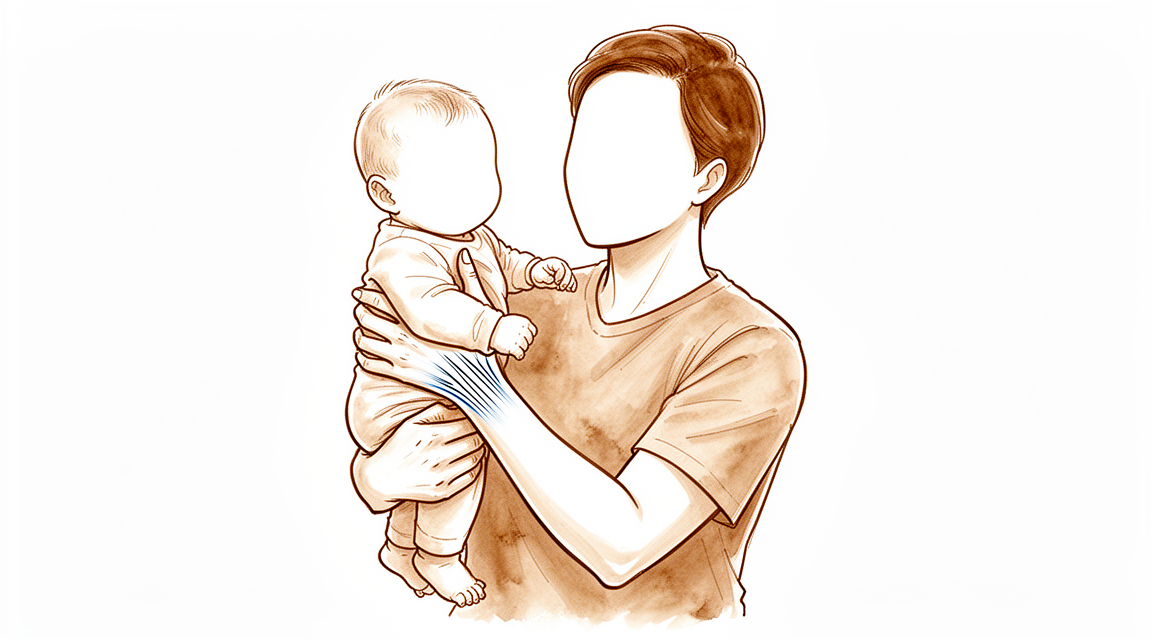
For patients: a plain-language version of this topic is available. See the patient guide.
Overview
De Quervain tenosynovitis is a condition of the first dorsal compartment, where clinical presentation may involve constriction of the extensor pollicis brevis in a separate compartment, necessitating exploration of both compartments [3]. While post-traumatic cases are rare and often overlooked initially [7], specific clinical maneuvers support diagnosis and guide treatment algorithms [21]. Radiographs are required to exclude other wrist lesions in patients failing conservative management [16]. Triggering due to tenosynovitis is a rare variant that typically requires surgical release [4]. Testosterone replacement therapy is associated with an increased likelihood of developing the condition and requiring surgical intervention [8].
Non-operative management remains the primary initial treatment, with corticosteroid injection and short-duration immobilization serving as the preferred modality to modify disease course [24, 30]. Combined hand therapy further decreases pain and symptomology [17]. Although success rates decrease with multiple injections, repeat injections remain a viable clinical option with a high rate of success [46]. Post-traumatic cases are typically successfully treated non-operatively once diagnosed [7]. Patients with lower physical function scores or higher pain interference have significantly increased odds of undergoing surgical release [10], and addressing misconceptions regarding symptom duration helps patients make informed treatment decisions [23].
Surgical release of the first dorsal compartment is effective, though dissatisfaction may arise from incomplete release, tendon subluxation, nerve injury, or recovery duration [13]. Tendoscopic and endoscopic techniques offer earlier symptom relief, fewer superficial radial nerve complications, and greater scar satisfaction compared to open release, with equivalent long-term outcomes [9, 14]. The presence of a septum does not significantly affect outcomes following endoscopic release [5]. Both simple release and Z-plasty are effective surgical methods [6]. Extensor retinaculum reconstruction via the wide-awake approach can be applied without specialized equipment to optimize function [15]. Release during volar distal radius fracture fixation reduces symptoms in patients with pre-existing disease [2]. Revision reconstruction procedures are satisfactory for treating EPB and APL tendon instability after primary release [11]. The scientific literature on management is sparse, largely limited to uncontrolled cohorts and low-quality randomized trials [19].
Anatomy & Pathophysiology
First Dorsal Compartment Anatomy
The first dorsal extensor compartment contains the extensor pollicis brevis and abductor pollicis longus tendons [32]. Anatomical variation is common, with a septum identified within the compartment in 34% of 50 cadavers [104]. In patients requiring surgical release for de Quervain tenosynovitis, a common septum between the abductor pollicis longus and extensor pollicis brevis tendons is found in 80% of cases [45]. The presence of an intracompartmental septum detected by ultrasound is associated with the failure of ultrasound-guided steroid injection in de Quervain’s syndrome [20]. Excision of aberrant abductor pollicis longus tendon slips is performed for decompression of de Quervain’s disease [22].
Biomechanics and Pathophysiology
A combination of septation and wrist position significantly affects extensor pollicis brevis tendon gliding resistance within the first dorsal compartment [12]. In cases of de Quervain's syndrome where constriction involves only the extensor pollicis brevis in a separate compartment, exploration of both compartments is advised [3]. The pathogenesis of abductor pollicis longus tendon rupture in association with De Quervain’s disease is speculative, with factors including repetitive trauma and wear and tear within a stenosed tendon sheath [18]. Repetitive work is controversial as a causative factor for de Quervain’s disease, though it is less contentious as a factor aggravating symptoms through tendon movement within a stenosed sheath [18]. Ongoing tendon damage can persist even after symptomatic relief from steroid therapy, potentially leading to tendon rupture with minimal trauma [18]. Tenosynovial swelling from rheumatoid arthritis may contribute to de Quervain disease [75].
Associated Conditions and Complications
Examination of 16 consecutively referred women patients who had a de Quervain's release revealed 23 associated diagnoses and 14 complications [1]. Rupture of the abductor pollicis longus tendon in association with De Quervain’s disease has never been reported in the literature prior to the 2006 report [18]. Longitudinal split tears of the extensor pollicis brevis tendon have been reported in 2 cases [26]. Post-traumatic de Quervain's syndrome is a rare condition that is often diagnosed late, with a clear temporal link from injury to initial symptoms supporting a causative link in some cases [35]. Volar subluxation of the tendons of the first dorsal compartment can occur after surgery for de Quervain's stenosing tenosynovitis, resulting in painful tenosynovitis unresponsive to conservative therapy [32]. Dorsal tendon dislocation after de Quervain's release has been reported in a patient who overstressed the wrist through forceful extension during weightlifting [89].
Classification
Risk Stratification: Transradial thrombosis (TRT) is associated with an increased likelihood of developing de Quervain tenosynovitis [8] and an increased likelihood of requiring surgical release for the condition [8]. Patient-reported outcomes also predict surgical necessity; patients who scored lower than 40 for physical function had significantly increased odds of eventually undergoing surgical release [10], as did patients who scored higher than 60 for pain interference [10].
Diagnostic Classification: A clinical maneuver known as the tethered thumb sign can support the diagnosis of de Quervain tenosynovitis [21]. A staged version of the Finkelstein test is reliable, easy, and reproducible for diagnosing de Quervain's tendonitis while causing minimal discomfort compared to traditional descriptions [25].
Other Considerations: Rupture of the abductor pollicis longus tendon in association with De Quervain’s disease has never been reported in the literature [18]. When the extensor pollicis brevis tendon extends the thumb interphalangeal joint, particularly in patients with de Quervain's disease, it is likely to reside in a subcompartment of the first dorsal compartment [31]. A patient apparently presenting with de Quervain's disease was classified as derangement syndrome using MDT [36].
Clinical Presentation
Diagnostic Tests and Physical Examination
The Finkelstein test remains the standard diagnostic maneuver, utilized in all studies within a systematic review comparing hand therapy to corticosteroid injections [34]. A staged version of this test is described as reliable, easy, and reproducible while causing minimal discomfort compared to traditional descriptions [25]. The wrist hyperflexion and abduction of the thumb (WHAT) test serves as an active alternative that allows patients to interrupt their testing effort when examination becomes too painful [60]. This test diagnoses persistent de Quervain's disease due to incomplete decompression of the first extensor compartment [60]. It also identifies tendon instability following successful release, a condition that may present with a normal Eichhoff's test, normal Finkelstein's test, and normal ultrasonography [60]. The "Tethered Thumb Sign" is a clinical maneuver proposed to support the diagnosis of de Quervain tenosynovitis and assist in determining an effective treatment algorithm [21]. The de Quervain’s Screening Tool (DQST) includes seven signs and symptoms of de Quervain’s syndrome, with one point allocated for each positive finding; a score of 3 or higher indicates "probable" or "almost certain" de Quervain’s syndrome [42].
Associated Findings and Anatomical Variations
Anatomical variations in the first dorsal compartment are common. In patients requiring surgical release for de Quervain tenosynovitis, a common septum is found between the abductor pollicis longus (APL) and extensor pollicis brevis (EPB) in 80% of cases [45]. Conversely, in a prospective study of non-operative treatment, 73% of wrists that underwent subsequent operative release were found to have a separate compartment for the extensor pollicis brevis [27]. When the extensor pollicis brevis tendon performs thumb interphalangeal joint extension, particularly in patients with de Quervain's disease, it is likely to reside in a subcompartment of the first dorsal compartment [31].
Risk Factors and Patient Characteristics
Risk factors for de Quervain's tenosynovitis include female gender, age greater than 40, and black race [39]. Testosterone Replacement Therapy (TRT) is associated with an increased likelihood of de Quervain tenosynovitis and an increased likelihood of requiring surgical release for the condition [8]. Growth hormone abuse is associated with a more recalcitrant form of de Quervain tenosynovitis that does not respond well to nonsurgical treatment, leading to an increased likelihood of surgical decompression [50]. Patients who scored lower than 40 for physical function or higher than 60 for pain interference on PROMIS measures had significantly increased odds of eventually undergoing surgical release for de Quervain tenosynovitis [10]. More negative perceptions of the consequences of de Quervain's tenosynovitis and worse pain catastrophizing are associated with worse pain and reduced function at baseline in patients awaiting surgical decompression [29].
Differential Diagnosis and Mimics
A patient apparently presenting with de Quervain's disease was classified as derangement syndrome using Mechanical Diagnosis and Therapy (MDT) [36]. The cause of De Quervain's tenosynovitis does not correlate with manual work or trauma based on cadaver studies, clinical cases, and systematic review [47].
Investigations
Clinical Examination
Diagnosis of de Quervain’s disease relies heavily on specific clinical maneuvers. All studies included in a systematic review utilized Finkelstein’s test for diagnosis [34]. The "Tethered Thumb Sign" is a clinical maneuver believed to support the diagnosis of de Quervain tenosynovitis and assist in determining an effective treatment algorithm [21].
Imaging
MRI: Magnetic resonance imaging is the modality of choice for imaging radiographically occult fractures of the hand and wrist [65]. A properly performed, high-resolution MRI aids in the evaluation of ligament injuries of the wrist [72]. In the wrist, a common indication for MRI is evaluation of the intrinsic carpal ligaments [74]. Tenosynovitis and tendon injuries in the wrist and hand can be assessed using MRI [74].
Risk Factors and Associated Conditions
Risk factors for de Quervain's in a young, active population include female gender, age greater than 40, and black race [39]. Testosterone Replacement Therapy (TRT) is associated with an increased likelihood of de Quervain tenosynovitis [8]. Growth hormone abuse is associated with a more recalcitrant form of de Quervain tenosynovitis that does not respond well to nonsurgical treatment [50]. When the extensor pollicis brevis tendon contributes to thumb interphalangeal joint extension, particularly in patients with de Quervain's disease, it is likely to reside in a subcompartment of the first dorsal compartment [31].
Prognostic Indicators
A combination of septation and wrist position significantly affected extensor pollicis brevis tendon gliding resistance in a cadaver model [12].
Treatment
Non-Operative
Conservative management remains the initial line of treatment for de Quervain tendinopathy. A single cortisone injection alleviates symptoms in 82% of patients, with over half remaining symptom-free for at least 12 months [37]. In a prospective study of 99 wrists, 54 (62%) achieved a satisfactory outcome at a mean of 18 months following injection of one milliliter of 1% lidocaine and one milliliter of methylprednisolone acetate suspension [27]. The duration of symptoms before treatment did not affect the outcome in this prospective study [27]. The combined use of corticosteroid injection and hand therapy intervention is supported to decrease pain and symptomology, though the strength of the evidence is limited [17].
Operative
Indications: Operative release is indicated when non-operative management fails. In a prospective study, 30 of 33 wrists with unsatisfactory non-operative outcomes were treated with operative release [27].
Surgical Approach / Technique: Release of the first dorsal compartment is an effective treatment for de Quervain tendinopathy [13]. First dorsal compartment release performed during a volar approach for distal radius fracture fixation demonstrated a significantly greater reduction in de Quervain disease symptoms in the release group compared with the no release group during short-term follow-up [2]. Excision of aberrant abductor pollicis longus tendon slips is a described procedure for decompression of de Quervain’s disease [22]. Pulley reconstruction procedures on the first compartment seemed to be satisfactory in treating instability of the extensor pollicis brevis and abductor pollicis longus tendons after primary surgical release [11]. A distally based flap of the brachioradialis tendon was used to prevent tendon prolapse in two patients with volar subluxation after de Quervain's release, with both patients asymptomatic and free of subluxation one and five years after operation [32].
Complications and Failure: Dissatisfaction after first dorsal compartment release can result from incomplete release, tendon subluxation, nerve injury, or recovery duration [13]. The failure of an operation in de Quervain tenosynovitis is due to anatomical variations, the involvement of the radial superficial nerve, and the ignoring of another syndrome in the proximity [28]. Examination of a series of 16 consecutively referred women patients who had a de Quervain's release revealed 23 associated diagnoses and 14 complications [1]. In a prospective study, 22 (73%) of 33 wrists with unsatisfactory non-operative outcomes treated with operative release were found to have a separate compartment for the extensor pollicis brevis [27]. Rupture of the abductor pollicis longus tendon in association with De Quervain’s disease has never been reported in the literature prior to the two cases described in the 2006 report [18].
Prognostic Factors and Patient Variables: Testosterone Replacement Therapy is associated with an increased likelihood of both trigger finger and de Quervain tenosynovitis, and an increased likelihood of requiring surgical release for both conditions [8].
Complications
Operative Complications
Tendon Subluxation and Instability: Volar subluxation of the extensor pollicis brevis and abductor pollicis longus tendons is an uncommon complication, often associated with a volar rather than dorsal release or complete excision of the retinaculum [98]. This subluxation can result in painful tenosynovitis unresponsive to conservative therapy [32]. Management options include reconstruction of the compartment with a slip of extensor retinaculum [98] or a distally based flap of the brachioradialis tendon to prevent prolapse [32]. Pulley reconstruction procedures on the first compartment are also satisfactory for treating instability of these tendons after primary surgical release [11].
Nerve Injury: Injury to the radial sensory nerve may present as a spectrum ranging from complete transection to neuroma in continuity to neurapraxia from overzealous retraction [98]. Management of a lacerated radial sensory nerve is controversial, with options varying from resection of the lacerated edge more proximally to primary repair using microsurgical techniques [98]. This complication is best avoided with careful surgical technique [98]. Endoscopic release for de Quervain's tenosynovitis provides fewer superficial radial nerve complications compared with open release [14].
Persistent Pain and Inadequate Decompression: Dissatisfaction following first dorsal compartment release can result from incomplete release, tendon subluxation, nerve injury, or recovery duration [13]. Persistent pain from inadequate decompression often represents failure to recognize and release an additional compartment, most commonly that of the extensor pollicis brevis [98]. Reexploration is usually warranted for persistent pain resulting from inadequate decompression due to an unrecognized additional compartment [98]. Continued pain as a result of incorrect diagnosis is a reported complication, with associated missed diagnoses including basilar arthritis of the thumb, instability of the thumb, intersection syndrome, and radial neuritis [98]. Wartenburg's syndrome (superficial radial neuritis) has been shown to compromise the surgical outcome from de Quervain's release [98].
Other Operative Complications: Additional reported complications include scar hypertrophy or tenderness, particularly with longitudinal incisions, and reflex sympathetic dystrophy [98]. In a series of 16 consecutively referred women patients who had a de Quervain's release, 14 complications were identified [1].
Non-Operative Complications
Corticosteroid Injection Risks: Corticosteroid injection has been associated with fat necrosis, subcutaneous atrophy, and skin depigmentation [98]. The risk of these specific complications following corticosteroid injection is 5% to 10% [98].
Other Considerations
Technique Comparison: Tendoscopic technique for de Quervain's disease provides fewer complications compared with traditional open release technique [9]. The presence of an intracompartmental septum does not significantly affect clinical outcomes or complications following endoscopic release for de Quervain's syndrome [5].
Tendon Degeneration: Ongoing tendon damage may occur even after steroid therapy, potentially leading to tendon rupture through 'wear and tear' as the tendon moves within the stenosed tendon sheath [18].
Recovery
Light activity (weeks): The evidence provided does not specify a typical week range or specific activities (such as desk work, driving, or light ADLs) for the light activity phase.
Full activity (months): The evidence provided does not specify a month range or specific criteria (such as manual work, sport, or full ROM/strength return) for the full activity phase.
Complete recovery / outcome plateau (months): The evidence provided does not specify a month range for when pain, strength, and final functional outcomes stabilise.
Rehabilitation protocol: The evidence provided does not detail PT phasing, immobilisation duration, weight-bearing/ROM progression, or sling/brace removal timing.
Functional milestones: The evidence provided does not report validated PROM trajectories or outcome-measure benchmarks (such as Constant, ASES, or WOMAC scores).
Other Considerations: Tendoscopic release for de Quervain's disease provides earlier symptom relief and earlier recovery compared with traditional open release technique [9]. Endoscopic release for de Quervain's tenosynovitis provides earlier improvement after surgery compared with open release [14]. Tendoscopic release for de Quervain's disease is associated with fewer complications compared with traditional open release technique [9]. Endoscopic release for de Quervain's tenosynovitis is associated with fewer superficial radial nerve complications compared with open release [14]. Tendoscopic release for de Quervain's disease results in a more desirable scar compared with traditional open release technique [9]. Endoscopic release for de Quervain's tenosynovitis results in greater scar satisfaction compared with open release [14]. Tendoscopic release for de Quervain's disease provides equivalent successful long-term outcome compared with traditional open release technique [9].
Key Evidence
- [L4] Examination of a series of 16 consecutively referred women patients who have had a de Quervain's release revealed 23 associated diagnoses and 14 complications. [1] (10.1016/s0363-5023(87)80204-6)
- [L1] The current results demonstrated a significantly greater reduction in de Quervain disease symptoms in the release group compared with the no release group during the short-term follow-up. [2] (10.1016/j.jhsg.2024.03.009)
- [L4] In cases with symptoms of de Quervain's syndrome where the constriction involves only the extensor pollicis brevis in a separate compartment, exploration of both compartments is advised. [3] (10.2106/00004623-194931040-00019)
- [L4] Triggering due to de Quervain tenosynovitis is a rare condition where surgical release is required in most cases. [4] (10.1016/j.jhsg.2022.04.004)
- [L4] The presence of a septum does not significantly affect clinical outcomes or complications following endoscopic release for de Quervain's syndrome. [5] (10.1177/17531934231214137)
- [L4] Both simple release and Z-plasty were effective surgical methods for de Quervain's disease. [6] (10.1177/1753193418818341)
- [L4] Post-traumatic de Quervain's syndrome is very uncommon and often overlooked initially due to its rarity, but once diagnosed is typically successfully treated non-operatively. [7] (10.1177/1753193416646722)
- [L2] TRT is associated with an increased likelihood of both trigger finger and de Quervain tenosynovitis, and an increased likelihood of requiring surgical release for both conditions. [8] (10.1016/j.jhsa.2024.01.018)
- [L3] The results of this study suggest that tendoscopic technique for de Quervain's disease could provide earlier symptom relief and earlier recovery with fewer complications and more desirable scar, as well as equivalent successful long-term outcome, when compared with traditional open release technique. [9] (10.1186/s13018-019-1393-5)
- [L4] Patients who scored lower than 40 for physical function or higher than 60 for pain interference had significantly increased odds of eventually undergoing surgical release for de Quervain tenosynovitis. [10] (10.1016/j.jhsa.2023.07.005)
- [L4] The reconstruction procedures on the first compartment seemed to be satisfactory in treating instability of the EPB and APL tendons after primary surgical release for de Quervain's disease. [11] (10.1055/s-0037-1603686)
- [L5] A combination of septation and wrist position significantly affected extensor pollicis brevis tendon gliding resistance in this cadaver model. [12] (10.1016/j.orthres.2004.06.014)
- [L4] Release of the first dorsal compartment is an effective treatment of de Quervain tendinopathy, though dissatisfaction can result from incomplete release, tendon subluxation, nerve injury, or recovery duration. [13] (10.1016/j.jhsa.2015.09.003)
- [L1] Endoscopic release for de Quervain's tenosynovitis seems to provide earlier improvement after surgery, with fewer superficial radial nerve complications and greater scar satisfaction, when compared with open release. [14] (10.1302/0301-620x.95b7.31486)
- [L4] These procedures can be broadly applied without specialized equipment for optimizing function in de Quervain tenosynovitis. [15] (10.1016/j.jhsa.2017.07.024)
- [L4] Radiographs of the wrist are necessary to rule out any other lesion resulting in wrist pain in patients not responding to conservative management of de Quervain's disease. [16] (10.1007/s11552-010-9258-8)
- [L1] The paper supports the combined use of corticosteroid injection and hand therapy intervention to decrease pain and symptomology as measured through provocative testing in patients with de Quervain's, though the strength of the evidence is limited. [17] (10.1016/j.jht.2015.12.004)
- [L4] [18] (10.1016/j.jhsb.2005.09.020)
- [L4] The scientific literature on the surgical and nonsurgical management of de Quervain tendinopathy is sparse and limited largely to uncontrolled cohorts with low-quality randomized trials. [19] (10.1016/j.jhsa.2013.06.003)
- [L3] [20] (10.1177/1753193415611414)
- [L4] [22] (10.1177/1753193411401986)
- [L3] Addressing misconceptions about de Quervain's tenosynovitis in terms of the consequences for patients and how long their symptoms will last should allow patients to make informed decisions about the treatment that best matches their values. [23] (10.1097/corr.0000000000001577)
- [L4] According to the limited evidence available, injection of corticosteroids is the only available nonsurgical treatment that can potentially modify the course of de Quervain's tenosynovitis and is therefore the preferred initial treatment. [24] (10.1016/j.jhsa.2008.12.030)
- [L4] The authors describe a staged version of the Finkelstein test that is reliable, easy, and reproducible for diagnosing de Quervain's tendonitis while causing minimal discomfort compared to traditional descriptions. [25] (10.1016/j.jhsa.2010.05.022)
- [L4] [26] (10.1016/j.jhsa.2014.09.024)
- [L4] We can conclude that the failure of an operation in the De Quervain tenosynovitis is due to anatomical variations, the involvement of the radial superficial nerve, and the ignoration of another syndrome in the proximity. [28] (10.1177/1558944716660555gr)
- [L3] More negative perceptions of the consequences of de Quervain's tenosynovitis and worse pain catastrophizing are associated with worse pain and reduced function at baseline in patients awaiting surgical decompression of de Quervain's tenosynovitis. [29] (10.1097/corr.0000000000000992)
- [L1] Corticosteroid injection with a short duration of immobilization remains the primary and effective treatment for de Quervain tenosynovitis. [30] (10.1016/j.jhsa.2024.03.003)
- [L4] When it does, particularly in patients with de Quervain's disease, it is likely to reside in a subcompartment of the first dorsal compartment. [31] (10.1016/j.jhsa.2008.12.015)
- [L4] [32] (10.1016/s0363-5023(10)80007-3)
- [L1] [34] (10.1016/j.jht.2015.10.004)
- [Letter] [35] (10.1177/1753193417726668)
- [L4] A patient apparently presenting with de Quervain's disease was classified as derangement syndrome using MDT. [36] (10.1016/j.jht.2009.03.002)
- [L4] A single cortisone injection was effective in alleviating symptoms of de Quervain tendinopathy in 82% of patients, with over half remaining symptom-free for at least 12 months. [37] (10.1016/j.jhsa.2014.12.027)
- [L2] Risk factors for de Quervain's in our population include female gender, age greater than 40, and black race. [39] (10.1016/j.jhsa.2008.08.020)
- [L2] [42] (10.1177/17589983231158499)
- [L2] Although the success rate for the treatment of De Quervain's tenosynovitis decreases with multiple injections, repeat injections have a high rate of success and are a viable clinical option. [46] (10.1016/j.jhsa.2021.04.018)
- [Paper] The cause of De Quervain's tenosynovitis does not correlate with manual work or trauma from cadaver studies, authors' clinical cases, and systematic review. [47] (10.1055/s-0039-1683984)
- [L3] Our results suggest that growth hormone abuse is associated with a more recalcitrant form of de Quervain tenosynovitis that does not respond well to nonsurgical treatment, thus leading to increased likelihood of surgical decompression. [50] (10.1177/0363546509337993)
- [L5] [60] (10.1177/1753193414561399)
- [L5] The patient overstressed his wrist through forceful extension during over-zealous weightlifting. [89] (10.1177/1753193419871862)
- [L5] [98] (10.5435/00124635-200712000-00009)
- [L5] A septum is not unusual within the first dorsal compartment of the wrist, identified in 34% of the time in 50 cadavers. [104] (10.1016/s0363-5023(09)91111-x)
See Also
References
[1] de Quervain's release in working women: A report of failures, complications, and associated diagnoses. The Journal of Hand Surgery. 1987. DOI: 10.1016/s0363-5023(87)80204-6
[2] First Dorsal Compartment Release During Volar Approach for Distal Radius Fracture Fixation Reduces Symptoms in Patients With Pre-Existing De Quervain Disease. Journal of Hand Surgery Global Online. 2024. DOI: 10.1016/j.jhsg.2024.03.009
[3] AN UNUSUAL FORM OF DE QUERVAINʼS SYNDROME. The Journal of Bone & Joint Surgery. 1949. DOI: 10.2106/00004623-194931040-00019
[4] Triggering Thumb Is Not Always a Trigger Thumb. Journal of Hand Surgery Global Online. 2022. DOI: 10.1016/j.jhsg.2022.04.004
[5] Prediction of an intracompartmental septum and its effect on outcomes of endoscopic release for de Quervain’s syndrome. Journal of Hand Surgery (European Volume). 2023. DOI: 10.1177/17531934231214137
[6] Comparison between simple release and Z-plasty of retinaculum for de Quervain’s disease: a retrospective study. Journal of Hand Surgery (European Volume). 2019. DOI: 10.1177/1753193418818341
[7] Post-traumatic de Quervain’s syndrome: a rare condition, often diagnosed late. Journal of Hand Surgery (European Volume). 2016. DOI: 10.1177/1753193416646722
[8] Testosterone Replacement Therapy and Associated Rates of Trigger Finger, de Quervain Tenosynovitis, and Their Subsequent Management. The Journal of Hand Surgery. 2024. DOI: 10.1016/j.jhsa.2024.01.018
[9] Tendoscopic versus open release for de Quervain’s disease: earlier recovery with 7.21 year follow-up. Journal of Orthopaedic Surgery and Research. 2019. DOI: 10.1186/s13018-019-1393-5
[10] Association of Patient-Reported Outcomes Measurement Information System Measures With Injection and Surgical Treatment Response in Patients With De Quervain Tenosynovitis. The Journal of Hand Surgery. 2023. DOI: 10.1016/j.jhsa.2023.07.005
[11] Pulley Reconstruction for Symptomatic Instability of the Tendons of the First Extensor Compartment Following de Quervain's Release. Journal of Wrist Surgery. 2017. DOI: 10.1055/s-0037-1603686
[12] Gliding resistance of the extensor pollicis brevis tendon and abductor pollicis longus tendon within the first dorsal compartment in fixed wrist positions. Journal of Orthopaedic Research. 2005. DOI: 10.1016/j.orthres.2004.06.014
[13] Dissatisfaction After First Dorsal Compartment Release for de Quervain Tendinopathy. The Journal of Hand Surgery. 2016. DOI: 10.1016/j.jhsa.2015.09.003
[14] Endoscopicversusopen release in patients with de Quervain’s tenosynovitis. The Bone & Joint Journal. 2013. DOI: 10.1302/0301-620x.95b7.31486
[15] Extensor Retinaculum Reconstruction Using the Wide-Awake Approach. The Journal of Hand Surgery. 2017. DOI: 10.1016/j.jhsa.2017.07.024
[16] Does Radial Styloid Abnormality in de Quervain's Disease Affect the Outcome of Management?. HAND. 2010. DOI: 10.1007/s11552-010-9258-8
[17] Clinical Relevance Commentary on: Hand therapy versus corticosteroid injections in the treatment of de Quervain's disease: A systematic review and meta-analysis. Journal of Hand Therapy. 2016. DOI: 10.1016/j.jht.2015.12.004
[18] Abductor Pollicis Longus Tendon Rupture in De Quervain’s Disease. Journal of Hand Surgery. 2006. DOI: 10.1016/j.jhsb.2005.09.020
[19] Current Treatment of de Quervain Tendinopathy. The Journal of Hand Surgery. 2013. DOI: 10.1016/j.jhsa.2013.06.003
[20] Presence of an intracompartmental septum detected by ultrasound is associated with the failure of ultrasound-guided steroid injection in de Quervain’s syndrome. Journal of Hand Surgery (European Volume). 2015. DOI: 10.1177/1753193415611414
[21] Tethered_Thumb_Sign_A_Unique_Observation_in_the_Physical_Examination_of_de_Querv_S0363502313005340. n.d..
[22] Excision of aberrant abductor pollicis longus tendon slips for decompression of de Quervain’s disease. Journal of Hand Surgery (European Volume). 2011. DOI: 10.1177/1753193411401986
[23] Are Patient Expectations and Illness Perception Associated with Patient-reported Outcomes from Surgical Decompression in de Quervain’s Tenosynovitis?. Clinical Orthopaedics & Related Research. 2020. DOI: 10.1097/corr.0000000000001577
[24] Nonsurgical Treatment for de Quervain's Tenosynovitis. The Journal of Hand Surgery. 2009. DOI: 10.1016/j.jhsa.2008.12.030
[25] Staged Description of the Finkelstein Test. The Journal of Hand Surgery. 2010. DOI: 10.1016/j.jhsa.2010.05.022
[26] Longitudinal Split Tear of the Extensor Pollicis Brevis Tendon: Report of 2 Cases. The Journal of Hand Surgery. 2015. DOI: 10.1016/j.jhsa.2014.09.024
[27] Treatment of de Quervain tenosynovitis. A prospective study of the results of injection of steroids and immobilization in a splint.. The Journal of bone and joint surgery. American volume. 1991.
[28] Failure of Surgical Treatment in the De Quervain Tenosynovitis. HAND. 2016. DOI: 10.1177/1558944716660555gr
[29] Which Psychological Variables Are Associated With Pain and Function Before Surgery for de Quervain’s Tenosynovitis? A Cross-sectional Study. Clinical Orthopaedics & Related Research. 2019. DOI: 10.1097/corr.0000000000000992
[30] Advancements in de Quervain Tenosynovitis Management: A Comprehensive Network Meta-Analysis. The Journal of Hand Surgery. 2024. DOI: 10.1016/j.jhsa.2024.03.003
[31] Thumb Interphalangeal Joint Extension By the Extensor Pollicis Brevis: Association With a Subcompartment and de Quervain's Disease. The Journal of Hand Surgery. 2009. DOI: 10.1016/j.jhsa.2008.12.015
[32] Tendon subluxation after de Quervain's release: Treatment by brachioradialis tendon flap. The Journal of Hand Surgery. 1991. DOI: 10.1016/s0363-5023(10)80007-3
[34] Hand therapy versus corticosteroid injections in the treatment of de Quervain's disease: A systematic review and meta-analysis. Journal of Hand Therapy. 2016. DOI: 10.1016/j.jht.2015.10.004
[35] Letter and reply. Journal of Hand Surgery (European Volume). 2017. DOI: 10.1177/1753193417726668
[36] Application of Mechanical Diagnosis and Therapy to a Patient Diagnosed with de Quervain's Disease: A Case Study. Journal of Hand Therapy. 2009. DOI: 10.1016/j.jht.2009.03.002
[37] de Quervain Tendinopathy: Survivorship and Prognostic Indicators of Recurrence Following A Single Corticosteroid Injection. The Journal of Hand Surgery. 2015. DOI: 10.1016/j.jhsa.2014.12.027
[39] Incidence of de Quervain's Tenosynovitis in a Young, Active Population. The Journal of Hand Surgery. 2009. DOI: 10.1016/j.jhsa.2008.08.020
[42] Isometric thumb extension exercise as part of a multimodal intervention for de Quervain’s syndrome: A randomised feasibility trial. Hand Therapy. 2023. DOI: 10.1177/17589983231158499
[45] Aaos Comprehensive Orthopaedic Review 3. Tendinopathy of the Hand and Wrist* > VII. Extensor Carpi Ulnaris Tenosynovitis.
[46] De Quervain Tenosynovitis: An Evaluation of the Epidemiology and Utility of Multiple Injections Using a National Database. The Journal of Hand Surgery. 2022. DOI: 10.1016/j.jhsa.2021.04.018
[47] De Quervain's Tenosynovitis. Journal of Wrist Surgery. 2019. DOI: 10.1055/s-0039-1683984
[50] Abuse of Growth Hormone Increases the Risk of Persistent de Quervain Tenosynovitis. The American Journal of Sports Medicine. 2009. DOI: 10.1177/0363546509337993
[60] Goubau et al. The wrist hyperflexion and abduction of the thumb (WHAT) test: a more specific and sensitive test to diagnose de Quervain tenosynovitis than the Eichhoff’s Test. J Hand Surg Eur. 2014, 39: 286–92. Journal of Hand Surgery (European Volume). 2014. DOI: 10.1177/1753193414561399
[65] Orthopaedic Knowledge Update 13 Ebook Without Multimedia. Anatomy, Evaluation, Clinical Examination, and Imaging > Imaging: Advances in Imaging of the Hand and Upper Extremity > Magnetic Resonance Imaging.
[72] Green S Operative Hand Surgery. Advanced Imaging.
[74] Campbell S Operative Orthopaedics 4 Volume Set. WRIST AND ELBOW.
[75] Campbell S Operative Orthopaedics 4 Volume Set. THUMB CARPODNETACARPAL ARTHRODESIS WITH KIRSCHNER WIRE OR BLADE-PLATE FIXATION > SYNOVITIS OF THE WRIST.
[89] Dorsal tendon dislocation after de Quervain's release and its surgical management: a case report. Journal of Hand Surgery (European Volume). 2019. DOI: 10.1177/1753193419871862
[98] de Quervain Tenosynovitis of the Wrist. Journal of the American Academy of Orthopaedic Surgeons. 2007. DOI: 10.5435/00124635-200712000-00009
[104] Incidence of a septum within the first dorsal compartment of the wrist. The Journal of Hand Surgery. 1990. DOI: 10.1016/s0363-5023(09)91111-x