Patients › Elbow
Elbow Instability
Elbow ligamentous and bony instability, including dislocation and the terrible-triad pattern.
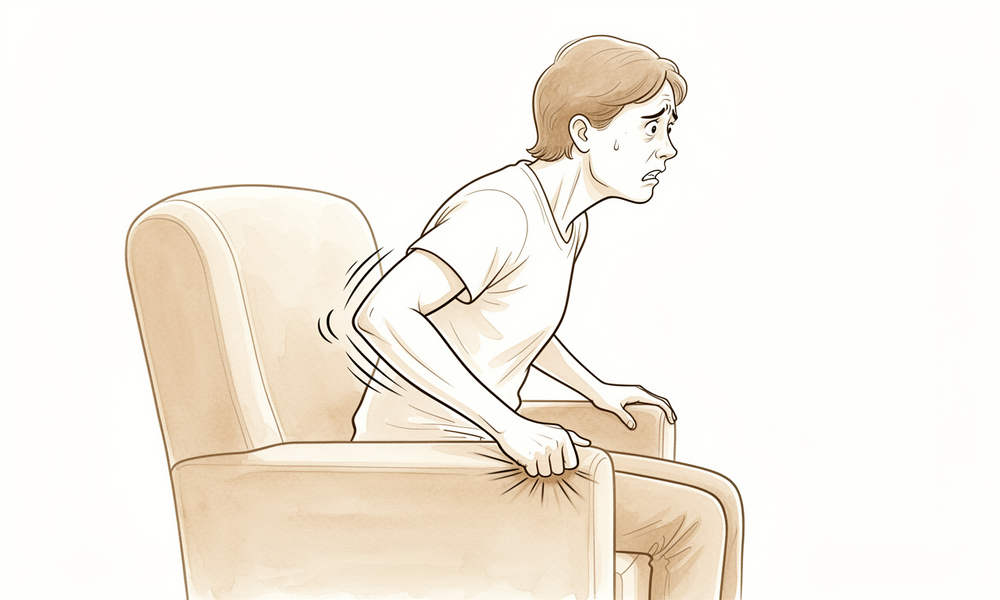
What you're feeling
Your elbow may feel loose, as if it might slide out of place, or it may keep giving way when you push or pull on it. Some people notice this after a fall onto an outstretched hand. Others have had a dislocation in the past and the joint has never felt quite right since.
The pain depends on which part of the elbow is affected. On the inner side of the elbow, you might feel a sharp ache when you throw, lift, or swing something like a racquet or hammer. Throwing athletes often feel it during the hard forward phase of a throw, and some hear a pop and cannot keep going. On the outer side, the elbow may feel unstable when you push up from a chair, do a push-up, or lean on your hand at a table. The pain can flare when you straighten the elbow fully, and some people notice clicking or a feeling that the joint is catching or locking.
Stiffness is common. You may find you cannot fully straighten the arm, and tasks that need a straight elbow become hard: reaching up to a high shelf, carrying a tray, or pushing yourself out of a low chair. Gripping and twisting can be uncomfortable too, so opening jars or turning a door handle may take more effort than usual.
If you throw or play overhead sport, you may notice your performance slipping. Your throws lose speed and stamina, and the elbow aches after training rather than recovering overnight. The inner elbow can be tender to touch, and the ache sometimes spreads toward the funny bone nerve on that side, with tingling or a weak grip.
Some symptoms point to a joint that is not holding together well. If your elbow needs to be held at a bent angle to stay in place, or it slips out repeatedly, that needs prompt attention rather than waiting.
What's actually happening
Your elbow is built to be a very snug joint. The end of the arm bone has deep grooves that the bones of the forearm slot into, a bit like a hinge sitting in a well-shaped bracket. That shape does most of the work of holding the joint together. Strong straps of ligament on the inner and outer sides of the elbow then act like guy ropes on a tent, keeping everything lined up as you bend, straighten, twist and push.
Instability means one or more of those guy ropes has been stretched or torn, so the joint surfaces can slide out of line. A full dislocation is when the joint comes completely apart. A partial slip, where the surfaces shift but do not fully separate, can feel like catching, clicking or a joint that is about to give way. Both sit on the same spectrum of injury.
Most dislocations happen in a fall onto an outstretched hand. The force travels up the arm and tears the ligaments, usually starting on the outer side of the elbow and tearing further toward the inner side as the force increases. When a dislocation also breaks off small pieces of bone where those ligaments attach, or damages the rounded bone on the outer side of the joint or the bony block at the front of the elbow, the joint loses both its rope supports and part of its bony shape. That combination is harder to settle and is more likely to leave the elbow loose afterwards.
Which strap is affected explains what you feel. The inner ligament takes the strain when you throw, so a tear there hurts during throwing and lifting. The outer ligament takes the strain when you push up or lean on your hand, so a tear there makes those movements feel unsafe. If the joint surfaces no longer line up smoothly, the elbow can also stiffen and wear unevenly over the years.
Most elbows that slip out once and are put back promptly settle down with early movement. A small number keep feeling loose, and those are the elbows that may need surgery to rebuild the support.
What we can do about it
Dr Kieran Hirpara, an upper-limb surgeon at Mater Private Hospital Rockhampton, matches the treatment to your specific injury. Patients are generally referred to our clinic by their GP; if a physiotherapist has suggested you see us, you will still need a referral from your GP in order to be eligible for the Medicare rebate. At the clinic visit we take a history, examine your elbow and arrange imaging where it is needed.
For most elbows that slip out once and are put back promptly, the first step is not surgery. The joint is put back into place, checked on x-ray, and rested briefly in a splint with the elbow bent at 90 degrees. After about 5 to 7 days in the splint, movement starts. Early motion matters because a stiff elbow is the most common problem after this injury. Physiotherapy works on bending and straightening through the range that feels secure, and on rebuilding strength. If the elbow is stable through that range, two days of splinting followed by early movement is enough. Give this approach a fair go before thinking about anything further.
We do not use cortisone or other injections for elbow instability, so we will not offer you one.
Surgery comes into the picture when the joint will not stay put. If your elbow needs to be held more bent than about 50 to 60 degrees to stay in place, or it slips out when straightened beyond 30 degrees from full extension, the ligaments are unlikely to settle on their own. The same applies if a piece of bone or soft tissue is stuck in the joint and blocking it, if the dislocation came with fractures, or if the skin was broken or the nerves and blood vessels were injured. In those cases we repair or rebuild the torn ligaments, usually starting with the outer ligament, and fix any broken pieces of bone so the joint surfaces line up again. If the elbow is still loose after that, a temporary external frame can hold the joint in place while it heals. For an elbow that has stayed loose for a long time, ligament reconstruction replaces the stretched strap with new tissue. We will talk through what each option involves and decide together what suits your elbow and your goals.
What to expect
For most people, an elbow that slips out once and is put back promptly settles with early movement. Good long-term results are the usual course when it is managed this way. A small number of people, about 8 in every 100 treated without surgery, keep having feelings of looseness afterwards. Around 2 in every 100 eventually need an operation to steady the joint, most often within 4 years of the injury.
Recovery takes weeks rather than days. Stiffness is the most common setback, and it is the reason your care team will get your elbow moving early rather than resting it for long. In the first week or two you will work on gentle bending and straightening, often with help from a physiotherapist. Over the following weeks the range grows, and strength work follows. Physiotherapy also looks after your wrist, hand and shoulder, because the rest of the arm can stiffen or weaken while the elbow is guarded. Expect steady progress rather than a single moment when the elbow feels normal again.
When surgery is needed, the outlook depends on how much damage the injury did. Many people regain a near full range of bending, straightening and forearm rotation, and their feelings of looseness settle. Some injuries are harder to settle than others. Where the dislocation came with fractures, stiffness, ongoing looseness, pain and wear in the joint can remain problems over the long term, no matter how well the treatment goes. In a share of these more severe injuries, around 20 to 25 in every 100, a further operation is needed at some point.
Leaving a genuinely unstable elbow alone rarely works out well. A joint that will not stay in place tends to stay loose, and the sliding surfaces can wear unevenly over the years. If your elbow needs to be held quite bent to stay put, or it keeps slipping, that is the point to talk about surgery rather than waiting.
None of this is a promise about your own elbow. Your surgeon will give you a clearer picture once they know which structures are injured and what your imaging shows.
When to see someone
Some signs mean your elbow needs checking soon rather than waiting. If your elbow slips out of place, or it needs to be held at a bent angle to stay in place, ask for a specialist review. The same applies if it keeps giving way when you push up from a chair or lean on your hand, or if a joint that was put back after a dislocation still feels loose weeks later.
Throwing athletes should take inner-elbow pain seriously. See your GP if the pain only appears when you throw hard, if you hear a pop and cannot keep going, or if your throws are losing speed and stamina. Tingling near the funny bone nerve, a weak grip, or a elbow that locks or catches also deserve a review.
Go to an emergency department if the elbow is clearly out of place, look misshapen, or the arm feels numb, cold or has lost colour. A joint that will not go back needs same-day care.
In more depth
Advanced reading: the deeper science (optional)
This section goes further than you need for your own treatment decisions. It is here because "elbow instability" covers several quite different problems with quite different outlooks, and because the single biggest influence on how a simple dislocation ends up is a decision made in the first fortnight, one where the evidence and the instinct to protect the joint point in opposite directions.
"Elbow instability" is not one diagnosis
The term covers everything from a joint that has dislocated once and is now stable, to a joint that gives way on everyday tasks, to a fracture-dislocation where bone as well as ligament has failed. Surgeons have been trying to classify these patterns for well over a century, and still disagree: a review of 130 years of attempts concluded that "uncertainties about both nomenclature and classification still exist", and prompted a national society working group to try again [1].
This matters to you for one practical reason. When you read outcome figures for "elbow instability", they may describe a group of patients whose injuries were nothing like yours. The distinction that matters most is simple (ligaments only) versus complex (ligaments plus broken bone), those two travel very different paths.
The two directions that have names: PLRI and PMRI
Beyond simple versus complex, the pattern that determines the operation is the direction the joint gives way. Two named patterns account for most of it [1].
Posterolateral rotatory instability (PLRI) is the common one, and it is what most people mean by "unstable elbow". It is the pattern produced by the usual injury: a fall onto the outstretched hand loading the elbow with the forearm turning outwards. The damage runs in a circle around the joint, starting at the lateral ulnar collateral ligament on the outer side and progressing forwards and backwards around the capsule, reaching the inner ligament last. Because it begins laterally, the first stage is a subluxation rather than a full dislocation, and the outer ligament is the structure that has to be repaired or reconstructed to fix it. When you read earlier in this section about lateral ligament reconstruction and its 0–33% recurrence range, that is PLRI being treated.
Symptomatically it is the pattern that makes you wary of pushing up out of a chair or loading the arm with the palm turned up, positions that let the joint rotate open.
Posteromedial rotatory instability (PMRI) is less common, easier to miss, and less forgiving. The mechanism is the opposite, a varus (inward-bending) force with the forearm rotating inwards, and it damages the outer ligament while shearing off the anteromedial facet of the coronoid, a small shelf of bone on the inner front of the ulna that the joint leans on.
That fragment is the problem. Anatomical work shows that on average 58% of the anteromedial facet is unsupported by the bone shaft behind it, so it fractures as a separate piece and is easily overlooked on a plain X-ray [2]. Missing it is costly: the joint is left slightly malaligned and grinds. One report described established arthrosis just 26 months after the injury in an elbow whose instability had not been addressed [3]. This is why a CT scan is often requested when the injury pattern suggests it, and why a coronoid fragment that looks small can still warrant fixation.
The practical point for you: these are different injuries needing different operations, and "my friend had an unstable elbow and had X done" may not transfer to your elbow at all.
The first two weeks matter more than almost anything else
The instinct after a dislocation is to protect the joint in a cast or a brace. The elbow punishes that instinct. It is unusually prone to stiffening, and the stiffness is roughly proportional to how long it was held still.
One review put numbers on it: after a simple dislocation, a permanent loss of full straightening of at least 30 degrees may be expected if immobilisation runs beyond 25 days, but as little as 3 degrees if the elbow is moving again within five days [4]. That is close to the whole difference between an elbow you forget about and one you notice every day.
A randomised trial (FuncSiE) tested this directly, comparing early movement against three weeks in plaster for simple dislocations [5]. At six weeks the early-movement group had a noticeably larger arc of motion (121° versus 102°), less disability, and returned to work 10 days versus 18. By one year the two groups were indistinguishable, and, critically, no elbow in either group re-dislocated [5]. The protection bought by the plaster was protection against a risk that did not materialise, paid for with stiffness and lost weeks.
This is why your rehabilitation starts early and why a simple sling is used for comfort rather than a hinged brace holding the joint in a fixed arc.
Simple dislocations do well — with an honest asterisk
Most simple dislocations recover without an operation. But "most" is not "all": roughly 8% of people treated non-operatively go on to have symptoms of persistent instability, and about 2% eventually need surgery [6]. A small number of injuries that look simple on the day behave badly afterwards, which is why we review you rather than discharging you at the first sign of a reduced joint.
"Terrible triad" is a worse name than it is an injury
The combination of elbow dislocation with fractures of the radial head and the coronoid was named the "terrible triad" because its early results were dismal. Modern results are much better: a review pooling 37 studies and 1609 patients found an average Mayo Elbow Performance Score of 90, rated excellent [7].
The honest half of that sentence is the complication rate, which is not low. Around 30% of patients have some complication, and 7.8% need further surgery. The commonest are extra bone forming in the soft tissues (11%) and ulnar nerve symptoms (2.6%) [7]. So: a good result is now the expectation rather than the hope, but this is an injury with a genuine chance of a second operation, and it is reasonable to know that before you start.
When ligament surgery does not hold, bone is often the reason
Repair or reconstruction of the lateral ligament is well established for the commonest pattern of chronic instability. Reported recurrence after it, though, ranges from 0% to 33%, a spread wide enough to tell you the operation is not the only variable [8].
Part of the explanation is that instability is not always purely a soft-tissue problem. Wear or defects in the bone at the outer side of the joint can keep an elbow unstable even after the ligament has been properly reconstructed, and combined bony lesions act together to raise the risk of failure [8]. Revision surgery is correspondingly harder: the only published series of revision lateral ligament reconstruction reported a 27% failure rate [8]. The practical implication is that if your elbow stays unstable after a ligament repair, the next question is usually about bone, not about redoing the same soft-tissue operation.
Holding the joint reduced from the inside
For elbows too unstable to trust to a repair alone, the traditional answer was an external hinged frame worn on the outside of the arm for weeks. An alternative is an internal joint stabiliser, a temporary internal device that holds the joint reduced while the soft tissues heal, and is removed later. It allows the elbow to move through a good arc while protected, with the original series reporting a mean flexion of 134 degrees at final follow-up [9].
The reason this approach is preferred here is the same principle as the rest of this page: protection that still permits movement beats protection that prevents it.
References for the advanced reading
- Marinelli A, Guerra E, Rotini R. Elbow instability: are we able to classify it? Review of the literature and proposal of an all-inclusive classification system. Musculoskelet Surg. 2016;100(Suppl 1):61-71.
- Doornberg JN, de Jong IM, Lindenhovius AL, Ring D. The anteromedial facet of the coronoid process of the ulna. J Shoulder Elbow Surg. 2007;16(6):667-70.
- Ramirez MA, Stein JA, Murthi AM. Varus posteromedial instability. Hand Clin. 2015;31(4):557-63.
- Martin BD, Johansen JA, Edwards SG. Complications related to simple dislocations of the elbow. Hand Clin. 2008;24(1):9-25.
- Iordens GIT, Van Lieshout EMM, Schep NWL, De Haan J, Tuinebreijer WE, Eygendaal D, et al. Early mobilisation versus plaster immobilisation of simple elbow dislocations: results of the FuncSiE multicentre randomised clinical trial. Br J Sports Med. 2017;51(6):531-8.
- Robinson PM, Griffiths E, Watts AC. Simple elbow dislocation. Shoulder Elbow. 2017;9(3):195-204.
- Stambulic T, Desai V, Bicknell R, Daneshvar P. Terrible triad injuries are no longer terrible! Functional outcomes of terrible triad injuries of the elbow: a systematic review. JSES Rev Rep Tech. 2022;2(2):214-8.
- O'Driscoll SW, Chaney GK. Preoperative and operative risk factors for failed lateral collateral ligament reconstruction. JSES Int. 2023;7(6):2578-86.
- Orbay JL, Mijares MR. The management of elbow instability using an internal joint stabilizer. Clin Orthop Relat Res. 2014;472(7):2049-60.
Evidence & references
This is the clinical evidence summary written for health professionals. It is technical, and it lists the research this page was built from. You do not need to read it to understand your treatment or to make a decision about it.
Overview
- All patients in a series of lateral collateral ligament instability cases had resolution of symptoms and regained a near full arc of elbow flexion and forearm rotation [1].
- Complex elbow instability is a challenging clinical entity requiring a balance between stability, mobility, and concentric reduction [2].
- Further research, particularly multicenter prospective trials, is needed for complex elbow instability due to the rare nature of these injuries [2].
- Arthroscopic techniques provide safe and objective means to evaluate and diagnose both medial and lateral elbow instability [3].
- Good long-term outcomes have been reported after non-operative management of simple elbow dislocations [4].
- Approximately 8% of patients with simple elbow dislocations develop persistent instability symptoms if treated nonoperatively [4].
- A small proportion (2%) of patients with simple elbow dislocations require surgical intervention [4].
- Elbow arthroscopy is a valuable tool in the diagnosis and management of chronic elbow instability [6].
- Use of a standard surgical protocol for elbow dislocations with radial head and coronoid fractures restored sufficient elbow stability to allow early motion postoperatively [16].
- Elbow instability injuries are an infrequent but serious source of disability for select NCAA athletes [20].
- Operative repair is indicated for most fracture-dislocations of the elbow to restore sufficient osseoligamentous support [26].
- Operative repair of elbow fracture-dislocations allows safe, early motion and provides a stable functional elbow in the long term [26].
- Current evidence regarding the optimal elbow flexion angle for graft fixation in ulnar collateral ligament reconstruction possesses a high degree of fragility [38].
- Surgery is indicated for unstable elbows requiring flexion beyond 50 to 60 degrees to remain reduced [41].
- Surgery is indicated for unstable periarticular fractures of the elbow [41].
- Instability is the major complication of unlinked total elbow arthroplasty, often requiring revision [43].
- Linked arthroplasty is preferred for patients with posttraumatic articular damage, ligamentous instability, deformity, or bone loss [43].
- There is no evidence to suggest that a hinged external fixator is better than a static frame for elbow dislocations [97].
- Hinged external fixators allow for range of motion exercises to be performed while the fixator is in place [97].
- Hinged external fixators are harder to apply and are not widely available [97].
- Malalignment of the axis pin in hinged devices may cause maltracking or dislocation of the elbow during motion [97].
- Care must be taken not to damage the ulnar nerve when inserting the axis pin or the radial nerve when inserting humeral pins in hinged fixators [97].
- Elbow motion is initiated postoperatively within the first week for hinged external fixation [97].
- Hinged external fixators are left in place for approximately 4 to 6 weeks [97].
- Static external fixation is increasingly utilized due to its general availability, ease of application, and more reliable maintenance of reduction [97].
- For static external fixation, the elbow is placed at 90 degrees of flexion with the joint concentrically reduced [97].
- Two pins are placed in the humeral shaft laterally and two pins are placed in the ulnar shaft laterally in a position that allows for forearm rotation for static external fixation [97].
- Open pin placement is recommended to avoid injury to the radial nerve during static external fixation [97].
- Imaging is employed to ensure pins are not placed too deep to avoid injury to the ulnar nerve during static external fixation [97].
- Static external fixators are left in place for approximately 4 weeks [97].
- A cross-screw technique may be employed in patients with residual instability where an external fixator is not available or in patients who are not candidates for an external fixator [97].
- The cross-screw technique is rarely required and should be reserved for use only as a salvage procedure [97].
- In the cross-screw technique, a screw or pin is placed from the posterior aspect of the ulna, across the joint, exiting on the posterior border of the humerus [97].
- A 4.5-mm cortical screw or shaft screw is appropriate for cross-screw fixation [97].
- The elbow is placed into a cast for 3 to 4 weeks after cross-screw fixation, after which the screw is removed and a motion protocol is started [97].
Anatomy & Pathophysiology
Bony Anatomy
- The elbow is a trocho-ginglymoid joint consisting of medial and lateral articulations that provide bony stability [52].
- The ulnohumeral joint is formed by the articulation of the trochlea with the ulna within the greater sigmoid notch [52].
- The ulnohumeral articulation provides highly congruent anatomy through almost 180° of articular contact, with the exception of a bare area in the greater sigmoid notch devoid of cartilage [52].
- The coronoid process has medial and lateral facets that buttress the trochlea anteriorly [52].
- The sublime tubercle is located just distal and medial to the coronoid and serves as the attachment site for the anterior bundle of the medial ulnar collateral ligament [52].
- The radiocapitellar joint is formed by the articulation of the capitellum and the radial head [52].
- The proximal radioulnar joint holds the radius in close approximation to the ulna via the annular ligament [52].
- The radial head is a concave elliptical structure covered with articular cartilage along the radiocapitellar joint and approximately 270° of the articular margin [52].
- The distal humeral articulation is angled 30° from the longitudinal axis [52].
- The axis of rotation is angulated 5° to 7° in the coronal plane relative to the epicondylar axis, with the medial side more distal than the lateral side [52].
- The ulna bends approximately 8° medially at 8 cm from the tip of the olecranon [52].
- The articulation to the tip of the coronoid is approximately 30° from the long axis of the ulna in the sagittal plane [52].
- The normal elbow has a range of motion from 0° to 140° from extension to flexion and 75° and 85° in pronation and supination respectively [17].
- A functional arc for the elbow is 100° for flexion and extension and forearm rotation [17].
- The articular surface of the distal humerus is angled 30 degrees anterior to the humeral shaft axis [55].
- In full extension, 60% of axial load is transmitted through the radiocapitellar joint [55].
- The trochlea has a 300-degree arc of cartilage [57].
- The medial column diverges from the humeral shaft at a 45-degree angle, and the lateral column diverges at a 20-degree angle [57].
Ligamentous Anatomy
- Elbow stability is determined by primary and secondary stabilizers, with injury to these structures causing elbow instability [17].
- The three primary stabilizers of the elbow are the ulnohumeral articulation, the medial ulnar collateral ligament (MUCL), and the lateral ulnar collateral ligament (LUCL) complex [17].
- Secondary stabilizers include the radiocapitellar articulation, the common flexor tendon, the common extensor tendon, and the joint capsule [17].
- The medial collateral ligament complex comprises three ligaments: the anterior oblique, the posterior oblique, and the transverse [32].
- The anterior oblique ligament is the strongest component and is the primary stabilizer to valgus stress [32].
- The anterior oblique ligament is composed of anterior and posterior bands that provide reciprocal function in resisting valgus stress through the range of flexion-extension motion [32].
- The anterior band of the medial collateral ligament is taut in extension, and the posterior band is tight in flexion [32].
- The anterior oblique ligament originates on the anterior-inferior edge of the medial epicondyle and inserts on the sublime tubercle of the ulna [32].
- The lateral collateral ligament complex includes the radial collateral ligament, annular ligament, and lateral ulnar collateral ligament [74].
- The lateral collateral ligament is the primary varus and posterolateral rotational stabilizer of the elbow [74].
- The radial collateral ligament arises from the lateral epicondyle and blends with the annular ligament [74].
- The lateral ulnar collateral ligament is posterior to the radial collateral ligament and attaches to the crista supinatoris of the proximal ulna, just distal to the annular ligament [74].
- The medial collateral ligament consists of anterior and posterior bundles, with the anterior bundle being the key valgus stabilizer arising from the anterior-inferior aspect of the medial epicondyle to insert on the sublime tubercle [74].
- The posterior bundle of the medial collateral ligament provides a secondary restraint to valgus load and resists ulnar rotation [74].
- The anterior bundle of the medial collateral ligament is the primary restraint to valgus stress within functional elbow range of motion, with the radial head acting as a secondary restraint [55].
- The posterior bundle of the medial collateral ligament is the primary restraint to valgus stress with the elbow in maximal flexion [55].
- Stability in full extension is provided by the medial collateral ligament, joint capsule, and ulnohumeral articulation [55].
- The lateral ulnar collateral ligament origin center is 10.7 mm from the lateral epicondyle and its insertion is 3.3 mm from the apex of the supinator crest [51].
Dynamic Stabilizers
- Dynamic constraints are provided by muscles crossing the elbow joint, specifically the anconeus, triceps, and brachialis, which apply compressive force [73].
- The biceps, brachialis, and triceps provide compressive stability to the elbow due to their joint reactive forces [74].
- The common extensor muscles provide varus stability and the common flexor muscles provide valgus stability [74].
- Pronation stabilizes the lateral collateral ligament-deficient elbow, while supination decreases stability in this setting [74].
- The surrounding elbow musculature, specifically the flexor digitorum superficialis and flexor carpi ulnaris, provides a dynamic stabilizing force across the elbow joint and may be protective of the static restraint of the medial collateral ligament [32].
Pathophysiology of Instability
- Elbow stability arises from a combination of bony congruity, static ligamentous and capsular restraints, and dynamic muscular activation [28].
- Elbow trauma can disrupt static and dynamic stabilizers, leading to predictable patterns of instability dependent on the mechanism of injury and progressive failure of anatomic structures [28].
- The classic mechanism for posterolateral dislocation involves a combination of axial load, external rotation of the forearm (supination), and valgus force [73].
- A progressive circular disruption of soft tissues occurs in posterolateral dislocation, beginning on the lateral side of the elbow [73].
- Stage 1 of soft-tissue disruption in posterolateral dislocation involves disruption of the lateral ulnar collateral ligament [73].
- Stage 2 of soft-tissue disruption involves disruption of other lateral ligamentous structures and the anterior and posterior capsule [73].
- Stage 3 of soft-tissue disruption involves disruption of the medial collateral ligament, which may be partial or complete [73].
- Stage 3C of soft-tissue disruption involves the distal humerus being stripped of soft tissues, resulting in severe instability and dislocation or subluxation [73].
- Simple elbow dislocations are typically the result of a fall on an outstretched hand involving a valgus, axial, and posterolateral force [68].
- Soft tissue injury in simple dislocation is thought to begin on the lateral side with disruption of the lateral collateral ligament and proceed through the capsule to the medial side, with the medial collateral ligament injured last [68].
- Magnetic resonance imaging and video studies suggest that complete ligamentous tears are more common on the medial side of the elbow, with lateral ligaments preserved in some cases [68].
- The sequence of failure in simple dislocation may begin on the medial side with acute valgus instability in an extended elbow [68].
- Patients with simple elbow dislocations routinely have disruption of both the medial and lateral collateral ligaments and the elbow capsule [74].
- Injury to the lateral common extensor origin is typically more extensive than the medial common flexor origin in simple dislocations [74].
- Residual instability after simple dislocation is usually due to incompetence of the lateral collateral ligament in the majority of patients, as most activities of daily living exert a varus force on the elbow [74].
- The coronoid blocks rotational instability and posterior subluxation of the ulna from the posterior pull of the triceps or when weight bearing on the hand [73].
- 50% of the coronoid height is needed to provide substantial stability [73].
- Sagittal plane fractures of the coronoid may disrupt the medial collateral ligament insertion or cause substantial articular deformity [73].
- Both the lateral ulnar collateral ligament and radial collateral ligament must be compromised for the lateral ligaments to become insufficient [73].
- The radial head plays a minor role in posterolateral rotatory stability by tensioning the lateral ulnar collateral ligament [73].
- The medial collateral ligament becomes the primary constraint to valgus instability when the radial head is resected [73].
- Injuries to the medial collateral ligament in isolation are typically well tolerated, except in overhead throwers [73].
- Valgus torque generated at the elbow during throwing maneuvers is highest in the late cocking and early acceleration phases of throwing [32].
- The olecranon stabilizes valgus stress to the elbow, and excessive resection places the medial collateral ligament at risk [32].
- During throwing, the olecranon is repeatedly and forcefully driven into the olecranon fossa, exerting shear forces on the medial aspect of the olecranon tip and the olecranon fossa [12].
- This process may cause cartilage injury and the development of osteophytes [12].
- Medial ligamentous laxity commonly exacerbates valgus extension overload syndrome [12].
- The pathoanatomy of valgus extension overload syndrome includes chondrosis, osteophyte development on the posteromedial olecranon and humerus, and loose bodies [12].
- The ulnohumeral articulation contributes to elbow stability, and olecranon resection increases valgus angulation and medial collateral ligament strain during valgus stress [12].
- Repetitive, near-failure tensile stresses exerted on the ulnar collateral ligament during throwing result in microtrauma and subsequent attenuation of the anterior bundle [66].
- Damage to the anterior bundle of the ulnar collateral ligament results in valgus instability [66].
- Subtle ulnar collateral ligament laxity results in stretch of other medial structures, including the ulnar nerve and the flexor-pronator mass, causing ulnar neuritis and flexor mass tendinitis or tears [66].
- As a result of ulnar collateral ligament incompetency, osseous constraints of the posteromedial elbow become key stabilizers during throwing [66].
- Repetitive shear stresses from continued throwing cause posterior compartment impingement [66].
- Valgus laxity secondary to ulnar collateral ligament stretching alters the contact area between the medial humeral crista and the olecranon, resulting in increased contact pressures and posteromedial impingement [66].
- Chronic impingement makes athletes susceptible to synovitis, olecranon tip osteophyte formation, olecranon stress fractures, loose bodies, and chondral lesions of the posteromedial trochlea [66].
- High compression forces exerted on the lateral radiocapitellar joint put athletes at risk for chondromalacia, loose bodies, and lateral osteophyte formation [66].
- When the elbow dislocates, the radial head may cause an impression fracture of the posterior capitellum which can contribute to recurrent instability [74].
- Recognising the precise pattern of injury is critical in restoring elbow function and preventing chronic instability, pain and weakness [8].
- Complex elbow instability remains a challenging clinical entity requiring a balance between stability, mobility, and concentric reduction [2].
Classification
General Principles and Mechanisms
- Elbow dislocations are classified according to whether they are simple or complex and the direction of displacement [21].
- A simple elbow dislocation is defined as a dislocation without osseous injury [21].
- A complex elbow dislocation is defined as a dislocation with osseous injury [21].
- The "terrible triad" is characterized by an elbow dislocation with an LCL complex tear, a radial head fracture, and a coronoid fracture [21].
- Varus posteromedial rotatory instability is characterized by an LCL tear with a fracture of the medial facet of the coronoid or a comminuted coronoid fracture [21].
- Posterior dislocations are the most common direction of displacement in elbow dislocations [21].
- Anterior, medial, lateral, and divergent dislocations also occur in the elbow [21].
- Elbow trauma can disrupt static and dynamic stabilizers leading to predictable patterns of instability dependent on the mechanism of injury and a progressive failure of anatomic structures [28].
- The elbow consists of static and dynamic stabilizers that function in synchrony to prevent elbow instability [19].
- In an elbow dislocation, the lateral ligamentous complex is usually torn first, followed by the anterior and posterior capsule [102].
- The medial collateral ligament is the last structure to be injured in an elbow dislocation and is usually intact with posterolateral rotatory instability [102].
- Stage 1 of the injury progression in elbow dislocation is characterized by partial or complete disruption of the lateral collateral ligament complex, resulting in posterolateral rotatory subluxation [102].
- Stage 2 of the injury progression involves further disruption anteriorly and posteriorly, resulting in an incomplete elbow dislocation posterolaterally [102].
- Stage 3A of the injury progression describes disruption of all soft tissues around and including the posterior part of the medial collateral ligament except for the anterior bundle [102].
- Stage 3B of the injury progression features complete disruption of the medial collateral ligamentous complex [102].
- Stage 3C of the injury progression implies significant instability such that the joint can dislocate even with immobilization in a cast at 90° of flexion [102].
- There are three main patterns of instability in elbow fracture-dislocation: valgus posterolateral rotatory instability, varus posteromedial rotatory instability, and transolecranon fracture-dislocation [47].
- Understanding the patterns of traumatic elbow instability helps the surgeon counsel and manage patients with these injuries [10].
Specific Injury Classifications
- The Regan and Morrey classification for coronoid fractures includes Type I (fracture of the tip), Type II (fracture of 50% or less), and Type III (fracture of greater than 50%) [35].
- The modified Mason classification system for radial head fractures includes Type I (nondisplaced), Type II (partial articulation with displacement), Type III (comminuted fractures involving the entire head), and Type IV (fractures associated with ligamentous injury or other associated fractures) [35].
- The Wrightington classification of elbow fracture dislocation is a comprehensive, reliable, and valid classification with treatment algorithms associated with good functional outcomes [70].
Diagnostic Evaluation
- Specific stress tests and different imaging techniques, both static and dynamic, allow assessment of the elbow stabilisers and detection of the instability direction and mechanism even in subtle forms [15].
- Elbow arthroscopy has become a valid and safe option for the diagnosis and treatment of both acute and chronic elbow instability [11].
- Plain AP and lateral radiographs of the elbow are necessary to document congruent reduction [21].
- Oblique views may be useful to identify periarticular fractures [21].
- CT is useful to identify associated osseous injury [21].
- With an incongruous reduction, CT or MRI should be considered to identify potential incarcerated osteocartilaginous fragments [21].
- Preoperative imaging for chronic elbow dislocation should include AP, lateral, and oblique radiographs of the elbow [46].
- CT imaging with three-dimensional reconstruction is helpful to assess dislocations with intra-articular fracture, heterotopic ossification, or arthritic change [46].
- Fractures of the coronoid and radial head are present in 30% to 40% of patients with chronic elbow dislocation [46].
- The diagnosis of instability suggests collateral ligament and soft-tissue insufficiency that may require reconstruction [46].
- The diagnosis of chronic dislocation implies thick intraarticular fibrosis and soft-tissue contracture that requires débridement and release [46].
Clinical Presentation
General Principles and History
- The history is the most valuable tool to guide the clinical examination of the elbow [86].
- Location, quality or type, context, duration, and severity of elbow pain are important for understanding pathology and focusing the physical examination [86].
- Prior treatments including surgical interventions and injections help in making the correct diagnosis [86].
- Determining the symptom trajectory (whether pain is getting better, worse, or remaining constant) is helpful when considering intervention [86].
- Understanding whether the patient has pain throughout the arc of motion or only at terminal limits is of paramount importance [80].
- Associated mechanical symptoms or instability must be evaluated to provide optimal management recommendations [80].
- Associated conditions such as cubital tunnel syndrome must be considered and evaluated [80].
- The physical exam is directed by history and the location of the patient's pain in the anterior, posterior, medial, or lateral aspect of the elbow [17].
- Pathologic entities associated with these discrete compartments aid the examiner in detecting pathologic conditions [17].
Physical Examination: General and Stability
- The fundamental elements of the elbow examination include inspection, palpation, range of motion (ROM), strength, stability, and special tests [86].
- Examination elements are dynamic, and adequate assessment often combines examination maneuvers to fully elucidate elbow pathology [86].
- A comprehensive physical examination aids in the diagnosis of specific pathologies related to nerves, muscles and tendons, ligaments, articular elements, and bone [86].
- The normal elbow has a range of motion from 0° to 140° from extension to flexion [17].
- The normal elbow has 75° and 85° in pronation and supination respectively [17].
- A functional arc in each plane is 100° for flexion and extension and forearm rotation [17].
- Active and passive flexion, extension, supination, and pronation should be evaluated using a goniometer for accurate measurement [31].
- The contralateral elbow should be examined for comparison during ROM assessment [31].
- Pain should be assessed during the mid arc or at the terminal ends of motion [31].
- Mid arc ROM pain is more common with intrinsic disease and may not improve with contracture release alone [31].
- If the elbow has less than 90° to 100° of flexion, the posterior bundle of the medial collateral ligament (MCL) is contracted and must be released to restore flexion [31].
- The soft tissue surrounding the elbow should be examined for previous skin incisions, grafts, eschar, or infection [31].
- Function of the upper extremity (shoulder, wrist, and hand) should be assessed [31].
- Elbow stability is determined by primary and secondary stabilizers [17].
- Injury to primary and secondary stabilizers causes elbow instability [17].
- The three primary stabilizers are the ulnohumeral articulation, the medial ulnar collateral ligament (MUCL), and the lateral ulnar collateral ligament (LUCL) complex [17].
- Secondary stabilizers are the radiocapitellar articulation, the common flexor tendon, the common extensor tendon, and the joint capsule [17].
- Stability is conferred to the elbow by the bony articular anatomy, which is highly congruent, and the ligamentous structures on the medial and lateral sides [17].
- These structures should be the focus of the examiner’s physical examination and choice of diagnostic studies to uncover underlying pathologic conditions [17].
Physical Examination: Lateral Compartment
- Posterolateral rotatory instability presents with a history of not trusting the elbow or feeling of giving way when pushing out of a chair with arms [86].
- The PLR drawer test is used to elicit posterolateral rotatory instability [86].
- The PLR pivot shift test is used to elicit posterolateral rotatory instability [86].
- The supinated push-up test is used to elicit posterolateral rotatory instability [86].
- MRI is the imaging study used to evaluate posterolateral rotatory instability [86].
- Posterolateral rotatory instability of the elbow is a clinical syndrome caused by insufficiency of the lateral ulnar collateral ligament [34].
- Posterolateral rotatory instability presents with clicking, locking, or recurrent dislocation [34].
- Lateral elbow tendinopathy presents with pain lifting things from a bag with a pronated hand, turning doorknobs, taking milk from the fridge, shaking hands, taking a laptop out of a bag, or bumping the lateral elbow [86].
- Direct palpation of the ECRB origin is used to elicit lateral elbow tendinopathy [86].
- The tennis elbow shear test is used to elicit lateral elbow tendinopathy [86].
- Pain along with resisted wrist or long finger extension is used to elicit lateral elbow tendinopathy [86].
- The laptop test is used to elicit lateral elbow tendinopathy [86].
- MRI is used to evaluate lateral elbow tendinopathy if the LUCL is suspected as part of the pathology [86].
- Ultrasonography is used to evaluate lateral elbow tendinopathy [86].
- Radial tunnel syndrome presents with extensor musculature "forearm aching" [86].
- Wrist flexion and forearm pronation are used to elicit radial tunnel syndrome [86].
- The rule of nines test is used to elicit radial tunnel syndrome [86].
- Weakness and pain with resisted long finger extension are used to elicit radial tunnel syndrome [86].
- Ultrasonography-guided diagnostic injection is used to evaluate radial tunnel syndrome [86].
- EMG is used to evaluate radial tunnel syndrome [86].
- Cutaneous neuritis presents with burning or radiating pain and the statement "I want to cut my arm off" [86].
- Direct palpation or percussion, such as the Tinel test, is used to elicit cutaneous neuritis [86].
- Ultrasonography-guided diagnostic injection is used to evaluate cutaneous neuritis [86].
- Plica presents with a pop with associated pain and then "feels better" [86].
- Direct palpation of a "click" with flexion and pronation (anterior) is used to elicit plica [86].
- Direct palpation of a "click" with extension and supination (posterior) is used to elicit plica [86].
- MRI is used to evaluate plica [86].
- Dynamic ultrasonography is used to evaluate plica [86].
- Trauma to the radial head, lateral epicondyle, or capitellum presents with a history of an acute traumatic event and then pain [86].
- Direct palpation is used to elicit trauma to the radial head, lateral epicondyle, or capitellum [86].
- Pain with pronosupination or flexion and extension is used to elicit trauma to the radial head, lateral epicondyle, or capitellum [86].
- Plain radiograph is used to evaluate trauma to the radial head, lateral epicondyle, or capitellum [86].
- CT with 3D reconstruction is used to evaluate trauma to the radial head, lateral epicondyle, or capitellum [86].
- Radiocapitellar arthrosis presents with distant trauma or surgery [86].
- The RC load test (pain with pronation and resisted extension) is used to elicit radiocapitellar arthrosis [86].
- CT with 3D reconstruction is used to evaluate radiocapitellar arthrosis [86].
- OCD or osteonecrosis presents with gradual loss of motion plus or minus pain, and catching and locking if loose bodies are present [86].
- The RC load test (pain with pronation and resisted extension) is used to elicit OCD or osteonecrosis [86].
- CT with 3D reconstruction is used to evaluate OCD or osteonecrosis [86].
- MRI is used to evaluate OCD or osteonecrosis [86].
- Partial biceps tendon tear presents with pain in the lateral arm with resisted supination [86].
- Direct palpation of the radial tuberosity with the arm in pronation elicits crepitus and pain for partial biceps tendon tear [86].
- MRI or ultrasonography is used to evaluate partial biceps tendon tear [86].
Physical Examination: Medial Compartment
- Medial elbow tendiopathy or tendon tear presents with pain washing the face or carrying objects with the arm in a supinated position [86].
- Direct palpation of the flexor and pronator tendon origin is used to elicit medial elbow tendiopathy or tendon tear [86].
- The face press examination is used to elicit medial elbow tendiopathy or tendon tear [86].
- The server tray examination is used to elicit medial elbow tendiopathy or tendon tear [86].
- Resisted flexion TEST is used to elicit medial elbow tendiopathy or tendon tear [86].
- The moving valgus TEST (pain between 30° and 60° flexion) is used to elicit medial elbow tendiopathy or tendon tear [86].
- MRI or ultrasonography is used to evaluate medial elbow tendiopathy or tendon tear [86].
- Snapping triceps presents with pain with flexion with a pop or snap and often tingling into the fingers if the ulnar nerve is involved [86].
- Palpation with flexion is used to elicit snapping triceps [86].
- Ultrasonography is used to evaluate snapping triceps [86].
- Ulnar neuritis or neuropathy presents with ring and small finger going to sleep when the elbow is flexed, such as while reading in bed or waking them up at night [86].
- Direct palpation or Tinel test is used to elicit ulnar neuritis or neuropathy [86].
- Ultrasonography or MRI is used to evaluate ulnar neuritis or neuropathy [86].
- MUCL strain, tear, or instability presents with decreased control and velocity while pitching in athletes, or a history of trauma and dislocation [86].
- The milking maneuver is used to elicit MUCL strain, tear, or instability [86].
- The moving valgus stress test is used to elicit MUCL strain, tear, or instability [86].
- MRI is used to evaluate MUCL strain, tear, or instability [86].
- Valgus extension overload presents with decreased ROM and pain with deceleration and follow through [86].
- The valgus extension overload examination is used to elicit valgus extension overload [86].
- The arm bar examination is used to elicit valgus extension overload [86].
- CT with 3D reconstruction is used to evaluate valgus extension overload [86].
- MRI is used to evaluate valgus extension overload [86].
- Varus posteromedial rotatory instability presents with decreased ROM after traumatic dislocation with continued varus deformity and pain with activities with the arm away from the body [86].
- The gravity assisted varus grind test is used to elicit varus posteromedial rotatory instability [86].
- CT with 3D reconstruction is used to evaluate varus posteromedial rotatory instability [86].
- Ulnohumeral arthritis presents with a history of inflammatory conditions or trauma [86].
- Painful ROM through the midarc with or without a load is used to elicit ulnohumeral arthritis [86].
- Radiograph or CT with 3D reconstruction is used to evaluate ulnohumeral arthritis [86].
- Trauma to the medial epicondyle or condyle presents with a history of trauma [86].
- Direct palpation, valgus stress, and the moving valgus stress test are used to elicit trauma to the medial epicondyle or condyle [86].
- Radiograph or CT with 3D reconstruction is used to evaluate trauma to the medial epicondyle or condyle [86].
- MABCN neuroma or neuritis presents with localized pain or burning with an area of hypersensitivity over an area of injury or prior surgery [86].
- Palpation or Tinel test is used to elicit MABCN neuroma or neuritis [86].
- Ultrasonography-guided injection is used to evaluate MABCN neuroma or neuritis [86].
- Median nerve compression presents with vague forearm pain that may radiate from hand to forearm [86].
- Palpation or Tinel test is used to elicit median nerve compression [86].
- Ultrasonography and EMG are used to evaluate median nerve compression [86].
Specific Clinical Syndromes: MCL and Valgus Extension Overload
- Patients with MCL injuries report medial elbow pain during the acceleration phase of throwing [32].
- Pain in MCL injuries may occur only when throwing at more than 50% to 75% of maximal effort [32].
- Acute MCL injuries may present suddenly, with a pop, sharp pain, and inability to continue throwing [32].
- Point tenderness can be noted at the MCL or toward its insertion sites [32].
- Valgus instability is tested with the patient’s elbow flexed between 20° and 30° to unlock the olecranon from its fossa as valgus stress is applied [32].
- The milking maneuver is performed by having the patient or the examiner pull on the patient’s thumb to create valgus stress while the patient’s forearm is supinated and the elbow is flexed beyond 90° [32].
- A subjective feeling of apprehension, instability, or localized pain at the MCL during the milking maneuver indicates injury [32].
- The moving valgus stress test is a modification of the milking maneuver where valgus stress is applied while the elbow is moved through an arc of flexion or extension [32].
- A subjective feeling of apprehension, instability, or localized pain at the MCL during the moving valgus stress test indicates injury [32].
- Patients with valgus extension overload report posteromedial elbow pain that occurs during the deceleration phase of throwing as the elbow reaches terminal extension [12].
- Pain in valgus extension overload may also occur during acceleration [12].
- Loss of terminal elbow extension may occur in valgus extension overload [12].
- Crepitus and tenderness over the posteromedial olecranon may be noted in valgus extension overload [12].
- Pain is reproduced when the elbow is forced into extension in valgus extension overload [12].
- Elbow flexion contracture may be seen in valgus extension overload [12].
- The hallmark activity for most medial elbow apophysitis in adolescents is youth baseball [81].
- A history of repetitive throwing, often year-round or on more than one team, is common in medial elbow apophysitis [81].
- Overrepresentation of symptoms in the pitching and catching positions is common in medial elbow apophysitis [81].
- Poor form and lower-body mechanics during transitional growth years may contribute to an increased valgus position during throwing that increases symptoms [81].
- Pain during and after throwing at the medial elbow is seen in medial elbow apophysitis [81].
- Tenderness to medial flexor muscle palpation is seen in medial elbow apophysitis [81].
- Direct tenderness over the epicondyle is seen in medial elbow apophysitis [81].
- Pain with valgus testing is usually less than with direct palpation in medial elbow apophysitis [81].
- The patient may occasionally present with loss of full elbow extension in medial elbow apophysitis [81].
- There may or may not be a history of antecedent pain with throwing or upper extremity weight bearing in medial epicondyle avulsion [42].
- The patient often reports a pop and sudden medial pain in medial epicondyle avulsion [42].
- Generally, the elbow is held in flexion and any motion is painful in medial epicondyle avulsion [42].
- There is tenderness over the medial epicondyle that is exacerbated with valgus stress in medial epicondyle avulsion [42].
- Ulnar nerve dysesthesias may be present in medial epicondyle avulsion [42].
- Medial contusion is common at 24 to 48 hours in medial epicondyle avulsion [42].
Imaging and Diagnostic Modalities
- Plain radiographs remain the hallmark and the best screening test for elbow evaluation [17].
- Proper selection of imaging studies can aid the diagnosis and guide treatment [17].
- Each of the imaging modalities has advantages and disadvantages [17].
- Radiographs should always be obtained for elbow stiffness evaluation [31].
- AP, lateral, and oblique radiographs are standard for elbow stiffness evaluation [31].
- Serial radiography is used as follow-up when heterotopic ossification is present [31].
- The primary bony landmarks include the ulnohumeral joint, coronoid process, radial head, capitellum, radiocapitellar joint, olecranon tip, coronoid/olecranon fossae, and trochlear ridge [31].
- CT is helpful when assessing for malunion architecture and the location and pattern of osteophytes and/or loose bodies [31].
- Three-dimensional CT is used to check for heterotopic ossification [31].
- CT is not necessary when the stiffness is entirely soft-tissue related [31].
- CT is beneficial if any joint incongruity or abnormal bony anatomy
Investigations
Physical Examination and Clinical Assessment
- Neurovascular status should be documented both before and after elbow reduction [21].
- Open injuries and compartment syndrome, which require immediate surgical treatment, should be ruled out during physical examination [21].
- Stability of the elbow is determined by primary stabilizers (ulnohumeral articulation, MUCL, LUCL complex) and secondary stabilizers (radiocapitellar articulation, common flexor tendon, common extensor tendon, joint capsule) [17].
- In posterior dislocations, the elbow is typically more unstable in extension [21].
- If the LCL is disrupted and the MCL is intact, the elbow will be more stable with the forearm in pronation [21].
- If both the LCL and MCL are disrupted, the forearm should be immobilized in neutral [21].
- Posterolateral rotatory instability of the elbow presents with clicking, locking, or recurrent dislocation [34].
- Patients with valgus extension overload syndrome report posteromedial elbow pain that occurs during the deceleration phase of throwing as the elbow reaches terminal extension [12].
- Pain in valgus extension overload syndrome may also occur during the acceleration phase of throwing [12].
- Crepitus and tenderness over the posteromedial olecranon may be noted in valgus extension overload syndrome [12].
- Pain is reproduced when the elbow is forced into extension in patients with valgus extension overload syndrome [12].
- Elbow flexion contracture may be seen in patients with valgus extension overload syndrome [12].
- Physical examination findings in capitellum OCD include lateral elbow tenderness, crepitus, and often a 15° to 20° flexion contracture [12].
- An assessment for ulnar nerve subluxation should be performed during evaluation [31].
- Subluxation of the ulnar nerve is a relative contraindication for an arthroscopic procedure secondary to possible iatrogenic nerve injury [31].
Imaging
- Postreduction radiographic assessment (AP and lateral views with the elbow at 90° and appropriate forearm rotation) is performed to confirm concentric reduction [21].
- Attention is directed to ensuring a concentric ulnohumeral reduction and alignment of the radial head with the capitellum during postreduction radiographic assessment [21].
- AP, lateral, oblique, and axillary views of the elbow may reveal posteromedial olecranon osteophytes and/or loose bodies in valgus extension overload syndrome [12].
- CT with two-dimensional reconstruction and three-dimensional surface rendering best visualizes the pathology of valgus extension overload syndrome [12].
- MRI may be most helpful in evaluating associated injuries including partial or complete tears of the MCL in valgus extension overload syndrome [12].
- Radiographs of the elbow should be obtained if the patient has acute traumatic injury or chronic pain [59].
- CT can be helpful in identifying mineralized intra-articular loose bodies or delineating the anatomy of a complex intra-articular fracture [59].
- Ultrasonographic soft-tissue evaluation in the elbow is most useful in evaluating the distal biceps and the common flexor and extensor tendons [59].
- Ultrasonography allows dynamic imaging, which may be useful in evaluating for ulnar nerve subluxation or a snapping triceps [59].
- MRI is the imaging modality best suited for evaluating soft-tissue structures in the elbow including ligaments, tendons, cartilage, and nerves [59].
- Conventional MRI sequences should be obtained in all three planes using T1-weighted and fluid-sensitive sequences (short tau inversion recovery or T2-weighted sequences with fat suppression) [59].
- Magnetic resonance arthrography (MRA) is particularly beneficial in the evaluation of osteochondral lesions, loose bodies, and ulnar collateral ligament (UCL) injury in a throwing athlete [59].
- Coronal MRI studies should be obtained along a line connecting the medial and lateral epicondyles [59].
- Sagittal MRI studies should be perpendicular to the coronal studies [59].
- MRI units with a 3-Tesla magnetic field strength can generate high signal-to-noise ratios and are more able to show normal anatomy than a 1.5-Tesla unit [59].
- Caution is necessary with 3-Tesla imaging because it can show mild signal alterations of tendons, ligaments, and nerves of the elbow that may not be symptomatic [59].
- Ligaments and tendons appear anechoic (black) on all MRI imaging sequences [59].
- Tears are diagnosed on MRI by identifying signal in the tissue that brightens to the level of simple fluid, representing focal discontinuity of tendon or ligament fibers [59].
- CT is helpful when assessing for malunion architecture and the location and pattern of osteophytes and/or loose bodies in elbow stiffness [31].
- Three-dimensional CT is used to check for heterotopic ossification in elbow stiffness [31].
- If any joint incongruity or abnormal bony anatomy is present, CT is beneficial in evaluating elbow stiffness [31].
- MRI can be used to evaluate ligaments and tendons, but it is rarely indicated in the evaluation of elbow stiffness [31].
- CT markers for the dropping sign and radial head subluxation provide valuable diagnostic information for posterolateral elbow instability, particularly in subtle cases [30].
Arthroscopy
- Arthroscopy allows for the management of soft tissue lesions and associated intra-articular bone or cartilage lesions with minimal disruption [11].
Treatment
Non-Operative Management of Simple Elbow Dislocation
- Conservative treatment with early functional training of the elbow is the first-line therapy for simple elbow dislocation [95].
- Most simple elbow dislocations are managed nonoperatively and are amenable to early mobilization [37].
- Approximately 8% of patients treated nonoperatively for simple elbow dislocation develop persistent instability symptoms [4].
- A small proportion (2%) of patients with simple elbow dislocation require surgical intervention if treated nonoperatively [4].
- Simple elbow dislocations are usually managed by closed reduction and early motion, with recurrent instability being uncommon due to intrinsic bony stability [44].
- Simple elbow dislocations should be managed with early range of motion, as most do not require surgery [93].
- A simple elbow dislocation that is rotationally unstable can be stabilized by repositioning the forearm [5].
- Rehabilitation programs for simple elbow dislocation should stress early active range of motion through the stable arc of motion [5].
- Postreduction stability assessment for posterior dislocations typically involves immobilizing the elbow at 90° of flexion [21].
- If the lateral collateral ligament (LCL) is disrupted and the medial collateral ligament (MCL) is intact, the elbow is more stable with the forearm in pronation [21].
- A posterior splint is typically applied for 5 to 7 days with the elbow positioned at 90° and appropriate forearm rotation [21].
- Postreduction radiographic assessment (AP and lateral views) is performed to confirm concentric reduction, ensuring concentric ulnohumeral reduction and alignment of the radial head with the capitellum [21].
- The splint can be removed to allow early active range of motion exercises using a brace with or without an extension block depending on stability [21].
- Active pronation and supination with the elbow at 90° is initiated as soon as the splint is removed (5 to 7 days after injury) to prevent rotational contracture [21].
- The extension block may be decreased gradually or removed at approximately 2 to 3 weeks for a goal of full active extension approximately 6 to 8 weeks after injury [21].
- Closed manipulative reduction of the elbow is usually performed in the emergency room or the operating room with adequate conscious sedation [67].
- The reduction maneuver for posterior dislocations involves applying inline traction, progressive elbow flexion, and an anterior directed force to the olecranon [21].
- After reduction, the elbow is taken through an arc of flexion–extension in pronation, neutral, and supination to evaluate for residual instability [67].
- If the elbow redislocates when flexed to less than 30 degrees after closed reduction, operative treatment should be considered [67].
- The elbow is immobilized in a light plaster splint with the forearm in the position of maximal stability and the elbow at 90 degrees of flexion [67].
- Isometric exercises should be encouraged while immobilized in the splint to promote muscle activation and improved dynamic stability [67].
- After 1 week, the splint is removed and the patient is examined for stability again [67].
- A rehabilitation program is initiated encouraging active and active-assisted motion [67].
- An overhead motion protocol is advantageous to allow for early motion in a protected position [67].
- A hinged splint with an extension block can be used in patients with residual instability past 30 degrees of extension where compliance with avoiding this position is of concern [67].
- The patient is seen weekly for the first 3 weeks to decrease the extension block by 10 degrees per week [67].
- Radiographs are performed to confirm concentric reduction at each visit during the first 3 weeks [67].
- The patient may resume most normal activities and start a light strengthening program at 6 weeks, avoiding varus or valgus loading until 12 weeks [67].
- Immobilization greater than 3 weeks should be avoided as it has been demonstrated to cause an increased incidence of stiffness and poorer functional outcomes [67].
- For patients with subtle residual mild posterolateral subluxation following closed reduction, an active motion protocol should be employed [67].
- The active motion protocol for residual posterolateral subluxation involves avoiding varus stress at all times by exercising with the elbow at the side while sitting or standing [67].
- Active motion in the residual subluxation protocol is performed with the forearm pronated through the full range of motion [67].
- Supination in the residual subluxation protocol is performed with the forearm flexed to 90 degrees or greater [67].
- Exercises can be performed with an overhead protocol to allow the effects of gravity to improve stability [67].
Surgical Indications and Contraindications for Elbow Instability
- Surgery is indicated when stability of the elbow cannot be achieved with reduction and immobilization [21].
- Surgery is indicated when an osteochondral fragment or soft-tissue entrapment prevents concentric reduction [21].
- Surgery is indicated when complex dislocation–associated fractures are present [21].
- Surgery is indicated when open injuries are present [21].
- Surgery is indicated when neurovascular injuries requiring surgical care are present [21].
- A relative indication for surgery is a reducible joint that is unstable (dislocates) when the elbow is extended between 90° and 60° [21].
- Patients with severe medical comorbidities are a contraindication for surgery [21].
- Surgery is indicated for unstable elbows requiring flexion beyond 50 to 60 degrees to remain reduced or for unstable periarticular fractures [41].
- Operative repair is indicated for most fracture-dislocations to restore sufficient osseoligamentous support to allow safe, early motion and provide a stable functional elbow in the long term [26].
- Nonoperative management of simple elbow dislocation is contraindicated in cases of open dislocation, vascular injury, or instability after closed reduction [67].
Operative Techniques for Simple and Complex Instability
- The incision for open reduction can be made in the posterior midline or on the lateral elbow over the Kocher interval with or without a medial approach [21].
- Open reduction of the elbow with repair or reconstruction of the LCL complex is performed, followed by stability assessment [21].
- If the elbow is still unstable after LCL repair, the MCL is repaired or reconstructed, followed by stability assessment [21].
- Hinged or static external fixation is required only if the elbow is unstable after other surgical procedures have failed to maintain a concentric, stable reduction [21].
- The most common pitfall in treatment is failure to attain and maintain a concentric reduction after surgical or nonsurgical treatment [21].
- Forearm rotation is used to its fullest advantage to attain or maintain concentric reduction [21].
- Early active range of motion through a stable arc with the use of splints can help prevent contracture [21].
- If open reduction is required, a stepwise surgical approach should be followed [21].
- Use of a standard surgical protocol for elbow dislocations with radial head and coronoid fractures restored sufficient elbow stability to allow early motion postoperatively, enhancing the functional outcome [16].
- The primary goal of treatment for nonacute elbow fracture with persistent ulnohumeral dislocation or subluxation is stable reduction of the ulnohumeral joint and functional elbow motion [9].
- Optimal outcomes for coronoid fractures and traumatic elbow instability are founded upon concentric reduction of the elbow [25].
- Elbow arthroscopy has become a valid and safe option for the diagnosis and treatment of both acute and chronic elbow instability, allowing for the management of soft tissue lesions and associated intra-articular bone or cartilage lesions with minimal disruption [11].
- Elbow arthroscopy is not necessarily contraindicated in patients with a subluxating or transposed ulnar nerve [72].
Terrible Triad and Complex Fracture-Dislocation Management
- The terrible triad of the elbow is characterized by an elbow dislocation with an LCL complex tear, a radial head fracture, and a coronoid fracture [21].
- The lateral collateral ligament injury in the terrible triad is typically a ligamentous avulsion from the origin on the distal humerus [35].
- Treatment for the terrible triad includes coronoid ORIF, radial head ORIF or replacement, and lateral collateral ligament repair [35].
- Possible MCL repair is performed depending on stability if the elbow continues to be unstable after fractures and lateral ligament are fixed [35].
- The goal of treatment for a terrible triad ORIF/stabilization procedure is active ROM within 48 hours [35].
- In most cases, the terrible triad of the elbow dictates an indication for surgical intervention [69].
- Specifically addressing all elements of the terrible triad injury has proven to be the most reliable method of restoring elbow stability and function [69].
- The sequence of surgical treatment for the terrible triad is repair of the coronoid process or anterior capsule, repair or replacement of the radial head, and repair of the LUCL [69].
- Repair of the MCL may not always be necessary and should be undertaken only when the elbow demonstrates posterior medial rotatory instability after the coronoid, radial head, and LUCL have been addressed [69].
- If the coronoid is not repairable, a piece of the radial head or the posterior process of the olecranon may be used for reconstruction [69].
- Anterior capsulodesis can be performed if the coronoid fragment is small, using strong braided sutures brought through drill tunnels and sewn over the posterior border of the ulna [69].
- A block, or resistance, to the posterior pull of the triceps must be restored to avoid recurrent dislocations [69].
- Some surgeons perform a radial head reassembly or arthroplasty using a lateral approach, provisionally reattach the LUCL, and then assess overall elbow stability before addressing the coronoid fracture [69].
- The goal of treating all elbow dislocations is to restore stability, thereby allowing the early initiation of range of motion and enhancing optimal functional recovery [69].
- Long-term outcome with surgical management of complex elbow injuries is unknown [13].
Coronoid Fracture Management
- Regan and Morrey Type I coronoid fractures involve the tip of the coronoid process and provide stability through the anterior capsule [35].
- Regan and Morrey Type II coronoid fractures involve 50% or less of the coronoid [35].
- Regan and Morrey Type III coronoid fractures involve greater than 50% of the coronoid [35].
- Type I coronoid fractures are associated with episodes of elbow instability [35].
- If instability persists with a Type I coronoid fracture, cerclage wire or No. 5 suture is applied through drill holes; if instability does not persist, no operation is performed [35].
- ORIF for Types II and III coronoid fractures helps restore elbow stability [35].
- Stability must be confirmed before nonoperative treatment begins for Types II and III coronoid fractures [35].
- When part of a terrible triad injury, the coronoid can potentially be fixed through the radial head defect if planning to replace the radial head [35].
- The coronoid can also be approached medially through a flexor carpi ulnaris (FCU) split [35].
- Complications of coronoid fracture treatment include instability (particularly medial) and degenerative joint disease [35].
Radial Head Fracture Management
- Type I radial head fractures are nondisplaced [35].
- Type II radial head fractures involve partial articulation with displacement [35].
- Type III radial head fractures are comminuted fractures involving the entire head of the radius [35].
- Type IV radial head fractures are associated with ligamentous injury or other associated fractures [35].
- Type I radial head fractures are splinted for no more than 7 days, and then motion is allowed [35].
- Type II radial head fractures may be treated nonsurgically with analgesics and active ROM if the elbow is stable, there is no block to motion, and reduction is good; otherwise, ORIF is performed [35].
- Type III radial head fractures require replacement of the radial head if there are three or more fragments, usually with a metal implant [35].
- Type III radial head fractures with fewer than three fragments are treated with ORIF [35].
- Excision of Type III radial head fractures is only performed in elderly patients with low functional demands [35].
- Type IV radial head fractures require surgical repair with either ORIF or metallic radial head replacement [35].
- Excision of Type IV radial head fractures must not be done without the addition of a radial head implant [35].
- The safe zone for ORIF of the radial head/neck is a 110-degree arc (25%) along the lateral side, defined by the radial styloid and Lister tubercle [35].
- Complications of radial head fracture treatment include loss of motion and posterior interosseous nerve (PIN) injury [35].
- The arm is pronated to avoid PIN injury during radial head/neck ORIF [35].
- Radial shortening is a complication if an Essex-Lopresti injury occurs [35].
- Synovitis can occur if a silicone elastomer (e.g., Silastic) radial head implant is used [35].
Olecranon Fracture Management
- Nonoperative treatment for olecranon fractures is indicated for displacements of less than 1 to 2 mm, involving splinting at 60 to 90 degrees for 7 to 10 days followed by gentle active ROM exercises [35].
- Nonoperative treatment with displaced fractures can be considered in low-demand, elderly patients, with similar outcomes to ORIF [35].
- Tension band fixation uses stainless steel wire or braided cable, not braided suture material [35].
- The wire loop for tension band fixation should be dorsal to the midaxis of the ulna to transform tensile forces at the fracture site into compressive forces at the articular surface [35].
- Kirschner wires (K-wires) are buried in the anterior cortex for increased stability in tension band fixation [35].
- Protrusion of K-wires through the anterior cortex is associated with reduced forearm rotation [35].
- Migration of K-wires and prominent or painful hardware occurs in 71% of cases [35].
- Wires that penetrate the volar ulna cortex are associated with a higher potential risk of diminished forearm rotation compared to wires positioned into the intermedullary canal [35].
- Intramedullary screw fixation is inadequate by itself, but a properly placed 7.3-mm partially threaded screw with tension band wiring works well [35].
- Plate fixation (dorsal or tension side) is the preferred technique for oblique fractures that extend distal to the coronoid process and is more stable than tension band wiring [35].
- Excision with triceps advancement is used for nonreconstructible proximal olecranon fractures in elderly patients with low functional demands [35].
- In excision with triceps advancement, the triceps is reattached close to the articular surface [35].
- Resection of more than 50% of the olecranon should be avoided [35].
- Complications of olecranon fracture treatment include implant prominence/irritation, decreased ROM, degenerative joint disease, nonunion, ulnar nerve neurapraxia, and instability [35].
Posterolateral Rotatory Instability (PLRI)
- Non-operative management of PLRI is ineffective [83].
- Bracing, dynamic stabiliser strengthening, and activity modification can be attempted for PLRI, but surgical treatment is generally required to stabilise the joint [83].
- Surgery for PLRI is indicated in patients with persistent, symptomatic instability of the elbow causing pain or functional deficit [83].
- Primary repair of the chronically ruptured LCL complex depends on the integrity and quality of the remaining tissue [83].
- Both Jobe and Docking techniques are safe and effective in the treatment of posterolateral elbow instability [40].
- A suture-augmented lateral ulnar collateral ligament and radial collateral ligament reconstruction provides a reproducible, anatomically based construct that restores posterolateral elbow stability [39].
- All patients in a series of LCL instability repairs had resolution of their symptoms of instability and regained a near full arc of elbow flexion and forearm rotation [1].
Ulnar Collateral Ligament (UCL) and Valgus Instability
- Nonsurgical treatment is attempted for partial tears and sprains of the UCL, although surgical reconstruction may be warranted for complete tears or if nonsurgical treatment is unsuccessful [65].
- A brace can be used initially to restrict ROM and prevent valgus stresses to avoid additional adverse stresses on the UCL [65].
- ROM is usually permitted in a nonpainful arc of motion, typically from 10° to 100°, to allow inflammation to subside and collagen tissue to align [65].
- Isometric exercises are performed for the shoulder,
Complications
Simple Elbow Dislocation
- A small proportion (2%) of patients with simple elbow dislocation require surgical intervention [4].
- Few patients with simple elbow dislocations develop complications requiring surgery, but those that do most commonly undergo soft-tissue stabilisation or contracture release within 4 years of the injury [22].
- Residual instability is uncommon following simple elbow dislocation, with posterolateral instability being the best documented form [45].
- There do not appear to be any predisposing factors that pose any particular risk to patients developing residual instability after simple elbow dislocation [45].
- Posterolateral instability may develop in some patients despite the development of secondary contracture, suggesting that some ligamentous complexes heal in a contracted manner while others do not heal at all [45].
- Simple elbow dislocations can have devastating complications resulting in prolonged rehabilitation, surgery, and loss of function, even with appropriate and timely care [45].
Complex Elbow Instability and Terrible Triad
- Terrible triad injuries are characterized by historically poor outcomes, secondary to persistent instability, stiffness, and arthrosis [94].
- Complications of terrible triad injury treatment include stiffness, heterotopic bone formation, infection, ulnar neuropathy, persistent instability, nonunion, and malunion [94].
- Revision surgery is necessary in 20% to 25% of cases following treatment for terrible triad injuries [94].
- The next challenge for elbow surgeons is to diagnose and fix persistent subclinical instability after surgery to prevent the onset of post-traumatic osteoarthritis [14].
Pediatric Elbow Instability
- In a large study on the reconstruction of medial ulnar collateral ligament tears in skeletally immature athletes, complications were found in 20% of the cohort at a minimum 2-year follow-up [96].
- Major complications in the skeletally immature cohort undergoing medial ulnar collateral ligament reconstruction occurred in 4% of patients and included ulnar nerve injuries, medial epicondyle fractures, and revision surgery for osteophyte formation [96].
- In a review of 145 elbow dislocations at a single institution, the presence of multiple fractures, the need for surgical intervention, and prolonged immobilization were correlated with less than excellent functional outcome scores [96].
- Posterolateral rotatory instability in children is often diagnosed in a delayed manner [96].
- Surgical correction of posterolateral rotatory instability in children is technically difficult and ligament reconstruction can risk injury to the lateral physes and apophyses [96].
Arthroplasty and Reconstruction
- Ulnar collateral ligament reconstruction provides excellent patient-reported and clinical outcomes at medium-term follow-up with low complication and revision rates [82].
- The literature demonstrates a distinct difference in complication profile between external fixation and the internal joint stabilizer when used as treatment for traumatic elbow instability [91].
Recovery
Non-Operative Management
- A small proportion (2%) of patients with simple elbow dislocations require surgical intervention if treated nonoperatively [4].
- Few patients with simple elbow dislocations develop complications requiring surgery [22].
- Patients who develop complications after simple elbow dislocation most commonly undergo soft-tissue stabilisation or contracture release within 4 years of the injury [22].
- Rehabilitation programs for rotationally unstable simple elbow dislocations should stress early active range of motion through the stable arc of motion [5].
Operative Management
- Early postoperative motion following a standard surgical protocol for elbow dislocations with radial head and coronoid fractures enhances the functional outcome [16].
- Internal brace augmentation for varus posteromedial instability of the elbow allows early rehabilitation and prevents stiffness [105].
- At 43 months mean follow-up, none of the patients treated with internal brace augmentation for varus posteromedial instability had significant postoperative contracture [105].
- At 43 months mean follow-up, none of the patients treated with internal brace augmentation for varus posteromedial instability had clinically apparent signs of instability or suffered subluxation or re-dislocation [105].
- All patients in a series of lateral collateral ligament instability repairs had resolution of their symptoms of instability [1].
- All patients in a series of lateral collateral ligament instability repairs regained a near full arc of elbow flexion and forearm rotation [1].
- Three patients have remained stable at their elbow status post bilateral ligament reconstruction for bidirectional elbow instability [24].
Outcomes and Complications
- Athletes with elbow dislocation demonstrated excellent functional outcomes and high return to sport rates [92].
- Most athletes with elbow dislocation returned to sport within 10 weeks [92].
- Complex elbow instability requires a balance between stability, mobility, and concentric reduction [2].
- A patient with a greatly delayed complication of medial epicondyle injury had full range of movement at the elbow with no obvious deformity at 6 weeks [48].
- A patient with a greatly delayed complication of medial epicondyle injury had no weakness in the limb at 6 weeks [48].
Key Evidence
- [L4] All patients in the series had resolution of their symptoms of instability and regained a near full arc of elbow flexion and forearm rotation. [1] (10.1016/j.hcl.2007.11.001)
- [L5] Complex elbow instability remains a challenging clinical entity requiring a balance between stability, mobility, and concentric reduction; further research, particularly multicenter prospective trials, is needed due to the rare nature of these injuries. [2] (10.1016/j.hcl.2007.11.010)
- [Paper] Despite the invasive nature of arthroscopy in comparison to modalities such as ultrasonography and radiography, these described techniques provide safe and objective means to evaluate and diagnose both medial and lateral elbow instability. [3] (10.1016/j.eats.2023.04.029)
- [L5] Good long-term outcomes have been reported after non-operative management of simple elbow dislocations; however, a small proportion (2%) of patients require surgical intervention and approximately 8% develop persistent instability symptoms if treated nonoperatively. [4] (10.1177/1758573217694163)
- [L5] A simple elbow dislocation that is rotationally unstable can be stabilized by simply repositioning the forearm, and rehabilitation programs should stress early active range of motion through the stable arc of motion. [5] (10.1016/j.hcl.2015.06.002)
- [L4] Elbow arthroscopy is a valuable tool in the diagnosis and management of chronic elbow instability. [6] (10.1016/j.arthro.2013.08.016)
- [Paper] Recognising the precise pattern of injury is critical in restoring elbow function and preventing chronic instability, pain and weakness. [8] (10.1016/j.injury.2013.09.032)
- [L5] The primary goal of treatment is stable reduction of the ulnohumeral joint and functional elbow motion. [9] (10.2106/jbjs.m.00817)
- [L5] Understanding the patterns of traumatic elbow instability helps the surgeon counsel and manage patients with these injuries. [10] (10.1016/j.jhsa.2010.05.002)
- [L5] Elbow arthroscopy has become a valid and safe option for the diagnosis and treatment of both acute and chronic elbow instability, allowing for the management of soft tissue lesions and associated intra-articular bone or cartilage lesions with minimal disruption. [11] (10.1016/j.jseint.2022.12.001)
- [L5] Long-term outcome with surgical management of complex elbow injuries is unknown. [13] (10.5435/00124635-200605000-00003)
- [L5] The next challenge for elbow surgeons is to diagnose and fix persistent subclinical instability after surgery to prevent the onset of post-traumatic osteoarthritis. [14] (10.1016/j.jseint.2023.03.018)
- [L5] [15] (10.1136/jisakos-2019-000316)
- [L4] Use of the surgical protocol restored sufficient elbow stability to allow early motion postoperatively, enhancing the functional outcome. [16] (10.2106/jbjs.d.02933)
- [L5] The elbow consists of static and dynamic stabilizers that function in synchrony to prevent elbow instability. [19] (10.1016/j.jhsa.2016.11.025)
- [L4] Elbow instability injuries are an infrequent but serious source of disability for select NCAA athletes, with a number of associated risk factors. [20] (10.1177/2325967117750105)
- [Paper] Few patients with simple elbow dislocations develop complications requiring surgery, but those that do most commonly undergo soft-tissue stabilisation or contracture release within 4 years of the injury. [22] (10.1016/j.injury.2015.02.009)
- [L4] Three patients have remained stable at their elbow status post bilateral ligament reconstruction. [24] (10.1016/j.jhsg.2026.101040)
- [L5] Optimal outcomes are founded upon concentric reduction of the elbow. [25] (10.1016/j.jseint.2023.03.020)
- [L5] Operative repair is indicated for most of these injuries to restore sufficient osseoligamentous support to allow safe, early motion and provide a stable functional elbow in the long term. [26] (10.1016/j.hcl.2004.06.005)
- [L5] [28] (10.5435/jaaos-d-23-00460)
- [Paper] These markers provide valuable diagnostic information for posterolateral elbow instability, particularly in subtle cases. [30] (10.1016/j.jseint.2025.101602)
- [L5] Posterolateral rotatory instability of the elbow is a clinical syndrome caused by insufficiency of the lateral ulnar collateral ligament, presenting with clicking, locking, or recurrent dislocation. [34] (10.5435/00124635-200411000-00005)
- [L5] Most simple elbow dislocations are readily managed nonoperatively and are amenable to early mobilization. [37] (10.1016/j.hcl.2020.07.013)
- [L4] However, the available current evidence possesses a high degree of fragility, and further studies are needed with objective measurements to determine the optimal elbow flexion angle for graft fixation. [38] (10.1016/j.jse.2018.07.029)
- [L5] The described method provides a reproducible, anatomically based construct that restores posterolateral elbow stability and addresses the complex spectrum of lateral-sided injuries observed in PLRI. [39] (10.1016/j.eats.2025.103797)
- [L1] This systematic review showed that both Jobe and Docking techniques are safe and effective in the treatment of posterolateral elbow instability. [40] (10.1016/j.injury.2020.11.010)
- [L5] Surgery is indicated for unstable elbows requiring flexion beyond 50 to 60 degrees to remain reduced or for unstable periarticular fractures. [41] (10.5435/00124635-199801000-00002)
- [L4] Instability is the major complication of unlinked total elbow arthroplasty, often requiring revision, whereas linked arthroplasty is preferred for patients with posttraumatic articular damage, ligamentous instability, deformity, or bone loss. [43] (10.1016/j.hcl.2007.11.002)
- [L5] Simple elbow dislocations are usually managed by closed reduction and early motion, with recurrent instability being uncommon due to intrinsic bony stability. [44] (10.1016/j.hcl.2007.11.012)
- [Paper] [45] (10.1016/j.hcl.2007.11.013)
- [L4] [46] (10.5435/jaaos-d-14-00460)
- [L5] [47] (10.1016/j.hcl.2020.07.011)
- [L5] The patient had full range of movement at the elbow with no obvious deformity at 6 weeks and no weakness in the limb. [48] (10.1016/s0020-1383(98)00141-7)
- [L5] The Wrightington classification of elbow fracture dislocation is a comprehensive, reliable, and valid classification with treatment algorithms that are associated with good functional outcomes. [70] (10.1016/j.jseint.2022.12.002)
- [L4] Elbow arthroscopy is not necessarily contraindicated in patients with a subluxating or transposed ulnar nerve. [72] (10.1016/j.arthro.2009.04.024)
- [L4] UCLR provides excellent patient-reported and clinical outcomes to patients at medium-term follow-up with low complication and revision rates. [82] (10.1136/jisakos-2021-000614)
- [L5] [83] (10.1302/2058-5241.160033)
- [L4] The literature demonstrates a distinct difference in complication profile between external fixation and the IJS when used as treatment for traumatic elbow instability. [91] (10.1016/j.xrrt.2023.12.004)
- [L4] Athletes with elbow dislocation demonstrated excellent functional outcomes and high return to sport rates, with most returning within 10 weeks. [92] (10.1177/23259671261419505)
- [L5] Simple elbow dislocations should be managed with early range of motion, as most do not require surgery. [93] (10.1016/j.hcl.2016.08.003)
- [L1] Conservative treatment with early functional training of the elbow remains the first-line therapy for simple elbow dislocation. [95] (10.1186/s12891-024-07260-0)
- [L5] [102] (10.1016/j.csm.2004.04.014)
- [L4] At 43 months mean follow-up, none of the patients had significant postoperative contracture, and none had any clinically apparent signs of instability or suffered subluxation or re-dislocation. [105] (10.1016/j.jseint.2024.08.043)
References
[1] Lateral Collateral Ligament Instability of the Elbow. Hand Clinics. 2008. DOI: 10.1016/j.hcl.2007.11.001
[2] Complex Elbow Instability. Hand Clinics. 2008. DOI: 10.1016/j.hcl.2007.11.010
[3] Arthroscopic Techniques to Recognize and Quantify Subtle Medial and Lateral Elbow Instability. Arthroscopy Techniques. 2023. DOI: 10.1016/j.eats.2023.04.029
[4] Simple elbow dislocation. Shoulder & Elbow. 2017. DOI: 10.1177/1758573217694163
[5] Simple Elbow Dislocation. Hand Clinics. 2015. DOI: 10.1016/j.hcl.2015.06.002
[6] The Role of Arthroscopy in Chronic Elbow Instability. Arthroscopy. 2013. DOI: 10.1016/j.arthro.2013.08.016
[8] Complex instability of the elbow. Injury. 2017. DOI: 10.1016/j.injury.2013.09.032
[9] Nonacute Treatment of Elbow Fracture with Persistent Ulnohumeral Dislocation or Subluxation. Journal of Bone and Joint Surgery. 2014. DOI: 10.2106/jbjs.m.00817
[10] Traumatic Elbow Instability. The Journal of Hand Surgery. 2010. DOI: 10.1016/j.jhsa.2010.05.002
[11] The role of arthroscopy in instability of the elbow. JSES International. 2023. DOI: 10.1016/j.jseint.2022.12.001
[12] Aaos Comprehensive Orthopaedic Review 3. Elbow Injuries in the Athlete* > III. Valgus Extension Overload Syndrome and Posterior Impingement.
[13] Complex Elbow Instability. Journal of the American Academy of Orthopaedic Surgeons. 2006. DOI: 10.5435/00124635-200605000-00003
[14] Terrible triad injury of the elbow: a spectrum of theories. JSES International. 2023. DOI: 10.1016/j.jseint.2023.03.018
[15] Treatment of elbow instability: state of the art. Journal of ISAKOS. 2021. DOI: 10.1136/jisakos-2019-000316
[16] Standard Surgical Protocol to Treat Elbow Dislocations with Radial Head and Coronoid Fractures. Journal of Bone and Joint Surgery. 2005. DOI: 10.2106/jbjs.d.02933
[17] Orthopaedic Knowledge Update 13 Ebook Without Multimedia. Anatomy, Biomechanics, Physical Examination, and Imaging of the Elbow > Summary and Conclusions.
[19] Elbow Instability: Anatomy, Biomechanics, Diagnostic Maneuvers, and Testing. The Journal of Hand Surgery. 2017. DOI: 10.1016/j.jhsa.2016.11.025
[20] Elbow Dislocation and Subluxation Injuries in the National Collegiate Athletic Association, 2009-2010 Through 2013-2014. Orthopaedic Journal of Sports Medicine. 2018. DOI: 10.1177/2325967117750105
[21] Aaos Comprehensive Orthopaedic Review 3. Acute and Recurrent Elbow Instability* > III. Acute Dislocation.
[22] The frequency and risk factors for subsequent surgery after a simple elbow dislocation. Injury. 2015. DOI: 10.1016/j.injury.2015.02.009
[24] Early Results of a Novel Method to Treat Bidirectional Elbow Instability: A Pilot Study. Journal of Hand Surgery Global Online. 2026. DOI: 10.1016/j.jhsg.2026.101040
[25] Coronoid fractures and traumatic elbow instability. JSES International. 2023. DOI: 10.1016/j.jseint.2023.03.020
[26] Fracture-dislocation of the elbow: diagnosis, treatment, and prognosis. Hand Clinics. 2004. DOI: 10.1016/j.hcl.2004.06.005
[28] Complex Elbow Fracture-Dislocations: An Algorithmic Approach to Treatment. Journal of the American Academy of Orthopaedic Surgeons. 2024. DOI: 10.5435/jaaos-d-23-00460
[30] CT Evaluation of Dropping Sign and Radial Head Subluxation in Lateral Ligamentous Complex Injury. JSES International. 2026. DOI: 10.1016/j.jseint.2025.101602
[31] Aaos Comprehensive Orthopaedic Review 3. Elbow Stiffness* > IV. Evaluation.
[32] Aaos Comprehensive Orthopaedic Review 3. Elbow Injuries in the Athlete* > II. Medial Collateral Ligament Injuries.
[34] Posterolateral Rotatory Instability of the Elbow. Journal of the American Academy of Orthopaedic Surgeons. 2004. DOI: 10.5435/00124635-200411000-00005
[35] Miller S Review Of Orthopaedics. 2. Elbow instability > B. Complex (elbow fracture dislocations).
[37] Elbow Instability. Hand Clinics. 2020. DOI: 10.1016/j.hcl.2020.07.013
[38] Elbow flexion angle during graft fixation for ulnar collateral ligament reconstruction: a systematic review of outcomes and complications. Journal of Shoulder and Elbow Surgery. 2018. DOI: 10.1016/j.jse.2018.07.029
[39] Suture‐Augmented Lateral Ulnar Collateral Ligament and Radial Collateral Ligament Reconstruction for Subacute and Chronic Posterolateral Rotatory Instability. Arthroscopy Techniques. 2025. DOI: 10.1016/j.eats.2025.103797
[40] Lateral collateral ulnar ligament reconstruction techniques in posterolateral rotatory instability of the elbow: A systematic review. Injury. 2022. DOI: 10.1016/j.injury.2020.11.010
[41] Acute Elbow Dislocation: Evaluation and Management. Journal of the American Academy of Orthopaedic Surgeons. 1998. DOI: 10.5435/00124635-199801000-00002
[42] Tachdjian S Pediatric Orthopaedics From The Texas Scottish Rite Hospital For Children E Book. Plate 35.2 Scapulocostal Stabilization for Scapular Winging (Ketenjian Technique) > Medial Elbow (Epicondyle Apophysitis and Avulsion) > Medial Epicondyle Avulsion.
[43] Instability After Total Elbow Arthroplasty. Hand Clinics. 2008. DOI: 10.1016/j.hcl.2007.11.002
[44] Acute Dislocations of the Adult Elbow. Hand Clinics. 2008. DOI: 10.1016/j.hcl.2007.11.012
[45] Complications Related to Simple Dislocations of the Elbow. Hand Clinics. 2008. DOI: 10.1016/j.hcl.2007.11.013
[46] Chronic Elbow Dislocation: Evaluation and Management. Journal of the American Academy of Orthopaedic Surgeons. 2016. DOI: 10.5435/jaaos-d-14-00460
[47] Elbow Fracture-Dislocations. Hand Clinics. 2020. DOI: 10.1016/j.hcl.2020.07.011
[48] Greatly delayed complication of medial epicondyle injury. Injury. 1998. DOI: 10.1016/s0020-1383(98)00141-7
[51] Orthopaedic Knowledge Update 13 Ebook Without Multimedia. Anatomy, Biomechanics, Physical Examination, and Imaging of the Elbow > Annotated References.
[52] Orthopaedic Knowledge Update 13 Ebook Without Multimedia. Anatomy, Biomechanics, Physical Examination, and Imaging of the Elbow > Anatomy > Bony Anatomy.
[55] Miller S Review Of Orthopaedics. SECTION 16 PATELLAR TRACKING IN TOTAL KNEE ARTHROPLASTY > ELBOW.
[57] A Lange Medical Book Current Diagnosis Treatment In Orthopedics Fifth Edition. 2Musculoskeletal Trauma Surgery > INJURIES AROUND THE ELBOW.
[59] Orthopaedic Knowledge Update Sports Medicine 6. Magnetic Resonance Imaging of the Elbow > Introduction.
[65] Orthopaedic Knowledge Update Sports Medicine 6. Nonsurgical and Postoperative Rehabilitation for Injuries of the Overhead Athlete’s Elbow > Specific Nonsurgical Rehabilitation Guidelines > UCL Injury.
[66] Orthopaedic Knowledge Update Sports Medicine 6. Elbow Arthroscopy and the Thrower’s Elbow > Thrower’s Elbow > Valgus Extension Overload.
[67] Rockwood And Green S Fractures In Adults. 39: Elbow Dislocations and Terrible Triad Injuries > Indications/Contraindications.
[68] Rockwood And Green S Fractures In Adults. 39: Elbow Dislocations and Terrible Triad Injuries > Simple Elbow Dislocation > Assessment of Simple Elbow Dislocation.
[69] Orthopaedic Knowledge Update Trauma. Fractures of the Proximal Radius and Ulna and Dislocations of the Elbow > Terrible Triad Injury.
[70] “How the Wrightington classification of traumatic elbow instability can simplify the algorithm for treatment”. JSES International. 2023. DOI: 10.1016/j.jseint.2022.12.002
[72] Is Elbow Arthroscopy Safe in Patients with a Subluxating ulnar nerve or Previous Ulnar Nerve Transposition? (SS‐24). Arthroscopy. 2009. DOI: 10.1016/j.arthro.2009.04.024
[73] Aaos Comprehensive Orthopaedic Review 3. Acute and Recurrent Elbow Instability* > II. Pathoanatomy.
[74] Rockwood And Green S Fractures In Adults. 39: Elbow Dislocations and Terrible Triad Injuries > Pathoanatomy and Applied Anatomy Related to Simple Elbow Dislocation.
[80] Orthopaedic Knowledge Update 13 Ebook Without Multimedia. Elbow Degenerative Conditions and Nerve Disorders > Evaluation.
[81] Tachdjian S Pediatric Orthopaedics From The Texas Scottish Rite Hospital For Children E Book. Plate 35.2 Scapulocostal Stabilization for Scapular Winging (Ketenjian Technique) > Medial Elbow (Epicondyle Apophysitis and Avulsion) > Medial Epicondyle Apophysitis.
[82] Ulnar collateral ligament reconstruction of the elbow at minimum 48-month mean follow-up demonstrates excellent clinical outcomes with low complication and revision rates: systematic review. Journal of ISAKOS. 2021. DOI: 10.1136/jisakos-2021-000614
[83] Lateral collateral ligament injuries of the elbow – chronic posterolateral rotatory instability (PLRI). EFORT Open Reviews. 2016. DOI: 10.1302/2058-5241.160033
[86] Orthopaedic Knowledge Update 13 Ebook Without Multimedia. Anatomy, Biomechanics, Physical Examination, and Imaging of the Elbow > Biomechanics > Clinical Examination.
[91] Comparing internal and external stabilization for traumatic elbow instability: a systematic review. JSES Reviews, Reports, and Techniques. 2024. DOI: 10.1016/j.xrrt.2023.12.004
[92] Return to Sport Following Elbow Dislocation: A Systematic Review. Orthopaedic Journal of Sports Medicine. 2026. DOI: 10.1177/23259671261419505
[93] Elbow Dislocations in Contact Sports. Hand Clinics. 2017. DOI: 10.1016/j.hcl.2016.08.003
[94] Aaos Comprehensive Orthopaedic Review 3. Terrible Triad Injuries of the Elbow > I. Overview.
[95] Treatment strategies for simple elbow dislocation - a systematic review. BMC Musculoskeletal Disorders. 2024. DOI: 10.1186/s12891-024-07260-0
[96] Orthopaedic Knowledge Update Sports Medicine 6. Shoulder and Elbow Injuries in the Skeletally Immature Athlete > Elbow > Instability.
[97] Rockwood And Green S Fractures In Adults. 39: Elbow Dislocations and Terrible Triad Injuries > External Fixation.
[102] Elbow dislocations in adults and children. Clinics in Sports Medicine. 2004. DOI: 10.1016/j.csm.2004.04.014
[105] Surgical Treatment Of Varus Posteromedial Instability Of The Elbow: Internal Brace Augmentation Allows Early Rehabilitation And Prevents Stiffness. JSES International. 2024. DOI: 10.1016/j.jseint.2024.08.043