Clinicians › Hand
Anesthesia and Injections
Hand & UE anesthesia: diagnostic blocks, corticosteroid/PRP injections, and WALANT technique considerations for various pathologies.
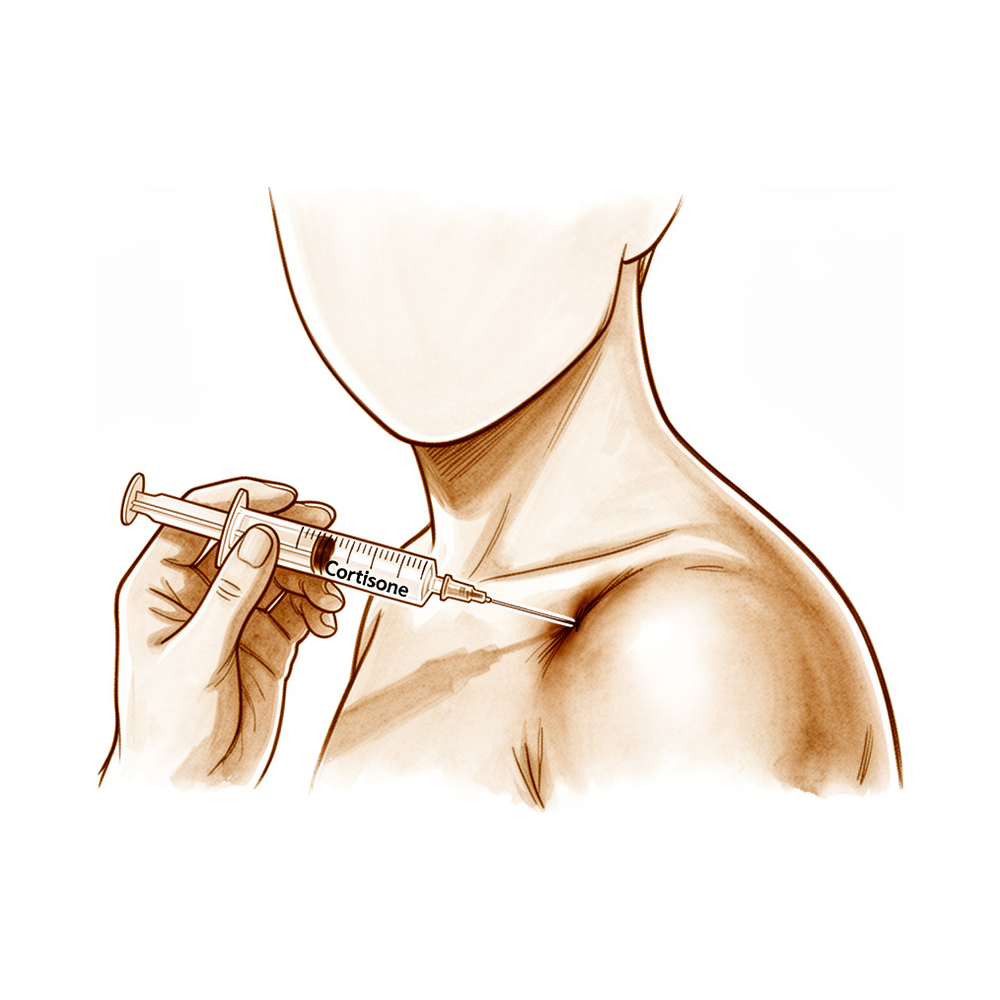
Overview
Regional anesthesia is the preferred modality for total joint arthroplasty whenever feasible and in the absence of contraindications [2]. In hand surgery, ultrasound-guided axillary brachial plexus blocks yield significantly better success rates, faster onset times, and reduced anesthetic volume compared to non-guided techniques [21]. When augmented with local techniques, this approach achieves a 98.8% success rate, limiting the need for general anesthesia to a small minority of patients [31]. For total shoulder arthroplasty, continuous perineural catheters, liposomal bupivacaine, and dexamethasone provide equivalent analgesia as adjuvants for interscalene blocks; providers should select the option that best fits each patient’s specific needs [15].
Digital block anesthesia remains an area without consensus regarding optimal technique, anesthetic agent, or adjuncts [13]. While single-injection techniques generally provide high success rates for anesthetizing the digit [9], cadaver studies cannot definitively determine which method offers faster onset, longer duration, or fewer complications [18]. Given patient preference for single injections and potential complication risks, the single subcutaneous digital block may be more widely applicable [11]. Tumescent anesthesia combined with selective nerve blocks further decreases injection-related pain and increases patient satisfaction in hand surgery [106].
Corticosteroid and diagnostic injections require careful technique to optimize outcomes and minimize adverse effects. For trigger finger, the injection approach does not affect pain perception or outcomes [1], though excluding anesthetic reduces injection pain at the cost of short-term anesthesia [3]. Efficacy for initial, second, and third injections is 66.3%, 79.4%, and 79.6%, respectively, with good results persisting after 4 months and failures evident before 3 months [7, 8]. Ultrasound guidance is recommended for acromioclavicular joint injections to significantly improve success rates [38], while a longer needle is required for posterior glenohumeral joint penetration [42]. Surgeons may choose analgesic injection sites (glenohumeral, subacromial, or combination) based on specific situations after rotator cuff repair [58]. However, expansion of indications for periarticular and intra-articular injections should be approached with caution due to potential effects on articular cartilage [35].
Anatomy & Pathophysiology
Osseous Architecture
The hand and wrist skeleton comprises 27 bones, 19 of which are long bones, organized into five rays that form polyarticulated chains of metacarpals and phalanges [46]. Each metacarpal base articulates with the distal carpal row, and the wrist possesses three axes of movement that permit the hand to assume any spatial configuration [46]. The radial ray is the shortest, consisting of a metacarpal and two phalanges, with the trapezium angled anteriorly so that the first metacarpal forms a 45-degree angle with the second metacarpal in the sagittal plane [46]. The thumb metacarpal is the shortest, while the index metacarpal is the longest; the proximal and middle phalanges of the long and ring fingers exceed those of the index finger in length [46]. The transverse axis of the palm is oblique, positioned more distally at the index metacarpophalangeal joint and more proximally at the fifth, forming an acute angle of approximately 75 degrees with the longitudinal axis [46]. Epiphyseal plates are located at the proximal ends of the phalanges and the first metacarpal, and at the distal ends of the other metacarpals [46].
The index metacarpal is the most firmly fixed, whereas the ring metacarpal exhibits approximately 10 degrees of mobility in flexion and extension, and the fifth metacarpal has a range of approximately 20 degrees [77]. The second through fifth metacarpals are bound together by the deep transverse intermetacarpal ligament, also known as the interglenoid ligament [77]. The metacarpophalangeal articulations serve as the keystones of the hand’s longitudinal arches, with volar plates preventing hyperextension at these joints [77].
Musculature and Extensor Mechanism
Extrinsic muscles originate outside the hand and insert on the hand or carpus, while intrinsic muscles have both origin and insertion within the hand [45]. Extrinsic extensors traverse six fibroosseous retinacular compartments at the wrist: * First compartment: Abductor pollicis longus and extensor pollicis brevis [45]. * Second compartment: Extensor carpi radialis longus and extensor carpi radialis brevis [45]. * Third compartment: Extensor pollicis longus, which turns abruptly radialward about Lister tubercle [45]. * Fourth compartment: Extensor indicis proprius, lying deep to the four tendons of the extensor digitorum communis [45]. * Fifth compartment: Extensor digiti quinti [45]. * Sixth compartment: Extensor carpi ulnaris tendon [45].
The principal bony insertion of extrinsic digital extensors is on the dorsal proximal aspect of the middle phalanx [45]. Metacarpophalangeal joint extension is provided by extrinsic extensor force transmitted through the sagittal bands, while distal interphalangeal joint extension is achieved through conjoined lateral bands composed of tendinous slips from extrinsic and intrinsic tendons [45]. Sagittal band fibers insert onto the volar proximal phalanx and the lateral borders of the volar plate; rupture or attenuation of these fibers allows the extrinsic extensor tendon to sublux to the ulnar side of the metacarpal head, causing ulnar deviation of the finger [45].
There are seven interosseous muscles: four dorsal and three volar [74]. The dorsal interossei are abductors, and the volar interossei are adductors [74]. The middle finger possesses two dorsal interossei and no volar interossei because the central axis of the hand lies within it [74]. Each dorsal interosseous muscle, with the exception of the third, has two muscle heads: the superficial head abducts and weakly flexes the proximal phalanx, while the deep head flexes and weakly abducts the proximal phalanx while extending the middle and distal phalanges [74]. The volar interossei have only one muscle head and none insert onto the proximal phalanx [74]. The flexor digitorum profundus inserts on the proximal volar aspect of the distal phalanx, and the flexor digitorum superficialis acts as a flexor of the proximal interphalangeal and metacarpophalangeal joints [45].
Flexor Tendon Anatomy
The flexor digitorum profundus originates from the proximal ulna and the interosseous membrane, and its tendon, along with the flexor pollicis longus tendon, occupies the floor of the carpal tunnel [81]. The tenosynovial sheath of the flexor pollicis longus is continuous with the radial bursa, and the sheath to the little finger is continuous with the ulnar digital bursa; in some patients, these bursae communicate, allowing a horseshoe abscess to spread between the thumb and little finger [81]. The flexor digitorum superficialis tendon bifurcates around the flexor digitorum profundus at the beginning of the A2 pulley, and its slips reunite distally at the Camper chiasm [81]. The fibroosseous tunnel, or digital flexor sheath, extends distally to the proximal aspect of the distal phalanx [81]. The A2 and A4 pulleys are the most essential in maintaining the mechanical advantage of the flexor tendons [81]. The tenosynovium lining the fibroosseous tunnel supplies nutrition and lubrication to the poorly vascularized flexor tendons, with vascularity within the sheath supplied via the vincula system, specifically the vinculum longus and brevis [81].
Vascular and Neural Anatomy
The "princeps pollicis" artery, the terminal branch of the radial artery, crosses the first intermetacarpal space and runs along the ulnar side of the first metacarpal bone and the volar surface of the adductor muscle [78]. It divides into two terminal rami, the collateral palmar arteries of the thumb, at the level of the cutaneous flexion crease of the metacarpophalangeal joint [78]. Only 15% of dissections fall into the classical category of palmar artery layout in the thumb [78]. Digital neurovascular structures are surrounded by a diffuse network of thin transverse oblique fibers, with fibers dorsal to the bundle called Cleland ligament and fibers palmar to the bundle called Grayson ligament [84]. The superficial palmar fascia covers a triangular area of the central palm with the proximal corner facing directly proximal, and the palmaris longus tendon, when present, terminates in continuity with the fibers of this proximal corner [84]. The recurrent branch (motor) of the median nerve is the most important structure in the thenar area, and there is no single longitudinal incision in the proximal palm that completely avoids the palmar cutaneous branches of the median and ulnar nerves [79].
Cutaneous Anatomy and Gliding
Dorsal skin possesses a normal pilosebaceous system, unlike the palm, and has loose connections with deeper planes that allow free gliding and full flexion at the digital joints [83]. Flexion of the fingers produces significant lengthening of the dorsal skin, with an average increase of 3 cm in the middle finger from extension to full flexion [83]. The dorsal and palmar skin areas are independent due to a system of adhesions anchoring their common boundary to the underlying plane [83]. The dorsal slope of the web spaces has a gradual incline with supple skin not adherent to the subjacent region, whereas the palmar surface is flat and precipitously interrupted, with skin densely adherent to the commissural skeleton [73]. This commissural skeleton is formed by the interdigital palmar (natatory) ligament between the fingers and by the distal transverse ligament at the level of the thumb web [73]. The dorsal integument must be supple, elastic, and malleable to allow metacarpophalangeal joint flexion [82].
The gliding mechanism in narrow crowded areas is assured by the synovial sheath, which allows considerable amplitude of movement [82]. Synovial sheaths at specific sites are surrounded by fibrous sheaths that keep the tendon close to the skeleton, with the fibrous sheath assuming the role of a pulley when the tendon changes direction [82]. The gliding mechanism represented by synovial sheaths is much more developed on the palmar aspect, where there are three digitopalmar synovial sheaths for the flexor tendons of the index, long, and ring fingers [82]. Extensor synovial tendon sheaths are present only at the level of the wrist [82].
Functional Kinematics
The hand functions as both an organ designed to obtain information and an organ of execution, operating efficiently only if the proximal joints of the limb are stable yet mobile [72]. Combined movements of the wrist and forearm place the hand in a position for grasping; for gripping, the wrist is usually in flexion when close to the trunk and in extension when placed at a distance [72]. The open hand, with fingers extended and in contact, forms a balanced graceful oval in its longitudinal axis [72]. Digits converge in closing by flexing and adducting, and diverge in opening by extending and abducting [72]. When the fingers are extended and separated, their tips lie on the circumference of a circle whose center is the head of the third metacarpal [72]. The axes of flexion are arranged so that flexion of all metacarpophalangeal and proximal interphalangeal joints causes the fingers to converge toward the scaphoid [85].
The position of each articulation depends on the equilibrium of forces acting at that level, which is subject to the position of the immediately proximal articulation [82]. Almost all movements in the hand are around oblique and variable axes, resulting in combined movements that permit optimal orientation of the phalanges at the time of prehension [82].
Classification
Anesthetic Plan Components: The anesthetic plan must include postoperative nausea and vomiting prophylaxis when appropriate, as well as postoperative analgesia [41]. The anesthesiologist, surgeon, and patient must agree with the anesthetic plan [41]. Components of anesthesia include amnesia, anxiolysis, analgesia, akinesia, and attenuation of autonomic responses to noxious stimulation [41].
Local Anesthesia: Local anesthesia is defined as infiltration of local anesthetic by the surgeon, with or without sedation, where the anesthesiologist is not involved in monitoring or care [41].
Monitored Anesthesia Care: Monitored anesthesia care involves the anesthesiologist monitoring and caring for the patient, with sedation levels ranging from no sedation to conscious sedation [41].
General Anesthesia: General anesthesia is defined as a pharmacologically induced, reversible loss of consciousness irrespective of airway management [41].
Regional Anesthesia: Regional anesthesia provides targeted, site-specific anesthesia and analgesia and minimizes opioid requirements and associated side effects [41].
Other Considerations: Variations in corticosteroid and anesthetic doses and types indicate a need for additional investigations to establish uniform injection guidelines [6]. The quality of evidence for duration to onset of anesthesia in digital nerve blocks ranges from very low to moderate [12]. The quality of evidence for duration of anesthesia in digital nerve blocks ranges from very low to moderate [12]. The quality of evidence for pain on injection of local anesthetic in digital nerve blocks ranges from low to moderate [12]. None of the included studies in the 2014 systematic review on local anesthetics for digital nerve blocks had prospectively registered their protocol in a clinical controlled trial registry [12].
Clinical Presentation
Diagnostic utility: Injections of anesthetic agents assist clinicians in locating the source of pain when physical examination and imaging results are inconclusive [5].
Diagnostic challenges: The diagnosis of myofibrosis and joint contractures caused by pentazocine injections can be challenging if the history of repeated injections is initially denied [20].
Prognostic indicators: Patients with an absent SNAP more often had a poor response to the first injection and may be better served by early surgical treatment [17].
Injection technique: If significant pain is experienced on inserting the needle for carpal tunnel corticosteroid injection, it appears negligent to continue with infiltration without first partially withdrawing and then redirecting the needle [95].
Investigations
Diagnostic Injections and Pain Localization
Diagnostic injection serves as a critical tool for confirming the hip joint as the pain generator. Instillation of local anesthetic and steroid into the hip joint yields a positive predictive value and specificity of 100%, a sensitivity of 95%, and a negative predictive value of 89.5% [164]. This high diagnostic accuracy supports the use of diagnostic blocks to localize pathology before proceeding with definitive surgical intervention.
Injection Accuracy and Guidance
Anatomic Landmarks: Reliance on palpation alone carries significant risk of inaccuracy. For carpal tunnel injections, accuracy using anatomic landmarks was 75.7%, which is less than previously reported rates of 82% to 100% [23]. In the shoulder, there is a 60.6% potential for acromioclavicular joint (ACJ) injections to be out of the joint if performed by palpation alone [130]. However, in the presence of a clear diagnosis, a trained clinician may perform an injection without ultrasound guidance with good and safe results [27].
Ultrasound Guidance: Ultrasound guidance significantly improves the success rate in ACJ injection [38]. Ultrasound-guided infiltration of the AC joint is simple, efficient, and requires no previous experience to reveal excellent accuracy of administration of the active agent [165]. Compared to traditional techniques, ultrasound guidance affords advantages including direct visualization of neural structures, detection of anatomical variants, smaller volumes of local anesthetic, shorter block performance time, faster onset, greater success, decreased pain, and increased patient satisfaction [49]. For axillary block, the success rate, mean time to onset of anaesthesia, and the mean amount of anaesthetic injected were all significantly better under ultrasound guidance [21]. Conversely, ultrasound-guided glenohumeral injections took substantially longer to administer than blind injections [16].
Technique-Specific Considerations: For the glenohumeral joint, a longer needle is required to increase the success of injections or aspirations through the posterior approach [42]. The technique for intra-articular injections of the glenohumeral joint through an anterior approach is most successful in the hands of experienced shoulder arthroscopists [70]. For accurate intrasheath injections for de Quervain’s disease, injections should be made separately over the two tendons to account for the possibility of a septum [163].
Anesthesia Techniques and Agents
Digital Blocks: The anaesthetic effects of a single injection digital block are likely due to the agent acting in the subcutaneous space, and a simple subcutaneous injection is adequate [14]. A cadaver study comparing transthecal and subcutaneous single-injection digital block techniques cannot provide answers as to which technique provides faster onset, longer anesthesia, less injection pain, better patient tolerance, and fewer complications [18]. In clinical practice, a repeat injection or local infiltration was necessary in only four instances for transthecal digital block [25]. The pigmented border can be used as a guide for clinicians when injecting local anaesthetic agents for ring blocks using both volar and dorsal approaches [65].
Regional and Periarticular Techniques: Local anesthetic injection was reported to be more painful than pneumatic tourniquet use for short hand surgery procedures done under local anesthesia without epinephrine [155]. For total shoulder arthroplasty, periarticular injection of a local anesthetic solution provides reliable and consistent pain control with a trend toward less immediate postoperative opioid use compared with regional blocks [40].
Injection Pain and Patient Experience
Surgeons should exclude the anesthetic to decrease injection pain for trigger finger, though they must discuss the trade-off of foregoing short-term anesthesia with patients [3].
Efficacy and Outcomes
Open surgery is superior to ultrasound-guided corticosteroid injections for trigger finger [136]. Image-guided thumb carpometacarpal joint injections do not result in significant increases in time between injections and do not lead to a meaningful delay to surgery [71].
Risks and Complications
Proximity of injection to time of surgery plays a role in postoperative infections in carpal tunnel release, although comorbidities, the corticosteroid dose, and frequency of injection require further study to determine risk contribution [24]. Patients with an absent sensory nerve action potential (SNAP) more often had a poor response to the first injection for carpal tunnel syndrome and may be better served by early surgical treatment [17]. Expansion of indications for periarticular and intra-articular injections should be approached with caution due to potential negative effects on articular cartilage [35].
Treatment
Non-Operative
Regional Anesthesia and Nerve Blocks Regional anesthesia for upper extremity surgery improves postoperative pain control, lowers opiate consumption, decreases nausea and vomiting, and reduces hospital stay [29]. Ultrasound-guided blocks improve onset and decrease dosage requirements compared with traditional techniques [29]. Absolute contraindications include infection at the injection site and patient refusal [29]. Additives to local anesthetics prolong block duration and analgesia while reducing overall local anesthetic dose, though agents must be chosen judiciously to avoid neurotoxicity [29]. Continuous peripheral nerve catheters are safe and effective for extending opioid-sparing, site-specific analgesia in adult and pediatric patients in both inpatient and outpatient settings [29]. The incidence of temporary paresthesias following regional anesthesia is between 3% and 8%, with most resolving within 4 weeks [29]. Prolonged neurapraxias are extremely rare, with an incidence of between 0.04% and 0.8% [29].
Digital Block Anesthesia All three techniques for single injection digital block yield high success rates for anesthetizing most of the digit, allowing surgery to be performed without additional injection most of the time [9]. The quality of evidence for duration to onset, duration of anesthesia, and pain on injection in digital nerve blocks ranges from very low to moderate [12].
Corticosteroid and Therapeutic Injections Injections containing lidocaine cause more pain without significant delayed benefits; lidocaine is unnecessary in trigger injections and causes more pain during the procedure [53]. Although most patients ultimately require surgical release, 50% of patients receiving repeat trigger injections realize 1 year or more of symptomatic relief [30]. Patients with an absent SNAP more often have a poor response to the first injection and may be better served by early surgical treatment for carpal tunnel syndrome [17]. Corticosteroid injections provide superior short-term pain relief and grip strength for lateral epicondylitis but show no beneficial effects for intermediate- or long-term follow-up, with some studies indicating poorer outcomes at 1 year compared to other treatments [39]. A meta-analysis found no difference in pain intensity between corticosteroid injection and placebo 6 months after injection for enthesopathy of the extensor carpi radialis brevis origin [97]. Short-term beneficial effects of steroid injections for de Quervain's tenosynovitis were maintained during follow-up after 12 months [33]. Nonoperative management with corticosteroid injection can be used as a therapeutic measure with potential long-term benefits in radial tunnel syndrome [59]. Patients experienced statistically and clinically relevant improvements in shoulder function and pain up to 4 months after a single, image-guided corticosteroid injection for glenohumeral arthritis [37]. High-dose triamcinolone injections outperformed low-dose injections across most metrics, including estimated time of relief, rate of repeat injection, and rate of surgery for soft tissue pathology of the hand [99]. There is no evidence that corticosteroid injection is better than placebo injection for most hand and wrist conditions, and studies of US-guided injections are limited largely to uncontrolled cohorts and anatomical studies [57]. Corticosteroid injection is a primary option for Morton’s neuroma, with hyaluronic acid indicated only when corticosteroid is contraindicated [98]. No between-group differences exist for cure rates, pain, and functional status between extracorporeal shock wave therapy and corticosteroid injection for trigger finger, suggesting ESWT is a non-invasive option for patients wishing to avoid steroid injections [105]. Expansion of indications for periarticular and intra-articular injections should be approached with caution as they may alleviate pain but harm articular cartilage [35].
Injection Technique and Guidance US guidance significantly improves the success rate in acromioclavicular joint injection and is recommended for therapeutic ACJ injections in routine clinical practice [38]. The ShotBlocker device effectively reduced the pain of injection versus controls when scores were adjusted to account for pain tolerance [101]. Perifracture site injections did not provide additional pain control benefit following volar plating for distal radius fractures [134]. A triangular injection technique represents an option when interscalene block is unavailable, contraindicated, or not desired for shoulder field injection [102]. When general anesthesia is not possible, local anesthesia is effective and comfortable for the patient, allowing for rapid execution in the management of massive contrast extravasation [103]. Ultrasound-guided injections are essential in the management of recalcitrant piriformis problems and are superior to all other available image-guided methods in terms of reliability, simplicity, and accessibility [135]. Ultrasound-guided injections are more accurate than landmark injections and allow for immediate post-injection reassessment and real-time information [135]. Ultrasound-guided injections can avoid the need for CT guidance or travel to an imaging center and involve no radiation exposure [135].
Post-Injection Management Manipulation can be scheduled at the convenience of the patient and surgeon within the first 7 days after collagenase injection for Dupuytren contracture [26]. Performing finger manipulation on Day 2 after collagenase injection is comparable with manipulation on Day 1 in terms of efficacy and safety [67]. If only anesthetic is injected for piriformis, the patient may return to baseline activity immediately [135]. If a corticosteroid is injected for piriformis, the patient is asked to rest the hip area for 1 week [135]. When physical therapy is recommended after a corticosteroid injection for piriformis, the program can be initiated after the 1 week of rest [135]. No ROM restrictions or sling was prescribed after peritendinous leucocyte-poor platelet-rich plasma injections for rotator cuff tendinopathies [139]. Patients were instructed to start passive ROM exercises and stretching immediately at home as tolerated after peritendinous leucocyte-poor platelet-rich plasma injections [139]. Active ROM exercises and strengthening were initiated when the pain subsided after peritendinous leucocyte-poor platelet-rich plasma injections [139].
SARS-CoV-2/COVID-19 Vaccination Considerations It is recommended to delay interventional pain procedures with steroids for 2 weeks after the second or final dose of the SARS-CoV-2/COVID-19 vaccine [32]. If delaying steroid injection for 2 weeks after vaccination is not possible due to severe debilitating pain, it is recommended to proceed with injection at the discretion of the physician and to consider using only a local anesthetic agent or the lowest possible effective dose of short-acting steroids [32]. Patients who are healthy, have no comorbidities, have received a single dose of vaccine, and are suffering from severe pain that cannot be delayed may proceed with caution with a local anesthetic agent alone or with short-acting steroids [32].
Operative Pain Management Intraoperative and Postoperative Analgesia: The injection group receiving local infiltration analgesia received a significantly higher amount of opioid intraoperatively, with a mean intraoperative MME of 14.1 compared with 6.6 in the block group (p < 0.001) [28]. There was no difference in MME between local infiltration and block groups during the first 24 hours postoperatively or any other postoperative time points (p > 0.05) [28]. Nonopioid medications as part of a perioperative pain control strategy demonstrate improved pain scores compared with opioid medications with similar patient satisfaction and functional outcomes after carpal tunnel release [110].
Anesthetic Success Rates: Anesthesia was effective in 93% of cases for interscalene brachial plexus block anesthesia for upper extremity surgery [96]. The practical use of local techniques to augment the block meant that only two of 178 patients required a general anaesthetic, giving a success rate of 98.8% for axillary brachial plexus block in hand surgery [31].
Contraindications and Timing: Corticosteroid injection should not be administered at the time of hand surgery [104].
Complications
Digital and Local Anesthesia
Transthecal Digital Block: This technique results in prolonged discomfort lasting 24 to 72 hours after injection in 40% of subjects [34]. Subcutaneous Digital Block: A single subcutaneous digital block is suggested for wider use due to patient preference for a single injection and the potential risk of complications associated with other techniques [11]. Digital Necrosis: No cases of finger necrosis have been reported in the literature following the use of lidocaine with epinephrine [125]. Patients who accidentally injected their fingers with epinephrine at concentrations 100 times higher than commercial lidocaine/epinephrine mixtures did not experience digital necrosis or other permanent harmful sequelae in reported cases [125]. A search of Index Medicus from 1880 to 1966, the National Library of Medicine database from 1966 to 2000, and selected textbooks from 1900 to 2000 identified no single reported case of digital gangrene from lidocaine and epinephrine [125]. Of 48 historical cases of digital gangrene, all but 6 occurred over 50 years ago, and only 44% (21 cases) involved epinephrine mixed with the local anesthetic [125].
Regional Anesthesia
Neurologic Complications: The incidence of temporary paresthesias following regional anesthesia is between 3% and 8%, with most resolving within 4 weeks [29]. Prolonged neurapraxias following regional anesthesia are extremely rare, with an incidence between 0.04% and 0.8% [29]. In a survey of American Society for Surgery of the Hand members, 171 respondents reported major neurologic complications following axillary block anesthesia [66]. In the same survey, 397 respondents reported minor neurologic complications only following axillary block anesthesia [66]. Among 171 respondents reporting major neurologic complications from axillary blocks, 46 cases involved the median nerve and 26 involved the ulnar nerve [66]. Pneumothorax: In a review of 1,913 brachial plexus blocks, pneumothorax was the only complication requiring intervention and delaying patient discharge [115]. Pneumothorax occurred in 10 of 1,248 supraclavicular blocks (0.8%) [115]. Epidural and Subdural Hematomas: The occurrence of epidural or subdural hematomas as a consequence of regional anesthesia has been reported at a rate of 1:190,000 [64]. No MRI evidence of peridural inflammation, hemorrhage, or other pathologic trauma was demonstrated in patients undergoing routine spinal or epidural anesthesia for total joint arthroplasty [64]. If an epidural or subdural hemorrhage or hematoma is observed by MRI in a postoperative patient, the finding should be presumed abnormal and pathologic and addressed urgently [64].
Corticosteroid and Biologic Injections
Infection Risk: Corticosteroid injections prior to arthroplasty increase the rate of minor complications [19]. Proximity of corticosteroid injection to the time of surgery plays a role in the risk of postoperative infection in carpal tunnel release [24]. Surgical Outcomes: Steroid injections for painful rotator cuff conditions are correlated with a greater likelihood of revision rotator cuff surgery when performed within 6 months of the index surgical procedure [108]. Biologic Injection Complications: Serious complications can occur following treatment with biologic injections, including infections requiring multiple surgical procedures and inflammatory reactions [113]. Myofibrosis and Contractures: Myofibrosis and joint contractures caused by injections of pentazocine can be challenging to diagnose if the history of repeated injections is initially denied [20]. Injection Accuracy: Injection accuracy using anatomic landmarks for carpal tunnel injection was 75.7%, which is less than previously reported rates of 82% to 100% [23]. The presence of an intracompartmental septum detected by ultrasound is associated with the failure of ultrasound-guided steroid injection in de Quervain’s syndrome [126].
Recovery
Anesthesia and Nerve Blocks
Ultrasound Guidance: Ultrasound guidance for axillary blocks in hand surgery yields significantly better success rates, mean time to onset of anaesthesia, and mean amount of anaesthetic injected compared to non-guided techniques [21].
Continuous Intravenous Regional Anesthesia: This modality offers the prolonged anesthesia of brachial plexus block or general anesthesia while retaining the safety, reliability, and ease of intravenous regional anesthesia [62].
Digital Ring Blocks: The mean time of onset of complete anaesthesia is 5.8 minutes for 1% lignocaine and 11.2 minutes for 0.5% bupivacaine [131].
Transthecal Digital Block: Prolonged discomfort lasting 24 to 72 hours after injection occurs in 20 subjects (40%) [34]. A repeat injection or local infiltration is necessary in only four instances following this block [25].
Regional Intravenous Guanethidine Block: Nine patients treated with this block became free from symptoms for up to twelve weeks, a duration longer than expected from the known pharmacological effects of guanethidine [148].
Femoral Nerve Blocks: The combination of a prolonged, dense peripheral nerve block and the measurement of mobilization outcomes at only a single time-point 24 h after the initial large bolus of long-acting local anesthetic evaluates more of a prolonged single-injection surgical-quality block than the “continuous” femoral nerve blocks used in the overwhelming majority of knee arthroplasty subjects today [63].
Corticosteroid Injections
Trigger Finger: Good results with injection usually persist after 4 months, and failures are evident before 3 months [8]. Patients who continue to experience symptom relief two years after injection are likely to maintain long-term success [36]. Triamcinolone injection is associated with more frequent apparent resolution than dexamethasone, and delayed surgery treatment strategies are associated with higher resolution rates [144].
De Quervain's Tenosynovitis: The short-term beneficial effects of steroid injections for symptoms are maintained during the follow-up after 12 months [33].
Carpal Tunnel Syndrome: Patients with an absent SNAP more often have a poor response to the first injection and may be better served by early surgical treatment [17].
Lateral Epicondylitis: Corticosteroid injections provide superior short-term pain relief and grip strength but show no beneficial effects for intermediate- or long-term follow-up, with some studies indicating poorer outcomes at 1 year compared to other treatments [39]. In the long term, acupotomy has greater efficacy and is associated with a lower rate of recurrence than corticosteroid injections [122]. Corticosteroid provides significantly better short-term pain relief, while PRP provides better long-term functional improvement and clinical long-term pain relief [117].
Other Indications: Patients respond to extra-articular steroid injections with gradual improvement over the course of the first week [121]. Immediate relief of pain after corticosteroid injection for friction neuropathy of the ulnar digital nerve allows patients to resume work as a writer [54]. Ultrasound-guided tenotomy effects for tendinopathies of the elbow have been sustained in long-term follow-up with no reported complications [61]. US-guided needling treatment is more effective in function restoration and pain relief in the short term for calcific tendinitis in the shoulder [112]. Blind injections into the subacromial bursa are as effective as ultrasound-guided injections for improving pain and function in subacromial impingement syndrome after a short-term follow-up [111].
Injection Technique and Pain
Trends: The percentage of patients who received injections increased steadily until 2006 to 2007 when it began trending down, with a sharper decline in 2012 to 2013, while the number of injections per patient increased substantially [43].
Post-Injection Complications and Surgical Timing
Infection Risk: The risk for postoperative deep infection seems to be time dependent and greater when injections are performed within 90 days of surgery, especially in the 31- to 90-day postinjection period [140]. While corticosteroid injection in the preoperative period is associated with a higher rate of postoperative infection for trigger finger release, the time before surgery and the corticosteroid dose do not appear to have an effect [154].
Complications: The diagnosis of myofibrosis and joint contractures caused by injections of pentazocine can be challenging if the history of repeated injections is initially denied [20].
Key Evidence
- [L3] Our data suggest that injection approach does not affect patient pain perception scores or outcomes. [1] (10.1177/1558944717703134)
- [L2] Regional anesthesia should be utilized whenever feasible, and when no contraindications are present. [2] (10.1016/j.arth.2024.10.082)
- [L1] Surgeons should exclude the anesthetic to decrease injection pain, though they must discuss the trade-off of foregoing short-term anesthesia with patients. [3] (10.1177/1558944719884663)
- [L2] Patients within each injection group demonstrated improved outcome scores over a 6-month period. [4] (10.1016/j.jhsa.2011.05.014)
- [L4] Injections of anesthetic agents can help clinicians locate the source of pain when physical examination and imaging results are inconclusive. [5] (10.5435/jaaos-d-16-00076)
- [L4] Variations in corticosteroid/anesthetic doses and types bespeak the need for additional investigations aimed at establishing uniform injection guidelines. [6] (10.1186/1471-2474-8-63)
- [L4] The efficacy of initial, second, and third injection was 66.3%, 79.4%, and 79.6%, respectively. [7] (10.5435/jaaosglobal-d-22-00198)
- [L5] Good results with injection usually persist after 4 months, and failures are evident before 3 months. [8] (10.1016/s0363-5023(96)80392-3)
- [L1] All three techniques gave high success rates for anesthetizing most of the digit, allowing surgery to be performed without additional injection most of the time. [9] (10.1016/s1297-3203(02)00107-5)
- [L4] Most patients undergoing intra-or peri-articular injections, synovial fluid aspirations and spine injections suffer from procedural pain. [10] (10.1186/1471-2474-11-16)
- [L1] Considering that patients prefer a single injection and the potential risk of complications, the single subcutaneous digital block could be more widely used. [11] (10.1016/j.hansur.2021.04.004)
- [L2] [12] (10.1016/j.jhsa.2014.01.017)
- [L4] There is no consensus regarding the optimal technique, anesthetic agent, or adjuncts for digital block anesthesia. [13] (10.1016/j.jhsa.2008.10.010)
- [L4] The anaesthetic effects are likely due to the agent acting in the subcutaneous space, and a simple subcutaneous injection is adequate. [14] (10.1177/1753193408097323)
- [L2] Given the equivalence in analgesia provided with these 3 modalities, providers should carefully consider the option that best fits each patient. [15] (10.1016/j.jse.2024.06.014)
- [L5] The ultrasound-guided injections took substantially longer to administer. [16] (10.1016/j.jse.2011.11.026)
- [L3] Patients with an absent SNAP more often had a poor response to the first injection and may be better served by early surgical treatment. [17] (10.1177/1753193412469580)
- [L2] The cadaver study cannot provide answers as to which of the 2 techniques will provide faster onset, longer anesthesia, less injection pain, better patient tolerance, and fewer complications. [18] (10.1016/s0363-5023(97)80087-1)
- [L3] However, injections increase the rate of minor complications. [19] (10.1177/15589447221081862)
- [Case_report] The diagnosis can be challenging if the history of repeated injections is initially denied. [20] (10.2106/00004623-198365070-00017)
- [L2] The success rate, mean time to onset of anaesthesia, and the mean amount of anaesthetic injected were all significantly better under ultrasound guidance. [21] (10.1177/1753193411413664)
- [L4] Injection accuracy using anatomic landmarks was 75.7%, which is less than previously reported rates of 82% to 100%, suggesting the procedure may be less reliable than thought. [23] (10.1177/1558944718787330)
- [L3] Proximity of injection to time of surgery plays a role, although comorbidities, the corticosteroid dose, and frequency of injection require further study to determine risk contribution. [24] (10.1016/j.jhsa.2021.06.022)
- [L4] A repeat injection or local infiltration was necessary in only four instances. [25] (10.1016/0363-5023(90)90063-w)
- [L1] These data suggest that manipulation can be scheduled at the convenience of the patient and surgeon within the first 7 days after injection. [26] (10.1016/j.jhsa.2014.07.010)
- [L1] In the presence of a clear diagnosis, a trained clinician may perform an injection without ultrasound guidance with good and safe results. [27] (10.1302/0301-620x.98b4.36880)
- [L1] [28] (10.2106/jbjs.22.00034)
- [L4] Although most patients ultimately require surgical release, 50% of patients receiving repeat trigger injections realize 1 year or more of symptomatic relief. [30] (10.1016/j.jhsa.2017.02.001)
- [L4] The practical use of local techniques to augment the block meant that only two of the 178 patients required a general anaesthetic, giving a success rate of 98.8%. [31] (10.1016/s0266-7681(05)80134-2)
- [L5] [32] (10.1016/j.jhsa.2021.07.002)
- [L1] The short-term beneficial effects of steroid injections for symptoms were maintained during the follow-up after 12 months. [33] (10.1186/1471-2474-10-131)
- [L1] The transthecal block had prolonged discomfort lasting 24 to 72 hours after injection in 20 subjects (40%). [34] (10.1016/j.jhsb.2005.06.014)
- [L5] Expansion of indications for these injections should be approached with caution. [35] (10.1016/j.arthro.2022.03.003)
- [L4] Patients who continue to experience symptom relief two years after injection are likely to maintain long-term success. [36] (10.2106/jbjs.n.00004)
- [L4] Patients experienced statistically and clinically relevant improvements in shoulder function and pain up to 4 months after injection. [37] (10.1016/j.jse.2020.08.008)
- [L5] The use of US guidance significantly improves the success rate in ACJ injection, and we recommend it for therapeutic ACJ injections in routine clinical practice. [38] (10.1016/j.jse.2011.11.036)
- [L5] Corticosteroid injections provide superior short-term pain relief and grip strength but show no beneficial effects for intermediate- or long-term follow-up, with some studies indicating poorer outcomes at 1 year compared to other treatments. [39] (10.1016/j.jhsa.2008.10.011)
- [L3] Periarticular injection of a local anesthetic solution provides reliable and consistent pain control with a trend toward less immediate postoperative opioid use after TSA compared with regional blocks. [40] (10.1016/j.jseint.2019.12.007)
- [L4] A longer needle is required to increase the success of injections or aspirations through the posterior approach. [42] (10.1016/j.jse.2011.11.034)
- [L3] The percentage of patients who received injections increased steadily until 2006 to 2007 when it began trending down, with a sharper decline in 2012 to 2013, while the number of injections per patient increased substantially. [43] (10.1016/j.arth.2015.08.024)
- [L5] Ultrasound guidance affords advantages including direct visualization of neural structures, detection of anatomical variants, smaller volumes of local anesthetic, shorter block performance time, faster onset, greater success, decreased pain, and increased patient satisfaction compared to traditional techniques. [49] (10.1016/j.jhsa.2010.11.037)
- [L1] Injections containing lidocaine cause more pain without significant delayed benefits of pain relief; this null finding indicates that lidocaine is unnecessary in trigger injections and in fact causes more pain during the injection. [53] (10.1016/j.jhsa.2018.06.090)
- [L5] The patient had immediate relief of pain after the injection and was able to resume work as a writer. [54] (10.1177/1753193411421097)
- [L5] There is no evidence that corticosteroid injection is better than placebo injection for most hand and wrist conditions, and studies of US-guided injections are limited largely to uncontrolled cohorts and anatomical studies. [57] (10.1016/j.jhsa.2014.09.027)
- [L2] Surgeons may be free to choose where to inject analgesic agents according to each specific situation or their preferences. [58] (10.1016/j.jse.2014.12.009)
- [L4] Nonoperative management with corticosteroid injection can be used as a therapeutic measure with potential long-term benefits in the treatment of RTS. [59] (10.1177/1558944718787282)
- [L4] These effects have been sustained in long-term follow-up with no reported complications. [61] (10.1016/j.jse.2019.06.011)
- [L4] Continuous intravenous regional anesthesia offers the prolonged anesthesia of brachial plexus block or general anesthesia and the safety, reliability, and ease of intravenous regional anesthesia. [62] (10.1016/0363-5023(92)90118-9)
- [L4] [64] (10.1016/j.arth.2006.08.006)
- [L4] This landmark can be used as a guide for clinicians when injecting local anaesthetic agents for ring blocks using both volar and dorsal approaches. [65] (10.1177/1753193419845291)
- [L4] [66] (10.1016/s0363-5023(96)80350-9)
- [L4] Performing finger manipulation on Day 2 after collagenase injection is comparable with manipulation on Day 1 in terms of efficacy and safety. [67] (10.1177/1753193413490899)
- [L4] The technique is most successful in the hands of experienced shoulder arthroscopists. [70] (10.1016/j.jse.2011.06.013)
- [L3] Image-guided thumb CMC injections do not result in significant increases in time between injections and do not lead to a meaningful delay to surgery. [71] (10.1177/1558944719846572)
- [L4] If significant pain is experienced on inserting the needle, it appears negligent to continue with corticosteroid infiltration without first partially withdrawing and then redirecting the needle. [95] (10.1177/17531934097318)
- [L4] Anesthesia was effective in 93% of the cases. [96] (10.1016/s0363-5023(86)80062-4)
- [L1] This meta-analysis showed that there is no difference in pain intensity between corticosteroid injection and placebo 6 months after injection. [97] (10.1016/j.jhsa.2016.07.097)
- [L1] Thus, a corticosteroid injection should be regarded as a primary option in the treatment of these patients, and the only indication for an injection of hyaluronic acid might be in patients in whom corticosteroid is contraindicated. [98] (10.1302/0301-620x.106b10.bjj-2024-0342.r2)
- [L4] High-dose triamcinolone injections outperformed low-dose injections across most metrics including estimated time of relief, rate of repeat injection, and rate of surgery. [99] (10.1016/j.jhsa.2025.09.014)
- [L1] The ShotBlocker device effectively reduced the pain of injection versus controls when scores were adjusted to account for pain tolerance. [101] (10.1177/1558944719884655)
- [L5] This technique represents an option when interscalene block is unavailable, contraindicated, or not desired. [102] (10.1016/j.jseint.2020.04.017)
- [L5] When general anesthesia is not possible, local anesthesia is effective and comfortable for the patient, allowing for rapid execution. [103] (10.1016/j.main.2013.02.008)
- [L3] We do not recommend administering a corticosteroid injection at the time of hand surgery. [104] (10.1016/j.jhsa.2019.07.004)
- [L2] There were no between-group differences for cure rates, pain, and functional status, suggesting ESWT is a non-invasive option for patients wishing to avoid steroid injections. [105] (10.1177/1753193415622733)
- [L1] Tumescent anesthesia combined with selective nerve blocks in hand surgery decreased the pain associated with injections and increased patient satisfaction. [106] (10.1016/j.jhsa.2015.08.027)
- [L5] The historical treatment paradigm of steroid injections for painful rotator cuff conditions warrants reconsideration as they are correlated with a greater likelihood of revision rotator cuff surgery when performed within 6 months of the index surgical procedure. [108] (10.1016/j.arthro.2018.12.017)
- [L1] Nonopioid medications as part of a perioperative pain control strategy demonstrate improved pain scores compared with opioid medications with similar patient satisfaction and functional outcomes. [110] (10.1177/1558944719836211)
- [L1] Blind injections into the subacromial bursa were as effective as ultrasound-guided injections for improving pain and function in subacromial impingement syndrome after a short-term follow-up. [111] (10.1177/0363546515618653)
- [L2] US-guided needling treatment, however, was more effective in function restoration and pain relief in the short term. [112] (10.1016/j.jse.2014.06.036)
- [L4] This study demonstrates that serious complications can occur following treatment with biologic injections, including infections requiring multiple surgical procedures and inflammatory reactions. [113] (10.1016/j.arthro.2021.03.065)
- [L4] [115] (10.1016/0266-7681(88)90137-4)
- [L1] CS provides significantly better short-term pain relief, while PRP provides better long-term functional improvement and clinical long-term pain relief. [117] (10.5397/cise.2024.00801)
- [L1] Patients respond to extra-articular steroid injections with gradual improvement over the course of the first week. [121] (10.1016/j.jhsa.2007.08.002)
- [L1] In the long term, acupotomy has greater efficacy and is associated with a lower rate of recurrence than corticosteroid injections in the management of lateral epicondylitis. [122] (10.1186/s13018-022-03323-x)
- [L4] [125] (10.1016/j.jhsa.2011.11.022)
- [L3] [126] (10.1177/1753193415611414)
- [L4] There is a 60.6% potential for ACJ injections to be out of the joint if performed by palpation alone, and the authors recommend the routine use of image intensification guidance. [130] (10.1007/s00167-006-0038-5)
- [L1] The mean time of onset of complete anaesthesia was 5.8 minutes for lignocaine and 11.2 minutes for bupivacaine. [131] (10.1016/0266-7681_87_90192-6)
- [L2] Perifracture site injections were not found to provide any additional pain control benefit. [134] (10.1016/j.jhsa.2010.07.023)
- [Paper] [135] (10.1016/j.eats.2019.07.033)
- [L1] Open surgery is superior to ultrasound-guided corticosteroid injections. [136] (10.1016/j.jhsa.2017.02.011)
- [L4] [139] (10.1002/ksa.70272)
- [L4] The risk for postoperative deep infection seems to be time dependent and greater when injections are performed within 90 days of surgery, especially in the 31- to 90-day postinjection period. [140] (10.1016/j.jhsa.2020.01.007)
- [L3] Triamcinolone injection was associated with more frequent apparent resolution than dexamethasone, and delayed surgery treatment strategies were associated with higher resolution rates. [144] (10.1007/s11552-013-9493-x)
- [L4] When treated with regional intravenous guanethidine block nine patients became free from symptoms for up to twelve weeks, which is longer than would be expected from the duration of the known pharmacological effects of guanethidine. [148] (10.1016/0266-7681(85)90003-8)
- [L3] While corticosteroid injection in the preoperative period is associated with a higher rate of postoperative infection, the time before surgery and the corticosteroid dose do not appear to have an effect. [154] (10.1177/15589447211032331)
- [L4] Local anesthetic injection was reported to be more painful than pneumatic tourniquet use. [155] (10.1016/j.jhsa.2019.10.035)
- [L5] For accurate injections, the authors recommend making injections separately over the two tendons to account for the possibility of a septum. [163] (10.1177/1753193411409126)
- [L4] Relief of symptoms after instillation of local anesthetic and steroid into the hip joint has a positive predictive value and specificity of 100%, sensitivity of 95% and negative predictive value of 89.5%, making it a reliable test for distinguishing between pain arising from the hip joint and other sources. [164] (10.1016/j.arth.2010.01.038)
- [L1] Ultrasound-guided infiltration of the AC joint is simple, efficient and requires no previous experience to reveal excellent accuracy of administration of the active agent. [165] (10.1007/s00167-010-1197-y)
See Also
- Trigger Finger
- Neuropathy
- Trigger finger release
References
[1] The Effect of Trigger Finger Injection Site on Injection-Related Pain. HAND. 2017. DOI: 10.1177/1558944717703134
[2] Is There a Difference in Outcome of Total Joint Arthroplasty When Regional Versus General Anesthesia Are Used?. The Journal of Arthroplasty. 2025. DOI: 10.1016/j.arth.2024.10.082
[3] Trigger Finger Corticosteroid Injection With and Without Local Anesthetic: A Randomized, Double-Blind Controlled Trial. HAND. 2019. DOI: 10.1177/1558944719884663
[4] Comparison of Autologous Blood, Corticosteroid, and Saline Injection in the Treatment of Lateral Epicondylitis: A Prospective, Randomized, Controlled Multicenter Study. The Journal of Hand Surgery. 2011. DOI: 10.1016/j.jhsa.2011.05.014
[5] Diagnostic Injections About the Shoulder. Journal of the American Academy of Orthopaedic Surgeons. 2017. DOI: 10.5435/jaaos-d-16-00076
[6] Variations in corticosteroid/anesthetic injections for painful shoulder conditions: comparisons among orthopaedic surgeons, rheumatologists, and physical medicine and primary-care physicians. BMC Musculoskeletal Disorders. 2007. DOI: 10.1186/1471-2474-8-63
[7] National Benchmarks for the Efficacy of Trigger Finger and the Risk Factors Associated With Failure. JAAOS: Global Research and Reviews. 2023. DOI: 10.5435/jaaosglobal-d-22-00198
[8] Steroid versus placebo injection for trigger finger. The Journal of Hand Surgery. 1996. DOI: 10.1016/s0363-5023(96)80392-3
[9] Single injection digital block: comparison between three techniques. Chirurgie de la Main. 2002. DOI: 10.1016/s1297-3203(02)00107-5
[10] Are joint and soft tissue injections painful? Results of a national French cross-sectional study of procedural pain in rheumatological practice. BMC Musculoskeletal Disorders. 2010. DOI: 10.1186/1471-2474-11-16
[11] Comparison of traditional two-injection dorsal digital block versus transthecal and subcutaneous single-injection digital block: A systematic review and meta-analysis. Hand Surgery and Rehabilitation. 2021. DOI: 10.1016/j.hansur.2021.04.004
[12] Comparison of Local Anesthetics for Digital Nerve Blocks: A Systematic Review. The Journal of Hand Surgery. 2014. DOI: 10.1016/j.jhsa.2014.01.017
[13] Digital Block Anesthesia. The Journal of Hand Surgery. 2009. DOI: 10.1016/j.jhsa.2008.10.010
[14] Single Injection Digital Block: Is a Transthecal Injection Necessary?. Journal of Hand Surgery (European Volume). 2009. DOI: 10.1177/1753193408097323
[15] Comparison of analgesic efficacy of continuous perineural catheter, liposomal bupivacaine, and dexamethasone as an adjuvant for interscalene block in total shoulder arthroplasty: a triple-blinded randomized controlled trial. Journal of Shoulder and Elbow Surgery. 2025. DOI: 10.1016/j.jse.2024.06.014
[16] Comparison of ultrasound-guided versus blind glenohumeral injections: a cadaveric study. Journal of Shoulder and Elbow Surgery. 2012. DOI: 10.1016/j.jse.2011.11.026
[17] The long-term follow-up of treatment with corticosteroid injections in patients with carpal tunnel syndrome. When are multiple injections indicated?. Journal of Hand Surgery (European Volume). 2012. DOI: 10.1177/1753193412469580
[18] Comparison of transthecal and subcutaneous single-injection digital block techniques in cadaver hands. The Journal of Hand Surgery. 1997. DOI: 10.1016/s0363-5023(97)80087-1
[19] The Effect of Thumb Carpometacarpal Joint Corticosteroid Injections on Outcomes Following Arthroplasty. HAND. 2022. DOI: 10.1177/15589447221081862
[20] Myofibrosis and joint contractures caused by injections of pentazocine. A case report.. The Journal of Bone & Joint Surgery. 1983. DOI: 10.2106/00004623-198365070-00017
[21] What benefits does ultrasound-guided axillary block for brachial plexus anaesthesia offer over the conventional blind approach in hand surgery?. Journal of Hand Surgery (European Volume). 2011. DOI: 10.1177/1753193411413664
[23] Accuracy of Carpal Tunnel Injection: A Prospective Evaluation of 756 Patients. HAND. 2018. DOI: 10.1177/1558944718787330
[24] Influence of Corticosteroid Injections on Postoperative Infections in Carpal Tunnel Release. The Journal of Hand Surgery. 2021. DOI: 10.1016/j.jhsa.2021.06.022
[25] Transthecal digital block: Flexor tendon sheath used for anesthetic infusion. The Journal of Hand Surgery. 1990. DOI: 10.1016/0363-5023(90)90063-w
[26] Prospective Randomized Controlled Trial Comparing 1- Versus 7-Day Manipulation Following Collagenase Injection for Dupuytren Contracture. The Journal of Hand Surgery. 2014. DOI: 10.1016/j.jhsa.2014.07.010
[27] Corticosteroid injection for Morton’s neuroma with or without ultrasound guidance. The Bone & Joint Journal. 2016. DOI: 10.1302/0301-620x.98b4.36880
[28] Local Infiltration Analgesia Versus Interscalene Block for Pain Management Following Shoulder Arthroplasty. Journal of Bone and Joint Surgery. 2022. DOI: 10.2106/jbjs.22.00034
[29] Green S Operative Hand Surgery. TABLE 1.1 Characteristics of Commonly Used Drugs > Regional Anesthesia.
[30] Long-Term Effectiveness of Repeat Corticosteroid Injections for Trigger Finger. The Journal of Hand Surgery. 2017. DOI: 10.1016/j.jhsa.2017.02.001
[31] The Practical Use of Axillary Brachial Plexus Block for Hand Surgery. Journal of Hand Surgery. 1995. DOI: 10.1016/s0266-7681(05)80134-2
[32] A New Consideration for Corticosteroid Injections: Severe Acute Respiratory Syndrome Coronavirus 2 (SARS-CoV-2/COVID-19) Vaccination. The Journal of Hand Surgery. 2022. DOI: 10.1016/j.jhsa.2021.07.002
[33] Randomised controlled trial of local corticosteroid injections for de Quervain's tenosynovitis in general practice. BMC Musculoskeletal Disorders. 2009. DOI: 10.1186/1471-2474-10-131
[34] Digital Anaesthesia: Comparison of the Efficacy and Pain Associated with Three Digital Nerve Block Techniques. Journal of Hand Surgery. 2005. DOI: 10.1016/j.jhsb.2005.06.014
[35] Editorial Commentary : Periarticular and Intra‐Articular Injections May Do the Right Thing for Patients’ Pain but May Be the Wrong Thing for Their Articular Cartilage: Be Careful. Arthroscopy. 2022. DOI: 10.1016/j.arthro.2022.03.003
[36] Long-Term Outcomes Following a Single Corticosteroid Injection for Trigger Finger. Journal of Bone and Joint Surgery. 2014. DOI: 10.2106/jbjs.n.00004
[37] Efficacy of a single, image-guided corticosteroid injection for glenohumeral arthritis. Journal of Shoulder and Elbow Surgery. 2021. DOI: 10.1016/j.jse.2020.08.008
[38] The influence of ultrasound guidance in the rate of success of acromioclavicular joint injection: an experimental study on human cadavers. Journal of Shoulder and Elbow Surgery. 2012. DOI: 10.1016/j.jse.2011.11.036
[39] Steroid Injection for Lateral Epicondylitis. The Journal of Hand Surgery. 2009. DOI: 10.1016/j.jhsa.2008.10.011
[40] Efficacy of local infiltration anesthesia versus interscalene nerve blockade for total shoulder arthroplasty. JSES International. 2020. DOI: 10.1016/j.jseint.2019.12.007
[41] Chapter 6 Anesthesiology. 2019.
[42] Glenohumeral joint penetration with a 21-gauge standard needle. Journal of Shoulder and Elbow Surgery. 2012. DOI: 10.1016/j.jse.2011.11.034
[43] The_Use_of_Hyaluronic_Acid_and_Corticosteroid_Injections_Among_Medicare_Patients_S0883540315007780. The Journal of Arthroplasty. 2016. DOI: 10.1016/j.arth.2015.08.024
[45] A Lange Medical Book Current Diagnosis Treatment In Orthopedics Fifth Edition. 9Hand Surgery > Image DISORDERS OF THE MUSCULATURE OF THE HAND.
[46] Exam Of The Hand Wrist 2Ed. 1.1 SKELETON OF THE HAND > The osseous skeleton.
[49] Regional Anesthesia for Outpatient Hand Surgery: Ultrasound-Guided Peripheral Nerve Block. The Journal of Hand Surgery. 2011. DOI: 10.1016/j.jhsa.2010.11.037
[53] Trigger Finger Corticosteroid Injection With and Without Lidocaine—A Randomized, Double-Blind Controlled Trial. The Journal of Hand Surgery. 2018. DOI: 10.1016/j.jhsa.2018.06.090
[54] Friction neuropathy of ulnar digital nerve in a writer’s thumb which was successfully treated with corticosteroid injection. Journal of Hand Surgery (European Volume). 2011. DOI: 10.1177/1753193411421097
[57] Ultrasound Guidance of Steroid Injections. The Journal of Hand Surgery. 2014. DOI: 10.1016/j.jhsa.2014.09.027
[58] Administration of analgesics after rotator cuff repair: a prospective clinical trial comparing glenohumeral, subacromial, and a combination of glenohumeral and subacromial injections. Journal of Shoulder and Elbow Surgery. 2015. DOI: 10.1016/j.jse.2014.12.009
[59] Prospective Evaluation of a Single Corticosteroid Injection in Radial Tunnel Syndrome. HAND. 2018. DOI: 10.1177/1558944718787282
[61] Ultrasound-guided tenotomy improves physical function and decreases pain for tendinopathies of the elbow: a retrospective review. Journal of Shoulder and Elbow Surgery. 2019. DOI: 10.1016/j.jse.2019.06.011
[62] Continuous intravenous regional anesthesia. The Journal of Hand Surgery. 1992. DOI: 10.1016/0363-5023(92)90118-9
[63] Not_All_“Continuous_Femoral_Nerve_Blocks”_Are_Equivalent_S0883540314009073. n.d..
[64] Observational Study on Intrathecal and Peridural Changes After Routine Spinal and Epidural Anesthesia in Patients Undergoing Total Joint Arthroplasty. The Journal of Arthroplasty. 2007. DOI: 10.1016/j.arth.2006.08.006
[65] Pigmented border as a new surface landmark for digital nerve blocks: a cross sectional anatomical study. Journal of Hand Surgery (European Volume). 2019. DOI: 10.1177/1753193419845291
[66] Neurologic injury from axillary block anesthesia. The Journal of Hand Surgery. 1996. DOI: 10.1016/s0363-5023(96)80350-9
[67] Efficacy and tolerability of Day 2 manipulation and local anaesthesia after collagenase injection in patients with Dupuytren’s contracture. Journal of Hand Surgery (European Volume). 2013. DOI: 10.1177/1753193413490899
[70] Accuracy of intra-articular injections of the glenohumeral joint through an anterior approach: arthroscopic correlation. Journal of Shoulder and Elbow Surgery. 2012. DOI: 10.1016/j.jse.2011.06.013
[71] The Effect of Image-Guided Corticosteroid Injections on Thumb Carpometacarpal Arthritis. HAND. 2019. DOI: 10.1177/1558944719846572
[72] Exam Of The Hand Wrist 2Ed. INTRODUCTION.
[73] Exam Of The Hand Wrist 2Ed. Functional cutaneous units.
[74] Green S Operative Hand Surgery. Interosseous and Hypothenar Muscles.
[77] Exam Of The Hand Wrist 2Ed. The arches of the hand > The metacarpal arch.
[78] Exam Of The Hand Wrist 2Ed. Techniques of investigation of the arterial supply by J P Melki > Vascularization of the thumb > Palmar aspect.
[79] Campbell S Operative Orthopaedics 4 Volume Set. RESULTS OF SUTURE OF THE SCIATIC NERVE > PALMAR INCISIONS.
[81] A Lange Medical Book Current Diagnosis Treatment In Orthopedics Fifth Edition. 9Hand Surgery > FLEXOR TENDON INJURY.
[82] Exam Of The Hand Wrist 2Ed. 1.3 MOVEMENTS OF THE HAND AND WRIST > Gliding mechanisms.
[83] Exam Of The Hand Wrist 2Ed. The dorsal skin.
[84] Green S Operative Hand Surgery. PERTINENT ANATOMY.
[85] Exam Of The Hand Wrist 2Ed. The digital rays.
[95] Re: Median nerve damage following local corticosteroid injection for the symptomatic relief of carpal tunnel syndrome. Journal of Hand Surgery (European Volume). 2009. DOI: 10.1177/17531934097318
[96] Interscalene brachial plexus block anesthesia for upper extremity surgery. The Journal of Hand Surgery. 1986. DOI: 10.1016/s0363-5023(86)80062-4
[97] A Meta-Analysis of the Effect of Corticosteroid Injection for Enthesopathy of the Extensor Carpi Radialis Brevis Origin. The Journal of Hand Surgery. 2016. DOI: 10.1016/j.jhsa.2016.07.097
[98] Ultrasound-guided infiltration with hyaluronic acid compared with corticosteroid for the treatment of Morton’s neuroma. The Bone & Joint Journal. 2024. DOI: 10.1302/0301-620x.106b10.bjj-2024-0342.r2
[99] Efficacy of Low-Dose Versus High-Dose Corticosteroid Injections for Soft Tissue Pathology of the Hand. The Journal of Hand Surgery. 2025. DOI: 10.1016/j.jhsa.2025.09.014
[101] The Effectiveness of a Non-Invasive Shot Blocking Device for Reducing Pain of In-office Injections in Hand Surgery. HAND. 2019. DOI: 10.1177/1558944719884655
[102] Determining anatomic accuracy of shoulder field injection: triangular injection technique does adequately reach pain transmitters. JSES International. 2020. DOI: 10.1016/j.jseint.2020.04.017
[103] Intérêts et faisabilité de l’anesthésie locale dans la prise en charge de l’extravasation massive de produit de contraste. Chirurgie de la Main. 2013. DOI: 10.1016/j.main.2013.02.008
[104] The Effect of Intraoperative Corticosteroid Injections on the Risk of Surgical Site Infections for Hand Procedures. The Journal of Hand Surgery. 2019. DOI: 10.1016/j.jhsa.2019.07.004
[105] Extracorporeal shock wave therapy versus corticosteroid injection in the treatment of trigger finger: a randomized controlled study. Journal of Hand Surgery (European Volume). 2016. DOI: 10.1177/1753193415622733
[106] Selective Nerve Block Combined With Tumescent Anesthesia. The Journal of Hand Surgery. 2015. DOI: 10.1016/j.jhsa.2015.08.027
[108] Editorial Commentary: Steroid Injections Prior to Arthroscopic Rotator Cuff Repair—Is It Time to Rethink a Conservative Treatment Paradigm?. Arthroscopy. 2019. DOI: 10.1016/j.arthro.2018.12.017
[110] Opioid Versus Nonopioid Analgesia After Carpal Tunnel Release: A Randomized, Prospective Study. HAND. 2019. DOI: 10.1177/1558944719836211
[111] Ultrasound-Guided Versus Blind Subacromial Corticosteroid Injections for Subacromial Impingement Syndrome. The American Journal of Sports Medicine. 2015. DOI: 10.1177/0363546515618653
[112] Which method is more effective in treatment of calcific tendinitis in the shoulder? Prospective randomized comparison between ultrasound-guided needling and extracorporeal shock wave therapy. Journal of Shoulder and Elbow Surgery. 2014. DOI: 10.1016/j.jse.2014.06.036
[113] Complications Following Biologic Therapeutic Injections: A Multicenter Case Series. Arthroscopy: The Journal of Arthroscopic & Related Surgery. 2021. DOI: 10.1016/j.arthro.2021.03.065
[115] Brachial plexus anaesthesia for upper limb surgery: A review of eight years' experience. The Journal of Hand Surgery: Journal of the British Society for Surgery of the Hand. 1988. DOI: 10.1016/0266-7681(88)90137-4
[117] Platelet rich plasma versus corticosteroids for lateral epicondylitis: a meta-analysis of randomized clinical trials. Clinics in Shoulder and Elbow. 2025. DOI: 10.5397/cise.2024.00801
[121] Extra-Articular Steroid Injection: Early Patient Response and the Incidence of Flare Reaction. The Journal of Hand Surgery. 2007. DOI: 10.1016/j.jhsa.2007.08.002
[122] Comparison between acupotomy and corticosteroid injection for patients diagnosed with different classifications of tennis elbow: a randomized control trial. Journal of Orthopaedic Surgery and Research. 2022. DOI: 10.1186/s13018-022-03323-x
[125] Epinephrine and Hand Surgery. The Journal of Hand Surgery. 2012. DOI: 10.1016/j.jhsa.2011.11.022
[126] Presence of an intracompartmental septum detected by ultrasound is associated with the failure of ultrasound-guided steroid injection in de Quervain’s syndrome. Journal of Hand Surgery (European Volume). 2015. DOI: 10.1177/1753193415611414
[130] Accuracy of needle placement in ACJ injections. Knee Surgery, Sports Traumatology, Arthroscopy. 2006. DOI: 10.1007/s00167-006-0038-5
[131] Comparison of 1% Lignocaine With 0.5% Bupivacaine in Digital Ring Blocks. Journal of Hand Surgery. 1987. DOI: 10.1016/0266-7681_87_90192-6
[134] Evaluation of Early Postoperative Pain and the Effectiveness of Perifracture Site Injections Following Volar Plating for Distal Radius Fractures. The Journal of Hand Surgery. 2010. DOI: 10.1016/j.jhsa.2010.07.023
[135] Piriformis Injection: An Ultrasound‐Guided Technique. Arthroscopy Techniques. 2019. DOI: 10.1016/j.eats.2019.07.033
[136] Open Surgery Versus Ultrasound-Guided Corticosteroid Injection for Trigger Finger: A Randomized Controlled Trial With 1-Year Follow-up. The Journal of Hand Surgery. 2017. DOI: 10.1016/j.jhsa.2017.02.011
[139] Peritendinous leucocyte‐poor platelet‐rich plasma injections improve symptomatic chronic rotator cuff tendinopathies and partial‐thickness rotator cuff tears: A retrospective study with medium‐term follow‐up. Knee Surgery, Sports Traumatology, Arthroscopy. 2026. DOI: 10.1002/ksa.70272
[140] Risk of Infection in Trigger Finger Release Surgery Following Corticosteroid Injection. The Journal of Hand Surgery. 2020. DOI: 10.1016/j.jhsa.2020.01.007
[144] Resolution and Recurrence Rates of Idiopathic Trigger Finger after Corticosteroid Injection. HAND. 2013. DOI: 10.1007/s11552-013-9493-x
[148] Effects of regional intravenous guanethidine block in posttraumatic cold intolerance in hand amputees. The Journal of Hand Surgery: Journal of the British Society for Surgery of the Hand. 1985. DOI: 10.1016/0266-7681(85)90003-8
[154] The Effect of Corticosteroid Injections on Postoperative Infections in Trigger Finger Release. HAND. 2021. DOI: 10.1177/15589447211032331
[155] Tourniquet Use for Short Hand Surgery Procedures Done Under Local Anesthesia Without Epinephrine. The Journal of Hand Surgery. 2020. DOI: 10.1016/j.jhsa.2019.10.035
[163] Accuracy of intrasheath injection techniques for de Quervain’s disease: a cadaveric study. Journal of Hand Surgery (European Volume). 2012. DOI: 10.1177/1753193411409126
[164] Accuracy_of_Intra-Articular_Anesthetic_and_Steroid_Hip_Injection_in_Differentiat_S0883540310000458. The Journal of Arthroplasty. 2010. DOI: 10.1016/j.arth.2010.01.038
[165] Ultrasound guidance improves the accuracy of the acromioclavicular joint infiltration: a prospective randomized study. Knee Surgery, Sports Traumatology, Arthroscopy. 2010. DOI: 10.1007/s00167-010-1197-y