Clinicians › Knee
Anatomy
Knee joint anatomy and biomechanics, focusing on trochlear geometry, ligamentous stability, and the impact of malalignment on surgical planning.
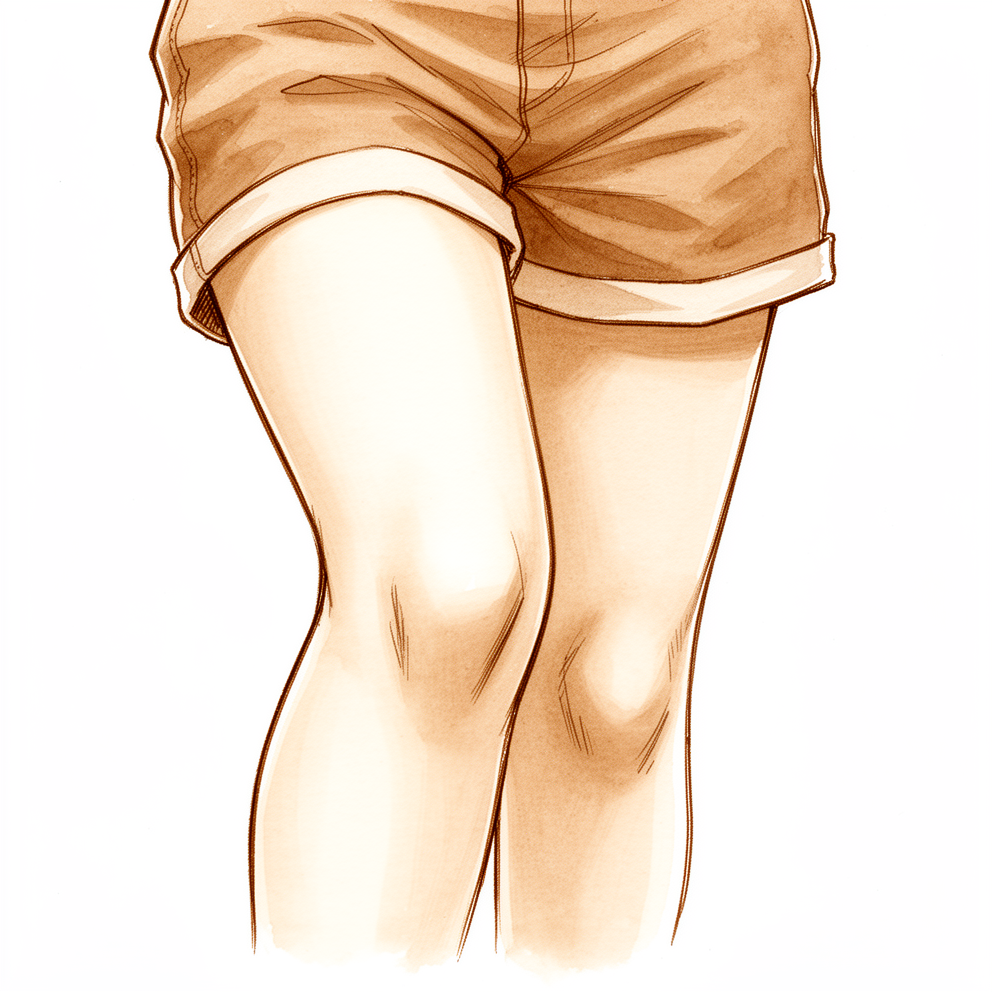
Overview
A detailed understanding of quantitative knee anatomy serves as the foundation for anatomic reconstruction techniques [102]. This knowledge base is essential for the appropriate treatment of various pathologies, particularly regarding the anatomy and function of the patellofemoral joint [96]. Three-dimensional imaging of knee structures further aids in comprehending their anatomical relationships [1]. Regarding bony anatomy, alterations in the femoral structure appear more significant than tibial changes in the context of valgus osteoarthritis of the knee [2].
The precise anatomy of ligaments is critical for surgical planning and outcome evaluation. The anterior cruciate ligament possesses specific macrostructural and ultrastructural properties, with insertion sites and landmarks that may improve surgical outcomes [7]. Similarly, the posterior cruciate ligament’s course and footprints are defined through a three-dimensional approach [15], and knowing the precise anatomy of PCL bundles is vital for performing and evaluating PCL reconstruction on an anatomical basis [100]. The medial patellofemoral ligament must be reconstructed as anatomically as possible regarding its insertion and shape [3]. The anterolateral ligament has been described in depth, including the identification of superficial and deep structures consistent with previous, though conflicting, descriptions [4, 95]. The characterization of the anterolateral ligament as a new discovery is considered sensationalist given prior anatomical descriptions [99].
Muscular and neural anatomy is also well-documented. The hamstring muscle–tendon complex anatomy includes proximal attachment, muscle course, and innervation based on anatomical dissection and photographic documentation [14]. While the glenoid labrum anatomy, including embryology, microscopy, biomechanical properties, and clinical lesions, aids in understanding its function and pathology [98], and the anatomical description of the ulnar tunnel (Guyon Canal) has evolved with relevant clinical associations [93], these structures are distinct from the primary knee ligamentous and bony anatomy central to knee reconstruction.
Osseous Anatomy
Femur
Volumetric differences in intercondylar notch anatomy exist between males and females; however, these variations are largely attributable to anthropometric differences rather than sex itself [26]. In the context of trochlear dysplasia, the posterior femur exhibits significantly different morphology [23]. When applying absolute metric cut-off values for femoral morphometry, knee size is a critical factor [23].
Tibia
Considerable variability exists in tibial morphology at both infratuberosity and supratuberosity levels, underscoring the necessity for patient-specific, anatomy-based planning when correcting posterior tibial slope [18]. Increased anthropometric height measures are associated with increased tibial bone area, which may reflect inherently larger bony structures [17]. For medial open wedge high tibial osteotomy, focusing on bone morphology enables surgeons to perform visual assessment using preoperative radiographs [21]. Furthermore, morphometrical measurements of the resected surface of the medial and lateral proximal tibia may allow manufacturers to design tibial baseplates that accommodate structural variability between different ethnic groups [25].
General Bony Morphology and Measurement
Anthropometric data aids in understanding bony morphology in relation to the knee, although it remains unclear how much implant mismatch is tolerable or if anatomical designs will improve clinical outcomes [19]. The modified 20% anatomical axis method is the most reproducible and reliable method for measuring posterior tibial slope on radiographs [24]. Three-dimensional images of the posteromedial corner of the knee facilitate a better understanding of its anatomy [1].
Ligaments and Joint Capsule
General Biomechanics and Restraints
A comprehensive understanding of knee capsule and ligament biomechanics, including primary and secondary restraints and meniscal function, is essential for assessing and treating single and multi-ligament injuries [44]. Secondary restraints, particularly the posterior capsule and cruciate ligaments, block further joint opening after collateral ligament sectioning, especially near full extension [36]. Joint-preserving ligament surgery is not a universal remedy; success depends on recognizing biological, anatomical, functional, surgical, and technical limits and choosing restraint when the joint or patient context counsels it [5].
Anterior Cruciate Ligament
The anterior cruciate ligament (ACL) lacks macroscopic or microscopic evidence of discrete subdivisions [61]. Isometric attachment sites have been identified to guide ACL reconstruction [61]. An over-the-top position results in significant ACL elongation [61].
Posterior Cruciate Ligament and Meniscofemoral Ligaments
The posterior cruciate ligament (PCL) consists of two functional bundles, the anterolateral and posteromedial bundles, which exhibit distinct tightening patterns during knee flexion [64]. At least one meniscofemoral ligament is present in 93% of knees [64]. These meniscofemoral ligaments act as a secondary restraint to tibial posterior drawer [64].
Medial Structures
The deep portion of the medial ligament does not act as the prime stabilizer against medial stresses [84]. Immobilization significantly reduces the ultimate load and energy-absorbing capabilities of the bone-ligament complex in the medial collateral ligament [50]. Additionally, immobilization causes histological changes at the insertion sites of the medial collateral ligament [50].
Lateral and Anterolateral Structures
The primary soft tissue restraint to tibial internal rotation is the deep layer of the iliotibial tract [70]. The anterolateral ligament is relatively weak [70]. Lateral tenodeses are not anatomic but are effective in controlling tibial internal rotation [70]. In paediatric knees, a distinct ligament is not discernible in the anterolateral capsule, as neither histological nor immunohistochemical analysis revealed a structure consistent with a ligament phenotype [82]. The debate regarding the anterolateral ligament will not be resolved by anatomic studies; only well-performed, rigorous, randomized clinical studies will settle the debate [74]. A combined lateral patellofemoral ligament and lateral patellotibial ligament reconstruction provides an anatomic and reproducible method to restore balanced lateral restraint and physiological patellar tracking [71].
Posterior Capsule and Hyperextension Restraints
The oblique popliteal ligament is the primary ligamentous restraint to knee hyperextension [83]. The posterior oblique ligament is an important secondary restraint to posterior tibial translation in the PCL–deficient knee [86]. In pediatric specimens, a recess is observed between the posterior knee capsule and the meniscotibial ligament complex [85]. The distance between the physis and meniscotibial ligament capsular attachments increases with age [85].
Imaging and Visualization
Three-dimensional images of posteromedial corner structures can help better understanding of its anatomy [1].
Muscles and Tendons
Hamstrings
The semitendinosus and long head of the biceps femoris share a common origin, while the semimembranosus originates separately [108]. Detailed anatomical dissection and photographic documentation provide a comprehensive review of the hamstring muscle–tendon complex, including proximal attachment, muscle course, and innervation [14]. Understanding proximal hamstring attachment sites aids in better restoring anatomy during repair of proximal hamstring tears [10]. Following isolated harvest of the semitendinosus, regeneration of the tendon and muscle does not restore native anatomy [106]. Consistent findings after semitendinosus harvest include significant muscle shortening, atrophy, and proximal insertion shifts [106]. The biceps femoris insertion comprises a tibial footprint, distal fibular footprint, medial fibular footprint, and proximal fibular footprint [109].
Quadriceps and Rectus Femoris
The rectus femoris tendon is mapped as the superficial layer of the quadriceps tendon [103]. Two consistent confluence zones within the rectus femoris tendon define a harvest corridor [103].
Iliopsoas
The distal muscular projection below the tendinous insertion on the lesser trochanter may maintain the functional connection of the iliopsoas between origin and insertion even after releasing the tendon [114].
Adductors
The adductor tendon graft presents a graft of significant volume, beneficial anatomic topography, and adequate tensile properties in comparison with the native medial patellofemoral ligament [115].
Ligaments and Tendons
The gastrocnemiofibular ligament is located just posterior to the area of insertion of the tendon of the biceps muscle, between the biceps and lateral gastrocnemius [104].
Neurovascular Anatomy
Familiarity with anatomic landmarks and associated distances allows assessment of the potential area of vulnerability to the sartorial branch of the saphenous nerve intraoperatively during medial knee ligament repair or reconstruction [8]. The saphenous nerve is intimately involved with the gracilis tendon for a portion of its course in the distal thigh, likely predisposing it to damage during passage of the tendon stripper [90]. If the length of the medial patellofemoral ligament is longer than the distance of the adductor magnus from the nerve, partial dissection or direct visualization of the harvesting region might be needed [92].
Sufficient exposure of relevant anatomic landmarks and precise portal preparation reduce the risk of iatrogenic vascular and peroneal nerve injury during arthroscopic approaches to the posterolateral corner of the knee [11]. The physeal-sparing posteromedial portal approach comes in closer proximity to important neurovascular structures, requiring care during technique execution [13]. Proximal fibular osteotomy techniques incorporate specific refinements aimed at minimizing soft tissue disruption and protecting adjacent neurovascular structures [12]. No neurovascular injuries occurred in any group during opening-wedge high tibial osteotomy using posteromedial plating and laterally directed screw insertion [91].
Nerves of bone are usually associated with arterial vessels, and most appear to be non-myelinated [59]. Nerve-mediated regulation of blood vessels supplying the patellar tendon occurs at the level where they course in the loose paratendinous connective tissue [89]. Kaplan fibers have a close topography to the superior lateral genicular artery [97]. A length of nerve plus its accompanying artery and vein can be transplanted as a free graft, but few sites can spare them [48].
Biomechanics and Function
General Principles
Biomechanical studies quantify the magnitude and direction of forces and moments acting on tissues within diarthrodial joints, while measuring corresponding joint kinematics to assist clinicians in assessing function and planning treatment [29]. Ligaments serve as the primary static stabilizers, connecting bone to bone and acting as passive restraints that guide joint motion [49]. These structures possess both dominant and load-sharing functions; for instance, the ACL and MCL in the knee exhibit an interdependent load-sharing relationship where deficiency in one structure significantly increases force in the complementary structure [49]. Individual ligaments are characterized by their dominant functions and their ability to resist unique abnormal displacements, such as the ACL’s role in resisting anterior tibial translation [49].
Ligament mechanical properties are directly influenced by structure, collagen composition, and fiber orientation [49]. At low loads, ligaments behave in a nonlinear viscous-dominated manner, whereas at high loads they become more elastic-dominated [49]. Compared to highly aligned tendons, ligaments have a more disorganized collagen orientation, resulting in a typically elongated toe region as fibers align with the loading direction [49]. Some ligaments feature unique functional anatomy with distinct bands that serve specific functions and are recruited differently throughout the joint range of motion [49]. Consequently, the joint position determines which band is most tightly engaged and therefore most susceptible to damage [49].
Knee Ligaments
The ACL comprises two distinct bands: the anteromedial band, which has a dominant role in preventing anterior tibial translation, and the posterolateral band, which primarily resists rotation in knee extension [49]. Surgical reconstruction outcomes are heavily influenced by graft isometry; nonisometric grafts disrupt normal kinematics and joint laxity depending on the fixation angle, leading to overconstraint or underconstraint throughout the motion arc [79]. Under physiologic loading conditions, posterior cruciate ligament reconstruction does not restore six degree of freedom knee kinematics [53]. To better reproduce native biomechanics, the fibular collateral ligament should be fixed in near-full extension, and the anterolateral ligament should be fixed before 60° of flexion [67]. The anatomic and radiographic locations of the posterior oblique ligament, along with its biomechanical properties, have been successfully recorded [81].
Patellofemoral Joint
Surgical reconstruction of the medial patellofemoral ligament must account for its biomechanical behaviour under loading conditions [52]. Small increases in reconstructed patellar thickness significantly alter patellofemoral joint motion and load distribution, particularly affecting lateral facet forces [77]. Regarding exercise mechanics, open kinetic chain stresses were not supraphysiologic nor significantly higher than closed kinetic chain exercise stresses throughout the entire flexion range [78]. Understanding lateral patellofemoral anatomy and biomechanics is essential for addressing conditions of the lateral patellofemoral joint [66].
Gait and Kinematics
Following tibial plateau fractures, kinetic variables improved over time, but no improvements were observed in kinematic variables [54]. During kneeling, rotational kinematics differ between the flexion phase and the extension phase [73]. The fibula functions as a dynamic bone that is important for the kinematics and kinetics of both the knee and ankle joints [76].
Total Knee Arthroplasty
For noncruciate designs to produce more normal motion characteristics, a mechanical configuration acting in concert with the lateral and medial condyles is likely necessary [58]. To minimize subluxation, future biomechanical studies should consider changes in component sizing, including smaller steps between sizes, asymmetric designs, or individualized implants [60]. Femoral implant stability changes depend on loading and flexion angle, varying in proportion between interface zones [69].
Other
Specific techniques restore anatomic load bearing forces and promote biological repair of cartilaginous structures to achieve optimal knee joint kinematics [34]. Further biomechanical and clinical studies are needed to examine how results translate into kinematic and functional outcomes for patients with episodic patellar dislocation [39]. Updates on the thrower's shoulder, covering anatomy, mechanics, pathomechanics, and treatment, are essential for clinicians and researchers [62]. Previously reported relationships between bony morphology and kinematics or ACL injury risk should not be extrapolated to suggest those features are associated with ACL elongation during high demand activities [63]. Specific techniques address biomechanical abnormalities and improve joint stability in patients with Ehlers-Danlos syndrome [68].
Common Sites of Injury
Ligaments and Tendons
Anatomical anomalies in the proximal musculotendinous junction of the adductor longus muscle may explain the difficulty in localizing injury sites [6]. For proximal hamstring tears, established anatomical data regarding attachment sites may aid in better restoring the anatomy during repair [10]. Muscle architecture and overlapping proximal and distal tendons can lead to a resultant force not in line with the tendon, predisposing the muscle to injury [43]. Conversely, the presence of a raphe might play a role in protecting the muscle against gross injury [43]. Human muscle-derived cells contribute to structural and functional repair for the injured tendon and are a potential cell source to participate in the repair process after tendon injury [45].
Bony Structures
In adults, fracture of the intercondylar eminence of the tibia is more severe due to associated ligamentous damage, often resulting in marked permanent disability [40]. Cross-sectional imaging can be useful for complete understanding of the fracture pattern and identification of associated injuries in triplane fractures of the proximal tibia [31].
Nerves and Vessels
Knowledge of the patterns of branching of the tibial and peroneal nerves aids in precise evaluation of injuries to nerves from lesions in the area of the knee [42]. Blunt trauma was the predominant cause of popliteal artery injury, and most patients presented with severe signs of ischaemia [35].
Menisci
Further studies are needed to define the relative importance of the individual histologic findings in the clinical setting of meniscus tear and repair [46].
Surgical Anatomy
Nerve Anatomy
Familiarity with anatomic landmarks and associated distances of the sartorial branch of the saphenous nerve allows assessment of the potential area of vulnerability to this nerve branch intraoperatively during medial knee ligament repair or reconstruction [8]. To minimize iatrogenic damage to the infrapatellar branch of the saphenous nerve, the direction of incisions should be parallel to the direction of the nerve when technically possible [57].
Vascular Anatomy
The popliteal artery is consistently located lateral to the posterior septum [80]. During open-wedge high tibial osteotomy, special caution and protection should be given until the approximately 35 mm portion from the starting point of the posteromedial cortex, with consideration for the proximity on the sagittal plane [88].
Musculotendinous Anatomy
Several anatomical anomalies were identified in the proximal musculotendinous junction of the adductor longus muscle, which may explain the difficulty in localizing injury sites and highlight the importance of individualized treatment [6].
Portal and Approach Safety
A sufficient exposure of relevant anatomic landmarks and precise portal preparation reduce the risk of iatrogenic vascular and peroneal nerve injury during arthroscopic approaches to the posterolateral corner of the knee [11]. The safe margin of the posteromedial compartment is consistently wider than that of the posterolateral compartment [80]. Care needs to be taken with the physeal-sparing posteromedial portal approach as it comes in closer proximity to some of the important neurovascular structures [13]. Ultrasonography-assisted creation of the posterior transseptal portal is safer than conventional surgical methods because it enables identification of the surrounding anatomical structures during portal creation and posterior compartment procedures [56]. Two tensioned wires may be placed without violating the anterior compartment by using four clinically identifiable landmarks during hybrid external fixation of distal tibial fractures [72].
Surgical Planning and Technique Considerations
Joint-preserving ligament surgery success is defined by recognizing biological, anatomical, functional, surgical, and technical limits and choosing restraint when the joint or patient context counsels it [5]. Minimally invasive extra-articular anterolateral reinforcement techniques do not damage the anterolateral structures and do not require an additional invasive harvest [51]. Minimally invasive approaches using 2 posteromedial portals for posterior cruciate ligament tibial avulsion fractures avoid disruption of the ligamentous anatomy, enhancing surgical safety and optimizing the potential for achieving appropriate tensioning during repair [55]. Both drilling techniques for femoral tunnel placement during anterior cruciate ligament reconstruction place the graft in an anatomically correct position [65]. The 3D preoperative protocol allows for individual identification of tunnels with anatomical specificity, decreasing surgical time and avoiding unnecessary radiation [87]. Sagittal anatomy alone is not a primary determinant of surgical planning or gap behaviour during robotic-assisted total knee arthroplasty, supporting the need for a comprehensive, patient-specific and multiplanar approach [75].
Key Evidence
- [L5] Three-dimensional images of these structures can help better understanding its anatomy. [1] (10.1007/s00167-011-1615-9)
- [L3] Bony alterations in the femoral anatomy seem to be more important than in the tibial anatomy. [2] (10.1007/s00167-019-05734-6)
- [L5] Given the importance of this structure, it must be reconstructed as anatomically as possible in its insertion and in its shape. [3] (10.1007/s00167-014-3207-y)
- [L5] This anatomic study clearly identified 2 structures, described as the superficial and deep ALL, which were consistent with previous but conflicting descriptions of the ALL. [4] (10.1177/2325967116675604)
- [L5] Joint-preserving ligament surgery is not a universal remedy; success is defined by recognizing biological, anatomical, functional, surgical, and technical limits and choosing restraint when the joint or patient context counsels it. [5] (10.1002/ksa.70306)
- [L5] Several anatomical anomalies were identified, which may explain the difficulty in localizing injury sites and highlight the importance of individualized treatment. [6] (10.1007/s001670050086)
- [L4] The article reviews current knowledge of ACL anatomy, including macrostructural and ultrastructural properties, to provide essential information on insertion sites and landmarks that may help improve surgical outcomes. [7] (10.1007/s00167-009-0993-8)
- [L5] Familiarity with these anatomic landmarks and associated distances allows assessment of the potential area of vulnerability to this nerve branch intraoperatively. [8] (10.1007/s00167-009-0934-6)
- [L5] The anatomical data established in this study may aid in better restoring the anatomy during repair of proximal hamstring tears. [10] (10.1007/s00167-014-3074-6)
- [L5] A sufficient exposure of relevant anatomic landmarks and precise portal preparation reduce the risk of iatrogenic vascular and peroneal nerve injury. [11] (10.1007/s00402-021-03864-6)
- [L5] The technique incorporates specific refinements aimed at minimizing soft tissue disruption and protecting adjacent neurovascular structures. [12] (10.1002/atn2.70154)
- [L5] Care needs to be taken with this technique as it comes in closer proximity to some of the important neurovascular structures. [13] (10.1007/s00167-020-06043-z)
- [L5] This pictorial essay provides a detailed review of the anatomy of the hamstring muscle–tendon complex, including proximal attachment, muscle course, and innervation, based on anatomical dissection and photographic documentation. [14] (10.1007/s00167-018-5265-z)
- [L5] This study is the first to describe the detailed anatomy of the human PCL with respect to its course and footprints using a 3D approach. [15] (10.1007/s00167-012-2332-8)
- [L4] The association between increased anthropometric height measures and increased tibial bone area may reflect inherently larger bony structures. [17] (10.1186/1471-2474-13-19)
- [L4] Considerable variability existed regarding tibial morphology at both levels, highlighting the importance of patient-specific, anatomy-based planning. [18] (10.1002/ksa.70003)
- [L5] Anthropometric data will help to improve the understanding of the bony morphology in relation to the knee, though it remains unclear how much implant mismatch is tolerable or if anatomical designs will improve clinical outcomes. [19] (10.1007/s00167-014-3391-9)
- [L3] Focusing on bone morphology allows surgeons to easily perform visual assessment using preoperative radiographs. [21] (10.1186/s12891-022-05526-z)
- [L4] This study shows that knee size is important in the application of absolute metric cut-off values and that the posterior femur also shows a significantly different morphology. [23] (10.1007/s00167-013-2573-1)
- [L4] The modified 20% anatomical axis method was found to be most reproducible and reliable in measuring the posterior tibial slope. [24] (10.1016/j.jisako.2026.101186)
- [L4] The morphometrical measurements presented may allow manufacturers to design tibial baseplates that accommodate the structural variability between different ethnic groups. [25] (10.1007/s00167-011-1749-9)
- [L4] There are volumetric differences between male and female intercondylar notch anatomy, but these differences are largely due to anthropometric differences rather than sex itself. [26] (10.1177/03635465020300030501)
- [L5] Biomechanical studies determine the magnitude and direction of forces and moments of various tissues in and around a diarthrodial joint, as well as measure corresponding joint kinematics, to assist clinicians in assessing function and planning treatment. [29] (10.1177/03635465990270042301)
- [L5] Cross-sectional imaging can be useful for complete understanding of the fracture pattern and identification of associated injuries. [31] (10.5435/jaaosglobal-d-21-00040)
- [L5] This technique restores the anatomic load bearing forces and promotes biological repair of cartilaginous structures to achieve optimal kinematics of the knee joint. [34] (10.1016/j.eats.2022.08.016)
- [L4] Blunt trauma was the predominant cause of injury, and most patients presented with severe signs of ischaemia. [35] (10.1016/s0020-1383(01)00007-9)
- [L5] Secondary restraints, particularly the posterior part of the capsule and cruciate ligaments, blocked further opening after sectioning of the collateral ligaments, especially near full extension. [36] (10.2106/00004623-198163080-00007)
- [L4] Biomechanical and clinical studies are needed to examine how the results translate into kinematic and functional outcomes for patients. [39] (10.2106/jbjs.21.00656)
- [L4] In adults, the injury is more severe due to associated ligamentous damage, often resulting in marked permanent disability. [40] (10.2106/00004623-195941020-00002)
- [L5] Knowledge of the patterns of branching of the tibial and peroneal nerves aids in precise evaluation of injuries to nerves from lesions in the area of the knee. [42] (10.2106/00004623-198971050-00022)
- [L5] It is possible that overlapping proximal and distal tendons as well as muscle architecture are leading to a resultant force not in line with the tendon predispose to muscle injury, whereas the presence of a raphe might plays a role in protecting the muscle against gross injury. [43] (10.1007/s00167-013-2744-0)
- [L5] A good understanding of the biomechanical behaviour of the knee capsule and ligaments, including primary and secondary restraints and meniscal function, will help the surgeon in the assessment and treatment of single and multi-ligament injuries. [44] (10.1007/s00167-015-3594-8)
- [L5] Human MDCs contribute to structural and functional repair for the injured tendon and are a potential cell source to participate in the repair process after tendon injury. [45] (10.1177/03635465221147486)
- [L4] Further studies are needed to define the relative importance of the individual histologic findings in the clinical setting of meniscus tear and repair. [46] (10.1177/0363546506293700)
- [L4] A length of nerve plus its accompanying artery and vein can be transplanted as a free graft, but few sites can spare them. [48] (10.1016/s0020-1383(84)80055-8)
- [L5] Immobilization significantly reduced the ultimate load and energy-absorbing capabilities of the bone-ligament complex and caused histological changes at the insertion sites. [50] (10.2106/00004623-198769080-00014)
- [L4] This technique does not damage the anterolateral structures and does not require an additional invasive harvest. [51] (10.1016/j.arthro.2006.10.022)
- [L5] Its biomechanical behaviour under loading conditions should be kept into account when performing surgical reconstruction of this ligamentous structure. [52] (10.1007/s00167-012-2307-9)
- [L5] Under physiologic loading conditions, posterior cruciate ligament reconstruction does not restore six degree of freedom knee kinematics. [53] (10.1177/03635465030310040901)
- [L2] While kinetic variables improved over time, there were no improvements observed in kinematic variables. [54] (10.1186/s12891-024-07910-3)
- [L5] By avoiding disruption of the ligamentous anatomy, this technique not only enhances surgical safety but also optimizes the potential for achieving appropriate tensioning during repair. [55] (10.1016/j.eats.2025.103663)
- [L5] Our method of creating the posterior portal and TSP assisted by ultrasonography is safer than conventional surgical methods because it enables identification of the surrounding anatomical structures during portal creation and posterior compartment procedures. [56] (10.1016/j.eats.2023.07.001)
- [L5] To minimize iatrogenic damage to the nerve, the direction of incisions should be parallel to the direction of the nerve when technically possible. [57] (10.2106/jbjs.l.01297)
- [L5] For noncruciate designs to produce more normal motion characteristics, some mechanical configuration acting in concert with the lateral and medial condyles is likely to be necessary. [58] (10.1016/j.arth.2025.03.014)
- [L4] The nerves are usually associated with arterial vessels, and most appear to be non-myelinated. [59] (10.2106/00004623-196345030-00010)
- [L5] These changes should be considered in future biomechanical studies, with smaller steps between component sizes, asymmetric designs, or individualized implants potentially helping to minimize subluxation. [60] (10.1016/j.arth.2016.06.001)
- [L5] The study found no macroscopic or microscopic evidence of discrete subdivisions of the anterior cruciate ligament and identified isometric attachment sites to guide reconstruction, while noting the over-the-top position results in significant ligament elongation. [61] (10.2106/00004623-198567020-00012)
- [L5] Updates on the thrower's shoulder, including anatomy, mechanics, pathomechanics, and treatment, are essential for clinicians and researchers treating or investigating the shoulder. [62] (10.1016/j.arthro.2022.02.024)
- [L4] Previously reported relationships between bony morphology and kinematics or ACL injury risk should not be extrapolated to suggest those features are associated with ACL elongation during high demand activities. [63] (10.1177/2325967124s00233)
- [L5] The PCL consists of two functional bundles (anterolateral and posteromedial) with distinct tightening patterns during knee flexion, and at least one meniscofemoral ligament is present in 93% of knees, acting as a secondary restraint to tibial posterior drawer. [64] (10.1007/s00167-005-0686-x)
- [L5] Both drilling techniques place the graft in an anatomically correct position. [65] (10.1177/2325967114525572)
- [L5] Understanding the lateral patellofemoral anatomy and biomechanics is important for addressing these conditions. [66] (10.5435/jaaosglobal-d-21-00255)
- [L5] Fixing the FCL in near-full extension and the ALL before 60° of flexion may better reproduce native biomechanics. [67] (10.1177/2325967126s00384)
- [L5] This technique addresses biomechanical abnormalities and improves joint stability. [68] (10.1016/j.eats.2025.103902)
- [L5] The change depends on the loading, flexion angle and varies in its proportion in between the interface zones. [69] (10.1186/s12891-023-06151-0)
- [Paper] The primary soft tissue restraint to tibial internal rotation is the deep layer of the iliotibial tract, while the anterolateral ligament is relatively weak; although lateral tenodeses are not anatomic, they are effective in controlling tibial internal rotation. [70] (10.1016/j.csm.2017.07.004)
- [L5] The described technique provides an anatomic and reproducible method to restore balanced lateral restraint and physiological patellar tracking. [71] (10.1002/atn2.70082)
- [Paper] Two tensioned wires may be placed without violating the anterior compartment by using four clinically identifiable landmarks. [72] (10.1007/s00402-004-0724-z)
- [L4] In kneeling, there was a difference in the rotational kinematics between the flexion phase and the extension phase. [73] (10.1186/s13018-022-03080-x)
- [L5] The debate regarding the anterolateral ligament will not be resolved by anatomic studies; only well-performed, rigorous, randomized clinical studies will settle the debate. [74] (10.1016/j.arthro.2018.11.031)
- [L3] These findings suggest that sagittal anatomy alone is not a primary determinant of surgical planning or gap behaviour, supporting the need for a comprehensive, patient-specific and multiplanar approach. [75] (10.1002/ksa.70504)
- [L5] The study concludes that the fibula is a dynamic bone important for the kinematics and kinetics of the knee and ankle joints. [76] (10.1007/s00402-005-0054-9)
- [L4] Small increases in reconstructed patellar thickness significantly alter PFJ motion and load distribution, particularly lateral facet forces. [77] (10.1002/ksa.70282)
- [L5] Open kinetic chain stresses were not supraphysiologic nor significantly higher than closed kinetic chain exercise stresses throughout the entire flexion range. [78] (10.1177/03635465010290041701)
- [L5] Nonisometric grafts disrupt normal kinematics and joint laxity depending on the fixation angle, leading to overconstraint or underconstraint throughout the motion arc. [79] (10.1007/s001670050221)
- [L4] The safe margin of the posteromedial compartment is consistently wider than that of the posterolateral compartment, and the popliteal artery is consistently located lateral to the posterior septum. [80] (10.1007/s00167-011-1429-9)
- [L5] The anatomic and radiographic locations of the POL and its biomechanical properties were successfully recorded. [81] (10.1177/23259671231174857)
- [L4] The study concludes that a distinct ligament is not discernible in the anterolateral capsule of paediatric knees, as neither histological nor immunohistochemical analysis revealed a structure consistent with a ligament phenotype. [82] (10.1136/jisakos-2019-000339)
- [L5] The oblique popliteal ligament was found to be the primary ligamentous restraint to knee hyperextension. [83] (10.1177/0363546509348742)
- [L5] The deep portion of the medial ligament does not act as the prime stabilizer against these stresses. [84] (10.2106/00004623-197456040-00002)
- [L5] This defines a distinct plane between the posterior knee capsule and the meniscotibial ligament complex, with a distance between the physis and meniscotibial ligament capsular attachments that increases with age. [85] (10.1016/j.asmr.2023.100852)
- [L5] The posterior oblique ligament is an important secondary restraint to posterior tibial translation in the posterior cruciate ligament–deficient knee. [86] (10.1177/0363546507310077)
- [L4] The 3D preoperative protocol allows for individual identification of tunnels with anatomical specificity, decreasing surgical time and avoiding unnecessary radiation. [87] (10.1177/2325967118s00179)
- [L4] Special caution and some protection should be given until the approximately 35 mm portion from the starting point of the posteromedial cortex with consideration for the approximity on the sagittal plane. [88] (10.1007/s00167-013-2503-2)
- [L4] These observations provide a morphologic correlate for nerve-mediated effects, particularly a marked nerve-mediated regulation of blood vessels supplying the tendon at the level where they course in the loose paratendinous connective tissue. [89] (10.1007/s00167-005-0636-7)
- [L4] The saphenous nerve is intimately involved with the gracilis tendon for a portion of its course in the distal thigh, likely predisposing it to damage during passage of the tendon stripper. [90] (10.1016/j.arthro.2007.03.099)
- [L3] There were no neurovascular injuries in any group and no significant differences in clinical or radiological outcomes between the systems. [91] (10.1177/23259671221098421)
- [L5] If the length of the MPFL is longer than the distance of the ADM from the nerve, partial dissection or direct visualization of the harvesting region might be needed. [92] (10.1007/s00167-023-07451-7)
- [L5] This article examines the evolution of the anatomical description of the ulnar tunnel and its relevant clinical associations, casting light on the life and contributions of Guyon. [93] (10.1016/j.jhsa.2014.09.026)
- [L5] A knowledge base of the anatomy and function is essential to treat all different pathologies appropriately. [96] (10.1007/s00167-005-0683-0)
- [L5] Kaplan fibers can be consistently identified on MRI with use of 3-dimensional sequences, and subsequent anatomic dissection confirmed their close topography to the superior lateral genicular artery. [97] (10.1177/0363546520919986)
- [L5] This review presents a concise summary of the embryology, anatomy, microscopy, biomechanical properties and clinical lesions involving the glenoid labrum to aid the clinician in understanding its function and pathology. [98] (10.1111/j.1758-5740.2010.00050.x)
- [L5] The paper argues that while the clinical relevance of the anterolateral ligament (ALL) is significant, the claim that it is a new discovery is sensationalist, as prior anatomical descriptions existed. [99] (10.1016/j.arthro.2014.08.007)
- [L5] It is very important to know the precise anatomy of PCL bundles when performing PCL reconstruction, and to evaluate PCL reconstruction surgery on an anatomical basis. [100] (10.1007/s00167-006-0192-9)
- [L5] The basis of anatomic reconstruction techniques is a detailed understanding of quantitative knee anatomy. [102] (10.1007/s00167-015-3629-1)
- [L5] This cadaveric study mapped the RF tendon as the superficial layer of the QT and identified two consistent confluence zones that define a harvest corridor. [103] (10.1002/ksa.70186)
- [L4] However, regeneration does not restore native anatomy; significant muscle shortening, atrophy and proximal insertion shifts are consistent findings. [106] (10.1002/ksa.70479)
- [L5] The semitendinosus and long head of the biceps femoris had a common origin, whereas the semimembranosus originated separately; the reported gross anatomic findings and dimensions may aid surgeons in anchor placement at the anatomical attachment site, thereby facilitating anatomic hamstring repair. [108] (10.1007/s00167-014-3124-0)
- [L5] A tibial footprint, distal fibular footprint, medial fibular footprint, and proximal fibular footprint were all consistent components of the insertion of the biceps femoris. [109] (10.1177/2325967115602255)
- [L5] The distal muscular projection below the tendinous insertion on the lesser trochanter may maintain the functional connection of the iliopsoas between origin and insertion even after releasing the tendon. [114] (10.1016/j.asmr.2020.09.017)
- [L5] The adductor tendon graft presents a graft of significant volume, beneficial anatomic topography, and adequate tensile properties in comparison with the native MPFL. [115] (10.1177/03635465211009540)
See Also
References
[1] An anatomical three‐dimensional study of the posteromedial corner of the knee. Knee Surgery, Sports Traumatology, Arthroscopy. 2011. DOI: 10.1007/s00167-011-1615-9
[2] The influence of femoral and tibial bony anatomy on valgus OA of the knee. Knee Surgery, Sports Traumatology, Arthroscopy. 2019. DOI: 10.1007/s00167-019-05734-6
[3] Shape and size of the medial patellofemoral ligament for the best surgical reconstruction: a human cadaveric study. Knee Surgery, Sports Traumatology, Arthroscopy. 2014. DOI: 10.1007/s00167-014-3207-y
[4] Why Do Authors Differ With Regard to the Femoral and Meniscal Anatomic Parameters of the Knee Anterolateral Ligament?. Orthopaedic Journal of Sports Medicine. 2016. DOI: 10.1177/2325967116675604
[5] The art of letting go: Recognising limits in joint‐preserving ligament surgery—The enemy of good is better. Knee Surgery, Sports Traumatology, Arthroscopy. 2026. DOI: 10.1002/ksa.70306
[6] Anatomy of the proximal musculotendinous junction of the adductor longus muscle. Knee Surgery, Sports Traumatology, Arthroscopy. 1998. DOI: 10.1007/s001670050086
[7] Current knowledge in the anatomy of the human anterior cruciate ligament. Knee Surgery, Sports Traumatology, Arthroscopy. 2009. DOI: 10.1007/s00167-009-0993-8
[8] Sartorial branch of the saphenous nerve in relation to a medial knee ligament repair or reconstruction. Knee Surgery, Sports Traumatology, Arthroscopy. 2009. DOI: 10.1007/s00167-009-0934-6
[10] A qualitative and quantitative analysis of the attachment sites of the proximal hamstrings. Knee Surgery, Sports Traumatology, Arthroscopy. 2014. DOI: 10.1007/s00167-014-3074-6
[11] Arthroscopic anatomy of the posterolateral corner of the knee: anatomic relations and arthroscopic approaches. Archives of Orthopaedic and Trauma Surgery. 2021. DOI: 10.1007/s00402-021-03864-6
[12] Proximal Fibular Osteotomy: A Refined Surgical Technique for Medial Compartment Knee Osteoarthritis. Arthroscopy Techniques. 2026. DOI: 10.1002/atn2.70154
[13] Physeal‐sparing posteromedial portal approach reduced distance between guide pin and neurovascular structures. Knee Surgery, Sports Traumatology, Arthroscopy. 2020. DOI: 10.1007/s00167-020-06043-z
[14] Anatomy of proximal attachment, course, and innervation of hamstring muscles: a pictorial essay. Knee Surgery, Sports Traumatology, Arthroscopy. 2018. DOI: 10.1007/s00167-018-5265-z
[15] The posterior cruciate ligament: a study on its bony and soft tissue anatomy using novel 3D CT technology. Knee Surgery, Sports Traumatology, Arthroscopy. 2012. DOI: 10.1007/s00167-012-2332-8
[17] The associations between body and knee height measurements and knee joint structure in an asymptomatic cohort. BMC Musculoskeletal Disorders. 2012. DOI: 10.1186/1471-2474-13-19
[18] Infratuberosity osteotomies require greater wedge resection and result in increased cortical mismatch compared to supratuberosity: A morphometric study supporting individualized planning in posterior tibial slope correction. Knee Surgery, Sports Traumatology, Arthroscopy. 2025. DOI: 10.1002/ksa.70003
[19] Anthropometric measurements of the knee: time to make it fit. Knee Surgery, Sports Traumatology, Arthroscopy. 2014. DOI: 10.1007/s00167-014-3391-9
[21] Effect of bone morphology of the tibia plateau on joint line convergence angle in medial open wedge high tibial osteotomy. BMC Musculoskeletal Disorders. 2022. DOI: 10.1186/s12891-022-05526-z
[23] Semi‐automated landmark‐based 3D analysis reveals new morphometric characteristics in the trochlear dysplastic femur. Knee Surgery, Sports Traumatology, Arthroscopy. 2013. DOI: 10.1007/s00167-013-2573-1
[24] Modified 20% anatomical axis method demonstrates the highest reliability for posterior tibial slope measurement on radiographs. Journal of ISAKOS. 2026. DOI: 10.1016/j.jisako.2026.101186
[25] Morphometrical measurement of resected surface of medial and lateral proximal tibia for Chinese population. Knee Surgery, Sports Traumatology, Arthroscopy. 2011. DOI: 10.1007/s00167-011-1749-9
[26] Differences in Femoral Notch Anatomy between Men and Women. The American Journal of Sports Medicine. 2002. DOI: 10.1177/03635465020300030501
[29] Biomechanics of Knee Ligaments. The American Journal of Sports Medicine. 1999. DOI: 10.1177/03635465990270042301
[31] Triplane Fracture of the Proximal Tibia. JAAOS: Global Research and Reviews. 2021. DOI: 10.5435/jaaosglobal-d-21-00040
[34] Revision Anterior Cruciate Ligament, Lateral Collateral Ligament Reconstruction, and Osteochondral Allograft Transplantation for Complex Knee Instability. Arthroscopy Techniques. 2022. DOI: 10.1016/j.eats.2022.08.016
[35] Popliteal artery trauma. Injury. 2001. DOI: 10.1016/s0020-1383(01)00007-9
[36] Ligamentous and capsular restraints preventing straight medial and lateral laxity in intact human cadaver knees.. The Journal of Bone & Joint Surgery. 1981. DOI: 10.2106/00004623-198163080-00007
[39] Tibial Tuberosity-Trochlear Groove Distance and Its Components in Patients with and without Episodic Patellar Dislocation. Journal of Bone and Joint Surgery. 2021. DOI: 10.2106/jbjs.21.00656
[40] Fracture of the Intercondylar Eminence of the Tibia. The Journal of Bone & Joint Surgery. 1959. DOI: 10.2106/00004623-195941020-00002
[42] Injury to the tibial and peroneal nerves due to hemorrhage in the popliteal fossa. Two case reports.. The Journal of Bone & Joint Surgery. 1989. DOI: 10.2106/00004623-198971050-00022
[43] The hamstring muscle complex. Knee Surgery, Sports Traumatology, Arthroscopy. 2013. DOI: 10.1007/s00167-013-2744-0
[44] Clinically relevant biomechanics of the knee capsule and ligaments. Knee Surgery, Sports Traumatology, Arthroscopy. 2015. DOI: 10.1007/s00167-015-3594-8
[45] Human Muscle–Derived Cells Are Capable of Tenogenic Differentiation and Contribution to Tendon Repair. The American Journal of Sports Medicine. 2023. DOI: 10.1177/03635465221147486
[46] Pathologic Characteristics of the Torn Human Meniscus. The American Journal of Sports Medicine. 2007. DOI: 10.1177/0363546506293700
[48] Vascularized nerve grafts. Injury. 1984. DOI: 10.1016/s0020-1383(84)80055-8
[49] Orthopaedic Basic Science Fifth Edition Print Ebook. Biology and Mechanics of the Skeletal Extracellular Matrix > Ligament Functions.
[50] The biomechanical and morphological changes in the medial collateral ligament of the rabbit after immobilization and remobilization.. The Journal of Bone & Joint Surgery. 1987. DOI: 10.2106/00004623-198769080-00014
[51] Minimally Invasive Extra‐articular Anterolateral Reinforcement: A New Technique. Arthroscopy. 2007. DOI: 10.1016/j.arthro.2006.10.022
[52] The influence of medial patellofemoral ligament on patellofemoral joint kinematics and patellar stability. Knee Surgery, Sports Traumatology, Arthroscopy. 2012. DOI: 10.1007/s00167-012-2307-9
[53] The Biomechanical Effect of Posterior Cruciate Ligament Reconstruction on Knee Joint Function. The American Journal of Sports Medicine. 2003. DOI: 10.1177/03635465030310040901
[54] Persistent deficits in knee joint kinematics and kinetics during gait following tibial plateau fractures – a longitudinal study. BMC Musculoskeletal Disorders. 2024. DOI: 10.1186/s12891-024-07910-3
[55] Minimally Invasive Approach Using 2 Posteromedial Portals for Preserving Ligament Integrity in Arthroscopic Pull‐Out Technique for Posterior Cruciate Ligament Tibial Avulsion Fractures. Arthroscopy Techniques. 2025. DOI: 10.1016/j.eats.2025.103663
[56] Safe Ultrasonography‐Assisted Knee Posterior Transseptal Portal Creation Technique. Arthroscopy Techniques. 2023. DOI: 10.1016/j.eats.2023.07.001
[57] The Surgical Anatomy of the Infrapatellar Branch of the Saphenous Nerve in Relation to Incisions for Anteromedial Knee Surgery. The Journal of Bone & Joint Surgery. 2013. DOI: 10.2106/jbjs.l.01297
[58] Total Knee Arthroplasty Design Without Cruciates to Achieve Anatomic Femoral-Tibial Motion and Laxity. The Journal of Arthroplasty. 2025. DOI: 10.1016/j.arth.2025.03.014
[59] The Nerves of Bone. The Journal of Bone & Joint Surgery. 1963. DOI: 10.2106/00004623-196345030-00010
[60] Are We Subluxating Knees in Total Knee Arthroplasty? A Cadaveric Investigation. The Journal of Arthroplasty. 2017. DOI: 10.1016/j.arth.2016.06.001
[61] Functional anatomy of the anterior cruciate ligament and a rationale for reconstruction.. The Journal of Bone & Joint Surgery. 1985. DOI: 10.2106/00004623-198567020-00012
[62] Understanding the Disabled Throwing Shoulder Requires Updated Review of Anatomy, Mechanics, Pathomechanics, and Treatment. Arthroscopy: The Journal of Arthroscopic & Related Surgery. 2022. DOI: 10.1016/j.arthro.2022.02.024
[63] Poster 265: Bony Morphology Is a Poor Predictor of Anterior Cruciate Ligament Elongation During High Demand Activities. Orthopaedic Journal of Sports Medicine. 2024. DOI: 10.1177/2325967124s00233
[64] Anatomy of the posterior cruciate ligament and the meniscofemoral ligaments. Knee Surgery, Sports Traumatology, Arthroscopy. 2005. DOI: 10.1007/s00167-005-0686-x
[65] Evaluation and Comparison of Femoral Tunnel Placement During Anterior Cruciate Ligament Reconstruction Using 3-Dimensional Computed Tomography. Orthopaedic Journal of Sports Medicine. 2014. DOI: 10.1177/2325967114525572
[66] A Review of the Lateral Patellofemoral Joint: Anatomy, Biomechanics, and Surgical Procedures. JAAOS: Global Research and Reviews. 2022. DOI: 10.5435/jaaosglobal-d-21-00255
[67] Poster 74. Anatomic and Flexion-Dependent Differences Between the Fibular Collateral Ligament, Anterolateral Ligament, and Iliotibial Band Fibers: Guiding Graft Fixation in Lateral Knee Reconstruction. Orthopaedic Journal of Sports Medicine. 2026. DOI: 10.1177/2325967126s00384
[68] Surgical Management of Combined Patellofemoral and Proximal Tibiofibular Joint Instability in a Patient With Ehlers‐Danlos Syndrome. Arthroscopy Techniques. 2025. DOI: 10.1016/j.eats.2025.103902
[69] Is TKA femoral implant stability improved by pressure applied cement? a comparison of 2 cementing techniques. BMC Musculoskeletal Disorders. 2023. DOI: 10.1186/s12891-023-06151-0
[70] Biomechanics of the Anterolateral Structures of the Knee. Clinics in Sports Medicine. 2018. DOI: 10.1016/j.csm.2017.07.004
[71] Combined Lateral Patellofemoral Ligament and Lateral Patellotibial Ligament Reconstruction for Medial Patellar Instability. Arthroscopy Techniques. 2026. DOI: 10.1002/atn2.70082
[72] Hybrid external fixation of distal tibial fractures: new strategy to place pins and wires without penetrating the anterior compartment. Archives of Orthopaedic and Trauma Surgery. 2004. DOI: 10.1007/s00402-004-0724-z
[73] Differences in the flexion and extension phases during kneeling investigated by kinematic and contact point analyses: a cross-sectional study. Journal of Orthopaedic Surgery and Research. 2022. DOI: 10.1186/s13018-022-03080-x
[74] Editorial Commentary: Anatomy of the Anterolateral Ligament of the Knee—The Science of Looking for Bigfoot. Arthroscopy. 2019. DOI: 10.1016/j.arthro.2018.11.031
[75] Sagittal femoral morphology is not associated with robotic planning or soft‐tissue balance during robotic‐assisted total knee arthroplasty: An analysis from the Brescia Knee Research Group. Knee Surgery, Sports Traumatology, Arthroscopy. 2026. DOI: 10.1002/ksa.70504
[76] Dynamic function of the fibula. Gait analysis evaluation of three different parts of the shank after fibulectomy: proximal, middle and distal. Archives of Orthopaedic and Trauma Surgery. 2005. DOI: 10.1007/s00402-005-0054-9
[77] Small increases in patellar thickness significantly alter patellofemoral kinematics and joint loading. Knee Surgery, Sports Traumatology, Arthroscopy. 2026. DOI: 10.1002/ksa.70282
[78] Patellofemoral Stresses during Open and Closed Kinetic Chain Exercises. The American Journal of Sports Medicine. 2001. DOI: 10.1177/03635465010290041701
[79] Anterior cruciate ligament graft tensioning versus knee stability. Knee Surgery, Sports Traumatology, Arthroscopy. 1998. DOI: 10.1007/s001670050221
[80] The safe establishment of a transseptal portal in the posterior knee. Knee Surgery, Sports Traumatology, Arthroscopy. 2011. DOI: 10.1007/s00167-011-1429-9
[81] Reanalysis of the Posterior Oblique Ligament: Quantitative Anatomy, Radiographic Markers, and Biomechanical Properties. Orthopaedic Journal of Sports Medicine. 2023. DOI: 10.1177/23259671231174857
[82] Paediatric knee anterolateral capsule does not contain a distinct ligament: analysis of histology, immunohistochemistry and gene expression. Journal of ISAKOS. 2021. DOI: 10.1136/jisakos-2019-000339
[83] The Role of the Oblique Popliteal Ligament and Other Structures in Preventing Knee Hyperextension. The American Journal of Sports Medicine. 2010. DOI: 10.1177/0363546509348742
[84] The Prime Static Stabilizer of the Medial Side of the Knee. The Journal of Bone & Joint Surgery. 1974. DOI: 10.2106/00004623-197456040-00002
[85] A Recess Is Observed Between the Posterior Knee Capsule and the Meniscotibial Ligament Complex in Pediatric Specimens. Arthroscopy, Sports Medicine, and Rehabilitation. 2024. DOI: 10.1016/j.asmr.2023.100852
[86] The Role of the Posterior Oblique Ligament in Controlling Posterior Tibial Translation in the Posterior Cruciate Ligament-Deficient Knee. The American Journal of Sports Medicine. 2008. DOI: 10.1177/0363546507310077
[87] Reconstruction of the Middle Patelofemoral Ligament with Quadricipital Autoinjerto and Use of the 3D Preoperative TAC to establish Femoral Anatomic Point. Orthopaedic Journal of Sports Medicine. 2018. DOI: 10.1177/2325967118s00179
[88] Sagittal and coronal plane location of the popliteal artery in the open‐wedge high tibial osteotomy. Knee Surgery, Sports Traumatology, Arthroscopy. 2013. DOI: 10.1007/s00167-013-2503-2
[89] Distribution of general (PGP 9.5) and sensory (substance P/CGRP) innervations in the human patellar tendon. Knee Surgery, Sports Traumatology, Arthroscopy. 2005. DOI: 10.1007/s00167-005-0636-7
[90] Prevalence of Saphenous Nerve Injury After Autogenous Hamstring Harvest: An Anatomic and Clinical Study of Sartorial Branch Injury. Arthroscopy. 2007. DOI: 10.1016/j.arthro.2007.03.099
[91] Reducing the Risk of Neurovascular Injury With Posteromedial Plating and Laterally Directed Screw Insertion During Opening-Wedge High Tibial Osteotomy. Orthopaedic Journal of Sports Medicine. 2022. DOI: 10.1177/23259671221098421
[92] The adductor magnus tendon is a viable option for medial patellofemoral ligament reconstruction, but with a busy surrounding neurovascular topography. Knee Surgery, Sports Traumatology, Arthroscopy. 2023. DOI: 10.1007/s00167-023-07451-7
[93] Guyon Canal: The Evolution of Clinical Anatomy. The Journal of Hand Surgery. 2015. DOI: 10.1016/j.jhsa.2014.09.026
[95] Chapter 38 Knee Anatomy. 2020.
[96] Bony and cartilaginous anatomy of the patellofemoral joint. Knee Surgery, Sports Traumatology, Arthroscopy. 2005. DOI: 10.1007/s00167-005-0683-0
[97] Visualization of Proximal and Distal Kaplan Fibers Using 3-Dimensional Magnetic Resonance Imaging and Anatomic Dissection. The American Journal of Sports Medicine. 2020. DOI: 10.1177/0363546520919986
[98] The Glenoid Labrum. Shoulder & Elbow. 2010. DOI: 10.1111/j.1758-5740.2010.00050.x
[99] The Knee Anterolateral Ligament. Arthroscopy. 2014. DOI: 10.1016/j.arthro.2014.08.007
[100] Anatomical study of the femoral and tibial insertions of the anterolateral and posteromedial bundles of human posterior cruciate ligament. Knee Surgery, Sports Traumatology, Arthroscopy. 2006. DOI: 10.1007/s00167-006-0192-9
[102] Clinically relevant anatomy and what anatomic reconstruction means. Knee Surgery, Sports Traumatology, Arthroscopy. 2015. DOI: 10.1007/s00167-015-3629-1
[103] Rectus femoris tendon morphometry and practical landmarks for harvesting: A cadaveric study. Knee Surgery, Sports Traumatology, Arthroscopy. 2025. DOI: 10.1002/ksa.70186
[104] The gastrocnemiofibular ligament: A new, more anatomically accurate name for the fabellofibular ligament-An original magnetic resonance imaging study and meta-analysis.. 2020.
[106] Regeneration of the semitendinosus tendon and muscle after isolated semitendinosus harvest for primary anterior cruciate ligament reconstruction: A systematic review. Knee Surgery, Sports Traumatology, Arthroscopy. 2026. DOI: 10.1002/ksa.70479
[108] Gross anatomical and dimensional characteristics of the proximal hamstring origin. Knee Surgery, Sports Traumatology, Arthroscopy. 2014. DOI: 10.1007/s00167-014-3124-0
[109] Distal Insertions of the Biceps Femoris. Orthopaedic Journal of Sports Medicine. 2015. DOI: 10.1177/2325967115602255
[114] Iliopsoas Muscle/Tendon Proportions at Three Levels of Described Arthroscopic Tenotomy: An Anatomic Study in Fresh Cadaveric Specimens. Arthroscopy, Sports Medicine, and Rehabilitation. 2020. DOI: 10.1016/j.asmr.2020.09.017
[115] Anatomic and Biomechanical Properties of Flat Medial Patellofemoral Ligament Reconstruction Using an Adductor Magnus Tendon Graft: A Human Cadaveric Study. The American Journal of Sports Medicine. 2021. DOI: 10.1177/03635465211009540