Patients › General-Health
Nerve Tests and Conduction Studies
What nerve conduction studies and EMG are, why they are done for carpal tunnel and other nerve problems, what to expect, and how accurate they are.
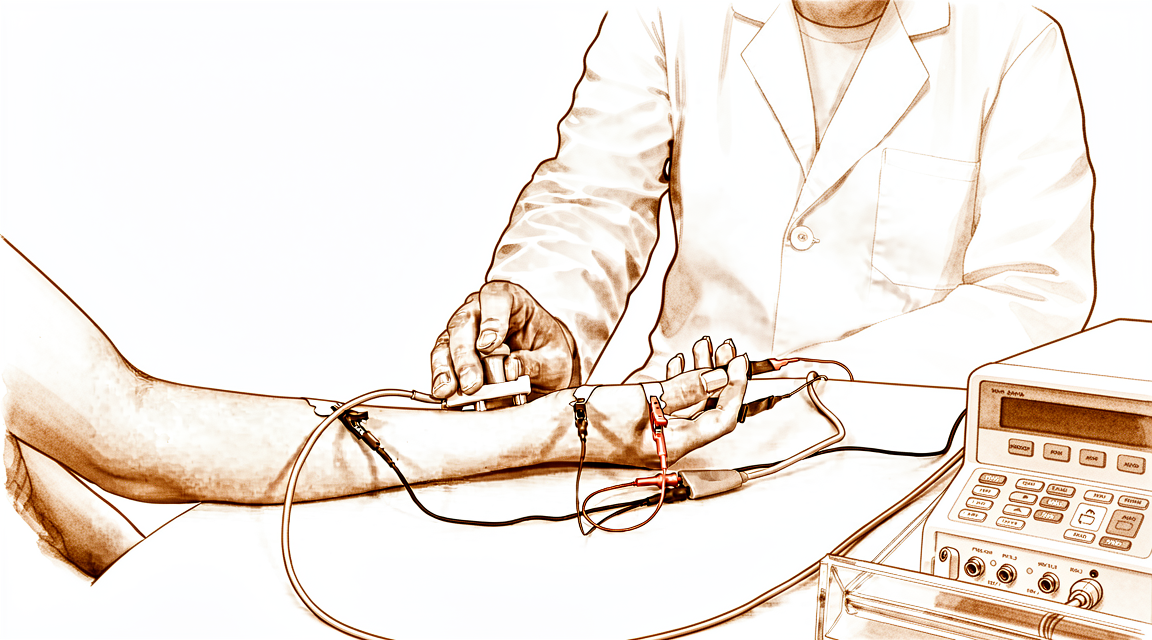
What it is
Nerve tests measure how well your nerves carry electrical signals. There are two electrical methods for checking nerve function, and both have proved useful in practice [1]. The main test is called a nerve conduction study. A small device sends a tiny pulse into your nerve and records how fast the signal travels. If a nerve is squeezed or damaged, the signal slows down or weakens.
These tests are used most often for carpal tunnel syndrome, where the nerve at the front of your wrist is under pressure. They are considered an indispensable part of the assessment before surgery for that condition [2]. Most doctor's will not operate without this confirmation [3]. The tests can also help with other nerve problems, such as pressure on the nerve at the elbow (cubital tunnel syndrome) [4].
You will usually have a second test at the same visit. For this, a fine needle is placed into a few muscles. It checks how well the muscles respond to their nerve supply. Together, these are called electrodiagnostic studies, which simply means tests that use electricity to study nerves and muscles.
The tests work because nerves carry signals like wires carry current. A squeezed nerve behaves like a pinched cable, so the signal along it is delayed or reduced. The results give a measure of how impaired the nerve is, and this is the best available indicator of the overall severity of the disease [5]. The value of these tests lies in getting the diagnosis right and judging how severe it is, rather than in predicting how you will feel after surgery [6].
One point worth knowing: a normal test does not rule out carpal tunnel syndrome, because the squeeze on the nerve can come and go.
Does it work?
The honest answer is that these tests are good at some jobs and limited at others. They are a useful addition when checking for carpal tunnel syndrome, especially when the standard tests come back normal [7]. One study of a special nerve test found it picked up the condition in 69% of cases, and every positive result was correct. When that test was combined with another way of measuring sensation, it picked up 84% of cases [8].
The tests also help confirm the diagnosis before surgery. When your signs and symptoms point to mild to moderate pressure on the nerve and surgery is being considered, extra testing can raise the chance that surgery is aimed at a real, treatable problem [9]. One study found a large gap between the number of people diagnosed by symptoms alone (73%) and the number confirmed by these tests and ultrasound (51%) [10]. That gap is exactly why testing matters: it sorts out who truly has a nerve problem that surgery can help.
There are limits. The quality of these tests varies between providers, and some reports give more detail than others [11]. The criteria for reading them also need sharper definition, so that diagnoses are accurate and surgery is not done when it is not needed [12]. And the tests cannot tell you everything. They measure the nerve, not your symptoms.
Some findings are mixed. Changes in the test results after a steroid injection were not significant at two years [13]. On the other hand, a good response to an injection is a helpful sign about how surgery might go [14]. One measure from the tests, called distal motor latency, which is simply how long the signal takes to reach a muscle, has some value in predicting how you will do after surgery [15].
So the tests work well as a diagnostic tool. They are less reliable as a crystal ball for your recovery.
What are the risks?
Nerve tests are safe, but you should know what to expect. The most common effect is discomfort during the test itself. The electrical pulses feel like small taps or twinges. If a fine needle is placed into a muscle, you will feel a brief sting, and the muscle may ache for a day or two afterwards. The ring-finger version of the test is quick and puts minimal strain on you [16].
There are no lasting effects on your skin or tissue from the electrical pulses. The pulses are small, and they pass through the skin without damaging it. If you have a needle test, the needle sites may be slightly tender, and a small bruise can appear. These settle on their own.
The evidence does not describe effects on the rest of your body, and it does not describe rare but serious complications from these tests. That is worth stating plainly: the studies behind this page report on how well the tests diagnose and predict, not on harms, so the information here about serious risks is limited.
One risk is not physical. The tests can be read differently by different providers, and some reports give more detail than others [11]. A report that lists small abnormalities without explaining them can lead to the wrong conclusion [17]. The criteria for reading the tests also need sharper definition, so that diagnoses are accurate and surgery is not done when it is not needed [12]. This is the main thing that can go wrong: not the test itself, but a diagnosis built on an incomplete or unclear report.
If you have had a steroid injection for carpal tunnel syndrome, changes in the test results after that injection were not significant at two years [13]. That means the injection does not appear to change what the tests show over the longer term, so a repeat test after an injection should still give a fair picture of your nerve.
Ask your doctor or the person doing the test to explain the report to you. A clear description of what the test found, and what it means, is part of a good result.
Is it right for you?
If your symptoms point to carpal tunnel syndrome and surgery is on the table, these tests are usually part of the plan. Most doctor's will not operate without this confirmation [3]. Extra testing can raise the chance that surgery is aimed at a real, treatable nerve problem [9]. That matters, because the tests get the diagnosis right and show how severe the pressure on your nerve is [6].
They may be less useful if your symptoms are vague or come and go. The squeeze on the nerve can be missed on the day of the test. A normal result does not rule out carpal tunnel syndrome. The tests also cannot predict how you will feel after surgery, so they are a tool for diagnosis, not a promise about your recovery [6].
The main alternative is ultrasound, which can also check for pressure on the nerve [9]. Your doctor may suggest one or both. Each has strengths, and the right choice depends on your symptoms and examination.
This should be a shared decision with your doctor. Ask what the test is expected to show, and what will happen if the result is normal. If you have questions about the risks of the test itself, read the section above on risks.
The bottom line
If surgery for carpal tunnel syndrome is being considered, these tests are worth having. They confirm whether pressure on your nerve is real and show how severe it is [6]. Extra testing can raise the chance that surgery is aimed at a real, treatable problem [9]. Go in with a realistic expectation: the tests are good at diagnosis, but they cannot predict how you will feel after surgery [6]. The single most important caveat is that a normal result does not rule out carpal tunnel syndrome, because the squeeze on the nerve can come and go. Ask for a clear explanation of your report before any decision is made.
References
- Sensory threshold and conductance testing in nerve injuries. *The Journal of Hand Surgery: Journal of the British Society for Surgery of the Hand*. 1986. 10.1016/0266-7681(86)90252-4
- Correlation of Clinical Signs with Nerve Conduction Tests in the Diagnosis of Carpal Tunnel Syndrome. *Journal of Hand Surgery*. 1994. 10.1016/0266-7681(94)90244-5
- Current Practice in the Use of Nerve Conduction Studies in Carpal Tunnel Syndrome by Surgeons in the Netherlands. *Journal of Hand Surgery (European Volume)*. 2007. 10.1016/j.jhse.2007.09.007
- Diagnosis of Ulnar Neuropathy at the Elbow Using Ultrasound — A Comparison to Electrophysiologic Studies. *The Journal of Hand Surgery*. 2023. 10.1016/j.jhsa.2023.08.014
- Use of nerve conduction studies in carpal tunnel syndrome. *Journal of Hand Surgery (European Volume)*. 2023. 10.1177/17531934231191685
- Electrical studies as a prognostic factor in the surgical treatment of carpal tunnel syndrome. *The Journal of Hand Surgery*. 1996. 10.1016/s0363-5023(96)80384-4
- Provocative motor nerve conduction testing in presumptive carpal tunnel syndrome unconfirmed by traditional electrodiagnostic testing. *The Journal of Hand Surgery*. 1997. 10.1016/s0363-5023(97)80045-7
- The utility of portable nerve conduction testing for patients with carpal tunnel syndrome: A prospective clinical study. *The Journal of Hand Surgery*. 1992. 10.1016/0363-5023(92)90117-8
- Diagnosis of Mild-to-moderate Idiopathic Median Neuropathy at the Carpal Tunnel Based on Signs and Symptoms is Discordant From Diagnosis Based on Electrodiagnostic Studies and Ultrasound. *Clinical Orthopaedics & Related Research*. 2023. 10.1097/corr.0000000000002751
- CORR Insights®: Diagnosis of Mild-to-moderate Idiopathic Median Neuropathy at the Carpal Tunnel Based on Signs and Symptoms is Discordant From Diagnosis Based on Electrodiagnostic Studies and Ultrasound. *Clinical Orthopaedics & Related Research*. 2023. 10.1097/corr.0000000000002822
- Electrodiagnostic reports of median neuropathy at the wrist. *The Journal of Hand Surgery*. 1998. 10.1016/s0363-5023(98)80089-0
- Electrodiagnostic testing and carpal tunnel release outcome. *The Journal of Hand Surgery*. 1997. 10.1016/s0363-5023(05)80209-6
- Nerve Conduction Studies after Treatment for Carpal Tunnel Syndrome. *Journal of Hand Surgery*. 1992. 10.1016/0266-7681(92)90191-4
- Diagnostic and therapeutic value of carpal tunnel injection. *The Journal of Hand Surgery*. 1984. 10.1016/s0363-5023(84)80065-9
- Carpal Tunnel Syndrome: Neurophysiological Results of Surgery Based on Preoperative Electrodiagnostic Testing. *Journal of Hand Surgery*. 1997. 10.1016/s0266-7681(97)80355-5
- Relative slowing of the median antidromic sensory nerve conduction velocity to the ring finger in screening for carpal tunnel syndrome. *The Journal of Hand Surgery*. 2004. 10.1016/j.jhsa.2004.04.026
- Electrodiagnostic testing in hand surgery. *The Journal of Hand Surgery*. 1996. 10.1016/s0363-5023(96)80298-x
Evidence & references
This is the clinical evidence summary written for health professionals. It is technical, and it lists the research this page was built from. You do not need to read it to understand your treatment or to make a decision about it.
Overview
- Nerve conduction studies serve as a measure of impaired nerve function and are the best available indicator of overall disease severity with some prognostic value for surgical outcome [1].
- Nerve conduction studies are considered an indispensable part of the pre-operative evaluation for carpal tunnel syndrome [2].
- Provocative nerve conduction testing is a useful and simple addition to the overall evaluation of patients with carpal tunnel syndrome, particularly those with otherwise normal findings on traditional electrodiagnostic studies [3].
- The selection of an appropriate electrical screening test for peripheral nerve injury depends on the prevalence and seriousness of the target disease and the relative consequences of over- and underdiagnosis [4].
- The absence of any real difference in nerve conduction time between a working group with symptoms and a group with diagnosed carpal tunnel syndrome indicates a high probability that many participants with symptoms would have had abnormal findings on standard electrodiagnostic tests [5].
- The value of preoperative nerve conduction studies lies in obtaining the correct diagnosis and determining the severity of the median nerve disease, not in predicting postoperative outcome [6].
- Electrodiagnostic criteria used in some referenced studies were inadequate and not the most sensitive available, potentially leading to the erroneous conclusion that electrodiagnostic studies offer no additional diagnostic power in carpal tunnel syndrome [7].
- The value of electrodiagnostic testing is not negated by findings that it does not predict postoperative outcome [8].
- When signs and symptoms suggest mild-to-moderate median neuropathy and surgery is being considered, patients and clinicians might consider additional testing, such as electrodiagnostic studies or ultrasound, to increase the probability of actual median neuropathy that can benefit from surgery [9].
- Clinical, electrodiagnostic, and physical examination criteria need better definition to avoid inaccurate diagnoses and unnecessary surgeries [10].
- Highly sensitive tests are required to assess or exclude the diagnosis in one quarter of cases of carpal tunnel syndrome [11].
- Nerve conduction studies were more sensitive than sensibility testing in confirming the diagnosis of carpal tunnel syndrome [13].
- The combination of nerve conduction studies and sensibility testing is more sensitive than either test alone in confirming the diagnosis of carpal tunnel syndrome [13].
- Given specific clinical criteria for establishing the diagnosis of carpal tunnel syndrome, electrodiagnostic testing does not appear to correlate with improved final symptomatic outcome after carpal tunnel release [20].
- Surgical intervention is advocated for patients with symptoms only, even when electrodiagnostic studies are normal, in the context of cubital tunnel syndrome [21].
- The majority of neurosurgeons and orthopaedic surgeons seldom operate without electrodiagnostic confirmation in line with the Dutch consensus guideline on this subject [29].
- When used together, Semmes-Weinstein monofilament mappings and sensory nerve conduction parameters present a clearer picture of the patient's sensory status than either test used alone [31].
- Receiver operating characteristic curves showed distal sensory latency measurement to be a superior diagnostic test for carpal tunnel syndrome, with 3.3 ms as optimal upper limit of normal, giving a sensitivity of 74% and a specificity of 87% [45].
How It Works
Diagnostic Utility and Role
- The clinical, electrodiagnostic, and physical examination criteria need better definition to avoid inaccurate diagnoses and unnecessary surgeries [10].
- Electrodiagnostic studies are used as part of a clinical evaluation process and are considered a reasonable way to practice medicine [12].
Sensitivity and Specificity
- Nerve conduction studies were more sensitive than sensibility testing in confirming the diagnosis of carpal tunnel syndrome, but the combination of the two studies is more sensitive than either test alone [13].
- The sensitivity of the neurometer test alone was 69% and specificity was 100%, increasing to 84% sensitivity when combined with quantitative sensibility testing [28].
- The relative slowing of the antidromic sensory conduction velocity of the median nerve to the ring finger is determined easily and efficiently and imposes minimal strain on the patient [34].
Prognostic Value and Outcomes
- Compound muscle action potential amplitude, but not other conventional electrodiagnostic parameters, was predictive of functional outcomes after in situ decompression of the ulnar nerve [22].
- Suprascapular nerve dysfunction, evidenced by reduced nerve amplitudes and supraspinatus muscle atrophy, significantly predicts poor functional outcomes following shoulder hemiarthroplasty, even when tuberosities are well healed [19].
- This strength recovers gradually as the median nerve heals, but never returns to normal, indicating that this test can be extrapolated to the reinnervation of the abductor pollicies brevis [23].
Technical Considerations and Reporting
- There is variability with respect to the thoroughness of electrodiagnostic studies and in the quality of information in the reports [16].
- Electrodiagnostic reports should specifically indicate abnormalities of latency and conduction and present a clear description of the probable pathophysiologic processes rather than just compiling slight abnormalities [26].
- The conduction velocity of the ulnar nerve after an anterior transposition is determined by both the position of the elbow and the location for the measurement of the skin distance [37].
Physiological Mechanisms and Intraoperative Findings
- When in situ nerve strain reached 8.1 ± 0.5%, the compound muscle action potential was not evoked [33].
- Intraoperative conduction latencies indicated a dramatic and immediate reduction in the conduction latency across the carpal canal in all but seven patients, two of whom had diabetes [36].
- Electrodiagnostic studies revealed an acute median nerve lesion at the wrist with motor and/or sensory conduction blocks in 20/30 women with pregnancy-related carpal tunnel syndrome [18].
Comparative Modalities
- Ultrasound is a valid alternative confirmatory test compared with electrodiagnostic studies in detecting ulnar neuropathy at the elbow [14].
- The study confirms the high diagnostic value of the pre-operative antidromic sensory conduction velocity findings [25].
What the Evidence Shows
Diagnostic Role and Sensitivity
- The absence of any real difference in nerve conduction time between the working group with symptoms and the group with diagnosed carpal tunnel syndrome indicates a high probability that many participants with symptoms would have had abnormal findings on standard electrodiagnostic tests [5].
- There is a severe discordance between the estimated prevalence of mild-to-moderate carpal tunnel syndrome based on clinical signs and symptoms (73%) versus electrodiagnostic studies and ultrasound (51%) [27].
- The authors argue that the electrodiagnostic criteria used in the referenced study were inadequate and not the most sensitive available, potentially leading to the erroneous conclusion that electrodiagnostic studies offer no additional diagnostic power in carpal tunnel syndrome [7].
- Carpal tunnel injection is a reasonably accurate diagnostic test, as a good response to injection is an excellent diagnostic and prognostic sign for surgical treatment [42].
Prognostic Value and Outcomes
- Upper arm motor nerve conduction velocity might be a useful predictor of poor surgical outcome in cubital tunnel syndrome [32].
- Distal motor latency is a simple test with a predictive value of the postoperative neurophysiological and clinical outcome of carpal tunnel syndrome [39].
- The changes in electrophysiological findings occurring spontaneously in carpal tunnel syndrome and after treatment by injection are not statistically significant at two years [38].
Clinical Application and Reporting
- The author continues to use electrodiagnostic studies as part of a clinical evaluation process and considers this a reasonable way to practice medicine [12].
- The author proposes that the clinical, electrodiagnostic, and physical examination criteria need better definition to avoid inaccurate diagnoses and unnecessary surgeries [10].
- The study confirms the high diagnostic value of the pre-operative antidromic sensory conduction velocity findings in carpal tunnel syndrome [25].
- Surgical intervention is advocated for patients with symptoms only, even when electrodiagnostic studies are normal, in cases of cubital tunnel syndrome [21].
- The incidence of abnormal conduction times was not reliably correlated with either age or duration of paralysis in the paraplegic hand [24].
- In primates, there is no significant difference in the conduction velocity of peripheral nerves repaired in adults and those repaired in early life [15].
- Although there are essential differences between Semmes-Weinstein monofilament mappings and sensory nerve conduction parameters, when used together they present a clearer picture of the patient's sensory status than either test used alone [31].
- The strength of the abductor pollicis brevis recovers gradually as the median nerve heals but never returns to normal, indicating that this test can be extrapolated to the reinnervation of the abductor pollicis brevis [23].
- Chitosan phonophoresis demonstrated significant improvements in nerve conduction, pain reduction, and enhancement of hand function for mild to moderate cubital tunnel syndrome [17].
- All patients had good clinical and electrophysiological recovery at 6 months following single-stage opponensplasty added at the time of release for severe carpal tunnel syndrome [41].
- Three weeks after the operation, 77% of the patients in the tourniquet group had denervation in other than thenar muscles [46].
Practical Considerations
Diagnostic Interpretation and Utility
- Nerve conduction studies serve as a measure of impaired nerve function and the best available indicator of overall disease severity, rather than a test that determines the diagnosis [1].
- The value of preoperative nerve conduction studies lies in obtaining the correct diagnosis and determining the severity of median nerve disease, not in predicting postoperative outcome [6].
- Electrodiagnostic testing does not appear to correlate with improved final symptomatic outcome after carpal tunnel release given specific clinical criteria for establishing the diagnosis [20].
- When signs and symptoms suggest mild-to-moderate median neuropathy and surgery is being considered, patients and clinicians might consider additional testing, such as EDS or US, to increase the probability of actual median neuropathy that can benefit from surgery [9].
- The authors argue that the electrodiagnostic criteria used in the referenced study were inadequate and not the most sensitive available, potentially leading to the erroneous conclusion that electrodiagnostic studies offer no additional diagnostic power in CTS [7].
- This does not negate the value of electrodiagnostic testing [8].
Testing Variations and Screening
- Provocative nerve conduction testing is a useful and simple addition to the overall evaluation of patients with CTS, particularly those with otherwise normal findings on traditional electrodiagnostic studies [3].
- The absence of any real difference in nerve conduction time between the working group with symptoms and the group with diagnosed CTS indicates a high probability that many of the participants with symptoms would have had abnormal findings on standard electrodiagnostic tests [5].
- There is a significant discrepancy between the practice recommended by the Danish Society of Neurophysiology of performing neurophysiological investigations in all cases of suspected CTS and what is actually done in most surgical departments [35].
Specific Clinical Scenarios
- Upper arm motor nerve conduction velocity (MNCV) might be a useful predictor of poor surgical outcome in cubital tunnel syndrome [32].
- Surgical intervention is advocated for patients with symptoms only, even when electrodiagnostic studies are normal, in cases of electrodiagnostic-negative cubital tunnel syndrome [21].
- SSN dysfunction, evidenced by reduced nerve amplitudes and supraspinatus muscle atrophy, significantly predicts poor functional outcomes following shoulder hemiarthroplasty, even when tuberosities are well healed [19].
- The incidence of abnormal conduction times in the paraplegic hand was not reliably correlated with either age or duration of paralysis [24].
- Intraoperative electrodiagnosis may offer limited value in neonatal brachial plexus palsy surgery, but there is insufficient evidence to reach robust conclusions [44].
- This underscores the need for surgeons to carefully evaluate suprascapular nerve integrity in cases of rotator cuff tear [40].
Methodological and Prognostic Notes
- Only studies with randomization, blinding, and sham injection or sham surgery can address subjective symptoms and satisfaction reliably and accurately [30].
Key Evidence
- [L5] Nerve conduction studies should be understood not as a test that determines the diagnosis but as a measure of impaired nerve function, serving as the best available indicator of overall disease severity with some prognostic value for surgical outcome. [1] (10.1177/17531934231191685)
- [L3] We consider nerve conduction studies to be an indispensable part of the pre-operative evaluation. [2] (10.1016/0266-7681(94)90244-5)
- [L2] Provocative nerve conduction testing is a useful and simple addition to the overall evaluation of patients with CTS, particularly those with otherwise normal findings on traditional electrodiagnostic studies. [3] (10.1016/s0363-5023(97)80045-7)
- [L3] The selection of an appropriate electrical screening test for peripheral nerve injury, such as entrapment neuropathy, depends on the prevalence and seriousness of the target disease and the relative consequences of over- and underdiagnosis. [4] (10.1016/s0363-5023(96)80165-1)
- [L3] The absence of any real difference in nerve conduction time between the working group with symptoms and the group with diagnosed CTS indicates a high probability that many of the participants with symptoms would have had abnormal findings on standard electrodiagnostic tests. [5] (10.1016/0363-5023(92)90116-7)
- [L5] The value of preoperative nerve conduction studies lies in obtaining the correct diagnosis and determining the severity of the median nerve disease, not in predicting postoperative outcome. [6] (10.1016/s0363-5023(96)80384-4)
- [L5] The authors argue that the electrodiagnostic criteria used in the referenced study were inadequate and not the most sensitive available, potentially leading to the erroneous conclusion that electrodiagnostic studies offer no additional diagnostic power in CTS. [7] (10.1067/jhsu.2000.jjhsu00025a1le01)
- [L5] This does not negate the value of electrodiagnostic testing. [8] (10.1016/s0363-5023(96)80222-x)
- [L3] When signs and symptoms suggest mild-to-moderate median neuropathy and surgery is being considered, patients and clinicians might consider additional testing, such as EDS or US, to increase the probability of actual median neuropathy that can benefit from surgery. [9] (10.1097/corr.0000000000002751)
- [L5] The author proposes that the clinical, electrodiagnostic, and physical examination criteria need better definition to avoid inaccurate diagnoses and unnecessary surgeries. [10] (10.1016/s0363-5023(05)80209-6)
- [L3] Highly sensitive tests are required to assess or exclude the diagnosis in one quarter of cases of carpal tunnel syndrome. [11] (10.1016/0266-7681(94)90245-3)
- [L5] The author continues to use electrodiagnostic studies as part of a clinical evaluation process and considers this a reasonable way to practice medicine. [12] (10.1016/s0363-5023(96)80380-7)
- [L4] The results indicate that nerve conduction studies were more sensitive than sensibility testing in confirming the diagnosis of carpal tunnel syndrome, but the combination of the two studies is more sensitive than either test alone. [13] (10.1016/s0363-5023(82)80176-7)
- [L4] Ultrasound is a valid alternative confirmatory test compared with electrodiagnostic studies in detecting ulnar neuropathy at the elbow. [14] (10.1016/j.jhsa.2023.08.014)
- [L3] The study demonstrates that in primates there is no significant difference in the conduction velocity of peripheral nerves repaired in adults and those repaired in early life. [15] (10.1016/s0363-5023(83)80199-3)
- [L4] There is variability with respect to the thoroughness of electrodiagnostic studies and in the quality of information in the reports. [16] (10.1016/s0363-5023(98)80089-0)
- [L1] This approach demonstrated significant improvements in nerve conduction, pain reduction, and enhancement of hand function. [17] (10.1016/j.jht.2024.02.006)
- [L4] Electrodiagnostic studies revealed an acute median nerve lesion at the wrist with motor and/or sensory conduction blocks in 20/30 women. [18] (10.1016/s0266-7681(98)80232-5)
- [L3] SSN dysfunction, evidenced by reduced nerve amplitudes and supraspinatus muscle atrophy, significantly predicts poor functional outcomes following SHA, even when tuberosities are well healed. [19] (10.1016/j.jse.2025.07.001)
- [L3] Given specific clinical criteria for establishing the diagnosis of carpal tunnel syndrome, electrodiagnostic testing does not appear to correlate with improved final symptomatic outcome after carpal tunnel release. [20] (10.1016/s0363-5023(96)80164-x)
- [L2] We advocate surgical intervention for patients with symptoms only, even when electrodiagnostic studies are normal. [21] (10.1053/jhsu.2001.26327)
- [L2] Compound muscle action potential amplitude, but not other conventional electrodiagnostic parameters, was predictive of functional outcomes after in situ decompression of the ulnar nerve. [22] (10.1016/j.jhsa.2022.10.008)
- [L5] This strength recovers gradually as the median nerve heals, but never returns to normal, indicating that this test can be extrapolated to the reinnervation of the abductor pollicies brevis. [23] (10.1016/s0266-7681(03)00022-6)
- [L4] The incidence of abnormal conduction times was not reliably correlated with either age or duration of paralysis. [24] (10.1016/s0363-5023(88)80132-1)
- [L4] The study confirms the high diagnostic value of the pre-operative antidromic sensory conduction velocity findings. [25] (10.1016/0266-7681(88)90161-1)
- [L5] EDX reports should specifically indicate abnormalities of latency and conduction and present a clear description of the probable pathophysiologic processes rather than just compiling slight abnormalities. [26] (10.1016/s0363-5023(96)80298-x)
- [L5] There is a severe discordance between the estimated prevalence of mild-to-moderate carpal tunnel syndrome based on clinical signs and symptoms (73%) versus electrodiagnostic studies and ultrasound (51%), calling into question whether clinicians can confidently diagnose patients with mild-to-moderate CTS. [27] (10.1097/corr.0000000000002822)
- [L3] The sensitivity of the neurometer test alone was 69% and specificity was 100%, increasing to 84% sensitivity when combined with quantitative sensibility testing. [28] (10.1016/0363-5023(92)90117-8)
- [L4] The majority of neurosurgeons and orthopaedic surgeons seldom operate without electrodiagnostic confirmation in line with the Dutch consensus guideline on this subject. [29] (10.1016/j.jhse.2007.09.007)
- [L4] Although there are essential differences in these two tests, when used together they present a clearer picture of the patient's sensory status than either test used alone. [31] (10.1016/s0894-1130(87)80010-8)
- [L3] Upper arm motor nerve conduction velocity (MNCV) might be a useful predictor of poor surgical outcome. [32] (10.1177/17585732241293360)
- [Paper] The results showed that when the in situ nerve strain reached 8.1 ± 0.5%, the compound muscle action potential was not evoked. [33] (10.1016/s0736-0266(02)00080-3)
- [L3] The relative slowing of the antidromic sensory conduction velocity of the median nerve to the ring finger is determined easily and efficiently and imposes minimal strain on the patient. [34] (10.1016/j.jhsa.2004.04.026)
- [L4] There is a significant discrepancy between the practice recommended by the Danish Society of Neurophysiology of performing neurophysiological investigations (NI) in all cases of suspected CTS and what is actually done in most surgical departments. [35] (10.1016/s0266-7681(97)80443-3)
- [L4] The results of intraoperative conduction latencies indicated a dramatic and immediate reduction in the conduction latency across the carpal canal in all but seven patients, two of whom had diabetes. [36] (10.1016/s0363-5023(78)80119-1)
- [L4] The conduction velocity of the ulnar nerve after an anterior transposition is determined by both the position of the elbow and the location for the measurement of the skin distance. [37] (10.1016/s0363-5023(87)80051-5)
- [L3] The changes in electrophysiological findings occurring spontaneously in carpal tunnel syndrome and after treatment by injection are not statistically significant at two years. [38] (10.1016/0266-7681(92)90191-4)
- [L3] DML is a simple test with a predictive value of the postoperative neurophysiological and clinical outcome of carpal tunnel syndrome. [39] (10.1016/s0266-7681(97)80355-5)
- [L5] This underscores the need for surgeons to carefully evaluate suprascapular nerve integrity in such cases. [40] (10.1186/s12891-025-09195-6)
- [L3] All patients had good clinical and electrophysiological recovery at 6 months. [41] (10.1177/1558944716660555fx)
- [L4] Results suggest that carpal tunnel injection is also a reasonably accurate diagnostic test, as a good response to injection is an excellent diagnostic and prognostic sign for surgical treatment. [42] (10.1016/s0363-5023(84)80065-9)
- [L4] Intraoperative electrodiagnosis may offer limited value in neonatal brachial plexus palsy surgery, but there is insufficient evidence to reach robust conclusions. [44] (10.1177/17531934261478357)
- [L3] Receiver operating characteristic curves showed distal sensory latency measurement to be a superior diagnostic test, with 3.3 ms as optimal upper limit of normal, giving a sensitivity of 74% and a specificity of 87%. [45] (10.1016/s0363-5023(96)80020-7)
- [L1] Three weeks after the operation 77% of the patients in the tourniquet group had denervation in other than thenar muscles. [46] (10.1016/s0363-5023(89)80011-5)
References
[1] Use of nerve conduction studies in carpal tunnel syndrome. Journal of Hand Surgery (European Volume). 2023. DOI: 10.1177/17531934231191685
[2] Correlation of Clinical Signs with Nerve Conduction Tests in the Diagnosis of Carpal Tunnel Syndrome. Journal of Hand Surgery. 1994. DOI: 10.1016/0266-7681(94)90244-5
[3] Provocative motor nerve conduction testing in presumptive carpal tunnel syndrome unconfirmed by traditional electrodiagnostic testing. The Journal of Hand Surgery. 1997. DOI: 10.1016/s0363-5023(97)80045-7
[4] A comparison of traditional electrodiagnostic studies, electroneurometry, and vibrometry in the diagnosis of carpal tunnel syndrome. The Journal of Hand Surgery. 1996. DOI: 10.1016/s0363-5023(96)80165-1
[5] Use of motor nerve conduction testing and vibration sensitivity testing as screening tools for carpal tunnel syndrome in industry. The Journal of Hand Surgery. 1992. DOI: 10.1016/0363-5023(92)90116-7
[6] Electrical studies as a prognostic factor in the surgical treatment of carpal tunnel syndrome. The Journal of Hand Surgery. 1996. DOI: 10.1016/s0363-5023(96)80384-4
[7] Diagnostic testing in carpal tunnel syndrome. The Journal of Hand Surgery. 2000. DOI: 10.1067/jhsu.2000.jjhsu00025a1le01
[8] Electrical studies as a prognostic factor in carpal tunnel syndrome. The Journal of Hand Surgery. 1996. DOI: 10.1016/s0363-5023(96)80222-x
[9] Diagnosis of Mild-to-moderate Idiopathic Median Neuropathy at the Carpal Tunnel Based on Signs and Symptoms is Discordant From Diagnosis Based on Electrodiagnostic Studies and Ultrasound. Clinical Orthopaedics & Related Research. 2023. DOI: 10.1097/corr.0000000000002751
[10] Electrodiagnostic testing and carpal tunnel release outcome. The Journal of Hand Surgery. 1997. DOI: 10.1016/s0363-5023(05)80209-6
[11] Sensitivity of the Various Tests for the Diagnosis of Carpal Tunnel Syndrome. Journal of Hand Surgery. 1994. DOI: 10.1016/0266-7681(94)90245-3
[12] Electrical studies as a prognostic factor in the surgical treatment of carpal tunnel syndrome. The Journal of Hand Surgery. 1996. DOI: 10.1016/s0363-5023(96)80380-7
[13] Nerve conduction studies and sensibility testing in carpal tunnel syndrome. The Journal of Hand Surgery. 1982. DOI: 10.1016/s0363-5023(82)80176-7
[14] Diagnosis of Ulnar Neuropathy at the Elbow Using Ultrasound — A Comparison to Electrophysiologic Studies. The Journal of Hand Surgery. 2023. DOI: 10.1016/j.jhsa.2023.08.014
[15] Nerve conduction velocity, microscopic, and electron microscopy studies comparing repaired adult and baby monkey median nerves. The Journal of Hand Surgery. 1983. DOI: 10.1016/s0363-5023(83)80199-3
[16] Electrodiagnostic reports of median neuropathy at the wrist. The Journal of Hand Surgery. 1998. DOI: 10.1016/s0363-5023(98)80089-0
[17] Effectiveness of chitosan phonophoresis on ulnar nerve conduction velocity, pain relief, and functional outcomes for mild to moderate cubital tunnel syndrome: A double-blind randomized controlled trial. Journal of Hand Therapy. 2024. DOI: 10.1016/j.jht.2024.02.006
[18] Pregnancy-Related Carpal Tunnel Syndrome. Journal of Hand Surgery. 1998. DOI: 10.1016/s0266-7681(98)80232-5
[19] Radiological and electrodiagnostic insights into suprascapular nerve dysfunction: a key predictor of poor functional outcomes in shoulder hemiarthroplasty. Journal of Shoulder and Elbow Surgery. 2026. DOI: 10.1016/j.jse.2025.07.001
[20] Electrodiagnostic testing and carpal tunnel release outcome. The Journal of Hand Surgery. 1996. DOI: 10.1016/s0363-5023(96)80164-x
[21] The rationale for and efficacy of surgical intervention for electrodiagnostic-negative cubital tunnel syndrome. The Journal of Hand Surgery. 2001. DOI: 10.1053/jhsu.2001.26327
[22] Electrodiagnostic Predictors of Outcomes After In Situ Decompression of the Ulnar Nerve. The Journal of Hand Surgery. 2023. DOI: 10.1016/j.jhsa.2022.10.008
[23] Re. Clinical value of electrodiagnostic testing following repair of peripheral nerve lesions: a prospective study. Th. H.J. Van de Kar, J.B. Jaquet, J. Meulstee, C.B.H. Molenaar, R.J. Schimsheimer, S.E.R. Hovius. Journal of Hand Surgery 2002: 27B(4): 345–349.. Journal of Hand Surgery. 2003. DOI: 10.1016/s0266-7681(03)00022-6
[24] The paraplegic hand: Electrodiagnostic studies and clinical findings. The Journal of Hand Surgery. 1988. DOI: 10.1016/s0363-5023(88)80132-1
[25] Assessment of sensory nerve conduction in carpal tunnel syndrome before, during and after operation. The Journal of Hand Surgery: Journal of the British Society for Surgery of the Hand. 1988. DOI: 10.1016/0266-7681(88)90161-1
[26] Electrodiagnostic testing in hand surgery. The Journal of Hand Surgery. 1996. DOI: 10.1016/s0363-5023(96)80298-x
[27] CORR Insights®: Diagnosis of Mild-to-moderate Idiopathic Median Neuropathy at the Carpal Tunnel Based on Signs and Symptoms is Discordant From Diagnosis Based on Electrodiagnostic Studies and Ultrasound. Clinical Orthopaedics & Related Research. 2023. DOI: 10.1097/corr.0000000000002822
[28] The utility of portable nerve conduction testing for patients with carpal tunnel syndrome: A prospective clinical study. The Journal of Hand Surgery. 1992. DOI: 10.1016/0363-5023(92)90117-8
[29] Current Practice in the Use of Nerve Conduction Studies in Carpal Tunnel Syndrome by Surgeons in the Netherlands. Journal of Hand Surgery (European Volume). 2007. DOI: 10.1016/j.jhse.2007.09.007
[30] Probability_and_Pathophysiology_S0363502312002821. 2002.
[31] Correlating Semmes-Weinstein monofilament mappings with sensory nerve conduction parameters in Hansen's disease patients: An update. Journal of Hand Therapy. 1987. DOI: 10.1016/s0894-1130(87)80010-8
[32] Clinical significance of upper arm motor nerve conduction velocity in cubital tunnel syndrome. Shoulder & Elbow. 2024. DOI: 10.1177/17585732241293360
[33] In situ strain and stress of nerve conduction blocking in the brachial plexus. Journal of Orthopaedic Research. 2002. DOI: 10.1016/s0736-0266(02)00080-3
[34] Relative slowing of the median antidromic sensory nerve conduction velocity to the ring finger in screening for carpal tunnel syndrome. The Journal of Hand Surgery. 2004. DOI: 10.1016/j.jhsa.2004.04.026
[35] Operative Treatment of Carpal Tunnel Syndrome in Denmark. Journal of Hand Surgery. 1997. DOI: 10.1016/s0266-7681(97)80443-3
[36] Intraoperative changes in motor nerve conduction latency in carpal tunnel syndrome. The Journal of Hand Surgery. 1978. DOI: 10.1016/s0363-5023(78)80119-1
[37] Validity of nerve conduction velocity studies after anterior transposition of the ulnar nerve. The Journal of Hand Surgery. 1987. DOI: 10.1016/s0363-5023(87)80051-5
[38] Nerve Conduction Studies after Treatment for Carpal Tunnel Syndrome. Journal of Hand Surgery. 1992. DOI: 10.1016/0266-7681(92)90191-4
[39] Carpal Tunnel Syndrome: Neurophysiological Results of Surgery Based on Preoperative Electrodiagnostic Testing. Journal of Hand Surgery. 1997. DOI: 10.1016/s0266-7681(97)80355-5
[40] Electromyography does not show adequate effectiveness in diagnosis of suprascapular nerve lesions caused by rotator cuff tear in rat model. BMC Musculoskeletal Disorders. 2025. DOI: 10.1186/s12891-025-09195-6
[41] Should Single-Stage Opponensplasty Be Added at the Time of Release for Severe Carpal Tunnel Syndrome?. HAND. 2016. DOI: 10.1177/1558944716660555fx
[42] Diagnostic and therapeutic value of carpal tunnel injection. The Journal of Hand Surgery. 1984. DOI: 10.1016/s0363-5023(84)80065-9
[44] Intraoperative electrodiagnostic testing as a decision-making tool for neonatal brachial plexus palsy: a scoping review. Journal of Hand Surgery (European Volume). 2026. DOI: 10.1177/17531934261478357
[45] Evaluation of portable nerve conduction testing in the diagnosis of carpal tunnel syndrome. The Journal of Hand Surgery. 1996. DOI: 10.1016/s0363-5023(96)80020-7
[46] Upper extremity tourniquet effects in carpal tunnel release. The Journal of Hand Surgery. 1989. DOI: 10.1016/s0363-5023(89)80011-5