Clinicians › Shoulder
Pectoralis Major Rupture
Pectoralis major tendon rupture and repair (corpus-synthesised).
For patients: a plain-language version of this topic is available. See the patient guide.
Overview
Pectoralis major rupture is a condition that likely occurs more frequently than current reports indicate [1]. The majority of tears occur at the myotendinous junction [3], while full-thickness ruptures of the muscle belly are rare [5]. In the National Football League, the total number of cases has risen drastically from 10 between 2000 and 2010 to 55 from 2010 to 2017 [13].
Surgical intervention is the treatment of choice for complete acute ruptures in athletes [21] and for young, active patients requiring full strength restoration [34, 37]. Early anatomic repair provides the best results for total and near-total ruptures [8], allowing reliable restoration of shoulder function and strength with an early return to sports [45]. Operative treatment yields significantly superior outcomes compared with nonoperative management [16, 23, 6], with no statistically significant difference in outcomes between acute and chronic operative groups [6]. Total ruptures exhibit better outcomes with surgical treatment based on the Bak criteria in athletes [25].
Surgical repair is associated with a 14.21% complication rate [16, 23] but can be performed safely with a low re-rupture rate and low risk of complications [18]. Complete ruptures should be treated operatively as early as possible to achieve full strength restoration [7]. Full-thickness muscle belly ruptures have been treated surgically with good to excellent results [5], and repair has been successfully performed even 13 years after the initial injury [4].
Anatomy & Pathophysiology
Muscle Function and Biomechanics
The pectoralis major is an intrinsic muscle of the shoulder joint that controls the glenohumeral joint [68]. It forms part of the anterior pectoral compartment of the shoulder girdle [60] and is included in the muscular envelope of the clavicle [64]. Biomechanically, the muscle powers adduction and internal rotation of the shoulder [62]. In massive rotator cuff tears, the pectoralis major is effective in improving glenohumeral kinematics and reducing acromiohumeral pressures [87].
Clinically, the pectoralis major is a first-choice muscle for shoulder disruption injuries [42] and is used as a muscle transplant in clinical practice [92]. It serves as a donor for various reconstructive procedures, including: * Restoration of shoulder abduction via muscle flap [90]. * Treatment of neurogenic scapular winging [88] and general scapular winging [101]. * Management of irreparable rupture of the subscapularis and supraspinatus tendons [133]. * Repair of irreparable subscapularis tendon tears [97], including those involving the anterior capsule [118].
The muscle is also a key component in biomechanical modeling and analysis. It is utilized in models of massive rotator cuff tears [87], analyses of transfers in subscapularis-deficient shoulders [100], and studies on the influence of intratendinous suture distance on repair stability [126]. Furthermore, it is the subject of three-dimensional studies of muscle and tendon architecture [127], qualitative and quantitative anatomy studies of the humeral attachment [94], and investigations into the function of the sternal portion and mechanism of rupture [92].
Additional research utilizes the pectoralis major in studies on partial reflection [117], the effect of long versus short pectoralis minor resting length on scapular kinematics [83], and the comprehensive biomechanical effect of middle trapezius transfer [84]. It is also examined in studies on the anatomy of the pectoralis minor tendon [85], the effects of a stretching protocol for the pectoralis minor [86], and the role of pectoralis major and latissimus dorsi muscles [87].
Further applications include studies on pectoralis major sternal head tendon transfer [88], arthroscopic release of the pectoralis minor tendon [89], and transfer of the superior portion of the pectoralis major flap [90]. The muscle is also featured in research on regional differential stretching [91], shoulder horizontal abduction stretching [96], and pectoralis major and pectoralis minor transfer [97].
Additional studies examine the functional integrity of the shoulder joint [99], biomechanical analysis of transfers [100], and pectoralis major transfer for winging of the scapula [101]. It is also used in research on arthroscopic superior capsular reconstruction [102], the paradox of pectoralis minor release versus repair [103], and single-row suture anchor repair [105].
Further investigations include studies on pectoralis minor length and posterior shoulder tightness [106], the short-term effect of swimming training load [111], and return to sport and exercise following repair [112]. The muscle is also part of studies on trans-tendon suture bridge rotator cuff repair [115] and the biomechanical effect of thickness and tension of fascia lata graft [116].
Additional research involves the pectoralis major in studies on anterior capsule reconstruction versus pectoralis major transfer [118], posterior dislocation of both ends of the clavicle [119], and treatment of a combined chronic subscapularis tear and acute pectoralis major tear [123]. It is also used in studies on reconstruction of the coracoclavicular ligaments [124] and pectoralis major tendon tears [126].
Further studies include a three-dimensional study of pectoralis major muscle and tendon architecture [127], pectoralis major muscle transfer for irreparable rupture [133], and video analysis of pectoralis major injuries [136].
Tendon Anatomy and Insertion
The pectoralis major tendon inserts anteriorly onto the lateral wall of the bicipital groove [62]. It forms the roof of the distal continuation of the bicipital tunnel [62], creating a closed space that extends proximally to the glenohumeral joint [62]. Anatomically, the tendon is located at the level of the insertion of the pectoralis major muscle proximally on the humeral shaft [56].
The tendon is a structure at risk in the humeral attachment of the pectoralis major muscle [94]. It can be reconstructed using autologous grafting and cortical button attachment [19]. Regarding repair techniques, the tendon can be repaired with a locking whipstitch over a length of 6 cm [126], or over lengths of 2 cm or 4 cm [126]. A locking whipstitch over a length of 6 cm provides superior biomechanical properties at time zero compared to 2 cm or 4 cm lengths [126], and specifically provides superior biomechanical properties at time zero [126].
Classification
Contemporary Injury Classification: A contemporary system for pectoralis major tears incorporates injury timing, injury location, and standardized terminology addressing tear extent [128]. Classifying tendon tears as full- or partial-thickness and full- or partial-width more accurately characterizes the degree of pathology and helps guide clinical management [24]. The majority of pectoralis major tears occur at the myotendinous junction [3, 26].
Tietjen Classification: The Tietjen classification is used for the management of pectoralis major tears, where Type I injuries involve a sprain or contusion [32]. Type 3-dimensional is defined as complete tears at the tendon level [135]. Direct suturing of tendon ends is used for type IIIC pectoralis major muscle ruptures [131].
Other Considerations: An alternate classification of pectoralis major tears based on the crossing of tendon segments has been proposed, suggesting that lesions Pp-I cannot involve only the inferior part of the posterior layer [29]. A new classification of pectoralis major injury has been proposed for isolated tears of the sternocostal head [93].
Clinical Presentation
History and Mechanism
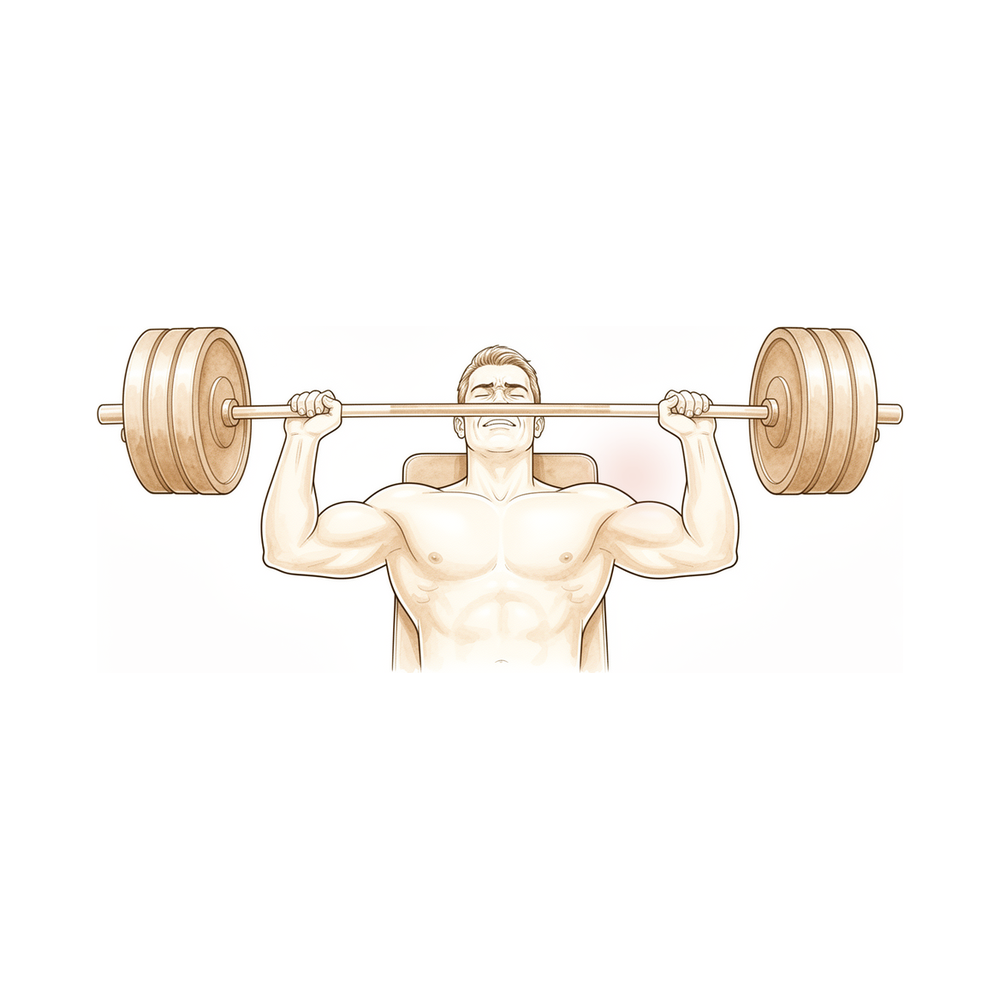
Pectoralis major rupture is a well-recognised but uncommon injury [15]. Patients usually recall the specific time of injury [30]. The mechanism is commonly indirect, secondary to a sudden forceful overload of a maximally contracted muscle [30]. Injury frequently occurs with eccentric contraction during bench press [31], classically while lifting heavy weights, especially more than 100 kg [50]. It also occurs during contact sports and other high-risk activities including rugby, American football, and martial arts [50]. Pectoralis muscle injuries are most frequently non-contact injuries, most commonly sustained by pitchers [107]. The total number of pectoralis major ruptures has drastically risen from 10 cases between 2000-2010 to 55 cases from 2010-2017 [13]. Pectoralis major rupture should be assessed in traumatic first-time dislocations to avoid missed diagnosis [10]. This report represents the first case of simultaneous rupture of the pectoralis major tendon with anterior dislocation of the shoulder [51]. There have been no previous reports of pectoralis major rupture occurring in women in this age group [11].
Physical Examination
The diagnosis is usually apparent from the history and the clinical setting [31]. Patients present with pain and weakness in adduction and internal rotation of the arm [30], along with ecchymosis and swelling about the shoulder [30]. Physical examination may reveal ecchymosis over the anterolateral chest wall and upper arm [31] and a variable degree of swelling [31]. Loss of the anterior axillary fold with an asymmetric muscle outline that is retracted medially is a useful diagnostic feature [31]. These physical features may be partially obscured acutely as a result of soft tissue swelling [31]. The absence of the anterior axillary fold can be accentuated by abducting the affected arm or with resisted adduction [31]. Testing the power of the muscle is helpful for documentation purposes and as a baseline for comparison after any intervention [31]. Muscle power testing may be carried out clinically or more formally with dynamometry [31]. Rupture of the pectoralis major muscle can result in ossification within the muscle, presenting as a tender lump [20]. After two months, the shoulder took full range of motion in a case of old subcutaneous rupture [12].
Diagnostic Testing
Diagnosis of pectoralis major muscle rupture is often made clinically [30]. Physical examination is the most important component of recognizing the tear as imaging studies are often unclear or variable [49]. The PMI technique is a simple, quantifiable, and accurate clinical diagnostic test for structurally significant pectoralis major tears [28]. The use of plain radiographs in the diagnosis and characterization of PM ruptures is limited [31]. Loss of the PM shadow on plain radiographs is a finding that is described but is inconsistent [31]. The presence or absence of the PM shadow on plain radiographs should not influence decisionmaking [31]. In the rare case of a bone avulsion, plain radiographs may be useful [31]. Ultrasound assessment can be a useful adjunct to clinical examination when the diagnosis is in doubt or when there is an unacceptable delay to magnetic resonance imaging (MRI) [31]. MRI is the imaging modality of choice because it can be used to accurately assess the site and extent of rupture in both acute and chronic cases [30]. MRI is the investigation of choice for its added value in the characterization of tears and for surgical planning [31]. A standard shoulder MRI study will not be sufficient to fully identify or to characterize a PM tear, as most sequences will not extend caudally enough to include the tendinous insertion [31]. MRI is accurate for diagnosing the tear grade and location of pectoralis major tendon ruptures, particularly for acute, tendon-bone, and G3 tears [33]. Discrepancies exist between intraoperative and radiographic assessments of pectoralis major tears [3].
Anatomical Location and Classification
In most patients, the site of the tear is at either the myotendinous junction or the tendinous insertion [30]. The majority of pectoralis major tears occurred at the myotendinous junction, potentially reflecting changes in population-wide physical activities [26]. In the majority of cases, it is the deep (sternal) head of the muscle that is injured [50]. Classifying pectoralis tendon tears as 'full- or partial-thickness' and 'full- or partial-width' will more accurately characterize the degree of pectoralis tendon pathology and help guide the most appropriate clinical management [24].
Investigations
Clinical Examination
There is no single, reliable, established test for pectoralis major rupture [50]. The Pectoralis Major Index (PMI) serves as a simple, quantifiable, and accurate clinical diagnostic test for structurally significant pectoralis major tears [28]. Additionally, the "Cruciform Test" has been described as a new clinical test for the detection of pectoralis major rupture [50].
Imaging
The purpose of shoulder imaging is to help establish the diagnosis, determine the severity of the pathoanatomy, assist in surgical planning, and enable the surgeon to illustrate the condition of the shoulder to the patient [48]. Classifying pectoralis tendon tears as full- or partial-thickness and full- or partial-width helps characterize the degree of pathology and guide clinical management [24].
MRI: MRI is the modality of choice for evaluating the rotator cuff, biceps, and subacromial/subdeltoid bursa [79]. It is useful to identify labral tears and rotator cuff tears, although accuracy for these is enhanced by combining the scan with arthrography [72]. Axial T2-weighted MRI of the shoulder and chest can show a complete tear of the pectoralis major tendon [81].
Ultrasonography: Ultrasonography is a low-cost alternative to MRI and arthrography for evaluating both skeletal and soft-tissue structures of the shoulder [79]. It is a simple and accurate test for identifying rotator cuff tears and calcific tendinitis [72]. However, ultrasonography is highly operator dependent and is not as useful for evaluating labral tears or rotator cuff tears that are very small or larger than 3 cm [79].
Treatment
Non-Operative
Nonsurgical management is recommended only for proximal tears and elderly, sedentary patients [30]. In an older or sedentary patient, nonoperative management may be appropriate with any degree of tendon rupture [109]. Partial tears and neglected complete tears with near-complete restoration of muscle strength after rehabilitation may be treated nonoperatively with good results [109]. A relative contraindication to surgery is any patient where significant medical comorbidities would lead to an unacceptable surgical or medical complication rate [109]. An absolute contraindication for any surgery is active infection [109]. After two months, a patient with an old subcutaneous rupture of the pectoralis major muscle took full range of motion [12].
Operative
Indications: Surgical repair of pectoralis major tendon tears is the treatment of choice in order to regain full strength in the young, active patient [34]. Surgical correction is indicated when the patient is relatively active and healthy and desires maximal return of function [109]. The patient may also desire a correction of cosmetic deformity as an indication for surgical correction [109]. It is important to consider the age, function, and cosmetic concerns of the patient with a complete pectoralis major tear [109].
Surgical Approach / Technique: Surgical repair of pectoralis major tendon ruptures results in significantly superior outcomes compared with nonoperative treatment [16]. Acute repair of pectoralis major tendon tears resulted in significantly superior functional outcomes and cosmesis satisfaction compared to delayed repair [44]. Acute repair of pectoralis major tendon tears showed a trend toward a higher proportion of patients who were pain-free [44]. There is no statistically significant difference in outcomes between acute and chronic operative groups for pectoralis major ruptures [6]. Most literature reports that optimal results are obtained from short-term diagnosis and repair within 8 weeks of injury [109]. Pectoralis major tendon repair is an effective treatment that results in a high rate of return to sport and work, pain relief, and improved cosmetic appearance [95]. Pectoralis major repair results in a high rate of return to work (97.8%) with a mean time to return of 1.6 months [38]. Repair of the pectoralis major tendon ruptures using intramedullary suture anchors has high rates of return to duty, patient satisfaction, and patient-reported outcomes [104]. The authors recommend their preferred technique for pectoralis major repair as it provides a reproducible and reliable anatomic repair with positive clinical outcomes [41]. The authors describe a safe and reproducible technique for acute pectoralis major reconstruction with semitendinosus augmentation [114].
Reconstruction Options: Full-thickness ruptures of the pectoralis major muscle belly are rare and have been treated surgically with good to excellent results reported [5]. A new technique for repairing pectoralis major muscle injuries with cortical button fixation has been performed on 6 patients with acute rupture without any failures at a mean 7 months follow-up [9]. Reconstruction of the pectoralis major tendon using autologous grafting and cortical button attachment is a viable option for chronic and acute patients for whom reinsertion of the remaining tendon is not possible [19].
Complications
Wound complications: Pectoralis major rupture is a well-recognised but uncommon injury that rarely leads to complications [15]. However, a haematoma following a partial pectoralis major rupture can become infected, causing problems with diagnosis [15].
Other Considerations: Surgical repair of pectoralis major tendon tears is associated with a 14.21% complication rate [16, 23], although other data indicate that surgical repair of pectoralis major tendon ruptures carries a low risk of complications [18]. In a study of the young active population, 5.8% of patients experience re-rupture following primary pectoralis major repair [52].
Recovery
Other Considerations: In the largest study to date, 94% of patients are able to return to full military duty after primary pectoralis major repair [52]. Prompt recognition and decompression of pectoral/upper arm compartment syndrome, followed by delayed pectoralis major tendon repair, can result in a successful return to normal function [36].
Key Evidence
- [L4] The majority of pectoralis major tears occurred at the myotendinous junction. [3] (10.1016/j.jseint.2023.06.019)
- [L4] Repair of a pectoralis major muscle rupture was successfully performed 13 years after the initial injury. [4] (10.1177/03635465000280021901)
- [L4] Full-thickness ruptures of the pectoralis major muscle belly are rare and have been treated surgically with good to excellent results reported. [5] (10.1016/j.jses.2019.10.006)
- [L3] Patients treated operatively for acute or chronic pectoralis major ruptures fared significantly better than those treated nonoperatively, with no statistically significant difference in outcomes between acute and chronic operative groups. [6] (10.1177/03635465000280012701)
- [L3] Complete pectoralis major ruptures should be treated operatively as early as possible to achieve full strength restoration. [7] (10.1055/s-2006-933444)
- [L4] Early surgical treatment by anatomic repair gives the best results in the treatment of total and near-total ruptures of the pectoralis major muscle. [8] (10.1177/0363546503261137)
- [L4] To date we have performed this operation on 6 patients with acute rupture of the pectoralis major tendon and have not seen any failures with mean 7 months follow-up. [9] (10.1097/bte.0b013e3181edf159)
- [L4] The authors emphasize that pectoralis major rupture should be assessed in traumatic first-time dislocations to avoid missed diagnosis. [10] (10.1016/j.xrrt.2022.09.002)
- [L5] There have been no previous reports of pectoralis major rupture occurring in women in this age group. [11] (10.5435/jaaosglobal-d-19-00030)
- [L5] After two month, his shoulder took full range of motion. [12] (10.1016/s1058-2746(96)80517-9)
- [L4] The total number of pectoralis major ruptures has drastically risen from 10 cases between 2000-2010 to 55 cases from 2010-2017. [13] (10.1177/2325967119s00396)
- [L5] [15] (10.1007/pl00021233)
- [L1] Pectoralis major tendon repair resulted in significantly superior outcomes compared with nonoperative treatment, with an associated 14.21% complication rate. [16] (10.1177/2325967119900813)
- [L4] Surgical repair of pectoralis major tendon ruptures can be performed safely with a low re-rupture rate and low risk of complications. [18] (10.1177/2325967117s00242)
- [L4] Although this technique requires more follow-up, it represents a viable option for reconstruction of the tendon of the pectoralis major muscle in chronic and acute patients for whom reinsertion of the remaining tendon is not possible. [19] (10.1097/bte.0b013e31824e9f60)
- [L5] Rupture of the pectoralis major muscle can result in ossification within the muscle, presenting as a tender lump. [20] (10.1016/0020-1383(88)90050-2)
- [L4] In summary, anatomic surgical repair is the treatment of choice for complete acute ruptures of the pectoralis major tendon or muscle in athletes. [21] (10.2147/oajsm.s9066)
- [L1] Pectoralis major tendon repair resulted in significantly superior outcomes as compared to nonoperative treatment with an associated 14.21% complication rate. [23] (10.1177/2325967120s00411)
- [L5] Classifying pectoralis tendon tears as ' full- or partial-thickness ' (i.e., involving both layers or just one) and ' full- or partial-width ' (i.e., involving entire layer or just a portion of the layer) will more accurately characterize the degree of pectoralis tendon pathology and help guide the most appropriate clinical management. [24] (10.1007/s00256-014-1990-7)
- [L2] Total ruptures of the pectoralis major muscle exhibit better outcomes with surgical treatment than with nonoperative treatment based on the Bak criteria in athletes. [25] (10.1177/0363546513506556)
- [L4] The majority of pectoralis major tears occurred at the myotendinous junction, potentially reflecting changes in population-wide physical activities. [26] (10.1177/2325967123s00348)
- [L2] The PMI technique is a simple, quantifiable, and accurate clinical diagnostic test for structurally significant pectoralis major tears. [28] (10.1177/2325967113516729)
- [Letter] The authors propose an alternate classification of pectoralis major tears based on the crossing of tendon segments, suggesting that lesions Pp-I cannot involve only the inferior part of the posterior layer and that surgical recommendations for this classification are yet to be established. [29] (10.1016/j.jse.2012.10.030)
- [L4] [30] (10.5435/00124635-200604000-00008)
- [L5] [31] (10.1016/j.jse.2014.10.024)
- [L4] [32] (10.1177/0363546505279573)
- [L3] MRI is accurate for diagnosing the tear grade and location of pectoralis major tendon ruptures, particularly for acute, tendon-bone, and G3 tears. [33] (10.1016/j.jse.2015.08.037)
- [Paper] Most authors now agree that surgical repair of pectoralis major tendon tears is the treatment of choice in order to regain full strength in the young, active patient. [34] (10.1097/00132589-200209000-00004)
- [L4] Our case demonstrates that prompt recognition and decompression of pectoral/upper arm compartment syndrome, followed by delayed pectoralis major tendon repair, can result in a successful return to normal function. [36] (10.1016/j.jse.2014.10.023)
- [L4] The authors recommend repair of complete pectoralis muscle ruptures in active patients who require maximum strength in vocational or avocational activities. [37] (10.1177/036354659202000517)
- [L4] Pectoralis major repair results in a high rate of return to work (97.8%) with a mean time to return of 1.6 months. [38] (10.1177/23259671211045635)
- [Paper] The authors recommend their preferred technique for pectoralis major repair as it provides a reproducible and reliable anatomic repair with positive clinical outcomes. [41] (10.1016/j.eats.2017.02.002)
- [L5] At 4 months all patients had a stable reconstruction, were pain free and had a satisfactory range of shoulder movement. [42] (10.1016/s0020-1383(02)00353-4)
- [L1] Acute repair of pectoralis major tendon tears resulted in significantly superior functional outcomes and cosmesis satisfaction with a trend toward a higher proportion of patients who were pain-free. [44] (10.1177/0363546520904402)
- [L4] Early surgical repair of distal pectoralis major tendon ruptures and an accelerated rehabilitation protocol provide reliable restoration of shoulder function and strength, allowing an early return to sports and functional activity. [45] (10.1007/s00264-006-0171-2)
- [L5] [49] (10.1177/0363546509348051)
- [L4] [50] (10.1177/17585732211058457)
- [L5] This report represents the first case of simultaneous rupture of the pectoralis major tendon with anterior dislocation of the shoulder. [51] (10.1016/s1058-2746(97)90024-0)
- [L3] In the largest study to date, 94% of patients are able to return to full military duty after primary pectoralis major repair and 5.8% experience re-rupture. [52] (10.1016/j.arthro.2016.03.068)
- [L3] These results support the theory that an adaptively short pectoralis minor may influence scapular kinematics and is therefore a potential mechanism for subacromial impingement. [83] (10.2519/jospt.2005.35.4.227)
- [L5] Combining it’s unique advantage of addressing both static and dynamic components, contributing to the restoration of joint compression dynamic shoulder stabilization, this transfer partially restored the shoulder kinematics to native conditions in the presence of an irreparable SSP tear [84] (10.1016/j.jseint.2024.08.059)
- [L5] Anatomically, it provides sufficient tissue length, excursion, and width, and biomechanically, it is as strong as the coracoacromial ligament. [85] (10.1016/j.jse.2006.09.007)
- [L2] The pectoralis minor stretching protocol did not change pectoralis minor length or scapular kinematics in subjects with or without shoulder pain. [86] (10.1016/j.jht.2016.06.006)
- [L5] In massive rotator cuff tear, the pectoralis major and latissimus dorsi muscles are effective in improving glenohumeral kinematics and reducing acromiohumeral pressures. [87] (10.1016/j.jse.2013.11.030)
- [L4] It combines aspects of various existing techniques to help restore scapulothoracic motion and shoulder function. [88] (10.1016/j.xrrt.2026.100727)
- [L4] The improvement in scapulalgia is probably due to the correction of shoulder protaction, allowing better scapular kinematics. [89] (10.1016/j.otsr.2022.103211)
- [L4] The patients achieved good stability and functionality of the shoulder. [90] (10.1055/s-0028-1104558)
- [L4] For the sternal region, the shear modulus was higher in shoulder horizontal abduction at 90° abduction while adding external rotation, and combination of pelvic rotation and external rotation. [91] (10.1016/j.jbiomech.2021.110416)
- [L4] The authors propose a new classification of pectoralis major injury and present a biomechanically sound repair technique for isolated tears of the sternocostal head with favorable outcomes. [93] (10.1016/j.jse.2019.11.024)
- [L5] This study successfully quantifies anatomic dimensions of the PM tendon, its humeral head insertion (SH and CH), and its location relative to nearby vital structures. [94] (10.1177/23259671221121333)
- [L4] Pectoralis major tendon repair is an effective treatment that results in a high rate of return to sport and work, pain relief, and improved cosmetic appearance, albeit with a significant rate of complication. [95] (10.1177/1941738118818060)
- [L5] This study determined that shoulder horizontal abduction at an elevation of 90° and horizontal abduction at an elevation of 150° were the most effective stretching maneuvers for the pectoralis minor muscle in vivo. [96] (10.1016/j.jse.2016.12.074)
- [Paper] Restoration of the dynamic external and internal couple forces maintains the humeral head in the center of rotation. [97] (10.1007/s00064-021-00760-5)
- [L3] Shoulder stiffness was significantly reduced in the subpectoral implant group during vertical adduction torques. [99] (10.1002/jor.24257)
- [L5] LD transfer most closely approximates the native subscapularis regarding internal rotation moment arms. [100] (10.1016/j.jse.2021.08.022)
- [L4] In addition, patients with associated multidirectional instability improved, and only one subsequently required additional shoulder surgery. [101] (10.1016/s1058-2746(10)80001-1)
- [Case_report] Arthroscopic superior capsular reconstruction combined with pectoralis minor transfer is a possible treatment option for irreparable anterosuperior rotator cuff tear by restoring glenohumeral joint biomechanics. [102] (10.1016/j.xrrt.2022.10.001)
- [Paper] Scapular dyskinesis is a complex condition that requires an individualized and patient-specific approach. [103] (10.1177/03635465251410581)
- [L4] Repair of the pectoralis major tendon ruptures using intramedullary suture anchors has high rates of return to duty, patient satisfaction, and patient-reported outcomes. [104] (10.1016/j.jse.2024.04.029)
- [L5] Double-row repair did not show a biomechanical advantage compared with single-row repair. [105] (10.1016/j.arthro.2007.07.010)
- [L3] Glenohumeral flexion and external rotation active range of motion prevented increased levels of self-reported shoulder pain and disability. [106] (10.1016/j.jht.2024.10.003)
- [L4] Pectoralis muscle injuries are most frequently non-contact injuries, most commonly sustained by pitchers. [107] (10.1016/j.jse.2022.01.134)
- [L4] [109] (10.1097/bte.0b013e31818ff72e)
- [L3] Elite level swimming training results in short-term maladaptive changes in shoulder performance that could potentially predispose them to injury. [111] (10.1177/1758573218773539)
- [L3] Patients undergoing repair of the PMM are expected to have significant improvements in function of the shoulder. [112] (10.1177/2325967119s00252)
- [L4] The authors describe a safe and reproducible technique for acute pectoralis major reconstruction with semitendinosus augmentation, hoping it provides a treatment rationale for surgeons caring for athletes with favorable outcomes. [114] (10.1016/j.xrrt.2025.06.003)
- [L4] These specific methods showed satisfactory outcomes and decreased residual shoulder discomfort (17%) at mid-term follow-up. [115] (10.1007/s00402-019-03285-6)
- [L5] Superior capsule reconstruction normalized the superior stability of the shoulder joint when the graft was attached at 10 or 30 of glenohumeral abduction. [116] (10.1016/j.arthro.2015.08.024)
- [L4] It has permitted the fitting of the more functional above-the-elbow prosthetic device, rather than the less desirable shoulder-disarticulation mechanism. [117] (10.2106/00004623-195335030-00015)
- [L5] HDA ACR for treating irreparable subscapularis tears with capsular insufficiency restored anterior-inferior glenohumeral translation and rotational ROM at time 0 in human cadaver shoulders. [118] (10.1016/j.arthro.2019.05.046)
- [Case_report] This case demonstrates successful functional recovery with no shoulder pain and full strength at 1 year. [119] (10.1016/j.jse.2012.07.016)
- [L4] A split pectoralis major muscle transfer is an acceptable salvage option for irreparable subscapularis tendon ruptures. [121] (10.1097/00132589-200403000-00002)
- [L3] As a salvage procedure, the pectoralis major tendon transfer provides good results in most cases. [122] (10.1016/j.jse.2011.01.023)
- [L5] The patient sustained a unique shoulder injury and underwent successful primary repairs of both the chronic subscapularis tear and acute PM tear regaining both excellent strength and range of motion. [123] (10.5435/jaaosglobal-d-23-00155)
- [L5] Tendon graft reconstruction may be an alternative to coracoacromial ligament transfer and may provide a permanent biologic reconstruction with superior initial biomechanical properties, including that of tensile strength. [124] (10.1177/03635465030310050301)
- [L5] A locking whipstitch of the PM tendon over a length of 6 cm provides superior biomechanical properties at time zero compared to 2 cm or 4 cm lengths. [126] (10.1016/j.jse.2025.01.045)
- [L5] The study used novel 3D muscle modeling technologies to elucidate PM tendon and muscle morphology, and to quantify the architectural parameters. [127] (10.1002/ca.20784)
- [L4] A contemporary injury classification system is proposed that includes injury timing, injury location, and standardized terminology addressing tear extent to more accurately reflect the musculotendinous morphology of PM injuries and better inform surgical management, rehabilitation, and research. [128] (10.1016/j.jse.2011.04.035)
- [L4] [131] (10.1177/2325967118824551)
- [L4] [133] (10.1097/00132589-200209000-00003)
- [L4] [135] (10.1097/bte.0b013e3181c99156)
- [L4] [136] (10.1177/23259671221117826)
See Also
- Rotator Cuff
- Rotator Cuff Repair
- Calcific Tendinitis
- Pectoralis Major Repair
References
[1] Rupture of the Pectoralis Major Muscle: A REPORT OF ELEVEN INJURIES AND REVIEW OF FIFTY-SIX.. The Journal of Bone and Joint Surgery. American Volume. 1972.
[3] Myotendinous junction tears of the pectoralis major are occurring more frequently and discrepancies exist between intraoperative and radiographic assessments. JSES International. 2023. DOI: 10.1016/j.jseint.2023.06.019
[4] Delayed Repair of a Ruptured Pectoralis Major Muscle. The American Journal of Sports Medicine. 2000. DOI: 10.1177/03635465000280021901
[5] Successful surgical repair of a full-thickness intramuscular muscle belly rupture of pectoralis major. JSES International. 2020. DOI: 10.1016/j.jses.2019.10.006
[6] Rupture of the Pectoralis Major Muscle. The American Journal of Sports Medicine. 2000. DOI: 10.1177/03635465000280012701
[7] Musculus-pectoralis-major-Rupturen: Verletzungsklassifikation und Ergebnisse der operativen Versorgung. Zeitschrift für Orthopädie und ihre Grenzgebiete. 2006. DOI: 10.1055/s-2006-933444
[8] Rupture of the Pectoralis Major Muscle. The American Journal of Sports Medicine. 2004. DOI: 10.1177/0363546503261137
[9] A New Technique for Repairing Pectoralis Major Muscle Injuries With Cortical Button Fixation. Techniques in Shoulder & Elbow Surgery. 2010. DOI: 10.1097/bte.0b013e3181edf159
[10] Traumatic anterior shoulder dislocation with concomitant pectoralis rupture and Bankart lesion. JSES Reviews, Reports, and Techniques. 2023. DOI: 10.1016/j.xrrt.2022.09.002
[11] Pectoralis Major Rupture in an Active Female. JAAOS: Global Research and Reviews. 2019. DOI: 10.5435/jaaosglobal-d-19-00030
[12] An old subcutaneous rupture of the pectoralis major muscle. Journal of Shoulder and Elbow Surgery. 1996. DOI: 10.1016/s1058-2746(96)80517-9
[13] Increasing Incidence of Pectoralis Major Ruptures in NFL Players. Orthopaedic Journal of Sports Medicine. 2019. DOI: 10.1177/2325967119s00396
[15] Traumatic abscess of pectoralis major. Archives of Orthopaedic and Trauma Surgery. 2000. DOI: 10.1007/pl00021233
[16] Treatment of Pectoralis Major Tendon Tears: A Systematic Review and Meta-analysis of Operative and Nonoperative Treatment. Orthopaedic Journal of Sports Medicine. 2020. DOI: 10.1177/2325967119900813
[18] Surgical Treatment of Pectoralis Major Tendon Ruptures: A Retrospective Review of 134 Patients Tendon Ruptures. Orthopaedic Journal of Sports Medicine. 2017. DOI: 10.1177/2325967117s00242
[19] Reconstruction of the Pectoralis Major Tendon Using Autologous Grafting and Cortical Button Attachment. Techniques in Shoulder & Elbow Surgery. 2012. DOI: 10.1097/bte.0b013e31824e9f60
[20] Rupture of the pectoralis major muscle: a complication. Injury. 1988. DOI: 10.1016/0020-1383(88)90050-2
[21] Surgical and nonsurgical treatment of total rupture of the pectoralis major muscle in athletes: update and critical appraisal. Open Access Journal of Sports Medicine. 2010. DOI: 10.2147/oajsm.s9066
[23] Treatment of Pectoralis Major Tendon Tears: A Systematic Review and Meta-Analysis of Operative and Nonoperative Treatment. Orthopaedic Journal of Sports Medicine. 2020. DOI: 10.1177/2325967120s00411
[24] Pectoralis major tears: anatomy, classification, and diagnosis with ultrasound and MR imaging. Skeletal Radiology. 2014. DOI: 10.1007/s00256-014-1990-7
[25] Clinical Considerations for the Surgical Treatment of Pectoralis Major Muscle Ruptures Based on 60 Cases. The American Journal of Sports Medicine. 2013. DOI: 10.1177/0363546513506556
[26] Poster 385: Discrepancies Exist Between Intraoperative and Magnetic Resonance Imaging Assessments of Partial Pectoralis Major Tears. Orthopaedic Journal of Sports Medicine. 2023. DOI: 10.1177/2325967123s00348
[28] Utility of the Pectoralis Major Index in the Diagnosis of Structurally Significant Pectoralis Major Tears. Orthopaedic Journal of Sports Medicine. 2013. DOI: 10.1177/2325967113516729
[29] Regarding “A systematic review and comprehensive classification of pectoralis major tears”. Journal of Shoulder and Elbow Surgery. 2013. DOI: 10.1016/j.jse.2012.10.030
[30] Pectoralis Major Muscle Injuries: Evaluation and Management. Journal of the American Academy of Orthopaedic Surgeons. 2006. DOI: 10.5435/00124635-200604000-00008
[31] Pectoralis major ruptures: a review of current management. Journal of Shoulder and Elbow Surgery. 2015. DOI: 10.1016/j.jse.2014.10.024
[32] Pectoralis Major Tears. The American Journal of Sports Medicine. 2006. DOI: 10.1177/0363546505279573
[33] Accuracy of magnetic resonance imaging in predicting the intraoperative tear characteristics of pectoralis major ruptures. Journal of Shoulder and Elbow Surgery. 2016. DOI: 10.1016/j.jse.2015.08.037
[34] Repair of Chronic Pectoralis Major Ruptures. Techniques in Shoulder and Elbow Surgery. 2002. DOI: 10.1097/00132589-200209000-00004
[36] Compartment syndrome secondary to acute pectoralis major tendon rupture. Journal of Shoulder and Elbow Surgery. 2015. DOI: 10.1016/j.jse.2014.10.023
[37] Ruptures of the pectoralis major muscle. The American Journal of Sports Medicine. 2020. DOI: 10.1177/036354659202000517
[38] Return to Work After Pectoralis Major Repair. Orthopaedic Journal of Sports Medicine. 2021. DOI: 10.1177/23259671211045635
[41] Pectoralis Major Repair With Unicortical Button Fixation And Suture Tape. Arthroscopy Techniques. 2017. DOI: 10.1016/j.eats.2017.02.002
[42] The pectoralis major muscle flap—a first choice for shoulder disruption injuries. Injury. 2004. DOI: 10.1016/s0020-1383(02)00353-4
[44] Treatment of Pectoralis Major Tendon Tears: A Systematic Review and Meta-analysis of Repair Timing and Fixation Methods. The American Journal of Sports Medicine. 2020. DOI: 10.1177/0363546520904402
[45] Rupture of the pectoralis major muscle: Surgical treatment in athletes. International Orthopaedics. 2006. DOI: 10.1007/s00264-006-0171-2
[48] Rockwood And Matsen S The Shoulder. Arthroscopic Management of Prearthritic and Arthritic Conditions of the Shoulder and the Postarthroplasty Shoulder > Radiographic Evaluation.
[49] Injuries to the Pectoralis Major Muscle. The American Journal of Sports Medicine. 2010. DOI: 10.1177/0363546509348051
[50] The ‘Cruciform Test’: A diagnostic tool to detect pectoralis major rupture. Shoulder & Elbow. 2021. DOI: 10.1177/17585732211058457
[51] Pectoralis major rupture with simultaneous anterior dislocation of the shoulder. Journal of Shoulder and Elbow Surgery. 1997. DOI: 10.1016/s1058-2746(97)90024-0
[52] Mid‐Term Complications and Re‐operation Rates Following Pectoralis Major Tendon Repair in the Young Active Population. Arthroscopy. 2016. DOI: 10.1016/j.arthro.2016.03.068
[55] Rockwood And Matsen S The Shoulder. Shoulder and Elbow Specialty Clinic Workers’ Survey > ANATOMY.
[56] A Lange Medical Book Current Diagnosis Treatment In Orthopedics Fifth Edition. 2Musculoskeletal Trauma Surgery > SHOULDER AND ARM INJURIES.
[60] Rockwood And Matsen S The Shoulder. Risk Factors for Failure of Arthroscopic Stabilization > ANATOMY.
[62] Rockwood And Matsen S The Shoulder. Fractures, Dislocations, and Acquired Problems of the Shoulder in Children > FRACTURES OF THE PROXIMAL HUMERUS.
[64] Aaos Comprehensive Orthopaedic Review 3. Fractures of the Clavicle, Scapula, and Glenoid > I. Clavicular Fractures.
[68] Campbell S Operative Orthopaedics 4 Volume Set. ANTERIOR CRUCIATE LIGAMENT RECONSTRUCTION WITH BONE-PATELLAR TENDON-BONE GRAFT > SHOULDER INJURIES > ANATOMY AND BIOMECHANICS.
[72] Apley And Solomon S Concise System Of Orthopaedics And Trauma. INVESTIGATION.
[79] Orthopaedic Knowledge Update 13 Ebook Without Multimedia. Shoulder Anatomy and Biomechanics, Clinical Evaluation, Imaging > Clinical Evaluation > Imaging.
[81] Aaos Comprehensive Orthopaedic Review 3. Imaging of the Shoulder and Elbow > I. Shoulder.
[83] The Effect of Long Versus Short Pectoralis Minor Resting Length on Scapular Kinematics in Healthy Individuals. Journal of Orthopaedic & Sports Physical Therapy. 2005. DOI: 10.2519/jospt.2005.35.4.227
[84] The Comprehensive Biomechanical Effect Of Middle Trapezius Transfer For Irreparable Supraspinatus Tears - A Static And Dynamic Biomechanical Investigation. JSES International. 2024. DOI: 10.1016/j.jseint.2024.08.059
[85] Anatomy of the pectoralis minor tendon and its use in acromioclavicular joint reconstruction. Journal of Shoulder and Elbow Surgery. 2007. DOI: 10.1016/j.jse.2006.09.007
[86] Effects of a stretching protocol for the pectoralis minor on muscle length, function, and scapular kinematics in individuals with and without shoulder pain. Journal of Hand Therapy. 2017. DOI: 10.1016/j.jht.2016.06.006
[87] The role of pectoralis major and latissimus dorsi muscles in a biomechanical model of massive rotator cuff tear. Journal of Shoulder and Elbow Surgery. 2014. DOI: 10.1016/j.jse.2013.11.030
[88] Pectoralis major sternal head tendon transfer for neurogenic scapular winging: technique and case report. JSES Reviews, Reports, and Techniques. 2026. DOI: 10.1016/j.xrrt.2026.100727
[89] Arthroscopic release of the pectoralis minor tendon as an adjunct to acromioplasty in the treatment of subacromial syndrome associated with scapular dyskinesia. Orthopaedics & Traumatology: Surgery & Research. 2022. DOI: 10.1016/j.otsr.2022.103211
[90] Transfer of the Superior Portion of the Pectoralis Major Flap for Restoration of Shoulder Abduction. Journal of Reconstructive Microsurgery. 2008. DOI: 10.1055/s-0028-1104558
[91] Regional differential stretching of the pectoralis major muscle: An ultrasound elastography study. Journal of Biomechanics. 2021. DOI: 10.1016/j.jbiomech.2021.110416
[92] Pectoralis Major Muscle: Function of Sternal Portion and Mechanism of Rupture of Normal Muscle: Case Reports.. The Journal of Bone and Joint Surgery. American Volume. 1961.
[93] Isolated tears of the sternocostal head of the pectoralis major muscle: surgical technique, clinical outcomes, and a modification of the Tietjen and Bak classification. Journal of Shoulder and Elbow Surgery. 2020. DOI: 10.1016/j.jse.2019.11.024
[94] Qualitative and Quantitative Anatomy of the Humeral Attachment of the Pectoralis Major Muscle and Structures at Risk: A Cadaveric Study. Orthopaedic Journal of Sports Medicine. 2022. DOI: 10.1177/23259671221121333
[95] Outcomes and Return to Sport After Pectoralis Major Tendon Repair: A Systematic Review. Sports Health: A Multidisciplinary Approach. 2018. DOI: 10.1177/1941738118818060
[96] Shoulder horizontal abduction stretching effectively increases shear elastic modulus of pectoralis minor muscle. Journal of Shoulder and Elbow Surgery. 2017. DOI: 10.1016/j.jse.2016.12.074
[97] Pectoralis major and pectoralis minor transfer for irreparable subscapularis tendon tears. Operative Orthopädie und Traumatologie. 2022. DOI: 10.1007/s00064-021-00760-5
[99] Functional integrity of the shoulder joint and pectoralis major following subpectoral implant breast reconstruction. Journal of Orthopaedic Research. 2019. DOI: 10.1002/jor.24257
[100] Biomechanical analysis of latissimus dorsi, pectoralis major, and pectoralis minor transfers in subscapularis-deficient shoulders. Journal of Shoulder and Elbow Surgery. 2022. DOI: 10.1016/j.jse.2021.08.022
[101] Pectoralis major transfer for winging of the scapula. Journal of Shoulder and Elbow Surgery. 1995. DOI: 10.1016/s1058-2746(10)80001-1
[102] Arthroscopic superior capsular reconstruction combined with pectoralis minor transfer for irreparable anterosuperior rotator cuff tear: a case report. JSES Reviews, Reports, and Techniques. 2023. DOI: 10.1016/j.xrrt.2022.10.001
[103] The Paradox of Pectoralis Minor Release Versus Repair in Scapular Dyskinesis: Response. The American Journal of Sports Medicine. 2026. DOI: 10.1177/03635465251410581
[104] Pectoralis major tendon rupture repairs using intramedullary suture anchors shows high patient-reported outcomes in military service members. Journal of Shoulder and Elbow Surgery. 2025. DOI: 10.1016/j.jse.2024.04.029
[105] Single‐Row Suture Anchor Repair of the Rotator Cuff is Biomechanically Equivalent to Double‐Row Repair in a Bovine Model. Arthroscopy. 2007. DOI: 10.1016/j.arthro.2007.07.010
[106] Are pectoralis minor length and posterior shoulder tightness associated with patient-reported shoulder pain and disability?. Journal of Hand Therapy. 2025. DOI: 10.1016/j.jht.2024.10.003
[107] Pectoralis muscle injuries in Major and Minor League Baseball. Journal of Shoulder and Elbow Surgery. 2022. DOI: 10.1016/j.jse.2022.01.134
[109] Use of Transcutaneous Electrical Nerve Stimulation for Pectoralis Major Tendon Repair. Techniques in Shoulder & Elbow Surgery. 2009. DOI: 10.1097/bte.0b013e31818ff72e
[111] The short-term effect of swimming training load on shoulder rotational range of motion, shoulder joint position sense and pectoralis minor length. Shoulder & Elbow. 2018. DOI: 10.1177/1758573218773539
[112] Return to Sport and Exercise Following Repair of the Pectoralis Major Tendon. Orthopaedic Journal of Sports Medicine. 2019. DOI: 10.1177/2325967119s00252
[114] Acute pectoralis major tendon tear reconstruction with semitendinosus augmentation: a technique note. JSES Reviews, Reports, and Techniques. 2025. DOI: 10.1016/j.xrrt.2025.06.003
[115] Trans-tendon suture bridge rotator cuff repair with tenotomized pathologic biceps tendon augmentation in high-grade PASTA lesions. Archives of Orthopaedic and Trauma Surgery. 2019. DOI: 10.1007/s00402-019-03285-6
[116] Biomechanical Effect of Thickness and Tension of Fascia Lata Graft on Glenohumeral Stability for Superior Capsule Reconstruction in Irreparable Supraspinatus Tears. Arthroscopy. 2015. DOI: 10.1016/j.arthro.2015.08.024
[117] PARTIAL REFLECTION OF THE PECTORALIS MAJOR. The Journal of Bone & Joint Surgery. 1953. DOI: 10.2106/00004623-195335030-00015
[118] Anterior Capsule Reconstruction Versus Pectoralis Major Transfer for Irreparable Subscapularis Tears Involving the Anterior Capsule: A Comparative Biomechanical Cadaveric Study. Arthroscopy. 2019. DOI: 10.1016/j.arthro.2019.05.046
[119] Posterior dislocation of both ends of the clavicle treated with allograft tendon reconstruction: a case report. Journal of Shoulder and Elbow Surgery. 2012. DOI: 10.1016/j.jse.2012.07.016
[121] Split Pectoralis Major and Teres Major Tendon Transfers for Reconstruction of Irreparable Tears of the Subscapularis. Techniques in Shoulder and Elbow Surgery. 2004. DOI: 10.1097/00132589-200403000-00002
[122] Magnetic resonance imaging-controlled results of the pectoralis major tendon transfer for irreparable anterosuperior rotator cuff tears performed with standard and modified fixation techniques. Journal of Shoulder and Elbow Surgery. 2011. DOI: 10.1016/j.jse.2011.01.023
[123] Treatment of a Combined Chronic Subscapularis Tear and Acute Pectoralis Major Tear in an Active-Duty Soldier. JAAOS: Global Research and Reviews. 2024. DOI: 10.5435/jaaosglobal-d-23-00155
[124] Reconstruction of the Coracoclavicular Ligaments with Tendon Grafts. The American Journal of Sports Medicine. 2003. DOI: 10.1177/03635465030310050301
[126] Pectoralis major tendon tears: a biomechanical study to analyze the influence of intratendinous suture distance on repair stability. Journal of Shoulder and Elbow Surgery. 2025. DOI: 10.1016/j.jse.2025.01.045
[127] Three‐dimensional study of pectoralis major muscle and tendon architecture. Clinical Anatomy. 2009. DOI: 10.1002/ca.20784
[128] A systematic review and comprehensive classification of pectoralis major tears. Journal of Shoulder and Elbow Surgery. 2012. DOI: 10.1016/j.jse.2011.04.035
[131] Surgical Treatment of Pectoralis Major Muscle Ruptures: A Systematic Review and Meta-analysis. Orthopaedic Journal of Sports Medicine. 2019. DOI: 10.1177/2325967118824551
[133] Pectoralis Major Muscle Transfer for Irreparable Rupture of the Subscapularis and Supraspinatus Tendon. Techniques in Shoulder and Elbow Surgery. 2002. DOI: 10.1097/00132589-200209000-00003
[135] Pectoralis Major Rupture in Athletes: Footprint Technique and Results. Techniques in Shoulder & Elbow Surgery. 2010. DOI: 10.1097/bte.0b013e3181c99156
[136] Video Analysis of Pectoralis Major Injuries in Professional Australian Football Players. Orthopaedic Journal of Sports Medicine. 2022. DOI: 10.1177/23259671221117826