Clinicians › General-Health
Bone Health and Osteoporosis
How bone strength affects fractures, fixation and recovery — bone density, fragility fractures, and what helps keep bones strong (lifestyle, supplements and medications).
For patients: a plain-language version of this topic is available. See the patient guide.
Overview
Osteoporosis management prioritizes the maximization of peak bone density and its subsequent maintenance to prevent fragility fractures [5]. The primary therapeutic goal is to halt further bone loss, thereby preventing initial or subsequent fractures [5]. Despite established guidelines, significant care gaps persist between the occurrence of a fragility fracture and the initiation of osteoporosis diagnosis and treatment [2]. This disconnect is evident across various fracture sites; treatment of underlying osteoporosis to prevent secondary fractures is rarely initiated following pelvic and vertebral fragility fractures [6], and low rates of osteoporotic pharmacotherapy were observed in patients with femoral neck fractures [22]. Consequently, a structured program for secondary osteoporotic fracture prevention is needed following distal radius fractures [18].
Clinical decision-making must account for patient-specific risk factors and comorbidities. A dose–response analysis of nine studies indicates that each 1-unit increase in body mass index is associated with a 9% reduction in osteoporosis risk [7]. While patients with osteoporosis may experience a higher incidence of medical complications within the 90-day global period following rotator cuff repair compared to nonosteoporotic patients [21], osteoporosis should not be considered a contraindication to arthroscopic rotator cuff repair [32].
Therapeutic strategies vary based on efficacy and patient tolerance. Intranasal salmon calcitonin is less effective than bisphosphonates and modern anabolic agents for increasing bone mineral density and reducing fracture risk [12]; its use is best reserved for patients who cannot take first-line therapies due to contraindications, intolerance, or personal preference [12]. Sequential anabolic-to-anti-resorptive therapy may inform treatment guidelines for high-risk postmenopausal populations [8]. Underlying pathophysiology, such as the significant decline in monocyte fusion ability observed in osteoporosis patients [52], further informs clinical understanding. Current online health information often fails to meet basic standards of evidence-based health information [4], and there is no perfect model for osteoporosis, though a variety of models are appropriate for answering specific questions [10]. Investigators must select an osteoporotic fracture model that best reflects the clinical problem being studied and the underlying pathophysiology of the osteoporosis in the target patient group [3].
How It Works
Pathophysiology and Mechanisms
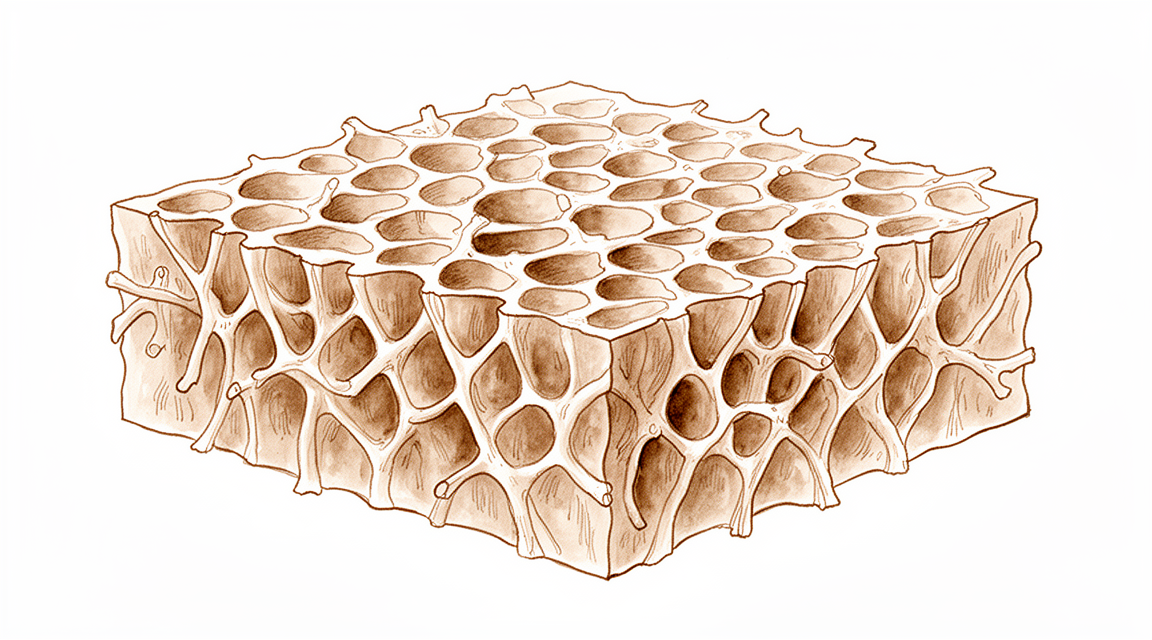
Hypothalamic-pituitary disconnection results in osteoporosis characterized by reduced trabecular and cortical bone mass due to a low bone turnover state with diminished osteoblast and osteoclast activity [27]. Molecular mechanisms include the MiR-137 pathway, which promotes TLR4/NF-κB activity by targeting KDM4A, thereby inhibiting osteogenic differentiation of human bone marrow mesenchymal stem cells and aggravating osteoporosis [37]. The gut microbiota–metabolite–bone network may mediate the skeletal effects of leptin, offering mechanistic insights for management [36]. While macrophage polarization-related genes show potential causal roles in osteoporosis, these findings remain exploratory and require validation in bone marrow-specific and functional studies [35]. Early changes in bone geometry and increased bone turnover serve as detectable markers that can identify osteoporosis before estrogen deficiency adversely affects bone strength [25].
Diagnosis and Risk Assessment
Diagnostic strategies are evolving to include precision medicine approaches, such as a bone density-based aging model that may facilitate tailored prevention and management [1]. For the elderly population, a nomogram with an online dynamic calculator aids in the early prediction, diagnosis, and treatment of osteoporosis [13]. Machine learning application to hand radiographs represents a step toward more accessible, cost-effective, and automated diagnosis of osteoporosis or osteopenia [11]. Risk assessment incorporates demographic factors; specifically, each 1-unit increase in BMI is associated with a 9% reduction in osteoporosis risk based on a dose-response analysis of nine studies [7]. Simple, inexpensive tools have the potential to increase the rate of osteoporosis investigation in at-risk populations [19]. Multiscale biomechanical assessment approaches offer applications in fracture risk assessment, the design of patient-specific implants, and research into bone metabolic disease mechanisms [38]. However, current online health information on osteoporosis often fails to meet basic standards of evidence-based health information, highlighting the need for quality improvement to support informed decision-making [4].
Treatment and Management
The primary goal of prevention is maximizing and maintaining peak bone density, while treatment aims to stop further bone loss to prevent initial or subsequent fragility fractures [5]. Randomized controlled trials demonstrate that treating osteoporosis in patients with fragility fractures reduces the risk of subsequent fractures by up to 50% and mortality rates by up to 30% [17]. Pharmacological options vary in efficacy; intranasal salmon calcitonin is less effective than bisphosphonates and modern anabolic agents for increasing BMD and reducing fracture risk, and its use is best reserved for patients who cannot take first-line therapies due to contraindications, intolerance, or personal preference [12]. Acupuncture shows encouraging efficacy in improving symptoms of primary osteoporosis as a physical intervention [16]. Natural traditional Chinese medicine products provide a theoretical and experimental basis for developing new drugs and improving osteoporosis management [23]. A randomized controlled trial is expected to provide insights into optimizing teriparatide administration timing, potentially guiding personalized dosing strategies to enhance bone formation and reduce fracture risk [14]. Additionally, findings from studies on long-term hospitalized patients with muscular dystrophy may inform osteoporotic treatment and nutritional care strategies for this specific patient population [9].
Fracture Healing and Bone Repair
In humans, de novo use of bisphosphonate therapy after fracture does not appear to significantly affect fracture healing [31]. Prior bisphosphonate treatment affects the mineralization pattern of tissue repair consistently with reduced bone turnover but does not abolish the repair process [24]. There is promising experimental and clinical evidence for the possible enhancement of the bone repair process via administration of systemic agents [26]. Ovariectomy delays fracture healing, as evidenced by histological and radiological analysis, with the deleterious effect potentially related more to structural changes than to loss of BMD [40]. In SAMP6 mice, fracture healing is not detrimentally affected by impaired bone marrow stem cell osteogenesis, suggesting that bone marrow-mediated repair processes are dispensable for normal bone healing in this senile osteoporotic fracture model [43]. Cracks following bisphosphonate treatment were shorter than in control or ovariectomized groups, which may explain why increased damage levels following bisphosphonate treatment have not led to increased fractures [39]. A cohort nested case-control study found that although bone quality may be diminished in the elderly, this does not influence the occurrence of nonunion [45]. Postmenopausal women with distal radius fractures have diminished bone mass, which might make a bone more likely to break [44].
Research Models
There is no perfect model for osteoporosis, but a variety of models are appropriate for answering specific questions [10].
What the Evidence Shows
Prevention and Risk Factors
Body mass index serves as a protective factor against osteoporosis, with each 1-unit increase associated with a 9% reduction in risk [7]. Distal radius fractures function as a marker for osteoporosis investigation in at-risk populations [19]. In one study, intervention subjects with distal radial fractures were investigated for osteoporosis at a rate of 92%, compared to 23% in the usual-care group [30]. Prediction models for postmenopausal osteoporosis without fractures demonstrate good discriminative ability but are characterized by a high risk of bias, lack of calibration performance evaluation, and insufficient validation of clinical utility [29]. Conversely, a fracture risk prediction model for patients newly diagnosed with osteoporosis was successfully developed and validated using routine blood test markers [34]. Mendelian randomization analysis shows varying associations between type 2 diabetes and bone mineral density across different sites, with significant associations found for femoral neck and total body BMD [54]. After adjusting for metabolic confounds, the postulated skeletal benefit of glucagon-like peptide-1 receptor agonists did not translate to meaningful risk reductions in upper extremity fragility fracture [49].
Diagnosis and Screening
Application of machine learning to hand radiographs represents a step toward more accessible, cost-effective, automated diagnosis and earlier treatment of osteoporosis or osteopenia [11].
Treatment and Pharmacotherapy
A randomized controlled trial is expected to provide insights into optimizing teriparatide administration timing to enhance bone formation and reduce fracture risk in osteoporosis [14]. Patients who received parathyroid hormone (1–84) injections accelerated radiographic and clinical fracture healing to 7.8 weeks compared to 12.6 weeks in patients who received no treatment [46]. Prior bisphosphonate treatment affects the mineralization pattern of tissue repair consistently with a reduction in bone turnover but does not abolish the repair process [24]. There is promising experimental and clinical evidence for possible enhancement of the bone repair process via administration of systemic agents [26]. The efficacy of acupuncture in improving the symptoms of primary osteoporosis is encouraging for its use in clinical practice as a physical intervention [16]. Jintiange capsules are a good choice for patients with osteoporosis in terms of relieving pain, improving bone mineral density, improving activity function, improving gait, and preventing fracture [50]. A calcitonin release system demonstrates good in vivo behavior and a therapeutic effect of released calcitonin in the osteopenic condition [28].
Clinical Outcomes and Complications
There is no relationship between decreased bone mineral density and 2-year clinical outcomes following arthroscopic rotator cuff repair [20]. Patients with osteoporosis may experience a higher incidence of medical complications within the 90-day global period than nonosteoporotic patients [21]. In displaced fractures, the improvement in total deformity was 12.5 in osteoporotic individuals, which was less than half that (25.6) in patients with good bone quality [51]. Continuous bone cement and standardized treatment for osteoporosis were guarantees of good clinical outcomes for percutaneous vertebroplasty [47]. Injected bone cement greater than 5.5 ml might be a guarantee of good clinical outcomes for percutaneous vertebroplasty [47]. Treatment of the underlying osteoporosis to prevent secondary fractures is rarely initiated in patients with pelvic and vertebral fragility fractures [6]. Low rates of osteoporotic pharmacotherapy were seen in patients who had femoral neck fractures despite established guidelines [22]. The results of a study on distal radius fractures evidenced the need for a program for secondary osteoporotic fracture prevention [18].
Lifestyle and Physical Activity
People with osteoporosis should undertake resistance and impact exercise to maximize bone strength [33]. People with osteoporosis should undertake activities to improve strength and balance to reduce falls [33]. People with osteoporosis should undertake spinal extension exercise to improve posture and potentially reduce risk of falls and vertebral fractures [33].
Research Models
Hypothalamic-pituitary disconnection leads after 12 months to osteoporosis with a reduction in both trabecular and cortical bone caused by a low bone turnover situation with reduced osteoblast and osteoclast activity [27].
Practical Considerations
Prevention and Risk Factors
Prevention of osteoporosis relies on maximizing peak bone density and maintaining that density over time [5]. The primary goal of treatment is to halt further bone loss to prevent initial fractures or any subsequent fragility events [5]. Body mass index serves as a significant protective factor; each 1-unit increase in BMI is associated with a 9% reduction in osteoporosis risk [7].
Diagnosis and Screening
Diagnostic strategies are evolving to support precision medicine. A bone density-based aging model may facilitate the development of precision medicine strategies for osteoporosis prevention and management [1]. Additionally, a nomogram with an online dynamic calculator could facilitate early prediction, diagnosis, and treatment [13]. Machine learning applications are expanding in this domain. Models for postmenopausal osteoporosis without fractures demonstrate good discriminative ability but are generally characterized by a high risk of bias, a notable lack of calibration performance evaluation, and insufficient validation of clinical utility [29]. Conversely, applying machine learning to osteoporosis and osteopenia screening using hand radiographs represents a possible step toward more accessible, cost-effective, automated diagnosis and earlier treatment [11]. Public health information remains a concern, as current online health information on osteoporosis often fails to meet basic standards of evidence-based health information, highlighting the urgent need to improve quality to support informed decision-making [4].
Post-Fracture Care and Secondary Prevention
Addressing osteoporosis after a fragility fracture yields substantial clinical benefits. Treatment of osteoporosis in patients with fragility fractures can reduce the risk of subsequent fractures by up to 50% and mortality rates by up to 30% [17]. Despite established guidelines, low rates of osteoporotic pharmacotherapy were seen in patients who had femoral neck fractures [22]. Specific fracture sites require targeted screening interventions. Patients with hand fragility fractures represent a high-risk cohort that is currently underserved by osteoporosis screening pathways [41]. A simple inexpensive tool using distal radius fractures as a marker has potential to increase the rate of osteoporosis investigation in an at-risk population [19]. In a study of distal radial fracture as a marker for osteoporosis investigation, 92% of the intervention subjects were investigated for osteoporosis, compared with the usual-care group, in which only 23% were investigated [30]. In the context of sacral fragility fractures, while cross-sectional imaging use has expanded, surgical treatment remains underutilized, and osteoporosis continues to be grossly underdiagnosed [42].
Pharmacological Management
Pharmacological approaches are subject to ongoing refinement. A randomized controlled trial is expected to provide crucial insights into optimizing teriparatide administration timing, potentially guiding personalized dosing strategies to enhance bone formation and reduce fracture risk in osteoporosis [14]. However, the treatments for pelvic and vertebral fragility fractures vary widely and are not always evidence-based [6].
Non-Pharmacological Management
People with osteoporosis should undertake resistance and impact exercise to maximise bone strength [33].
Surgical Considerations
Osteoporosis does not necessarily compromise specific surgical outcomes. Despite previous literature showing the negative effect of osteoporosis on rotator cuff healing, data showed no relationship between decreased bone mineral density and 2-year clinical outcomes following arthroscopic rotator cuff repair [20]. Overall rates of complication were low and osteoporosis should not be considered a contraindication to arthroscopic rotator cuff repair [32].
Special Populations
Findings from a retrospective cross-sectional study of long-term hospitalized patients with muscular dystrophy may help inform strategies for osteoporotic treatment and nutritional care in this patient population [9].
Key Evidence
- [L3] This approach may facilitate and support the development of precision medicine strategies in osteoporosis prevention and management. [1] (10.1186/s12891-025-09298-0)
- [L4] There is evidence of a care gap between the occurrence of a fragility fracture and the diagnosis and treatment of osteoporosis in Canada. [2] (10.1186/1471-2474-5-11)
- [L5] Investigators must select a model that best reflects the clinical problem being studied, and the underlying pathophysiology of the osteoporosis in the target patient group. [3] (10.1016/s0020-1383(16)30004-3)
- [Paper] Current OHI on osteoporosis often fails to meet basic standards of EBHI, highlighting the urgent need to improve the quality to support informed decision-making. [4] (10.1186/s12891-026-09711-2)
- [Paper] Prevention of osteoporosis can be accomplished by maximizing peak bone density and maintaining that bone density, although the goal of treatment is to stop further bone loss to prevent a fracture or any subsequent fragility fractures. [5] (10.1016/s0278-5919(05)70201-5)
- [L5] The treatments vary widely and are not always evidence-based and, unfortunately, treatment of the underlying osteoporosis to prevent secondary fractures is rarely initiated. [6] (10.2106/jbjs.26.00966)
- [L1] Based on our dose–response analysis of nine studies, each 1-unit increase in BMI was associated with a 9% reduction in osteoporosis risk. [7] (10.1186/s12891-026-09675-3)
- [L1] This sequential anabolic-to-anti-resorptive therapy may inform treatment guidelines for high-risk postmenopausal populations. [8] (10.1186/s13018-025-06040-3)
- [L4] These findings may help inform strategies for osteoporotic treatment and nutritional care in this patient population. [9] (10.1186/s12891-026-10045-2)
- [Paper] However, there is no perfect model for osteoporosis, but a variety of models appropriate for answering specific questions. [10] (10.1016/s0020-1383(16)30002-x)
- [L2] The findings represent a possible step toward more accessible, cost-effective, automated diagnosis and therefore earlier treatment of osteoporosis/osteopenia. [11] (10.1016/j.jhsa.2024.09.008)
- [Paper] IN-CAL is less effective than bisphosphonates and modern anabolic agents for increasing BMD and reducing fracture risk; accordingly, its use is best reserved for patients who cannot take first-line therapies due to contraindications, intolerance, or personal preference. [12] (10.2106/jbjs.rvw.26.00021)
- [L3] Ultimately, this tool could facilitate the early prediction, diagnosis, and treatment of osteoporosis, thus contributing to the bone health of the elderly population and promoting the development of public health. [13] (10.1186/s12891-026-09920-9)
- [L2] This trial is expected to provide crucial insights into optimizing teriparatide administration timing, potentially guiding personalized dosing strategies to enhance bone formation and reduce fracture risk in osteoporosis. [14] (10.1186/s13018-025-06083-6)
- [L1] The current evidence suggests that the efficacy of acupuncture in improving the symptoms of primary osteoporosis is encouraging for its use in clinical practice as a physical intervention. [16] (10.1186/s13018-025-05513-9)
- [Paper] Randomized controlled trials have demonstrated that treatment of osteoporosis in patients with fragility fractures can reduce the risk of subsequent fractures by up to 50% and mortality rates by up to 30%. [17] (10.1016/s0020-1383(16)30014-6)
- [L4] The results of our study evidenced the need of a program for secondary osteoporotic fracture prevention; this program has now been developed and is active at our institution. [18] (10.1177/1558944716660555dj)
- [L1] This simple inexpensive tool has potential to increase the rate of osteoporosis investigation in an at-risk population. [19] (10.1197/j.jht.2003.10.030)
- [L3] Despite previous literature showing the negative effect of osteoporosis on rotator cuff healing, our data showed no relationship between decreased bone mineral density and 2-year clinical outcomes following RCR. [20] (10.1016/j.jse.2025.02.011)
- [L3] In addition, patients with osteoporosis may experience a higher incidence of medical complications within the 90-day global period than nonosteoporotic patient. [21] (10.1016/j.xrrt.2026.100723)
- [L3] Despite established guidelines, low rates of osteoporotic pharmacotherapy were seen in patients who had femoral neck fractures. [22] (10.1016/j.arth.2025.07.028)
- [L4] This paper summarises recent research progress on natural TCM products in preventing and treating osteoporosis and provides a theoretical and experimental basis for the development of new drugs and the improvement of osteoporosis management. [23] (10.1186/s13018-025-05879-w)
- [L4] Prior bisphosphonate treatment affects the mineralization pattern of the tissue repair consistently with a reduction in bone turnover as found in post-menopausal osteoporotic women, but does not abolish the repair process. [24] (10.1002/jor.22026)
- [Paper] Therefore, evidence of early changes in bone geometry and increased bone turnover could be used to detect osteoporosis before estrogen deficiency has adversely affected bone strength. [25] (10.1002/jor.20961)
- [Paper] There is some promising experimental and clinical evidence for possible enhancement of the bone repair process via administration of systemic agents. [26] (10.1016/s0020-1383(16)30003-1)
- [Paper] HPD leads after 12 month to osteoporosis with a reduction in both trabecular and cortical bone caused by a low bone turnover situation, with reduced osteoblast and osteoclast activity, as compared to controls (OVX). [27] (10.1002/jor.22066)
- [Paper] These data confirm a good in vivo behavior of the system, as well as a therapeutic effect of the released calcitonin in the osteopenic condition. [28] (10.1016/s0736-0266(01)00074-7)
- [L1] Current machine learning-based prediction models for postmenopausal osteoporosis without fractures demonstrate good discriminative ability but are generally characterized by a high risk of bias, a notable lack of calibration performance evaluation, and insufficient validation of clinical utility. [29] (10.1186/s12891-025-09385-2)
- [L2] Results indicate that 92% of the intervention subjects were investigated for osteoporosis, compared with the usual-care group, in which only 23% were investigated. [30] (10.1197/j.jht.2004.04.001)
- [L4] In humans, de novo use of bisphosphonate therapy after fracture does not appear to have a significant effect on fracture healing. [31] (10.1016/s0020-1383(16)30015-8)
- [L3] Overall rates of complication were low and osteoporosis should not be considered a contraindication to arthroscopic RCR. [32] (10.1016/j.jseint.2026.101678)
- [L5] Key recommendations are that people with osteoporosis should undertake (1) resistance and impact exercise to maximise bone strength; (2) activities to improve strength and balance to reduce falls; (3) spinal extension exercise to improve posture and potentially reduce risk of falls and vertebral fractures. [33] (10.1136/bjsports-2021-104634)
- [L3] We successfully developed and validated a fracture risk prediction model for patients newly diagnosed with osteoporosis. [34] (10.1186/s12891-026-09768-z)
- [Paper] These findings are exploratory and hypothesis-generating and require validation in bone marrow-specific and functional studies. [35] (10.1186/s13018-026-06905-1)
- [Paper] These findings suggest that the gut microbiota–metabolite–bone network may be involved in the skeletal effects of leptin, providing novel mechanistic insights and potential therapeutic strategies for osteoporosis management. [36] (10.1186/s12891-026-09950-3)
- [Paper] This mechanism inhibits osteogenic differentiation of human bone marrow mesenchymal stem cells and aggravates osteoporosis. [37] (10.1186/s13018-023-03918-y)
- [L5] It explores the potential applications of these multiscale approaches in fracture risk assessment, the design of patient-specific implants, and research into the mechanisms of bone metabolic diseases. [38] (10.1016/j.injury.2026.113659)
- [Paper] However, these cracks were shorter than in control or OVX groups which may provide one explanation as to why increased damage levels following bisphosphonate treatment have not lead to increased fractures. [39] (10.1002/jor.21229)
- [Paper] The effect of OVX on fracture repair was to delay healing as evidenced by histological and radiological analysis, and the evidence suggests that the deleterious effect might be more related to change of structure than to loss of BMD. [40] (10.1002/jor.20505)
- [L3] Patients with hand fragility fractures represent a high-risk cohort that is currently underserved by osteoporosis screening pathways. [41] (10.1016/j.injury.2026.113261)
- [L4] While cross-sectional imaging use has expanded, surgical treatment remains underutilized, and osteoporosis continues to be grossly underdiagnosed. [42] (10.1016/j.injury.2025.112850)
- [Paper] Fracture healing in SAMP6 mice is not detrimentally affected by impairment of BMSC osteogenesis, suggesting that bone marrow-mediated repair processes are dispensable for normal bone healing in this senile osteoporotic fracture model. [43] (10.1002/jor.21041)
- [L4] They also have diminished bone mass, which might make a bone more likely to break. [44] (10.1016/0363-5023(88)90227-4)
- [L3] Although bone quality may be diminished in the elderly, this does not influence the occurrence of nonunion. [45] (10.1016/s0020-1383(11)70106-1)
- [Paper] Patients who received the PTH (1–84) injections accelerated radiographic and clinical fracture healing (7.8 weeks) when compared to patients who received no treatment (12.6 weeks). [46] (10.1016/s0020-1383(16)30009-2)
- [L3] Continuous bone cement and standardized treatment for osteoporosis were guarantees of good clinical outcomes for PVP, and injected bone cement >5.5 ml might be a guarantee. [47] (10.1186/s12891-024-08153-y)
- [L3] After adjusting for metabolic confounds, we found that the postulated skeletal benefit of GLP 1RAs did not translate to meaningful risk reductions in this population. [49] (10.1016/j.injury.2026.113456)
- [L1] In terms of relieving pain, improving BMD, improving activity function, and improving gait and preventing fracture, JTG is a good choice for patients with osteoporosis (OP). [50] (10.1186/s12891-025-08694-w)
- [L3] In displaced fractures, the improvement in total deformity was 12.5 in osteoporotic individuals, which was less than half that (25.6) in patients with good bone quality. [51] (10.1016/0266-7681(87)90058-1)
- [L4] It was clearly demonstrated that the ability of monocytes to fuse declines significantly in patients with osteoporosis. [52] (10.1002/jor.1100180215)
- [Paper] The results show varying associations across different BMD sites (femoral neck, lumbar spine, heel, total body) and methods (IVW, MR-Egger, Weighted median), with some significant associations found for T2D on femoral neck and total body BMD, and HbA1c on heel BMD. [54] (10.1186/s12891-024-07430-0)
References
[1] Unveiling risk factors and predicting osteoporosis through bone density based aging model: a community-based cohort in Guangdong, China. BMC Musculoskeletal Disorders. 2025. DOI: 10.1186/s12891-025-09298-0
[2] The osteoporosis care gap in Canada. BMC Musculoskeletal Disorders. 2004. DOI: 10.1186/1471-2474-5-11
[3] Main differences in osteoporotic fracture models: which should I use?. Injury. 2016. DOI: 10.1016/s0020-1383(16)30004-3
[4] Mapping the quality of information on osteoporosis: a cross-sectional analysis of online health information. BMC Musculoskeletal Disorders. 2026. DOI: 10.1186/s12891-026-09711-2
[5] BONE HEALTH AND OSTEOPOROSIS. Clinics in Sports Medicine. 2000. DOI: 10.1016/s0278-5919(05)70201-5
[6] The Management of Pelvic and Vertebral Fragility Fractures: An Unmet Care Need. Journal of Bone and Joint Surgery. 2026. DOI: 10.2106/jbjs.26.00966
[7] The association between body mass index and osteoporosis, with consideration of sex differences: a systematic review and dose-response meta-analysis. BMC Musculoskeletal Disorders. 2026. DOI: 10.1186/s12891-026-09675-3
[8] Effectiveness of anabolic and anti-resorptive agents for preventing postmenopausal osteoporosis fractures: a systematic review and network meta-analysis. Journal of Orthopaedic Surgery and Research. 2025. DOI: 10.1186/s13018-025-06040-3
[9] Osteoporosis in long-term hospitalized patients with muscular dystrophy: a retrospective cross-sectional study. BMC Musculoskeletal Disorders. 2026. DOI: 10.1186/s12891-026-10045-2
[10] Can we induce osteoporosis in animals comparable to the human situation?. Injury. 2016. DOI: 10.1016/s0020-1383(16)30002-x
[11] Application of Machine Learning to Osteoporosis and Osteopenia Screening Using Hand Radiographs. The Journal of Hand Surgery. 2025. DOI: 10.1016/j.jhsa.2024.09.008
[12] Revisiting Intranasal Salmon Calcitonin: Historical Osteoporosis Evidence and a Potential Role in Acute Orthopaedic Pain Management. JBJS Reviews. 2026. DOI: 10.2106/jbjs.rvw.26.00021
[13] A nomogram with online dynamic calculator for predicting osteoporosis: development and validation based on NHANES. BMC Musculoskeletal Disorders. 2026. DOI: 10.1186/s12891-026-09920-9
[14] Timing optimization of teriparatide dosing for postmenopausal osteoporosis: a randomized controlled trial. Journal of Orthopaedic Surgery and Research. 2025. DOI: 10.1186/s13018-025-06083-6
[16] Efficacy of acupuncture for primary osteoporosis: a systematic review and meta-analysis of randomized controlled trials. Journal of Orthopaedic Surgery and Research. 2025. DOI: 10.1186/s13018-025-05513-9
[17] Medical management of osteoporosis and the surgeons' role. Injury. 2016. DOI: 10.1016/s0020-1383(16)30014-6
[18] Incidence of Anti-osteoporosis Diagnosis and Treatment After Distal Radius Fractures. HAND. 2016. DOI: 10.1177/1558944716660555dj
[19] Wristwatch: distal radius fractures as a marker for osteoporosis investigation. Journal of Hand Therapy. 2004. DOI: 10.1197/j.jht.2003.10.030
[20] No difference in 2-year outcomes of arthroscopic rotator cuff repair in patients with osteoporosis. Journal of Shoulder and Elbow Surgery. 2025. DOI: 10.1016/j.jse.2025.02.011
[21] Impact of osteoporosis on post-operative outcomes following rotator cuff repair. JSES Reviews, Reports, and Techniques. 2026. DOI: 10.1016/j.xrrt.2026.100723
[22] A Missed Opportunity? Osteoporosis Treatment Following Femoral Neck Fractures: Reducing the Risk of Secondary Hip Fracture. The Journal of Arthroplasty. 2026. DOI: 10.1016/j.arth.2025.07.028
[23] Natural traditional Chinese medicine products: emerging therapeutic targets for the treatment of osteoporosis. Journal of Orthopaedic Surgery and Research. 2025. DOI: 10.1186/s13018-025-05879-w
[24] Mineralization pattern of vertebral bone material following fragility fracture of the spine. Journal of Orthopaedic Research. 2012. DOI: 10.1002/jor.22026
[25] Structural adaptation and intracortical bone turnover in an ovine model of osteoporosis. Journal of Orthopaedic Research. 2009. DOI: 10.1002/jor.20961
[26] Fracture repair: general aspects and influence of osteoporosis and anti-osteoporosis treatment. Injury. 2016. DOI: 10.1016/s0020-1383(16)30003-1
[27] Low turnover osteoporosis in sheep induced by hypothalamic‐pituitary disconnection. Journal of Orthopaedic Research. 2012. DOI: 10.1002/jor.22066
[28] Calcitonin release system in the treatment of experimental osteoporosis. Histomorphometric evaluation. Journal of Orthopaedic Research. 2001. DOI: 10.1016/s0736-0266(01)00074-7
[29] Risk prediction models for postmenopausal osteoporosis: a systematic review and meta-analysis study. BMC Musculoskeletal Disorders. 2026. DOI: 10.1186/s12891-025-09385-2
[30] Wristwatch—distal radial fracture as a marker for osteoporosis investigation:. Journal of Hand Therapy. 2004. DOI: 10.1197/j.jht.2004.04.001
[31] How do bisphosphonates affect fracture healing?. Injury. 2016. DOI: 10.1016/s0020-1383(16)30015-8
[32] Osteoporosis is a risk factor for complications and reoperations at 1 and 3 years after arthroscopic rotator cuff repair. JSES International. 2026. DOI: 10.1016/j.jseint.2026.101678
[33] Strong, steady and straight: UK consensus statement on physical activity and exercise for osteoporosis. British Journal of Sports Medicine. 2022. DOI: 10.1136/bjsports-2021-104634
[34] SuperLearner approach for predicting imminent risk of fracture in older Chinese patients with newly diagnosed osteoporosis based on their routine blood test markers. BMC Musculoskeletal Disorders. 2026. DOI: 10.1186/s12891-026-09768-z
[35] Macrophage polarization-related genes with potential causal roles in osteoporosis: a multi-omics Mendelian randomization study. Journal of Orthopaedic Surgery and Research. 2026. DOI: 10.1186/s13018-026-06905-1
[36] Role and mechanism of leptin in improving osteoporosis via the “gut–bone axis”. BMC Musculoskeletal Disorders. 2026. DOI: 10.1186/s12891-026-09950-3
[37] MiR-137 promotes TLR4/NF-κB pathway activity through targeting KDM4A, inhibits osteogenic differentiation of human bone marrow mesenchymal stem cells and aggravates osteoporosis. Journal of Orthopaedic Surgery and Research. 2023. DOI: 10.1186/s13018-023-03918-y
[38] Progress in Multiscale Biomechanical Assessment of Cancellous Bone: From Bone Density to Multiscale Mechanical Phenotypes. Injury. 2026. DOI: 10.1016/j.injury.2026.113659
[39] Effects of estrogen deficiency and bisphosphonate therapy on osteocyte viability and microdamage accumulation in an ovine model of osteoporosis. Journal of Orthopaedic Research. 2010. DOI: 10.1002/jor.21229
[40] Effect of osteoporosis on bone mineral density and fracture repair in a rat femoral fracture model. Journal of Orthopaedic Research. 2007. DOI: 10.1002/jor.20505
[41] Hand fragility fractures as a missed opportunity for secondary prevention: A retrospective cohort study and assessment of the Second Metacarpal Cortical Index. Injury. 2026. DOI: 10.1016/j.injury.2026.113261
[42] Epidemiology, imaging, and management trends in sacral fragility fractures: A 19-year nationwide analysis in Germany. Injury. 2025. DOI: 10.1016/j.injury.2025.112850
[43] Influence of defective bone marrow osteogenesis on fracture repair in an experimental model of senile osteoporosis. Journal of Orthopaedic Research. 2010. DOI: 10.1002/jor.21041
[44] Postural stability and bone density in postmenopausal women with distal radius fractures. The Journal of Hand Surgery. 1988. DOI: 10.1016/0363-5023(88)90227-4
[45] A89 Osteoporosis is not a risk factor for the development of nonunion: a cohort nested case-control study. Injury. 2011. DOI: 10.1016/s0020-1383(11)70106-1
[46] Use of teriparatide in osteoporotic fracture patients. Injury. 2016. DOI: 10.1016/s0020-1383(16)30009-2
[47] Continuity and volume of bone cement and anti osteoporosis treatment were guarantee of good clinical outcomes for percutaneous vertebroplasty: a multicenter study. BMC Musculoskeletal Disorders. 2025. DOI: 10.1186/s12891-024-08153-y
[49] Glucagon-like peptide-1 receptor agonist use for type 2 diabetes and risk of upper extremity fragility fracture. Injury. 2026. DOI: 10.1016/j.injury.2026.113456
[50] The effect of Jintiange capsules on pain in patients with primary osteoporosis: a systematic review and meta-analysis. BMC Musculoskeletal Disorders. 2025. DOI: 10.1186/s12891-025-08694-w
[51] Osteoporosis and colles' fractures in the elderly. The Journal of Hand Surgery: Journal of the British Society for Surgery of the Hand. 1987. DOI: 10.1016/0266-7681(87)90058-1
[52] Ability of osteoclast formation from peripheral monocytes using anti‐fusion regulatory protein‐1/cd98/4f2 monoclonal antibodies in patients with osteoporosis. Journal of Orthopaedic Research. 2000. DOI: 10.1002/jor.1100180215
[54] Diabetes and osteoporosis: a two-sample mendelian randomization study. BMC Musculoskeletal Disorders. 2024. DOI: 10.1186/s12891-024-07430-0