Clinicians › Shoulder
SLAP and Biceps Pathology
Superior labral (SLAP) tears and disorders of the long head of biceps — assessment and treatment.
For patients: a plain-language version of this topic is available. See the patient guide.
Overview
For patients with SLAP III or IV lesions, the most commonly accepted approach is tenotomy or tenodesis of the long head of biceps tendon [1]. In patients under the age of 30 years with a symptomatic isolated SLAP tear, open subpectoral biceps tenodesis may be a reliable alternative to arthroscopic repair [2]. Primary biceps tenodesis provides improved functional results in active patients under 30 when compared to SLAP repair at minimum 2 year follow-up [9]. Conversely, SLAP repairs are generally favored in younger, active patients [10], while treating the biceps is preferred in lower-demand patients aged >30 years [10]. Biceps tenodesis is a safe, effective, and technically straightforward alternative to primary SLAP repair in patients with type II and IV SLAP tears [16]. Recent studies report high rates of return to sport, high satisfaction, and good to excellent patient-reported outcomes for biceps tenodesis in carefully selected athletes [11].
Patients who undergo subpectoral biceps tenodesis as a salvage procedure for failed type II SLAP repair demonstrate improved results [3]. At the minimum 10-year follow-up, 40% of the military cohort younger than 35 years of age treated with SLAP repair experienced treatment failure and underwent subsequent revision to biceps tenodesis [7]. At the minimum 10-year follow-up, no revisions occurred in patients who underwent biceps tenodesis as the index procedure for type 2 SLAP lesions [7]. Reoperation rates are higher for patients undergoing SLAP repair [155], and these higher reoperation rates are a likely driver behind the increased utilization of biceps tenodesis [155]. Primary biceps tenodesis offers increased effectiveness when compared with both primary SLAP repair and nonoperative treatment [58]. Primary biceps tenodesis offers lower costs than primary SLAP repair [58]. In patients aged ≤50 years with isolated SLAP tears, open biceps tenodesis provides cost savings over arthroscopic methods of treatment [76].
Arthroscopic suprapectoral biceps tenodesis for either SLAP tears or LHBT abnormalities had similar outcome scores and complication rates compared with those undergoing open subpectoral biceps tenodesis [12]. Primary subpectoral open biceps tenodesis for SLAP tears or pathology of the LHBT provides significant improvement in shoulder outcomes [43]. Primary subpectoral open biceps tenodesis for SLAP tears or pathology of the LHBT provides a reliable return to activity level with low risk for complications [43]. Female patients who underwent surgical treatment of SLAP lesions with SLAP repair or biceps tenodesis show comparable minimum two-year results with respect to level of function, self-reported pain, and ability to return to sports [39]. In a young active population, biceps tenodesis may be a viable surgical alternative for type II SLAP lesions [13]. Biceps tenodesis may facilitate earlier return to activity compared to repair in a young active population [13]. Arthroscopic biceps tenodesis can be considered an effective alternative to reinsertion in the treatment of isolated type II SLAP lesions [20]. Neither labral repair nor biceps tenodesis had any significant clinical benefit over sham surgery for patients with SLAP II lesions in the population studied [24]. High-demand patients with biceps tendonitis in the setting of a SLAP lesion with labral instability who undergo combined tenodesis and labral repair have significantly worse outcomes than patients who undergo either isolated labral repair for type II SLAP tears or isolated biceps tenodesis for a SLAP tear and biceps tendonitis [154].
Anatomy & Pathophysiology
Bony and Soft Tissue Anatomy
The long head of the biceps originates from the bicipital tubercle at the superior rim of the glenoid and along the posterior superior rim of the glenoid and labrum [28]. The short head originates from the coracoid tip, lateral to and in common with the coracobrachialis [28]. The lateral insertion of the biceps is to the posterior part of the tuberosity of the radius, while the medial insertion is aponeurotic, passing medially across and into the deep fascia of the volar forearm muscles [28]. The glenoid labrum consists of parallel collagen fibers coursing around the glenoid circumference [46]. The superior labrum inserts on the superior glenoid rim, medial to the articular cartilage margin, through a transitional zone of fibrocartilage [46]. A normal synovial recess exists between the meniscoid or triangular superior labrum and the articular cartilage extension over the superior glenoid rim [46]. The superior labrum is usually triangular but can have a meniscoid shape, commonly attaching medial to the articular margin of the glenoid rim [47]. The inner portion of the labrum is avascular, and the superior labrum is less vascular compared with the inferior and posterior labrum [47].
The biceps tendon is an intra-articular but extrasynovial structure within the glenohumeral joint [46]. It passes through the bicipital groove, or intertubercular groove, between the greater and lesser tuberosities [46]. Stability of the biceps within the bicipital groove is afforded by the biceps sling, or pulley, consisting of fibers from the subscapularis tendon, supraspinatus tendon, coracohumeral ligament, and superior glenohumeral ligament [46]. The bicipital tendon does not move up and down in the groove; rather, the humerus moves down and up with adduction and abduction relative to the tendon [28]. The biceps tendon is retained within the groove by a pulley made up of fibers from the coracohumeral and superior glenohumeral ligaments, with some reinforcement from adjacent tendons [28]. The LHB anchor has some inherent physiologic motion, and overconstraint from repair can contribute to stiffness [47]. The sub-supraspinatus recess is a definable anatomic entity typically measuring 5 mm to 10 mm in depth [109]. The posterosuperior labrum exhibits physiological motion (roll back) during glenohumeral motion, most pronounced in external rotation in abduction [109].
Vascular and Neural Supply
Vascularity to the glenoid labrum originates from the scapular, circumflex scapular, and posterior circumflex humeral arteries via capsular or periosteal vessels [46]. The suprascapular artery, the circumflex scapular branch of the subscapular artery, and the posterior humeral circumflex artery provide the labrum’s vascular supply [47]. Vascularity of the biceps tendon is provided primarily by the ascending branch of the anterior humeral circumflex artery, which travels within the bicipital groove [46]. An avascular zone exists at the proximal portion of the biceps tendon, close to the superior glenoid [46]. Blood is supplied to the LHB tendon from the thoracoacromial and brachial arteries via the osteotendinous and musculotendinous junctions, respectively [47]. A hypovascular zone found near the tendon origin at the superior glenoid attachment corresponds to where it commonly tears at the LHB pulley near the proximal groove [47].
The LHB tendon is innervated by thinly myelinated sensory neurons [47]. Most of the innervation of the LHB tendon occurs at the LHB origin; therefore, pathology in this region can generate pain [47]. Innervation of the biceps is supplied by branches of the musculocutaneous nerve (C5 and C6) [28].
Anatomic Variants
Of the biceps tendon, 40% to 60% attaches to the supraglenoid tubercle 5 mm medial to the superior glenoid rim; the remainder attaches directly to the superior glenoid labrum [46]. The biceps tendon typically attaches entirely (type I) or predominantly posterior (type II) on the superior labrum [46]. The labral attachment of the biceps tendon may have equal anterior and posterior contributions (type III) or, less commonly, predominantly anterior (type IV) [46]. In most cases, the LHB has a posterior-dominant or entirely posterior labral insertion [47].
Anatomic variants in the superior labrum include a sublabral foramen or absence of the superior labrum, often seen together with a cordlike middle glenohumeral ligament (MGHL) [47]. In a cohort of 73 shoulders, 3.3% had a sublabral foramen, 8.6% had a sublabral foramen with cordlike MGHL (Buford complex), and 1.5% had an absent anterosuperior labrum [47]. Recognizing these anatomical variants intraoperatively is of critical importance, because surgical repair can result in loss of external shoulder rotation [47]. The sublabral recess represents a small potential space under the biceps anchor and the anterosuperior labrum and is often present at the 12 o’clock position [102]. The Buford complex is a normal variant that consists of a cordlike middle glenohumeral ligament that originates directly from the superior labrum at the base of the biceps tendon, resulting in an absence of anterosuperior labral tissue [102]. The sublabral foramen involves a cordlike middle glenohumeral ligament that attaches directly to the anterosuperior labrum, creating a hole between the ligament and the glenoid [102]. Inappropriate surgical attachment of the cord-like middle glenohumeral ligament to the void on the anterosuperior glenoid results in painful restriction of external rotation and elevation [102]. The incidence of the cordlike middle glenohumeral ligament in isolation (18%) is more common than that in combination with the Buford complex (1% to 2%) [102].
Biceps-Labral Complex Zones
The biceps-labral complex (BLC) is conceptualized as consisting of the superior glenoid labrum (SGL) and the long head of the biceps (LHB) [47]. The BLC is classified into three distinct zones: Inside, Junction, and Extra-articular [47]. The Inside zone of the BLC consists of the SGL and the LHB anchor, which is closely associated with the SGL [47]. The Junction zone includes the intra-articular portion of the LHB, as well as the stabilizing biceps pulley [47]. The LHB pulley is a capsuloligamentous complex comprising the superior glenohumeral ligament, the coracohumeral ligament, and fibers from the subscapularis and supraspinatus tendons [47]. The LHB pulley stabilizes the proximal LHB as the tendon enters the bicipital groove [47].
The Extra-articular zone consists of the bicipital tunnel and is further divided into three zones: zone 1 bony groove, zone 2 “No Man’s Land,” and zone 3 subpectoralis [47]. Zone 1 and zone 2 of the bicipital tunnel contain synovial tissue, which may generate pain [47]. Zone 2 of the bicipital tunnel cannot be visualized by arthroscopy from above or with an open approach from below the zone [47].
Pathophysiology of SLAP Tears
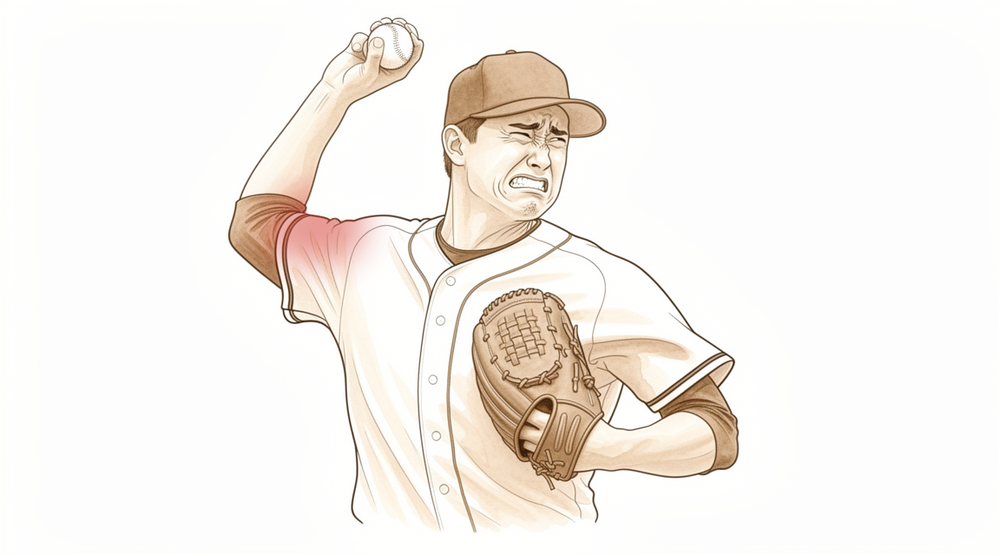
SLAP tears can be caused by forceful traction to the arm, direct compression loads, and repetitive overhead throwing [33]. Increased external rotation of the shoulder in the late cocking phase increases torsional force at the LHB root, resulting in a peel-back injury to the posterosuperior labrum [33]. Injuries can result from repetitive contact of the posterosuperior labrum with the undersurface of the rotator cuff in the late cocking phase, known as internal impingement [33]. SLAP tears are seen more frequently in the late cocking position, occurring because of an adaptive posterior capsular contracture [33]. Throwing athletes demonstrate increased shoulder external rotation and decreased internal rotation in abduction, which causes posterosuperior migration of the humeral head in the late cocking phase [33]. Increased external rotation results in greater torsional loads across the superior labrum from the more posteriorly oriented LHB tendon, causing the labrum and LHB tendon to displace medially over the glenoid rim [33].
The primary inciting event in the "peel-back" mechanism is a deficit of glenohumeral internal rotation secondary to scarring and contracture of the posterior and inferior capsule as a result of recurrent microtrauma of overhead activity [34]. Capsular restriction is associated with a posterior and superior shift of the humeral head during the cocking phase of throwing [34]. With progressive labral separation, the biceps tendon assumes a more vertical and posterior angle in the cocking position, creating a "vicious cycle" that increases the torsional force on the posterosuperior labrum [34]. Recurrent shear and torsional forces on the posterosuperior labrum with throwing lead to "peeling-back" of the labrum medially onto the scapular neck [34]. SLAP tears are more commonly created when the shoulder is forward flexed compared with when it is in an extended position [25]. Traction on the biceps tendon is capable of producing type-II SLAP lesions, and inferior subluxation significantly facilitates the generation of type-II SLAP lesions [25]. Superior labral complex lesions demonstrated 20% less strength in the late cocking phase than in the early deceleration phase [25]. SLAP tears may represent an adaptive process, because the peel-back of the SGL permits increased humeral external rotation needed to participate in overhead sporting activity [98]. The PPS injury produces alterations in GH kinematics with implications for GH joint instability, increased GH joint loading, and potential joint damage [119].
Pathophysiology of LHB Tendon Pathology
Pathology of the LHB tendon includes tendinitis, tendinopathy, tears, subluxation, entrapment, delamination, and dislocation out of the bicipital groove [33]. Because of the relatively anterior position of the bicipital groove along the humeral head combined with humeral retroversion, the tendon is exposed to medial instability, which can increase the risk of tendon degeneration [33]. Variations of bicipital groove morphology can also increase the risk of LHB tendon pathology [33]. Isolated LHB tendon pathology can occur but frequently is associated with other shoulder pathologies, especially rotator cuff pathology [33]. When seen in isolation, primary LHB tendinitis usually occurs in younger patients who participate in overhead activities such as volleyball and baseball [33]. With LHB tendon instability, the patient describes a clicking or snapping with overhead motions [33]. A subscapularis tear is associated with LHB medial instability and a supraspinatus tear is associated with posterolateral instability [33]. Shoulder long head biceps tendon pathology is associated with increasing rotator cuff tear size [14].
In the context of rotator cuff disease, the etiology of anterior shoulder pain with macroscopic changes in the biceps tendon is related to the complex interaction of the tendon and surrounding soft tissues, rather than a single entity [36]. Biceps tendinitis is rarely the primary cause of shoulder pain and is usually secondarily involved as a part of an impingement syndrome or degenerative lesions of the rotator cuff [53]. Bicipital instability is usually associated with rotator interval injury or subscapularis tendon injury, or both [53]. The proximal LHB tendon has been recognized as a source of substantial anterior shoulder pain [33]. This clinical entity can be difficult to diagnose because it is known to occur with other pathologies including SLAP lesions, rotator cuff disorders impingement, bursitis, and acromioclavicular joint disorders [33].
Biomechanical Function
Biomechanical studies indicate that the long head of the biceps contributes to stability of the glenohumeral joint in all directions, though in vivo studies have yet to establish this stabilizing effect and the physiologic load required remains unknown [95]. The role of the biceps tendon on the static and dynamic stability of the shoulder is controversial [97]. Andrews noted a dynamic tensioning of the biceps-labral complex with electric stimulation of the biceps tendon [97]. The dynamic relationship between the biceps tendon and superior labral complex and their combined role in glenohumeral stability remains unclear [97].
From full adduction to full elevation of the arm, the groove moves a distance of up to 2 to 5 cm along the tendon [97]. Maximal excursion of the humeral head along the tendon results when the shoulder is in a position of maximal external rotation [97]. Minimal excursion is seen when the shoulder is in a position of maximal internal rotation [97]. With the arm in a position of full abduction, 1.3 cm of the LHBT lies within the shoulder joint [97]. When the arm is adducted and externally rotated, the length of tendon within the joint increases to 5 cm [97]. In external rotation, the long head of the biceps acts as a head depressor at the shoulder to enhance abduction strength [97]. The biceps can potentially act as a static humeral head depressor, preventing migration of the humeral head into the acromion with contraction of the deltoid [97]. The function of the biceps tendon as a humeral head depressor increased in the context of a chronic rotator cuff tear [97].
Both the long and short heads of the biceps function as anterior stabilizers of the glenohumeral joint with the arm in abduction and external rotation [97]. With increasing instability from sectioning of the inferior glenohumeral ligament, both heads of the biceps have an increased stabilizing function to resist anterior displacement of the humeral head [97]. Severing the LHBT while both heads were tensed caused significant upward migration of the humeral head [97]. The long head of the biceps is important in stabilizing the humeral head in the glenoid during powerful elbow flexion and forearm supination [97]. Loss of the long head attachment is manifested mainly as loss of supination strength (20%) with a smaller loss (8%) of elbow flexion strength [28]. A 20% loss of elevation strength in external rotation occurs with rupture of the long head of the biceps [28]. The long head of the biceps has a pertinent biomechanical role in glenohumeral stability regardless of the condition of the superior labrum [120]. All 3 labral zones assessed in a study have important biomechanical contributions to biceps anchor displacement [135].
Classification
SLAP Lesion Classification
Snyder Classification: The Snyder classification is a reliable system for identifying SLAP lesions among experienced shoulder surgeons [104]. Type I lesions are defined as significant fraying [21]. Type II lesions are defined as complete detachment of the biceps tendon and superior labrum from the glenoid [21]. Type III lesions are defined as a “bucket-handle” tear of the superior labrum [21]. Type IV lesions are defined as a central superior labrum tear with extension into the biceps [21]. A new classification system for type-V SLAP lesions can assist in more precise decision making and outcome assessment of type-V SLAP repair [128].
Clinical Subtypes and Mechanisms: Surgeons describe two subtypes of type II SLAP tears: those with a stable biceps anchor treated with débridement and those that are unstable with a positive peel-back sign requiring labral repair [175]. Repair of type IV SLAP lesions can be anticipated to be successful provided no more than 30% of the biceps root is compromised by the injury [139]. The sulcus score is a new scoring system for Type II SLAP lesions [74]. Joint instability predisposes toward the production of a SLAP lesion injury by an overload applied to the long head of biceps [71]. The production of type II SLAP lesions differed significantly between reduced shoulders (two out of eight) and inferiorly subluxed shoulders (seven out of eight) [71].
Epidemiology and Imaging: Most SLAP repairs performed between 2004 and 2014 were on type II SLAP tears [45]. In a cohort of 104 subjects with MR imaging and arthroscopic correlation, 80 had abnormalities of the superior labrum [175].
Biceps Tendon Disorder Classification
Inflammatory, Unstable, and Traumatic Categories: Disorders of the long head of the biceps tendon are classified into inflammatory, unstable, or traumatic categories based on the original initiating event [21]. The distinction between inflammatory, unstable, and traumatic biceps tendon disorders is not always clear [21]. A degenerated and inflamed tendon is more prone to trauma [21]. Repeated trauma may result in changes in the tendon indistinguishable from those of inflammation [21].
Inflammatory Disorders: Inflammatory biceps tendon disorders include biceps tendinitis concurrent with rotator cuff disease and primary bicipital tendinitis [21].
Instability Disorders: Instability biceps tendon disorders include subluxation and dislocation [21]. Type I subluxation is defined as superior subluxation [21]. Type II subluxation is defined as unstable at the proximal portion of the groove [21]. Type III subluxation is defined as subluxation following melanin or nonunion of lesser tuberosity [21]. Type I dislocation is defined as extraarticular, combined with a partial tear of the subscapularis [21]. Type II dislocation is defined as intraarticular, combined with a full-thickness tear of the subscapularis [21].
Traumatic Disorders: Traumatic biceps tendon disorders include traumatic rupture and superior labral tears (SLAP lesions) [21]. Type I traumatic rupture is defined as partial [21]. Type II traumatic rupture is defined as complete [21].
Classification Reliability and Concordance
Interobserver Concordance: Interobserver concordance for the Snyder classification was 94.4% for no treatment, with a κ value of 0.95 [166]. Interobserver concordance for the Snyder classification was 85% for debridement, with a κ value of 0.75 [166]. Interobserver concordance for the Snyder classification was 70% for repair of labrum, with a κ value of 0.68 [166]. Interobserver concordance for the Snyder classification was 59% for repair of labrum and/or biceps tenodesis, with a κ value of 0.32 [166].
Clinical Presentation
History and Diagnostic Challenges
Clinical diagnosis of a SLAP tear or symptomatic long head of biceps (LHB) tendinopathy is challenging because examination findings overlap with other glenohumeral pathologies [18]. No single physical examination finding is completely accurate for diagnosing a SLAP tear [18], and there is no single pattern of pain that distinguishes biceps conditions from other shoulder abnormalities [29]. Diagnosis of long head biceps tendon pathology remains difficult due to vague complaints and unreliable physical examination maneuvers [52]. The clinical entity of proximal LHB tendon pain is further complicated by its frequent co-occurrence with SLAP lesions, rotator cuff disorders, impingement, bursitis, and acromioclavicular joint disorders [33].
Patients with SLAP tears may report a history of acute trauma involving sudden traction or compression to the affected extremity [54]. These tears can also be associated with a previous subluxation or dislocation event [54]. In overhead throwing athletes, insidious onset of symptoms is most common [54]. Pain from a SLAP tear is often localized deep within the glenohumeral joint and may be associated with mechanical symptoms, fatigue, or a “dead arm” sensation during overhead activities [54]. Frank weakness of the rotator cuff may occur in the presence of a concomitant paralabral cyst [54]. Patients with biceps instability typically describe a clicking or snapping sensation with overhead motions [33]. SLAP lesions presented a major association with other shoulder lesions in 96% of cases [107]. In patients aged under 40 years, SLAP lesions were associated with labral lesions [107], whereas in patients aged 40 years or over, they were associated with impact syndrome with or without rotator cuff lesions [107]. If calcific tendinitis of the long head of the biceps brachii at its origin is suspected, the presence of a concurrent SLAP lesion should be considered [4].
Physical Examination
A combined physical examination approach aids in the diagnosis of SLAP or LHB pathology [18]. The O’Brien active compression test is the most commonly used maneuver to evaluate for a possible SLAP tear [113]. However, clinical examination alone has been shown to be unreliable in diagnosing SLAP tears when multiple physical examination tests have been compared with intraoperative findings [113]. The 3-pack examination consists of the active compression test, the throwing test, and bicipital tunnel palpation [113]. A negative active compression test coupled with the absence of pain on bicipital tunnel palpation correlates with a negative predictive value of 93% to 96% for hidden extra-articular bicipital tunnel disease [113]. The active compression test was reported to have a sensitivity of 95.7% when assessing the ability of physical examination techniques to detect bicipital tunnel pathology [113]. Tenderness to palpation was reported to have a sensitivity of 97.8% for detecting bicipital tunnel pathology [113]. The most common physical examination finding for LHB pathology is tenderness caused by palpating the tendon within the bicipital groove [113]. Both the Yergason and Speed tests are specific but not sensitive in detecting LHB tendinitis, rupture, and SLAP lesions [113]. Speed and Yergason tests demonstrate poor sensitivity, moderate specificity, and poor accuracy [54]. Including two sensitive tests (active compression and crank tests) and a specific test (Speed test) increases the overall accuracy of diagnosis [54].
A positive subpectoral biceps test was associated with gross pathologic changes of the biceps in 93% of patients [5]. A painful click or tenderness to palpation at full abduction and external rotation indicates medial LHB instability [113]. If the LHB tendon is dislocated, it can be rolled under the examiner’s fingers [113]. A deformity of the LHB tendon such as a Popeye sign indicates tendon rupture [113]. Isolated atrophy of the infraspinatus can indicate the presence of suprascapular neuropathy caused by a spinoglenoid cyst, which is often associated with a superior labral tear [113]. Physical examination should include assessment of rotator cuff strength and infraspinatus atrophy to identify patients who may have suprascapular nerve compression from a paralabral ganglion cyst [54]. Range of motion and rotator cuff strength must be assessed and both are usually preserved in patients with SLAP tears [113]. Overt instability in the setting of an isolated SLAP tear is rare [113]. An instability examination should be performed when evaluating for SLAP tears [54].
In overhead athletes, glenohumeral internal rotation deficit should be assessed [113]. Assessment of throwing athletes includes the total arc of rotation to identify those with a glenohumeral internal rotation deficit [54]. Extreme glenohumeral internal rotation deficits greater than 25° to 30° can predispose patients to internal impingement and SLAP tears [113]. The passive distraction test involves elevating the affected extremity to 150° in the coronal plane with the elbow extended and forearm in supination, followed by pronation if comfortable [51]. Pain reported deep inside the glenohumeral joint either anteriorly or posteriorly during the passive distraction test is considered a positive result consistent with the presence of a SLAP lesion [51]. Diagnostic injection of local anesthetic with or without corticosteroid into the glenohumeral joint or bicipital groove may aid in confirming the diagnosis [54]. A decision to operate on a shoulder for a suspected SLAP lesion should not be made on the basis of provocative tests alone [38]. Diagnosis of long head biceps tendon and subscapularis pathology in association with shoulder rotator cuff pathology can be challenging due to limitations in MRI and arthroscopic visualization [56].
Imaging
MRI is the imaging modality of choice for SLAP tears [54]. Diagnostic accuracy of MRI may be improved by positioning the arm in abduction and external rotation [54]. Magnetic resonance (MR) arthrography improves the diagnostic performance of an MRI for the detection of a SLAP tear [54]. MRA helps diagnose LHB pathology and SLAP tears because it is more specific and more sensitive than MRI alone [18]. Diagnostic accuracy of MRI ranges widely in the literature [54]. Overdiagnosis of SLAP tears is common as normal anatomy can be misconstrued as pathologic [54]. Accurate diagnosis of SLAP tears is predicated on clinical examination and concordant MRI findings and cannot be confirmed until the time of surgery [54]. Ultrasonography can be useful in the dynamic assessment of the biceps tendon [54]. Definitive diagnosis of suspected SLAP tears is confirmed on arthroscopic examination [49].
Investigations
Clinical Examination
A combined physical examination approach aids in the diagnosis of SLAP or long head of biceps (LHB) pathology [18]. Clinical diagnosis and physical examination of a SLAP tear or symptomatic LHB tendinopathy are often challenging because findings are similar to other pathologies within the glenohumeral joint [18]. The "3-pack" examination, consisting of the active compression test, throwing test, and bicipital tunnel palpation, is highly sensitive (73% to 98%) for biceps-labrum complex disease [27].
Imaging
Plain radiography: Plain radiographs (scapular Y, AP, and axillary lateral views) should be obtained to assess the glenohumeral joint for abnormalities [103].
MRI: MRI may be used to assess the LHB tendon, associated fluid, possible synovitis, bicipital groove morphology, and the presence of bony osteophytes [103]. Studies have demonstrated poor correlation between MRI and arthroscopic findings regarding LHB pathology [103]. MRI has poor to moderate sensitivity for inflammation, partial-thickness tendon tears, and tendon ruptures of the LHB [103]. Proton density–weighted sequences with fat suppression have the greatest sensitivity for detecting tendon degeneration, although tendon caliber change is more specific [48]. Biceps tendon partial tears at the entrance to the bicipital groove show abnormal signal intensity, but half have an associated caliber change [48]. MRI and intraoperative assessment did not show significant structural abnormalities within the tendon in patients with chronic LHB tendinopathy undergoing open subpectoral tenodesis, despite significant histopathologic changes [42]. Biceps tendon pain in the absence of tears is associated with microscopic changes consistent with tendinopathy, which are often missed by MRI [162]. Most abnormal MRI findings were not different in frequency between symptomatic and asymptomatic shoulders [167]. An increasing prevalence of MRI-based SLAP tears was observed with increasing patient age [172]. High prevalence of superior labral tears diagnosed by MRI in middle-aged patients with asymptomatic shoulders emphasizes the need for supporting clinical judgment when making treatment decisions [182]. Bicipital groove morphology measured by MRI has no value as a predictor of biceps tendon or rotator cuff pathology at the time of surgery [170]. Preoperative MRI scans of the shoulder interpreted by orthopaedic surgeons using a systematic approach resulted in improved accuracy in diagnosing subscapularis tendon tears compared with previous studies [178].
Magnetic Resonance Arthrography (MRA): MRA is more specific and sensitive for LHB pathology and SLAP tears than MRI alone [18, 103]. MRA in patients with no pathology shows the tendon surrounded by contrast fluid, resembling a kidney bean [103]. Both MRI and MRA should be performed in the sagittal oblique and axial planes because LHB subluxation and dislocation are often associated with partial-thickness and full-thickness subscapularis tendon tears [103]. MRA was found to have a sensitivity of 82% to 89% and a specificity of 87% to 98% in the evaluation of the biceps pulley [48]. Diagnostic criteria for biceps pulley evaluation on MRA include nonvisualization or discontinuity of the superior glenohumeral ligament, medial subluxation of the biceps tendon on axial images, biceps tendinopathy, and inferior displacement on oblique sagittal images [48]. MR arthrography is a helpful technique for the diagnosis and preoperative evaluation of suspected SLAP lesions and can help avoid unnecessary diagnostic arthroscopy [165]. MR Arthrogram is an important diagnostic modality for suspected SLAP lesions which helps formulate preoperative planning and may save patients from undergoing diagnostic arthroscopy [73]. Three specific findings on MR arthrography were more commonly seen in patients with type II SLAP lesions than in patients with a sublabral recess, with a statistically significant difference (p < 0.05) [184].
Ultrasonography: Ultrasonography is accurate and cost-effective in the diagnosis of LHB dislocation, subluxation, and rupture [103]. Ultrasonography is not as accurate as other modalities in diagnosing partial-thickness tendon tears of the LHB [103]. Ultrasound is a sensitive and accurate method of identifying patients with full-thickness tears of the rotator cuff, extracapsular biceps tendon pathology, or both [191].
CT Arthrography: In ideal conditions, type 3 and 4 SLAP lesions are well detected with CT arthrography and MR arthrography [181]. A contrast-filled gap between the labrum and glenoid on neutral CT arthrography after SLAP repair is frequently observed even in patients with satisfactory clinical outcomes [176].
Other Considerations: In approximately 80% of intra-articular biceps tears evaluated, a "hidden lesion" was observed extending beyond the bicipital groove to the distal extra-articular portion [190].
Treatment
Non-Operative
Initial management for suspected SLAP lesions is non-operative, comprising cooling, anti-inflammatory drugs, rest from sports, and physical therapy [114]. Conservative management should be attempted for a minimum of 3 months before considering surgical intervention [111]. In middle-aged patients with symptomatic SLAP lesions, non-operative treatment with an appropriate regimen provides satisfactory clinical outcomes and should be considered before operative treatment [153]. Physical therapy protocols include rotator cuff strengthening, periscapular muscular strengthening, and posteroinferior capsular stretching [144]. In overhead athletes, technical failures of the overhead motion must be addressed as a common cause of functional pathology [114]. Scapulothoracic dyskinesis, potentially caused by muscle shortening, imbalance, or posterior capsule contracture, requires an extensive physical therapy programme [114].
Intra-articular injection of anesthetic agents or steroids into the glenohumeral joint or bicipital groove serves both therapeutic and diagnostic roles, helping determine if the SLAP tear is the pain generator [144, 67]. Aspiration of the spinoglenoid notch cyst can treat suprascapular nerve compression [144]. Predictive factors for failure of nonsurgical management in the general population include a history of trauma, a positive compression-rotation test, and participation in overhead sports [144]. In baseball players, advanced age, prolonged symptoms, pitching, the presence of a Bennett lesion (exostosis of the posterior band of the inferior glenohumeral ligament), and partial articular rotator cuff tears are associated with conservative management failure [144]. A clinical prediction model incorporating patient characteristics, symptoms, and treatment modalities predicts non-operative failure with moderate accuracy [168]. Even after initial failure, a second course of physical therapy targeting glenohumeral internal rotation deficit, scapular dyskinesia, posterior capsular contracture, and concomitant injuries has demonstrated reasonable success [67]. High-level athletes with SLAP tears are usually able to compete and finish the season [55]. However, earlier surgical intervention is indicated for patients with evidence of suprascapular nerve compression from a spinoglenoid cyst to prevent irreversible infraspinatus atrophy and weakness [55].
For long head of biceps tendon (LHBT) disorders, diagnosis and nonoperative management are categorized as inflammation, instability, or rupture, requiring specific protocols [148]. Initial management of biceps tendinitis includes strengthening exercises and local corticosteroid injection into the biceps sheath [141]. Surgical release for biceps tendinitis is reserved for refractory cases [141].
Operative
Indications: Surgical management of SLAP tears is considered in patients with persistent symptoms following a 3-month period of nonsurgical treatment [55]. SLAP repair should only be considered after nonsurgical management has failed [179]. Treatment decisions are driven primarily by the presence of pain, overhead activity level, and prior non-operative management [94]. The decision to operate on a suspected SLAP lesion should not be made on the basis of physical examination tests alone [38]. Examination under anesthesia is an important diagnostic tool and should be incorporated into the operative plan [67]. It is necessary to separate “true” SLAP lesions from normal anatomic variations and degenerative changes in the SLAP complex [114]. The indications for SLAP repair should be narrowed to avoid overtreatment [133].
Surgical Approach / Technique: Arthroscopic shoulder surgery can be performed in the lateral decubitus or beach-chair position [55]. Arthroscopic diagnosis of SLAP tears is confirmed using the Snyder criteria, which includes separation of the chondrolabral junction, erythema at the LHB anchor junction, and a minimum 5 mm of labral excursion [55]. The surgical treatment of SLAP lesions requires a differentiated approach considering the exact type of lesion, patient age, concomitant lesions, and functional requirements [114].
Type-Specific Strategies: Type I SLAP tears are usually managed with débridement back to a stable base [55]. Type II lesions should be repaired when history and examination suggest a SLAP tear and arthroscopic examination confirms the existence of a type II tear [55]. Degenerative type II tears associated with concomitant shoulder lesions in older patients do not require repair but can be better addressed with débridement, tenodesis, or tenotomy [55]. In patients older than 40 years, biceps tenodesis may be preferred over SLAP repair due to concerns for complications such as retear and excessive stiffness [144]. Type III SLAP tears are managed with either repair of the bucket handle or, depending on size and tissue quality, resection of the unstable labral fragment and repair of the middle glenohumeral ligament (MGHL) if attached to the torn fragment [55]. Alternatively, type III tears are managed by débriding the unstable bucket-handle labral tear [144]. Management of type IV tears depends on patient age and the extent of LHB tendon involvement [55]. If less than 30% of the tendon is involved in a type IV tear, these tears are usually managed with débridement [55]. Tears of more than 30% of the LHB tendon are usually managed with LHB tenodesis [55]. If less than 25% to 50% of the biceps tendon is involved in a type IV tear, the tear and its extension into the tendon are débrided [144]. If 25% to 50% or more of the biceps tendon is involved in a type IV tear, biceps tenodesis or tenotomy with labral débridement or repair is indicated [144]. Subpectoral biceps tenodesis provides satisfactory outcomes for the treatment of Type II and Type IV SLAP lesions in middle-aged patients [8]. In patients with non-communicated type II SLAP lesions combined with Bankart lesions, Bankart repair and SLAP debridement yielded satisfactory results without affecting shoulder stability [147]. An effective arthroscopic technique for managing combined anterior shoulder instability and type IV SLAP lesions involves repairing all pathoanatomy present, including the superior labrum and biceps tendon split [40].
Biceps Tenodesis vs. Tenotomy: SLAP repairs are generally favored in younger, active patients, whereas treating the biceps is preferred in lower-demand patients aged >30 years [10]. Increased patient age correlates with the likelihood of treatment with biceps tenodesis or tenotomy versus SLAP repair [26]. SLAP repairs have had more beneficial results in patients younger than 40 years and if they are not associated with a rotator cuff repair [18]. Both SLAP repair and biceps tenodesis are efficacious in pain alleviation and recovery of shoulder function [96]. Patients undergoing treatment for LHBT or SLAP pathology with either biceps tenodesis or tenotomy can be expected to experience similar improvements in patient-reported and functional outcomes [57]. No clear clinical advantage has been reported when comparing LHB tenodesis and tenotomy [18]. The literature has not clearly demonstrated which surgery is superior between tenotomy and LHB tenodesis [18]. Patient age should not be used as the sole criterion when deciding between biceps tenotomy and tenodesis [173]. Female patients who underwent surgical treatment of SLAP lesions with SLAP repair or biceps tenodesis show comparable minimum two-year results with respect to level of function, self-reported pain, and ability to return to sports [39]. Primary biceps tenodesis offers increased effectiveness when compared with both primary SLAP repair and nonoperative treatment and lower costs than primary SLAP repair [58].
Primary biceps tenodesis provides improved functional results in active patients under 30 when compared to SLAP repair at minimum 2-year follow-up [9]. In a young active population, biceps tenodesis may be a viable surgical alternative for type II SLAP lesions and may facilitate earlier return to activity compared to repair [13]. Biceps tenodesis has been increasingly used for the management of SLAP lesions, with recent studies reporting high rates of return to sport, high satisfaction, and good to excellent patient-reported outcomes in carefully selected athletes [11]. For operative treatment, biceps tenodesis has consistent and reliable results, whereas return to play after SLAP repair can be unpredictable [35]. The treatment option of biceps tenodesis is an appealing alternative to SLAP repair, but the indications and technique of biceps tenodesis in the elite pitcher still need to be defined [68].
Tenotomy without tenodesis is associated with subjective cramping and potential for cosmetic deformity (“Popeye deformity”); weakness is not associated with tenotomy [141]. An increase in Popeye deformities is seen with biceps tenotomy [18]. Current indications proposed for LHB tenodesis include patients with high levels of physical activity, patients concerned with cosmesis, and workers’ compensation cases [18]. Tenodesis is favored over tenotomy in active patients for cosmesis and prevention of biceps cramping [69]. Biceps tenotomy has the advantage of being a fast and relatively simple procedure, with fewer restrictions on postoperative rehabilitation and the avoidance of potential complications associated with further surgical dissection and hardware placement involved in the tenodesis [70]. The benefits of biceps tenodesis over tenotomy are the avoidance of a “Popeye deformity,” which can occur in up to 70% of patients after a tenotomy, and the avoidance of persistent biceps spasm and fatigue that can be seen in up to 40% of patients [70]. Recent literature suggests no difference in the outcome from biceps tenodesis and tenotomy procedures [70]. Some authors recommend tenodesis in young or athletic patients in order to restore the length-tension relationship and maximize the function of the elbow; however, there is limited evidence to support this in the literature [70].
Tenodesis may result in “groove pain” if the technique of the tenodesis retains a portion of the tendon in the intertubercular groove; a subpectoral tenodesis technique reduces the risk of groove pain [141]. Subpectoral tenodesis has been recommended to prevent the groove pain reported in some series [69]. The potential for plexus and musculocutaneous nerve injury or humeral diaphyseal stress fractures has been reported with subpectoral tenodesis techniques and must be considered [69]. Biceps tenodesis to treat type 2 SLAP tears has been reported to be successful in approximately two thirds of athletes, comparable to primary SLAP repair [69]. Pitchers treated with tenodesis tend to have persistence of some anterior shoulder pain [69]. The method of fixation seems to be less important than the quality of the tissue fixed [69]. Whether done arthroscopically or through a mini-open approach with a small anterior incision or a small subpectoral incision, long-term results are comparable, and the technique should be chosen based on the skills and experience of the operating surgeon [150]. The resistance to cyclic loading is comparable in both PEEK tenodesis screw and suture anchor techniques, whereas the ultimate pull-out strength of the biotenodesis screw is stronger than the suture anchors [150]. Distal tenodesis, below the groove in a suprapectoral or subpectoral region, removes the biceps tendon from the joint and bicipital groove, thus mitigating the risk of persistent postoperative pain [144]. Concern exists that proximal tenodesis may be associated with a higher incidence of persistent pain due to the preservation of a potentially pathologic tendon and tenosynovium within the bicipital groove [144]. Biceps tenotomy benefits include the technical ease of the procedure and of the postoperative rehabilitation, and advantages in elderly, less active patients, who, along with patients with large arms, are less likely to be negatively affected by cosmetic deformity, cramping, or fatigue of the biceps muscle [144]. In biceps tendon instability, acceptable outcomes have not been achieved with pulley repair or reconstruction [144]. Indications for surgery for biceps tendon pathology include a symptomatic SLAP tear with biceps involvement, tearing of the tendon of 25% to 50% or more of the tendon, tendon subluxation or dislocation due to disruption of the biceps pulley, or intraoperative findings consistent with tenosynovitis or tendinosis, with concordant preoperative examination and imaging [144].
SLAP Repair Techniques and Outcomes: The repair technique is important to optimize SLAP repair outcomes [55]. Bulky suture knots should be avoided to prevent shoulder pain, impingement, and chondral injury [55]. All 11 patients in a case series noted diminished pain symptoms following suture knot removal for suspected knot-induced shoulder pain [55]. A horizontal mattress suture pattern using knotless anchors was used to anatomically repair the superior labrum and restore the meniscoid shape of the superior labrum [55]. Knotless horizontal mattress suture fixation was compared with vertical knot fixation, and although no significant difference in functional outcomes scores was noted between the study groups, significantly better range of motion was noted in patients whose SLAP was repaired with a knotless anchor horizontal mattress suture technique [55]. Pain relief and return of function can be expected after SLAP repair; however, return to sport does not typically match clinical outcomes [55]. Bioabsorbable tacks are no longer used because of concerns about synovitis and cartilage damage caused by the degradation and release of loose bodies [55]. SLAP repair failure is not limited to the use of bioabsorbable tacks [55]. A revision surgery rate of 6.3%, with a 4.3% rate of revision SLAP repair, has been reported [55]. Revision surgery and failure after index SLAP repair correlated with the use of absorbable poly-l/d-lactic acid suture anchors [55]. Paralabral ganglion cysts associated with SLAP tears can successfully be treated arthroscopically [55].
The reason for unsatisfactory outcomes after some SLAP repairs is not well understood and remains the subject of debate [63]. Properly diagnosing SLAP tears is difficult, and the injury is likely often overdiagnosed and unnecessarily "fixed" [63]. The ideal surgical technique, using suture anchors or otherwise, is not well understood, nor is the ideal postoperative rehabilitation program or the biologic healing potential of these repairs [63]. The action of the biceps tendon on the repair is another uncertainty [63]. Stabilizing a symptomatic detached biceps is believed to be of primary importance, but overconstraining or shortening the tendon is likely detrimental [63]. It is unclear whether the preoperative pain is generated by the SLAP tear itself or associated pathology.
Complications
Revision and Treatment Failure: At a minimum 10-year follow-up, 40% of a military cohort younger than 35 years treated with SLAP repair experienced treatment failure and underwent subsequent revision to biceps tenodesis [7]. In the same military cohort, no revisions were required in patients who underwent biceps tenodesis as the index procedure [7]. The incidence of subsequent surgery after isolated arthroscopic SLAP repair is 10.1% [61]. Subsequent surgery after isolated SLAP repair is often related to an additional diagnosis [61].
Risk Factors for Revision: Risk factors for revision surgery after SLAP repair include age >40 years, female sex, obesity, smoking, and diagnosis of biceps tendinitis or long head of the biceps tearing [66].
Biceps Tendon Pathology: In a subgroup of 6 studies treating 488 patients undergoing biceps tenotomy or tenodesis, the long head of the biceps was subluxed in 37%, preruptured in 12%, and dislocated in 15% [183]. In the same subgroup of 6 studies, the long head of the biceps tendon was completely ruptured at the time of surgery in 2% of patients [183]. In patients with chronic long head biceps tendinopathy who underwent open subpectoral tenodesis, MRI and intraoperative assessment did not show significant structural abnormalities within the tendon despite significant histopathologic changes [42].
Other Considerations: Overconstraining or shortening the biceps tendon during stabilization is likely detrimental [63]. In overhead athletes, chronic attritional loads placed on the superior labrum in the late cocking stage of throwing may be too high for even a repaired labrum to withstand [63]. The pain associated with SLAP lesions in overhead athletes is likely multifactorial and related to pitch counts, throwing mechanics, internal rotation deficits, and rotator cuff internal impingement [63]. Simple debridement alone is often ineffective in achieving long-term satisfactory results in patients with unstable SLAP lesions [83]. In a study of 27 patients with SLAP lesions treated with debridement alone, 78% had excellent pain relief at the 1-year follow-up, which decreased to 63% at the 2-year follow-up [83]. At 2 years, only 45% of patients treated with debridement alone were able to return to their previous level of athletic performance [83]. In a study of 27 patients with SLAP lesions treated with debridement alone, 70% had instability on examination under anesthesia despite no history of dislocation or clinically evident instability [83]. In the authors' experience with simple debridement of type II SLAP lesions in five patients, two had loose biceps-anchor attachments at the time of second-look arthroscopy [83].
Recovery
Functional milestones: In a cohort of competitive overhead athletes who underwent subpectoral biceps tenodesis for symptomatic SLAP tears, 81% of patients returned to their previous level of play at an average of 4.1 months postoperatively [193]. The majority of patients returned to their previous overhead activities after surgical repair of the SLAP detachment [41].
Other Considerations: Predictable short-term surgical results and return to activity can be expected after repair of type II SLAP lesions in patients younger than 50 years who have coexistent rotator cuff tear [80].
Key Evidence
- [L4] For patients with SLAP III or IV lesions the most commonly accepted approach is tenotomy or tenodesis of the long head of biceps tendon. [1] (10.2174/1874325001812010288)
- [L3] In patients under the age of 30 years with a symptomatic isolated SLAP tear, open subpectoral biceps tenodesis may be a reliable alternative to arthroscopic repair. [2] (10.1016/j.arthro.2021.07.028)
- [L4] The findings suggest that patients who undergo subpectoral biceps tenodesis as a salvage procedure for failed type II SLAP repair demonstrate improved results. [3] (10.1177/2325967113s00088)
- [L4] The authors conclude that if calcific tendinitis of the long head of the biceps brachii at its origin is suspected, it may be helpful to consider the presence of a concurrent SLAP lesion and its management. [4] (10.1007/s00167-007-0323-y)
- [L3] A positive subpectoral biceps test was associated with gross pathologic changes of the biceps in 93% of patients. [5] (10.1016/j.arthro.2019.02.017)
- [L4] The decision to perform surgical management of long head of the biceps pathology depends on clinical presentation, physical examination, associated pathologies, and failure of nonsurgical treatment. [6] (10.1177/2325967114s00246)
- [L3] At the minimum 10-year follow-up, 40% of the military cohort younger than 35 years of age treated with SLAP repair experienced treatment failure and underwent subsequent revision to biceps tenodesis, compared with no revisions in patients who underwent biceps tenodesis as the index procedure. [7] (10.1177/03635465261429405)
- [L4] Subpectoral biceps tenodesis provides satisfactory outcomes for the treatment of Type II and Type IV SLAP lesions in middle aged patients. [8] (10.1177/2325967114s00062)
- [L3] Our results suggest that primary biceps tenodesis provides improved functional results in active patients under 30 when compared to SLAP repair at minimum 2 year follow‐up. [9] (10.1177/2325967117s00395)
- [L5] SLAP repairs are generally favored in younger, active patients, whereas treating the biceps is preferred in lower-demand patients aged >30 years. [10] (10.1016/j.jse.2024.09.040)
- [L5] Biceps tenodesis has been increasingly used for the management of SLAP lesions, with recent studies reporting high rates of return to sport, high satisfaction, and good to excellent patient-reported outcomes in carefully selected athletes. [11] (10.5435/jaaos-d-21-01199)
- [L4] Patients undergoing arthroscopic suprapectoral biceps tenodesis for either SLAP tears or LHBT abnormalities had similar outcome scores and complication rates compared with those undergoing open subpectoral biceps tenodesis. [12] (10.1177/2325967120945322)
- [L3] In a young active population, biceps tenodesis may be a viable surgical alternative for type II SLAP lesions and may facilitate earlier return to activity compared to repair. [13] (10.1177/2325967117s00394)
- [L3] Shoulder long head biceps tendon pathology is associated with increasing rotator cuff tear size. [14] (10.1016/j.asmr.2021.07.013)
- [L4] Based on these results, biceps tenodesis is a safe, effective, and technically straightforward alternative to primary SLAP repair in patients with type II and IV SLAP tears. [16] (10.1177/0363546514540273)
- [L1] Both arthroscopic repair and biceps tenotomy and tenodesis interventions had benefits in type II SLAP lesions. [17] (10.1186/s13018-019-1096-y)
- [L4] Arthroscopic biceps tenodesis can be considered an effective alternative to reinsertion in the treatment of isolated type II SLAP lesions. [20] (10.1016/j.arthro.2007.03.068)
- [L1] Neither labral repair nor biceps tenodesis had any significant clinical benefit over sham surgery for patients with SLAP II lesions in the population studied. [24] (10.1136/bjsports-2016-097098)
- [L5] [25] (10.1302/2058-5241.4.180033)
- [L3] Increased patient age correlates with the likelihood of treatment with biceps tenodesis or tenotomy versus SLAP repair. [26] (10.1177/0363546514534939)
- [L5] There is no single pattern of pain that distinguishes biceps conditions from other shoulder abnormalities. [29] (10.1016/j.csm.2015.08.004)
- [Paper] [34] (10.1016/j.csm.2008.06.002)
- [L5] For operative treatment, biceps tenodesis has consistent and reliable results, whereas return to play after SLAP repair can be unpredictable. [35] (10.1016/j.csm.2015.08.009)
- [L4] In the context of rotator cuff disease, the etiology of anterior shoulder pain with macroscopic changes in the biceps tendon is related to the complex interaction of the tendon and surrounding soft tissues, rather than a single entity. [36] (10.1016/j.jse.2008.05.044)
- [L3] A decision to operate on a shoulder for a suspected SLAP lesion should not be made on the basis of these tests alone. [38] (10.1177/03635465020300061001)
- [L3] Female patients who underwent surgical treatment of SLAP lesions with SLAP repair or biceps tenodesis show comparable minimum two-year results with respect to level of function, self-reported pain, and ability to return to sports after these procedures. [39] (10.1177/2325967123s00164)
- [L4] The authors present an effective arthroscopic technique for managing combined anterior shoulder instability and type IV SLAP lesions by repairing all pathoanatomy present, including the superior labrum and biceps tendon split. [40] (10.1016/j.arthro.2009.04.075)
- [L4] The pathologic significance of the SLAP lesion is emphasized by the fact that the majority of patients returned to their previous overhead activities after surgical repair of the detachment. [41] (10.1016/s1058-2746(09)80051-7)
- [L4] In patients with chronic long head biceps tendinopathy who underwent open subpectoral tenodesis, MRI and intraoperative assessment did not show significant structural abnormalities within the tendon despite significant histopathologic changes. [42] (10.1016/j.arthro.2018.01.021)
- [L4] Primary subpectoral open biceps tenodesis for SLAP tears or pathology of the LHBT provides significant improvement in shoulder outcomes with a reliable return to activity level with low risk for complications. [43] (10.1016/j.arthro.2019.06.035)
- [L4] [45] (10.1016/j.arthro.2015.11.044)
- [L5] [49] (10.5435/00124635-200910000-00005)
- [L4] [51] (10.1016/j.arthro.2009.04.070)
- [L5] Diagnosis of long head biceps tendon pathology remains challenging due to vague complaints and unreliable physical examination maneuvers. [52] (10.1136/jisakos-2017-000128)
- [L5] Diagnosis of long head biceps tendon and subscapularis pathology in association with shoulder rotator cuff pathology can be challenging due to limitations in MRI and arthroscopic visualization; surgeons should maintain a high level of suspicion and utilize specific techniques to prevent missing pathology. [56] (10.1016/j.arthro.2017.09.005)
- [L1] Patients undergoing treatment for LHBT or SLAP pathology with either biceps tenodesis or tenotomy can be expected to experience similar improvements in patient-reported and functional outcomes. [57] (10.1016/j.jse.2020.11.012)
- [L3] Primary biceps tenodesis offers increased effectiveness when compared with both primary SLAP repair and nonoperative treatment and lower costs than primary SLAP repair. [58] (10.1016/j.arthro.2018.01.029)
- [L5] SLAP repair and biceps tenodesis both present viable treatment options but come with specific advantages and disadvantages, with the decision ultimately made individually with the patient. [59] (10.1016/j.arthro.2019.02.026)
- [L3] We identified a 10.1% incidence of subsequent surgery after isolated SLAP repair, often related to an additional diagnosis, suggesting that clinicians should consider other potential causes of shoulder pain when considering surgery for patients with SLAP lesions. [61] (10.1016/j.arthro.2016.01.053)
- [L5] [63] (10.1016/j.jse.2010.11.013)
- [L3] Risk factors for revision surgery after SLAP repair include age >40 years, female sex, obesity, smoking, and diagnosis of biceps tendinitis or long head of the biceps tearing. [66] (10.1177/0363546517691950)
- [L5] The treatment option of biceps tenodesis is an appealing alternative to SLAP repair, but the indications and technique of biceps tenodesis in the elite pitcher still need to be defined. [68] (10.1016/j.arthro.2018.01.001)
- [L5] The production of type II SLAP lesions differed significantly (p = 0.03) between reduced shoulders (two out of eight) and inferiorly subluxed shoulders (seven out of eight), suggesting that joint instability predisposes toward the production a SLAP lesion injury by an overload applied to the long head of biceps. [71] (10.1016/s1058-2746(98)90062-3)
- [L4] MR Arthrogram is an important diagnostic modality for suspected SLAP lesions which not only helps to formulate the preoperative planning but may also save patients from undergoing diagnostic arthroscopy. [73] (10.1016/j.surge.2010.06.006)
- [L5] [74] (10.1016/j.jse.2004.10.004)
- [Paper] With an average follow-up of 3.2 years, 79% of patients with SLAP lesions had good or excellent results by the UCLA shoulder rating scale. [75] (10.1097/00132589-200001040-00002)
- [L3] In patients aged ≤50 years with isolated SLAP tears, open biceps tenodesis provides cost savings over arthroscopic methods of treatment. [76] (10.1016/j.asmr.2020.09.020)
- [L5] Treatment of proximal biceps pathology is largely based on expert opinion and patient preferences rather than robust randomized evidence. [77] (10.1097/corr.0000000000002448)
- [L3] Predictable short-term surgical results and return to activity can be expected after repair of type II SLAP lesions in patients younger than 50 years who have coexistent rotator cuff tear. [80] (10.1177/0363546509347364)
- [L5] [83] (10.5435/00124635-199803000-00007)
- [L5] Treatment decisions for SLAP lesions are driven primarily by the presence of pain, overhead activity level, and prior non-operative management. [94] (10.1016/j.jisako.2026.101087)
- [L5] Biomechanical studies indicate that the long head of the biceps contributes to stability of the glenohumeral joint in all directions, though in vivo studies have yet to establish this stabilizing effect and the physiologic load required remains unknown. [95] (10.1016/j.arthro.2010.10.014)
- [L1] Both the surgical treatments, SLAP repair and the biceps tenodesis, are efficacious in pain alleviation and recovery of shoulder function. [96] (10.1016/j.jot.2018.09.002)
- [L5] Operative treatment is reserved for failure of nonoperative treatment, with biceps tenodesis gaining popularity due to encouraging functional outcomes and return-to-sport rates. [101] (10.1016/j.arthro.2022.08.005)
- [L3] For experienced shoulder surgeons, the Snyder classification is a reliable system for identifying SLAP lesions. [104] (10.1177/0363546510392332)
- [L4] SLAP lesions presented a major association with other shoulder lesions (96%): labral lesions in patients aged under 40 years and impact syndrome with or without rotator cuff lesions in patients aged 40 years or over. [107] (10.1016/s2255-4971(15)30176-2)
- [L4] The sub-supraspinatus recess is a definable anatomic entity typically measuring 5 mm to 10 mm in depth, and the posterosuperior labrum exhibits physiological motion (roll back) during glenohumeral motion, most pronounced in external rotation in abduction. [109] (10.1177/1758573218757169)
- [L4] [111] (10.1016/j.arthro.2018.01.031)
- [L5] [114] (10.1007/s00167-015-3966-0)
- [L5] The PPS injury produces alterations in GH kinematics with implications for GH joint instability, increased GH joint loading, and potential joint damage. [119] (10.1016/j.jse.2024.12.023)
- [L5] The long head of the biceps has a pertinent biomechanical role in glenohumeral stability regardless of the condition of the superior labrum. [120] (10.1016/j.arthro.2025.05.022)
- [L3] The currently reported classification system can assist in more precise decision making and outcome assessment of type-V SLAP repair. [128] (10.1097/bte.0000000000000193)
- [L3] Therefore, we believe the indications of SLAP repair should be narrowed to avoid overtreatment. [133] (10.4055/cios.2018.10.3.358)
- [L5] All 3 labral zones assessed in this study have important biomechanical contributions to biceps anchor displacement. [135] (10.1177/0363546509343468)
- [L4] Repair of type IV SLAP lesions can be anticipated to be successful provided no more than 30% of the biceps root is compromised by the injury. [139] (10.1016/j.arthro.2008.04.014)
- [L4] In patients with non-communicated type II SLAP lesions combined with Bankart lesions, Bankart repair and SLAP debridement yielded satisfactory results without affecting shoulder stability. [147] (10.5397/cise.2018.21.1.37)
- [L5] Diagnosis and nonoperative management of long head of biceps tendon disorders are categorized as inflammation, instability, and rupture, requiring specific protocols. [148] (10.1016/j.csm.2015.08.006)
- [L4] Non-operative treatment with an appropriate regimen provided satisfactory clinical outcomes in middle-aged patients with symptomatic SLAP lesions and should be considered before recommending operative treatment. [153] (10.1007/s00167-016-4226-7)
- [L3] High-demand patients with biceps tendonitis in the setting of a SLAP lesion with labral instability who undergo combined tenodesis and labral repair have significantly worse outcomes than patients who undergo either isolated labral repair for type II SLAP tears or isolated biceps tenodesis for a SLAP tear and biceps tendonitis. [154] (10.1007/s00167-015-3774-6)
- [L3] Reoperation rates are higher for patients undergoing SLAP repair, which is a likely driver behind the increased utilization of biceps tenodesis. [155] (10.1016/j.jseint.2022.11.001)
- [L5] Biceps tendon pain in the absence of tears is associated with microscopic changes consistent with tendinopathy, which are often missed by MRI. [162] (10.1016/j.csm.2015.08.002)
- [L2] MR arthrography is a helpful technique for the diagnosis and preoperative evaluation of suspected SLAP lesions; it can help avoiding unnecessary diagnostic arthroscopy. [165] (10.1016/j.ejrad.2011.07.006)
- [L2] [166] (10.1177/0363546508314795)
- [L3] Most abnormal MRI findings were not different in frequency between symptomatic and asymptomatic shoulders. [167] (10.1016/j.jse.2019.04.001)
- [L3] A clinical prediction model consisting of variables describing patient characteristics, specific symptoms, and the type of non-operative treatment modalities utilized was found to predict failure of non-operative management of SLAP tears with moderate accuracy. [168] (10.1177/2325967121s00328)
- [L1] We do not find any value in bicipital groove morphology measured by MRI as a predictor of biceps tendon or rotator cuff pathology at the time of surgery. [170] (10.1016/j.jse.2010.04.044)
- [L3] An increasing prevalence of MRI-based SLAP tears was observed with increasing patient age. [172] (10.1177/2325967118797065)
- [L4] Patient age should not be used as the sole criterion when deciding between biceps tenotomy and tenodesis. [173] (10.1016/j.arthro.2016.04.022)
- [L2] [175] (10.1007/s00256-006-0237-7)
- [L4] A contrast-filled gap between the labrum and glenoid on neutral CT arthrography after SLAP repair is frequently observed even in patients with satisfactory clinical outcomes. [176] (10.1007/s00167-014-3350-5)
- [L3] Preoperative MRI scans of the shoulder interpreted by orthopaedic surgeons with the described systematic approach resulted in improved accuracy in diagnosing subscapularis tendon tears compared with previous studies. [178] (10.1016/j.arthro.2012.04.142)
- [L4] SLAP repair should continue to be considered as an option for SLAP tear treatment only after nonsurgical management has failed. [179] (10.1177/0363546517728256)
- [Paper] In ideal condition, type 3 and 4 slap lesions are well detected with CT arthrography and MR arthrography. [181] (10.1016/s1058-2746(95)80137-5)
- [L3] These shoulder MRI findings in middle-aged populations emphasize the need for supporting clinical judgment when making treatment decisions for this patient population. [182] (10.1177/2325967115623212)
- [L4] [183] (10.1016/j.jse.2010.08.019)
- [L4] These three findings were more commonly seen on MR arthrography in patients with type II SLAP lesion than in patients with sublabral recess, and the difference was statistically significant (p < 0.05). [184] (10.2214/ajr.05.0955)
- [L4] In approximately 80% of the intra-articular biceps tears evaluated in this study, a 'hidden lesion' was observed going beyond the bicipital groove and extending to the distal extra-articular portion. [190] (10.1177/0363546514554193)
- [L3] Ultrasound is a sensitive and accurate method of identifying patients with full-thickness tears of the rotator cuff, extracapsular biceps tendon pathology, or both. [191] (10.1016/s1058-2746(98)90055-6)
- [L4] In the current series of competitive overhead athletes, 81% of patients returned to previous level of play at an average of 4.1 months postoperatively after subpectoral biceps tenodesis for symptomatic SLAP tear. [193] (10.1016/j.arthro.2022.07.017)
See Also
- Biceps Tenodesis
- Rotator Cuff
- Rotator Cuff Disorders
- Calcific Tendinitis
- Suprascapular neuropathy
- Shoulder Instability
- Rotator Cuff Repair
- Fractures
References
[1] Treatment of SLAP Lesions. The Open Orthopaedics Journal. 2018. DOI: 10.2174/1874325001812010288
[2] Open Subpectoral Biceps Tenodesis May Be an Alternative to Arthroscopic Repair for SLAP Tears in Patients Under 30. Arthroscopy. 2021. DOI: 10.1016/j.arthro.2021.07.028
[3] Subpectoral Biceps Tenodesis for Failed Type II SLAP Repair. Orthopaedic Journal of Sports Medicine. 2013. DOI: 10.1177/2325967113s00088
[4] A SLAP lesion associated with calcific tendinitis of the long head of the biceps brachii at its origin. Knee Surgery, Sports Traumatology, Arthroscopy. 2007. DOI: 10.1007/s00167-007-0323-y
[5] Clinical Outcomes After Biceps Tenodesis or Tenotomy Using Subpectoral Pain to Guide Management in Patients With Rotator Cuff Tears. Arthroscopy. 2019. DOI: 10.1016/j.arthro.2019.02.017
[6] Long head of the biceps tendon pathology. Orthopaedic Journal of Sports Medicine. 2014. DOI: 10.1177/2325967114s00246
[7] Failure Rates of SLAP Repair Compared With Subpectoral Biceps Tenodesis for Young Military Patients With Type 2 SLAP at 10-Year Follow-up. The American Journal of Sports Medicine. 2026. DOI: 10.1177/03635465261429405
[8] Subpectoral Biceps Tenodesis For The Treatment Of Type Two And Four Slap Lesions. Orthopaedic Journal of Sports Medicine. 2014. DOI: 10.1177/2325967114s00062
[9] Biceps Tenodesis vs. Repair for Type II SLAP Tears in Patients Under 30 years-old. Orthopaedic Journal of Sports Medicine. 2017. DOI: 10.1177/2325967117s00395
[10] Principles of the superior labrum and biceps complex: an expert consensus from the NEER Circle. Journal of Shoulder and Elbow Surgery. 2025. DOI: 10.1016/j.jse.2024.09.040
[11] Surgical Treatment of Superior Labral/Biceps Pathology in the Overhead Thrower. Journal of the American Academy of Orthopaedic Surgeons. 2023. DOI: 10.5435/jaaos-d-21-01199
[12] Outcomes and Complications After Primary Arthroscopic Suprapectoral Versus Open Subpectoral Biceps Tenodesis for Superior Labral Anterior-Posterior Tears or Biceps Abnormalities: A Systematic Review and Meta-analysis. Orthopaedic Journal of Sports Medicine. 2020. DOI: 10.1177/2325967120945322
[13] Arthroscopic Treatment of Type II Superior Labral Anterior to Posterior (SLAP) Lesions in a Younger Population: Traditional Repair versus Biceps Tenodesis with Accelerated Rehabilitation. Orthopaedic Journal of Sports Medicine. 2017. DOI: 10.1177/2325967117s00394
[14] Shoulder Long Head Biceps Tendon Pathology Is Associated With Increasing Rotator Cuff Tear Size. Arthroscopy, Sports Medicine, and Rehabilitation. 2021. DOI: 10.1016/j.asmr.2021.07.013
[16] Subpectoral Biceps Tenodesis for the Treatment of Type II and IV Superior Labral Anterior and Posterior Lesions. The American Journal of Sports Medicine. 2014. DOI: 10.1177/0363546514540273
[17] Is arthroscopic repair superior to biceps tenotomy and tenodesis for type II SLAP lesions? A meta-analysis of RCTs and observational studies. Journal of Orthopaedic Surgery and Research. 2019. DOI: 10.1186/s13018-019-1096-y
[18] Orthopaedic Knowledge Update Sports Medicine 6. Superior Labrum and Biceps Pathology > Summary.
[20] Arthroscopic Treatment of Type II SLAP Lesions: Biceps Tenodesis as an Alternative to Reinsertion (SS‐54). Arthroscopy. 2007. DOI: 10.1016/j.arthro.2007.03.068
[21] Classifications And Scores Of The Shoulder. 6.6 Classification of biceps tendon disorders according to Yamaguchi and Bindra [140].
[24] Sham surgery versus labral repair or biceps tenodesis for type II SLAP lesions of the shoulder: a three-armed randomised clinical trial. British Journal of Sports Medicine. 2017. DOI: 10.1136/bjsports-2016-097098
[25] SLAP lesions: current controversies. EFORT Open Reviews. 2019. DOI: 10.1302/2058-5241.4.180033
[26] Surgical Trends in the Treatment of Superior Labrum Anterior and Posterior Lesions of the Shoulder. The American Journal of Sports Medicine. 2014. DOI: 10.1177/0363546514534939
[27] Orthopaedic Knowledge Update Sports Medicine 6. Superior Labrum and Biceps Pathology > Annotated References.
[28] Rockwood And Matsen S The Shoulder. Developmental Anatomy of the Shoulder and Anatomy of the Glenohumeral Joint > Biceps Brachii.
[29] Examination of the Biceps Tendon. Clinics in Sports Medicine. 2016. DOI: 10.1016/j.csm.2015.08.004
[33] Orthopaedic Knowledge Update Sports Medicine 6. Superior Labrum and Biceps Pathology > Pathophysiology.
[34] Superior Labral Lesions Anterior to Posterior—Evaluation and Arthroscopic Management. Clinics in Sports Medicine. 2008. DOI: 10.1016/j.csm.2008.06.002
[35] Proximal Biceps in Overhead Athletes. Clinics in Sports Medicine. 2016. DOI: 10.1016/j.csm.2015.08.009
[36] Biceps tendinitis in chronic rotator cuff tears: A histologic perspective. Journal of Shoulder and Elbow Surgery. 2008. DOI: 10.1016/j.jse.2008.05.044
[38] Clinical Assessment of Three Common Tests for Superior Labral Anterior-Posterior Lesions. The American Journal of Sports Medicine. 2002. DOI: 10.1177/03635465020300061001
[39] Poster 178: Outcomes of SLAP Repair vs. Biceps Tenodesis of SLAP Lesions in Females: A Retrospective Review. Orthopaedic Journal of Sports Medicine. 2023. DOI: 10.1177/2325967123s00164
[40] Combined Arthroscopic Repair of a Type IV SLAP Tear and Bankart Lesion. Arthroscopy. 2009. DOI: 10.1016/j.arthro.2009.04.075
[41] Arthroscopic repair of superior glenoid labral detachment (the SLAP lesion). Journal of Shoulder and Elbow Surgery. 1993. DOI: 10.1016/s1058-2746(09)80051-7
[42] Radiologic and Histologic Evaluation of Proximal Bicep Pathology in Patients With Chronic Biceps Tendinopathy Undergoing Open Subpectoral Biceps Tenodesis. Arthroscopy. 2018. DOI: 10.1016/j.arthro.2018.01.021
[43] Outcomes of Primary Biceps Subpectoral Tenodesis in an Active Population: A Prospective Evaluation of 101 Patients. Arthroscopy. 2019. DOI: 10.1016/j.arthro.2019.06.035
[45] SLAP Lesions: Trends in Treatment. Arthroscopy. 2016. DOI: 10.1016/j.arthro.2015.11.044
[46] Aaos Comprehensive Orthopaedic Review 3. Superior Labrum Anterior to Posterior Tears and Lesions of the Proximal Biceps Tendon > II. Anatomy.
[47] Orthopaedic Knowledge Update Sports Medicine 6. Superior Labrum and Biceps Pathology > Anatomy.
[48] Orthopaedic Knowledge Update Sports Medicine 6. Magnetic Resonance Imaging of the Glenohumeral Joint > The Biceps Tendon and Rotator Cuff Interval.
[49] Superior Labral Tears of the Shoulder: Pathogenesis, Evaluation, and Treatment. Journal of the American Academy of Orthopaedic Surgeons. 2009. DOI: 10.5435/00124635-200910000-00005
[51] The Passive Distraction Test: A New Diagnostic Aid for Clinically Significant Superior Labral Pathology. Arthroscopy. 2009. DOI: 10.1016/j.arthro.2009.04.070
[52] Diagnosis of long head of the biceps tendon pathology: current concepts. Journal of ISAKOS. 2017. DOI: 10.1136/jisakos-2017-000128
[53] Rockwood And Matsen S The Shoulder. Developmental Anatomy of the Shoulder and Anatomy of the Glenohumeral Joint > BICEPS TENDON.
[54] Aaos Comprehensive Orthopaedic Review 3. Superior Labrum Anterior to Posterior Tears and Lesions of the Proximal Biceps Tendon > V. Diagnosis.
[55] Orthopaedic Knowledge Update Sports Medicine 6. Superior Labrum and Biceps Pathology > Surgical Management.
[56] Editorial Commentary: You May Not Have Seen It, but It Has Seen You: Diagnosis of Long Head Biceps Tendon and Subscapularis Pathology in Association With Shoulder Rotator Cuff Pathology Can Be Challenging. Arthroscopy. 2017. DOI: 10.1016/j.arthro.2017.09.005
[57] Biceps tenodesis versus tenotomy: a systematic review and meta-analysis of level I randomized controlled trials. Journal of Shoulder and Elbow Surgery. 2021. DOI: 10.1016/j.jse.2020.11.012
[58] Treatment for Symptomatic SLAP Tears in Middle‐Aged Patients Comparing Repair, Biceps Tenodesis, and Nonoperative Approaches: A Cost‐Effectiveness Analysis. Arthroscopy. 2018. DOI: 10.1016/j.arthro.2018.01.029
[59] Editorial Commentary: Which to Fix—the Biceps or the Labrum? The Shoulder SLAP Tear Is Still Controversial. Arthroscopy. 2019. DOI: 10.1016/j.arthro.2019.02.026
[61] Subsequent Shoulder Surgery After Isolated Arthroscopic SLAP Repair. Arthroscopy. 2016. DOI: 10.1016/j.arthro.2016.01.053
[63] Superior labral tears: repair versus biceps tenodesis. Journal of Shoulder and Elbow Surgery. 2011. DOI: 10.1016/j.jse.2010.11.013
[66] Risk Factors for Revision Surgery After Superior Labral Anterior-Posterior Repair: A National Perspective. The American Journal of Sports Medicine. 2017. DOI: 10.1177/0363546517691950
[67] Rockwood And Matsen S The Shoulder. Arthroscopic Management of Prearthritic and Arthritic Conditions of the Shoulder and the Postarthroplasty Shoulder > SLAP Tears.
[68] Editorial Commentary: The Shoulder Biceps Tendon and Baseball Continue Their Controversial Relationship. Arthroscopy. 2018. DOI: 10.1016/j.arthro.2018.01.001
[69] Campbell S Operative Orthopaedics 4 Volume Set. ANTERIOR CRUCIATE AND ANTROLATERAL LIGAMENT RECONSTRUCTION (BOX 51.8) > BICEPS TENDON LESIONS.
[70] Rockwood And Matsen S The Shoulder. Fractures, Dislocations, and Acquired Problems of the Shoulder in Children > Biceps Tendon.
[71] 2 The mechanism of creation of SLAP lesions in a dynamic shoulder model: The role of inferior subluxation. Journal of Shoulder and Elbow Surgery. 1998. DOI: 10.1016/s1058-2746(98)90062-3
[73] Diagnostic value of MR Arthrogram in SLAP lesions of the shoulder. The Surgeon. 2010. DOI: 10.1016/j.surge.2010.06.006
[74] Type II SLAP lesions: A new scoring system— the sulcus score. Journal of Shoulder and Elbow Surgery. 2005. DOI: 10.1016/j.jse.2004.10.004
[75] SLAP Lesions: History, Diagnosis, Treatment, and Results. Techniques in Shoulder and Elbow Surgery. 2000. DOI: 10.1097/00132589-200001040-00002
[76] Cost Comparison of Open and Arthroscopic Treatment Options for SLAP Tears. Arthroscopy, Sports Medicine, and Rehabilitation. 2021. DOI: 10.1016/j.asmr.2020.09.020
[77] Clinical Faceoff: Tenotomy Versus Tenodesis for the Treatment of Proximal Biceps Pathology. Clinical Orthopaedics & Related Research. 2022. DOI: 10.1097/corr.0000000000002448
[80] The Effect of Rotator Cuff Tears on Surgical Outcomes after Type II Superior Labrum Anterior Posterior Tears in Patients Younger than 50 Years. The American Journal of Sports Medicine. 2009. DOI: 10.1177/0363546509347364
[83] Superior Labral Lesions in the Shoulder: Pathoanatomy and Surgical Management. Journal of the American Academy of Orthopaedic Surgeons. 1998. DOI: 10.5435/00124635-199803000-00007
[94] Factors influencing surgeons’ decision-making in the treatment of SLAP lesions: A case-vignette study. Journal of ISAKOS. 2026. DOI: 10.1016/j.jisako.2026.101087
[95] Anatomy, Function, Injuries, and Treatment of the Long Head of the Biceps Brachii Tendon. Arthroscopy. 2011. DOI: 10.1016/j.arthro.2010.10.014
[96] Effectiveness of biceps tenodesis versus SLAP repair for surgical treatment of isolated SLAP lesions: A systemic review and meta-analysis. Journal of Orthopaedic Translation. 2019. DOI: 10.1016/j.jot.2018.09.002
[97] Rockwood And Matsen S The Shoulder. Arthroscopic Management of Prearthritic and Arthritic Conditions of the Shoulder and the Postarthroplasty Shoulder > FUNCTION OF THE BICEPS TENDON (AND THE BICEPS-LABRAL COMPLEX) > Direct Observation.
[98] Orthopaedic Knowledge Update Sports Medicine 6. Superior Labrum and Biceps Pathology > Introduction.
[101] SLAP Tears: Treatment Algorithm. Arthroscopy. 2022. DOI: 10.1016/j.arthro.2022.08.005
[102] Rockwood And Matsen S The Shoulder. Arthroscopic Management of Prearthritic and Arthritic Conditions of the Shoulder and the Postarthroplasty Shoulder > SLAP Lesions.
[103] Orthopaedic Knowledge Update Sports Medicine 6. Superior Labrum and Biceps Pathology > Imaging.
[104] Reproducibility and Reliability of the Snyder Classification of Superior Labral Anterior Posterior Lesions Among Shoulder Surgeons. The American Journal of Sports Medicine. 2011. DOI: 10.1177/0363546510392332
[107] EVALUATION OF RESULTS AND COMPLICATIONS FROM ARTHROSCOPIC SUTURE OF SLAP LESIONS. Revista Brasileira de Ortopedia (English Edition). 2011. DOI: 10.1016/s2255-4971(15)30176-2
[109] The sub-supraspinatus recess and superior labral motion: an arthroscopic analysis. Shoulder & Elbow. 2018. DOI: 10.1177/1758573218757169
[111] Arthroscopic Management of SLAP Lesions With Concomitant Spinoglenoid Notch Ganglion Cysts: A Systematic Review Comparing Repair Alone to Repair With Decompression. Arthroscopy. 2018. DOI: 10.1016/j.arthro.2018.01.031
[113] Orthopaedic Knowledge Update Sports Medicine 6. Superior Labrum and Biceps Pathology > Physical Examination.
[114] SLAP lesions: a treatment algorithm. Knee Surgery, Sports Traumatology, Arthroscopy. 2016. DOI: 10.1007/s00167-015-3966-0
[119] 2025 Basic Science Neer Award Winner: The impact of posterior and posterior superior labral injuries and the effect of their treatment on glenohumeral kinematics in the deceleration and follow-through phase of throwing: a biomechanical study. Journal of Shoulder and Elbow Surgery. 2025. DOI: 10.1016/j.jse.2024.12.023
[120] Biceps Tenodesis/Tenotomy Disrupts Biomechanical Glenohumeral Stability in the Setting of Superior Labrum Anteroposterior Tear and Repair. Arthroscopy. 2025. DOI: 10.1016/j.arthro.2025.05.022
[128] Arthroscopic Repair of Type-V SLAP Lesion: A Prospective Cohort Study of an Anchor Above the Anterior Glenoid Mid-equator Based on a New Classification System. Techniques in Shoulder & Elbow Surgery. 2020. DOI: 10.1097/bte.0000000000000193
[133] Is Anatomical Healing Essential for Better Clinical Outcome in Type II SLAP Repair? Clinico-Radiological Outcome after Type II SLAP Repair. Clinics in Orthopedic Surgery. 2018. DOI: 10.4055/cios.2018.10.3.358
[135] Effects of Zone-Specific Superior Labral Detachment on Biceps Anchor Stability. The American Journal of Sports Medicine. 2009. DOI: 10.1177/0363546509343468
[139] Surgical Management of Type IV SLAP Lesions (SS‐13). Arthroscopy. 2008. DOI: 10.1016/j.arthro.2008.04.014
[141] Miller S Review Of Orthopaedics. PROXIMAL BICEPS TENDON PATHOLOGY.
[144] Aaos Comprehensive Orthopaedic Review 3. Superior Labrum Anterior to Posterior Tears and Lesions of the Proximal Biceps Tendon > VI. Treatment.
[147] Arthroscopic Treatment of a Type II Superior Labrum Anterior to Posterior (SLAP) Lesion Combined with a Bankart Lesion: Comparative Study between Debridement and Repair of Type II SLAP Lesion by the Status of Lesion. Clinics in Shoulder and Elbow. 2018. DOI: 10.5397/cise.2018.21.1.37
[148] Nonoperative Management (Including Ultrasound-Guided Injections) of Proximal Biceps Disorders. Clinics in Sports Medicine. 2016. DOI: 10.1016/j.csm.2015.08.006
[150] Campbell S Operative Orthopaedics 4 Volume Set. ARTHROSCOPIC BICEPS TENODESIS: PERCUTANEOUS INTRAARTICULAR TRANSTENDON TECHNIQUE > BICEPS TENODESIS: ARTHROSCOPIC OR MINI-OPEN TECHNIQUE WITH SCREW FIXATION.
[153] Clinical outcomes of non-operative treatment for patients presenting SLAP lesions in diagnostic provocative tests and MR arthrography. Knee Surgery, Sports Traumatology, Arthroscopy. 2016. DOI: 10.1007/s00167-016-4226-7
[154] Combined SLAP repair and biceps tenodesis for superior labral anterior–posterior tears. Knee Surgery, Sports Traumatology, Arthroscopy. 2015. DOI: 10.1007/s00167-015-3774-6
[155] SLAP repair and bicep tenodesis: a comparison of utilization and revision rates for SLAP tears. JSES International. 2023. DOI: 10.1016/j.jseint.2022.11.001
[162] How Accurate Are We in Detecting Biceps Tendinopathy?. Clinics in Sports Medicine. 2016. DOI: 10.1016/j.csm.2015.08.002
[165] The diagnostic value of magnetic resonance arthrography of the shoulder in detection and grading of SLAP lesions: Comparison with arthroscopic findings. European Journal of Radiology. 2012. DOI: 10.1016/j.ejrad.2011.07.006
[166] Analysis of Interobserver and Intraobserver Variability in the Diagnosis and Treatment of SLAP Tears Using the Snyder Classification. The American Journal of Sports Medicine. 2008. DOI: 10.1177/0363546508314795
[167] Bilateral magnetic resonance imaging findings in individuals with unilateral shoulder pain. Journal of Shoulder and Elbow Surgery. 2019. DOI: 10.1016/j.jse.2019.04.001
[168] Developing a Clinical Prediction Model for Failed Nonoperative Management of SLAP Tears (220). Orthopaedic Journal of Sports Medicine. 2021. DOI: 10.1177/2325967121s00328
[170] Bicipital groove morphology on MRI has no correlation to intra-articular biceps tendon pathology. Journal of Shoulder and Elbow Surgery. 2010. DOI: 10.1016/j.jse.2010.04.044
[172] Imaging-Based Prevalence of Superior Labral Anterior-Posterior Tears Significantly Increases in the Aging Shoulder. Orthopaedic Journal of Sports Medicine. 2018. DOI: 10.1177/2325967118797065
[173] Patients Have Strong Preferences and Perceptions for Biceps Tenotomy Versus Tenodesis. Arthroscopy. 2016. DOI: 10.1016/j.arthro.2016.04.022
[175] Diagnosis of superior labral lesions: comparison of noncontrast MRI with indirect MR arthrography in unexercised shoulders. Skeletal Radiology. 2006. DOI: 10.1007/s00256-006-0237-7
[176] External rotation and active supination CT arthrography for the postoperative evaluation of type II superior labral anterior to posterior lesions. Knee Surgery, Sports Traumatology, Arthroscopy. 2014. DOI: 10.1007/s00167-014-3350-5
[178] A Systematic Approach for Diagnosing Subscapularis Tendon Tears With Preoperative Magnetic Resonance Imaging Scans. Arthroscopy. 2012. DOI: 10.1016/j.arthro.2012.04.142
[179] Return to Play and Outcomes in Baseball Players After Superior Labral Anterior-Posterior Repairs. The American Journal of Sports Medicine. 2017. DOI: 10.1177/0363546517728256
[181] Anatomic evaluation of the superior labrum and slap lesions with CT arthrography and MR arthrography. Journal of Shoulder and Elbow Surgery. 1995. DOI: 10.1016/s1058-2746(95)80137-5
[182] High Prevalence of Superior Labral Tears Diagnosed by MRI in Middle-Aged Patients With Asymptomatic Shoulders. Orthopaedic Journal of Sports Medicine. 2016. DOI: 10.1177/2325967115623212
[183] Biceps tenotomy versus tenodesis: a review of clinical outcomes and biomechanical results. Journal of Shoulder and Elbow Surgery. 2011. DOI: 10.1016/j.jse.2010.08.019
[184] MR Arthrography in the Differential Diagnosis of Type II Superior Labral Anteroposterior Lesion and Sublabral Recess. American Journal of Roentgenology. 2006. DOI: 10.2214/ajr.05.0955
[190] Analysis of “Hidden Lesions” of the Extra-articular Biceps After Subpectoral Biceps Tenodesis. The American Journal of Sports Medicine. 2014. DOI: 10.1177/0363546514554193
[191] Shoulder ultrasound: Diagnostic accuracy for impingement syndrome, rotator cuff tear, and biceps tendon pathology. Journal of Shoulder and Elbow Surgery. 1998. DOI: 10.1016/s1058-2746(98)90055-6
[193] High Rate of Return to Sporting Activity Among Overhead Athletes With Subpectoral Biceps Tenodesis for Type II SLAP Tear. Arthroscopy: The Journal of Arthroscopic & Related Surgery. 2023. DOI: 10.1016/j.arthro.2022.07.017