Clinicians › Hand
Dupuytren's fasciectomy
Surgeon-side topic for dupuytren's fasciectomy. Backed by 317 articles from the corpus, retrieved via combined MeSH + title-text matching.
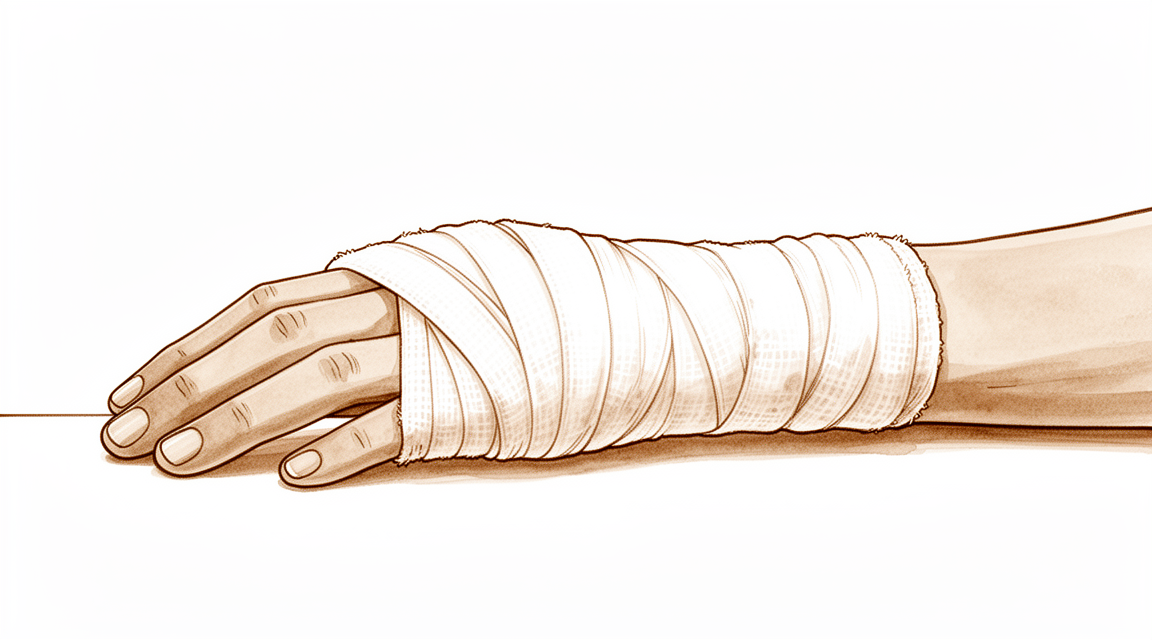
For patients: a plain-language version of this topic is available. See the patient guide.
Overview
Surgery remains the gold-standard treatment for progressive Dupuytren contractures, with limited palmar fasciectomy being the most common option [5]. Between 2003 and 2008, fasciectomy was the most common surgical procedure for Dupuytren's contracture in England [8]. In the long term, limited fasciectomy is currently the most reliable treatment for Dupuytren's contracture [11]. While there are several procedural options for the treatment of Dupuytren disease [17], little agreement exists on treatment recommendations for common presentations of Dupuytren disease among international hand surgeons [22].
Patients with Dupuytren's contracture of the hand gain a significant functional benefit following surgical improvement or correction of the deformity [19]. Hand normality improved after surgery for Dupuytren disease [12]. Outcomes from therapeutic interventions for pre-operative management of Dupuytren's Disease were largely positive [24]. Perioperative corticosteroid administration appears to be safe and improves early range of motion and DASH scores following Dupuytren's fasciectomy [26].
The risk for complications following limited fasciectomy is significant [11]. However, most complications following surgical treatment for Dupuytren's contracture can be well controlled and will resolve with appropriate early treatment [1]. Surgical treatment of Dupuytren's contracture was well-suited to day surgery, provided an individual judgement concerning suitability is made [13]. Primary surgery for Dupuytren's contracture can be performed safely on a day care basis provided that strict criteria are followed [14]. Advanced Dupuytren's contracture can be treated by day care surgery, but the operations should be performed by surgeons who are skilled in hand surgery [15]. Between 2003 and 2008, there was a marked shift from inpatient to day-case procedures for Dupuytren's contracture in England [8].
Anatomy & Pathophysiology
Palmar Fascia Anatomy
The superficial palmar fascia lies in a coronal plane beneath the palmar subcutaneous tissue, covering a triangular area of the central palm with the proximal corner facing directly proximal [76]. When present, the palmaris longus tendon terminates in continuity with the fibers of this proximal corner [76]. Four central bands of fascia extend distally from the common point of the superficial palmar fascia toward each of the fingers, with no central band for the thumb [76]. At the distal palmar crease level, these central bands are bridged transversely by the superficial transverse palmar ligament [76].
The central bands comprise distinct fiber groups with specific anatomical courses and clinical relevance. Superficial fibers stay superficial and merge with vertical retinacular fibers at the dermis’s undersurface in the distal palm; they are more often involved with nodules than other fiber groups [76]. Intermediate fibers split transversely into two sections extending toward the lateral border of the digit base, forming a spiral band that tracks around the neurovascular bundle [76]. Spiral neurovascular bundles develop when these spiral bands shorten [76]. Deep fibers continue dorsally to merge with sagittal interosseous fascia fibers and pierce the transverse deep intermetacarpal ligament to merge with fibers of the sagittal bands of the extensor mechanism [76]. Deep fibers are rarely involved in contractures [76].
Digital neurovascular structures are surrounded by a diffuse network of thin transverse oblique fibers [76]. Fibers dorsal to the bundle are called the Cleland ligament, while those palmar to the bundle are called the Grayson ligament [76]. A subdermal fascial layer borders the periphery of the web spaces from roughly the radial thumb sesamoid to the ulnar side of the small finger’s proximal flexion crease [76]. Fibers from the natatory ligament extend distally at each finger’s lateral base in continuity with Grayson ligament fibers and the lateral digit dermis [76].
Pathophysiology
Dupuytren’s disease is a fibroproliferative condition of the hand characterized by pitting and thickening of the palmar fascia, which can be complicated by the development of a cord extending into the affected fingers [92]. This process results in progressive digital flexion contracture of the metacarpophalangeal and interphalangeal joints [92]. The precise aetiology is poorly understood [92], as the condition is effected by a multitude of complex cellular processes whose exact relative contributions remain unknown [97]. Myofibroblasts are involved in the pathogenesis through contractile mechanisms [36] and occur in recurrent disease [113].
Surgical treatment does not eliminate the disease process, and recurrence is frequently noted [97]. Hand trauma, particularly surgical trauma and repetitive mechanical stress, is associated with the onset of Dupuytren's disease [110]. Patients solely undergoing surgical release of their trigger finger had significantly higher odds and an expedited rate of developing new-onset Dupuytren disease overall compared with those managed by other interventions [3]. These patients also had significantly higher odds and an expedited rate of undergoing subsequent treatment by fasciectomy compared with trigger fingers managed by other interventions [3].
Biomechanical changes accompany the disease process. Imbalances of the extensor mechanism are caused by Dupuytren's disease [104]. After continuous elongation, the morphology of the palmar fascia is notably changed compared with non-extended tissue, with collagen fibres and cells orientated parallel to the stretching force [124]. The resolution of the proximal palmar segment of Dupuytren's contracture takes up to six months after release [96]. Conversely, the distal segment may never disappear and can progress later if its digital attachments remain as a source of intermittent physical traction transmitted to the remaining Dupuytren's tissue [96].
Functional Anatomy & Biomechanics
Control of digital posture requires a complex balance of extrinsic and intrinsic muscle forces [45]. Extrinsic muscles have their origin outside of the hand and their insertion on the hand or carpus, whereas intrinsic muscles have both origin and insertion within the hand [45]. Extrinsic muscles are either flexors or extensors, while intrinsic muscles contribute to both digital flexion and extension [45].
Extrinsic Extensors: The extrinsic extensors run through six different fibroosseous retinacular compartments at the wrist level [45]. * First compartment: Contains the abductor pollicis longus and the extensor pollicis brevis [45]. * Second compartment: Contains the extensor carpi radialis longus and the extensor carpi radialis brevis [45]. * Third compartment: Contains the extensor pollicis longus, which runs longitudinally down the forearm and turns abruptly radialward about Lister tubercle [45]. * Fourth compartment: Contains the extensor indicis proprius lying deep to the four tendons of the extensor digitorum communis [45]. * Fifth compartment: Contains the extensor digiti quinti [45]. * Sixth compartment: The extensor carpi ulnaris tendon runs through this compartment and inserts at the base of the little finger metacarpal [45].
The extensor digitorum communis tendons of the middle, ring, and little fingers are tethered together by juncturae tendinum over the dorsum of the hand proximal to the metacarpophalangeal joint [45]. Digital extensor tendons are stabilized over the mid-line of the metacarpophalangeal joint by their attachment to sagittal band fibers [45]. These fibers insert onto the volar proximal phalanx and onto the lateral borders of the volar plate [45]. They form a sling that allows proximal extrinsic extensor tension to be transmitted to the proximal phalanx, permitting metacarpophalangeal joint extension without a tendinous insertion onto the proximal phalanx [45]. With rupture or attenuation of the sagittal band fibers, the extrinsic extensor tendon can sublux to the ulnar side of the metacarpal head, causing ulnar deviation of the finger [45].
Extrinsic Flexors: The extrinsic finger flexors are the flexor digitorum profundus and the flexor digitorum superficialis [45]. The flexor digitorum profundus inserts on the proximal volar aspect of the distal phalanx, flexing the distal interphalangeal joint as well as the proximal interphalangeal and metacarpophalangeal joints [45]. The flexor digitorum superficialis acts as a flexor of the proximal interphalangeal and metacarpophalangeal joints [45].
Intrinsic Muscles: There are seven interosseous muscles, four dorsal and three volar [66]. The dorsal interossei are abductors, while the volar interossei are adductors [66]. The middle finger has two dorsal interossei (abductors) and no volar interossei (adductors) because the central axis of the hand lies within it [66]. Each dorsal interosseous muscle, with the exception of the third, has two muscle heads: a superficial head and a deep head [66]. The superficial head abducts and weakly flexes the proximal phalanx [66]. The deep head forms a lateral tendon, or lateral band, at the level of the MP joint [66]. It flexes and weakly abducts the proximal phalanx while extending the middle and distal phalanges [66]. Transverse fibers arch dorsally from each lateral band to join each other over the dorsum of the finger, flexing the proximal phalanx [66]. Oblique fibers (spiral fibers) from the lateral bands sweep over the distal third of the proximal phalanx to insert onto the lateral tubercles at the base of the middle phalanx, extending the middle phalanx (PIP joint) [66]. The lateral bands are joined by the lateral slips of the extensor tendon to form the conjoined lateral band [66]. The two conjoined lateral bands to each finger unite at the distal third of the middle phalanx to form the terminal tendon, which inserts at the base of the distal phalanx to extend it [66].
The flexor digiti quinti brevis is structurally and functionally similar to the deep head of the dorsal interossei, forming the ulnar lateral band of the little finger [66]. The three volar interossei arise from adjacent surfaces of contiguous metacarpal shafts and have only one muscle head [66]. They form the ulnar lateral band of the index finger and the radial lateral band of the ring and little fingers [66]. The abductor digiti quinti and flexor digiti quinti brevis are similar in both structure and function to the superficial and deep heads of the dorsal interossei, respectively, and arise from the fifth metacarpal [66]. The opponens digiti quinti lies deepest, arises from the pisohamate ligament and the hook of the hamate, and inserts onto the ulnar side of the diaphysis of the fifth metacarpal, which it flexes and supinates [66].
Flexor Tendon Anatomy & Innervation: The extrinsic flexors of the finger consist of the flexor digitorum profundus and the flexor digitorum superficialis [73]. The flexor digitorum profundus originates from the proximal ulna and the interosseous membrane [73]. In the forearm, it divides into two muscle groups: the most radial component supplying the index finger and the ulnar component supplying the middle, ring, and little fingers [73]. The flexor digitorum profundus and the flexor pollicis longus muscles form the deep compartment of the volar forearm [73]. As they travel through the carpal tunnel, they occupy the floor of the carpal tunnel [73]. The tenosynovial sheath of the flexor pollicis longus is continuous with the radial bursa [73]. The tenosynovial sheath to the little finger is continuous with the ulnar digital bursa [73]. In some patients, the radial and ulnar bursae communicate, allowing a so-called horseshoe abscess to spread between the thumb and little finger if infection occurs in the flexor tendon sheath of either one of these digits [73].
The lumbricals originate from the radial side of the index, middle, ring, and little fingers in the palm [73]. The profundus tendon passes through the bifurcation of the flexor digitorum superficialis before inserting into the proximal palmar base of the distal phalanx [73]. The innervation of the flexor digitorum profundus of the index and middle fingers is through the anterior interosseous branch of the median nerve [73]. The profundus of the ring and little fingers is innervated by the ulnar nerve [73]. The flexor digitorum profundus provides digital flexion at both the proximal and distal interphalangeal joints [73].
The flexor digitorum superficialis has two heads: the radial head originates from the proximal shaft of the radius, and the humeral ulnar head originates from the medial humeral epicondyle and coronoid process of the ulna [73]. Each digit has a corresponding independent superficialis muscle [73]. As the superficialis tendons pass through the carpal tunnel, the tendons of the middle and ring fingers are more superficial and central than those of the index and little fingers [73]. In the proximal aspect of the finger, the flexor digitorum superficialis tendon bifurcates around the flexor digitorum profundus at the beginning of the A2 pulley [73]. The tendon slips reunite distally at the Camper chiasm, with approximately half of the fibers staying on the ipsilateral side and half crossing to the contralateral side of the finger [73]. The flexor digitorum superficialis tendon inserts via radial and ulnar slips into the proximal metaphysis of the middle phalanx [73]. The entire flexor digitorum superficialis muscle receives innervation from the median nerve [73]. Its primary function is digital flexion at the proximal interphalangeal joint [73].
The flexor pollicis longus originates from two heads: the radial head takes origin from the proximal radius and interosseous membrane, and an accessory head originates from the coronoid process of the ulna and from the medial epicondyle of the humerus [73]. In the palm, the flexor pollicis longus tendon transverses between the abductor pollicis brevis and the flexor pollicis brevis [73]. It inserts into the proximal base of the thumb distal phalanx and is innervated by the anterior interosseous branch of the median nerve [73]. The flexor pollicis longus flexes both the interphalangeal and metacarpophalangeal joints of the thumb [73].
Flexor Sheath & Pulleys: As the flexor tendons pass distal to the metacarpal neck, they enter the fibroosseous tunnel, or digital flexor sheath [73]. The fibroosseous tunnel extends distally to the proximal aspect of the distal phalanx [73]. The tendinous sheath consists of annular pulleys, which provide mechanical stability, and cruciate pulleys, which provide flexibility [73]. * Annular Pulleys: The first, third, and fifth annular pulleys (A1, A3, and A5) are located over the metacarpophalangeal, proximal interphalangeal, and distal interphalangeal joints, respectively [73]. The second and fourth pulleys (A2 and A4) are situated over the middle portion of the proximal and middle phalanges [73]. The A2 and A4 pulleys are the most essential in maintaining the mechanical advantage of the flexor tendons [73]. * Vascularity: The tenosynovium that lines the fibroosseous tunnel supplies both nutrition and lubrication to the poorly vascularized flexor tendons [73]. Proximal to the sheath, the tendons are well vascularized by the peritenon [73]. Within the sheath, tendon vascularity is supplied via the vincula system: the vinculum longus and brevis [73].
Osseous Anatomy: The skeleton of the hand and wrist consists of 27 bones, of which 19 are long bones [46]. The skeleton is divided into five rays, each ray making up a polyarticulated chain comprising the metacarpals and phalanges [46]. The base of each metacarpal articulates with the distal row of the carpus [46]. The carpus articulates with the skeleton of the forearm through its proximal row [46]. The radioulno-carpal articulation has two axes of movement to which is added a third—pronation and supination from the forearm [46]. The wrist has three axes of movement, permitting the hand to be positioned in any spatial configuration and allowing it to be placed as needed for grasping [46].
The radial ray or first ray is the shortest, made up of only three bones—a metacarpal and two phalanges [46]. The first ray continues the external column of the carpus formed by the scaphoid and trapezium [46]. The trapezium is clearly angled out in front of the carpal plane so that the first metacarpal makes an angle of about 45 degrees with the second metacarpal in the sagittal plane [46]. The other four rays are of unequal length and are formed by four skeletal segments—a metacarpal and three phalanges [46]. The lengths of the metacarpals vary, with the thumb metacarpal being the shortest, the index finger the longest, and the others decreasing in length from the third to the fifth digits [46]. The proximal and particularly the middle phalanges of the middle and ring fingers are longer than those of the index finger so that the long finger, and usually the ring finger, are longer than the index finger [46].
The skeleton of the hand presents a longitudinal and transverse concavity, giving it the shape of a cup with a palmar concavity when the thumb is placed next to the index finger [46]. The transverse axis of the palm, which corresponds to the metacarpophalangeal articulations, is not perpendicular to the longitudinal axis, represented by the median ray [46]. The transverse axis is oblique, more distal at the metacarpophalangeal joint of the index finger and more proximal at the fifth metacarpophalangeal
Classification
Conceptual Framework: Dupuytren staging is conceptualized in three distinct terms: assessment (an aspect that might be measured), scoring system (a system that attempts to quantify the disease by producing a series of numbers or discrete variables), and classification (subdivisions into types that are not ordinal) [57]. A review of the literature identified various methods by which Dupuytren’s disease has been classified, noting a lack of standardization in data recording that makes critical comparison of techniques or results impossible due to major inconsistencies in reporting [51].
Assessment Methods: Many methods of assessment have been used in the study of Dupuytren disease, including degree of contracture or range of motion, disease type based on the localization of pathologic fascia, histology, Dupuytren diathesis (bilateral disease, family history, ectopic lesions, and young age at onset), hand function or disability (URAM, DASH questionnaire, and Michigan Hand Questionnaire), rate of recovery/time to return to work, recurrence and progression, and complications [57].
Scoring Systems: Scoring systems for Dupuytren disease fall into five proposed categories: severity according to degree of contracture, detailed scoring of every digit, and systems that score the severity of the condition or results of surgery into arbitrary categories of excellent/good/fair/poor [57].
Anatomic Staging: A staging system based on the localization of pathologic fascia rather than degree of digital flexion deformity defines Stage 0 as a palmar nodule, Stage 1 as pathologic fascial thickening not extending beyond the metacarpophalangeal flexion fold, Stage 2 as invasion limited to the first phalanx not extending beyond the proximal interphalangeal flexion fold, Stage 3 as progression along the second phalanx without extending beyond the distal interphalangeal flexion joint fold, and Stage 4 as invasion of the third phalanx with the lesion having moved across the distal interphalangeal joint [62]. The importance of contracture does not necessarily depend on the amount of tissue infiltration, as an isolated pathologic thickening can produce a massive flexion deformity while a diffuse and invasive infiltration may cause only a minimal one, making a purely anatomic definition more appropriate for objective comparative analysis [62].
Clinical Grading: A clinical grading system for Dupuytren's contracture has been used to sort patients into five broad surgical categories, taking into account predisposing factors, risk of recurrence, and sympathetic tone in the individual patient [84].
Preoperative Classification: A new preoperative classification of Dupuytren’s disease was proposed to help predict surgical outcome and facilitate surgical planning, based on findings that recurrence and extension frequently occurred in patients with ectopic lesions or involvement of the radial side of the hand [131].
Other Considerations: Histological staging was found to be independent of features of Dupuytren’s diathesis [42]. Recurrent Dupuytren's disease after fasciectomy and collagenase Clostridium histolyticum are histologically indistinguishable [29].
Clinical Presentation
Clinically important Dupuytren's disease is common in the general population, with a majority of diagnosed individuals undergoing treatment [100]. The disease is progressive, but the pace is unique to each patient [106]. The possibility of regaining hand function is the main motivation for patients to seek treatment [88].
Dupuytren disease should be included in the differential diagnosis of a nodule in the palm or fingers or contracture of the fingers of children [60]. Patients solely undergoing surgical release of their trigger finger had significantly higher odds and expedited rate of developing new-onset Dupuytren disease overall and undergoing subsequent treatment by fasciectomy compared with trigger fingers managed by other interventions [3].
Histological staging was independent of features of Dupuytren’s diathesis [42]. In patients with Dupuytren disease, collagenase injection and surgical fasciectomy improved finger joint contracture over the pretreatment status but had a high prevalence of joint contracture in the treated fingers 5 years after treatment [28]. Hand normality improved after surgery for Dupuytren disease, and this score performed favorably compared with preexisting outcome measures, which suggests it may be a useful adjunct to gauge the success of surgery [12].
Investigations
Clinical Examination: A systematic approach to the physical examination of the hand is essential due to the high density of structures within a small space [44]. Clinical evaluation requires combining patient history with a careful physical examination to pinpoint or narrow the scope of possible pathologic processes [44]. While diagnostic tests such as imaging and serum laboratory studies are useful in determining hand pathology, they can be expensive, time-consuming, and often nonspecific [44].
Doppler Assessment: An 8-MHz Doppler tone assessment may be used to identify superficially displaced neurovascular bundles when Dupuytren cords lie beneath soft fleshy prominences [79]. However, false-negatives are possible with this technique for identifying neurovascular bundles [79]. Unpredictable anatomic changes involving neurovascular bundles remain a stumbling block for surgical approaches, particularly for minimally invasive techniques [79].
MRI: MR assessment of Dupuytren's disease is hindered by the resolution of current equipment, orientation issues due to multiplanar deformities of the fingers, and lack of intraoperative availability [79]. MRI is probably most useful in identifying additional pathology such as flexor tendon bowstringing in Dupuytren's disease [79]. It may also be helpful in providing a quantitative noninvasive measure of cellularity of affected areas, which serves as an index of biologic activity [79]. The potential of MRI as a staging tool based on cellularity has not been investigated yet on a large scale [79].
Other Considerations: The current ability to preoperatively identify normal structures and mechanically important cords in Dupuytren's disease is crude [79]. Doppler imaging is a promising improvement for visualizing palmar structures, but higher resolution imaging technology is needed [79]. There is a lack of standardization in the recording of data in patients with Dupuytren's disease [51]. Consequently, the critical comparison of techniques or results for Dupuytren's disease is impossible due to major inconsistencies in reporting [51]. Histological staging of Dupuytren's disease was independent of features of Dupuytren’s diathesis [42].
Treatment
Non-Operative
Collagenase clostridium histolyticum (CCH) is a minimally invasive, injectable enzymatic treatment approved by the FDA in February 2010 for adult patients with Dupuytren's contracture and a palpable cord [122]. Studies indicate that nonoperative collagenase injection therapy is both a safe and effective method of treating this disorder in the majority of patients as an alternative to surgical fasciectomy [94]. This technique has been used as an alternative to open surgery regardless of the number of joints and fingers affected by Dupuytren’s contracture [50]. Grafts should possibly not be a contraindication for enzyme treatments for recurrent Dupuytren contracture [114]. Wide-awake anesthesia can be successfully applied to cord manipulation after collagenase injection in Dupuytren’s contracture, improving the patient’s subjective perspective of the procedure [138].
Operative
Indications: Surgical intervention is usually considered when MP contracture is ≥30° or when there is any degree of PIP contracture [122]. The longer the deformity is allowed to progress, the greater the chance of contracture becoming irreversible [122]. PIP contractures are often treated earlier and more aggressively because they are especially prone to becoming irreversible [122]. Currently there remains limited evidence to guide the management of patients with Dupuytren's contracture [18], and little agreement exists on treatment recommendations for common presentations of Dupuytren disease in this sample of international hand surgeons [22].
Surgical Approach / Technique: Between 2003 and 2008, fasciectomy was the most common surgical procedure for Dupuytren's contracture in England [8]. Percutaneous fasciotomy can produce lasting improvement in patients with Dupuytren's contracture and still has an important role in their overall management [6]. The authors believe this refinement of the earlier method of percutaneous fasciotomy is a useful and safe technique in the surgical armamentarium for the treatment of Dupuytren disease [4]. Percutaneous needle fasciotomy is safe and reliable even in patients with advanced Dupuytren disease, resulting in predictably acceptable outcome with low risk of complications [23]. Minimally invasive partial fasciectomy for Dupuytren disease represents a safe and effective treatment option with encouraging short-term data [7]. Dermofasciectomy appears to be a highly effective surgical intervention for advanced Dupuytren disease, offering substantial long-term benefits in terms of function and disease control [9]. Skin excision and replacement following fasciectomy prevents any appreciable, if not all, recurrence of Dupuytren's tissue [2]. The modified McCash technique is a reliable and important technique for managing Dupuytren disease, offering contracture release with minimal dissection, decreased postoperative pain, and reduced risk of contracture and hematoma formation [56]. The technique of Z-plastic release of Dupuytren's contracture without fasciectomy commends itself because of its simplicity, reduced morbidity and safety, which make it suitable for the occasional operator [55]. The "Jacobsen Flap" technique is an excellent alternative to percutaneous needle fasciotomy, dermofasciectomy, or amputation for advanced stage Dupuytren disease [27]. Continuous extension of Dupuytren's contracture prior to fasciectomy results in a softening of the tissue, allowing straightening of the fingers [32]. Dynamic external fixation has an important role to play as part of the management of the patient with severe Dupuytren’s disease [126]. In 170 consecutive Dupuytren's operations the zigzag incision and Y-V closure and surgical technique permitted radical fasciectomy, significant migration of skin into the longitudinal axis, and minimal postoperative morbidity [54].
Adjuncts: A fasciectomy performed under local anaesthetic with adrenaline and without an arm tourniquet and in a community setting is safe, and results in favourable outcomes regarding the degree of correction of contracture achieved, functional scores, and short-term complications [137].
Setting of Care: Between 2003 and 2008, there was a marked shift from inpatient to day-case procedures for Dupuytren's contracture in England likely due to economic trends and healthcare system changes [8].
Postoperative Management: Hand therapy is crucial to the effective postoperative management of Dupuytren's contracture and the achievement of optimum hand function [31].
Outcomes and Complications: Long-term overall reintervention and perceived recurrence following treatment of Dupuytren contracture affecting a single digit were higher with CCH treatment than surgical fasciectomy when comparing groups with similar baseline characteristics [10]. Long-term follow-up revealed a significant rate of recurrence (32%) and extension (48%), as well as flexion loss at one or more joints in 41% of involved hands [30]. Improvement in deformity in Dupuytren’s contracture leads to an improvement in hand function and that an improvement in the PIPJ contracture has a greater correlation with hand function than an improvement in the MCPJ contracture [16]. There is low level of evidence that both surgical and nonsurgical treatments provide clinically important improvements for recurrent Dupuytren contracture [25].
Other Considerations: The indications for arthrodesis in severe recurrent Dupuytren's contracture should be stringent, as only 2.8% of patients operated upon for Dupuytren's contracture required arthrodesis [35].
Complications
General Profile: Limited fasciectomy remains the most reliable treatment for Dupuytren's contracture, yet the risk for complications is significant [11]. Complication rates do not differ between patients undergoing surgery for primary or recurrent disease [146]. However, surgical techniques required for recurrences are more difficult to execute and carry a higher risk of complications, including nerve or artery lesion, infection, and skin necrosis, compared to initial surgery [99]. In a survey of 141 hand surgeons, recurrence and nerve damage were the only two complications mentioned by almost all respondents [47]. There was great variation in the complications routinely included in patient discussions [47]. The median rate quoted for recurrence was 33%, with a range of 0%–100% [47]. The median rate quoted for stiffness was 10%, with a range of 0%–100% [47].
Wound and Soft Tissue Complications: Inadvertent transection of digital arteries during surgery for recurrent Dupuytren's contracture can lead to critical ischemia and potential amputation if not managed [83]. The modified McCash technique offers a reduced risk of contracture and hematoma formation [56]. The zigzag incision and Y-V closure technique permitted radical fasciectomy with minimal postoperative morbidity [54].
Recurrence and Reintervention: Recurrence rates after other treatments of Dupuytren’s disease are lower and occur later than after percutaneous needle fasciotomy [40]. In a 5-year follow-up study, 85% of patients treated by percutaneous needle fasciotomy had a mean time to recurrence of 2.3 years, whereas 24% of patients who underwent limited fasciectomy experienced recurrence after a mean of 3.7 years [90]. In prospectively collected cohorts with a mean 3.8 years of follow-up, recurrence after Dupuytren contracture treatment was common [145]. The complication rate for needle aponeurotomy was low, but recurrences were frequent in younger patients and for PIP contractures [147]. Long-term follow-up revealed a significant rate of recurrence (32%) and extension (48%) after open palm method surgery [30]. There was a total absence of recurrence of Dupuytren's disease to the grafted area of the palm in a study of dermofasciectomy and full-thickness grafts [43]. Skin grafting was able to prevent further recurrence of recurrent Dupuytren’s contracture in 20 out of 23 hands with more than 8 years of follow-up [148].
Functional and Joint Outcomes: Flexion loss at one or more joints was observed in 41% of involved hands in a long-term follow-up study of the open palm method [30]. Improvement in the PIPJ contracture has a greater correlation with hand function than an improvement in the MCPJ contracture [16].
Recovery
Rehabilitation protocol: Postoperative management involves a structured therapy regimen. In a pilot study, patients were randomized to receive either a 3-month splinting protocol combined with hand therapy, or hand therapy alone [49]. Therapy initiation occurred 10 days after limited fasciectomy, contingent upon wound healing and suture removal [49]. The lumbar fascia (LF) in Dupuytren's disease requires special attention during both the surgical procedure and the rehabilitation phase [81].
Functional milestones: Improvement in deformity associated with Dupuytren’s contracture leads to an improvement in hand function [16]. Specifically, an improvement in the proximal interphalangeal joint (PIPJ) contracture has a greater correlation with hand function than an improvement in the metacarpophalangeal joint (MCPJ) contracture [16]. Hand normality improved after surgery for Dupuytren disease, and this score performed favorably compared with preexisting outcome measures [12].
Other Considerations: Between 2003 and 2008, fasciectomy was the most common surgical procedure for Dupuytren's contracture in England [8]. During this period, there was a marked shift from inpatient to day-case procedures, likely due to economic trends and healthcare system changes [8].
Key Evidence
- [L5] Most complications following surgical treatment for Dupuytren's contracture can be well controlled and will resolve with appropriate early treatment. [1] (10.1016/s0894-1130(96)80040-8)
- [L4] Skin excision and replacement following fasciectomy prevents any appreciable, if not all, recurrence of Dupuytren's tissue. [2] (10.1016/s0266-7681(84)80018-2)
- [L3] Patients solely undergoing surgical release of their trigger finger had significantly higher odds and expedited rate of developing new-onset Dupuytren disease overall and undergoing subsequent treatment by fasciectomy compared with trigger fingers managed by other interventions. [3] (10.1177/15589447221077375)
- [L4] The authors believe this refinement of the earlier method of percutaneous fasciotomy is a useful and safe technique in the surgical armamentarium for the treatment of Dupuytren disease. [4] (10.1016/j.jhsa.2013.08.087)
- [L4] Surgery remains the gold-standard treatment for progressive Dupuytren contractures, with limited palmar fasciectomy being the most common option. [5] (10.1016/j.jhsa.2011.03.002)
- [L4] Percutaneous fasciotomy can produce lasting improvement in patients with Dupuytren's contracture and still has an important role in their overall management. [6] (10.1016/s0266-7681(97)80281-1)
- [L4] Our data suggests that minimally invasive partial fasciectomy for Dupuytren disease represents a safe and effective treatment option with encouraging short-term data. [7] (10.1097/bth.0b013e31826246f2)
- [L4] Between 2003 and 2008, fasciectomy was the most common surgical procedure for Dupuytren's contracture in England, with a marked shift from inpatient to day-case procedures likely due to economic trends and healthcare system changes. [8] (10.1186/1471-2474-12-73)
- [L3] Dermofasciectomy appears to be a highly effective surgical intervention for advanced Dupuytren disease, offering substantial long-term benefits in terms of function and disease control. [9] (10.1016/j.jhsa.2025.02.007)
- [L4] Long-term overall reintervention and perceived recurrence following treatment of Dupuytren contracture affecting a single digit were higher with CCH treatment than surgical fasciectomy when comparing groups with similar baseline characteristics. [10] (10.1016/j.jhsa.2021.05.022)
- [L5] In the long term, limited fasciectomy is currently the most reliable treatment for Dupuytren's contracture, but the risk for complications is significant. [11] (10.1530/eor-23-0033)
- [L3] Hand normality improved after surgery for Dupuytren disease, and this score performed favorably compared with preexisting outcome measures, which suggests it may be a useful adjunct to gauge the success of surgery. [12] (10.1016/j.jhsa.2021.01.022)
- [L4] Surgical treatment of Dupuytren's contracture was well-suited to day surgery, provided an individual judgement concerning suitability is made. [13] (10.1016/0266-7681(91)90052-p)
- [L4] Primary surgery for Dupuytren's contracture can be performed safely on a day care basis provided that strict criteria are followed. [14] (10.1016/0266-7681(93)90156-a)
- [L4] Advanced Dupuytren's contracture can be treated by day care surgery, but the operations should be performed by surgeons who are skilled in hand surgery. [15] (10.1016/s0266-7681(97)80060-5)
- [L3] We conclude that improvement in deformity in Dupuytren’s contracture leads to an improvement in hand function and that an improvement in the PIPJ contracture has a greater correlation with hand function than an improvement in the MCPJ contracture. [16] (10.1016/j.jhsa.2004.05.005)
- [L4] There are several procedural options for the treatment of Dupuytren disease. [17] (10.1177/1558944718787281)
- [L2] Currently there remains limited evidence to guide the management of patients with Dupuytren's contracture. [18] (10.1302/0301-620x.100b9.bjj-2017-1194.r2)
- [L3] Patients with Dupuytren's contracture of the hand gain a significant functional benefit following surgical improvement or correction of the deformity. [19] (10.1054/jhsb.2002.0776)
- [L4] Little agreement exists on treatment recommendations for common presentations of Dupuytren disease in this sample of international hand surgeons. [22] (10.1016/j.jhsa.2017.08.023)
- [L4] Percutaneous needle fasciotomy is safe and reliable even in patients with advanced Dupuytren disease, resulting in predictably acceptable outcome with low risk of complications. [23] (10.1186/s13018-024-04844-3)
- [L1] Outcomes from therapeutic interventions for pre-operative management of Dupuytren's Disease were largely positive. [24] (10.1177/17589983241227162)
- [L1] There is low level of evidence that both surgical and nonsurgical treatments provide clinically important improvements for recurrent Dupuytren contracture. [25] (10.1177/1558944721994220)
- [L3] Perioperative corticosteroid administration appears to be safe and improves early range of motion and DASH scores following Dupuytren's fasciectomy. [26] (10.1177/15589447221084013)
- [L4] The technique is an excellent alternative to percutaneous needle fasciotomy, dermofasciectomy, or amputation for advanced stage Dupuytren disease. [27] (10.1097/bth.0b013e3181d7b22c)
- [L3] In patients with Dupuytren disease, collagenase injection and surgical fasciectomy improved finger joint contracture over the pretreatment status but had a high prevalence of joint contracture in the treated fingers 5 years after treatment. [28] (10.1016/j.jhsa.2022.04.019)
- [L3] Recurrent Dupuytren's disease after fasciectomy and collagenase Clostridium histolyticum are histologically indistinguishable. [29] (10.1177/1753193419900483)
- [L4] Long-term follow-up revealed a significant rate of recurrence (32%) and extension (48%), as well as flexion loss at one or more joints in 41% of involved hands. [30] (10.1016/s0363-5023(86)80094-6)
- [L5] Hand therapy is crucial to the effective postoperative management of Dupuytren's contracture and the achievement of optimum hand function. [31] (10.1097/00130911-200006000-00012)
- [L4] Continuous extension of Dupuytren's contracture prior to fasciectomy results in a softening of the tissue, allowing straightening of the fingers. [32] (10.1016/0266-7681(94)90220-8)
- [L4] The indications for this procedure should be stringent, as only 2.8% of patients operated upon for Dupuytren's contracture required arthrodesis. [35] (10.1016/s0363-5023(87)80291-5)
- [L3] [36] (10.1016/0266-7681(91)90047-r)
- [L3] Recurrence rates after other treatments of Dupuytren’s disease are lower and occur later than after percutaneous needle fasciotomy. [40] (10.1016/j.jhsb.2006.03.174)
- [L3] Histological staging was independent of features of Dupuytren’s diathesis. [42] (10.1177/1753193409103729)
- [L4] There was a total absence of recurrence of Dupuytren's disease to the grafted area of the palm. [43] (10.1016/s0363-5023(87)80043-6)
- [L4] [47] (10.1097/01.bth.0000186794.90431.a4)
- [L2] [49] (10.1177/1753193412437631)
- [L4] This technique has been used as an alternative to open surgery regardless of the number of joints and fingers affected by Dupuytren’s contracture. [50] (10.1016/j.hansur.2016.10.084)
- [L4] [51] (10.1177/1753193414560511)
- [L4] In 170 consecutive Dupuytren's operations the zigzag incision and Y-V closure and surgical technique permitted radical fasciectomy, significant migration of skin into the longitudinal axis, and minimal postoperative morbidity. [54] (10.1016/s0363-5023(79)80158-6)
- [L4] The technique of Z-plastic release of Dupuytren's contracture without fasciectomy commends itself because of its simplicity, reduced morbidity and safety, which make it suitable for the occasional operator. [55] (10.1016/0266-7681_87_90183-5)
- [L4] The modified McCash technique is a reliable and important technique for managing Dupuytren disease, offering contracture release with minimal dissection, decreased postoperative pain, and reduced risk of contracture and hematoma formation. [56] (10.1016/j.jhsa.2017.01.018)
- [Paper] [57] (10.1016/j.hcl.2018.03.006)
- [L4] Dupuytren disease should be included in the differential diagnosis of a nodule in the palm or fingers or contracture of the fingers of children. [60] (10.1016/j.jhsa.2016.08.011)
- [L4] [62] (10.1016/0363-5023(90)90151-g)
- [L4] The LF in Dupuytren's disease requires special attention during surgery and rehabilitation. [81] (10.1186/s13018-025-06176-2)
- [L5] Inadvertent transection of digital arteries during surgery for recurrent Dupuytren's contracture can lead to critical ischemia and potential amputation if not managed. [83] (10.1053/jhsu.2001.28428)
- [L4] The classification system has been used to sort patients with Dupuytren's contracture into five broad surgical categories and takes into account predisposing factors, risk of recurrence and sympathetic tone in the individual patient. [84] (10.1016/s0266-7681(98)80045-4)
- [L1] [88] (10.1177/1753193420903624)
- [L4] [90] (10.1016/j.jhsa.2012.09.028)
- [L4] [92] (10.1258/ht.2010.010008)
- [L1] The results of these studies indicate that nonoperative collagenase injection therapy for Dupuytren's disease is both a safe and effective method of treating this disorder in the majority of patients as an alternative to surgical fasciectomy. [94] (10.1053/jhsu.2002.35299)
- [L5] [96] (10.1016/s0266-7681(05)80273-6)
- [L5] [97] (10.1016/j.jhsa.2006.08.012)
- [L4] [99] (10.1016/j.hansur.2018.12.003)
- [L3] Clinically important Dupuytren's disease is common in the general population, with a majority of diagnosed individuals undergoing treatment. [100] (10.1177/1753193416687914)
- [L5] [104] (10.1016/j.jht.2024.12.017)
- [L5] The best treatment for Dupuytren contractures continues to be fiercely debated; what is known is that Dupuytren disease is progressive, but the pace is unique to each patient, and best treatments remain uncertain. [106] (10.2106/jbjs.18.00282)
- [L1] Hand trauma, particularly surgical trauma and repetitive mechanical stress, is associated with the onset of Dupuytren's disease. [110] (10.1177/17531934251360545)
- [L4] [113] (10.1016/s0266-7681(97)80280-x)
- [L4] Grafts should possibly not be a contraindication for enzyme treatments for recurrent Dupuytren contracture. [114] (10.1016/j.jhsa.2013.03.063)
- [L4] [122] (10.1007/s11552-014-9645-7)
- [L4] After continuous elongation the morphology of the palmar fascia is notably changed in comparison with the non-extended tissue, with collagen fibres and cells orientated parallel to the stretching force. [124] (10.1016/0266-7681(94)90221-6)
- [L4] We believe these results to be encouraging, and that dynamic external fixation has an important role to play as part of the management of the patient with severe Dupuytren’s disease. [126] (10.1016/s0266-7681(96)80229-4)
- [L4] [131] (10.1016/j.jhsb.2003.10.017)
- [L4] This study suggests that a fasciectomy performed under local anaesthetic with adrenaline and without an arm tourniquet and in a community setting is safe, and results in favourable outcomes regarding the degree of correction of contracture achieved, functional scores, and short-term complications. [137] (10.1302/0301-620x.102b10.bjj-2019-1685.r2)
- [L2] Wide-awake anesthesia can be successfully applied to cord manipulation after collagenase injection in Dupuytren’s contracture, improving the patient’s subjective perspective of the procedure. [138] (10.1016/j.hansur.2020.09.002)
- [L2] In prospectively collected cohorts with a mean 3.8 years of follow-up, recurrence after Dupuytren contracture treatment was common. [145] (10.1016/j.jhsg.2026.100979)
- [L4] There was no difference in the complication rate for patients who had surgery for primary or recurrent disease. [146] (10.1016/j.jhsa.2005.05.008)
- [L4] The complication rate was low, but recurrences were frequent in younger patients and for PIP contractures. [147] (10.1016/j.jhsa.2012.01.029)
- [L4] Skin grafting was able to prevent further recurrence of recurrent Dupuytren’s contracture in 20 out of 23 hands with more than 8 years of follow-up. [148] (10.1016/j.main.2009.08.006)
See Also
- Dupuytren's Disease
- Trigger Finger
References
[1] Complications Following Surgical Treatment for Dupuytren's Contracture. Journal of Hand Therapy. 1996. DOI: 10.1016/s0894-1130(96)80040-8
[2] Dupuytren’s Contracture: A Comparative Study of Fasciectomy and Dermofasciectomy in One Hundred Patients. Journal of Hand Surgery. 1984. DOI: 10.1016/s0266-7681(84)80018-2
[3] Surgical Trigger Finger Release Is Associated With New-Onset Dupuytren Contracture in the Short-Term Postoperative Period: A Matched Analysis. HAND. 2022. DOI: 10.1177/15589447221077375
[4] Open Fasciotomy: Still a Major Weapon in the Surgical Armamentarium Against Dupuytren Disease?. The Journal of Hand Surgery. 2013. DOI: 10.1016/j.jhsa.2013.08.087
[5] The Treatment of Dupuytren Disease. The Journal of Hand Surgery. 2011. DOI: 10.1016/j.jhsa.2011.03.002
[6] Percutaneous Fasciotomy for Dupuytren’s Contracture. Journal of Hand Surgery. 1997. DOI: 10.1016/s0266-7681(97)80281-1
[7] Minimally Invasive Partial Fasciectomy for Dupuytren Contractures. Techniques in Hand & Upper Extremity Surgery. 2012. DOI: 10.1097/bth.0b013e31826246f2
[8] Dupuytren's contracture: a retrospective database analysis to assess clinical management and costs in England. BMC Musculoskeletal Disorders. 2011. DOI: 10.1186/1471-2474-12-73
[9] A Longitudinal Analysis of 281 Cases of Dermofasciectomy Efficacy in Advanced Dupuytren Disease Cases: A 20-Year Perspective. The Journal of Hand Surgery. 2025. DOI: 10.1016/j.jhsa.2025.02.007
[10] Limited Fasciectomy Versus Collagenase Clostridium histolyticum for Dupuytren Contracture: A Propensity Score Matched Study of Single Digit Treatment With Minimum 5 Years of Telephone Follow-Up. The Journal of Hand Surgery. 2021. DOI: 10.1016/j.jhsa.2021.05.022
[11] Microfasciectomy in Dupuytren’s disease: microsurgery in the evolution toward safer and more efficient fasciectomy and hand surgery. EFORT Open Reviews. 2023. DOI: 10.1530/eor-23-0033
[12] Self-Perceived Hand Normality Before and After Surgical Treatment of Dupuytren Contracture. The Journal of Hand Surgery. 2021. DOI: 10.1016/j.jhsa.2021.01.022
[13] Dupuytren’s Contracture: The Long-Term Results after Day Surgery. Journal of Hand Surgery. 1991. DOI: 10.1016/0266-7681(91)90052-p
[14] Day Care Surgery for Dupuytren’s Contracture. Journal of Hand Surgery. 1993. DOI: 10.1016/0266-7681(93)90156-a
[15] Day Care Surgery for Advanced Dupuytren’s Contracture. Journal of Hand Surgery. 1997. DOI: 10.1016/s0266-7681(97)80060-5
[16] Functional outcome after surgery for dupuytren’s contracture: a prospective study. The Journal of Hand Surgery. 2004. DOI: 10.1016/j.jhsa.2004.05.005
[17] Dupuytren Disease Management Trends: A Survey of Hand Surgeons. HAND. 2018. DOI: 10.1177/1558944718787281
[18] Treatment of Dupuytren’s contracture. The Bone & Joint Journal. 2018. DOI: 10.1302/0301-620x.100b9.bjj-2017-1194.r2
[19] Functional Benefit of Dupuytren’s Surgery. Journal of Hand Surgery. 2002. DOI: 10.1054/jhsb.2002.0776
[22] Variation in Treatment Recommendations for Dupuytren Disease. The Journal of Hand Surgery. 2017. DOI: 10.1016/j.jhsa.2017.08.023
[23] Challenges and innovations in the surgical treatment of advanced Dupuytren disease by percutaneous needle fasciotomy: indications, limitations, and medico-legal implications. Journal of Orthopaedic Surgery and Research. 2024. DOI: 10.1186/s13018-024-04844-3
[24] Pre-operative hand therapy management of Dupuytren’s disease: A systematic review. Hand Therapy. 2024. DOI: 10.1177/17589983241227162
[25] Outcomes of Management of Recurrent Dupuytren Contracture: A Systematic Review and Meta-analysis. HAND. 2021. DOI: 10.1177/1558944721994220
[26] Effect of Perioperative Corticosteroid Administration on Early Postoperative Range of Motion and Functional Outcomes Following Dupuytren’s Fasciectomy. HAND. 2022. DOI: 10.1177/15589447221084013
[27] The “Jacobsen Flap” Technique: A Safe, Simple Surgical Procedure to Treat Dupuytren Disease of the Little Finger in Advanced Stage. Techniques in Hand & Upper Extremity Surgery. 2010. DOI: 10.1097/bth.0b013e3181d7b22c
[28] Finger Joint Contractures 5 Years After Treatment for Dupuytren Disease: A Comparative Cohort Study of Collagenase Injection Versus Surgical Fasciectomy. The Journal of Hand Surgery. 2022. DOI: 10.1016/j.jhsa.2022.04.019
[29] Recurrent Dupuytren’s disease after fasciectomy and collagenase injection are histologically indistinguishable. Journal of Hand Surgery (European Volume). 2020. DOI: 10.1177/1753193419900483
[30] Surgery of Dupuytren's disease: A review of the open palm method. The Journal of Hand Surgery. 1986. DOI: 10.1016/s0363-5023(86)80094-6
[31] Postoperative Management of Dupuytrenʼs Contracture. Techniques in Hand & Upper Extremity Surgery. 2000. DOI: 10.1097/00130911-200006000-00012
[32] The Continuous Elongation Technique for Severe Dupuytren’s Disease. Journal of Hand Surgery. 1994. DOI: 10.1016/0266-7681(94)90220-8
[35] Salvage of severe recurrent Dupuytren's contracture of the ring and small fingers. The Journal of Hand Surgery. 1987. DOI: 10.1016/s0363-5023(87)80291-5
[36] Segmental Aponeurectomy in Dupuytren’s Disease. Journal of Hand Surgery. 1991. DOI: 10.1016/0266-7681(91)90047-r
[40] Percutaneous Needle Fasciotomy in Dupuytren’s Disease. Journal of Hand Surgery. 2006. DOI: 10.1016/j.jhsb.2006.03.174
[42] Histological Staging and Dupuytren’s Disease Recurrence or Extension after Surgical Treatment: A Retrospective Study of 124 Patients. Journal of Hand Surgery (European Volume). 2009. DOI: 10.1177/1753193409103729
[43] Dermofasciectomy and full-thickness grafts in the treatment of Dupuytren's contracture. The Journal of Hand Surgery. 1987. DOI: 10.1016/s0363-5023(87)80043-6
[44] Orthopaedic Knowledge Update 13 Ebook Without Multimedia. Anatomy, Evaluation, Clinical Examination, and Imaging > Evaluation and Clinical Examination: Current Concepts.
[45] A Lange Medical Book Current Diagnosis Treatment In Orthopedics Fifth Edition. 9Hand Surgery > Image DISORDERS OF THE MUSCULATURE OF THE HAND.
[46] Exam Of The Hand Wrist 2Ed. 1.1 SKELETON OF THE HAND > The osseous skeleton.
[47] A Review of Common Practice in Dupuytren Surgery. Techniques in Hand & Upper Extremity Surgery. 2005. DOI: 10.1097/01.bth.0000186794.90431.a4
[49] A pilot study assessing the effectiveness of postoperative splinting after limited fasciectomy for Dupuytren’s disease. Journal of Hand Surgery (European Volume). 2012. DOI: 10.1177/1753193412437631
[50] Dupuytren's contracture treated by collagenase. About a serie of 110 patients. Hand Surgery and Rehabilitation. 2016. DOI: 10.1016/j.hansur.2016.10.084
[51] A review of the classification of Dupuytren’s disease. Journal of Hand Surgery (European Volume). 2015. DOI: 10.1177/1753193414560511
[54] Treatment of Dupuytren's contracture by extensive fasciectomy through multiple Y-V-plasty incisions: Short-term evaluation of 170 consecutive operations. The Journal of Hand Surgery. 1979. DOI: 10.1016/s0363-5023(79)80158-6
[55] Conservative Surgery for Dupuytren’s Contracture. Journal of Hand Surgery. 1987. DOI: 10.1016/0266-7681_87_90183-5
[56] Modified McCash Technique for Management of Dupuytren Contracture. The Journal of Hand Surgery. 2017. DOI: 10.1016/j.jhsa.2017.01.018
[57] Comparative Outcomes of Dupuytren Disease Treatment. Hand Clinics. 2018. DOI: 10.1016/j.hcl.2018.03.006
[60] Dupuytren in a Child: Rare Presentation of a Rare Clinical Entity. The Journal of Hand Surgery. 2016. DOI: 10.1016/j.jhsa.2016.08.011
[62] Fasciectomy for treatment of Dupuytren's disease and early complications. The Journal of Hand Surgery. 1990. DOI: 10.1016/0363-5023(90)90151-g
[66] Green S Operative Hand Surgery. Interosseous and Hypothenar Muscles.
[73] A Lange Medical Book Current Diagnosis Treatment In Orthopedics Fifth Edition. 9Hand Surgery > FLEXOR TENDON INJURY.
[76] Green S Operative Hand Surgery. PERTINENT ANATOMY.
[79] Dupuytren S Disease And Related Hyperproliferative Disorders. 54. The Future of Dupuytren’s Research and Treatment > 54.4 Mechanical Measurements and Procedures > 54.4.4 Imaging.
[81] Management of Dupuytren disease of the little finger. Journal of Orthopaedic Surgery and Research. 2025. DOI: 10.1186/s13018-025-06176-2
[83] Emergency microsurgical revascularization for critical ischemia during surgery for Dupuytren's contracture: A case report. The Journal of Hand Surgery. 2001. DOI: 10.1053/jhsu.2001.28428
[84] A Clinical Grading System for Dupuytren’s Contracture. Journal of Hand Surgery. 1998. DOI: 10.1016/s0266-7681(98)80045-4
[88] A systematic review identifying outcomes and outcome measures in Dupuytren’s disease research. Journal of Hand Surgery (European Volume). 2020. DOI: 10.1177/1753193420903624
[90] Dupuytren Contracture Recurrence Following Treatment with Collagenase Clostridium Histolyticum (CORDLESS Study): 3-Year Data. The Journal of Hand Surgery. 2013. DOI: 10.1016/j.jhsa.2012.09.028
[92] Use of casting motion to mobilize stiffness to regain digital flexion following Dupuytren's fasciectomy. Hand Therapy. 2010. DOI: 10.1258/ht.2010.010008
[94] Collagen as a clinical target: Nonoperative treatment of Dupuytren's disease. The Journal of Hand Surgery. 2002. DOI: 10.1053/jhsu.2002.35299
[96] Regression of Dupuytren’s Contracture. Journal of Hand Surgery. 1992. DOI: 10.1016/s0266-7681(05)80273-6
[97] Factors in the Pathogenesis of Dupuytren’s Contracture. The Journal of Hand Surgery. 2006. DOI: 10.1016/j.jhsa.2006.08.012
[99] Middle phalangectomy with shortening fusion of the fifth finger in Dupuytren's digital hooks. Hand Surgery and Rehabilitation. 2019. DOI: 10.1016/j.hansur.2018.12.003
[100] Prevalence and incidence of doctor-diagnosed Dupuytren’s disease: a population-based study. Journal of Hand Surgery (European Volume). 2017. DOI: 10.1177/1753193416687914
[104] Extensor mechanism dysfunction and hand deformities caused by Dupuytren’s disease: Surgical and rehabilitation perspectives. Journal of Hand Therapy. 2025. DOI: 10.1016/j.jht.2024.12.017
[106] Dupuytren Disease: Is Collagenase Better Than Needling?. Journal of Bone and Joint Surgery. 2018. DOI: 10.2106/jbjs.18.00282
[110] Incidence of Dupuytren’s disease following hand trauma: a systematic review. Journal of Hand Surgery (European Volume). 2025. DOI: 10.1177/17531934251360545
[113] Occurrence of Myofibroblasts in Recurrent Dupuytren’s Disease. Journal of Hand Surgery. 1997. DOI: 10.1016/s0266-7681(97)80280-x
[114] Collagenase for Recurrent Dupuytren Contracture With Skin Grafts. The Journal of Hand Surgery. 2013. DOI: 10.1016/j.jhsa.2013.03.063
[122] Postapproval Clinical Experience in the Treatment of Dupuytren's Contracture with Collagenase Clostridium Histolyticum (CCH): The First 1,000 Days. HAND. 2014. DOI: 10.1007/s11552-014-9645-7
[124] The Palmar Fascia after Treatment by the Continuous Extension Technique for Dupuytren’s Contracture. Journal of Hand Surgery. 1994. DOI: 10.1016/0266-7681(94)90221-6
[126] Treatment of primary Dupuytren’s disease using dynamic external fixation. Journal of Hand Surgery. 1996. DOI: 10.1016/s0266-7681(96)80229-4
[131] Surgery for Dupuytren’s Disease in Japanese Patients and a New Preoperative Classification. Journal of Hand Surgery. 2004. DOI: 10.1016/j.jhsb.2003.10.017
[137] Fasciectomy under local anaesthetic and adrenaline for Dupuytren’s contracture in a community setting in the UK with a cost analysis. The Bone & Joint Journal. 2020. DOI: 10.1302/0301-620x.102b10.bjj-2019-1685.r2
[138] Wide-awake anesthesia in Dupuytren's contracture treated with collagenase. Hand Surgery and Rehabilitation. 2021. DOI: 10.1016/j.hansur.2020.09.002
[145] Likelihood of Dupuytren Contracture Recurrence After Limited Fasciectomy, Needle Aponeurotomy or Collagenase Clostridium histolyticum: Systematic Review of Prospective Data With 2- to 7-Year Follow-up. Journal of Hand Surgery Global Online. 2026. DOI: 10.1016/j.jhsg.2026.100979
[146] The Complications of Dupuytren’s Contracture Surgery. The Journal of Hand Surgery. 2005. DOI: 10.1016/j.jhsa.2005.05.008
[147] Results of Needle Aponeurotomy for Dupuytren Contracture in Over 1,000 Fingers. The Journal of Hand Surgery. 2012. DOI: 10.1016/j.jhsa.2012.01.029
[148] Intérêt de la greffe de peau dans la prévention des récidives de la maladie de Dupuytren. Chirurgie de la Main. 2009. DOI: 10.1016/j.main.2009.08.006