Clinicians › Wrist
Arthroscopy and Surgical Techniques
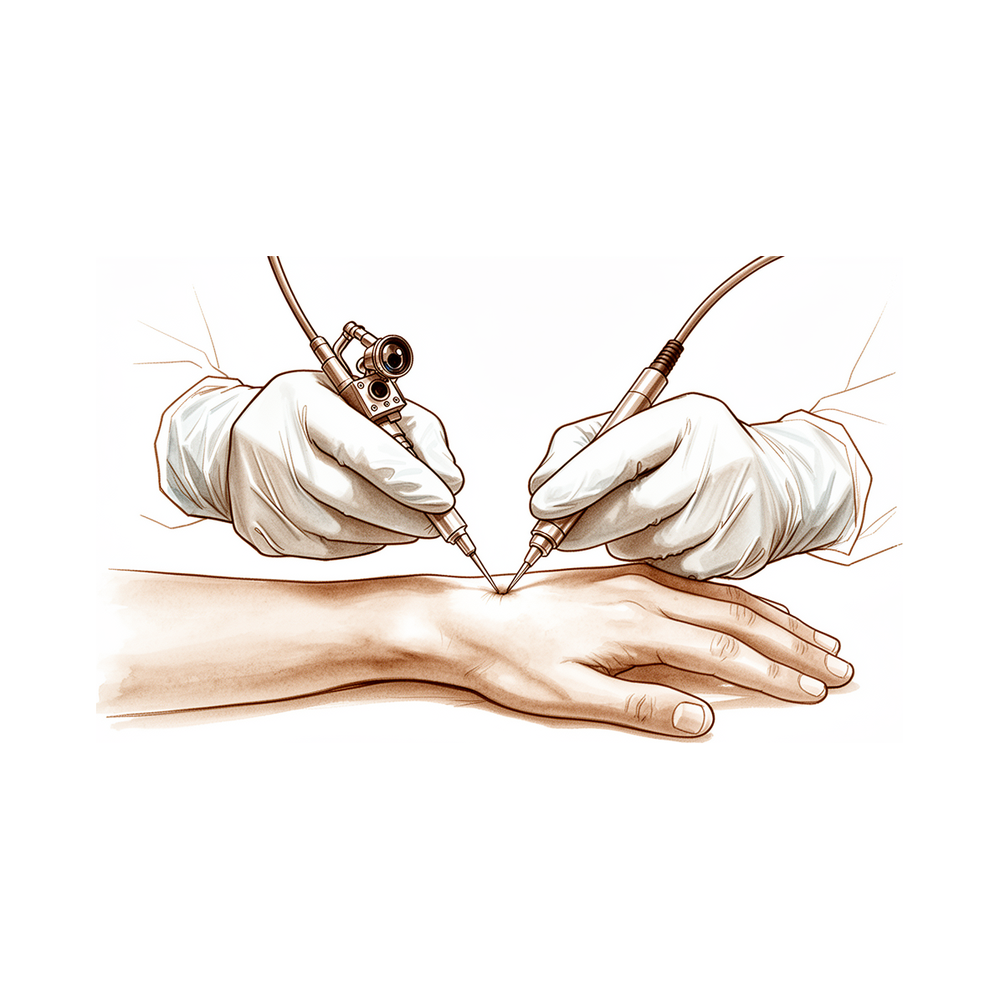
Wrist arthroscopy for intra-articular pathology, focusing on TFCC repair (Palmer I vs II) and surgical techniques for DRUJ stabilization.
Overview
Therapeutic arthroscopy serves as a logical extension of diagnostic arthroscopy, establishing surgery under endoscopic control as a practical reality [2]. As an essential diagnostic and therapeutic tool, the procedure offers an ever-expanding list of indications and procedures for the orthopaedic surgeon [5]. Arthroscopic techniques generally demonstrate better results and improved localization of injury with a low complication rate compared with open techniques [39]. While arthroscopic and open approaches have comparable outcome profiles regarding recurrence and complications [4], additional long-term comparative studies are needed to accurately differentiate the efficacy of open and arthroscopic techniques [3]. More prospective studies comparing open and arthroscopic excision are required to delineate if there is a true functional benefit [13]. In special situations, minimally invasive procedures can be performed through the arthroscope [7].
The utility of arthroscopy varies by clinical context. Diagnostic arthroscopy performed in the setting of an unclear preoperative diagnosis yielded limited diagnostic benefit [8], and the authors do not feel that the routine use of wrist arthroscopy as a replacement or supplement to arthrography can be justified [20]. Conversely, on the basis of a prospective comparative study, the arthroscopically guided procedure was superior to the conventional open procedure for intra-articular distal radius fracture [25]. The authors believe that smaller studies that include second-look arthroscopy provide the most convincing evidence for the efficacy of these combined procedures [1]. It is appropriate to base decisions regarding salvage operative procedures on the presence of severe symptoms or loss of function rather than on radiographic evidence of osteoarthrosis [26].
Arthroscopic applications extend across multiple joints with consistent positive outcomes. The most common indications for repeat wrist arthroscopy were ligamentous instability and osteoarthritis from dynamic impaction [35]. Subtalar arthroscopy is a standardised and reproducible procedure with new diagnostic and minimally invasive therapeutic options [10]. Arthroscopic treatment can be a safe and effective option with excellent short- and long-term outcomes for talus bipartitus [9]. Good to excellent outcomes can be consistently reached in greater than 80% of patients with arthroscopic debridement and microfracture for osteochondral lesions of the talar dome [12]. Needle arthroscopy is a simple, safe, and well tolerated technique, with promise as a diagnostic, scientific, and possibly therapeutic tool in rheumatic diseases, but arthroscopic experience is necessary for this procedure [11]. In the shoulder, the authors stated that if the results stood over time, the advantages of arthroscopic Bankart suture repair, namely less morbidity, lower cost, less pain, and preservation of motion, would show that an arthroscopic shoulder stabilization would have great potential for the future [59]. The authors believe the described arthroscopic Hill-Sachs filling technique using an absorbable interference screw is safe, is easily reproducible, does not require a long learning curve, and allows restoration of joint stability [24].
Suggested guidelines for the practice of arthroscopic surgery cover privileges, training, practice standards, continuing education, and performance review to ensure patient safety and surgeon competence [15]. The editors state that Arthroscopy and Arthroscopy Techniques are complementary, with the former publishing clinically relevant research and the latter focusing on surgical techniques [6]. Wrist arthroscopy surgical technique emphasizes the use of traction for joint distention and the availability of various portals and instruments for diagnostic and therapeutic procedures [21].
Anatomy & Pathophysiology
Bony Anatomy
The wrist is the anatomic region between the forearm and the hand, encompassing the distal radioulnar, radiocarpal, and ulnocarpal joints along with the eight carpal bones [69]. These bones are arranged into a proximal row consisting of the scaphoid, lunate, triquetrum, and pisiform, and a distal row comprising the trapezium, trapezoid, capitate, and hamate [69]. The distal radius features a concave elliptical articular surface oriented in the sagittal plane with an average volar tilt of 11 degrees and a radial inclination of 23 degrees in the frontal plane [73]. Radial length, measured from the tip of the radial styloid to the ulnar articular surface, averages 13 mm [73]. The radius possesses a lateral bow crucial for maintaining full pronation and supination [73].
The distal radius articular surface contains two concave facets, the scaphoid and lunate facets, separated by the scapholunate ridge [76]. Along the ulnar border, the sigmoid notch forms a shallow concavity for the articulating ulnar head at the distal radioulnar joint [76]. The distal ulna is covered with hyaline cartilage on its dorsal, lateral, palmar, and distal surfaces [76]. The ulnar styloid projects distally, and its base contains the fovea, which serves as the insertion site for the triangular fibrocartilaginous complex (TFCC) [76]. Additionally, the ulnar styloid contains attachments to the TFCC, including the meniscus homolog, volar and dorsal ulnar carpal ligaments, and the ulnar collateral ligament [73].
Specific carpal bones exhibit distinct morphological features. The scaphoid receives its primary vascular supply from a branch of the radial artery at the dorsal ridge, with smaller vessels entering the palmar tubercle to supply the distal 30% [76]. In 80% of wrists, the lunate has both dorsal and palmar vascular supplies, while in 20% only a palmar supply is present [76]. The pisiform acts as a sesamoid bone within the flexor carpi ulnaris tendon and serves as the origin for the abductor digiti minimi [76]. The hamate consists of a body and a hook (hamulus), which attaches the transverse carpal ligament and provides origins for the flexor digiti minimi and opponens digiti minimi [76]. The trapezium features a saddle-shaped articulation with the base of the thumb metacarpal and a palmar groove for the flexor carpi radialis tendon [76].
Ligaments
Extrinsic carpal ligaments connect the radius or ulna to the carpus, with volar ligaments generally being stronger than dorsal ligaments [74]. The scapholunate interosseous ligament is C-shaped in the sagittal plane, with the dorsal third being the thickest and strongest portion; it is a major stabilizer of the wrist and the most commonly injured wrist ligament [74]. The lunotriquetral interosseous ligament is also C-shaped, but its volar portion is the thickest and strongest [74]. The dorsal radiocarpal ligament has a trapezoidal shape, passing from the dorsal rim of the distal radius to the lunate and triquetrum [74]. The dorsal intercarpal ligament passes from the dorsal tubercle of the triquetrum to the distal pole of the scaphoid [74].
The space of Poirier is an area adjacent to the proximal capitate without ligamentous attachment, situated ulnar to the radioscaphocapitate ligament and radial to the long radiolunate ligament [74]. This space represents a weak area vulnerable to instability, through which the distal carpal row separates from the lunate during a perilunate dislocation [74]. The triangular fibrocartilage complex (TFCC) is formed by the central meniscus homolog, dorsal and volar radioulnar ligaments, the floor of the extensor carpi ulnaris tendon sheath, and volar ulnocarpal ligaments [76]. The TFCC arises from the radial border of the distal radius and inserts into the base of the ulnar styloid and distal ulna through the ligamentum subcruentum [76]. The dorsal and volar radioulnar ligaments serve as the primary stabilizers of the distal radioulnar joint [76].
Vascular Supply
Only the peripheral 10% to 40% of the volar, ulnar, and dorsal TFCC has a vascular supply [76]. The terminal branches of the radial, ulnar, and anterior interosseous arteries provide extraosseous blood supply to the carpus through three dorsal and three palmar transverse arterial arches [79]. The dorsal intercarpal arch is the largest of the dorsal arches and supplies the distal carpal row and, through anastomoses with the radiocarpal arch, the lunate and triquetrum [79]. The palmar intercarpal arch is the most variable of the palmar arches and does not contribute to nutrient vessels in the carpus [79].
Biomechanics and Kinematics
The wrist functions as a two-joint system linking the hand to the forearm around the highly mobile bones of the proximal carpal row [77]. The two principal articulations are the radiocarpal and midcarpal joints, situated proximal and distal to the mobile proximal carpal row [77]. The proximal carpal row has no muscular or tendinous attachments and functions as an intercalary segment [76]. The eight carpal bones represent the most complex articular system in the human body, allowing precise positioning of the hand throughout a nearly hemispherical arc of wrist motion [70]. Injuries to the wrist mechanism can lead to instability, resulting in a painful lack of motion, strength, and function [70].
With axial loading through the neutral wrist, approximately 80% of forces are transmitted through the distal radius and 20% through the distal ulna [76]. Specifically, 60% of force is transmitted through the scaphoid facet and 40% through the lunate facet of the distal radius [76]. With wrist flexion, 60% of the motion is midcarpal and 40% is radiocarpal [76]. With wrist extension, 33% of the motion is midcarpal and 66% is radiocarpal [76]. The midcarpal joint is mostly responsible for 20 degrees of radial deviation and 40 degrees of ulnar deviation [74]. It is also responsible for the "dart thrower's motion," which involves moving from radial extension into ulnar flexion positioning of the wrist [74]. This dart-thrower's motion occurs almost exclusively through the midcarpal joint, with rotation occurring along the mechanical axis of the wrist [77].
During wrist flexion from neutral, the distal row flexes and ulnarly deviates slightly while the scaphoid pronates [74]. During wrist extension from neutral, the distal row extends and radially deviates slightly while the scaphoid supinates [74]. The proximal row translates dorsally during wrist flexion and palmarly during wrist extension [74]. With ulnar deviation, the proximal row extends relative to the forearm and distal row [76]. With radial deviation, the proximal row flexes relative to the forearm and distal row [76].
Classification
Palmer: The Palmer classification describes acute distal surface triangular fibrocartilage complex (TFCC) tears by location [47]. Ulnar or dorsal/ulnar tears (Palmer 1B) are the most amenable to arthroscopic repair due to good blood supply to this region of the TFCC [47]. Volar distal (Palmer 1C) and radial (Palmer 1D) TFCC tears are commonly débrided, although some are repaired [47]. Central TFCC tears (Palmer 1A) are avascular, thus débridement is recommended [47].
Foveal: Foveal TFCC tears affect the deep TFCC and the bony insertion and are not included in the Palmer classification [47]. These tears may be associated with distal radioulnar joint (DRUJ) instability [47]. Foveal TFCC tears may be diagnosed with the arthroscopic hook test [47]. Bone tunnel repair is one commonly used technique for foveal TFCC tears [47].
Kienbock’s Disease: Arthroscopy provides a valuable assessment and subsequent classification of Kienbock’s disease based on the number of non-functional articular surfaces [48].
Geissler: Lesions of the scapholunate ligament were classified according to Geissler in the context of digital photograph documentation reliability studies [150].
Outerbridge: Cartilage lesions were classified according to Outerbridge in the context of digital photograph documentation reliability studies [150].
Other Considerations: Lesions of the TFCC were categorized according to Palmer in the context of digital photograph documentation reliability studies [150]. The central two-thirds of the TFCC may be débrided without affecting DRUJ stability because the dorsal and volar radiocarpal ligaments are maintained [47].
Clinical Presentation
Diagnostic arthroscopy serves as a critical tool for identifying intraarticular pathology in patients with persistent wrist pain. In a cohort of 129 patients, only 12 arthroscopies (9.4%) failed to reveal any intraarticular pathology [18]. When a preoperative diagnosis was suggested, the diagnosis was confirmed in 44 patients (58%) [18]. In the remaining cases, the diagnosis was modified in 16 patients, reduced in 10 patients, and extended in 7 patients [18]. The most commonly found diagnoses during wrist arthroscopy were triangular fibrocartilage complex (TFCC) lesions, scapholunate ligament (SL) lesions, and cartilaginous lesions [18]. Unsuspected chondral fractures or soft tissue pathology often became obvious during arthroscopy [18].
Surgeons must be vigilant during arthroscopy to avoid overlooking concomitant peripheral tears of the triangular fibrocartilage complex, as physical examination and MRI provide little diagnostic information for these lesions [45]. Most pathomorphologic lesions in children and adolescents with chronic wrist pain have not been correctly identified by MRI before arthroscopy [50]. Diagnostic arthroscopy yields evidence of redundant dorsal capsular tissue in dorsal wrist capsular impingement [37]. Arthroscopy allows for the simultaneous treatment of ganglions and other pathologies [44].
Participants who underwent arthroscopic investigation for persistent wrist pain improved on average by approximately 50% at one year [22]. However, most participants who underwent arthroscopic investigation for persistent wrist pain continued to have some pain and disability at one year [22].
Investigations
Diagnostic Arthroscopy
Arthroscopy serves as the diagnostic intervention of choice for determining the degree of wrist injury, allowing assessment of cartilage condition, carpal reducibility, and associated injuries [82]. It identifies the extent of intrinsic and extrinsic ligament damage [82]. Geissler grade II scapholunate interosseous ligament injuries tend to be isolated, whereas grade IV injuries often involve complete dorsal extrinsic ligament disruption [82]. Despite limitations, wrist arthroscopy remains an invaluable tool for diagnosing and treating wrist joint disorders [17]. Therapeutic arthroscopy has become the logical extension of diagnostic procedures, making surgery under endoscopic control a practical reality [2]. A thorough understanding of 3-D wrist anatomy is essential to optimize efficiency and minimize complications from improper instrument placement [28]. While most arthroscopies are performed for diagnosis, the procedure also facilitates foreign body removal, loose body removal, and synovial biopsies [32]. Computerized tomographic arthrography and arthroscopy enable accurate definition of anomalies [31].
Reliability and Diagnostic Accuracy
Considerable disagreement between and within experienced observers warrants reconsideration of arthroscopy as the reference standard for triangular fibrocartilage complex (TFCC) tears [33]. Given only a fair correlation between arthroscopy and MRI, the two methods are not equivalent for assessing wrist cartilage; consequently, wrist arthroscopy retains an important role in evaluating painful degenerative wrists [134]. Although arthroMRI with high resolution has improved sensitivity, technical improvements are still required to match arthroscopy for diagnosing TFCC tears [133]. In children and adolescents with chronic wrist pain, most lesions found during arthroscopy were not correctly identified by prior MRI [50]. Surgeons must remain vigilant during arthroscopy to avoid overlooking concomitant peripheral tears, as physical examination and MRI provide limited diagnostic information for these injuries [45].
Outcomes and Indications
Patients undergoing arthroscopic investigation for persistent wrist pain improved by approximately 50% on average at one year, though most continued to experience some pain and disability [22]. Diagnostic arthroscopy often reveals redundant dorsal capsular tissue; arthroscopic debridement of this tissue offers a safe and effective treatment to improve pain and functional scores [37]. The arthroscopic approach focuses on the patient's symptoms and is feasible for alleviating them in the management of late complications of calcaneal fractures [27].
Comparison with Other Modalities
Arthroscopic and open approaches yield comparable outcome profiles regarding recurrence and complications for dorsal ganglion excision [4]. Additional long-term comparative studies are needed to accurately differentiate the efficacy of open and arthroscopic techniques for this procedure [3]. More prospective studies comparing open and arthroscopic excision are required to delineate whether a true functional benefit exists for ganglion cysts [13]. Smaller studies including second-look arthroscopy provide the most convincing evidence for the efficacy of combined procedures [1]. The diagnostic test accuracy of X-ray arthrography is limited [121]. For orthopedic surgeons managing common carpal trauma who do not regularly practice wrist video-surgery, perioperative arthrography helps prevent omission of ligamentous lesions that cause short-term arthritis [65].
Imaging Modalities
MRI: MRI is the modality of choice for imaging radiographically occult fractures of the hand and wrist [75]. Its primary advantages over CT and radiography include improved tissue characterization, particularly of soft tissues such as wrist ligaments and hand synovium, and the absence of ionizing radiation [75]. A 3T field strength is much preferred for hand and wrist imaging, especially for small fields of view [75]. A properly performed, high-resolution MRI aids in evaluating wrist ligament injuries [82]. A static magnetic field strength of at least 1.5 T using a dedicated wrist coil is recommended for analyzing interosseous, intrinsic, and extrinsic ligament insertions [82]. The volar extrinsic, SL interosseous, dorsal intercarpal, and LT ligaments are best visualized using 1 mm slices (with no interslice gap) in the coronal plane [82]. The DRC and intercarpal ligaments are best viewed on both coronal and sagittal images [82]. With proper technique, TFCC injuries can be demonstrated with MRI [85]. Perforations in the TFCC appear as linear defects or gaps filled with hyperintense fluid on coronal gradient-echo or T2-weighted pulse sequences [85]. The addition of arthrographic contrast improves the visualization of carpal ligaments on MR images [85]. MRI is useful for detecting additional marrow abnormalities in osteonecrosis, such as in the lunate in Kienböck disease or the scaphoid after fracture [85]. Asymmetry of marrow signal in proximal and distal fragments of a fractured scaphoid suggests proximal pole ischemia [85]. MRI provides earlier detection of synovitis and erosive bone changes associated with rheumatoid arthritis than radiographs [85].
CT: CT scanning enables the 3D analysis of carpal dysfunction [82].
Other Considerations: Dynamic fluoroscopy shows abnormal motion between the scaphoid and lunate as well as changes in the kinematics of the midcarpal joint [82].
Treatment
General Principles and Guidelines
Wrist Arthroscopy Wrist arthroscopy is a high-yield diagnostic procedure; in one series, only 12 out of 129 arthroscopies (9.4%) failed to reveal any intraarticular pathology [18]. The preoperative diagnosis was confirmed in 44 patients (58%) [18]. Triangular fibrocartilage complex (TFCC) lesions, scapholunate ligament (SL) and cartilagenous lesions were most commonly found during wrist arthroscopy [18]. In children and adolescents referred for chronic wrist pain, wrist arthroscopy was observed to have no intra- or postoperative complications [131]. Arthroscopic TFCC treatment in paediatric patients is safe and yielded favourable subjective and objective outcomes and patient/parent satisfaction [89]. Arthroscopic procedures for intra-articular distal radius fracture were found to be superior to the conventional open procedure based on a prospective comparative study [25]. Radial shortening is effective for patient satisfaction and functional improvement in Litchman stage 3B Kienbock’s disease [105]. Arthroscopic debridement of dorsal wrist impingement is associated with a lower risk of flexion loss compared to open dorsal wrist capsulectomy [34]. There was no statistical difference in clinical outcomes after open versus arthroscopic TFCC repair [53]. Clinical results after arthroscopic laser debridement of central triangular fibrocartilage complex tears are comparable to those reported by other investigators using conventional techniques [54]. Surgical stabilization provides durable, favorable outcomes for nontraumatic midcarpal instability, making it a reliable treatment option for patients who do not achieve sufficient relief from nonsurgical treatment [154].
Ganglion Cysts Arthroscopic and open approaches have comparable outcome profiles regarding recurrence and complications for dorsal ganglion cysts [4]. Additional long-term comparative studies are needed to accurately differentiate the efficacy of open and arthroscopic techniques for dorsal ganglion cysts [3].
Ankle and Foot Arthroscopy Arthroscopic treatment of talus bipartitus can be a safe and effective option with excellent short- and long-term outcomes [9]. Arthroscopic bone marrow stimulation techniques provided satisfactory clinical outcomes for osteochondral lesions of the talus [102]. Clinical outcomes assessed 2 years postoperatively were superior in patients who underwent arthroscopic microfracture with atelocollagen augmentation compared to those who underwent arthroscopic microfracture alone, although the differences were not statistically significant [41]. The arthroscopic approach focuses on the patient's symptoms and is a feasible approach to alleviate them in late complications of calcaneal fractures [27]. Arthroscopic management serves as a minimally invasive alternative to open surgery for diagnosis and treatment of early-stage tuberculosis of the ankle [135].
Other Joint Applications The needle arthroscopy is a simple, safe, and well tolerated technique for synovial biopsy of metacarpophalangeal joints, with promise as a diagnostic, scientific, and possibly therapeutic tool in rheumatic diseases, but arthroscopic experience is necessary for this procedure [11]. Arthroscopic debridement of the elbow addresses the pathologic processes associated with arthritis of the elbow and was safe and effective in this series [104]. The described arthroscopic Hill-Sachs filling technique using an absorbable interference screw is safe, is easily reproducible, does not require a long learning curve, and allows restoration of joint stability [24]. After a preferred minimally invasive treatment with stable reconstruction of the articular surface for difficult intra-articular fractures or fracture dislocations of the proximal interphalangeal joint, sufficient aftercare is necessary to improve surgical outcomes [55]. The literature on clinical outcomes using sliding knots or nonsliding knots for shoulder procedures is limited to level 4 evidence [140].
Complications
General Incidence and Prevention: A systematic review suggests that the previously documented rate of wrist arthroscopy complications may be underestimating the true incidence [124]. Despite this, arthroscopic procedures demonstrate a low complication rate compared with open techniques [39]. Complications associated with wrist arthroscopy may largely be avoided by paying meticulous attention to detail and by anticipating potential problems before they occur [49].
Portal-Related Injury: A fundamental understanding of wrist anatomy is critical in the avoidance of complications secondary to portal placement [36]. Inappropriate placement of portals either too distal or too proximal along the wrist may cause injury to the articular cartilage or the triangular fibrocartilage complex [23].
Other Considerations: The outcomes, recurrence, and complications rates after 4 years of follow-up support the use of arthroscopy as a treatment for dorsal wrist ganglion [60]. Aggressive early arthroscopic debridement after discovery with the addition of postoperative radiation therapy has proved effective in addressing heterotopic ossification of the elbow [64]. Arthroscopic subtalar arthrodesis is associated with fewer complications compared to open surgery [66]. The author's experience with more than 150 laser-assisted wrist arthroscopies using the Ho:YAG laser has been excellent, with no laser-related complications [142]. No vascular, tendinous, or neurological complications were noted in a series of 138 cases of mini-invasive carpal tunnel release [136]. The arthroscopic Hill-Sachs filling technique using an absorbable interference screw is considered safe by the authors [24]. Arthroscopy-assisted absorbable screw combined with Kirschner wire internal fixation for Sanders type III displaced intra-articular calcaneal fractures is associated with a low incidence of postoperative complications [147]. Complications were few in a study of single osteotomy at the radial diaphysis for congenital radioulnar synostosis [125].
Recovery
Light activity (weeks): The provided evidence does not specify a typical week range for desk work, driving, or light activities of daily living.
Full activity (months): The provided evidence does not specify a month range for the return to manual work, sport, or full range of motion and strength.
Complete recovery / outcome plateau (months): The provided evidence does not specify a month range for the stabilization of pain, strength, and final functional outcomes.
Rehabilitation protocol: The provided evidence does not detail specific physiotherapy phasing, immobilisation duration, weight-bearing or range-of-motion progression schedules, or timing for sling or brace removal.
Functional milestones: Validated patient-reported outcome measures improved after medium-term follow-up for 3D planning and patient-specific instrumentation for intraarticular corrective osteotomy, with range of motion and grip strength improving postoperatively to levels comparable to the healthy contralateral side [129]. Periacetabular osteotomy provides pain relief and improved hip function in most patients over short- to midterm follow-up [61].
Other Considerations: Arthroscopic debridement and microfracture for osteochondral lesions of the talar dome consistently achieves good to excellent outcomes in greater than 80% of patients [12]. Arthroscopic treatment of talus bipartitus is associated with excellent short- and long-term outcomes [9]. Clinical outcomes at 2 years postoperatively for arthroscopic microfracture with atelocollagen augmentation were superior to arthroscopic microfracture alone, although the differences were not statistically significant [41]. Arthroscopic thermal shrinkage for mild to moderate chronic distal radioulnar joint instability is effective in the majority of patients at long-term follow-up of 3 to 19 years [62]. Arthroscopic subtalar arthrodesis demonstrates bone fusion in over 90% of cases, with a shorter time to healing, a simpler postoperative course, and fewer complications compared to open surgery [66]. At an average follow-up of 4.5 years for carpal tunnel release by the Agee endoscopic technique, 28% of hands had persistent symptoms, but results were scarcely different from the conventional technique with no patient requiring reoperation [67]. Outcomes, recurrence, and complications rates after a minimum follow-up of 4 years support the use of arthroscopy as a treatment for dorsal wrist ganglion [60]. Arthroscopic and open approaches for dorsal ganglion excision have comparable outcome profiles regarding recurrence and complications [4]. Participants who underwent arthroscopic investigation for persistent wrist pain improved on average by approximately 50% at one year, although most continued to have some pain and disability [22]. Long-term follow-up of forearm shortening and volar radiocarpal capsulotomy for wrist flexion deformity in children with amyoplasia shows that the initial improvement in wrist position is not maintained [40]. Good clinical results observed in patients 10 years after radial shortening osteotomy for Kienböck disease are likely to remain stable at 20 years after surgery [156]. At an average follow-up of 10 years, proximal row carpectomy is a reliable and durable procedure for patients with Lichtman stage IIIA or IIIB Kienböck's disease [157]. Radiographic disease progression occurred in only 2 wrists, rated stage IIIB, at 8 and 10 years follow-up after capitulum shortening osteotomy for stage IIIA Kienböck disease, without a bad clinical outcome [158]. At the last follow-up for minimally invasive surgery of perilunate dislocations and fracture dislocations, arthritis had not developed in any patient [155]. Aggressive early arthroscopic debridement after discovery of moderate to severe heterotopic ossification of the elbow, with the addition of postoperative radiation therapy, has proved effective in addressing this complication [64].
Key Evidence
- [L5] The authors believe that smaller studies that include second-look arthroscopy provide the most convincing evidence for the efficacy of these combined procedures. [1] (10.1016/j.arthro.2017.01.005)
- [L5] Therapeutic arthroscopy has become the logical extension of diagnostic arthroscopy, and surgery under endoscopic control is now a practical reality. [2] (10.2106/00004623-198365030-00027)
- [L1] Additional long-term comparative studies are needed to accurately differentiate the efficacy of open and arthroscopic techniques. [3] (10.1016/j.jhsa.2008.01.009)
- [L2] Arthroscopic and open approaches have comparable outcome profiles regarding recurrence and complications. [4] (10.1177/1753193417734428)
- [L5] Wrist arthroscopy is an essential diagnostic and therapeutic tool for the orthopaedic surgeon with an ever-expanding list of indications and procedures. [5] (10.1016/j.arthro.2007.11.002)
- [L5] The editors state that Arthroscopy and Arthroscopy Techniques are complementary, with the former publishing clinically relevant research and the latter focusing on surgical techniques. [6] (10.1016/j.arthro.2015.05.001)
- [L5] In special situations, minimally invasive procedures can be performed through the arthroscope. [7] (10.1016/j.hcl.2016.08.005)
- [L4] Diagnostic arthroscopy performed in the setting of an unclear preoperative diagnosis yielded limited diagnostic benefit. [8] (10.1177/1558944716661993)
- [L4] Arthroscopic treatment can be a safe and effective option with excellent short- and long-term outcomes. [9] (10.1007/s00167-017-4613-8)
- [L4] Subtalar arthroscopy is a standardised and reproducible procedure with new diagnostic and minimally invasive therapeutic options. [10] (10.1007/s001670050084)
- [L4] The needle arthroscopy is a simple, safe, and well tolerated technique, with promise as a diagnostic, scientific, and possibly therapeutic tool in rheumatic diseases, but arthroscopic experience is necessary for this procedure. [11] (10.1007/s00167-002-0329-4)
- [L4] Good to excellent outcomes can be consistently reached in greater than 80% of patients with arthroscopic debridement and microfracture. [12] (10.1016/j.arthro.2012.04.055)
- [L4] More prospective studies comparing open and arthroscopic excision are needed to delineate if there is a true functional benefit. [13] (10.1016/j.hcl.2013.08.020)
- [L5] This statement outlines suggested guidelines for the practice of arthroscopic surgery, covering privileges, training, practice standards, continuing education, and performance review to ensure patient safety and surgeon competence. [15] (10.1016/s0749-8063(11)00686-4)
- [L4] In spite of its limitations wrist arthroscopy remains an invaluable tool in the diagnosis and treatment of wrist joint disorders. [17] (10.1016/j.jhsa.2003.12.020)
- [L4] [18] (10.1016/s0266-7681(96)80100-8)
- [L4] The authors do not feel that the routine use of wrist arthroscopy as a replacement or supplement to arthrography can be justified. [20] (10.1016/0266-7681(94)90256-9)
- [L2] Participants who underwent arthroscopic investigation for persistent wrist pain improved on average by approximately 50% at one year; however, most continued to have some pain and disability. [22] (10.1016/j.jht.2012.03.001)
- [L5] [23] (10.2106/00004623-199908000-00015)
- [L5] The authors believe the described arthroscopic procedure is safe, is easily reproducible, does not require a long learning curve, and allows restoration of joint stability. [24] (10.1016/j.eats.2022.08.046)
- [L3] On the basis of our prospective comparative study, we found that the arthroscopically guided procedure was superior to the conventional open procedure. [25] (10.1016/j.jhsb.2006.03.177)
- [L4] It is appropriate to base decisions regarding salvage operative procedures on the presence of severe symptoms or loss of function rather than on radiographic evidence of osteoarthrosis. [26] (10.2106/00004623-199709000-00003)
- [L4] The arthroscopic approach focuses on the patient's symptoms and is a feasible approach to alleviate them. [27] (10.1007/s00167-012-2086-3)
- [L5] A thorough understanding of the 3-D anatomy of the wrist is essential to optimize efficiency and minimize complications associated with improper instrument placement. [28] (10.1016/j.hcl.2017.06.004)
- [L4] Computerized tomographic arthrography and arthroscopy enabled accurate definition of the anomaly. [31] (10.2106/00004623-198870030-00021)
- [Paper] Although most of the arthroscopies performed to date have been for diagnosis, foreign body removal, loose body removal, and synovial biopsies have been performed. [32] (10.1016/s0363-5023(85)80133-7)
- [L3] Given the considerable disagreement between and within experienced observers, reconsideration should be given to arthroscopy as the reference standard in the diagnosis of these tears. [33] (10.1016/j.jhsa.2018.02.031)
- [L4] The procedure is associated with a lower risk of flexion loss compared to open dorsal wrist capsulectomy. [34] (10.1016/j.jhsa.2008.06.020)
- [L4] The most common indications for repeat wrist arthroscopy were ligamentous instability and osteoarthritis from dynamic impaction. [35] (10.1055/s-0033-1364090)
- [L5] A fundamental understanding of wrist anatomy is critical in the avoidance of complications secondary to portal placement. [36] (10.1016/s0749-0712(21)00187-6)
- [L4] Diagnostic arthroscopy yields evidence of redundant dorsal capsular tissue, and arthroscopic debridement of this tissue offers a safe and effective treatment to improve pain and functional scores. [37] (10.1016/j.jhsa.2016.12.012)
- [L5] Arthroscopic procedures demonstrate better results and improved localization of the injury with a low complication rate compared with open techniques. [39] (10.5435/00124635-200105000-00006)
- [L4] Long-term follow-up of the procedure shows that the initial improvement in wrist position is not maintained. [40] (10.1016/j.jhsa.2011.10.013)
- [L1] Clinical outcomes assessed 2 years postoperatively were superior in patients who underwent arthroscopic microfracture with atelocollagen augmentation compared to those who underwent arthroscopic microfracture alone, although the differences were not statistically significant. [41] (10.1186/s12891-020-03730-3)
- [L4] Arthroscopy allows for the simultaneous treatment of ganglions and other pathologies. [44] (10.1016/j.jhsa.2012.04.042)
- [L4] Surgeons must be vigilant during arthroscopy to avoid overlooking concomitant peripheral tears, as physical examination and MRI provide little diagnostic information. [45] (10.1177/1753193413479479)
- [L4] Arthroscopy provides a valuable assessment and subsequent classification of Kienbock’s disease based on the number of non-functional articular surfaces. [48] (10.1097/00130911-200603000-00003)
- [L5] As with any surgical procedure, complications associated with wrist arthroscopy may largely be avoided by paying meticulous attention to detail and by anticipating potential problems before they occur. [49] (10.1016/s0749-0712(21)00029-9)
- [L3] However, most of these lesions have not been correctly identified by MRI before arthroscopy. [50] (10.1016/j.arthro.2012.04.152)
- [L3] There was no statistical difference in clinical outcomes after open versus arthroscopic TFCC repair. [53] (10.1016/j.jhsa.2008.01.020)
- [L4] Clinical results after arthroscopic laser debridement are comparable to those reported by other investigators using conventional techniques. [54] (10.1053/jhsu.2001.20157)
- [L5] After a preferred minimally invasive treatment with stable reconstruction of the articular surface, sufficient aftercare is necessary to improve surgical outcomes. [55] (10.1177/1753193414559464)
- [L4] The authors stated that if the results stood over time, the advantages of this arthroscopic technique, namely less morbidity, lower cost, less pain, and preservation of motion, would show that an arthroscopic shoulder stabilization would have great potential for the future. [59] (10.1016/j.arthro.2010.04.009)
- [L4] The outcomes, recurrence, and complications rates after 4 years of follow-up presented in this study support the use of arthroscopy as a treatment for dorsal wrist ganglion. [60] (10.1177/1558944717743601)
- [L4] Periacetabular osteotomy provides pain relief and improved hip function in most patients over short- to midterm followup. [61] (10.1007/s11999-009-0842-6)
- [L4] Arthroscopic thermal shrinkage is effective for the majority of the patients with mild to moderate chronic distal radioulnar joint instability in long-term follow-up. [62] (10.1177/1753193420927882)
- [L4] Aggressive early arthroscopic debridement after discovery with the addition of postoperative radiation therapy has proved effective in addressing this potentially serious complication. [64] (10.1016/j.arthro.2013.03.050)
- [L4] For orthopedic surgeons facing common carpal trauma but not regularly practicing wrist video-surgery, the use of perioperative arthrography could allow not to omit the treatment of a ligamentous lesion causing short-term arthritis. [65] (10.1016/j.hansur.2017.10.194)
- [L4] Arthroscopic subtalar arthrodesis is gaining in popularity based on evidence of bone fusion in over 90% of cases, with a shorter time to healing, a simpler postoperative course, and fewer complications compared to open surgery. [66] (10.1016/j.otsr.2016.08.002)
- [L4] At an average follow-up of 4.5 years, 28% of hands had persistent symptoms, but results were scarcely different from the conventional technique with no patient requiring reoperation. [67] (10.1054/jhsb.1999.0226)
- [L4] Arthroscopic TFCC treatment in paediatric patients is safe and yielded favourable subjective and objective outcomes and patient/parent satisfaction. [89] (10.1177/1753193418825070)
- [L4] Arthroscopic bone marrow stimulation techniques provided satisfactory clinical outcomes. [102] (10.1177/0363546512472979)
- [L4] Arthroscopic debridement of the elbow addresses the pathologic processes associated with arthritis of the elbow and was safe and effective in this series. [104] (10.1016/j.arthro.2007.03.084)
- [L3] The procedure is effective for patient satisfaction and functional improvement. [105] (10.1007/s00264-007-0428-4)
- [L1] The diagnostic test accuracy of X-ray arthrography is limited. [121] (10.1177/1753193411402762)
- [L4] This systematic review suggests that the previously documented rate of wrist arthroscopy complications may be underestimating the true incidence. [124] (10.1016/j.arthro.2012.01.008)
- [L4] Complications were few, and the correction was maintained through midterm follow-up. [125] (10.1016/j.jhsa.2014.05.018)
- [L4] At a mean follow-up of 6 years, pain was significantly reduced and wrist function was significantly improved compared with preoperative status. [128] (10.1177/1753193420930587)
- [L4] ROM and grip strength improved postoperatively comparable to the healthy contralateral side and patient-reported outcome measures improved after medium-term follow-up. [129] (10.1186/s12891-022-05946-x)
- [L4] [131] (10.1055/s-0038-1639508)
- [L4] The use of arthroMRI together with high resolution has improved sensitivity but still technical improvements to compare with arthroscopy in diagnostic of tears of the triangular fibrocartilage complex. [133] (10.1016/j.arthro.2009.04.027)
- [L3] With only a fair correlation between arthroscopy and MRI, it cannot be concluded that the two methods are equivalent for assessing wrist cartilage and, as such, wrist arthroscopy still has an important role to play in the assessment of a painful degenerative wrist. [134] (10.1177/1753193408090395)
- [L4] It serves as a minimally invasive alternative to open surgery for diagnosis and treatment. [135] (10.1186/s13018-018-1048-y)
- [L3] No vascular, tendinous, or neurological complications were noted, and the procedure was never converted to an open technique. [136] (10.1016/s1297-3203(00)73465-2)
- [L4] The literature on clinical outcomes using sliding knots or nonsliding knots for shoulder procedures is limited to level 4 evidence. [140] (10.1177/2325967120911646)
- [L4] The author's experience with more than 150 laser-assisted wrist arthroscopies using the Ho:YAG laser has been excellent, with no laser-related complications. [142] (10.1016/s0749-0712(21)00185-2)
- [L3] This approach is associated with a low incidence of postoperative complications and a quick return to sports activities. [147] (10.1186/s12891-025-08438-w)
- [Paper] [150] (10.1016/s0363-5023(09)60080-0)
- [L2] Surgical stabilization provides durable, favorable outcomes for nontraumatic MCI, making it a reliable treatment option for patients who do not achieve sufficient relief from nonsurgical treatment. [154] (10.1016/j.jhsa.2025.07.037)
- [L4] At the last follow-up, arthritis had not developed in any patient. [155] (10.1177/1558944716660555hc)
- [L4] Good clinical results observed in patients 10 years after radial shortening osteotomy are likely to remain stable at 20 years after surgery. [156] (10.1016/j.jhsa.2025.04.018)
- [L4] At an average follow-up of 10 years, proximal row carpectomy is a reliable and durable procedure for patients with Lichtman stage IIIA or IIIB Kienböck's disease. [157] (10.1016/j.jhsa.2008.02.031)
- [L4] Radiographic disease progression occurred only in 2 wrist, rated stage IIIB, at 8 and 10 years follow-up without a bad clinical outcome. [158] (10.1016/j.main.2014.10.086)
See Also
- Wrist Arthroscopy
- Distal Radius Fracture
- Wrist Ligament Injuries
- Carpal Tunnel Release
- Proximal Row Carpectomy
- Kienböck's Disease
References
[1] Authors' Reply. Arthroscopy. 2017. DOI: 10.1016/j.arthro.2017.01.005
[2] Arthroscopic surgery.. The Journal of Bone & Joint Surgery. 1983. DOI: 10.2106/00004623-198365030-00027
[3] Arthroscopic Versus Open Dorsal Ganglion Excision: A Prospective, Randomized Comparison of Rates of Recurrence and of Residual Pain. The Journal of Hand Surgery. 2008. DOI: 10.1016/j.jhsa.2008.01.009
[4] Arthroscopic versus open excision of dorsal ganglion cysts: a systematic review. Journal of Hand Surgery (European Volume). 2017. DOI: 10.1177/1753193417734428
[5] New Advances in Wrist Arthroscopy. Arthroscopy. 2008. DOI: 10.1016/j.arthro.2007.11.002
[6] Our Journals Arthroscopy and Arthroscopy Techniques Are Complementary. Arthroscopy. 2015. DOI: 10.1016/j.arthro.2015.05.001
[7] Wrist Arthroscopy for Athletic Injuries. Hand Clinics. 2017. DOI: 10.1016/j.hcl.2016.08.005
[8] Diagnostic Wrist Arthroscopy for Nonspecific Wrist Pain. HAND. 2016. DOI: 10.1177/1558944716661993
[9] Talus bipartitus: a systematic review and report of two cases with arthroscopic treatment. Knee Surgery, Sports Traumatology, Arthroscopy. 2017. DOI: 10.1007/s00167-017-4613-8
[10] Subtalar arthroscopy – indications and surgical technique. Knee Surgery, Sports Traumatology, Arthroscopy. 1998. DOI: 10.1007/s001670050084
[11] Technique of synovial biopsy of metacarpophalangeal joints using the needle arthroscope. Knee Surgery, Sports Traumatology, Arthroscopy. 2002. DOI: 10.1007/s00167-002-0329-4
[12] Outcome of Arthroscopic Debridement and Microfracture as the Primary Treatment for Osteochondral Lesions of the Talar Dome. Arthroscopy. 2012. DOI: 10.1016/j.arthro.2012.04.055
[13] Arthroscopic Excision of Ganglion Cysts. Hand Clinics. 2014. DOI: 10.1016/j.hcl.2013.08.020
[15] Suggested Guidelines for the Practice of Arthroscopic Surgery. Arthroscopy. 2011. DOI: 10.1016/s0749-8063(11)00686-4
[17] Complications of wrist arthroscopy. The Journal of Hand Surgery. 2004. DOI: 10.1016/j.jhsa.2003.12.020
[18] The Value of Wrist Arthroscopy. Journal of Hand Surgery. 1996. DOI: 10.1016/s0266-7681(96)80100-8
[20] Wrist Arthroscopy. Journal of Hand Surgery. 1994. DOI: 10.1016/0266-7681(94)90256-9
[21] Wrist Arthroscopy. 2021.
[22] Prognosis and Prognostic Factors for Patients with Persistent Wrist Pain Who Proceed to Wrist Arthroscopy. Journal of Hand Therapy. 2012. DOI: 10.1016/j.jht.2012.03.001
[23] Techniques of Wrist Arthroscopy . The Journal of Bone and Joint Surgery-American Volume*. 1999. DOI: 10.2106/00004623-199908000-00015
[24] Arthroscopic Hill‐Sachs Filling Technique Using an Absorbable Interference Screw. Arthroscopy Techniques. 2022. DOI: 10.1016/j.eats.2022.08.046
[25] 2.3 Wrist arthroscopy in intra-articular distal radius fracture. The Journal of Hand Surgery: Journal of the British Society for Surgery of the Hand. 2006. DOI: 10.1016/j.jhsb.2006.03.177
[26] Displaced Intra-Articular Fractures of the Distal Aspect of the Radius. The Journal of Bone and Joint Surgery (American Volume). 1997. DOI: 10.2106/00004623-199709000-00003
[27] Arthroscopic management of late complications of calcaneal fractures. Knee Surgery, Sports Traumatology, Arthroscopy. 2012. DOI: 10.1007/s00167-012-2086-3
[28] Diagnostic Wrist Arthroscopy. Hand Clinics. 2017. DOI: 10.1016/j.hcl.2017.06.004
[31] Unusual anomaly of the scapula defined by arthroscopy and computerized tomographic arthrography. Report of a case.. The Journal of Bone & Joint Surgery. 1988. DOI: 10.2106/00004623-198870030-00021
[32] Wrist arthroscope. The Journal of Hand Surgery. 1985. DOI: 10.1016/s0363-5023(85)80133-7
[33] An Evaluation of the Reliability of Wrist Arthroscopy in the Assessment of Tears of the Triangular Fibrocartilage Complex. The Journal of Hand Surgery. 2018. DOI: 10.1016/j.jhsa.2018.02.031
[34] Arthroscopic Management of Dorsal Wrist Impingement. The Journal of Hand Surgery. 2008. DOI: 10.1016/j.jhsa.2008.06.020
[35] Revision Wrist Arthroscopy after Failed Primary Arthroscopic Treatment. Journal of Wrist Surgery. 2014. DOI: 10.1055/s-0033-1364090
[36] COMPLICATIONS OF WRIST ARTHROSCOPY. Hand Clinics. 1999. DOI: 10.1016/s0749-0712(21)00187-6
[37] Diagnosis and Arthroscopic Management of Dorsal Wrist Capsular Impingement. The Journal of Hand Surgery. 2017. DOI: 10.1016/j.jhsa.2016.12.012
[39] Wrist Arthroscopy: Principles and Clinical Applications. Journal of the American Academy of Orthopaedic Surgeons. 2001. DOI: 10.5435/00124635-200105000-00006
[40] Long-Term Results of Forearm Shortening and Volar Radiocarpal Capsulotomy for Wrist Flexion Deformity in Children With Amyoplasia. The Journal of Hand Surgery. 2012. DOI: 10.1016/j.jhsa.2011.10.013
[41] Arthroscopic microfracture with atelocollagen augmentation for osteochondral lesion of the talus: a multicenter randomized controlled trial. BMC Musculoskeletal Disorders. 2020. DOI: 10.1186/s12891-020-03730-3
[44] Ganglions of the Wrist and Associated Triangular Fibrocartilage Lesions: A Prospective Study in Arthroscopically-treated Patients. The Journal of Hand Surgery. 2012. DOI: 10.1016/j.jhsa.2012.04.042
[45] Incidence and diagnosis of ‘the double lesion’ of the triangular fibrocartilage complex. Journal of Hand Surgery (European Volume). 2013. DOI: 10.1177/1753193413479479
[47] Chapter 39 Wrist Arthroscopy. 2019.
[48] Arthroscopic Assessment and Classification of Kienbock's Disease. Techniques in Hand & Upper Extremity Surgery. 2006. DOI: 10.1097/00130911-200603000-00003
[49] COMPLICATIONS OF WRIST ARTHROSCOPY AND HOW TO PREVENT THEM. Hand Clinics. 1995. DOI: 10.1016/s0749-0712(21)00029-9
[50] Pathomorphologic Findings of Wrist Arthroscopy in Children and Adolescents With Chronic Wrist Pain. Arthroscopy. 2012. DOI: 10.1016/j.arthro.2012.04.152
[53] Clinical Comparison of Arthroscopic Versus Open Repair of Triangular Fibrocartilage Complex Tears. The Journal of Hand Surgery. 2008. DOI: 10.1016/j.jhsa.2008.01.020
[54] The holmium:Yttrium-aluminum-garnet laser in wrist arthroscopy: A five-year experience in the treatment of central triangular fibrocartilage complex tears by partial excision. The Journal of Hand Surgery. 2001. DOI: 10.1053/jhsu.2001.20157
[55] Management of difficult intra-articular fractures or fracture dislocations of the proximal interphalangeal joint. Journal of Hand Surgery (European Volume). 2014. DOI: 10.1177/1753193414559464
[59] Arthroscopic Bankart Suture Repair: Technique and Early Results. Arthroscopy. 2010. DOI: 10.1016/j.arthro.2010.04.009
[60] Arthroscopic Resection of Dorsal Wrist Ganglion: Results and Rate of Recurrence Over a Minimum Follow-up of 4 Years. HAND. 2017. DOI: 10.1177/1558944717743601
[61] Periacetabular Osteotomy: A Systematic Literature Review. Clinical Orthopaedics & Related Research. 2009. DOI: 10.1007/s11999-009-0842-6
[62] Arthroscopic thermal stabilization for distal radioulnar joint instability: 3 to 19 years follow-up. Journal of Hand Surgery (European Volume). 2020. DOI: 10.1177/1753193420927882
[64] Early Arthroscopic Management Strategies for Patients Developing Moderate to Severe Heterotopic Ossification of the Elbow (SS‐43). Arthroscopy. 2013. DOI: 10.1016/j.arthro.2013.03.050
[65] L’arthrographie peropératoire a-t-elle encore sa place dans la chirurgie des urgences traumatologiques du carpe ?. Hand Surgery and Rehabilitation. 2017. DOI: 10.1016/j.hansur.2017.10.194
[66] Arthroscopic subtalar arthrodesis. Orthopaedics & Traumatology: Surgery & Research. 2016. DOI: 10.1016/j.otsr.2016.08.002
[67] Carpal Tunnel Release by the Agee Endoscopic Technique. Journal of Hand Surgery. 1999. DOI: 10.1054/jhsb.1999.0226
[69] Campbell S Operative Orthopaedics 4 Volume Set. NERVE INJURIES AT THE LEVEL OF THE HAND AND WRIST > ANATOMY.
[70] Green S Operative Hand Surgery. INTRODUCTION.
[73] A Lange Medical Book Current Diagnosis Treatment In Orthopedics Fifth Edition. 2Musculoskeletal Trauma Surgery > FRACTURES AND DISLOCATIONS OF THE DISTAL AND MID-FOREARM.
[74] Aaos Comprehensive Orthopaedic Review 3. Carpal Instability* > II. Anatomy and Biomechanics (See Chapter 92).
[75] Orthopaedic Knowledge Update 13 Ebook Without Multimedia. Anatomy, Evaluation, Clinical Examination, and Imaging > Imaging: Advances in Imaging of the Hand and Upper Extremity > Magnetic Resonance Imaging.
[76] Aaos Comprehensive Orthopaedic Review 3. Anatomy of the Hand and Wrist > VII. The Wrist.
[77] Green S Operative Hand Surgery. WRIST BIOMECHANICS > Carpal Kinematics.
[79] Campbell S Operative Orthopaedics 4 Volume Set. NERVE INJURIES AT THE LEVEL OF THE HAND AND WRIST > CIRCULATION.
[82] Green S Operative Hand Surgery. Advanced Imaging.
[85] Campbell S Operative Orthopaedics 4 Volume Set. WRIST AND ELBOW.
[89] Arthroscopic treatment of triangular fibrocartilage complex injuries in paediatric and adolescent patients. Journal of Hand Surgery (European Volume). 2019. DOI: 10.1177/1753193418825070
[102] Arthroscopic Bone Marrow Stimulation Techniques for Osteochondral Lesions of the Talus. The American Journal of Sports Medicine. 2013. DOI: 10.1177/0363546512472979
[104] Decreasing Risk to the Posterior Interosseous Nerve During Endoscopic Repair of the Distal Biceps Tendon (SS‐70). Arthroscopy. 2007. DOI: 10.1016/j.arthro.2007.03.084
[105] Is radial shortening useful for Litchman stage 3B Kienbock’s disease?. International Orthopaedics. 2007. DOI: 10.1007/s00264-007-0428-4
[121] The diagnostic accuracy of X-ray arthrography for triangular fibrocartilaginous complex injury: a systematic review and meta-analysis. Journal of Hand Surgery (European Volume). 2011. DOI: 10.1177/1753193411402762
[124] Complications of Wrist Arthroscopy. Arthroscopy. 2012. DOI: 10.1016/j.arthro.2012.01.008
[125] Single Osteotomy at the Radial Diaphysis for Congenital Radioulnar Synostosis. The Journal of Hand Surgery. 2014. DOI: 10.1016/j.jhsa.2014.05.018
[128] Four-corner arthrodesis with a dorsal locking plate: 4–9-year follow-up. Journal of Hand Surgery (European Volume). 2020. DOI: 10.1177/1753193420930587
[129] 3D planning and patient specific instrumentation for intraarticular corrective osteotomy of trapeziometacarpal-, metacarpal and finger joints. BMC Musculoskeletal Disorders. 2022. DOI: 10.1186/s12891-022-05946-x
[131] Wrist Arthroscopy in Juvenile Idiopathic Arthritis: A Review of Current Literature and Future Implications. Journal of Wrist Surgery. 2018. DOI: 10.1055/s-0038-1639508
[133] Wrist Arthroscopy: Evaluating the Effectiveness of Clinical Tests and the Standard MRI in the Detection of Tears of the Triangular Fibrocartilage Complex of the Wrist (SS‐27). Arthroscopy. 2009. DOI: 10.1016/j.arthro.2009.04.027
[134] Comparison of MRI and Wrist Arthroscopy for Assessment of Wrist Cartilage. Journal of Hand Surgery (European Volume). 2008. DOI: 10.1177/1753193408090395
[135] Arthroscopic management for early-stage tuberculosis of the ankle. Journal of Orthopaedic Surgery and Research. 2019. DOI: 10.1186/s13018-018-1048-y
[136] Neurolyse du nerf médian au canal carpien par une voie mini-invasive. À propos d’une série prospective de 138 cas. Chirurgie de la Main. 2000. DOI: 10.1016/s1297-3203(00)73465-2
[140] Sliding or Nonsliding Arthroscopic Knots for Shoulder Surgery: A Systematic Review. Orthopaedic Journal of Sports Medicine. 2020. DOI: 10.1177/2325967120911646
[142] LASER-ASSISTED WRIST ARTHROSCOPY. Hand Clinics. 1999. DOI: 10.1016/s0749-0712(21)00185-2
[147] Arthroscopy-assisted absorbable screw combined with Kirschner wire internal fixation for Sanders type III displaced intra-articular calcaneal fractures: a retrospective study. BMC Musculoskeletal Disorders. 2025. DOI: 10.1186/s12891-025-08438-w
[150] Interobserver Reliability and Intraobserver Reproducibility of Digital Photograph Documentation of Wrist Arthroscopy. The Journal of Hand Surgery. 2009. DOI: 10.1016/s0363-5023(09)60080-0
[154] Long-Term Surgical Outcomes of Dorsal Capsulodesis and Three-Ligament Tenodesis in Midcarpal Instability: A Mean Follow-Up of 8 Years. The Journal of Hand Surgery. 2025. DOI: 10.1016/j.jhsa.2025.07.037
[155] Minimally Invasive Surgery of Perilunate Dislocations and Fracture Dislocations. HAND. 2016. DOI: 10.1177/1558944716660555hc
[156] Long-Term Outcomes of Radial Shortening Osteotomy for Kienböck Disease: Minimum 20-Year Follow-Up Study. The Journal of Hand Surgery. 2026. DOI: 10.1016/j.jhsa.2025.04.018
[157] Proximal Row Carpectomy for Advanced Kienböck's Disease: Average 10-Year Follow-Up. The Journal of Hand Surgery. 2008. DOI: 10.1016/j.jhsa.2008.02.031
[158] Ostéotomie d’accourcissement du capitatum pour les stade IIIA de maladie de Kienböck. Revue d’une série de 10 poignets avec un recul minimum de 5ans. Chirurgie de la Main. 2014. DOI: 10.1016/j.main.2014.10.086