Clinicians › Hand
Materials and Equipment
Surgical barrier integrity, glove selection (latex, nitrile, double-gloving), and equipment considerations for hand surgery infection control.
Overview
Advancements in technology, materials, and smart autonomous systems optimize clinical results in lower extremity external fixation [1]. The field of hand surgery has grown beyond its infancy with the development of new instruments, better suture material, and the extensive use of grafts [2]. Understanding the current evidence and appropriate indications of emerging technologies is of critical importance for their utilization [5]. Current indications for 3D printing in orthopedics include education for patients, providers, and trainees, in addition to surgical planning, while further possibilities such as the development of patient-specific implants continue to be explored [14]. This article provides an overview of the latest applications of 3D printing in hand surgery and practical experience of implementing them into daily clinical routine [13]. 3D design and printing are anticipated to become easier and more efficient, leading to mainstream utilization in clinics and hospitals [29]. There remains a need for high-level evidence regarding whether the use of 3-dimensional printed models can improve clinical outcomes [7].
Advances in biomaterials have improved and expanded arthroplasty design for the proximal interphalangeal joint [3]. The advantages of using bioabsorbable osteofixation devices in the hand include avoidance of metallic-implant-related long-term complications and a secondary removal operation [8]. The clinical success of any non-cemented or biologically stabilized implant must be judged in comparison with the results obtained using the most contemporary cementing techniques, not with the results of procedures performed using the cementing techniques of the early 1970s [9]. While many recently available implants have been shown to have short-term success, determining the medium- to long-term outcomes requires further study [4]. Follow-up studies of alumina ceramic finger implants (12 to 31 months) have been most encouraging with satisfactory functional recovery and no fracture or dislocation of the implants [16]. The literature is not clear as to which type of small joint implant provides the most reliable results, though silicone implants have been reliable for many years with risks of fracture and stiffness, while newer designs like pyrocarbon present unique problems such as dislocations and loosening [59]. An EBM-printed Ti-6Al-4V LCP plate is advantageous for clinical implants because it can be customized with great potential for improvement [116].
A simple sterile polypropylene fingernail substitute has been used in clinical experience without complications related to the device [6]. If the correct technique is followed, the Bone Tie device is simple to use and involves the minimal implantation of foreign material [10]. At 32 to 45 months after operations using the UNILINK system for mechanical microvascular anastomosis, no adverse effects of the method have been found, and the device offers increased safety and speed in microvascular operations [11]. Further clinical studies will be needed to determine the effectiveness of the Dynamic Tendon Grip (DTG™) novel knot array compared to traditional techniques for zone two flexor tendon injury [12]. The one-per-mil tumescent technique for upper extremity surgeries proved safe and effective for a wide range of indications [57]. The introduction of the Amputation Score is recommended as an objective and quantitative indicator in the future characterization of on-site amputation devices [32]. Safe limits for application time and surface pressures for digital tourniquets are difficult to define, and the 'one size fits all' philosophy is questioned [34]. Based on the current evidence, two pairs of gloves should be worn when performing a major orthopaedic procedure [22].
Anatomy & Pathophysiology
Osseous Architecture
The skeleton of the hand and wrist consists of 27 bones, of which 19 are long bones [44]. The hand skeleton is divided into five rays, each comprising a polyarticulated chain of metacarpals and phalanges [44]. The wrist possesses three axes of movement, permitting the hand to be positioned in any spatial configuration for grasping [44]. In the sagittal plane, the thumb metacarpal makes an angle of about 45 degrees with the second metacarpal [44], while the transverse axis of the palm forms an acute angle of approximately 75 degrees with the longitudinal axis [44]. Epiphyseal plates are located at the proximal ends of the phalanges and the first metacarpal, and at the distal ends of the other metacarpals [44]. The index metacarpal is the most firmly fixed, while the fifth metacarpal has a range of flexion–extension of approximately 20 degrees [87]. The metacarpophalangeal joints serve as the keystones of the longitudinal arches of the hand [87].
Musculotendinous Mechanics
Control of digital posture requires a complex balance of extrinsic and intrinsic muscle forces [43]. The extrinsic extensors run through six different fibroosseous retinacular compartments at the wrist level [43]. The sagittal bands hold the extrinsic extensor tendon balanced over the metacarpal head to maximize mechanical efficiency [43]; rupture or attenuation of these fibers allows the tendon to sublux to the ulnar side of the metacarpal head, causing ulnar deviation [43]. The flexor digitorum superficialis tendon bifurcates around the flexor digitorum profundus at the beginning of the A2 pulley [95]. The A2 and A4 pulleys are the most essential in maintaining the mechanical advantage of the flexor tendons [95]. The tenosynovium lining the fibroosseous tunnel supplies nutrition and lubrication to the poorly vascularized flexor tendons [95]. There are seven interosseous muscles in the hand, consisting of four dorsal and three volar muscles [82]. The dorsal interossei are abductors, while the volar interossei are adductors [82]. The middle finger has two dorsal interossei and no volar interossei because the central axis of the hand lies within it [82].
Soft Tissue and Vascular Anatomy
The dorsal skin is thin, possesses a normal pilosebaceous system, and has loose connections with deeper planes allowing free gliding [97]. Flexion of the fingers produces a significant lengthening of the dorsal skin, with an average increase of 3 cm in the middle finger from extension to full flexion [97]. The palmar skin is subdivided into two zones by the oppositional crease of the thumb, which constitutes the oblique axis of the hand [80]. The central triangular part of the palm has fixed, poorly vascularized skin that covers almost directly the superficial palmar aponeurosis [80]. The "princeps pollicis" artery is the terminal branch of the radial artery that crosses the first intermetacarpal space [90]. Only 15% of anatomical dissections of the thumb palmar arteries fall into the classical description category [90]. The superficial palmar fascia covers a triangular area of the central palm, with four central bands extending distally toward each finger [98]. Fibers dorsal to the digital neurovascular bundle are collectively called Cleland ligament, and those palmar to the bundle are called Grayson ligament [98].
Biomechanical Principles
The mechanical performance of an orthopaedic device depends on the forces to which it is subjected, the mechanical burdens imposed by those forces, and the ability of the materials to withstand those burdens over the device's lifetime [30]. Stress is defined as force applied over a unit of area, with the Standard International unit being newtons/meter2 or Pascals [30]. Strain is defined as the deformation of a material by a force acting on the material, calculated as change in length divided by original length [30]. The articulations of the hand form functional groups arranged in kinetic chains where the position of each articulation depends on the equilibrium of forces and the position of the immediately proximal articulation [96]. Understanding the mechanics of human dexterity requires an appreciation of the kinetic chains that comprise the hand and the intricate interplay of muscles and ligaments that control its movements [105]. The middle finger is the most important contributor to grip strength [117].
Classification
Medical Device Regulation (MDR): Device classification under the MDR is determined by the associated risk [63]. Most classical hand surgical plates and screws are classified as MDR class IIa [63], while joint implants are generally classified as MDR class III [63].
Enneking Staging System: This system classifies primary bone tumours based on grade (high or low), the presence of metastases, and whether the tumour is intracompartmental or extracompartmental [123]. A compartment is defined as an enclosed tissue space, such as a bone, a joint space, or a muscle group confined by its fascial envelope [123]. The stages are defined as follows: * Stage 1A: Low-grade, intracompartmental tumour [123]. * Stage 1B: Low-grade, extracompartmental tumour [123]. * Stage 2A: High-grade, intracompartmental tumour [123]. * Stage 2B: High-grade, extracompartmental tumour [123]. * Stage 3: Any of the above stages with metastases [123].
TNM Staging System: For primary sarcomas of bone, this system considers histological subtype, size, continuity, grade, and local and distant spread [123]. Size is dichotomized as small (<8 cm) or large (>8 cm) for bone sarcomas [123], and as small (<5 cm) or large (>5 cm) for soft-tissue sarcomas [123]. The stages are defined as follows: * Stage 1A: Low-grade, small, with no metastases [123]. * Stage 1B: Low-grade, large, with no metastases [123]. * Stage 2A: Intermediate- or high-grade, small, with no metastases [123]. * Stage 2B: Intermediate-grade, large, with no metastases [123]. * Stage 3: High-grade, large, with no metastases [123]. * Stage 4: Any tumour with metastases [123].
Other Considerations: The Vancouver Scar Scale was used to compare Bruner and McCash incisions in a randomized clinical trial for limited fasciectomy [179]. Additionally, the Patient and Observer Scar Assessment Scale was used to assess the quality of the scar in a randomized clinical trial comparing Bruner and McCash incisions [179].
Clinical Presentation
Clinical evaluation of the injured or dysfunctional hand and wrist requires combining patient history with a careful physical examination to pinpoint or narrow the scope of possible pathologic processes [27]. Patients often have difficulty accurately describing their symptoms and may incorrectly attribute pathology to a perceived deficit, whether real or imagined [27]. Diagnostic tests such as imaging and serum laboratory studies are useful in determining hand pathology but can be expensive, time consuming, and often nonspecific [27]. A systematic method to approaching the physical examination of the hand is essential due to the number of structures in a small space [27].
History and Vascular Assessment
Obtaining a medical history with particular attention to documented diabetes and/or collagen vascular disease is very important for hand evaluation [103]. A habit of smoking will have an impact on hand pathology and management [103]. The physical examination should pay close attention to the appearance of the hands and the color of the fingers, looking for evidence of ischemia and/or gangrene or ulceration [103]. The warmth of the fingers is important in the physical examination, and sensation plays a role with the potential for sympathetic overactivity in the presence of nerve compression [103]. Pulses at the elbow and wrist should be felt during the physical examination of a patient with a vascular disorder [103].
Doppler ultrasound plays a very important role in the examination of the patient with a vascular disorder [103]. Performing an exam similar to the Allen test with a pencil Doppler may yield much more information than the standard test [103]. The arch is located with the Doppler, and the radial and ulnar arteries are compressed sequentially at the wrist to follow the signal and listen for a change in character or flow [103]. An arterial signal should be heard with the Doppler placed on the pulp of the finger; if it is not, there is a significant problem with flow to that finger [103]. The presence of an audible Doppler arterial signal in one of the wrist’s vessels is not an indication of adequate nutritional flow to the hand [103].
Advanced Vascular Imaging and Testing
Computed tomography angiography (CTA) or arteriography is preferred for planning a surgical procedure for vascular problems in the hand [103]. Magnetic resonance angiography (MRA) detail may be inadequate in terms of knowing exactly where and how significant a vascular problem is [103]. Digital subtraction angiography (DSA) remains the gold standard for evaluating vascular problems in the hand [103]. Surgeons must view the vascular studies themselves because the radiologist or vascular specialist may or may not see the lesion [103]. Color-flow ultrasonography can show real-time flow and be used to evaluate an anastomosis, but it is of primary use in the venous system [103].
Cold stress testing gives a measure of the vascular system’s ability to recover from exposure to cold by measuring the time required for digital rewarming to baseline after 5 minutes in cold water (5° to 8°C) [103]. A prolonged rewarming response in cold stress testing is often seen in women and can be diagnostic of Raynaud’s [103]. Smokers often have a delayed rewarming response in cold stress testing [103]. The digital-brachial index is the ratio of the blood pressure as measured in the brachial artery and the finger [103]. A digital-brachial index value below 0.7 designates a significant occlusive problem somewhere in the forearm or hand [103]. Laser Doppler flowmetry can give a quantitative measurement of blood flow at skin level and is a useful tool to evaluate the results of treatments for vasospastic problems [103]. Nail fold capillaroscopy shows morphology and flow at the capillary level but is not of practical use for most surgeons [103]. Sophisticated tests for hand vascular evaluation are difficult for the practicing surgeon to perform and do not add much to decision making in terms of patient management, though they can be useful in determining the quality of outcomes [103].
Foreign Bodies and Digital Constriction
Radiolucent foreign objects such as wood and plastic are difficult to identify and remove on plain film radiographs, with over a third missed by the initial treating physician [41]. Point of care ultrasound detection of foreign objects has an overall sensitivity and specificity of 72% and 92%, respectively [41]. Point of care ultrasound yields a sensitivity of 96.7% for radiolucent bodies such as wood and plastic [41]. Point of care ultrasound can be used to localize objects during surgery to minimize operative time, increase the accuracy of incisions, and reduce radiation exposure by reducing the use of image intensifiers [41]. The placement of a transducer on the skin can exacerbate pain in the emergency setting, decreasing patient compliance [41].
Digital constriction in infants caused by human hairs or synthetic strands can present a diagnostic dilemma because the constricting agents are frequently difficult to see [101]. Successful treatment of digital constriction depends on prompt recognition of the problem and alleviation of the constriction [101]. Treatment of digital constriction rarely involves operative resection of tissue [101].
Investigations
Plain radiography: Plain radiographs serve as an excellent starting point for the evaluation of most bone tumors [120]. In the context of hand and wrist pathology, standard X-rays demonstrated osseous integration of implanted spongy hydroxyapatite in all patients [54]. For patients with central ray deficiency reconstruction, a new technique quantifying the radiographic divergence of the border rays of the cleft demonstrates improved alignment at long-term follow-up [154]. In proximal interphalangeal joint arthroplasty, there were significantly more cases with radiologic evidence of loosening in the uncemented group compared to the cemented group (p < .001) [130]. Clinical outcomes and radiographic signs of loosening suggest that the surrounding bone does not form a stable interface with pyrolytic carbon implants [42]. Conversely, despite radiological findings of progressive collapse, the poly-ld-lactic acid scaffold for CMC arthroplasty provided long-lasting satisfactory clinical results [73].
CT: A CT scan can visualize silicone rods when they are not visible on a plain X-ray [33]. The improved imaging capability of newer generation micro-computed tomography scanners reduced the metal-induced artefact zone enough to permit assessment of bone-implant contact [51].
MRI: MRI is often helpful for soft-tissue tumors, bone masses with a soft-tissue component, and any malignant tumor [120]. In Dupuytren's disease, MR assessment is hindered by the resolution of current equipment, orientation issues due to multiplanar deformities of the fingers, and lack of intraoperative availability [108]. MRI is probably most useful in identifying additional pathology such as flexor tendon bowstringing [108]. It may provide a quantitative noninvasive measure of cellularity of affected areas, which is an index of biologic activity, though its potential as a staging tool has not been investigated on a large scale [108]. For donor site evaluation after autologous osteochondral mosaicplasty, MRI sequences were undertaken using a Siemens Vision 1.5-T scanner with a gradient strength of 25 mT/m and VB33A software [50]. The quality of the donor site repair was semiquantitatively assessed from MRI findings according to the scoring system of Henderson et al [50]. The radiologist reviewing MRI findings for donor site quality was masked to clinical results [50].
Bone scan: Technetium99m radionuclide imaging showed identical uptake at the site of implanted spongy hydroxyapatite and in the contralateral side during the perfusion phase in 16 of 17 patients [54]. In 15 of 17 patients, there was no activity during the soft tissue phase, indicating no inflammatory reaction around the spongy hydroxyapatite implant [54]. In the bone phase, 15 patients had increased uptake, suggesting either persisting osteoclastic and osteoblastic activity or osseous integration of the ceramic [54].
Ultrasound and Doppler: An 8-MHz Doppler tone assessment may be used to identify superficially displaced neurovascular bundles when Dupuytren cords lie beneath soft fleshy prominences, although false-negatives are possible [108]. Doppler imaging is a promising improvement over Doppler tones for identifying palmar structures, but higher resolution imaging technology is needed [108]. Serial Doppler ultrasound investigations showed patency of the 3M precise microvascular anastomotic system and adequate blood flow in all evaluated cases [19].
Clinical Examination and Evaluation: A careful physical examination is essential to direct care and future testing for the injured or dysfunctional hand and wrist [27]. The astute clinician must combine patient history with a careful physical examination to pinpoint or narrow the scope of possible pathologic processes [27]. A systematic method is essential due to the number of structures in a small space [27]. Distinguishing soft-tissue and bone tumors is a key starting point to treatment, and it is important to understand when various imaging techniques would be most helpful [120]. Pain, or lack thereof, is not indicative of malignancy in soft-tissue tumors [120]. Understanding the key principles for performing a safe and effective musculoskeletal biopsy is paramount, as a poor biopsy can lead to devastating consequences [120]. Functional testing in orthopaedic oncology is gaining importance in care and follow-up [120].
Post-arthroplasty Workup: All implants of the Trabecular Metal Monoblock Acetabular Cup System were considered radiologically fully incorporated at 2 years after the operation [25]. Postoperative polar gap was observed in 13 total hip arthroplasties (25%), with all gaps disappearing up to 6 months [25]. No periacetabular osteolysis was observed in all hips for the whole follow-up period in the 3 DeLee-Charnley zones [25]. The cup with the largest observed total migration of 2.69 mm was considered stable without any clinical or radiologic signs of loosening [25]. In 10 total hip arthroplasties (20%), heterotopic ossification was observed, with 7 cases grade I and 3 cases grade II according to Brooker classification [25].
Other Considerations: One can diagnose the vast majority of patients with musculoskeletal tumors without invasive testing with the appropriate use of radiographs and judicious use of advanced imaging modalities [120]. Current indications for 3D printing in orthopedics include education for patients, providers, and trainees, in addition to surgical planning [14]. The development of patient-specific implants using 3D printing continues to be explored [14]. There remains a need for high-level evidence regarding whether the use of 3-dimensional printed models can improve clinical outcomes in hand surgery [7]. Understanding the current evidence and appropriate indications of emerging technologies in orthopaedic trauma is of critical importance for their utilization [5].
Intraoperative Imaging: Portable mini-fluoroscopy resulted in a statistically significant 38% reduction in total operative time compared with standard intraoperative radiographs [168]. Surgeons' hands receive the most radiation exposure during distal radial plate fixation under fluoroscopy [170].
Treatment
Non-Operative
The evidence provided does not support specific conservative management protocols such as weight loss, physical therapy, NSAIDs, or injections as primary treatments. However, for basal joint arthroplasty, patients continue to wear an orthosis during hours of sleep through 10 weeks post-operatively [182]. Unrestricted activities are allowed at 12 weeks post-operatively [182]. Following trapeziectomy with porcine collagen interposition, gentle mobilisation out of the splint is started during the day at 4 weeks after operation, and the splint is not worn after 6 weeks except when performing heavier tasks [153].
Operative
Indications: Replantation is indicated for the reattachment of a body part that was totally severed from the body, without any residual soft-tissue continuity [89]. Revascularization is indicated for the reconstruction of damaged blood vessels to prevent an attached but ischemic body part from becoming necrotic [89]. The decision to replace or retain hardware in the context of infection may be contingent on the integrity of both native and artificial structures, distribution of infection, chronicity of infection, and response to previous débridement when applicable [39].
Surgical Approach / Technique: In the initial phase of a multistage management protocol for septic nonunions, hardware removal, wide debridement, soft tissue coverage as needed, culture-specific local and IV antibiotics, and bony stabilization that minimized foreign material at the site of infection are utilized [88]. The second phase of management for septic nonunions is dedicated to culture-specific antibiotic treatment and ends when clinical, laboratory, and radiographic signs of infection are absent, usually after 6 weeks of therapy [88]. The third phase in the management of infected nonunions typically mimics the management of atrophic aseptic nonunions [88]. One important decision in the third phase is whether to discontinue antibiotic therapy prior to nonunion repair or to continue therapy through and after nonunion repair; surgeons generally lean toward continuation of oral therapy until union has occurred whenever there is any doubt regarding the success in eradication of infection [88]. For chronic osteomyelitis, treatment should ideally include a combined antimicrobial and surgical treatment, with effective management of the dead space and soft tissue reconstruction where required [85]. The main goals of treatment for chronic osteomyelitis are removal of all the devitalized tissue and pathogens and elimination of the inflammatory process, dead space management, stimulation of bone repair when an aseptic environment has been established by optimizing the mechanical and biologic environment, restoration of the mechanical axis of the limb and previous functional capacity, and reduction of the risk of recurrence [92]. These goals can be achieved with a combination of aggressive surgical debridement and management of the dead space, along with targeted, effective antibiotic treatment [92].
Implant Selection: Advances in biomaterials have improved and expanded arthroplasty design [3]. While many recently available implants have been shown to have short-term success, determining medium- to long-term outcomes requires further study [4]. The production of orthopaedic surgical instruments, devices, and implants requires the processing and manufacturing of biomaterials including metals, polymers, and ceramics [26]. Material composition, structure, and manufacture determine the mechanical properties of the material and its biocompatibility [26]. The field of orthopaedic biomaterials is continually changing, and even materials used for years are being modified and updated to optimize their performance [26]. It is the responsibility of the surgeon to determine the potential risk and benefit of incorporating new technologies into patient care [26]. The advantages of using bioabsorbable osteofixation devices include avoidance of metallic-implant-related long-term complications and a secondary removal operation [8]. Despite radiological findings of progressive collapse, the poly-ld-lactic acid scaffold can be considered a good alternative to traditional trapeziectomy with tendon interposition and suspensionplasty, with long-lasting satisfactory clinical results [73]. Antimicrobial implant coatings may be an option preventing implant colonization and biofilm formation [85]. The use of novel biocompatible, biodegradable antibiotic carriers combining osteoinductive and osteoconductive properties could be a solution in the management of bone defects [85].
Alignment / Balancing Strategy: The evidence provided does not contain specific data regarding alignment or balancing strategies for arthroplasty.
Pain Management: The evidence provided does not contain specific data regarding analgesia regimens.
Adjuncts: Some clinicians have incorporated local antibiotic delivery with products such as antibiotic beads, powder, or cement into their practice [39]. Local antibiotic delivery products may be beneficial particularly in cases where hardware is to be removed and implanted at a later time once the infection has cleared [39]. Biodegradable antibiotic delivery devices release most of their incorporated antibiotic content after degradation, can carry a wider range of antibiotic agents, and leave no substratum for bacterial colonization [78]. However, biodegradable antibiotic delivery devices are associated with an increased risk of antibiotic resistance and persistent drainage from wounds and seromas [78]. Some biodegradable antibiotic delivery devices release acidic degradation products limiting the volume that can be used [78]. Bioactive glass has antimicrobial, osteoconductive, and angiogenic properties and integrates with bone and soft tissue, though good soft tissue coverage is required for its use [78]. Bone graft substitutes are associated with persistent drainage from wounds and seromas, and the release of antibiotics from bone graft substitutes is usually uncontrolled [81]. The induced membrane (Masquelet) technique combines the advantages of antibiotic-impregnated cement spacers with those of delayed bone grafting [81]. The induced membrane in the Masquelet technique is highly vascularized and rich in growth and osteoinductive factors and provides a confined space for the application of the bone graft [81]. The induced membrane technique is a two-stage procedure associated with an increased risk of antibiotic resistance and can be associated with prolonged healing and recovery time [81]. External fixation devices and bone transport have the advantage that the site of corticotomy has good blood supply, reducing the risk of healing complications, and are a minimally invasive technique with less trauma to soft tissues [81]. Distraction in external fixation is often limited by the neurovascular bundle, and distraction greater than 2 cm is associated with contracture or pain [81]. External fixation devices are associated with frequent pin-site complications, require specialized skills and equipment, and have a high incidence of re-interventions [81]. Megaprosthesis allows for early restoration of function and is a single-stage surgery, but is only available at specialized centers, has high associated costs, carries a risk of dislocation and recurrence, and there are no options for revision surgery with megaprosthesis [81]. Local antibiotic delivery for septic nonunions is typically with antibiotic beads between serial debridements and with antibiotic PMMA spacers or antibiotic rods after definitive wound closure at the conclusion of the initial stage [88]. Stabilization for septic nonunions is with an antibiotic rod when applicable, otherwise with external fixation [88]. The authors found no significant advantages of using expensive commercially produced vancomycin-impregnated cement and recommend the addition of vancomycin powder by hand in the operating theatre [124].
Setting of Care: The evidence provided does not contain specific data regarding outpatient versus inpatient settings.
Revision: There are no options for revision surgery with megaprosthesis [81].
Other Considerations: Inflammation may destroy the integrity of orthopaedic hardware, which may be evident on physical, radiographic, or intraoperative examination [39]. Treatment of skeletal infection should be initiated with broad-spectrum antimicrobial coverage and narrowed down once cultures and sensitivities of specimens from the affected site are obtained [39]. Adequate débridement remains a crucial step in the treatment process for skeletal infection [39]. Given the significant morbidity and mortality associated with skeletal infection, early diagnosis and initiation of treatment are fundamental [39]. Chronic osteomyelitis remains a serious health problem worldwide and represents an economic burden to any health system because of its high incidence of hospitalization, need for multiple procedures, and high risk of recurrence [85]. Prevention of osteomyelitis is of paramount importance, as in the case of open fractures, the diabetic foot, and the implantation of orthopedic devices [85]. The gold standard for the diagnosis of chronic osteomyelitis is positive bone cultures and histopathologic examination of the bone [85]. FDG-PET combined with CT appears to be the most accurate imaging technique for detecting osteomyelitis, especially in the axial skeleton [85]. If FDG-PET combined with CT is unavailable, leukocyte scintigraphy can be used with satisfactory diagnostic accuracy in the peripheral skeleton [85]. The management of chronic osteomyelitis is challenging and complicated by the presence of sequestra, biofilms, impaired local vascularity, compromised tissue envelopes, and multiple comorbidities [85]. For optimal treatment of chronic osteomyelitis, a multidisciplinary approach is advocated [85]. Treatment for chronic osteomyelitis should be individualized according to severity of disease, chronicity, clinical, and radiologic response to treatment [85]. The length of follow-up for chronic osteomyelitis should be at least 5 years to ensure the absence of subclinical infection [85]. Once osteomyelitis has been established, complete eradication of the infection is extremely difficult if not impossible [85]. Chronic osteomyelitis is very difficult if not impossible to completely eradicate, with recurrences occurring years after the original diagnosis [92]. The aim of treatment for chronic osteomyelitis is resolution of symptoms and restoration of function [92]. The most important step for a successful outcome in chronic osteomyelitis is prompt diagnosis [92]. A combination of a high index of clinical suspicion and a careful and comprehensive clinical examination to identify clinical signs, along with laboratory and imaging investigations, may lead to prompt diagnosis of chronic osteomyelitis [92]. Management of chronic osteomyelitis can be very complex and requires a multidisciplinary approach [92]. “Orthoplastic” care refers to the collaboration of orthopedic trauma surgeons and plastic surgeons for the optimal management of patients requiring complex reconstructive procedures following trauma, osteomyelitis, or tumors [92]. In the case of chronic infections, the orthoplastic team must be supported by musculoskeletal radiologists, infectious disease physicians, microbiologists, vascular surgeons, prosthetists, clinical psychologists, and nursing staff experienced in treating patients following limb reconstructions [92]. Treatment and definition of a successful outcome for chronic osteomyelitis should be individualized [92]. Septic nonunions are one of the most challenging reconstructive procedures facing the orthopedic traumatologist and are often limb-threatening conditions [88]. The approach to septic nonunions is to maximize the treatment decisions toward eradicating infection [88]. An infectious disease team experienced in the management of osteomyelitis associated with fractures is critical to direct the selection and duration of antibiotic therapy and manage any encountered side effects [88]. Close communication between orthopedic and ID teams is important as unexpected events often necessitate changes in management plans for septic nonunions [88].
Sutures and Tendon Repair: Suture material had no effect on the work of flexion related to flexor digitorum profundus and flexor digitorum superficialis tendon repair in Zone II [119]. Further clinical studies will be needed to determine the effectiveness of the Dynamic Tendon Grip (DTG) device compared to traditional techniques [12]. Percutaneous release of the A1 pulley using a #15 blade was associated with good efficacy and an acceptable margin of safety in this series [114]. Wound care required significantly more time when non-absorbable sutures were used for wound closure after fasciectomy for Dupuytren’s contracture [139]. The repair of flexor tendons remains a challenge to the hand surgeon, and zone II repair requires a trained and experienced surgeon for good results [177]. A semirigid tendon retriever can be made intraoperatively and is useful in both acute and delayed repairs/reconstructions [177]. The semirigid tendon retriever has an extremely low cost and has been proven to be a simple and effective method of tendon retrieval and also a flexor sheath dilator in delayed repairs/reconstructions [177]. The Acufex Wedge Tag Tissue Anchor is less robust than the Mitek anchor and possibly inappropriate for general orthopaedics, but is sufficiently strong to maintain fixation throughout early mobilization [163].
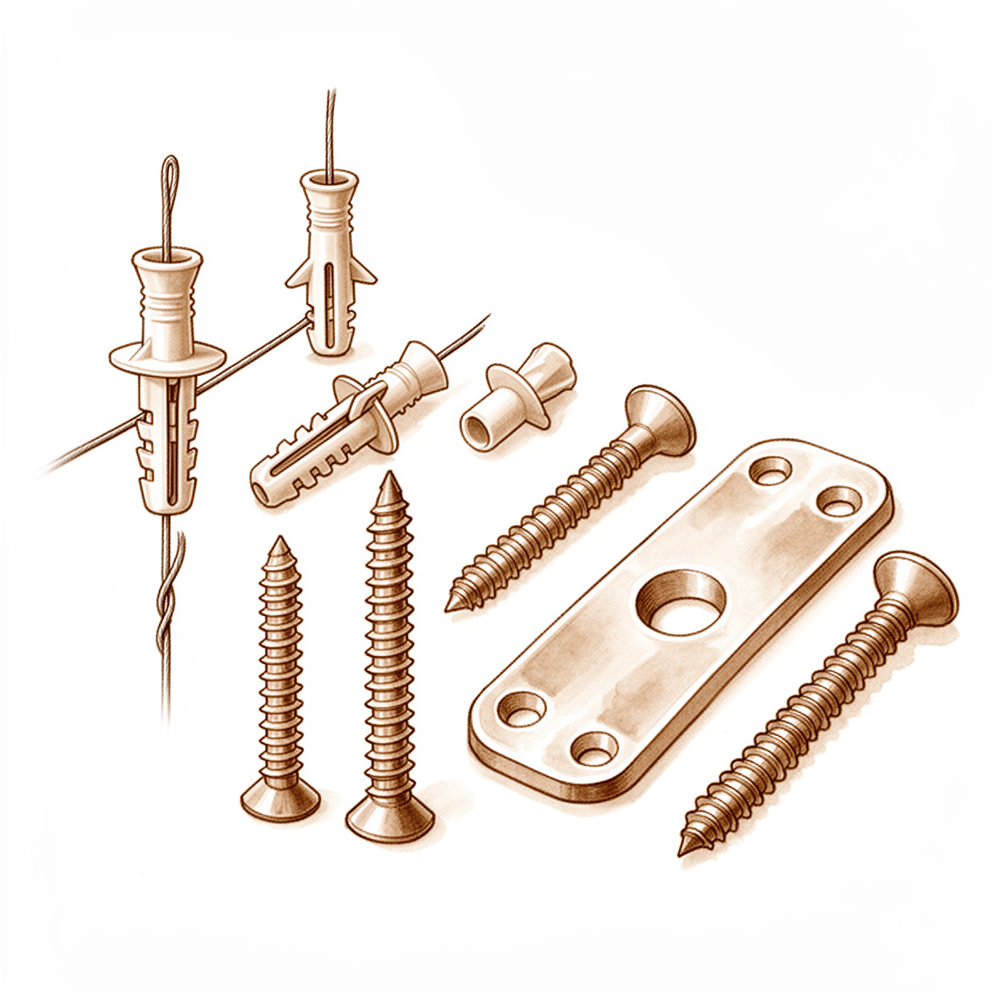
External Fixation and Hardware: While complication rates for external fixation of the lower extremities have decreased, clinical results can still be optimized through advancements in technology, materials, and smart autonomous systems [1]. The wire-washer set is a device to draw certain types of bone fragments together and then to secure them [15]. The wire-washer set acts like a bolt with washers and nuts but is much more versatile in application [15]. The use of the wire tightener in the wire-washer set assures that a precise and reproducible amount of compressive force is always employed [15]. Each wire-washer set consists of a pair of square two-holed washers, or buttons, and a flattened loop of wire to connect them [15]. The free ends of the wire loop in the wire-washer set are brazed together so that the tip of only one wire extends beyond the point of fusion [15]. The tip of the single extended wire in the wire-washer set facilitates passage of the two wires through a single drill hole [15]. The square washers in the wire-washer set are made with their corners bent over slightly to form points which will bite into bone cortex [15]. The wires and washers in the wire-washer set are stainless steel [15]. Three sizes of washer and two gauges of surgical wire, 18 and 20, are commercially available in combinations for the wire-washer set [15]. Thinner bone cortex requires a larger washer in the wire-washer set in order that the pressure may be distributed [15]. The forceps for grasping and holding bone plates has proved helpful as a simple and secure method of handling a bone plate for fixation of a fracture [178]. The forceps for grasping and holding bone plates facilitates the non-touch technique and reduces the danger of dropping the plate [178]. This article highlights the basic dimensions of commonly used headless screws, stand-alone lag screws, non-locking and locking screws for plating, and biocomposite screws to codify their dimensions into a readily available reference chart for the treatment of bone of varying dimensions [67].
Orthoses and Splints: The manuscript offers simple and practical fabrication tips for hand therapists to achieve the intended goals of relative motion orthotic intervention through attention to detail [18]. In carefully selected patients, the Miami breakout cast provides a safe and effective alternative to the current standard of care in cast immobilization [118]. A removable, short opponens orthosis is fabricated from low temperature plastic by the hand therapist, with the thumb positioned for function, comfortably between palmar and radial abduction and the IP joint is left free [182]. The short opponens orthosis is worn at all times excluding hygiene and exercises [182]. The described self-turning sling device enables patients in large body casts or hip spica casts to turn themselves easily and without help, maintaining a secure and comfortable position [49]. Each patient remained in hospital with their arm elevated in a Bradford sling for at least one night after surgery for trapeziectomy with porcine collagen interposition [153]. The skin sutures were removed at 2 weeks when a customised splint was fitted after trapeziectomy with porcine collagen interposition [153].
Wound Care and Dressings: Integra is an appropriate treatment for providing wound coverage and for skin defects, offering advantages such as ease of use, decreased donor site morbidity, and durable functional skin coverage [112]. Favorable cosmetic and functional outcomes were obtained using a dermal regeneration template for the treatment of donor site defects [110]. Although symptoms uniformly resolved with treatment, clinicians should weigh the benefits of repeat use of mesh-glue dressing given the risk of allergic contact dermatitis [159]. The tape strip facilitates radiographic imaging and surgical procedures in the hand and is cut wherever the skin needs to be exposed for surgery [181].
Complications
Infection: Wound infection is a common adverse outcome in flail chest injuries, with literature suggesting a 1.2% risk of superficial wound infections and a 3% risk of serious infections associated with surgical fixation [107]. Pneumonia and sepsis are the two most common causes of mortality in these patients [107]. The risk of empyema is elevated by retained hemothorax, extended retention of chest tubes, placement under semi-sterile conditions in the trauma bay, and deep infection adjacent to orthopedic implants [107]. Deep infections without empyema may require local irrigation and debridement with hardware removal in the setting of chronic infection adjacent to orthopedic hardware [107].
Hardware Failure and Loosening: Hardware failure or loosening is a common adverse outcome related to flail chest injuries [107]. In a study of 650 operative cases, fixation failure occurred in 1.2% of patients [107]. Plates and screws can become loose or break, potentially causing local discomfort in slim individuals or leading to nonunion [107]. Plate removal due to discomfort and chest stiffness was reported in 1.4% of cases [107]. The use of smooth intramedullary wires should be avoided due to the risk of migration into adjacent organs [107].
Nonunion and Malunion: Nonunion or malunion is a common adverse outcome related to flail chest injuries [107]. Loose or broken plates and screws in flail chest fixation may lead to a nonunion [107].
Other Considerations: Complication rates for external fixation of the lower extremities have decreased, and clinical results can be optimized through advancements in technology, materials, and smart autonomous systems [1]. Bioabsorbable osteofixation devices in the hand avoid metallic-implant-related long-term complications and secondary removal operations [8]. A simple sterile polypropylene fingernail substitute was associated with no complications in clinical experience [6]. At 32 to 45 months after operations using the UNILINK system for mechanical microvascular anastomosis, no adverse effects were found [11]. Follow-up studies of alumina ceramic finger implants at 12 to 31 months showed no fracture or dislocation [16]. Mid- to long-term results after bipolar radial head arthroplasty included major primary complications and a high incidence of radiographic signs of degenerative changes after 8.8 years [21]. In a 2-year observation period for the Trabecular Metal Monoblock Acetabular Cup System, there were no complications or revisions, though postoperative polar gap was observed in 13 THAs (25%) and heterotopic ossification in 10 THAs (20%) [25]. Safe limits for application time and surface pressures for digital tourniquets are difficult to define, and the 'one size fits all' philosophy is questioned [34]. Retained hemothorax and recurrent pneumothorax are common adverse outcomes related to flail chest injuries [107]. Chronic pain is a common adverse outcome related to flail chest injuries [107]. The use of absorbable plates in flail chest fixation may be associated with foreign body reaction and fluid accumulation [107]. Revision surgery rates due to persistent pain and instability were higher with the use of implants in thumb carpometacarpal joint hemiresection interposition arthroplasty [143]. Development of extension gloves for children with recessive dystrophic epidermolysis bullosa is challenged by limited long-term use due to material and usability issues [145].
Recovery
Light activity (weeks): The evidence provided does not specify a typical week range for light activities such as desk work, driving, or light ADLs.
Full activity (months): The evidence provided does not specify a month range for the return to manual work, sport, or full ROM/strength.
Complete recovery / outcome plateau (months): The evidence provided does not specify a month range for when pain, strength, and final functional outcomes stabilise.
Rehabilitation protocol: The use of the wire tightener assures that a precise and reproducible amount of compressive force is always employed [15]. Square washers are made with corners bent over slightly to form points which will bite into bone cortex [15]. Thinner bone cortex requires a larger washer in order that the pressure may be distributed [15]. Central axial stabilization provided stable alignment and favorable functional recovery at 1-year follow-up in meniscus allograft interpositional arthroplasty with elastic intramedullary bioabsorbable pin fixation [71]. Resin-plaster bandage is a convenient and useful material for many casts, particularly for long-term wear, casts exposed to moisture, and situations requiring lightness and strength [69].
Functional milestones: The mean Harris hip score improved from 41 preoperatively to 91 at first year and to 92 at 2 years postoperatively for the Trabecular Metal Monoblock Acetabular Cup System [25]. The survival of the MatOrtho proximal interphalangeal joint arthroplasty was 85% at a minimum of 2-years follow-up [60].
Other Considerations: The development of new instruments, better suture material, and the extensive use of grafts has made reconstructive hand procedures a common occurrence [2]. Determining the medium- to long-term outcomes of recently available trapezium implants requires further study [4]. No complications related to the polypropylene fingernail substitute device were observed in clinical experience [6]. The clinical success of any non-cemented or biologically stabilized implant must be judged in comparison with the results obtained using the most contemporary cementing techniques [9]. No adverse effects of the UNILINK system for mechanical microvascular anastomosis were found at 32 to 45 months after operations [11]. Follow-up studies of alumina ceramic finger implants at 12 to 31 months showed satisfactory functional recovery and no fracture or dislocation of the implants [16]. No significant differences in functional outcomes were observed between the polymer-assisted peripheral nerve repair device and microsutures [20]. Mainly good clinical results were achieved with Judet's bipolar prosthesis for radial head arthroplasty despite major primary complications and high incidence of radiographic signs of degenerative changes after 8.8 years [21]. Possible prosthetic use should be considered by the surgeon performing amputation at the time of the initial injury [23]. The Trabecular Metal Monoblock Acetabular Cup System showed no complications and no revision of any part of the arthroplasty over a 2-year observation period [25]. Postoperative polar gap was observed in 13 THAs (25%) for the Trabecular Metal Monoblock Acetabular Cup System, with all gaps disappearing up to 6 months [25]. All implants were considered radiologically fully incorporated at 2 years after the operation for the Trabecular Metal Monoblock Acetabular Cup System [25]. A CT scan shows silicone rods well if they are not visible on a plain X-ray [33]. Finger extension is improved and satisfaction is high with cellulose implants in Dupuytren’s surgery, with the implant being well-tolerated and facilitating rehabilitation [35]. The strength, long-term results, and minimal surrounding tissue reaction make Dexon a viable alternative to nylon in experimental microvascular surgery [58]. The implanted upper-extremity neuroprosthesis stimulator has proved to be safe and reliable, with seven years as the longest time in situ [150]. Histology was consistent for autograft and PLLA grafts, ascribed to the PLLA resembling autograft in early load bearing, gradual resorption, and consequent load transfer to newly formed tissue [185].
Key Evidence
- [L5] It highlights that while complication rates have decreased, clinical results can still be optimized through advancements in technology, materials, and smart autonomous systems. [1] (10.1016/j.injury.2019.03.041)
- [Paper] The field has grown beyond its infancy, with the development of new instruments, better suture material, and the extensive use of grafts making reconstructive hand procedures a common occurrence. [2] (10.1016/s0363-5023(76)80019-6)
- [L5] Advances in biomaterials have improved and expanded arthroplasty design. [3] (10.1016/j.hcl.2017.12.008)
- [Paper] While many recently available implants have been shown to have short-term success, determining the medium- to long-term outcomes require further study. [4] (10.1016/j.hcl.2012.08.020)
- [L4] In our clinical experience we had not complications related to the polypropylene device. [6] (10.1016/j.main.2009.03.005)
- [L5] There remains a need for high-level evidence regarding whether the use of 3-dimensional printed models can improve clinical outcomes. [7] (10.1016/j.jhsa.2021.05.028)
- [L5] The advantages of using them include avoidance of metallic-implant-related long-term complications and a secondary removal operation. [8] (10.1016/j.jhsb.2004.02.005)
- [L5] The clinical success of any non-cemented or biologically stabilized implant must be judged in comparison with the results that are obtained using the most contemporary cementing techniques, not with the results of procedures that were performed using the cementing techniques of the early 1970's. [9] (10.2106/00004623-198769090-00026)
- [L4] If the correct technique is followed the device is simple to use and involves the minimal implantation of foreign material. [10] (10.1016/s0266-7681(99)90035-9)
- [L4] At 32 to 45 months after the operations, no adverse effects of the method have been found, and the device offers increased safety and speed in microvascular operations. [11] (10.1016/0363-5023(89)90057-9)
- [L5] Further clinical studies will be needed to determine the effectiveness of this device compared to traditional techniques. [12] (10.1186/s12891-022-05279-9)
- [L5] This article provides an overview of the latest applications of 3D printing in hand surgery and practical experience of implementing them into daily clinical routine. [13] (10.1155/2021/4650245)
- [L5] Current indications include education for patients, providers, and trainees, in addition to surgical planning, while further possibilities such as the development of patient-specific implants continue to be explored. [14] (10.1002/jor.25388)
- [L5] [15] (10.2106/00004623-195840020-00009)
- [L4] Follow-up studies (12 to 31 months) have been most encouraging with satisfactory functional recovery and no fracture or dislocation of the implants. [16] (10.1016/s0363-5023(84)80027-1)
- [L5] The manuscript offers simple and practical fabrication tips for hand therapists to achieve the intended goals of relative motion orthotic intervention through attention to detail. [18] (10.1016/j.jht.2022.12.004)
- [L4] Serial Doppler ultrasound investigations showed patency of the device and adequate blood flow in all evaluated cases. [19] (10.1016/s0363-5023(05)80421-6)
- [L5] No significant differences in functional outcomes were observed between the polymer-assisted system and microsutures. [20] (10.1016/j.jhsg.2025.100812)
- [L4] Despite major primary complications and high incidence of radiographic signs of degenerative changes after 8.8 years, mainly good clinical results were achieved with Judet's bipolar prosthesis. [21] (10.1016/j.jse.2010.05.022)
- [L1] Based on the current evidence, two pairs of gloves should be worn when performing a major orthopaedic procedure. [22] (10.1016/j.arth.2025.10.110)
- [L4] Possible prosthetic use should be considered by the surgeon performing amputation at the time of the initial injury. [23] (10.1016/s0266-7681(96)80166-5)
- [L4] [25] (10.1016/j.arth.2008.09.027)
- [L5] It is anticipated that 3D design and printing will become easier and more efficient, leading to mainstream utilization in clinics and hospitals. [29] (10.1016/j.jht.2019.12.018)
- [L5] They also recommend the introduction of the Amputation Score as an objective and quantitative indicator in the future characterization of on-site amputation devices. [32] (10.1016/j.injury.2024.111548)
- [L4] A CT scan shows the rods well if they are not visible on a plain X-ray. [33] (10.1016/0266-7681(94)90165-1)
- [L5] Safe limits for application time and surface pressures are difficult to define, and the 'one size fits all' philosophy is questioned. [34] (10.1177/1753193413492059)
- [Textbook] Finger extension is improved and satisfaction is high, with the implant being well-tolerated and facilitating rehabilitation. [35] (10.1007/978-3-642-22697-7_25)
- [L5] [41] (10.1016/j.jhsa.2021.02.004)
- [L5] The clinical outcomes and radiographic signs of loosening suggest that the surrounding bone does not form a stable interface with pyrolytic carbon implants. [42] (10.2106/jbjs.k.00527)
- [L5] The described device enables patients in large body casts or hip spica casts to turn themselves easily and without help, maintaining a secure and comfortable position. [49] (10.2106/00004623-194830010-00035)
- [L4] [50] (10.1177/0363546507306465)
- [Paper] The improved imaging capability of the newer generation scanner reduced the metal-induced artefact zone enough to permit assessment of BIC. [51] (10.1002/jor.23716)
- [L4] [54] (10.1054/jhsb.2001.0686)
- [L4] It proved safe and effective for a wide range of indications. [57] (10.1016/j.jhsa.2013.09.034)
- [L3] The strength, long-term results, and minimal surrounding tissue reaction make Dexon a viable alternative to nylon. [58] (10.1016/s0363-5023(83)80164-6)
- [L5] The literature is not clear as to which type of implant provides the most reliable results, though silicone implants have been reliable for many years with risks of fracture and stiffness, while newer designs like pyrocarbon present unique problems such as dislocations and loosening. [59] (10.1016/j.hcl.2010.01.003)
- [L4] The survival of the MatOrtho proximal interphalangeal joint arthroplasty was 85% at a minimum of 2-years follow-up. [60] (10.1177/1753193415614251)
- [L5] [63] (10.1177/17531934251323855)
- [L5] This article highlights the basic dimensions of commonly used headless screws, stand-alone lag screws, non-locking and locking screws for plating, and biocomposite screws to codify their dimensions into a readily available reference chart for the treatment of bone of varying dimensions. [67] (10.1016/j.jhsa.2014.11.012)
- [L5] In this case, central axial stabilization provided stable alignment and favorable functional recovery at 1-year follow-up. [71] (10.1177/15589447261483166)
- [L4] Despite radiological findings of progressive collapse, the poly-ld-lactic acid scaffold can be considered a good alternative to traditional trapeziectomy with tendon interposition and suspensionplasty, with long-lasting satisfactory clinical results. [73] (10.1177/1558944720918366)
- [Case_report] [101] (10.2106/00004623-199406000-00024)
- [Paper] Understanding the mechanics of human dexterity requires an appreciation of the kinetic chains that comprise the hand and the intricate interplay of muscles and ligaments that control its movements. [105] (10.1053/jhsu.2002.28764)
- [L4] Favorable cosmetic and functional outcomes were obtained using a dermal regeneration template for the treatment of donor site defects. [110] (10.1016/j.jhsa.2014.08.014)
- [L5] Integra is an appropriate treatment for providing wound coverage and for skin defects, offering advantages such as ease of use, decreased donor site morbidity, and durable functional skin coverage. [112] (10.1016/j.jhsa.2011.11.007)
- [L5] Percutaneous release of the A1 pulley using a #15 blade was associated with good efficacy and an acceptable margin of safety in this series. [114] (10.1016/j.jhsa.2012.08.019)
- [L5] An EBM plate is advantageous for clinical implants because it can be customized with great potential for improvement. [116] (10.1186/s13018-014-0106-3)
- [L4] The middle finger was the most important contributor to grip strength. [117] (10.1016/j.jhsa.2014.06.121)
- [L5] In carefully selected patients we believe the Miami breakout cast provides a safe and effective alternative to the current standard of care in cast immobilization. [118] (10.1177/1753193411419440)
- [L5] Suture material had no effect on this interaction. [119] (10.1016/j.jhsa.2008.12.003)
- [L4] The authors found no significant advantages of using expensive commercially produced vancomycin-impregnated cement and recommend the addition of vancomycin powder by hand in the operating theatre. [124] (10.1302/0301-620x.99b1.bjj-2016-0566.r1)
- [L3] There were significantly more cases with radiologic evidence of loosening in the uncemented group (p < .001). [130] (10.1016/j.jhsa.2008.01.030)
- [L1] Wound care required significantly more time when non-absorbable sutures were used. [139] (10.1177/1753193409105728)
- [L2] Revision surgery rates due to persistent pain and instability were higher with the use of implants. [143] (10.1177/1558944720974124)
- [Case_report] This case report highlights challenges in developing extension gloves for children with recessive dystrophic epidermolysis bullosa, including limited long-term use due to material and usability issues. [145] (10.1016/j.jht.2026.01.002)
- [L4] The implanted stimulator has proved to be safe and reliable, with seven years as the longest time in situ at the time of writing. [150] (10.2106/00004623-199704000-00008)
- [L1] [153] (10.1054/jhsb.2001.0554)
- [L4] A new technique of quantifying the radiographic divergence of the border rays of the cleft demonstrates improved alignment at long-term follow-up. [154] (10.1016/j.jhsa.2008.05.010)
- [L2] Although symptoms uniformly resolved with treatment, clinicians should weigh the benefits of repeat use of this dressing given the risk of ACD. [159] (10.1016/j.arth.2025.05.001)
- [L4] While less robust than the Mitek anchor and possibly inappropriate for general orthopaedics, it is sufficiently strong to maintain fixation throughout early mobilization. [163] (10.1016/j.jhsb.2003.08.011)
- [L4] The use of portable mini-fluoroscopy resulted in a statistically significant 38% reduction in total operative time compared with standard intraoperative radiographs. [168] (10.1053/jhsu.1999.jhsu24a0182)
- [L5] Surgeons' hands receive the most radiation exposure during distal radial plate fixation under fluoroscopy. [170] (10.2106/jbjs.n.00839)
- [L4] [177] (10.1016/j.jhsa.2006.11.013)
- [L5] The forceps has proved helpful as a simple and secure method of handling a bone plate for fixation of a fracture, facilitating the non-touch technique and reducing the danger of dropping the plate. [178] (10.2106/00004623-194931030-00029)
- [L1] [179] (10.1177/17531934251315572)
- [L5] [181] (10.1177/1753193411423167)
- [L5] [182] (10.1016/j.jht.2013.10.004)
- [L5] Histology was consistent for autograft and PLLA grafts, ascribed to the PLLA resembling autograft in early load bearing, gradual resorption, and consequent load transfer to newly formed tissue. [185] (10.1177/2325967115s00033)
See Also
- Dislocations
- Tumors
- Dupuytren's Disease
- Trapeziectomy
References
[1] External fixation of the lower extremities: Biomechanical perspective and recent innovations. Injury. 2019. DOI: 10.1016/j.injury.2019.03.041
[2] Why a Journal of Hand Surgery?. The Journal of Hand Surgery. 1976. DOI: 10.1016/s0363-5023(76)80019-6
[3] Advances in Proximal Interphalangeal Joint Arthroplasty. Hand Clinics. 2018. DOI: 10.1016/j.hcl.2017.12.008
[4] Trapezium Prosthetic Arthroplasty (Silicone, Artelon, Metal, and Pyrocarbon). Hand Clinics. 2013. DOI: 10.1016/j.hcl.2012.08.020
[5] Chapter 3 Emerging Technologies in Orthopaedic Trauma. 2021.
[6] A simple sterile polypropylene fingernail substitute. Chirurgie de la Main. 2009. DOI: 10.1016/j.main.2009.03.005
[7] Three-Dimensional Printing in Hand Surgery. The Journal of Hand Surgery. 2021. DOI: 10.1016/j.jhsa.2021.05.028
[8] Use of Bioabsorbable Osteofixation Devices in the Hand. Journal of Hand Surgery. 2004. DOI: 10.1016/j.jhsb.2004.02.005
[9] Biological fixation of porous-coated implants. The Journal of Bone & Joint Surgery. 1987. DOI: 10.2106/00004623-198769090-00026
[10] The Bone Tie. Journal of Hand Surgery. 1999. DOI: 10.1016/s0266-7681(99)90035-9
[11] The UNILINK system for mechanical microvascular anastomosis in hand surgery. The Journal of Hand Surgery. 1989. DOI: 10.1016/0363-5023(89)90057-9
[12] Dynamic Tendon Grip (DTG™) novel knot array compared to traditional sutures for zone two flexor tendon injury – a biomechanical feasibility study. BMC Musculoskeletal Disorders. 2022. DOI: 10.1186/s12891-022-05279-9
[13] Overview of In‐Hospital 3D Printing and Practical Applications in Hand Surgery. BioMed Research International. 2021. DOI: 10.1155/2021/4650245
[14] The presence of 3D printing in orthopedics: A clinical and material review. Journal of Orthopaedic Research. 2022. DOI: 10.1002/jor.25388
[15] Instruments for Use with Flexible Steel Wire in Bone Surgery. The Journal of Bone & Joint Surgery. 1958. DOI: 10.2106/00004623-195840020-00009
[16] Alumina ceramic finger implants: A preliminary biomaterial and clinical evaluation. The Journal of Hand Surgery. 1984. DOI: 10.1016/s0363-5023(84)80027-1
[18] Relative motion orthoses: fabrication tips. Journal of Hand Therapy. 2023. DOI: 10.1016/j.jht.2022.12.004
[19] Use of the 3M precise microvascular anastomotic system in hand surgery. The Journal of Hand Surgery. 1995. DOI: 10.1016/s0363-5023(05)80421-6
[20] A Novel Atraumatic Polymer-Assisted Peripheral Nerve Repair Device Compared With Microsurgical Neurorrhaphy. Journal of Hand Surgery Global Online. 2025. DOI: 10.1016/j.jhsg.2025.100812
[21] Mid- to long-term results after bipolar radial head arthroplasty. Journal of Shoulder and Elbow Surgery. 2010. DOI: 10.1016/j.jse.2010.05.022
[22] 2025 ICM: Gloves. The Journal of Arthroplasty. 2025. DOI: 10.1016/j.arth.2025.10.110
[23] Long-Term Follow-up of 50 Duke Silicone Prosthetic Fingers. Journal of Hand Surgery. 1996. DOI: 10.1016/s0266-7681(96)80166-5
[25] Migration of the Trabecular Metal Monoblock Acetabular Cup System. The Journal of Arthroplasty. 2010. DOI: 10.1016/j.arth.2008.09.027
[26] Orthopaedic Basic Science Fifth Edition Print Ebook. Biology and Mechanics of the Skeletal Extracellular Matrix > Summary.
[27] Orthopaedic Knowledge Update 13 Ebook Without Multimedia. Anatomy, Evaluation, Clinical Examination, and Imaging > Evaluation and Clinical Examination: Current Concepts.
[29] A current snapshot of the state of 3D printing in hand rehabilitation. Journal of Hand Therapy. 2020. DOI: 10.1016/j.jht.2019.12.018
[30] Chapter 58 Biomaterials. 2019.
[32] Investigation of the effectiveness of prehospital amputation devices on cadavers. Injury. 2024. DOI: 10.1016/j.injury.2024.111548
[33] Migration of Silicone Rods. Journal of Hand Surgery. 1994. DOI: 10.1016/0266-7681(94)90165-1
[34] Variability in local pressures under digital tourniquets. Journal of Hand Surgery (European Volume). 2013. DOI: 10.1177/1753193413492059
[35] 25. Cellulose Implants in Dupuytren’s Surgery. Dupuytren’s Disease and Related Hyperproliferative Disorders. 2012. DOI: 10.1007/978-3-642-22697-7_25
[39] Orthopaedic Basic Science Fifth Edition Print Ebook. Venous Thromboembolic Disease and Fat Embolism Syndrome > Summary.
[41] The Use of Point of Care Ultrasound in Hand Surgery. The Journal of Hand Surgery. 2021. DOI: 10.1016/j.jhsa.2021.02.004
[42] Questions about Implant-Bone Interface with Pyrolytic Carbon. Journal of Bone and Joint Surgery. 2011. DOI: 10.2106/jbjs.k.00527
[43] A Lange Medical Book Current Diagnosis Treatment In Orthopedics Fifth Edition. 9Hand Surgery > Image DISORDERS OF THE MUSCULATURE OF THE HAND.
[44] Exam Of The Hand Wrist 2Ed. 1.1 SKELETON OF THE HAND > The osseous skeleton.
[49] A SELF-TURNING SLING DEVICE. The Journal of Bone & Joint Surgery. 1948. DOI: 10.2106/00004623-194830010-00035
[50] Donor Site Evaluation after Autologous Osteochondral Mosaicplasty for Cartilaginous Lesions of the Elbow Joint. The American Journal of Sports Medicine. 2007. DOI: 10.1177/0363546507306465
[51] Optimizing a micro‐computed tomography‐based surrogate measurement of bone‐implant contact. Journal of Orthopaedic Research. 2017. DOI: 10.1002/jor.23716
[54] Spongy Hydroxyapatite in Hand Surgery – A Five Year Follow-Up. Journal of Hand Surgery. 2002. DOI: 10.1054/jhsb.2001.0686
[57] One-per-Mil Tumescent Technique for Upper Extremity Surgeries: Broadening the Indication. The Journal of Hand Surgery. 2014. DOI: 10.1016/j.jhsa.2013.09.034
[58] The short-term effects of Dexon and nylon sutures in experimental microvascular surgery—A quantitative comparison. The Journal of Hand Surgery. 1983. DOI: 10.1016/s0363-5023(83)80164-6
[59] Complications of Small Joint Arthroplasty. Hand Clinics. 2010. DOI: 10.1016/j.hcl.2010.01.003
[60] MatOrtho proximal interphalangeal joint arthroplasty: minimum 2-year follow-up. Journal of Hand Surgery (European Volume). 2016. DOI: 10.1177/1753193415614251
[63] From concept to market: The development journey of a new implant in hand surgery. Journal of Hand Surgery (European Volume). 2025. DOI: 10.1177/17531934251323855
[67] Nuts and Bolts: Dimensions of Commonly Utilized Screws in Upper Extremity Surgery. The Journal of Hand Surgery. 2015. DOI: 10.1016/j.jhsa.2014.11.012
[69] Biomaterials, Artificial Cells, and Immobilization Biotechnology. 1991.
[71] Meniscus Allograft Interpositional Arthroplasty With Elastic Intramedullary Bioabsorbable Pin Fixation for Proximal Interphalangeal Joint Contracture. HAND. 2026. DOI: 10.1177/15589447261483166
[73] Retrospective Review of Long-term Outcomes of Patients Undergoing CMC Arthroplasty With Interposition Scaffold. HAND. 2020. DOI: 10.1177/1558944720918366
[78] Rockwood And Green S Fractures In Adults. 21: Psychosocial Aspects of Recovery After Trauma > Dead Space Management.
[80] Exam Of The Hand Wrist 2Ed. Functional cutaneous units.
[81] Rockwood And Green S Fractures In Adults. 21: Psychosocial Aspects of Recovery After Trauma > Management of Bone Defects.
[82] Green S Operative Hand Surgery. Interosseous and Hypothenar Muscles.
[85] Rockwood And Green S Fractures In Adults. 21: Psychosocial Aspects of Recovery After Trauma > Summary, Controversies, and Future Directions Related to Osteomyelitis.
[87] Exam Of The Hand Wrist 2Ed. The arches of the hand > The metacarpal arch.
[88] Rockwood And Green S Fractures In Adults. 29: Principles of Nonunion and Bone Defect Treatment > Operative Treatment of Nonunion.
[89] A Lange Medical Book Current Diagnosis Treatment In Orthopedics Fifth Edition. 9Hand Surgery > 1. Replantation.
[90] Exam Of The Hand Wrist 2Ed. Techniques of investigation of the arterial supply by J P Melki > Vascularization of the thumb > Palmar aspect.
[92] Rockwood And Green S Fractures In Adults. 21: Psychosocial Aspects of Recovery After Trauma > Principles of Treatment of Osteomyelitis.
[95] A Lange Medical Book Current Diagnosis Treatment In Orthopedics Fifth Edition. 9Hand Surgery > FLEXOR TENDON INJURY.
[96] Exam Of The Hand Wrist 2Ed. 1.3 MOVEMENTS OF THE HAND AND WRIST > Gliding mechanisms.
[97] Exam Of The Hand Wrist 2Ed. The dorsal skin.
[98] Green S Operative Hand Surgery. PERTINENT ANATOMY.
[101] Hair and thread constriction of the digits in infants. A case report.. The Journal of Bone & Joint Surgery. 1994. DOI: 10.2106/00004623-199406000-00024
[103] Green S Operative Hand Surgery. EVALUATION.
[105] Historical perspective of finger joint motion: The hand-me-downs of our predecessors—the Richard J. Smith Memorial Lecture. The Journal of Hand Surgery. 2002. DOI: 10.1053/jhsu.2002.28764
[107] Rockwood And Green S Fractures In Adults. Signs and Symptoms of Chest Wall Injuries > Management of Expected Adverse Outcomes and Unexpected Complications Related to Flail Chest Injuries.
[108] Dupuytren S Disease And Related Hyperproliferative Disorders. 54. The Future of Dupuytren’s Research and Treatment > 54.4 Mechanical Measurements and Procedures > 54.4.4 Imaging.
[110] Use of Integra Artificial Dermis to Reduce Donor Site Morbidity After Pedicle Flaps in Hand Surgery. The Journal of Hand Surgery. 2014. DOI: 10.1016/j.jhsa.2014.08.014
[112] The Use of Integra in Hand and Upper Extremity Surgery. The Journal of Hand Surgery. 2012. DOI: 10.1016/j.jhsa.2011.11.007
[114] Percutaneous Release of the A1 Pulley: A Cadaver Study. The Journal of Hand Surgery. 2012. DOI: 10.1016/j.jhsa.2012.08.019
[116] A study on the mechanical characteristics of the EBM-printed Ti-6Al-4V LCP plates in vitro. Journal of Orthopaedic Surgery and Research. 2014. DOI: 10.1186/s13018-014-0106-3
[117] Comparison of Grip Strength Among 6 Grip Methods. The Journal of Hand Surgery. 2014. DOI: 10.1016/j.jhsa.2014.06.121
[118] The Miami breakout cast: a method for applying a removable cast. Journal of Hand Surgery (European Volume). 2011. DOI: 10.1177/1753193411419440
[119] Work of Flexion Related to Different Suture Materials After Flexor Digitorum Profundus and Flexor Digitorum Superficialis Tendon Repair in Zone II: A Biomechanical Study. The Journal of Hand Surgery. 2009. DOI: 10.1016/j.jhsa.2008.12.003
[120] Orthopaedic Knowledge Update 13 Ebook Without Multimedia. Evaluation and Treatment of Musculoskeletal Tumors > Summary.
[123] Apley And Solomon S Concise System Of Orthopaedics And Trauma. STAGING.
[124] Comparison of the elution properties of commercially available gentamicin and bone cement containing vancomycin with ‘home-made’ preparations. The Bone & Joint Journal. 2017. DOI: 10.1302/0301-620x.99b1.bjj-2016-0566.r1
[130] Cemented Versus Uncemented Surface Replacement Arthroplasty of the Proximal Interphalangeal Joint With a Mean 5-Year Follow-Up. The Journal of Hand Surgery. 2008. DOI: 10.1016/j.jhsa.2008.01.030
[139] A prospective randomised trial of absorbable versus non-absorbable sutures for wound closure after fasciectomy for Dupuytren’s contracture. Journal of Hand Surgery (European Volume). 2009. DOI: 10.1177/1753193409105728
[143] Systematic Review of Thumb Carpometacarpal Joint Hemiresection Interposition Arthroplasty Materials. HAND. 2020. DOI: 10.1177/1558944720974124
[145] Development and evaluation of extension gloves for children with recessive dystrophic epidermolysis bullosa: A case report. Journal of Hand Therapy. 2026. DOI: 10.1016/j.jht.2026.01.002
[150] An Implanted Upper-Extremity Neuroprosthesis. Follow-up of Five Patients. The Journal of Bone & Joint Surgery*. 1997. DOI: 10.2106/00004623-199704000-00008
[153] Adverse Effect of Porcine Collagen Interposition after Trapeziectomy a Comparative Study. Journal of Hand Surgery. 2001. DOI: 10.1054/jhsb.2001.0554
[154] Central Ray Deficiency: Subjective and Objective Outcome of Cleft Reconstruction. The Journal of Hand Surgery. 2008. DOI: 10.1016/j.jhsa.2008.05.010
[159] Repeat Exposure to Mesh-Glue Dressing Is Associated With Allergic Contact Dermatitis: A Prospective Cohort Study. The Journal of Arthroplasty. 2025. DOI: 10.1016/j.arth.2025.05.001
[163] The use of Acufex Wedge Tag Tissue Anchors in Hand Surgery. Journal of Hand Surgery. 2004. DOI: 10.1016/j.jhsb.2003.08.011
[168] Portable mini-fluoroscopy improves operative efficiency in hand surgery. The Journal of Hand Surgery. 1999. DOI: 10.1053/jhsu.1999.jhsu24a0182
[170] Fluoroscopic Radiation Exposure. The Journal of Bone and Joint Surgery-American Volume. 2015. DOI: 10.2106/jbjs.n.00839
[177] A Simple, Semirigid, and Surgeon-Friendly Tendon Retriever and Flexor Sheath Dilator. The Journal of Hand Surgery. 2007. DOI: 10.1016/j.jhsa.2006.11.013
[178] FORCEPS FOR GRASPING AND HOLDING BONE PLATES. The Journal of Bone & Joint Surgery. 1949. DOI: 10.2106/00004623-194931030-00029
[179] Healing after Bruner and McCash incisions for limited fasciectomy in patients with Dupuytren's disease: a randomized clinical trial. Journal of Hand Surgery (European Volume). 2025. DOI: 10.1177/17531934251315572
[181] The tape strip: facilitating radiographic imaging and surgical procedures in the hand. Journal of Hand Surgery (European Volume). 2012. DOI: 10.1177/1753193411423167
[182] Evolution of basal joint arthroplasty and technology in hand surgery. Journal of Hand Therapy. 2014. DOI: 10.1016/j.jht.2013.10.004
[185] Long-term In-vivo Evaluation Of A Resorbable PLLA Scaffold For Regeneration Of The ACL. Orthopaedic Journal of Sports Medicine. 2015. DOI: 10.1177/2325967115s00033