Clinicians › Hand
Joint Surgery
Hand joint surgery: arthritis (CMC, PIP), Dupuytren’s disease (CCH, fasciectomy), and trigger finger management strategies.
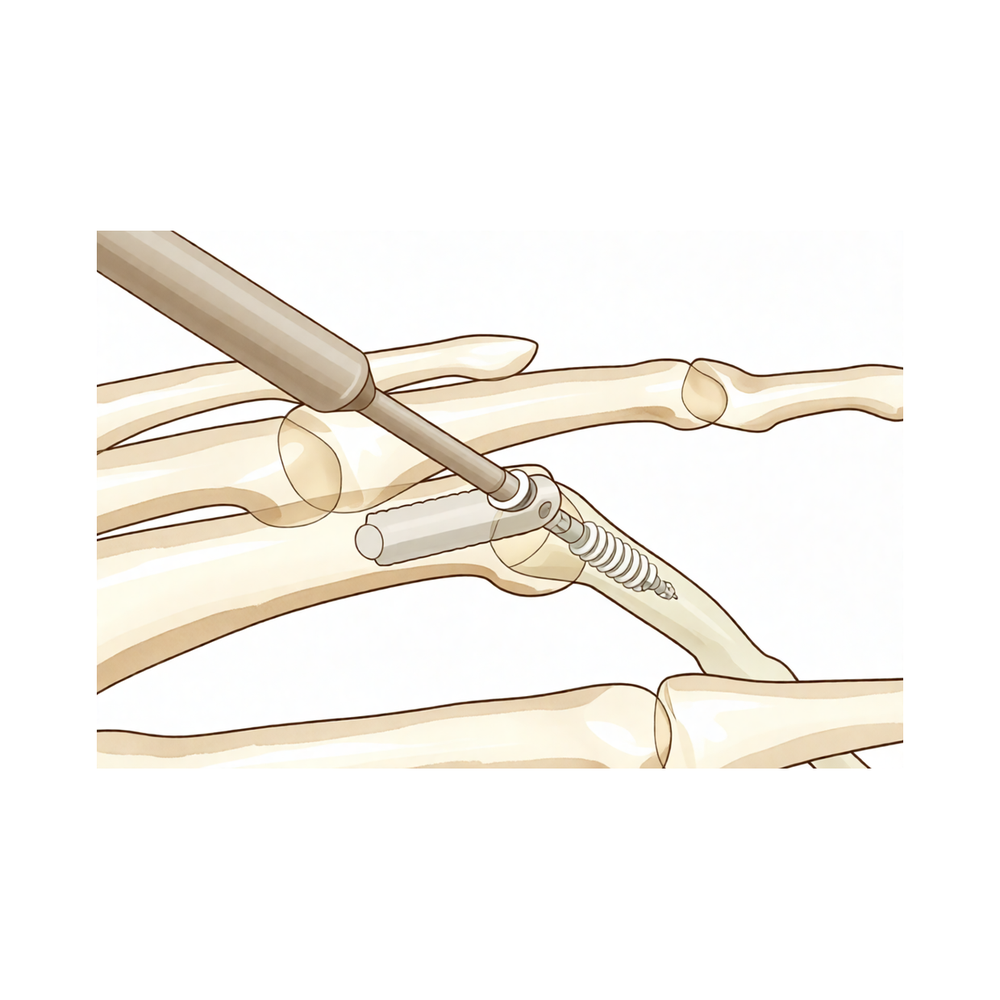
Overview
The functional range of motion of finger joints is critical for directing surgical indications, rehabilitation protocols, and outcome assessment [6]. While arthroplasty cannot truly replace the native joint due to the inability of current techniques to replicate precise function and versatility [24], patients generally prefer the attributes of arthroplasty, such as preserved joint motion and grip strength, over the benefits of arthrodesis, including decreased reoperation needs and lower costs [110]. For elective total joint arthroplasty, the International Consensus Meeting recommends halting disease-modifying antirheumatic drugs prior to surgery based on their half-life, with cessation directed by the treating physician [15].
In the proximal interphalangeal (PIP) joint, arthroplasty of the osteoarthritic index finger is advocated as an alternative to arthrodesis, particularly for lower-demand patients seeking pain relief while preserving movement [61]. However, treatment of the long finger may be a relative contraindication to PIP joint arthroplasty [57]. Following pyrocarbon implantation, 13% of joints required a secondary surgical procedure [1], and longer follow-up with prospective randomized comparisons are needed to better define rates of revision, failure, and complications [26]. Distraction arthrolysis using an external fixator is best indicated for stiff joints resulting from soft tissue injury that are unresponsive to conservative treatment [13].
For the thumb base carpometacarpal (CMC) joint, total joint arthroplasty demonstrates superior key pinch strength, patient satisfaction, and 5-year survival (93% vs 73%) compared to trapeziectomy [34]. Patients are satisfied with both implant and resection arthroplasty but prefer implant arthroplasty if choosing again [69]. Discrete degenerative changes in the scaphotrapeziotrapezoidal joint do not contraindicate total joint arthroplasty for trapeziometacarpal osteoarthritis [9]. Given similar 1-year outcomes between tendon arthroplasty and total joint replacement, further investigation into long-term efficacy and complications is crucial [12]. The broader literature on basal joint surgery remains inconclusive, often relying on Level-IV or Level-V evidence [10], though first CMC suspension arthroplasty with palmaris longus tendon graft offers an additional option for complicated cases [64].
In other hand and wrist joints, the majority of revision carpal tunnel releases are indicated for recurrent symptoms [2]. No surgical option for scaphotrapeziotrapezoidal joint osteoarthritis has clear evidence of superiority [14]. Osteoarthritis is the most common indication for arthrodesis of the distal interphalangeal and thumb interphalangeal joints [28]. For moderate boutonniere rheumatoid thumb deformity, metacarpophalangeal (MP) joint fusion is the procedure of choice, while MP joint arthroplasty suits low-demand, older patients with borderline proximal and distal joints [140]. Sesamoid arthrodesis for thumb MP hyperextension largely maintains preoperative flexion, with an average loss of 8° [145]. Specific operative methods for MP joint stiffness are not routine but may be superior to elective grafts in capsular reconstruction for difficult cases [63]. Early outcomes of third carpometacarpal joint sparing techniques in total wrist fusion appear equivalent, though longer-term data are required [20].
Anatomy & Pathophysiology
Osseous Skeleton and Architecture
The skeleton of the hand and wrist comprises 27 bones, 19 of which are long bones [41]. The hand skeleton is organized into five rays, each forming a polyarticulated chain of metacarpals and phalanges [41]. The wrist possesses three axes of movement, permitting the hand to be positioned in any spatial configuration for grasping [41]. In the sagittal plane, the thumb metacarpal makes an angle of about 45 degrees with the second metacarpal [41]. The transverse axis of the palm forms an acute angle of approximately 75 degrees with the longitudinal axis [41]. The hand presents a longitudinal and transverse concavity, giving it the shape of a cup with a palmar concavity when the thumb is placed next to the index finger [41].
The metacarpal arch is endowed with adaptability due to the mobility of the peripheral metacarpals, which form the sides of the palmar gutter [83]. The fifth metacarpal has a range of flexion–extension of approximately 20 degrees at its carpal articulation [83]. The metacarpophalangeal joints serve as the keystones of the longitudinal arches of the hand [83]. The internal structure and material properties of the phalanges play a significant role in the magnitude and distribution of stresses in the metacarpophalangeal joint [137].
Musculotendinous Anatomy
Extrinsic extensor muscles run through six different fibroosseous retinacular compartments at the wrist level [40]. The sagittal bands stabilize the digital extensor tendons over the midline of the metacarpophalangeal joint and transmit proximal extrinsic extensor tension to the proximal phalanx [40]. Rupture or attenuation of the sagittal band fibers allows the extrinsic extensor tendon to sublux to the ulnar side of the metacarpal head, causing ulnar deviation of the finger [40].
The flexor digitorum superficialis tendon bifurcates around the flexor digitorum profundus at the beginning of the A2 pulley and inserts into the proximal metaphysis of the middle phalanx [88]. The A2 and A4 pulleys are the most essential in maintaining the mechanical advantage of the flexor tendons [88]. The tenosynovium lining the fibroosseous tunnel supplies nutrition and lubrication to the poorly vascularized flexor tendons [88].
There are seven interosseous muscles in the hand, consisting of four dorsal and three volar muscles [79]. The dorsal interossei are abductors, while the volar interossei are adductors [79]. The middle finger has two dorsal interossei and no volar interossei because the central axis of the hand lies within it [79]. The flexor digitorum profundus of the index and middle fingers is innervated by the anterior interosseous branch of the median nerve, while the profundus of the ring and little fingers is innervated by the ulnar nerve [88].
Vascular and Cutaneous Anatomy
The "princeps pollicis" artery is the terminal branch of the radial artery that crosses the first intermetacarpal space and runs along the ulnar side of the first metacarpal [84]. Only 15% of anatomical dissections of the thumb palmar arteries fall into the classical layout category [84]. The dorsal skin of the hand is thin, possesses a normal pilosebaceous system, and has loose connections with deeper planes allowing free gliding [90]. Flexion of the fingers produces a significant lengthening of the dorsal skin, with an average increase of 3 cm in the middle finger from extension to full flexion [90].
The superficial palmar fascia covers a triangular area of the central palm, with four central bands extending distally toward each finger but no central band for the thumb [91]. Fibers dorsal to the digital neurovascular bundle are collectively called Cleland ligament, and those palmar to the bundle are called Grayson ligament [91].
Joint Pathophysiology and Biomechanics
Articular cartilage and subchondral bone should be viewed as a closely related osteochondral unit, where disturbance leads to altered biomechanics and abnormal joint contact pressures [39]. Disturbance of the osteochondral unit can lead to an inflammatory response resulting in pain, dysfunction, and the theoretical risk of widespread joint degeneration [39]. Basic calcium phosphate crystals containing hydroxyapatite have been detected in 70% of osteoarthritis cases and correlate with the extent of cartilage degradation [81]. Hydroxyapatite crystals act as a "danger signal" that activates fibroblasts, macrophages, chondrocytes, and osteoclasts to produce cartilage-degrading matrix proteinases and pro-inflammatory cytokines [81].
Thumb carpometacarpal joint osteoarthritis reflects the joint's teleology, where pathomechanics drive inflammatory markers and injury to soft tissue structures rather than simple wear and tear [151]. A reduction in cylindrical grasp strength is associated with early symptomatic and radiographic thumb carpometacarpal osteoarthritis, whereas gross grasp is not associated with early disease [121]. The abductor pollicis brevis aponeurosis covers almost the entire radial side of the thumb metacarpophalangeal joint, in contrast to the ulnar side [65].
Interposition of the dorsal capsule within the joint space is a pathologic feature of complex volar dislocation of the metacarpophalangeal joint that militates against successful closed management [149]. The relative motion pattern of finger flexors, subsynovial connective tissue, and the median nerve is not affected by flexor retinaculum release [176]. Carpal tunnel release is associated with possible volar migration of the flexor tendons, which may relate to the development of trigger finger [128].
Classification
Eaton and Littler: This classification describes four stages of carpometacarpal degeneration [4]. Stage I precedes any degeneration and is assumed to have normal intra-articular cartilage [4]. The system relies on radiographic changes only [75]. A modified version of this classification is used to stage osteoarthritis in trapeziometacarpal joint arthritis studies [199].
Burton: The Burton classification system for trapeziometacarpal arthritis utilizes clinical signs, patient symptoms, and radiographs [75]. Stage I involves early degeneration characterized by patient-reported pain, a positive grind test, and ligamentous laxity with dorsoradial subluxation [75]. Stage II demonstrates increased instability, chronic subluxation, and radiographic degenerative changes [75]. Stage III involves progression of degeneration to the scaphotrapezial joint [75]. Stage IV is defined as either Stage II or III with metacarpophalangeal joint changes [75].
Dell: Dell's X-ray classification for trapeziometacarpal arthrodesis selection defines Stage 1 as a normal X-ray picture or slight narrowing of the joint space at the ulnar side or subchondral sclerosis [171]. Stage 2 is defined as narrowing of the joint space, increased density of the subchondral bone, subluxation limited to less than one-third of the base, and early osteophytosis [171]. Stage 3 is defined as a prominent osteophyte at the ulnar border of the distal trapezium, marked narrowing of the joint space, subluxation of the first metacarpal by one-third of the width of its base, sclerosis, geodes, osteophytosis, and early peritrapezial arthritis [171]. Stage 4 is defined as total loss of joint space, a prominent ulnar osteophyte, subluxation of the metacarpal base, osteoarthritic subchondral cysts, and significant peritrapezial arthritis [171].
Lichtman: The Lichtman classification for Kienböck's disease Stage I is characterized by normal architecture with evidence of a linear or compression fracture [200]. Stage II is characterized by a normal outline but definite density changes within the lunate [200]. Stage III is characterized by collapse or fragmentation of the lunate and proximal migration of the capitate [200]. Stage IV is characterized by generalised degenerative changes within the carpus [200].
Stern: The Stern classification is used to assess prosthetic position in pyrocarbon proximal interphalangeal joint implants [8]. Grade 0 indicates no change in prosthetic position [8]. Grade 1 indicates a change in prosthetic position [8]. Grade 2 indicates the implant reaching the cortex [8]. Grade 3 indicates the implant breaching the cortex [8].
Kellgren-Lawrence: The Kellgren-Lawrence classification is used to assess radiological signs of proximal interphalangeal joint osteoarthritis [202]. Grade 2 or higher is considered a radiological sign of proximal interphalangeal joint osteoarthritis [202].
Clinical Presentation
General Evaluation and Indications
A careful physical examination is essential to direct care and future testing, as diagnostic tests such as imaging and serum laboratory studies can be expensive, time-consuming, and often nonspecific [25]. Patients often have difficulty accurately describing their symptoms and may incorrectly attribute pathology to a perceived deficit, whether real or imagined [25]. The functional range of motion is important for directing indications for surgery and rehabilitation, and assessing outcome of treatment [6]. For degenerative osteoarthritis of the fingers, pain is considered the only real indication for surgery [17]. If hand function is preserved and there is no pain in the hand, there is no indication for surgery for degenerative finger osteoarthritis [17]. A successful operative result for swan-neck and boutonniere deformities depends on complete preoperative examination, correct staging of the deformity, and proper timing of treatment [49].
Thumb Carpometacarpal (CMC) Joint
Conservative treatment for thumb basal joint arthritis must be implemented first, aiming to spare the joint by using standardized methods, and must be initiated as soon as pain starts [29]. The diagnosis of thumb CMC arthritis has traditionally been staged by simple radiographic means, which does not represent an accurate assessment of articular status, particularly in the early stages of osteoarthritis when symptoms are frequently worse than radiographic findings [46]. Arthroscopy provides a true assessment of joint status for thumb CMC arthritis [46]. Diagnostic indications for basal joint arthroscopy include the assessment of painful post-traumatic basal joint lesions of cartilage and ligaments, and the evaluation of chondromalacia and ligament attenuation to help classify basal joint osteoarthritis [44]. The Eaton classification is used to grade radiographic trapeziometacarpal arthrosis, with stages categorized as grade I, grade II, or grade III/IV [35]. Four stages of carpometacarpal degeneration have been described by Eaton and Littler [4]. Stage I of the Eaton and Littler classification precedes any degeneration and is assumed to have normal intra-articular cartilage [4].
Finger Joints (PIP, DIP, MCP)
Osteoarthritis of the hand is ranked third of all types of osteoarthritis, and the PIP joint is the third most frequently involved joint of the hand [17]. Most patients with degenerative finger osteoarthritis consult for pain, which can be extremely severe and result in loss of function [17]. Malalignment of the fingers, such as clinodactyly generally with ulnar deviation, is sometimes observed in degenerative finger osteoarthritis, especially in the index finger due to stresses and strains created during pinch grips [17]. Deformity, in particular of the index finger, is the second most frequent cause of consultation for degenerative finger osteoarthritis when severe and overall hand function is affected [17]. The diagnosis of MCP collateral ligament rupture is predominantly clinical based on presentation with pain and swelling of the MCP joint with a clear lateral laxity of the MCP joint in flexion [94]. The best indication for distraction arthrolysis for PIP joint contracture is for stiff joints derived from soft tissue injury around the joint that are unresponsive to conservative treatment [13].
Rheumatoid Arthritis and Systemic Considerations
Hand surgery plays an important role in the management of patients with rheumatoid arthritis, and the surgeon should be part of any team managing the patient rather than a "course of last resort" [108]. A brief knowledge of Hajdu-Cheney syndrome may help the hand surgeon to appropriately diagnose, assess, and refer these patients to rheumatologists or bone metabolism specialists [98].
Postoperative and Complication Monitoring
Patients with osteoarthritis and possibly thyroid disease should be informed of their greater propensity to develop trigger finger after carpal tunnel release and monitored closely in the postoperative period for expeditious detection and management [27]. Early diagnosis and treatment are essential to prevent complications such as tendon rupture, joint infection, or secondary osteomyelitis following mycobacterial infection after carpal tunnel release [95].
Investigations
Clinical Examination: Clinical evaluation of the hand and wrist requires combining patient history with a careful physical examination to pinpoint or narrow the scope of possible pathologic processes [25]. A careful physical examination is essential to direct care and future testing if indicated for hand and wrist conditions [25]. For severe ligamentous injuries of the metacarpophalangeal joints of the long fingers, diagnosis relies on a systematic and comparative search for spontaneous finger deviation with the hand positioned in profile [71].
Plain Radiography: The primary outcome measure for radiographic trapeziometacarpal arthrosis grading is the Eaton classification [35]. Radiographs for trapeziometacarpal arthrosis are graded by a surgeon blinded to the patient’s identity [35]. Eaton classification grades III and IV are often consolidated into one group when the focus is on the trapeziometacarpal joint rather than the scaphotrapezotrapezoidal joint [35].
MRI: MRI is probably most useful in identifying additional pathology such as flexor tendon bowstringing in Dupuytren's disease [101]. It may be helpful in providing a quantitative noninvasive measure of cellularity of affected areas in Dupuytren's disease, which is an index of biologic activity [101]. MR assessment of Dupuytren's disease is hindered by the resolution of current equipment, orientation issues due to multiplanar deformities of the fingers, and lack of intraoperative availability [101]. In a case of incomplete open carpal tunnel release, MRI directed decision making toward ultrasound-guided surgery as opposed to open surgery [182].
CT: Advanced imaging, including standard CT, is helpful to confirm the diagnosis of thumb metacarpal-trapezoid impingement [198].
Bone Scan: Advanced imaging, including bone scintigraphy and single-photon emission CT, is helpful to confirm the diagnosis of thumb metacarpal-trapezoid impingement [198].
Arthroscopy: Diagnostic indications for basal joint arthroscopy include the assessment of painful post-traumatic basal joint lesions of cartilage and ligaments [44]. It is indicated for the evaluation of chondromalacia and ligament attenuation to help classify basal joint osteoarthritis [44]. Arthroscopy provides direct visualization and accurate restoration of articular congruity in the treatment of trapezium fractures [51].
Other Considerations: Diagnostic tests such as imaging and serum laboratory studies are useful in determining hand and wrist pathology but can be expensive, time consuming, and often nonspecific [25]. An 8-MHz Doppler tone assessment may be used to identify superficially displaced neurovascular bundles when Dupuytren cords lie beneath soft fleshy prominences [101]. False-negatives are possible with 8-MHz Doppler tone assessment for identifying neurovascular bundles in Dupuytren's disease [101].
Treatment
Non-Operative
Conservative management for thumb basal joint arthritis must be initiated as soon as pain begins, utilizing standardized methods to spare the joint [29]. A manual therapy and exercise protocol has demonstrated between-group pain improvements exceeding the minimal clinically important difference [116]. Systematic reviews and network meta-analyses indicate that multimodal treatment and hand exercises reduce pain in the short term, while the rigid CMC-MCP splint is superior for reducing pain and improving function at medium-term time points [212]. However, a randomized controlled trial found no significant difference in pain, function, or grip strength between multimodal treatment and the rigid CMC-MCP splint alone at short-term follow-up [212]. Occupational therapy shows a small, non-significant tendency to delay and reduce the need for surgery [163]. Patient preference may favor the Push Ortho Thumb Brace CMC over other orthoses [201]. Preoperative carpometacarpal joint steroid injection status does not affect major complication rates or functional outcomes following arthroplasty [59].
Operative
Indications: Pain is considered the only real indication for surgery in degenerative osteoarthritis of the fingers; if function is preserved and there is no pain, surgery is not indicated [17]. Deformity, particularly of the index finger, is the second most frequent cause of consultation when severe and overall hand function is affected [17]. For proximal interphalangeal (PIP) joint arthroplasty, non-operative treatment including analgesics, nighttime splinting, and activity modification should be considered before surgical intervention [210]. TACTYS arthroplasty can be proposed for patients who have undergone unsuccessful conservative treatment for a sufficient duration [179].
Surgical Approach / Technique: Trapeziectomy is an effective, simple, and low-cost procedure and the most common surgical treatment for basal osteoarthritis of the thumb in the UK [204]. To obtain early satisfactory outcomes after trapeziectomy with ligament reconstruction and tendon interposition, it is important to treat postoperative surgical site pain and joint stiffness [43]. A trapeziometacarpal narrow pseudarthrosis technique has been used to treat 270 consecutive cases of primary thumb carpometacarpal joint arthritis (Eaton stages II or III) [209]. A new technique of first carpometacarpal joint suspension arthroplasty with palmaris longus tendon graft adds an option for complicated cases of thumb base arthritis [64]. Arthrodesis of the trapeziometacarpal joint is a safe and conservative method of treatment [96, 97]. A study found no significant difference in outcomes between resection-interposition arthroplasty and trapezio-metacarpal arthrodesis, but arthrodesis was preferred as it caused fewer problems [117]. The modified Epping procedure for trapeziometacarpal osteoarthritis has an encouraging overall outcome despite relatively high DASH scores, with subjective loss of strength being a main complaint [197]. For finger joints, resection arthroplasty of the PIP joint can be used even in severely destroyed joints to provide adequate post-operative stability and motion [73]. Optimal results from capsulectomy of the metacarpophalangeal (MCP) and PIP joints are obtained when only capsular contracture has occurred, with gains becoming modest as additional surgical steps are required [115]. A possible new operative method for MCP joint stiffness may occasionally have a place in difficult cases and might be superior to the use of elective grafts in capsular reconstruction [63]. The best indication for distraction arthrolysis for PIP joint contracture using an external fixator is for stiff joints derived from soft tissue injury around the joint that are unresponsive to conservative treatment [13].
Implant Selection: Total joint arthroplasty for trapeziometacarpal joint arthritis demonstrated higher 5-year survival (93%) compared to trapeziectomy (73%) [34]. Total joint arthroplasty favored key pinch strength, satisfaction, and willingness to undergo the same treatment again compared to trapeziectomy [34]. Patients were satisfied with both trapeziometacarpal implant arthroplasty and resection arthroplasty, but preferred implant arthroplasty if they had to choose again [69]. Discrete degenerative changes in the scaphotrapezial joint appear not to be a contraindication for treating trapeziometacarpal joint osteoarthritis with total joint arthroplasty [9]. New designs of thumb carpometacarpal joint arthroplasty show promising early results with low complication rates and a quick return to function, but high-quality evidence about the outcome is lacking [204]. For PIP joints, a total of 13% of joints treated with pyrocarbon implants required a secondary surgical procedure [1]. In patients that do not require revision surgery after pyrocarbon PIP arthroplasty, pain relief was improved and motion maintained [48]. Patients can be advised that PIP joint arthroplasty achieves good pain relief, improvement in functional scores, and may improve range of motion, though caution is advised for stiff joints or those with significant deformity or instability [19]. Treatment of the long finger may be a relative contraindication to PIP joint arthroplasty [57]. The authors advocate offering PIP joint arthroplasty of the osteoarthritic index finger, especially in lower demand patients as an alternative to arthrodesis, with the benefit of providing good pain relief while preserving movement [61]. Prostheses should be favored in elderly patients to ensure a useful range of motion for traumatic destructions of PIP joints [129]. Pyrocarbon MCP joint arthroplasty in primary osteoarthritic patients is well tolerated, with good patient satisfaction and pain relief, preservation and some improvement of movement, and improved functional scores [111]. An arthroplasty offers an interesting alternative for active manual subjects who have suffered open traumatic destruction of the MCP joints where bone loss prevents standard total arthroplasty [190]. Follow-up 2½ years after reconstruction of the MCP joint with autogenous metatarsal showed good maintenance of the joint space and excellent joint function [5]. Articulated and nonarticulated fixed-fulcrum implants have had limited success in the rheumatoid hand and wrist [187]. Recent studies have shown that outcomes of PIP arthroplasty in patients with inflammatory arthritis are not statistically different from patients with degenerative arthritis or post-traumatic arthritis [210].
Pain Management: Nonopioid medications as part of a perioperative pain control strategy demonstrate improved pain scores compared with opioid medications with similar patient satisfaction and functional outcomes after carpal tunnel release [160].
Adjuncts: The authors recommend applying a noninflated tourniquet for use when necessary during endoscopic carpal tunnel release using wide-awake anesthesia [164]. The safety and efficacy of domestic robot-assisted arthroplasty in China are well documented, and its accuracy and short-term clinical efficacy have been reported [105].
Revision: Revision surgery for failed trapeziometacarpal joint arthritis surgery can result in satisfactory long-term outcomes particularly when metacarpophalangeal joint pathology is addressed and complications are avoided [3].
Other Considerations: After surgical treatment for carpometacarpal osteoarthritis, improvements in pain, strength, and function are highly significant and clinically relevant [103]. Both patient clinical and nonclinical factors were associated with receiving one surgical modality over others for thumb carpometacarpal arthritis [186]. The SCOOTT trial is a multicentre, three-arm, randomized controlled trial comparing the clinical outcomes and cost-effectiveness of an enhanced package of non-surgical management, trapeziectomy, and thumb carpometacarpal joint arthroplasty [204]. Recovery after trapeziectomy can be lengthy, and complications include subsidence of the thumb metacarpal, instability, and weakness [204]. Osteoarthritis is likely to remain the most common indication for basal joint arthroscopy [126]. Chronic pain and inflammation are useful indications for metacarpophalangeal arthroscopy [126]. All patients with persistent pain and most of those with instability of their thumb metacarpophalangeal joint arthrodesis were unhappy with their result and were poorer at fine movements [180]. The two main problems associated with surgery for degenerative osteoarthritis of the long fingers are the long-term stability of PIP arthroplasty and the difficulty of obtaining union in distal interphalangeal arthrodeses [17]. Osteoarthritis was the most common indication for arthrodesis of the distal interphalangeal and thumb interphalangeal joint, and postoperative complications occurred at a rate similar to that reported in existing literature [28]. A significant improvement in the range of motion was obtained after biaxial wrist replacement; however, only 14 of 26 patients achieved a “functional” range [107]. Both endoscopic and open carpal tunnel release groups improved on all outcomes with no differences observed in primary outcomes between the groups at baseline or follow-up at 1 week, 6 weeks, or 12 weeks after surgery [47]. Patients who did not receive physiotherapy after open carpal tunnel release had a non-significant increase in mean grip strength from pre-surgery to 42 weeks post-surgery [178]. Postoperative neuropathy following carpal tunnel release in conjunction with volar plating of distal radius fractures is mild and likely to resolve with conservative treatment [188]. Surgery for arthritis of the hand relieves pain and improves activities of daily living [113]. There are many surgical procedures that provide pain relief and improve function for trapeziometacarpal arthritis, and clinical research is used to determine which procedures consistently produce the best outcomes [52]. The commentary notes that while a referenced Level-II study found outcomes virtually comparable between early mobilization and prolonged immobilization protocols after basal joint surgery, much of the broader literature remains inconclusive, leading surgeons to rely on Level-IV or Level-V evidence and personal experience [10]. Given that 1-year postoperative outcomes are similar for both tendon arthroplasty and total joint replacement for thumb arthritis, it is crucial to delve into the comparative efficacy, long-term outcomes, and potential complications associated with each surgical approach [12]. Published clinical results have demonstrated significant improvements in upper limb function for the contralateral C7 transfer, confirming the procedure's safety and efficacy, with donor site morbidity that is typically mild and transient [109].
Complications
Implant Migration and Subsidence: Pyrocarbon proximal interphalangeal joint prostheses demonstrated significant positional changes during the 5-year follow-up period. Approximately two-thirds of these implants shifted to Stern grade 1, while about 20% reached Stern grade 2, contacting the cortex [8]. No prostheses were observed in Stern grade 3, which involves breaching the cortex, at the 5-year mark [8]. Proximal components subsided up to 7% of the phalanx length [8]. Specifically, four prostheses subsided more than 1 mm, with recorded measurements of 1.0, 1.2, 1.4, and 2.0 mm [8]. Additionally, a surrounding osseous condensation developed in about three-fourths of the pyrocarbon proximal interphalangeal joint prostheses during this period [8].
Reoperation and Revision: In a cohort of 1,130 primary metacarpophalangeal and proximal interphalangeal arthroplasties, reoperation was required in 180 cases, representing a 13% rate [191]. Similarly, 13% of joints treated with pyrocarbon implants for the proximal interphalangeal joint required a secondary surgical procedure [1]. Revision proximal interphalangeal arthroplasty is associated with a high incidence of complications [30]. For metacarpophalangeal joints affected by rheumatoid arthritis, pyrocarbon arthroplasty showed high complication and overall reoperation rates, with 1 in 10 patients undergoing revision within 5 years postoperatively [125]. Conversely, revision surgery for failed trapeziometacarpal joint arthritis can result in satisfactory long-term outcomes, particularly when metacarpophalangeal joint pathology is addressed and complications are avoided [3].
Other Considerations: Midcarpal arthritis may develop after distal scaphoid resection for degenerative arthritis secondary to scaphoid nonunion, but this did not cause appreciable deterioration in patient outcomes [11]. Postoperative complications after arthrodesis of the distal interphalangeal and thumb interphalangeal joint occurred at a rate similar to that reported in the existing literature [28]. Knee discomfort was a common postoperative complaint following osteochondral autograft transfer for metacarpophalangeal and interphalangeal cartilage defects, though it was generally self-limited [45]. Implant survivorship for silicone metacarpophalangeal arthroplasty is 97% clinically and 88% radiographically in long-term follow-up [60]. A follow-up to 5 years for distal interphalangeal joint flexible implant arthroplasty showed only one complication [124]. A follow-up of 25 autotransplantations of metatarsal heads for destroyed metacarpal heads in rheumatoid patients showed no complications [131].
Recovery
Light activity (weeks): Evidence for specific light-activity timelines is limited to endoscopic fasciotomy for chronic exertional compartment syndrome of the forearm, where the mean time before returning to sport was 4.3 weeks [215]. No other procedures in this dataset provide specific week-based benchmarks for desk work or driving.
Full activity (months): Clinical fusion after cup and cone arthrodesis of the thumb in tetraplegic patients was obtained in 8 weeks in all cases without any delayed union [208]. For isolated open metacarpophalangeal dislocation of the little finger, full recovery with painless range of motion and no residual instability was documented at a 26-month follow-up visit [133]. Following repair of the proximal interphalangeal joint with a homograft, the joint was painless and had a normal range of motion one year after the operation [7].
Complete recovery / outcome plateau (months): The clinical and radiographic results at 22 months after limited wrist fusion were maintained at the final follow-up visit, indicating that the effect of limited wrist fusion does not deteriorate [76]. In composite metacarpophalangeal joint reconstruction using great toe-to-hand free tissue transfers, maintenance of joint range of motion appears durable and can approach 60° active range of motion after 5 years of follow-up [119]. Fourteen years after surgery for a reversed vascularized second metatarsophalangeal joint transfer, the transferred joint remained painless and stable with flexion of 80° and extension lag of 52° without arthritic changes on radiographs [22].
Rehabilitation protocol: The study demonstrates the prolonged course of recovery of local symptoms following open carpal tunnel release [217]. No specific immobilisation durations, weight-bearing progressions, or sling removal timings are provided in the evidence for other listed procedures.
Functional milestones: After surgery for trapeziometacarpal osteoarthritis with the ARPE implant, mean motion and strength increased whereas pain decreased, and these results remained constant within the follow-up period [139]. The improvements obtained in the short term after abductor pollicis longus tendon interposition for arthrosis of the first carpo-metacarpal joint are maintained long-term [66]. Results from autologous chondrocyte transplantation in the treatment of thumb CMC joint osteoarthritis are encouraging, with implanted cartilage lasting in the majority of cases up to 5 to 9 years [219].
Other Considerations: Patient satisfaction after endoscopic fasciotomy for chronic exertional compartment syndrome of the forearm was 94% [215]. With an average follow-up of 5.8 years, only 51% of patients had relief of pain, and 74% of wrists had fair or poor results after Swanson interpositional wrist arthroplasty [218]. In a prospective follow-up of a pyrocarbon prosthesis replacing the proximal interphalangeal joint, the prosthetic position according to the Stern classification changed gradually; about half of the implants were Stern grade 0 at 1 year without a change in prosthetic position [8]. At 5 years, the prosthetic position had changed in about two-thirds (Stern grade 1) for both proximal and distal components [8]. At 5 years, about 20% were in Stern grade 2, reaching the cortex, but none were in Stern grade 3, breaching the cortex [8]. A surrounding osseous condensation developed in about three-fourths of the prostheses during the 5 years [8]. Only one joint deteriorated between year 1 and 5 [8]. Seven proximal and 12 distal components showing local osteolytic zones or a full surrounding loosening zone at 1 year had stabilized and were inert or integrated at the final follow-up [8]. The proximal prosthetic components subsided up to 7 % of the length of the phalanx, and four prostheses subsided more than 1 mm (1.0, 1.2, 1.4, and 2.0 mm) [8].
Key Evidence
- [L4] A total of 13% of the joints required a secondary surgical procedure. [1] (10.1016/j.jhsa.2009.08.010)
- [L4] The majority of revisions are indicated for recurrent symptoms, with the rate remaining constant and linear throughout the follow-up period. [2] (10.1016/j.jhsa.2026.02.006)
- [L4] Revision surgery, however, can result in satisfactory long-term outcomes particularly when metacarpophalangeal joint pathology is addressed and complications are avoided. [3] (10.1016/j.jhsa.2018.10.025)
- [L4] [4] (10.1053/jhsu.2001.26122)
- [L5] Follow-up 2½ years after the transfer showed good maintenance of the joint space and excellent joint function. [5] (10.1016/s0363-5023(83)80206-8)
- [L4] The functional range of motion is important for directing indications for surgery and rehabilitation, and assessing outcome of treatment. [6] (10.1177/1753193414533754)
- [L5] One year after the operation the joint is painless and has a normal range of motion. [7] (10.1016/0363-5023(89)90185-8)
- [L4] [8] (10.1177/1753193413479527)
- [L3] Discrete degenerative changes in the ST joint appear not to be a contraindication for treating TM joint osteoarthritis with total joint arthroplasty. [9] (10.1016/j.hansur.2015.08.002)
- [L5] The commentary notes that while the referenced Level-II study found outcomes virtually comparable between early mobilization and prolonged immobilization protocols, much of the broader literature on basal joint surgery remains inconclusive, leading surgeons to rely on Level-IV or Level-V evidence and personal experience. [10] (10.2106/jbjs.18.00298)
- [L4] Midcarpal arthritis, which may develop after the procedure, did not cause appreciable deterioration in patient outcomes. [11] (10.1016/j.jhsa.2014.05.031)
- [L5] Given that 1-year postoperative outcomes are similar for both tendon arthroplasty and total joint replacement and given the complexity of thumb arthritis and the diversity of patients’ needs, it is crucial to delve into the comparative efficacy, long-term outcomes and potential complications associated with each surgical approach. [12] (10.1177/17531934231206267)
- [L4] The best indication is for stiff joints derived from soft tissue injury around the joint that are unresponsive to conservative treatment. [13] (10.1097/00130911-199903000-00009)
- [L5] Surgical options for scaphotrapeziotrapezoidal joint osteoarthritis are numerous, but none has clear evidence of superiority. [14] (10.1177/17531934241295345)
- [L4] The International Consensus Meeting recommended that disease-modifying antirheumatic drugs should be halted prior to elective total joint arthroplasty based on their half-life, with cessation performed under the direction of the treating physician. [15] (10.1016/j.arth.2017.11.031)
- [L5] [17] (10.1016/j.main.2013.03.006)
- [L4] Patients can be advised that the procedure achieves good pain relief, improvement in functional scores and may improve range of motion, though caution is advised for stiff joints or those with significant deformity/instability. [19] (10.1177/1753193415614251)
- [L1] Early outcomes of third CMC joint sparing techniques appear equivalent but longer-term data are still required. [20] (10.1016/j.jhsg.2026.101022)
- [L5] Fourteen years after surgery the transferred joint is painless and stable and flexion is 80° with extension lag of 52° without arthritic changes on radiographs. [22] (10.1016/j.jhsa.2004.08.008)
- [L5] An arthroplasty cannot truly replace the native joint, as the precise function and versatility cannot be replicated by current techniques. [24] (10.1016/s0894-1130(99)80013-1)
- [L4] Longer follow-up and prospective randomized comparisons are needed to better define rates of revision, failure, and complications. [26] (10.1016/j.jhsa.2010.04.005)
- [L4] Based on these results, we recommend that patients with osteoarthritis and possibly thyroid disease should be informed of their greater propensity to develop TF and these patients should be monitored closely in the postoperative period for expeditious detection and management of new-onset TF. [27] (10.1142/s0218810410004606)
- [L3] Osteoarthritis was the most common indication for arthrodesis and postoperative complications occurred at a rate similar to that reported in the existing literature. [28] (10.1186/s12891-024-07361-w)
- [L3] Conservative treatment must be implemented first, aiming to spare the joint by using standardized methods, and must be initiated as soon as pain starts. [29] (10.1016/j.otsr.2023.103772)
- [L3] Revision arthroplasty was associated with a 70% 5-year survival but with a high incidence of complications. [30] (10.1016/j.jhsa.2015.05.015)
- [L1] However, key pinch strength, satisfaction, and willingness to undergo the same treatment again favored total joint arthroplasty, which also demonstrated higher 5-year survival (93% vs 73%). [34] (10.1177/17531934251357456)
- [L3] [35] (10.1177/1558944717732064)
- [L1] However, 12 months after surgery, the functional outcome was similar. [38] (10.1016/j.jhsa.2014.04.044)
- [L4] To obtain early satisfactory outcomes, it is important to treat postoperative surgical site pain and joint stiffness. [43] (10.1016/j.otsr.2019.11.020)
- [Paper] Diagnostic indications include the assessment of painful post-traumatic basal joint lesions of cartilage and ligaments, and the evaluation of chondromalacia and ligament attenuation to help classify basal joint osteoarthritis. [44] (10.1016/j.hansur.2020.05.014)
- [L4] Knee discomfort was another common postoperative complaint that was generally self-limited. [45] (10.1097/bth.0000000000000128)
- [L4] [46] (10.1016/j.hcl.2011.06.004)
- [L1] Both groups improved on all outcomes with no differences observed in primary outcomes between the groups at baseline or follow-up at 1 week, 6 weeks, or 12 weeks after surgery. [47] (10.1053/jhsu.2003.50080)
- [L4] Overall, in patients that do not require revision surgery, pain relief was improved and motion maintained. [48] (10.1016/j.jhsa.2018.06.020)
- [L5] A successful operative result depends on complete preoperative examination, correct staging of the deformity, and proper timing of treatment. [49] (10.5435/00124635-199903000-00002)
- [L4] Arthroscopy provides direct visualization and accurate restoration of articular congruity, yielding excellent results. [51] (10.1016/j.arthro.2006.07.051)
- [L5] There are many surgical procedures that provide pain relief and improve function for trapeziometacarpal arthritis, and clinical research is used to determine which procedures consistently produce the best outcomes. [52] (10.1016/j.jht.2013.10.004)
- [L1] Treatment of the long finger may be a relative contraindication to PIPJ arthroplasty. [57] (10.1177/1558944718791186)
- [L3] Preoperative CMCJ steroid injection status does not affect major complication rates or functional outcomes following CMCJ arthroplasty. [59] (10.1177/15589447221081862)
- [L4] Implant survivorship is 97% (clinical) and 88% (radiographic) in long-term follow-up. [60] (10.1016/j.jhsa.2017.10.010)
- [L4] The authors advocate offering this procedure, especially in lower demand patients as an alternative to arthrodesis, with the benefit of providing good pain relief while preserving movement. [61] (10.1177/1558944720921468)
- [L5] We do not advocate this method as a routine but believe that it may occasionally have a place in difficult cases and might be superior to the use of elective grafts in capsular reconstruction of this or any other joint. [63] (10.1016/0266-7681(86)90269-x)
- [L5] Although indications for this technique are limited, we believe it adds an additional option for complicated cases of thumb base arthritis. [64] (10.1097/bth.0000000000000045)
- [L4] [65] (10.1016/j.jhsa.2005.08.013)
- [L3] We therefore conclude that the improvements obtained in the short term after this procedure are maintained also long-term. [66] (10.1186/s12891-016-0910-5)
- [L3] Patients were satisfied with both procedures, but if they had to choose again, they would prefer implant arthroplasty. [69] (10.1177/17531934241265809)
- [L4] The authors emphasize the clinical diagnosis of severe ligamentous injuries of the metacarpophalangeal joints of the long fingers, specifically the systematic and comparative search for spontaneous finger deviation with the hand positioned in profile. [71] (10.1016/j.main.2013.10.007)
- [L4] It can be used even in severely destroyed joints and still provide adequate post-operative stability and motion. [73] (10.1016/0266-7681(93)90016-9)
- [L5] [75] (10.1007/s11552-007-9068-9)
- [L4] The clinical and radiographic results at 22 months were maintained at the final follow-up visit and the effect of limited wrist fusion does not deteriorate. [76] (10.1053/jhsu.1999.jhsu24a0133)
- [L4] The diagnosis of MCP collateral ligament rupture is predominantly clinical based on presentation with pain and swelling of the MCP joint with a clear lateral laxity of the MCP joint in flexion. [94] (10.1016/j.hansur.2018.10.076)
- [L5] Early diagnosis and treatment are essential to prevent complications such as tendon rupture, joint infection, or secondary osteomyelitis. [95] (10.1055/s-0040-1709215)
- [L4] Arthrodesis is a safe and conservative method of treatment. [96] (10.1016/0266-7681_86_90273-1)
- [L4] Arthrodesis is a safe and conservative method of treatment. [97] (10.1016/0266-7681(86)90273-1)
- [L4] A brief knowledge of the syndrome may help the hand surgeon to appropriately diagnose, assess, and refer these patients to rheumatologists or bone metabolism specialists. [98] (10.1016/j.jhsa.2020.02.012)
- [L2] After surgical treatment for CMC OA, improvements in pain, strength, and function in our study are highly significant and clinically relevant. [103] (10.1177/1558944716660555b)
- [L4] The safety and efficacy of domestic robot-assisted arthroplasty in China are well documented, and its accuracy and short-term clinical efficacy have been reported. [105] (10.1186/s42836-021-00109-0)
- [L4] A significant improvement in the range of motion was obtained; however, only 14 of 26 achieved a “functional” range. [107] (10.1016/s0266-7681(99)90017-7)
- [Paper] [108] (10.1016/s0363-5023(83)80245-7)
- [L5] Published clinical results have demonstrated significant improvements in upper limb function, confirming the procedure's safety and efficacy, with donor site morbidity that is typically mild and transient. [109] (10.1177/17531934251314640)
- [L3] In aggregate, patients prefer surgical attributes characteristic of arthroplasty (ability to preserve joint motion and grip strength) relative to those associated with arthrodesis (decreased need for reoperation, lower costs, and shorter reoperation times). [110] (10.1016/j.jhsa.2018.03.001)
- [L4] This study supports previous findings that pyrocarbon MP joint arthroplasty in primary osteoarthritic patients is well tolerated, with good patient satisfaction and pain relief, preservation and some improvement of movement and improved functional scores. [111] (10.1177/1753193413511946)
- [L3] Surgery for arthritis of the hand relieves pain and improves activities of daily living (ADL). [113] (10.1054/jhsb.1998.0211)
- [L4] Optimal results are obtained when only capsular contracture has occurred, with gains becoming modest as additional surgical steps are required. [115] (10.1016/s0363-5023(79)80048-9)
- [L1] The between-group differences for pain improvements exceeded the minimal clinically important difference, supporting the use of this approach in patients with CMC joint OA. [116] (10.2519/jospt.2013.4524)
- [L3] The study found no significant difference in outcomes between the two procedures, but arthrodesis was preferred as it caused fewer problems, with only one patient not completely satisfied compared to the arthroplasty group. [117] (10.1007/s004020100313)
- [L4] Maintenance of joint range of motion appears to be durable and can even approach 60° active range of motion after 5 years of follow-up. [119] (10.1016/s0363-5023(85)80229-x)
- [L3] A reduction in cylindrical grasp is associated with early symptomatic and radiographic CMC OA, whereas gross grasp is not associated with early thumb CMC OA, suggesting that cylindrical grasp may be a better tool to detect changes in thumb and hand function seen during early disease stages. [121] (10.1007/s11999-016-5151-2)
- [L4] Follow-up to 5 years showed results that were good to excellent, with only one complication, and a high degree of patient satisfaction. [124] (10.1016/0363-5023(89)90184-6)
- [L4] Complication and overall reoperation rates were high, while 1 in 10 undergo revision within 5 years postoperatively. [125] (10.1177/15589447211063577)
- [L5] Osteoarthritis will likely remain the most common indication for basal joint arthroscopy while chronic pain and inflammation are useful indications for metacarpophalangeal arthroscopy. [126] (10.1016/j.jhsa.2007.02.020)
- [L4] However, a relationship is possible, related to anatomy and biomechanics modifications after CTR (e.g. possible volar migration of the flexor tendons) and/or to a coexisting disorder (with the same etiology). [128] (10.1016/j.main.2015.03.003)
- [L4] Prostheses should be favored in elderly patients to ensure a useful range of motion. [129] (10.1016/j.hansur.2019.10.109)
- [L4] A follow up of 25 autotransplantations in rheumatoid patients is presented, showing no complications and fair function of the new operated joint. [131] (10.1016/0266-7681(84)90057-3)
- [L5] At a 26-month follow-up visit, the patient had fully recovered, with painless range of motion and no residual instability. [133] (10.1016/j.hansur.2018.06.001)
- [L5] The internal structure and material properties of the phalanges were found to play a significant role in both the magnitude and distribution of stresses. [137] (10.1007/s11552-012-9430-4)
- [L4] Mean motion and strength increased whereas pain decreased after surgery and these results remained constant within the follow-up period. [139] (10.1016/j.jhsa.2017.05.007)
- [L4] The procedure of choice for the moderate type is MP joint fusion, while MP joint arthroplasty is best suited for the low-demand, older patient with borderline proximal and distal joints. [140] (10.1016/0363-5023(90)90032-m)
- [L4] The preoperative range of flexion is largely maintained postoperatively, with an average loss of flexion of 8° in both groups. [145] (10.1016/s0363-5023(05)80036-x)
- [L4] [149] (10.1016/s0363-5023(81)80015-9)
- [L5] The article reviews current evidence suggesting that thumb carpometacarpal joint osteoarthritis reflects the joint's teleology, where pathomechanics drive inflammatory markers and injury to soft tissue structures rather than simple wear and tear. [151] (10.1016/j.jhsa.2018.01.002)
- [L1] Nonopioid medications as part of a perioperative pain control strategy demonstrate improved pain scores compared with opioid medications with similar patient satisfaction and functional outcomes. [160] (10.1177/1558944719836211)
- [L1] Occupational therapy showed a small non-significant tendency to delay and reduce the need for surgery in CMCJ osteoarthritis. [163] (10.1136/rmdopen-2019-001046)
- [L4] The authors recommend applying a noninflated tourniquet for use when necessary. [164] (10.1016/j.jhsg.2019.10.005)
- [L4] [171] (10.1016/s0266-7681(97)80348-8)
- [L5] This relative motion pattern was not affected by flexor retinaculum release. [176] (10.1016/j.jhsa.2008.02.017)
- [L3] Patients who did not received physiotherapy had a non significant increase in mean grip strength from pre-surgery to 42 weeks post surgery. [178] (10.1016/s0363-5023(03)80433-1)
- [L4] TACTYS arthroplasty can be proposed for people who have been treated long enough with unsuccessful conservative treatment. [179] (10.1177/15589447211030962)
- [L4] All patients with persistent pain and most of those with instability of their “arthrodesis" were unhappy with their result and were poorer at fine movements. [180] (10.1016/0266-7681(89)90084-3)
- [L5] In this case, MRI directed decision making toward US-guided surgery as opposed to open. [182] (10.1016/j.jhsg.2026.101119)
- [L2] Both patient clinical and nonclinical factors were associated with receiving one surgical modality over the others. [186] (10.1016/j.jhsa.2025.03.014)
- [L5] Articulated and nonarticulated fixed-fulcrum implants have had limited success. [187] (10.1016/s0363-5023(83)80243-3)
- [L4] Postoperative neuropathy is mild and likely to resolve with conservative treatment. [188] (10.1016/s0363-5023(11)60009-9)
- [L4] This arthroplasty offers an interesting alternative for active manual subjects who have suffered open traumatic destruction of the MCPs where bone loss prevents standard total arthroplasty. [190] (10.1016/j.hansur.2017.10.130)
- [L4] [191] (10.1016/j.jhsa.2024.12.008)
- [L4] [197] (10.1007/s00402-015-2307-6)
- [L4] Advanced imaging (bone scintigraphy and single-photon emission CT and standard CT) are helpful to confirm the diagnosis. [198] (10.1016/j.jhsa.2021.02.017)
- [L1] [199] (10.1016/j.jhsa.2024.10.018)
- [L4] [200] (10.1016/0266-7681_86_90026-4)
- [L1] [201] (10.1302/0301-620x.99b2.37684)
- [L3] [202] (10.1177/15589447221141485)
- [L2] [204] (10.1302/0301-620x.108b1.bjj-2025-0483.r1)
- [L4] Clinical fusion was obtained in 8 weeks in all cases without any delayed union. [208] (10.1016/s1297-3203(02)00121-x)
- [L4] [209] (10.1177/1753193412469127)
- [L4] [210] (10.1177/17531934241265837)
- [L1] [212] (10.1097/corr.0000000000003300)
- [L4] The mean time before returning to sport was 4.3 weeks, and 94% of patients were satisfied or very satisfied. [215] (10.1016/j.hansur.2020.01.011)
- [L1] The study demonstrates the prolonged course of recovery of local symptoms following open carpal tunnel release. [217] (10.1016/s0266-7681(97)80393-2)
- [L4] With an average follow-up of 5.8 years, only 51% of patients had relief of pain, and 74% of wrists had fair or poor results. [218] (10.1016/0363-5023(91)90009-z)
- [L4] The results obtained are encouraging and implanted cartilage has lasted in the majority of cases up to 5 to 9 years. [219] (10.1177/1558944716660555q)
See Also
- Trapeziectomy
- Trigger Finger
- Arthroscopy
- Dupuytren's Disease
- Neuropathy
References
[1] Outcomes of Proximal Interphalangeal Joint Pyrocarbon Implants. The Journal of Hand Surgery. 2010. DOI: 10.1016/j.jhsa.2009.08.010
[2] The Rate and Timing of Revision Carpal Tunnel Release with Long-Term Follow-Up. The Journal of Hand Surgery. 2026. DOI: 10.1016/j.jhsa.2026.02.006
[3] Outcomes of Revisions for Failed Trapeziometacarpal Joint Arthritis Surgery. The Journal of Hand Surgery. 2019. DOI: 10.1016/j.jhsa.2018.10.025
[4] Ligament reconstruction of the painful, unstable, nonarthritic thumb carpometacarpal joint. The Journal of Hand Surgery. 2001. DOI: 10.1053/jhsu.2001.26122
[5] Reconstruction of the metacarpophalangeal joint with autogenous metatarsal. The Journal of Hand Surgery. 1983. DOI: 10.1016/s0363-5023(83)80206-8
[6] The functional range of motion of the finger joints. Journal of Hand Surgery (European Volume). 2014. DOI: 10.1177/1753193414533754
[7] Repair of the proximal interphalangeal joint with a homograft. The Journal of Hand Surgery. 1989. DOI: 10.1016/0363-5023(89)90185-8
[8] Ten years’ experience with a pyrocarbon prosthesis replacing the proximal interphalangeal joint. A prospective clinical and radiographic follow-up. Journal of Hand Surgery (European Volume). 2013. DOI: 10.1177/1753193413479527
[9] No correlation between severity of preoperative degenerative changes in the trapeziometacarpal joint and short-term clinical outcome after total joint arthroplasty. Hand Surgery and Rehabilitation. 2016. DOI: 10.1016/j.hansur.2015.08.002
[10] Rehabilitation Protocols After Basal Joint Surgery: All over the Map. Journal of Bone and Joint Surgery. 2018. DOI: 10.2106/jbjs.18.00298
[11] Distal Scaphoid Resection for Degenerative Arthritis Secondary to Scaphoid Nonunion: A 20-Year Experience. The Journal of Hand Surgery. 2014. DOI: 10.1016/j.jhsa.2014.05.031
[12] Re: Herren DB, Marks M, Neumeister S, Schindele S. Short-term recovery after implant versus resection arthroplasty in trapeziometacarpal joint osteoarthritis. J Hand Surg Eur. 2023. Journal of Hand Surgery (European Volume). 2023. DOI: 10.1177/17531934231206267
[13] Distraction Arthrolysis for PIP Joint Contracture Using an External Fixator. Techniques in Hand & Upper Extremity Surgery. 1999. DOI: 10.1097/00130911-199903000-00009
[14] Surgical options and outcomes for treatment of osteoarthritis of the scaphotrapeziotrapezoidal joint. Journal of Hand Surgery (European Volume). 2025. DOI: 10.1177/17531934241295345
[15] Rheumatoid Arthritis, Disease Modifying Agents, and Periprosthetic Joint Infection: What Does a Joint Surgeon Need to Know?. The Journal of Arthroplasty. 2018. DOI: 10.1016/j.arth.2017.11.031
[17] Surgical treatment of degenerative osteoarthritis of the fingers. Chirurgie de la Main. 2013. DOI: 10.1016/j.main.2013.03.006
[19] MatOrtho proximal interphalangeal joint arthroplasty: minimum 2-year follow-up. Journal of Hand Surgery (European Volume). 2016. DOI: 10.1177/1753193415614251
[20] Long-term Grip Strength and Complications After Total Wrist Fusion With and Without Inclusion of the Third Carpometacarpal Joint: A Systematic Review and Meta-analysis. Journal of Hand Surgery Global Online. 2026. DOI: 10.1016/j.jhsg.2026.101022
[22] Fourteen-year results of a reversed vascularized second metatarsophalangeal joint transfer: A case report. The Journal of Hand Surgery. 2005. DOI: 10.1016/j.jhsa.2004.08.008
[24] Arthroplasty of the hand and wrist: Surgeon's perspective. Journal of Hand Therapy. 1999. DOI: 10.1016/s0894-1130(99)80013-1
[25] Orthopaedic Knowledge Update 13 Ebook Without Multimedia. Anatomy, Evaluation, Clinical Examination, and Imaging > Evaluation and Clinical Examination: Current Concepts.
[26] Proximal Interphalangeal Joint Prosthetic Arthroplasty. The Journal of Hand Surgery. 2010. DOI: 10.1016/j.jhsa.2010.04.005
[27] RISK FACTORS FOR TRIGGER FINGER OCCURRENCE AFTER CARPAL TUNNEL RELEASE. Hand Surgery. 2010. DOI: 10.1142/s0218810410004606
[28] Arthrodesis of distal interphalangeal and thumb interphalangeal joint: a retrospective cohort study of 149 cases. BMC Musculoskeletal Disorders. 2024. DOI: 10.1186/s12891-024-07361-w
[29] Thumb basal joint arthritis in 2023. Orthopaedics & Traumatology: Surgery & Research. 2024. DOI: 10.1016/j.otsr.2023.103772
[30] Revision Proximal Interphalangeal Arthroplasty: An Outcome Analysis of 75 Consecutive Cases. The Journal of Hand Surgery. 2015. DOI: 10.1016/j.jhsa.2015.05.015
[34] Total joint arthroplasty versus trapeziectomy for trapeziometacarpal joint arthritis: 5-year follow-up of a randomized controlled trial. Journal of Hand Surgery (European Volume). 2025. DOI: 10.1177/17531934251357456
[35] Factors Associated With Radiographic Trapeziometacarpal Arthrosis in Patients Not Seeking Care for This Condition. HAND. 2017. DOI: 10.1177/1558944717732064
[38] Comparison of Arthroplasties With or Without Bone Tunnel Creation for Thumb Basal Joint Arthritis: A Randomized Controlled Trial. The Journal of Hand Surgery. 2014. DOI: 10.1016/j.jhsa.2014.04.044
[39] Orthopaedic Knowledge Update Sports Medicine 6. Articular Cartilage of the Knee > Introduction.
[40] A Lange Medical Book Current Diagnosis Treatment In Orthopedics Fifth Edition. 9Hand Surgery > Image DISORDERS OF THE MUSCULATURE OF THE HAND.
[41] Exam Of The Hand Wrist 2Ed. 1.1 SKELETON OF THE HAND > The osseous skeleton.
[43] Chronological changes in surgical outcomes after trapeziectomy with ligament reconstruction and tendon interposition arthroplasty for thumb carpometacarpal osteoarthritis. Orthopaedics & Traumatology: Surgery & Research. 2020. DOI: 10.1016/j.otsr.2019.11.020
[44] Basal joint arthroscopy indications in first CMC joint arthritis. Hand Surgery and Rehabilitation. 2021. DOI: 10.1016/j.hansur.2020.05.014
[45] Osteochondral Autograft Transfer for Treatment of Metacarpophalangeal and Interphalangeal Cartilage Defects. Techniques in Hand & Upper Extremity Surgery. 2016. DOI: 10.1097/bth.0000000000000128
[46] New Frontiers in Hand Arthroscopy. Hand Clinics. 2011. DOI: 10.1016/j.hcl.2011.06.004
[47] Endoscopic versus open carpal tunnel release: A randomized trial. The Journal of Hand Surgery. 2003. DOI: 10.1053/jhsu.2003.50080
[48] Medium-Term Outcomes With Pyrocarbon Proximal Interphalangeal Arthroplasty: A Study of 170 Consecutive Arthroplasties. The Journal of Hand Surgery. 2018. DOI: 10.1016/j.jhsa.2018.06.020
[49] Operative Correction of Swan-Neck and Boutonniere Deformities in the Rheumatoid Hand. Journal of the American Academy of Orthopaedic Surgeons. 1999. DOI: 10.5435/00124635-199903000-00002
[51] Arthroscopy in the Treatment of Fracture of the Trapezium. Arthroscopy. 2007. DOI: 10.1016/j.arthro.2006.07.051
[52] Evolution of basal joint arthroplasty and technology in hand surgery. Journal of Hand Therapy. 2014. DOI: 10.1016/j.jht.2013.10.004
[57] Prosthetic Arthroplasty of Proximal Interphalangeal Joints for Treatment of Osteoarthritis and Posttraumatic Arthritis: Systematic Review and Meta-Analysis Comparing the Three Ulnar Digits With the Index Finger. HAND. 2018. DOI: 10.1177/1558944718791186
[59] The Effect of Thumb Carpometacarpal Joint Corticosteroid Injections on Outcomes Following Arthroplasty. HAND. 2022. DOI: 10.1177/15589447221081862
[60] Silicone Metacarpophalangeal Arthroplasty for Osteoarthritis: Long-Term Results. The Journal of Hand Surgery. 2018. DOI: 10.1016/j.jhsa.2017.10.010
[61] The Long-term Results of Proximal Interphalangeal Joint Arthroplasty of the Osteoarthritic Index Finger. HAND. 2020. DOI: 10.1177/1558944720921468
[63] A possible new operative method for the treatment of metacarpophalangeal joint stiffness. The Journal of Hand Surgery: Journal of the British Society for Surgery of the Hand. 1986. DOI: 10.1016/0266-7681(86)90269-x
[64] A New Technique of First Carpometacarpal Joint Suspension Arthroplasty With Palmaris Longus Tendon Graft. Techniques in Hand & Upper Extremity Surgery. 2014. DOI: 10.1097/bth.0000000000000045
[65] Results of Surgical Treatment of Acute and Chronic Grade II Tears of the Radial Collateral Ligament of the Thumb Metacarpophalangeal Joint. The Journal of Hand Surgery. 2006. DOI: 10.1016/j.jhsa.2005.08.013
[66] Abductor pollicis longus tendon interposition for arthrosis of the first carpo-metacarpal joint. Long-term results. BMC Musculoskeletal Disorders. 2016. DOI: 10.1186/s12891-016-0910-5
[69] Which would you choose again? Comparison of trapeziometacarpal implant versus resection arthroplasty in the same patient. Journal of Hand Surgery (European Volume). 2024. DOI: 10.1177/17531934241265809
[71] Les entorses graves métacarpo-phalangiennes des doigts longs : à propos de 5 cas. Chirurgie de la Main. 2013. DOI: 10.1016/j.main.2013.10.007
[73] Resection Arthroplasty of the Proximal Interphalangeal Joint. Journal of Hand Surgery. 1993. DOI: 10.1016/0266-7681(93)90016-9
[75] CMC Arthroplasty of the Thumb: A Review. HAND. 2007. DOI: 10.1007/s11552-007-9068-9
[76] Limited wrist fusions: comparison of results 22 and 89 months after surgery. The Journal of Hand Surgery. 1999. DOI: 10.1053/jhsu.1999.jhsu24a0133
[79] Green S Operative Hand Surgery. Interosseous and Hypothenar Muscles.
[81] Orthopaedic Basic Science Fifth Edition Print Ebook. Biology and Mechanics of the Skeletal Extracellular Matrix > Synovial Related Joint Diseases.
[83] Exam Of The Hand Wrist 2Ed. The arches of the hand > The metacarpal arch.
[84] Exam Of The Hand Wrist 2Ed. Techniques of investigation of the arterial supply by J P Melki > Vascularization of the thumb > Palmar aspect.
[88] A Lange Medical Book Current Diagnosis Treatment In Orthopedics Fifth Edition. 9Hand Surgery > FLEXOR TENDON INJURY.
[90] Exam Of The Hand Wrist 2Ed. The dorsal skin.
[91] Green S Operative Hand Surgery. PERTINENT ANATOMY.
[94] Fixation chirurgicale des ligaments collatéraux métacarpo-phalangiens des doigts longs. Hand Surgery and Rehabilitation. 2018. DOI: 10.1016/j.hansur.2018.10.076
[95] Mycobacterium szulgai Infection after Carpal Tunnel Release Requiring Extensive Debridement and ALT Flap Reconstruction. Journal of Hand and Microsurgery. 2021. DOI: 10.1055/s-0040-1709215
[96] Trapezio-Metacarpal Arthrodesis Today Why?. Journal of Hand Surgery. 1986. DOI: 10.1016/0266-7681_86_90273-1
[97] Trapezio-metacarpal arthrodesis today why?. The Journal of Hand Surgery: Journal of the British Society for Surgery of the Hand. 1986. DOI: 10.1016/0266-7681(86)90273-1
[98] Hand Deformities in Hajdu-Cheney Syndrome: A Case Series of 3 Patients Across 3 Consecutive Generations. The Journal of Hand Surgery. 2021. DOI: 10.1016/j.jhsa.2020.02.012
[101] Dupuytren S Disease And Related Hyperproliferative Disorders. 54. The Future of Dupuytren’s Research and Treatment > 54.4 Mechanical Measurements and Procedures > 54.4.4 Imaging.
[103] Predicting Outcome After Surgery for Carpometacarpal Osteoarthritis. HAND. 2016. DOI: 10.1177/1558944716660555b
[105] What’s new in artificially intelligent joint surgery in China? The minutes of the 2021 IEEE ICRA and literature review. Arthroplasty. 2022. DOI: 10.1186/s42836-021-00109-0
[107] Biaxial Wrist Replacement. Journal of Hand Surgery. 1999. DOI: 10.1016/s0266-7681(99)90017-7
[108] Report of the Arthritis Committee. The Journal of Hand Surgery. 1983. DOI: 10.1016/s0363-5023(83)80245-7
[109] Harnessing the uninjured hemisphere for treatment of the stroke or brain-injured patient – evolution of the contralateral C7 transfer. Journal of Hand Surgery (European Volume). 2025. DOI: 10.1177/17531934251314640
[110] Understanding Patient Preferences in Proximal Interphalangeal Joint Surgery for Osteoarthritis: A Conjoint Analysis. The Journal of Hand Surgery. 2018. DOI: 10.1016/j.jhsa.2018.03.001
[111] Pyrocarbon metacarpophalangeal joint replacement in primary osteoarthritis. Journal of Hand Surgery (European Volume). 2013. DOI: 10.1177/1753193413511946
[113] Hand Surgery and Quality of Life. Journal of Hand Surgery. 1999. DOI: 10.1054/jhsb.1998.0211
[115] Capsulectomy of the metacarpophalangeal and proximal interphalangeal joints. The Journal of Hand Surgery. 1979. DOI: 10.1016/s0363-5023(79)80048-9
[116] The Effectiveness of a Manual Therapy and Exercise Protocol in Patients With Thumb Carpometacarpal Osteoarthritis: A Randomized Controlled Trial. Journal of Orthopaedic & Sports Physical Therapy. 2013. DOI: 10.2519/jospt.2013.4524
[117] Surgical treatment of basal joint disease of the thumb: comparison between resection-interposition arthroplasty and trapezio-metacarpal arthrodesis. Archives of Orthopaedic and Trauma Surgery. 2002. DOI: 10.1007/s004020100313
[119] Composite metacarpophalangeal joint reconstruction in great toe-to-hand free tissue transfers. The Journal of Hand Surgery. 1985. DOI: 10.1016/s0363-5023(85)80229-x
[121] Reduction in Cylindrical Grasp Strength Is Associated With Early Thumb Carpometacarpal Osteoarthritis. Clinical Orthopaedics & Related Research. 2017. DOI: 10.1007/s11999-016-5151-2
[124] Distal interphalangeal joint flexible implant arthroplasty. The Journal of Hand Surgery. 1989. DOI: 10.1016/0363-5023(89)90184-6
[125] Outcomes of Pyrocarbon Arthroplasty in Metacarpophalangeal Joints Affected by Rheumatoid Arthritis. HAND. 2022. DOI: 10.1177/15589447211063577
[126] Arthroscopy of the Trapeziometacarpal and Metacarpophalangeal Joints. The Journal of Hand Surgery. 2007. DOI: 10.1016/j.jhsa.2007.02.020
[128] Is carpal tunnel release associated with trigger finger?. Chirurgie de la Main. 2015. DOI: 10.1016/j.main.2015.03.003
[129] Évaluation des traitements non conservateurs dans les destructions traumatiques d’articulations interphalangiennes proximales des doigts par arthrodèse, arthroplastie totale ou greffe arthroplastique d’hémi-hamatum. Hand Surgery and Rehabilitation. 2019. DOI: 10.1016/j.hansur.2019.10.109
[131] Replacement of Destroyed Metacarpal Heads by Autografting Metatarsal Heads. Journal of Hand Surgery. 1984. DOI: 10.1016/0266-7681(84)90057-3
[133] Isolated open metacarpophalangeal dislocation of the little finger. Hand Surgery and Rehabilitation. 2018. DOI: 10.1016/j.hansur.2018.06.001
[137] A three-dimensional finite element analysis of finger joint stresses in the MCP joint while performing common tasks. HAND. 2012. DOI: 10.1007/s11552-012-9430-4
[139] Joint Survival Analysis and Clinical Outcome of Total Joint Arthroplasties With the ARPE Implant in the Treatment of Trapeziometacarpal Osteoarthritis With a Minimal Follow-Up of 5 Years. The Journal of Hand Surgery. 2017. DOI: 10.1016/j.jhsa.2017.05.007
[140] Boutonniere rheumatoid thumb deformity. The Journal of Hand Surgery. 1990. DOI: 10.1016/0363-5023(90)90032-m
[145] Sesamoid arthrodesis for hyperextension of the thumb metacarpophalangeal joint. The Journal of Hand Surgery. 1995. DOI: 10.1016/s0363-5023(05)80036-x
[149] Chronic, complex volar dislocation of the metacarpophalangeal joint. The Journal of Hand Surgery. 1981. DOI: 10.1016/s0363-5023(81)80015-9
[151] The Teleology of the Thumb: On Purpose and Design. The Journal of Hand Surgery. 2018. DOI: 10.1016/j.jhsa.2018.01.002
[160] Opioid Versus Nonopioid Analgesia After Carpal Tunnel Release: A Randomized, Prospective Study. HAND. 2019. DOI: 10.1177/1558944719836211
[163] Does occupational therapy delay or reduce the proportion of patients that receives thumb carpometacarpal joint surgery? A multicentre randomised controlled trial. RMD Open. 2019. DOI: 10.1136/rmdopen-2019-001046
[164] Endoscopic Carpal Tunnel Release Using Wide-Awake Anesthesia. Journal of Hand Surgery Global Online. 2020. DOI: 10.1016/j.jhsg.2019.10.005
[171] Trapeziometacarpal Joint Arthrodesis for Osteoarthritis. Journal of Hand Surgery. 1997. DOI: 10.1016/s0266-7681(97)80348-8
[176] Relative Longitudinal Motion of the Finger Flexors, Subsynovial Connective Tissue, and Median Nerve Before and After Carpal Tunnel Release in a Human Cadaver Model. The Journal of Hand Surgery. 2008. DOI: 10.1016/j.jhsa.2008.02.017
[178] Evaluation of dexterity and strength after open carpal tunnel release: A one year follow up. The Journal of Hand Surgery. 2003. DOI: 10.1016/s0363-5023(03)80433-1
[179] Arthroplasty of the Proximal Interphalangeal Joint With the TACTYS Prosthesis: Clinical and Radiographic Results With a Mean Follow-up of 5 Years. HAND. 2022. DOI: 10.1177/15589447211030962
[180] Arthrodesis of the metacarpo-phalangeal joint of the thumb: a review of 42 cases. The Journal of Hand Surgery: Journal of the British Society for Surgery of the Hand. 1989. DOI: 10.1016/0266-7681(89)90084-3
[182] Ultrasound-Guided Revision Carpal Tunnel Release for Incomplete Open Carpal Tunnel Release: Using Magnetic Resonance Imaging to Guide Sonographic Access. Journal of Hand Surgery Global Online. 2026. DOI: 10.1016/j.jhsg.2026.101119
[186] National Trends of Surgical Interventions for Thumb Carpometacarpal Arthritis From 2010 to 2022. The Journal of Hand Surgery. 2025. DOI: 10.1016/j.jhsa.2025.03.014
[187] Implant arthroplasty in the rheumatoid hand and wrist: Current state of the art in the United States. The Journal of Hand Surgery. 1983. DOI: 10.1016/s0363-5023(83)80243-3
[188] The Value of Carpal Tunnel Release in Conjunction with Volar Plating of Distal Radius Fractures. The Journal of Hand Surgery. 2011. DOI: 10.1016/s0363-5023(11)60009-9
[190] Reconstruction en 2 temps des destructions articulaires post-traumatismes ouverts des articulations métacarpophalangiennes – arthroplastie en pyrocarbone type pyrosphère. Hand Surgery and Rehabilitation. 2017. DOI: 10.1016/j.hansur.2017.10.130
[191] Incidence and Presentation of Periprosthetic Joint Infection After Primary Metacarpophalangeal and Proximal Interphalangeal Arthroplasty. The Journal of Hand Surgery. 2025. DOI: 10.1016/j.jhsa.2024.12.008
[197] Long-term results after modified Epping procedure for trapeziometacarpal osteoarthritis. Archives of Orthopaedic and Trauma Surgery. 2015. DOI: 10.1007/s00402-015-2307-6
[198] Thumb Metacarpal-Trapezoid Impingement as an Etiology of Pain After Trapeziectomy and Basal Joint Soft Tissue Arthroplasty: A Case Series. The Journal of Hand Surgery. 2021. DOI: 10.1016/j.jhsa.2021.02.017
[199] Arthrodesis Versus Ligament Reconstruction and Tendon Interposition for Thumb Carpometacarpal Joint Arthritis: A Systematic Review and Meta-Analysis. The Journal of Hand Surgery. 2025. DOI: 10.1016/j.jhsa.2024.10.018
[200] A Comparison of Conservative Treatment and Silicone Replacement Arthroplasty in Kienböck’s Disease. Journal of Hand Surgery. 1986. DOI: 10.1016/0266-7681_86_90026-4
[201] The effect of two different orthoses on pain, hand function, patient satisfaction and preference in patients with thumb carpometacarpal osteoarthritis. The Bone & Joint Journal. 2017. DOI: 10.1302/0301-620x.99b2.37684
[202] Type of Work and Preoperative Ability to Perform Work Affect Return to Usual Work Following Proximal Interphalangeal Joint Arthroplasty for Osteoarthritis. HAND. 2022. DOI: 10.1177/15589447221141485
[204] What is the most effective treatment for basal osteoarthritis of the thumb?. The Bone & Joint Journal. 2026. DOI: 10.1302/0301-620x.108b1.bjj-2025-0483.r1
[208] Arthrodèse cône-cupule des articulations du pouce dans la chirurgie palliative du tétraplégique. Étude rétrospective de 57 casCup and cone arthrodesis of the thumb in tetraplegic patient: a retrospective study of 57 cases. Chirurgie de la Main. 2002. DOI: 10.1016/s1297-3203(02)00121-x
[209] Trapeziometacarpal narrow pseudarthrosis: a new surgical technique to treat thumb carpometacarpal joint arthritis. Journal of Hand Surgery (European Volume). 2012. DOI: 10.1177/1753193412469127
[210] Proximal interphalangeal joint arthroplasty: current trends and evidence-based practice. Journal of Hand Surgery (European Volume). 2024. DOI: 10.1177/17531934241265837
[212] What Are the Most Clinically Effective Nonoperative Interventions for Thumb Carpometacarpal Osteoarthritis? An Up-to-date Systematic Review and Network Meta-analysis. Clinical Orthopaedics & Related Research. 2024. DOI: 10.1097/corr.0000000000003300
[215] Endoscopic fasciotomy for chronic exertional compartment syndrome of the forearm: Clinical results of a new technique using an endoscopic carpal tunnel release device. Hand Surgery and Rehabilitation. 2020. DOI: 10.1016/j.hansur.2020.01.011
[217] Local Symptoms After open Carpal Tunnel Release. Journal of Hand Surgery. 1997. DOI: 10.1016/s0266-7681(97)80393-2
[218] Long-term results of Swanson interpositional wrist arthroplasty: Part II. The Journal of Hand Surgery. 1991. DOI: 10.1016/0363-5023(91)90009-z
[219] Autologous Chondrocyte Transplantation in the Treatment of Thumb CMC Joint Osteoarthritis. HAND. 2016. DOI: 10.1177/1558944716660555q