Clinicians › Knee
Osteoarthritis Management
Degenerative knee joint disease: non-surgical management, intra-articular injection options, and indications for total knee replacement.
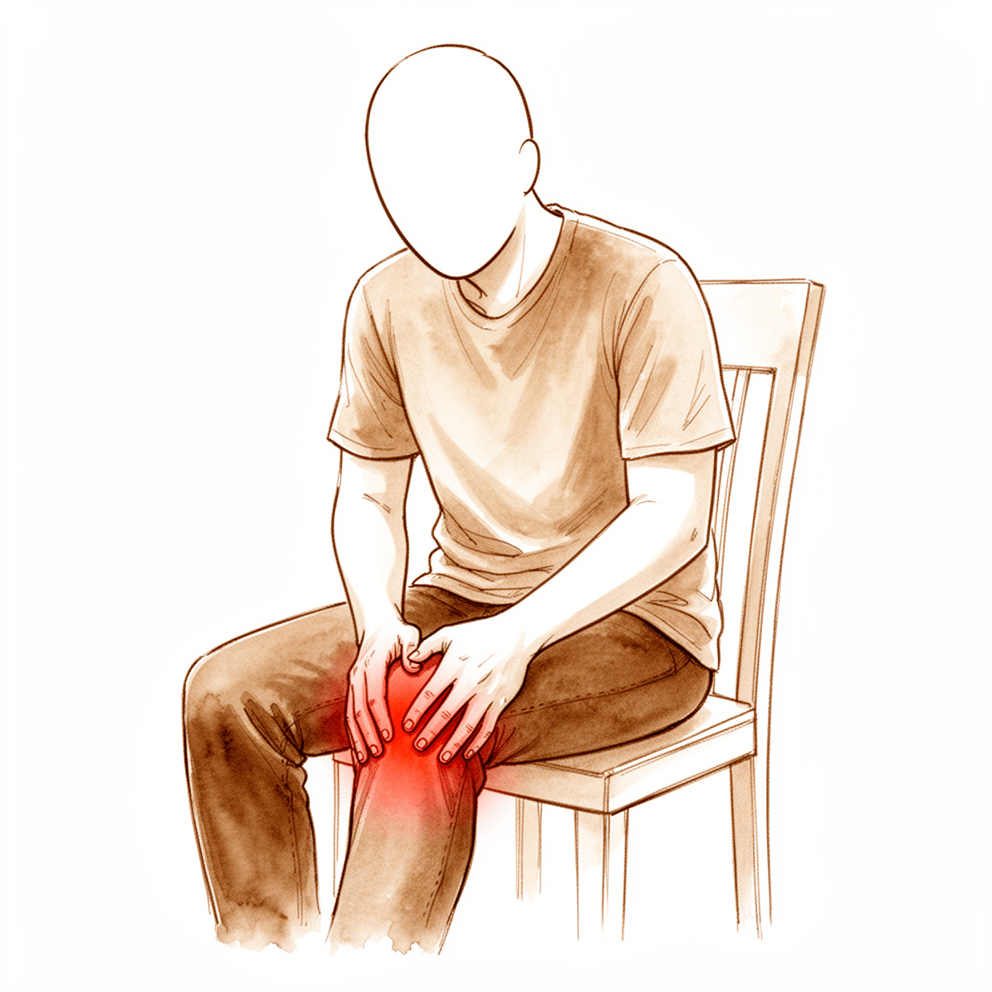
Overview
Osteoarthritis of the knee is a heterogeneous condition requiring nuanced surgical decision-making. The American Academy of Orthopaedic Surgeons (AAOS) provides critical frameworks to guide this process, including the Appropriate Use Criteria (AUC) and Clinical Practice Guidelines. The AUC categorizes treatments as Appropriate, May Be Appropriate, or Rarely Appropriate based on specific clinical scenarios [4]. These criteria were developed by a voting panel reviewing 864 patient scenarios to help determine the appropriateness of treatments for the heterogeneous patient population routinely seen in practice [9]. The AUC synthesize evidence-based information with clinical expertise to improve patient care [8] and provide guidance for surgical management based on patient-specific factors [1].
The AAOS Evidence-based Guideline for Surgical Management of Osteoarthritis of the Knee contains 38 recommendations for improving surgical treatment based on current best evidence [5]. These recommendations are classified as Strong (14), Moderate (14), or Limited (10) [5]. Additionally, the AAOS Clinical Practice Guideline provides 16 recommendations and seven options based on a systematic review of over 1,500 full-text articles [3]. Despite these guidelines, management of moderate to severe knee OA does not always align with AAOS recommendations [10]. Most chronic knee pain is managed with medication despite concerns about safety, efficacy, cost, management guideline recommendations, and patient preferences [7].
Optimal management of cartilage defects remains controversial [34]. There appears to be evidence justifying the use of biologic therapies for knee osteoarthritis management, though more high-level, larger human studies utilizing standardized protocols are needed [2]. Further studies are required to increase the limited evidence on non-surgical treatments and their combination, to optimize indications, application modalities, and results with particular focus on early OA [15]. Future rigorous research methods could minimize common biases in clinical knee cartilage research through strict study design and patient selection criteria, larger patient enrollment, more extended follow-up, and standardization of clinical treatment pathways [34]. Orthopaedic surgeons must critically analyze literature and improve treatment efficacy to counter guidelines that limit patient access to care based on flawed analyses [37]. Orthopaedic surgeons should promote innovative modalities like meniscal repair to ameliorate disability associated with osteoarthritis of the knee [37].
Anatomy & Pathophysiology
General Pathogenesis and Biomechanics
Accelerated knee osteoarthritis is distinct from typical knee osteoarthritis [11]. The pathogenesis is initiated by changes in the physiological state of chondrocytes [60]. In osteoarthritis gait, the combination of altered stance phase loading and reduced walking speed may disrupt biphasic lubrication mechanisms, contributing to increased friction [62]. While in vitro studies suggest that the friction of cadaveric knee joint tissues does not increase with progressing degeneration [68], clinical evidence supports the use of unloading braces to improve pain and functional ability in knee osteoarthritis [43]. Current biomechanical evidence suggests that unloading the affected knee compartment does not significantly hinder disease progression [43]. Research and development efforts should focus on addressing aberrant biomechanics through technologies that 'unload' the joint to potentially reverse structural damage, delay invasive joint reconstruction, or obviate the need for it [50].
Radiographic and Clinical Assessment
Knee biomechanical markers are associated with patient-reported knee function to a greater extent than X-ray grading [35]. Radiographic severity and biomechanical markers provide complementary information in the assessment of osteoarthritis patients [35]. Personalized biomechanical treatment can improve gait patterns, pain, function, and quality of life in patients with knee osteoarthritis [67].
Osseous Deformity and Osteotomy
Both proximal and distal tibial tubercle osteotomies can significantly correct knee varus deformity and improve knee function [69]. Early knee function scores are similar between proximal and distal tibial tubercle osteotomies [69]. There was no change in sagittal plane knee moment, including flexion and extension moments, from before to after medial open wedge high tibial osteotomy [73]. Evidence of improvement in knee functions following intra-articular injection of mesenchymal stem cells after high tibial osteotomy remains limited [72].
Ligamentous and Patellofemoral Pathology
Recurrent patellofemoral instability causes cartilage degeneration [59]. Surgical restoration of the anatomy and biomechanics of the patellofemoral joint may significantly reduce the risk of osteoarthritis resulting from patellofemoral instability [59]. Nonanatomic surgery and surgical over-constraint may cause osteoarthritis [59]. Limited excursion of the quadriceps muscle is the main limiting factor to knee flexion in the arthritic knee [71].
Patellofemoral kinematics and retropatellar pressure change after total knee arthroplasty (TKA) in different manners depending on the type of TKA used [48]. Preoperative quantitative pivot shift does not correlate with in vivo kinematics following ACL reconstruction with or without lateral extraarticular tenodesis [70]. Preoperative quantitative pivot shift correlates with healthy in vivo knee kinematics in the contralateral extremity [70]. Bioenhanced anterior cruciate ligament (ACL) repair produces a ligament that is biomechanically similar to an ACL graft [64]. Bioenhanced ACL repair provides chondroprotection to the joint after ACL surgery [64].
Meniscal and Biological Factors
Meniscal injury has a negative effect on the biology of the knee within a very short period of time [78]. Degenerative changes of the articular cartilage become apparent within a decade following meniscal injury [78]. Platelet-rich plasma (PRP) did not confer superiority when assessing knee-related structural changes in the treatment of knee osteoarthritis [74].
Orthotic Management
Bracing: The VER-brace obtained more effectiveness than foot orthoses (FO) on pain and knee adduction moment (KAM) after 3 months for medial knee osteoarthritis [75]. Combined treatment with a brace and foot orthoses did not substantially improve biomechanical and functional outcomes compared to the brace alone [75].
Classification
AAOS Appropriate Use Criteria: These criteria assist in decision-making for the surgical management of osteoarthritis of the knee by synthesizing evidence-based information with clinical expertise to determine treatment appropriateness for the heterogeneous patient population [1, 8, 9]. Developed by a voting panel reviewing 864 scenarios, the criteria categorize treatments as Appropriate, May Be Appropriate, or Rarely Appropriate [4, 9].
AAOS Clinical Practice Guideline: Based on a systematic review of over 1,500 full-text articles, this guideline provides 16 recommendations and seven options [3].
AAOS Evidence-based Guideline: This guideline contains 38 recommendations, classifying 14 as Strong, 14 as Moderate, and 10 as Limited [5].
Malaysian Delphi Consensus: This consensus presents nine recommendations that advocate an algorithmic approach in management [13].
Other Considerations: Early osteoarthritis of the knee can be defined using clinical, radiographical, histological, MRI, and arthroscopic definitions and biomarkers, with practical classification criteria based on current evidence [14]. Understanding subchondral vascular physiology is key to better MRI classification of osteoarthritis [26]. Failure definitions of cartilage treatments differ in scientific articles, generating confusion and heterogeneous data [44].
Clinical Presentation
Osteoarthritis of the knee represents a heterogeneous patient population routinely encountered in clinical practice [9]. Accelerated knee osteoarthritis is distinct from typical presentations [11]. Radiographic findings serve as an imprecise guide for the likelihood of pain or disability, resulting in significant discordance between clinical symptoms and radiographic evidence [19].
Management of symptomatic knee osteoarthritis is often multimodal, encompassing lifestyle changes, medications, joint injections, and joint-preserving surgery [6]. This multimodal approach aims to slow disease progression, provide symptomatic relief, and delay or prevent the need for knee arthroplasty [6]. An algorithmic approach is advocated for managing patients living with knee OA [13]. A trial of conservative management may be effective and should be considered, particularly in patients with moderate osteoarthritis [18].
Despite these guidelines, management of moderate to severe knee OA often does not align with AAOS recommendations [10]. Most chronic knee pain is managed with medication, despite concerns regarding safety, efficacy, cost, guideline recommendations, and patient preferences [7]. There is also specialty-related variability in certain aspects of knee OA management [23].
Understanding the basic science of cartilage and the changes occurring in osteoarthritis is imperative for developing novel diagnostic and treatment strategies [17]. While many OA-related biomarkers are currently available, none can be considered a surrogate marker of clinical and imaging features for diagnosis or prognosis at this time [21]. Current evidence provides an updated review of the diagnosis and definition of early knee OA, including clinical, radiographical, histological, MRI, and arthroscopic definitions and biomarkers [14]. Practical classification criteria for early knee OA are presented based on this evidence [14].
Investigations
Plain radiography: Radiographic knee osteoarthritis is an imprecise guide to the likelihood of knee pain or disability [19]. Low pre-operative radiological severity of knee osteoarthritis is associated with a lower functional level after total knee replacement [40], but is not associated with pain 12 months postoperatively [40].
MRI: Magnetic resonance imaging provides a reproducible, noninvasive, and objective evaluation and monitoring of cartilage in trauma, degenerative arthritides, and surgical treatment for cartilage injury [41]. Some MRI protocols are relatively valid, sensitive, specific, accurate, and reliable for identifying articular cartilage degeneration [45]. MR-based disease activity and cumulative damage metrics may be prognostic markers for identifying risk of accelerated onset and progression of knee osteoarthritis [61]. Understanding subchondral vascular physiology is key to better MRI classification and prevention, control, prognosis, and treatment of osteoarthritis [26]. Postoperative improvements in clinical and MRI outcomes after autologous osteochondral transfer were maintained through a mean follow-up of 4 years [65]. A tailored intervention did not reduce low-value MRI’s and arthroscopies in degenerative knee disease when secular time trends were accounted for [66]. The extent to which patients ≥ 50 years with degenerative knee disease received an MRI or arthroscopy declined significantly over time [66].
Other Considerations: AAOS Appropriate Use Criteria categorize surgical treatments for knee osteoarthritis as Appropriate, May Be Appropriate, or Rarely Appropriate based on specific clinical scenarios [4]. These criteria are based on a voting panel reviewing 864 scenarios [4]. The AAOS Clinical Practice Guideline provides 16 recommendations and seven options for surgical management of knee osteoarthritis [3] and is based on a systematic review of over 1,500 full-text articles [3]. The AAOS Evidence-based Guideline contains 38 recommendations for surgical treatment of knee osteoarthritis [5], with classifications including 14 Strong, 14 Moderate, and 10 Limited recommendations [5]. Management of moderate to severe knee osteoarthritis does not align with AAOS guidelines [10]. A Malaysian Delphi consensus presents nine recommendations advocating an algorithmic approach for managing knee osteoarthritis [13]. No OA-related biomarkers can currently be considered a surrogate marker of clinical and imaging features for diagnosis or prognosis [21]. Further studies are needed to increase limited evidence on non-surgical treatments for early osteoarthritis, including optimization of indications, application modalities, and results [15].
Treatment
Non-Operative Management
Management of symptomatic knee osteoarthritis is often multimodal, incorporating lifestyle changes, medications, joint injections, and joint-preserving surgery [6]. This approach can help slow progression, provide symptomatic relief, and delay or prevent the need for knee arthroplasty [6]. Nonsurgical treatments include rehabilitation and medical management [54], with physical therapy capable of incorporating a full spectrum of conservative, nonoperative, and postoperative care [58]. Multidisciplinary and multifaceted outpatient management affects health outcomes and healthcare costs [12]. Cognitive-behavioral group interventions address non-pharmacological conservative treatment of knee OA-related pain [57].
Most chronic knee pain is managed with medication despite concerns about safety, efficacy, cost, guideline recommendations, and patient preferences [7]. Evidence supports the use of NSAIDs and acetaminophen for nonarthroplasty management [52]. A trial of conservative management may be effective and should be considered, especially in patients with moderate osteoarthritis [18]. Self-efficacy at baseline was associated with change over time in pain and physical activity at 3 and 12 months after a supported osteoarthritis self-management programme [16].
The AAOS Clinical Practice Guideline Summary: Management of Osteoarthritis of the Knee (Nonarthroplasty), Third Edition contains 29 recommendations to assist healthcare professionals in nonarthroplasty management [52]. There is limited evidence for dietary supplements and intra-articular injections in this context [52]. Further studies are needed to increase the limited evidence on non-surgical treatments and their combination, to optimize indications, application modalities, and results with particular focus on early OA [15, 53].
Biologic Therapies
There appears to be evidence justifying the use of biologic therapies for knee osteoarthritis management, though more high-level, larger human studies utilizing standardized protocols are needed [2]. The efficacy and safety demonstrated in a placebo-controlled trial support the implementation of intra-articular mesenchymal stromal cells as a treatment option for symptomatic knee OA [33]. The symptomatic treatment effect of intra-articular mesenchymal stem cells was found to be dose dependent [38]. The efficacy of SVF injections, in combination with its safety and ease of use, supports its use as a treatment option for symptomatic knee osteoarthritis [38]. Adipose tissue derived cell-based therapy is established as safe and effective for reducing pain and improving knee function in symptomatic knee OA in old adults [39].
The efficacy of stem cell therapy for treating knee osteoarthritis and cartilage defects remains unclear, mostly because of the heterogeneity and inconsistency in the sources of cells used for the treatments, different delivery methods, and concomitant surgery [36]. A trial of low-dose amitriptyline has the potential to provide an effective new therapeutic approach for pain management in knee osteoarthritis [20].
Operative Management
The AAOS Appropriate Use Criteria (AUC) for Surgical Management of Osteoarthritis of the Knee categorize treatments as Appropriate, May Be Appropriate, or Rarely Appropriate based on specific clinical scenarios to assist in decision-making [4]. The AAOS AUC developed appropriateness treatment ratings for 864 patient scenarios to help determine the appropriateness of treatments of the heterogeneous patient population routinely seen in practice [9]. The AAOS AUC helps determine the appropriateness of treatments for osteoarthritis of the knee by synthesizing evidence-based information with clinical expertise to improve patient care [8]. The AAOS AUC provide guidance for the surgical management of osteoarthritis of the knee, helping clinicians determine the appropriateness of various surgical options based on patient-specific factors [1].
The AAOS Clinical Practice Guideline Summary of Surgical Management of Osteoarthritis of the Knee provides 16 recommendations and seven options based on a systematic review of over 1,500 full-text articles to assist surgeons in the surgical management of osteoarthritis of the knee [3]. The Surgical Management of Osteoarthritis of the Knee guideline contains 38 recommendations for improving the surgical treatment of patients with osteoarthritis of the knee based on current best evidence [5]. Of the 38 recommendations in the Surgical Management of Osteoarthritis of the Knee guideline, 14 are classified as Strong, 14 as Moderate, and 10 as Limited [5].
Surgical options such as arthroscopic debridement, osteotomy, and arthroplasty have specific indications and limitations regarding symptom relief and activity return in active patients with degenerative arthritis of the knee [54]. The evidence does not support the effectiveness of arthroscopic knee surgery compared to conservative treatments in knee OA [47]. Arthroscopic debridement for the management of mild to moderate knee OA is effective at short-term follow-up in patients who have exhausted conservative care [49].
Complications
Progression of Osteoarthritis: Accelerated knee osteoarthritis is unique from typical knee osteoarthritis [11]. Patients with untreated focal chondral defects (FCDs) of the knee joint are more likely to experience progression of cartilage damage [29]. Studies on untreated focal chondral defects did not demonstrate the development of radiographically evident osteoarthritis within 2 years of follow-up [29]. Osteoarthritis is likely to progress after third-generation autologous chondrocyte implantation, although these findings did not affect clinical outcomes in the study population [31]. Longer-term studies are needed to assess progression toward osteoarthritis and functional deterioration over time following reconstruction of lateral femoral condyle osteochondral lesions [22].
Recovery
Light activity (weeks): Multimodal management of symptomatic knee osteoarthritis, including lifestyle changes, medications, joint injections, and joint-preserving surgery, can help slow progression, provide symptomatic relief, and delay or prevent the need for knee arthroplasty [6]. Early results of glenohumeral joint preservation procedures indicate satisfactory short-term outcomes [83].
Full activity (months): Intra-articular mesenchymal stem cells provide improvements in pain and function in knee osteoarthritis at short-term follow-up (<28 months) in many cases [24]. For short-term follow-up (≤1 year), intra-articular platelet-rich plasma (PRP) injection is more effective than hyaluronic acid (HA) and placebo in terms of pain relief and function improvement in knee osteoarthritis patients, with no difference in adverse event risk between PRP and HA or placebo [25]. At a minimum 6-month follow-up, PRP demonstrates significantly improved pain and function for patients with knee osteoarthritis compared with placebo [28]. Treatment with PRP injections can reduce pain and improve knee function and quality of life with short-term efficacy, though benefits worsen by 24 months compared to 12 months [56].
Complete recovery / outcome plateau (months): Sustained efficacy of PRP, particularly when combined with HA, provides superior long-term pain relief and functional improvement in knee osteoarthritis compared to other intra-articular injectables [55]. Osteoarthritis is likely to progress after third-generation autologous chondrocyte implantation, although these findings did not affect the clinical outcome in the study population [31]. Patients with a preoperative duration of symptomatic medial knee overload/arthritis of two years or greater do not experience inferior patient-reported outcomes (PRO) or clinical outcomes than patients with a symptom duration of less than 2 years at mid-term follow-up after high tibial osteotomy [30]. Self-efficacy at baseline is associated with change over time in pain and physical activity at 3 and 12 months after a supported osteoarthritis self-management programme [16].
Key Evidence
- [L5] The Appropriate Use Criteria provide guidance for the surgical management of osteoarthritis of the knee, helping clinicians determine the appropriateness of various surgical options based on patient-specific factors. [1] (10.2106/jbjs.16.01484)
- [L2] Despite these limitations, there appears to be evidence justifying their use for knee osteoarthritis management, though more high-level, larger human studies utilizing standardized protocols are needed. [2] (10.1016/j.arth.2018.12.001)
- [L1] The guideline provides 16 recommendations and seven options based on a systematic review of over 1,500 full-text articles to assist surgeons in the surgical management of osteoarthritis of the knee. [3] (10.5435/jaaos-d-23-00338)
- [L5] The AAOS Appropriate Use Criteria (AUC) for Surgical Management of Osteoarthritis of the Knee, developed by a voting panel reviewing 864 scenarios, categorize treatments as Appropriate, May Be Appropriate, or Rarely Appropriate based on specific clinical scenarios to assist in decision-making. [4] (10.5435/jaaos-d-17-00425)
- [L1] The guideline contains 38 recommendations for improving the surgical treatment of patients with osteoarthritis of the knee based on current best evidence, with 14 classified as Strong, 14 as Moderate, and 10 as Limited. [5] (10.5435/jaaos-d-16-00159)
- [L4] Most chronic knee pain is managed with medication despite concerns about safety, efficacy and cost, management guidelines recommendations and people's management preferences. [7] (10.1186/1471-2474-9-123)
- [L5] The American Academy of Orthopaedic Surgeons developed Appropriate Use Criteria to help determine the appropriateness of treatments for osteoarthritis of the knee by synthesizing evidence-based information with clinical expertise to improve patient care. [8] (10.5435/jaaos-22-04-256)
- [L5] The AUC for the Surgical Management of Osteoarthritis of the Knee developed appropriateness treatment ratings for 864 patient scenarios to help determine the appropriateness of treatments of the heterogeneous patient population routinely seen in practice. [9] (10.5435/jaaos-d-17-00424)
- [L4] Management of moderate to severe knee OA does not align with AAOS guidelines. [10] (10.5435/jaaos-d-17-00164)
- [L5] Accelerated knee osteoarthritis is unique from typical knee osteoarthritis. [11] (10.1186/s12891-020-03367-2)
- [L1] This trial will provide results on how multidisciplinary and multifaceted management of patients with OA affects health outcomes and health care costs. [12] (10.1186/1471-2474-11-253)
- [L5] This consensus presents nine recommendations that advocate an algorithmic approach in the management of patients living with knee OA. [13] (10.1186/s12891-021-04381-8)
- [L4] The paper provides an updated review of the current status of the diagnosis and definition of early knee OA, including clinical, radiographical, histological, MRI, and arthroscopic definitions and biomarkers, presenting practical classification criteria based on current evidence. [14] (10.1007/s00167-016-4068-3)
- [L4] Further studies are needed to increase the limited evidence on non-surgical treatments and their combination, to optimize indications, application modalities, and results with particular focus on early OA. [15] (10.1007/s00167-016-4089-y)
- [L3] Self-efficacy at baseline was associated with change over time in pain and physical activity at 3 and 12 months after the supported osteoarthritis self-management programme. [16] (10.1186/s12891-020-03407-x)
- [L5] Understanding the basic science of cartilage and the changes that occur in osteoarthritis is imperative to develop novel strategies to diagnose and treat this disorder. [17] (10.1016/j.csm.2004.08.007)
- [L1] A trial of conservative management may be effective and should be considered, especially in patients with moderate osteoarthritis. [18] (10.1302/0301-620x.98b7.37410)
- [L1] Radiographic knee osteoarthritis is likewise an imprecise guide to the likelihood that knee pain or disability will be present. [19] (10.1186/1471-2474-9-116)
- [L2] This trial has the potential to provide an effective new therapeutic approach for pain management in knee osteoarthritis. [20] (10.1186/s12891-021-04690-y)
- [L5] Although many OA-related biomarkers are currently available, none can be considered as a surrogate marker of clinical and imaging features for the diagnosis or prognosis of the disease at this time. [21] (10.1186/1471-2474-16-s1-s2)
- [L4] Longer-term studies are needed to assess progression toward osteoarthritis and functional deterioration over time. [22] (10.1016/j.otsr.2021.103051)
- [L4] This study identified speciality-related variability in some aspects of the management of knee OA. [23] (10.1186/1471-2474-12-72)
- [L2] Intraarticular MSCs provide improvements in pain and function in knee osteoarthritis at short-term follow-up (<28 months) in many cases. [24] (10.1016/j.arthro.2018.07.028)
- [L1] For short-term follow-up (≤1 year), intra-articular PRP injection is more effective in terms of pain relief and function improvement in the treatment of KOA patients than HA and placebo, and there is no difference in the risk of an adverse event between PRP and HA or placebo. [25] (10.1186/s13018-019-1363-y)
- [L4] Understanding subchondral vascular physiology will be key to better MRI classification and prevention, control, prognosis and treatment of osteoarthritis and other bone diseases. [26] (10.1530/eor-23-0002)
- [L1] At a minimum 6-month follow-up, PRP demonstrated significantly improved pain and function for patients with knee osteoarthritis compared with placebo. [28] (10.1016/j.arthro.2024.01.037)
- [L3] Patients with untreated FCDs of the knee joint are more likely to experience a progression of cartilage damage, although the studies included in this review did not demonstrate the development of radiographically evident OA within 2 years of follow-up. [29] (10.1177/2325967118801931)
- [L4] Patients with a preoperative duration of symptomatic medial knee overload/arthritis of two years or greater do not experience inferior PRO or clinical outcomes than patients with a symptom duration of less than 2 years at mid-term follow-up. [30] (10.1016/j.jisako.2022.03.003)
- [L4] These findings did not affect the clinical outcome in the study population, although osteoarthritis is likely to progress. [31] (10.1177/03635465231162107)
- [L1] The efficacy and safety demonstrated in this placebo-controlled trial support its implementation as a treatment option for symptomatic knee OA. [33] (10.1177/0363546519899923)
- [L1] Optimal management of cartilage defects is controversial, and future rigorous research methods could minimize common biases through strict study design and patient selection criteria, larger patient enrollment, more extended follow-up, and standardization of clinical treatment pathways. [34] (10.1016/j.arthro.2012.02.022)
- [L2] Knee biomechanical markers are associated with patient-reported knee function to a greater extent than X-ray grading, but both provide complementary information in the assessment of OA patients. [35] (10.1186/s12891-022-05845-1)
- [L5] The efficacy of stem cell therapy for treating knee osteoarthritis and cartilage defects remains unclear, mostly because of the heterogeneity and inconsistency in the sources of cells used for the treatments, different delivery methods, and concomitant surgery. [36] (10.1016/j.arthro.2020.07.035)
- [L5] Orthopaedic surgeons must critically analyze literature and improve treatment efficacy to counter guidelines that limit patient access to care based on flawed analyses, while promoting innovative modalities like meniscal repair to ameliorate disability associated with osteoarthritis of the knee. [37] (10.1016/j.arthro.2017.10.014)
- [L1] The symptomatic treatment effect was found to be dose dependent, and the efficacy of SVF injections, in combination with its safety and ease of use, supports its use as a treatment option for symptomatic knee osteoarthritis. [38] (10.1177/2325967120s00127)
- [L1] The therapy is established as safe and effective for reducing pain and improving knee function in symptomatic knee OA in old adults. [39] (10.3390/cells10061365)
- [L3] A low radiological severity of osteoarthritis was not associated with pain 12 months postoperatively. [40] (10.1302/0301-620x.96b11.33726)
- [L5] Magnetic resonance imaging has created an undeniably important role for reproducible, noninvasive, and objective evaluation and monitoring of cartilage in the setting of trauma, degenerative arthritides, and surgical treatment for cartilage injury. [41] (10.1177/0363546505281938)
- [L3] Although clinical evidence supports brace use to improve pain and functional ability, current biomechanical evidence suggests that unloading of the affected knee compartment does not significantly hinder disease progression. [43] (10.1007/s00167-014-3305-x)
- [L4] Failure definitions of cartilage treatments differ in scientific articles, generating confusion and heterogeneous data. [44] (10.1007/s00167-014-3272-2)
- [L1] There is evidence in some MRI protocols that MRI is a relatively valid, sensitive, specific, accurate, and reliable clinical tool for identifying articular cartilage degeneration. [45] (10.1177/0363546511407612)
- [L1] The evidence does not support the effectiveness of arthroscopic knee surgery compared to conservative treatments in knee OA. [47] (10.1186/s12891-024-07813-3)
- [L5] Patellofemoral kinematics and retropatellar pressure change after TKA in different manners depending on the type of TKA used. [48] (10.1007/s00167-017-4772-7)
- [L4] Arthroscopic debridement for the management of mild to moderate knee OA is effective at short-term follow-up in patients who have exhausted conservative care. [49] (10.1016/j.arthro.2024.03.016)
- [L5] The authors propose that research and development efforts should focus on addressing aberrant biomechanics through technologies that 'unload' the joint, as this may reverse structural damage, delay the need for invasive joint reconstruction, or obviate the need entirely. [50] (10.1007/s00167-011-1403-6)
- [L1] The guideline contains 29 recommendations to assist healthcare professionals in the nonarthroplasty management of osteoarthritis of the knee, with evidence supporting the use of NSAIDs and acetaminophen while noting limited evidence for dietary supplements and intra-articular injections. [52] (10.5435/jaaos-d-21-01233)
- [L4] Further studies are necessary to increase the limited medical evidence on conservative treatments, optimizing results, application modalities, indications, and focusing on early OA. [53] (10.1007/s00167-011-1713-8)
- [L5] Nonsurgical treatments include rehabilitation and medical management, while surgical options such as arthroscopic debridement, osteotomy, and arthroplasty each have specific indications and limitations regarding symptom relief and activity return. [54] (10.5435/00124635-199911000-00005)
- [L1] These findings emphasize the sustained efficacy of PRP, particularly when combined with HA, in providing superior long-term pain relief and functional improvement in knee OA compared to other intra-articular injectables, highlighting its potential as a preferred treatment modality. [55] (10.1186/s13018-025-05574-w)
- [L3] Treatment with PRP injections can reduce pain and improve knee function and quality of life with short-term efficacy, though benefits worsen by 24 months compared to 12 months. [56] (10.1007/s00167-010-1238-6)
- [L2] This study addresses the current topic of non-pharmacological conservative treatment of knee OA-related pain and anticipates that the results will provide important new insights to the current care recommendations. [57] (10.1186/1471-2474-14-46)
- [Paper] Physical therapy management of osteochondritis dissecans can incorporate a full spectrum of conservative, nonoperative, and postoperative care. [58] (10.1016/j.csm.2014.01.001)
- [L5] Recent evidence suggests that recurrent patellofemoral instability is causing cartilage degeneration, and stopping this process via surgical restoration of the anatomy and biomechanics of the patellofemoral joint may significantly reduce the risk of osteoarthritis. [59] (10.1016/j.arthro.2022.10.003)
- [L5] Changes in the physiological state of chondrocytes are the initiating factors in the pathogenesis of knee OA. [60] (10.1186/s12891-021-04281-x)
- [L2] MR-based disease activity and cumulative damage metrics may be prognostic markers to help identify people at risk for accelerated onset and progression of knee osteoarthritis. [61] (10.1186/s12891-020-03338-7)
- [Paper] The combination of altered stance phase loading and reduced walking speed characteristic of OA gait may disrupt biphasic lubrication mechanisms, thereby contributing to increased friction. [62] (10.1002/ksa.70225)
- [L5] Bioenhanced ACL repair produces a ligament that is biomechanically similar to an ACL graft and provides chondro protection to the joint after ACL surgery. [64] (10.1177/0363546513483446)
- [L4] Postoperative improvements in clinical and MRI outcomes after AOT at the early term follow-up were maintained through a mean follow-up of 4 years. [65] (10.1177/23259671251356267)
- [L3] The extent to which patients ≥ 50 years with degenerative knee disease received a MRI or arthroscopy declined significantly over time, but could not be attributed to the tailored intervention. [66] (10.1007/s00167-022-06949-w)
- [L4] Our results suggest that the personalised biomechanical treatment can improve gait patterns, pain, function and quality of life. [67] (10.1186/s12891-020-03382-3)
- [L5] The results of this in vitro study suggested that the friction of cadaveric knee joint tissues does not increase with progressing degeneration. [68] (10.1007/s00167-023-07602-w)
- [L1] Nevertheless, both can significantly correct knee varus deformity and improve knee function; their early knee function scores are also similar. [69] (10.1186/s13018-023-03725-5)
- [L2] Preoperative quantitative pivot shift does not correlate with in vivo kinematics following ACL reconstruction with or without lateral extraarticular tenodesis, although it does correlate with healthy in vivo knee kinematics in the contralateral extremity. [70] (10.1007/s00167-022-07232-8)
- [L4] The limited excursion of the quadriceps muscle is the main limiting factor to knee flexion. [71] (10.1016/j.arth.2008.01.247)
- [L1] However, evidence of improvement in knee functions remains limited. [72] (10.1177/23259671221133784)
- [L2] There was no change in sagittal plane knee moment, including flexion and extension moments, from before to after medial open wedge HTO. [73] (10.1186/s12891-019-2472-9)
- [L1] In addition, PRP did not confer superiority when assessing knee-related structural changes. [74] (10.1016/j.arth.2022.05.014)
- [L1] The VER-brace obtained more effectiveness than FO on pain and KAM after 3 months for medial knee osteoarthritis and the combined treatment did not substantially improve biomechanical and functional outcomes. [75] (10.1002/ksa.12312)
- [L4] Meniscal injury has a negative effect on the biology of the knee within a very short period of time, with degenerative changes of the articular cartilage becoming apparent within a decade. [78] (10.1016/j.csm.2019.08.001)
- [L4] Early results indicate satisfactory short-term outcomes, though these procedures have yet to show they can halt arthritic progression. [83] (10.1155/2012/160923)
See Also
References
[1] The American Academy of Orthopaedic Surgeons Appropriate Use Criteria for Surgical Management of Osteoarthritis of the Knee. Journal of Bone and Joint Surgery. 2017. DOI: 10.2106/jbjs.16.01484
[2] Biologic Therapies for the Treatment of Knee Osteoarthritis. The Journal of Arthroplasty. 2019. DOI: 10.1016/j.arth.2018.12.001
[3] American Academy of Orthopaedic Surgeons Clinical Practice Guideline Summary of Surgical Management of Osteoarthritis of the Knee. Journal of the American Academy of Orthopaedic Surgeons. 2023. DOI: 10.5435/jaaos-d-23-00338
[4] AAOS Appropriate Use Criteria: Surgical Management of Osteoarthritis of the Knee. Journal of the American Academy of Orthopaedic Surgeons. 2018. DOI: 10.5435/jaaos-d-17-00425
[5] Surgical Management of Osteoarthritis of the Knee: Evidence-based Guideline. Journal of the American Academy of Orthopaedic Surgeons. 2016. DOI: 10.5435/jaaos-d-16-00159
[6] Chapter 20 Nonarthroplasty Management of Osteoarthritis of the Knee. 2019.
[7] Management of chronic knee pain: A survey of patient preferences and treatment received. BMC Musculoskeletal Disorders. 2008. DOI: 10.1186/1471-2474-9-123
[8] Non-Arthroplasty Treatment of Osteoarthritis of the Knee. Journal of the American Academy of Orthopaedic Surgeons. 2014. DOI: 10.5435/jaaos-22-04-256
[9] Surgical Management of Osteoarthritis of the Knee. Journal of the American Academy of Orthopaedic Surgeons. 2018. DOI: 10.5435/jaaos-d-17-00424
[10] Compliance With the AAOS Guidelines for Treatment of Osteoarthritis of the Knee: A Survey of the American Association of Hip and Knee Surgeons. Journal of the American Academy of Orthopaedic Surgeons. 2018. DOI: 10.5435/jaaos-d-17-00164
[11] Risk factors and the natural history of accelerated knee osteoarthritis: a narrative review. BMC Musculoskeletal Disorders. 2020. DOI: 10.1186/s12891-020-03367-2
[12] Multidisciplinary and multifaceted outpatient management of patients with osteoarthritis: protocol for a randomised, controlled trial. BMC Musculoskeletal Disorders. 2010. DOI: 10.1186/1471-2474-11-253
[13] A Malaysian Delphi consensus on managing knee osteoarthritis. BMC Musculoskeletal Disorders. 2021. DOI: 10.1186/s12891-021-04381-8
[14] Early osteoarthritis of the knee. Knee Surgery, Sports Traumatology, Arthroscopy. 2016. DOI: 10.1007/s00167-016-4068-3
[15] Non‐surgical treatments for the management of early osteoarthritis. Knee Surgery, Sports Traumatology, Arthroscopy. 2016. DOI: 10.1007/s00167-016-4089-y
[16] High self-efficacy – a predictor of reduced pain and higher levels of physical activity among patients with osteoarthritis: an observational study. BMC Musculoskeletal Disorders. 2020. DOI: 10.1186/s12891-020-03407-x
[17] Basic Science of Articular Cartilage and Osteoarthritis. Clinics in Sports Medicine. 2005. DOI: 10.1016/j.csm.2004.08.007
[18] The role for arthroscopic partial meniscectomy in knees with degenerative changes. The Bone & Joint Journal. 2016. DOI: 10.1302/0301-620x.98b7.37410
[19] The discordance between clinical and radiographic knee osteoarthritis: A systematic search and summary of the literature. BMC Musculoskeletal Disorders. 2008. DOI: 10.1186/1471-2474-9-116
[20] Effect of low-dose amitriptyline on reducing pain in clinical knee osteoarthritis compared to benztropine: study protocol of a randomised, double blind, placebo-controlled trial. BMC Musculoskeletal Disorders. 2021. DOI: 10.1186/s12891-021-04690-y
[21] Biomarkers of prognosis and efficacy of treatment in OA. BMC Musculoskeletal Disorders. 2015. DOI: 10.1186/1471-2474-16-s1-s2
[22] Good medium-term functional results in reconstruction of lateral femoral condyle osteochondral lesions. Orthopaedics & Traumatology: Surgery & Research. 2022. DOI: 10.1016/j.otsr.2021.103051
[23] Comparison of general practitioners and rheumatologists' prescription patterns for patients with knee osteoarthritis. BMC Musculoskeletal Disorders. 2011. DOI: 10.1186/1471-2474-12-72
[24] Intra-articular Mesenchymal Stem Cells in Osteoarthritis of the Knee: A Systematic Review of Clinical Outcomes and Evidence of Cartilage Repair. Arthroscopy: The Journal of Arthroscopic & Related Surgery. 2019. DOI: 10.1016/j.arthro.2018.07.028
[25] Intra-articular platelet-rich plasma injection for knee osteoarthritis: a summary of meta-analyses. Journal of Orthopaedic Surgery and Research. 2019. DOI: 10.1186/s13018-019-1363-y
[26] Walking on water: subchondral vascular physiology explains how joints work and why they become osteoarthritic. EFORT Open Reviews. 2023. DOI: 10.1530/eor-23-0002
[28] Platelet‐Rich Plasma, Bone Marrow Aspirate Concentrate, and Hyaluronic Acid Injections Outperform Corticosteroids in Pain and Function Scores at a Minimum of 6 Months as Intra‐Articular Injections for Knee Osteoarthritis: A Systematic Review and Network Meta‐analysis. Arthroscopy. 2024. DOI: 10.1016/j.arthro.2024.01.037
[29] Do Focal Chondral Defects of the Knee Increase the Risk for Progression to Osteoarthritis? A Review of the Literature. Orthopaedic Journal of Sports Medicine. 2018. DOI: 10.1177/2325967118801931
[30] Preoperative symptom duration does not affect clinical outcomes after high tibial osteotomy at a minimum of 2-year follow-up. Journal of ISAKOS. 2022. DOI: 10.1016/j.jisako.2022.03.003
[31] Long-term Assessment of Subchondral Bone Changes and Intralesional Bony Overgrowth After Third-Generation Autologous Chondrocyte Implantation: A Retrospective Study. The American Journal of Sports Medicine. 2023. DOI: 10.1177/03635465231162107
[33] Clinical Efficacy of Intra-articular Mesenchymal Stromal Cells for the Treatment of Knee Osteoarthritis: A Double-Blinded Prospective Randomized Controlled Clinical Trial. The American Journal of Sports Medicine. 2020. DOI: 10.1177/0363546519899923
[34] Limitations and Sources of Bias in Clinical Knee Cartilage Research. Arthroscopy. 2012. DOI: 10.1016/j.arthro.2012.02.022
[35] Biomechanical markers associations with pain, symptoms, and disability compared to radiographic severity in knee osteoarthritis patients: a secondary analysis from a cluster randomized controlled trial. BMC Musculoskeletal Disorders. 2022. DOI: 10.1186/s12891-022-05845-1
[36] Editorial Commentary: Stem Cell Therapy for the Knee: Heterogeneity in Cell Sources, Delivery Methods, and Concomitant Surgery Needs to Be Considered. Arthroscopy. 2021. DOI: 10.1016/j.arthro.2020.07.035
[37] Editorial Commentary: Are We Running Out of Treatments for Osteoarthritis of the Knee?. Arthroscopy. 2018. DOI: 10.1016/j.arthro.2017.10.014
[38] Clinical Efficacy Of Intra-articular Mesenchymal Stem Cells For The Treatment Of Knee Osteoarthritis: A Double Blinded, Prospective, Randomized, Controlled Clinical Trial. Orthopaedic Journal of Sports Medicine. 2020. DOI: 10.1177/2325967120s00127
[39] Meta-Analysis of Adipose Tissue Derived Cell-Based Therapy for the Treatment of Knee Osteoarthritis. Cells. 2021. DOI: 10.3390/cells10061365
[40] Low grading of the severity of knee osteoarthritis pre-operatively is associated with a lower functional level after total knee replacement. The Bone & Joint Journal. 2014. DOI: 10.1302/0301-620x.96b11.33726
[41] Magnetic Resonance Imaging of Articular Cartilage. The American Journal of Sports Medicine. 2006. DOI: 10.1177/0363546505281938
[43] Current state of unloading braces for knee osteoarthritis. Knee Surgery, Sports Traumatology, Arthroscopy. 2014. DOI: 10.1007/s00167-014-3305-x
[44] Cartilage failures. Systematic literature review, critical survey analysis, and definition. Knee Surgery, Sports Traumatology, Arthroscopy. 2014. DOI: 10.1007/s00167-014-3272-2
[45] The Clinical Utility and Diagnostic Performance of Magnetic Resonance Imaging for Identification of Early and Advanced Knee Osteoarthritis. The American Journal of Sports Medicine. 2011. DOI: 10.1177/0363546511407612
[47] Arthroscopic surgery is not superior to conservative treatment in knee osteoarthritis: a systematic review and meta-analysis of randomized controlled trails. BMC Musculoskeletal Disorders. 2024. DOI: 10.1186/s12891-024-07813-3
[48] Medial stabilized and posterior stabilized TKA affect patellofemoral kinematics and retropatellar pressure distribution differently. Knee Surgery, Sports Traumatology, Arthroscopy. 2017. DOI: 10.1007/s00167-017-4772-7
[49] Arthroscopic Debridement of Mild and Moderate Knee Osteoarthritis Results in Clinical Improvement at Short‐Term Follow‐Up: A Systematic Review. Arthroscopy. 2024. DOI: 10.1016/j.arthro.2024.03.016
[50] Unload it: the key to the treatment of knee osteoarthritis. Knee Surgery, Sports Traumatology, Arthroscopy. 2011. DOI: 10.1007/s00167-011-1403-6
[52] AAOS Clinical Practice Guideline Summary: Management of Osteoarthritis of the Knee (Nonarthroplasty), Third Edition. Journal of the American Academy of Orthopaedic Surgeons. 2022. DOI: 10.5435/jaaos-d-21-01233
[53] Non‐surgical management of early knee osteoarthritis. Knee Surgery, Sports Traumatology, Arthroscopy. 2011. DOI: 10.1007/s00167-011-1713-8
[54] Degenerative Arthritis of the Knee in Active Patients: Evaluation and Management. Journal of the American Academy of Orthopaedic Surgeons. 1999. DOI: 10.5435/00124635-199911000-00005
[55] Long-term effectiveness of intra-articular injectables in patients with knee osteoarthritis: a systematic review and Bayesian network meta-analysis. Journal of Orthopaedic Surgery and Research. 2025. DOI: 10.1186/s13018-025-05574-w
[56] Platelet‐rich plasma intra‐articular knee injections for the treatment of degenerative cartilage lesions and osteoarthritis. Knee Surgery, Sports Traumatology, Arthroscopy. 2010. DOI: 10.1007/s00167-010-1238-6
[57] Effectiveness of a cognitive-behavioral group intervention for knee osteoarthritis pain: protocol of a randomized controlled trial. BMC Musculoskeletal Disorders. 2013. DOI: 10.1186/1471-2474-14-46
[58] Physical Therapy Management of Patients with Osteochondritis Dissecans. Clinics in Sports Medicine. 2014. DOI: 10.1016/j.csm.2014.01.001
[59] Editorial Commentary: Patellofemoral Instability Results in Osteoarthritis, and Nonanatomic Surgery and Surgical Over‐constraint May Also Cause Osteoarthritis. Arthroscopy. 2023. DOI: 10.1016/j.arthro.2022.10.003
[60] Experimental observation of the sequence of tibial plateau chondrocyte and matrix degeneration in spontaneous osteoarthritis in Guinea pigs. BMC Musculoskeletal Disorders. 2021. DOI: 10.1186/s12891-021-04281-x
[61] Composite quantitative knee structure metrics predict the development of accelerated knee osteoarthritis: data from the osteoarthritis initiative. BMC Musculoskeletal Disorders. 2020. DOI: 10.1186/s12891-020-03338-7
[62] Gait alterations increase friction of degenerated articular cartilage: A tribological study. Knee Surgery, Sports Traumatology, Arthroscopy. 2025. DOI: 10.1002/ksa.70225
[64] Use of a Bioactive Scaffold to Stimulate Anterior Cruciate Ligament Healing Also Minimizes Posttraumatic Osteoarthritis After Surgery. The American Journal of Sports Medicine. 2013. DOI: 10.1177/0363546513483446
[65] Autologous Osteochondral Transfer Demonstrates Satisfactory Clinical Outcomes and Durable Cartilage Properties: A Mean 4-Year Follow-up Using Quantitative MRI. Orthopaedic Journal of Sports Medicine. 2025. DOI: 10.1177/23259671251356267
[66] A tailored intervention does not reduce low value MRI’s and arthroscopies in degenerative knee disease when the secular time trend is taken into account: a difference‐in‐difference analysis. Knee Surgery, Sports Traumatology, Arthroscopy. 2022. DOI: 10.1007/s00167-022-06949-w
[67] The effect of treatment with a non-invasive foot worn biomechanical device on subjective and objective measures in patients with knee osteoarthritis- a retrospective analysis on a UK population. BMC Musculoskeletal Disorders. 2020. DOI: 10.1186/s12891-020-03382-3
[68] Impact of hyaluronic acid injection on the knee joint friction. Knee Surgery, Sports Traumatology, Arthroscopy. 2023. DOI: 10.1007/s00167-023-07602-w
[69] Is proximal tibial tubercle osteotomy superior to distal tibial tubercle osteotomy for medial compartmental osteoarthritis? A meta-analysis. Journal of Orthopaedic Surgery and Research. 2023. DOI: 10.1186/s13018-023-03725-5
[70] Preoperative quantitative pivot shift does not correlate with in vivo kinematics following ACL reconstruction with or without lateral extraarticular tenodesis. Knee Surgery, Sports Traumatology, Arthroscopy. 2022. DOI: 10.1007/s00167-022-07232-8
[71] Does Quad Release Improve Knee Flexion in the Arthritic Knee?. The Journal of Arthroplasty. 2008. DOI: 10.1016/j.arth.2008.01.247
[72] Intra-articular Injection of Mesenchymal Stem Cells After High Tibial Osteotomy: A Systematic Review and Meta-analysis. Orthopaedic Journal of Sports Medicine. 2022. DOI: 10.1177/23259671221133784
[73] Change in adduction moment following medial open wedge high tibial osteotomy: a meta-analysis. BMC Musculoskeletal Disorders. 2019. DOI: 10.1186/s12891-019-2472-9
[74] The Efficacy of Platelet-Rich Plasma for the Treatment of Knee Osteoarthritis Symptoms and Structural Changes: A Systematic Review and Meta-Analysis. The Journal of Arthroplasty. 2022. DOI: 10.1016/j.arth.2022.05.014
[75] Knee braces and foot orthoses multimodal 3‐month treatment of medial knee osteoarthritis in a randomised crossover trial. Knee Surgery, Sports Traumatology, Arthroscopy. 2024. DOI: 10.1002/ksa.12312
[78] As Goes the Meniscus Goes the Knee. Clinics in Sports Medicine. 2020. DOI: 10.1016/j.csm.2019.08.001
[83] Glenohumeral Joint Preservation: A Review of Management Options for Young, Active Patients with Osteoarthritis. Advances in Orthopedics. 2012. DOI: 10.1155/2012/160923