Clinicians › Spine
Decompression Surgery
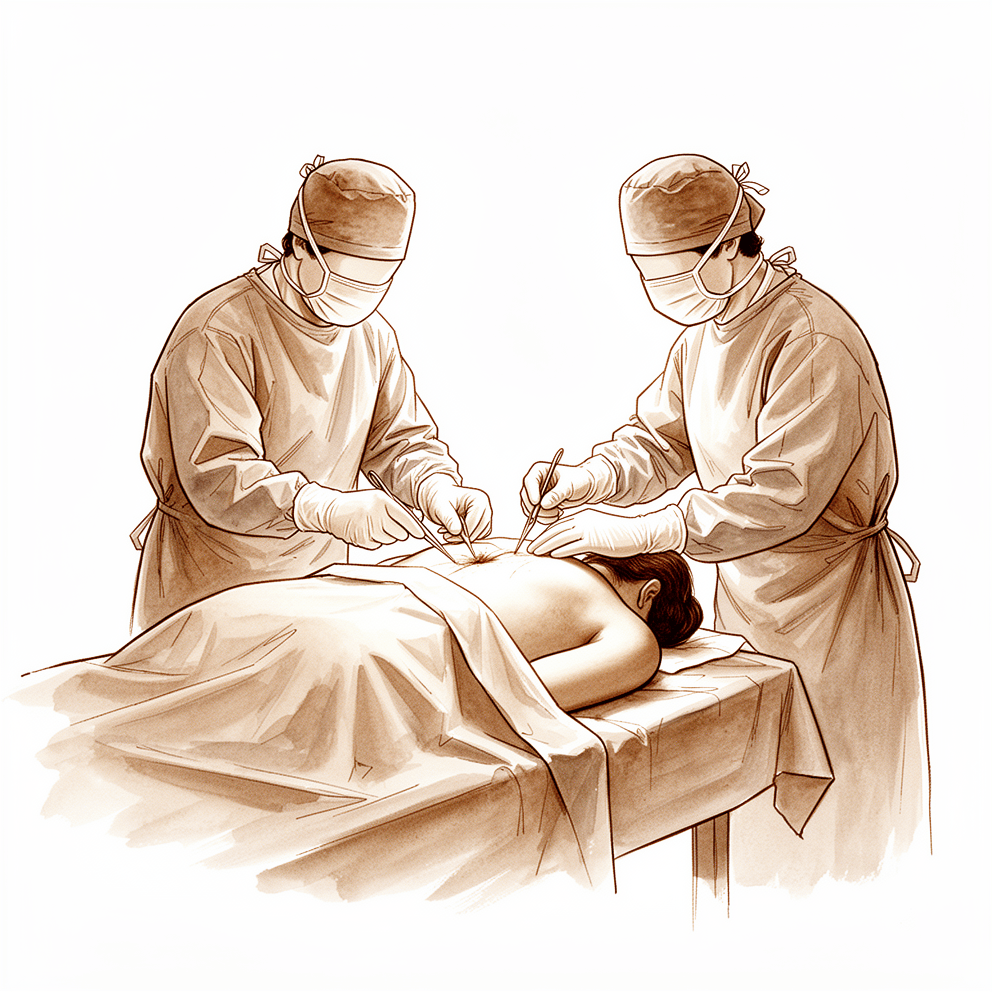
Surgical decompression for lumbar spinal stenosis and disc herniation: indications for laminectomy vs minimally invasive techniques in refractory radiculopathy.
Overview
Surgical decompression is indicated to relieve pain and improve function in patients who fail nonoperative management, such as overhead athletes [1]. For lumbar canal stenosis, microscopic tubular unilateral laminotomy for bilateral decompression serves as a viable alternative to traditional open techniques, although broader validation in multicenter trials is required [2]. Evidence supports decompression alone as the preferred surgical method for lumbar spinal stenosis, regardless of preoperative degenerative spondylolisthesis status [25], with five-year clinical results reinforcing this approach [26]. However, adding dynamic stabilization to decompression does not yield significant benefits for degenerative lumbar spondylolisthesis [3]. The NORDSTEN/DS trial holds potential to provide Level 1 evidence regarding whether decompression alone should be the standard for degenerative spondylolisthesis [5].
Proper patient selection and adequate canal decompression are prerequisites for neurologic improvement in cervical spondylotic myelopathy [6]. Active surgical management is recommended for elderly patients (>65 years) with cervical spinal cord injury without fracture and dislocation, provided they are in suitable physical condition, as thorough decompression may yield superior neurologic and motor recovery compared to conservative treatment [4]. For sacral fractures, surgical intervention combining neural decompression and stabilization is indicated in patients with neurologic deficits, significant soft-tissue compromise, or lumbosacral instability [7].
In peripheral nerve contexts, proper indications for shoulder subacromial decompression result in excellent outcomes [19]. Indications for peroneal nerve decompression in patients with multiple hereditary exostoses include neurologic symptoms and pain [20]. Conversely, in spinal metastases, minimally invasive spine stabilization without posterior decompression is associated with shorter operation times, less blood loss, higher rates of discharge to home, and lower in-hospital mortality compared to decompression [21].
Anatomy & Pathophysiology
Kinematics and Biomechanics
Total Laminectomy: Alters lumbar biomechanics in both normal and spondylolisthesis models [33]. Dynamic Stabilization Systems: Effectively maintain intervertebral height [45], preserve partial mobility of operated and adjacent segments [45], and alleviate postoperative stress concentration on the intervertebral disc and facet joints [45]. TELD-SDSS Application: Alters the biomechanical environment of adjacent segments [50] and offers potential biomechanical advantages over PLIF in mitigating adjacent segment disease (ASD) occurrence [50]. Dynesys System Removal: Attenuates range of motion, disc stress, and facet joint contact forces at adjacent levels during flexion and axial rotation [59]. Microsurgical Decompression: The magnitude of intervertebral range of motion shows no correlation to clinical score parameters [53]. One-Hole Split Endoscope (OSE): Has no significant impact on lumbar spine stability in the early postoperative period [72].
Sagittal Balance and Alignment
Cervical Surgery: Some sagittal balance parameters may be associated with ASD development after anterior cervical surgery [54]. Sagittal balance of the cervical vertebrae changes significantly after anterior cervical hybrid decompression and fusion, showing a forward trend [64]. Lumbar Disc Herniation: Spinal musculature plays an important role in spinal sagittal imbalance [60]. Kyphoscoliosis: Long-term spinal stability remains a significant challenge in patients with neurological deficit, often requiring additional fusion procedures [67].
Osseous and Articular Integrity
Facet Excision: Excision of the capsule and cartilage of the facets increases motion between lumbar vertebrae [71]. This increased motion may increase tensile strain in a graft, potentially predisposing to non-union in lumbar arthrodesis without instrumentation [71]. Posterior Complex Integrity: A lumbar spine with posterior complex integrity is less likely to develop segment instability than one with a destroyed anchoring point for the supraspinous ligament [70]. Osteoporotic Collapse: Modified posterior osteotomy can significantly preserve vertebral height, increase vertebral canal volume, and correct kyphotic angle in osteoporotic vertebral collapse with neurological dysfunction [63].
Cervical Decompression Approaches
Full Endoscopic Laminotomy: Has less impact on cervical spine kinematics and adjacent segmental degeneration compared to traditional ACDF for single-segment cervical spinal stenosis [62]. Surgical Approach Determination: Alignment and the characteristics and location of spinal cord compression help determine the ideal surgical approach for cervical spondylotic myelopathy [66].
Diagnostic and Therapeutic Modalities
Physical Examination: Includes inspection, palpation, range of motion testing, and neurologic evaluation to identify spinal pathology, nonspinal conditions, and signs of symptom magnification [55]. Spinal Manipulation: Is associated with a decrease in mechanical pain sensitivity independent of clinical outcome via a neurophysiological pathway [58] and serves as a reflection of clinical outcome [58]. Research Models: The established rabbit model provides a robust platform for investigating pathological mechanisms of spinal disorders treated via microscopically assisted posterior lumbar fenestration [69].
Stabilization Context
Advances in biomechanics and fixation systems enable reliable stabilization that permits early mobilization [40].
Classification
Quadrilateral Space Syndrome: Surgical decompression of the quadrilateral space in overhead athletes predictably relieves pain and improves function in patients who do not respond to nonoperative regimens [1].
Lumbar Canal Stenosis: Microscopic tubular unilateral laminotomy for bilateral decompression is a viable alternative to traditional open decompression, though broader validation in multicenter trials is needed [2]. Developmental spinal stenosis is a poor prognostic indicator for the risk of re-operation on an adjacent segment after decompression-only surgery and can be identified prior to index decompression surgery [8].
Degenerative Lumbar Spondylolisthesis: The addition of dynamic stabilization to decompression does not yield significant benefits [3]. The addition of fusion to decompression was not associated with an improved outcome in a large cohort [28]. The NORDSTEN/DS trial has the potential to provide Level 1 evidence of whether decompression alone should be advocated as the preferred method for degenerative spondylolisthesis [5]. Decompression alone is supported as the preferred method for operating on spinal stenosis based on five-year clinical results from a randomized clinical trial [26].
Cervical Spinal Cord Injury: Active surgical management following the stress period is recommended for elderly patients over 65 years of age with cervical spinal cord injury without fracture and dislocation, assuming their physical condition is suitable, as improvement in neurologic and motor function may be superior to conservative treatment after thorough decompression surgery [4].
Cervical Spondylotic Myelopathy: Any operative technique requires proper patient selection and demands adequate decompression of the canal to effect neurologic improvement [6].
Sacral Fractures: Surgical intervention, often as a combination of neural decompression and stabilization, is indicated in patients with sacral fractures who have neurologic deficits, significant soft-tissue compromise, and lumbosacral instability [7].
Cauda Equina Syndrome: When diagnosed, the treatment is urgent surgical decompression of the spinal canal regardless of the setting [10].
Deltoid Compartment Syndrome: Each head of the deltoid compartment should be considered a separate compartment requiring evaluation and decompression [11].
Medial Meniscus Ramp Tears: A classification system based on tear morphology allows for the evaluation of differing repair patterns and their effects on postoperative clinical outcomes [37].
Cubital Tunnel Syndrome: Decompression surgery, irrespective of surgical type and preoperative severity, resulted in improvement in sleep by the 3-month postoperative visit [44].
Calcified Lumbar Disc Herniation: The Song's classification system for various morphologies treated using unilateral biportal endoscopic technique has initially demonstrated significant value in guiding personalized surgical decision-making [51].
Clinical Presentation
History and Indications: Surgical decompression predictably relieves pain and improves function in overhead athletes who fail nonoperative regimens [1]. For degenerative cervical myelopathy, intervention is indicated to halt symptom progression and improve function in patients with objective myelopathic symptoms and imaging-confirmed cord compression, though perioperative complications can be devastating [14]. In elderly patients (>65 years) with cervical spinal cord injury without fracture/dislocation following the stress period, active surgical management is recommended if physical condition permits, as thorough decompression may yield superior neurologic and motor improvement compared to conservative treatment [4]. Developmental spinal stenosis serves as a poor prognostic indicator for re-operation on an adjacent segment after decompression-only surgery for lumbar spinal stenosis [8].
Special Populations and Pathologies: Patients with myelopathy or severe stenosis due to cervical ossification of the posterior longitudinal ligament are best treated with surgical decompression [31]. Posterior circumferential decompression is effective for thoracic ossification of the posterior longitudinal ligament (TOPLL) but requires proactive prevention and treatment of associated complications [9]. Surgical decompression yields satisfactory outcomes, including return to sport, in patients with suprascapular neuropathy [17]. For sacral fractures with neurologic deficits, significant soft-tissue compromise, and lumbosacral instability, surgical intervention combining neural decompression and stabilization is indicated [7].
Red-Flag Patterns and Urgency: Cauda equina syndrome presents with acute, severe pain and rapid progression to severe neurologic deficit; urgent surgical decompression is the standard management regardless of setting [10, 30]. There is no universally agreed definition of cauda equina syndrome, and clinical signs do not reliably correlate with MRI findings; MRI should be performed within one hour of suspicion, and confirmed compression mandates emergency surgery [15]. Spinal epidural hematoma typically presents with acute, severe pain and rapid neurologic decline, requiring urgent surgical decompression for symptomatic cases [30].
Procedural Considerations and Outcomes: Proper patient selection and adequate canal decompression are required for any operative technique to effect neurologic improvement in cervical spondylotic myelopathy [6]. Symptom improvement in neurogenic intermittent claudication occurs with either the X-Stop device or minimally invasive (MIS) decompression for lumbar spinal stenosis, though complications are more severe with MIS decompression [16]. Dural tears do not negatively affect long-term outcomes if diagnosed early and managed appropriately [12]. Consensus on the optimal timing of surgical intervention for degenerative cervical myelopathy remains lacking, particularly for patients with mild symptoms or asymptomatic cord compression [34].
Investigations
MRI: Magnetic resonance imaging is the primary modality for evaluating spinal pathology. It should be performed within one hour of suspicion for cauda equina syndrome, and patients with confirmed compression require emergency surgery [15]. However, clinical signs do not reliably correlate with MRI findings, and there is no universally agreed definition of cauda equina syndrome [15]. For cervical spondylotic myelopathy, MRI aids in assessing canal compromise, though any operative technique requires proper patient selection and adequate decompression to effect neurologic improvement [6]. Pre-operative sagittal whole spine MRI studies are mandatory for patients undergoing lumbar decompressive surgery to exclude proximal neurological compression, as missed thoracic spinal stenosis can cause neurological deterioration [38].
CT: Advances in computed tomography scanning allow for better diagnosis of the cause of radiculopathy in the presence of a cervical block vertebra [49].
Other Considerations: Surgical decompression of the quadrilateral space predictably relieves pain and improves function in overhead athletes who do not respond to nonoperative regimens [1]. For lumbar canal stenosis, microscopic tubular unilateral laminotomy for bilateral decompression is a viable alternative to traditional open decompression, though broader validation in multicenter trials is needed [2]. The X-Stop device and minimally invasive decompression both decrease symptoms of neurogenic intermittent claudication in lumbar spinal stenosis; however, the X-Stop resulted in a higher reoperation rate, while complications were more severe with minimally invasive decompression [16]. Decompression alone is supported as the preferred method for spinal stenosis, whether or not degenerative spondylolisthesis is present preoperatively [25]. The addition of fusion to decompression for lumbar spinal stenosis was not associated with improved outcomes in a large cohort [28], and the addition of dynamic stabilization does not yield significant benefits for degenerative lumbar spondylolisthesis [3]. The NORDSTEN/DS trial has the potential to provide Level 1 evidence regarding whether decompression alone should be advocated for degenerative spondylolisthesis [5]. Decompression without fusion for central lumbar spinal stenosis achieves clinically relevant improvement within 2 weeks in most patients [52]. Developmental spinal stenosis is a poor prognostic indicator for re-operation on an adjacent segment after decompression-only surgery for lumbar spinal stenosis and can be identified prior to index surgery [8].
For thoracic ossification of the posterior longitudinal ligament (TOPLL), posterior circumferential decompression is effective but causes complications that need to be proactively prevented and treated [9]. Anterior direct decompression significantly relieves spinal cord high signal in ossification of the posterior longitudinal ligament, and anterior surgical strategy improves clinical neurologic function better than indirect decompression via the posterior approach [56]. Non-surgical spinal decompression is associated with a reduction in discogenic low back pain and an increase in disc height [18]. Surgical intervention, often combining neural decompression and stabilization, is indicated for sacral fractures in patients with neurologic deficits, significant soft-tissue compromise, and lumbosacral instability [7].
Treatment
Non-Operative
Non-surgical spinal decompression is associated with a reduction in pain and an increase in disc height [18]. The overall incidence of regression is 63% among non-surgically treated symptomatic lumbar disc herniation patients [23]. In patients with intervertebral disc herniation and persistent symptoms, improvement occurs after either operative or nonoperative treatment [41].
Operative
Indications: Absolute surgical indications for disc herniation include deteriorating neurological deficits with myelopathy or cauda equina syndrome [39]. Surgical decompression of the quadrilateral space is indicated in overhead athletes who do not respond to nonoperative regimens [1]. Indications for peroneal nerve decompression in patients with multiple hereditary exostoses include neurologic symptoms and pain [20]. Proper indications for shoulder subacromial decompression result in excellent outcomes [19]. Active surgical management is recommended for elderly patients over 65 years of age with cervical spinal cord injury without fracture and dislocation, assuming their physical condition is suitable, as improvement in neurologic and motor function may be superior to conservative treatment after thorough decompression surgery [4]. Age is not a contraindication for decompressive lumbar spine surgery in elderly patients [32].
Surgical Approach / Technique: Microscopic tubular unilateral laminotomy for bilateral decompression is a viable alternative to traditional open decompression for lumbar canal stenosis, though broader validation in multicenter trials is needed [2]. Unilateral laminotomy with bilateral spinal canal decompression has favorable short- and mid-term pain and functional outcomes with low recurrence and complication rates [13]. An innovative craniocaudal interlaminar approach via unilateral biportal endoscopic spinal surgery for adult isthmic spondylolisthesis demonstrated optimistic outcomes by applying decompression from the upper level [35]. Posterior circumferential decompression is effective for thoracic ossification of the posterior longitudinal ligament but causes complications which need to be proactively prevented and treated [9]. Any operative technique for cervical spondylotic myelopathy requires proper patient selection and adequate decompression of the canal to effect neurologic improvement [6].
Implant Selection: The addition of dynamic stabilization to decompression does not yield significant benefits for degenerative lumbar spondylolisthesis [3]. Arthrodesis is the best surgical treatment for persistently painful degenerative back, though it increases morbidity and mortality rates and carries a risk of non-union [42].
Adjuncts: Selective decompression and fusion is a safe and effective method for multi-segment lumbar spinal stenosis with single-segment degenerative spondylolisthesis, with advantages of shorter operative time, less blood loss, and more preservation of spinal motion segments compared with multi-segmental decompression and fusion [36]. In patients with spinal stenosis with degenerative spondylolisthesis, decompression surgery alone was noninferior to decompression surgery with instrumented fusion for reducing impairment at 2 years [43]. Surgery is superior to nonsurgical management in terms of controlling pain and improving function in patients with lumbar spinal stenosis [48].
Other Considerations: Surgical decompression in the setting of suprascapular neuropathy leads to satisfactory outcomes as evidenced by patient-reported outcomes and return to sport rate [17]. Patients treated without decompression for spinal metastases had a shorter operation time, less blood loss, a higher rate of discharge to home, and lower in-hospital mortality, indicating a procedure with lower invasiveness [21].
Complications
General Surgical Risks: Posterior circumferential decompression for thoracic ossification of the posterior longitudinal ligament causes complications that require proactive prevention and treatment [9]. Anterior and posterior decompression for degenerative cervical myelopathy resulted in similar rates of complications [47]. Unilateral laminotomy with bilateral spinal canal decompression has low recurrence and complication rates [13].
Dural Tears: Most studies indicate that long-term outcomes are not negatively affected if dural tears are diagnosed early and managed appropriately [12].
Reoperation Rates: In situ decompression for cubital tunnel syndrome has a statistically significant higher reoperation rate compared with anterior subcutaneous transposition in long-term follow-up [24]. Long-term data for pediatric disk herniation surgery suggests 20% to 30% of patients will require additional surgery later in life [27].
Recovery
Light activity (weeks): Evidence does not specify a precise week range for light activity or return to desk work across the provided literature. However, early mobilization is implied in pediatric cases where laminotomy and fragment excision provide short-term pain relief [27], and in adolescents with lumbar disc herniation where earlier decompression facilitates spontaneous correction [29]. For National Football League linemen, surgical management yields superior outcomes compared to nonoperative intervention, though long-term prognosis requires further prospective study [46].
Full activity (months): Specific month ranges for return to full activity or manual labor are not defined in the available evidence. In pediatric disk herniation, short-term data show excellent pain relief, but long-term data suggest 20% to 30% of patients will require additional surgery later in life [27]. For overhead athletes, surgical decompression predictably relieves pain and improves function in those who do not respond to nonoperative regimens [1].
Complete recovery / outcome plateau (months): Neurological survivorship following primary decompressive surgery for degenerative cervical myelopathy is 89.3% at 5 years and 77.3% at 10 years [22]. While most patients improve after decompressive surgery for degenerative cervical myelopathy, not all early results are durable, with up to 17.9% experiencing recurrent decline by 10 years [75]. Developmental spinal stenosis is a poor prognostic indicator for the risk of re-operation on an adjacent segment after decompression-only surgery for lumbar spinal stenosis [8].
Rehabilitation protocol: The evidence does not detail specific physical therapy phasing, immobilization duration, or weight-bearing protocols. In situ decompression for cubital tunnel syndrome has a statistically significant higher reoperation rate compared with anterior subcutaneous transposition in long-term follow-up [24].
Functional milestones: The best postoperative results for cervical spondylotic myelopathy are obtained for patients managed with decompression within six months to one year after symptom onset, those with early mild findings, and those with a postoperative spinal cord transverse area greater than forty square millimeters [74]. Active surgical management is recommended for elderly patients over 65 years of age with cervical spinal cord injury without fracture and dislocation, assuming their physical condition is suitable, as improvement in neurologic and motor function may be superior to conservative treatment after thorough decompression [4].
Other Considerations: Microscopic tubular unilateral laminotomy for bilateral decompression is a viable alternative to traditional open decompression for lumbar canal stenosis, though broader validation in multicenter trials is needed [2]. The addition of dynamic stabilization to decompression does not yield significant benefits for degenerative lumbar spondylolisthesis [3]. Unilateral laminotomy with bilateral spinal canal decompression has favorable short- and mid-term pain and functional outcomes with low recurrence and complication rates [13]. Most studies indicate that long-term outcomes are not negatively affected if dural tears are diagnosed early and managed appropriately [12]. The overall incidence of regression is 63% among non-surgically treated symptomatic lumbar disc herniation patients [23]. Early surgical decompression following acute traumatic spinal cord injury did not result in statistically significant or clinically meaningful neurological improvements 12 months after injury compared to late surgical decompression [73].
Key Evidence
- [L4] Surgical decompression can predictably relieve pain and improve function in patients who do not respond to nonoperative regimens. [1] (10.1177/0363546507309675)
- [L4] The findings suggest it is a viable alternative to traditional open decompression, though broader validation in multicenter trials is needed. [2] (10.1186/s13018-025-06564-8)
- [L1] The addition of dynamic stabilization to decompression does not yield significant benefits. [3] (10.1186/s13018-025-06550-0)
- [L4] Active surgical management is recommended following the stress period, assuming their physical condition is suitable, as improvement in neurologic and motor function may be superior to conservative treatment after thorough decompression surgery. [4] (10.1186/s12891-024-08055-z)
- [L2] The NORDSTEN/DS trial has the potential to provide Level 1 evidence of whether decompression alone should be advocated as the preferred method or not. [5] (10.1186/s12891-018-2384-0)
- [L5] Any operative technique requires proper patient selection and demands adequate decompression of the canal to effect neurologic improvement. [6] (10.5435/00124635-200111000-00003)
- [L5] Surgical intervention, often as a combination of neural decompression and stabilization, is indicated in patients with neurologic deficits, significant soft-tissue compromise, and lumbosacral instability. [7] (10.5435/00124635-200611000-00009)
- [L3] This is a poor prognostic indicator that can be identified prior to index decompression surgery. [8] (10.1302/0301-620x.101b2.bjj-2018-1136.r2)
- [L4] Posterior circumferential decompression is effective for TOPLL but causes complications which need to be proactively prevented and treated. [9] (10.1186/s13018-016-0489-4)
- [L5] Regardless of the setting, when cauda equina syndrome is diagnosed, the treatment is urgent surgical decompression of the spinal canal. [10] (10.5435/00124635-200808000-00006)
- [L5] Each head should be considered a separate compartment requiring evaluation and decompression. [11] (10.1016/j.jse.2010.05.019)
- [L5] Most studies indicate that long-term outcomes are not negatively affected if dural tears are diagnosed early and managed appropriately. [12] (10.5435/00124635-201009000-00005)
- [L4] Unilateral laminotomy with bilateral decompression has favorable short- and mid-term pain and functional outcomes with low recurrence and complication rates. [13] (10.1186/s12891-023-07033-1)
- [L5] Surgical treatment is indicated for patients with objective myelopathic symptoms confirmed by imaging demonstrating spinal cord compression to halt progression of symptoms and improve function in some patients, though perioperative complications can be devastating. [14] (10.5435/jaaos-d-25-00026)
- [L4] There is no universally agreed definition of cauda equina syndrome, and clinical signs do not reliably correlate with MRI findings; MRI should be performed within one hour of suspicion, and patients with confirmed compression should undergo emergency surgery. [15] (10.1302/0301-620x.97b10.35922)
- [L1] Symptom improvement occurred with either the X-Stop device or MIS decompression, but complications were more severe with MIS decompression. [16] (10.2106/jbjs.9722.ebo101)
- [L4] Surgical decompression in the setting of suprascapular neuropathy leads to satisfactory outcomes as evidenced by the patient-reported outcomes and return to sport rate. [17] (10.1016/j.jse.2017.09.025)
- [L3] Non-surgical spinal decompression was associated with a reduction in pain and an increase in disc height. [18] (10.1186/1471-2474-11-155)
- [L5] Proper indications for shoulder subacromial decompression result in excellent outcomes. [19] (10.1016/j.arthro.2021.04.023)
- [L3] Indications for peroneal nerve decompression included neurologic symptoms and pain. [20] (10.2106/jbjs.23.01398)
- [L3] Patients treated without decompression had a shorter operation time, less blood loss, a higher rate of discharge to home, and lower in-hospital mortality, indicating a procedure with lower invasiveness. [21] (10.1186/s13018-018-0777-2)
- [L3] The study reports neurological survivorship of 89.3% at 5 years and 77.3% at 10 years following primary decompressive surgery for DCM. [22] (10.2106/jbjs.22.00218)
- [L1] The overall incidence of regression is 63% among non-surgically treated symptomatic lumbar disc herniation patients. [23] (10.1186/s12891-020-03548-z)
- [L3] In situ decompression has a statistically significant higher reoperation rate compared with anterior subcutaneous transposition in long-term follow-up. [24] (10.1177/1558944719873153)
- [L1] This supports decompression alone as the preferred method of surgery for spinal stenosis, whether or not a degenerative spondylolisthesis is present preoperatively. [25] (10.1302/0301-620x.104b12.bjj-2022-0340.r1)
- [L1] Our results support decompression alone as the preferred method for operating on spinal stenosis. [26] (10.1302/0301-620x.106b7.bjj-2023-1160.r2)
- [L4] Surgical management involves laminotomy and fragment excision, with short-term data showing excellent pain relief but long-term data suggesting 20% to 30% of patients will require additional surgery later in life. [27] (10.5435/00124635-201111000-00001)
- [L3] In this large cohort the addition of fusion to decompression was not associated with an improved outcome. [28] (10.1302/0301-620x.95b7.30776)
- [L4] Earlier decompression can provide a greater opportunity for spontaneous correction of scoliosis. [29] (10.1186/1471-2474-12-216)
- [L4] Spinal epidural hematoma is a rare condition that typically presents with acute, severe pain and can rapidly progress to severe neurologic deficit; urgent surgical decompression is the typical management for symptomatic cases. [30] (10.5435/00124635-201008000-00006)
- [L4] Patients with myelopathy or severe stenosis are best treated with surgical decompression. [31] (10.5435/jaaos-22-07-420)
- [L4] Age is not a contraindication for decompressive lumbar spine surgery. [32] (10.1186/s13018-020-01968-0)
- [L5] In addition, total laminectomy changes the biomechanics in both normal lumbar models and spondylolisthesis models. [33] (10.1186/s13018-024-04681-4)
- [L5] The review highlights that consensus on the optimal timing of surgical intervention for degenerative cervical myelopathy remains lacking, particularly for patients with mild symptoms or asymptomatic cord compression. [34] (10.1530/eor-2025-0070)
- [L4] Our study demonstrated an optimistic outcome by applying decompression from the upper level. [35] (10.1186/s12891-023-06544-1)
- [L3] Selective decompression and fusion is a safe and effective method for the treatment of MLSS, with the advantages of shorter operative time, less blood loss, and more preservation of spinal motion segments when compared with multi-segmental decompression and fusion. [36] (10.1186/s13018-019-1092-2)
- [L4] This classification system allows for the ability to evaluate differing repair patterns and their effects on postoperative clinical outcomes. [37] (10.1177/2325967125s00101)
- [L4] The authors advise that patients undergoing lumbar decompressive surgery should have sagittal whole spine MRI studies pre-operatively to exclude proximal neurological compression. [38] (10.1302/0301-620x.95b10.31222)
- [L5] Absolute surgical indications for disc herniation include deteriorating neurological deficits with myelopathy or cauda equina syndrome. [39] (10.1302/2058-5241.6.210020)
- [L5] Advances in biomechanics and fixation systems have enabled reliable stabilization that permits early mobilization. [40] (10.5435/00124635-200411000-00007)
- [L1] In patients with intervertebral disc herniation and persistent symptoms, patients improved after either operative or nonoperative treatment. [41] (10.2106/jbjs.8905.ebo3)
- [L5] Arthrodesis is at present the best surgical treatment for the persistently painful degenerative back, though it increases morbidity and mortality rates and carries a risk of non-union. [42] (10.2106/00004623-196345070-00016)
- [L1] In patients with spinal stenosis with degenerative spondylolisthesis, decompression surgery alone was noninferior to decompression surgery with instrumented fusion for reducing impairment at 2 years. [43] (10.2106/jbjs.22.00307)
- [L4] CuTS decompression surgery, irrespective of surgical type and preoperative severity, resulted in improvement in sleep by the 3 month postoperative visit. [44] (10.1016/j.jse.2018.11.046)
- [L5] Its unique dynamic stabilization properties can effectively maintain intervertebral height, preserve partial mobility of the operated and adjacent segments, and alleviate postoperative stress concentration on the intervertebral disc and facet joints. [45] (10.1186/s12891-026-09492-8)
- [L4] Although surgical treatment yields superior outcomes compared to nonoperative intervention, further prospective studies are necessary to determine long-term prognosis. [46] (10.1177/0363546510388901)
- [L3] Anterior and posterior decompression for degenerative cervical myelopathy resulted in similar postoperative outcomes and rates of complications. [47] (10.2106/jbjs.16.00882)
- [L5] Recent prospective randomized studies have demonstrated that surgery is superior to nonsurgical management in terms of controlling pain and improving function in patients with lumbar spinal stenosis. [48] (10.5435/jaaos-20-08-527)
- [L5] Although TELD-SDSS application alters the biomechanical environment of the adjacent segments, it has potential biomechanical advantages over PLIF in the mitigation of ASD occurrence. [50] (10.1186/s12891-025-08825-3)
- [L4] The Song's classification system has initially demonstrated significant value in guiding personalized surgical decision-making. [51] (10.1186/s13018-025-06342-6)
- [L3] In most patients, decompression without fusion due to CLSS seems to achieve clinically relevant improvement within 2 weeks. [52] (10.1186/s13018-024-04614-1)
- [L4] The magnitude of intervertebral range of motion showed no correlation to clinical score parameters. [53] (10.1186/s12891-022-05701-2)
- [L1] Some sagittal balance parameters may be associated with the development of ASD after anterior cervical surgery. [54] (10.1186/s12891-019-2800-0)
- [L3] At the same time, this anterior surgical strategy improves clinical neurologic function better than indirect decompression in the posterior approach. [56] (10.1186/s13018-023-04388-y)
- [L2] Results suggest two different mechanistic pathways associated with the spinal manipulation target: a decrease of mechanical pain sensitivity independent of clinical outcome (neurophysiological) and a decrease as a reflection of the clinical outcome. [58] (10.1186/s12891-020-03873-3)
- [L5] Removing the Dynesys system cord pretension attenuates the ROMs, disc stress, and facet joint contact forces at adjacent levels during flexion and axial rotation. [59] (10.1186/1471-2474-14-191)
- [L4] Spinal musculature plays an important role in spinal sagittal imbalance in patients with LDH. [60] (10.1186/s12891-016-1164-y)
- [L3] Full endoscopic laminotomy decompression is demonstrated to be an efficacious alternative technique to traditional ACDF for the treatment of single-segment CSS, with the advantages of less trauma, faster recovery, and less impact on cervical spine kinematics and adjacent segmental degeneration. [62] (10.1186/s13018-024-04710-2)
- [L4] It can significantly preserve vertebral height, increase vertebral canal volume, correct kyphotic angle, and improve postoperative neurological function. [63] (10.1186/s13018-023-04189-3)
- [L3] The sagittal balance of the cervical vertebrae changed significantly after ACHDF, showing a forward trend. [64] (10.1186/s12891-018-2378-y)
- [L5] Alignment and the characteristics and location of spinal cord compression help determine the ideal surgical approach. [66] (10.5435/jaaos-d-14-00250)
- [L4] However, long-term spinal stability remains a significant challenge, often requiring additional fusion procedures. [67] (10.2106/00004623-196042060-00010)
- [L5] The model provides a robust platform for investigating pathological mechanisms of spinal disorders treated via this approach. [69] (10.1186/s13018-025-06260-7)
- [L5] A lumbar spine with posterior complex integrity is less likely to develop segment instability than a lumbar spine with a destroyed anchoring point for supraspinous ligament. [70] (10.1186/1471-2474-9-84)
- [L5] This increased motion may increase tensile strain in a graft, potentially predisposing to non-union in lumbar arthrodesis without instrumentation. [71] (10.2106/00004623-199412000-00012)
- [L4] The OSE technique has no significant impact on lumbar spine stability in the early postoperative period. [72] (10.1186/s12891-024-07443-9)
- [L3] Compared to late surgical decompression, early surgical decompression following acute tSCI did not result in statistically significant or clinically meaningful neurological improvements 12 months after injury. [73] (10.1302/0301-620x.105b4.bjj-2022-0947.r2)
- [L5] The best postoperative results are obtained for patients managed with decompression within six months to one year after symptom onset, those with early mild findings, and those with a postoperative spinal cord transverse area greater than forty square millimeters. [74] (10.2106/00004623-199409000-00020)
- [L5] This commentary notes that while most patients improve after decompressive surgery for degenerative cervical myelopathy, not all early results are durable, with up to 17.9% experiencing recurrent decline by 10 years. [75] (10.2106/jbjs.22.01250)
See Also
References
[1] Surgical Decompression of the Quadrilateral Space in Overhead Athletes. The American Journal of Sports Medicine. 2007. DOI: 10.1177/0363546507309675
[2] Microscopic tubular unilateral laminotomy for bilateral decompression: a detailed surgical illustration and single-arm cohort study on outcomes in lumbar canal stenosis. Journal of Orthopaedic Surgery and Research. 2026. DOI: 10.1186/s13018-025-06564-8
[3] Decompression, decompression plus fusion and decompression plus dynamic stabilization for degenerative lumbar spondylolisthesis: a network meta-analysis. Journal of Orthopaedic Surgery and Research. 2025. DOI: 10.1186/s13018-025-06550-0
[4] Case characteristics and surgical efficacy in elderly patients over 65 years of age with cervical spinal cord injury without fracture and dislocation: a retrospective study. BMC Musculoskeletal Disorders. 2024. DOI: 10.1186/s12891-024-08055-z
[5] Decompression alone versus decompression with instrumental fusion the NORDSTEN degenerative spondylolisthesis trial (NORDSTEN-DS); study protocol for a randomized controlled trial. BMC Musculoskeletal Disorders. 2019. DOI: 10.1186/s12891-018-2384-0
[6] Cervical Spondylotic Myelopathy: Diagnosis and Treatment. Journal of the American Academy of Orthopaedic Surgeons. 2001. DOI: 10.5435/00124635-200111000-00003
[7] Sacral Fractures. Journal of the American Academy of Orthopaedic Surgeons. 2006. DOI: 10.5435/00124635-200611000-00009
[8] The influence of developmental spinal stenosis on the risk of re-operation on an adjacent segment after decompression-only surgery for lumbar spinal stenosis. The Bone & Joint Journal. 2019. DOI: 10.1302/0301-620x.101b2.bjj-2018-1136.r2
[9] Treatment for thoracic ossification of posterior longitudinal ligament with posterior circumferential decompression: complications and managements. Journal of Orthopaedic Surgery and Research. 2016. DOI: 10.1186/s13018-016-0489-4
[10] Cauda Equina Syndrome. Journal of the American Academy of Orthopaedic Surgeons. 2008. DOI: 10.5435/00124635-200808000-00006
[11] Deltoid compartment syndrome is a surgical emergency. Journal of Shoulder and Elbow Surgery. 2010. DOI: 10.1016/j.jse.2010.05.019
[12] Dural Tears in Spine Surgery. American Academy of Orthopaedic Surgeon. 2010. DOI: 10.5435/00124635-201009000-00005
[13] Unilateral laminotomy with bilateral spinal canal decompression: systematic review of outcomes and complications. BMC Musculoskeletal Disorders. 2023. DOI: 10.1186/s12891-023-07033-1
[14] Diagnosis and Management of Degenerative Cervical Myelopathy. Journal of the American Academy of Orthopaedic Surgeons. 2025. DOI: 10.5435/jaaos-d-25-00026
[15] Cauda equina syndrome. The Bone & Joint Journal. 2015. DOI: 10.1302/0301-620x.97b10.35922
[16] X-Stop Resulted in a Higher Reoperation Rate Than Minimally Invasive Decompression, But Both Decreased Symptoms of Neurogenic Intermittent Claudication in Patients with Lumbar Spinal Stenosis. Journal of Bone and Joint Surgery. 2015. DOI: 10.2106/jbjs.9722.ebo101
[17] Clinical outcomes of suprascapular nerve decompression: a systematic review. Journal of Shoulder and Elbow Surgery. 2018. DOI: 10.1016/j.jse.2017.09.025
[18] Restoration of disk height through non-surgical spinal decompression is associated with decreased discogenic low back pain: a retrospective cohort study. BMC Musculoskeletal Disorders. 2010. DOI: 10.1186/1471-2474-11-155
[19] Proper Indications for Shoulder Subacromial Decompression Result in Excellent Outcomes. Arthroscopy: The Journal of Arthroscopic & Related Surgery. 2021. DOI: 10.1016/j.arthro.2021.04.023
[20] Peroneal Nerve Decompression in Patients with Multiple Hereditary Exostoses. Journal of Bone and Joint Surgery. 2024. DOI: 10.2106/jbjs.23.01398
[21] Comparison between minimally invasive spine stabilization with and without posterior decompression for the management of spinal metastases: a retrospective cohort study. Journal of Orthopaedic Surgery and Research. 2018. DOI: 10.1186/s13018-018-0777-2
[22] Neurological Survivorship Following Surgery for Degenerative Cervical Myelopathy. Journal of Bone and Joint Surgery. 2022. DOI: 10.2106/jbjs.22.00218
[23] The incidence of regression after the non-surgical treatment of symptomatic lumbar disc herniation: a systematic review and meta-analysis. BMC Musculoskeletal Disorders. 2020. DOI: 10.1186/s12891-020-03548-z
[24] Long-term Reoperation Rate for Cubital Tunnel Syndrome: Subcutaneous Transposition Versus In Situ Decompression. HAND. 2019. DOI: 10.1177/1558944719873153
[25] Decompression alone or decompression with fusion for lumbar spinal stenosis: a randomized clinical trial with two-year MRI follow-up. The Bone & Joint Journal. 2022. DOI: 10.1302/0301-620x.104b12.bjj-2022-0340.r1
[26] Decompression alone or decompression with fusion for lumbar spinal stenosis: five-year clinical results from a randomized clinical trial. The Bone & Joint Journal. 2024. DOI: 10.1302/0301-620x.106b7.bjj-2023-1160.r2
[27] Pediatric Disk Herniation. American Academy of Orthopaedic Surgeon. 2011. DOI: 10.5435/00124635-201111000-00001
[28] Does fusion improve the outcome after decompressive surgery for lumbar spinal stenosis?. The Bone & Joint Journal. 2013. DOI: 10.1302/0301-620x.95b7.30776
[29] Scoliotic posture as the initial symptom in adolescents with lumbar disc herniation: its curve pattern and natural history after lumbar discectomy. BMC Musculoskeletal Disorders. 2011. DOI: 10.1186/1471-2474-12-216
[30] Spinal Epidural Hematoma. American Academy of Orthopaedic Surgeon. 2010. DOI: 10.5435/00124635-201008000-00006
[31] Surgical Treatment for Ossification of the Posterior Longitudinal Ligament in the Cervical Spine. Journal of the American Academy of Orthopaedic Surgeons. 2014. DOI: 10.5435/jaaos-22-07-420
[32] Linical efficacy of percutaneous endoscopic lumbar discectomy for the treatment of lumbar spinal stenosis in elderly patients: a retrospective study. Journal of Orthopaedic Surgery and Research. 2020. DOI: 10.1186/s13018-020-01968-0
[33] Biomechanical response of decompression alone in lower grade lumbar degenerative spondylolisthesis--A finite element analysis. Journal of Orthopaedic Surgery and Research. 2024. DOI: 10.1186/s13018-024-04681-4
[34] Degenerative cervical myelopathy: timing of surgery. EFORT Open Reviews. 2025. DOI: 10.1530/eor-2025-0070
[35] Enhancing endoscopic foraminal decompression in adult isthmic spondylolisthesis: the potential influence of lateral recess isthmic spur and our case series of an innovative craniocaudal interlaminar approach via unilateral biportal endoscopic spinal surgery. BMC Musculoskeletal Disorders. 2023. DOI: 10.1186/s12891-023-06544-1
[36] Selective versus multi-segmental decompression and fusion for multi-segment lumbar spinal stenosis with single-segment degenerative spondylolisthesis. Journal of Orthopaedic Surgery and Research. 2019. DOI: 10.1186/s13018-019-1092-2
[37] Paper 44: Medial Meniscus Ramp Tears: An Internationally Developed Surgically Relevant Classification System Based on Tear Morphology. Orthopaedic Journal of Sports Medicine. 2025. DOI: 10.1177/2325967125s00101
[38] Neurological deterioration due to missed thoracic spinal stenosis after decompressive lumbar surgery. The Bone & Joint Journal. 2013. DOI: 10.1302/0301-620x.95b10.31222
[39] Herniated discs: when is surgery necessary?. EFORT Open Reviews. 2021. DOI: 10.1302/2058-5241.6.210020
[40] Posterior Instrumentation for Thoracolumbar Fractures. Journal of the American Academy of Orthopaedic Surgeons. 2004. DOI: 10.5435/00124635-200411000-00007
[41] Either Surgery or Nonoperative Treatment Led to Improvement in Intervertebral Disc Herniation. The Journal of Bone & Joint Surgery. 2007. DOI: 10.2106/jbjs.8905.ebo3
[42] Surgical Treatment of Degenerative Disease of the Back. The Journal of Bone & Joint Surgery. 1963. DOI: 10.2106/00004623-196345070-00016
[43] In Spinal Stenosis with Degenerative Spondylolisthesis, Decompression Surgery Alone Was Noninferior to Decompression Surgery with Instrumented Fusion for Reducing Impairment at 2 Years. Journal of Bone and Joint Surgery. 2022. DOI: 10.2106/jbjs.22.00307
[44] Prospective evaluation of sleep improvement after cubital tunnel decompression surgery. Journal of Shoulder and Elbow Surgery. 2019. DOI: 10.1016/j.jse.2018.11.046
[45] Biomechanical analysis of the interlaminar dynamic stabilization system (IntraSPINE) in unilateral biportal endoscopic discectomy for huge lumbar disc herniation: a finite element study. BMC Musculoskeletal Disorders. 2026. DOI: 10.1186/s12891-026-09492-8
[46] Return-to-Play Rates in National Football League Linemen After Treatment for Lumbar Disk Herniation. The American Journal of Sports Medicine. 2011. DOI: 10.1177/0363546510388901
[47] Comparison of Anterior and Posterior Surgery for Degenerative Cervical Myelopathy. Journal of Bone and Joint Surgery. 2017. DOI: 10.2106/jbjs.16.00882
[48] Degenerative Lumbar Spinal Stenosis. Journal of the American Academy of Orthopaedic Surgeons. 2012. DOI: 10.5435/jaaos-20-08-527
[49] Cervical radiculopathy associated with an anomaly of the cervical vertebrae: successful surgical treatment. A case report.. The Journal of Bone and Joint Surgery. American Volume. 1988.
[50] Biomechanical effects of transforaminal endoscopic lumbar discectomy combined with spinal dynamic stabilization system use on adjacent segments: a finite element analysis. BMC Musculoskeletal Disorders. 2025. DOI: 10.1186/s12891-025-08825-3
[51] A novel classification and clinical evaluation of various morphologies of calcified lumbar disc herniation treated using unilateral biportal endoscopic technique. Journal of Orthopaedic Surgery and Research. 2025. DOI: 10.1186/s13018-025-06342-6
[52] Recovery pattern after decompression of central lumbar spinal stenosis: a prospective observational cohort study. Journal of Orthopaedic Surgery and Research. 2024. DOI: 10.1186/s13018-024-04614-1
[53] Influence of microsurgical decompression on segmental stability of the lumbar spine – One-year results in a prospective, consecutive case series using upright, kinetic-positional MRI. BMC Musculoskeletal Disorders. 2022. DOI: 10.1186/s12891-022-05701-2
[54] Association between sagittal balance and adjacent segment degeneration in anterior cervical surgery: a systematic review and meta-analysis. BMC Musculoskeletal Disorders. 2019. DOI: 10.1186/s12891-019-2800-0
[55] Chapter 12 Physical Examination of the Spine. 2019.
[56] Anterior direct decompression significantly relieves spinal cord high signal in patients with ossification of the posterior longitudinal ligament: a case-control study. Journal of Orthopaedic Surgery and Research. 2023. DOI: 10.1186/s13018-023-04388-y
[58] Changes in pain sensitivity and spinal stiffness in relation to responder status following spinal manipulative therapy in chronic low Back pain: a secondary explorative analysis of a randomized trial. BMC Musculoskeletal Disorders. 2021. DOI: 10.1186/s12891-020-03873-3
[59] Effects of cord pretension and stiffness of the Dynesys system spacer on the biomechanics of spinal decompression- a finite element study. BMC Musculoskeletal Disorders. 2013. DOI: 10.1186/1471-2474-14-191
[60] Spinal sagittal imbalance in patients with lumbar disc herniation: its spinopelvic characteristics, strength changes of the spinal musculature and natural history after lumbar discectomy. BMC Musculoskeletal Disorders. 2016. DOI: 10.1186/s12891-016-1164-y
[62] Full endoscopic laminotomy decompression versus anterior cervical discectomy and fusion for the treatment of single-segment cervical spinal stenosis: a retrospective, propensity score-matched study. Journal of Orthopaedic Surgery and Research. 2024. DOI: 10.1186/s13018-024-04710-2
[63] Modified posterior osteotomy for osteoporotic vertebral collapse with neurological dysfunction in thoracolumbar spine: a preliminary study. Journal of Orthopaedic Surgery and Research. 2023. DOI: 10.1186/s13018-023-04189-3
[64] Analysis of sagittal alignment parameters following anterior cervical hybrid decompression and fusion of multilevel cervical Spondylotic myelopathy. BMC Musculoskeletal Disorders. 2019. DOI: 10.1186/s12891-018-2378-y
[66] Update on the Diagnosis and Management of Cervical Spondylotic Myelopathy. Journal of the American Academy of Orthopaedic Surgeons. 2015. DOI: 10.5435/jaaos-d-14-00250
[67] Transposition of the Compressed Spinal Cord in Kyphoscoliotic Patients with Neurological Deficit. The Journal of Bone & Joint Surgery. 1960. DOI: 10.2106/00004623-196042060-00010
[69] Establishment of a rabbit model for microscopically assisted posterior lumbar fenestration. Journal of Orthopaedic Surgery and Research. 2025. DOI: 10.1186/s13018-025-06260-7
[70] Biomechanical comparison of lumbar spine instability between laminectomy and bilateral laminotomy for spinal stenosis syndrome – an experimental study in porcine model. BMC Musculoskeletal Disorders. 2008. DOI: 10.1186/1471-2474-9-84
[71] Increase of motion between lumbar vertebrae after excision of the capsule and cartilage of the facets. A cadaver study.. The Journal of Bone & Joint Surgery. 1994. DOI: 10.2106/00004623-199412000-00012
[72] Short-term lumbar disc and lumbar stability changes of one-hole split endoscope technique treatment of spinal stenosis. BMC Musculoskeletal Disorders. 2024. DOI: 10.1186/s12891-024-07443-9
[73] Neurological recovery after early versus delayed surgical decompression for acute traumatic spinal cord injury. The Bone & Joint Journal. 2023. DOI: 10.1302/0301-620x.105b4.bjj-2022-0947.r2
[74] Evaluation and Management of Cervical Spondylotic Myelopathy. The Journal of Bone & Joint Surgery. 1994. DOI: 10.2106/00004623-199409000-00020
[75] Are Functional Gains Durable After Decompressive Surgery for Cervical Myelopathy?. Journal of Bone and Joint Surgery. 2023. DOI: 10.2106/jbjs.22.01250