Clinicians › Shoulder
Arthroscopic Surgery
Minimally invasive shoulder arthroscopy for rotator cuff, instability, and adhesive capsulitis, including portal placement and RF thermal injury risks.
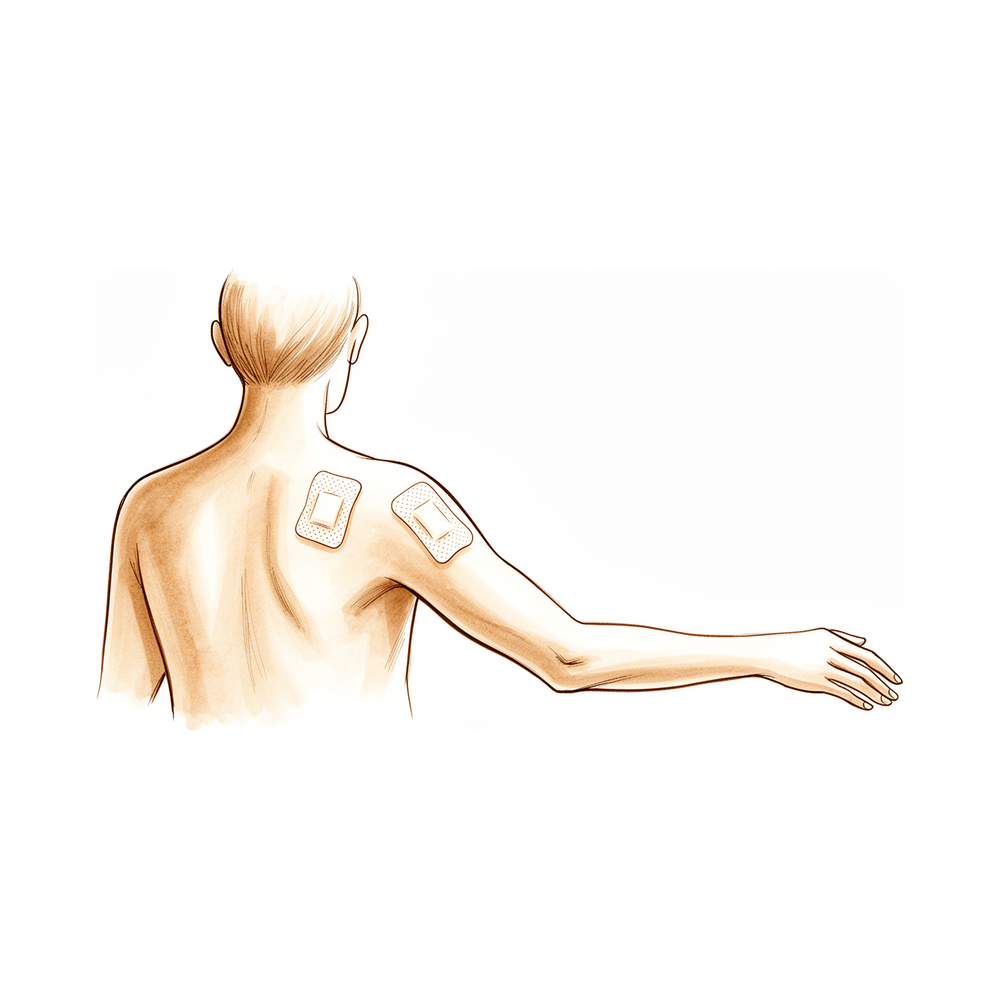
Overview
Arthroscopic management is an effective treatment of choice for primary synovial chondromatosis of the shoulder, characterized by low morbidity and early functional return [1]. Arthroscopic techniques benefit patients by avoiding the morbidity of open surgery, though they remain technically demanding [47]. Guidelines for the practice of arthroscopic surgery emphasize the need for appropriate training, privileges, and performance review by the Arthroscopy Association of North America [3].
Arthroscopic stabilization is a reliable procedure in selected high-risk athletes [25]. Patients meeting eligibility criteria for arthroscopic stabilization (those without significant bony lesions or deformity) can expect equivalent rates of recurrence, better functional outcomes, and less morbidity compared to open methods [9]. Arthroscopic Bankart repair offers decreased pain, improved functional outcomes, and little recurrence of instability, with results approaching those of open repair when appropriate patient selection and technical considerations are applied [49]. Arthroscopic repair remains a viable option even in a highly active patient population [75].
Arthroscopic repair of posterior humeral avulsion of the glenohumeral ligament in recurrent anterior shoulder dislocations typically results in favorable clinical outcomes, although the likelihood of returning to sports remains uncertain [7]. Arthroscopic surgery appears to reduce the complication and reoperation rate in the treatment of anterior glenoid rim fractures compared with open surgery [12]. Arthroscopic and open acromioplasty have equivalent ultimate clinical outcomes, operative times, and low complication rates [11].
Arthroscopic partial repair of irreparable rotator cuff tears may produce initial improvement in selected outcomes at 2-year follow-up, but about half of the patients were not satisfied with their outcomes, which had deteriorated over time [2]. Arthroscopic removal of the polyethylene glenoid component after total shoulder arthroplasty may be an alternative to open revision for lower demand patients, though future prospective, comparative studies are necessary to better define indications [24].
Anatomy & Pathophysiology
A thorough knowledge of shoulder anatomy is essential to minimize complications during arthroscopic procedures [13]. The position of the posterolateral corner of the acromion relative to the glenohumeral joint exhibits significant variability [85]. Reviewing shoulder anatomy and pathology related to stability and instability improves both clinical diagnosis and surgical treatment of shoulder instability [72].
Osseous & Articular Remodeling: Arthroscopic implant-free bone grafting for shoulder instability with glenoid bone loss induces a physiological remodeling process that restores a more natural glenoid anatomy [57]. In children with brachial plexus birth palsy, early recognition and timely intervention for internal rotation contracture and glenohumeral dysplasia result in better shoulder motion and improved joint alignment [29]. Superior outcomes in the arthroscopic treatment of these conditions are associated with better preoperative clinical and MRI status [29].
Kinematics & Reconstruction: The goal of open anterior stabilization is to correct deficient stabilizing mechanisms without altering normal glenohumeral function [67]. Arthroscopic extracapsular stabilization for anterior shoulder instability provides significant improvement in shoulder function without reducing shoulder range of motion [45]. Following superior capsular reconstruction, postoperative improvements in subjective and clinical outcomes may be affected by mechanisms other than changes in shoulder kinematics [43]. Furthermore, superior capsular reconstruction may not depress the humeral head during functional abduction [43].
Biomechanics & Implant Biology: Successful application of suture anchors and tacks in shoulder surgery requires understanding the biology and biomechanics affecting their use [61]. It also requires knowledge of factors that can affect subsequent clinical outcomes [61].
Classification
Arthroscopy Association of North America Guidelines: The Arthroscopy Association of North America outlines suggested guidelines for the practice of arthroscopic surgery, emphasizing appropriate training, privileges, and performance review [3]. Arthroscopic training involves historical insights, current teaching modalities, and future educational pathways [28].
Dimensionless Squared Jerk (DSJ): The Dimensionless Squared Jerk is proposed as an adjunct parameter for objective assessment of hand motion analysis during simulated shoulder arthroscopy skills evaluation [73].
Glenohumeral Synovitis Scoring System: A novel intraoperative scoring system has been defined for the classification of glenohumeral synovitis seen during arthroscopy, demonstrating good reliability among a large range of surgeons [31].
Modified Patte Classification: A modified Patte classification system for rotator cuff tendon retraction has diagnostic performance that is excellent for predicting reparability and acceptable for predicting tendon healing, with high measurement reliability [78].
Medial Meniscus Ramp Tear Classification: An internationally developed classification system for medial meniscus ramp tears is based on tear morphology and allows evaluation of differing repair patterns and their effects on postoperative clinical outcomes [42].
Clinical Presentation
Diagnostic Utility: Diagnostic arthroscopy serves as a primary tool for evaluating complex shoulder pathologies. It is particularly useful in patients with suspicion but no clear evidence of periprosthetic shoulder septic infection (PPSI) [14]. In such cases, arthroscopic tissue biopsy appears superior to conventional techniques of joint aspiration and inflammatory marker testing for preoperative diagnosis of periprosthetic shoulder arthroplasty infections [21]. For patients after arthroplasty, shoulder arthroscopy is most frequently used as a diagnostic tool [33]. Furthermore, diagnostic arthroscopy provides information of diagnostic significance not obtainable on preliminary conventional arthroscopic examination in 74% of clinical trials and resulted in no complications [15].
Specific Pathology Diagnosis: The definitive diagnosis of superior labrum, anterior and posterior (SLAP) lesions is best made through diagnostic arthroscopy [18].
Therapeutic Management: Arthroscopic management of primary synovial chondromatosis of the shoulder is an effective treatment choice with low morbidity and early functional return [1]. Shoulder arthroscopy has utility in treating a number of predetermined pathologies in patients after arthroplasty [33]. Additionally, arthroscopic management of suprascapular neuropathy of the shoulder improves pain and functional outcomes with minimal complication rates [39].
Investigations
Arthroscopic approach offers a unique advantage in diagnosing and treating occult intra-articular pathology [4]. Diagnostic arthroscopy is a useful diagnostic tool in patients with suspicion but no clear evidence of periprosthetic shoulder septic infection (PPSI) [14]. The technique provided information of diagnostic significance not obtainable on preliminary conventional arthroscopic examination in 74 per cent of clinical trials and resulted in no complications [15]. Arthroscopy appears superior to conventional techniques of joint aspiration and inflammatory marker testing for preoperative diagnosis of periprosthetic shoulder arthroplasty infections [21].
MRI: Careful interpretation of MR arthrograms and thorough diagnostic arthroscopy are essential to identify posterior humeral avulsion of the glenohumeral ligaments [54]. Detection of a comma sign on MRI may be important preoperative planning information in the arthroscopic management of patients with subscapularis tendon tears [83]. MRI findings showed reduced joint capsule thickness and effusion following interventional microadhesiolysis for adhesive capsulitis of the shoulder [90].
CT: Computerized tomographic arthrography and arthroscopy enabled accurate definition of an unusual scapular anomaly [26].
Aspiration: Diagnostic arthroscopy is a useful diagnostic tool in patients with suspicion but no clear evidence of periprosthetic shoulder septic infection (PPSI) [14]. Arthroscopy appears superior to conventional techniques of joint aspiration and inflammatory marker testing for preoperative diagnosis of periprosthetic shoulder arthroplasty infections [21].
Other Considerations: Arthroscopic examination before modified Latarjet reconstruction is recommended to identify and arthroscopically address associated pathologic entities present in over two thirds of cases [6]. The definitive diagnosis of superior labrum, anterior and posterior (SLAP) lesions is best made through diagnostic arthroscopy [18]. Needle arthroscopy is a promising diagnostic modality for intra-articular shoulder pathologies with comparable accuracy to MRI and surgical arthroscopy [79]. Ultrasound diagnosis matched arthroscopic findings perfectly in the treatment of deep gluteal syndrome [92].
There was no measurable improvement in arthroscopic visualization or early pain scores with the use of tranexamic acid for visualization during arthroscopic rotator cuff repair [17]. An evidence-based review provides methods and techniques to optimize visualization during arthroscopic shoulder surgery, emphasizing that a thorough understanding of supporting literature is essential to interpret the clinical utility of each technique [93]. Direct biceps tendon and supraspinatus contact can serve as a reliable adjunct for verification of rotator cuff tear during shoulder arthroscopy in the lateral decubitus position but should not replace a full arthroscopic evaluation [94].
Superior outcomes in arthroscopic treatment of internal rotation contracture and glenohumeral dysplasia in children with brachial plexus birth palsy were associated with better preoperative clinical and MRI status, indicating that early recognition and timely intervention result in better shoulder motion and improved joint alignment [29]. Available information is not sufficient to support one treatment modality over another, and the answers regarding the interchangeability of arthroscopy and surgical dislocation for femoroacetabular impingement remain unclear [20]. It is not recommended to perform preventive arthroscopic distal clavicle resection (DCR) in patients with radiologic and asymptomatic acromioclavicular joint (ACJ) arthritis [89].
Treatment
Non-Operative
Nonoperative management remains the primary intervention for many shoulder pathologies. Arthroscopic treatment is no longer recommended for subacromial impingement, as surgery offers no discernible benefits and may result in harm; the weight of evidence supports nonoperative management or no treatment [68]. For shoulder impingement with an intact rotator cuff, subacromial decompression is a viable surgical option only following nonoperative treatment for at least 6 weeks [87]. Isolated arthroscopic debridement and capsular release do not provide substantial benefit to justify their use in most patients with glenohumeral arthritis [65].
Operative
Indications: Arthroscopic stabilization is appropriate for patients meeting eligibility criteria, specifically those without significant bony lesions or deformity [9]. In patients older than 40 years with anterior shoulder instability, arthroscopic stabilization yields high satisfaction and good functional outcomes [10]. Arthroscopic repair is indicated for partial-thickness supraspinatus tears [8], partial-thickness and subscapularis tears if conservative management fails [86], and posterior humeral avulsion of the glenohumeral ligament (HAGL) in recurrent anterior dislocations [7]. For symptomatic multidirectional instability in athletes, arthroscopic capsular repair is an effective option [40]. Arthroscopic capsular release is indicated for adhesive capsulitis in carefully selected patients [41] and for loss of motion refractory to closed manipulation [84]. Arthroscopic lavage is indicated for young individuals with traumatic primary anterior shoulder dislocation [76]. Arthroscopic management is effective for primary synovial chondromatosis of the shoulder [1]. Favorable outcomes are reported for femoroacetabular impingement in adolescents [51].
Surgical Approach / Technique: Arthroscopic acromioplasty significantly improves long-term clinical outcomes up to 2 years when combined with platelet-rich plasma injection for chronic rotator cuff tendinopathy [5]. Arthroscopic repair of posterior HAGL lesions typically results in favorable clinical outcomes, though return to sports remains uncertain [7]. Arthroscopic repair of partial-thickness supraspinatus tears results in excellent clinical outcomes and high patient satisfaction at minimum 10-year follow-up [8]. Current data suggest that eligible patients undergoing arthroscopic stabilization experience equivalent recurrence rates, better functional outcomes, and less morbidity compared to open methods [9]. Arthroscopic stabilization in patients >40 years results in low pain scores at medium- to long-term follow-up [10]. Arthroscopic surgery reduces complication and reoperation rates for anterior glenoid rim fractures compared with open surgery [12]. Arthroscopic treatment decreases symptoms and increases range of motion in poly-L-lactic acid tack synovitis after stabilization [19]. Arthroscopic removal of the polyethylene glenoid component after total shoulder arthroplasty may serve as an alternative to open revision for lower-demand patients, though prospective studies are needed [24]. Arthroscopic lavage reduces recurrence and improves functional outcomes at 1-year follow-up in young patients with traumatic primary anterior dislocation [76].
Implant Selection: The open Latarjet procedure is an effective and safe alternative to arthroscopic or open HAGL repair for humeral avulsion of the glenohumeral ligament lesions [35].
Alignment / Balancing Strategy: Arthroscopic and open acromioplasty have equivalent ultimate clinical outcomes, operative times, and low complication rates [11]. Clinical outcomes after arthroscopic and open shoulder stabilization for recurrent anterior instability are comparable [16]. There is no significant overall difference in resource use, cost, or quality of life between arthroscopic and open management for rotator cuff tears [81].
Pain Management: Converting from nonoperative to arthroscopic treatment for anterior shoulder instability does not significantly increase patient costs compared with initial arthroscopic intervention, but both pathways are roughly 2 times more costly than isolated nonoperative management [48].
Adjuncts: Arthroscopic partial repair of irreparable rotator cuff tears may produce initial improvement in selected outcomes at 2-year follow-up, but about half of the patients were not satisfied with their outcomes, which had deteriorated over time [2].
Other Considerations: Suggested guidelines for the practice of arthroscopic surgery emphasize the need for appropriate training, hospital privileges, and regular performance review to ensure patient safety and surgical expertise [3, 58, 59, 60]. The shoulder arthroscopy literature remains controversial, with conclusions often unsupported due to bias and limitations, and no clinical guidelines are definitive pending higher levels of evidence [66].
Complications
General Safety: Arthroscopic surgery for anterior glenoid rim fractures appears to reduce the complication and reoperation rate compared with open surgery [12]. Reported annual complication rates for arthroscopic rotator cuff repair have been significantly lower than open repair over the past 6 years (2011-2017), with an overall lower cumulative rate from 2007-2017 [52]. Arthroscopic and related surgery has a low complication rate [56]. Early perioperative complications after shoulder arthroscopy are uncommon, even though up to 43% of patients can be classified as obese [99]. Complications of shoulder arthroscopy can be minimized with thoughtful consideration of surgical indications, careful patient selection and positioning, and a thorough knowledge of shoulder anatomy [13].
Instability and Motion: Arthroscopic stabilization in patients older than 40 years with anterior shoulder instability results in low pain scores at medium- to long-term follow-up [10]. Open procedures for recurrent post-traumatic anterior shoulder dislocation have a higher risk for loss of motion compared with arthroscopic repair [23].
Infection: The incidence and risk of 30-day perioperative complications are similar after arthroscopic and open irrigation and debridement for septic arthritis of the shoulder [97].
Other Considerations: Arthroscopic management of primary synovial chondromatosis of the shoulder is associated with low morbidity [1]. Approximately half of patients undergoing arthroscopic partial repair of irreparable rotator cuff tears were not satisfied with their outcomes, which had deteriorated over time at 2-year follow-up [2]. Arthroscopic and open acromioplasty have low complication rates [11]. The rate of adverse events for the arthroscopic Latarjet procedure is not insignificant and is similar to that reported with the traditional open Latarjet [96]. Chondrolysis is a devastating complication of arthroscopic shoulder surgery that can result in long-term disabling consequences [22].
Recovery
Light activity (weeks): Arthroscopic management of primary synovial chondromatosis of the shoulder is associated with early functional return [1]. For infants with septic arthritis, arthroscopic debridement and synovectomy yield good clinical and radiographic outcomes at 2 years [101].
Full activity (months): Arthroscopic partial repair of irreparable rotator cuff tears may produce initial improvement in selected outcomes at 2-year follow-up, though approximately half of patients were not satisfied with outcomes that deteriorated over time [2]. Arthroscopic superior capsule reconstruction for irreparable rotator cuff tears shows that healed reconstruction restored shoulder function and resulted in high rates of return to recreational sport and work at 5-year follow-up [55]. Arthroscopic repair of partial-thickness supraspinatus rotator cuff tears results in excellent clinical outcomes and high patient satisfaction at minimum 10-year follow-up [8]. At a median follow-up of 5 years, 80% (32 of 40) of patients had a good or excellent result after an arthroscopic subscapularis tendon repair, and 88% of patients were satisfied with their shoulders [103].
Complete recovery / outcome plateau (months): Arthroscopic acromioplasty significantly improves long-term clinical outcomes up to 2 years when combined with platelet-rich plasma injection for chronic rotator cuff tendinopathy [5]. At minimum 2-year follow-up, arthroscopic repair of rotator cuff tears produced significant improvements in both patient-derived and objectively measured variables [106]. Good results of arthroscopic acromioplasty for chronic shoulder impingement syndrome were maintained at 12 to 14 years after surgery, with excellent or good results shown in 77% of shoulders, and long-term outcomes were superior to those after open acromioplasty [62]. At long-term follow-up, 65% of patients treated with an arthroscopic Bankart repair using bioabsorbable tacks had a well-functioning, stable shoulder [44]. Results of arthroscopic Bankart repair with a bioabsorbable tack did not deteriorate during follow-up in long-term results [102]. Arthroscopic stabilization for anterior shoulder instability in patients older than 40 years results in a high rate of satisfaction, good functional outcomes, and low pain scores at medium- to long-term follow-up [10].
Rehabilitation protocol: Clinical outcomes after arthroscopic and open shoulder stabilization for recurrent anterior instability are comparable [16]. Open procedures for recurrent post-traumatic anterior shoulder dislocation have a higher risk for loss of motion, more cosmetic problems, and longer hospitalization times compared to arthroscopic repair, indicating an advantage for arthroscopic repair regarding short-term consequences [23]. At a mean of 23 months postoperatively, the arthroscopic Latarjet procedure resulted in a mean persisting enlargement of the glenoid arc of 14% beyond native dimensions, avoiding a recurrent 'off-track' lesion in 32% of patients [104].
Functional milestones: Timeliness of diagnosis and surgical referral, coordination of care, and understanding of the indications versus limitations of conservative therapy are key factors frequently implicated in malpractice lawsuits following arthroscopic surgery [105].
Other Considerations: Chondrolysis is a devastating complication of arthroscopic shoulder surgery that can result in long-term disabling consequences [22]. Arthroscopic decompression is not recommended in the treatment of rotator cuff tendinopathy [30]. Three FAST activities correlated with training year but not with arthroscopy case experience in the validation of a virtual arthroscopy simulator [100].
Key Evidence
- [L4] Arthroscopic management is an effective treatment of choice with low morbidity and early functional return. [1] (10.1016/j.arthro.2006.07.009)
- [L4] Arthroscopic partial repair may produce initial improvement in selected outcomes at 2-year follow-up, but about half of the patients were not satisfied with their outcomes, which had deteriorated over time. [2] (10.1177/0363546515585122)
- [L5] This statement outlines suggested guidelines for the practice of arthroscopic surgery, emphasizing the need for appropriate training, privileges, and performance review by the Arthroscopy Association of North America. [3] (10.1016/s0749-8063(08)00099-6)
- [L1] The arthroscopic approach offers a unique advantage in diagnosing and treating occult intra-articular pathology. [4] (10.1016/j.jse.2006.10.006)
- [L1] Arthroscopic acromioplasty significantly improves long-term clinical outcomes up to 2 years. [5] (10.1177/0363546515608485)
- [L4] Arthroscopic examination before modified Latarjet reconstruction is recommended because it allows the surgeon to identify and arthroscopically address associated pathologic entities that are present in over two thirds of the cases. [6] (10.1016/j.arthro.2007.11.021)
- [L4] While arthroscopic repair of this combination typically results in favorable clinical outcomes, the likelihood of returning to sports remains uncertain. [7] (10.1016/j.jse.2025.04.020)
- [L4] Arthroscopic repair of PTRCTs results in excellent clinical outcomes and high patient satisfaction at minimum 10-year follow-up. [8] (10.1177/03635465231176557)
- [L4] Current data suggest that patients meeting eligibility criteria for arthroscopic stabilization (those without significant bony lesions or deformity) can expect equivalent rates of recurrence, better functional outcomes, and less morbidity compared to open methods. [9] (10.1016/j.arthro.2011.06.006)
- [L4] Arthroscopic stabilization in patients older than 40 years results in a high rate of satisfaction, good functional outcomes, and low pain scores at medium- to long-term follow-up. [10] (10.1016/j.jse.2024.09.022)
- [L3] Arthroscopic and open acromioplasty have equivalent ultimate clinical outcomes, operative times, and low complication rates. [11] (10.1177/0363546508328100)
- [L3] Arthroscopic surgery appears to reduce the complication and reoperation rate. [12] (10.1016/j.jse.2018.07.008)
- [L4] Complications can be minimized with thoughtful consideration of surgical indications, careful patient selection and positioning, and a thorough knowledge of shoulder anatomy. [13] (10.5435/jaaos-22-07-410)
- [L3] Diagnostic arthroscopy is a useful diagnostic tool in patients with suspicion but no clear evidence of PPSI. [14] (10.1016/j.arthro.2019.03.058)
- [L1] Clinical outcomes after arthroscopic and open stabilization were comparable. [16] (10.1177/0363546506288239)
- [L2] Additionally, there was no measurable improvement in arthroscopic visualization or early pain scores. [17] (10.1016/j.jse.2022.06.027)
- [L5] The definitive diagnosis of superior labrum, anterior and posterior lesions is best made through diagnostic arthroscopy. [18] (10.1177/03635465030310052901)
- [L4] Arthroscopic treatment provides a significant decrease in symptoms and increased range of motion. [19] (10.1177/03635465030310050201)
- [L4] The available information is not sufficient to support one treatment modality over another, and the answers regarding the interchangeability of arthroscopy and surgical dislocation remain unclear. [20] (10.1016/j.arthro.2013.10.005)
- [L1] Arthroscopy appears superior to conventional techniques of joint aspiration and inflammatory marker testing. [21] (10.1016/j.jse.2023.02.135)
- [L4] Chondrolysis is a devastating complication of arthroscopic shoulder surgery that can result in longterm disabling consequences. [22] (10.1016/j.jse.2008.10.017)
- [L3] However, the open procedure had a higher risk for loss of motion, more cosmetic problems, and longer hospitalization times, indicating an advantage for arthroscopic repair regarding short-term consequences. [23] (10.1007/s001670050133)
- [L4] This less-invasive arthroscopic technique may be an alternative to open revision for lower demand patients; however, future prospective, comparative studies are necessary to better define indications. [24] (10.1177/24715492221142967)
- [L3] Arthroscopic stabilization is a reliable procedure in selected high-risk patients. [25] (10.1177/0363546504265264)
- [L4] Computerized tomographic arthrography and arthroscopy enabled accurate definition of the anomaly. [26] (10.2106/00004623-198870030-00021)
- [L5] The current review highlights the history of arthroscopic education, strategies and current teaching modalities in modern arthroscopic education, and avenues for future educational pathways. [28] (10.5435/jaaos-d-23-00254)
- [L4] Superior outcomes were associated with better preoperative clinical and MRI status, indicating that early recognition and timely intervention result in better shoulder motion and improved joint alignment. [29] (10.1016/j.jse.2009.05.011)
- [L1] The natural history of rotator cuff tendinopathy probably plays a significant role in the results in the long-term. [30] (10.1302/0301-620x.99b6.bjj-2016-0569.r1)
- [L4] This study defined a new scoring system for the classification of glenohumeral synovitis as seen during arthroscopy with good reliability among a large range of surgeons. [31] (10.1016/j.jse.2017.06.003)
- [L4] Shoulder arthroscopy in patients after arthroplasty is most frequently used as a diagnostic tool; however, it has utility in treating a number of predetermined pathologies. [33] (10.1016/j.jse.2015.09.013)
- [L4] It is an effective treatment option and a safe alternative to arthroscopic or open HAGL repair. [35] (10.1177/03635465221102904)
- [L4] Results indicate that arthroscopic management provides patients with significant improvements in pain, strength, and subjective function of the shoulder, and has a low incidence of complications. [39] (10.1007/s00167-017-4694-4)
- [L4] Arthroscopic repair in athletes with symptomatic MDI appears to be an effective, reproducible treatment option. [40] (10.1177/0363546509335464)
- [L4] Arthroscopic capsular release is a reliable method for restoring motion with minimum morbidity in carefully selected patients. [41] (10.1007/s001670100194)
- [L4] This classification system allows for the ability to evaluate differing repair patterns and their effects on postoperative clinical outcomes. [42] (10.1177/2325967125s00101)
- [L3] These data suggest that SCR may not depress the humeral head during functional abduction, as previously postulated, and postoperative improvements in subjective and clinical outcomes may be affected by mechanisms other than changes in shoulder kinematics. [43] (10.1016/j.arthro.2021.06.018)
- [L4] At long-term follow-up, 65% of patients treated with an arthroscopic Bankart repair using bioabsorbable tacks had a well-functioning, stable shoulder. [44] (10.1177/0363546511425891)
- [L4] It provides significant improvement in shoulder function without reducing shoulder range of motion. [45] (10.1007/s00167-019-05496-1)
- [L5] Arthroscopic techniques benefit patients by avoiding the morbidity of open surgery, though they remain technically demanding. [47] (10.1007/s00402-002-0423-6)
- [L3] Converting from nonoperative to arthroscopic treatment does not significantly increase patient costs compared with initial arthroscopic intervention, but both treatment pathways are roughly 2 times more costly to the patient than isolated nonoperative management. [48] (10.1016/j.arthro.2025.04.027)
- [L5] Arthroscopic Bankart repair has evolved to offer decreased pain, improved functional outcomes, and little recurrence of instability, with results approaching those of open repair when appropriate patient selection and technical considerations are applied. [49] (10.5435/00124635-200511000-00008)
- [L3] Favorable outcomes of arthroscopic management of FAI in adolescents are reported compared with an adult control group. [51] (10.1016/j.arthro.2016.02.019)
- [L3] Reported annual complication rates have been significantly lower for arthroscopic RCR over the past 6 years, with an overall lower cumulative rate from 2007-2017. [52] (10.1016/j.arthro.2019.06.022)
- [Case_report] Careful interpretation of MR arthrograms and thorough diagnostic arthroscopy are essential to identify this rare lesion. [54] (10.1016/j.jse.2006.09.009)
- [L4] In this 5-year follow-up study, healed arthroscopic superior capsule reconstruction restored shoulder function and resulted in high rates of return to recreational sport and work. [55] (10.2106/jbjs.19.00135)
- [L5] Arthroscopic and related surgery has a low complication rate, but surgeons must learn from complications that do occur through careful review and study of etiology and prevention. [56] (10.1016/j.arthro.2014.08.002)
- [L4] A physiological remodeling process leads to restoration of a more natural glenoid anatomy. [57] (10.1177/0363546515625283)
- [L5] This statement outlines suggested guidelines for the practice of arthroscopic surgery, emphasizing the need for appropriate training, hospital privileges, and regular performance review to ensure patient safety and surgical expertise. [58] (10.1016/s0749-8063(08)00828-1)
- [L5] This statement outlines suggested guidelines for the practice of arthroscopic surgery, emphasizing the need for appropriate training, hospital privileges, and regular performance review to ensure patient safety and surgical expertise. [59] (10.1016/s0749-8063(08)00746-9)
- [L5] This statement outlines suggested guidelines for the practice of arthroscopic surgery, emphasizing the need for appropriate training, hospital privileges, and ongoing performance review to ensure patient safety and surgical competence. [60] (10.1016/s0749-8063(08)00672-5)
- [L5] Successful application requires understanding the biology and biomechanics affecting use, as well as knowledge of factors that can affect subsequent clinical outcomes. [61] (10.1177/0363546505282621)
- [L3] Good results of arthroscopic acromioplasty were maintained at 12 to 14 years after surgery with excellent or good results shown in 77% of shoulders, and the long-term outcomes were superior to those after open acromioplasty. [62] (10.1016/j.arthro.2008.04.073)
- [L4] Although there are limited nonarthroplasty surgical options available for glenohumeral arthritis, isolated arthroscopic debridement and capsular release may not provide substantial benefit to justify its use in most patients. [65] (10.1016/j.arthro.2014.08.025)
- [L5] The editorial states that shoulder arthroscopy literature remains controversial, conclusions are often unsupported due to bias and limitations, and no clinical guidelines are definitive pending higher levels of evidence. [66] (10.1016/j.arthro.2012.07.001)
- [L4] The goal of treatment is to correct deficient stabilizing mechanisms without altering normal glenohumeral function. [67] (10.5435/00124635-200003000-00006)
- [L5] Arthroscopic treatment should no longer be offered to people with subacromial impingement as surgery offers no discernible benefits but may result in harm, and the weight of evidence supports nonoperative management or no treatment. [68] (10.1016/j.arthro.2022.03.017)
- [L5] The purpose of this article is to review the current literature concerning shoulder anatomy/pathology related to shoulder stability/instability to improve clinical diagnosis and surgical treatment of our patients. [72] (10.1016/j.arthro.2011.05.017)
- [L4] We propose DSJ as an adjunct to more conventional parameters for arthroscopic surgery skills assessment. [73] (10.1155/2018/7816160)
- [L4] Arthroscopic repair remains a viable option even in a highly active patient population. [75] (10.1016/j.arthro.2016.01.025)
- [L1] Arthroscopic lavage reduced the recurrence rate and produced a better functional outcome at 1-year follow-up than non-operative treatment in young individuals with traumatic primary anterior shoulder dislocation. [76] (10.1007/s001670050146)
- [L3] Diagnostic performance of the modified Patte classification system was excellent for reparability and acceptable for rotator cuff healing, with high measurement reliability. [78] (10.1002/ksa.12162)
- [L2] Needle arthroscopy is a promising diagnostic modality for intra-articular shoulder pathologies with comparable accuracy to MRI. [79] (10.1016/j.arthro.2021.03.006)
- [L1] There was no significant overall difference in the use or cost of resources or quality of life between arthroscopic and open management in the trial. [81] (10.1302/0301-620x.98b12.bjj-2016-0121.r1)
- [L4] Detection of a comma sign on MRI may be important preoperative planning information in the arthroscopic management of patients with subscapularis tendon tears. [83] (10.1016/j.arthro.2021.04.040)
- [L4] In patients who have loss of motion that is refractory to closed manipulation, arthroscopic capsular release improves motion reliably with little operative morbidity. [84] (10.2106/00004623-199612000-00003)
- [L5] The position of the posterolateral corner of the acromion in relation to the glenohumeral joint is quite variable. [85] (10.1016/j.jse.2013.12.005)
- [L5] Partial-thickness and subscapularis tears can be successfully treated arthroscopically if conservative management fails. [86] (10.1016/j.jhsa.2011.06.026)
- [L5] Following nonoperative treatment for at least 6 weeks, SAD is a viable and good surgical option for the treatment of shoulder impingement with an intact rotator cuff. [87] (10.1016/j.arthro.2019.06.012)
- [L1] It is not recommended to perform preventive arthroscopic DCR in patients with radiologic and asymptomatic ACJ arthritis. [89] (10.1016/j.jse.2014.06.002)
- [L4] MRI findings showed reduced joint capsule thickness and effusion following the procedure. [90] (10.1186/1471-2474-9-12)
- [L4] Ultrasound diagnosis matched the arthroscopic findings perfectly. [92] (10.1186/s12891-023-06863-3)
- [L4] The article provides an evidence-based review of methods and techniques to optimize visualization during arthroscopic shoulder surgery, emphasizing that a thorough understanding of the supporting literature is essential to interpret the clinical utility of each technique. [93] (10.5435/jaaos-d-23-01025)
- [L3] The space can be a reliable adjunct for verification but should not replace a full arthroscopic evaluation. [94] (10.1016/j.jse.2006.09.005)
- [L4] The rate of adverse events reported in this arthroscopic series is not insignificant and is similar to that reported with the traditional open Latarjet. [96] (10.1016/j.arthro.2016.02.022)
- [L3] The incidence and risk of 30-day perioperative complications are similar after arthroscopic and open I&D for septic arthritis of the shoulder. [97] (10.1016/j.jse.2019.11.007)
- [L3] Up to 43% of patients undergoing shoulder arthroscopy can be classified as obese, but early perioperative complications are uncommon. [99] (10.1016/j.arthro.2016.03.022)
- [L4] Three FAST activities correlated with training year but not with arthroscopy case experience. [100] (10.1016/j.arthro.2016.09.014)
- [Case_report] The patient had a good clinical and radiographic outcome at 2 years after arthroscopic debridement and synovectomy. [101] (10.1016/j.jse.2020.05.026)
- [L4] In contrast to previous reports on arthroscopic Bankart repair, results did not deteriorate during follow-up. [102] (10.1177/0363546506290404)
- [L4] At a median follow-up of 5 years, 80% (32 of 40) of patients had a good or excellent result after an arthroscopic subscapularis tendon repair, and 88% of patients were satisfied with their shoulders. [103] (10.1016/j.arthro.2008.08.004)
- [L4] At a mean of 23 months postoperatively, a mean persisting enlargement of the glenoid arc of 14% beyond native dimensions remained, avoiding a recurrent 'off-track' lesion in 32% of patients. [104] (10.1177/0363546517728717)
- [L4] The study findings suggest that timeliness of diagnosis and surgical referral, coordination of care, and understanding of the indications versus limitations of conservative therapy are key factors frequently implicated in malpractice lawsuits following arthroscopic surgery. [105] (10.5435/jaaos-d-24-01487)
- [L2] At minimum 2-year follow-up, arthroscopic repair of rotator cuff tears produced significant improvements in both patient-derived and objectively measured variables. [106] (10.1016/j.jse.2006.12.011)
See Also
- Fractures
- Rotator Cuff
- Total shoulder arthroplasty
- Shoulder Instability
- Shoulder Arthroscopy
- Shoulder Arthroplasty
- Suprascapular neuropathy
- Latarjet Procedure
- Rotator Cuff Repair
- Subacromial Decompression
- Capsular Release for Frozen Shoulder
References
[1] Diagnosis and Arthroscopic Treatment of Primary Synovial Chondromatosis of the Shoulder. Arthroscopy. 2006. DOI: 10.1016/j.arthro.2006.07.009
[2] Arthroscopic Partial Repair of Irreparable Rotator Cuff Tears. The American Journal of Sports Medicine. 2015. DOI: 10.1177/0363546515585122
[3] Suggested Guidelines for the Practice of Arthroscopic Surgery. Arthroscopy. 2008. DOI: 10.1016/s0749-8063(08)00099-6
[4] Arthroscopic versus open distal clavicle excision: Comparative results at six months and one year from a randomized, prospective clinical trial. Journal of Shoulder and Elbow Surgery. 2007. DOI: 10.1016/j.jse.2006.10.006
[5] Platelet-Rich Plasma Injection With Arthroscopic Acromioplasty for Chronic Rotator Cuff Tendinopathy. The American Journal of Sports Medicine. 2015. DOI: 10.1177/0363546515608485
[6] The Value of Arthroscopy Before an Open Modified Latarjet Reconstruction. Arthroscopy. 2008. DOI: 10.1016/j.arthro.2007.11.021
[7] Clinical outcomes following arthroscopic repair of posterior humeral avulsion of glenohumeral ligament in recurrent anterior shoulder dislocations. Journal of Shoulder and Elbow Surgery. 2026. DOI: 10.1016/j.jse.2025.04.020
[8] Minimum 10-Year Outcomes After Arthroscopic Repair of Partial-Thickness Supraspinatus Rotator Cuff Tears. The American Journal of Sports Medicine. 2023. DOI: 10.1177/03635465231176557
[9] The Rationale for an Arthroscopic Approach to Shoulder Stabilization. Arthroscopy. 2011. DOI: 10.1016/j.arthro.2011.06.006
[10] Anterior shoulder instability in patients older than 40 years treated with arthroscopic Bankart repair. Journal of Shoulder and Elbow Surgery. 2025. DOI: 10.1016/j.jse.2024.09.022
[11] Arthroscopic versus Open Acromioplasty. The American Journal of Sports Medicine. 2009. DOI: 10.1177/0363546508328100
[12] Contribution of arthroscopy in the treatment of anterior glenoid rim fractures: a comparison with open surgery. Journal of Shoulder and Elbow Surgery. 2019. DOI: 10.1016/j.jse.2018.07.008
[13] Complications of Shoulder Arthroscopy. Journal of the American Academy of Orthopaedic Surgeons. 2014. DOI: 10.5435/jaaos-22-07-410
[14] Diagnostic Arthroscopy for Detection of Periprosthetic Infection in Painful Shoulder Arthroplasty. Arthroscopy. 2019. DOI: 10.1016/j.arthro.2019.03.058
[15] 00004623-197860040-00003. 1978.
[16] Arthroscopic versus Open Shoulder Stabilization for Recurrent Anterior Instability. The American Journal of Sports Medicine. 2006. DOI: 10.1177/0363546506288239
[17] The effect of tranexamic acid for visualization on pump pressure and visualization during arthroscopic rotator cuff repair: an anonymized, randomized controlled trial. Journal of Shoulder and Elbow Surgery. 2022. DOI: 10.1016/j.jse.2022.06.027
[18] The Diagnosis and Treatment of Superior Labrum, Anterior and Posterior (SLAP) Lesions. The American Journal of Sports Medicine. 2003. DOI: 10.1177/03635465030310052901
[19] Poly-L-lactic Acid Tack Synovitis after Arthroscopic Stabilization of the Shoulder. The American Journal of Sports Medicine. 2003. DOI: 10.1177/03635465030310050201
[20] Surgical Treatment of Femoroacetabular Impingement: What Are the Limits of Hip Arthroscopy?. Arthroscopy. 2014. DOI: 10.1016/j.arthro.2013.10.005
[21] Arthroscopic tissue biopsy as a preoperative diagnostic test for periprosthetic shoulder arthroplasty infections: a systematic review and meta-analysis. Journal of Shoulder and Elbow Surgery. 2023. DOI: 10.1016/j.jse.2023.02.135
[22] Severe chondrolysis after shoulder arthroscopy: A case series. Journal of Shoulder and Elbow Surgery. 2009. DOI: 10.1016/j.jse.2008.10.017
[23] Recurrent post‐traumatic anterior shoulder dislocation – open versus arthroscopic repair. Knee Surgery, Sports Traumatology, Arthroscopy. 1999. DOI: 10.1007/s001670050133
[24] Arthroscopic Removal of the Polyethylene Glenoid Component After Total Shoulder Arthroplasty: A Systematic Review. Journal of Shoulder and Elbow Arthroplasty. 2022. DOI: 10.1177/24715492221142967
[25] Arthroscopic Bankart Repair Using Suture Anchors in Athletes. The American Journal of Sports Medicine. 2004. DOI: 10.1177/0363546504265264
[26] Unusual anomaly of the scapula defined by arthroscopy and computerized tomographic arthrography. Report of a case.. The Journal of Bone & Joint Surgery. 1988. DOI: 10.2106/00004623-198870030-00021
[28] Arthroscopic Training: Historical Insights and Future Directions. Journal of the American Academy of Orthopaedic Surgeons. 2023. DOI: 10.5435/jaaos-d-23-00254
[29] Arthroscopic treatment of internal rotation contracture and glenohumeral dysplasia in children with brachial plexus birth palsy. Journal of Shoulder and Elbow Surgery. 2010. DOI: 10.1016/j.jse.2009.05.011
[30] Arthroscopic decompression not recommended in the treatment of rotator cuff tendinopathy. The Bone & Joint Journal. 2017. DOI: 10.1302/0301-620x.99b6.bjj-2016-0569.r1
[31] Classifying glenohumeral synovitis: a novel intraoperative scoring system. Journal of Shoulder and Elbow Surgery. 2017. DOI: 10.1016/j.jse.2017.06.003
[33] Indications and outcomes of shoulder arthroscopy after shoulder arthroplasty. Journal of Shoulder and Elbow Surgery. 2016. DOI: 10.1016/j.jse.2015.09.013
[35] Long-term Outcomes After the Open Latarjet Procedure for the Surgical Management of Humeral Avulsion of the Glenohumeral Ligament Lesions. The American Journal of Sports Medicine. 2022. DOI: 10.1177/03635465221102904
[39] Arthroscopic management of suprascapular neuropathy of the shoulder improves pain and functional outcomes with minimal complication rates. Knee Surgery, Sports Traumatology, Arthroscopy. 2017. DOI: 10.1007/s00167-017-4694-4
[40] Arthroscopic Treatment of Multidirectional Shoulder Instability in Athletes. The American Journal of Sports Medicine. 2009. DOI: 10.1177/0363546509335464
[41] 360° arthroscopic capsular release in patients with adhesive capsulitis of the glenohumeral joint – indication, surgical technique, results. Knee Surgery, Sports Traumatology, Arthroscopy. 2001. DOI: 10.1007/s001670100194
[42] Paper 44: Medial Meniscus Ramp Tears: An Internationally Developed Surgically Relevant Classification System Based on Tear Morphology. Orthopaedic Journal of Sports Medicine. 2025. DOI: 10.1177/2325967125s00101
[43] Improved Outcomes Following Arthroscopic Superior Capsular Reconstruction May Not Be Associated With Changes in Shoulder Kinematics: An In Vivo Study. Arthroscopy. 2021. DOI: 10.1016/j.arthro.2021.06.018
[44] Minimum 10-Year Follow-up of Arthroscopic Intra-articular Bankart Repair Using Bioabsorbable Tacks. The American Journal of Sports Medicine. 2011. DOI: 10.1177/0363546511425891
[45] Novel and effective arthroscopic extracapsular stabilization technique for anterior shoulder instability‐BLS. Knee Surgery, Sports Traumatology, Arthroscopy. 2019. DOI: 10.1007/s00167-019-05496-1
[47] Rationales of arthroscopic shoulder stabilization. Archives of Orthopaedic and Trauma Surgery. 2002. DOI: 10.1007/s00402-002-0423-6
[48] Conversion to Arthroscopic Surgery for Anterior Shoulder Instability Does Not Significantly Increase Patient Out‐of‐Pocket Costs, But Both Conversion and Initial Arthroscopic Management Are Twice as Costly as Isolated Nonoperative Management. Arthroscopy. 2025. DOI: 10.1016/j.arthro.2025.04.027
[49] Arthroscopic Bankart Repair. Journal of the American Academy of Orthopaedic Surgeons. 2005. DOI: 10.5435/00124635-200511000-00008
[51] Arthroscopic Management of Femoroacetabular Impingement in Adolescents. Arthroscopy. 2016. DOI: 10.1016/j.arthro.2016.02.019
[52] Arthroscopic and Open or Mini‐Open Rotator Cuff Repair Trends and Complication Rates Among American Board of Orthopaedic Surgeons Part II Examinees (2007‐2017). Arthroscopy. 2019. DOI: 10.1016/j.arthro.2019.06.022
[54] Open treatment of posterior humeral avulsion of the glenohumeral ligaments: A case report and review of the literature. Journal of Shoulder and Elbow Surgery. 2007. DOI: 10.1016/j.jse.2006.09.009
[55] Five-Year Follow-up of Arthroscopic Superior Capsule Reconstruction for Irreparable Rotator Cuff Tears. Journal of Bone and Joint Surgery. 2019. DOI: 10.2106/jbjs.19.00135
[56] Hip Arthroscopy Dislocation and Shoulder Arthroscopy Positioning. Arthroscopy. 2014. DOI: 10.1016/j.arthro.2014.08.002
[57] Arthroscopic Implant-Free Bone Grafting for Shoulder Instability With Glenoid Bone Loss. The American Journal of Sports Medicine. 2016. DOI: 10.1177/0363546515625283
[58] Suggested Guidelines for the Practice of Arthroscopic Surgery. Arthroscopy. 2008. DOI: 10.1016/s0749-8063(08)00828-1
[59] Suggested Guidelines for the Practice of Arthroscopic Surgery. Arthroscopy. 2008. DOI: 10.1016/s0749-8063(08)00746-9
[60] Suggested Guidelines for the Practice of Arthroscopic Surgery. Arthroscopy. 2008. DOI: 10.1016/s0749-8063(08)00672-5
[61] Suture Anchors and Tacks for Shoulder Surgery, Part 1. The American Journal of Sports Medicine. 2005. DOI: 10.1177/0363546505282621
[62] Long‐term Outcomes of Arthroscopic Acromioplasty for Chronic Shoulder Impingement Syndrome: A Prospective Cohort Study With a Minimum of 12 Years' Follow‐up. Arthroscopy. 2008. DOI: 10.1016/j.arthro.2008.04.073
[65] Arthroscopic Debridement and Capsular Release for the Treatment of Shoulder Osteoarthritis. Arthroscopy. 2014. DOI: 10.1016/j.arthro.2014.08.025
[66] Shoulder Arthroscopy Literature Remains Controversial. Arthroscopy. 2012. DOI: 10.1016/j.arthro.2012.07.001
[67] Complications of Open Anterior Stabilization of the Shoulder. Journal of the American Academy of Orthopaedic Surgeons. 2000. DOI: 10.5435/00124635-200003000-00006
[68] Editorial Commentary : Arthroscopic Treatment Should No Longer Be Offered to People With Subacromial Impingement. Arthroscopy. 2022. DOI: 10.1016/j.arthro.2022.03.017
[72] Arthroscopic Anatomy, Variants, and Pathologic Findings in Shoulder Instability. Arthroscopy. 2011. DOI: 10.1016/j.arthro.2011.05.017
[73] The Dimensionless Squared Jerk: An Objective Parameter That Improves Assessment of Hand Motion Analysis during Simulated Shoulder Arthroscopy. BioMed Research International. 2018. DOI: 10.1155/2018/7816160
[75] Outcomes of Bankart Repairs Using Modern Arthroscopic Technique in an Athletic Population. Arthroscopy. 2016. DOI: 10.1016/j.arthro.2016.01.025
[76] Arthroscopic lavage reduced the recurrence rate following primary anterior shoulder dislocation. Knee Surgery, Sports Traumatology, Arthroscopy. 1999. DOI: 10.1007/s001670050146
[78] A modified Patte classification system for rotator cuff tendon retraction to predict reparability and tendon healing in arthroscopic rotator cuff repair. Knee Surgery, Sports Traumatology, Arthroscopy. 2024. DOI: 10.1002/ksa.12162
[79] Needle Diagnostic Arthroscopy and Magnetic Resonance Imaging of the Shoulder Have Comparable Accuracy With Surgical Arthroscopy: A Prospective Clinical Trial. Arthroscopy. 2021. DOI: 10.1016/j.arthro.2021.03.006
[81] Costs, quality of life and cost-effectiveness of arthroscopic and open repair for rotator cuff tears. The Bone & Joint Journal. 2016. DOI: 10.1302/0301-620x.98b12.bjj-2016-0121.r1
[83] Preoperative Magnetic Resonance Imaging Accurately Detects the Arthroscopic Comma Sign in Subscapularis Tears. Arthroscopy. 2021. DOI: 10.1016/j.arthro.2021.04.040
[84] Arthroscopic Release for Chronic, Refractory Adhesive Capsulitis of the Shoulder. The Journal of Bone & Joint Surgery*. 1996. DOI: 10.2106/00004623-199612000-00003
[85] Reliability of the posterolateral corner of the acromion as a landmark for the posterior arthroscopic portal of the shoulder. Journal of Shoulder and Elbow Surgery. 2014. DOI: 10.1016/j.jse.2013.12.005
[86] Arthroscopic Treatment of Rotator Cuff Disease. The Journal of Hand Surgery. 2011. DOI: 10.1016/j.jhsa.2011.06.026
[87] Indications for Arthroscopic Subacromial Decompression. A Level V Evidence Clinical Guideline. Arthroscopy. 2019. DOI: 10.1016/j.arthro.2019.06.012
[89] Is a Distal Clavicle Resection Necessary in Patients with Radiologic Acromioclavicular Joint Arthritis with Rotator Cuff Tear? – A Prospective Randomized Comparative Study. Journal of Shoulder and Elbow Surgery. 2014. DOI: 10.1016/j.jse.2014.06.002
[90] Interventional microadhesiolysis: A new nonsurgical release technique for adhesive capsulitis of the shoulder. BMC Musculoskeletal Disorders. 2008. DOI: 10.1186/1471-2474-9-12
[92] Arthroscopic treatment of deep gluteal syndrome and the application value of high-frequency ultrasound. BMC Musculoskeletal Disorders. 2023. DOI: 10.1186/s12891-023-06863-3
[93] Optimizing Visualization in Shoulder Arthroscopy: An Evidence-Based Guide. Journal of the American Academy of Orthopaedic Surgeons. 2024. DOI: 10.5435/jaaos-d-23-01025
[94] Direct biceps tendon and supraspinatus contact as an indicator of rotator cuff tear during shoulder arthroscopy in the lateral decubitus position. Journal of Shoulder and Elbow Surgery. 2007. DOI: 10.1016/j.jse.2006.09.005
[96] Short‐term Complications of the Arthroscopic Latarjet Procedure: A North American Experience. Arthroscopy. 2016. DOI: 10.1016/j.arthro.2016.02.022
[97] Arthroscopic débridement has similar 30-day complications compared with open arthrotomy for the treatment of native shoulder septic arthritis: a population-based study. Journal of Shoulder and Elbow Surgery. 2020. DOI: 10.1016/j.jse.2019.11.007
[99] The Effects of Patient Obesity on Early Postoperative Complications After Shoulder Arthroscopy. Arthroscopy. 2016. DOI: 10.1016/j.arthro.2016.03.022
[100] Knee, Shoulder, and Fundamentals of Arthroscopic Surgery Training: Validation of a Virtual Arthroscopy Simulator. Arthroscopy. 2016. DOI: 10.1016/j.arthro.2016.09.014
[101] Arthroscopic treatment for septic arthritis of the shoulder in a 1-month-old infant: a case report. Journal of Shoulder and Elbow Surgery. 2020. DOI: 10.1016/j.jse.2020.05.026
[102] Long–term Results of Arthroscopic Bankart Repair with a Bioabsorbable Tack. The American Journal of Sports Medicine. 2006. DOI: 10.1177/0363546506290404
[103] The Results of Arthroscopic Subscapularis Tendon Repairs. Arthroscopy. 2008. DOI: 10.1016/j.arthro.2008.08.004
[104] Does the Arthroscopic Latarjet Procedure Effectively Correct “Off-Track” Hill-Sachs Lesions?. The American Journal of Sports Medicine. 2017. DOI: 10.1177/0363546517728717
[105] Analysis of Reasons for Medical Malpractice Litigation Following Arthroscopic Surgery. Journal of the American Academy of Orthopaedic Surgeons. 2025. DOI: 10.5435/jaaos-d-24-01487
[106] Arthroscopic rotator cuff repair: Prospective functional outcome and repair integrity at minimum 2-year follow-up. Journal of Shoulder and Elbow Surgery. 2007. DOI: 10.1016/j.jse.2006.12.011