Clinicians › Spine
Curvature Disorders
Scoliosis and spinal curvature disorders: diagnostic Cobb angle thresholds, etiology-based classification, and indications for surgical intervention.
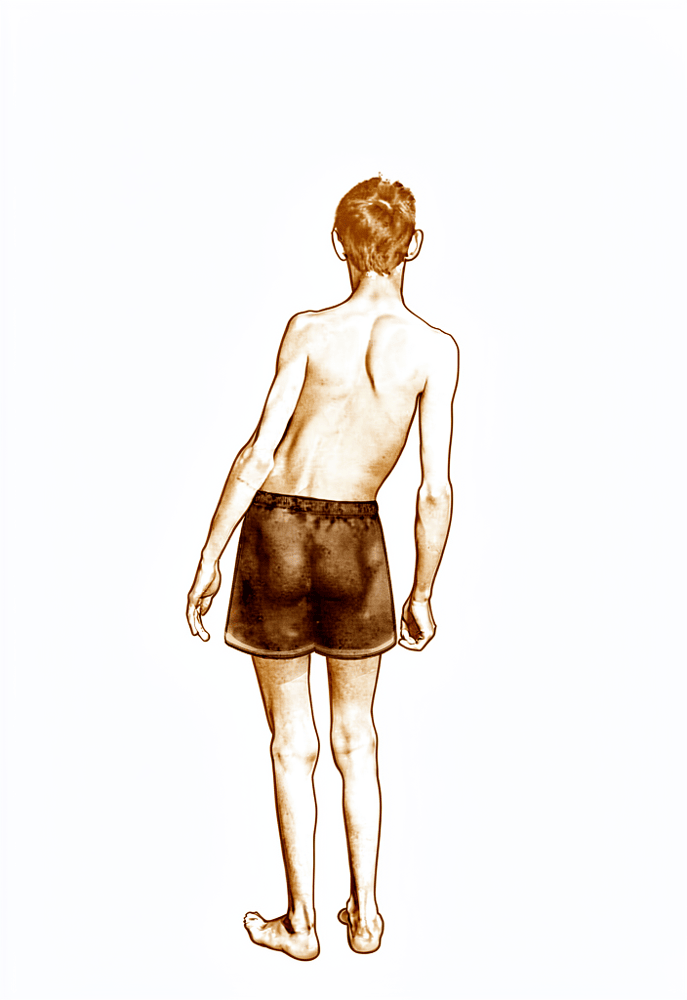
Overview¶
Spinal deformity encompasses a spectrum of conditions with distinct etiologies and progression patterns, requiring tailored surgical strategies. Adolescent idiopathic scoliosis is a three-dimensional deformity affecting approximately 2% to 3% of children, where treatment goals aim at minimizing deformity and maximizing functional outcomes [14]. In contrast, congenital scoliosis is usually slowly but relentlessly progressive, resulting in unacceptable deformity if active treatment is not given [9]. Treatment for congenital cases is non-surgical in the majority of instances, relying on fusion, resection, or growth-friendly techniques depending on patient age, curve characteristics, and anomaly type [7]. Spinal deformities in Noonan syndrome tend to develop early and are relatively severe, necessitating clinical and radiographic assessment with careful follow-up for early detection and treatment [2].
Surgical intervention is indicated based on specific clinical manifestations rather than radiographic measurements alone. For kyphotic deformity in patients with myelomeningocele, the primary indications for operative intervention are the clinical manifestations of the deformity rather than radiographic measurements [10]. Surgical intervention for adult Scheuermann kyphosis is indicated in patients with persistent pain and unacceptable deformity caused by significant kyphosis [28]. Correction and stabilization of spinal deformity in patients with familial dysautonomia is considered beneficial, supporting continued operative management [24]. Scoliosis has detrimental effects on patient-reported outcomes, and treatment is valuable to limit curve progression, with surgical treatment being effective, especially with preservation of motion segments [12].
The focus of surgical correction for adolescent idiopathic scoliosis has shifted from isolated coronal deformity to include restoration of segmental and global sagittal alignment to achieve optimum long-term results [64]. Recent research provides updated criteria to determine optimal candidates for selective fusion in adolescent idiopathic scoliosis, which must be weighed against patient goals and patient-specific factors to limit complications and maximize chances of successful deformity correction [53]. The severity of spinal deformity, rather than curvature direction, is the main determinant of its impact on cardiac health in resting patients [1]. Surgical treatment for scoliosis requires careful selection of the fusion area to include all vertebrae rotated toward the convexity of the major curve and preferably to a neutral unrotated vertebra at each end to prevent distal extension of the curve [5].
Anatomy & Pathophysiology¶
Osseous Alignment and Morphology¶
Cervical Morphotypes: Three distinct morphotypes of the cervical spine are defined based on C2-C7 alignment and T1 slope [16]. In straightened cervical alignment and kyphotic deformity, the C2-C3 and C6-C7 segments are subjected to increased mechanical loads, increasing their susceptibility to facet joint degeneration [74]. Structural variations of the lumbosacral joint are not of clinical importance except when extreme, contradicting opinions regarding posterior displacement and facet inclination [71].
Thoracolumbar Biomechanics: Understanding biomechanical principles of spinal instrumentation and motion coupling is essential for optimizing three-dimensional correction of thoracolumbar spinal deformities and achieving favorable mechanical environments for fusion [34]. Patient-specific spine digital twins enhance the understanding of scoliosis biomechanics, facilitate risk assessment for disc prolapse, and aid in treatment selection [46].
Soft Tissue and Muscular Factors¶
Paraspinal muscle morphology and composition are associated with sagittal spinopelvic alignment [45]. The coronal Cobb angle and the symmetry index (SI) of paraspinal muscle activity in adolescent idiopathic scoliosis patients vary with posture changes [81].
Kinematics and Gait¶
Altered gait kinetics in individuals with scoliosis include significant differences in ground reaction force (GRF) and energy cost [69]. Different forms of scoliosis exhibit different vibrational characteristics, with scoliotic vertebrae acting as weak links under whole body vibration loading [79].
Clinical Progression and Screening¶
Predictors of Progression: Cobb angle, curve type, flexibility, and correction rate are predictors of curve progression in patients with adolescent idiopathic scoliosis undergoing conservative treatment [78]. Variations in spinal growth velocity exert a more direct influence over changes in angle velocity compared with height velocity in predicting curve progression in peri-pubertal girls with idiopathic scoliosis [82]. Early screening for incorrect postures and angle of trunk rotation is an effective strategy to predict the severity of adolescent idiopathic scoliosis [55].
Diagnostic and Interventional Dynamics: The severity of spinal deformity, rather than curvature direction, is the main determinant of its impact on cardiac health in resting patients with severe scoliosis [1]. Modifications in spinal curvatures during skeletal maturity are not large enough to be considered in clinical practice or to impact surgical planning [75]. Corrective forces applied by spinal orthoses in zone 3 neither significantly reduced thoracic kyphosis nor exacerbated the deviation of the scoliotic spine from the sagittal plane [76].
Research Models and Tools¶
A novel rabbit model of angular kyphosis provides a reliable platform for investigating the pathophysiology of spinal deformities and evaluating therapeutic interventions [62]. A deep learning model can accurately and automatically measure spinal alignment parameters from biplanar radiographs, significantly reducing diagnostic time [51].
Classification¶
Scheuermann’s Kyphosis: This condition is a rigid structural deformity with a generally benign natural history for mild cases [3]. Mild cases are successfully treated nonsurgically [3].
Congenital Spinal Deformities: These deformities are caused by defects of formation or segmentation [4]. Their natural history and treatment correspond to the three major patterns of lordosis, kyphosis, and scoliosis [4]. Congenital scoliosis exhibits variable progression [7], though treatment is non-surgical in the majority of cases [7]. When intervention is required, treatment relies on fusion, resection, or growth-friendly techniques depending on patient age, curve characteristics, and anomaly type [7].
Idiopathic Scoliosis: Surgical treatment requires careful selection of the fusion area to include all vertebrae rotated toward the convexity of the major curve [5]. Surgical fusion should preferably extend to a neutral unrotated vertebra at each end to prevent distal extension of the curve [5]. The severity of spinal deformity, rather than curvature direction, is the main determinant of its impact on cardiac health in patients with severe scoliosis [1]. Morphometric characteristics of vertebral bodies differ according to the pathogenesis of scoliosis [18]. The pathology of wedging of vertebral bodies in idiopathic scoliosis could not be a result only of asymmetric loading to the vertebral bodies [18]. The specific morphology of the scoliotic curvature may manifest by differences in the ATI/Cobb correlation depending on the location of the scoliosis [20]. The ATI/Cobb correlation changes with age in scoliotic curvatures [20].
Adolescent Idiopathic Scoliosis (AIS): The current method of classification of AIS does not appear to have sufficient intraobserver or interobserver reliability among scoliosis surgeons to portray curve types accurately [33]. A new 3D classification has the potential to identify the subtypes of Lenke 1 AIS without a need for quantitative 3D image post-processing [48].
Early-Onset Scoliosis (EOS): A novel classification system for EOS (C-EOS) was developed utilizing formal consensus-building methods in a large group of surgeons experienced in treating EOS [38]. All core components of the C-EOS classification system demonstrated substantial to excellent interobserver reliability [38].
Adult Spinal Deformity: Two cervical alignment types (lordotic or kyphotic) were observed in patients with thoracic hyperkyphosis treated by posterior instrumentation and in situ bending [42]. The cervical alignment types in adult hyperkyphosis are mainly triggered by the amount of thoracic kyphosis and lumbar lordosis [42]. Classification of coronal deformity based on preoperative global coronal malalignment (GCM) for adult spinal deformity is questionable [49].
Cervical Spine: Three morphotypes of the cervical spine have been identified based on C2-C7 alignment and T1 slope [16].
Other Considerations: The chapter on Pediatric Spine provides a comprehensive overview of pediatric spine disorders, including idiopathic scoliosis, congenital anomalies, and tumors [8]. The Pediatric Spine chapter details epidemiology, pathoanatomy, evaluation, classification, and treatment recommendations based on natural history and existing literature [8]. Differences between spinal muscular atrophy (SMA) types II and IIIa should be taken into consideration when developing new treatments and in management of scoliosis in the childhood years of these patients [47].
Clinical Presentation¶
Spinal deformities present with significant systemic and local implications. Severe spinal deformity impacts cardiac health, with deformity severity being the main determinant of impact rather than curvature direction [1]. In Noonan syndrome, spinal deformities tend to develop early and are relatively severe, necessitating clinical and radiographic assessment for early detection [2]. Pediatric spine disorders broadly include idiopathic scoliosis, congenital anomalies, and tumors [8].
Congenital spinal deformities are caused by defects of formation or segmentation [4]. These anomalies follow three major patterns: lordosis, kyphosis, and scoliosis [4]. Congenital kyphosis and kyphoscoliosis are uncommon deformities with the potential to progress rapidly [6]. Rapid progression of congenital kyphosis and kyphoscoliosis can result in severe deformity and possible neurological deficits [6]. Conversely, congenital scoliosis is a spinal deformity with variable progression [7]. It is usually slowly but relentlessly progressive [9]. Lack of active treatment for congenital scoliosis results in an unacceptable deformity [9].
Scheuermann's kyphosis is a rigid structural deformity with a generally benign natural history for mild cases [3]. Mild cases of Scheuermann's kyphosis are successfully treated nonsurgically [3]. Kyphosis is a common deformity in children associated with developmental structural abnormalities of the vertebral bodies [13]. Assessment of neurologic status is critical in pediatric kyphosis due to the risk of injury [13].
Adolescent idiopathic scoliosis is a three-dimensional deformity of the spine [14]. It affects approximately 2% to 3% of children [14]. Morphometric characteristics of vertebral bodies differ according to the pathogenesis of scoliosis [18]. The pathology of wedging in idiopathic scoliosis is not solely a result of asymmetric loading to the vertebral bodies [18]. Vertebral wedging is present in mild adolescent idiopathic scoliosis [19]. Vertebral wedging increases as adolescent idiopathic scoliosis progresses [19]. The correlation between angle of trunk inclination (ATI) and Cobb angle depends on the location of the scoliosis [20]. The ATI/Cobb correlation changes with age in scoliotic curvatures [20].
Kyphosis is the most common spinal abnormality in patients with disproportionate short stature secondary to a dwarfing condition [35]. All patients with disproportionate short stature secondary to a dwarfing condition had some manifestation of a spinal disorder [35]. Scoliosis developing in children with idiopathic short stature receiving growth hormone therapy predominantly manifests as mild curvature [31].
Cervical spine abnormalities are common in patients with neurofibromatosis [36]. Cervical spine abnormalities in neurofibromatosis are particularly common in patients with severe scoliosis or kyphoscoliosis [36]. Many cervical spine abnormalities in neurofibromatosis are asymptomatic [36].
Red-Flag Patterns and Indications¶
Certain presentations require urgent or specific intervention based on clinical rather than radiographic findings. Early recognition and early spine fusion are recommended treatments for congenital thoracic lordosis, a severe and progressive deformity [21]. The primary indications for operative intervention in kyphotic deformity associated with myelomeningocele are clinical manifestations rather than radiographic measurements [10]. Severity of kyphosis at initial presentation may predict progression of thoracolumbar deformity in patients with mucopolysaccharidoses [11].
Investigations¶
Plain radiography: The severity of spinal deformity, rather than curvature direction, is the main determinant of its impact on cardiac health in patients with severe scoliosis [1]. Vertebral wedging is present in mild scoliosis and increases as the scoliosis progresses [19]. Clinicians should be careful when utilizing thresholds for standing radiographs across other modalities and positions for diagnosis and assessment of scoliosis [56]. Measurements of standing chest radiographs can be used to study thoracic side curvature in normal spines [70]. Routine postoperative radiographs provide low utility in guiding the course of treatment for asymptomatic pediatric patients following surgery for scoliosis [58].
MRI: MR images can distinguish histological structures of normal and malformed spines, with malformed vertebrae accompanied by adjacent intervertebral structures corresponding to fully segmented structures in human congenital scoliosis, though intervertebral conditions vary [63]. MRI measurements may be predictive of cervical alignment, especially for the exclusion of kyphosis and sagittal vertical axis (SVA) > 40 mm [66]. Clinical indicators suggest a high-risk adolescent scoliosis population who should undergo whole-spinal MRI preoperatively to rule out intramedullary abnormalities [67]. Routine MRI evaluation appears warranted for infantile and juvenile patients with "presumed idiopathic" scoliosis if aged less than 10 years, being male, or having left thoracic or right lumbar curves [73].
CT: Scoliotic curvatures in preoperative adolescent idiopathic scoliosis (AIS) patients can be largely represented by both biplanar low-dose stereoradiography and computed tomography despite differences in body positioning [72].
Other Considerations: Clinical and radiographic assessment with careful follow-up should be performed for early detection and treatment of spinal deformity in Noonan syndrome due to early development and relative severity of deformities [2]. Scheuermann's kyphosis is a rigid structural deformity with a generally benign natural history for mild cases, which are successfully treated nonsurgically [3]. Congenital spinal deformities are caused by defects of formation or segmentation, with natural history and treatment corresponding to the three major patterns of lordosis, kyphosis, and scoliosis [4]. Congenital kyphosis and kyphoscoliosis are uncommon deformities with the potential to progress rapidly, resulting in severe deformity and possible neurological deficits [6]. The primary indications for operative intervention in kyphotic deformity in patients with myelomeningocele are clinical manifestations rather than radiographic measurements [10]. Severity of kyphosis at initial presentation may predict progression of thoracolumbar deformity in patients with mucopolysaccharidoses [11]. Early recognition and early spine fusion are recommended treatments for congenital thoracic lordosis, a severe and progressive deformity [21]. The scoliosis Cobb angle can be measured accurately and rapidly using the principle that the Cobb angle equals the sum of tilt angles of the upper and lower end vertebra, where imaging film data is not easily contaminated [80].
Treatment¶
Non-Operative¶
Spinal deformities in Noonan syndrome develop early and are relatively severe, necessitating clinical and radiographic assessment with careful follow-up for early detection and treatment [2]. Mild Scheuermann's kyphosis has a generally benign natural history and is successfully treated nonsurgically [3]. The majority of congenital scoliosis cases are managed non-surgically [7]. Nonsurgical treatment serves as an effective early management strategy for early-onset scoliosis, potentially delaying or precluding the need for surgery, particularly surgery involving growing instrumentation [57]. For adult symptomatic lumbar scoliosis, nonoperative treatment is advised if the patient is satisfied with their current spine-related health, with the understanding that improvement is unlikely [43]. When a patient with scoliosis presents with back pain, a careful history, thorough physical examination, and good-quality plain radiographs should be performed; if initial evaluation reveals normal findings, a diagnosis of idiopathic scoliosis can be made and non-operative treatment initiated [54]. Surgical stabilization of the spine for infantile developmental thoracolumbar kyphosis with segmental subluxation is reserved for severe progressive deformities unresponsive to conservative treatment [50].
Operative¶
Indications: Congenital scoliosis is usually slowly but relentlessly progressive, and an unacceptable deformity results if active treatment is not given [9]. Surgical intervention for adult Scheuermann kyphosis is indicated in patients with persistent pain and unacceptable deformity caused by significant kyphosis [28]. Surgical correction is indicated for Scheuermann’s kyphosis in adolescents and adults with progressive deformity, refractory pain, or neurologic deficit, with strict adherence to fusion levels and correction limits to prevent junctional kyphosis [68]. The primary indications for operative intervention in kyphotic deformity in patients with myelomeningocele are the clinical manifestations of the deformity rather than the radiographic measurements [10]. Correction and stabilization of spinal deformity in patients with familial dysautonomia is considered beneficial, supporting continued operative management [24].
Surgical Approach / Technique: Surgical treatment for scoliosis requires careful selection of the fusion area to include all vertebrae rotated toward the convexity of the major curve and preferably to a neutral unrotated vertebra at each end to prevent distal extension of the curve [5]. Treatment for congenital scoliosis may rely on fusion, resection, or growth-friendly techniques depending on patient age, curve characteristics, and anomaly type [7]. Surgical treatment of severe congenital thoracolumbar kyphosis through a single posterior approach is feasible, safe, and effective [32]. Deformity correction employing three-column osteotomies by a single-stage posterior-only approach is safe and effective in treating isolated congenital thoracolumbar kyphosis [44]. Thoracic lordoscoliosis associated with neurofibromatosis can be corrected despite concerns regarding fragility of the dystrophic laminae and the risk of injury to fragile dural ectasia [77].
Implant Selection: Posterior spinal fusion for adolescent idiopathic scoliosis using a convex pedicle screw technique carries low neurological and vascular risks, achieving satisfactory correction of scoliosis, improved thoracic kyphosis, and normal global sagittal balance with excellent patient satisfaction and functional outcomes [40]. Patients with cerebral palsy and severe lumbar hyperlordosis or lordoscoliosis can be successfully treated with posterior instrumented pedicle screw fusion, achieving satisfactory correction of the deformity with an acceptable rate of complications [41].
Outcomes: Surgical treatment is effective for scoliosis, particularly with preservation of motion segments, and helps limit curve progression to improve patient-reported outcomes [12]. Skeletally mature patients with severe congenital spinal deformities can achieve sustained spinal correction and favorable patient-reported outcomes for at least 2 years postoperatively [17]. A multimodal approach to treating scoliosis in patients with osteogenesis imperfecta is effective and safe, achieving a 53% major curve correction with minimal complications over 2-year follow-up [37].
Complications¶
Disease Progression: Severe scoliosis impacts cardiac structure and function, with deformity severity being the main determinant of this impact rather than curvature direction [1]. Congenital kyphosis and kyphoscoliosis have the potential to progress rapidly, resulting in severe deformity and possible neurological deficits [6]. Congenital scoliosis is usually slowly but relentlessly progressive, leading to an unacceptable deformity if active treatment is not given [9]. Scoliosis is a life-long condition with potentially significant poor health-related quality of life scores many years after diagnosis [25].
Postoperative Alignment: Thoracolumbar/lumbar convex coronal imbalance in dystrophic scoliosis is prone to persistent postoperative imbalance [59]. Correcting overall sagittal alignment is crucial to prevent compensatory hyperextension and long-term complications in ankylosing spondylitis [60].
Recovery¶
Light activity (weeks): Evidence does not specify a week range for light activity, desk work, or driving.
Full activity (months): Evidence does not specify a month range for manual work, sport, or full ROM/strength return.
Complete recovery / outcome plateau (months): Severe congenital spinal deformities in skeletally mature patients achieve sustained spinal correction and favorable patient-reported outcomes for at least 2 years postoperatively [17]. Idiopathic scoliosis is a life-long condition that can result in significantly decreased health-related quality of life and work capacity 40 years after diagnosis [61]. Patients with idiopathic scoliosis may require follow-up for decades rather than just a few years due to the potential for significant poor health-related quality of life scores many years after diagnosis [25].
Rehabilitation protocol: Schroth exercises exhibit long-term effects in improving both spinal deformity and quality of life in adolescent idiopathic scoliosis [23]. Correcting spinal deformity permits longer-term improvement in pulmonary function in patients with severe early-onset scoliosis [27].
Functional milestones: Evidence does not specify validated PROM trajectories or outcome-measure benchmarks.
Other Considerations: Idiopathic scoliosis is a life-long condition that can result in significantly decreased health-related quality of life and work capacity 40 years after diagnosis [61]. Patients with idiopathic scoliosis may require follow-up for decades rather than just a few years due to the potential for significant poor health-related quality of life scores many years after diagnosis [25].
Key Evidence¶
- [L3] The severity of the spinal deformity, rather than the curvature direction, is the main determinant of its impact on cardiac health. [1] (10.1186/s13018-025-06113-3)
- [L4] Since the deformities tend to develop early and are relatively severe, a clinical and, if necessary, radiographic assessment of the spine with careful follow-up should be performed for early detection and treatment of spinal deformity. [2] (10.2106/00004623-200110000-00006)
- [L5] Scheuermann's kyphosis is a rigid structural deformity with a generally benign natural history for mild cases, which are successfully treated nonsurgically. [3] (10.5435/jaaos-d-17-00748)
- [L5] Congenital spinal deformities are caused by defects of formation or segmentation, with the natural history and treatment corresponding to the three major patterns of lordosis, kyphosis, and scoliosis. [4] (10.2106/00004623-199602000-00020)
- [L5] Surgical treatment for scoliosis requires careful selection of the fusion area to include all vertebrae rotated toward the convexity of the major curve and preferably to a neutral unrotated vertebra at each end to prevent distal extension of the curve. [5] (10.2106/00004623-196648010-00017)
- [L3] Congenital kyphosis and kyphoscoliosis are uncommon deformities with the potential to progress rapidly, resulting in severe deformity and possible neurological deficits. [6] (10.2106/00004623-199910000-00002)
- [L5] Congenital scoliosis is a spinal deformity with variable progression; treatment is non-surgical in the majority of cases and relies on fusion, resection, or growth-friendly techniques depending on patient age, curve characteristics, and anomaly type. [7] (10.1530/eor-21-0121)
- [L4] Congenital scoliosis is usually slowly but relentlessly progressive, and an unacceptable deformity results if active treatment is not given. [9] (10.2106/00004623-196850010-00002)
- [L4] The primary indications for operative intervention are the clinical manifestations of the deformity rather than the radiographic measurements. [10] (10.2106/00004623-199409000-00004)
- [L3] Severity of kyphosis at initial presentation may predict progression of thoracolumbar deformity. [11] (10.1302/0301-620x.98b2.36144)
- [L4] The study confirms the detrimental effects of scoliosis on patient-reported outcomes, the value of treatment to limit curve progression, and the effectiveness of surgical treatment, especially with preservation of motion segments. [12] (10.2106/jbjs.18.00180)
- [L4] We have identified 3 morphotypes of the cervical spine based on C2-C7 alignment and T1 slope. [16] (10.2106/jbjs.19.01384)
- [L3] Sustained spinal correction and favorable patient-reported outcomes for at least 2 years postoperatively were obtained in skeletally mature patients with severe congenital spinal deformities. [17] (10.1186/s13018-025-06421-8)
- [L3] Morphometric characteristics of vertebral bodies differed according to the pathogenesis of scoliosis, and the pathology of the wedging of vertebral bodies in idiopathic scoliosis could not be a result only of asymmetric loading to the vertebral bodies. [18] (10.1186/s12891-017-1801-0)
- [L4] Vertebral wedging was present in mild scoliosis and increased as the scoliosis progressed. [19] (10.1371/journal.pone.0071504)
- [L3] The specific morphology of the scoliotic curvature may manifest by differences in the ATI/Cobb correlation depending on the location of the scoliosis and change with age. [20] (10.1186/s12891-022-05878-6)
- [L4] Early recognition of the diagnosis and early spine fusion are recommended treatment for this severe and progressive deformity. [21] (10.2106/00004623-197860060-00014)
- [L1] Meanwhile, Schroth exhibited long-term effects in improving both spinal deformity and quality of life. [23] (10.1186/s12891-024-08223-1)
- [L4] Despite these results, the authors believe correction and stabilization of spinal deformity in these patients is beneficial and plan to continue operative management. [24] (10.2106/00004623-199509000-00012)
- [L5] Scoliosis is a life-long condition with potentially significant poor health-related quality of life scores many years after diagnosis, indicating that patients may need to be followed up in a timely and appropriate manner for decades rather than for just a few years. [25] (10.1302/0301-620x.105b2.bjj-2022-1298)
- [L4] Correcting the spinal deformity permitted longer-term improvement in pulmonary function in patients with sEOS. [27] (10.2106/jbjs.22.01088)
- [L5] Surgical intervention is indicated in patients with persistent pain and unacceptable deformity caused by significant kyphosis. [28] (10.5435/00124635-201202000-00007)
- [L4] This review elucidates early-onset scoliosis in terms of its aetiology, pathogenesis, pathology and treatment, highlighting that therapeutic strategies must preserve the growing spine and thorax while correcting deformity. [30] (10.1186/s13018-023-03665-0)
- [L3] Scoliosis developing in children with idiopathic short stature receiving growth hormone therapy predominantly manifests as mild curvature. [31] (10.1186/s13018-025-06224-x)
- [L4] Surgical treatment of severe congenital thoracolumbar kyphosis through a single posterior approach is feasible, safe and effective. [32] (10.1302/0301-620x.95b11.31376)
- [L4] The current method of classification of adolescent idiopathic scoliosis does not appear to have sufficient intraobserver or interobserver reliability among scoliosis surgeons to portray curve types accurately. [33] (10.2106/00004623-199808000-00002)
- [L5] Understanding the biomechanical principles of spinal instrumentation and motion coupling is essential for optimizing three-dimensional correction of thoracolumbar spinal deformities and achieving favorable mechanical environments for fusion. [34] (10.5435/jaaos-d-24-01156)
- [L4] All patients with disproportionate short stature secondary to a dwarfing condition had some manifestation of a spinal disorder, with kyphosis being the most common abnormality. [35] (10.2106/00004623-198163090-00007)
- [L4] Cervical spine abnormalities are common in patients with neurofibromatosis, particularly those with severe scoliosis or kyphoscoliosis, and many are asymptomatic. [36] (10.2106/00004623-197961050-00007)
- [L4] This study demonstrated the effectiveness and safety of a multimodal approach to treating scoliosis in patients with OI, achieving a 53% major curve correction with minimal complications over 2-year follow-up. [37] (10.5435/jaaos-d-23-00889)
- [L4] Utilizing formal consensus-building methods in a large group of surgeons experienced in treating early-onset scoliosis, a novel classification system for early-onset scoliosis was developed with all core components demonstrating substantial to excellent interobserver reliability. [38] (10.2106/jbjs.m.00253)
- [L4] The convex pedicle screw technique carries low neurological and vascular risks and achieved satisfactory correction of scoliosis, improved thoracic kyphosis, and normal global sagittal balance with excellent patient satisfaction and functional outcomes. [40] (10.1302/0301-620x.99b8.bjj-2016-1351.r1)
- [L4] Patients with CP and severe lumbar hyperlordosis or lordoscoliosis can be successfully treated with posterior instrumented pedicle screw fusion, achieving satisfactory correction of the deformity with an acceptable rate of complications. [41] (10.1302/0301-620x.96b6.33020)
- [Paper] Two cervical alignment types (lordotic or kyphotic) were observed in patients with thoracic hyperkyphosis, mainly triggered by the amount of thoracic kyphosis and lumbar lordosis. [42] (10.1016/j.otsr.2016.10.003)
- [L2] If a patient with adult symptomatic lumbar scoliosis is satisfied with current spine-related health, nonoperative treatment is advised, with the understanding that improvement is unlikely. [43] (10.2106/jbjs.18.00483)
- [L4] Deformity correction employing three-column osteotomies by a single-stage posterior-only approach is safe and effective in treating isolated congenital thoracolumbar kyphosis. [44] (10.1302/0301-620x.103b7.bjj-2020-2162.r1)
- [L1] Paraspinal muscle morphology and composition were associated with sagittal spinopelvic alignment. [45] (10.1186/s12891-025-09047-3)
- [L5] This modeling approach enhances the understanding of scoliosis biomechanics, facilitating risk assessment for disc prolapse and aiding in treatment selection. [46] (10.1186/s13018-024-05417-0)
- [L4] The differences between the two SMA types II and IIIa described in this study should be taken into consideration when developing new treatments and in management of scoliosis in the childhood years of these patients. [47] (10.1186/1471-2474-14-283)
- [L4] The new 3D classification has the potential to identify the subtypes of the Lenke 1 AIS without a need for quantitative 3D image post-processing. [48] (10.1186/s12891-020-03798-x)
- [L3] Classification of coronal deformity based on preoperative GCM is questionable. [49] (10.1186/s12891-022-05246-4)
- [L4] Surgical stabilisation of the spine can be reserved for severe progressive deformities unresponsive to conservative treatment. [50] (10.1302/0301-620x.97b7.35665)
- [L4] This deep learning model can accurately and automatically measure spinal alignment parameters with reliable results, significantly reducing diagnostic time, and might provide the potential to assist clinicians. [51] (10.1186/s13018-025-05620-7)
- [L5] Recent research provides updated criteria to determine optimal candidates for selective fusion, which must be weighed against patient goals and patient-specific factors to limit complications and maximize chances of successful deformity correction. [53] (10.5435/jaaos-d-21-01175)
- [L3] When a patient with scoliosis has back pain, a careful history, thorough physical examination, and good-quality plain radiographs should be performed; if initial evaluation reveals normal findings, a diagnosis of idiopathic scoliosis can be made and non-operative treatment initiated. [54] (10.2106/00004623-199703000-00007)
- [L3] Early screening for incorrect postures and angle of trunk rotation could be an effective and economical strategy to predict the severity of the condition. [55] (10.1186/s13018-024-04767-z)
- [L1] Clinicians should be careful when utilizing the thresholds for standing radiographs across other modalities and positions for diagnosis and assessment of scoliosis. [56] (10.1530/eor-23-0032)
- [L4] Nonsurgical treatment can be an effective early management strategy in delaying or even precluding the need for surgery, especially surgery with growing instrumentation. [57] (10.5435/jaaos-d-14-00019)
- [L4] Routine radiographs provide low utility in guiding the course of treatment for asymptomatic pediatric patients following surgery for scoliosis. [58] (10.2106/jbjs.l.01357)
- [L4] Thoracolumbar/lumbar convex coronal imbalance in dystrophic scoliosis is prone to persistent postoperative imbalance. [59] (10.1186/s12891-022-05321-w)
- [L4] The authors suggest that correcting overall sagittal alignment is crucial to prevent compensatory hyperextension and long-term complications. [60] (10.1302/0301-620x.95b2.29554)
- [L3] In this long-term follow-up study, we found a significantly decreased HRQoL and capacity to work in patients with an idiopathic scoliosis 40 years after diagnosis. [61] (10.1302/0301-620x.105b2.bjj-2022-0897.r1)
- [L5] It provides a reliable platform for investigating the pathophysiology of spinal deformities and evaluating therapeutic interventions. [62] (10.1186/s13018-025-06220-1)
- [L5] MR images could be used to distinguish the histological structures of normal and malformed mouse spines, and malformed vertebrae were accompanied by adjacent intervertebral structures that corresponded to the fully segmented structures observed in human congenital scoliosis, but the intervertebral conditions varied. [63] (10.1186/s12891-024-07460-8)
- [L5] The focus of surgical correction has shifted from isolated coronal deformity to include restoration of segmental and global sagittal alignment to achieve optimum long-term results. [64] (10.1302/0301-620x.100b4.bjj-2017-0846.r2)
- [L3] MRI measurements may be predictive of cervical alignment, especially for the exclusion of kyphosis and SVA > 40 mm. [66] (10.3390/ijerph182413033)
- [L3] These clinical indicators suggest that there is a high-risk adolescent scoliosis population who should undergo whole-spinal MRI preoperatively to rule out intramedullary abnormalities. [67] (10.1186/s12891-020-3182-z)
- [L5] Surgical correction is indicated for progressive deformity, refractory pain, or neurologic deficit, with strict adherence to fusion levels and correction limits to prevent junctional kyphosis. [68] (10.5435/00124635-199801000-00004)
- [L1] This systematic review and meta-analysis provide evidence of altered gait kinetics in individuals with scoliosis, highlighting significant differences in GRF and energy cost. [69] (10.1186/s12891-025-08941-0)
- [L4] Measurements of standing chest radiographs were used to study the thoracic side curvature in normal spines. [70] (10.1186/1749-799x-6-4)
- [L4] The findings eliminate structural variations of the lumbosacral joint as being of clinical importance except when extreme, contradicting commonly accepted opinions regarding posterior displacement and facet inclination. [71] (10.2106/00004623-195941050-00012)
- [L3] Findings suggested that scoliotic curvatures in preoperative AIS patients can be largely represented by both imaging modalities despite the difference in body positioning. [72] (10.1186/s12891-020-03561-2)
- [L3] Thus, a routine MRI evaluation appears warranted for those patients if aged less than 10 years, being male or having left thoracic or right lumbar curve. [73] (10.1186/s12891-016-1026-7)
- [Paper] The C2-C3 and C6-C7 segments are subjected to increased mechanical loads in straightened cervical alignment and kyphotic deformity, thereby increasing their susceptibility to facet joint degeneration. [74] (10.1186/s12891-025-09285-5)
- [L4] Despite significant changes during skeletal maturity, the modifications in spinal curvatures are not large enough to be considered in clinical practice and to impact surgical planning. [75] (10.2106/jbjs.22.00977)
- [L4] Notably, only forces in zone 3 neither significantly reduced thoracic kyphosis nor exacerbated the deviation of the scoliotic spine from the sagittal plane. [76] (10.1186/s12891-024-08014-8)
- [L4] Fragility of the dystrophic laminae and the risk of injury to a fragile dural ectasia are reasons for concern, but they do not exclude the possibility of correcting the thoracic lordosis associated with this disease. [77] (10.2106/00004623-198567050-00025)
- [L2] Strong and consistent evidence supports Cobb angle, curve type, flexibility, and correction rate as predictors of curve progression. [78] (10.1302/0301-620x.104b4.bjj-2021-1677.r1)
- [L5] Different forms of scoliosis exhibit different vibrational characteristics, with scoliotic vertebrae acting as weak links under whole body vibration loading. [79] (10.1186/s12891-019-2728-4)
- [L4] The scoliosis Cobb angle can be measured accurately and rapidly using the principle of the Cobb angle being equal to the sum of tilt angles of the upper and lower end vertebra, where in the film data of imaging will not be easily contaminated. [80] (10.1186/s13018-018-0928-5)
- [L3] The coronal Cobb angle and the SI of paraspinal muscle activity in AIS patients vary with posture changes. [81] (10.1186/s12891-024-07329-w)
- [L3] Variations of spinal growth velocity exerted more direct influence over changes in angle velocity as compared with height velocity. [82] (10.1186/s12891-016-1221-6)
See Also¶
References¶
[1] Effects of severe scoliosis on cardiac structure and function in resting patients: a retrospective study. Journal of Orthopaedic Surgery and Research. 2025. DOI: 10.1186/s13018-025-06113-3
[2] Spinal Deformities in Noonan Syndrome. The Journal of Bone and Joint Surgery-American Volume. 2001. DOI: 10.2106/00004623-200110000-00006
[3] Scheuermann's Kyphosis: Diagnosis, Management, and Selecting Fusion Levels. Journal of the American Academy of Orthopaedic Surgeons. 2019. DOI: 10.5435/jaaos-d-17-00748
[4] Instructional Course Lectures, The American Academy of Orthopaedic Surgeons - Congenital Spinal Deformity†. The Journal of Bone & Joint Surgery*. 1996. DOI: 10.2106/00004623-199602000-00020
[5] Surgical Management of Scoliosis. The Journal of Bone & Joint Surgery. 1966. DOI: 10.2106/00004623-196648010-00017
[6] Natural History of Congenital Kyphosis and Kyphoscoliosis. A Study of One Hundred and Twelve Patients. The Journal of Bone & Joint Surgery*. 1999. DOI: 10.2106/00004623-199910000-00002
[7] Congenital scoliosis: a narrative review and proposal of a treatment algorithm. EFORT Open Reviews. 2022. DOI: 10.1530/eor-21-0121
[8] Chapter 140 Pediatric Spine. 2019.
[9] Congenital Scoliosis A Study of 234 Patients Treated and Untreated. The Journal of Bone & Joint Surgery. 1968. DOI: 10.2106/00004623-196850010-00002
[10] Kyphotic deformity in patients who have a myelomeningocele. Operative treatment and long-term follow-up.. The Journal of Bone & Joint Surgery. 1994. DOI: 10.2106/00004623-199409000-00004
[11] Thoracolumbar kyphosis in patients with mucopolysaccharidoses. The Bone & Joint Journal. 2016. DOI: 10.1302/0301-620x.98b2.36144
[12] Long-Term Outcome for Scoliosis Is Dependent on Several Factors. Journal of Bone and Joint Surgery. 2018. DOI: 10.2106/jbjs.18.00180
[13] Chapter 34 Kyphosis. 2020.
[14] Chapter 32 Adolescent Idiopathic Scoliosis. 2020.
[16] The 3 Sagittal Morphotypes That Define the Normal Cervical Spine. Journal of Bone and Joint Surgery. 2020. DOI: 10.2106/jbjs.19.01384
[17] Clinical outcomes after surgical treatment of severe congenital spinal deformity in skeletally mature patients: A minimum two-year follow-up study. Journal of Orthopaedic Surgery and Research. 2025. DOI: 10.1186/s13018-025-06421-8
[18] Differences in vertebral morphology around the apical vertebrae between neuromuscular scoliosis and idiopathic scoliosis in skeletally immature patients: a three-dimensional morphometric analysis. BMC Musculoskeletal Disorders. 2017. DOI: 10.1186/s12891-017-1801-0
[19] Three-Dimensional Vertebral Wedging in Mild and Moderate Adolescent Idiopathic Scoliosis. PLoS ONE. 2013. DOI: 10.1371/journal.pone.0071504
[20] Morphological differences in scoliosis curvatures as a cause of difficulties in its early detection based on angle of trunk inclination. BMC Musculoskeletal Disorders. 2022. DOI: 10.1186/s12891-022-05878-6
[21] Congenital thoracic lordosis.. The Journal of Bone & Joint Surgery. 1978. DOI: 10.2106/00004623-197860060-00014
[23] Comparative efficacy of six types of scoliosis-specific exercises on adolescent idiopathic scoliosis: a systematic review and network meta-analysis. BMC Musculoskeletal Disorders. 2024. DOI: 10.1186/s12891-024-08223-1
[24] Scoliosis in familial dysautonomia. Operative treatment.. The Journal of Bone & Joint Surgery. 1995. DOI: 10.2106/00004623-199509000-00012
[25] Long-term follow-up of patients with idiopathic scoliosis. The Bone & Joint Journal. 2023. DOI: 10.1302/0301-620x.105b2.bjj-2022-1298
[27] Long-Term Radiographic and Pulmonary Function Outcomes After Dual Growing-Rod Treatment for Severe Early-Onset Scoliosis. Journal of Bone and Joint Surgery. 2023. DOI: 10.2106/jbjs.22.01088
[28] Adult Scheuermann Kyphosis: Evaluation, Management, and New Developments. Journal of the American Academy of Orthopaedic Surgeons. 2012. DOI: 10.5435/00124635-201202000-00007
[30] Effects of spinal deformities on lung development in children: a review. Journal of Orthopaedic Surgery and Research. 2023. DOI: 10.1186/s13018-023-03665-0
[31] Risk factors for scoliosis progression in children with idiopathic short stature on growth hormone therapy. Journal of Orthopaedic Surgery and Research. 2025. DOI: 10.1186/s13018-025-06224-x
[32] Surgical treatment of severe congenital thoracolumbar kyphosis through a single posterior approach. The Bone & Joint Journal. 2013. DOI: 10.1302/0301-620x.95b11.31376
[33] Intraobserver and Interobserver Reliability of the Classification of Thoracic Adolescent Idiopathic Scoliosis†. The Journal of Bone & Joint Surgery*. 1998. DOI: 10.2106/00004623-199808000-00002
[34] Biomechanical Principles of Spinal Deformity Correction in the Thoracolumbar Spine. Journal of the American Academy of Orthopaedic Surgeons. 2025. DOI: 10.5435/jaaos-d-24-01156
[35] Spinal disorders of dwarfism. Review of the literature and report of eighty cases.. The Journal of Bone & Joint Surgery. 1981. DOI: 10.2106/00004623-198163090-00007
[36] Cervical spine abnormalities in neurofibromatosis.. The Journal of Bone & Joint Surgery. 1979. DOI: 10.2106/00004623-197961050-00007
[37] Midterm Outcomes of Multimodal Approach to Treating Severe Scoliosis in Patients With Osteogenesis Imperfecta. Journal of the American Academy of Orthopaedic Surgeons. 2024. DOI: 10.5435/jaaos-d-23-00889
[38] Development and Initial Validation of the Classification of Early-Onset Scoliosis (C-EOS). Journal of Bone and Joint Surgery. 2014. DOI: 10.2106/jbjs.m.00253
[40] Posterior spinal fusion for adolescent idiopathic scoliosis using a convex pedicle screw technique. The Bone & Joint Journal. 2017. DOI: 10.1302/0301-620x.99b8.bjj-2016-1351.r1
[41] The surgical treatment of lordoscoliosis and hyperlordosis in patients with quadriplegic cerebral palsy. The Bone & Joint Journal. 2014. DOI: 10.1302/0301-620x.96b6.33020
[42] Cervical sagittal alignment in adult hyperkyphosis treated by posterior instrumentation and in situ bending. Orthopaedics & Traumatology: Surgery & Research. 2017. DOI: 10.1016/j.otsr.2016.10.003
[43] Operative Versus Nonoperative Treatment for Adult Symptomatic Lumbar Scoliosis. Journal of Bone and Joint Surgery. 2019. DOI: 10.2106/jbjs.18.00483
[44] Clinical, radiological, and functional outcomes of posterior-only three-column osteotomy in congenital kyphosis. The Bone & Joint Journal. 2021. DOI: 10.1302/0301-620x.103b7.bjj-2020-2162.r1
[45] Association of paraspinal muscle morphology or composition with sagittal spinopelvic alignment: a systematic review and meta-analysis. BMC Musculoskeletal Disorders. 2025. DOI: 10.1186/s12891-025-09047-3
[46] Patient-specific spine digital twins: a computational characterization of the idiopathic scoliosis. Journal of Orthopaedic Surgery and Research. 2025. DOI: 10.1186/s13018-024-05417-0
[47] Natural course of scoliosis in proximal spinal muscular atrophy type II and IIIa: descriptive clinical study with retrospective data collection of 126 patients. BMC Musculoskeletal Disorders. 2013. DOI: 10.1186/1471-2474-14-283
[48] Three-dimensional classification of the Lenke 1 adolescent idiopathic scoliosis using coronal and lateral spinal radiographs. BMC Musculoskeletal Disorders. 2020. DOI: 10.1186/s12891-020-03798-x
[49] The classification of coronal deformity based on preoperative global coronal malalignment for adult spinal deformity is questionable. BMC Musculoskeletal Disorders. 2022. DOI: 10.1186/s12891-022-05246-4
[50] Infantile developmental thoracolumbar kyphosis with segmental subluxation of the spine. The Bone & Joint Journal. 2015. DOI: 10.1302/0301-620x.97b7.35665
[51] A deep learning model for radiological measurement of adolescent idiopathic scoliosis using biplanar radiographs. Journal of Orthopaedic Surgery and Research. 2025. DOI: 10.1186/s13018-025-05620-7
[53] Updated Criteria for Fusion Level Selection in Adolescent Idiopathic Scoliosis Including Use of Three-Dimensional Analysis. Journal of the American Academy of Orthopaedic Surgeons. 2023. DOI: 10.5435/jaaos-d-21-01175
[54] The Prevalence of Back Pain in Children Who Have Idiopathic Scoliosis. The Journal of Bone & Joint Surgery*. 1997. DOI: 10.2106/00004623-199703000-00007
[55] Association between incorrect postures and curve magnitude of adolescent idiopathic scoliosis in china. Journal of Orthopaedic Surgery and Research. 2024. DOI: 10.1186/s13018-024-04767-z
[56] Comparison of Cobb angle measurements for scoliosis assessment using different imaging modalities: a systematic review. EFORT Open Reviews. 2023. DOI: 10.1530/eor-23-0032
[57] Nonsurgical Management of Early-onset Scoliosis. Journal of the American Academy of Orthopaedic Surgeons. 2015. DOI: 10.5435/jaaos-d-14-00019
[58] Utility of Postoperative Radiographs for Pediatric Scoliosis. Journal of Bone and Joint Surgery. 2014. DOI: 10.2106/jbjs.l.01357
[59] How to rectify the convex coronal imbalance in patients with unstable dystrophic scoliosis secondary to type I neurofibromatosis: experience from a case series. BMC Musculoskeletal Disorders. 2022. DOI: 10.1186/s12891-022-05321-w
[60] A new mechanism of injury in ankylosing spondylitis. The Bone & Joint Journal. 2013. DOI: 10.1302/0301-620x.95b2.29554
[61] Health-related quality of life in patients 40 years after diagnosis of an idiopathic scoliosis. The Bone & Joint Journal. 2023. DOI: 10.1302/0301-620x.105b2.bjj-2022-0897.r1
[62] Development of a novel rabbit model of angular kyphosis and characterization of its neuropathological features. Journal of Orthopaedic Surgery and Research. 2025. DOI: 10.1186/s13018-025-06220-1
[63] Histology and chronological magnetic resonance images of congenital spinal deformity: An experimental study in mice model. BMC Musculoskeletal Disorders. 2024. DOI: 10.1186/s12891-024-07460-8
[64] Current concepts in the surgical management of adolescent idiopathic scoliosis. The Bone & Joint Journal. 2018. DOI: 10.1302/0301-620x.100b4.bjj-2017-0846.r2
[66] Diagnostic Accuracy of Magnetic Resonance Imaging for Sagittal Cervical Spine Alignment: A Retrospective Cohort Study. International Journal of Environmental Research and Public Health. 2021. DOI: 10.3390/ijerph182413033
[67] An analysis of clinical risk factors for adolescent scoliosis caused by spinal cord abnormalities in China: proposal for a selective whole-spine MRI examination scheme. BMC Musculoskeletal Disorders. 2020. DOI: 10.1186/s12891-020-3182-z
[68] Scheuermann’s Kyphosis in Adolescents and Adults: Diagnosis and Management. Journal of the American Academy of Orthopaedic Surgeons. 1998. DOI: 10.5435/00124635-199801000-00004
[69] Gait kinetics in individuals with scoliosis: a systematic review and meta analysis. BMC Musculoskeletal Disorders. 2025. DOI: 10.1186/s12891-025-08941-0
[70] Right thoracic curvature in the normal spine. Journal of Orthopaedic Surgery and Research. 2011. DOI: 10.1186/1749-799x-6-4
[71] Lumbosacral Anomalies. The Journal of Bone & Joint Surgery. 1959. DOI: 10.2106/00004623-195941050-00012
[72] Accuracy on the preoperative assessment of patients with adolescent idiopathic scoliosis using biplanar low-dose stereoradiography: a comparison with computed tomography. BMC Musculoskeletal Disorders. 2020. DOI: 10.1186/s12891-020-03561-2
[73] The prevalence of intraspinal anomalies in infantile and juvenile patients with “presumed idiopathic” scoliosis: a MRI-based analysis of 504 patients. BMC Musculoskeletal Disorders. 2016. DOI: 10.1186/s12891-016-1026-7
[74] Biomechanical rational for development of cervical kyphosis deformity: a finite element analysis. BMC Musculoskeletal Disorders. 2025. DOI: 10.1186/s12891-025-09285-5
[75] Spinal Sagittal Alignment Changes During Childhood. Journal of Bone and Joint Surgery. 2023. DOI: 10.2106/jbjs.22.00977
[76] Effect of different corrective force directions applied by spinal orthoses on the patients with adolescent idiopathic scoliosis. BMC Musculoskeletal Disorders. 2024. DOI: 10.1186/s12891-024-08014-8
[77] Thoracic lordoscoliosis in neurofibromatosis. The Journal of Bone & Joint Surgery. 1985. DOI: 10.2106/00004623-198567050-00025
[78] Curve type, flexibility, correction, and rotation are predictors of curve progression in patients with adolescent idiopathic scoliosis undergoing conservative treatment. The Bone & Joint Journal. 2022. DOI: 10.1302/0301-620x.104b4.bjj-2021-1677.r1
[79] Differential response to vibration of three forms of scoliosis during axial cyclic loading: a finite element study. BMC Musculoskeletal Disorders. 2019. DOI: 10.1186/s12891-019-2728-4
[80] Measurement of scoliosis Cobb angle by end vertebra tilt angle method. Journal of Orthopaedic Surgery and Research. 2018. DOI: 10.1186/s13018-018-0928-5
[81] The role of the paraspinal muscles in the development of adolescent idiopathic scoliosis based on surface electromyography and radiographic analysis. BMC Musculoskeletal Disorders. 2024. DOI: 10.1186/s12891-024-07329-w
[82] Spinal growth velocity versus height velocity in predicting curve progression in peri-pubertal girls with idiopathic scoliosis. BMC Musculoskeletal Disorders. 2016. DOI: 10.1186/s12891-016-1221-6