Clinicians › Knee
Demographics & Risk
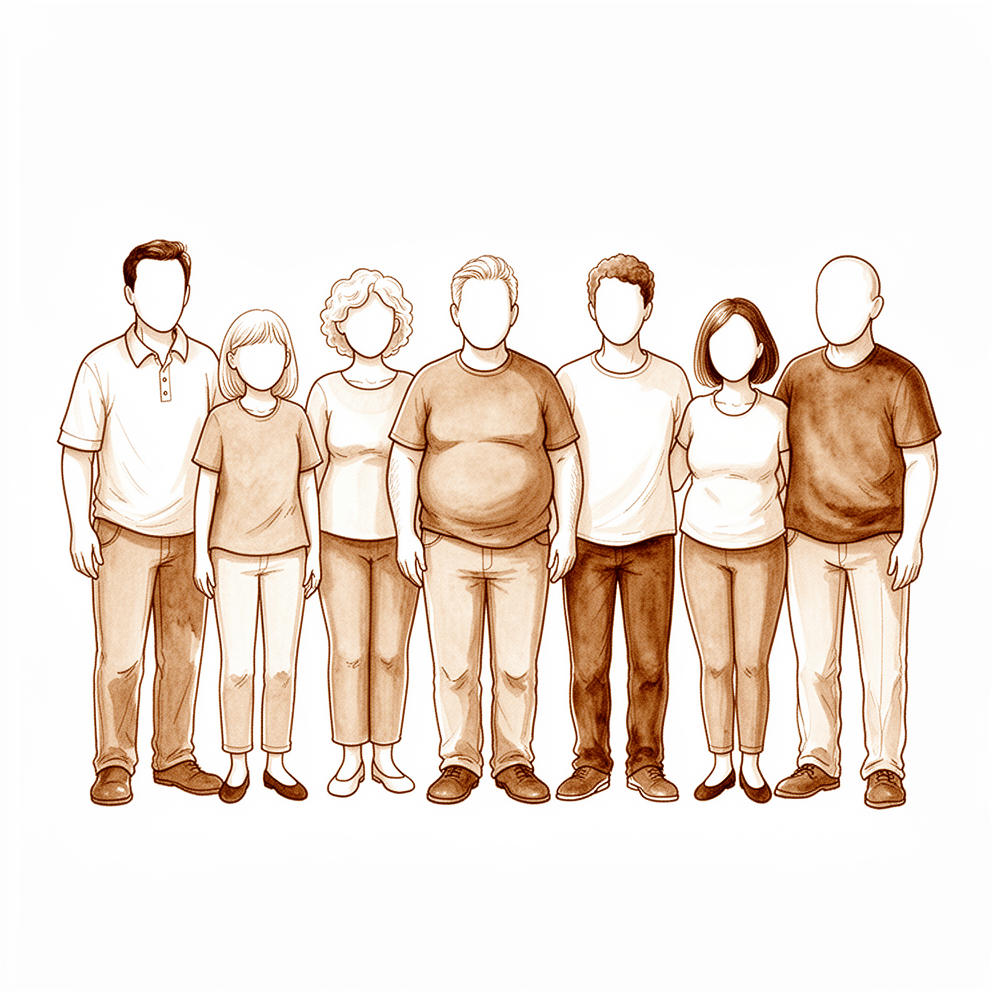
Demographic and socioeconomic drivers of knee pathology, focusing on risk factors for osteoarthritis and ACL injury across age, sex, and BMI.
Overview
Fixed-bearing medial unicompartmental knee arthroplasty demonstrates low complication rates, good-to-excellent long-term patient outcomes, and satisfactory implant survival in patients aged 60 years or younger at minimum 10-year follow-up [1]. Simultaneous and staged bilateral total knee arthroplasty yielded comparable clinical outcomes and complication rates across all age groups [30]. However, the odds of postoperative complications increased dramatically once body mass index reached 45.0 kg/m2 in total knee arthroplasty and total hip arthroplasty [16]. Underweight body mass index is associated with increased in-hospital complications and length of stay after revision total joint arthroplasty [35]. Using body mass index alone to determine eligibility criteria for total hip arthroplasty did not improve the rate of clinically meaningful improvements in patient-reported outcomes [15].
Demographics and surgery-related complications lead to 30-day readmission rates among knee arthroscopic procedures [13]. Clinicians should carefully weigh risk factors when considering surgical and non-surgical approaches for patients at higher risk of inferior surgical outcomes [13]. Females experience inferior outcomes, higher rates of revisions, and higher rates of complications compared to males following anatomic total shoulder arthroplasty [41]. Insurance status and income proxies are the most consistent predictors of disparities in access to care and outcomes after medial patellofemoral ligament reconstruction in the United States [7]. Patients with specific demographic characteristics experience longer wait times from injury to clinic evaluation and have reduced odds of being selected as candidates for surgery [7].
A small subset of higher-risk patients undergoing total hip arthroplasty requires nonhome discharge and experiences worse outcomes [5]. Patients with a Nottingham Hip Fracture Score of six or greater are considered 'higher risk' [6]. Stringent patient selection criteria should be followed to ensure success in guided growth correction of knee deformity in patients with congenital insensitivity to pain [14].
Anatomy & Pathophysiology
Osseous Morphology and Loading
Accelerometer-measured physical activity correlates with knee breadth in middle-aged Finns [38], suggesting that moderate-to-vigorous physical activity (MVPA) may increase knee dimensions via biomechanical mechanisms analogous to those influencing diaphyseal morphology [38]. In osteoarthritis populations, functional knee phenotypes vary significantly across geographic regions [82], with femoral varus deformity predominating in male Chinese patients [82]. Localized incongruity represents the onset of biomechanical abnormality consistent with causing cartilage degeneration [93].
Ligamentous Integrity and Insertion Biomechanics
The failure load of the posterior portion of the femoral insertion site of the ACL decreases significantly in knee flexion [92], whereas this region plays a significant role against anterior tibial load in knee extension [92]. High-risk knee morphology at an earlier age suggests the potential for knee anatomy measurements in identifying predisposition toward ACL injury [59].
Kinematics and Neuromuscular Control
The most common ACL injury mechanism in professional athletes occurs without contact to the injured knee [39]. Noncontact ACL injuries typically occur in extension during deceleration or momentum shift, resulting in valgus and rotational force across the knee [39]. The early peak knee abduction moment waveform is a novel risk factor predicting ACL injury in young athletes [45], and using waveforms instead of discrete peak values may better represent risky movement patterns [45]. Knee motion and loading during a landing task predict ACL injury risk in female athletes [61].
Sex-dependent differences in knee mechanics include lower knee stiffness in women compared to men in response to low magnitudes of applied torque, though women demonstrate increased joint stiffness as torque magnitude rises [53]. Concurrent force peaks are more common in girls than boys, leading to more frequent multi-planar loading of the knee [54]. Timing, rather than magnitude, of force may explain the sex-dependent risk of ACL injury [54]. The kinematics of the dominant and nondominant legs of female soccer players differ in knee valgus angle during a single-leg drop vertical jump [76].
Neurocognitive load disturbs balance and alters knee biomechanics during single-leg drop landing [57]. Dual task conditions during single-leg drop landing increase maximum internal tibial rotation angle and anterior tibial translation compared to single task conditions [57]. The header DVJ task shows kinetic and kinematic parameters suggesting increased risk of ACL injury compared with the standard DVJ task [81]. Whole body sidestep cutting technique modification results in reduced knee loading [94].
Patellofemoral and Osteoarthritis Pathophysiology
Patellofemoral kinematics and retropatellar pressure change after TKA in different manners depending on the type of TKA used [56]. PFP may derive from a combination of physical activity in the context of pathological kinematics [79]. No significant associations were observed between pain catastrophizing and objective knee function (range of motion and muscle strength) or knee biomechanics during gait in patients with severe knee OA [62].
Classification
Nottingham Hip Fracture Score (NHFS): A score of six or greater identifies patients as 'higher risk' [6]. Identification of such risk factors directs targeted prophylactic treatment for high-risk individuals [8]. In primary total hip arthroplasty, self-rated health (SRH), ASA classification, and comorbidity count demonstrate increasing risks of medical complications and death with decreasing health status [58].
Knee Osteoarthritis: Experts have identified a large number of characteristics for describing patients with knee osteoarthritis [19]. However, the vast majority of randomized controlled trials on total knee arthroplasty (>85%) did not enroll patients based on disease severity, as measured by PROM score thresholds or radiographic classifications, in their inclusion criteria [25].
Femoroacetabular Impingement: The study provides information to determine the prevalence of anatomic variants associated with femoroacetabular impingement in the general population [26].
Epidemiological Measures: Measures of disease frequency, such as prevalence and incidence, and measures of association, such as relative risk and odds ratios, are basic tools that help to quantify the relationship between exposures to risk factors and diseases or injuries [27].
Other Considerations: Upper-Extremity Musculoskeletal Disorders (UEDs): There are substantial differences in reported prevalence rates on UEDs, mainly due to the absence of a universally accepted way of labelling or defining UEDs [84].
Mixed Martial Arts: Current injury rates and types in mixed martial arts seem to remain similar to those before the adoption of the Unified Rules of MMA [77]. The prevalence of specific injury types in mixed martial arts competitions varied by competition level, match result, and match winners versus losers [87].
High School Athletes: Severe injury rates and patterns among United States high school athletes varied by sport, gender, and type of exposure [91].
Anterior Cruciate Ligament (ACL) Reconstruction: Demographic subsets most at risk for increased incidence of associated injuries with delayed ACL reconstruction were males, adults between 26 and 39 years old, overweight individuals, and those whose ACL tears occurred while playing sports [96]. Significant diversity in patient, injury, and surgical factors exists among large prospective cohorts collected in different locations for ACL reconstruction [97]. The overall injury incidence in Japanese male professional soccer players did not differ between 2019 and 2020 [100].
Knee Arthroscopy: Independent predictors of complications include patients with high ASA classification, dependent functional status, renal comorbidities, and a recent history of wound infection [78].
Clinical Presentation
Lifetime Risk & Demographics: The estimated lifetime risk of revision knee arthroplasty varies depending on patient sex, age, and underlying diagnosis [2]. Sociodemographic variables such as ethnicity/race, education, income, and age may contribute to an increased risk of experiencing greater knee pain in non-Hispanic Black and non-Hispanic White adults with or at risk for knee osteoarthritis [36].
Diagnostic Indicators: Presentation factors that increase the likelihood of a diagnostic X-ray for knee pain include pain for longer than 6 months, the presence of medial or diffuse pain, and mechanical symptoms [11]. Experts identified a large number of characteristics for describing patients with knee osteoarthritis [19]. The Knee Pain and Related Health in the Community (KPIC) study is designed to examine the natural history of recent-onset knee pain, identify phenotypes, and determine associated risk factors through baseline and longitudinal assessments up to Year 3 [9].
Acute Injury & Concussion: Concussions are a form of traumatic brain injury with a wide range of severity, and early detection through thorough knowledge of signs and symptoms is critical for management [42]. Individuals reporting at least one previous undiagnosed concussion exhibited worse baseline clinical indicators [10]. Certain variables are associated with increased symptoms across multiple concussion clusters and may be indicative of greater injury severity in collegiate athletes [37]. Other factors are associated with a more specific symptom presentation for concussion clusters in collegiate athletes [37]. In intercollegiate water polo athletes, concussions were the most common injury diagnosis, sustained mostly outside of competition, and had the worst return-to-play outcomes among common diagnoses [50].
Surgical Candidates & Outcomes: Identification of risk factors for anterior cruciate ligament injuries in female athletes provides direction for targeted prophylactic treatment to high-risk individuals [8]. Older age, higher BMI, female sex, and meniscal repair are predictors of inferior patient-reported outcomes 1 year after ACL reconstruction [46]. Sex-specific preoperative counselling and postoperative management are important for patients at higher risk of suboptimal outcomes after ACL reconstruction [46]. A small subset of higher-risk patients requires nonhome discharge after total hip arthroplasty and experiences worse outcomes [5]. Patients with certain insurance status and income characteristics experience longer wait times from injury to clinic evaluation for medial patellofemoral ligament reconstruction [7]. Patients with certain insurance status and income characteristics have reduced odds of being selected as a candidate for surgery for medial patellofemoral ligament reconstruction [7].
Epidemiology & Cohorts: The HONEUR knee cohort is unique in its size, setting, and range of age and type of knee complaints [17]. Descriptive epidemiology from the ROCK prospective cohort is being used to further understand the pathology of osteochondritis dissecans of the knee, including its cause, associated comorbidities, and initial presentation and symptoms [47]. Sex- and age-related differences exist among diagnoses and injury mechanisms involving emergency department visits for ankle-related basketball injuries [32]. Understanding injury epidemiology, including data on return to play rates and career duration, allows treating physicians to gain player trust, understand prognosis, and properly guide players back to the field safely [22].
Comorbidities & Systemic Factors: The overall patient health status improved from 2008 to 2018 for primary total knee arthroplasty, with improvement in modifiable comorbidities, functional status, and overall morbidity and mortality probability [34]. No clinically relevant change was observed in patient age, BMI, or specific non-modifiable comorbidities for primary total knee arthroplasty from 2008 to 2018 [34]. Patients contracting COVID-19 infection between 8 and 30 days after initial presentation for hip fracture are at even higher mortality risk [20]. Neck pain in elderly men is common but symptoms and morbidity vary [44].
Investigations
Plain radiography: Presentation factors increasing the likelihood of obtaining a diagnostic X-ray include pain lasting longer than 6 months, medial or diffuse pain, and mechanical symptoms [11]. In knee osteoarthritis, patients with more severe imaging lesions tend to have poorer range of motion [51]. Among subjects with radiographic knee osteoarthritis, those presenting with an elevated BMI have a greater likelihood of knee pain compared to subjects with a normal BMI, and this likelihood rises with each successive elevated BMI category [108]. Bilateral knee osteoarthritis is very common over time, as the majority of sufferers eventually develop radiographic disease in both knees [102]. Advanced age, female sex, overweight status, less range of motion, and Kellgren and Lawrence grade 1 at baseline are associated with an increased risk of incident radiographic knee osteoarthritis [83].
MRI: Simpler methods using MRIs downgraded to a clinical-grade resolution can identify the same knee anatomic factors that significantly contribute to ACL injury risk [48]. Protective clinical parameters and quantitative and semi-quantitative MR-imaging parameters are associated with maintaining radiographically normal knee joints in an older population over 8 years [67]. The association between baseline self-reported physical activity and primary knee replacement for osteoarthritis depends on radiographic severity: moderate physical activity is associated with lower primary knee replacement risk for Kellgren-Lawrence grade 2 osteoarthritis, but higher risk for Kellgren-Lawrence grade >2 osteoarthritis [109].
Other Considerations: The estimated lifetime risk of revision knee arthroplasty varies depending on patient sex, age, and underlying diagnosis [2]. In fixed bearing unicompartmental knee arthroplasty, the presence of significant preoperative radiological patellofemoral disease does not affect long-term implant survival [12] and patients with such disease have excellent functional outcomes 10 years postoperatively [12]. A low radiological severity of osteoarthritis was not associated with pain 12 months postoperatively after total knee replacement [69]. Meniscal allograft size can be predicted by height, weight, and gender [80]. Surgical incidence after MRI was likely appropriately lower for older patients [49]. The vast majority of randomized controlled trials of total knee arthroplasty (>85%) did not enroll patients based on disease severity, as measured by PROM score thresholds or radiographic classifications [25].
Treatment
Non-Operative
Nonoperative management of anterior cruciate ligament (ACL) injuries has a high failure rate, failing in 60% of patients and correlating strongly with age and activity level [101]. Of those managed nonoperatively for one year, 32% eventually underwent delayed ACL reconstruction [90]. This delayed surgical management was often necessitated by the development of secondary meniscal lesions [75]. For middle-aged patients with moderate activity levels, non-operative treatment with optional delayed ACL reconstruction may represent a more cost-effective strategy [52]. Female patients and those with non-sports-related ACL tears face a lower risk of associated intra-articular injuries when pursuing delayed surgery [95].
For pubalgia, conservative management should be considered prior to surgical indication [65]. Nonoperative treatment is associated with a faster return to sport compared to surgical intervention [65]. However, operative management yields fewer recurrent instability events, greater time between recurrences, and improved career longevity in athletes [65], [55].
Operative
Indications: Fixed-bearing medial unicompartmental knee arthroplasty (UKA) is appropriate for young patients (≤ 60 years), demonstrating low complication rates, good-to-excellent long-term outcomes, and satisfactory implant survival at minimum 10-year follow-up [1]. Pre-existing significant radiological patellofemoral disease does not negatively impact 10-year implant survivorship or functional outcomes in fixed-bearing UKA [12]. Obesity is not a definite contraindication to unicompartmental knee arthroplasty [31]. For total knee arthroplasty, patient-specific guides show favorable short-term clinical and radiological outcomes in obese patients [3]. In total hip arthroplasty, using body mass index (BMI) alone to determine eligibility does not improve the rate of clinically meaningful improvements in patient-reported outcomes [15].
Surgical Approach / Technique: Surgeons should advise patients with diabetes mellitus about increased post-operative risks when obtaining informed consent for elective primary total knee replacement and must be meticulous about peri-operative care [40]. For knee deformity correction via guided growth in patients with congenital insensitivity to pain, close follow-up and stringent patient selection criteria are required to prevent complications [14]. Clinicians should carefully weigh risk factors when considering surgical and non-surgical approaches for patients at higher risk of inferior surgical outcomes following knee arthroscopic procedures [13].
Implant Selection: Total hip arthroplasty remains an effective treatment for severe hip osteoarthritis. However, females present with worse baseline conditions and show relatively less improvement at 1-year post-surgery compared to males [43].
Alignment / Balancing Strategy: A multivariable model can identify patients at high risk for recurrent lateral patellar dislocation who would be good candidates for early operative treatment [104].
Setting of Care: Patients with a Nottingham Hip Fracture Score (NHFS) ≥ six should be considered 'higher risk' [6]. A small subset of these higher-risk patients requires nonhome discharge after total hip arthroplasty and experiences worse outcomes [5].
Other Considerations: Therapy with zoledronic acid did not reduce all-cause mortality in older patients with femoral neck fracture [66]. Patients contracting COVID-19 between 8 and 30 days after initial presentation for hip fracture are at even higher mortality risk [20]. Patient outcomes, including complication, mortality, and readmission rates, remained unchanged during the pandemic despite restrictions on elective total knee arthroplasty utilization [24].
Complications
Other Considerations: Fixed-bearing medial unicompartmental knee arthroplasty (UKA) in patients ≤ 60 years demonstrates low complication rates at minimum 10-year follow-up [1]. The estimated lifetime risk of revision after primary knee arthroplasty varies depending on patient sex, age, and underlying diagnosis [2]. Short-term follow-up of total knee arthroplasty using patient-specific guides in obese patients shows favorable outcomes [3]. Quality of care alone does not fully account for long-term outcomes in knee osteoarthritis, suggesting other factors influence results [4]. Complication, mortality, and readmission rates for elective total knee arthroplasty remained unchanged during the COVID-19 pandemic in the United States [24]. Conventional total knee arthroplasty outcomes are favorable regardless of gender in the Asian population [68]. At 5 years, there is an 83% rate of arthroplasty-free survivorship for knee arthroplasty risk after arthroscopy in patients older than age 50 years, which deteriorates at the 10-year mark [72]. Years of experience is the only factor associated with severe injuries in the Chinese Arena Football League [103].
Obesity and Body Mass Index: Body mass index (BMI) > 45 kg/m² is associated with dramatically increased postoperative complications in total knee arthroplasty and total hip arthroplasty [16].
Frailty and Comorbidities: Prediction of moderate and severe frailty independently increases 90-day, 2-year, and 5-year morbidity, mortality, and health care use following total knee arthroplasty [23]. Complications after high tibial osteotomy (HTO) and distal femoral osteotomy (DFO) are associated with increasing medical comorbidities and tobacco use [70]. A higher rate of overall complications is observed after DFO compared to the HTO cohort in the short and mid term [70]. Patients with chronic obstructive pulmonary disease (COPD) undergoing TKA constitute a high-risk population with more complex medical histories, though crude differences in complications and readmissions were not independent of confounders and diminished over time [110].
Age and Revision Risk: Age at the time of anterior cruciate ligament reconstruction (ACLR) is a strong risk factor for revision ACLR [28]. Younger patients are at increased risk for graft rupture and contralateral injury after anterior cruciate ligament reconstruction [99]. Prior total joint replacement (TJR) is a risk factor for subsequent TJR in the contralateral joint [29]. Patients with a history of prior cruciate ligament surgery have a substantially higher risk of total knee arthroplasty (TKA) and undergo arthroplasty at a relatively younger age than individuals without such history [106].
Demographic and Injury History Factors: Younger age increases the risk of sustaining multiple concomitant injuries with an anterior cruciate ligament (ACL) rupture [60]. Risk factors for early knee osteoarthritis include female sex, ageing, obesity, and history of knee injury [111].
Recovery
The estimated lifetime risk of revision after primary knee arthroplasty varies depending on patient sex, age, and underlying diagnosis [2]. Prediction of moderate and severe frailty independently increases 90-day, 2-year, and 5-year morbidity, mortality, and health care use after total knee arthroplasty [23]. Age at the time of anterior cruciate ligament reconstruction (ACLR) surgery is a strong risk factor for revision ACLR [28]. Prior total joint replacement (TJR) is a risk factor for subsequent TJR in the contralateral joint [29].
Light activity (weeks): Evidence does not specify week ranges for light activity or desk work return.
Full activity (months): Evidence does not specify month ranges for full activity, manual work, or sport return.
Complete recovery / outcome plateau (months): Fixed-bearing medial unicompartmental knee arthroplasty (UKA) demonstrates satisfactory implant survival in young patients (≤ 60 years) at minimum 10-year follow-up [1]. Two-year short-term functional outcome scores of unicompartmental knee arthroplasty (UKA) in the octogenarian population do not differ statistically from younger age groups [33]. Expected time loss on a per-injury pattern basis provides valuable prognostic data for hand and wrist injuries in NCAA men’s football [112].
Rehabilitation protocol: Evidence does not specify PT phasing, immobilisation duration, or weight-bearing progression.
Functional milestones: Quality of care alone does not fully account for long-term outcomes in knee osteoarthritis, suggesting other factors influence results [4]. Short-term follow-up of total knee arthroplasty (TKA) using patient-specific guides in obese patients shows favorable outcomes [3]. In Asian patients with osteoarthritis undergoing mechanically aligned total knee arthroplasty, the neutrally corrected group had better long-term survival compared with the unchanged phenotype group, while preoperative phenotype had no significant impact on clinical outcomes and long-term survival overall [71]. Smoking is associated with higher residual pain and poorer functional outcomes at midterm follow-up after autologous osteochondral transplantation for osteochondral lesions of the talus, despite no significant differences in activity levels based on Tegner scores [73]. The presence of osteonecrosis in patients with systemic lupus erythematosus undergoing total knee arthroplasty is not associated with worse outcomes, though longer-term durability requires further study [64].
Other Considerations: Insurance status and income proxies are consistent predictors of disparities in access to care and outcomes after medial patellofemoral ligament reconstruction, with affected patients experiencing longer wait times from injury to clinic evaluation and reduced odds of being selected as surgery candidates [7]. Individuals reporting at least one previous undiagnosed concussion exhibit worse baseline clinical indicators [10]. Better long-term support and management can improve outcomes and reduce the burden for people with anterior cruciate ligament rupture-related post-traumatic osteoarthritis [21]. Understanding injury epidemiology, including data on return to play rates and career duration, allows treating physicians to gain player trust, understand prognosis, and properly guide players back to the field safely [22]. Prolonged return to sport (RTS) after acute sport-related concussion is associated with athletic trainer (AT) involvement, sex, concussion history, and location of follow-up care [113]. The risk of Osgood-Schlatter disease is greater in stage A than stage C and in stage E than stage A, with risk increasing with age in males but not in females [114].
Key Evidence
- [L4] The study demonstrates low complication rates, good-to-excellent long-term patient outcomes, and satisfactory implant survival for this age group. [1] (10.1007/s00167-020-05870-4)
- [L3] The estimated lifetime risk of revision knee arthroplasty varied depending on patient sex, age, and underlying diagnosis. [2] (10.1302/0301-620x.104b12.bjj-2021-1631.r3)
- [Paper] Short-term follow-up has shown favorable outcomes. [3] (10.1007/s00402-015-2399-z)
- [L4] However, the quality of care alone does not fully account for longterm outcomes, suggesting that other factors need to be considered. [4] (10.1186/s12891-025-08524-z)
- [L3] However, a small subset of higher-risk patients still requires nonhome discharge and experience worse outcomes. [5] (10.5435/jaaos-d-23-01242)
- [L3] Patients with an NHFS ≥ six should be considered 'higher risk', though this requires validation by other studies. [6] (10.1302/0301-620x.97b1.34670)
- [L4] Patients with these characteristics experience longer wait times from injury to clinic evaluation and have reduced odds in selection as a candidate for surgery. [7] (10.1016/j.asmr.2025.101268)
- [L4] Identification of these risk factors provides direction for targeted prophylactic treatment to high-risk individuals. [8] (10.1177/0363546505284183)
- [L4] This protocol describes a prospective community-based cohort study designed to examine the natural history of recent-onset knee pain, identify phenotypes, and determine associated risk factors through baseline and longitudinal assessments up to Year 3. [9] (10.1186/s12891-017-1761-4)
- [L3] Individuals reporting at least 1 previous undiagnosed concussions exhibited worse baseline clinical indicators. [10] (10.1177/03635465221118089)
- [L2] Presentation factors that increase the likelihood of a diagnostic X-ray included pain for longer than 6 months, the presence of medial or diffuse pain, and mechanical symptoms. [11] (10.1007/s00167-014-3003-8)
- [L3] The presence of significant preoperative radiological patellofemoral disease does not affect long-term implant survival and patients have excellent functional outcomes 10 years postoperatively. [12] (10.1007/s00167-018-5169-y)
- [L3] For patients who are at higher risk of inferior surgical outcomes, clinicians should carefully weigh risk factors when considering surgical and non-surgical approaches. [13] (10.1007/s00167-022-06919-2)
- [L4] Patients should be closely followed to prevent complications, and stringent patient selection criteria should be followed to ensure success. [14] (10.1186/s13018-021-02304-w)
- [L3] Using BMI alone to determine eligibility criteria did not improve the rate of clinically meaningful improvements. [15] (10.1302/0301-620x.102b6.bjj-2019-1644.r1)
- [L3] The odds of complications increased dramatically once BMI reached 45.0 kg/m2. [16] (10.1016/j.arth.2015.10.042)
- [L2] The cohort is unique in its size, setting, and range of age and type of knee complaints. [17] (10.1186/1471-2474-6-45)
- [L5] Experts identified a large number of characteristics for describing patients with knee osteoarthritis. [19] (10.1186/1471-2474-14-369)
- [L2] Those contracting infection between 8 and 30 days after initial presentation are at even higher mortality risk, signalling the potential for targeted interventions during this period to improve survival. [20] (10.1302/0301-620x.104b10.bjj-2022-0082.r1)
- [L4] The study highlights opportunities to provide better long-term support and management, improve outcomes, and reduce the burden on these individuals. [21] (10.1186/s12891-025-08421-5)
- [L5] Understanding injury epidemiology, including data on return to play rates and career duration, allows treating physicians to gain player trust, understand prognosis, and properly guide players back to the field safely. [22] (10.1016/j.arthro.2023.01.097)
- [L3] Prediction of moderate and severe frailty independently increased 90-day, 2-year, and 5-year morbidity, mortality, and health care use. [23] (10.1016/j.arth.2026.02.006)
- [L3] Patient outcomes were not compromised despite pandemic restrictions, as complication, mortality, and readmission rates remained unchanged. [24] (10.5435/jaaos-d-22-00193)
- [L1] The vast majority of RCTs (>85%) did not enroll patients based on disease severity, as measured by PROM score thresholds or radiographic classifications, in their inclusion criteria. [25] (10.2106/jbjs.23.00629)
- [L3] This study provides information to determine the prevalence of these anatomic variants in the general population. [26] (10.1177/2325967120977892)
- [L5] Measures of disease frequency such as prevalence and incidence and measures of association such as relative risk and odds ratios are basic tools that help us to quantify the relationship between exposures to risk factors and diseases or injuries. [27] (10.1177/036354659702500325)
- [L2] Age at the time of ACLR surgery is a strong risk factor for revision ACLR. [28] (10.1177/0363546515614813)
- [L2] The observation that prior TJR is a risk factor for subsequent TJR in the contralateral joint has not been described previously. [29] (10.1186/s12891-016-0864-7)
- [L3] Both surgical approaches yielded comparable clinical outcomes and complication rates across all age groups. [30] (10.1186/s12891-024-08023-7)
- [L1] There is currently no evidence that obesity should be considered a definite contraindication to UKA. [31] (10.1007/s00167-020-06297-7)
- [L4] Sex- and age-related differences exist among diagnoses and injury mechanisms that involved ED visits. [32] (10.1177/23259671251399846)
- [L3] The 2-year short-term functional outcome scores of UKA in the octogenarian population did not differ statistically from the younger age groups. [33] (10.1007/s00167-017-4639-y)
- [L3] The overall patient health status improved from 2008 to 2018, with improvement in modifiable comorbidities, functional status, and overall morbidity and mortality probability, while no clinically relevant change was observed in patient age, BMI, or specific non-modifiable comorbidities. [34] (10.2106/jbjs.20.00597)
- [L3] Standardized preoperative protocols should be developed and instituted to improve outcomes in this patient cohort. [35] (10.5435/jaaos-d-22-00214)
- [L2] Certain sociodemographic variables (e.g. ethnicity/race, education, income, age) may contribute to an increased risk of experiencing greater pain. [36] (10.1186/s12891-021-04284-8)
- [L3] Certain variables were associated with increased symptoms across multiple clusters and may be indicative of greater injury severity, while other factors were associated with a more specific symptom presentation. [37] (10.1177/23259671231163581)
- [L4] Our findings indicate that MVPA could potentially increase knee dimensions through similar biomechanical mechanisms it affects diaphyseal morphology, thus offering a potential target in reducing tissue strains and preventing knee problems. [38] (10.1186/s12891-022-05475-7)
- [L4] The most common injury mechanism occurred without contact with the knee in extension during a deceleration or momentum shift, with resultant valgus and rotational force across the knee. [39] (10.1016/j.arthro.2024.03.047)
- [L1] Surgeons should advise patients specifically about these increased risks when obtaining informed consent and be meticulous about their peri-operative care. [40] (10.1302/0301-620x.96b12.34378)
- [L1] Females have higher rates of postoperative complications and revision surgery. [41] (10.1016/j.jse.2024.12.043)
- [L5] The report highlights that while many concussions are mild, they are a form of traumatic brain injury with a wide range of severity, and early detection through thorough knowledge of signs and symptoms is critical for management. [42] (10.1177/03635465990270052401)
- [L3] THA remains an effective treatment for severe hip osteoarthritis, but females presented with worse baseline conditions and showed relatively less improvement at 1-year postsurgery compared to males. [43] (10.1002/ksa.12124)
- [L4] Neck pain in elderly men is common but symptoms and morbidity vary. [44] (10.1186/s13018-023-03508-y)
- [L2] Using waveforms, instead of discrete peak values of the knee abduction moment, may better represent risky movement patterns. [45] (10.1002/ksa.12471)
- [L2] These findings underscore the importance of sex-specific preoperative counselling and postoperative management for patients at higher risk of suboptimal outcomes. [46] (10.1002/ksa.12744)
- [L3] This information is being used to further understand the pathology of OCD, including its cause, associated comorbidities, and initial presentation and symptoms. [47] (10.1177/03635465211057103)
- [L2] Simpler methods using MRIs downgraded to a clinical-grade resolution can identify the same knee anatomic factors previously found to significantly contribute to ACL injury risk using sophisticated methods and research-grade resolution MRIs. [48] (10.1177/03635465211024249)
- [L3] Surgical incidence after MRI was likely appropriately lower for older patients. [49] (10.1177/23259671211052560)
- [L3] Concussions were the most common injury diagnosis, had the worst return-to-play outcomes among common diagnoses, and were mostly sustained outside of competition. [50] (10.1177/23259671221110208)
- [L4] Patients with more severe imaging lesions tend to have poorer ROM. [51] (10.1186/s12891-023-06432-8)
- [L1] On the other hand, non-operative treatment with optional delayed ACLR may be the more cost-effective strategy in the middle age population with moderate activity levels. [52] (10.1007/s00167-022-07087-z)
- [L5] Women exhibited lower knee stiffness in response to low magnitudes of applied torque compared to men and demonstrated an increase of joint stiffness as the magnitude of applied torque increased. [53] (10.1177/0363546508317411)
- [L3] Concurrent force peaks are more common for girls compared with boys, leading to more frequent multi-planar loading of the knee. [54] (10.1007/s00167-018-4859-9)
- [L3] Whereas nonoperative treatment is associated with faster return to play, operative management is associated with fewer recurrent instability events, greater time between recurrent instability events, and greater career longevity. [55] (10.1016/j.arthro.2020.12.225)
- [L5] Patellofemoral kinematics and retropatellar pressure change after TKA in different manners depending on the type of TKA used. [56] (10.1007/s00167-017-4772-7)
- [L4] Dual task conditions during single-leg drop landing increased maximum internal tibial rotation angle and anterior tibial translation compared to single task conditions, suggesting that neurocognitive load disturbs balance and alters knee biomechanics. [57] (10.1186/s40634-019-0170-z)
- [L2] SRH, ASA classification and comorbidity count showed increasing risks of medical complications and death with decreasing health status. [58] (10.1186/s12891-025-08745-2)
- [L3] The observed high-risk knee morphology at an earlier age preliminarily suggests the potential of knee anatomy measurements in identifying those with a predisposition toward ACL injury. [59] (10.1177/03635465231177465)
- [L2] However, these injuries are more prevalent in the younger cohort potentially resulting in a poorer long-term prognosis. [60] (10.1007/s00167-021-06538-3)
- [L2] Knee motion and knee loading during a landing task are predictors of anterior cruciate ligament injury risk in female athletes. [61] (10.1177/0363546504269591)
- [L4] No significant associations were observed between pain catastrophizing and objective knee function (range of motion and muscle strength) or knee biomechanics during gait in patients with severe knee OA. [62] (10.1186/s12891-025-08993-2)
- [L3] Longer-term durability of TKA in these patients requires further study. [64] (10.1016/j.arth.2026.03.073)
- [L2] However, conservative management should be considered before surgical treatment is indicated. [65] (10.1186/s13018-022-03376-y)
- [L3] Therapy with zoledronic acid did not reduce all-cause mortality in this cohort. [66] (10.1186/s12891-022-05880-y)
- [L2] Overall, this study provides protective clinical parameters as well as quantitative and semi-quantitative MR-imaging parameters associated with maintaining radiographically normal knee joints in an older population over 8 years. [67] (10.1186/s12891-024-07590-z)
- [L3] A low radiological severity of osteoarthritis was not associated with pain 12 months postoperatively. [69] (10.1302/0301-620x.96b11.33726)
- [L3] HTO and DFO have substantial complication rates in the short and mid term, with a higher rate of overall complications observed after DFO as compared to the HTO cohort. [70] (10.1007/s00167-022-06865-z)
- [L3] The neutrally corrected group had better long-term survival compared with the unchanged phenotype group. [71] (10.1302/0301-620x.106b5.bjj-2023-1110.r1)
- [L4] At 5 years, there is an 83% rate of arthroplasty-free survivorship, which deteriorates at the 10-year mark. [72] (10.1016/j.arthro.2025.03.007)
- [L3] However, smoking is associated with higher residual pain and poorer functional outcomes at midterm follow-up, despite no significant differences in activity levels based on Tegner scores. [73] (10.1186/s13018-025-06428-1)
- [L3] Patients with ACL tears treated non-operatively developed secondary meniscal lesions requiring delayed surgical management. [75] (10.1007/s00167-018-5201-2)
- [L4] The kinematics of the dominant and nondominant legs of female soccer players in a single-leg DVJ differ in knee valgus angle. [76] (10.1177/03635465221107388)
- [L4] Current injury rates and types seem to remain similar to those before the adoption of the URM. [77] (10.1177/23259671251342578)
- [L4] Independent predictors of complications include patients with high ASA classification, dependent functional status, renal comorbidities, and a recent history of wound infection. [78] (10.1016/j.arthro.2016.01.017)
- [L3] Rather, PFP may derive from a combination of physical activity in the context of pathological kinematics. [79] (10.1177/0363546516679139)
- [L4] We compared it against previously published data for radiographic and magnetic resonance imaging sizing techniques and found it to produce results that were, overall, slightly more accurate. [80] (10.1016/j.arthro.2009.01.004)
- [L4] The header DVJ task showed kinetic and kinematic parameters that suggested increased risk of ACL injury as compared with the standard DVJ task. [81] (10.1177/23259671231164706)
- [L4] Additionally, functional knee phenotypes varied significantly across geographic regions. [82] (10.1002/ksa.12693)
- [L2] Advanced age, female sex, overweight, less range of motion, and Kellgren and Lawrence grade 1 at baseline were associated with an increased risk of incident radiographic knee osteoarthritis. [83] (10.1186/s13018-021-02577-1)
- [L1] There are substantial differences in reported prevalence rates on UEDs, mainly due to the absence of a universally accepted way of labelling or defining UEDs. [84] (10.1186/1471-2474-7-7)
- [L4] The prevalence of specific injury types varied by competition level, match result, and match winners versus losers. [87] (10.1177/2325967121991560)
- [L3] Of patients treated nonoperatively for 1 year after ACL tears, 32% underwent delayed ACL reconstruction. [90] (10.1177/0363546516630751)
- [L4] Severe injury rates and patterns varied by sport, gender, and type of exposure. [91] (10.1177/0363546509333015)
- [L5] Although the failure load of the posterior portion decreased significantly in the knee flexion position, it plays a significant role against anterior tibial load in the knee extension position. [92] (10.1186/s13018-021-02676-z)
- [L5] The mechanical data demonstrated that the accompanying localized incongruity involved the onset of biomechanical abnormality consistent with causing cartilage degeneration. [93] (10.1002/jor.21259)
- [L4] Whole body sidestep cutting technique modification resulted in reduced knee loading. [94] (10.1177/0363546509334373)
- [L3] Female patients and patients with non-sports-related ACL tears had less risk of associated injuries with delayed surgery. [95] (10.1177/23259671211073905)
- [L3] The demographic subsets that are most at risk for increased incidence of associated injuries with surgical delay were males, adults between 26 and 39 years old, overweight individuals, and those whose ACL tears occurred while playing sports. [96] (10.1016/j.arthro.2017.04.104)
- [L3] Significant diversity in patient, injury, and surgical factors exist among large prospective cohorts collected in different locations. [97] (10.1007/s00167-009-0919-5)
- [L3] Whether age per se is a risk factor or age represents a proxy for other factors remains to be determined. [99] (10.1177/0363546513517540)
- [L3] The overall injury incidence did not differ between 2019 and 2020. [100] (10.1177/23259671221149373)
- [L2] Nonoperative treatment of ACL injuries failed in 60% of patients and was highly correlated with age and activity level. [101] (10.1177/0363546520917386)
- [L2] Bilateral knee osteoarthritis is very common with time, as the majority of sufferers will eventually develop radiographic disease in both knees. [102] (10.1186/1471-2474-13-153)
- [L2] Years of experience was the only factor that was associated with severe injuries. [103] (10.1177/2325967118780040)
- [L3] This multivariable model can identify patients who are at high risk for recurrent dislocation and would be good candidates for early operative treatment. [104] (10.2106/jbjs.20.00020)
- [L3] Patients with a history of prior cruciate ligament surgery have substantially higher risk of TKA and undergo arthroplasty at a relatively younger age than individuals without a history of prior cruciate ligament surgery. [106] (10.1302/0301-620x.106b3.bjj-2023-0425.r2)
- [L3] Among subjects with radiographic knee osteoarthritis, those presenting with an elevated BMI had a greater likelihood of knee pain compared to subjects with a normal BMI, and this chance rose with each successive elevated BMI category. [108] (10.1186/1471-2474-9-163)
- [L2] The association between baseline self-reported physical activity and OA-KR depends on radiographic severity; moderate PA was associated with lower KR risk for KL grade 2 but higher risk for KL grade >2. [109] (10.1186/s12891-025-09254-y)
- [L3] Patients with COPD undergoing TKA constitute a high-risk population with more complex medical histories, but crude differences in complications and readmissions were not independent of confounders and diminished over time. [110] (10.1016/j.arth.2026.03.037)
- [L4] The risk factors for early knee osteoarthritis were female sex, ageing, obesity, and history of knee injury. [111] (10.1007/s00167-019-05614-z)
- [L4] This study provides valuable prognostic data regarding expected time loss on a per-injury pattern basis. [112] (10.1177/2325967119835375)
- [L4] There was an association between prolonged RTS and AT involvement, sex, concussion history, and location of follow-up care. [113] (10.1177/03635465231219263)
- [L3] The risk of OSD is greater in stage A than stage C and in stage E than stage A, with the risk increasing with age in males but not in females. [114] (10.1177/2325967117749184)
See Also
References
[1] Excellent survival and outcomes with fixed‐bearing medial UKA in young patients (≤ 60 years) at minimum 10‐year follow‐up. Knee Surgery, Sports Traumatology, Arthroscopy. 2020. DOI: 10.1007/s00167-020-05870-4
[2] The estimated lifetime risk of revision after primary knee arthroplasty is influenced by age, sex, and indication. The Bone & Joint Journal. 2022. DOI: 10.1302/0301-620x.104b12.bjj-2021-1631.r3
[3] Early clinical and radiological results of total knee arthroplasty using patient-specific guides in obese patients. Archives of Orthopaedic and Trauma Surgery. 2016. DOI: 10.1007/s00402-015-2399-z
[4] Assessing the quality of care for knee osteoarthritis in Singapore: a cross-sectional study. BMC Musculoskeletal Disorders. 2025. DOI: 10.1186/s12891-025-08524-z
[5] Discharge Disposition after Total Hip Arthroplasty: A 10-Year Analysis of Trends and Predictors of Nonhome Discharge (2011-2021). Journal of the American Academy of Orthopaedic Surgeons. 2025. DOI: 10.5435/jaaos-d-23-01242
[6] Independent validation of the Nottingham Hip Fracture Score and identification of regional variation in patient risk within England. The Bone & Joint Journal. 2015. DOI: 10.1302/0301-620x.97b1.34670
[7] Insurance Status and Income Proxies Are the Most Consistent Predictors of Disparities in Access to Care and Outcomes After Medial Patellofemoral Ligament Reconstruction in the United States: A Systematic Review. Arthroscopy, Sports Medicine, and Rehabilitation. 2025. DOI: 10.1016/j.asmr.2025.101268
[8] Anterior Cruciate Ligament Injuries in Female Athletes. The American Journal of Sports Medicine. 2006. DOI: 10.1177/0363546505284183
[9] Knee pain and related health in the community study (KPIC): a cohort study protocol. BMC Musculoskeletal Disorders. 2017. DOI: 10.1186/s12891-017-1761-4
[10] Optimizing Concussion Care Seeking: The Influence of Previous Concussion Diagnosis Status on Baseline Assessment Outcomes. The American Journal of Sports Medicine. 2022. DOI: 10.1177/03635465221118089
[11] The utility of plain radiographs in the initial evaluation of knee pain amongst sports medicine patients. Knee Surgery, Sports Traumatology, Arthroscopy. 2014. DOI: 10.1007/s00167-014-3003-8
[12] Pre-existing patellofemoral disease does not affect 10-year survivorship in fixed bearing unicompartmental knee arthroplasty. Knee Surgery, Sports Traumatology, Arthroscopy. 2018. DOI: 10.1007/s00167-018-5169-y
[13] Demographics and surgery‐related complications lead to 30‐day readmission rates among knee arthroscopic procedures. Knee Surgery, Sports Traumatology, Arthroscopy. 2022. DOI: 10.1007/s00167-022-06919-2
[14] Guided growth in the correction of knee deformity in patients with congenital insensitivity to pain. Journal of Orthopaedic Surgery and Research. 2021. DOI: 10.1186/s13018-021-02304-w
[15] Preoperative cut-off values for body mass index deny patients clinically significant improvements in patient-reported outcomes after total hip arthroplasty. The Bone & Joint Journal. 2020. DOI: 10.1302/0301-620x.102b6.bjj-2019-1644.r1
[16] Body Mass Index More Than 45 kg/m2 as a Cutoff Point Is Associated With Dramatically Increased Postoperative Complications in Total Knee Arthroplasty and Total Hip Arthroplasty. The Journal of Arthroplasty. 2016. DOI: 10.1016/j.arth.2015.10.042
[17] Knee disorders in primary care: design and patient selection of the HONEUR knee cohort. BMC Musculoskeletal Disorders. 2005. DOI: 10.1186/1471-2474-6-45
[19] Relevant baseline characteristics for describing patients with knee osteoarthritis: results from a Delphi survey. BMC Musculoskeletal Disorders. 2013. DOI: 10.1186/1471-2474-14-369
[20] The impact of COVID-19 on mortality after hip fracture. The Bone & Joint Journal. 2022. DOI: 10.1302/0301-620x.104b10.bjj-2022-0082.r1
[21] The well-being of people with anterior cruciate ligament rupture-related post-traumatic osteoarthritis in Aotearoa New Zealand. BMC Musculoskeletal Disorders. 2025. DOI: 10.1186/s12891-025-08421-5
[22] Editorial Commentary: Understanding Injury Epidemiology Builds Trust in Baseball Players. Arthroscopy. 2023. DOI: 10.1016/j.arthro.2023.01.097
[23] Impact of Frailty on Total Knee Arthroplasty Outcomes: A Propensity-Matched Study of 133,264 Patients Using the Modified Frailty Index. The Journal of Arthroplasty. 2026. DOI: 10.1016/j.arth.2026.02.006
[24] The Effect of COVID-19 on Elective Total Knee Arthroplasty Utilization, Patient Comorbidity Burden, and Complications in the United States: A Nationwide Analysis. Journal of the American Academy of Orthopaedic Surgeons. 2022. DOI: 10.5435/jaaos-d-22-00193
[25] Patient Selection in Randomized Controlled Trials of Total Knee Arthroplasty. Journal of Bone and Joint Surgery. 2024. DOI: 10.2106/jbjs.23.00629
[26] Prevalence of Morphological Variations Associated With Femoroacetabular Impingement According to Age and Sex: A Study of 1878 Asymptomatic Hips in Nonprofessional Athletes. Orthopaedic Journal of Sports Medicine. 2021. DOI: 10.1177/2325967120977892
[27] A Statistics Primer. The American Journal of Sports Medicine. 1997. DOI: 10.1177/036354659702500325
[28] Age-Related Risk Factors for Revision Anterior Cruciate Ligament Reconstruction. The American Journal of Sports Medicine. 2015. DOI: 10.1177/0363546515614813
[29] Incidence and prevalence of total joint replacements due to osteoarthritis in the elderly: risk factors and factors associated with late life prevalence in the AGES-Reykjavik Study. BMC Musculoskeletal Disorders. 2016. DOI: 10.1186/s12891-016-0864-7
[30] Comparative study of simultaneous and staged bilateral total knee arthroplasty: is age a key factor in surgical outcomes?. BMC Musculoskeletal Disorders. 2024. DOI: 10.1186/s12891-024-08023-7
[31] The effect of obesity on revision rate in unicompartmental knee arthroplasty: a systematic review and meta‐analysis. Knee Surgery, Sports Traumatology, Arthroscopy. 2020. DOI: 10.1007/s00167-020-06297-7
[32] Epidemiology of Ankle-Related Basketball Injuries Treated in Emergency Departments During 2014-2023. Orthopaedic Journal of Sports Medicine. 2026. DOI: 10.1177/23259671251399846
[33] Short-term outcome of unicompartmental knee arthroplasty in the octogenarian population. Knee Surgery, Sports Traumatology, Arthroscopy. 2017. DOI: 10.1007/s00167-017-4639-y
[34] Demographic, Comorbidity, and Episode-of-Care Differences in Primary Total Knee Arthroplasty. Journal of Bone and Joint Surgery. 2020. DOI: 10.2106/jbjs.20.00597
[35] Underweight Body Mass Index Is Associated With Increased In-Hospital Complications and Length of Stay After Revision Total Joint Arthroplasty. Journal of the American Academy of Orthopaedic Surgeons. 2022. DOI: 10.5435/jaaos-d-22-00214
[36] Knee pain trajectories over 18 months in non-Hispanic Black and non-Hispanic White adults with or at risk for knee osteoarthritis. BMC Musculoskeletal Disorders. 2021. DOI: 10.1186/s12891-021-04284-8
[37] Primary and Secondary Risk Factors Associated With Concussion Symptom Clusters in Collegiate Athletes: Results From the NCAA-DoD Grand Alliance CARE Consortium. Orthopaedic Journal of Sports Medicine. 2023. DOI: 10.1177/23259671231163581
[38] Accelerometer-measured physical activity is associated with knee breadth in middle-aged Finns – a population-based study. BMC Musculoskeletal Disorders. 2022. DOI: 10.1186/s12891-022-05475-7
[39] Most Anterior Cruciate Ligament Injuries in Professional Athletes Occur Without Contact to the Injured Knee: A Systematic Review of Video Analysis Studies. Arthroscopy. 2024. DOI: 10.1016/j.arthro.2024.03.047
[40] The influence of diabetes mellitus on the post-operative outcome of elective primary total knee replacement. The Bone & Joint Journal. 2014. DOI: 10.1302/0301-620x.96b12.34378
[41] Females experience inferior outcomes and higher rates of revisions and complications compared to males following anatomic total shoulder arthroplasty: a systematic review and meta-analysis. Journal of Shoulder and Elbow Surgery. 2025. DOI: 10.1016/j.jse.2024.12.043
[42] Concussion in Sports. The American Journal of Sports Medicine. 1999. DOI: 10.1177/03635465990270052401
[43] Men and women undergoing total hip arthroplasty have different clinical presentations before surgery and different outcomes at 1‐year follow‐up. Knee Surgery, Sports Traumatology, Arthroscopy. 2024. DOI: 10.1002/ksa.12124
[44] Prevalence and morbidity of neck pain: a cross-sectional study of 3000 elderly men. Journal of Orthopaedic Surgery and Research. 2023. DOI: 10.1186/s13018-023-03508-y
[45] The early peak knee abduction moment waveform is a novel risk factor predicting anterior cruciate ligament injury in young athletes: A prospective study. Knee Surgery, Sports Traumatology, Arthroscopy. 2024. DOI: 10.1002/ksa.12471
[46] Older age, higher BMI, female sex and meniscal repair are predictors of inferior patient‐reported outcomes 1 year after ACL reconstruction. Knee Surgery, Sports Traumatology, Arthroscopy. 2025. DOI: 10.1002/ksa.12744
[47] Descriptive Epidemiology From the Research in Osteochondritis Dissecans of the Knee (ROCK) Prospective Cohort. The American Journal of Sports Medicine. 2021. DOI: 10.1177/03635465211057103
[48] Clinical-Grade MRI-Based Methods to Identify Combined Anatomic Factors That Predict ACL Injury Risk in Male and Female Athletes. The American Journal of Sports Medicine. 2021. DOI: 10.1177/03635465211024249
[49] Incidence Rates of Surgery After Knee MRI: Association According to Referring Physician Type and Patient’s Age and Sex. Orthopaedic Journal of Sports Medicine. 2021. DOI: 10.1177/23259671211052560
[50] Injuries Affecting Intercollegiate Water Polo Athletes: A Descriptive Epidemiologic Study. Orthopaedic Journal of Sports Medicine. 2022. DOI: 10.1177/23259671221110208
[51] Demographic and radiographic factors for knee symptoms and range of motion in patients with knee osteoarthritis: a cross-sectional study in Beijing, China. BMC Musculoskeletal Disorders. 2023. DOI: 10.1186/s12891-023-06432-8
[52] “Cost‐effectiveness of ACL treatment is dependent on age and activity level: a systematic review”. Knee Surgery, Sports Traumatology, Arthroscopy. 2022. DOI: 10.1007/s00167-022-07087-z
[53] Varus/Valgus and Internal/External Torsional Knee Joint Stiffness Differs between Sexes. The American Journal of Sports Medicine. 2008. DOI: 10.1177/0363546508317411
[54] Timing, not magnitude, of force may explain sex-dependent risk of ACL injury. Knee Surgery, Sports Traumatology, Arthroscopy. 2018. DOI: 10.1007/s00167-018-4859-9
[55] Career Longevity and Performance After Shoulder Instability in National Football League Athletes. Arthroscopy. 2021. DOI: 10.1016/j.arthro.2020.12.225
[56] Medial stabilized and posterior stabilized TKA affect patellofemoral kinematics and retropatellar pressure distribution differently. Knee Surgery, Sports Traumatology, Arthroscopy. 2017. DOI: 10.1007/s00167-017-4772-7
[57] Knee biomechanics changes under dual task during single‐leg drop landing. Journal of Experimental Orthopaedics. 2019. DOI: 10.1186/s40634-019-0170-z
[58] Association of preoperative health status with risk of complications after primary total hip arthroplasty: how useful are the measures self-rated health, ASA classification and comorbidity count?. BMC Musculoskeletal Disorders. 2025. DOI: 10.1186/s12891-025-08745-2
[59] Development of Anatomic Risk Factors for ACL Injuries: A Comparison Between ACL-Injured Knees and Matched Controls. The American Journal of Sports Medicine. 2023. DOI: 10.1177/03635465231177465
[60] Younger age increases the risk of sustaining multiple concomitant injuries with an ACL rupture. Knee Surgery, Sports Traumatology, Arthroscopy. 2021. DOI: 10.1007/s00167-021-06538-3
[61] Biomechanical Measures of Neuromuscular Control and Valgus Loading of the Knee Predict Anterior Cruciate Ligament Injury Risk in Female Athletes: A Prospective Study. The American Journal of Sports Medicine. 2005. DOI: 10.1177/0363546504269591
[62] Association of knee joint performance and gait patterns with pain catastrophizing in patients with severe knee osteoarthritis: a cross-sectional study. BMC Musculoskeletal Disorders. 2025. DOI: 10.1186/s12891-025-08993-2
[64] The Presence of Osteonecrosis in Patients Who Have Systemic Lupus Erythematosus Undergoing Total Knee Arthroplasty is Not Associated with Worse Outcomes. The Journal of Arthroplasty. 2026. DOI: 10.1016/j.arth.2026.03.073
[65] Return to sport after conservative versus surgical treatment for pubalgia in athletes: a systematic review. Journal of Orthopaedic Surgery and Research. 2022. DOI: 10.1186/s13018-022-03376-y
[66] All-cause mortality risk in older patients with femoral neck fracture. BMC Musculoskeletal Disorders. 2022. DOI: 10.1186/s12891-022-05880-y
[67] Clinical and imaging findings associated with preservation of knee joint health over 8 years in individuals aged 65 and over: data from the OAI. BMC Musculoskeletal Disorders. 2024. DOI: 10.1186/s12891-024-07590-z
[68] No_Gender-Based_Differences_in_Outcomes_after_Conventional_Total_Knee_Arthroplas_S0883540315002193. n.d..
[69] Low grading of the severity of knee osteoarthritis pre-operatively is associated with a lower functional level after total knee replacement. The Bone & Joint Journal. 2014. DOI: 10.1302/0301-620x.96b11.33726
[70] Complications after high tibial osteotomy and distal femoral osteotomy are associated with increasing medical comorbidities and tobacco use. Knee Surgery, Sports Traumatology, Arthroscopy. 2022. DOI: 10.1007/s00167-022-06865-z
[71] Preoperative phenotype has no significant impact on the clinical outcomes and long-term survival of mechanically aligned total knee arthroplasty in Asian patients with osteoarthritis. The Bone & Joint Journal. 2024. DOI: 10.1302/0301-620x.106b5.bjj-2023-1110.r1
[72] Knee Arthroplasty Risk After Arthroscopy in Patients Older Than Age 50 Years Correlates With the Presence of Diagnosis Codes for Osteoarthritis and Obesity. Arthroscopy. 2025. DOI: 10.1016/j.arthro.2025.03.007
[73] Smoking is associated with inferior postoperative outcomes after autologous osteochondral transplantation for osteochondral lesions of the talus: a minimum 5-year clinical follow-up study. Journal of Orthopaedic Surgery and Research. 2025. DOI: 10.1186/s13018-025-06428-1
[75] Delayed reconstruction and high BMI z score increase the risk of meniscal tear in paediatric and adolescent anterior cruciate ligament injury. Knee Surgery, Sports Traumatology, Arthroscopy. 2018. DOI: 10.1007/s00167-018-5201-2
[76] Kinematic Differences Between the Dominant and Nondominant Legs During a Single-Leg Drop Vertical Jump in Female Soccer Players. The American Journal of Sports Medicine. 2022. DOI: 10.1177/03635465221107388
[77] Injuries in Mixed Martial Arts After Adoption of the Unified Rules of MMA: A Systematic Review. Orthopaedic Journal of Sports Medicine. 2025. DOI: 10.1177/23259671251342578
[78] Is Obesity a Risk Factor for Adverse Events After Knee Arthroscopy?. Arthroscopy. 2016. DOI: 10.1016/j.arthro.2016.01.017
[79] Patellofemoral Kinematics and Tibial Tuberosity–Trochlear Groove Distances in Female Adolescents With Patellofemoral Pain. The American Journal of Sports Medicine. 2016. DOI: 10.1177/0363546516679139
[80] Meniscal Allograft Size Can Be Predicted by Height, Weight, and Gender. Arthroscopy. 2009. DOI: 10.1016/j.arthro.2009.01.004
[81] Effect of Heading a Soccer Ball as an External Focus During a Drop Vertical Jump Task. Orthopaedic Journal of Sports Medicine. 2023. DOI: 10.1177/23259671231164706
[82] Femoral varus deformity predominates in male Chinese osteoarthritis patients with geographic variability in functional knee phenotypes. Knee Surgery, Sports Traumatology, Arthroscopy. 2025. DOI: 10.1002/ksa.12693
[83] Incidence and related risk factors of radiographic knee osteoarthritis: a population-based longitudinal study in China. Journal of Orthopaedic Surgery and Research. 2021. DOI: 10.1186/s13018-021-02577-1
[84] Incidence and prevalence of upper-extremity musculoskeletal disorders. A systematic appraisal of the literature. BMC Musculoskeletal Disorders. 2006. DOI: 10.1186/1471-2474-7-7
[87] Injury Profile of Mixed Martial Arts Competitions in the United States. Orthopaedic Journal of Sports Medicine. 2021. DOI: 10.1177/2325967121991560
[90] Incidence of and Factors Associated With the Decision to Undergo Anterior Cruciate Ligament Reconstruction 1 to 10 Years After Injury. The American Journal of Sports Medicine. 2016. DOI: 10.1177/0363546516630751
[91] Epidemiology of Severe Injuries among United States High School Athletes. The American Journal of Sports Medicine. 2009. DOI: 10.1177/0363546509333015
[92] Failure load of the femoral insertion site of the anterior cruciate ligament in a porcine model: comparison of different portions and knee flexion angles. Journal of Orthopaedic Surgery and Research. 2021. DOI: 10.1186/s13018-021-02676-z
[93] Organ‐level histological and biomechanical responses from localized osteoarticular injury in the rabbit knee. Journal of Orthopaedic Research. 2010. DOI: 10.1002/jor.21259
[94] Changing Sidestep Cutting Technique Reduces Knee Valgus Loading. The American Journal of Sports Medicine. 2009. DOI: 10.1177/0363546509334373
[95] Demographic Factors Associated With an Increased Incidence of Intra-articular Injuries After Delayed Anterior Cruciate Ligament Reconstruction. Orthopaedic Journal of Sports Medicine. 2022. DOI: 10.1177/23259671211073905
[96] Demographic Risk Factors for Increased Intra‐Articular Injuries with Delayed Anterior Cruciate Ligament Reconstruction. Arthroscopy. 2017. DOI: 10.1016/j.arthro.2017.04.104
[97] Cross‐cultural comparison of patients undergoing ACL reconstruction in the United States and Norway. Knee Surgery, Sports Traumatology, Arthroscopy. 2009. DOI: 10.1007/s00167-009-0919-5
[99] Younger Patients Are at Increased Risk for Graft Rupture and Contralateral Injury After Anterior Cruciate Ligament Reconstruction. The American Journal of Sports Medicine. 2014. DOI: 10.1177/0363546513517540
[100] Impact of the COVID-19 Pandemic on Injury Incidence in Japanese Male Professional Soccer Players. Orthopaedic Journal of Sports Medicine. 2023. DOI: 10.1177/23259671221149373
[101] The Role of Patient Characteristics in the Success of Nonoperative Treatment of Anterior Cruciate Ligament Injuries. The American Journal of Sports Medicine. 2020. DOI: 10.1177/0363546520917386
[102] Is knee osteoarthritis a symmetrical disease? Analysis of a 12 year prospective cohort study. BMC Musculoskeletal Disorders. 2012. DOI: 10.1186/1471-2474-13-153
[103] Injuries in the Chinese Arena Football League: American Versus Chinese Players. Orthopaedic Journal of Sports Medicine. 2018. DOI: 10.1177/2325967118780040
[104] Development of a Multivariable Model Based on Individual Risk Factors for Recurrent Lateral Patellar Dislocation. Journal of Bone and Joint Surgery. 2021. DOI: 10.2106/jbjs.20.00020
[106] Environmental and genetic risk factors associated with total knee arthroplasty following cruciate ligament surgery. The Bone & Joint Journal. 2024. DOI: 10.1302/0301-620x.106b3.bjj-2023-0425.r2
[108] The association of BMI and knee pain among persons with radiographic knee osteoarthritis: A cross-sectional study. BMC Musculoskeletal Disorders. 2008. DOI: 10.1186/1471-2474-9-163
[109] Self-reported physical activity and risk of primary knee replacement for osteoarthritis: a competing risks cohort analysis. BMC Musculoskeletal Disorders. 2025. DOI: 10.1186/s12891-025-09254-y
[110] Impact of Chronic Obstructive Pulmonary Disease on Complications and Readmissions Following Total Knee Arthroplasty: A Retrospective Matched Cohort Study. The Journal of Arthroplasty. 2026. DOI: 10.1016/j.arth.2026.03.037
[111] Early knee osteoarthritis prevalence is highest among middle-aged adult females with obesity based on new set of diagnostic criteria from a large sample cohort study in the Japanese general population. Knee Surgery, Sports Traumatology, Arthroscopy. 2019. DOI: 10.1007/s00167-019-05614-z
[112] Epidemiology of Hand and Wrist Injuries in NCAA Men’s Football: 2009–2010 to 2013–2014. Orthopaedic Journal of Sports Medicine. 2019. DOI: 10.1177/2325967119835375
[113] Acute Sport-Related Concussion Management and Return to Sport Time in High School Athletes. The American Journal of Sports Medicine. 2024. DOI: 10.1177/03635465231219263
[114] Bony Maturity of the Tibial Tuberosity With Regard to Age and Sex and Its Relationship to Pathogenesis of Osgood-Schlatter Disease: An Ultrasonographic Study. Orthopaedic Journal of Sports Medicine. 2018. DOI: 10.1177/2325967117749184