Clinicians › Shoulder
Joint Replacement
Total shoulder arthroplasty (TSA) for osteoarthritis with intact cuff vs reverse TSA (rTSA) for cuff arthropathy, complex fractures, and revision.
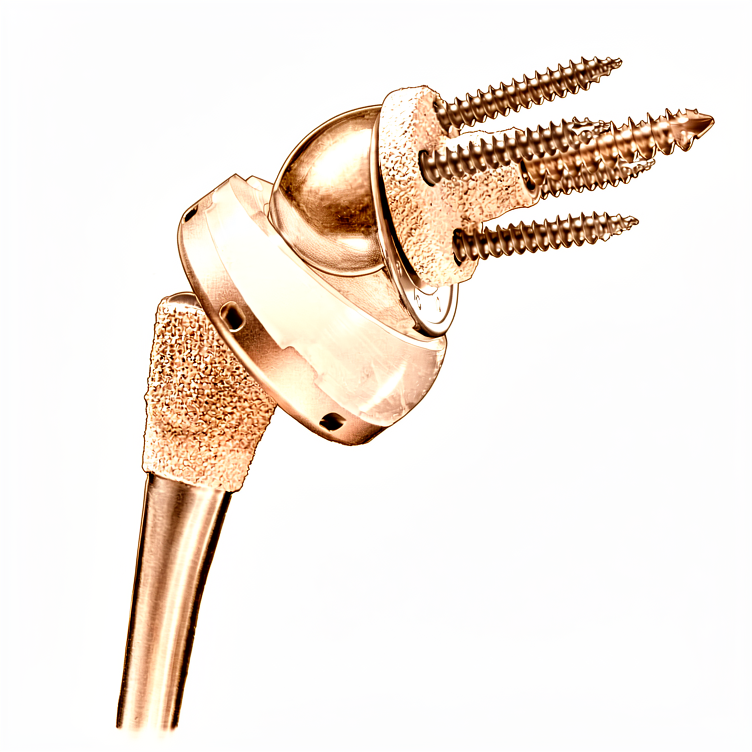
Overview
Final recommendations derived from literature and expert consensus serve as a primary resource to guide decision-making for stakeholders introducing artificial joint arthroplasty devices [1]. Surgeons must critically examine existing outcome literature for various arthroplasty options to maximize clinical results and ensure revision-free implant survival [3].
In the knee, unicompartmental and bicompartmental arthroplasty using a finned metal tibial-plateau implant is a valid reconstructive option for the arthritic joint when indications are appropriate [6]. For glenohumeral osteoarthritis with an intact rotator cuff, reverse arthroplasty achieves highly favorable outcomes [14]. In the shoulder, procedures for osteonecrosis remain predominantly arthroplasty, though joint-preserving techniques are increasingly utilized, particularly in patients under 50 years of age [10]. Arthrodesis is an efficacious and safe short-term alternative for young patients concerned about arthroplasty [62].
Total joint arthroplasty is safe and provides good functional outcomes in lung transplant recipients [19]. For stemless anatomic total shoulder arthroplasty, age 70 years or older is not a contraindication, as postoperative improvements in patient-determined outcome scores and range of motion are similar to those in patients under 70 [57]. However, outcomes after prior shoulder surgery are clinically improved but inferior compared to patients without such history [58]. Regarding revision replacements, over 80% last 5 years and over 70% last 10 years [4]. Surgical implant type, indication, patient comorbidities, and hospital factors contribute to differential costs for total shoulder arthroplasty [18]. Longer follow-up and prospective randomized comparisons are needed to better define revision, failure, and complication rates for proximal interphalangeal joint prosthetic arthroplasty [20].
Anatomy & Pathophysiology
Kinematics
Combined kinematics are an indispensable part of wear tests on anatomic shoulder replacements [29]. Biomechanical evidence suggests that an elliptical implant yields glenohumeral kinematics that mimic the native joint [32]. In vivo, glenohumeral joint contact after total shoulder arthroplasty is not centered on the glenoid surface [65]. This contact pattern suggests that kinematics may not be governed by ball-in-socket mechanics as traditionally thought [65]. The spherical head shape does not show significant glenohumeral translation during humeral axial rotation, regardless of glenoid conformity [71].
Component Positioning and Biomechanics
Malpositioning of both the humeral and glenoid components adversely affects the range of motion, kinematics, and stability of the shoulder [41]. Anatomical reconstruction of the glenohumeral surfaces is important for the success rate of anatomical total shoulder arthroplasty [77]. Optimal glenohumeral mismatch in cemented pegged glenoid implants is multifactorial and has not been definitively established [79].
Reverse shoulder arthroplasty is a useful tool for treating older patients with B2 glenoid deformities, offering favorable biomechanics [51]. Assessment of patient, biomechanical, and surgical factors is critical in determining the best course of treatment for instability in reverse total shoulder arthroplasty [52]. Most reverse prostheses impingements can be avoided by scapular compensation or by a glenosphere lateralization [63]. Extra-short humeral heads significantly reduce the incidence of glenohumeral joint overstuffing compared with short heads, maintaining more normal shoulder biomechanics [59].
Placement of a distal humeral hemiarthroplasty implant causes a small but significant alteration in elbow joint kinematics, regardless of implant size [78].
Classification
Post-treatment Glenoid: This system addresses the surgical management of the glenoid during total shoulder arthroplasty prosthetic replacement, allowing for direct follow-up comparison of similarly treated glenoid replacements [23].
Glenoid Morphology Clustering: Clustering based on glenoid morphology identifies patterns in defect types, highlighting a need to further investigate a three-dimensional classification system and potentially new standardized revision implant component designs [31].
Prosthetic Joint Infection (PJI) Topography: A new perspective introduces topography as a key factor affecting treatment strategy. Identifying the exact location of bacterial colonization (e.g., joint space vs. bone-prosthetic interface) guides treatment strategy, potentially allowing implant retention where the interface is not invaded and necessitating radical intervention otherwise [42].
Walch: This classification has prognostic value for patients before and after shoulder arthroplasty performed for osteoarthritis with an intact rotator cuff [69]. Alternative glenoid classification systems or predictive models should be considered to provide more precise prognoses than the Walch classification [69].
Clinical Presentation
Joint arthroplasty is dramatically successful in terms of relief of pain and maintenance of variable degrees of improved function [8]. Elective shoulder arthroplasty can be performed in patients 90 years of age and older, providing excellent pain relief, improved functional outcome, and enhanced general health status [38]. Shoulder arthroplasty provides marked long-term relief of pain and improvement in motion; however, nearly half of all young patients who have a shoulder arthroplasty have an unsatisfactory result according to a rating system [39].
A systematic evaluation involving clinical history, physical examination, laboratory tests, and imaging is required to identify potential differential diagnoses in patients with painful non-metal-on-metal total hip arthroplasty [9]. Single-photon emission computed tomography/computed tomography (SPECT/CT) has good clinical application value and should be a primary choice in the diagnosis of aseptic loosening after joint replacement [12].
Dislocation of the polyethylene insert is a rare complication that should be included in the differential diagnosis for patients with sudden onset of mechanical symptoms, effusion, or unexplained pain after total knee arthroplasty [33]. Tumoral calcinosis complicating total joint replacement is rare and should be included in the differential diagnosis for a periprosthetic soft-tissue mass in the setting of chronic hemodialysis [35]. Diagnostic arthroscopy is a useful adjunct in identifying causes of failure in patients with painful reverse total shoulder arthroplasty, especially when the cause of failure is unclear [36].
Investigations
A systematic evaluation involving clinical history, physical examination, laboratory tests, and imaging is required to identify potential differential diagnoses in patients with painful non-metal-on-metal total hip arthroplasty [9].
Plain radiography: Radiographic osteolysis after total shoulder arthroplasty may lead to clinically important complications such as aseptic loosening [107]. Xerograms can confirm the diagnosis of a prosthesis fracture and help localize the positions of fragments within the joint to facilitate surgical removal [98].
CT: Single-photon emission computed tomography/computed tomography (SPECT/CT) has good clinical application value and should be a primary choice in the diagnosis of aseptic loosening after joint replacement [12].
Bone scan: Bone scan uptake after trapeziometacarpal joint arthroplasty progressively decreases over time, with normalization of tracer uptake expected between 14 and 25.5 months after surgery [105].
Treatment
Non-Operative
Non-operative treatments for post-dislocation shoulder osteoarthritis show similar osteoarthritis proportions at any point of follow-up compared to operative management [81]. For rheumatoid arthritis, fully two-thirds of patients respond satisfactorily to non-surgical measures, though surgical treatment has an increasing role in correcting and preventing deformities [95]. In hallux rigidus and first metatarsophalangeal joint osteoarthrosis, selection of non-operative measures versus surgical procedures depends on disease stage and patient factors [88].
Operative
Indications: Joint replacement is indicated for pain relief and restoration of mobility [24]. For glenohumeral osteoarthritis with an intact rotator cuff, reverse arthroplasty is appropriate and achieves highly favorable outcomes [14]. In humeral head avascular necrosis, shoulder replacement is indicated to improve pain, range of motion, and functionality with a low risk of complications [96]. For the arthritic knee, unicompartmental and bicompartmental arthroplasty with a finned metal tibial-plateau implant is indicated with proper selection [6]. Conversion of a fused knee to total knee arthroplasty is indicated for patients seeking improved fixation and satisfaction [60].
Surgical Approach / Technique: Total shoulder arthroplasty using a stemless humeral component accurately reproduces native anatomy in the majority of cases [66]. Additive manufacturing for metal applications offers improved biomechanical properties and fixation systems, enabling use in areas where current implants are not well suited [43]. For proximal interphalangeal joint arthroplasty, there is no evidence that one surgical approach is superior to another [25]. When a silastic radial-head prosthesis fractures, removal of loose fragments is recommended and a second replacement attempt should be avoided [50].
Implant Selection: In nearly 95% of knees for which total arthroplasty is indicated, a non-constrained cruciate-preserving prosthesis provides adequate pain relief, satisfactory axial alignment, and stability [102]. Specific indications for the variety of glenoid implants available for anatomic total shoulder arthroplasty are still being studied [40]. Biologic resurfacing of the glenoid may have a minimal and undefined role in young active patients compared to traditional hemiarthroplasty or total shoulder arthroplasty [94]. Prosthesis loosening was not detected with a cemented surface replacement prosthesis in the basal thumb joint [7]. At 3 years, a new stemless shoulder prosthesis shows radiologic evidence of maintained stability and good primary fixation [45].
Pain Management: Patients managed with a total joint regional anesthesia protocol emphasizing peripheral nerve blockade demonstrated better pain control, earlier walking ability, and earlier discharge compared to historical controls [93]. Patients with high preoperative pain scores are at risk for postoperative pain reduction that will not be clinically relevant after proximal interphalangeal joint arthroplasty for osteoarthritis [91].
Adjuncts: Collaborative guidelines between orthopaedics and rheumatology present useful protocols for perioperative medication management in rheumatic patient populations undergoing total hip or total knee arthroplasty [13].
Setting of Care: Novel processes to reduce the cost of admission for treatment of infected shoulder arthroplasty have broad implications for managing periprosthetic joint replacement and reducing healthcare costs [5]. To make arthroplasty affordable globally, device manufacturers must design devices usable and affordable in emerging markets by addressing regional anatomic diversity and economic needs, focusing on simpler, novel solutions that prioritize affordability without sacrificing clinical success [11].
Revision: Over 80% of revision replacements last 5 years and over 70% last 10 years [4]. Resection arthroplasty is effective in relieving pain for failed shoulder arthroplasty, but patients have poor postoperative function [74]. Patients define successful management of periprosthetic joint infection following total joint arthroplasty by emphasizing function, pain relief, mobility, and independence [97].
Other Considerations: Final recommendations based on literature and expert consensus provide a resource for guiding decision-making for stakeholders in the clinical introduction of artificial joint arthroplasty devices [1]. Experts propose using the GRADE system to develop conclusive guidance or consensus statements on controversial issues in joint arthroplasty [2]. Surgeons must examine existing literature on outcomes for different arthroplasty options to maximize clinical outcomes and revision-free implant survival [3]. Implant arthroplasty has been dramatically successful in terms of relief of pain and maintenance of variable degrees of improved function [8]. Utilization of joint preserving procedures for osteonecrosis of the humeral head is growing over time, notably in patients under 50 years of age, although shoulder arthroplasty remains predominant [10]. There is increasing interest in the use of a constrained or reverse total shoulder arthroplasty to treat cuff tear arthropathy, with promising early results [27]. A total of 13% of joints treated with proximal interphalangeal joint pyrocarbon implants required a secondary surgical procedure [28]. Management of glenohumeral osteoarthritis remains controversial and the scientific evidence on this topic can be significantly improved [100]. Surgical implant type, indication, patient comorbidities, and hospital factors contribute to differential surgical cost for total shoulder arthroplasty [18].
Complications
Infection (PJI): The incidence of periprosthetic joint infection (PJI) after primary total knee replacement is 0.4% to 2% [106]. Late deep wound infection secondary to hematogenous spread is an infrequent but devastating complication of total joint replacement [126]. Prior nonshoulder PJI increases rates of 90-day surgical site infection, sepsis, and hospital readmission, as well as 2-year all-cause revision after primary total shoulder arthroplasty [122]. Prior hip or knee prosthetic joint infection in another joint increases the risk of PJI after primary total knee arthroplasty three-fold [129]. The risk of PJI is 15-fold higher in patients on chronic antibiotic suppression [129]. Patients with multiple joint arthroplasties and a history of PJI have metachronous PJI rates ranging from 3% to 19% and synchronous PJI rates from 1.3% to 6% [110]. The overall rate of PJI eradication is significantly higher with single-stage management (95.6%) compared to two-stage protocols (85.7%) [135].
Aseptic loosening: Primary total elbow arthroplasty with the Nexel implant is associated with an unacceptably high rate of early implant loosening, periprosthetic fracture, and reoperation [112]. The rate of early aseptic failure for an uncemented thumb carpometacarpal joint ceramic prosthesis is unacceptably high [128]. Cement-within-cement technique in revision reverse total shoulder arthroplasty is associated with higher rates of complications and re-revision surgery over time due to aseptic glenoid component loosening and instability [109]. Clinical outcomes for surface replacement trapeziometacarpal joint prosthesis deteriorate clearly in cases of loosening, though they remain excellent in patients with stable implants [124].
Instability: Cement-within-cement technique in revision reverse total shoulder arthroplasty is associated with higher rates of complications and re-revision surgery over time due to aseptic glenoid component loosening and instability [109].
Periprosthetic fracture: Primary total elbow arthroplasty with the Nexel implant is associated with an unacceptably high rate of early implant loosening, periprosthetic fracture, and reoperation [112]. Hemi arthroplasty and total elbow arthroplasty for unreconstructable distal humeral fractures in patients over 65 years have similarly high complication rates [138].
Thromboembolism: The prevalence of venous thromboembolism (VTE) after total shoulder arthroplasty is low [123]. Patients 80 years and older undergoing reverse total shoulder arthroplasty have higher early mortality and medical complication rates, including DVT, renal failure, and pneumonia, than patients under 80 years of age [133].
Other Considerations: Revision shoulder replacements last 5 years in over 80% of cases and 10 years in over 70% of cases [4]. Primary arthroplasty yields good or excellent results in 92% of patients, while surgical revision yields good or excellent results in 81% of patients [21]. The probability of polycentric total knee arthroplasty remaining successful ten years postoperatively is 66% [22]. Complication, reoperation, and revision rates for primary reverse total shoulder arthroplasty in patients younger than 65 years are similar to those in older cohorts, without an increase in revisions due to aseptic loosening [111]. Primary reverse shoulder arthroplasty in patients aged 65 years or younger yields good short-term to medium-term outcomes with high implant survival, though smoking increases the risk for revision, reoperation, and complications [115]. The overall rate of subsequent procedures for Ream-and-Run shoulder arthroplasty is 19%, with a prosthetic revision rate of 12% at a mean of 10 years [117]. Twenty-eight percent of patients undergoing pyrolytic carbon proximal interphalangeal joint arthroplasty required a second procedure, and 8% required a revision arthroplasty [118]. Primary shoulder arthroplasty is associated with low 90-day reoperation and complication rates [127]. After 1 year, there is no increased risk of complications, revision, or inferior outcomes for reverse total shoulder arthroplasty in patients younger than 65 years compared to patients older than 65 years [134]. There are no significant differences in clinical outcomes or complication rates between standard components and fracture-specific components in reverse shoulder arthroplasty for proximal humerus fractures [139]. Clinical studies reveal a similar incidence of implant failure for shoulder arthroplasty compared to data from worldwide arthroplasty registries [137].
Recovery
Implant arthroplasty has been dramatically successful in terms of relief of pain and maintenance of variable degrees of improved function [8]. Survivorship data indicates that over 80% of revision shoulder replacements last 5 years [4], and over 70% last 10 years [4]. For knee arthroplasty, ninety-two per cent of patients who had primary knee arthroplasty had a good or excellent result [21], while eighty-one per cent of patients who had surgical revision of the knee had a good or excellent result [21]. The calculated probability of unicompartmental and bicompartmental knee arthroplasty remaining successful ten years postoperatively was 66 per cent [22].
Light activity (weeks): Specific timelines for desk work, driving, or light ADLs are not detailed in the current evidence base.
Full activity (months): Specific timelines for manual work, sport, or full ROM/strength return are not detailed in the current evidence base.
Complete recovery / outcome plateau (months): Recovery plateaus between 6 to 12 months after reverse shoulder arthroplasty [125].
Rehabilitation protocol: Evidence does not specify immobilisation duration, weight-bearing protocols, or sling removal timing. However, early reported results suggest that the average functional outcome of reverse shoulder arthroplasty for proximal humeral fractures may be better than hemiarthroplasty in certain patients and specific clinical scenarios, with results reached more quickly and with less dependence on rehabilitation [116].
Functional milestones: Reverse total shoulder arthroplasty restores function in the shoulder with significant improvements in function and moderate complications [86]. At mid-term follow-up, patients with a history of anterior shoulder instability undergoing total shoulder arthroplasty can expect continued improvement in function compared with preoperative values [120]. At early- to mid-term follow-up, total shoulder arthroplasty performed after a coracoid transfer demonstrated similar results to total shoulder arthroplasty performed for primary osteoarthritis [67]. Shoulder hemiarthroplasty provides sustained good-to-excellent pain relief and functional improvement at five to ten years postoperatively in carefully selected patients with osteoarthritis [140, 141]. The study reports functional outcomes and high prosthesis survivorship at midterm follow-up for B2 and B3 glenoid osteoarthritis treated with corrective and concentric reaming of the glenoid combined with pyrocarbon hemiarthroplasty [113]. Revision of an unstable hemiarthroplasty or anatomical total shoulder replacement using a reverse design prosthesis gives good relief of pain and increases active elevation, although the overall results are inferior to the outcome following the use of reverse arthroplasty in patients with cuff-tear arthropathy [130].
Other Considerations: The literature reports that rates of return for total shoulder arthroplasty are slightly higher than those reported for reverse total shoulder arthroplasty and hemiarthroplasty [61]. Higher return to work rates were seen in patients who were not on sick leave preoperatively after reverse total shoulder arthroplasty [73]. Patients are interested in the timeline of recovery, ability to perform specific activities after surgery, and short-term and long-term restrictions following reverse total shoulder arthroplasty [119]. Patient expectations for functional improvements after revision of failed reverse total shoulder arthroplasty with reverse should be tempered, and a high reoperation rate should be expected [72]. Patients traveling after total shoulder replacement are often delayed and subjected to more rigorous screening when traveling, especially in the post-9/11 environment [68].
Key Evidence
- [L5] Final recommendations based on literature and expert consensus provide a first, useful resource for helping to guide decision-making for stakeholders in the clinical introduction of artificial joint arthroplasty devices. [1] (10.1530/eor-23-0054)
- [L5] The authors propose a World Expert Meeting to decipher evidence from eminence by having experts perform thorough literature reviews using the GRADE system to develop conclusive guidance or consensus statements on controversial issues in joint arthroplasty. [2] (10.1016/j.arth.2024.03.031)
- [L4] Surgeons must examine existing literature on outcomes for different arthroplasty options to maximize clinical outcomes and revision-free implant survival. [3] (10.1016/j.csm.2018.05.008)
- [L1] Over 80% of revision replacements last 5 years and over 70% last 10 years. [4] (10.1177/24715492221095991)
- [L3] This has broad implications across orthopedics for the management of periprosthetic joint replacement and potential for tremendous impact of reducing healthcare costs. [5] (10.1016/j.jse.2025.02.028)
- [L4] The results suggest that with the proper indications this arthroplasty has a place in reconstructive surgery of the arthritic knee joint. [6] (10.2106/00004623-198567080-00005)
- [L4] Prosthesis loosening was not detected. [7] (10.1016/j.jhsa.2009.12.026)
- [L5] A systematic evaluation involving clinical history, physical examination, laboratory tests, and imaging is required to identify potential differential diagnoses in patients with painful non-metal-on-metal total hip arthroplasty. [9] (10.1016/j.arth.2022.01.063)
- [L4] These procedures continue to be predominantly shoulder arthroplasty; however, the utilization of joint preserving procedures seem to be growing over time, notably in patients <50 years of age. [10] (10.1016/j.jse.2024.12.009)
- [L5] To make arthroplasty affordable globally, device manufacturers must design devices that are usable and affordable in emerging markets by addressing regional anatomic diversity and economic needs, focusing on simpler, novel solutions that prioritize affordability without sacrificing clinical success. [11] (10.5435/jaaos-d-15-00350)
- [L1] It has good clinical application value and should be a primary choice in the diagnosis of AL after joint replacement. [12] (10.1016/j.arth.2021.06.018)
- [L5] This timely collaborative effort between experts in orthopaedics and rheumatology presents an extremely useful set of guidelines for perioperative medication management in rheumatic patient populations undergoing TKAs or THAs. [13] (10.1016/j.arth.2017.07.022)
- [L4] The findings suggest that reverse arthroplasty can achieve highly favorable outcomes for this indication. [14] (10.1016/j.jse.2021.06.010)
- [L3] Surgical implant type, indication, patient comorbidities, and hospital factors contribute to differential surgical cost for total shoulder arthroplasty. [18] (10.1016/j.jse.2025.02.055)
- [L4] Total joint arthroplasty can be safely performed and provide good functional outcomes in lung transplant recipients. [19] (10.1016/j.arth.2013.03.029)
- [L4] Longer follow-up and prospective randomized comparisons are needed to better define rates of revision, failure, and complications. [20] (10.1016/j.jhsa.2010.04.005)
- [L4] Ninety-two per cent of the patients who had had primary arthroplasty and 81 per cent of those who had had surgical revision had a good or excellent result. [21] (10.2106/00004623-198870040-00003)
- [L3] The calculated probability of the arthroplasty remaining successful ten years postoperatively was 66 per cent. [22] (10.2106/00004623-198466080-00008)
- [L5] The proposed classification system addresses the surgical management of the glenoid during prosthetic replacement and allows direct follow-up comparison of similarly treated glenoid replacements. [23] (10.1016/j.jse.2011.01.035)
- [L5] This article is an editorial introducing a Special Issue of the Journal of Orthopaedic Research entitled 'Recent Advances in Total Joint Replacement.' It highlights that joint replacement is a successful and cost-effective procedure that decreases pain and restores mobility. [24] (10.1002/jor.24734)
- [L5] There is no evidence that one surgical approach for proximal interphalangeal joint arthroplasty is superior to another. [25] (10.1302/0301-620x.104b12.bjj-2022-0946)
- [L5] There is increasing interest in the use of a constrained or reverse total shoulder arthroplasty to treat this complex process, with promising early results. [27] (10.1016/j.jse.2008.11.003)
- [L4] A total of 13% of the joints required a secondary surgical procedure. [28] (10.1016/j.jhsa.2009.08.010)
- [L5] The results obtained indicate that additional combined kinematics are an indispensable part of wear tests on anatomic shoulder replacements. [29] (10.1016/j.jse.2018.02.063)
- [L4] The formation of clusters based on glenoid morphology indicates that patterns exist in the types of glenoid defects, highlighting a need to further investigate a three-dimensional classification system and potentially new standardized revision implant component designs. [31] (10.1016/j.jse.2026.04.002)
- [L4] Biomechanical evidence suggests that an elliptical implant yields glenohumeral kinematics that mimic the native joint, and early clinical results are promising. [32] (10.5435/jaaos-d-22-01084)
- [L4] Dislocation of the polyethylene insert is a rare complication that should be included in the differential diagnosis for patients with sudden onset of mechanical symptoms, effusion, or unexplained pain after total knee arthroplasty. [33] (10.1016/j.arth.2009.11.014)
- [Case_report] TC complicating total joint replacement is rare and should be included in the differential diagnosis for a periprosthetic soft-tissue mass in the setting of chronic hemodialysis. [35] (10.1016/j.xrrt.2021.09.005)
- [L4] Diagnostic arthroscopy is a useful adjunct in identifying causes of failure in patients with painful reverse total shoulder arthroplasty, especially when the cause of failure is unclear. [36] (10.1016/j.jse.2007.02.131)
- [L4] Elective shoulder arthroplasty can be performed in patients 90 years of age and older, providing excellent pain relief, improved functional outcome, and enhanced general health status. [38] (10.1016/j.jse.2007.09.005)
- [L3] Shoulder arthroplasty provides marked long-term relief of pain and improvement in motion; however, nearly half of all young patients who have a shoulder arthroplasty have an unsatisfactory result according to a rating system. [39] (10.2106/00004623-199804000-00002)
- [L5] Specific indications for the variety of glenoid implants available today are still being studied. [40] (10.5435/jaaos-d-23-00257)
- [L5] Malpositioning of both the humeral and glenoid components will adversely affect the range of motion, kinematics, and stability of the shoulder. [41] (10.1016/j.jse.2004.09.026)
- [L5] The authors propose introducing a topographic principle into PJI classification, suggesting that identifying the exact location of bacterial colonization (e.g., joint space vs. bone-prosthetic interface) can guide treatment strategy, potentially allowing implant retention in cases where the interface is not invaded and necessitating radical intervention otherwise. [42] (10.1007/s00402-018-3058-y)
- [L5] This technology offers improved biomechanical properties and fixation systems, enabling use in areas where current implants are not well suited. [43] (10.5435/jaaos-d-19-00420)
- [L4] At 3 years of follow-up, there is radiologic evidence of maintained implant stability and good primary fixation. [45] (10.1016/j.jse.2009.12.009)
- [Case_report] When a prosthesis fractures, the authors recommend removal of loose fragments and avoiding a second replacement attempt. [50] (10.2106/00004623-198163030-00022)
- [L5] Reverse shoulder arthroplasty is a useful tool for treating older patients with B2 glenoid deformities, offering favorable biomechanics and proven success. [51] (10.1177/2471549219897661)
- [L4] Assessment of the patient and biomechanical and surgical factors is critical in determining the best course of treatment for instability in reverse total shoulder arthroplasty. [52] (10.5435/jaaos-d-16-00408)
- [L3] Age 70 years or older does not appear to be a contraindication to stemless anatomic total shoulder arthroplasty, as postoperative improvements in patient-determined outcome scores and range of motion were similar between patients aged <70 years and those aged 70 years or older. [57] (10.1016/j.jse.2022.08.003)
- [L3] Shoulder arthroplasty after undergoing prior shoulder surgery results in overall clinically improved outcomes, however these results are inferior compared to patients without a history of prior shoulder surgery. [58] (10.1177/2325967115s00168)
- [L3] Extra-short humeral heads significantly reduce the incidence of glenohumeral joint overstuf fi ng compared with short heads, maintaining more normal shoulder biomechanics. [59] (10.1016/j.jseint.2021.11.013)
- [L4] Conversion of a fused knee to total knee arthroplasty resulted in good long-term fixation and high patient satisfaction. [60] (10.2106/jbjs.25.00149)
- [L4] The literature reports that rates of return for total shoulder arthroplasty are slightly higher than those reported for reverse total shoulder arthroplasty and hemiarthroplasty. [61] (10.1016/j.csm.2018.06.002)
- [L1] AD is an efficacious and particularly safe alternative in the short term for young patients with concerns about arthroplasty. [62] (10.1016/j.arthro.2014.11.012)
- [L5] Most reverse prostheses impingements reported in clinical and biomechanical studies can be avoided, either by scapular compensation or by a glenosphere lateralization. [63] (10.1016/j.jse.2012.09.014)
- [L4] In vivo, glenohumeral joint contact after total shoulder arthroplasty is not centered on the glenoid surface, suggesting that kinematics after shoulder arthroplasty may not be governed by ball-in-socket mechanics as traditionally thought. [65] (10.2106/jbjs.h.01610)
- [L4] We were able to accurately reproduce the native anatomy in the majority of cases, with no implant loosening, at 2 to 6 years' follow-up. [66] (10.1016/j.jse.2018.05.039)
- [L3] At early- to mid-term follow-up, total shoulder arthroplasty performed after a coracoid transfer demonstrated similar results to total shoulder arthroplasty performed for primary osteoarthritis. [67] (10.1016/j.jse.2019.12.009)
- [L4] Patients traveling after total shoulder replacement are often delayed and subjected to more rigorous screening when traveling, especially in the post-9/11 environment. [68] (10.1016/j.jse.2006.10.016)
- [L3] Alternative glenoid classification systems or predictive models should be considered to provide more precise prognoses. [69] (10.1016/j.jse.2023.08.029)
- [L5] However, the spherical head shape does not show significant glenohumeral translation during humeral axial rotation, regardless of glenoid conformity. [71] (10.1016/j.jse.2015.11.058)
- [L4] However, patient expectations for functional improvements should be tempered, and a high reoperation rate should be expected. [72] (10.1016/j.jse.2023.07.030)
- [L3] Higher return to work rates were seen in patients who were not on sick leave preoperatively. [73] (10.1302/0301-620x.107b9.bjj-2024-1587.r2)
- [L4] Resection arthroplasty is effective in relieving pain, but patients have poor postoperative function. [74] (10.1016/j.jse.2012.05.025)
- [L5] This numerical study highlights the importance of an anatomical reconstruction of the glenohumeral surfaces for the success rate of anatomical total shoulder arthroplasty. [77] (10.1016/j.jse.2010.06.006)
- [L5] This study showed a small but significant alteration in elbow joint kinematics with placement of a distal humeral hemiarthroplasty implant, regardless of implant size. [78] (10.1016/j.jse.2014.02.011)
- [L5] In a biomechanical model, optimal glenohumeral mismatch in cemented pegged glenoid implants is multifactorial and has not been definitively established. [79] (10.1016/j.jse.2014.10.004)
- [L1] Non-operative and operative treatments show similar OA proportions at any point of follow-up. [81] (10.1007/s00167-020-06263-3)
- [L2] Reverse total shoulder arthroplasty restores function in the shoulder with significant improvements in function and moderate complications. [86] (10.1177/1758573220977184)
- [L5] Treatment options range from non-operative measures to various surgical procedures including cheilectomy, arthroplasty, and arthrodesis, with selection depending on disease stage and patient factors. [88] (10.2106/00004623-199806000-00015)
- [L4] Patients with high preoperative pain scores are at risk for postoperative pain reduction that will not be clinically relevant. [91] (10.1016/j.jhsa.2022.03.026)
- [L3] Patients managed with the Total Joint Regional Anesthesia protocol demonstrated better pain control, earlier walking ability, and earlier discharge from the hospital compared to historical controls. [93] (10.2106/jbjs.e.00491)
- [L4] Our results suggest that biologic resurfacing of the glenoid may have a minimal and as yet undefined role in the management of glenohumeral arthritis in the young active patient over more traditional methods of hemiarthroplasty or total shoulder arthroplasty. [94] (10.1016/j.jse.2013.06.001)
- [L5] Surgical treatment seems destined to have an increasing role in the correction and prevention of deformities caused by rheumatoid arthritis, with fully two-thirds of patients responding satisfactorily to non-surgical measures. [95] (10.2106/00004623-196850030-00019)
- [L3] Improvements in pain, ROM, and functionality can be achieved with low risk of complications or need for additional procedures. [96] (10.1016/j.jse.2018.06.031)
- [L4] Patients consistently emphasized the importance of function, pain relief, mobility, and independence in defining successful PJI management. [97] (10.2106/jbjs.24.01057)
- [L1] Management of glenohumeral osteoarthritis remains controversial; the scientific evidence on this topic can be significantly improved. [100] (10.5435/00124635-201006000-00010)
- [L4] Based on the findings in this study, in nearly 95 per cent of knees for which total arthroplasty is indicated a non-constrained cruciate-preserving prosthesis can provide adequate relief of pain, satisfactory axial alignment of the limb, and stability. [102] (10.2106/00004623-198365070-00005)
- [L4] Bone scan uptake after trapeziometacarpal joint arthroplasty progressively decreases over time, with normalization of tracer uptake expected between 14 and 25.5 months after surgery. [105] (10.1177/17531934251345359)
- [L5] Radiographic osteolysis after total shoulder arthroplasty may lead to clinically important complications such as aseptic loosening. [107] (10.5397/cise.2021.00738)
- [L4] Although a low rate of humeral component loosening was observed, higher rates of complications and re-revision surgery were observed over time secondary to aseptic glenoid component loosening and instability. [109] (10.1016/j.xrrt.2024.08.006)
- [L4] Patients with multiple joint arthroplasties and a history of PJI are at higher risk for developing a second PJI, with metachronous rates ranging from 3% to 19% and synchronous rates from 1.3% to 6%. [110] (10.5435/jaaos-d-23-00120)
- [L4] Complication, reoperation, and revision rates were similar to those seen in older patient cohorts, without an increase in revisions owing to aseptic loosening. [111] (10.1016/j.jse.2020.02.004)
- [L4] Primary TEA with implantation of this implant was associated with an unacceptably high rate of early implant loosening, periprosthetic fracture, and reoperation. [112] (10.1016/j.jseint.2022.04.001)
- [L4] The study reports functional outcomes and high prosthesis survivorship at midterm follow-up. [113] (10.1016/j.jse.2024.06.028)
- [L3] Primary reverse shoulder arthroplasty in patients aged 65 years or younger yields good short-term to medium-term outcomes with high implant survival, though smoking increases the risk for revision, reoperation, and complications. [115] (10.1016/j.jse.2016.05.026)
- [L5] Early reported results suggest that the average functional outcome may be better than hemiarthroplasty in certain patients and specific clinical scenarios, with results reached more quickly and with less dependence on rehabilitation. [116] (10.1016/j.jse.2013.10.003)
- [L3] The overall rate of subsequent procedures was 19%, and the rate of prosthetic revision was 12% at a mean of 10 years. [117] (10.2106/jbjs.17.00201)
- [L4] Twenty-eight percent of patients required a second procedure and 8% required a revision arthroplasty. [118] (10.1016/j.jhsa.2006.10.017)
- [L4] Patients are interested in the timeline of recovery, ability to perform specific activities after surgery, and short-term and long-term restrictions following rTSA. [119] (10.1016/j.xrrt.2024.09.005)
- [L3] At mid-term follow-up, patients with a history of anterior shoulder instability undergoing total shoulder arthroplasty can expect continued improvement in function compared with preoperative values. [120] (10.1016/j.jse.2023.07.005)
- [L3] Prior nonshoulder PJI of any joint increases rates of 90-day surgical site infection, sepsis, and hospital readmission, as well as 2-year all-cause revision after TSA. [122] (10.5435/jaaos-d-21-00745)
- [L3] The prevalence of VTE after TSA is low. [123] (10.5435/jaaos-d-22-00352)
- [L4] However, clinical outcomes improved significantly in the short-term and remained excellent in the long-term in those patients with a stable implant, but deteriorated clearly in case of loosening. [124] (10.1186/s12891-021-03957-8)
- [L5] It highlights that recovery plateaus between 6 to 12 months and emphasizes the need for future prospective studies to control for preoperative status and validate outcome measures across genders. [125] (10.1097/01.blo.0000533613.25243.1c)
- [L4] Late deep wound infection secondary to hematogenous spread is an infrequent but devastating complication of total joint replacement. [126] (10.2106/00004623-198062080-00015)
- [L4] Primary shoulder arthroplasty was associated with low 90-day reoperation and complication rates. [127] (10.1016/j.jse.2019.12.008)
- [L4] The rate of early aseptic failure was unacceptably high. [128] (10.1177/1753193416688427)
- [L3] The risk of PJI was 15-fold higher in patients on chronic antibiotic suppression. [129] (10.1302/0301-620x.101b7.bjj-2018-1189.r1)
- [L4] The successful restoration of stability gives good relief of pain and increases active elevation, although the overall results are inferior to the outcome following the use of reverse arthroplasty in patients with cuff-tear arthropathy. [130] (10.1302/0301-620x.95b5.30964)
- [L3] Patients 80 years and older had higher early mortality and medical complication rates, including DVT, renal failure, and pneumonia than patients <80 years of age. [133] (10.1016/j.jse.2022.01.146)
- [L3] After 1 year, we found no increased risk of complications, revision, or inferior outcomes compared to patients older than 65 years of age. [134] (10.1186/s42836-021-00086-4)
- [L1] The overall rate of success in terms of PJI eradication was significantly higher in the single-stage group (95.6% vs 85.7%, p < 0.05). [135] (10.1177/17585732221116839)
- [L2] Clinical studies revealed a similar incidence of implant failure compared to data of worldwide arthroplasty registries. [137] (10.1186/s12891-023-06922-9)
- [L1] This systematic review has indicated PROMs and ROM mostly favouring HA, but with a similarly high complication rate in the two procedures. [138] (10.1302/0301-620x.104b5.bjj-2021-1207.r2)
- [L1] This meta-analysis demonstrates no significant differences in clinical outcomes or complication rates between standard components and fracture-specific components in RSA, suggesting comparable performance in the treatment of proximal humerus fractures. [139] (10.1302/0301-620x.107b9.bjj-2024-1508.r2)
- [L4] Shoulder hemiarthroplasty provides sustained good-to-excellent pain relief and functional improvement at five to ten years postoperatively in carefully selected patients with osteoarthritis. [141] (10.2106/jbjs.f.00980)
See Also
- Rotator Cuff
- Total shoulder arthroplasty
- Reverse Shoulder Arthroplasty
- Shoulder Arthroplasty
- Fractures
- Shoulder Instability
References
[1] 1st EFORT European Consensus “Medical & Scientific Research Requirements for the Clinical Introduction of Artificial Joint Arthroplasty Devices”: Background, Delphi Methodology & Consensus process. EFORT Open Reviews. 2023. DOI: 10.1530/eor-23-0054
[2] World Expert Meeting to Discuss Controversies in Joint Arthroplasty: What is That About?. The Journal of Arthroplasty. 2024. DOI: 10.1016/j.arth.2024.03.031
[3] Outcomes After Shoulder Replacement Surgery in the Young Patient. Clinics in Sports Medicine. 2018. DOI: 10.1016/j.csm.2018.05.008
[4] Revision Shoulder Hemiarthroplasty and Total Shoulder Arthroplasty A Systematic Review and Meta-Analysis. Journal of Shoulder and Elbow Arthroplasty. 2022. DOI: 10.1177/24715492221095991
[5] A novel process to reduce the cost of admission for treatment of infected shoulder arthroplasty. Journal of Shoulder and Elbow Surgery. 2025. DOI: 10.1016/j.jse.2025.02.028
[6] Unicompartmental and bicompartmental arthroplasty of the knee with a finned metal tibial-plateau implant.. The Journal of Bone & Joint Surgery. 1985. DOI: 10.2106/00004623-198567080-00005
[7] A Cemented Surface Replacement Prosthesis in the Basal Thumb Joint. The Journal of Hand Surgery. 2010. DOI: 10.1016/j.jhsa.2009.12.026
[8] Neer, Charles S. II, M.D.; Sperling, John W. M.D.; Cofield, Robert H. M.D.; Rowland, Charles M. M.S.. The Journal of Bone and Joint Surgery. American Volume. 1999.
[9] Metal Articulations as a Source of Total Hip Arthroplasty Pain. The Journal of Arthroplasty. 2022. DOI: 10.1016/j.arth.2022.01.063
[10] Osteonecrosis of the humeral head: trends in surgical management of a nationwide sample from 2010 to 2021. Journal of Shoulder and Elbow Surgery. 2025. DOI: 10.1016/j.jse.2024.12.009
[11] Frontiers in Medical Device Design. Journal of the American Academy of Orthopaedic Surgeons. 2015. DOI: 10.5435/jaaos-d-15-00350
[12] Diagnostic Performance of Single-Photon Emission Computed Tomography/Computed Tomography in Aseptic Loosening: A Systematic Review and Meta-Analysis. The Journal of Arthroplasty. 2021. DOI: 10.1016/j.arth.2021.06.018
[13] We Commend the Effort: 2017 American College of Rheumatology/American Association of Hip and Knee Surgeons Guideline for the Perioperative Management of Antirheumatic Medication in Patients With Rheumatic Diseases Undergoing Elective Total Hip or Total Knee Arthroplasty. The Journal of Arthroplasty. 2017. DOI: 10.1016/j.arth.2017.07.022
[14] Glenohumeral osteoarthritis with intact rotator cuff treated with reverse shoulder arthroplasty: a systematic review. Journal of Shoulder and Elbow Surgery. 2021. DOI: 10.1016/j.jse.2021.06.010
[18] Same reimbursement, different cost: risk factors for high-cost total shoulder arthroplasty. Journal of Shoulder and Elbow Surgery. 2025. DOI: 10.1016/j.jse.2025.02.055
[19] Outcomes of Primary Total Joint Arthroplasty After Lung Transplantation. The Journal of Arthroplasty. 2014. DOI: 10.1016/j.arth.2013.03.029
[20] Proximal Interphalangeal Joint Prosthetic Arthroplasty. The Journal of Hand Surgery. 2010. DOI: 10.1016/j.jhsa.2010.04.005
[21] A comparison of primary and revision total knee arthroplasty using the kinematic stabilizer prosthesis.. The Journal of Bone & Joint Surgery. 1988. DOI: 10.2106/00004623-198870040-00003
[22] Polycentric total knee arthroplasty. A ten-year follow-up study.. The Journal of Bone & Joint Surgery. 1984. DOI: 10.2106/00004623-198466080-00008
[23] Post-treatment glenoid classification system for total shoulder arthroplasty. Journal of Shoulder and Elbow Surgery. 2012. DOI: 10.1016/j.jse.2011.01.035
[24] Recent advances in total joint replacement. Journal of Orthopaedic Research. 2020. DOI: 10.1002/jor.24734
[25] Surgical approaches for proximal interphalangeal joint arthroplasty. The Bone & Joint Journal. 2022. DOI: 10.1302/0301-620x.104b12.bjj-2022-0946
[27] Cuff tear arthropathy: Current trends in diagnosis and surgical management. Journal of Shoulder and Elbow Surgery. 2009. DOI: 10.1016/j.jse.2008.11.003
[28] Outcomes of Proximal Interphalangeal Joint Pyrocarbon Implants. The Journal of Hand Surgery. 2010. DOI: 10.1016/j.jhsa.2009.08.010
[29] Influence of joint kinematics on polyethylene wear in anatomic shoulder joint arthroplasty. Journal of Shoulder and Elbow Surgery. 2018. DOI: 10.1016/j.jse.2018.02.063
[31] Three-Dimensional Characterization of Glenoid Defects in Failed Shoulder Arthroplasties. Journal of Shoulder and Elbow Surgery. 2026. DOI: 10.1016/j.jse.2026.04.002
[32] Elliptical Humeral Head Implants in Anatomic Total Shoulder Arthroplasty. Journal of the American Academy of Orthopaedic Surgeons. 2023. DOI: 10.5435/jaaos-d-22-01084
[33] Dislocated Polyethylene Inserts in Fixed-Bearing Total Knee Arthroplasty. The Journal of Arthroplasty. 2011. DOI: 10.1016/j.arth.2009.11.014
[35] Tumoral calcinosis complicating a reverse total shoulder arthroplasty: a case report. JSES Reviews, Reports, and Techniques. 2022. DOI: 10.1016/j.xrrt.2021.09.005
[36] Polyethylene dissociation after reverse total shoulder arthroplasty: The use of diagnostic arthroscopy. Journal of Shoulder and Elbow Surgery. 2008. DOI: 10.1016/j.jse.2007.02.131
[38] Elective shoulder arthroplasty in patients older than ninety years of age. Journal of Shoulder and Elbow Surgery. 2008. DOI: 10.1016/j.jse.2007.09.005
[39] Neer Hemiarthroplasty and Neer Total Shoulder Arthroplasty in Patients Fifty Years Old or Less. Long-Term Results. The Journal of Bone & Joint Surgery*. 1998. DOI: 10.2106/00004623-199804000-00002
[40] Advances in Anatomic Total Shoulder Arthroplasty Glenoid Implant Design. Journal of the American Academy of Orthopaedic Surgeons. 2024. DOI: 10.5435/jaaos-d-23-00257
[41] Prosthetic positioning in total shoulder arthroplasty. Journal of Shoulder and Elbow Surgery. 2005. DOI: 10.1016/j.jse.2004.09.026
[42] A new perspective on current prosthetic joint infection classifications: introducing topography as a key factor affecting treatment strategy. Archives of Orthopaedic and Trauma Surgery. 2018. DOI: 10.1007/s00402-018-3058-y
[43] Additive Manufacturing for Metal Applications in Orthopaedic Surgery. Journal of the American Academy of Orthopaedic Surgeons. 2020. DOI: 10.5435/jaaos-d-19-00420
[45] Results of a new stemless shoulder prosthesis: Radiologic proof of maintained fixation and stability after a minimum of three years' follow-up. Journal of Shoulder and Elbow Surgery. 2010. DOI: 10.1016/j.jse.2009.12.009
[50] Fracture of silastic radial-head prosthesis. Case report.. The Journal of Bone & Joint Surgery. 1981. DOI: 10.2106/00004623-198163030-00022
[51] Reverse Shoulder Arthroplasty for B2 Glenoid Deformity. Journal of Shoulder and Elbow Arthroplasty. 2019. DOI: 10.1177/2471549219897661
[52] Instability in Reverse Total Shoulder Arthroplasty. Journal of the American Academy of Orthopaedic Surgeons. 2018. DOI: 10.5435/jaaos-d-16-00408
[57] Is stemless total shoulder arthroplasty indicated in elderly patients?. Journal of Shoulder and Elbow Surgery. 2023. DOI: 10.1016/j.jse.2022.08.003
[58] Does Prior Shoulder Surgery Negatively Impact Shoulder Arthroplasty Outcomes?. Orthopaedic Journal of Sports Medicine. 2015. DOI: 10.1177/2325967115s00168
[59] Extra-short humeral heads reduce glenohumeral joint overstuffing compared with short heads in anatomic total shoulder arthroplasty. JSES International. 2022. DOI: 10.1016/j.jseint.2021.11.013
[60] Conversion of Fused Knees to Total Knee Arthroplasty. Journal of Bone and Joint Surgery. 2025. DOI: 10.2106/jbjs.25.00149
[61] Return to Play After Shoulder Replacement Surgery. Clinics in Sports Medicine. 2018. DOI: 10.1016/j.csm.2018.06.002
[62] Surgical Treatment Options for Glenohumeral Arthritis in Young Patients: A Systematic Review and Meta‐analysis. Arthroscopy. 2014. DOI: 10.1016/j.arthro.2014.11.012
[63] Activities of daily living with reverse prostheses: importance of scapular compensation for functional mobility of the shoulder. Journal of Shoulder and Elbow Surgery. 2013. DOI: 10.1016/j.jse.2012.09.014
[65] Glenohumeral Contact Kinematics in Patients After Total Shoulder Arthroplasty. The Journal of Bone and Joint Surgery-American Volume. 2010. DOI: 10.2106/jbjs.h.01610
[66] Clinical and radiologic outcomes following total shoulder arthroplasty using Arthrex Eclipse stemless humeral component with minimum 2 years' follow-up. Journal of Shoulder and Elbow Surgery. 2018. DOI: 10.1016/j.jse.2018.05.039
[67] Outcomes of total shoulder arthroplasty for instability arthropathy with a prior coracoid transfer procedure: a retrospective review and matched cohort. Journal of Shoulder and Elbow Surgery. 2020. DOI: 10.1016/j.jse.2019.12.009
[68] Effect of total shoulder replacements on airport security screening in the post-9/11 era. Journal of Shoulder and Elbow Surgery. 2007. DOI: 10.1016/j.jse.2006.10.016
[69] Prognostic value of the Walch classification for patients before and after shoulder arthroplasty performed for osteoarthritis with an intact rotator cuff. Journal of Shoulder and Elbow Surgery. 2024. DOI: 10.1016/j.jse.2023.08.029
[71] The effects of prosthetic humeral head shape on glenohumeral joint kinematics during humeral axial rotation in total shoulder arthroplasty. Journal of Shoulder and Elbow Surgery. 2016. DOI: 10.1016/j.jse.2015.11.058
[72] Revision of failed reverse total shoulder arthroplasty with reverse: short-term clinical outcomes. Journal of Shoulder and Elbow Surgery. 2024. DOI: 10.1016/j.jse.2023.07.030
[73] Satisfactory return to work rates after reverse total shoulder arthroplasty. The Bone & Joint Journal. 2025. DOI: 10.1302/0301-620x.107b9.bjj-2024-1587.r2
[74] Resection arthroplasty for failed shoulder arthroplasty. Journal of Shoulder and Elbow Surgery. 2013. DOI: 10.1016/j.jse.2012.05.025
[77] Biomechanical consequences of humeral component malpositioning after anatomical total shoulder arthroplasty. Journal of Shoulder and Elbow Surgery. 2010. DOI: 10.1016/j.jse.2010.06.006
[78] Hemiarthroplasty of the elbow: the effect of implant size on kinematics and stability. Journal of Shoulder and Elbow Surgery. 2014. DOI: 10.1016/j.jse.2014.02.011
[79] Glenohumeral mismatch affects micromotion of cemented glenoid components in total shoulder arthroplasty. Journal of Shoulder and Elbow Surgery. 2015. DOI: 10.1016/j.jse.2014.10.004
[81] Treatment type may influence degree of post‐dislocation shoulder osteoarthritis: a systematic review and meta‐analysis. Knee Surgery, Sports Traumatology, Arthroscopy. 2020. DOI: 10.1007/s00167-020-06263-3
[86] Prospective multicentre mid-term clinical and radiological outcomes of 159 reverse total shoulder replacements and assessment of the influence of post-operative complications. Shoulder & Elbow. 2020. DOI: 10.1177/1758573220977184
[88] Current Concepts Review - Hallux Rigidus and Osteoarthrosis of the First Metatarsophalangeal Joint. The Journal of Bone & Joint Surgery*. 1998. DOI: 10.2106/00004623-199806000-00015
[91] Patient-Reported Outcomes 1 Year After Proximal Interphalangeal Joint Arthroplasty for Osteoarthritis. The Journal of Hand Surgery. 2022. DOI: 10.1016/j.jhsa.2022.03.026
[93] A Comprehensive Anesthesia Protocol That Emphasizes Peripheral Nerve Blockade for Total Knee and Total Hip Arthroplasty. Journal of Bone and Joint Surgery. 2005. DOI: 10.2106/jbjs.e.00491
[94] The high failure rate of biologic resurfacing of the glenoid in young patients with glenohumeral arthritis. Journal of Shoulder and Elbow Surgery. 2014. DOI: 10.1016/j.jse.2013.06.001
[95] Surgery for Rheumatoid Arthritis—Timing and Techniques. The Journal of Bone & Joint Surgery. 1968. DOI: 10.2106/00004623-196850030-00019
[96] Outcomes of shoulder replacement in humeral head avascular necrosis. Journal of Shoulder and Elbow Surgery. 2019. DOI: 10.1016/j.jse.2018.06.031
[97] Successful Management of Periprosthetic Joint Infection Following Total Joint Arthroplasty, as Defined by the Patient. Journal of Bone and Joint Surgery. 2025. DOI: 10.2106/jbjs.24.01057
[98] Fracture of a silastic radial-head prosthesis: diagnosis and localization of fragments by xerography. A case report.. The Journal of Bone and Joint Surgery. American Volume. 1981.
[100] Treatment of Glenohumeral Osteoarthritis. American Academy of Orthopaedic Surgeon. 2010. DOI: 10.5435/00124635-201006000-00010
[102] Results of total knee arthroplasty with a non-constrained prosthesis.. The Journal of Bone & Joint Surgery. 1983. DOI: 10.2106/00004623-198365070-00005
[105] Bone scintigraphy in trapeziometacarpal joint replacement. Journal of Hand Surgery (European Volume). 2025. DOI: 10.1177/17531934251345359
[106] PAUL TORNETTA III EDITOR, VOL. 61. 2011.
[107] Pathogenesis, Evaluation, and Management of Osteolysis After Total Shoulder Arthroplasty. Clinics in Shoulder and Elbow. 2022. DOI: 10.5397/cise.2021.00738
[109] Cement-within-cement technique in revision reverse total shoulder arthroplasty: complications, reoperations, and revision rates at 5-year mean follow-up. JSES Reviews, Reports, and Techniques. 2025. DOI: 10.1016/j.xrrt.2024.08.006
[110] Periprosthetic Infection in Patients With Multiple Joint Arthroplasties. Journal of the American Academy of Orthopaedic Surgeons. 2023. DOI: 10.5435/jaaos-d-23-00120
[111] Complications and implant survivorship following primary reverse total shoulder arthroplasty in patients younger than 65 years: a systematic review. Journal of Shoulder and Elbow Surgery. 2020. DOI: 10.1016/j.jse.2020.02.004
[112] Unexpected high early failure rate of the Nexel total elbow arthroplasty. JSES International. 2022. DOI: 10.1016/j.jseint.2022.04.001
[113] B2 and B3 glenoid osteoarthirtis: outcomes of corrective and concentric (C2) reaming of the glenoid combined with pyrocarbon hemiarthroplasty. Journal of Shoulder and Elbow Surgery. 2025. DOI: 10.1016/j.jse.2024.06.028
[115] Primary reverse shoulder arthroplasty in patients aged 65 years or younger. Journal of Shoulder and Elbow Surgery. 2017. DOI: 10.1016/j.jse.2016.05.026
[116] Reverse shoulder arthroplasty for proximal humeral fractures: update on indications, technique, and results. Journal of Shoulder and Elbow Surgery. 2014. DOI: 10.1016/j.jse.2013.10.003
[117] Functional Outcomes of the Ream-and-Run Shoulder Arthroplasty. Journal of Bone and Joint Surgery. 2017. DOI: 10.2106/jbjs.17.00201
[118] Pyrolytic Carbon Proximal Interphalangeal Joint Arthroplasty: Results With Minimum Two-Year Follow-Up Evaluation. The Journal of Hand Surgery. 2007. DOI: 10.1016/j.jhsa.2006.10.017
[119] Online patients questions regarding reverse total shoulder arthroplasty pertain to timeline of recovery, specific activities, and limitations. JSES Reviews, Reports, and Techniques. 2025. DOI: 10.1016/j.xrrt.2024.09.005
[120] Outcomes of total shoulder arthroplasty in patients with prior anterior shoulder instability: minimum 5-year follow-up. Journal of Shoulder and Elbow Surgery. 2024. DOI: 10.1016/j.jse.2023.07.005
[122] Prior Nonshoulder Periprosthetic Joint Infection Increases the Risk of Surgical Site Infection, Sepsis, and All-Cause Revision After Primary Total Shoulder Arthroplasty. Journal of the American Academy of Orthopaedic Surgeons. 2021. DOI: 10.5435/jaaos-d-21-00745
[123] Venous Thromboembolism After Total Shoulder Arthroplasty: A Database Study of 31,918 Cases. Journal of the American Academy of Orthopaedic Surgeons. 2022. DOI: 10.5435/jaaos-d-22-00352
[124] A radiostereometric and clinical long-term follow-up study of the surface replacement trapeziometacarpal joint prosthesis. BMC Musculoskeletal Disorders. 2021. DOI: 10.1186/s12891-021-03957-8
[125] CORR Insights®: Are Age and Patient Gender Associated With Different Rates and Magnitudes of Clinical Improvement After Reverse Shoulder Arthroplasty?. Clinical Orthopaedics & Related Research. 2018. DOI: 10.1097/01.blo.0000533613.25243.1c
[126] Late hematogenous infection of total joint replacement.. The Journal of Bone & Joint Surgery. 1980. DOI: 10.2106/00004623-198062080-00015
[127] Cost analysis and complication profile of primary shoulder arthroplasty at a high-volume institution. Journal of Shoulder and Elbow Surgery. 2020. DOI: 10.1016/j.jse.2019.12.008
[128] Failure of an uncemented thumb carpometacarpal joint ceramic prosthesis. Journal of Hand Surgery (European Volume). 2017. DOI: 10.1177/1753193416688427
[129] Prior hip or knee prosthetic joint infection in another joint increases risk three-fold of prosthetic joint infection after primary total knee arthroplasty. The Bone & Joint Journal. 2019. DOI: 10.1302/0301-620x.101b7.bjj-2018-1189.r1
[130] Revision of an unstable hemiarthroplasty or anatomical total shoulder replacement using a reverse design prosthesis. The Bone & Joint Journal. 2013. DOI: 10.1302/0301-620x.95b5.30964
[133] Reverse total shoulder arthroplasty in patients 80 years and older: a national database analysis of complications and mortality. Journal of Shoulder and Elbow Surgery. 2022. DOI: 10.1016/j.jse.2022.01.146
[134] Clinically relevant results of reverse total shoulder arthroplasty for patients younger than 65 years compared to the older patients. Arthroplasty. 2021. DOI: 10.1186/s42836-021-00086-4
[135] Management of periprosthetic joint infection of shoulder arthroplasty: Single-stage versus two-stage protocols. A systematic review and meta-analysis of the literature. Shoulder & Elbow. 2022. DOI: 10.1177/17585732221116839
[137] Implant breakage after shoulder arthroplasty: a systematic review of data from worldwide arthroplasty registries and clinical trials. BMC Musculoskeletal Disorders. 2023. DOI: 10.1186/s12891-023-06922-9
[138] Hemiarthroplasty or total elbow arthroplasty for unreconstructable distal humeral fractures in patients aged over 65 years. The Bone & Joint Journal. 2022. DOI: 10.1302/0301-620x.104b5.bjj-2021-1207.r2
[139] Standard compared with fracture-specific components in reverse shoulder arthroplasty for proximal humerus fractures. The Bone & Joint Journal. 2025. DOI: 10.1302/0301-620x.107b9.bjj-2024-1508.r2
[140] Treatment of Glenohumeral Arthritis with a Hemiarthroplasty: A Minimum Five-Year Follow-up Outcome Study. 2007.
[141] Treatment of Glenohumeral Arthritis with a Hemiarthroplasty. Journal of Bone and Joint Surgery. 2007. DOI: 10.2106/jbjs.f.00980