Clinicians › Shoulder
Demographics & Risk
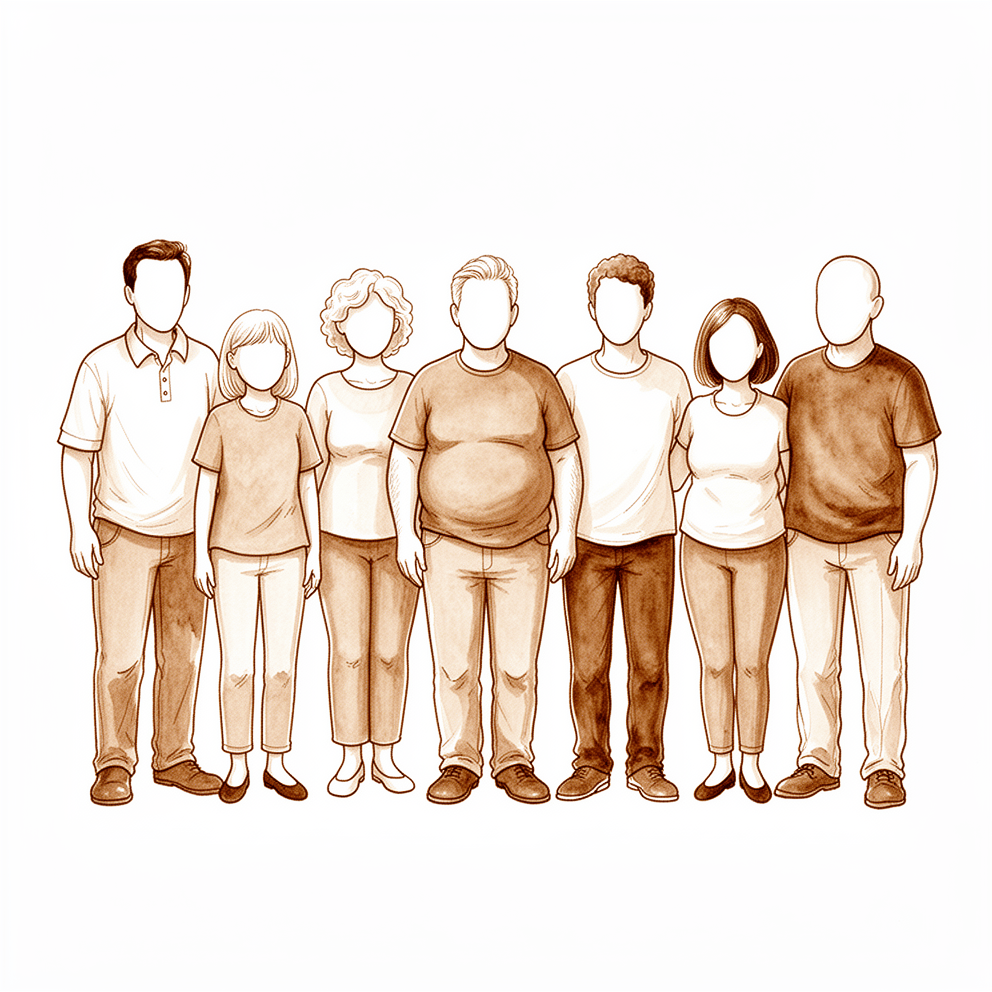
Impact of race, ethnicity, and socioeconomic status on shoulder pathology epidemiology, surgical access, and clinical outcomes.
Overview
Age at index arthroplasty significantly affects outcomes and the risk of revision [1]. Surgeons and patients must consider the impact of age on patient course and outcomes regardless of the presence of comorbidities [2]. Advanced age should not be used as the sole determinant of perioperative survival [5], as postoperative survival justifies the resources utilized in revision surgery regardless of age [5]. Similarly, complication rates for proximal hamstring avulsion surgery were similar between patients under and over 50 years old [9]. Both groups showed improved outcomes after proximal hamstring avulsion surgery, with greater gains observed in the younger group [9].
Body mass index (BMI) requires nuanced interpretation. A specific BMI threshold cannot be recommended as a screening tool for postoperative complications; BMI should be incorporated as a component of comprehensive preoperative clinical assessment [4]. The use of eligibility criteria for primary total shoulder arthroplasty (TSA) or reverse total shoulder arthroplasty (RSA) based solely on BMI threshold values presents a potential limitation in access to care for patients who would otherwise have a complication-free procedure [11]. The institution of BMI eligibility cutoffs for knee arthroscopy results in low positive predictive values and a high number of denials for surgery that would otherwise be complication-free [40]. Underweight body mass index is associated with increased in-hospital complications and length of stay after revision total joint arthroplasty [42]. Standardized preoperative protocols should be developed and instituted to improve outcomes in underweight patients undergoing revision total joint arthroplasty [42].
Other demographic factors also influence surgical planning. Age, race, insurance status, surgical indication, and number of spinal levels included in the arthrodesis are associated with reoperation risk after cervical spine arthrodesis [36]. THA candidates with a high comorbidity burden may benefit from referral to high-volume surgeons to reduce procedural risk and improve postoperative outcomes [43]. Regarding gender, there is no appreciable effect of gender on implant survivorship in hip resurfacing arthroplasty [44]. Women can be excellent candidates for hip resurfacing arthroplasty if optimized surgical technique is used to offset risks associated with small component size [44].
Anatomy & Pathophysiology
Kinematics and Kinetics
Shoulder anterior force in high school and professional baseball pitchers is prominently predicted by temporal and kinematic motions at the shoulder [32]. Disruption of the kinetic chain mechanism predisposes athletes to shoulder injury [33]. Multiple upper extremity and trunk kinematic parameters affect ball velocity, with significant contributions from the throwing shoulder, trunk, and nondominant arm [39]. In young female baseball players, pitching kinematics and kinetics causing increases in elbow joint load depend on shoulder kinematics [65]. Arm slot position is related to shoulder abduction and trunk lateral tilt in high school and professional pitchers [82]. Sagittal plane trunk tilt affects both pitching performance and elbow moments in collegiate baseball pitchers [78].
Increased pitch velocity and workload are common risk factors for ulnar collateral ligament injury in baseball players [79]. In 9- to 10-year-old baseball athletes, shoulder maximum internal rotation velocity and shoulder kinetics increase during a simulated game [52]. Athletes completing 105 pitches in the windmill softball pitch are able to maintain shoulder kinematics and ball speed [53]. No relationship was found between stride position, stride-foot progression angle, and shoulder distraction force in collegiate softball pitchers [64]. Players can throw at close to half effort to reduce elbow kinetics while maintaining kinematics occurring at 100% effort pitching [57]. Overhead athletes with or without shoulder injury history demonstrate similar kinetic chain sequencing across lower limb and lumbopelvic-hip complex segments, with differences only in the timing of peak elbow extension and shoulder flexion angular velocities [81].
Osseous and Structural Anatomy
The critical shoulder angle is unaffected by demographic factors [54]. Optimum restoration of shoulder function requires activation of all kinetic chain segments to re-establish pre-injury interactions [55]. Serratus anterior reconstruction is recommended to achieve optimal shoulder function via nerve transfers [71]. Transfer of the branch to the long head triceps brachii of the radial nerve to the anterior branch of the axillary nerve provides shoulder abduction and shoulder extension functions of the posterior deltoid [74].
Shoulder muscle imbalance alone causes neither subscapularis shortening nor internal rotation contracture following neonatal brachial plexus injury [68]. Shoulder internal/external rotation in abduction and adduction is not interchangeable in children with brachial plexus birth injury [83].
Classification
Age: Advanced age at index arthroplasty affects outcomes and the risk of revision in shoulder arthroplasty [1]. In total knee arthroplasty, demographic variables such as advanced age significantly affect result evaluation scores [85]. For Osgood-Schlatter disease, the risk increases with age in males but not in females [31].
ASA Class: Patients identified as being at higher risk (ASA class 3 or 4) preoperatively for hip fracture surgery should be closely managed medically to manage perioperative medical complications and address evolving medical issues [20].
BMI: Controlling for comorbidities and known risk factors for instability, there is no difference in rates of dislocation or revision for instability between normal-weight patients and those in higher BMI classes after total hip arthroplasty [28].
Diagnostic Cluster (Psychiatric/Neurologic): Complication patterns vary by diagnostic cluster in knee arthroplasty patients with psychiatric and neurologic comorbidities [15]. The highest revision risk in these patients is observed in those with schizophrenia spectrum disorders (F20 to F29) [15]. The highest revision risk is also observed in those with extrapyramidal/parkinsonian disorders (G20 to G26) [15].
FEDS: There are 16 categories within the FEDS classification for glenohumeral instability that are clinically significant [38].
Kellgren-Lawrence: Categorizing Kellgren-Lawrence gonarthrosis stages into early (KL≤2) and advanced (KL≥3) groups improves interobserver reliability [91].
Osgood-Schlatter Risk: The risk of Osgood-Schlatter disease is greater in stage A than stage C of tibial tuberosity bony maturity [31]. The risk is greater in stage E than stage A of tibial tuberosity bony maturity [31] [31].
5P Risk Score: The odds of developing persistent postconcussive symptoms increases with each point increase on the 5P risk score in youth athletes [93].
Other Considerations: Socio-demographic factors influence the management of calcaneus fractures in orthopedic trauma patients [27]. A specific tool allows physicians and healthcare systems to identify patients at a higher risk of needing inpatient care after unicompartmental knee arthroplasty [95].
Clinical Presentation
Age significantly impacts patient course and outcomes in elective total hip arthroplasty, independent of comorbidities [2]. For shoulder instability surgery, the risk of 30-day readmission and overnight hospital stay increases with patient age [50]. In elderly patients undergoing hip fracture surgery, those in ASA class 3 or 4 are identified as being at higher risk for medical complications [20].
Preoperative assessment must account for functional and demographic predictors. Dependent functional status is a risk factor for perioperative and postoperative complications after total hip arthroplasty [19]. Additional investigations are indicated to identify at-risk patients for total knee arthroplasty based on social predictors such as marital status, race, insurance type, and socioeconomic status [12]. Independent predictors of early revision total hip arthroplasty include obesity and a diagnosis of anxiety/depression [47].
Specific diagnostic criteria and severity assessments guide management. Consensus on diagnostic criteria for thoracic outlet syndrome has not been established [7]. Modern comprehensive diagnostic criteria for rapidly progressive osteoarthritis of the hip have been established and validated in the Southeast Asian population [18]. Greater diagnosis severity of neuromuscular scoliosis at the time of surgery may affect surgical outcomes and pose a higher risk of postoperative complications [6].
Concussion evaluation requires attention to baseline status and symptom clusters. Individuals with at least one previous undiagnosed concussion exhibit worse baseline clinical indicators [3]. Certain variables are associated with increased symptoms across multiple concussion clusters and may indicate greater injury severity, while other factors are associated with specific symptom presentations [45]. Concussions are a form of traumatic brain injury with a wide range of severity, requiring early detection through thorough knowledge of signs and symptoms [46]. In intercollegiate water polo athletes, concussions were the most common injury diagnosis and had the worst return-to-play outcomes among common diagnoses [49].
Periprosthetic and thromboembolic risk stratification relies on specific biomarkers and clinical factors. The accuracy of inflammatory biomarkers for diagnosing periprosthetic joint infection varies significantly among demographic groups [14]. Preoperative deep venous thrombosis risk factors include age ≥ 65 years, D-dimer > 0.5 mg/L, and albumin < 35g/L [13]. Identified risk factors for preoperative deep venous thrombosis after femoral neck fracture in the elderly aid in patient counseling, individualized risk assessment, and risk stratification [37].
Complication patterns vary by diagnostic cluster and population. Complication patterns in knee arthroplasty vary by diagnostic cluster, with the highest revision risk observed in patients with schizophrenia spectrum disorders (F20 to F29) and extrapyramidal/parkinsonian disorders (G20 to G26) [15]. The HITS database identifies high-risk conditions and characterizes management outcomes for injuries in professional baseball [16]. Understanding injury epidemiology, including return to play rates and career duration, allows treating physicians to gain player trust, understand prognosis, and guide players back to the field safely [17].
Investigations
Plain radiography: Greater diagnosis severity at presentation may affect outcomes afforded by surgery and pose a higher risk of postoperative complications [6]. The excess of knee radiographic osteoarthritis among symptomatic males is unlikely to be attributable to the use of comprehensive X-ray views [90]. Knee pain scores increased the ability to identify participants with radiographic KL ≥ 2 in both sexes [109].
MRI: The incidence of pathology identified on knee MRI scans in asymptomatic players at the NBA Draft Combine was high, with little correlation found between objective imaging findings and subjective pain, function, and orthopaedic injury history [77]. MRI-defined patellar tendinopathy is common in community-based adults and is associated with current and past history of obesity assessed by BMI or body weight, but not fat mass [94]. MRI determination of posterior interosseus nerve position is reliable and consistent with prior cadaveric study [105].
Other Considerations: Additional investigations are indicated in identifying at-risk patients and subsequent optimization of these patients [12]. Understanding how the accuracy of diagnostic tests varies with respect to demographic factors can help physicians avoid subjecting patients to unnecessary additional testing and reach more accurate diagnoses of PJI [14]. Evidence-based systematic approaches exist for directing patients to preoperative imaging, grading and classifying injuries using established radiological criteria, selecting patients for nonoperative treatment, and referring them appropriately for operative management [98].
Validation of a novel genetic marker for risk of degenerative rotator cuff disease surgery in studies with imaging data to confirm diagnoses is an important next step [84]. The prevalence of morphological variations associated with femoroacetabular impingement has been determined in the general population [29]. Radiographical parameters that stratify risk of recurrent patellar dislocation in adults are also able to predict recurrent patellar dislocation in the pediatric population [104]. A deltoid tuberosity index cutoff of 1.6 may help prompt clinicians to initiate workup and manage underlying osteoporosis in an Asian population [108].
Preoperative overweight and obesity do not cause inferior outcomes following open-wedge high tibial osteotomy, as clinical and radiological outcomes in patients with preoperative overweight, obesity, and normal-BMI were not significantly different [101]. There was no difference in clinical, functional, or radiological outcomes between obese and non-obese patients [96]. Preoperative opioid usage predicts markedly inferior outcomes 2 years after reverse total shoulder arthroplasty, with opioid users having significantly increased rates of periprosthetic radiolucency and revision [110]. Re-revision beyond 5 years is uncommon following revision knee arthroplasty in the elderly [112]. Those with prior shoulder surgery had more diagnostic imaging and orthopaedic surgery in college [99].
Treatment
Non-Operative
Conservative management should be considered before surgical treatment is indicated for pubalgia in athletes [62]. Factors considered refractory to conservative management of ulnar collateral ligament injuries of the elbow in baseball players may indicate a need for UCL reconstruction surgery [89]. Operative management by the authors resulted in 84% excellent-to-good results, compared to 59% for non-operative management and 42% for patients referred for poor results [97]. There has been a significant decrease in the initial trial of nonoperative treatment and an increase in the rate of surgery for rotator cuff tears in the United States Medicare population [100].
Operative
Indications: Morbid obesity (BMI ≥ 35 kg/m2) is an independent risk factor for functional outcomes and implant survival after UKA [23]. High BMI should not be considered a contraindication to medial Oxford UKA when UKA is used for appropriate indications [34]. Obesity alone should not preclude patients from TSA eligibility; surgical candidacy should be evaluated in the context of patients' overall health [41]. A specific BMI threshold should not be used as a screening for postoperative complications; BMI should be incorporated as a component of comprehensive preoperative clinical assessment [4]. The use of eligibility criteria for primary TSA or RSA based solely on BMI threshold values presents a potential limitation in access to care [11]. Risk factors for overall failure of autologous chondrocyte implantation and tibial tubercle osteotomy for patellofemoral chondral defects included age less than 30 years, female sex, and tobacco use [60]. rTSA yielded greater quality-adjusted life years and superior cost-effectiveness compared to other strategies, supporting its role as the preferred treatment strategy for proximal humerus fractures in patients over 65 years old [56].
Surgical Approach / Technique: Radiofrequency microtenotomy for elbow epicondylitis provides durable results with successful outcomes observed at nine years following surgery [73].
Implant Selection: Surgical and overall failures of autologous chondrocyte implantation and tibial tubercle osteotomy for patellofemoral chondral defects were associated with periosteal patch use [60].
Other Considerations: Psychosocial factors were not associated with patient-reported outcomes after intervention for rotator cuff tears [51]. Chronic non-orthopedic conditions were significantly more prevalent in patients with less severe degenerative changes at the time of surgery, and these patients were significantly more dissatisfied with their operation [92]. Socioeconomically disadvantaged and non-White patients who sustain ACL tears are at a greater risk of delays in the time of injury to ACLR and for undergoing a concomitant meniscectomy [102]. Nonagenarian patients with hip fracture differ significantly from younger patients concerning clinical characteristics, medical complications, and in-hospital and 30-day mortality rates [103]. Evaluation of fall risk factors contributes to identifying patients with bone risk factors at highest immediate risk of subsequent non-vertebral fracture despite guideline-based treatment [107].
Complications
Infection (PJI): Evidence does not provide specific incidence or risk factor data for periprosthetic joint infection in this dataset.
Aseptic loosening: Long-term revision rates following total hip replacement are higher among obese patients but remain acceptable by contemporary standards [67]. Implant survival in total hip arthroplasty is comparable between obese and non-obese patients [10].
Instability: Younger patients (≤15 and 16 to 20 years of age) are more likely to have experienced multiple instability events at initial evaluation, require surgery, and experience recurrent anterior shoulder instability compared with older patients [113]. A history of anterior cruciate ligament reconstruction is a risk factor for further injury, with the highest risk occurring in the first year after reconstruction [25]. Diagnosed mental health disorders are associated with decreased odds of additional anterior cruciate ligament tears and reconstructions after anterior cruciate ligament reconstruction [63].
Periprosthetic fracture: Geriatric hip fractures are associated with high short-term morbidity and mortality [8]. Patients aged > 65 years who experienced a fragility fracture are at imminent risk of experiencing subsequent fracture within the next 2 years [111].
Thromboembolism: Evidence does not provide specific incidence or risk factor data for thromboembolism in this dataset.
Patellar / Extensor-mechanism: Evidence does not provide specific incidence or risk factor data for patellar or extensor-mechanism complications in this dataset.
Stiffness / Arthrofibrosis: Evidence does not provide specific incidence or risk factor data for stiffness or arthrofibrosis in this dataset.
Nerve palsy: Evidence does not provide specific incidence or risk factor data for nerve palsy in this dataset.
Wound complications: Evidence does not provide specific incidence or risk factor data for wound complications in this dataset.
Polyethylene wear: Radiographic signs of degenerative changes have a high incidence 8.8 years after bipolar radial head arthroplasty [114].
Other Considerations: Age impacts patient course and outcomes in elective total hip arthroplasties in nonagenarians, regardless of comorbidities [2]. Complication rates for proximal hamstring avulsion surgery are similar between patients under and over 50 years old [9]. Obesity is associated with lower long-term functional outcomes and higher complication rates following total hip arthroplasty [10]. Higher Charlson comorbidity index (CCI) is associated with worse patient function and higher long-term risk of death in elderly patients with femoral neck fractures [21]. Long-term anticoagulation use is associated with poorer medical and surgical outcomes at 90 days and 2 years postoperatively in patients undergoing unicompartmental knee arthroplasty [22]. Years of experience is the only factor associated with severe injuries in Chinese Arena Football League players [30]. Age and comorbidities, particularly diabetes and cardiovascular conditions, have the greatest effect on readmission and event risk after short stay total hip arthroplasty [58]. Obesity is not associated with increased risk of long-term surgical complications after anatomic or reverse total shoulder arthroplasty when other major comorbidities are controlled for [59]. Diagnosed mental health disorders are associated with increased short- and long-term postoperative complications after anterior cruciate ligament reconstruction [63]. Obese patients have a lower risk of 90-day mortality following total hip replacement compared to non-obese patients [67]. Current comorbidity indices inadequately identify patients who experience early adverse outcomes following total shoulder arthroplasty [70]. Frail women have lower 30-day mortality despite increased complication rates compared to frail men following primary total hip arthroplasty [75]. Patients with a history of solid organ transplant undergoing shoulder arthroplasty have specific vulnerability to minor complications and inherently increased inpatient resource utilization [106]. Major primary complications occur after bipolar radial head arthroplasty [114].
Recovery
Light activity (weeks): Evidence does not provide specific week ranges for light activity, desk work, or driving.
Full activity (months): Evidence does not provide specific month ranges for manual work, sport, or full ROM/strength return.
Complete recovery / outcome plateau (months): Evidence does not provide specific month ranges for the stabilization of pain, strength, and final functional outcomes.
Rehabilitation protocol: Evidence does not specify PT phasing, immobilisation duration, weight-bearing/ROM progression, or sling/brace removal timing.
Functional milestones: Obesity is associated with lower long-term functional outcomes following total hip arthroplasty, while implant survival remains comparable to non-obese patients [10]. Morbid obesity (BMI ≥ 35 kg/m²) is an independent risk factor for functional outcomes and implant survival after unicompartmental knee arthroplasty (UKA) [23]. Long-term anticoagulation use is associated with poorer medical and surgical outcomes at both 90 days and 2 years postoperatively in patients undergoing UKA, even after adjustment for confounders [22]. A higher Charlson comorbidity index correlates with worse patient function in elderly patients with femoral neck fractures [21]. Functional outcome increases after different secondary procedures for brachial plexus birth palsy, even in the long term [48]. Results of contralateral lower trapezius transfer for restoration of shoulder external rotation in traumatic brachial plexus palsy remained stable after a mean follow-up of 58 months with no donor site deficit [86].
Other Considerations: Understanding injury epidemiology, including data on return to play rates and career duration, allows treating physicians to gain player trust, understand prognosis, and properly guide players back to the field safely [17]. The study provides prognostic data regarding expected time loss on a per-injury pattern basis for hand and wrist injuries in NCAA men’s football [115]. Prolonged return to sport time after acute sport-related concussion in high school athletes is associated with athletic trainer involvement, sex, concussion history, and location of follow-up care [117]. Male and nonwhite patients are at increased risk of loss to follow-up for patient-reported outcome measures at 2 years after anterior cruciate ligament reconstruction [88]. Contradictory findings regarding body mass index effects on outcomes of ambulatory knee and shoulder surgery may be contributed to by variation in measuring and classifying anthropometry, postoperative outcomes, and follow-up time [26]. Years of experience was the only factor associated with severe injuries in the Chinese Arena Football League [30]. The risk of Osgood-Schlatter disease is greater in stage A than stage C and in stage E than stage A, with risk increasing with age in males but not in females [31]. Rhabdomyosarcoma of the hand is a uniformly fatal disease regardless of treatment in patients with complete follow-up [116]. Parsonage-Turner syndrome generally resolves over time, with a recovery rate of 65% at 10 months and a favorable prognosis for most cases, though recurrences are noted especially in patients with a genetic predisposition [118]. The study provides insight into the natural history of rotator cuff disease by comparing morphological characteristics and prevalences in asymptomatic and symptomatic shoulders [24].
Key Evidence
- [L3] Age at index arthroplasty affects outcomes and the risk of revision. [1] (10.1016/j.jse.2019.09.016)
- [L2] Surgeons and patients must consider the impact of age on patient course and outcomes regardless of the presence of comorbidities. [2] (10.1016/j.arth.2022.01.067)
- [L3] Individuals reporting at least 1 previous undiagnosed concussions exhibited worse baseline clinical indicators. [3] (10.1177/03635465221118089)
- [L4] We cannot recommend a specific BMI threshold to utilize as a screening for postoperative complications but rather emphasize incorporating BMI as a component of the comprehensive preoperative clinical assessment. [4] (10.1016/j.arth.2024.10.040)
- [L3] Advanced age should not be used as the sole determinant of perioperative survival, and postoperative survival justifies the resources utilized in revision surgery regardless of age. [5] (10.1016/j.arth.2008.11.099)
- [L2] Greater diagnosis severity at presentation may affect outcomes afforded by surgery and pose a higher risk of postoperative complications. [6] (10.5435/jaaos-d-25-00064)
- [L5] This article aims to review the epidemiology, etiology, relevant anatomy, clinical presentations, diagnosis, and management of thoracic outlet syndrome, noting that while consensus in diagnostic criteria has not yet been established, general first-line therapy is conservative treatment and surgery is considered for patients who fail conservative therapy. [7] (10.3390/jcm10050962)
- [L3] Geriatric hip fractures continue to have high short-term morbidity and mortality. [8] (10.5435/jaaos-d-21-01055)
- [L3] Complication rates were similar between the age groups. [9] (10.1002/ksa.12596)
- [L2] Obesity is associated with lower long-term functional outcomes and higher complication rates following total hip arthroplasty, though implant survival remains comparable to non-obese patients. [10] (10.1186/1749-799x-7-16)
- [L3] The use of eligibility criteria for primary TSA or RSA based solely on BMI threshold values presents a potential limitation in access to care to these patients who otherwise would have a complication-free procedure. [11] (10.5435/jaaos-d-21-00476)
- [L3] Additional investigations are indicated in identifying at-risk patients and subsequent optimization of these patients. [12] (10.5435/jaaos-d-23-00368)
- [L3] We recommend individualized risk stratification and early anticoagulation for patients with risk factors (age ≥ 65 years, D-dimer > 0.5 mg/L and albumin < 35g/L). [13] (10.1186/s13018-021-02558-4)
- [L3] Understanding how the accuracy of diagnostic tests varies with respect to demographic factors can help physicians avoid subjecting patients to unnecessary additional testing and reach more accurate diagnoses of PJI. [14] (10.1016/j.arth.2020.10.036)
- [L3] Complication patterns varied by diagnostic cluster, with the highest revision risk observed in patients with schizophrenia spectrum disorders (F20 to F29) and extrapyramidal/parkinsonian disorders (G20 to G26). [15] (10.1016/j.arth.2025.11.002)
- [L4] The HITS database provides the most comprehensive epidemiologic resource on injuries in professional baseball, identifying high-risk conditions and characterizing management outcomes. [16] (10.1177/23259671261419846)
- [L5] Understanding injury epidemiology, including data on return to play rates and career duration, allows treating physicians to gain player trust, understand prognosis, and properly guide players back to the field safely. [17] (10.1016/j.arthro.2023.01.097)
- [L4] The authors propose modern comprehensive diagnostic criteria based on existing literature and current findings. [18] (10.1186/s42836-021-00107-2)
- [L3] These data may aid for patient counseling and risk stratification. [19] (10.1016/j.arth.2018.12.037)
- [L2] Patients identified as being at higher risk (in ASA class 3 or 4) preoperatively should be closely managed medically so that perioperative medical complications can be managed and evolving medical issues can be addressed in a timely fashion. [20] (10.2106/jbjs.i.00571)
- [L3] The higher the CCI, the worse the patient's function and the higher the long-term risk of death. [21] (10.1186/s12891-024-07814-2)
- [L3] This study demonstrated that long-term anticoagulation use was associated with poorer medical and surgical outcomes at both 90 days and 2 years postoperatively in patients undergoing UKA, even after rigorous adjustment for confounders. [22] (10.1016/j.arth.2024.02.021)
- [L3] Morbid obesity is an independent risk factor for functional outcomes and implant survival after UKA. [23] (10.1186/s13018-019-1316-5)
- [L3] The study provides insight into the natural history of rotator cuff disease by comparing morphological characteristics and prevalences in asymptomatic and symptomatic shoulders. [24] (10.2106/jbjs.e.00835)
- [L2] A history of anterior cruciate ligament reconstruction is a risk factor for further injury, with the highest risk in the first year after reconstruction. [25] (10.1177/03635465010290021301)
- [L4] Several factors may have contributed to contradictory findings, including variation in measuring and classifying anthropometry, postoperative outcomes, and follow-up time. [26] (10.1016/j.arthro.2014.02.031)
- [L3] Further studies need to identify the specific patient-related, provider-related, and system-related factors leading to these disparities. [27] (10.1186/s13018-019-1402-8)
- [L3] Controlling for comorbidities and known risk factors for instability, the analysis demonstrated no difference in rates of dislocation or revision for instability between normal-weight patients and those in higher BMI classes. [28] (10.1016/j.arth.2024.03.023)
- [L3] This study provides information to determine the prevalence of these anatomic variants in the general population. [29] (10.1177/2325967120977892)
- [L2] Years of experience was the only factor that was associated with severe injuries. [30] (10.1177/2325967118780040)
- [L3] The risk of OSD is greater in stage A than stage C and in stage E than stage A, with the risk increasing with age in males but not in females. [31] (10.1177/2325967117749184)
- [L4] Temporal and kinematic motions at the shoulder were prominent predictors of shoulder anterior force for both cohorts. [32] (10.1177/17585732221098721)
- [Paper] Understanding the biomechanics of the kinetic chain is fundamental for evaluating and treating the athlete's shoulder, as disruption of this mechanism predisposes athletes to injury. [33] (10.1016/j.csm.2008.07.007)
- [L3] Therefore, when UKA is used for appropriate indications, high BMI should not be considered a contraindication. [34] (10.1007/s00167-018-5218-6)
- [L3] Based upon these results, obesity does not appear to be a contraindication to UKA as long as the other patient selection criteria are adhered to. [35] (10.1016/j.arth.2010.01.019)
- [L3] Age, race, insurance status, surgical indication, and number of spinal levels included in the arthrodesis were also associated with reoperation risk. [36] (10.2106/jbjs.15.00938)
- [L3] These identified risk factors aid in patient counseling, individualized risk assessment and risk stratification, and should be kept in mind. [37] (10.1186/s12891-021-04145-4)
- [L4] There are 16 categories within the FEDS classification that are clinically significant. [38] (10.1016/j.jse.2018.08.014)
- [L4] Multiple upper extremity and trunk kinematic parameters affect ball velocity, with significant contributions from the throwing shoulder and trunk, as well as nondominant arm. [39] (10.1177/23259671231196539)
- [L4] The institution of BMI eligibility cutoffs would result in low PPVs and a high number of denials for surgery that would otherwise be complication free. [40] (10.1016/j.arthro.2019.06.039)
- [L3] Obesity alone should not preclude patients from TSA eligibility, as surgical candidacy should be evaluated in the context of patients' overall health. [41] (10.5435/jaaos-d-23-00122)
- [L3] Standardized preoperative protocols should be developed and instituted to improve outcomes in this patient cohort. [42] (10.5435/jaaos-d-22-00214)
- [L3] THA candidates with a high comorbidity burden may benefit from referral to high-volume surgeons to reduce procedural risk and improve postoperative outcomes. [43] (10.1302/0301-620x.106b3.bjj-2023-0807.r1)
- [L3] There is no appreciable effect of gender on implant survivorship; women can be excellent candidates for hip resurfacing arthroplasty if optimized surgical technique is used to offset risks associated with small component size. [44] (10.1016/j.arth.2010.01.071)
- [L3] Certain variables were associated with increased symptoms across multiple clusters and may be indicative of greater injury severity, while other factors were associated with a more specific symptom presentation. [45] (10.1177/23259671231163581)
- [L5] The report highlights that while many concussions are mild, they are a form of traumatic brain injury with a wide range of severity, and early detection through thorough knowledge of signs and symptoms is critical for management. [46] (10.1177/03635465990270052401)
- [L3] Additionally, independent predictors of early revision include obesity and a diagnosis of anxiety/depression. [47] (10.1016/j.arth.2018.01.018)
- [L1] The literature reveals that functional outcome increases after different secondary procedures, even in the long term. [48] (10.1302/0301-620x.105b4.bjj-2022-1069.r1)
- [L3] Concussions were the most common injury diagnosis, had the worst return-to-play outcomes among common diagnoses, and were mostly sustained outside of competition. [49] (10.1177/23259671221110208)
- [L3] The risk of 30-day readmission and overnight hospital stay increased with patient age. [50] (10.1016/j.jse.2020.05.024)
- [L2] However, these factors were not associated with patient-reported outcomes after intervention. [51] (10.1007/s11999.0000000000000087)
- [L4] Several results differed from those of previous studies with adult pitchers: pitch speed remained steady, shoulder maximum internal rotation velocity increased, and shoulder kinetics increased during a simulated game. [52] (10.1177/2325967118765655)
- [L4] The consistency in kinematics demonstrates that despite completing 105 pitches, these athletes are able to maintain shoulder kinematics and ball speed during the underhand pitch. [53] (10.1177/2325967113s00094)
- [L5] The critical shoulder angle was unaffected by demographic factors. [54] (10.1016/j.jse.2014.10.021)
- [Paper] Optimum restoration of shoulder function requires activation of all kinetic chain segments to re-establish the interactions that existed before injury. [55] (10.1016/j.csm.2008.07.001)
- [L3] Across all model timeframes, rTSA consistently yielded greater quality-adjusted life years and superior cost-effectiveness, supporting its role as the preferred treatment strategy in this population. [56] (10.1016/j.jse.2026.04.004)
- [L4] These results suggest that players can throw at close to half effort to reduce their elbow kinetics while maintaining kinematics that would be occurring at 100% effort pitching. [57] (10.1177/23259671251356631)
- [L3] Age and comorbidities, particularly diabetes and cardiovascular conditions, have the greatest effect on readmission and event risk after short stay THA. [58] (10.1016/j.arth.2015.05.040)
- [L3] Obesity, when other major comorbidities are controlled for, was not associated with increased risk of long-term surgical complications after shoulder replacement surgery. [59] (10.1016/j.jse.2022.10.013)
- [L4] Risk factors for overall failure included age less than 30 years, female sex, and tobacco use, while surgical and overall failures were associated with periosteal patch use. [60] (10.1177/0363546518800713)
- [L2] However, conservative management should be considered before surgical treatment is indicated. [62] (10.1186/s13018-022-03376-y)
- [L3] Diagnosed mental health disorders were associated with increased short- and long-term postoperative complications after ACL reconstruction but also demonstrated a potentially protective association with multiple postoperative outcomes, including decreased odds of additional ACL tears and reconstructions. [63] (10.1016/j.arthro.2025.05.037)
- [L4] Alternatively, no relationship was found between the other stride parameters (stride position and stride-foot progression angle) and shoulder distraction force. [64] (10.1177/23259671241280233)
- [L4] Although the pitching kinematics and kinetics in young female players were significantly lower than those in young male players, the pitching kinematics and kinetics that cause increases in the elbow joint load had a sex difference, and those in young female players depended on shoulder kinematics. [65] (10.1177/23259671251343795)
- [L3] Although long-term revision rates following total hip replacement were higher among obese patients, we believe that the rates remained acceptable by contemporary standards and were balanced by a lower risk of 90-day mortality. [67] (10.2106/jbjs.18.00120)
- [L5] Shoulder muscle imbalance alone causes neither subscapularis shortening nor internal rotation contracture. [68] (10.2106/jbjs.j.00943)
- [L3] Current comorbidity indices inadequately identify patients who experience early adverse outcomes following total shoulder arthroplasty. [70] (10.5397/cise.2025.00584)
- [L4] Serratus anterior reconstruction is recommended to achieve optimal shoulder function. [71] (10.1016/j.hcl.2015.12.004)
- [L3] Optimizing preoperative kidney function through appropriate interventions might decrease the risk of poor prognosis in this population. [72] (10.1186/s12891-024-07653-1)
- [L3] The results are durable with successful outcomes observed at nine years following surgery. [73] (10.1016/j.arthro.2014.04.059)
- [L4] This technique can provide shoulder abduction and shoulder extension, which are the functions of the posterior deltoid muscle. [74] (10.1016/j.jhsa.2022.04.022)
- [L3] Contrarily, frail women, relative to frail men, have lower 30-day mortality despite increased complication rates. [75] (10.1016/j.arth.2023.01.054)
- [L3] Given the considerable impact of PAD on TKA outcomes, comprehensive management strategies are crucial to mitigate adverse events, underscoring the need for further research to explore risk stratification and targeted interventions for improved TKA safety in patients who have PAD. [76] (10.1016/j.arth.2024.11.047)
- [L3] The incidence of pathology identified on knee MRI scans in players at the NBA Draft Combine without clinical symptoms was high, with little correlation found between objective imaging findings and subjective pain, function, and orthopaedic injury history. [77] (10.1177/03635465251381362)
- [L4] Sagittal plane positioning of the trunk plays a role in pitching mechanics, as it can affect both pitching performance and elbow moments. [78] (10.1177/2325967118800240)
- [L3] Biomechanical risk factors were less commonly reported and lack sufficient evidence to recommend preventative strategies. [79] (10.1136/jisakos-2018-000226)
- [L3] Overhead athletes, regardless of shoulder injury history, demonstrated similar kinetic chain sequencing across lower limb and lumbopelvic-hip complex segments, with differences only in the timing of peak elbow extension and shoulder flexion angular velocities. [81] (10.1177/23259671241288889)
- [L4] Arm slot position was related to shoulder abduction and trunk lateral tilt. [82] (10.1177/23259671221147874)
- [L4] Shoulder internal/external rotation in abduction and adduction is not interchangeable. [83] (10.1016/j.jhsa.2024.06.001)
- [L3] Validation of this finding in studies with imaging data to confirm diagnoses will be an important next step. [84] (10.2106/jbjs.20.01474)
- [L4] Numerous scoring systems have been devised to evaluate patients who have symptoms related to the knee, but demographic variables such as advanced age, low family income, and multiple medical conditions significantly affect scores. [85] (10.2106/00004623-199706000-00009)
- [L4] The results have remained stable after mean follow-up of 58 months with no donor site deficit. [86] (10.1177/1753193413512245)
- [L2] While education level did not predict loss to follow-up, patients who are male and nonwhite are at increased risk of loss to follow-up of PROM at 2 years. [88] (10.1177/0363546519876925)
- [L3] These factors are considered refractory to conservative management and may indicate a need for UCL reconstruction surgery. [89] (10.1177/2325967113s00015)
- [L2] The excess of knee ROA among symptomatic males in this study seems unlikely to be attributable to the use of comprehensive X-ray views. [90] (10.1186/1471-2474-9-82)
- [L4] Categorizing KL stages into early (KL≤2) and advanced (KL≥3) groups improved interobserver reliability, thereby facilitating the development of standardized AI datasets. [91] (10.1186/s13018-025-06057-8)
- [L3] Chronic non-orthopedic conditions were significantly more prevalent in patients with less severe degenerative changes at the time of surgery, and these patients were significantly more dissatisfied with their operation. [92] (10.1016/j.arth.2015.01.051)
- [L2] The odds of developing PPCS increases with each point increase on the risk score. [93] (10.1177/2325967121s00394)
- [L3] MRI defined patellar tendinopathy is common in community-based adults and is associated with current and past history of obesity assessed by BMI or body weight, but not fat mass. [94] (10.1186/1471-2474-15-266)
- [L4] This review provides an evidence-based systematic approach for directing patients to preoperative imaging, grading and classifying injuries using established radiological criteria, selecting patients for nonoperative treatment, and referring them appropriately for operative management. [98] (10.1302/0301-620x.102b10.bjj-2020-1210.r1)
- [L3] Those with prior shoulder surgery additionally had more diagnostic imaging and orthopaedic surgery in college. [99] (10.1177/2325967115s00149)
- [L4] This analysis demonstrates a significant decrease in the initial trial of nonoperative treatment and an increase in the rate of surgery. [100] (10.1016/j.jse.2016.05.001)
- [L3] The clinical and radiological outcomes in patients with preoperative overweight, obesity, and normal-BMI were not significantly different. [101] (10.1371/journal.pone.0280687)
- [L4] Socioeconomically disadvantaged and non-White patients who sustain ACL tears are at a greater risk of delays in the time of injury to ACLR and for undergoing a concomitant meniscectomy. [102] (10.1016/j.arthro.2024.10.019)
- [L3] Nonagenarian patients with hip fracture differ significantly from younger patients concerning clinical characteristics, medical complications, and in-hospital and 30-day mortality rates. [103] (10.1016/j.arth.2019.12.044)
- [L2] Radiographical parameters that stratify risk of recurrent patellar dislocation in adults are also able to predict recurrent patellar dislocation in the pediatric population. [104] (10.1136/jisakos-2020-000461)
- [L4] MRI determination of PIN position is reliable and consistent with prior cadaveric study. [105] (10.1016/j.arthro.2020.12.118)
- [L3] Patients with history of solid organ transplant undergoing shoulder arthroplasty appear to remain a unique population due to their specific vulnerability to minor complications and inherently increased inpatient resource utilization. [106] (10.1016/j.jse.2018.02.064)
- [L2] Evaluation of fall risk factors contributes to identifying patients with bone risk factors at highest immediate risk of subsequent non-vertebral fracture despite guideline-based treatment. [107] (10.1186/1471-2474-14-121)
- [L3] DTI with a cutoff of 1.6 may help prompt clinicians to initiate workup and thus manage underlying osteoporosis. [108] (10.1016/j.jse.2024.05.018)
- [L4] Knee pain scores increased ability to identify participants with radiographic KL ≥ 2 in both sexes. [109] (10.1186/1471-2474-14-214)
- [L3] Additionally, opioid users had significantly increased rates of periprosthetic radiolucency and revision. [110] (10.1016/j.jse.2021.07.027)
- [L3] This cohort of Canadian patients aged > 65 years who experienced a fragility fracture at any site are at imminent risk of experiencing subsequent fracture within the next 2 years and should be proactively assessed and treated. [111] (10.1186/s12891-021-04051-9)
- [L4] Re‐revision beyond 5 years is uncommon. [112] (10.1002/ksa.70190)
- [L3] Younger patients, particularly those ≤15 and 16 to 20 years of age, were more likely to have experienced multiple instability events at the time of initial evaluation, require surgery, and experience recurrent instability compared with older patients. [113] (10.1177/0363546519886861)
- [L4] Despite major primary complications and high incidence of radiographic signs of degenerative changes after 8.8 years, mainly good clinical results were achieved with Judet's bipolar prosthesis. [114] (10.1016/j.jse.2010.05.022)
- [L4] This study provides valuable prognostic data regarding expected time loss on a per-injury pattern basis. [115] (10.1177/2325967119835375)
- [L4] In patients with complete follow-up, it has been a uniformly fatal disease regardless of treatment. [116] (10.2106/00004623-196143050-00007)
- [L4] There was an association between prolonged RTS and AT involvement, sex, concussion history, and location of follow-up care. [117] (10.1177/03635465231219263)
- [L5] The condition generally resolves over time, with a recovery rate of 65% at 10 months and a favorable prognosis for most cases, though recurrences are noted, especially in patients with a genetic predisposition. [118] (10.5397/cise.2025.00885)
See Also
- Clinical Assessment
- Total shoulder arthroplasty
- Shoulder Arthroplasty
- Fractures
- Shoulder Instability
- Thoracic Outlet Syndrome
- Rotator Cuff
References
[1] Defining the younger patient: age as a predictive factor for outcomes in shoulder arthroplasty. Journal of Shoulder and Elbow Surgery. 2020. DOI: 10.1016/j.jse.2019.09.016
[2] Elective Total Hip Arthroplasties in Nonagenarians—Age Does Matter: A National Surgical Quality Improvement Program Study. The Journal of Arthroplasty. 2022. DOI: 10.1016/j.arth.2022.01.067
[3] Optimizing Concussion Care Seeking: The Influence of Previous Concussion Diagnosis Status on Baseline Assessment Outcomes. The American Journal of Sports Medicine. 2022. DOI: 10.1177/03635465221118089
[4] Is There a Threshold Limit for Body Mass Index for Patients Undergoing Primary Total Knee or Total Hip Arthroplasty?. The Journal of Arthroplasty. 2025. DOI: 10.1016/j.arth.2024.10.040
[5] Mortality Following Revision Joint Arthroplasty: Is age a factor?. The Journal of Arthroplasty. 2009. DOI: 10.1016/j.arth.2008.11.099
[6] Does Socioeconomic Status Affect Severity of Neuromuscular Scoliosis at the Time of Surgery?. Journal of the American Academy of Orthopaedic Surgeons. 2025. DOI: 10.5435/jaaos-d-25-00064
[7] Thoracic Outlet Syndrome: A Narrative Review. Journal of Clinical Medicine. 2021. DOI: 10.3390/jcm10050962
[8] Preoperative Comorbidities Associated With Early Mortality in Hip Fracture Patients: A Multicenter Study. Journal of the American Academy of Orthopaedic Surgeons. 2023. DOI: 10.5435/jaaos-d-21-01055
[9] Improved outcomes of proximal hamstring avulsion surgery in patients both under and over 50 years, with greater gains in the younger group: A matched comparative study of the PHAS cohort. Knee Surgery, Sports Traumatology, Arthroscopy. 2025. DOI: 10.1002/ksa.12596
[10] Obesity and long term functional outcomes following elective total hip replacement. Journal of Orthopaedic Surgery and Research. 2012. DOI: 10.1186/1749-799x-7-16
[11] Investigating a Potential Limit to Access to Care: Preoperative Cutoff Values for Body Mass Index for Shoulder Arthroplasty. Journal of the American Academy of Orthopaedic Surgeons. 2021. DOI: 10.5435/jaaos-d-21-00476
[12] Marital Status, Race, Insurance Type, and Socioeconomic Status—Assessment of Social Predictors for Outcomes After Total Knee Arthroplasty. Journal of the American Academy of Orthopaedic Surgeons. 2023. DOI: 10.5435/jaaos-d-23-00368
[13] Prevalence and risk factors of preoperative deep venous thrombosis in closed patella fracture: a prospective cohort study. Journal of Orthopaedic Surgery and Research. 2021. DOI: 10.1186/s13018-021-02558-4
[14] Variation in Inflammatory Biomarkers Among Demographic Groups Significantly Affects Their Accuracy in Diagnosing Periprosthetic Joint Infection. The Journal of Arthroplasty. 2021. DOI: 10.1016/j.arth.2020.10.036
[15] International Classification of Diseases-10–Based Risk Stratification and Implant Selection for Knee Arthroplasty Among Patients Who Have Psychiatric and Neurologic Comorbidities: A Registry-Based Analysis of 549,234 Cases. The Journal of Arthroplasty. 2025. DOI: 10.1016/j.arth.2025.11.002
[16] Major League Baseball Health and Injury Tracking System (HITS): A Review of MLB Injuries Documented in the HITS Database Since Its Inception. Orthopaedic Journal of Sports Medicine. 2026. DOI: 10.1177/23259671261419846
[17] Editorial Commentary: Understanding Injury Epidemiology Builds Trust in Baseball Players. Arthroscopy. 2023. DOI: 10.1016/j.arthro.2023.01.097
[18] Rapidly progressive osteoarthritis of hip: establishing and validating diagnostic criteria in the Southeast Asian population. Arthroplasty. 2022. DOI: 10.1186/s42836-021-00107-2
[19] Dependent Functional Status is a Risk Factor for Perioperative and Postoperative Complications After Total Hip Arthroplasty. The Journal of Arthroplasty. 2019. DOI: 10.1016/j.arth.2018.12.037
[20] Use of Medical Comorbidities to Predict Complications After Hip Fracture Surgery in the Elderly. The Journal of Bone and Joint Surgery-American Volume. 2010. DOI: 10.2106/jbjs.i.00571
[21] Correlation between Charlson comorbidity index and surgical prognosis in elderly patients with femoral neck fractures: a retrospective study. BMC Musculoskeletal Disorders. 2024. DOI: 10.1186/s12891-024-07814-2
[22] Outcomes of Unicompartmental Knee Arthroplasty in Patients Receiving Long-Term Anticoagulation Therapy: A Propensity-Matched Cohort Study. The Journal of Arthroplasty. 2024. DOI: 10.1016/j.arth.2024.02.021
[23] The effect of morbid obesity (BMI ≥ 35 kg/m2) on functional outcome and complication rate following unicompartmental knee arthroplasty: a case-control study. Journal of Orthopaedic Surgery and Research. 2019. DOI: 10.1186/s13018-019-1316-5
[24] The Demographic and Morphological Features of Rotator Cuff Disease. The Journal of Bone & Joint Surgery. 2006. DOI: 10.2106/jbjs.e.00835
[25] Intrinsic and Extrinsic Risk Factors for Anterior Cruciate Ligament Injury in Australian Footballers. The American Journal of Sports Medicine. 2001. DOI: 10.1177/03635465010290021301
[26] Does Body Mass Index Affect Outcomes of Ambulatory Knee and Shoulder Surgery?. Arthroscopy. 2014. DOI: 10.1016/j.arthro.2014.02.031
[27] Healthcare disparities among orthopedic trauma patients in the USA: socio-demographic factors influence the management of calcaneus fractures. Journal of Orthopaedic Surgery and Research. 2019. DOI: 10.1186/s13018-019-1402-8
[28] Body Mass Index Does Not Drive the Risk for Early Postoperative Instability After Total Hip Arthroplasty: A Matched Cohort Analysis. The Journal of Arthroplasty. 2024. DOI: 10.1016/j.arth.2024.03.023
[29] Prevalence of Morphological Variations Associated With Femoroacetabular Impingement According to Age and Sex: A Study of 1878 Asymptomatic Hips in Nonprofessional Athletes. Orthopaedic Journal of Sports Medicine. 2021. DOI: 10.1177/2325967120977892
[30] Injuries in the Chinese Arena Football League: American Versus Chinese Players. Orthopaedic Journal of Sports Medicine. 2018. DOI: 10.1177/2325967118780040
[31] Bony Maturity of the Tibial Tuberosity With Regard to Age and Sex and Its Relationship to Pathogenesis of Osgood-Schlatter Disease: An Ultrasonographic Study. Orthopaedic Journal of Sports Medicine. 2018. DOI: 10.1177/2325967117749184
[32] Relationships between throwing mechanics and shoulder anterior force in high school and professional baseball pitchers. Shoulder & Elbow. 2022. DOI: 10.1177/17585732221098721
[33] Injury Patterns and Biomechanics of the Athlete's Shoulder. Clinics in Sports Medicine. 2008. DOI: 10.1016/j.csm.2008.07.007
[34] Obesity should not be considered a contraindication to medial Oxford UKA: long-term patient-reported outcomes and implant survival in 1000 knees. Knee Surgery, Sports Traumatology, Arthroscopy. 2018. DOI: 10.1007/s00167-018-5218-6
[35] The_Effect_of_BMI_on_Survivorship_of_Unicompartmental_Knee_Arthroplasty_S0883540310000264. The Journal of Arthroplasty. 2010. DOI: 10.1016/j.arth.2010.01.019
[36] Demographic, Clinical, and Operative Factors Affecting Long-Term Revision Rates After Cervical Spine Arthrodesis. Journal of Bone and Joint Surgery. 2016. DOI: 10.2106/jbjs.15.00938
[37] Preoperative deep venous thrombosis (DVT) after femoral neck fracture in the elderly, the incidence, timing, location and related risk factors. BMC Musculoskeletal Disorders. 2021. DOI: 10.1186/s12891-021-04145-4
[38] Epidemiology of the Frequency, Etiology, Direction, and Severity (FEDS) system for classifying glenohumeral instability. Journal of Shoulder and Elbow Surgery. 2019. DOI: 10.1016/j.jse.2018.08.014
[39] Kinematic Parameters Predictive of Pitch Velocity in Youth to Professional Baseball Pitchers: A Qualitative Systematic Review. Orthopaedic Journal of Sports Medicine. 2023. DOI: 10.1177/23259671231196539
[40] Body Mass Index Screening in Knee Arthroscopy: An Analysis Using the National Surgical Quality Improvement Database. Arthroscopy. 2019. DOI: 10.1016/j.arthro.2019.06.039
[41] The Obesity Paradox: A Nonlinear Relationship Between 30-Day Postoperative Complications and Body Mass Index After Total Shoulder Arthroplasty. Journal of the American Academy of Orthopaedic Surgeons. 2023. DOI: 10.5435/jaaos-d-23-00122
[42] Underweight Body Mass Index Is Associated With Increased In-Hospital Complications and Length of Stay After Revision Total Joint Arthroplasty. Journal of the American Academy of Orthopaedic Surgeons. 2022. DOI: 10.5435/jaaos-d-22-00214
[43] Should high-risk patients seek out care from high-volume surgeons?. The Bone & Joint Journal. 2024. DOI: 10.1302/0301-620x.106b3.bjj-2023-0807.r1
[44] Are_Women_Candidates_for_Hip_Resurfacing_S0883540310000781. The Journal of Arthroplasty. 2010. DOI: 10.1016/j.arth.2010.01.071
[45] Primary and Secondary Risk Factors Associated With Concussion Symptom Clusters in Collegiate Athletes: Results From the NCAA-DoD Grand Alliance CARE Consortium. Orthopaedic Journal of Sports Medicine. 2023. DOI: 10.1177/23259671231163581
[46] Concussion in Sports. The American Journal of Sports Medicine. 1999. DOI: 10.1177/03635465990270052401
[47] Does Preoperative Opioid Use Increase the Risk of Early Revision Total Hip Arthroplasty?. The Journal of Arthroplasty. 2018. DOI: 10.1016/j.arth.2018.01.018
[48] Long-term functional outcome of secondary shoulder surgery in brachial plexus birth palsy patients. The Bone & Joint Journal. 2023. DOI: 10.1302/0301-620x.105b4.bjj-2022-1069.r1
[49] Injuries Affecting Intercollegiate Water Polo Athletes: A Descriptive Epidemiologic Study. Orthopaedic Journal of Sports Medicine. 2022. DOI: 10.1177/23259671221110208
[50] The impact of age on 30-day complications following shoulder instability surgery. Journal of Shoulder and Elbow Surgery. 2020. DOI: 10.1016/j.jse.2020.05.024
[51] Are Psychosocial Factors Associated With Patient-reported Outcome Measures in Patients With Rotator Cuff Tears? A Systematic Review. Clinical Orthopaedics & Related Research. 2018. DOI: 10.1007/s11999.0000000000000087
[52] Effects of Game Pitch Count and Body Mass Index on Pitching Biomechanics in 9- to 10-Year-Old Baseball Athletes. Orthopaedic Journal of Sports Medicine. 2018. DOI: 10.1177/2325967118765655
[53] Shoulder and Scapular Kinematics during the Windmill Softball Pitch. Orthopaedic Journal of Sports Medicine. 2013. DOI: 10.1177/2325967113s00094
[54] The influence of radiographic viewing perspective and demographics on the critical shoulder angle. Journal of Shoulder and Elbow Surgery. 2015. DOI: 10.1016/j.jse.2014.10.021
[55] Rehabilitation of the Athlete's Shoulder. Clinics in Sports Medicine. 2008. DOI: 10.1016/j.csm.2008.07.001
[56] The Cost-Effectiveness and Quality of Life Analysis of Proximal Humerus Fractures in Patients Over 65 Years Old in The United States. Journal of Shoulder and Elbow Surgery. 2026. DOI: 10.1016/j.jse.2026.04.004
[57] Differences in Pitching Kinetics and Kinematics During Various Effort Level Pitching. Orthopaedic Journal of Sports Medicine. 2025. DOI: 10.1177/23259671251356631
[58] Patient_Selection_in_Short_Stay_Total_Hip_Arthroplasty_for_Medicare_Patients_S0883540315004416. The Journal of Arthroplasty. 2015. DOI: 10.1016/j.arth.2015.05.040
[59] Obesity does not associate with 5-year surgical complications following anatomic total shoulder arthroplasty and reverse total shoulder arthroplasty. Journal of Shoulder and Elbow Surgery. 2023. DOI: 10.1016/j.jse.2022.10.013
[60] Autologous Chondrocyte Implantation and Tibial Tubercle Osteotomy for Patellofemoral Chondral Defects: Improved Pain Relief and Occupational Outcomes Among US Army Servicemembers. The American Journal of Sports Medicine. 2018. DOI: 10.1177/0363546518800713
[62] Return to sport after conservative versus surgical treatment for pubalgia in athletes: a systematic review. Journal of Orthopaedic Surgery and Research. 2022. DOI: 10.1186/s13018-022-03376-y
[63] Diagnosed Mental Health Disorders Are Associated With Greater Rates of Postoperative Complications, Additional Procedures, and Lower Anterior Cruciate Ligament Tears and Revision Rates After Anterior Cruciate Ligament Reconstruction. Arthroscopy. 2025. DOI: 10.1016/j.arthro.2025.05.037
[64] Relationship Between Stride Mechanics and Shoulder Distraction Force in Collegiate Softball Pitchers. Orthopaedic Journal of Sports Medicine. 2024. DOI: 10.1177/23259671241280233
[65] Pitching Kinematics and Kinetics Related to the Elbow Joint Load in Young Female Baseball Players: A Comparison With Young Male Baseball Players. Orthopaedic Journal of Sports Medicine. 2025. DOI: 10.1177/23259671251343795
[67] The Association of Body Mass Index with Risk of Long-Term Revision and 90-Day Mortality Following Primary Total Hip Replacement. Journal of Bone and Joint Surgery. 2018. DOI: 10.2106/jbjs.18.00120
[68] Impaired Growth of Denervated Muscle Contributes to Contracture Formation Following Neonatal Brachial Plexus Injury. Journal of Bone and Joint Surgery. 2011. DOI: 10.2106/jbjs.j.00943
[70] Current comorbidity indices inadequately identify patients who experience early adverse outcomes following total shoulder arthroplasty. Clinics in Shoulder and Elbow. 2025. DOI: 10.5397/cise.2025.00584
[71] Nerve Transfers to Restore Shoulder Function. Hand Clinics. 2016. DOI: 10.1016/j.hcl.2015.12.004
[72] Impact of diabetic kidney disease on post-operative complications after primary elective total hip arthroplasty: a nationwide database analysis. BMC Musculoskeletal Disorders. 2024. DOI: 10.1186/s12891-024-07653-1
[73] Radiofrequency Microtenotomy for Elbow Epicondylitis: Mid‐Term Results. Arthroscopy. 2014. DOI: 10.1016/j.arthro.2014.04.059
[74] Posterior Deltoid Function After Transfer of Branch to the Long Head Triceps Brachii of the Radial Nerve to the Anterior Branch of the Axillary Nerve. The Journal of Hand Surgery. 2023. DOI: 10.1016/j.jhsa.2022.04.022
[75] The Impact of Frailty on Outcomes Following Primary Total Hip Arthroplasty in Patients of Different Sex and Race: Is Frailty Equitably Detrimental?. The Journal of Arthroplasty. 2023. DOI: 10.1016/j.arth.2023.01.054
[76] Assessing the Impact of Peripheral Artery Disease on Total Knee Arthroplasty Outcomes. The Journal of Arthroplasty. 2025. DOI: 10.1016/j.arth.2024.11.047
[77] Incidence of Knee Cartilage Pathology on Magnetic Resonance Imaging and Correlation to Clinical Symptoms and Orthopaedic History Among Players at the National Basketball Association Draft Combine. The American Journal of Sports Medicine. 2025. DOI: 10.1177/03635465251381362
[78] Sagittal Plane Trunk Tilt Is Associated With Upper Extremity Joint Moments and Ball Velocity in Collegiate Baseball Pitchers. Orthopaedic Journal of Sports Medicine. 2018. DOI: 10.1177/2325967118800240
[79] Increased pitch velocity and workload are common risk factors for ulnar collateral ligament injury in baseball players: a systematic review. Journal of ISAKOS. 2019. DOI: 10.1136/jisakos-2018-000226
[81] Alterations to the Kinetic Chain Sequence After a Shoulder Injury in Throwing Athletes. Orthopaedic Journal of Sports Medicine. 2024. DOI: 10.1177/23259671241288889
[82] Kinematic and Kinetic Comparisons of Arm Slot Position Between High School and Professional Pitchers. Orthopaedic Journal of Sports Medicine. 2023. DOI: 10.1177/23259671221147874
[83] Changes in Shoulder Rotation Based on Elevation in Children With Brachial Plexus Birth Injury. The Journal of Hand Surgery. 2025. DOI: 10.1016/j.jhsa.2024.06.001
[84] Identification of a Novel Genetic Marker for Risk of Degenerative Rotator Cuff Disease Surgery in the UK Biobank. Journal of Bone and Joint Surgery. 2021. DOI: 10.2106/jbjs.20.01474
[85] Demographic Biases of Scoring Instruments for the Results of Total Knee Arthroplasty. The Journal of Bone & Joint Surgery*. 1997. DOI: 10.2106/00004623-199706000-00009
[86] Contralateral lower trapezius transfer for restoration of shoulder external rotation in traumatic brachial plexus palsy: a preliminary report and literature review. Journal of Hand Surgery (European Volume). 2013. DOI: 10.1177/1753193413512245
[88] Risk Factors for Loss to Follow-up in 3202 Patients at 2 Years After Anterior Cruciate Ligament Reconstruction: Implications for Identifying Health Disparities in the MOON Prospective Cohort Study. The American Journal of Sports Medicine. 2019. DOI: 10.1177/0363546519876925
[89] What are the Risk Factors for Failure after Conservative Treatment of Ulnar Collateral Ligament Injuries of the Elbow in Baseball Players?. Orthopaedic Journal of Sports Medicine. 2013. DOI: 10.1177/2325967113s00015
[90] Gender difference in symptomatic radiographic knee osteoarthritis in the Knee Clinical Assessment – CAS(K): A prospective study in the general population. BMC Musculoskeletal Disorders. 2008. DOI: 10.1186/1471-2474-9-82
[91] From variability to consistency: building a Kellgren-Lawrence gonarthrosis dataset. Journal of Orthopaedic Surgery and Research. 2025. DOI: 10.1186/s13018-025-06057-8
[92] Chronic_Non-Orthopedic_Conditions_More_Common_in_Patients_with_Less_Severe_Degen_S0883540315000753. The Journal of Arthroplasty. 2015. DOI: 10.1016/j.arth.2015.01.051
[93] Findings from the Prism Concussion Rig: Does the 5P Risk Score Predict Persistent Postconcussive Symptoms in a Multi-Center Sample of Youth Athletes?. Orthopaedic Journal of Sports Medicine. 2022. DOI: 10.1177/2325967121s00394
[94] Association between obesity and magnetic resonance imaging defined patellar tendinopathy in community-based adults: a cross-sectional study. BMC Musculoskeletal Disorders. 2014. DOI: 10.1186/1471-2474-15-266
[95] Health_and_Socioeconomic_Risk_Factors_for_Unplanned_Hospitalization_Following_Am_S0883540323000475. The Journal of Arthroplasty. 2023.
[96] The_Effect_of_Obesity_on_the_Clinical,_Functional_and_Radiological_Outcome_of_Ce_S0883540314002915. 2014.
[97] THE WESTERN ORTHOPEDIC ASSOCIATION.. The Journal of Bone and Joint Surgery. American Volume. 1975.
[98] Management of hamstring injuries: current concepts review. The Bone & Joint Journal. 2020. DOI: 10.1302/0301-620x.102b10.bjj-2020-1210.r1
[99] The Impact of Prior Upper Extremity Surgery on Orthopaedic Injury and Surgery in Collegiate Athletes. Orthopaedic Journal of Sports Medicine. 2015. DOI: 10.1177/2325967115s00149
[100] Initial medical management of rotator cuff tears: a demographic analysis of surgical and nonsurgical treatment in the United States Medicare population. Journal of Shoulder and Elbow Surgery. 2016. DOI: 10.1016/j.jse.2016.05.001
[101] Preoperative overweight and obesity do not cause inferior outcomes following open-wedge high tibial osteotomy: A retrospective cohort study of 123 patients. PLOS ONE. 2023. DOI: 10.1371/journal.pone.0280687
[102] Socioeconomic Disadvantage Is Associated With Delays in Anterior Cruciate Ligament Reconstruction and Greater Rates of Concomitant Meniscectomies. Arthroscopy. 2024. DOI: 10.1016/j.arthro.2024.10.019
[103] Hip Fracture in Nonagenarians: Characteristics and Factors Related to 30-Day Mortality in 1177 Patients. The Journal of Arthroplasty. 2020. DOI: 10.1016/j.arth.2019.12.044
[104] Bisect offset ratio and cartilaginous sulcus angle are good combined predictors of recurrent patellar dislocation in children and adolescents. Journal of ISAKOS. 2021. DOI: 10.1136/jisakos-2020-000461
[105] Implications of Posterior Interosseus Nerve Distance from the Radial Tuberosity: A Radiologic Study. Arthroscopy: The Journal of Arthroscopic & Related Surgery. 2021. DOI: 10.1016/j.arthro.2020.12.118
[106] The impact of solid organ transplant history on inpatient complications, mortality, length of stay, and cost for primary total shoulder arthroplasty admissions in the United States. Journal of Shoulder and Elbow Surgery. 2018. DOI: 10.1016/j.jse.2018.02.064
[107] The role of the combination of bone and fall related risk factors on short-term subsequent fracture risk and mortality. BMC Musculoskeletal Disorders. 2013. DOI: 10.1186/1471-2474-14-121
[108] Deltoid tuberosity index for proximal humerus fracture: reliability and a predictor of systemic osteoporosis in an Asian population. Journal of Shoulder and Elbow Surgery. 2025. DOI: 10.1016/j.jse.2024.05.018
[109] The effect of depressive symptoms on the association between radiographic osteoarthritis and knee pain: a cross-sectional study. BMC Musculoskeletal Disorders. 2013. DOI: 10.1186/1471-2474-14-214
[110] Preoperative opioid usage predicts markedly inferior outcomes 2 years after reverse total shoulder arthroplasty. Journal of Shoulder and Elbow Surgery. 2022. DOI: 10.1016/j.jse.2021.07.027
[111] Fragility fracture identifies patients at imminent risk for subsequent fracture: real-world retrospective database study in Ontario, Canada. BMC Musculoskeletal Disorders. 2021. DOI: 10.1186/s12891-021-04051-9
[112] High early complication risk but low risk of re‐revision beyond 5 years following revision knee arthroplasty in the elderly: An analysis of 2833 cases using real‐world data from an international database. Knee Surgery, Sports Traumatology, Arthroscopy. 2025. DOI: 10.1002/ksa.70190
[113] An Age-Based Approach to Anterior Shoulder Instability in Patients Under 40 Years Old: Analysis of a US Population. The American Journal of Sports Medicine. 2019. DOI: 10.1177/0363546519886861
[114] Mid- to long-term results after bipolar radial head arthroplasty. Journal of Shoulder and Elbow Surgery. 2010. DOI: 10.1016/j.jse.2010.05.022
[115] Epidemiology of Hand and Wrist Injuries in NCAA Men’s Football: 2009–2010 to 2013–2014. Orthopaedic Journal of Sports Medicine. 2019. DOI: 10.1177/2325967119835375
[116] Rhabdomyosarcoma of the Hand. The Journal of Bone & Joint Surgery. 1961. DOI: 10.2106/00004623-196143050-00007
[117] Acute Sport-Related Concussion Management and Return to Sport Time in High School Athletes. The American Journal of Sports Medicine. 2024. DOI: 10.1177/03635465231219263
[118] Parsonage-Turner syndrome: current perspectives on etiology, diagnosis, and management. Clinics in Shoulder and Elbow. 2026. DOI: 10.5397/cise.2025.00885