Clinicians › Spine
General Procedures
Core spinal surgical principles covering decompression, deformity correction, and fusion, with a focus on pedicle screw accuracy and the integration of MIS and robotics.
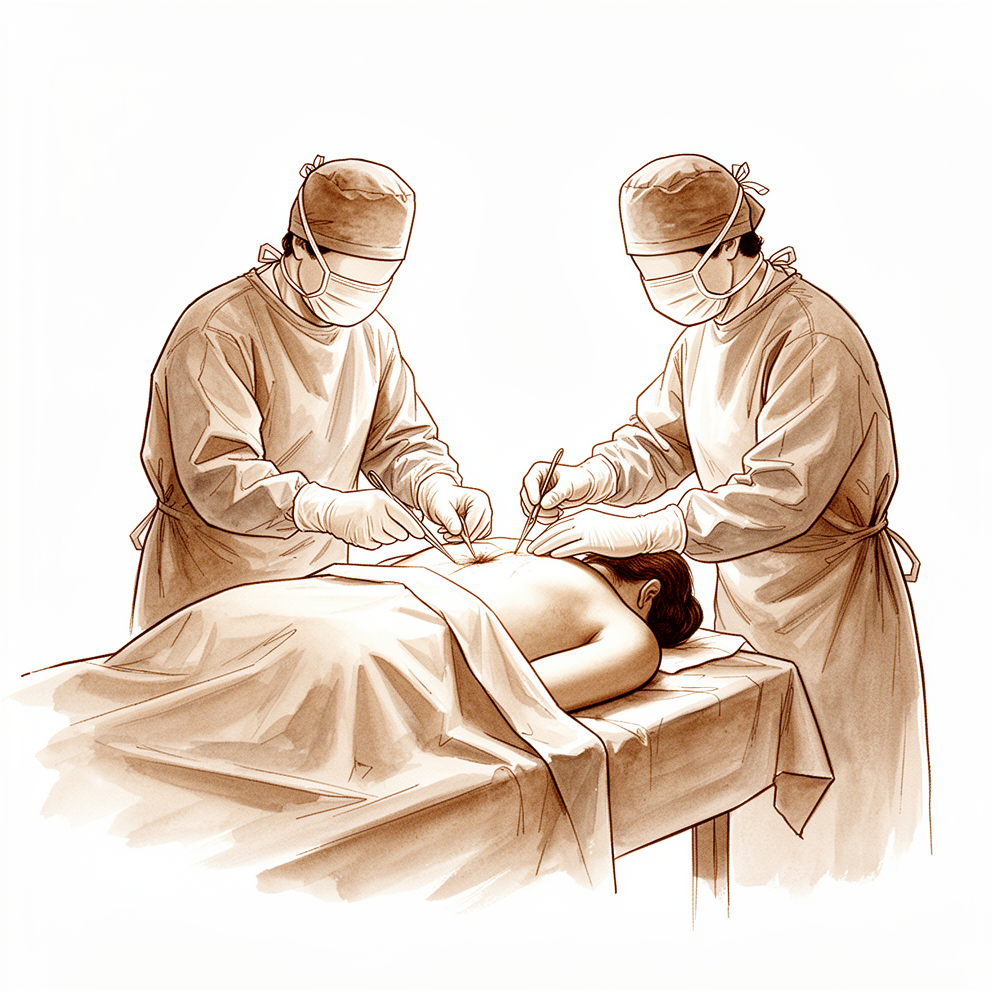
Overview¶
Total hip arthroplasty offers multiple surgical approaches and implant options, each with distinct evidence profiles. Vitamin E highly cross-linked polyethylene reduces mid-term wear in primary total hip replacement [1], although the limited number of studies compromises conclusions regarding clinical outcomes [1]. More randomized clinical trials with longer follow-up are needed to determine clinical outcomes for Vitamin E highly cross-linked polyethylene [1]. Regarding surgical approach, both anterior and posterior approaches have justification for specific indications in total hip arthroplasty [18]. Utilizing the direct anterior approach as a one-size-fits-all approach is not in the best interest of the patient [18]. Definitive answers regarding whether minimally invasive approaches are better or should be generally adopted are not yet known [17]. Determining if minimally invasive approaches are better or should be generally adopted requires many years of follow-up and large patient studies [17].
For osteoarthritis of the hip, there is no single best treatment [53]. The procedure for osteoarthritis of the hip must be selected based on the specific features of each patient [53]. Arthrodesis, osteotomy, and arthroplasty each have appropriate indications for osteoarthritis of the hip [53]. Better selection of patients and improvement in surgical technique should increase the percentage of good results in cup arthroplasty of the hip [46]. Metal-on-metal hip resurfacing should be approached with caution [22]. Metal-on-metal hip resurfacing should be used only in patients who meet all recommended selection criteria [22]. Attention must be paid to the highly demanding technical aspects of bilateral total hip arthroplasty in ankylosing spondylitis to reduce the risk of significant complications [23].
In foot and ankle surgery, primary surgical treatment for Morton neuroma yields successful results in 51% to 85% of patients [24]. However, 70% of patients treated surgically for Morton neuroma have some limitations in shoe wear [24]. Up to 38% of patients treated surgically for Morton neuroma require activity restriction [24]. Revision surgery has inferior clinical results compared to primary surgery [26]. Revision surgery has higher complication rates compared to primary surgery [26]. Surgeons who carry out procedures regularly achieve better outcomes [52]. Teams used to dealing with complicated problems can deliver better, more cost-effective, and clinically excellent care [52]. Understanding current evidence and appropriate indications is critical for the utilization of emerging technologies in orthopaedic trauma [12].
Anatomy & Pathophysiology¶
Osseous Anatomy and Imaging¶
The spine comprises vertebral components, development patterns, segmentation variations, joints, ligaments, and musculature [85]. In the hip, the position of the femoral fovea indicates instability and highly correlates with lesions of the ligamentum teres [106]. The Delta Angle (DA) can be reliably measured and serves as a valuable supportive parameter in the assessment of hip microinstability [106]. Variations in lumbosacral alignment, specifically pelvic incidence, may continue to impact patient outcomes following hip arthroscopy for femoroacetabular impingement and acetabular labral tears despite addressing the deformities [99].
Spinal imaging and localization require precision. A technique for accurate localization of vertebrae at surgery is rapid, simple, and offers unparalleled accuracy in identifying the involved vertebral area without introducing a substance that cannot be readily removed [29]. Measurement of thoracic kyphosis (TK) with T2 on standing whole spinal radiographs resulted in a greater measurement error of up to 6.6° compared to upright computed tomography images [109]. Preoperative planning for pedicle screw insertion in adolescent idiopathic scoliosis should be based on anatomical limitations in the apical vertebra region, apical vertebra level, and apical vertebral rotation degree [111].
Ligamentous and Soft Tissue Pathology¶
Posterior and posterior superior labral (PPS) injuries produce alterations in glenohumeral kinematics with implications for joint instability, increased joint loading, and potential joint damage [98]. The anterolateral ligament (ALL) of the knee demonstrates a role in controlling anterolateral laxity [100].
In the foot, the best visualization of the pathological anatomy and most direct means of reduction for dorsal dislocation of the metatarsophalangeal joint of the great toe is provided through a plantar approach [110].
Kinematics and Biomechanics¶
General principles for the physical examination of the spine include inspection, palpation, range of motion testing, and neurologic evaluation to identify spinal pathology, nonspinal conditions, and signs of symptom magnification [11]. An improved type of hip arthroplasty restores normal mechanics by producing a normal angular thrust and eliminates hazards of dislocation [97].
In patients with risk factors such as altered biomechanics from knee procedures, hip pain or stiffness may indicate a stress fracture of the ipsilateral femoral neck, as early radiographs may be negative [96].
Trauma and Surgical Considerations¶
Spinal trauma management encompasses surgical approaches, decompression timing, instrumentation techniques, and imaging [28]. Cervical spine surgery in ankylosing spondylitis involves specific challenges due to stiff kyphosis and unstable fractures, requiring tailored strategies for trauma and deformity correction that rely on principles distinct from standard protocols [101]. Percutaneous surgical treatment of thoracolumbar fractures in ankylosing spondylitis can improve pain, neurological function, and kyphotic deformity, achieving effects similar to traditional methods [103].
Orthopaedic trauma developments include clinically relevant advancements published or presented in 2019 or 2020 [107]. A new four-part classification system for cemented femoral stem design and cementation techniques is proposed to aid in comparing results and understanding implant biomechanics [9].
Classification¶
Cemented Femoral Stem: A new four-part classification system has been proposed to aid in the comparison of results and better understanding of implant biomechanics for cemented femoral stem design and cementation techniques [9].
Bone Stock Deficiency: A classification system and management strategies for bone stock deficiency in total hip replacement have been provided [56].
Generic Implant Library: A generic implant classification enables comparison across implant designs, with a complete implant library containing characteristics of 32,500 orthopaedic implants covering about 85 different hip and 85 different knee implants [67].
Other Considerations: Clinicians will need to understand fundamental computer vision tasks, such as image classification, object detection, image segmentation, and image generation, as these techniques become more mainstream [19]. Using automated data capture systems and establishing clear consensus on procedural terminology can improve the quality of data registries [47]. Standardised terminology is required for the entry point in literature due to recurrent terminology errors regarding the trochanteric fossa or piriform fossa of the femur [73]. Observed differences in knee scores between different study groups that have not been matched for various clinically relevant factors are at least as likely to represent differences in the patient populations as they are to represent differences in the operative technique or the design of the implant [63].
Clinical Presentation¶
History and patient-reported outcomes are central to defining treatment efficacy. The Minimal Clinically Important Difference (MCID) and Clinically Important Difference (CID) serve as useful tools for determining clinically meaningful effects, though their application requires a detailed understanding of calculation methods and context to avoid pitfalls [10]. Routine use of Patient-Reported Outcome Measures (PROMs) reflects growing recognition of patient perspectives in improving treatments, while Patient-Reported Experience Measures (PREMs) are expected to play an increasing role in research and clinical practice [36].
Physical examination remains the cornerstone of diagnosis across specialties. Spinal evaluation requires inspection, palpation, range of motion testing, and neurologic evaluation to identify pathology, nonspinal conditions, and signs of symptom magnification [11]. In orthopaedic patients, recognition of pseudo-obstruction of the colon necessitates thorough physical examination and early abdominal radiographs to avoid unnecessary operative intervention [7]. For pelvic fractures with urogenital injuries, diagnosis relies on physical examination, urinalysis, and imaging, with retrograde urethrogram and cystography serving as benchmarks [33]. Deep infection in total hip arthroplasty is established through clinical history, physical examination, and advanced imaging such as indium111-labeled leukocyte scintigraphy [38].
Specific clinical syndromes require distinct diagnostic approaches. The clinical syndrome of patellar pain has multiple causes and should not be diagnosed as chondromalacia patellae; this term must be reserved for describing articular cartilage lesions [41]. An unusual gastrocnemius muscle syndrome represents a definite clinical entity associated with a specific anatomical lesion amenable to surgical repair [37]. Voluntary habitual dislocation of the hip resolves spontaneously and should be treated conservatively, with or without immobilization, due to its good prognosis [15]. Recognition of Hajdu-Cheney Syndrome aids hand surgeons in appropriately diagnosing, assessing, and referring patients with hand deformities to rheumatologists or bone metabolism specialists [40].
Evaluation of acute injuries and postoperative outcomes depends on presentation and baseline status. Workup and surgical decision-making for hamstring injuries are based on patient presentation and injury patterns [14]. Females exhibit more symptoms than males at 6 and 12 months after surgery for acute Achilles tendon rupture, a difference absent in non-surgically treated cohorts [13]. Patients are expected to present similar performance at 1 year postoperatively following total knee replacement if they undergo preoperative strengthening plus balance training [43].
Early recognition and documentation are critical for optimizing outcomes in specific contexts. Early diagnosis of congenital dislocation of the hip associated with central core disease is valuable as it may reduce soft-tissue tightness and improve outcomes [34]. Early recognition, objective documentation, and timely intervention are essential to optimize outcomes for struggling fellows in orthopaedic training [16]. For recalcitrant cases of iliotibial band friction syndrome, the mesh technique is recommended [39]. Finally, the final results of the Self-Locking Metal Hip Prosthesis require many years of experience for thorough evaluation [3].
Investigations¶
Preliminary and follow-up care are critical for surgical success [6]. General considerations for diagnostic workup include imaging and laboratory exams [6]. Recognition of pseudo-obstruction of the colon requires thorough physical examination and early abdominal radiographs [7]. Clinicians must understand fundamental computer vision tasks, including image classification, object detection, image segmentation, and image generation [19].
Plain radiography¶
Terminology: 'Roentgenogram' is the preferred eponymic term for radiographic images [57]. 'Radiograph' and 'radiographic' are equally acceptable terms for radiographic images [57]. 'X-rays' and 'x-ray films' are not accepted terms because the rays themselves are invisible [57].
Trauma and Fractures: Radiology of Skeletal Trauma emphasizes optimum radiographic examination and diagnostic interpretation based on injury mechanism [58]. Serial roentgenographic studies are necessary to demonstrate the evolution of multiple stress fractures in rheumatoid arthritis [80].
Joint Kinematics: Simultaneous biplane radiography can accurately assess the motion of total joint replacements in vivo [84]. Biplane radiography may detect early changes in total joint replacements before clinical or radiographic evidence of loosening is apparent [84].
MRI¶
Magnetic resonance imaging indicates that the donor site after autologous osteochondral mosaicplasty is resurfaced with fibrous tissue [79].
CT¶
O-ARM CT-guided navigation for percutaneous iliosacral screw fixation minimizes X-ray dose, invasiveness, and morbidity [68].
Bone scan¶
Radionuclide scintigraphy significantly enhances the diagnostic armamentarium of clinical and research orthopaedists [74].
Aspiration¶
Aspiration of the hip joint should be performed in selected patients rather than routinely before revision total hip arthroplasty [83]. Hip joint aspiration is indicated when a detailed clinical history suggests infection [83]. Hip joint aspiration is indicated if radiographs demonstrate focal lysis, aggressive non-focal lysis, or periostitis [83].
Other Considerations¶
Ultrasound: Ultrasonography is an effective alternative to MRI for diagnosing musculoskeletal pathology [35]. Ultrasonography offers real-time imaging, excellent soft-tissue contrast, and high spatial resolution without radiation exposure [35]. Ultrasonography utility remains underutilized in orthopaedic surgery compared to other modalities [35].
Radiation Therapy: Radiation therapy aids in the prevention of massive ectopic bone formation when administered early after surgery [64]. Radiation therapy is of doubtful value once ectopic bone is visible on radiography [64].
Treatment¶
Non-Operative Management¶
Conservative management is often effective for specific pathologies, though outcomes vary by condition. Voluntary habitual hip dislocation resolves spontaneously with good prognosis, treated conservatively by immobilization or without it [15]. Nonsurgical management of adhesive capsulitis of the hip is often successful but requires patient compliance and can take a protracted amount of time [25]. In spine fractures and dislocations complicating ankylosing spondylitis, conservative management is indicated in patients without neural involvement [72]. Moderate nonprogressive coxa vara in childhood often does not require surgery [77]. A rare osteochondritis dissecans lesion of the trochlear groove was successfully managed nonoperatively with a locked knee brace, allowing return to full activity in 5 months without complication [70]. Excellent functional outcomes can be achieved with a conservative approach for open antero-lateral dislocation of the elbow, even after extensive soft tissue damage from minor injury [90]. AMIC is an effective and safe method for treating symptomatic full-thickness chondral defects of the knee in appropriately selected cases [2]. Continued treatment with saturated doses of potassium iodide has given the best results for blastomycosis in animals [5].
Operative Management¶
Indications: Surgical management of coxa vara in childhood is indicated for progressive, painful, unilateral deformity or leg-length discrepancy [77]. Immediate exploration followed by fusion is indicated for spine fractures and dislocations complicating ankylosing spondylitis in patients with progressive neural involvement or instability [72]. In non-elite patients, persistent grade 2 or 3 MCL laxity beyond 12 weeks in the setting of ACL rupture should prompt combined ACL reconstruction with MCL repair and reconstruction [78].
Surgical Approach / Technique: Treatment options for hallux rigidus and osteoarthrosis of the first metatarsophalangeal joint range from non-operative measures to various surgical procedures including cheilectomy, arthroplasty, and arthrodesis, with selection depending on disease stage and patient factors [87]. Successful results following primary surgical treatment for Morton neuroma are expected in 51% to 85% of patients, with 70% having some limitations in shoe wear and up to 38% requiring activity restriction [24]. Females have more symptoms compared to males after surgery for acute Achilles tendon rupture both at 6 and 12 months, but this difference is not found when treated non-surgically [13].
Implant Selection: Surgical outcomes of total hip arthroplasty (THA) for ankylosing spondylitis patients with hip involvement are satisfactory [60]. Attention must be paid to the highly demanding technical aspects of bilateral THA in ankylosing spondylitis to reduce the risk of significant complications [23]. Proper indication for autologous osteochondral grafting relies on identifying and simultaneously correcting malalignment and/or traumatic changes in affected joints [48]. Metal-on-metal hip resurfacing should be approached with caution and used only in patients who meet all recommended selection criteria [22]. Novel treatment strategies, including copper-coated implants, show promise as adjunct therapies for Staphylococcus aureus periprosthetic joint infection but require further clinical validation [55].
Perioperative Considerations and Technology¶
Vitamin E highly cross-linked polyethylene reduces mid-term wear in primary total hip replacement, though the limited number of included studies compromises conclusions regarding clinical outcomes [1]. The MCID and CID are useful tools to define general guidelines to determine whether a treatment produces clinically meaningful effects, but pitfalls associated with these metrics require a detailed understanding of the methods to calculate them and their context of use [10]. Understanding the current evidence and appropriate indications of emerging technologies in orthopaedic trauma is of critical importance for their utilization [12]. Definitive answers regarding whether minimally invasive approaches are better or should be generally adopted are not yet known and will require many years of follow-up and large patient studies [17]. Utilization of the direct anterior approach as a one-size-fits-all approach for total hip arthroplasty is not in the best interest of the patient; both anterior and posterior approaches have justification for specific indications [18]. No improvement in clinical outcome in terms of fracture reduction and functional outcome has been established so far for 3D-assisted operative treatment of pelvic ring injuries [21]. The rigorous decontamination protocol and generalized inspection criteria proved useful for efficiently screening a large volume of explanted osteosynthesis devices for re-use [51]. Extracorporeal shock wave therapy is a safe modality that at least has a detectable clinical effect in the population of patients with chronic plantar fasciitis [54]. Optimization of blood management is as important today as it was a decade ago, despite the markedly improved safety of allogenic blood [59].
Complications¶
Polyethylene wear: Vitamin E highly cross-linked polyethylene reduces mid-term wear in primary total hip replacement, but the limited number of included studies compromises conclusions regarding clinical outcomes [1].
Other Considerations: Revision surgery has inferior clinical results and higher complication rates compared to primary surgery [26]. There remains a paucity of data regarding long-term outcomes associated with newer robotic systems such as Mako and TSolution One in total hip arthroplasty [20]. Although no detrimental clinical effect was found in intermediate-term follow-up for modular femoral heads with an extended flange-reinforced neck, the findings warrant concern for adverse effects after more long-term follow-up [8]. Long-term follow-up is necessary to determine if increased bone turnover in Paget’s disease of the hip will cause prosthetic loosening [27]. Bilateral total hip-replacement arthroplasty performed in one stage has a similar incidence of local and systemic complications compared with two-stage replacements [49]. Patients with previous procedures have a much higher incidence of ectopic ossification following total hip replacement [88]. Despite major primary complications and a high incidence of radiographic signs of degenerative changes after 8.8 years, mainly good clinical results were achieved with Judet's bipolar prosthesis for radial head arthroplasty [94]. In a series of metallic osteosynthesis of bone fractures, only four out of ninety-one cases experienced complications, all of which were ultimately healed by repeated operations and additional therapy [89]. The complication and revision rates for the procedure described are consistent with those previously reported for patients undergoing total knee arthroplasty (TKA) [66].
Recovery¶
Light activity (weeks): Preliminary and follow-up care are critical for surgical success in orthopedic practice [6]. For adhesive capsulitis of the hip, nonsurgical management is often successful but requires patient compliance and can take a protracted amount of time [25]. Conservative treatment of a fracture-dislocation of the femoral head can result in fracture union with no evidence of avascular necrosis [30].
Full activity (months): Early results for total hip arthroplasty in Paget’s disease are encouraging, but long-term follow-up is necessary to determine if increased bone turnover will cause prosthetic loosening [27]. Experience in orthopaedic management of Schwartz syndrome is scanty as none of the reported patients were followed beyond the age of twelve years [31]. Functional results for endoprosthetic replacement of the humerus combined with trapezius and latissimus dorsi transfer do not justify two separate approaches and a prolonged operation time [62].
Complete recovery / outcome plateau (months): Vitamin E highly cross-linked polyethylene reduces mid-term wear in primary total hip replacement [1]. The limited number of studies on Vitamin E highly cross-linked polyethylene compromises conclusions regarding clinical outcomes, necessitating more randomized clinical trials with longer follow-up [1]. Final results for the Self-Locking Metal Hip Prosthesis require many years of experience for thorough evaluation [3]. The 1.5-stage revision does not show inferior results compared to the two-stage technique and reduces the number of additional surgical procedures [4]. No detrimental clinical effect was found for a modular femoral head with an extended flange-reinforced neck in intermediate-term follow-up, but findings warrant concern for adverse effects after more long-term follow-up [8]. There remains a paucity of data regarding long-term outcomes associated with newer robotic systems such as Mako and TSolution One [20]. No improvement in clinical outcome in terms of fracture reduction and functional outcome has been established for 3D-assisted operative treatment of pelvic ring injuries [21]. Secondary reconstruction with other prosthesis types resulted in better outcomes for Judet arthroplasty due to foreign-body reaction to nylon prostheses, though long-term follow-up was inadequate [75]. Mobile and fixed-bearing (all-polyethylene tibial component) total knee arthroplasty designs functioned equivalently at the time of early follow-up in a low-to-moderate-demand patient group [104]. Patients with a preoperative symptom duration of two years or greater do not experience inferior patient-reported outcomes or clinical outcomes than patients with a symptom duration of less than 2 years at mid-term follow-up after high tibial osteotomy [105]. Eight of twelve patients with coccidioidal spondylitis were alive and well with no evidence of active infection an average of eleven years after onset [112]. The mortality rate for radical operative treatment of the tuberculous hip is 12.4 percent, while the number of fusions that occur is only 58.6 percent [113]. Direct-exchange arthroplasty can yield a rate of success comparable with that of delayed exchange if antibiotic-loaded cement and appropriate postoperative antibiotics are used [114].
Rehabilitation protocol: Autologous Matrix-Induced Chondrogenesis (AMIC) is an effective and safe method for treating symptomatic full-thickness chondral defects of the knee in appropriately selected cases [2]. Early recognition, objective documentation, and timely intervention are essential to optimize outcomes for both the trainee and the program in the management of a struggling fellow [16].
Functional milestones: The Musculoskeletal Function Assessment Questionnaire is more responsive than the SF-36 and more efficient in measuring changes in function between baseline and follow-up values [69].
Key Evidence¶
- [L1] The limited number of included studies compromises conclusions regarding clinical outcomes, necessitating more RCTs with longer follow-up. [1] (10.1302/2058-5241.6.200072)
- [L4] AMIC is an effective and safe method of treating symptomatic full-thickness chondral defects of the knee in appropriately selected cases. [2] (10.1007/s00167-010-1042-3)
- [L4] Final results require many years of experience for thorough evaluation. [3] (10.2106/00004623-195739040-00005)
- [L1] The 1.5-stage revision does not show inferior results compared to the two-stage technique and reduces the number of additional surgical procedures. [4] (10.1016/j.arth.2025.10.075)
- [L4] Recognition by thorough physical examination and early abdominal radiographs is essential if operative intervention is to be avoided. [7] (10.2106/00004623-198365060-00030)
- [L4] The authors propose a new four-part classification system to aid in the comparison of results and better understanding of implant biomechanics. [9] (10.1302/2058-5241.5.190034)
- [L5] The MCID and CID are useful tools to define general guidelines to determine whether a treatment produces clinically meaningful effects, but the many pitfalls associated with these metrics require a detailed understanding of the methods to calculate them and their context of use. [10] (10.1186/s13018-014-0144-x)
- [L2] Females have more symptoms compared to males after surgery both at 6 and 12 months but this difference is not found when treated non-surgically. [13] (10.1177/2325967114s00055)
- [L5] This current concepts review highlights the evaluation and workup of hamstring injuries, nonoperative treatment options, and surgical decision-making based on patient presentation and injury patterns. [14] (10.1177/03635465231164931)
- [Case_report] The condition should be treated conservatively by immobilization or even without it, as the prognosis is good and the condition resolves spontaneously. [15] (10.2106/00004623-198466070-00025)
- [L5] Early recognition, objective documentation, and timely intervention are essential to optimize outcomes for both the trainee and the program. [16] (10.2106/jbjs.25.01198)
- [L5] Definitive answers regarding whether minimally invasive approaches are better or should be generally adopted are not yet known and will require many years of follow-up and large patient studies. [17] (10.2106/00004623-200311000-00001)
- [L5] Utilization of the direct anterior approach as a one-size-fits-all approach is not in the best interest of the patient; both anterior and posterior approaches have justification for specific indications. [18] (10.2106/jbjs.24.01070)
- [L5] As these techniques become more mainstream, clinicians will need to understand fundamental CV tasks, such as image classification, object detection, image segmentation, and image generation. [19] (10.1016/j.arth.2023.08.046)
- [L5] There remains a paucity of data regarding long-term outcomes associated with newer systems such as Mako and TSolution One. [20] (10.1302/2058-5241.5.200037)
- [L1] No improvement in clinical outcome in terms of fracture reduction and functional outcome has been established so far. [21] (10.3390/jpm11090930)
- [L4] Metal-on-metal hip resurfacing should be approached with caution and used only in patients who meet all recommended selection criteria. [22] (10.1302/2058-5241.1.160014)
- [L4] Attention must be paid to the highly demanding technical aspects of this procedure to reduce the risk of significant complications. [23] (10.1302/2058-5241.4.180047)
- [L5] Successful results following primary surgical treatment are expected in 51% to 85% of patients, with 70% having some limitations in shoe wear and up to 38% requiring activity restriction. [24] (10.5435/00124635-200808000-00016)
- [L5] Nonsurgical management is often successful but can take a protracted amount of time and requires patient compliance. [25] (10.5435/00124635-201312000-00005)
- [L4] While early results are encouraging, long-term follow-up is necessary to determine if increased bone turnover will cause prosthetic loosening. [27] (10.2106/00004623-197658040-00007)
- [Paper] This document is a collection of French abstracts covering various aspects of spinal trauma management, including surgical approaches, decompression timing, instrumentation techniques, and imaging, without presenting a single unified study with specific results. [28] (10.1016/j.injury.2005.06.025)
- [L4] The technique is rapid, simple, and offers unparalleled accuracy in identifying the involved vertebral area without introducing a substance that cannot be readily removed. [29] (10.2106/00004623-195739030-00022)
- [Case_report] Despite the severity of the injury to the hip, roentgenograms and a technetium scan showed the fracture to be united, with no evidence of avascular necrosis. [30] (10.2106/00004623-197961080-00018)
- [L4] Experience in orthopaedic management is scanty as none of the reported patients were followed beyond the age of twelve years. [31] (10.2106/00004623-197557040-00018)
- [L5] Diagnosis relies on a combination of physical examination, urinalysis, and imaging, with retrograde urethrogram and cystography serving as benchmarks. [33] (10.5435/jaaos-d-25-01053)
- [L4] Early diagnosis is valuable as it may reduce soft-tissue tightness and improve outcomes. [34] (10.2106/00004623-197557050-00011)
- [L5] Ultrasonography is an effective alternative to MRI for diagnosing musculoskeletal pathology, offering real-time imaging, excellent soft-tissue contrast, and high spatial resolution without radiation exposure, though its utility remains underutilized in orthopaedic surgery compared to other modalities. [35] (10.5435/jaaos-d-16-00221)
- [L5] The routine use of PROMs reflects a growing recognition of the importance of patient perspectives in improving treatments, and it will only be a matter of time before patient-reported experiences (PREMs) play a greater role in research, strategies, and clinical practice. [36] (10.1302/0301-620x.97b7.36546)
- [L4] The case represents a definite clinical syndrome associated with a specific anatomical lesion that is amenable to surgical repair. [37] (10.2106/00004623-197355060-00016)
- [L5] Diagnosis of deep infection can be established through clinical history, physical examination, and advanced imaging like indium111-labeled leukocyte scintigraphy. [38] (10.5435/00124635-199509000-00001)
- [L5] The author recommends this new technique for recalcitrant cases of iliotibial band friction syndrome. [39] (10.1007/s00402-006-0152-3)
- [L4] A brief knowledge of the syndrome may help the hand surgeon to appropriately diagnose, assess, and refer these patients to rheumatologists or bone metabolism specialists. [40] (10.1016/j.jhsa.2020.02.012)
- [L5] The clinical syndrome of patellar pain has several causes and should not be diagnosed as chondromalacia patellae; instead, the term should be reserved for a description of articular cartilage lesions. [41] (10.2106/00004623-200104000-00038)
- [L2] Patients are expected to present similar performance at 1 year postoperatively. [43] (10.1007/s00167-020-06029-x)
- [L4] Better selection of patients and improvement in surgical technique should increase the percentage of good results. [46] (10.2106/00004623-194830030-00012)
- [L4] Using automated data capture systems and establishing clear consensus on procedural terminology can improve the quality of data registries. [47] (10.1016/j.arth.2012.04.028)
- [Paper] Proper indication relies on identifying and simultaneously correcting malalignment and/or traumatic changes in affected joints. [48] (10.1016/j.injury.2008.01.041)
- [L3] The total length of stay is reduced by about one-half compared with two-stage replacements, with similar incidence of local and systemic complications. [49] (10.2106/00004623-197860050-00008)
- [L4] The rigorous decontamination protocol and generalized inspection criteria proved useful for efficiently screening a large volume of devices. [51] (10.1016/j.injury.2011.02.006)
- [L5] Surgeons who carry out procedures regularly get better outcomes, and teams used to dealing with complicated problems can deliver better, more cost-effective, and clinically excellent care. [52] (10.1302/0301-620x.105b6.bjj-2023-0397)
- [L5] The author states that there is no single best treatment for osteoarthritis of the hip; instead, the procedure must be selected based on the specific features of each patient, with arthrodesis, osteotomy, and arthroplasty each having their appropriate indications. [53] (10.2106/00004623-195436030-00002)
- [L5] Novel treatment strategies, including copper-coated implants, show promise as adjunct therapies but require further clinical validation. [55] (10.1530/eor-2025-0093)
- [L5] Classification and Management' by Mnaymneh WA, which provides a classification system and management strategies for bone stock deficiency in total hip replacement. [56] (10.2106/00004623-199072020-00038)
- [L5] This two-volume, 920-page text is thorough, easy to read, and beautifully illustrated, fulfilling its goals of emphasizing optimum radiographic examination and diagnostic interpretation based on injury mechanism. [58] (10.2106/00004623-198365030-00036)
- [L5] Optimization of blood management is as important today as it was a decade ago, despite the markedly improved safety of allogenic blood. [59] (10.2106/00004623-199805000-00017)
- [L4] Surgical outcomes of THA for AS patients with hip involvement are satisfactory. [60] (10.1177/2325967120s00070)
- [L5] Therefore, the functional results do not justify two separate approaches and a prolonged operation time. [62] (10.1007/s00402-004-0713-2)
- [L4] Observed differences in knee scores between different study groups that have not been matched for various clinically relevant factors are at least as likely to represent differences in the patient populations as they are to represent differences in the operative technique or the design of the implant. [63] (10.2106/00004623-199706000-00009)
- [L4] Radiation therapy aids in the prevention of massive ectopic bone formation when administered early after surgery, but is of doubtful value once ectopic bone is visible on radiography. [64] (10.2106/00004623-198163020-00004)
- [L4] A complete implant library containing characteristics of 32,500 orthopaedic implants was developed, covering about 85 different hip and 85 different knee implants. [67] (10.1302/2058-5241.4.180063)
- [Paper] It meets the basic principles of computer-assisted surgery, minimizing X-ray dose, invasiveness and morbidity. [68] (10.1016/j.otsr.2013.03.002)
- [L3] It was more responsive than the SF-36 and more efficient in measuring changes in function between baseline and follow-up values. [69] (10.2106/00004623-199709000-00006)
- [Case_report] The patient was successfully managed nonoperatively with a locked knee brace and returned to full activity in 5 months without complication. [70] (10.1155/2021/9776362)
- [L4] Conservative management is indicated for patients without neural involvement, while immediate exploration followed by fusion is indicated for those with progressive neural involvement or instability. [72] (10.2106/00004623-196749020-00012)
- [Paper] The recommended entry point in literature is confusing due to recurrent terminology errors and requires standardisation. [73] (10.1016/j.injury.2012.08.049)
- [L5] This book serves as a succinct and complete summary of the state of the art nuclear medicine that is relevant to orthopaedic practice, significantly enhancing the diagnostic armamentarium of both clinical and research orthopaedists. [74] (10.2106/00004623-198567030-00033)
- [L4] Secondary reconstruction with other prosthesis types resulted in better outcomes, though long-term follow-up was inadequate. [75] (10.2106/00004623-195436060-00006)
- [L5] Surgical management is indicated for progressive, painful, unilateral deformity or leg-length discrepancy, while moderate nonprogressive deformity often does not require surgery. [77] (10.5435/00124635-199803000-00003)
- [L5] In non-elite patients, persistent grade 2 or 3 laxity beyond 12 weeks should prompt combined anterior cruciate ligament reconstruction with MCL repair and reconstruction. [78] (10.1002/arj.70105)
- [L4] However, magnetic resonance imaging indicates that the donor site is resurfaced with fibrous tissue. [79] (10.1177/0363546507306465)
- [L5] A heightened awareness and serial roentgenographic studies are necessary to demonstrate the evolution of these fractures. [80] (10.2106/00004623-196749070-00017)
- [L3] Aspiration should be performed in selected patients rather than routinely, specifically when a detailed clinical history suggests infection or if radiographs demonstrate focal lysis, aggressive non-focal lysis, or periostitis. [83] (10.2106/00004623-199301000-00010)
- [L4] Simultaneous biplane radiography can accurately assess the motion of total joint replacements in vivo and may become an important adjunct in postoperative management to detect early changes before clinical or radiographic evidence of loosening is apparent. [84] (10.2106/00004623-198466040-00028)
- [L5] Treatment options range from non-operative measures to various surgical procedures including cheilectomy, arthroplasty, and arthrodesis, with selection depending on disease stage and patient factors. [87] (10.2106/00004623-199806000-00015)
- [L4] The author states that in their statistics, curative purpose was achieved in all cases, with only four out of ninety-one cases experiencing complications, all of which were ultimately healed by repeated operations and additional therapy. [89] (10.2106/00004623-197759020-00034)
- [Case_report] This case highlights that excellent functional outcomes can be achieved with a conservative approach even after extensive soft tissue damage from minor injury. [90] (10.1186/1471-2474-3-1)
- [L4] Despite major primary complications and high incidence of radiographic signs of degenerative changes after 8.8 years, mainly good clinical results were achieved with Judet's bipolar prosthesis. [94] (10.1016/j.jse.2010.05.022)
- [Case_report] In patients with risk factors such as altered biomechanics from knee procedures, hip pain or stiffness may indicate a stress fracture of the ipsilateral femoral neck, as early radiographs may be negative. [96] (10.2106/00004623-198264020-00030)
- [L4] The procedure restores normal mechanics of the hip joint by producing a normal angular thrust and eliminates hazards of dislocation. [97] (10.2106/00004623-195133020-00017)
- [L5] The PPS injury produces alterations in GH kinematics with implications for GH joint instability, increased GH joint loading, and potential joint damage. [98] (10.1016/j.jse.2024.12.023)
- [L3] Variations in lumbosacral alignment may continue to impact patient outcomes despite addressing FAI deformities. [99] (10.1177/2325967124s00007)
- [L5] The ALL demonstrated a role in controlling anterolateral laxity. [100] (10.1177/2325967116s00027)
- [Paper] Cervical spine surgery in ankylosing spondylitis involves specific challenges due to stiff kyphosis and unstable fractures that differ from common cervical surgery; management requires tailored strategies for trauma and deformity correction that rely on principles distinct from standard protocols. [101] (10.1016/j.otsr.2015.02.005)
- [L1] Spine robots demonstrate clear advantages in screw implantation accuracy and different robots may achieve optimal results under specific surgical requirements. [102] (10.1186/s13018-025-06005-6)
- [L3] This procedure can improve patients' pain, neurological function and kyphotic deformity and achieve effects similar to traditional methods, making it an ideal surgical treatment for thoracolumbar fractures in AS patients. [103] (10.1186/s13018-022-03378-w)
- [L1] The two designs functioned equivalently at the time of early follow-up in this low-to-moderate-demand patient group. [104] (10.2106/jbjs.j.00157)
- [L4] Patients with a preoperative duration of symptomatic medial knee overload/arthritis of two years or greater do not experience inferior PRO or clinical outcomes than patients with a symptom duration of less than 2 years at mid-term follow-up. [105] (10.1016/j.jisako.2022.03.003)
- [L3] The Delta Angle (DA) can be reliably measured and serves as a valuable supportive parameter in the assessment of hip microinstability. [106] (10.1186/s12891-025-09267-7)
- [L5] This review summarizes clinically relevant developments and advancements in orthopaedic trauma published or presented in 2019 or 2020 to aid practicing orthopaedic surgeons. [107] (10.2106/jbjs.20.00425)
- [L5] Developing a robotic spine surgery program faces challenges including obtaining technology, training, and managing the learning curve. [108] (10.2106/jbjs.22.00022)
- [L3] Measurement of TK with T2 on standing whole spinal radiographs resulted in a greater measurement error of up to 6.6°. [109] (10.1186/s12891-021-04786-5)
- [L4] The best visualization of the pathological anatomy and most direct means of reduction of the dislocation is provided through a plantar approach. [110] (10.2106/00004623-197456050-00022)
- [L4] Preoperative planning to accurately select and insert pedicle screws in adolescent idiopathic scoliosis should be based on anatomical limitations in the apical vertebra region, apical vertebra level, and apical vertebral rotation degree. [111] (10.1186/s12891-022-05799-4)
- [L4] Eight of the twelve patients were alive and well with no evidence of active infection an average of eleven years after onset. [112] (10.2106/00004623-197860020-00018)
- [L4] The experience suggests that direct exchange can yield a rate of success comparable with that of delayed exchange if antibiotic-loaded cement and appropriate postoperative antibiotics are used. [114] (10.2106/00004623-199807000-00004)
See Also¶
References¶
[1] Vitamin E highly cross-linked polyethylene reduces mid-term wear in primary total hip replacement: a meta-analysis and systematic review of randomized clinical trials using radiostereometric analysis. EFORT Open Reviews. 2021. DOI: 10.1302/2058-5241.6.200072
[2] Mid‐term results of Autologous Matrix‐Induced Chondrogenesis for treatment of focal cartilage defects in the knee. Knee Surgery, Sports Traumatology, Arthroscopy. 2010. DOI: 10.1007/s00167-010-1042-3
[3] The Self-Locking Metal Hip Prosthesis. The Journal of Bone & Joint Surgery. 1957. DOI: 10.2106/00004623-195739040-00005
[4] 2025 ICM: Abbreviated Two- and 1.5-Stage. The Journal of Arthroplasty. 2025. DOI: 10.1016/j.arth.2025.10.075
[5] Blastomycosis in Animals. 1992.
[6] 1. General Considerations in Orthopedic Surgery. 2013.
[7] Pseudo-obstruction of the colon. A postoperative complication in orthopaedic patients.. The Journal of Bone & Joint Surgery. 1983. DOI: 10.2106/00004623-198365060-00030
[8] Polyethylene Wear After Total Hip Arthroplasty: The Effect of a Modular Femoral Head with an Extended Flange-Reinforced Neck.. The Journal of Bone and Joint Surgery. American Volume*. 1998.
[9] Current concepts and outcomes in cemented femoral stem design and cementation techniques: the argument for a new classification system. EFORT Open Reviews. 2020. DOI: 10.1302/2058-5241.5.190034
[10] Determining the clinical importance of treatment benefits for interventions for painful orthopedic conditions. Journal of Orthopaedic Surgery and Research. 2015. DOI: 10.1186/s13018-014-0144-x
[11] Chapter 12 Physical Examination of the Spine. 2019.
[12] Chapter 3 Emerging Technologies in Orthopaedic Trauma. 2021.
[13] Gender Differences in Outcome After an Acute Achilles Tendon Rupture. Orthopaedic Journal of Sports Medicine. 2014. DOI: 10.1177/2325967114s00055
[14] Hamstring Injuries: A Current Concepts Review: Evaluation, Nonoperative Treatment, and Surgical Decision Making. The American Journal of Sports Medicine. 2023. DOI: 10.1177/03635465231164931
[15] Voluntary habitual dislocation of the hip. A case report with follow-up by computed tomography.. The Journal of Bone & Joint Surgery. 1984. DOI: 10.2106/00004623-198466070-00025
[16] Fellowship Directors Forum: Strategies for the Management of a Struggling Fellow. Journal of Bone and Joint Surgery. 2026. DOI: 10.2106/jbjs.25.01198
[17] MINIMALLY INVASIVE SURGERY. The Journal of Bone and Joint Surgery-American Volume. 2003. DOI: 10.2106/00004623-200311000-00001
[18] Not a One-Size-Fits-All Approach for Total Hip Arthroplasty?. Journal of Bone and Joint Surgery. 2025. DOI: 10.2106/jbjs.24.01070
[19] Educational Overview of the Concept and Application of Computer Vision in Arthroplasty. The Journal of Arthroplasty. 2023. DOI: 10.1016/j.arth.2023.08.046
[20] Robotics in total hip arthroplasty: a review of the evolution, application and evidence base. EFORT Open Reviews. 2020. DOI: 10.1302/2058-5241.5.200037
[21] Does 3D-Assisted Operative Treatment of Pelvic Ring Injuries Improve Patient Outcome?—A Systematic Review of the Literature. Journal of Personalized Medicine. 2021. DOI: 10.3390/jpm11090930
[22] Sequelae of large-head metal-on-metal hip arthroplasties. EFORT Open Reviews. 2016. DOI: 10.1302/2058-5241.1.160014
[23] Bilateral total hip arthroplasty in ankylosing spondylitis: a systematic review. EFORT Open Reviews. 2019. DOI: 10.1302/2058-5241.4.180047
[24] Morton Neuroma: Primary and Secondary Neurectomy. Journal of the American Academy of Orthopaedic Surgeons. 2008. DOI: 10.5435/00124635-200808000-00016
[25] Adhesive Capsulitis of the Hip: A Review. Journal of the American Academy of Orthopaedic Surgeons. 2013. DOI: 10.5435/00124635-201312000-00005
[26] Huo, Michael H. MD; Cook, Scott M. MD. The Journal of Bone and Joint Surgery. American Volume. 2001.
[27] Total hip arthroplasty in Pagetʼs disease of the hip. The Journal of Bone & Joint Surgery. 1976. DOI: 10.2106/00004623-197658040-00007
[28] Abstracts French. Injury. 2005. DOI: 10.1016/j.injury.2005.06.025
[29] A Technique for Accurate Localization of Vertebrae at Surgery. The Journal of Bone & Joint Surgery. 1957. DOI: 10.2106/00004623-195739030-00022
[30] Successful conservative treatment of a fracture-dislocation of the femoral head. A case report.. The Journal of Bone & Joint Surgery. 1979. DOI: 10.2106/00004623-197961080-00018
[31] Orthopaedic aspects of the Schwartz syndrome. The Journal of Bone & Joint Surgery. 1975. DOI: 10.2106/00004623-197557040-00018
[33] Management of Pelvic Fractures With Urogenital Injuries. Journal of the American Academy of Orthopaedic Surgeons. 2026. DOI: 10.5435/jaaos-d-25-01053
[34] Congenital dislocation of the hip associated with central core disease. The Journal of Bone & Joint Surgery. 1975. DOI: 10.2106/00004623-197557050-00011
[35] Ultrasonography as a Diagnostic, Therapeutic, and Research Tool in Orthopaedic Surgery. Journal of the American Academy of Orthopaedic Surgeons. 2018. DOI: 10.5435/jaaos-d-16-00221
[36] What are the key drivers that change practice?. The Bone & Joint Journal. 2015. DOI: 10.1302/0301-620x.97b7.36546
[37] An Unusual Gastrocnemius Muscle Syndrome. The Journal of Bone & Joint Surgery. 1973. DOI: 10.2106/00004623-197355060-00016
[38] Infected Total Hip Arthroplasty: Diagnosis and Treatment. Journal of the American Academy of Orthopaedic Surgeons. 1995. DOI: 10.5435/00124635-199509000-00001
[39] Surgical treatment of iliotibial band friction syndrome with the mesh technique. Archives of Orthopaedic and Trauma Surgery. 2006. DOI: 10.1007/s00402-006-0152-3
[40] Hand Deformities in Hajdu-Cheney Syndrome: A Case Series of 3 Patients Across 3 Consecutive Generations. The Journal of Hand Surgery. 2021. DOI: 10.1016/j.jhsa.2020.02.012
[41] John N. Insall, MD 1930-2000. The Journal of Bone and Joint Surgery-American Volume. 2001. DOI: 10.2106/00004623-200104000-00038
[43] A randomized controlled trial assessing the effects of preoperative strengthening plus balance training on balance and functional outcome up to 1 year following total knee replacement. Knee Surgery, Sports Traumatology, Arthroscopy. 2020. DOI: 10.1007/s00167-020-06029-x
[46] CUP ARTHROPLASTY OF THE HIP. The Journal of Bone & Joint Surgery. 1948. DOI: 10.2106/00004623-194830030-00012
[47] Validation of a Hospital-Based Joint Registry. The Journal of Arthroplasty. 2012. DOI: 10.1016/j.arth.2012.04.028
[48] Autologous osteochondral grafting—Technique and long-term results. Injury. 2008. DOI: 10.1016/j.injury.2008.01.041
[49] Bilateral total hip-replacement arthroplasty in one stage.. The Journal of Bone & Joint Surgery. 1978. DOI: 10.2106/00004623-197860050-00008
[51] Re-use of explanted osteosynthesis devices: A reliable and inexpensive reprocessing protocol. Injury. 2011. DOI: 10.1016/j.injury.2011.02.006
[52] The unquantifiable benefits of modern arthroplasty networks. The Bone & Joint Journal. 2023. DOI: 10.1302/0301-620x.105b6.bjj-2023-0397
[53] MY PRESENT ATTITUDE TO OSTEO-ARTHRITIS OF THE HIP. The Journal of Bone & Joint Surgery. 1954. DOI: 10.2106/00004623-195436030-00002
[54] Guyton, Gregory P. MD; Mizel, Mark S. MD. The Journal of Bone and Joint Surgery. American Volume. 2003.
[55] Staphylococcus aureus periprosthetic joint infection and its pathogenesis in total hip and knee arthroplasty: a narrative review. EFORT Open Reviews. 2026. DOI: 10.1530/eor-2025-0093
[56] Bone Stock Deficiency in Total Hip Replacement. Classification and Management.. The Journal of Bone & Joint Surgery. 1990. DOI: 10.2106/00004623-199072020-00038
[57] Wenger, Dennis R.. The Journal of Bone and Joint Surgery. American Volume. 1980.
[58] Radiology of Skeletal Trauma.. The Journal of Bone & Joint Surgery. 1983. DOI: 10.2106/00004623-198365030-00036
[59] Instructional Course Lectures, The American Academy of Orthopaedic Surgeons - Current Options and Approaches for Blood Management in Orthopaedic Surgery†. The Journal of Bone & Joint Surgery*. 1998. DOI: 10.2106/00004623-199805000-00017
[60] Outcomes of Total Hip Arthroplasty in Patients with Ankylosing Spondylitis at Hasan Sadikin General Hospital Bandung. Orthopaedic Journal of Sports Medicine. 2020. DOI: 10.1177/2325967120s00070
[62] Endoprosthetic replacement of the humerus combined with trapezius and latissimus dorsi transfer: a report of three patients. Archives of Orthopaedic and Trauma Surgery. 2004. DOI: 10.1007/s00402-004-0713-2
[63] Demographic Biases of Scoring Instruments for the Results of Total Knee Arthroplasty. The Journal of Bone & Joint Surgery*. 1997. DOI: 10.2106/00004623-199706000-00009
[64] The use of radiation to discourage ectopic bone. A nine-year study in surgery about the hip.. The Journal of Bone & Joint Surgery. 1981. DOI: 10.2106/00004623-198163020-00004
[66] A. M. Katchky, C. W. Jones, W. L. Walter, A.J. Shimmin. 2019.
[67] Generic implant classification enables comparison across implant designs: the Dutch Arthroplasty Register implant library. EFORT Open Reviews. 2019. DOI: 10.1302/2058-5241.4.180063
[68] Percutaneous iliosacral screw fixation in unstable pelvic ring lesions: The interest of O-ARM CT-guided navigation. Orthopaedics & Traumatology: Surgery & Research. 2013. DOI: 10.1016/j.otsr.2013.03.002
[69] Comparison of the Musculoskeletal Function Assessment Questionnaire with the Short Form-36, the Western Ontario and McMaster Universities Osteoarthritis Index, and the Sickness Impact Profile Health-Status Measures. The Journal of Bone and Joint Surgery (American Volume)*. 1997. DOI: 10.2106/00004623-199709000-00006
[70] Osteochondritis Dissecans Lesion of the Trochlear Groove: A Case of Nonsurgical Management for a Rare Lesion. Case Reports in Orthopedics. 2021. DOI: 10.1155/2021/9776362
[72] Fractures and Dislocations of the Spine Complicating Ankylosing Spondylitis. The Journal of Bone & Joint Surgery. 1967. DOI: 10.2106/00004623-196749020-00012
[73] Trochanteric fossa or piriform fossa of the femur: Time for standardised terminology?. Injury. 2013. DOI: 10.1016/j.injury.2012.08.049
[74] Radionuclide Scintigraphy in Orthopaedics. The Journal of Bone & Joint Surgery. 1985. DOI: 10.2106/00004623-198567030-00033
[75] COMPLICATIONS OF JUDET ARTHROPLASTY DUE TO FOREIGN-BODY REACTION TO NYLON PROSTHESES. The Journal of Bone & Joint Surgery. 1954. DOI: 10.2106/00004623-195436060-00006
[77] Coxa Vara in Childhood: Evaluation and Management. Journal of the American Academy of Orthopaedic Surgeons. 1998. DOI: 10.5435/00124635-199803000-00003
[78] Treatment of Medial Collateral Ligament Injuries in the Setting of Anterior Cruciate Ligament Rupture. Arthroscopy. 2026. DOI: 10.1002/arj.70105
[79] Donor Site Evaluation after Autologous Osteochondral Mosaicplasty for Cartilaginous Lesions of the Elbow Joint. The American Journal of Sports Medicine. 2007. DOI: 10.1177/0363546507306465
[80] Multiple Stress Fractures in Rheumatoid Arthritis. The Journal of Bone & Joint Surgery. 1967. DOI: 10.2106/00004623-196749070-00017
[83] The value of aspiration of the hip joint before revision total hip arthroplasty.. The Journal of Bone & Joint Surgery. 1993. DOI: 10.2106/00004623-199301000-00010
[84] Biplane Radiographic Measurements of Reversible Displacement (including Clinical Loosening) and Migration of Total Joint Replacements. The Journal of Bone & Joint Surgery. 1984. DOI: 10.2106/00004623-198466040-00028
[85] Anatomy of the Spine: Points of Interest to Orthopaedic Surgeons.. The Journal of Bone and Joint Surgery. American Volume. 1965.
[87] Current Concepts Review - Hallux Rigidus and Osteoarthrosis of the First Metatarsophalangeal Joint. The Journal of Bone & Joint Surgery*. 1998. DOI: 10.2106/00004623-199806000-00015
[88] Ectopic Ossification Following Total Hip Replacement: INCIDENCE AND A METHOD OF CLASSIFICATION.. The Journal of Bone and Joint Surgery. American Volume. 1973.
[89] Metallic osteosynthesis of bone fractures. The Journal of Bone & Joint Surgery. 1977. DOI: 10.2106/00004623-197759020-00034
[90] Open antero-lateral dislocation of the elbow. A case report. BMC Musculoskeletal Disorders. 2002. DOI: 10.1186/1471-2474-3-1
[94] Mid- to long-term results after bipolar radial head arthroplasty. Journal of Shoulder and Elbow Surgery. 2010. DOI: 10.1016/j.jse.2010.05.022
[96] Stress fracture of the hip as a complication of total knee replacement. Case report.. The Journal of Bone & Joint Surgery. 1982. DOI: 10.2106/00004623-198264020-00030
[97] AN IMPROVED TYPE OF ARTHROPLASTY OF THE HIP JOINT. The Journal of Bone & Joint Surgery. 1951. DOI: 10.2106/00004623-195133020-00017
[98] 2025 Basic Science Neer Award Winner: The impact of posterior and posterior superior labral injuries and the effect of their treatment on glenohumeral kinematics in the deceleration and follow-through phase of throwing: a biomechanical study. Journal of Shoulder and Elbow Surgery. 2025. DOI: 10.1016/j.jse.2024.12.023
[99] The Effect of Pelvic Incidence on Outcomes Following Hip Arthroscopy for Femoroacetabular Impingement and Acetabular Labral Tears. Orthopaedic Journal of Sports Medicine. 2024. DOI: 10.1177/2325967124s00007
[100] Biomechanical Analysis of Simulated Clinical Testing and Reconstruction of the Anterolateral Ligament of the Knee. Orthopaedic Journal of Sports Medicine. 2016. DOI: 10.1177/2325967116s00027
[101] Cervical spine surgery in ankylosing spondylitis: Review and current concept. Orthopaedics & Traumatology: Surgery & Research. 2015. DOI: 10.1016/j.otsr.2015.02.005
[102] Spine-specific robots may offer superior screw placement accuracy in spinal surgery procedures. A systematic review and network and proportional meta-analysis. Journal of Orthopaedic Surgery and Research. 2025. DOI: 10.1186/s13018-025-06005-6
[103] Surgical treatment of thoracolumbar fracture in ankylosing spondylitis: A comparison of percutaneous and open techniques. Journal of Orthopaedic Surgery and Research. 2022. DOI: 10.1186/s13018-022-03378-w
[104] Mobile and Fixed-Bearing (All-Polyethylene Tibial Component) Total Knee Arthroplasty Designs. Journal of Bone and Joint Surgery. 2010. DOI: 10.2106/jbjs.j.00157
[105] Preoperative symptom duration does not affect clinical outcomes after high tibial osteotomy at a minimum of 2-year follow-up. Journal of ISAKOS. 2022. DOI: 10.1016/j.jisako.2022.03.003
[106] The position of the femoral fovea can indicate hip instability and highly correlates with lesions of the ligamentum teres: an observational study. BMC Musculoskeletal Disorders. 2025. DOI: 10.1186/s12891-025-09267-7
[107] What’s New in Orthopaedic Trauma. Journal of Bone and Joint Surgery. 2020. DOI: 10.2106/jbjs.20.00425
[108] Development of a Robotic Spine Surgery Program. Journal of Bone and Joint Surgery. 2022. DOI: 10.2106/jbjs.22.00022
[109] Determining the validity and reliability of spinopelvic parameters through comparing standing whole spinal radiographs and upright computed tomography images. BMC Musculoskeletal Disorders. 2021. DOI: 10.1186/s12891-021-04786-5
[110] Dorsal Dislocation of the Metatarsophalangeal Joint of the Great Toe. The Journal of Bone & Joint Surgery. 1974. DOI: 10.2106/00004623-197456050-00022
[111] Three-dimensional morphological analysis of the thoracic pedicle and related radiographic factors in adolescent idiopathic scoliosis. BMC Musculoskeletal Disorders. 2022. DOI: 10.1186/s12891-022-05799-4
[112] Coccidioidal spondylitis.. The Journal of Bone & Joint Surgery. 1978. DOI: 10.2106/00004623-197860020-00018
[113] RADICAL OPERATIVE TREATMENT OF THE TUBERCULOUS HIP: A Report of 113 Cases.. The Journal of Bone and Joint Surgery. American Volume. 1948.
[114] Direct-Exchange Arthroplasty for the Treatment of Infection after Total Hip Replacement. An Average Ten-Year Follow-up. The Journal of Bone & Joint Surgery*. 1998. DOI: 10.2106/00004623-199807000-00004