Clinicians › Shoulder
Joint Instability
Spectrum of joint instability across the shoulder, hip, elbow, and knee, focusing on traumatic vs atraumatic mechanisms and recurrence risk factors.
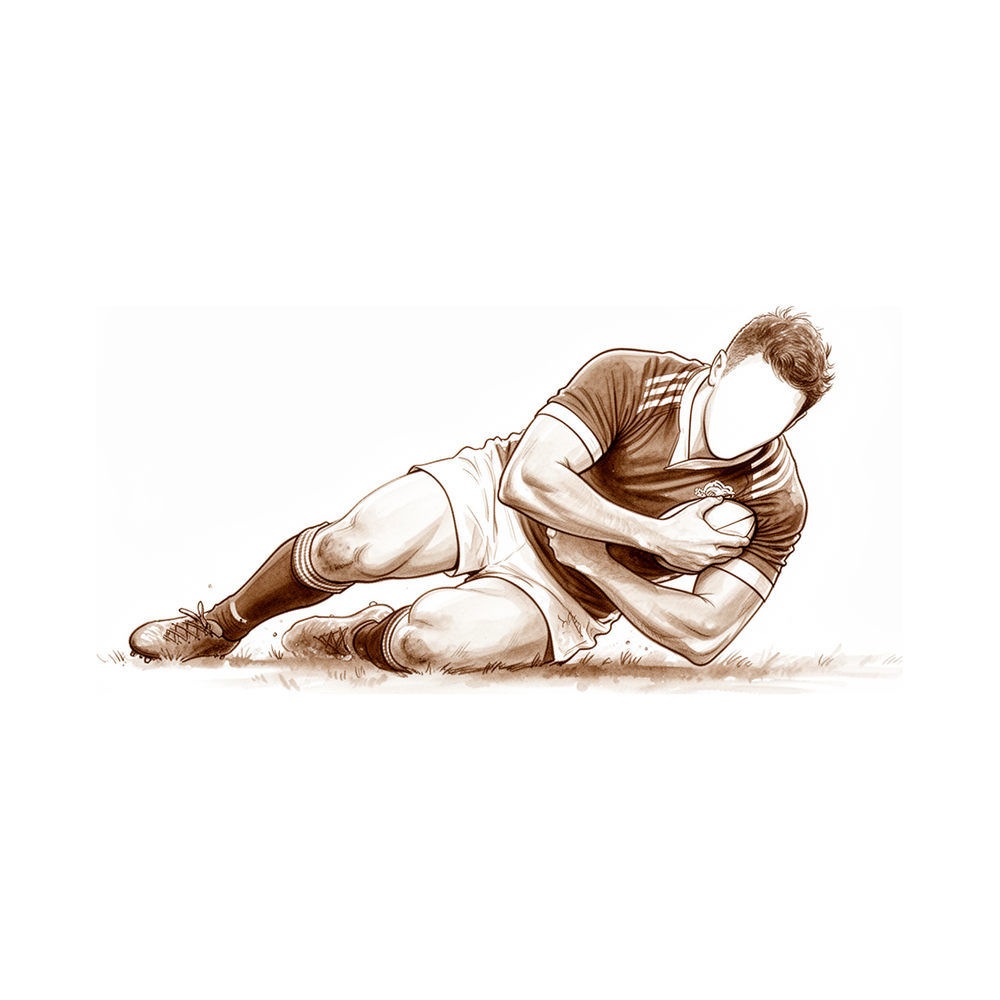
Overview
Glenohumeral instability management requires precise stratification based on presentation and bone status. Athletes with primary instability demonstrate lower rates of bone loss than those with recurrent instability or failed prior stabilization [2]. Patients presenting for stabilization with recurrent instability or following a failed procedure have higher rates of glenohumeral bone loss than those with primary instability [2]. Proper evaluation of bone loss best determines shoulder instability surgical indications and outcomes [20]. For patients meeting eligibility criteria for arthroscopic stabilization—those without significant bony lesions or deformity—arthroscopic methods yield equivalent rates of recurrence, better functional outcomes, and less morbidity compared to open methods [21]. Arthroscopic Bankart repair has evolved to offer decreased pain, improved functional outcomes, and little recurrence of instability [74]. These results approach those of open repair when appropriate patient selection and technical considerations are applied [74].
Surgical intervention is indicated in the acute setting for physically active patients with knee dislocations and patellar fractures [23]. Surgery is also indicated in the chronic setting for these injuries when instability is present without significant arthrosis [23]. In shoulder cases, surgical soft-tissue stabilization might be more aggressively indicated in primary dislocation [26]. Recurrent instability with bone loss should be referred to experienced high-volume specialists [26]. There is no one procedure that fits all patients with anterior instability [72]. Surgeons should individualize their approach to anterior instability based on patients' bone changes, soft tissue quality, activity requirements, and surgical experience to maximize success and reduce complications [72]. Surgical intervention should be considered for skeletally immature patients with recurrent shoulder instability [73].
Multidirectional instability should be initially treated with conservative treatment [12]. Newer arthroscopic techniques for multidirectional instability may now approach the success rates of traditional open treatments [12]. Arthroscopic stabilization of multidirectional instability yields excellent results and is a viable alternative to an open approach, with 95.6% of patients achieving full function and stability [22]. There were no differences in postoperative recurrence of instability or radiographic outcomes between primary and revision arthroscopic anatomic glenoid reconstruction with distal tibial allograft for anterior shoulder instability with bone loss [3]. Surgical reconstruction of the sternoclavicular (SC) joint is a viable treatment option for chronic anterior instability with low complication rates and good patient outcomes [13].
Anatomy & Pathophysiology
Shoulder instability results from an imbalance between static and dynamic stabilizers [10]. The functional anatomy and biomechanics of shoulder stability involve complex interactions between these restraints [53]. A thorough understanding of normal anatomy and anatomic variations is critical to differentiate them from pathologic findings [10]. The biomechanical shoulder model is consistent with clinical observations [30].
Osseous Constraints: Glenoid concavity is a crucial factor for the stability ratio [64]. Patients with shoulder instability have constitutional biomechanically relevant glenoid concavity shape differences [56]. Labral morphology does not compensate for reduced bony glenoid concavity in clinically stable shoulders [71]. Current glenoid bone loss measurements are unable to provide an adequate estimation on the actual biomechanical effect of glenoid defects because the relation between the glenoid defect size and its biomechanical effect is nonlinear [56]. Current glenoid defect extent measurements are precise but not accurate because they do not account for the 3-dimensional shape of the glenoid concavity or the native glenoid shape, which are critical for expressing the loss of biomechanical stability [60]. The computable bony shoulder stability ratio (BSSR) is a precise biomechanical estimate of measured stability independent of defect size [64]. A glenoid classification scheme that relies more upon glenoid morphology and less upon humeral head position may demonstrate greater observer agreement [77].
Kinematics and Soft Tissue: Glenohumeral internal rotation deficit due to posterior capsular contracture affects passive glenohumeral joint motion [42]. Biomechanical changes of passive glenohumeral joint motion occur in the glenohumeral joint with as little as 5% GIRD [42]. Capsular repair significantly alters normal glenohumeral kinematics [41]. Multiple anterior shoulder dislocations lead to abnormal translational kinematics and result in increased superior translation of the humerus [52]. Open surgery stabilizes the shoulder but does not necessarily restore normal movement quality [48]. The modified position of the scapula was maintained during the entire range of motion after the Latarjet procedure, suggesting a shoulder-stabilizing kinematic effect in addition to the bony, sling and bumper effects [49].
Clinical Implications: Time-zero biomechanical shoulder instability studies are valuable but limited because they do not replicate clinical dynamics [50]. Observed results in time-zero studies do not confirm that the surgical approach would provide sufficient long-term noncontractile shoulder stability to withstand repetitive soft-tissue loading in a dynamic, clinical situation [50]. Tissue pathology, pain, and sensorimotor alterations directly affect outcome following shoulder injury and must be addressed by clinicians to fully restore function [65]. Recent advances in shoulder instability emphasize individualized strategies based on bone loss, patient risk profile, and dynamic stabilizing techniques [68]. An understanding of the importance of the deltoid and the rotator cuff for glenohumeral function has led to a progression of innovative, advanced, and less invasive approaches to the shoulder [69].
Classification
Instability Severity Index Score (ISIS): This scoring system failed to predict recurrent instability in a cohort where ISIS scores were not significantly different between successful and failed repairs [6].
Multidirectional Instability Classifications: Discrepancies exist in the definition and classification of multidirectional instability, which can make diagnosis and treatment selection challenging [7]. Variations in the criteria used for the diagnosis of multidirectional instability significantly affect the distribution of patients with that diagnosis [8].
FEDS System: The FEDS (frequency, etiology, direction, and severity) system has content validity and is highly reliable for classifying glenohumeral instability [43].
ICD-9 Coding: Shoulder instability cannot reliably be classified using the ICD-9 coding system [47].
Sternoclavicular Joint Injuries: Recognition and classification of sternoclavicular (SC) joint injuries are critical to proper management to minimize long-term sequelae [51].
WARPS/STAID System: This classification system was introduced for patients with patellofemoral instability, establishing both validity and reliability in this population [55].
Clinical Presentation
Anterior instability is the most common presentation among shoulder instability patients, who are typically in their early 20s or younger [32]. Patients with primary glenohumeral instability demonstrate lower rates of bone loss than those with recurrent instability and failed prior stabilization [2]. Conversely, patients presenting for stabilization with recurrent instability or following a failed stabilization procedure have higher rates of glenohumeral bone loss than those with primary instability [2]. Patients with posterior instability tend to have baseline dysplasia and/or glenoid bone loss [38]. Glenoid dysplasia is a developmental anomaly that may be underdiagnosed and is associated with instability and premature glenohumeral arthritis [35].
Shoulder instability results from an imbalance between static and dynamic stabilizers [10]. A thorough understanding of normal anatomy and anatomic variations is critical to differentiate them from pathologic findings in shoulder instability [10]. Careful history and examination may reveal a constellation of musculoskeletal conditions associated with generalized joint laxity [5]. Subtle findings on radiographs or MRI can impact decision-making in patients with generalized joint laxity [5].
Imaging of the affected shoulder in patients with suspected posterior glenohumeral instability can show abnormalities of the bone, labrum, and joint capsule [19]. Recognizing HAGL lesions is important to manage patients with glenohumeral instability [33]. Symptomatic HAGL tears present primarily with pain as opposed to instability [39]. A high index of suspicion for injury is necessary for symptomatic HAGL tears due to their presentation primarily with pain [39].
Microinstability is diagnostically challenging and can be diagnosed in young patients with ambiguous shoulder pain during motion, without instability [36]. Microinstability can be characterized by small and easily overlooked anterior labral or Hill–Sachs lesions [36]. There are discrepancies in the definition and classification of multidirectional instability, which can make diagnosis and treatment selection challenging [7]. Variations in the criteria used for the diagnosis of multidirectional instability significantly affect the distribution of patients with that diagnosis [8]. Many different diagnostic examinations for assessing shoulder instability are used, and a high variety is seen in the use of diagnostic tools [9].
Nonsurgical treatment is successful in most cases of recurrent posterior shoulder instability, but surgical intervention is indicated when conservative treatment fails [4]. Management of shoulder instability in hypermobile Ehlers-Danlos syndrome requires a multidisciplinary approach and special considerations due to severe instability and connective tissue abnormalities [37]. Instability of the proximal tibiofibular joint is rarely reported and often missed [17]. Understanding the etiology, symptoms, and anatomic variations of proximal tibiofibular joint instability is essential for evaluating symptomatic patients [17].
At two years following arthroscopic stabilization for atraumatic shoulder instability, 39% of patients reported instability symptoms [18]. 8.5% of patients required further stabilisation surgery at two years following arthroscopic stabilization for atraumatic shoulder instability [18].
Investigations
Patients with shoulder instability require thorough evaluation to identify the etiology of instability before considering operative treatment [1]. Nonsurgical treatment is successful in most cases of recurrent posterior shoulder instability, but surgical intervention is indicated when conservative treatment fails, requiring accurate definition of the instability pattern and addressing all soft-tissue and bony injuries [4]. Careful history and examination may reveal a constellation of musculoskeletal conditions associated with generalized joint laxity, and subtle findings on radiographs or MRI can impact decision-making [5]. Discrepancies in the definition and classification of multidirectional instability can make diagnosis and treatment selection challenging [7], and variations in the criteria used for the diagnosis of multidirectional instability significantly affect the distribution of patients with that diagnosis [8]. Many different diagnostic examinations for assessing shoulder instability are used, and a high variety is seen in the use of diagnostic tools [9].
Plain radiography: Conventional radiography remains the initial imaging study for evaluating patients with persistent shoulder pain and instability [66]. Imaging of the affected shoulder in patients with suspected posterior glenohumeral instability can show abnormalities of the bone, labrum, and joint capsule [19].
MRI: Magnetic resonance arthrography has been firmly established as the imaging modality of choice for demonstrating specific soft tissue abnormalities associated with glenohumeral instability [66]. MRI is able to reliably diagnose and is a good predictor of the structural soft tissue damage associated with chronic traumatic sternoclavicular joint (SCJ) instability [83]. Capsular injury is commonly seen on magnetic resonance imaging of patients with anterior shoulder instability [84]. Patients who undergo MRI greater than 6 months from the time of primary or initial shoulder dislocation had significantly more recurrent shoulder instability events and demonstrated a greater incidence and severity of intra-articular abnormalities, including SLAP tears, posterior labral tears, and anterior glenoid cartilage damage [86]. In patients that underwent 6 months of nonoperative management for isolated posterior glenohumeral instability, failure occurred approximately 47% of the time and was associated with a greater posterior humeral head subluxation ratio on index MRI than those who did not fail [88]. Undertaking an augmented capsular plication on patients with symptomatic atraumatic SCJ instability confirmed by MRI imaging that have failed appropriate nonoperative treatment provides a satisfactory result with regard to clinical outcomes and joint stability [89].
CT: Future studies on recurrent shoulder instability after primary arthroscopic Bankart repair should use advanced imaging for glenoid bone loss measurements [87].
Other Considerations: Instability of the proximal tibiofibular joint is rarely reported and often missed; understanding its etiology, symptoms, and anatomic variations is essential for evaluating symptomatic patients [17]. The Instability Severity Index Score (ISIS) is a useful clinical tool when used in conjunction with computed tomography [90]. Combining clinical and radiographic predictors yields superior accuracy in identifying patients at risk for recurrence after arthroscopic Bankart repair [93]. Radiographic signs of osteoarthritis were shown in 69% of patients at 26-year follow-up after Bankart procedure [92].
Treatment
Non-Operative
Patients with multidirectional shoulder instability should initially be treated with conservative management [12]. Nonsurgical treatment is successful in most cases of recurrent posterior shoulder instability, but surgical intervention is indicated when conservative treatment fails [4]. Among patients receiving nonoperative treatment, those with anterior shoulder instability have significantly greater initial disability and change in disability than those with posterior instability [67]. Nonoperative management of anterior shoulder instability can result in high rates of recurrent instability and pain at long-term follow-up [15]. At long-term follow-up of 17 years, a high rate of poor outcomes was observed following nonoperative management of anterior shoulder instability [15]. Patients who experienced multiple instability events before or after consultation were more likely to undergo conversion to surgery after initial nonoperative management for anterior shoulder instability [16].
Nonsurgical management is acceptable for Hill-Sachs lesions characterized by small bony defects and nonengaging lesions [78]. Conservative treatment for posterosuperior shoulder dislocation due to rupture of deltoid posterior fibers may result in continuing instability that requires surgical treatment [57]. Nonsurgical management of perilunate fracture-dislocations results in progressive arthritis and poor long-term outcomes [75].
Operative
Indications: Patients should be thoroughly evaluated to identify the etiology of instability before considering operative treatment [1]. Proper evaluation of bone loss best determines shoulder instability surgical indications and outcomes [20]. Surgery is indicated in the acute setting for physically active patients with knee dislocations and patellar fractures, and in the chronic setting for instability without significant arthrosis [23]. Surgical soft-tissue stabilization might be more aggressively indicated in cases of primary shoulder dislocation, whereas recurrent instability with bone loss should be referred to experienced high-volume specialists [26]. Early operative stabilization of Bankart lesions in young patients offers a significant reduction in the risk of recurrent instability compared to non-operative management [44].
Surgical Approach / Technique: Current data suggest that patients meeting eligibility criteria for arthroscopic stabilization (those without significant bony lesions or deformity) can expect equivalent rates of recurrence, better functional outcomes, and less morbidity compared to open methods [21]. Sizable glenohumeral bone defects remain the only absolute contraindication to an all-arthroscopic approach [61]. Other complicating issues such as attenuated capsule, HAGL lesions, revision surgery, and collision athletes warrant close attention but are not true contraindications to an all-arthroscopic approach [61]. Arthroscopic stabilization of multidirectional instability yields excellent results and is a viable alternative to an open approach, with 95.6% of patients achieving full function and stability [22]. Newer arthroscopic techniques for multidirectional instability may now approach the success rates of traditional open treatments [12]. Results demonstrate the efficacy and durability of a modified capsular shift procedure for the treatment of atraumatic anterior-inferior shoulder instability [45]. For patients with posterior capsular contracture who fail nonsurgical management, arthroscopic posterior capsule release can result in improved motion and pain relief [62]. Successful results were obtained in patients younger than 40 years with both primary and recurrent anterior shoulder instability after arthroscopic treatment [54]. Asymptomatic non-unions after the "purse string" technique for anterior glenohumeral instability should not be considered as failures as they are related to satisfactory outcomes, and no additional surgery should be performed [79].
Bone Loss and Reconstruction: Patients presenting for stabilization with recurrent instability or following a failed stabilization procedure have higher rates of glenohumeral bone loss than those with primary instability [2]. Athletes with primary glenohumeral instability demonstrate lower rates of bone loss than those with recurrent instability and failed prior stabilization [2]. The success of treating anterior glenohumeral instability relies on multiple factors, including glenoid bone loss [31]. Surgical reconstruction of the sternoclavicular (SC) joint is a viable treatment option for chronic anterior instability with low complication rates and good patient outcomes [13]. Clinical and radiographic outcomes of primary vs. revision arthroscopic anatomic glenoid reconstruction with distal tibial allograft for anterior shoulder instability with bone loss showed no differences in postoperative recurrence of instability or radiographic outcomes [3]. Both free bone graft transfer and the Latarjet procedure for anterior shoulder instability with glenoid bone loss showed comparable success in joint stabilization, but neither could prevent the progression of instability arthropathy [14]. The Instability Severity Index Score (ISIS) failed to predict recurrent instability in a cohort where ISIS scores were not significantly different between successful and failed repairs [6].
Complications
Instability: Patients presenting for stabilization with recurrent instability or following a failed stabilization procedure have higher rates of glenohumeral bone loss than those with primary instability [2]. Glenoid bone loss of 6.8% was observed after a first-time anterior instability event, and total calculated glenoid bone loss was 22.8% in the setting of recurrent instability [27]. Athletes with primary glenohumeral instability demonstrate lower rates of bone loss than those with recurrent instability and failed prior stabilization [2]. Nonoperative management of anterior shoulder instability can result in high rates of recurrent instability and pain at long-term follow-up [15]. At long-term follow-up of 17 years, a high rate of poor outcomes was observed following nonoperative management of anterior shoulder instability [15]. Patients who experienced multiple instability events before or after consultation were more likely to undergo conversion to surgery after initial nonoperative management [16]. With a follow-up of 97%, about one third of the stabilized shoulders experienced at least one redislocation after 8 to 10 years [24]. Recurrent instability might result from new trauma even if a long time has passed since the open modified inferior capsular shift procedure [28]. Recurrent instability requiring capsular reconstruction seems to be more prevalent in patients with a previous history of shoulder dislocation [82]. Instability-related complications occurred only in the capsulabral group, and the incidence increased with time [46]. Recurrent instability occurred in 1 patient who underwent the arthroscopic conjoined tendon transfer procedure [70]. Preoperative risk factors for recurrent anterior glenohumeral instability following a primary Latarjet procedure included history of bilateral shoulder instability and atraumatic mechanism of dislocation [85]. Patients who present with multiple recurrences, more than 2 preoperative dislocations, a duration of instability symptoms of more than 6 months, and identified off-track Hill-Sachs lesions may not be ideal candidates for arthroscopic instability repair due to higher failure rates [11]. The Instability Severity Index Score (ISIS) failed to predict recurrent instability in the studied cohort, as ISIS scores were not significantly different between successful and failed repairs [6]. Both free bone graft transfer and Latarjet procedure cohorts showed comparable success in joint stabilization, but neither could prevent the progression of instability arthropathy [14].
Other Considerations: The natural history of scapholunate ligament injuries is poorly understood, and it is unknown which injuries lead to wrist arthritis [81].
Recovery
Light activity (weeks): The evidence does not specify a week range for light activity or return to desk work.
Full activity (months): The evidence does not specify a month range for full activity or return to sport.
Complete recovery / outcome plateau (months): Long-term follow-up at 17 years demonstrates a high rate of poor outcomes following nonoperative management of anterior shoulder instability [15]. At 3 years’ follow-up, revision of failed Latarjet using the Eden-Hybinette technique yielded satisfactory outcomes in 80% of patients, with 86% maintaining stable shoulders [76]. Early and midterm results for arthroscopic stabilization of posterior instability are promising [80].
Rehabilitation protocol: The evidence does not specify immobilisation duration, weight-bearing restrictions, or sling/brace removal timing.
Functional milestones: At two years following arthroscopic stabilization of atraumatic shoulder instability, 39% of patients reported instability symptoms, and 8.5% required further stabilisation surgery [18]. Approximately one third of stabilized shoulders experienced at least one redislocation after 8 to 10 years following arthroscopic shoulder stabilization using suture anchors [24].
Other Considerations: Patients presenting for stabilization with recurrent instability or following a failed procedure have higher rates of glenohumeral bone loss than those with primary instability [2]. Glenoid bone loss of 6.8% is observed after a first-time anterior instability event, rising to a total calculated loss of 22.8% in recurrent instability [27]. The age at initial dislocation is the most consistent prognostic factor, with recurrence rates of 83% in patients under twenty years and 12% in those over fifty years [91]. Patients with multiple recurrences, more than 2 preoperative dislocations, symptom duration exceeding 6 months, or identified off-track Hill-Sachs lesions may not be ideal candidates for arthroscopic repair due to higher failure rates [11]. The Instability Severity Index Score (ISIS) failed to predict recurrent instability, as scores were not significantly different between successful and failed repairs [6]. Early surgical stabilization before recurrence may be the most effective method for preventing progression to clinically significant bone loss [94]. There were no differences in postoperative recurrence or radiographic outcomes between primary and revision arthroscopic anatomic glenoid reconstruction with distal tibial allograft for anterior instability with bone loss [3]. Both free bone graft transfer and Latarjet procedure cohorts showed comparable success in joint stabilization, but neither could prevent the progression of instability arthropathy [14]. Progression to glenohumeral arthritis after anterior stabilization occurred in 8% of a young patient population [95]. Patients who experienced multiple instability events before or after consultation were more likely to undergo conversion to surgery after initial nonoperative management [16]. Recurrent instability might result from new trauma even if a long time has passed since the open modified inferior capsular shift procedure, so follow-up should be continued as long as possible after surgery [28].
Key Evidence
- [L4] Therefore, patients should be thoroughly evaluated to identify the etiology of instability before considering operative treatment. [1] (10.2106/00004623-199274060-00010)
- [L3] Patients presenting for stabilization with recurrent instability or following a failed stabilization procedure have higher rates of glenohumeral bone loss than those with primary instability. [2] (10.1016/j.jse.2021.10.002)
- [L3] There were no differences in postoperative recurrence of instability or radiographic outcomes. [3] (10.1016/j.jse.2024.04.005)
- [L5] Nonsurgical treatment is successful in most cases, but surgical intervention is indicated when conservative treatment fails, requiring accurate definition of the instability pattern and addressing all soft-tissue and bony injuries. [4] (10.5435/00124635-200608000-00004)
- [L5] Careful history and examination may reveal a constellation of musculoskeletal conditions associated with generalized joint laxity, and subtle findings on radiographs or MRI can impact decision-making. [5] (10.2106/jbjs.18.00458)
- [L3] The Instability Severity Index Score (ISIS) failed to predict recurrent instability in this cohort, as ISIS scores were not significantly different between successful and failed repairs. [6] (10.1016/j.jse.2014.06.007)
- [L5] There are discrepancies in the definition and classification of multidirectional instability, which can make diagnosis and treatment selection challenging. [7] (10.1016/j.jht.2017.03.005)
- [L3] Variations in the criteria used for the diagnosis of multidirectional instability significantly affect the distribution of patients with that diagnosis. [8] (10.2106/00004623-200311000-00011)
- [L4] Many different diagnostic examinations for assessing shoulder instability are used and a high variety is seen in the use of diagnostic tools. [9] (10.1007/s00402-016-2443-7)
- [L5] Shoulder instability results from an imbalance between static and dynamic stabilizers, and a thorough understanding of normal anatomy and anatomic variations is critical to differentiate them from pathologic findings. [10] (10.1177/03635465000280062501)
- [L5] Patients who present with multiple recurrences, more than 2 preoperative dislocations, a duration of instability symptoms of more than 6 months, and identified off-track Hill-Sachs lesions may not be ideal candidates for arthroscopic instability repair due to higher failure rates. [11] (10.1016/j.arthro.2018.06.021)
- [Paper] Multidirectional instability should be initially treated with conservative treatment, and newer arthroscopic techniques may now approach the success rates of traditional open treatments. [12] (10.1016/j.csm.2013.07.010)
- [L4] Surgical reconstruction of the SC joint is a viable treatment option for chronic anterior instability with low complication rates and good patient outcomes. [13] (10.5435/jaaos-d-19-00611)
- [L2] Both cohorts showed comparable success in joint stabilization, but neither could prevent the progression of instability arthropathy. [14] (10.1016/j.jse.2025.01.017)
- [L4] At long-term follow-up of 17 years, a high rate of poor outcomes was observed following nonoperative management of anterior shoulder instability. [15] (10.1016/j.jse.2021.07.016)
- [L3] Patients who experienced multiple instability events before or after consultation were more likely to undergo conversion to surgery after initial nonoperative management. [16] (10.1016/j.arthro.2021.03.047)
- [L5] Instability of the proximal tibiofibular joint is rarely reported and often missed; understanding its etiology, symptoms, and anatomic variations is essential for evaluating symptomatic patients. [17] (10.5435/00124635-200303000-00006)
- [L4] However, 39% of patients reported instability symptoms at two years, with 8.5% requiring further stabilisation surgery. [18] (10.1016/j.jse.2021.03.039)
- [L5] In patients with suspected posterior glenohumeral instability, imaging of the affected shoulder can show abnormalities of the bone, labrum, and joint capsule. [19] (10.2214/ajr.07.3849)
- [L5] Proper evaluation of bone loss best determines shoulder instability surgical indications and outcomes. [20] (10.1016/j.arthro.2021.01.004)
- [L4] Current data suggest that patients meeting eligibility criteria for arthroscopic stabilization (those without significant bony lesions or deformity) can expect equivalent rates of recurrence, better functional outcomes, and less morbidity compared to open methods. [21] (10.1016/j.arthro.2011.06.006)
- [L4] Arthroscopic stabilization of multidirectional instability yields excellent results and is a viable alternative to an open approach, with 95.6% of patients achieving full function and stability. [22] (10.1016/j.arthro.2012.04.069)
- [L4] With a follow-up of 97%, about one third of the stabilized shoulders experienced at least one redislocation after 8 to 10 years. [24] (10.1177/0363546511415657)
- [L5] In the interim, surgical soft-tissue stabilization might be more aggressively indicated in cases of primary shoulder dislocation, whereas recurrent instability with bone loss should be referred to experienced high-volume specialists. [26] (10.1016/j.arthro.2016.06.032)
- [L2] Glenoid bone loss of 6.8% was observed after a first-time anterior instability event, and total calculated glenoid bone loss was 22.8% in the setting of recurrent instability. [27] (10.1177/0363546519831286)
- [L4] Recurrent instability might result from new trauma even if a long time has passed since the open modified inferior capsular shift procedure, so follow-up should be continued as long as possible after surgery. [28] (10.1016/j.jse.2021.07.021)
- [L5] The biomechanical shoulder model is consistent with clinical observations. [30] (10.1016/j.jse.2016.05.031)
- [L5] The success of treating anterior glenohumeral instability relies on multiple factors, including glenoid bone loss. [31] (10.1016/j.arthro.2021.09.002)
- [L4] Anterior instability is most common among shoulder instability patients, and most patients undergoing shoulder stabilization are in their early 20s or younger. [32] (10.1177/0363546518755752)
- [L4] Recognizing HAGL lesions is important to manage patients with glenohumeral instability. [33] (10.1016/j.arthro.2016.03.009)
- [L5] Glenoid dysplasia is a developmental anomaly that may be underdiagnosed and is associated with instability and premature glenohumeral arthritis. [35] (10.5435/jaaos-d-15-00032)
- [L3] Microinstability is diagnostically challenging and can be diagnosed in young patients with ambiguous shoulder pain during motion, without instability. [36] (10.1007/s00167-022-06941-4)
- [L5] This article reviews the pathoanatomy, recognition, and management of shoulder instability in the patient with hypermobile Ehlers-Danlos syndrome, emphasizing the need for a multidisciplinary approach and special considerations due to severe instability and connective tissue abnormalities. [37] (10.1016/j.xrrt.2021.03.002)
- [L2] Patients with posterior instability tend to have baseline dysplasia and/or glenoid bone loss. [38] (10.1177/2325967121s00238)
- [L3] Symptomatic HAGL tears present primarily with pain as opposed to instability, necessitating a high index of suspicion for injury. [39] (10.1177/03635465231164141)
- [L5] Capsular repair also significantly alters normal glenohumeral kinematics. [41] (10.1007/s00167-015-3915-y)
- [L5] Biomechanical changes of passive glenohumeral joint motion occur in the glenohumeral joint with as little as 5% GIRD. [42] (10.1177/0363546512462012)
- [L2] The FEDS system has content validity and is highly reliable for classifying glenohumeral instability. [43] (10.1016/j.jse.2010.10.027)
- [L1] Early operative stabilization of Bankart lesions in young patients offers a significant reduction in the risk of recurrent instability compared to non-operative management. [44] (10.1111/j.1758-5740.2010.00083.x)
- [L4] Results in this series demonstrate the efficacy and durability of a modified capsular shift procedure for the treatment of atraumatic anterior-inferior shoulder instability. [45] (10.1177/0363546504272685)
- [L3] Instability-related complications occurred only in the capsulabral group, and the incidence increased with time. [46] (10.1177/03635465211029022)
- [L1] Shoulder instability cannot reliably be classified using the ICD-9 coding system. [47] (10.1016/j.jse.2008.10.005)
- [L3] Arm kinematic analyses suggest that open surgery stabilizes the shoulder but does not necessarily restore normal movement quality. [48] (10.1016/j.jse.2013.09.021)
- [L3] The modified position of the scapula was maintained during the entire range of motion, suggesting a shoulder-stabilizing kinematic effect in addition to the bony, sling and bumper effects. [49] (10.1016/j.jse.2024.02.022)
- [L5] Time-zero biomechanical shoulder instability studies are valuable but limited because they do not replicate clinical dynamics, and the observed results do not confirm that the surgical approach would provide sufficient long-term noncontractile shoulder stability to withstand repetitive soft-tissue loading in a dynamic, clinical situation. [50] (10.1016/j.arthro.2022.04.006)
- [L1] Injuries to the SC joint are uncommon, and recognition and classification are critical to proper management to minimize long-term sequelae. [51] (10.1177/0363546513498990)
- [L5] Multiple anterior shoulder dislocations lead to abnormal translational kinematics and result in increased superior translation of the humerus. [52] (10.1007/s00167-022-07257-z)
- [Paper] This article reviews the functional anatomy and biomechanics of shoulder stability, outlining the bony and soft tissue lesions associated with shoulder instability in the athlete and highlighting the complex interactions between static and dynamic restraints. [53] (10.1016/j.csm.2013.07.001)
- [L3] Successful results were obtained in patients younger than 40 years with both primary and recurrent anterior shoulder instability after arthroscopic treatment. [54] (10.1016/j.jse.2023.05.029)
- [L2] This study introduced the WARPS/STAID classification system and established both validity and reliability in subjects with patellofemoral instability. [55] (10.1007/s00167-013-2477-0)
- [L5] Current glenoid bone loss measurements are unable to provide an adequate estimation on the actual biomechanical effect of glenoid defects because the relation between the glenoid defect size and its biomechanical effect is nonlinear and patients with shoulder instability have constitutional biomechanically relevant glenoid concavity shape differences. [56] (10.1177/0363546518819102)
- [Case_report] Conservative treatment may result in continuing instability which requires surgical treatment. [57] (10.1186/s12891-019-2727-5)
- [L5] Current glenoid defect extent measurements are precise but not accurate because they do not account for the 3-dimensional shape of the glenoid concavity or the native glenoid shape, which are critical for expressing the loss of biomechanical stability. [60] (10.1016/j.arthro.2020.05.006)
- [L5] Sizable glenohumeral bone defects remain the only absolute contraindication to an all-arthroscopic approach, while other complicating issues such as attenuated capsule, HAGL lesions, revision surgery, and collision athletes warrant close attention but are not true contraindications. [61] (10.1016/j.arthro.2007.03.004)
- [L5] For patients who fail nonsurgical management, arthroscopic posterior capsule release can result in improved motion and pain relief. [62] (10.5435/00124635-200605000-00002)
- [L5] Glenoid concavity is a crucial factor for the stability ratio, and the computable bony shoulder stability ratio (BSSR) is a precise biomechanical estimate of measured stability independent of defect size. [64] (10.1007/s00167-021-06562-3)
- [L5] Tissue pathology, pain, and sensorimotor alterations directly affect outcome following shoulder injury and must be addressed by clinicians to fully restore function. [65] (10.1016/j.csm.2008.03.005)
- [L5] Conventional radiography remains the initial imaging study for evaluating patients with persistent shoulder pain and instability, while magnetic resonance arthrography has been firmly established as the imaging modality of choice for demonstrating specific soft tissue abnormalities associated with glenohumeral instability. [66] (10.1177/03635465000280032501)
- [L4] Among those that receive nonoperative treatment, athletes with anterior instability have significantly greater initial disability and change in disability than those with posterior disability during the course of care. [67] (10.1016/j.jse.2021.04.007)
- [L5] Recent advances have reshaped the approach to shoulder instability, emphasizing individualized strategies based on bone loss, patient risk profile, and dynamic stabilizing techniques. [68] (10.5397/cise.2025.00451)
- [L5] An understanding of the importance of the deltoid and the rotator cuff for glenohumeral function has led to a progression of innovative, advanced, and less invasive approaches to the shoulder. [69] (10.5435/jaaos-d-14-00342)
- [L4] Recurrent instability occurred in 1 patient who underwent the arthroscopic procedure. [70] (10.1016/j.arthro.2017.06.044)
- [L4] This study demonstrates that labral morphology does not compensate for reduced bony glenoid concavity in clinically stable shoulders. [71] (10.1016/j.jseint.2025.101422)
- [L5] There is no one procedure that fits all patients with anterior instability; surgeons should individualize their approach based on patients' bone changes, soft tissue quality, activity requirements, and surgical experience to maximize success and reduce complications. [72] (10.1016/j.arthro.2017.09.028)
- [L5] Surgical intervention should be considered for patients with recurrent instability. [73] (10.5435/jaaos-21-09-529)
- [L5] Arthroscopic Bankart repair has evolved to offer decreased pain, improved functional outcomes, and little recurrence of instability, with results approaching those of open repair when appropriate patient selection and technical considerations are applied. [74] (10.5435/00124635-200511000-00008)
- [L4] The outcomes at 3 years' follow-up were satisfactory in 80% of patients and 86% had stable shoulders. [76] (10.1016/j.otsr.2019.12.009)
- [L4] A glenoid classification scheme that relies more upon glenoid morphology and less upon humeral head position may demonstrate greater observer agreement. [77] (10.1016/j.jse.2007.12.006)
- [L5] Nonsurgical management is acceptable in cases of small bony defects and nonengaging lesions, while surgical options include arthroscopic and open techniques. [78] (10.5435/jaaos-20-04-242)
- [L4] Asymptomatic non-unions should not be considered as failures as they are related to satisfactory outcomes, and no additional surgery should be performed. [79] (10.1016/j.jse.2021.03.066)
- [L1] The early and midterm results of arthroscopic stabilization of the shoulder for posterior instability are promising. [80] (10.1016/j.arthro.2014.11.009)
- [L5] The natural history of scapholunate ligament injuries is poorly understood, and it is unknown which injuries lead to wrist arthritis. [81] (10.1007/s11552-013-9499-4)
- [L4] Recurrent instability requiring capsular reconstruction seems to be more prevalent in patients with a previous history of shoulder dislocation. [82] (10.1016/j.jse.2009.07.062)
- [L4] MRI is able to reliably diagnose and is a good predictor of the structural soft tissue damage associated with chronic traumatic SCJ instability. [83] (10.1016/j.jse.2025.04.018)
- [L1] Capsular injury is commonly seen in magnetic resonance imaging of patients with anterior shoulder instability. [84] (10.1016/j.xrrt.2024.08.004)
- [L3] Preoperative risk factors included history of bilateral shoulder instability and atraumatic mechanism of dislocation. [85] (10.1177/2325967120s00378)
- [L3] Patients who undergo MRI greater than 6 months from the time of primary or initial shoulder dislocation had significantly more recurrent shoulder instability events and demonstrated a greater incidence and severity of intra-articular abnormalities, including SLAP tears, posterior labral tears, and anterior glenoid cartilage damage. [86] (10.1177/2325967117728019)
- [L4] Future studies should attempt to control for all relevant factors, use advanced imaging for glenoid bone loss measurements, and consider a lower predictive threshold for the Instability Severity Index Score. [87] (10.1177/03635465211038712)
- [L3] In patients that underwent 6‐months of nonoperative management for isolated posterior glenohumeral instability, failure occurred approximately 47% of the time and was associated with a greater posterior humeral head subluxation ratio on index MRI than those who did not fail. [88] (10.1177/2325967121s00570)
- [L4] Undertaking an augmented capsular plication on patients with symptomatic atraumatic SCJ instability confirmed by MRI imaging that have failed appropriate nonoperative treatment provides a satisfactory result with regard to clinical outcomes and joint stability. [89] (10.1016/j.jse.2025.06.003)
- [Letter] The authors disagree with Bouliane et al.'s conclusions regarding the Instability Severity Index Score (ISIS), arguing that the score must be used as a whole and is a useful clinical tool when used in conjunction with computed tomography. [90] (10.1111/sae.12038)
- [L4] The age of the patient at the time of the initial dislocation is the most consistent and significant factor influencing prognosis, with recurrence rates of 83% in patients under twenty years and 12% in patients over fifty years. [91] (10.2106/00004623-195638050-00001)
- [L3] However, 69% did show radiographic signs of osteoarthritis. [92] (10.1016/j.jse.2009.06.010)
- [L5] Combining clinical and radiographic predictors yields superior accuracy in identifying patients at risk for recurrence after arthroscopic Bankart repair. [93] (10.1002/arj.70030)
- [L3] Early surgical stabilization before recurrence of instability may be the most effective method for preventing progression to clinically significant bone loss. [94] (10.1177/03635465231160286)
- [L3] Progression to glenohumeral arthritis after anterior stabilization occurred in 8% of a young patient population. [95] (10.1177/03635465251390551)
See Also
References
[1] Treatment of instability of the shoulder with an exercise program.. The Journal of Bone & Joint Surgery. 1992. DOI: 10.2106/00004623-199274060-00010
[2] Athletes with primary glenohumeral instability demonstrate lower rates of bone loss than those with recurrent instability and failed prior stabilization. Journal of Shoulder and Elbow Surgery. 2022. DOI: 10.1016/j.jse.2021.10.002
[3] Clinical and radiographic outcomes of primary vs. revision arthroscopic anatomic glenoid reconstruction with distal tibial allograft for anterior shoulder instability with bone loss. Journal of Shoulder and Elbow Surgery. 2024. DOI: 10.1016/j.jse.2024.04.005
[4] Recurrent Posterior Shoulder Instability. Journal of the American Academy of Orthopaedic Surgeons. 2006. DOI: 10.5435/00124635-200608000-00004
[5] Generalized Joint Laxity in Orthopaedic Patients. Journal of Bone and Joint Surgery. 2019. DOI: 10.2106/jbjs.18.00458
[6] 3-D Modeling of Humeral Head Defects in Glenohumeral Instability: Clinical Implications of Lesion Morphology and the Glenoid Track Concept. Journal of Shoulder and Elbow Surgery. 2014. DOI: 10.1016/j.jse.2014.06.007
[7] Multidirectional instability of the glenohumeral joint: Etiology, classification, assessment, and management. Journal of Hand Therapy. 2017. DOI: 10.1016/j.jht.2017.03.005
[8] THE EFFECT OF VARIATION IN DEFINITION ON THE DIAGNOSIS OF MULTIDIRECTIONAL INSTABILITY OF THE SHOULDER. The Journal of Bone and Joint Surgery-American Volume. 2003. DOI: 10.2106/00004623-200311000-00011
[9] International survey and surgeon’s preferences in diagnostic work-up towards treatment of anterior shoulder instability. Archives of Orthopaedic and Trauma Surgery. 2016. DOI: 10.1007/s00402-016-2443-7
[10] The Pathophysiology of Shoulder Instability. The American Journal of Sports Medicine. 2000. DOI: 10.1177/03635465000280062501
[11] Editorial Commentary: Is It Time to Take a Stand? When Arthroscopic Bankart Repair Is No Longer a Viable Option for Anterior Shoulder Instability. Arthroscopy. 2018. DOI: 10.1016/j.arthro.2018.06.021
[12] Pediatric and Adolescent Shoulder Instability. Clinics in Sports Medicine. 2013. DOI: 10.1016/j.csm.2013.07.010
[13] Sternoclavicular Joint Instability and Reconstruction. Journal of the American Academy of Orthopaedic Surgeons. 2022. DOI: 10.5435/jaaos-d-19-00611
[14] Hawkins Award 2024: free bone graft transfer vs. Latarjet procedure for treatment of anterior shoulder instability with glenoid bone loss: five-year follow-up of a prospective randomized trial. Journal of Shoulder and Elbow Surgery. 2025. DOI: 10.1016/j.jse.2025.01.017
[15] Nonoperative management of anterior shoulder instability can result in high rates of recurrent instability and pain at long-term follow-up. Journal of Shoulder and Elbow Surgery. 2022. DOI: 10.1016/j.jse.2021.07.016
[16] Multiple Instability Events at Initial Presentation Are the Major Predictor of Failure of Nonoperative Treatment for Anterior Shoulder Instability. Arthroscopy: The Journal of Arthroscopic & Related Surgery. 2021. DOI: 10.1016/j.arthro.2021.03.047
[17] Instability of the Proximal Tibiofibular Joint. Journal of the American Academy of Orthopaedic Surgeons. 2003. DOI: 10.5435/00124635-200303000-00006
[18] Arthroscopic Stabilisation of Atraumatic Shoulder Instability: Minimum Two Year Outcomes. Journal of Shoulder and Elbow Surgery. 2021. DOI: 10.1016/j.jse.2021.03.039
[19] Imaging Signs of Posterior Glenohumeral Instability. American Journal of Roentgenology. 2009. DOI: 10.2214/ajr.07.3849
[20] Proper Evaluation of Bone Loss Determines Shoulder Instability Indications and Outcomes. Arthroscopy: The Journal of Arthroscopic & Related Surgery. 2021. DOI: 10.1016/j.arthro.2021.01.004
[21] The Rationale for an Arthroscopic Approach to Shoulder Stabilization. Arthroscopy. 2011. DOI: 10.1016/j.arthro.2011.06.006
[22] Arthroscopic Stabilization of the Multidirectional Instability of the Shoulder: a Retrospective Review of 2‐ to 5‐Year Clinical Results (SS‐09). Arthroscopy. 2012. DOI: 10.1016/j.arthro.2012.04.069
[23] Chapter 101 Knee Dislocations and Patellar Fractures. 2019.
[24] Long-term Results After Arthroscopic Shoulder Stabilization Using Suture Anchors. The American Journal of Sports Medicine. 2011. DOI: 10.1177/0363546511415657
[26] Editorial Commentary: Glenoid Bone Reconstruction for Recurrent Shoulder Instability—Risk or Benefit?. Arthroscopy. 2016. DOI: 10.1016/j.arthro.2016.06.032
[27] Prospective Evaluation of Glenoid Bone Loss After First-time and Recurrent Anterior Glenohumeral Instability Events. The American Journal of Sports Medicine. 2019. DOI: 10.1177/0363546519831286
[28] Long-term outcomes of open modified inferior capsular shift for traumatic anterior shoulder instability: over 20 years of follow-up. Journal of Shoulder and Elbow Surgery. 2022. DOI: 10.1016/j.jse.2021.07.021
[30] Effects of glenoid inclination and acromion index on humeral head translation and glenoid articular cartilage strain. Journal of Shoulder and Elbow Surgery. 2017. DOI: 10.1016/j.jse.2016.05.031
[31] Editorial Commentary: Recurrent Anterior Shoulder Instability With Glenoid Bone Loss Requires Restoring the Bone. Arthroscopy. 2022. DOI: 10.1016/j.arthro.2021.09.002
[32] Descriptive Epidemiology of the MOON Shoulder Instability Cohort. The American Journal of Sports Medicine. 2018. DOI: 10.1177/0363546518755752
[33] Humeral Avulsion of the Glenohumeral Ligaments: A Systematic Review. Arthroscopy. 2016. DOI: 10.1016/j.arthro.2016.03.009
[35] Glenoid Dysplasia. Journal of the American Academy of Orthopaedic Surgeons. 2016. DOI: 10.5435/jaaos-d-15-00032
[36] Microinstability characterised by small and easily overlooked anterior labral or Hill–Sachs lesions can be managed with arthroscopic anterior labral repair. Knee Surgery, Sports Traumatology, Arthroscopy. 2022. DOI: 10.1007/s00167-022-06941-4
[37] Management of shoulder instability in hypermobility-type Ehlers-Danlos syndrome. JSES Reviews, Reports, and Techniques. 2021. DOI: 10.1016/j.xrrt.2021.03.002
[38] Glenoid Bone Loss After First-Time Posterior Instability Events: A Prospective Cohort Study. Orthopaedic Journal of Sports Medicine. 2021. DOI: 10.1177/2325967121s00238
[39] Outcomes of Open Versus Arthroscopic Treatment of HAGL Tears. The American Journal of Sports Medicine. 2023. DOI: 10.1177/03635465231164141
[41] Biomechanical comparison of the modified Bristow procedure with and without capsular repair. Knee Surgery, Sports Traumatology, Arthroscopy. 2015. DOI: 10.1007/s00167-015-3915-y
[42] The Effect of Glenohumeral Internal Rotation Deficit Due to Posterior Capsular Contracture on Passive Glenohumeral Joint Motion. The American Journal of Sports Medicine. 2012. DOI: 10.1177/0363546512462012
[43] Development and reliability testing of the frequency, etiology, direction, and severity (FEDS) system for classifying glenohumeral instability. Journal of Shoulder and Elbow Surgery. 2011. DOI: 10.1016/j.jse.2010.10.027
[44] The Management of Acute Traumatic Primary Anterior Shoulder Dislocation in Young Adults. Shoulder & Elbow. 2010. DOI: 10.1111/j.1758-5740.2010.00083.x
[45] A Modified Capsular Shift for Atraumatic Anterior-Inferior Shoulder Instability. The American Journal of Sports Medicine. 2005. DOI: 10.1177/0363546504272685
[46] Return to Professional Australian Rules Football After Surgery for Traumatic Anterior Shoulder Instability. The American Journal of Sports Medicine. 2021. DOI: 10.1177/03635465211029022
[47] Intraobserver and interobserver agreement of International Classification of Diseases, Ninth Revision codes in classifying shoulder instability. Journal of Shoulder and Elbow Surgery. 2009. DOI: 10.1016/j.jse.2008.10.005
[48] Movement control in patients with shoulder instability: a comparison between patients after open surgery and nonoperated patients. Journal of Shoulder and Elbow Surgery. 2014. DOI: 10.1016/j.jse.2013.09.021
[49] Kinematic stabilization after the Latarjet procedure: beyond the triple blocking effect. Journal of Shoulder and Elbow Surgery. 2024. DOI: 10.1016/j.jse.2024.02.022
[50] Editorial Commentary : Time‐Zero Biomechanical Shoulder Instability Studies Are Valuable But Limited Because They Do Not Replicate Clinical Dynamics. Arthroscopy. 2022. DOI: 10.1016/j.arthro.2022.04.006
[51] Instability and Degenerative Arthritis of the Sternoclavicular Joint. The American Journal of Sports Medicine. 2013. DOI: 10.1177/0363546513498990
[52] Increased superior translation following multiple simulated anterior dislocations of the shoulder. Knee Surgery, Sports Traumatology, Arthroscopy. 2022. DOI: 10.1007/s00167-022-07257-z
[53] Functional Anatomy and Biomechanics of Shoulder Stability in the Athlete. Clinics in Sports Medicine. 2013. DOI: 10.1016/j.csm.2013.07.001
[54] Lesion prevalence and patient outcome comparison between primary and recurrent anterior shoulder instability. Journal of Shoulder and Elbow Surgery. 2023. DOI: 10.1016/j.jse.2023.05.029
[55] Introduction of a classification system for patients with patellofemoral instability (WARPS and STAID). Knee Surgery, Sports Traumatology, Arthroscopy. 2013. DOI: 10.1007/s00167-013-2477-0
[56] Challenging the Current Concept of Critical Glenoid Bone Loss in Shoulder Instability: Does the Size Measurement Really Tell It All?. The American Journal of Sports Medicine. 2019. DOI: 10.1177/0363546518819102
[57] Posterosuperior shoulder dislocation due to the rupture of deltoid posterior fibers: a case report. BMC Musculoskeletal Disorders. 2019. DOI: 10.1186/s12891-019-2727-5
[60] Editorial Commentary: Glenoid Bone Loss Measurements in Shoulder Instability—Precise but Not Accurate. Arthroscopy. 2020. DOI: 10.1016/j.arthro.2020.05.006
[61] Arthroscopic Shoulder Stabilization: Is There Ever a Need to Open?. Arthroscopy. 2007. DOI: 10.1016/j.arthro.2007.03.004
[62] Posterior Capsular Contracture of the Shoulder. Journal of the American Academy of Orthopaedic Surgeons. 2006. DOI: 10.5435/00124635-200605000-00002
[64] Glenoid concavity has a higher impact on shoulder stability than the size of a bony defect. Knee Surgery, Sports Traumatology, Arthroscopy. 2021. DOI: 10.1007/s00167-021-06562-3
[65] Sensorimotor Factors Affecting Outcome Following Shoulder Injury. Clinics in Sports Medicine. 2008. DOI: 10.1016/j.csm.2008.03.005
[66] Imaging Techniques for the Evaluation of Glenohumeral Instability. The American Journal of Sports Medicine. 2000. DOI: 10.1177/03635465000280032501
[67] Athletes diagnosed with anterior and posterior shoulder instability display different chief complaints and disability. Journal of Shoulder and Elbow Surgery. 2021. DOI: 10.1016/j.jse.2021.04.007
[68] Up-to-date concepts and procedures in shoulder instability: a comprehensive review. Clinics in Shoulder and Elbow. 2025. DOI: 10.5397/cise.2025.00451
[69] Surgical Exposures of the Shoulder. Journal of the American Academy of Orthopaedic Surgeons. 2016. DOI: 10.5435/jaaos-d-14-00342
[70] Conjoined Tendon Transfer for Traumatic Anterior Glenohumeral Instability in Patients With Large Bony Defects and Anterior Capsulolabral Deficiency. Arthroscopy. 2017. DOI: 10.1016/j.arthro.2017.06.044
[71] Labral morphology does not compensate for reduced bony glenoid concavity in stable shoulders. JSES International. 2026. DOI: 10.1016/j.jseint.2025.101422
[72] Editorial Commentary: We Need to Customize Surgical Treatment When Treating Patients With Recurrent Anterior Shoulder Instability. Arthroscopy. 2018. DOI: 10.1016/j.arthro.2017.09.028
[73] Management of Shoulder Instability in the Skeletally Immature Patient. Journal of the American Academy of Orthopaedic Surgeons. 2013. DOI: 10.5435/jaaos-21-09-529
[74] Arthroscopic Bankart Repair. Journal of the American Academy of Orthopaedic Surgeons. 2005. DOI: 10.5435/00124635-200511000-00008
[75] Chapter 24 Carpal Instability. 2019.
[76] Revision of failed Latarjet with the Eden-Hybinette surgical technique. Orthopaedics & Traumatology: Surgery & Research. 2020. DOI: 10.1016/j.otsr.2019.12.009
[77] Inter-rater reliability of an arthritic glenoid morphology classification system. Journal of Shoulder and Elbow Surgery. 2008. DOI: 10.1016/j.jse.2007.12.006
[78] The Hill-Sachs Lesion: Diagnosis, Classification, and Management. Journal of the American Academy of Orthopaedic Surgeons. 2012. DOI: 10.5435/jaaos-20-04-242
[79] The “purse string” technique for anterior glenohumeral instability: long term results. Journal of Shoulder and Elbow Surgery. 2021. DOI: 10.1016/j.jse.2021.03.066
[80] Arthroscopic Treatment of Posterior Shoulder Instability: A Systematic Review. Arthroscopy. 2014. DOI: 10.1016/j.arthro.2014.11.009
[81] Scapholunate Ligament Injuries: A Review of Current Concepts. HAND. 2013. DOI: 10.1007/s11552-013-9499-4
[82] Results of treatment of luxatio erecta (inferior shoulder dislocation). Journal of Shoulder and Elbow Surgery. 2010. DOI: 10.1016/j.jse.2009.07.062
[83] Surgical stabilization of chronic traumatic anterior sternoclavicular joint instability based on magnetic resonance imaging diagnosis and structural anatomic magnetic resonance imaging findings. Journal of Shoulder and Elbow Surgery. 2026. DOI: 10.1016/j.jse.2025.04.018
[84] Glenohumeral capsular injury rate in patients with glenohumeral instability: a systematic review and meta-analysis. JSES Reviews, Reports, and Techniques. 2024. DOI: 10.1016/j.xrrt.2024.08.004
[85] Risk Factors for Recurrent Anterior Glenohumeral Instability Following a Primary Latarjet Procedure: A Prospective Analysis of 358 Patients. Orthopaedic Journal of Sports Medicine. 2020. DOI: 10.1177/2325967120s00378
[86] Acute Versus Delayed Magnetic Resonance Imaging and Associated Abnormalities in Traumatic Anterior Shoulder Dislocations. Orthopaedic Journal of Sports Medicine. 2017. DOI: 10.1177/2325967117728019
[87] Inconsistencies in Controlling for Risk Factors for Recurrent Shoulder Instability After Primary Arthroscopic Bankart Repair: A Systematic Review. The American Journal of Sports Medicine. 2021. DOI: 10.1177/03635465211038712
[88] Paper 06: The Natural History of Nonoperative Treatment of Posterior Instability in a High Demand Population. Orthopaedic Journal of Sports Medicine. 2022. DOI: 10.1177/2325967121s00570
[89] Augmented anterior capsular plication for type II atraumatic anterior sternoclavicular joint instability refractory to nonoperative treatment based on structural anatomic MRI findings. Journal of Shoulder and Elbow Surgery. 2026. DOI: 10.1016/j.jse.2025.06.003
[90] Regarding the Instability Severity Index Score (ISIS). Shoulder & Elbow. 2014. DOI: 10.1111/sae.12038
[91] Prognosis in Dislocations of the Shoulder. The Journal of Bone & Joint Surgery. 1956. DOI: 10.2106/00004623-195638050-00001
[92] Long-term results with Bankart procedure: A 26-year follow-up study of 50 cases. Journal of Shoulder and Elbow Surgery. 2010. DOI: 10.1016/j.jse.2009.06.010
[93] Editorial Commentary : Risk Factor Calculators in Shoulder Instability: An Ongoing Journey Toward Personalization. Arthroscopy. 2026. DOI: 10.1002/arj.70030
[94] Predictors of Bone Loss in Anterior Glenohumeral Instability. The American Journal of Sports Medicine. 2023. DOI: 10.1177/03635465231160286
[95] Risk Factors for Progression to Glenohumeral Arthritis After Arthroscopic Anterior Stabilization in a Young and High-Demand Population. The American Journal of Sports Medicine. 2026. DOI: 10.1177/03635465251390551