Skip to content

Patients › Elbow

پرونیٹر، لیسرٹس اور اینٹیریئر انٹرآسیئس عصب کے سنڈروم (Pronator, lacertus and anterior interosseous nerve syndromes)

Median nerve trouble high in the forearm — forearm aching with hand tingling (pronator) or weakness pinching the thumb and index (AIN), and how each is treated.
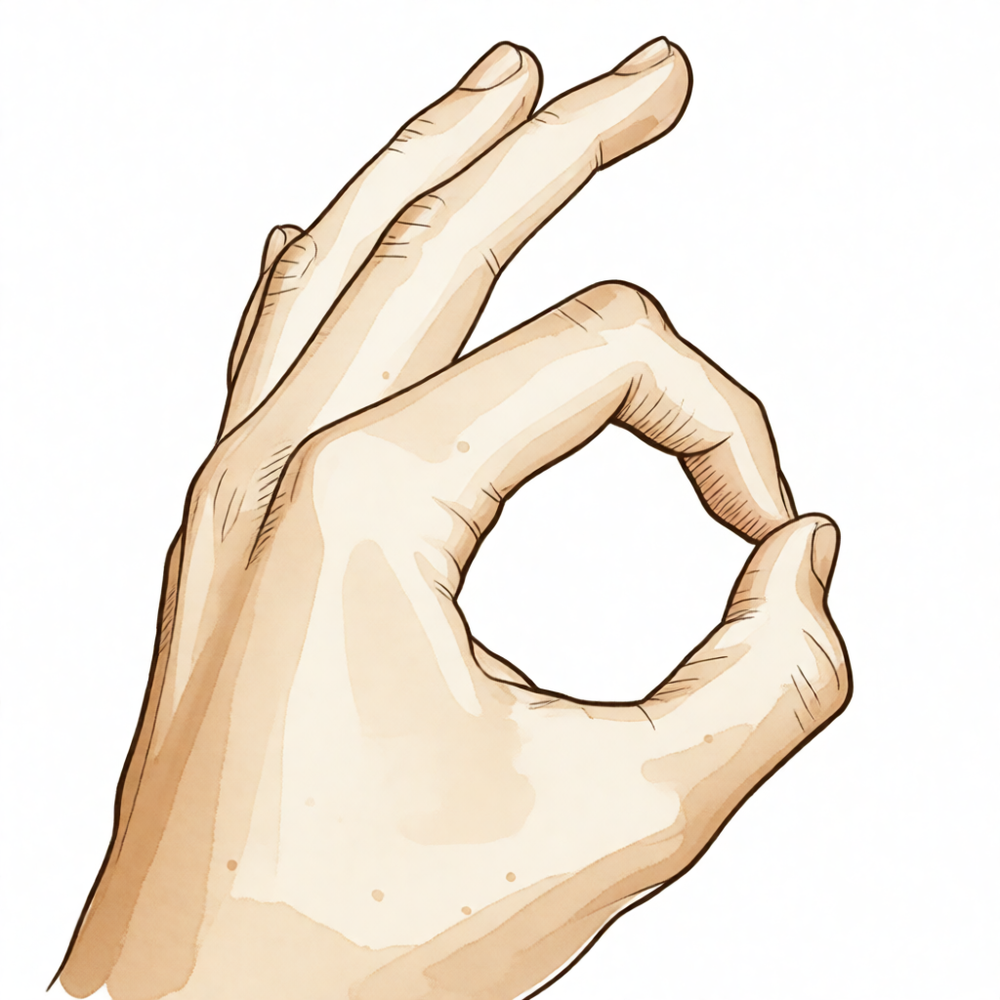
ایک ہاتھ جو "او کے" (OK) کا اشارہ بنانے کی کوشش کر رہا ہے، یعنی وہ ٹیسٹ جس سے اینٹیریئر انٹرآسیئس عصب کی کمزوری کا پتا لگایا جاتا ہے۔
او کے (OK) کے اشارے کا ٹیسٹ: اینٹیریئر انٹرآسیئس عصب کے فالج (palsy) میں انگوٹھا اور شہادت کی انگلی گول دائرہ نہیں بنا پاتے، اور اس کے بجائے چپٹی چٹکی بن جاتی ہے۔ Wikimedia Commons ('OK Sign'), CC BY 2.5

اس صفحے کا ترجمہ مشین سے کیا گیا ہے اور ابھی تک کسی ڈاکٹر نے اس کی جانچ نہیں کی۔ انگریزی نسخہ ہی مستند ہے۔

آپ کو کیا محسوس ہوتا ہے

یہ تمام مسائل میڈین عصب (median nerve) کے اوپر کی طرف، یعنی کہنی اور بازو کے نچلے حصے (forearm) کے اوپری حصے کے آس پاس، دبنے سے پیدا ہوتے ہیں، نہ کہ نیچے کلائی پر جہاں اس کا دبنا زیادہ مشہور ہے (کارپل ٹنل سنڈروم، یعنی کلائی میں عصب کا دبنا)۔ یہ مسائل ایک دوسرے سے کافی مختلف محسوس ہوتے ہیں۔

پرونیٹر سنڈروم (pronator syndrome) میں عموماً بازو کے نچلے حصے کے سامنے والے حصے میں گہرا، دکھن والا اور تھکا دینے والا درد ہوتا ہے، جو اکثر بازو کے نچلے حصے کو بار بار مروڑنے (پیچ کس یا چابی گھمانا، کپڑا نچوڑنا) یا زور سے پکڑنے سے بڑھ جاتا ہے۔ آپ کو انگوٹھے، شہادت کی انگلی اور درمیانی انگلی میں، اور ساتھ ہی ہتھیلی اور انگوٹھے کی گوشت دار جڑ میں بھی، سوئیاں چبھنے جیسا احساس یا سُن پن محسوس ہو سکتا ہے۔ کارپل ٹنل سنڈروم کے برعکس، یہ عام طور پر آپ کو رات کو نہیں جگاتا، اور تکلیف ہاتھ کے بجائے بازو کے نچلے حصے میں زیادہ محسوس ہوتی ہے۔

لیسرٹس سنڈروم (lacertus syndrome) ایک نیا نام ہے جو آپ اسی اوپر والے دباؤ کی ایک خاص شکل کے لیے سن سکتے ہیں، جس میں اصل وجہ کہنی کی سلوٹ پر ایک سخت ریشے دار پٹی ہوتی ہے جسے لیسرٹس فائبروسس (lacertus fibrosus) کہتے ہیں۔ عام کہانی یہ ہوتی ہے کہ ہاتھ جلد تھک جاتا ہے اور گرفت بے ڈھنگی ہو جاتی ہے (لکھنا، ٹائپ کرنا یا اوزار استعمال کرنا مشقت والا کام لگنے لگتا ہے)، اور ساتھ ہی بازو کے نچلے حصے میں دکھن اور کہنی کی سلوٹ کے بالکل نیچے چھونے پر نمایاں درد ہوتا ہے۔ یہ ان چیزوں میں سے بھی ایک ہے جنہیں ہم اس وقت تلاش کرتے ہیں جب کارپل ٹنل کی سرجری سے وہ علامات ٹھیک نہ ہوئی ہوں جن کے ٹھیک ہونے کی توقع تھی۔

اینٹیریئر انٹرآسیئس عصب (AIN) سنڈروم (anterior interosseous nerve syndrome) پھر سے مختلف ہے۔ اس میں عام طور پر سُن پن بہت کم ہوتا ہے یا بالکل نہیں ہوتا۔ اس کے بجائے یہ کمزوری کا مسئلہ ہے: وہ پٹھے جو آپ کے انگوٹھے اور شہادت کی انگلی کے بالکل سرے کو موڑتے ہیں، ٹھیک سے کام کرنا چھوڑ دیتے ہیں۔ اس کی خاص علامت یہ ہے کہ آپ عام گول "او کے" (OK) کا اشارہ نہیں بنا پاتے: جب آپ انگوٹھے کے سرے کو شہادت کی انگلی کے سرے سے ملا کر چٹکی بنانے کی کوشش کرتے ہیں تو چٹکی دب کر چپٹی یا تکونی شکل اختیار کر لیتی ہے۔ کچھ لوگوں کو پہلے تھوڑے عرصے کے لیے بازو یا کندھے میں دکھن محسوس ہوتی ہے، اور پھر کمزوری ظاہر ہوتی ہے۔

دراصل کیا ہو رہا ہے

ایک ہی بڑا عصب، یعنی میڈین عصب، آپ کی گردن سے بازو میں نیچے آتا ہے اور کہنی کے سامنے سے ہوتا ہوا ہاتھ میں جاتا ہے۔ یہ احساس (ہاتھ کے ایک حصے کے لیے) اور طاقت (کئی پٹھوں کے لیے) دونوں پہنچاتا ہے۔

پرونیٹر سنڈروم میں عصب اس وقت دب جاتا ہے یا اس میں جلن (irritation) پیدا ہو جاتی ہے جب وہ کہنی اور بازو کے نچلے حصے کے اوپری حصے کی تنگ جگہ سے گزرتا ہے۔ یہ کہنی کی سلوٹ کے قریب بافت کی ایک تنگ پٹی سے دب سکتا ہے (لیسرٹس فائبروسس؛ جب یہ پٹی اصل وجہ ہو تو اس حالت کو زیادہ سے زیادہ لیسرٹس سنڈروم کہا جانے لگا ہے)، یا اس وقت جب یہ ان پٹھوں کے درمیان سے یا ان کے نیچے سے گزرتا ہے جو آپ کی ہتھیلی کو نیچے کی طرف گھماتے ہیں۔ چونکہ دباؤ اوپر (کلائی سے اوپر) ہوتا ہے، اس لیے علامات میں ہتھیلی اور انگوٹھے کی جڑ بھی شامل ہوتی ہیں، اور یہی وہ بنیادی اشارہ ہے جو اسے کارپل ٹنل سنڈروم سے الگ کرتا ہے۔

اے آئی این سنڈروم میں مسئلہ میڈین عصب کی ایک گہری شاخ کو متاثر کرتا ہے جو صرف طاقت پہنچاتی ہے، احساس نہیں، اسی لیے اس میں کمزوری ہوتی ہے لیکن سُن پن نہیں ہوتا۔ بہت سے لوگوں میں یہ بالکل سادہ "دباؤ" نہیں ہوتا بلکہ زیادہ تر عصب کی جلن یا سوزش جیسا ہوتا ہے (بعض اوقات کسی وائرل بیماری کے بعد یا بغیر کسی واضح وجہ کے)، اور یہ ایک وجہ ہے کہ یہ اتنی اکثر خود ہی ٹھیک ہو جاتا ہے۔

ہم اس کے لیے کیا کر سکتے ہیں

ڈاکٹر کیرن ہِرپرا Mater Private Hospital Rockhampton میں ہماری بازو اور ہاتھ (upper limb) کی ٹیم کی قیادت کرتے ہیں، اور بیماری کی تفصیل اور جسمانی معائنے کے ذریعے ان مسائل کا بغور جائزہ لیتے ہیں۔ ہم عام طور پر سرجری کے بغیر علاج سے آغاز کرتے ہیں، اور سرجری صرف اس صورت کے لیے رکھتے ہیں جب آرام اور سرگرمیوں میں تبدیلی کے باوجود آپ کی علامات برقرار رہیں۔

ان تمام مسائل میں پہلا قدم تقریباً ہمیشہ سرجری کے بغیر علاج ہوتا ہے، اور خاص طور پر اے آئی این سنڈروم میں یہ صبر عام طور پر رنگ لاتا ہے۔

تکلیف کو پرسکون کرنا۔ اس کا مطلب ہے ان سرگرمیوں میں تبدیلی جو اسے بڑھاتی ہیں (بار بار مروڑنے اور زور سے پکڑنے میں کمی)، بعض اوقات بازو کو آرام دینے کے لیے اسپلنٹ کا استعمال، اور عصب کو وقت دینا۔ درد کم کرنے کے سادہ طریقے دکھن میں مدد دیتے ہیں۔

انتظار اور نگرانی۔ اے آئی این کی کمزوری اکثر کئی مہینوں میں خود ہی بہتر ہو جاتی ہے، اس لیے عام منصوبہ یہ ہوتا ہے کہ کچھ اور سوچنے سے پہلے نگرانی کی جائے اور انتظار کیا جائے، اکثر تقریباً تین سے چھ ماہ تک۔ بہت سے لوگ اس دوران آپریشن کے بغیر اپنی طاقت واپس حاصل کر لیتے ہیں۔ تشخیص کی تصدیق اور بحالی پر نظر رکھنے کے لیے اس دوران اعصاب کے ٹیسٹ (nerve studies) یا اسکین جیسے ٹیسٹ کروائے جا سکتے ہیں۔

سرجری ان کم لوگوں کے لیے رکھی جاتی ہے جو بہتر نہیں ہوتے: ایسا پرونیٹر سنڈروم جو آرام اور سرگرمیوں میں تبدیلی کی مناسب کوشش کے باوجود تکلیف دہ رہے، یا اے آئی این کی ایسی کمزوری جو نگرانی کی ایک مدت کے بعد بھی بحالی کی کوئی علامت نہ دکھائے۔ آپریشن میں عصب پر دباؤ ڈالنے والے تنگ حصوں کو کھول دیا جاتا ہے تاکہ عصب ٹھیک ہو سکے۔ جب دباؤ خاص طور پر لیسرٹس کی پٹی پر ہو، تو یہ اکثر لوکل اینستھیزیا (صرف اس حصے کو سُن کرنا) میں ایک چھوٹے چیرے کے ذریعے کیا جا سکتا ہے جبکہ آپ جاگ رہے ہوتے ہیں، جس سے متاثرہ پٹھوں کی طاقت کو وہیں جانچا جا سکتا ہے، اور صحت یابی عام طور پر جلد ہوتی ہے۔

کیا توقع رکھیں

ان مسائل کا انجام عموماً اچھا ہوتا ہے۔ خاص طور پر اے آئی این سنڈروم میں خود بخود ٹھیک ہونے کا مضبوط رجحان ہوتا ہے، اور بالکل اسی لیے ہم آپریشن میں جلدی نہیں کرتے۔ صحت یابی آہستہ آہستہ ہوتی ہے اور ہفتوں کے بجائے مہینوں میں ناپی جاتی ہے، اس لیے اس میں کچھ صبر درکار ہے، اور اس دوران آپ کی پیش رفت کا جائزہ لیا جاتا رہے گا۔

جب سرجری کے بغیر علاج کافی نہ ہو اور آپریشن کی ضرورت پڑے، تو عصب کو آزاد کرنے سے عام طور پر پرونیٹر سنڈروم کا درد کم ہو جاتا ہے اور اے آئی این سنڈروم میں طاقت واپس آنے کا بہترین موقع ملتا ہے، اگرچہ اعصاب آہستہ ٹھیک ہوتے ہیں اور بہتری اس کے بعد بھی کئی مہینوں تک بڑھتی رہتی ہے۔

ڈاکٹر کو کب دکھائیں

  • بازو کے نچلے حصے میں دکھن والا درد، ساتھ میں انگوٹھے، شہادت کی انگلی اور درمیانی انگلی میں سُن پن یا جھنجھناہٹ، خاص طور پر اگر آپ اسے ہتھیلی اور انگوٹھے کی جڑ میں بھی محسوس کریں، اور یہ مروڑنے یا پکڑنے سے بڑھ جائے۔
  • اچانک عام "او کے" (OK) کا اشارہ بنانے میں مشکل، یا انگوٹھے کے سرے کو شہادت کی انگلی سے ملا کر چٹکی بنانے میں کمزوری۔
  • بازو کے نچلے حصے یا ہاتھ کی ایسی علامات جو ٹھیک نہ ہوں، آرام اور سرگرمیوں میں تبدیلی کے باوجود، یا ایسی کمزوری جو چند ماہ بعد بھی بہتر نہ ہو رہی ہو۔
  • تھوڑے عرصے کے لیے کندھے یا بازو میں دکھن اور اس کے بعد ہاتھ کی کمزوری؛ اس کا معائنہ کروانا مناسب ہے، کیونکہ یہ انداز کسی ایسے عصبی مسئلے کی طرف اشارہ کر سکتا ہے جس کی جلد شناخت فائدہ مند ہوتی ہے۔

مزید تفصیل

Advanced reading: the deeper science (optional)

یہ حصہ اس سے زیادہ تفصیل میں جاتا ہے جتنی آپ کو اپنے علاج کے فیصلوں کے لیے ضرورت ہے۔ یہ سنڈروم اضافی مطالعے کے قابل ہیں کیونکہ ان پر دو ایسی جاری بحثیں ہیں جو علاج کو بدل دیتی ہیں: ایک نئی مقبول ہونے والی تشخیص (لیسرٹس سنڈروم) جس کے حق میں شواہد واقعی حیران کن ہیں لیکن واقعی ناکافی بھی، اور یہ کہ اینٹیریئر انٹرآسیئس عصب کے مسئلے کے بارے میں زیادہ سے زیادہ یہ سمجھا جا رہا ہے کہ یہ دراصل دباؤ ہے ہی نہیں، جس کا مطلب ہے کہ اس کا دباؤ ختم کرنے کا آپریشن غالباً اس کا حل نہیں۔

وہ مسئلہ جو غالباً دباؤ کی وجہ سے نہیں

اینٹیریئر انٹرآسیئس عصب سنڈروم ایک خاص قسم کی کمزوری پیدا کرتا ہے، یعنی انگوٹھے اور شہادت کی انگلی کے سرے کو موڑنے میں ناکامی، جس سے "او کے" کا اشارہ دب کر چٹکی بن جاتا ہے، اور اس میں سُن پن نہیں ہوتا، کیونکہ یہ شاخ صرف پٹھوں تک جاتی ہے۔

کافی عرصے تک یہ سمجھا جاتا رہا کہ یہ عصب کے کسی ریشے دار پٹی میں پھنسنے سے ہوتا ہے، اور اسی کے مطابق اس کا علاج کیا جاتا تھا۔ موجودہ نقطہ نظر مختلف ہے: اسے زیادہ سے زیادہ عصب کی سوزش (neuritis) سمجھا جا رہا ہے، اور لمبے عرصے تک نگرانی کے بعد یہ اکثر خود بخود ٹھیک ہو جاتا ہے [1]۔ اس کا قدرتی سفر (natural history) تقریباً ہمیشہ مکمل یا تقریباً مکمل بحالی ہے، اور اس بات کا کوئی قابل اعتماد ثبوت نہیں کہ سرجری اس قدرتی سفر کو بدل سکتی ہے، اس لیے جب تک اچھے معیار کی تحقیقات یہ نہ دکھائیں کہ جلد مداخلت بحالی کو بہتر یا تیز کرتی ہے، جلد بازی میں سرجری سے گریز کرنا چاہیے [2]۔

یہ نیا زاویہ اس لیے اہم ہے کہ دونوں تصورات بالکل الٹے اقدامات کی طرف اشارہ کرتے ہیں۔ اگر کوئی پٹی عصب کا گلا گھونٹ رہی ہے، تو تاخیر مستقل نقصان کا سبب بنتی ہے اور جلد دباؤ ختم کرنا فوری ضرورت ہے۔ اگر عصب میں سوزش ہے، تو آپریشن ایک ایسے عمل میں ایک زخم کا اضافہ کر دیتا ہے جو خود ہی ٹھیک ہونے والا تھا، اور عصب کی بحالی کئی مہینوں میں ناپی جاتی ہے، اتنے لمبے عرصے میں کہ چھٹے مہینے پر کی گئی سرجری تقریباً ہمیشہ کامیاب ہوتی دکھائی دے گی۔

عملی رہنمائی اس ابہام کو حل کرنے کے بجائے اس کی عکاسی کرتی ہے: پرونیٹر سنڈروم میں 6 ماہ سے زیادہ برقرار رہنے والی علامات، یا اینٹیریئر انٹرآسیئس عصب سنڈروم میں کم از کم 12 ماہ کے بعد، سرجری کے ذریعے دباؤ ختم کرنے کا مشورہ دیا جاتا ہے [1]۔

پرونیٹر سنڈروم ایک متنازع تشخیص ہے

پرونیٹر سنڈروم سے مراد میڈین عصب کا اوپر، کہنی کے آس پاس، دبنا ہے، جس سے بازو کے نچلے حصے میں دکھن اور میڈین عصب سے احساس پانے والی انگلیوں میں سُن پن ہوتا ہے۔ چونکہ احساس کی یہ علامات تقریباً مکمل طور پر کارپل ٹنل سنڈروم سے ملتی ہیں، جو کہیں زیادہ عام ہے اور اعصاب کی برقی جانچ (nerve conduction studies) سے آسانی سے ثابت ہو جاتا ہے، اس لیے اصل مشکل ان دونوں میں فرق کرنا ہے۔

تحقیقی لٹریچر میں اسے ایک متنازع تشخیص کہا گیا ہے، جس کا علاج عام طور پر تقریباً 12 ماہ کے لمبے عرصے تک سرجری کے بغیر کیا جاتا ہے [1]۔ جو خصوصیات نیچے (کلائی) کے بجائے اوپر (کہنی) کی طرف اشارہ کرتی ہیں وہ یہ ہیں: انگوٹھے کی جڑ پر ہتھیلی میں سُن پن، جہاں احساس عصب کی اس شاخ سے آتا ہے جو کارپل ٹنل سے پہلے عصب سے الگ ہو جاتی ہے، اور اسی لیے کارپل ٹنل سنڈروم میں یہ حصہ متاثر نہیں ہوتا؛ اس کے ساتھ بازو کے نچلے حصے کو چھونے پر درد، اور ایسی علامات جو رات کو کلائی کی پوزیشن کے بجائے مزاحمت کے خلاف بازو کے نچلے حصے کو گھمانے سے پیدا ہوں [3] [5]۔

لیسرٹس سنڈروم: سب سے پرانی پٹی کا سب سے نیا نام

لیسرٹس فائبروسس، یعنی ریشوں کی ایک چادر جو بائسیپس (biceps) کے ٹینڈن (tendon)، یعنی وہ مضبوط ڈوری جو پٹھے کو ہڈی سے جوڑتی ہے، سے کہنی کے سامنے سے گزرتی ہے، ہمیشہ سے ان حصوں کی فہرست میں شامل رہی ہے جو میڈین عصب کو دبا سکتے ہیں۔ حال ہی میں جو بدلا ہے وہ یہ دعویٰ ہے کہ اسے سب سے اہم مقام ملنا چاہیے۔ سویڈن کی ہاتھ کی سرجن Elisabet Hagert کی قیادت میں ایک مکتب فکر کا کہنا ہے کہ بہت سے لوگ جنہیں بازو کے نچلے حصے کی غیر واضح تھکن، "بے ڈھنگے ہاتھ"، یا ایسی کارپل ٹنل ریلیز جس سے فائدہ نہ ہوا، کا لیبل دیا جاتا ہے، دراصل ان کا عصب بالکل اسی جگہ پھنسا ہوتا ہے، اور اس انداز کو اب عام طور پر لیسرٹس سنڈروم کہا جاتا ہے [6]۔

یہ تشخیص جان بوجھ کر کلینیکل معائنے پر مبنی رکھی گئی ہے، کیونکہ میڈین عصب کے اوپر والے دباؤ میں برقی ٹیسٹ عام طور پر نارمل آتے ہیں: میڈین عصب سے چلنے والے تین خاص پٹھوں کی کمزوری (انگوٹھے اور شہادت کی انگلی کے سرے موڑنے والے پٹھے، اور کلائی موڑنے والا ایک پٹھا)، اور ساتھ ہی پٹی کے بالکل اوپر چھونے پر درد [6]۔ تجویز کردہ علاج لوکل اینستھیزیا میں ایک مختصر آپریشن ہے جس میں مریض پوری طرح جاگ رہا ہوتا ہے، تاکہ پٹی کاٹنے کے چند منٹ بعد آپریشن کی میز پر ہی طاقت دوبارہ جانچی جا سکے۔ رپورٹ کیے گئے نتائج حیران کن ہیں: سب سے بڑے شائع شدہ گروپ میں، 93 مریضوں کا اوسط معذوری اسکور (QuickDASH) سرجری سے پہلے 53 تھا جو فوراً بعد بہتر ہو کر 8 ہو گیا، گرفت کی طاقت 16 کلوگرام سے بڑھ کر 24 کلوگرام ہو گئی، اور دفتری کام کرنے والے عام طور پر چند دنوں میں کام پر واپس آ گئے [7]۔

حیران کن نتائج کی جانچ پڑتال ضروری ہے، اور ان پر شکوک و شبہات بھی ساتھ ہی شائع ہوئے ہیں۔ پتا چلا ہے کہ لیسرٹس پر چھونے سے درد بالکل صحت مند لوگوں میں بھی عام ہے؛ ایک تحقیق میں یہ علامات سے پاک 72 بازوؤں میں سے 14 میں پایا گیا (تقریباً ہر پانچ میں سے ایک)، جو اکیلے چھونے پر درد کو تشخیصی علامت کے طور پر کمزور کر دیتا ہے اور دوسرے بازو سے موازنے کو ناقابل اعتماد بنا دیتا ہے [8]۔ دوسرے ماہرین نشاندہی کرتے ہیں کہ "لیسرٹس سنڈروم" کا نام اس وقت دو مختلف مسائل کے لیے استعمال ہو رہا ہے، یعنی عصب کا حقیقی دباؤ، اور اسی جگہ پٹھوں کے زیادہ استعمال کا ایک انداز، اور ہو سکتا ہے ایک ہی لیبل کو دونوں پر پھیلایا جا رہا ہو [9]۔ اس پر کوئی رینڈمائزڈ کنٹرولڈ ٹرائل (randomised controlled trial) نہیں ہوا، نتائج والے گروپوں میں فالو اپ مختصر ہے، اور ایسی حالت جس کی تشخیص کسی معروضی ٹیسٹ کے بغیر ہو اور جس کا علاج ایسی سرجری سے ہو جس کا نتیجہ فوراً سامنے آ جائے، بالکل وہی صورت حال ہے جس میں مریضوں کے انتخاب اور پلاسیبو (placebo) کے اثرات نتائج کو اصل سے بہتر دکھاتے ہیں۔

معقول درمیانی راستہ وہی ہے جہاں یہ صفحہ پہلے سے کھڑا ہے: یہ پٹی حقیقی ہے، یہ عصب کو دبا سکتی ہے، اور جب کمزوری اور چھونے پر درد کا یہ خاص انداز موجود ہو تو اس پٹی کو ہدف بنا کر کھولنا ایک چھوٹا آپریشن ہے جس کے بعد صحت یابی جلد ہوتی ہے۔ جوش و خروش اور شک دونوں موجودہ تحقیقی لٹریچر کا حصہ ہیں۔

صبر محض احتیاط نہیں بلکہ معقول کیوں ہے

دونوں مسائل کے لیے تجویز کردہ راستہ لمبی نگرانی ہے، جسے علامات کے برقرار رہتے ہوئے قبول کرنا مشکل ہوتا ہے۔ دو باتیں اسے قابل دفاع بناتی ہیں۔

پہلی بات اوپر بیان کیا گیا قدرتی سفر ہے: اینٹیریئر انٹرآسیئس عصب سنڈروم میں بغیر مداخلت کے بحالی ہی متوقع نتیجہ ہے [2]۔ دوسری بات یہ ہے کہ اچانک شروع ہونے والے تکلیف دہ فالج میں متبادل تشخیص نیورالجک ایمیوٹرافی (neuralgic amyotrophy) یعنی پارسنیج ٹرنر سنڈروم (Parsonage-Turner syndrome) ہے، جو اعصاب کی ایک سوزشی بیماری ہے اور عام طور پر کندھے یا بازو میں شدید درد سے شروع ہوتی ہے جو دنوں سے ہفتوں تک رہتا ہے، اور درد کم ہونے کے ساتھ کمزوری آتی ہے [4]۔ یہ ایک طبی بیماری ہے، مکینیکل نہیں، اور کوئی بھی دباؤ ختم کرنے والا آپریشن اس کا علاج نہیں کرتا۔

اس لیے کمزوری سے پہلے شدید درد کے ساتھ آغاز ہی وہ خصوصیت ہے جسے درست طور پر بتانا سب سے زیادہ ضروری ہے، کیونکہ یہ ممکنہ تشخیص کو دباؤ سے بالکل دور لے جاتی ہے۔

حوالہ جات

[1] Rodner CM, Tinsley BA, O'Malley MP. Pronator syndrome and anterior interosseous nerve syndrome. J Am Acad Orthop Surg. 2013;21(5):268-75. https://doi.org/10.5435/JAAOS-21-05-268

[2] Nzeako OJ, Tahmassebi R. Idiopathic anterior interosseous nerve dysfunction. J Hand Surg Am. 2015;40(11):2277-8. https://doi.org/10.1016/j.jhsa.2015.07.021

[3] Balcerzak AA, Ruzik K, Tubbs RS, Konschake M, Podgórski M, Borowski A, et al. How to differentiate pronator syndrome from carpal tunnel syndrome: a comprehensive clinical comparison. Diagnostics (Basel). 2022;12(10):2433. https://doi.org/10.3390/diagnostics12102433

[4] Stutz CM. Neuralgic amyotrophy: Parsonage-Turner syndrome. J Hand Surg Am. 2010;35(12):2104-6. https://doi.org/10.1016/j.jhsa.2010.09.010

[5] Presciutti S, Rodner CM. Pronator syndrome. J Hand Surg Am. 2011;36(5):907-9. https://doi.org/10.1016/j.jhsa.2011.02.014

[6] Hagert E. Clinical diagnosis and wide-awake surgical treatment of proximal median nerve entrapment at the elbow: a prospective study. Hand (N Y). 2013;8(1):41-6. https://doi.org/10.1007/s11552-012-9483-4

[7] Ahmad AA, Abdullah S, Thavamany AS, Tong CY, Ganapathy SS. Lacertus syndrome: an outcome analysis after lacertus release. J Hand Surg Glob Online. 2023;5(4):498-502. https://doi.org/10.1016/j.jhsg.2023.03.001

[8] Fang J, Zhang LQ, Tang JB. Incidence of local tenderness at the lacertus fibrosus in healthy people. J Hand Surg Eur Vol. 2025;51(1):107-8. https://doi.org/10.1177/17531934251346595

[9] Berezin PA, Zolotov AS. Lacertus syndrome: one term - two different pathologies. J Hand Surg Eur Vol. 2023;48(8):825-6. https://doi.org/10.1177/17531934231170347


Creative Commons BY-NC 4.0

CC Creative Commons licence
BY Attribution — you must credit the source
NC NonCommercial — not for commercial use

Attribution-NonCommercial 4.0 International


Creative Commons Corporation ("Creative Commons") is not a law firm and does not provide legal services or legal advice. Distribution of Creative Commons public licenses does not create a lawyer-client or other relationship. Creative Commons makes its licenses and related information available on an "as-is" basis. Creative Commons gives no warranties regarding its licenses, any material licensed under their terms and conditions, or any related information. Creative Commons disclaims all liability for damages resulting from their use to the fullest extent possible.

Using Creative Commons Public Licenses

Creative Commons public licenses provide a standard set of terms and conditions that creators and other rights holders may use to share original works of authorship and other material subject to copyright and certain other rights specified in the public license below. The following considerations are for informational purposes only, are not exhaustive, and do not form part of our licenses.

Considerations for licensors: Our public licenses are intended for use by those authorized to give the public permission to use material in ways otherwise restricted by copyright and certain other rights. Our licenses are irrevocable. Licensors should read and understand the terms and conditions of the license they choose before applying it. Licensors should also secure all rights necessary before applying our licenses so that the public can reuse the material as expected. Licensors should clearly mark any material not subject to the license. This includes other CC- licensed material, or material used under an exception or limitation to copyright. More considerations for licensors: wiki.creativecommons.org/Considerations_for_licensors

Considerations for the public: By using one of our public licenses, a licensor grants the public permission to use the licensed material under specified terms and conditions. If the licensor's permission is not necessary for any reason--for example, because of any applicable exception or limitation to copyright--then that use is not regulated by the license. Our licenses grant only permissions under copyright and certain other rights that a licensor has authority to grant. Use of the licensed material may still be restricted for other reasons, including because others have copyright or other rights in the material. A licensor may make special requests, such as asking that all changes be marked or described. Although not required by our licenses, you are encouraged to respect those requests where reasonable. More considerations for the public: wiki.creativecommons.org/Considerations_for_licensees


Creative Commons Attribution-NonCommercial 4.0 International Public License

By exercising the Licensed Rights (defined below), You accept and agree to be bound by the terms and conditions of this Creative Commons Attribution-NonCommercial 4.0 International Public License ("Public License"). To the extent this Public License may be interpreted as a contract, You are granted the Licensed Rights in consideration of Your acceptance of these terms and conditions, and the Licensor grants You such rights in consideration of benefits the Licensor receives from making the Licensed Material available under these terms and conditions.

Section 1 -- Definitions.

a. Adapted Material means material subject to Copyright and Similar Rights that is derived from or based upon the Licensed Material and in which the Licensed Material is translated, altered, arranged, transformed, or otherwise modified in a manner requiring permission under the Copyright and Similar Rights held by the Licensor. For purposes of this Public License, where the Licensed Material is a musical work, performance, or sound recording, Adapted Material is always produced where the Licensed Material is synched in timed relation with a moving image.

b. Adapter's License means the license You apply to Your Copyright and Similar Rights in Your contributions to Adapted Material in accordance with the terms and conditions of this Public License.

c. Copyright and Similar Rights means copyright and/or similar rights closely related to copyright including, without limitation, performance, broadcast, sound recording, and Sui Generis Database Rights, without regard to how the rights are labeled or categorized. For purposes of this Public License, the rights specified in Section 2(b)(1)-(2) are not Copyright and Similar Rights.

d. Effective Technological Measures means those measures that, in the absence of proper authority, may not be circumvented under laws fulfilling obligations under Article 11 of the WIPO Copyright Treaty adopted on December 20, 1996, and/or similar international agreements.

e. Exceptions and Limitations means fair use, fair dealing, and/or any other exception or limitation to Copyright and Similar Rights that applies to Your use of the Licensed Material.

f. Licensed Material means the artistic or literary work, database, or other material to which the Licensor applied this Public License.

g. Licensed Rights means the rights granted to You subject to the terms and conditions of this Public License, which are limited to all Copyright and Similar Rights that apply to Your use of the Licensed Material and that the Licensor has authority to license.

h. Licensor means the individual(s) or entity(ies) granting rights under this Public License.

i. NonCommercial means not primarily intended for or directed towards commercial advantage or monetary compensation. For purposes of this Public License, the exchange of the Licensed Material for other material subject to Copyright and Similar Rights by digital file-sharing or similar means is NonCommercial provided there is no payment of monetary compensation in connection with the exchange.

j. Share means to provide material to the public by any means or process that requires permission under the Licensed Rights, such as reproduction, public display, public performance, distribution, dissemination, communication, or importation, and to make material available to the public including in ways that members of the public may access the material from a place and at a time individually chosen by them.

k. Sui Generis Database Rights means rights other than copyright resulting from Directive 96/9/EC of the European Parliament and of the Council of 11 March 1996 on the legal protection of databases, as amended and/or succeeded, as well as other essentially equivalent rights anywhere in the world.

l. You means the individual or entity exercising the Licensed Rights under this Public License. Your has a corresponding meaning.

Section 2 -- Scope.

a. License grant.

1. Subject to the terms and conditions of this Public License, the Licensor hereby grants You a worldwide, royalty-free, non-sublicensable, non-exclusive, irrevocable license to exercise the Licensed Rights in the Licensed Material to:

a. reproduce and Share the Licensed Material, in whole or in part, for NonCommercial purposes only; and

b. produce, reproduce, and Share Adapted Material for NonCommercial purposes only.

2. Exceptions and Limitations. For the avoidance of doubt, where Exceptions and Limitations apply to Your use, this Public License does not apply, and You do not need to comply with its terms and conditions.

3. Term. The term of this Public License is specified in Section 6(a).

4. Media and formats; technical modifications allowed. The Licensor authorizes You to exercise the Licensed Rights in all media and formats whether now known or hereafter created, and to make technical modifications necessary to do so. The Licensor waives and/or agrees not to assert any right or authority to forbid You from making technical modifications necessary to exercise the Licensed Rights, including technical modifications necessary to circumvent Effective Technological Measures. For purposes of this Public License, simply making modifications authorized by this Section 2(a) (4) never produces Adapted Material.

5. Downstream recipients.

a. Offer from the Licensor -- Licensed Material. Every recipient of the Licensed Material automatically receives an offer from the Licensor to exercise the Licensed Rights under the terms and conditions of this Public License.

b. No downstream restrictions. You may not offer or impose any additional or different terms or conditions on, or apply any Effective Technological Measures to, the Licensed Material if doing so restricts exercise of the Licensed Rights by any recipient of the Licensed Material.

6. No endorsement. Nothing in this Public License constitutes or may be construed as permission to assert or imply that You are, or that Your use of the Licensed Material is, connected with, or sponsored, endorsed, or granted official status by, the Licensor or others designated to receive attribution as provided in Section 3(a)(1)(A)(i).

b. Other rights.

1. Moral rights, such as the right of integrity, are not licensed under this Public License, nor are publicity, privacy, and/or other similar personality rights; however, to the extent possible, the Licensor waives and/or agrees not to assert any such rights held by the Licensor to the limited extent necessary to allow You to exercise the Licensed Rights, but not otherwise.

2. Patent and trademark rights are not licensed under this Public License.

3. To the extent possible, the Licensor waives any right to collect royalties from You for the exercise of the Licensed Rights, whether directly or through a collecting society under any voluntary or waivable statutory or compulsory licensing scheme. In all other cases the Licensor expressly reserves any right to collect such royalties, including when the Licensed Material is used other than for NonCommercial purposes.

Section 3 -- License Conditions.

Your exercise of the Licensed Rights is expressly made subject to the following conditions.

a. Attribution.

1. If You Share the Licensed Material (including in modified form), You must:

a. retain the following if it is supplied by the Licensor with the Licensed Material:

i. identification of the creator(s) of the Licensed Material and any others designated to receive attribution, in any reasonable manner requested by the Licensor (including by pseudonym if designated);

ii. a copyright notice;

iii. a notice that refers to this Public License;

iv. a notice that refers to the disclaimer of warranties;

v. a URI or hyperlink to the Licensed Material to the extent reasonably practicable;

b. indicate if You modified the Licensed Material and retain an indication of any previous modifications; and

c. indicate the Licensed Material is licensed under this Public License, and include the text of, or the URI or hyperlink to, this Public License.

2. You may satisfy the conditions in Section 3(a)(1) in any reasonable manner based on the medium, means, and context in which You Share the Licensed Material. For example, it may be reasonable to satisfy the conditions by providing a URI or hyperlink to a resource that includes the required information.

3. If requested by the Licensor, You must remove any of the information required by Section 3(a)(1)(A) to the extent reasonably practicable.

4. If You Share Adapted Material You produce, the Adapter's License You apply must not prevent recipients of the Adapted Material from complying with this Public License.

Section 4 -- Sui Generis Database Rights.

Where the Licensed Rights include Sui Generis Database Rights that apply to Your use of the Licensed Material:

a. for the avoidance of doubt, Section 2(a)(1) grants You the right to extract, reuse, reproduce, and Share all or a substantial portion of the contents of the database for NonCommercial purposes only;

b. if You include all or a substantial portion of the database contents in a database in which You have Sui Generis Database Rights, then the database in which You have Sui Generis Database Rights (but not its individual contents) is Adapted Material; and

c. You must comply with the conditions in Section 3(a) if You Share all or a substantial portion of the contents of the database.

For the avoidance of doubt, this Section 4 supplements and does not replace Your obligations under this Public License where the Licensed Rights include other Copyright and Similar Rights.

Section 5 -- Disclaimer of Warranties and Limitation of Liability.

a. UNLESS OTHERWISE SEPARATELY UNDERTAKEN BY THE LICENSOR, TO THE EXTENT POSSIBLE, THE LICENSOR OFFERS THE LICENSED MATERIAL AS-IS AND AS-AVAILABLE, AND MAKES NO REPRESENTATIONS OR WARRANTIES OF ANY KIND CONCERNING THE LICENSED MATERIAL, WHETHER EXPRESS, IMPLIED, STATUTORY, OR OTHER. THIS INCLUDES, WITHOUT LIMITATION, WARRANTIES OF TITLE, MERCHANTABILITY, FITNESS FOR A PARTICULAR PURPOSE, NON-INFRINGEMENT, ABSENCE OF LATENT OR OTHER DEFECTS, ACCURACY, OR THE PRESENCE OR ABSENCE OF ERRORS, WHETHER OR NOT KNOWN OR DISCOVERABLE. WHERE DISCLAIMERS OF WARRANTIES ARE NOT ALLOWED IN FULL OR IN PART, THIS DISCLAIMER MAY NOT APPLY TO YOU.

b. TO THE EXTENT POSSIBLE, IN NO EVENT WILL THE LICENSOR BE LIABLE TO YOU ON ANY LEGAL THEORY (INCLUDING, WITHOUT LIMITATION, NEGLIGENCE) OR OTHERWISE FOR ANY DIRECT, SPECIAL, INDIRECT, INCIDENTAL, CONSEQUENTIAL, PUNITIVE, EXEMPLARY, OR OTHER LOSSES, COSTS, EXPENSES, OR DAMAGES ARISING OUT OF THIS PUBLIC LICENSE OR USE OF THE LICENSED MATERIAL, EVEN IF THE LICENSOR HAS BEEN ADVISED OF THE POSSIBILITY OF SUCH LOSSES, COSTS, EXPENSES, OR DAMAGES. WHERE A LIMITATION OF LIABILITY IS NOT ALLOWED IN FULL OR IN PART, THIS LIMITATION MAY NOT APPLY TO YOU.

c. The disclaimer of warranties and limitation of liability provided above shall be interpreted in a manner that, to the extent possible, most closely approximates an absolute disclaimer and waiver of all liability.

Section 6 -- Term and Termination.

a. This Public License applies for the term of the Copyright and Similar Rights licensed here. However, if You fail to comply with this Public License, then Your rights under this Public License terminate automatically.

b. Where Your right to use the Licensed Material has terminated under Section 6(a), it reinstates:

1. automatically as of the date the violation is cured, provided it is cured within 30 days of Your discovery of the violation; or

2. upon express reinstatement by the Licensor.

For the avoidance of doubt, this Section 6(b) does not affect any right the Licensor may have to seek remedies for Your violations of this Public License.

c. For the avoidance of doubt, the Licensor may also offer the Licensed Material under separate terms or conditions or stop distributing the Licensed Material at any time; however, doing so will not terminate this Public License.

d. Sections 1, 5, 6, 7, and 8 survive termination of this Public License.

Section 7 -- Other Terms and Conditions.

a. The Licensor shall not be bound by any additional or different terms or conditions communicated by You unless expressly agreed.

b. Any arrangements, understandings, or agreements regarding the Licensed Material not stated herein are separate from and independent of the terms and conditions of this Public License.

Section 8 -- Interpretation.

a. For the avoidance of doubt, this Public License does not, and shall not be interpreted to, reduce, limit, restrict, or impose conditions on any use of the Licensed Material that could lawfully be made without permission under this Public License.

b. To the extent possible, if any provision of this Public License is deemed unenforceable, it shall be automatically reformed to the minimum extent necessary to make it enforceable. If the provision cannot be reformed, it shall be severed from this Public License without affecting the enforceability of the remaining terms and conditions.

c. No term or condition of this Public License will be waived and no failure to comply consented to unless expressly agreed to by the Licensor.

d. Nothing in this Public License constitutes or may be interpreted as a limitation upon, or waiver of, any privileges and immunities that apply to the Licensor or You, including from the legal processes of any jurisdiction or authority.


Creative Commons is not a party to its public licenses. Notwithstanding, Creative Commons may elect to apply one of its public licenses to material it publishes and in those instances will be considered the “Licensor.” The text of the Creative Commons public licenses is dedicated to the public domain under the CC0 Public Domain Dedication. Except for the limited purpose of indicating that material is shared under a Creative Commons public license or as otherwise permitted by the Creative Commons policies published at creativecommons.org/policies, Creative Commons does not authorize the use of the trademark "Creative Commons" or any other trademark or logo of Creative Commons without its prior written consent including, without limitation, in connection with any unauthorized modifications to any of its public licenses or any other arrangements, understandings, or agreements concerning use of licensed material. For the avoidance of doubt, this paragraph does not form part of the public licenses.

Creative Commons may be contacted at creativecommons.org.