Skip to content

Patients › General-Health

ٹینڈن کیسے کام کرتے اور ٹھیک ہوتے ہیں

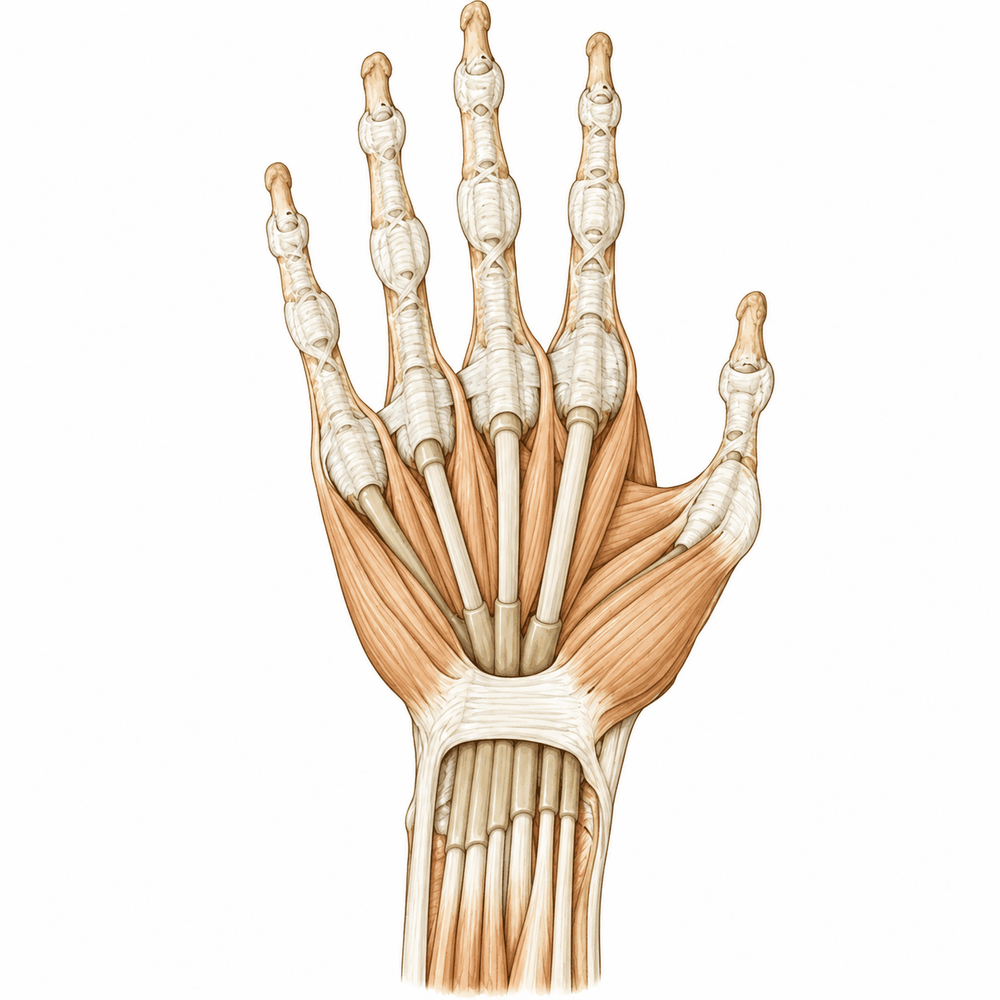
Illustration: ٹینڈن کیسے کام کرتے اور ٹھیک ہوتے ہیں

اس صفحے کا ترجمہ مشین سے کیا گیا ہے اور ابھی تک کسی ڈاکٹر نے اس کی جانچ نہیں کی۔ انگریزی نسخہ ہی مستند ہے۔

ٹینڈن (tendon) جسم کی تاریں ہیں، یعنی وہ مضبوط ڈوریاں جو پٹھے کو ہڈی سے جوڑتی ہیں اور پٹھے کے کھنچاؤ کو حرکت میں بدلتی ہیں۔ جب آپ انگلی موڑتے ہیں یا بازو اٹھاتے ہیں تو ٹینڈن ہی اس قوت کو جوڑ کے پار پہنچانے کا کام کر رہے ہوتے ہیں۔ ٹینڈن مضبوط ہوتے ہیں، لیکن آہستہ اور ایک خاص طریقے سے ٹھیک ہوتے ہیں، اور تمام ٹینڈن ایک ہی طرح ٹھیک نہیں ہوتے۔ انگلی کا کٹا ہوا فلیکسر ٹینڈن (flexor tendon، انگلی موڑنے والا ٹینڈن) اور کندھے کے روٹیٹر کف (rotator cuff، یعنی ٹینڈنوں کا وہ گروپ جو کندھے کو تھامتا اور گھماتا ہے) کا پھٹا ہوا ٹینڈن ٹھیک ہونے کے بالکل مختلف راستے اختیار کرتے ہیں، اسی لیے ان کی سرجری اور بحالی اتنی مختلف ہوتی ہے۔ یہ صفحہ سادہ زبان میں بتاتا ہے کہ ٹینڈن کیا ہیں اور کیسے جڑتے ہیں، پھر دلچسپی رکھنے والوں کے لیے ان کی حیاتیات میں مزید گہرائی سے جاتا ہے، جس میں یہ بھی شامل ہے کہ فلیکسر ٹینڈن کی مرمت مضبوط ہونے سے پہلے کمزور کیوں ہوتی ہے، اور روٹیٹر کف ہڈی پر اس طرح کیوں جڑتا ہے جیسے جڑتا ہے۔

ٹینڈن کیا ہے اور کیا کرتا ہے

ٹینڈن ایک رسی ہے جو زیادہ تر کولیجن (collagen) سے بنی ہوتی ہے (وہی سخت پروٹین جو ہڈی کو اس کی لچک دیتا ہے)، جو کھنچاؤ کی سمت میں چلنے والے مضبوطی سے ترتیب دیے گئے گچھوں میں بندھا ہوتا ہے۔ ایک سرا پٹھے میں گھل مل جاتا ہے؛ دوسرا ہڈی میں جم جاتا ہے۔ اس کا کام سادہ مگر بہت اہم ہے: پٹھے کی پیدا کردہ قوت کو ہڈی تک پہنچانا، تاکہ جوڑ حرکت کرے۔ کچھ ٹینڈنوں کو پھسلنا (glide) بھی ہوتا ہے: انگلیاں موڑنے والے فلیکسر ٹینڈن ہر بار مٹھی بناتے وقت تنگ سرنگوں میں آگے پیچھے سرکتے ہیں۔

ٹینڈن زندہ ٹشو ہیں، لیکن بمشکل: پٹھے یا جلد کے مقابلے میں ان میں نسبتاً کم خلیے اور خون کی کم سپلائی ہوتی ہے۔ ان کے آہستہ ٹھیک ہونے کی ایک بڑی وجہ یہی ہے۔

ٹینڈن کیسے ٹھیک ہوتے ہیں

جب ٹینڈن کٹ جائے یا پھٹ جائے تو یہ دوسرے ٹشوز کی طرح تین ایک دوسرے میں ملے ہوئے مراحل میں ٹھیک ہوتا ہے:

  1. سوزش (پہلا ہفتہ)۔ خون کا لوتھڑا بنتا ہے اور مرمت کرنے والے خلیے اندر آتے ہیں۔ اس مرحلے پر جوڑ زیادہ تر سرجن کے ٹانکوں سے تھاما ہوا ہوتا ہے؛ ٹینڈن خود بہت کم مضبوطی دے رہا ہوتا ہے۔
  2. مرمت (ہفتے)۔ خلیے خلا کے پار نیا کولیجن بچھاتے ہیں، لیکن شروع میں یہ بے ترتیب اور کمزور ہوتا ہے، جیسے کسی صاف رسی کے بجائے جلدی میں باندھا ہوا دھاگوں کا گچھا۔
  3. نئی ترتیب (remodelling) (مہینے)۔ وقت اور نرم استعمال کے ساتھ، یہ بے ترتیب کولیجن آہستہ آہستہ بدلتا ہے اور کھنچاؤ کی سمت میں دوبارہ ترتیب پاتا ہے، اور ٹینڈن اپنی مضبوطی واپس حاصل کرتا ہے۔ یہ عمل کئی مہینوں تک جاری رہتا ہے، اکثر ایک سال یا اس سے زیادہ تک۔

ایک اہم بات: ٹینڈن زیادہ تر زخم بھرنے سے بننے والا سخت ریشہ (scar tissue) بنا کر ٹھیک ہوتا ہے، اصل ٹشو کو مکمل طور پر دوبارہ اگا کر نہیں۔ مرمت شدہ حصہ کبھی بالکل اصل جیسا بے داغ نہیں ہوتا، اسی لیے احتیاط سے کی گئی بحالی، اور صبر، اتنے اہم ہیں۔

ٹینڈن کو ٹھیک ہونے میں کیا مدد دیتا ہے

  • حرکت کی صحیح مقدار۔ ٹینڈن بوجھ کا جواب دیتے ہیں۔ قابو میں رکھی گئی، بتدریج ورزش (ہاتھ کی بحالی کے ماہر ہینڈ تھراپسٹ یا فزیوتھراپسٹ کی رہنمائی میں) بھرتے ہوئے کولیجن کو بتاتی ہے کہ خود کو کیسے ترتیب دے۔ بہت زیادہ، بہت جلدی، مرمت کو توڑ دیتا ہے؛ بہت کم سے اکڑاؤ پیدا ہوتا ہے اور ٹینڈن سخت ریشے میں جکڑا جاتا ہے۔
  • شروع میں مرمت کی حفاظت۔ تازہ مرمت شدہ ٹینڈن کئی ہفتوں تک نازک رہتا ہے چاہے سب ٹھیک محسوس ہو؛ اسپلنٹ اور سرگرمی کی حدوں پر عمل کریں تاکہ یہ کھل نہ جائے۔
  • اچھی عمومی صحت۔ تمباکو نوشی نہ کرنا، ذیابیطس (شوگر) کو قابو میں رکھنا، اور غیر ضروری اسٹیرائیڈ سے بچنا سب مدد کرتے ہیں؛ خاص طور پر تمباکو نوشی ٹینڈن کے ٹھیک ہونے کو نقصان پہنچاتی ہے۔
  • وقت۔ ٹینڈن آہستہ ٹھیک ہونے والا ٹشو ہے۔ حقیقی مضبوطی میں ہفتے نہیں، مہینے لگتے ہیں۔

مزید تفصیل

Advanced reading: the deeper science (optional)

یہ حصہ حیاتیات کی ایک زیادہ تفصیلی، طالب علم کی سطح کی وضاحت کی طرف بڑھتا ہے۔ ٹینڈن کی چوٹ یا اس کے علاج کو سمجھنے کے لیے اس کی ضرورت نہیں، لیکن اگر آپ جاننا چاہتے ہیں کہ ٹینڈن دراصل کیسے کام کرتے ہیں، اور انگلی اور کندھے کے ٹینڈن اتنے مختلف طریقے سے کیوں ٹھیک ہوتے ہیں، تو پڑھتے رہیں۔

ٹینڈن بطور زندہ ٹشو

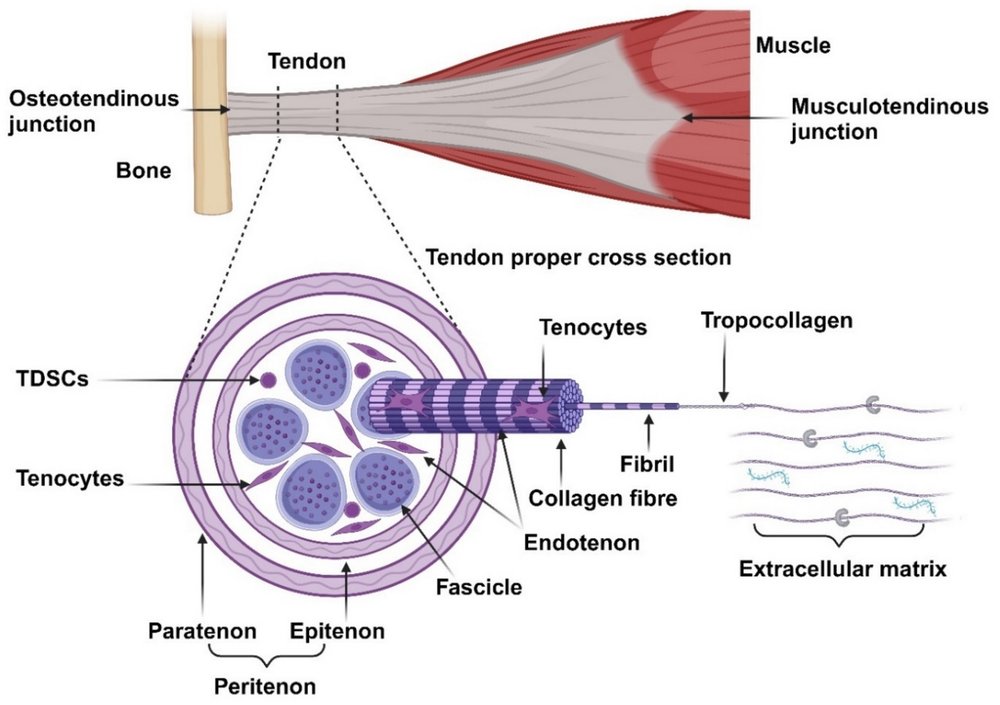
ٹینڈن کی ساخت کا خاکہ — ایک ٹینڈن جو پٹھے کو ہڈی سے جوڑتا ہے، اور ایک کراس سیکشن جس میں کولیجن کی درجہ بندی (فیسیکلز، ریشے، فائبرلز، ٹروپوکولیجن) اور ٹینوسائٹس (tenocytes) دکھائے گئے ہیں۔
ٹینڈن رسی کے اندر رسی کی طرح ہے — کولیجن کے مالیکیول مل کر فائبرلز، ریشے اور فیسیکلز بناتے ہیں، ہر ایک ایسے غلاف میں لپٹا ہوتا ہے جو اس کی کم خون کی سپلائی لے جاتا ہے، اور ان کے درمیان ٹینوسائٹس پروئے ہوتے ہیں۔ Roets, Abrahamse & Crous, Wikimedia Commons, CC BY 4.0

ٹینڈن کولیجن کی ایک درجہ بندی (hierarchy) کی صورت میں بنا ہوتا ہے، جیسے ایک رسی جو چھوٹے سے چھوٹے دھاگوں سے بنی ہو۔ کولیجن کے مالیکیول مل کر فائبرلز (fibrils) بناتے ہیں، فائبرلز مل کر ریشے (fibres)، ریشے مل کر فیسیکلز (fascicles)، اور فیسیکلز مل کر پورا ٹینڈن؛ ہر سطح پر جوڑنے والے ٹشو کا ایک پتلا غلاف (اینڈوٹینن، endotenon، اور پورے ٹینڈن کے گرد ایپی ٹینن، epitenon) خون کی چھوٹی نالیاں اور اعصاب لے جاتا ہے۔ کولیجن زیادہ تر ٹائپ I (type I) ہوتا ہے، جو کھنچاؤ میں غیر معمولی طور پر مضبوط ہے اور تقریباً مکمل طور پر کھنچاؤ کی سمت کے متوازی بچھا ہوتا ہے۔

آرام کی حالت میں ریشوں میں لہریں یا سلوٹیں ہوتی ہیں۔ جب آپ پہلی بار ٹینڈن پر بوجھ ڈالتے ہیں تو یہ سلوٹ (crimp) سیدھی ہو جاتی ہے، اسی لیے کھنچاؤ کے بالکل شروع میں ٹینڈن تھوڑا سا کھنچتا ہے پھر سخت اور مضبوط ہو جاتا ہے (اس میں تھوڑی سی قدرتی لچک ہوتی ہے)۔ ٹینڈن وسکو ایلاسٹک (viscoelastic) بھی ہے: اس کا رویہ اس بات پر منحصر ہے کہ اس پر کتنی تیزی سے بوجھ ڈالا جائے (تیزی سے بوجھ ڈالنے پر زیادہ سخت)، اور مسلسل بوجھ کے تحت یہ آہستہ آہستہ کھسکتا (creep) (لمبا ہوتا) ہے۔

زندہ خلیے ٹینوسائٹس (tenocytes) ہیں، کم تعداد میں تکلے جیسی شکل کے خلیے جو کولیجن کے گچھوں کے درمیان پروئے ہوتے ہیں۔ یہ بنیادی ڈھانچے (matrix) کو سنبھالتے ہیں اور بہت آہستہ آہستہ اسے نیا کرتے ہیں۔ چونکہ خلیے اور خون کی نالیاں نسبتاً کم ہیں، اور کچھ ٹینڈنوں کے بعض حصوں میں واقعی خون کی کم سپلائی (hypovascular) ہوتی ہے (خون کی کمزور سپلائی والے "واٹرشیڈ" حصے)، اس لیے ٹینڈن آہستہ ٹھیک ہوتا ہے، اور یہی کم سپلائی والے حصے وہ جگہیں ہیں جہاں کچھ ٹینڈن اکثر پھٹتے ہیں اور ٹھیک طرح نہیں بھرتے۔

ٹینڈن کیسے ٹھیک ہوتے ہیں — اور یہ زیادہ تر سخت ریشے سے کیوں ہوتا ہے

اوپر کے تین مراحل، مزید تفصیل سے: ایک سوزش کا مرحلہ (تقریباً پہلا ہفتہ) جو ملبہ صاف کرتا ہے اور خلیوں کو بلاتا ہے؛ ایک افزائش کا (proliferative) مرحلہ (تقریباً ایک سے تین ہفتے) جس میں خلیے بڑی مقدار میں بے ترتیب ٹائپ III کولیجن (type III collagen) بناتے ہیں، جو جلدی بن جاتا ہے مگر میکانکی طور پر کمزور ہوتا ہے؛ اور ایک لمبا نئی ترتیب کا مرحلہ (مہینے، تقریباً 18 ماہ تک) جس میں یہ ٹائپ III کولیجن آہستہ آہستہ مضبوط، ترتیب یافتہ ٹائپ I کولیجن سے بدل جاتا ہے، جو آپس میں جڑا ہوا اور بوجھ کی سمت میں رخ کیے ہوتا ہے۔

بنیادی تصور یہ ہے کہ یہ سخت ریشے کے ذریعے مرمت ہے، دوبارہ اگنا (regeneration) نہیں۔ جسم اصل، خوبصورتی سے ترتیب یافتہ ٹینڈن کو دوبارہ بنانے کے بجائے خلا پر پیوند لگاتا ہے۔ اس ابتدائی کمزور سخت ریشے کو مضبوط اور ترتیب یافتہ چیز میں بدلنے والی چیز میکانکی بوجھ (load) ہے۔ جدید ٹینڈن کی بحالی کی پوری بنیاد یہی ہے: صحیح وقت پر ڈالی گئی قابو میں رکھی ہوئی قوت لفظی طور پر سخت ریشے کو سکھاتی ہے کہ ٹینڈن کیسے بنے۔

فلیکسر ٹینڈن کا ٹھیک ہونا: اندرونی بمقابلہ بیرونی، اور موڑنے کی محنت (work of flexion)

انگلیاں موڑنے والے فلیکسر ٹینڈن ایک خاص صورت ہیں، کیونکہ کام کرنے کے لیے انہیں ایک تنگ سرنگ (فلیکسر شیتھ، flexor sheath، اپنی پُلیوں کے ساتھ) میں سے پھسلنا ہوتا ہے۔ اس سے فلیکسر سرجری کی بنیاد میں ایک کشمکش پیدا ہوتی ہے، اور ٹینڈن کے ٹھیک ہونے کے دو مختلف طریقے:

  • اندرونی طریقے سے ٹھیک ہونا (intrinsic healing) ٹینڈن کے اپنے خلیوں سے ہوتا ہے، جنہیں غلاف کے اندر موجود جوڑ کا چکنا سیال (synovial fluid) اور خون کی نالیوں کی باریک تہیں جنہیں وِنکیولا (vincula) کہتے ہیں، غذا دیتی ہیں۔ فلیکسر ٹینڈن کو زیادہ تر خون کی نالیوں سے نہیں بلکہ اسی سیال سے غذا ملتی ہے، جو ہر بار انگلی موڑنے اور سیدھی کرنے پر فعال طور پر ٹینڈن میں پمپ ہوتا ہے (اس عمل کو امبائبیشن، imbibition کہتے ہیں)؛ یوں حرکت خود بھرتے ہوئے ٹینڈن کو غذا دیتی ہے۔ اندرونی طریقے سے ٹھیک ہونا ٹینڈن کو آس پاس کی چیزوں سے چپکائے بغیر دوبارہ جوڑ دیتا ہے، تاکہ یہ پھر بھی پھسل سکے۔
  • بیرونی طریقے سے ٹھیک ہونا (extrinsic healing) باہر سے، غلاف اور آس پاس کے ٹشو سے آنے والے خلیوں اور سخت ریشے سے ہوتا ہے۔ یہ بھی ٹینڈن کو جوڑ دیتا ہے، لیکن اسے اس کی سرنگ سے چپکا دیتا ہے، اور چپکاؤ (adhesions) بن جاتے ہیں جو اس کا پھسلنا روک دیتے ہیں، اس لیے انگلی پوری طرح نہیں مڑتی یا سیدھی نہیں ہوتی۔

جدید مرمت کے ساتھ ابتدا ہی سے قابو میں رکھی گئی حرکت کا مقصد توازن کو اندرونی طریقے سے ٹھیک ہونے کی طرف اور چپکاؤ سے دور جھکانا ہے۔

یہاں موڑنے کی محنت (work of flexion) اہم ہو جاتی ہے: وہ قوت جو پٹھے کو انگلی کو واقعی موڑنے کے لیے پیدا کرنی پڑتی ہے۔ یہ صرف ہلائے جانے والے وزن کا معاملہ نہیں؛ یہ ٹینڈن کے پھسلنے کے خلاف مزاحمت ہے: غلاف میں رگڑ، خود مرمت کا حجم، آپریشن کے بعد کی سوجن، اور تنگ پُلیاں سب اسے بڑھاتے ہیں۔ اگر موڑنے کی محنت (مزاحمت) اس حد سے زیادہ بڑھ جائے جو مرمت برداشت کر سکتی ہے، تو مرمت کھل جاتی ہے یا ٹوٹ جاتی ہے، یا انگلی بالکل حرکت نہیں کرتی اور چپکاؤ بن جاتے ہیں۔ اس لیے سرجن دو متضاد ضرورتوں میں توازن رکھ رہا ہوتا ہے: ایسی مرمت جو ابتدائی حرکت برداشت کرنے کے لیے کافی مضبوط ہو، مگر اتنی پتلی اور ہموار ہو کہ موڑنے کی کم محنت کے ساتھ پھسل سکے۔ ابتدائی حرکت صرف تب کام کرتی ہے جب دونوں حاصل ہوں۔

فلیکسر ٹینڈن کی مرمت مضبوط ہونے سے پہلے کمزور کیوں ہوتی ہے

یہاں وہ خلافِ توقع بات ہے جو بحالی کے پورے محتاط نظام الاوقات کی وضاحت کرتی ہے۔ ٹینڈن کی مرمت پہلے دن سے مسلسل مضبوط نہیں ہوتی۔ یہ انگریزی حرف U کی شکل کے خم (U-shaped curve) کی پیروی کرتی ہے:

  • پہلے دنوں میں، تقریباً ساری مضبوطی ٹانکوں (suture) سے آتی ہے؛ ٹینڈن کا ٹشو خود تقریباً کچھ نہیں دیتا۔
  • پہلے ایک سے تین ہفتوں میں، ٹینڈن کے کٹے ہوئے سرے دراصل نرم پڑ جاتے ہیں: جسم نئے کولیجن کے پختہ ہونے سے پہلے مرمت کی جگہ پر کولیجن کو جذب کر کے نئے سرے سے ترتیب دیتا ہے۔ اس لیے پورا ڈھانچہ ابتدائی ہفتوں میں (اکثر پہلے ہفتے کے آخر سے تیسرے ہفتے تک) اپنے سب سے کمزور مقام پر پہنچتا ہے، حالانکہ زخم بھرا ہوا نظر آتا ہے اور انگلی ٹھیک محسوس ہوتی ہے۔
  • پھر مضبوطی بڑھتی ہے۔ جیسے جیسے بے ترتیب ٹائپ III کولیجن ترتیب یافتہ، آپس میں جڑے ٹائپ I سے بدلتا ہے، مرمت اپنی ابتدائی مضبوطی واپس پا لیتی ہے اور پھر اس سے بڑھ جاتی ہے، تقریباً 12 ہفتوں تک زیادہ تر روزمرہ سرگرمیوں کے لیے کافی ہو جاتی ہے اور کئی مہینوں تک پختہ ہوتی رہتی ہے۔

یہی گراوٹ وجہ ہے کہ ہینڈ تھراپی اتنی احتیاط سے مرحلہ وار کی جاتی ہے، اور یہ کہ "تین ہفتوں پر یہ ٹھیک محسوس ہوتا ہے" ایک دھوکا کیوں ہے: اکثر یہی وہ وقت ہوتا ہے جب مرمت سب سے زیادہ نازک ہوتی ہے۔ ابتدائی مرحلے میں نرم، قابو میں رکھی گئی حرکت ٹینڈن کو پھسلتا رکھتی ہے (اندرونی طریقے سے ٹھیک ہونے کو ترجیح دیتے ہوئے) اور نئے کولیجن کو ترتیب دیتی ہے، اس مرمت پر زیادہ بوجھ ڈالے بغیر جو حیاتیاتی طور پر اپنے سب سے کمزور مقام پر ہے۔ مرمت کے بعد ٹینڈن کا ٹوٹنا بالکل اسی وجہ سے انہی نازک ابتدائی ہفتوں میں زیادہ ہوتا ہے۔

ٹینڈن کا ہڈی سے جڑنا: روٹیٹر کف اور اینتھیسس (enthesis)

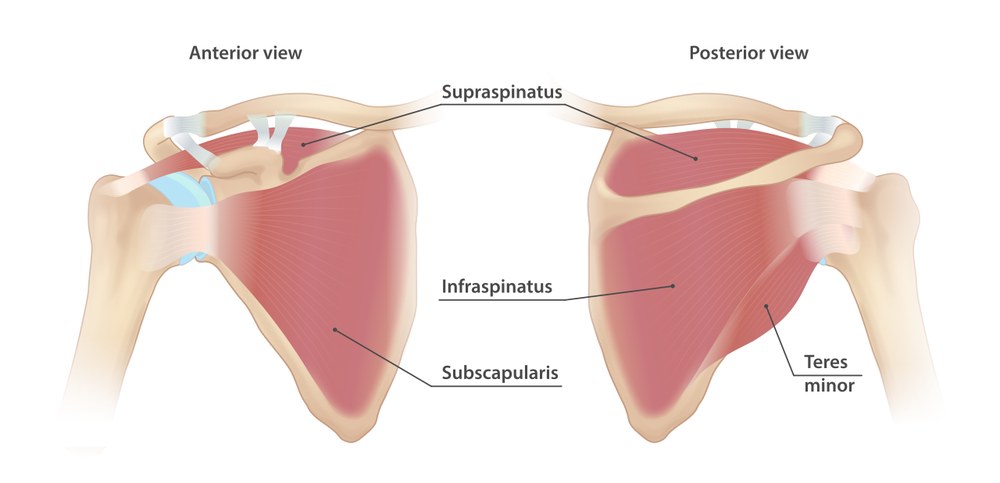
روٹیٹر کف کے چار پٹھے (supraspinatus، infraspinatus، subscapularis، teres minor) کندھے کے سامنے اور پیچھے سے دکھائے گئے ہیں۔
روٹیٹر کف — چار پٹھے جن کے ٹینڈن مل کر ایک کف بناتے ہیں جو بازو کی ہڈی کے اوپری حصے پر جڑتا ہے، جہاں مرمت کے بعد ٹینڈن اور ہڈی کے جوڑ کی جگہ (enthesis) کو بھرنا ہوتا ہے۔ InjuryMap, Wikimedia Commons, CC BY-SA 4.0

روٹیٹر کف کا پھٹنا ایک بالکل مختلف مسئلہ ہے، کیونکہ یہاں ٹینڈن کو واپس ہڈی پر جڑنا ہوتا ہے، اور ٹینڈن اور ہڈی کے درمیان کا جوڑ ایک حیرت انگیز ڈھانچہ ہے جسے اینتھیسس کہتے ہیں۔

صحت مند ٹشو میں اینتھیسس ایک درجہ بدرجہ تبدیلی ہے، جو تقریباً چار حصوں میں بنی ہوتی ہے: ٹینڈن ← کیلشیم کے بغیر ریشے دار کارٹلیج ← کیلشیم والا ریشے دار کارٹلیج ← ہڈی۔ نرم، لچکدار ٹینڈن سے سخت ہڈی تک یہ نرم ڈھلوان دباؤ کو پھیلا دیتی ہے، تاکہ نرم ٹینڈن کسی تیز سرحد پر سخت ہڈی سے سیدھا اکھڑ نہ جائے۔

مشکل یہ ہے کہ ایک بار پھٹ جانے کے بعد جسم اس درجہ بدرجہ اینتھیسس کو دوبارہ نہیں بنا سکتا۔ مرمت شدہ کف ٹینڈن اور ہڈی کے درمیان خون کی نالیوں والے ریشے دار سخت ریشے (fibrovascular scar) سے جڑتا ہے، جو اصل چار حصوں والی تبدیلی سے میکانکی طور پر کمزور ہے، اور یہ ایک وجہ ہے کہ اچھی طرح کی گئی سرجری کے باوجود روٹیٹر کف کی مرمت دوبارہ پھٹ سکتی ہے۔

یہ بھی اہم ہے کہ زیادہ تر کف کے پھٹاؤ خالص چوٹ کے بجائے گھساؤ کی وجہ سے ہوتے ہیں: عمر کے ساتھ ٹینڈن، خاص طور پر خون کی نسبتاً کم سپلائی والے ایک "نازک حصے (critical zone)" میں جو سوپراسپائنیٹس ٹینڈن (supraspinatus tendon) کے ہڈی سے ملنے کی جگہ سے تقریباً ایک سینٹی میٹر دور ہے، کمزور ہوتا ہے، اس کے ریشے بکھرتے ہیں اور یہ معمولی یا بغیر کسی چوٹ کے پھٹ جاتا ہے (کف کے اصل پھٹاؤ تقریباً 50 سال کی عمر سے پہلے کم ہوتے ہیں)۔ سرجری ٹینڈن کو ہڈی پر اس کی جگہ ("footprint") پر دوبارہ جوڑتی ہے، لیکن یہ عمر رسیدہ، اکثر کمزور معیار کے ٹشو کے خلاف کام کر رہی ہوتی ہے۔ اس لیے کف کا ٹھیک ہونا بنیادی طور پر حیاتیات کے ہاتھوں محدود ہے: آپریشن ساخت کو بحال کرتا ہے، لیکن ٹینڈن اور ہڈی کا جوڑ واقعی بھرتا ہے یا نہیں، یہ ٹینڈن کے معیار، پھٹاؤ کے سائز، عمر، تمباکو نوشی، ذیابیطس اور اس بات پر منحصر ہے کہ مرمت کی حفاظت کیسے کی جاتی ہے اور اس پر بوجھ کیسے ڈالا جاتا ہے۔ یہ ایک نوجوان ہاتھ میں فلیکسر ٹینڈن کے صاف کٹاؤ کے بالکل برعکس سرا ہے: ایک ہی ٹشو، ٹھیک ہونے کا بالکل مختلف مسئلہ۔

ٹینڈن کے ٹھیک ہونے میں کیا مدد کرتا ہے اور کیا نقصان پہنچاتا ہے

  • بوجھ، صحیح مقدار میں۔ قابو میں رکھا گیا، بتدریج بڑھتا ہوا بوجھ ٹینڈن کی مضبوطی اور ترتیب بنانے کا سب سے طاقتور ذریعہ ہے۔ بہت زیادہ، بہت جلدی، مرمت کو توڑ دیتا ہے؛ بہت کم اکڑاؤ اور چپکاؤ پیدا کرتا ہے۔ بحالی کا فن مقدار میں ہے۔
  • خون کی سپلائی۔ اچھی خون کی سپلائی والا ٹینڈن بہتر ٹھیک ہوتا ہے؛ خون کی کم سپلائی والے "واٹرشیڈ" حصے (جیسے روٹیٹر کف کے کچھ حصے) کم اچھی طرح ٹھیک ہوتے ہیں۔
  • تمباکو نوشی، ذیابیطس، اسٹیرائیڈ اور عمر سب ٹینڈن کے ٹھیک ہونے کو نقصان پہنچاتے ہیں اور ٹوٹنے اور دوبارہ پھٹنے کا خطرہ بڑھاتے ہیں۔
  • وقت۔ ٹینڈن آہستہ ٹھیک ہونے والا ٹشو ہے؛ قابلِ ذکر مضبوطی میں مہینے لگتے ہیں، اور مکمل نئی ترتیب ایک سال سے زیادہ جاری رہ سکتی ہے۔

یہ بھی دیکھیں


Creative Commons BY-NC 4.0

CC Creative Commons licence
BY Attribution — you must credit the source
NC NonCommercial — not for commercial use

Attribution-NonCommercial 4.0 International


Creative Commons Corporation ("Creative Commons") is not a law firm and does not provide legal services or legal advice. Distribution of Creative Commons public licenses does not create a lawyer-client or other relationship. Creative Commons makes its licenses and related information available on an "as-is" basis. Creative Commons gives no warranties regarding its licenses, any material licensed under their terms and conditions, or any related information. Creative Commons disclaims all liability for damages resulting from their use to the fullest extent possible.

Using Creative Commons Public Licenses

Creative Commons public licenses provide a standard set of terms and conditions that creators and other rights holders may use to share original works of authorship and other material subject to copyright and certain other rights specified in the public license below. The following considerations are for informational purposes only, are not exhaustive, and do not form part of our licenses.

Considerations for licensors: Our public licenses are intended for use by those authorized to give the public permission to use material in ways otherwise restricted by copyright and certain other rights. Our licenses are irrevocable. Licensors should read and understand the terms and conditions of the license they choose before applying it. Licensors should also secure all rights necessary before applying our licenses so that the public can reuse the material as expected. Licensors should clearly mark any material not subject to the license. This includes other CC- licensed material, or material used under an exception or limitation to copyright. More considerations for licensors: wiki.creativecommons.org/Considerations_for_licensors

Considerations for the public: By using one of our public licenses, a licensor grants the public permission to use the licensed material under specified terms and conditions. If the licensor's permission is not necessary for any reason--for example, because of any applicable exception or limitation to copyright--then that use is not regulated by the license. Our licenses grant only permissions under copyright and certain other rights that a licensor has authority to grant. Use of the licensed material may still be restricted for other reasons, including because others have copyright or other rights in the material. A licensor may make special requests, such as asking that all changes be marked or described. Although not required by our licenses, you are encouraged to respect those requests where reasonable. More considerations for the public: wiki.creativecommons.org/Considerations_for_licensees


Creative Commons Attribution-NonCommercial 4.0 International Public License

By exercising the Licensed Rights (defined below), You accept and agree to be bound by the terms and conditions of this Creative Commons Attribution-NonCommercial 4.0 International Public License ("Public License"). To the extent this Public License may be interpreted as a contract, You are granted the Licensed Rights in consideration of Your acceptance of these terms and conditions, and the Licensor grants You such rights in consideration of benefits the Licensor receives from making the Licensed Material available under these terms and conditions.

Section 1 -- Definitions.

a. Adapted Material means material subject to Copyright and Similar Rights that is derived from or based upon the Licensed Material and in which the Licensed Material is translated, altered, arranged, transformed, or otherwise modified in a manner requiring permission under the Copyright and Similar Rights held by the Licensor. For purposes of this Public License, where the Licensed Material is a musical work, performance, or sound recording, Adapted Material is always produced where the Licensed Material is synched in timed relation with a moving image.

b. Adapter's License means the license You apply to Your Copyright and Similar Rights in Your contributions to Adapted Material in accordance with the terms and conditions of this Public License.

c. Copyright and Similar Rights means copyright and/or similar rights closely related to copyright including, without limitation, performance, broadcast, sound recording, and Sui Generis Database Rights, without regard to how the rights are labeled or categorized. For purposes of this Public License, the rights specified in Section 2(b)(1)-(2) are not Copyright and Similar Rights.

d. Effective Technological Measures means those measures that, in the absence of proper authority, may not be circumvented under laws fulfilling obligations under Article 11 of the WIPO Copyright Treaty adopted on December 20, 1996, and/or similar international agreements.

e. Exceptions and Limitations means fair use, fair dealing, and/or any other exception or limitation to Copyright and Similar Rights that applies to Your use of the Licensed Material.

f. Licensed Material means the artistic or literary work, database, or other material to which the Licensor applied this Public License.

g. Licensed Rights means the rights granted to You subject to the terms and conditions of this Public License, which are limited to all Copyright and Similar Rights that apply to Your use of the Licensed Material and that the Licensor has authority to license.

h. Licensor means the individual(s) or entity(ies) granting rights under this Public License.

i. NonCommercial means not primarily intended for or directed towards commercial advantage or monetary compensation. For purposes of this Public License, the exchange of the Licensed Material for other material subject to Copyright and Similar Rights by digital file-sharing or similar means is NonCommercial provided there is no payment of monetary compensation in connection with the exchange.

j. Share means to provide material to the public by any means or process that requires permission under the Licensed Rights, such as reproduction, public display, public performance, distribution, dissemination, communication, or importation, and to make material available to the public including in ways that members of the public may access the material from a place and at a time individually chosen by them.

k. Sui Generis Database Rights means rights other than copyright resulting from Directive 96/9/EC of the European Parliament and of the Council of 11 March 1996 on the legal protection of databases, as amended and/or succeeded, as well as other essentially equivalent rights anywhere in the world.

l. You means the individual or entity exercising the Licensed Rights under this Public License. Your has a corresponding meaning.

Section 2 -- Scope.

a. License grant.

1. Subject to the terms and conditions of this Public License, the Licensor hereby grants You a worldwide, royalty-free, non-sublicensable, non-exclusive, irrevocable license to exercise the Licensed Rights in the Licensed Material to:

a. reproduce and Share the Licensed Material, in whole or in part, for NonCommercial purposes only; and

b. produce, reproduce, and Share Adapted Material for NonCommercial purposes only.

2. Exceptions and Limitations. For the avoidance of doubt, where Exceptions and Limitations apply to Your use, this Public License does not apply, and You do not need to comply with its terms and conditions.

3. Term. The term of this Public License is specified in Section 6(a).

4. Media and formats; technical modifications allowed. The Licensor authorizes You to exercise the Licensed Rights in all media and formats whether now known or hereafter created, and to make technical modifications necessary to do so. The Licensor waives and/or agrees not to assert any right or authority to forbid You from making technical modifications necessary to exercise the Licensed Rights, including technical modifications necessary to circumvent Effective Technological Measures. For purposes of this Public License, simply making modifications authorized by this Section 2(a) (4) never produces Adapted Material.

5. Downstream recipients.

a. Offer from the Licensor -- Licensed Material. Every recipient of the Licensed Material automatically receives an offer from the Licensor to exercise the Licensed Rights under the terms and conditions of this Public License.

b. No downstream restrictions. You may not offer or impose any additional or different terms or conditions on, or apply any Effective Technological Measures to, the Licensed Material if doing so restricts exercise of the Licensed Rights by any recipient of the Licensed Material.

6. No endorsement. Nothing in this Public License constitutes or may be construed as permission to assert or imply that You are, or that Your use of the Licensed Material is, connected with, or sponsored, endorsed, or granted official status by, the Licensor or others designated to receive attribution as provided in Section 3(a)(1)(A)(i).

b. Other rights.

1. Moral rights, such as the right of integrity, are not licensed under this Public License, nor are publicity, privacy, and/or other similar personality rights; however, to the extent possible, the Licensor waives and/or agrees not to assert any such rights held by the Licensor to the limited extent necessary to allow You to exercise the Licensed Rights, but not otherwise.

2. Patent and trademark rights are not licensed under this Public License.

3. To the extent possible, the Licensor waives any right to collect royalties from You for the exercise of the Licensed Rights, whether directly or through a collecting society under any voluntary or waivable statutory or compulsory licensing scheme. In all other cases the Licensor expressly reserves any right to collect such royalties, including when the Licensed Material is used other than for NonCommercial purposes.

Section 3 -- License Conditions.

Your exercise of the Licensed Rights is expressly made subject to the following conditions.

a. Attribution.

1. If You Share the Licensed Material (including in modified form), You must:

a. retain the following if it is supplied by the Licensor with the Licensed Material:

i. identification of the creator(s) of the Licensed Material and any others designated to receive attribution, in any reasonable manner requested by the Licensor (including by pseudonym if designated);

ii. a copyright notice;

iii. a notice that refers to this Public License;

iv. a notice that refers to the disclaimer of warranties;

v. a URI or hyperlink to the Licensed Material to the extent reasonably practicable;

b. indicate if You modified the Licensed Material and retain an indication of any previous modifications; and

c. indicate the Licensed Material is licensed under this Public License, and include the text of, or the URI or hyperlink to, this Public License.

2. You may satisfy the conditions in Section 3(a)(1) in any reasonable manner based on the medium, means, and context in which You Share the Licensed Material. For example, it may be reasonable to satisfy the conditions by providing a URI or hyperlink to a resource that includes the required information.

3. If requested by the Licensor, You must remove any of the information required by Section 3(a)(1)(A) to the extent reasonably practicable.

4. If You Share Adapted Material You produce, the Adapter's License You apply must not prevent recipients of the Adapted Material from complying with this Public License.

Section 4 -- Sui Generis Database Rights.

Where the Licensed Rights include Sui Generis Database Rights that apply to Your use of the Licensed Material:

a. for the avoidance of doubt, Section 2(a)(1) grants You the right to extract, reuse, reproduce, and Share all or a substantial portion of the contents of the database for NonCommercial purposes only;

b. if You include all or a substantial portion of the database contents in a database in which You have Sui Generis Database Rights, then the database in which You have Sui Generis Database Rights (but not its individual contents) is Adapted Material; and

c. You must comply with the conditions in Section 3(a) if You Share all or a substantial portion of the contents of the database.

For the avoidance of doubt, this Section 4 supplements and does not replace Your obligations under this Public License where the Licensed Rights include other Copyright and Similar Rights.

Section 5 -- Disclaimer of Warranties and Limitation of Liability.

a. UNLESS OTHERWISE SEPARATELY UNDERTAKEN BY THE LICENSOR, TO THE EXTENT POSSIBLE, THE LICENSOR OFFERS THE LICENSED MATERIAL AS-IS AND AS-AVAILABLE, AND MAKES NO REPRESENTATIONS OR WARRANTIES OF ANY KIND CONCERNING THE LICENSED MATERIAL, WHETHER EXPRESS, IMPLIED, STATUTORY, OR OTHER. THIS INCLUDES, WITHOUT LIMITATION, WARRANTIES OF TITLE, MERCHANTABILITY, FITNESS FOR A PARTICULAR PURPOSE, NON-INFRINGEMENT, ABSENCE OF LATENT OR OTHER DEFECTS, ACCURACY, OR THE PRESENCE OR ABSENCE OF ERRORS, WHETHER OR NOT KNOWN OR DISCOVERABLE. WHERE DISCLAIMERS OF WARRANTIES ARE NOT ALLOWED IN FULL OR IN PART, THIS DISCLAIMER MAY NOT APPLY TO YOU.

b. TO THE EXTENT POSSIBLE, IN NO EVENT WILL THE LICENSOR BE LIABLE TO YOU ON ANY LEGAL THEORY (INCLUDING, WITHOUT LIMITATION, NEGLIGENCE) OR OTHERWISE FOR ANY DIRECT, SPECIAL, INDIRECT, INCIDENTAL, CONSEQUENTIAL, PUNITIVE, EXEMPLARY, OR OTHER LOSSES, COSTS, EXPENSES, OR DAMAGES ARISING OUT OF THIS PUBLIC LICENSE OR USE OF THE LICENSED MATERIAL, EVEN IF THE LICENSOR HAS BEEN ADVISED OF THE POSSIBILITY OF SUCH LOSSES, COSTS, EXPENSES, OR DAMAGES. WHERE A LIMITATION OF LIABILITY IS NOT ALLOWED IN FULL OR IN PART, THIS LIMITATION MAY NOT APPLY TO YOU.

c. The disclaimer of warranties and limitation of liability provided above shall be interpreted in a manner that, to the extent possible, most closely approximates an absolute disclaimer and waiver of all liability.

Section 6 -- Term and Termination.

a. This Public License applies for the term of the Copyright and Similar Rights licensed here. However, if You fail to comply with this Public License, then Your rights under this Public License terminate automatically.

b. Where Your right to use the Licensed Material has terminated under Section 6(a), it reinstates:

1. automatically as of the date the violation is cured, provided it is cured within 30 days of Your discovery of the violation; or

2. upon express reinstatement by the Licensor.

For the avoidance of doubt, this Section 6(b) does not affect any right the Licensor may have to seek remedies for Your violations of this Public License.

c. For the avoidance of doubt, the Licensor may also offer the Licensed Material under separate terms or conditions or stop distributing the Licensed Material at any time; however, doing so will not terminate this Public License.

d. Sections 1, 5, 6, 7, and 8 survive termination of this Public License.

Section 7 -- Other Terms and Conditions.

a. The Licensor shall not be bound by any additional or different terms or conditions communicated by You unless expressly agreed.

b. Any arrangements, understandings, or agreements regarding the Licensed Material not stated herein are separate from and independent of the terms and conditions of this Public License.

Section 8 -- Interpretation.

a. For the avoidance of doubt, this Public License does not, and shall not be interpreted to, reduce, limit, restrict, or impose conditions on any use of the Licensed Material that could lawfully be made without permission under this Public License.

b. To the extent possible, if any provision of this Public License is deemed unenforceable, it shall be automatically reformed to the minimum extent necessary to make it enforceable. If the provision cannot be reformed, it shall be severed from this Public License without affecting the enforceability of the remaining terms and conditions.

c. No term or condition of this Public License will be waived and no failure to comply consented to unless expressly agreed to by the Licensor.

d. Nothing in this Public License constitutes or may be interpreted as a limitation upon, or waiver of, any privileges and immunities that apply to the Licensor or You, including from the legal processes of any jurisdiction or authority.


Creative Commons is not a party to its public licenses. Notwithstanding, Creative Commons may elect to apply one of its public licenses to material it publishes and in those instances will be considered the “Licensor.” The text of the Creative Commons public licenses is dedicated to the public domain under the CC0 Public Domain Dedication. Except for the limited purpose of indicating that material is shared under a Creative Commons public license or as otherwise permitted by the Creative Commons policies published at creativecommons.org/policies, Creative Commons does not authorize the use of the trademark "Creative Commons" or any other trademark or logo of Creative Commons without its prior written consent including, without limitation, in connection with any unauthorized modifications to any of its public licenses or any other arrangements, understandings, or agreements concerning use of licensed material. For the avoidance of doubt, this paragraph does not form part of the public licenses.

Creative Commons may be contacted at creativecommons.org.