Patients › Rehabilitation
کہنی کا ڈھیلا پن یا بار بار نکلنا (Elbow Instability)
کہنی کے ڈھیلے پن یا بار بار نکلنے کی سرجری کے بعد بحالی، جس میں باہر والی طرف کی چوٹیں (ٹیریبل ٹرائیڈ / LCL) اور پھینکنے والی چوٹیں (اندر والی طرف کا UCL) دونوں شامل ہیں، اور جو حرکت روکنے کے بجائے حفاظت کے ساتھ جلد حرکت پر مبنی ہے۔
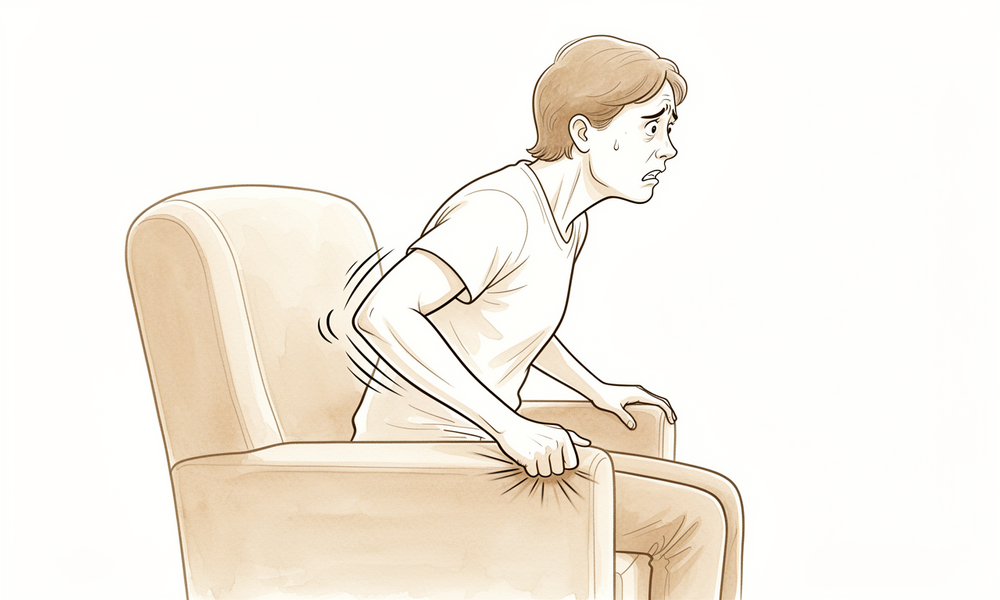
یہ پروٹوکول Mater Private Hospital Rockhampton میں ڈاکٹر کیرن ہِرپرا کے ہاتھوں کہنی کے ڈھیلے پن یا بار بار نکلنے (elbow instability) کی سرجری کے بعد آپ کی صحت یابی میں رہنمائی کرتا ہے۔ اس میں دو مختلف قسم کے ڈھیلے پن شامل ہیں، اور آپ کا سرجن آپ کو بتائے گا کہ آپ پر کون سا لاگو ہوتا ہے:
- قسم (A) باہر والی (lateral) طرف کی چوٹ: جیسے "ٹیریبل ٹرائیڈ" (terrible triad، کہنی کی ایک پیچیدہ چوٹ) کی چوٹ، فریکچر (ہڈی کا ٹوٹنا) کے ساتھ جوڑ کا اپنی جگہ سے نکل جانا (fracture-dislocation)، یا بیرونی کولیٹرل لیگامنٹ (lateral collateral ligament, LCL) کی مرمت۔ ان چوٹوں کو مستحکم کیا جاتا ہے تاکہ کہنی اپنی جگہ سے پھسلے یا گھوم کر نہ نکلے۔
- قسم (B) پھینکنے (throwing) والی، اندر والی (medial) طرف کی چوٹ: النر کولیٹرل لیگامنٹ (ulnar collateral ligament, UCL) کی مرمت یا دوبارہ تعمیر، عام طور پر ان کھلاڑیوں میں جو سر سے اوپر بازو چلاتے ہیں۔
پورا منصوبہ ایک خیال پر بنا ہے: حفاظت کے ساتھ جلد حرکت، حرکت روکنا نہیں۔ پلستر یا اسپلنٹ میں لمبا عرصہ رہنا کہنی کے مستقل طور پر اکڑ جانے کی سب سے بڑی وجہ ہے، اس لیے مقصد یہ ہے کہ محفوظ طریقے سے اور جلد حرکت شروع کی جائے۔ تھراپی کی اپنی پہلی ملاقات پر یہ صفحہ یا اس کی پی ڈی ایف ساتھ لائیں تاکہ آپ کی بحالی کا علاج مربوط رہے۔ آپ کا تھراپسٹ آپ کی صحت یابی کی رفتار کے مطابق اس منصوبے میں تبدیلی کر سکتا ہے۔
اگر سرجری کے بعد آپ کو اپنے زخم کے بارے میں کوئی تشویش ہو تو کلینک سے رابطہ کریں۔ اکثر یہ مددگار ہوتا ہے کہ زخم کی تصویر لے کر جائزے کے لیے ای میل کر دیں۔
کیا توقع رکھیں
کہنی کو جوڑ کے اندر اور باہر والی طرف کے لیگامنٹ (ligament)، یعنی وہ مضبوط بندھن جو ایک ہڈی کو دوسری ہڈی سے جوڑتے ہیں، اپنی جگہ پر رکھتے ہیں۔ جب ان پر چوٹ لگتی ہے (جوڑ کے نکلنے، فریکچر کے ساتھ جوڑ کے نکلنے، یا بار بار پھینکنے سے)، تو جوڑ ڈھیلا ہو سکتا ہے۔ سرجری خراب ہونے والے حصوں کی مرمت یا دوبارہ تعمیر کرتی ہے تاکہ جوڑ دوبارہ ٹھیک طرح بیٹھ جائے۔
ڈاکٹر ہِرپرا کا طریقہ بھاری بیرونی قبضے والے بریس (hinged brace) سے بچتا ہے۔ اگر سرجری کے وقت مرمت اپنی پوری حرکت کی حد میں مستحکم ہو تو آپ آرام کے لیے صرف ایک ہلکا سلنگ (sling)، یعنی گلے سے لٹکی وہ پٹی جو بازو کو سہارا دیتی ہے، پہنیں گے اور محفوظ پوزیشنوں میں کہنی کو جلد حرکت دینا شروع کریں گے۔ اگر استحکام کو زیادہ حفاظت کی ضرورت ہو تو سرجری کے وقت ایک اندرونی جوڑ اسٹیبلائزر (internal joint stabiliser) لگایا جا سکتا ہے: یہ ایک چھوٹا اندرونی قبضہ ہے جو کہنی کو اندر سے صحیح جگہ پر بٹھائے رکھتا ہے اور پھر بھی آپ کو اسے جلد موڑنے اور سیدھا کرنے دیتا ہے۔ چونکہ حفاظت اندرونی ہوتی ہے، اس لیے آپ پھر بھی حرکت کو محدود کرنے والے بیرونی بریس سے بچ جاتے ہیں۔ اگر یہ اندرونی آلہ لگایا جائے تو عام طور پر لیگامنٹ بھر جانے کے بعد، تقریباً چار سے چھ ماہ پر، اسے نکال دیا جاتا ہے۔
زخم، سوجن اور زخم کے نشان کی دیکھ بھال کے لیے پریکٹس کی زخم کی دیکھ بھال کی رہنمائی دیکھیں۔
اس صحت یابی میں سب سے اہم عادت یہ ہے کہ اپنی محفوظ حد کے اندر حرکت کرتے رہیں اور ساتھ ہی ان پوزیشنوں کا خیال رکھیں جن سے آپ کا سرجن آپ کو بچنے کو کہتا ہے۔ نیچے دی گئی ورزشیں آپ کا نقطہ آغاز ہیں۔
احتیاطیں اور پابندیاں
جن پوزیشنوں سے بچانا ہے وہ اس پر منحصر ہیں کہ آپ کو کون سی چوٹ ہے۔ آپ کا سرجن اور تھراپسٹ آپ کی چوٹ کی تصدیق کریں گے۔
باہر والی (lateral) طرف کی چوٹ کے لیے (ٹیریبل ٹرائیڈ / LCL):
- حرکت کے لیے اپنے بازو کے نچلے حصے (forearm) کو ہتھیلی نیچے (pronated) کی طرف پلٹا ہوا ضرور رکھیں؛ اس سے جوڑ اپنی جگہ بیٹھ جاتا ہے اور باہر والی مرمت محفوظ رہتی ہے۔
- ورزش اپنے بازو کو جسم کے سامنے رکھ کر ضرور کریں، یا اگر کہا جائے تو لیٹ کر بازو کو چھت کی طرف اٹھا کر، تاکہ کشش ثقل جوڑ کو آپس میں جوڑے رکھنے میں مدد دے۔
- بازو کو پہلو کی طرف باہر نہ گرنے دیں (کندھے کو باہر کی طرف اٹھانے، یعنی abduction، سے بچیں) اور شروع میں اس پر وزن بھی نہ ڈالیں؛ ایسا کرنے سے کشش ثقل مرمت کو کھینچ کر الگ کرتی ہے۔
- جب تک آپ کا سرجن اجازت نہ دے (تقریباً 16 ہفتے)، کہنی کو پوری طرح سیدھا کرنے کے ساتھ بازو کے نچلے حصے کو ہتھیلی اوپر (supinated) نہ کریں؛ یہی وہ پوزیشن ہے جس میں جوڑ دوبارہ پھسل سکتا ہے۔
- کہنی کو درد کی حد تک نہ دھکیلیں اور نہ کھینچیں، اور پہلے چند مہینوں تک نہ اس پر وزن ڈالیں اور نہ ٹکراؤ والا بوجھ۔
پھینکنے والی، اندر والی (medial) طرف کی چوٹ کے لیے (UCL):
- ہدایت کے مطابق اپنے بازو کے نچلے حصے کو ہتھیلی اوپر (supinated) یا درمیانی (neutral) حالت کی طرف ضرور رکھیں۔
- شروع میں کندھے کو باہر کی طرف گھماؤ (external rotation) میں وزن کے ساتھ نہ لے جائیں؛ اس سے اندر والی مرمت پر زور پڑتا ہے۔ عام طور پر تقریباً 6 ہفتے تک اس سے بچا جاتا ہے۔
آپ کی ورزشیں
Kieran Hirpara 4.0
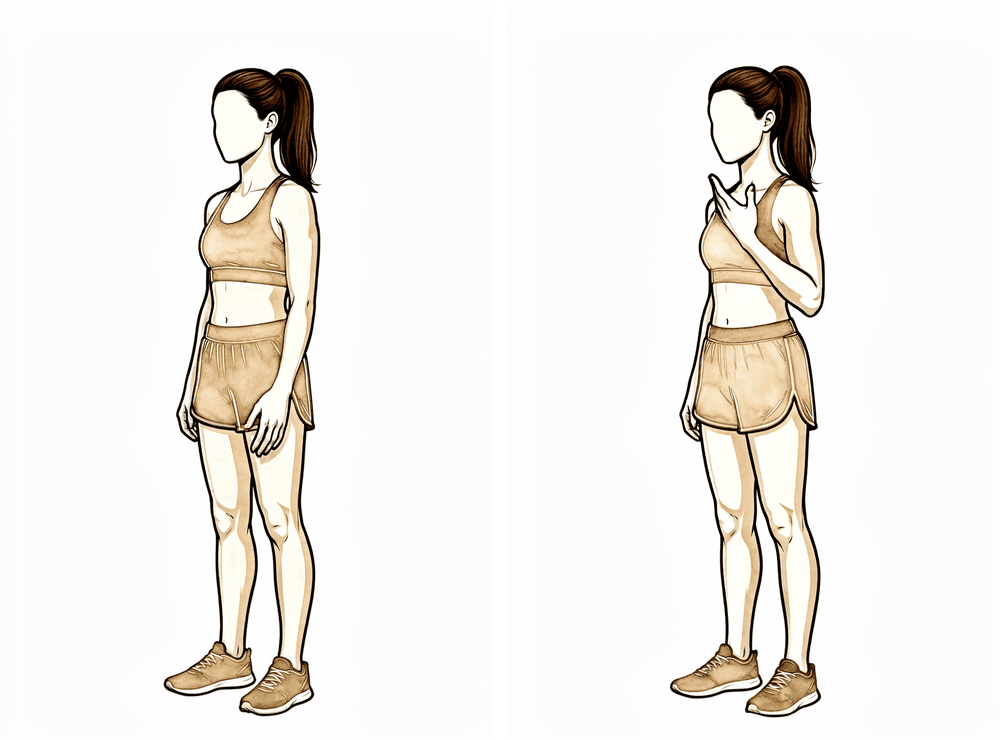
کہنی کو خود موڑنا
آہستگی سے اپنی کہنی کو جتنا آرام دہ ہو موڑیں، پھر اسے اس حد تک دوبارہ سیدھا کریں جس کی آپ کا سرجن اور تھراپسٹ اجازت دیں۔ اپنے بازو کے نچلے حصے کو اسی طرح پلٹا ہوا رکھیں جیسے آپ کو ہدایت دی گئی ہے — باہر والی طرف کی چوٹ میں اس کا مطلب عام طور پر ہتھیلی نیچے (pronated) ہوتا ہے۔ صرف اپنے پٹھوں سے حرکت کریں؛ جوڑ پر زور نہ لگائیں۔
10 سے 15 بار، دن میں کئی مرتبہ
Kieran Hirpara 4.0
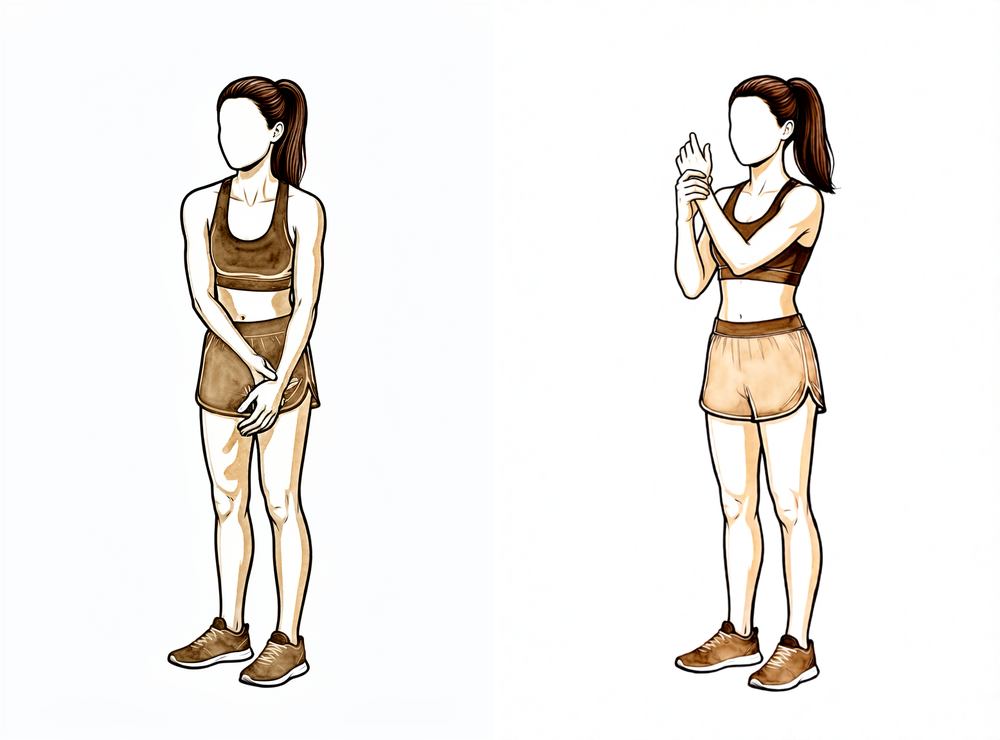
مدد کے ساتھ کہنی کو موڑنا
جب آپ کا تھراپسٹ اجازت دے، تو اپنے دوسرے ہاتھ سے آہستگی سے مدد کریں تاکہ کہنی اپنے طور پر جتنی مڑتی ہے اس سے تھوڑی زیادہ مڑ جائے۔ اسے صرف آرام دہ کھنچاؤ تک لے جائیں — درد تک کبھی نہیں — اور آہستہ سے ڈھیلا چھوڑیں۔
10 سے 15 سیکنڈ روکیں، 5 سے 10 بار، ہدایت کے مطابق

Kieran Hirpara 4.0
کہنی کو سیدھا کرنا (آرام کی حد تک)
اپنے سرجن کی مقرر کردہ حد کے اندر اپنی کہنی کو جتنا آرام دہ ہو سیدھا کریں۔ باہر والی طرف کی چوٹ میں، سیدھا کرتے وقت اپنی ہتھیلی نیچے کی طرف رکھیں۔ جب تک آپ کا سرجن اجازت نہ دے، ہتھیلی اوپر کی طرف گھماتے ہوئے کہنی کو پوری طرح سیدھا کرنے پر زور نہ لگائیں۔
10 سے 15 بار، دن میں کئی مرتبہ
Kieran Hirpara 4.0
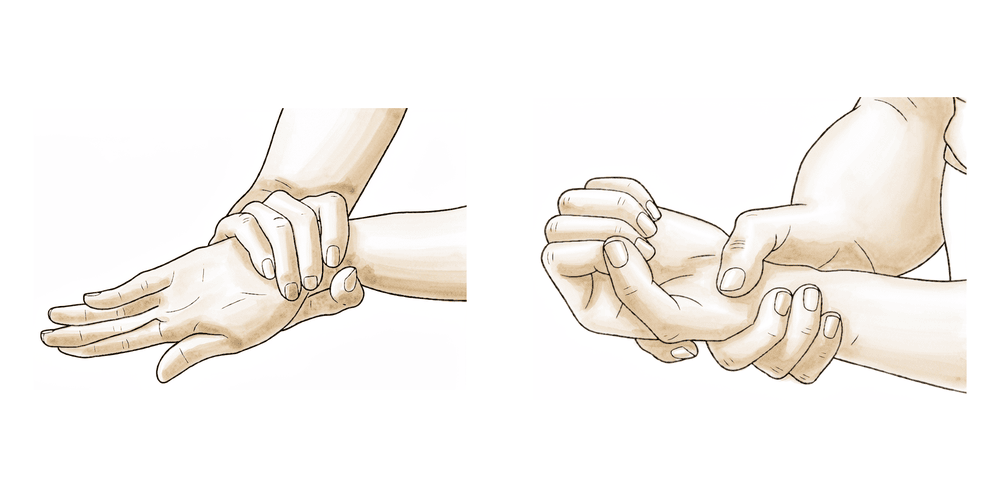
بازو کے نچلے حصے کا گھماؤ (ہتھیلی اوپر / ہتھیلی نیچے)
اپنی کہنی کو پہلو سے لگا کر اور تقریباً 90 ڈگری پر موڑ کر، آپ کو دی گئی حد کے اندر آہستگی سے اپنی ہتھیلی اوپر، پھر ہتھیلی نیچے پلٹیں۔ آپ کی محفوظ سمت آپ کی چوٹ پر منحصر ہے — باہر والی طرف کی چوٹ میں ہتھیلی نیچے (pronation) کو ترجیح دی جاتی ہے؛ اندر والی طرف کی پھینکنے والی چوٹ میں ہتھیلی اوپر (supination) کو۔ وہی سمت اپنائیں جو آپ کا سرجن اور تھراپسٹ طے کریں۔
ہر اجازت شدہ سمت میں 10 بار، دن میں کئی مرتبہ

Kieran Hirpara 4.0
کہنی کے پٹھوں کو بغیر حرکت کے کسنا — سیدھا کرنا (isometric)
کہنی کو ساکن رکھتے ہوئے، اپنے دوسرے ہاتھ یا کسی ٹھوس سطح کے خلاف آہستگی سے ایسے دبائیں جیسے اسے سیدھا کر رہے ہوں۔ کہنی کو اصل میں حرکت نہیں کرنی چاہیے۔ اس سے بھرتے ہوئے لیگامنٹ پر بوجھ ڈالے بغیر پٹھے جاگ جاتے ہیں۔
5 سیکنڈ روکیں، 10 بار، دن میں ایک یا دو مرتبہ — صرف اجازت ملنے پر

Kieran Hirpara 4.0
کہنی کے پٹھوں کو بغیر حرکت کے کسنا — موڑنا (isometric)
کہنی کو ساکن رکھتے ہوئے، اپنے دوسرے ہاتھ کے خلاف آہستگی سے ایسے دبائیں جیسے اسے موڑ رہے ہوں۔ کہنی کو حرکت نہیں کرنی چاہیے۔ زور آرام دہ رکھیں — یہ پٹھوں کو متحرک کرنا ہے، سخت ورزش نہیں۔
5 سیکنڈ روکیں، 10 بار، دن میں ایک یا دو مرتبہ — صرف اجازت ملنے پر

Kieran Hirpara 4.0
گرفت کی طاقت بڑھانا
ایک نرم گیند یا تھراپی پُٹی (putty) کو ہاتھ میں دبائیں اور تھوڑی دیر روکیں، پھر چھوڑ دیں۔ اس سے کہنی کی حفاظت کے دوران آپ کا ہاتھ اور بازو کا نچلا حصہ مضبوط رہتا ہے۔
10 سے 15 بار دبائیں، دن میں 2 سے 3 مرتبہ
یہ آپ کے ہینڈ آؤٹ کی ورزشیں ہیں، جو محفوظ حرکت دوبارہ حاصل کرنے اور کہنی کی حفاظت کے دوران آپ کے ہاتھ، بازو کے نچلے حصے اور کندھے کو کام کرتا رکھنے کے لیے ہیں۔ انہیں شروع کریں اور آگے بڑھائیں صرف ڈاکٹر ہِرپرا اور اپنے تھراپسٹ کی رہنمائی کے مطابق؛ بازو کے نچلے حصے کی محفوظ پوزیشن اور حرکت کی حد آپ کی مخصوص چوٹ پر منحصر ہے۔
آپ کا طبی پروٹوکول
اس صفحے کا باقی حصہ آپ کے فزیوتھراپسٹ یا ہینڈ تھراپسٹ (ہاتھ کی بحالی کے ماہر) کے لیے طبی پروٹوکول ہے۔ یہ دو حصوں میں لکھا گیا ہے کیونکہ دونوں چوٹوں کی حفاظت مختلف طریقے سے کی جاتی ہے۔ ہر مرحلہ شرائط سے بندھا ہے: جب سنگ میل پورے ہو جائیں تو آگے بڑھیں، صرف کیلنڈر کے حساب سے نہیں۔
علاج سے پہلے، مریض کا ایکسرے، آپریشن رپورٹ اور پچھلی طبی تاریخ دیکھیں، اور علاج کرنے والے سرجن سے ان باتوں کے بارے میں رابطہ کریں: سرجری میں حاصل ہونے والا استحکام، حرکت کی محفوظ حد اور بازو کے نچلے حصے کا گھماؤ، اور کیا اندرونی جوڑ اسٹیبلائزر لگایا گیا تھا۔ ڈاکٹر ہِرپرا بیرونی قبضے والا بریس استعمال نہیں کرتے: جو مرمت پوری حد میں مستحکم ہو اسے سادہ سلنگ میں آرام کی حد تک جلد حرکت کے ساتھ سنبھالا جاتا ہے؛ جہاں استحکام کو حفاظت کی ضرورت ہو، وہاں اندرونی جوڑ اسٹیبلائزر جوڑ کو اندر سے صحیح جگہ پر رکھتا ہے اور آرام کی حد تک سیدھا کرنے کی اجازت دیتا ہے۔
حصہ A — ٹیریبل ٹرائیڈ / فریکچر کے ساتھ جوڑ کا نکلنا / LCL (LUCL) کی مرمت
مقصد: ایک مستحکم، صحیح طور پر اپنی جگہ بیٹھی ہوئی (concentrically reduced) کہنی جو جلد حرکت کرے؛ جوڑ کے پیچھے اور باہر کی طرف گھوم کر دوبارہ جزوی طور پر سرکنے (posterolateral rotatory re-subluxation) سے بچاؤ۔
ابتدائی مرحلے میں پورے عرصے کی اہم احتیاطیں:
- صرف باہر والی طرف کی چوٹ میں بازو کا نچلا حصہ ہتھیلی نیچے (pronated) رکھیں (یہ باہر والے حصوں کو کستا ہے اور ریڈیو کیپیٹیلر جوڑ (radiocapitellar joint) کو اپنی جگہ بٹھاتا ہے)۔ اگر دونوں طرف (both columns) کی مرمت ہوئی ہو تو بازو کے نچلے حصے کو درمیانی (neutral) حالت میں رکھیں؛ ہتھیلی اوپر کرنے کی اجازت صرف اس وقت ہے جب کہنی تقریباً 90 ڈگری پر مڑی ہو۔
- ویرس دباؤ (varus stress، ایسا زور جو کہنی کے باہر والے حصے کو کھولتا ہے) اور کندھے کو باہر کی طرف اٹھانے (abduction) سے بچیں: کشش ثقل باہر والی مرمت پر ویرس بوجھ ڈالتی ہے۔ خود حرکت کی حد (active range of motion) کی ورزشیں بازو کو جسم کے سامنے رکھ کر کریں، یا اگر مرمت کمزور ہو تو پیٹھ کے بل لیٹ کر بازو سر کے اوپر رکھ کر (کشش ثقل کم کر کے)۔
- تقریباً 16 ہفتے تک پوری طرح سیدھا کرنے کے ساتھ ہتھیلی اوپر کرنا منع ہے (اس سے پیوٹ شفٹ (pivot-shift، جوڑ کا گھوم کر سرک جانا) دوبارہ پیدا ہوتا ہے)۔
- 8 سے 16 ہفتے تک نہ وزن ڈالنا اور نہ بند زنجیر (closed-chain) والا بوجھ۔
ہفتہ 0 سے 2: ابتدائی حرکت۔ آرام کے لیے سادہ سلنگ۔ انگلیوں، کلائی اور کندھے کی خود حرکت کی حد فوری طور پر شروع کریں۔ کہنی کی خود اور مدد کے ساتھ خود (active-assisted) حرکت کی حد دن 2 سے 3 سے آرام کی حد تک شروع کریں، بازو کا نچلا حصہ ہتھیلی نیچے، بازو جسم کے سامنے سہارے میں (یا اگر مرمت کمزور ہو تو پیٹھ کے بل لیٹ کر بازو سر کے اوپر، تاکہ کشش ثقل جوڑ کو دبائے رکھے)۔ جہاں اندرونی جوڑ اسٹیبلائزر لگا ہو، وہاں جلد ہی پوری آرام دہ حد تک سیدھا کرنے کی طرف بڑھیں؛ آلہ جوڑ کو صحیح جگہ پر محفوظ رکھتا ہے؛ کوئی بیرونی بریس استعمال نہیں کیا جاتا۔
ہفتہ 2 سے 6: حرکت کی پوری حد بحال کریں۔ آرام دہ حد تک پورا موڑنے اور سیدھا کرنے کی طرف بڑھیں (پورے عرصے میں آرام کی حد تک سیدھا کرنا؛ اگر اندرونی اسٹیبلائزر لگا ہو تو وہ اس کی اجازت دیتا ہے)۔ ہتھیلی نیچے کا جھکاؤ برقرار رکھیں؛ ویرس بوجھ سے بچیں۔ اگلے مرحلے میں جانے کی شرائط: غیر فعال (passive) حرکت کی پوری حد واپس آ گئی ہو، معائنے یا ایکسرے پر جوڑ دوبارہ نہ سرکا ہو، درد 3/10 یا اس سے کم۔
ہفتہ 6 سے 12: طاقت بڑھانا۔ جب طبی معائنے اور ایکسرے پر جوڑ بھر چکا ہو (تقریباً ہفتہ 6)، تو بتدریج طاقت بڑھانا شروع کریں؛ اگر جوڑ اکڑنے (contracture) لگے تو بتدریج کھنچاؤ بڑھانے والا اسپلنٹ (static-progressive splint) شامل کریں۔ ویرس بوجھ سے بچنا جاری رکھیں۔ اگر اندرونی اسٹیبلائزر استعمال کیا گیا ہو تو عام طور پر لیگامنٹ کے بھرنے تک اسے لگا رہنے دیا جاتا ہے۔
ہفتہ 12 سے 20 اور اس کے بعد: اعلیٰ مرحلہ / واپسی۔ بتدریج بڑھتی مزاحمت؛ بھاری مشقت والے کام پر واپسی۔ ٹکراؤ والے اور سر سے اوپر کے کھیل تقریباً 6 سے 9 ماہ پر (اور اندرونی اسٹیبلائزر نکالے جانے کے بعد، اگر لگایا گیا ہو)۔ ویرس بوجھ والی طاقت کی ورزشوں سے بچنا جاری رکھیں۔
حصہ B — پھینکنے والی (اندر والی طرف کی) UCL کی مرمت / دوبارہ تعمیر
یہ اندر والی طرف کا ایسا مسئلہ ہے جو لمبے عرصے تک زیادہ بوجھ سے پیدا ہوتا ہے۔ ڈاکٹر ہِرپرا کی ترجیح ہے کہ کوئی بیرونی قبضے والا بریس نہ ہو: سیوچر ٹیپ (suture-tape، مضبوط ٹیپ نما دھاگا) کے انٹرنل بریس (internal brace) سے مضبوط کی گئی مرمت، یا ٹینڈن (tendon)، یعنی وہ مضبوط ڈوری جو پٹھے کو ہڈی سے جوڑتی ہے، کا گرافٹ (دوبارہ تعمیر میں) حفاظت فراہم کرتا ہے، اور بحالی پھینکنے کے کام کے مطابق ہوتی ہے۔ بازو کے نچلے حصے کو ہتھیلی اوپر/درمیانی حالت کی طرف رکھا جاتا ہے؛ مزاحمت کے ساتھ کندھے کو باہر کی طرف گھمانے سے تقریباً ہفتہ 6 تک بچا جاتا ہے، کیونکہ اس سے گرافٹ پر ویلگس (valgus) بوجھ پڑتا ہے۔
انٹرنل بریس سے مضبوط کی گئی مرمت (تیز رفتار، بیرونی بریس کے بغیر والے طریقے کے مطابق):
- ہفتہ 0 سے 4 تک آرام کی حد تک حفاظت کے ساتھ ابتدائی حرکت (تقریباً ہفتہ 6 تک حرکت کی پوری حد)۔
- تقریباً ہفتہ 3 سے تھروورز ٹین (Thrower's Ten) پروگرام؛ تقریباً ہفتہ 6 سے پلائیومیٹرک ورزشیں (plyometrics)۔
- تقریباً ہفتہ 11 سے وقفوں والا پھینکنے کا پروگرام (interval throwing program)؛ تقریباً 5 سے 7 ماہ پر کھیل پر واپسی۔
دوبارہ تعمیر (گرافٹ) والا راستہ، اگر استعمال ہو (سست رفتار):
- تقریباً ہفتہ 6 تک حرکت کی پوری حد؛ ہفتہ 14 سے 16 پر وقفوں والا پھینکنا؛ ماؤنڈ (mound) سے پھینکنا 6 ماہ سے پہلے نہیں؛ مقابلے کے کھیل پر واپسی عام طور پر 9 سے 16 ماہ۔
کام اور سرگرمیوں پر واپسی
آپ کتنی جلدی واپس آتے ہیں اس کا انحصار اس پر ہے کہ آپ کو کون سی چوٹ تھی اور آپ کے کام یا کھیل کے تقاضے کیا ہیں۔
- باہر والی طرف کی چوٹ (ٹیریبل ٹرائیڈ / LCL): ہلکے دفتری کام اور ذاتی دیکھ بھال کے کام آپ کی محفوظ پوزیشنوں کے اندر جلد دوبارہ شروع ہو جاتے ہیں۔ طاقت بڑھانا عام طور پر تقریباً 6 ہفتے پر شروع ہوتا ہے جب کہنی طبی معائنے اور ایکسرے پر بھر چکی ہو۔ ٹکراؤ والے اور سر سے اوپر کے کھیل عام طور پر تقریباً 6 سے 9 ماہ تک مؤخر کیے جاتے ہیں، اور اگر اندرونی جوڑ اسٹیبلائزر لگایا گیا ہو تو اسے نکالے جانے کے بعد تک۔ جب تک آپ کا سرجن اجازت نہ دے، نہ بازو پر وزن ڈالیں اور نہ اسے پہلو کی طرف باہر رکھ کر اس پر بوجھ ڈالیں۔
- پھینکنے والی چوٹ (UCL): انٹرنل بریس سے مضبوط کی گئی مرمت کے ساتھ، باقاعدہ وقفوں والا پھینکنے کا پروگرام عام طور پر تقریباً 11 ہفتے پر شروع ہوتا ہے، اور کھیل پر واپسی تقریباً 5 سے 7 ماہ پر ہوتی ہے۔ دوبارہ تعمیر کے بعد، مقابلے میں پھینکنے پر واپسی سست ہوتی ہے، عام طور پر 9 سے 16 ماہ۔
گاڑی چلانا اس وقت دوبارہ شروع ہوتا ہے جب سلنگ کے بغیر آپ کا بازو پر آرام دہ اور محفوظ قابو ہو اور آپ کے سرجن نے معائنے پر تصدیق کر دی ہو کہ یہ مناسب ہے۔ آپ کا تھراپسٹ آپ کی طاقت کی ورزشوں اور کھیل یا کام سے متعلق مشقوں کو آپ کے انفرادی اہداف کی طرف آگے بڑھائے گا۔
اپنے پروٹوکول کے بعد
یہ پروٹوکول پریکٹس کے عمومی صحت یابی کے مشوروں کے ساتھ مل کر کام کرتا ہے؛ آپریشن کے بعد درد پر قابو پانا اور زخم کی دیکھ بھال دیکھیں۔ آپ کی آگے کی صحت یابی میں آپ کا فزیوتھراپسٹ یا ہینڈ تھراپسٹ اس بات کے مطابق آپ کی انفرادی رہنمائی کرتا ہے کہ آپ کی کہنی کیسے بہتر ہو رہی ہے اور آپ کو کون سی چوٹ تھی۔ اس پروٹوکول کے لیے معالجین کے لیے شواہد کا خلاصہ اس صفحے کے ساتھ رکھا گیا ہے۔
Evidence & references
This is the clinical evidence summary written for health professionals. It is technical, and it lists the research this page was built from. You do not need to read it to understand your treatment or to make a decision about it.
Elbow Instability — Rehabilitation Evidence (Lateral / Terrible Triad / LCL and Throwing / UCL)
Topic scope: Post-operative rehabilitation after surgery for elbow instability, in two distinct tracks: (A) complex lateral instability — "terrible triad" / fracture-dislocation and lateral (ulnar) collateral ligament [LCL/LUCL] repair & reconstruction for posterolateral rotatory instability (PLRI); and (B) overhead-throwing ulnar (medial) collateral ligament [UCL] reconstruction & repair ("Tommy John").
Defining principle: the crux of every track is protected motion, not immobilisation. Restore enough stability to permit early range of motion (within ~1 week), because prolonged immobilisation is the dominant cause of disabling flexion contracture and stiffness. Dr Hirpara's stance: he does not use an external hinged brace. A repair that is stable through-range at surgery is managed with a simple sling for comfort plus early motion to comfort within positional precautions. Where stability needs protecting, he implants an internal joint stabiliser (an internal hinge) that holds the elbow reduced from the inside while permitting full flexion and extension to comfort — so the patient still moves early without an external arc-limiting brace. The device is typically removed once the ligaments have healed (~4–6 months). The published external-hinged-brace extension-block arcs below are retained as reference for what they represent biomechanically, not as Dr Hirpara's management.
(A) Terrible triad / complex fracture-dislocation / LCL (LUCL) repair & reconstruction
Forearm-rotation rule (the key precaution)
- Lateral-sided (LCL/LUCL) injury → keep the forearm PRONATED. Pronation tightens the lateral structures and seats the radiocapitellar joint, protecting the lateral repair. Terminal extension is performed pronated; supination near full extension reproduces the pivot-shift and is avoided.
- Medial-sided (MCL/UCL) injury → keep the forearm SUPINATED (Rockwood & Green; Green's Operative Hand Surgery).
- If both columns are repaired (many terrible triads), the forearm is held neutral.
- Early supination, when allowed, is done only with the elbow flexed to ~90° (flexion stabilises the ulnohumeral joint and protects the lateral reconstruction).
Phased timeline
- Week 0–2 — Immediate post-op / early motion. Posterior splint at ~90° flexion in injury-appropriate forearm rotation for 7–14 days in the published protocols; the practical aim is early motion. Begin digit/wrist/shoulder AROM immediately and gentle elbow AROM/AAROM in the surgeon-defined stable arc within days (Brigham fracture-dislocation guideline starts elbow/forearm AROM at day 2–3). A supine/overhead protocol is an option where the lateral repair is tenuous — gravity compresses and stabilises the ulnohumeral joint (Green's; Lee 2013).
- Week 2–6 — Protected motion / restore the arc. Published external-hinged-brace protocols open an extension block ~10°/week, forearm pronated (Denver/Eichinger: 30° at wk2 → 20° wk3 → 10° wk4 → 0° wk5), reaching full extension by ~week 5–6. Dr Hirpara replaces this external brace with a simple sling (through-range stable repair) or an internal joint stabiliser permitting extension to comfort. Precautions: avoid varus stress and shoulder abduction; avoid combined full-extension-with-supination for up to ~16 weeks; no weight-bearing/closed-chain for 8–16 weeks.
- Week 6–12 — Intermediate / strengthening. Full PROM, joint mobilisations. Strengthening starts ~week 6 once clinical and radiographic healing is confirmed (Brigham PRE 6–8 wk; Rockwood & Green). Static-progressive splinting if a contracture is developing (Müller 2013).
- Week 12–20+ — Advanced / return. Progressive resistance; avoid varus-loaded strengthening. Contact/overhead sport often delayed to ~6–9 months for reconstruction (Green's: unrestricted use ≥6 months for graft incorporation; Eichinger: up to 9 months).
Nonoperative (stable terrible triad) caveat: if the joint is concentrically reduced with a stable arc to ≥30° of extension (no radial-head block, small coronoid), nonoperative early-motion management is reasonable (Rockwood & Green / Chan criteria; Najd Mazhar 2017).
(B) UCL reconstruction / repair — throwing athlete ("Tommy John")
Rehabilitation is uniformly described in 4 phases (Brotzman-Wilk lineage; ASMI/Andrews; Mass General). The forearm is biased toward supination/neutral (medial-sided injury); no shoulder external-rotation loading early (it valgus-loads the graft).
- Phase I — Week 0–3. Posterior splint at 90° week 1, then progressive ROM. Wrist AROM, gripping, submax shoulder isometrics (no ER), submax biceps isometrics from week 1–2.
- Phase II — Week 4–6/8. Progress to full ROM by ~week 6. Light wrist/forearm strengthening, rotator-cuff isotonics; resisted shoulder ER avoided until ~week 6 to protect the graft.
- Phase III — Week 6/9–12/13. Progressive elbow/forearm strengthening, eccentrics from ~wk9, Thrower's Ten, plyometrics ~wk9 if appropriate.
- Phase IV — Week 14–26+. Interval throwing program ~week 14–16; long-toss ramp 45→60 ft, +30 ft increments to 180 ft; mound throwing ≥6 months; return to competitive throwing ~6 months for return-to-throw, but full competitive RTS typically 9–16 months (≥12 months a common criterion). ~83–97% RTS in throwers.
Internal-brace–augmented UCL REPAIR (accelerated track) — the recent shift
For acute/avulsion tears with good tissue, UCL repair with internal brace allows a markedly accelerated protocol (Dugas/ASMI; SLU/JOSPT 2019):
- Mobilise early to comfort; full/unrestricted ROM by ~wk4, brace off by wk6.
- Thrower's Ten from ~wk3; plyometrics from ~wk6.
- Interval throwing as early as ~wk11; return to sport ~5–7 months (vs ≥9–12+ for reconstruction). Dugas 2025 (AJSM) head-to-head: repair ~2–3 weeks accelerated for ROM/strengthening and ~5–9 weeks accelerated for starting the interval throwing program, with comparable outcomes in appropriately selected athletes.
Phased-timeline summary
| Phase / window | Track A — lateral (terrible triad / LCL) | Track B — throwing (UCL, internal-brace repair) |
|---|---|---|
| Weeks 0–2 | Sling for comfort; elbow AROM/AAROM to comfort from day 2–3, forearm pronated, arm supported in front / supine-overhead | Early protected motion to comfort; submax shoulder (no ER) + biceps isometrics; grip/wrist work |
| Weeks 2–6 | Restore full comfortable arc; extension to comfort (internal stabiliser permits); maintain pronation, avoid varus | Progress to full arc by ~wk6; Thrower's Ten from ~wk3 |
| Weeks 6–12 | Strengthening once healed (~wk6); static-progressive splint if contracture | Plyometrics from ~wk6; progressive strengthening |
| Weeks 12–20+ | Progressive resistance; contact/overhead sport ~6–9 mo | Interval throwing ~wk11; RTS ~5–7 mo (reconstruction: 9–16 mo) |
Key controversies
- Early vs protected motion (complex instability). Strong consensus favours early motion (≤7 days), BUT the two 2024 systematic reviews (Ahmed Kamel, JSES; Larwa, Shoulder & Elbow) found no RCT and high heterogeneity (immobilisation 1–76 days, weighted mean ~42–47). "Early" is biomechanically favoured, not Level-I proven; over-aggressive motion risks re-subluxation in a marginally stable repair.
- Brace necessity & utility. A hinged orthosis is the published standard, but Manocha/King (JHS 2018) showed it adds little stability with the arm overhead (gravity already compresses the joint), supporting overhead/supine rehab over brace reliance for lateral injuries (Lee 2013). This underpins Dr Hirpara's no-external-brace approach.
- Forearm-rotation dogma. Pronation-for-lateral / supination-for-medial is biomechanically grounded and widely taught, but Selley 2025 found forearm rotation at graft tensioning did not change postoperative medial gapping — questioning how rigidly rotation must be controlled in UCL cases.
- Accelerated vs conservative UCL return-to-throw. Time-to-RTS varies 4–16 months with no consensus threshold; Erickson 2017 found earlier RTS did not raise revision risk in MLB pitchers, undercutting strict "wait ≥12 months" dogma.
- Internal brace enabling faster rehab. The biggest recent shift: suture-tape/internal-brace augmentation gives superior time-zero biomechanics and supports repair (not reconstruction) in selected throwers with a 5–9-week-faster throwing timeline. Durability in elite pitchers and mid-substance tears is still maturing (Level III–IV).
Evidence strength flags
- (A) Complex instability / LCL: LOW–MODERATE. No RCTs; guidance is biomechanical + expert-consensus + Level III/IV case series and two 2024 systematic reviews. Internal-joint-stabiliser data (Orbay/Mighell lineage; Dunning/Morrey biomechanics) are device-specific case series — Consensus / Moderate.
- (B) UCL throwing: MODERATE. Large case series, multiple systematic reviews, and concordant institution-standard protocols (Brigham/Brotzman-Wilk, Mass General, ASMI/Andrews) for the phased arc and interval-throwing timeline. Internal-brace augmentation is newer (Level III–IV, growing).
- Rehabilitation protocols themselves: CONSENSUS / WEAK — phase timings derive from published institutional protocols, not rehab RCTs.
Citations
RAG corpus (180,000+ Orthopaedic articles)
- Szekeres M, Chinchalkar SJ, King GJ. Optimizing Elbow Rehabilitation After Instability. Hand Clin. 2008.
- Wilk KE, Arrigo CA. Rehabilitation of Elbow Injuries. Clin Sports Med. 2020.
- Ahmed Kamel S, Shepherd J, Al-Shahwani A, et al. Postoperative mobilization after terrible triad injury: systematic review and single-arm meta-analysis. J Shoulder Elbow Surg. 2024;33(3):e116–e125.
- Larwa J, Buchanan TR, Janke RL, et al. Characteristics of rehabilitation protocols following operative treatment of terrible triad elbow injuries and the influence of early motion: systematic review and meta-analysis. Shoulder Elbow. 2024.
- Najd Mazhar F, Jafari D, Mirzaei A. Evaluation of functional outcome after nonsurgical management of terrible triad injuries of the elbow. J Shoulder Elbow Surg. 2017;26(8):1342–1347.
- Manocha RH, King GJ, Johnson JA. In Vitro Kinematic Assessment of a Hinged Elbow Orthosis Following Lateral Collateral Ligament Injury. J Hand Surg Am. 2018.
- Lee AT, Schrumpf MA, Choi D, et al. The influence of gravity on the unstable elbow. J Shoulder Elbow Surg. 2013;22(1).
- Dunning CE, et al. (Morrey lineage). Ligamentous Repair and Reconstruction for Posterolateral Rotatory Instability of the Elbow. 2006. (LCL/LUCL stabiliser biomechanics.)
- Müller AM, Sadoghi P, Lucas R, et al. Effectiveness of bracing in the treatment of nonosseous restriction of elbow mobility: systematic review/meta-analysis of 13 studies. J Shoulder Elbow Surg. 2013. (Static-progressive stretch for stiffness.)
- Selley RS, Lawton CD, Owusu-Akyaw K, et al. Forearm Rotation at the Time of Elbow UCL Reconstruction Graft Tensioning Does Not Affect Postoperative Medial Elbow Joint Gapping. Orthop J Sports Med. 2025.
- Erickson BJ, Cvetanovich GL, Frank RM, et al. Do Clinical Results and RTS Rates After UCL Reconstruction Differ Based on Graft Choice and Surgical Technique? Orthop J Sports Med. 2016.
- Erickson BJ, Chalmers PN, Bach BR, et al. Length of time between surgery and RTS after UCL reconstruction in MLB pitchers does not predict need for revision. J Shoulder Elbow Surg. 2017.
- Kemler BR, Rao S, Willier DP, et al. Rehabilitation and Return to Sport Criteria Following UCL Reconstruction: A Systematic Review. Am J Sports Med. 2021.
- Griffith R, Bolia IK, Fretes N, et al. RTS Criteria After Upper Extremity Surgery, Part 2: UCL of the Elbow. Orthop J Sports Med. 2021.
- Dugas JR, Froom RJ, Mussell EA, et al. Clinical Outcomes of UCL Repair With Internal Brace Versus UCL Reconstruction in Competitive Athletes. Am J Sports Med. 2025.
- Dugas JR, Looze CA, Capogna B, et al. UCL Repair With Collagen-Dipped FiberTape Augmentation in Overhead-Throwing Athletes. Am J Sports Med. 2019;47(5).
- Jackson GR, Opara O, Tuthill T, et al. Suture Augmentation in Orthopaedic Surgery Offers Improved Time-Zero Biomechanics and Promising Short-Term Clinical Outcomes. Arthroscopy. 2023.
- Cain EL, Dugas JR, Wolf RS, et al. Elbow Injuries in Throwing Athletes: A Current Concepts Review. Am J Sports Med. 2003.
- Erickson BJ, Bach BR, Verma NN, et al. Treatment of Ulnar Collateral Ligament Tears of the Elbow. Orthop J Sports Med. 2017.
- Rockwood and Green's Fractures in Adults. 2019. — long-arm splint 7–10 d; lateral injury → forearm pronated, medial → supinated; avoid shoulder abduction/varus for lateral injury; strengthening ~6 wk.
- Green's Operative Hand Surgery. 2021. — supination only with elbow maximally flexed; overhead/supine protocol option; isometric strengthening 8–10 wk; unrestricted use ≥6 mo.
Published protocols (literature URLs)
- Brigham & Women's Hospital — Elbow Fracture/Dislocation Post-Op ORIF Hand Therapy Guideline (2021). https://www.brighamandwomens.org/assets/BWH/patients-and-families/rehabilitation-services/pdfs/elbow-fracture-orif-hand-therapy-protocol.pdf
- Brigham & Women's Hospital — UCL of the Elbow Reconstruction Using Autogenous Graft Protocol (Brotzman-Wilk modification). https://www.brighamandwomens.org/assets/BWH/patients-and-families/rehabilitation-services/pdfs/elbow-ulnar-collateral-ligament-reconstruction-protocol-bwh.pdf
- Massachusetts General Hospital Sports Medicine — Rehabilitation Protocol for UCL Reconstruction (rev. Nov 2018). https://www.massgeneral.org/assets/MGH/pdf/orthopaedics/sports-medicine/physical-therapy/rehabilitation-protocol-for-UCL.pdf
- Saint Louis University Sports Medicine / JOSPT 2019 — Rehabilitation s/p UCL Repair with Internal Brace. https://www.slu.edu/medicine/orthopaedic-surgery/sports-medicine/-pdf/ucl-repair-guidelines-final.pdf
- Eichinger MD — Rehabilitation Guidelines for Elbow Lateral Collateral Ligament Repair (2018). https://www.josefeichingermd.com/pdf/rehab-for-lateral-collateral-ligament-repair-3-4-18.pdf
- Denver Shoulder — Rehabilitation Protocol: Lateral Collateral Ligament Repair (extension block 30°→20°→10°→0° wk2–5, forearm pronated; supination only at 90° flexion). https://www.denvershouldersurgeon.com/pdf/lcl-repair-protocol.pdf
- Orthopaedic Medical Group of Tampa Bay — Elbow Dislocation Rehab Protocol. https://www.omgtb.com/wp-content/uploads/pdfs/elbow-dislocation-rehab.pdf