Patients › Rehabilitation
میڈیل ایپی کونڈائلائٹس (گالفرز ایلبو)
گالفرز ایلبو (flexor-pronator ٹینڈنوں کی خرابی، یعنی tendinosis) کے لیے بوجھ پر مبنی بحالی، جس میں النر عصب (ulnar nerve) کی جانچ، ایکسینٹرک ریورس ٹائلر ٹوِسٹ (reverse Tyler twist) ورزش، اور اس اقلیت کے لیے آپریشن کے بعد کا الگ راستہ شامل ہے جنہیں سرجری کی ضرورت پڑتی ہے۔
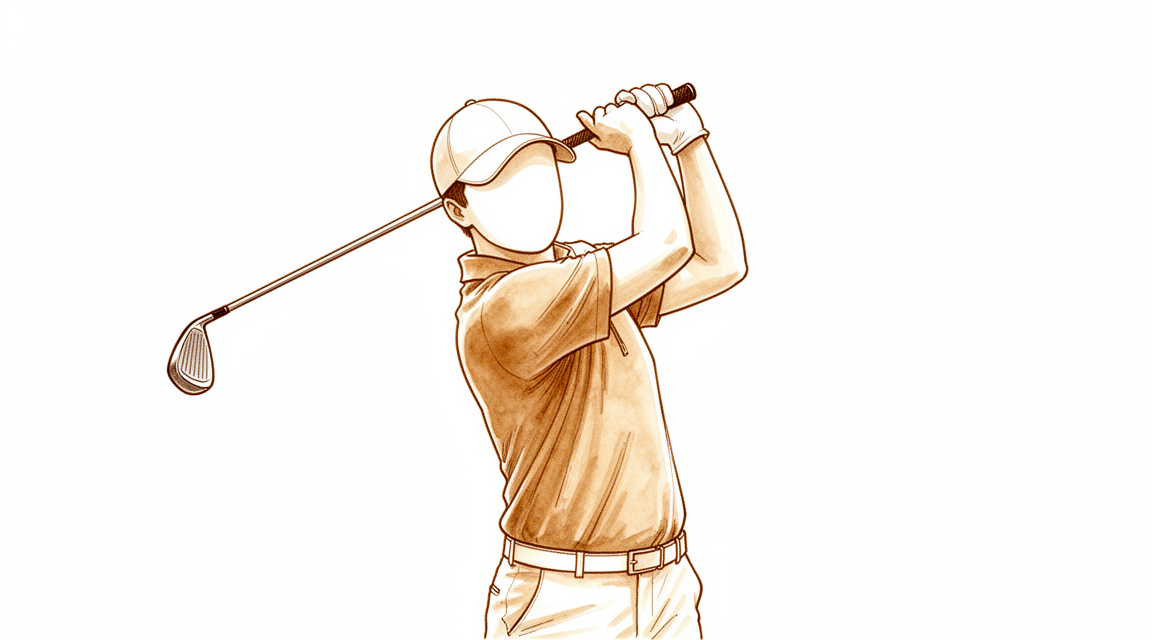
یہ صفحہ Mater Private Hospital Rockhampton میں ڈاکٹر کیرن ہِرپرا کی نگرانی میں میڈیل ایپی کونڈائلائٹس (medial epicondylitis، جسے عام طور پر گالفرز ایلبو یعنی کہنی کے اندر کی طرف درد کہا جاتا ہے) سے صحت یابی میں آپ کی رہنمائی کرتا ہے۔ زیادہ تر لوگ سرجری کے بغیر مکمل طور پر ٹھیک ہو جاتے ہیں، اور علاج کی بنیاد آرام کے بجائے ایک مستقل، بوجھ پر مبنی ورزشی پروگرام ہے۔ اس کا آغاز آپ کے گھریلو ورزشی پروگرام سے ہوتا ہے، جس کے بعد آپ کے فزیوتھراپسٹ یا ہینڈ تھراپسٹ (ہاتھ کی بحالی کے ماہر) کے لیے لکھا گیا باقاعدہ کلینیکل پروٹوکول ہے؛ اپنی تھراپی کی پہلی ملاقات پر یہ صفحہ یا اس کی پی ڈی ایف ساتھ لائیں تاکہ آپ کی بحالی کا علاج مربوط رہے۔ آپ کا تھراپسٹ آپ کی صحت یابی کی پیش رفت کے مطابق منصوبے میں تبدیلی کر سکتا ہے۔
اگر آپ کی چھوٹی انگلی اور انگوٹھی والی انگلی میں سوئیاں چبھنے جیسا احساس، سُن پن یا کمزوری پیدا ہو تو کلینک یا اپنے تھراپسٹ کو بتائیں؛ النر عصب (ulnar nerve) کہنی کے اندرونی حصے کے بالکل پیچھے سے گزرتا ہے اور بعض اوقات اس پر الگ سے توجہ کی ضرورت ہوتی ہے۔
کیا توقع رکھیں
گالفرز ایلبو کہنی کے اندرونی حصے کے ٹینڈنوں (tendons، یعنی وہ مضبوط ڈوریاں جو پٹھے کو ہڈی سے جوڑتی ہیں) کے گھساؤ (degenerative) کا مسئلہ ہے: یہ فلیکسر-پرونیٹر ٹینڈن (flexor-pronator tendons) ہیں، جو کلائی کو موڑتے اور ہتھیلی کو نیچے کی طرف گھماتے ہیں، اور مسئلہ وہاں ہوتا ہے جہاں یہ ہڈی کے اس ابھار سے جڑتے ہیں جسے میڈیل ایپی کونڈائل (medial epicondyle) کہتے ہیں۔ "ایپی کونڈائلائٹس" کے پرانے نام کے باوجود یہ دراصل سوزش نہیں ہے؛ ضرورت سے زیادہ بوجھ کی وجہ سے ٹینڈن کمزور اور بے ترتیب ہو جاتا ہے۔ اسی لیے جدید علاج آرام اور سوزش کم کرنے والی دوائیں نہیں، بلکہ ایک درجہ بدرجہ پروگرام ہے جو ٹینڈن پر نرمی سے بوجھ ڈال کر اسے دوبارہ پوری طاقت تک لاتا ہے۔
صحت یابی کے لیے صبر درکار ہے۔ گالفرز ایلبو عام طور پر وقت کے ساتھ خود ہی ٹھیک ہو جاتا ہے، لیکن اسے پوری طرح ٹھیک ہونے میں 6 سے 18 ماہ لگ سکتے ہیں۔ اچھی خبر یہ ہے کہ لوگوں کی بہت بڑی اکثریت اچھے غیر جراحی (conservative) علاج سے بہتر ہو جاتی ہے اور انہیں کبھی آپریشن کی ضرورت نہیں پڑتی۔ سرجری پر صرف اس وقت غور کیا جاتا ہے جب کم از کم چھ ماہ کی معیاری تھراپی ناکام ہو چکی ہو۔
کہنی کے اندرونی حصے کو بیرونی (ٹینس ایلبو والے) حصے سے مختلف بنانے والی ایک خصوصیت النر عصب ہے (جسے "funny bone" والا عصب بھی کہتے ہیں، یعنی کہنی کی وہ جگہ جہاں چوٹ لگنے پر جھنجھناہٹ ہوتی ہے)، جو میڈیل ایپی کونڈائل کے بالکل پیچھے ایک نالی میں سے گزرتا ہے۔ گالفرز ایلبو والے تقریباً آدھے لوگوں میں اس عصب میں بھی کچھ جلن (irritation) ہوتی ہے، اس لیے آپ کا تھراپسٹ ہر ملاقات پر اس کی جانچ کرے گا اور عصب کو پھسلانے والی مخصوص ورزشیں (nerve-gliding exercises) شامل کر سکتا ہے۔
احتیاطیں اور پابندیاں
کیا کریں:
- آرام کی حد میں رہتے ہوئے بازو کو معمول کے روزمرہ کاموں کے لیے استعمال کرتے رہیں۔
- جو سرگرمیاں تکلیف بڑھاتی ہیں انہیں مکمل طور پر بند کرنے کے بجائے ان میں تبدیلی کریں۔
- اگر فائدہ ہو تو تکلیف بڑھانے والی سرگرمی کے دوران بازو کے نچلے حصے کے پٹھے پر کاؤنٹر فورس بریس (counterforce brace) پہنیں۔
- اپنی اسٹریچ اور بوجھ والی ورزشیں باقاعدگی سے کریں؛ شدت سے زیادہ تسلسل اہم ہے۔
کیا نہ کریں:
- کہنی کو مکمل آرام نہ دیں اور نہ ہی اسے پلستر میں رکھیں؛ ٹھیک ہونے کے لیے ٹینڈن کو ہلکے بوجھ کی ضرورت ہے۔
- شروع میں کہنی کے اندرونی حصے پر زیادہ زور ڈالنے والی (valgus-loading) بھاری سرگرمیوں سے پرہیز کریں: جب تک آپ کی طاقت دوبارہ بحال نہ ہو جائے، نہ گالف کھیلیں، نہ پھینکنے والی حرکت کریں (خاص طور پر بازو پیچھے لے جانے اور تیزی سے آگے لانے کے مراحل)، نہ تیراکی کریں اور نہ ریکٹ والے کھیل کھیلیں۔
- کسی بھی ورزش کو تیز درد تک نہ لے جائیں، اور عصب کو پھسلانے والی ورزشوں کو سوئیاں چبھنے جیسے احساس یا سُن پن تک نہ لے جائیں۔
- اگر آپ کی النر عصب کی علامات (چھوٹی انگلی اور انگوٹھی والی انگلی میں جھنجھناہٹ یا سُن پن) بڑھ جائیں تو ورزش ہلکی کر دیں اور بوجھ بڑھانے سے پہلے معائنہ کروائیں۔
آپ کی ورزشیں

Kieran Hirpara 4.0
کاؤنٹر فورس بریس (counterforce brace)
بریس کو اپنے بازو کے نچلے حصے کے گرد، کہنی کے اندرونی حصے سے چند سینٹی میٹر نیچے، پٹھے کے ابھرے ہوئے حصے پر پہنیں — ہڈی کے ابھار کے عین اوپر نہیں۔ یہ کسا ہوا محسوس ہونا چاہیے، لیکن اتنا تنگ نہیں کہ آپ کے ہاتھ میں جھنجھناہٹ ہو یا ہاتھ سُن ہو جائے۔ ابتدائی ہفتوں میں اسے تکلیف بڑھانے والی سرگرمیوں (گرفت، وزن اٹھانا، کھیل) کے دوران استعمال کریں، اور علامات کم ہونے پر آہستہ آہستہ اسے چھوڑ دیں۔
تکلیف بڑھانے والی سرگرمی کے دوران؛ علامات کم ہونے پر آہستہ آہستہ چھوڑ دیں

Kieran Hirpara 4.0
کلائی موڑنے والے پٹھوں کی اسٹریچ
اپنے متاثرہ بازو کو سامنے سیدھا پھیلائیں اور ہتھیلی اوپر کی طرف رکھیں۔ دوسرے ہاتھ سے اپنی انگلیوں اور کلائی کو نرمی سے فرش کی طرف نیچے کھینچیں، یہاں تک کہ آپ کو بازو کے نچلے حصے کے اندرونی طرف آرام دہ کھنچاؤ محسوس ہو۔ شروع میں کہنی کو تقریباً 90 ڈگری پر موڑے رکھیں؛ بہتری کے ساتھ یہ اسٹریچ کہنی سیدھی رکھ کر کریں۔ جھٹکے دیے بغیر روکے رکھیں۔
20 سے 30 سیکنڈ روکیں، 3 سے 5 بار، روزانہ 2 سے 3 بار

Kieran Hirpara 4.0
پرونیٹر اسٹریچ (pronator stretch)
کہنی کو اپنے پہلو سے لگا کر رکھیں اور ہتھیلی کو فرش کی طرف موڑیں۔ دوسرے ہاتھ سے بازو کے نچلے حصے کو نرمی سے ہتھیلی نیچے والی پوزیشن میں تھوڑا اور گھمائیں، یہاں تک کہ بازو کے نچلے حصے کے اندرونی طرف ہلکا کھنچاؤ محسوس ہو۔ اسے نرم اور بغیر درد کے رکھیں۔
20 سے 30 سیکنڈ روکیں، 3 سے 5 بار، روزانہ 2 سے 3 بار

Kieran Hirpara 4.0
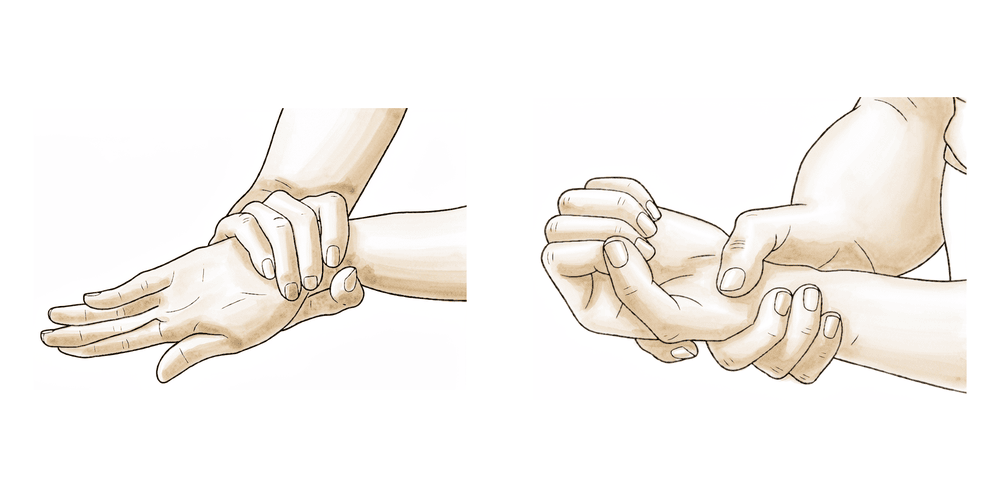
کلائی کی جامد (isometric) بوجھ والی ورزش (flexor)
اپنے بازو کا نچلا حصہ میز پر رکھیں، ہتھیلی اوپر کی طرف۔ دوسرے ہاتھ کی ہتھیلی سے اپنی انگلیوں کو دبائیں اور کلائی کو اوپر موڑنے کی کوشش کریں، لیکن اسے ساکن رکھیں تاکہ کلائی حقیقت میں حرکت نہ کرے — یعنی مزاحمت کے خلاف مستقل روک۔ یہ ابتدائی مرحلے کی ورزش ہے جو ٹینڈن (tendon)، یعنی وہ مضبوط ڈوری جو پٹھے کو ہڈی سے جوڑتی ہے، پر نرمی سے بوجھ ڈالتی ہے اور درد کم کرتی ہے۔
30 سے 45 سیکنڈ روکیں، 5 بار، روزانہ 1 سے 2 بار

Kieran Hirpara 4.0
ریورس ٹائلر ٹوِسٹ (reverse Tyler twist، ایکسینٹرک flexor بوجھ)
اپنے متاثرہ ہاتھ میں ربڑ کی ورزشی سلاخ (FlexBar) پکڑیں، کلائی اوپر مڑی ہوئی ہو (ہتھیلی آپ کی طرف)، اور اچھے ہاتھ سے سلاخ کو مروڑیں۔ سلاخ کو اپنے سامنے لائیں، پھر اپنی متاثرہ کلائی کو 3 سے 4 سیکنڈ میں آہستہ آہستہ، قابو کے ساتھ کھلنے دیں — مروڑنے کا کام آپ کا اچھا ہاتھ کرتا ہے، اور آہستہ، قابو والی واپسی (جسے 'ایکسینٹرک' حصہ کہتے ہیں) آپ کی متاثرہ کلائی کرتی ہے۔ یہ گالفرز ایلبو کے لیے طاقت بڑھانے کی سب سے اہم ورزش ہے اور ابتدائی درد کم ہونے کے بعد (تقریباً ہفتہ 4 سے) شروع کی جاتی ہے۔
15 کے 3 سیٹ، روزانہ ایک بار
Kieran Hirpara 4.0
بازو کے نچلے حصے کو گھمانا
کہنی کو اپنے پہلو سے لگا کر رکھیں، ہتھیلی کو آہستہ آہستہ اوپر چھت کی طرف گھمائیں، پھر نیچے فرش کی طرف، اور کہنی کو ساکن رکھیں۔ اس سے بازو کے نچلے حصے کے گھمانے والے پٹھے حرکت میں رہتے ہیں اور بہتری کے ساتھ پرونیٹر پٹھوں (pronators) پر ہلکا بوجھ پڑتا ہے۔
ہر سمت میں 10 بار، روزانہ 2 سے 3 بار

Kieran Hirpara 4.0
گرفت کی طاقت بڑھانا
ایک نرم گیند یا تھراپی پُٹی (therapy putty، ورزش کے لیے نرم گوندھنے والا مادہ) کو دبائیں، ذرا روکیں، پھر ڈھیلا چھوڑ دیں۔ یہ ورزش اس وقت شروع کریں جب آپ کی اسٹریچنگ اور ایکسینٹرک بوجھ والی ورزشیں آرام سے ہونے لگیں — یہ روزمرہ کاموں اور کھیل کے لیے درکار گرفت اور بازو کے نچلے حصے کی طاقت بناتی ہے۔ تیز درد سے پہلے رک جائیں۔
10 سے 15 بار دبائیں، روزانہ 2 سے 3 بار

Kieran Hirpara 4.0
النر عصب کو پھسلانے والی ورزش (nerve glide)
النر عصب (ulnar nerve) کہنی کے اندر کی طرف ہڈی کے ابھار کے بالکل پیچھے ایک نالی میں سے گزرتا ہے، اور گالفرز ایلبو میں اکثر اس میں جلن (irritation) رہتی ہے۔ اسے آزادی سے پھسلتا رکھنے کے لیے: اپنے انگوٹھے اور شہادت کی انگلی سے 'OK' جیسا حلقہ بنائیں، پھر اسے اپنے چہرے کی طرف اوپر لائیں تاکہ حلقہ آپ کی آنکھ کے گرد آ جائے، کہنی مڑی ہوئی ہو اور ہتھیلی آپ کی طرف ہو۔ اس پوزیشن میں نرمی سے آگے پیچھے حرکت کریں۔ حرکت کو سوئیاں چبھنے جیسے احساس یا سُن پن تک ہرگز نہ لے جائیں — اگر آپ کی چھوٹی انگلی اور انگوٹھی والی انگلی میں جھنجھناہٹ ہو تو پیچھے ہٹ جائیں، اور اگر عصب کی علامات بڑھ رہی ہوں تو اپنے تھراپسٹ یا کلینک کو بتائیں۔
5 سے 10 بار نرمی سے، روزانہ 2 سے 3 بار
یہ آپ کو دیے گئے ورزشی پرچے کی ورزشیں ہیں۔ انہیں ڈاکٹر ہِرپرا اور اپنے تھراپسٹ کی ہدایت کے مطابق شروع کریں۔ ابتدائی ہفتوں میں زور درد کم کرنے، ہلکی حرکت اور جامد روک (isometric holds) والی ورزشوں پر ہوتا ہے؛ ایکسینٹرک (eccentric) ریورس ٹائلر ٹوِسٹ اور گرفت کی طاقت بڑھانے کی ورزشیں آپ کی بہتری کے ساتھ شامل کی جاتی ہیں۔ النر عصب کو پھسلانے والی ورزش اس لیے شامل ہے کہ کہنی کے اندرونی حصے پر یہ عصب اکثر متاثر ہوتا ہے؛ اسے نرمی سے کریں۔
آپ کا کلینیکل پروٹوکول
اس صفحے کا باقی حصہ بحالی کا کلینیکل پروٹوکول ہے۔ یہ حصہ آپ کے فزیوتھراپسٹ یا ہینڈ تھراپسٹ کو دینے کے لیے ہے۔ یہ صرف وقت پر نہیں بلکہ معیار پر مبنی ہے: ایک مرحلے سے دوسرے مرحلے میں جانا درج شدہ اہداف پورے کرنے پر منحصر ہے، صرف کیلنڈر پر نہیں۔ ہر ملاقات پر النر عصب کی جانچ کی جاتی ہے (Tinel's sign، عصب کا اپنی جگہ سے کھسکنا یعنی subluxation)، کیونکہ کہنی کے اندرونی حصے کے تقریباً 50 سے 60 فیصد کیسوں میں ساتھ ساتھ النر عصب کی علامات بھی ہوتی ہیں، اور یہی علامات غیر جراحی علاج کے ناکام ہونے کی سب سے بڑی وجہ ہیں۔
نیچے دو راستے دیے گئے ہیں: غیر جراحی پروگرام (پہلا انتخاب، بہت بڑی اکثریت کے لیے) اور آپریشن کے بعد کا پروگرام (اس اقلیت کے لیے جو غیر جراحی علاج ناکام ہونے کے بعد سرجری کرواتے ہیں)۔
غیر جراحی راستہ
مرحلہ I: شدید مرحلہ / درد پر قابو (0 سے 2 ہفتے)
اہداف: درد کم کرنا؛ بغیر بوجھ کے حرکت کی مکمل حد بحال کرنا۔
- نسبتی آرام اور سرگرمیوں میں تبدیلی: درد کو حد مقرر کرنے دیں؛ جوڑ کو بالکل ساکن کرنے (immobilisation) سے بچیں۔ گالف، پھینکنے والی حرکت، تیراکی، ریکٹ والے کھیل، ویٹ لفٹنگ اور بار بار گرفت کرنے میں تبدیلی کریں۔
- اختیاری کاؤنٹر فورس بریس کلائی موڑنے والے پٹھوں کے مجموعے (common flexor mass) پر؛ اگر شدید درد ہو تو کلائی کا اسپلنٹ استعمال کیا جا سکتا ہے۔
- درد پر قابو کے اضافی طریقے: برف، نرم بافتوں پر کام / IASTM (آلات کی مدد سے نرم بافتوں کی مالش)، ہلکی بغیر درد کی فعال حرکت (AROM)، عصب کو پھسلانے والی ورزشیں۔
- النر عصب کی جانچ کریں (Tinel، subluxation)۔
- اگلے مرحلے پر جانے کا معیار: بغیر درد کے، بغیر بوجھ کی مکمل فعال حرکت (AROM)؛ گھریلو پروگرام خود سے کر سکنا۔
مرحلہ II: کم شدید مرحلہ / ابتدائی بوجھ (2 سے 4 ہفتے)
اہداف: فلیکسر-پرونیٹر پٹھوں پر بوجھ شروع کرنا؛ اوپر کی حرکی زنجیر (کندھا اور کندھے کی پچھلی ہڈی) پر کام کرنا۔
- کلائی موڑنے والے (flexor) اور پرونیٹر (pronator) پٹھوں پر جامد (isometric) بوجھ (ہلکا)۔
- کہنی کو 90 ڈگری پر موڑ کر کلائی موڑنے والے پٹھوں کی بتدریج بڑھتی اسٹریچنگ۔
- اوپر کی حرکی زنجیر (proximal kinetic chain): کندھے کی پچھلی چپٹی ہڈی (shoulder blade) کو مستحکم کرنے والے پٹھے (serratus anterior، درمیانی/نچلا trapezius) اور روٹیٹر کف (rotator cuff)، یعنی ٹینڈنوں کا وہ گروپ جو کندھے کو تھامتا اور گھماتا ہے؛ یہ پھینکنے والے کھلاڑیوں میں بہت اہم ہے جن میں کہنی کے اندرونی حصے پر زیادہ بوجھ valgus قوت سے آتا ہے۔
- اگلے مرحلے پر جانے کا معیار: حرکت کی مکمل حد برقرار؛ 90 ڈگری والی اسٹریچ برداشت ہو؛ دوسرے بازو کی تقریباً 70 فیصد طاقت۔
مرحلہ III: طاقت بڑھانا / واپسی (4 سے 6+ ہفتے)
اہداف: بوجھ برداشت کرنے کی صلاحیت بحال کرنا اور روزمرہ کام اور کھیل پر واپسی۔
- کلائی موڑنے اور بازو کے نچلے حصے کو نیچے گھمانے (pronation) کی ایکسینٹرک-کنسینٹرک (eccentric-concentric) بوجھ والی ورزش: ٹائلر ٹوِسٹ کا کہنی کے اندرونی حصے والا متبادل "ریورس ٹائلر ٹوِسٹ" ہے (FlexBar پر کلائی کا ایکسینٹرک موڑ)۔ ایکسینٹرک اور کنسینٹرک کو ملا کر بوجھ دینا بہتر سمجھا جاتا ہے؛ ابتدائی درد کم کرنے کے لیے جامد ورزشیں مفید رہتی ہیں۔
- حرکت کے ساتھ موبلائزیشن (mobilisation-with-movement)؛ اسٹریچنگ کو کہنی سیدھی رکھنے والی پوزیشن کی طرف بڑھائیں۔
- گرفت کی طاقت بڑھانا، پھر کھیل سے متعلق مخصوص بوجھ؛ پھینکنے والے کھلاڑیوں کے لیے مرحلہ وار پھینکنے کا پروگرام (interval throwing program)؛ پلائیومیٹرکس (plyometrics، تیز چھلانگ اور جھٹکے والی ورزشیں) سب سے آخر میں۔
- جیسے جیسے کہنی میں علامات ختم ہوں، کاؤنٹر فورس بریس آہستہ آہستہ چھوڑ دیں؛ کھیل کے سامان اور تکنیک کو درست کریں۔
- کھیل پر واپسی کا معیار: دوسرے بازو کی تقریباً 90 فیصد طاقت، بغیر درد کے کام، اور اپنی دیکھ بھال خود کر سکنا۔
آپریشن کے بعد کا راستہ (فلیکسر-پرونیٹر کی صفائی ± مرمت ± النر عصب کا طریقۂ کار)
سرجری صرف اس اقلیت کے لیے رکھی جاتی ہے جن میں کم از کم 6 ماہ کا غیر جراحی علاج ناکام ہو چکا ہو۔ کھلی Nirschl طرز کی سرجری میں فلیکسر-پرونیٹر کے خراب حصے کو صاف کر کے نکالا جاتا ہے (debridement) اور عام طور پر اس کی مرمت کی جاتی ہے یا اسے دوبارہ ہڈی سے جوڑا جاتا ہے؛ النر عصب کا معائنہ کیا جاتا ہے اور اس کی حفاظت کی جاتی ہے، اور کچھ کیسوں میں اسی آپریشن کے دوران اس کا دباؤ ختم کیا جاتا ہے (decompression) یا اسے آگے کی طرف منتقل کیا جاتا ہے (anterior transposition)۔
مرحلہ 1: حفاظت (0 سے 2 ہفتے)
- پیچھے کی طرف لگنے والا لمبا اسپلنٹ (posterior long-arm splint، کہنی + کلائی) 10 سے 14 دن کے لیے؛ گھر سے باہر جاتے وقت سلنگ (sling)، یعنی گلے سے لٹکی وہ پٹی جو بازو کو سہارا دیتی ہے۔
- اونچا رکھنا اور سوجن پر قابو؛ انگلیوں/ٹینڈن کو پھسلانے والی فعال حرکت (AROM)؛ کندھے کی فعال حرکت؛ گردن کی ہلکی فعال حرکت۔
- احتیاط: نہ کچھ اٹھائیں، نہ دھکیلیں، نہ کھینچیں اور نہ زور سے گرفت کریں: مرمت کی حفاظت کریں۔
مرحلہ 2: حرکت کی حد کی بحالی (2 سے 6 ہفتے)
- تقریباً 2 ہفتے والی ملاقات پر: ٹانکے نکالنا؛ کلائی کو سیدھی حالت میں رکھنے والے بریس (neutral wrist orthosis) پر منتقلی، جو ہر وقت پہنا جائے (صرف صفائی کے لیے اتارا جائے)؛ سوجن کے لیے کہنی پر Tubigrip (لچکدار ٹیوب نما پٹی)۔
- کہنی کو موڑنے/سیدھا کرنے کی فعال حرکت (AROM) شروع کریں (2 سے 4 ہفتے)، پھر کلائی کی چاروں سمتوں میں فعال حرکت + بازو کے نچلے حصے کو گھمانا اور انگلیوں/انگوٹھے کی فعال حرکت (4 سے 6 ہفتے)۔
- النر عصب کو پھسلانے والی ورزشیں ہفتہ 4 سے 6 میں شروع کی جاتی ہیں (کہنی کے اندرونی حصے کے لیے مخصوص اضافہ)۔
- کندھے کی پچھلی ہڈی کو مستحکم کرنے کی ورزشیں (کشش ثقل کے خلاف)۔ 6 ہفتے گزرنے تک مزاحمت والی طاقت کی کوئی ورزش نہیں۔
مرحلہ 3: طاقت بڑھانا (6 سے 12 ہفتے)
- برداشت کے مطابق بریس آہستہ آہستہ چھوڑیں (شروع میں رات کو استعمال جاری رہ سکتا ہے)۔
- کلائی اور بازو کے نچلے حصے کی بتدریج بڑھتی مزاحمتی طاقت کی ورزشیں۔ شروع میں ہتھیلی اوپر/نیچے گھمانے (supination/pronation) کے خلاف مزاحمت نہیں؛ وزن اٹھانا ہتھیلی اوپر (supination) / درمیانی (neutral) پوزیشن میں شروع کریں، اور تقریباً ہفتہ 9 سے ہتھیلی نیچے (pronated) رکھ کر ہلکا وزن اٹھانا۔
مرحلہ 4: سرگرمی / کھیل پر واپسی (12 سے 16+ ہفتے)
- برداشت کے مطابق بازو کے نچلے حصے کی تمام پوزیشنوں میں وزن اٹھانا بڑھائیں؛ تقریباً 12 سے 16 ہفتے تک سرگرمیوں پر مکمل واپسی؛ کھلاڑیوں کے لیے کھیل سے متعلق / مرحلہ وار پھینکنے کا پروگرام۔ مکمل صحت یابی میں عموماً 3 سے 6 ماہ لگتے ہیں۔
النر عصب سے متعلق احتیاط: اگر عصب کو آگے کی طرف منتقل کیا گیا ہو (anterior transposition) تو شروع میں کہنی کو آخری حد تک موڑنا محدود رکھیں اور عصب کی حرکت بتدریج بڑھائیں۔ اگر النر عصب کی علامات برقرار رہیں یا بڑھ جائیں تو بوجھ بڑھانے سے پہلے سرجن سے معائنہ ضروری ہے۔
کام اور سرگرمیوں پر واپسی
آپ کتنی جلدی واپس آتے ہیں، یہ اس بات پر منحصر ہے کہ آپ کس راستے پر ہیں اور آپ کے کام اور کھیل کے تقاضے کیا ہیں۔
غیر جراحی۔ آپ عام طور پر پورے عرصے کام جاری رکھ سکتے ہیں اور سرگرم رہ سکتے ہیں، اور مکمل طور پر رکنے کے بجائے ان کاموں میں تبدیلی کرتے ہیں جو کہنی کی تکلیف بڑھاتے ہیں۔ گالف، پھینکنے والے کھیل، تیراکی اور ریکٹ والے کھیل طاقت بڑھانے کے مرحلے میں آہستہ آہستہ دوبارہ شروع کیے جاتے ہیں، جب آپ کی طاقت دوسرے بازو کی تقریباً 90 فیصد ہو جائے اور کام کرتے وقت درد نہ ہو۔ چونکہ گالفرز ایلبو خود ہی ٹھیک ہو جانے والا مسئلہ ہے، اس لیے اس کے پوری طرح ختم ہونے میں 6 سے 18 ماہ لگ سکتے ہیں، حالانکہ روزمرہ کام کاج اس سے بہت پہلے بہتر ہو جاتا ہے۔
آپریشن کے بعد۔ ہلکا، محدود استعمال جلد شروع ہو جاتا ہے، لیکن مرمت کی حفاظت کے لیے زیادہ وزن اٹھانا اور زور سے گرفت کرنا روکا جاتا ہے۔ زیادہ تر لوگ تقریباً 12 سے 16 ہفتے تک مکمل سرگرمی پر واپس آ جاتے ہیں، اور مکمل صحت یابی میں عموماً 3 سے 6 ماہ لگتے ہیں۔ پھینکنے والے کھلاڑی مقابلوں میں واپسی سے پہلے مرحلہ وار پھینکنے کا پروگرام مکمل کرتے ہیں۔
گاڑی چلانا: جب تک آپ اسپلنٹ یا سلنگ میں ہوں، یا کہنی میں اتنا درد ہو کہ آپ گاڑی کو محفوظ طریقے سے قابو میں نہ رکھ سکیں، گاڑی نہ چلائیں۔ جب آپ اسپلنٹ سے باہر ہوں اور بازو آرام سے حرکت کر سکیں تو، اپنے معائنے پر تصدیق کے بعد، گاڑی چلانا دوبارہ شروع کریں۔
پروٹوکول کے بعد
یہ پروٹوکول پریکٹس کے عمومی صحت یابی کے مشوروں کے ساتھ مل کر کام کرتا ہے؛ آپریشن کے بعد درد پر قابو پانا، زخم کی دیکھ بھال اور ہینڈ تھراپی کی بنیادی باتیں دیکھیں۔ گالفرز ایلبو کا بوجھ پر مبنی علاج اس کے کہنی کے بیرونی حصے والے ہم منصب، ٹینس ایلبو (کہنی کے باہر کی طرف درد)، جیسا ہی ہے؛ اگر آپ اس کی مساوی لیٹرل ایپی کونڈائلائٹس کی رہنمائی چاہتے ہیں تو اپنے تھراپسٹ سے پوچھیں۔ آپ کی آگے کی صحت یابی میں آپ کا فزیوتھراپسٹ یا ہینڈ تھراپسٹ انفرادی طور پر اس بات کے مطابق رہنمائی کرے گا کہ آپ کی کہنی کیسے آگے بڑھ رہی ہے۔
Evidence & references
This is the clinical evidence summary written for health professionals. It is technical, and it lists the research this page was built from. You do not need to read it to understand your treatment or to make a decision about it.
Medial Epicondylitis (Golfer's Elbow) — Flexor-Pronator Tendinosis: Conservative Loading & Post-operative Rehabilitation
Topic scope: (A) the loading-based non-operative rehabilitation of medial epicondylitis — a degenerative tendinopathy of the flexor-pronator origin (chiefly flexor carpi radialis and pronator teres) at the medial epicondyle — with mandatory ulnar-nerve screening; and (B) post-operative rehabilitation after open flexor-pronator debridement (± repair, ± concurrent ulnar nerve decompression/transposition), reserved for the minority failing ≥6 months of quality conservative care.
Defining principle: medial epicondylitis is not an inflammatory condition but a degenerative tendinosis, so the treatment is graded tendon loading, not rest. The protocol mirrors lateral elbow tendinopathy but with two practice-defining differences Dr Hirpara emphasises: (1) the loaded group is the wrist flexors/pronators (hence the eccentric "reverse Tyler twist" rather than the lateral Tyler twist), and (2) the ulnar nerve lies immediately behind the medial epicondyle, so concomitant ulnar neuritis (~50–60% of cases) is screened at every visit and is the leading reason conservative care fails. Surgery is a last resort after ≥6 months.
Medial epicondylitis is far less studied than its lateral counterpart — it is ~5–10× less common (prevalence ~0.4% vs 1.3%; ~10–20% of all epicondylitis). Most evidence is extrapolated from lateral elbow tendinopathy and from older operative case series; dedicated medial RCTs are sparse. Phase timelines below come from institutional Standard-of-Care protocols (Mass General Brigham combined medial/lateral; UVA medial debridement; Campbell's / Nirschl) plus operative series.
A. NON-OPERATIVE REHABILITATION (phased)
First-line; the majority resolve without surgery. Largely the SAME phased structure as the lateral elbow (Mass General Brigham publishes ONE combined medial/lateral protocol), with the loading target shifted to the flexor-pronator mass. Expected resolution 6–18 months (self-limited).
Phase I — Acute / pain control (~0–2 weeks). Relative rest + activity modification using pain as the limiter (avoid immobilisation). Aggravators to modify: golf, throwing (esp. late-cocking / acceleration valgus load), swimming, bowling, racquet sports, weightlifting, repetitive gripping. Optional counterforce brace over the common flexor mass; wrist splint if acutely painful. Pain-control adjuncts: ice, soft-tissue / IASTM, gentle pain-free AROM, dry needling, nerve glides. Screen the ulnar nerve (Tinel, subluxation). Criterion to progress: full unloaded AROM without pain; independent home program.
Phase II — Sub-acute / early loading (~2–4 weeks). Isometric wrist-flexor and pronator loading (minimal load). Progressive stretching of the wrist flexors at 90° elbow flexion. Proximal kinetic chain: scapular stabilisers and rotator cuff — critical in throwers, where medial elbow overload is valgus-driven. Criteria to progress: full ROM maintained; tolerates the 90° stretch; ~70% contralateral strength.
Phase III — Late / strengthening & return (~4–6+ weeks). Eccentric and concentric loading of wrist flexion and forearm pronation — the medial analogue of the Tyler twist is a "reverse Tyler twist" (eccentric wrist flexion on the FlexBar). Combined eccentric-concentric loading is favoured; isometrics for early analgesia. Mobilisation-with-movement; progress stretching to the elbow-extended position. Grip strengthening, then sport-specific loading; for throwers, an interval throwing program; plyometrics last. Wean counterforce brace as asymptomatic; equipment/technique modification. Return-to-sport criteria: ~90% contralateral strength, pain-free function, self-management.
B. POST-OPERATIVE REHABILITATION (flexor-pronator debridement ± repair, ± ulnar nerve procedure)
Surgery is for the minority failing ≥6 months of conservative care. The open Nirschl-type operation debrides the pathologic flexor-pronator origin (incision posterior to the medial epicondyle to spare the medial antebrachial cutaneous nerve), with repair/reattachment commonly by suture anchor. The ulnar nerve must be assessed and protected: ulnar neuritis is addressed concurrently (decompression or anterior transposition) in roughly 20–50% of operative series. The phase timeline blends the UVA "Golfer's Elbow Debridement (with tendon repair)" protocol and the Verma / Midwest-Orthopaedics-at-Rush medial/lateral debridement protocol.
Phase 1 — Protect / immobilise (Weeks 0–2). Posterior long-arm splint (elbow + wrist) for 10–14 days; sling for community use. Elevation; oedema control; finger/tendon-glide AROM; unaffected-joint motion; active shoulder ROM; gentle cervical AROM. Precautions: NO lifting / pushing / pulling / forceful gripping; protect the repair.
Phase 2 — ROM restoration (Weeks 2–6). At the 2-wk visit: suture removal; transition to a wrist orthosis in neutral full-time (off for hygiene); Tubigrip at the elbow for swelling. Begin AROM elbow flexion/extension (2–4 wk), then 4-way wrist AROM + forearm rotation, finger/thumb AROM (4–6 wk). Ulnar nerve glides introduced ~weeks 4–6 (the explicit medial-specific addition). Scapular stabilisation (gravity-resisted). No resistance strengthening until after 6 weeks.
Phase 3 — Strengthening (Weeks 6–12). Wean the orthosis as tolerated (consider night use early). Progressive resistive strengthening of wrist and forearm; per Verma, no resisted supination/pronation early, lifting begun in supination/neutral, with light pronated lifting from ~week 9.
Phase 4 — Return to activity / sport (Weeks 12–16+). Progress lifting in all forearm positions as tolerated; full return to activity by ~12–16 weeks; sport-specific / interval throwing program for athletes. Full recovery commonly 3–6 months.
Ulnar nerve precautions: if an anterior transposition was performed, limit end-range elbow flexion early and progress nerve excursion gradually; persistent or worsening ulnar symptoms warrant surgeon review before advancing loading.
C. PHASED TIMELINE SUMMARY
| Pathway | Phase | Window | Immobilisation | Loading / key actions | Criteria / milestone |
|---|---|---|---|---|---|
| Non-op | I — Pain control | 0–2 wk | None (avoid casting); optional counterforce brace | Activity modification; pain-free AROM; nerve glides; ulnar screen | Full unloaded AROM, pain-free |
| Non-op | II — Early loading | 2–4 wk | None | Isometric flexor/pronator load; 90° wrist-flexor stretch; scapular/cuff | ~70% contralateral strength |
| Non-op | III — Strengthen / return | 4–6+ wk | Wean brace | Reverse Tyler twist (eccentric); grip; sport-specific; throwers' interval program | ~90% strength, pain-free → RTS |
| Post-op | 1 — Protect | 0–2 wk | Posterior long-arm splint 10–14 d + sling | Finger glides, shoulder ROM; oedema control | No resistance; repair protected |
| Post-op | 2 — ROM restore | 2–6 wk | Neutral wrist orthosis | Elbow AROM → 4-way wrist + forearm rotation; ulnar glides wk 4–6 | No resistance until >6 wk |
| Post-op | 3 — Strengthen | 6–12 wk | Wean orthosis | Progressive resistance; supinated/neutral lifting → light pronated ~wk 9 | Restored strength in safe positions |
| Post-op | 4 — Return | 12–16+ wk | None | Lifting all forearm positions; interval throwing | Full return ~12–16 wk; recovery 3–6 mo |
D. KEY CONTROVERSIES / EVIDENCE QUALITY
- Sparse high-level evidence. Almost no medial-specific RCTs; recommendations are extrapolated from lateral elbow and from retrospective operative series (Kurvers & Verhaar 1995 remains a cornerstone). Strength of evidence is materially weaker than for lateral epicondylitis.
- Ulnar nerve is the dominant modifier. Concomitant ulnar neuropathy (reported 23–60%) worsens prognosis and is the leading reason conservative care fails; whether and how to address it surgically (decompression vs transposition vs medial epicondylectomy) is debated. Outcomes are reliably worse when ulnar symptoms coexist and are untreated.
- PRP may rival surgery for type-1 disease. Bohlen et al (OJSM 2020) found 2 leukocyte-rich PRP injections matched surgery for recalcitrant type-1 medial epicondylitis (29/33 success each) with faster recovery (pain-free ~56 vs ~108 days; full ROM ~42 vs ~96 days) — the surgical delay partly attributed to post-op bracing. Small evidence base.
- Corticosteroid: short-term only. As with the lateral elbow, steroid gives transient relief without durable benefit and risks recurrence; repeated injections show diminishing returns.
- Eccentric vs concentric. Same unsettled debate as the lateral elbow; combined eccentric-concentric flexor-pronator loading is the pragmatic standard, but direct medial trial data are minimal.
- Surgical technique. Open Nirschl debridement with repair is reliable in case series; arthroscopic medial debridement is emerging (claimed ulnar-nerve protection) but is technically demanding and under-evidenced. Debridement alone vs with repair remains unsettled.
E. EVIDENCE STRENGTH FLAGS (summary)
- MODERATE (non-operative rehab): the phased loading program — extrapolated largely from lateral elbow tendinopathy and combined medial/lateral institutional protocols; combined eccentric-concentric flexor-pronator loading is the pragmatic standard.
- LOW–MODERATE (post-operative rehab): phase timelines from institutional debridement protocols (UVA; Verma/Rush) and operative case series; no defining post-op rehab RCT.
- MODERATE (PRP for type-1 disease): single comparative study (Bohlen OJSM 2020) matching surgery with faster recovery; small sample.
- CONSENSUS / EXPERT: ulnar-nerve screening at every visit, ulnar-glide timing (wk 4–6 post-op), and the forearm-position lifting progression — drawn from surgeon-guidance protocols and operative practice rather than trial data.
CITATIONS
RAG corpus (180,000+ Orthopaedic articles)
- Kurvers H, Verhaar J. The results of operative treatment of medial epicondylitis. J Bone Joint Surg Am. 1995. (ulnar neuritis coexistence 23–50%)
- Bohlen HL, et al. Platelet-rich plasma is an equal alternative to surgery in the treatment of type 1 medial epicondylitis. Orthop J Sports Med. 2020. DOI: 10.1177/2325967120908952
- Platelet-rich plasma versus Tenex in the treatment of medial and lateral epicondylitis. J Shoulder Elbow Surg. 2019.
- Ellenbecker TS, Nirschl R, Renstrom P. Current concepts in examination and treatment of elbow tendon injury. Sports Health. 2012.
- Rehabilitation of the thrower's elbow. Clin Sports Med. 2004.
- Nirschl surgical technique for concomitant lateral and medial elbow tendinosis. Am J Sports Med. 2011.
- Imaging of the elbow in the overhead throwing athlete. Am J Sports Med. 2003. (ulnar neuritis in ~60% of throwers with medial epicondylitis)
- Outcome of partial medial epicondylectomy for cubital tunnel syndrome. Clin Orthop Relat Res. 2006.
- Coonrad RW, Hooper WR. Tennis elbow: its course, natural history, conservative and surgical management (includes medial). J Bone Joint Surg Am. 1973.
- Green's Operative Hand Surgery. 2021. (medial vs lateral prevalence; combined treatment chapter; Nirschl technique)
- Campbell's Operative Orthopaedics. 2020. (Box 46.3 Rehabilitation Protocol for Epicondylitis [Wilk/Arrigo/Andrews]; Nirschl medial technique, posterior incision sparing the MABC nerve)
Published protocols (URLs)
- University of Virginia Orthopaedics — Medial Epicondyle (Golfer's Elbow) Debridement (with tendon repair), Rehabilitation Guidelines. https://med.virginia.edu/orthopaedic-surgery/wp-content/uploads/sites/242/2024/09/Medial-Epicondyle-Golfers-Elbow-Debridement-with-tendon-repair.pdf
- Midwest Orthopaedics at Rush (Nikhil Verma, MD) — Post-Operative Rehabilitation Guidelines for Medial/Lateral Epicondyle Debridement. https://www.sportssurgerychicago.com/patient-resources/rehab-manuals/mediallateral-epicondyle-debridement/
- Mass General Brigham Sports Medicine — Rehabilitation Protocol for Medial/Lateral Epicondylalgia (non-operative), rev. April 2021. https://www.massgeneral.org/assets/MGH/pdf/orthopaedics/sports-medicine/physical-therapy/rehabilitation-protocol-for-medial-lateral-epicondylitis.pdf