Patients › Rehabilitation
کیپسولر ریلیز
Rehabilitation after arthroscopic capsular release for frozen shoulder — early in-hospital program and the outpatient phases that keep the range won at surgery.
یہ پروٹوکول Mater Private Hospital Rockhampton میں ڈاکٹر کیرن ہِرپرا کے ہاتھوں دوربین کے ذریعے کیے جانے والے کیپسولر ریلیز (arthroscopic capsular release، کندھے کے جوڑ کی سخت جھلی کو کاٹ کر ڈھیلا کرنے کا آپریشن) کے بعد کی بحالی کا احاطہ کرتا ہے، ہسپتال میں ہونے والی بحالی کا بھی اور اس کے بعد کے ہفتوں اور مہینوں کا بھی۔ یہ صفحہ یا اس کی پی ڈی ایف فزیوتھراپی کی اپنی پہلی ملاقات پر ساتھ لے کر جائیں تاکہ آپ کی بحالی کا علاج مربوط رہے۔ آپ کا فزیوتھراپسٹ نیچے دیے گئے مراحل میں آپ کو انفرادی طور پر آگے بڑھائے گا، اس بات کو دیکھتے ہوئے کہ آپ کا کندھا کیسے حرکت کر رہا ہے۔
اگر آپریشن کے بعد آپ کو اپنے زخم کے بارے میں کوئی تشویش ہو تو کلینک سے رابطہ کریں۔ اکثر یہ مددگار ہوتا ہے کہ زخم کی تصویر کھینچ کر جائزے کے لیے ای میل کر دیں۔
کیا توقع رکھیں
کیپسولر ریلیز اکڑے ہوئے کندھے (فروزن شولڈر، یعنی کندھے کا جم جانا) کا آپریشن ہے، اور اس سے آپ کی بحالی کا پورا طریقہ بدل جاتا ہے۔ کندھے کے زیادہ تر آپریشنوں میں کسی چیز کی مرمت کی جاتی ہے، جیسے ٹینڈن (tendon)، یعنی وہ مضبوط ڈوری جو پٹھے کو ہڈی سے جوڑتی ہے، یا پھٹا ہوا لیگامنٹ (ligament)، یعنی وہ مضبوط بندھن جو ایک ہڈی کو دوسری ہڈی سے جوڑتا ہے، اور ابتدا میں اصل کام اس مرمت کی حفاظت کرنا ہوتا ہے، اس لیے آپ سلنگ (sling)، یعنی گلے سے لٹکی وہ پٹی جو بازو کو سہارا دیتی ہے، پہنتے ہیں اور حرکت کو حدود میں رکھتے ہیں۔ یہ آپریشن اس کے الٹ ہے۔ اس میں کوئی ایسی چیز ٹانکے لگا کر نہیں جوڑی گئی جس کی حفاظت کرنی ہو۔ سرجن نے جوڑ کی تنگ اور سخت ریشوں والی اندرونی جھلی (capsule) کو کاٹ کر ڈھیلا کر دیا ہے اور جب آپ بے ہوشی میں تھے تو کندھے کو اس کی پوری حد تک حرکت دی ہے، لہٰذا آپریشن کا نتیجہ خود یہ حرکت ہے۔ جس لمحے آپ جاگتے ہیں، اسی لمحے سے بحالی کا کام یہ ہے کہ کندھے کے دوبارہ اکڑنے کی کوشش سے پہلے اس حرکت کو برقرار رکھیں۔
اس کا مطلب ہے کہ نہ کوئی حفاظتی مدت ہے اور نہ ہی ہاتھ روک کر چلنے کی ضرورت۔ آپ کندھے کو فوراً حرکت دینا شروع کرتے ہیں، خود بھی حرکت دے کر اور اپنے دوسرے بازو سے دھکیل کر بھی، اور دن میں کئی بار، ہر سمت میں، حرکت کی حد کو بڑھاتے رہتے ہیں۔
آپ کی ورزشوں میں تین قسم کی حرکت شامل ہے، اور آپ کی ٹیم نشان لگا دے گی کہ آپ پر کون سی لاگو ہوتی ہیں:
- غیر فعال حرکت (passive movement) کا مطلب ہے کہ کندھا مکمل طور پر ڈھیلا رہتا ہے جبکہ سارا کام آپ کا دوسرا بازو، کوئی چھڑی یا چرخی (pulley) کرتی ہے۔
- معاون فعال حرکت (active-assisted movement) کا مطلب ہے کہ آپ بازو کو خود حرکت دیتے ہیں، اور دوسرا بازو یا کوئی چیز کچھ مدد کرتی ہے۔
- فعال حرکت (active movement) کا مطلب ہے کہ آپ بازو کو اس کی اپنی طاقت سے، بغیر کسی مدد کے، حرکت دیتے ہیں۔
سلنگ کیوں نہیں ہے
کیپسولر ریلیز کے بعد کسی مرمت کی حفاظت کے لیے سلنگ نہیں ہوتی، اور کندھے کو ساکن رکھنا آپ کے خلاف جاتا ہے۔ اگر آرام کرنے دیا جائے تو ڈھیلا کیا گیا کندھا بس دوبارہ سخت ہو جاتا ہے۔ دوبارہ اکڑ جانا وہ سب سے بڑی وجہ ہے جس سے اس آپریشن کا نتیجہ مایوس کن ہو سکتا ہے، اور جلد اور بار بار حرکت کرنے سے اسے زیادہ تر روکا جا سکتا ہے۔
لہٰذا مرمت والے آپریشن کے برعکس، آپ سلنگ پہن کر نہیں سوتے، آپ بازو کو ساکن نہیں رکھتے، اور کوئی بھی حرکت ممنوع نہیں ہے۔ آپ کو پہلے دن سے ہی بازو کو آزادی سے استعمال کرنے اور ہر سمت میں اپنی حرکت کی حد بڑھانے کی ترغیب دی جاتی ہے، بشمول بازو کو باہر کی طرف گھمانا۔ ایک سادہ سلنگ صرف تھوڑی دیر کے آرام کے لیے، اور باہر آتے جاتے بازو کو ٹکر لگنے سے بچانے کے لیے دی جاتی ہے؛ جتنا ہو سکے اسے اتار کر رکھیں، اور اس کی وجہ سے کندھے کو ساکن رکھنے کی طرف مائل نہ ہوں۔
اہم نکات
- حرکت جاری رکھیں۔ شروع سے ہی بازو کو روزمرہ کے عام کاموں، جیسے نہانے دھونے، کپڑے پہننے اور کھانا کھانے، کے لیے استعمال کریں۔ حرکت اس حد کو برقرار رکھتی ہے جو آپ نے آپریشن سے حاصل کی ہے۔
- ہر سمت میں حرکت کی حد بڑھائیں۔ اس حد تک اسٹریچ کریں جہاں واضح تکلیف محسوس ہو، شدید درد نہیں، اور کندھے کو ہر سمت میں اس کی آخری حد تک لے جائیں، بشمول بازو کو باہر کی طرف گھمانا۔ اس آپریشن کے بعد “اس سے آگے نہ جائیں” والی کوئی احتیاط نہیں ہے۔
- تھوڑا تھوڑا اور بار بار اسٹریچ کریں۔ دن میں کئی بار کیا جانے والا گھر پر اسٹریچنگ کا مختصر پروگرام ایک لمبے سیشن سے بہتر ہے۔ دوبارہ اکڑاؤ دو سیشنوں کے درمیانی وقفے میں آتا ہے، اس لیے بار بار کرنا اہم ہے۔
- درد پر قابو رکھیں تاکہ آپ حرکت کر سکیں۔ اپنی ورزشوں سے پہلے اور فزیوتھراپی کی ملاقاتوں سے پہلے درد کش دوا لیں۔ درد پر اچھا قابو ہی اسٹریچنگ کو ممکن بناتا ہے۔ بہت سے لوگوں کو اسٹریچنگ سے پہلے گرمائش (سینک) اور بعد میں برف مددگار لگتی ہے۔
- فزیوتھراپی کے لیے اکثر جائیں۔ پہلے 6 ہفتوں میں ہفتے میں کم از کم دو بار جانے کی کوشش کریں۔ یہ صفحہ اپنی پہلی ملاقات پر ساتھ لے جائیں۔
- 6 ہفتے تک گاڑی نہ چلائیں۔ یہ کندھے کے کسی بھی آپریشن کے بعد لاگو ہوتا ہے، حالانکہ آپ تقریباً فوراً ہی سلنگ سے باہر ہوں گے؛ آپ کا سرجن آپ کو گاڑی چلانے کی اجازت دے گا، عام طور پر 6 ہفتے والے معائنے پر۔
آپریشن کے وقت اکثر جوڑ میں اسٹیرائیڈ (کورٹیسون) کا انجکشن لگایا جاتا ہے تاکہ سوزش کم ہو اور دوبارہ اکڑنے کا رجحان گھٹ جائے۔
ہسپتال میں — آپ کی پہلی ورزشیں
Kieran Hirpara 4.0
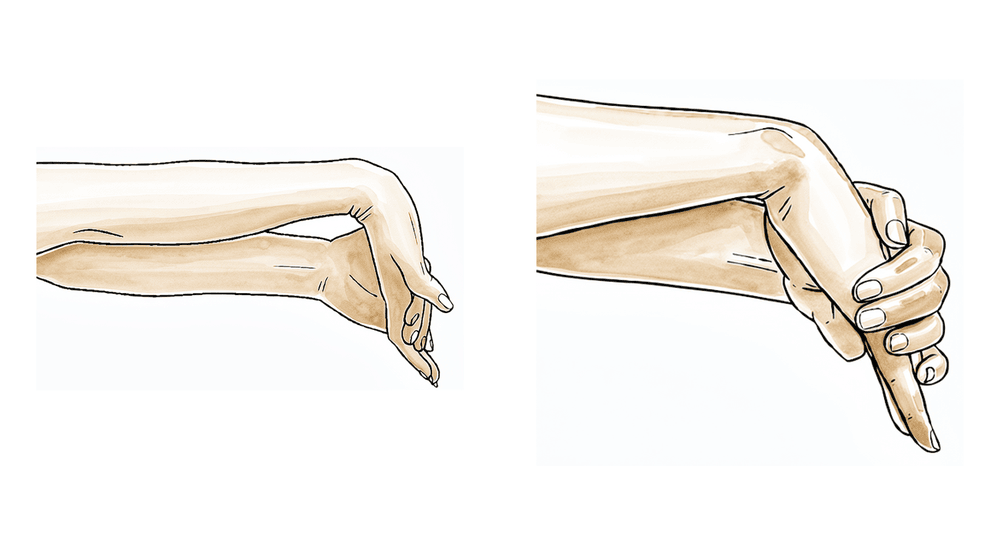
کلائی کی حرکت
اپنی کلائی کو آگے، پیچھے اور دائیں بائیں موڑ کر ہاتھ کو حرکت میں رکھیں۔
10 بار، دن میں 3 مرتبہ
Kieran Hirpara 4.0
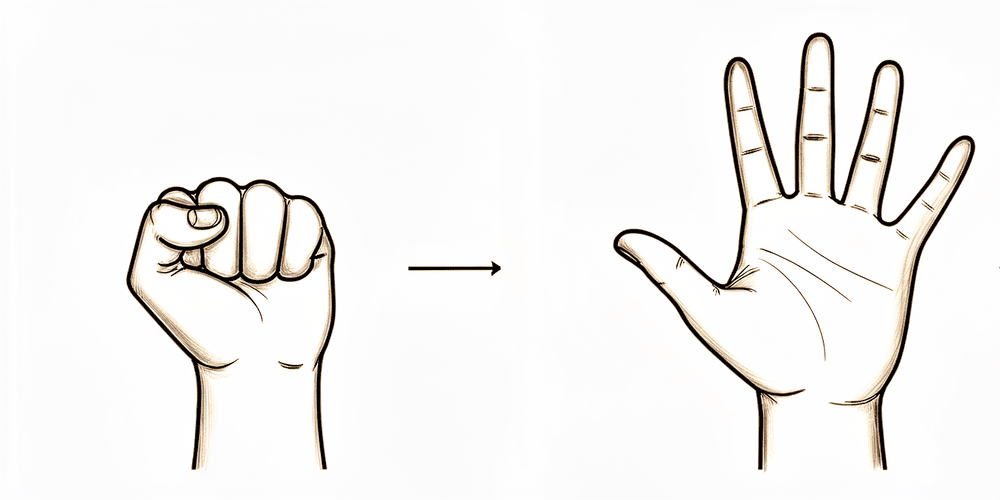
ہاتھ کھولنا اور بند کرنا
ہاتھ اور انگلیوں کو کھول بند کر کے، یا کسی نرم گیند کو دبا کر، انہیں حرکت میں رکھیں۔
10 بار، دن میں 3 مرتبہ
Kieran Hirpara 4.0
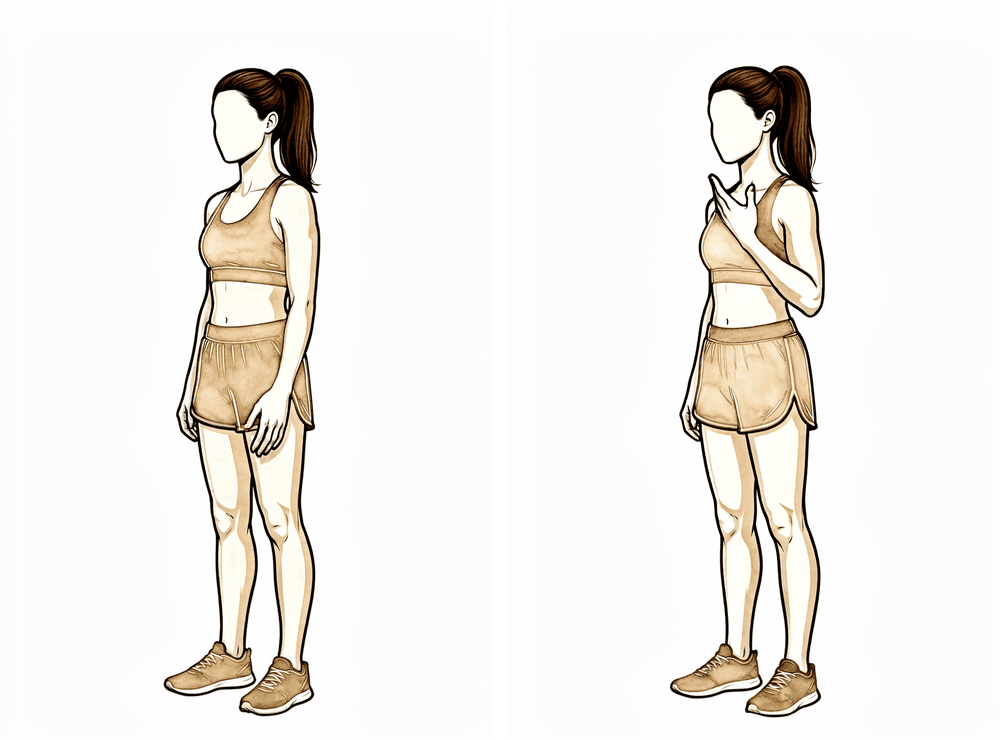
کہنی موڑنا
اپنی کہنی کو موڑیں اور سیدھا کریں۔
10 بار، دن میں 3 مرتبہ
Kieran Hirpara 4.0
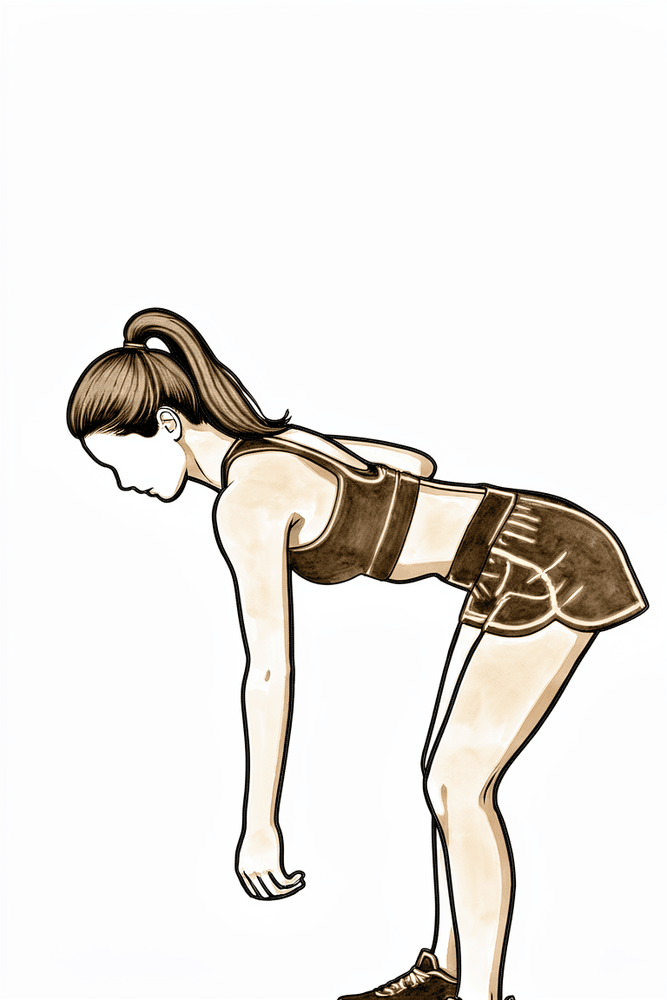
پینڈولم ورزش
یہ ڈھیلے جسم کے ساتھ کی جانے والی غیر فعال (passive) ورزش ہے۔ آگے کی طرف جھکیں اور اپنے بازو کو ڈھیلا چھوڑ کر نیچے لٹکنے دیں۔ اپنے جسم کو ہلا کر بازو کو آہستہ سے چھوٹے دائروں میں، گھڑی کی سوئیوں کی سمت میں اور الٹی سمت میں، اور آگے پیچھے جھلائیں۔ کندھے کے پٹھوں کو ڈھیلا رکھتے ہوئے بازو کے وزن کو ہی کام کرنے دیں۔
ہر سمت میں تقریباً 30 سیکنڈ، دن میں 3 مرتبہ
Kieran Hirpara 4.0
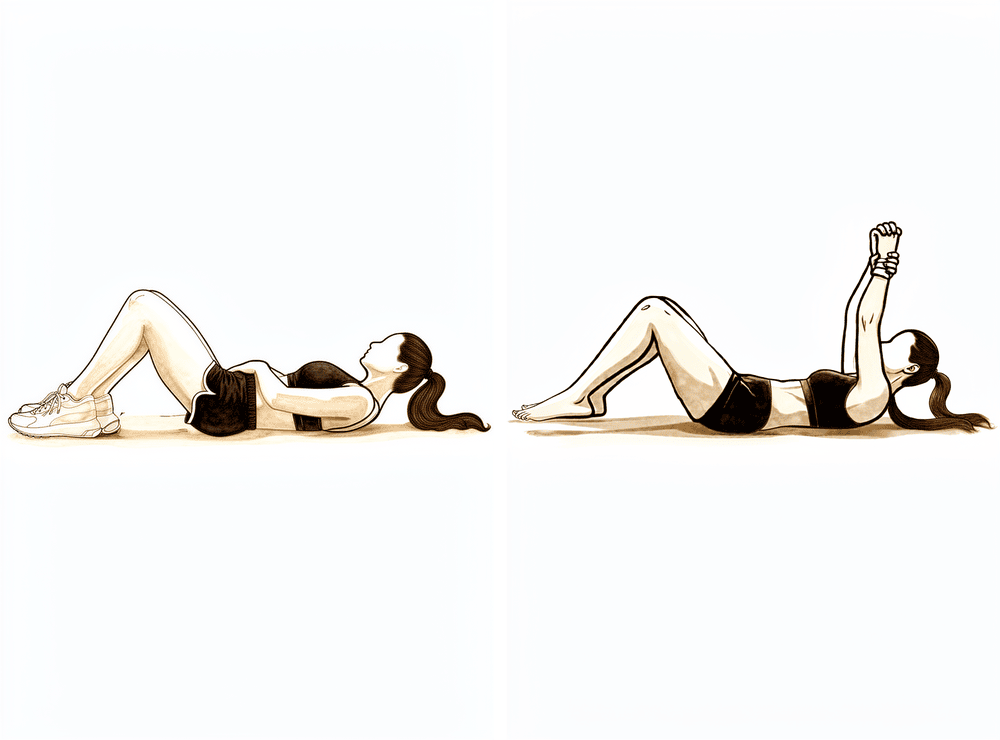
لیٹ کر مدد سے بازو آگے اور اوپر اٹھانا (forward flexion)
اگر آپ چاہیں تو کمر کے بل لیٹ جائیں اور دونوں ہاتھوں میں ایک چھڑی (یا لپیٹا ہوا تولیہ) پکڑیں۔ اپنے ٹھیک بازو سے آپریشن والے بازو کو سر کے اوپر کی طرف، جتنا آرام سے جا سکے، دھکیلیں، پھر اسے آہستہ سے نیچے لائیں۔ ہر بار واضح کھنچاؤ تک دھکیلیں۔
10 بار، دن میں 3 مرتبہ
Kieran Hirpara 4.0
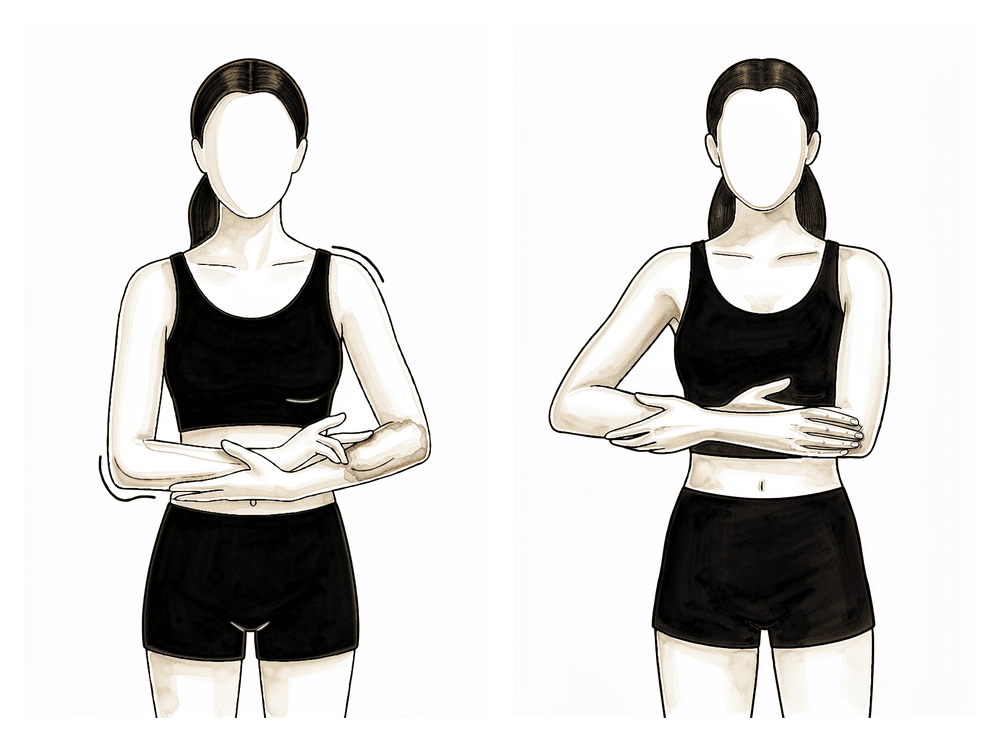
مدد سے بازو کو باہر کی طرف لے جانا (cradle abduction)
آپریشن والے بازو کو اپنے دوسرے بازو میں گود کی طرح تھامیں، کہنی کے نیچے سے سہارا دیں، اور بچے کو جھلانے کی طرح اسے آہستہ سے باہر کی طرف اور واپس جھلائیں۔ ہر بار اسے باہر کی طرف واضح کھنچاؤ تک لے جائیں۔
10 بار، دن میں 3 مرتبہ
Kieran Hirpara 4.0
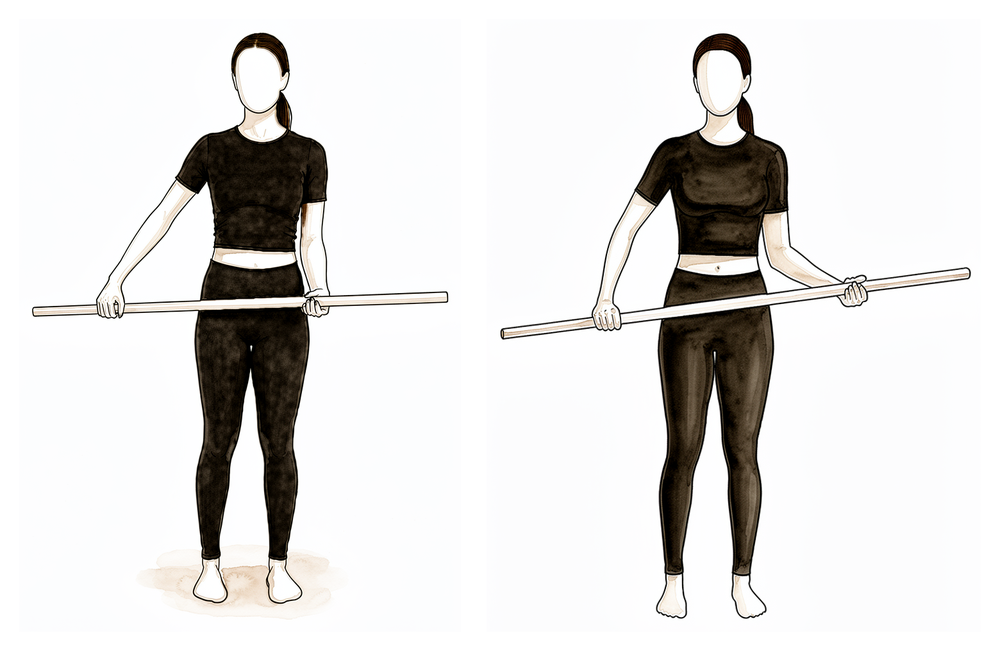
چھڑی کی مدد سے بازو کو باہر کی طرف گھمانا (external rotation)
کمر کے بل لیٹیں، کہنی کو اپنے پہلو سے لگا کر 90 ڈگری پر موڑ لیں۔ دونوں ہاتھوں میں چھڑی پکڑیں اور اپنے ٹھیک بازو سے آپریشن والے بازو کے ہاتھ کو باہر کی طرف دھکیلیں تاکہ کندھا گھومے۔ اسے پوری طرح واضح کھنچاؤ تک لے جائیں: اس آپریشن کے بعد اس بات کی کوئی حد نہیں کہ آپ باہر کی طرف کتنا جائیں، اس لیے حرکت کی حد کو بڑھائیں۔
10 بار، دن میں 3 مرتبہ
Kieran Hirpara 4.0
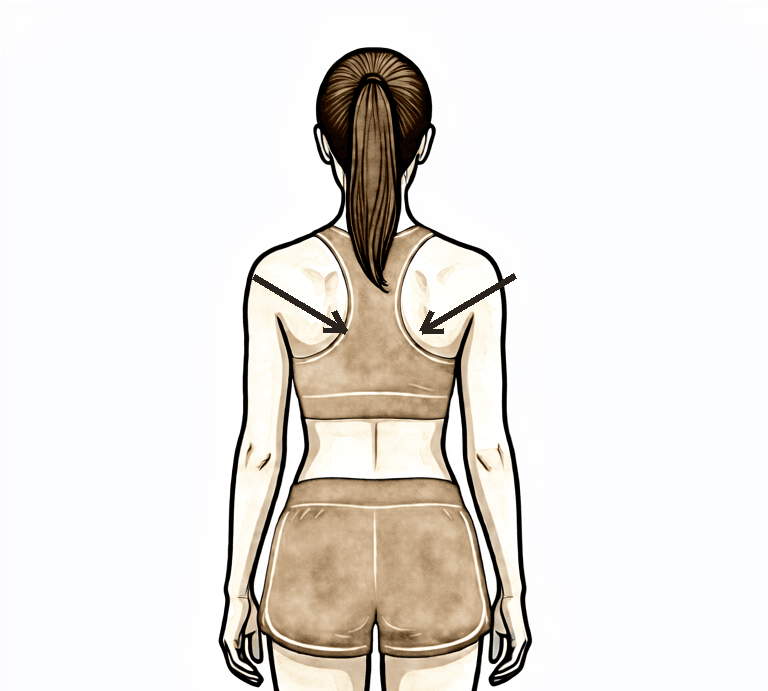
کندھے کی پچھلی ہڈیوں کو نیچے کھینچنا (lower trapezius setting)
اپنے کندھوں کی پچھلی چپٹی ہڈیوں (shoulder blades) کو نیچے اور ایک دوسرے کی طرف دبائیں، روکیں، پھر ڈھیلا چھوڑ دیں۔
5 سیکنڈ روکیں، 5 بار؛ دن میں 3 مرتبہ دہرائیں
Kieran Hirpara 4.0
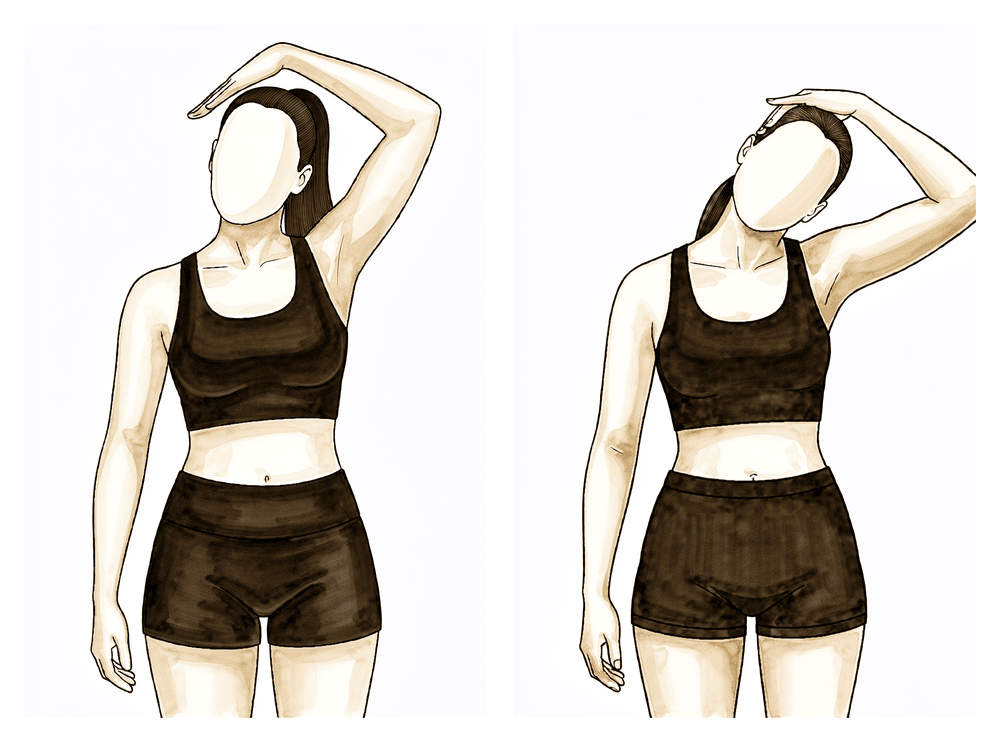
گردن کے اوپری پٹھے کا اسٹریچ (upper trapezius stretch)
اپنے ٹھیک بازو کی مدد سے اپنے کان کو آہستہ سے کندھے کی طرف لائیں، آپریشن والی طرف سے دور، یہاں تک کہ گردن کے پہلو میں اوپر تک کھنچاؤ محسوس ہو۔
10 سیکنڈ روکیں، 3 بار؛ دن میں 3 مرتبہ دہرائیں
Kieran Hirpara 4.0
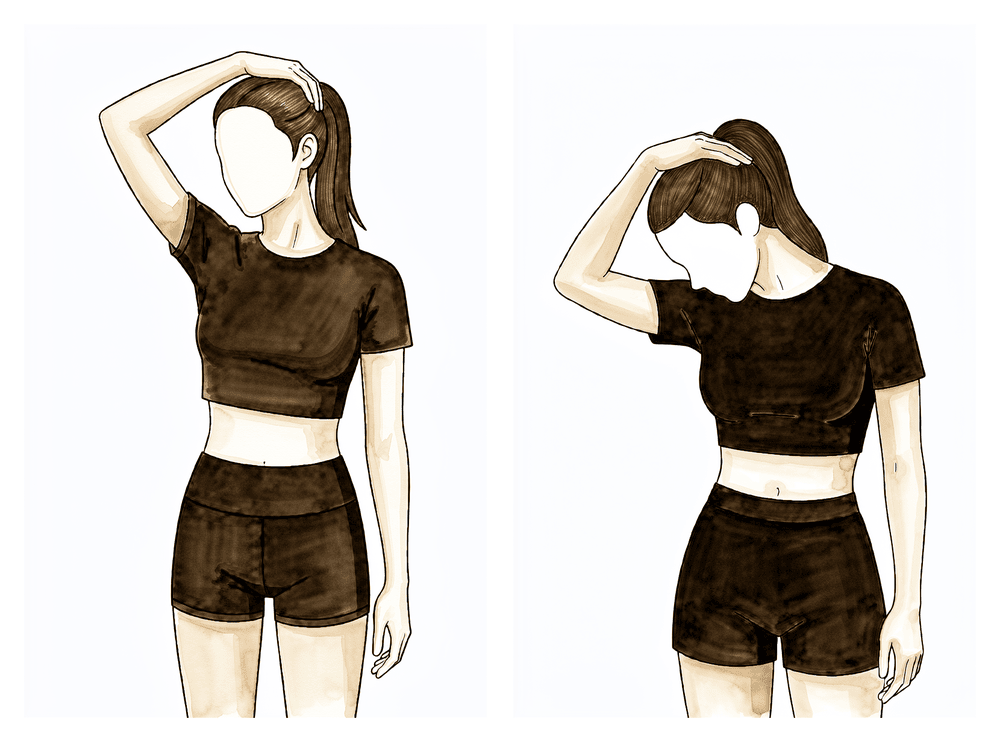
گردن کے پچھلے پٹھے کا اسٹریچ (levator scapulae stretch)
اپنے ٹھیک بازو کی مدد سے اپنی ناک کو مخالف طرف کی بغل کی طرف نیچے لائیں، یہاں تک کہ گردن کی جڑ میں کھنچاؤ محسوس ہو۔
10 سیکنڈ روکیں، 3 بار؛ دن میں 3 مرتبہ دہرائیں
ہسپتال میں ایک فزیوتھراپسٹ آپ سے ملے گا اور گھر جانے سے پہلے آپ کو نیچے دی گئی ورزشیں شروع کروائے گا۔ یہ ورزشیں ہاتھ، کہنی اور کندھے کو حرکت میں رکھتی ہیں اور کندھے کی حرکت کی حد کو فوراً بڑھانا شروع کر دیتی ہیں۔ پہلے سے درد کش دوا لے لیں تاکہ آپ آزادی سے حرکت کر سکیں۔ انہیں اسی طرح کریں جیسے آپ کی ٹیم نے نشان لگایا ہے، اور گھر پر بھی جاری رکھیں۔
ہسپتال سے چھٹی کے بعد آپ کی بحالی
کیپسولر ریلیز کے بعد بحالی ان آپریشنوں کے الٹ سمت میں چلتی ہے جن میں ٹینڈن کی مرمت کی جاتی ہے: حفاظت کے لیے کچھ نہیں ہوتا، اس لیے ساری کوشش حرکت کو برقرار رکھنے پر لگتی ہے۔ کندھے کے دوبارہ اکڑنے کا سب سے زیادہ امکان پہلے ہفتوں میں ہوتا ہے، اس لیے فزیوتھراپی فوراً شروع ہوتی ہے، بار بار ہوتی ہے، اور کچھ مہینوں تک جاری رہتی ہے جب تک آپ کی حرکت کی حد مستحکم نہ ہو جائے۔ نیچے دیے گئے مراحل اس آپریشن کے لیے شائع شدہ بحالی کے پروٹوکول کے طرز پر ہیں۔ ہفتوں کی حدیں عام اندازہ ہیں، طے شدہ نہیں: آپ کا فزیوتھراپسٹ آپ کو کیلنڈر کے بجائے اس بنیاد پر آگے بڑھائے گا کہ آپ کا کندھا کیسے حرکت کر رہا ہے۔
ایک نظر میں پورا سفر:
- مرحلہ 1 — ابتدائی بحالی: تقریباً پہلے دو ہفتے
- مرحلہ 2 — حرکت کی حد کو برقرار رکھنا اور بحال کرنا: ہفتہ 2 سے 6
- مرحلہ 3 — طاقت بڑھانا: ہفتہ 6 سے 12
- مرحلہ 4 — مکمل سرگرمی پر واپسی: ہفتہ 12 اور اس کے بعد
تقریباً 3 ہفتے تک، کندھے کی اونچائی سے نیچے کی حرکت عام طور پر زیادہ آرام دہ ہو جاتی ہے اور آپ کی حرکت کی حد کا زیادہ تر حصہ واپس آ جاتا ہے، اگرچہ سر سے اوپر بازو لے جانے میں اکثر ابھی بھی تکلیف ہوتی ہے۔ تقریباً 3 ماہ تک زیادہ تر لوگوں کی علامات کافی حد تک ٹھیک ہو چکی ہوتی ہیں، اور بہتری عام طور پر 6 سے 9 ماہ تک، اور بعض اوقات ایک سال تک، جاری رہتی ہے۔
مرحلہ 1 — ابتدائی بحالی (ہفتہ 0 سے 2)
Kieran Hirpara 4.0
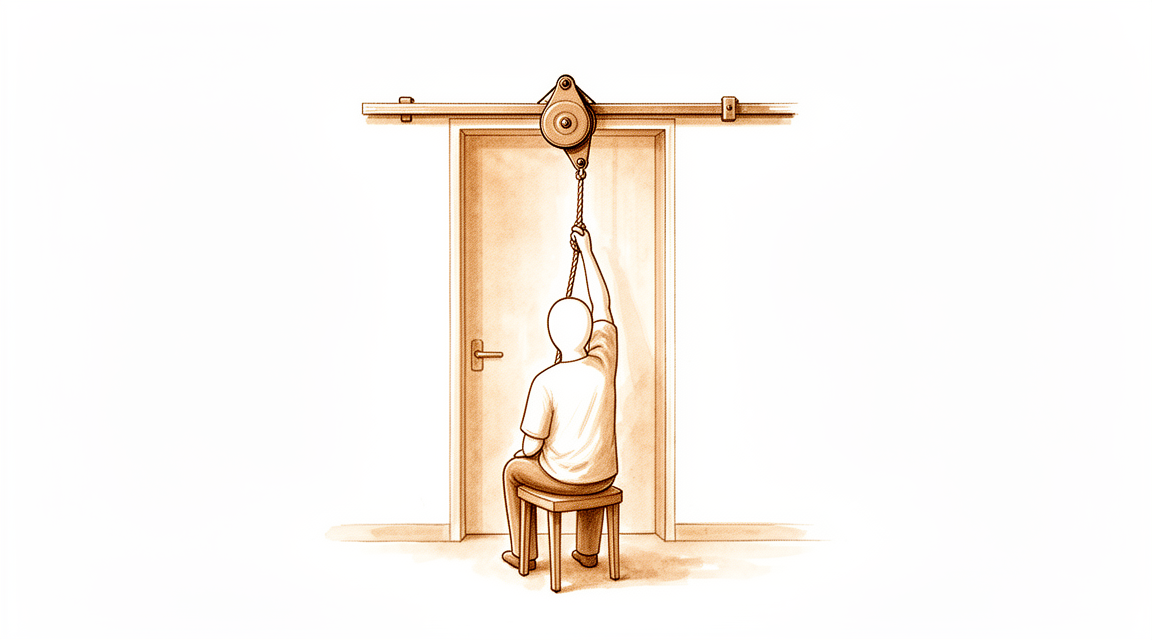
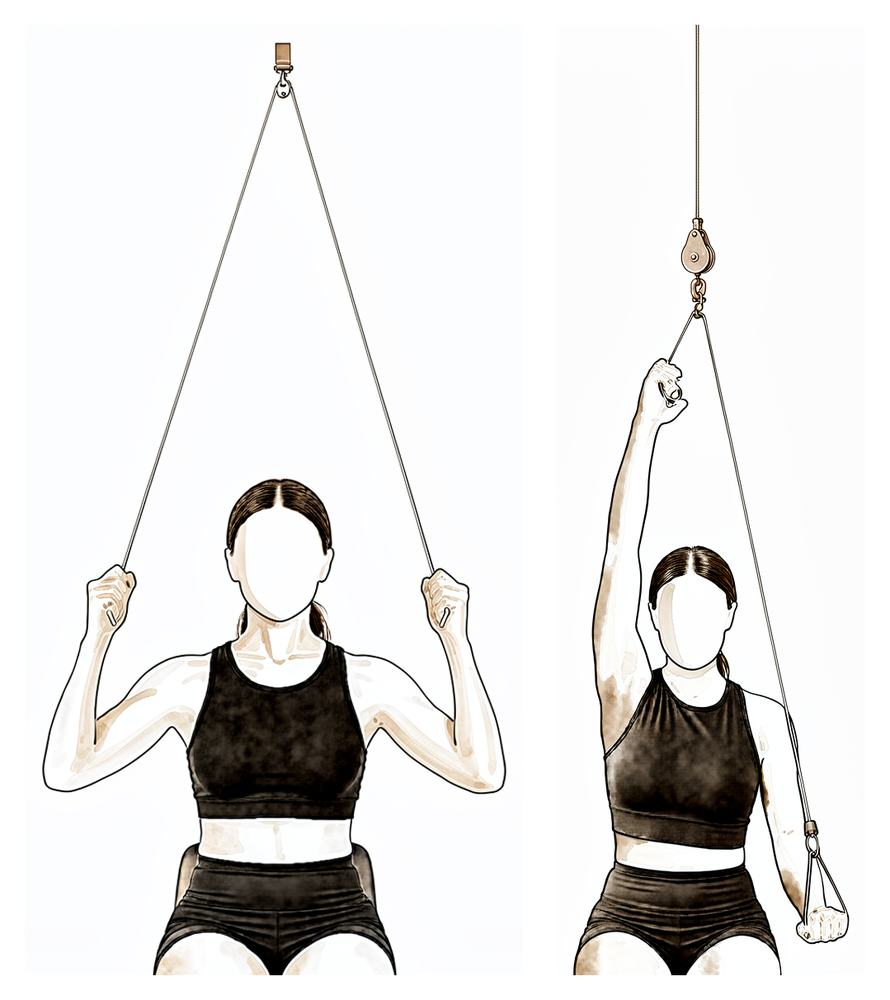
دروازے پر لگی چرخی (over-door pulley)
دروازے کے اوپر لگی چرخی کے نیچے بیٹھیں اور ہر ہاتھ میں ایک ہینڈل پکڑیں۔ اپنے ٹھیک بازو سے نیچے کھینچیں تاکہ آپریشن والا بازو سر کے اوپر جتنا جا سکے اٹھے، پھر آہستہ سے نیچے لائیں۔ ہر بار واضح کھنچاؤ تک دھکیلیں، شدید درد تک نہیں۔
10 بار، دن میں 3 سے 4 مرتبہ
Kieran Hirpara 4.0
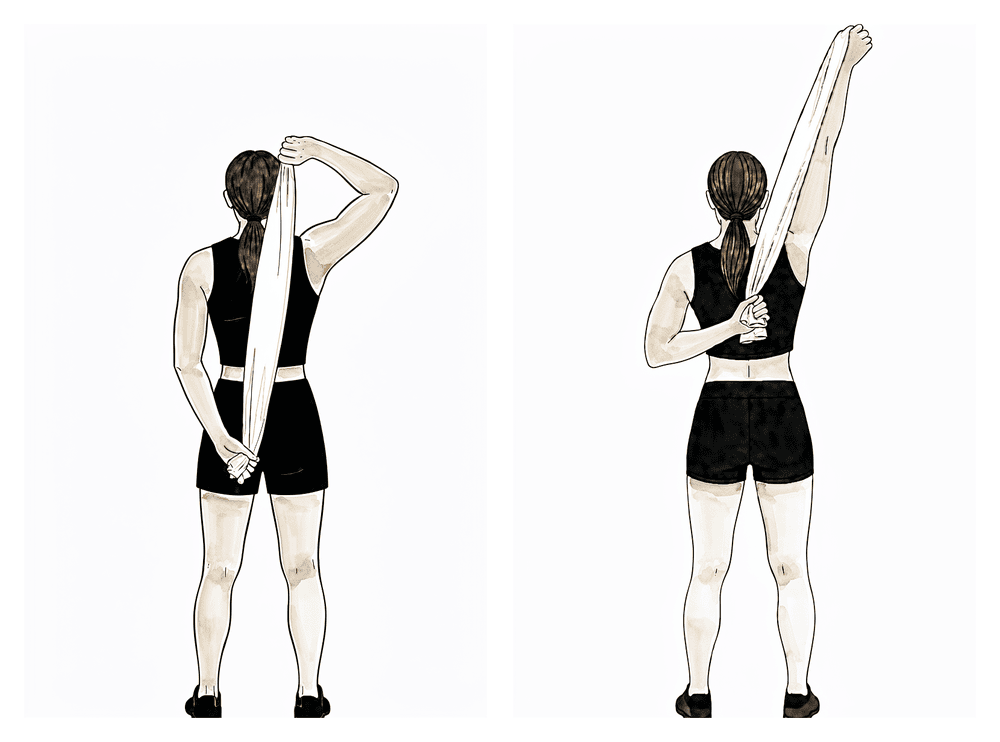
تولیے کے ساتھ کمر کے پیچھے اسٹریچ
کمر کے پیچھے ایک تولیہ پکڑیں، آپریشن والا ہاتھ نیچے ہو، اور اوپر والے ہاتھ سے نیچے والے ہاتھ کو کمر پر جتنا اوپر جا سکے کھینچیں۔ اسے واضح کھنچاؤ تک لے جائیں، پھر چھوڑ دیں: کھنچاؤ کا احساس جلد ہی کم ہو جانا چاہیے۔
10 بار، دن میں 3 سے 4 مرتبہ
Kieran Hirpara 4.0
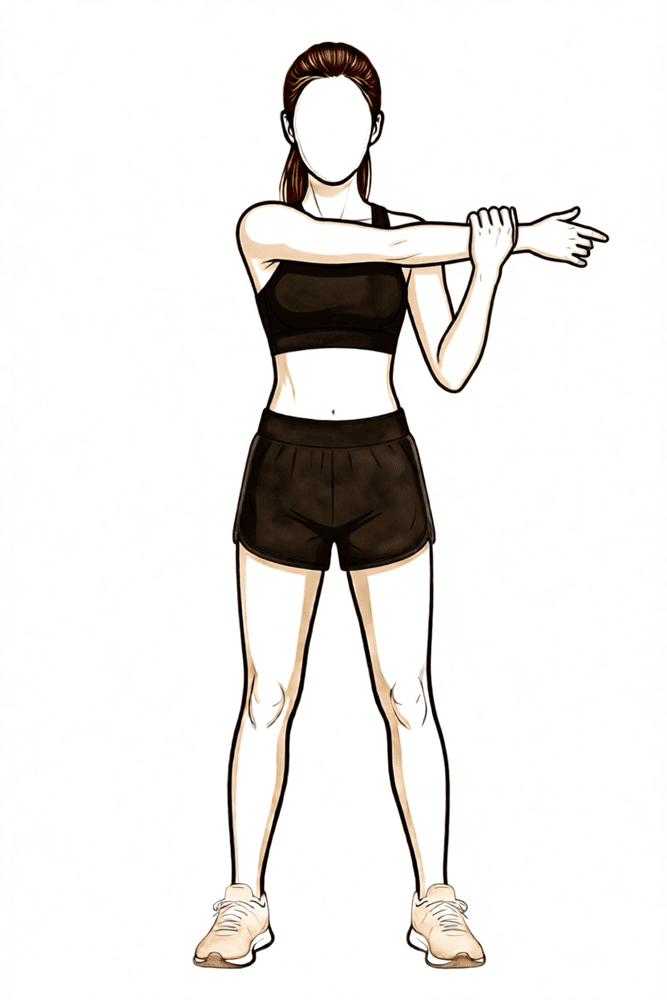
سینے کے آر پار اسٹریچ
اپنے ٹھیک ہاتھ سے آپریشن والے بازو کو سینے کے آر پار کھینچیں یہاں تک کہ کندھے کے پچھلے حصے میں واضح کھنچاؤ محسوس ہو، پھر چھوڑ دیں۔
10 بار، دن میں 3 سے 4 مرتبہ
Kieran Hirpara 4.0
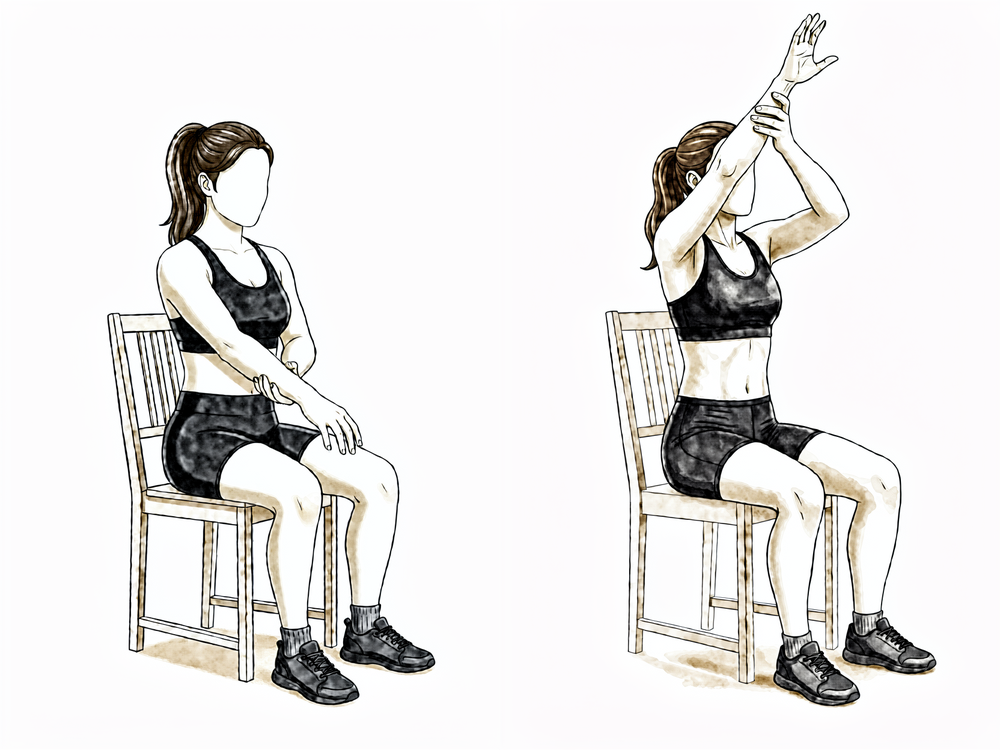
بیٹھ کر مدد سے بازو آگے اور اوپر اٹھانا
بیٹھ کر اور تھوڑا سا آگے جھک کر، آپریشن والے بازو کے نچلے حصے کو اپنے ٹھیک ہاتھ سے سہارا دیں اور اس کی مدد سے آپریشن والے بازو کو اپنے سامنے آگے اور اوپر کی طرف، جتنا آرام سے جا سکے، اٹھائیں، پھر اسے آہستہ سے نیچے لائیں۔ ٹھیک بازو کو کام کرنے دیں تاکہ آپریشن والا کندھا ڈھیلا رہے۔
آپ کے فزیوتھراپسٹ کی رہنمائی کے مطابق
ان پہلے دو ہفتوں کا مقصد سادہ ہے: آپریشن سے حاصل ہونے والی حرکت کی حد کو ضائع نہ ہونے دیں۔ آپ ہسپتال والی ورزشیں گھر پر، دن میں کئی بار، جاری رکھتے ہیں اور ایسے اسٹریچ شامل کرتے ہیں جو کندھے کو ہر سمت میں اس کی آخری حد تک لے جائیں۔ درد پر اچھا قابو ہی اسے ممکن بناتا ہے، اس لیے اپنی ورزشوں اور فزیوتھراپی سیشنوں سے پہلے درد کش دوا لیتے رہیں، اور اگر مدد ملے تو اسٹریچنگ سے پہلے گرمائش اور بعد میں برف استعمال کریں۔ بازو کو روزمرہ کی عام ہلکی سرگرمیوں، جیسے نہانے دھونے، کپڑے پہننے اور کھانا کھانے، کے لیے استعمال کریں۔ ہر اسٹریچ کو اس حد تک لے جائیں جہاں واضح تکلیف ہو، شدید درد نہیں، اور یاد رکھیں کہ کوئی ایسی سمت نہیں جس میں آپ کو رکنا پڑے۔
اگلے مرحلے کے لیے آپ اس وقت تیار ہیں جب… آپ گھر کا پروگرام دن میں کئی بار اعتماد کے ساتھ اور خود سے کر رہے ہوں، آپ کا درد اتنا قابو میں ہو کہ آپ حرکت کی حد تک اسٹریچ کر سکیں، اور آپ کندھے کی وہ حرکت برقرار رکھے ہوئے ہوں جو آپریشن کے وقت تھی۔
مرحلہ 2 — حرکت کی حد کو برقرار رکھنا اور بحال کرنا (ہفتہ 2 سے 6)
Kieran Hirpara 4.0
چھڑی سے باہر کی طرف گھمانا (پوری حد تک)
ہسپتال میں شروع کی گئی، چھڑی کی مدد سے باہر کی طرف گھمانے کی ورزش جاری رکھیں، اور اب جیسے جیسے حرکت کی حد کھلتی جائے، مزید آگے دھکیلیں۔ کہنی کو پہلو سے لگائے رکھ کر، بازو کے نچلے حصے کو جتنا باہر جا سکے گھمائیں۔ اسے ہر بار اس کی پوری آخری حد تک لے جاتے رہیں: اس حرکت کی حد کو بڑھانا ہی اس آپریشن کا اصل مقصد ہے۔
10 بار، دن میں 3 سے 4 مرتبہ
Kieran Hirpara 4.0
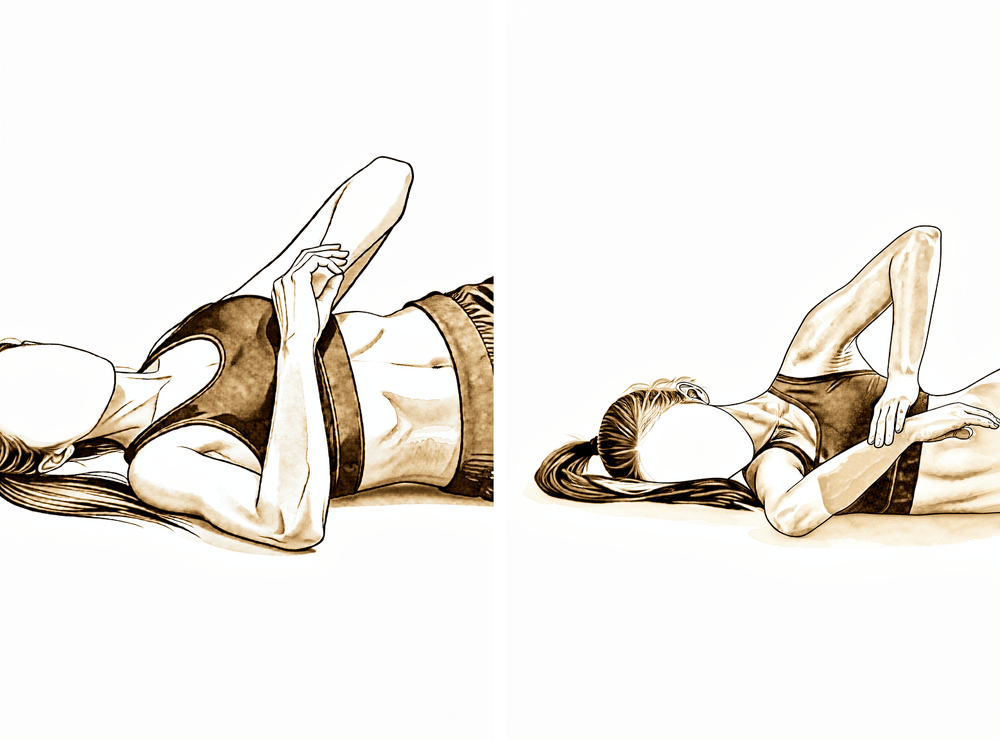
سلیپر اسٹریچ (sleeper stretch)
آپریشن والی کروٹ پر لیٹیں، بازو سامنے کی طرف اور کہنی مڑی ہوئی ہو۔ اپنے ٹھیک ہاتھ سے بازو کے نچلے حصے کو آہستہ سے بستر کی طرف نیچے دبائیں، یہاں تک کہ کندھے کے اندر گہرائی میں کھنچاؤ محسوس ہو، پھر دباؤ ہٹا لیں۔
20 سے 30 سیکنڈ روکیں، 3 بار؛ دن میں 3 سے 4 مرتبہ
اس مرحلے میں بار بار کی فزیوتھراپی اور گھر پر اسٹریچنگ کا پروگرام، دن میں کئی بار، جاری رہتا ہے تاکہ آپریشن سے حاصل ہونے والی حرکت ضائع نہ ہو اور حرکت کی حد بڑھتی رہے۔ آپ کی ورزشیں مدد والی حرکتوں سے آگے بڑھ کر بازو کو ہر سمت میں خود فعال طور پر حرکت دینے کی طرف جاتی ہیں، اور آپ کا فزیوتھراپسٹ مدد کے لیے ہاتھوں سے جوڑ کو حرکت دینے کا علاج (joint mobilisation) بھی شامل کر سکتا ہے۔ ہر سمت میں، بشمول باہر کی طرف گھمانے (external rotation) کے، حرکت کی حد کو اس کی پوری آخری حد تک بڑھاتے رہیں۔ ہلکی روزمرہ سرگرمیوں کے لیے بازو کو معمول کے مطابق استعمال کریں۔
اگلے مرحلے کے لیے آپ اس وقت تیار ہیں جب… آپریشن سے حاصل ہونے والی حرکت کی حد برقرار ہو یا ابھی بھی بہتر ہو رہی ہو، کندھے کی اونچائی سے نیچے حرکت آرام دہ ہو، اور آپ کا درد اتنا کم ہو چکا ہو کہ مزاحمت والی ہلکی ورزشیں (resistance work) شروع کی جا سکیں۔
مرحلہ 3 — طاقت بڑھانا (ہفتہ 6 سے 12)
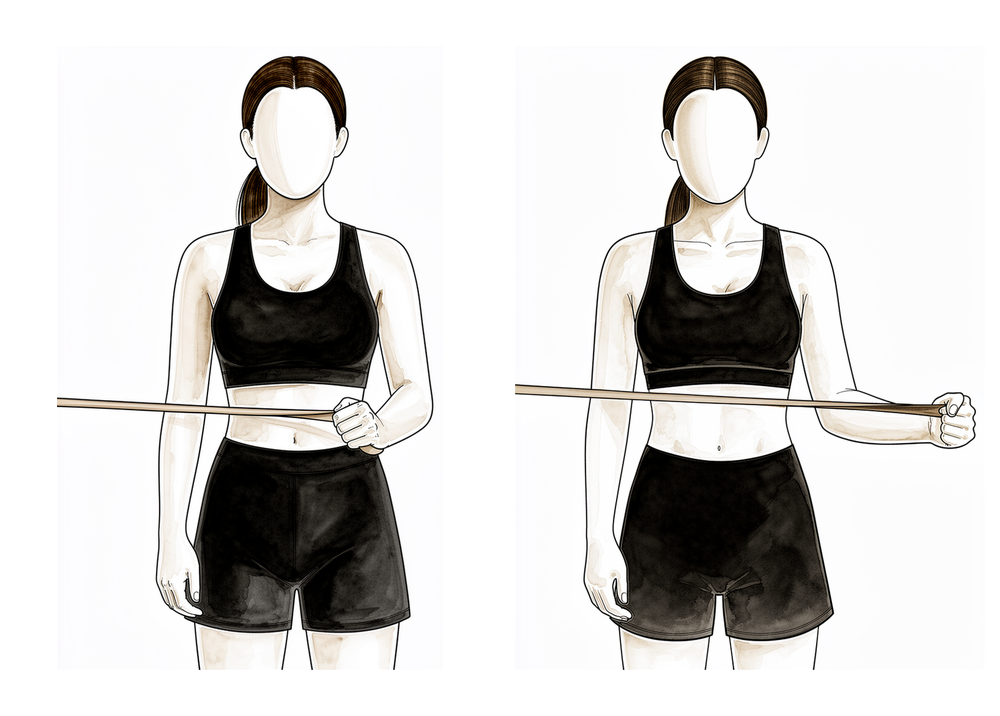
Kieran Hirpara 4.0
بینڈ کے ساتھ باہر کی طرف گھمانا
کھڑے ہو جائیں، کہنی پہلو سے لگی اور 90 ڈگری پر مڑی ہو، اور کمر (waist) کی اونچائی پر بندھا ہوا لچکدار بینڈ پکڑیں۔ کہنی کو پہلو سے لگائے رکھتے ہوئے، بازو کے نچلے حصے کو بینڈ کے زور کے خلاف باہر کی طرف گھمائیں، پھر آہستہ سے واپس لائیں۔
10 سے 15 بار کے 2 سے 3 سیٹ، ہفتے میں 5 دن
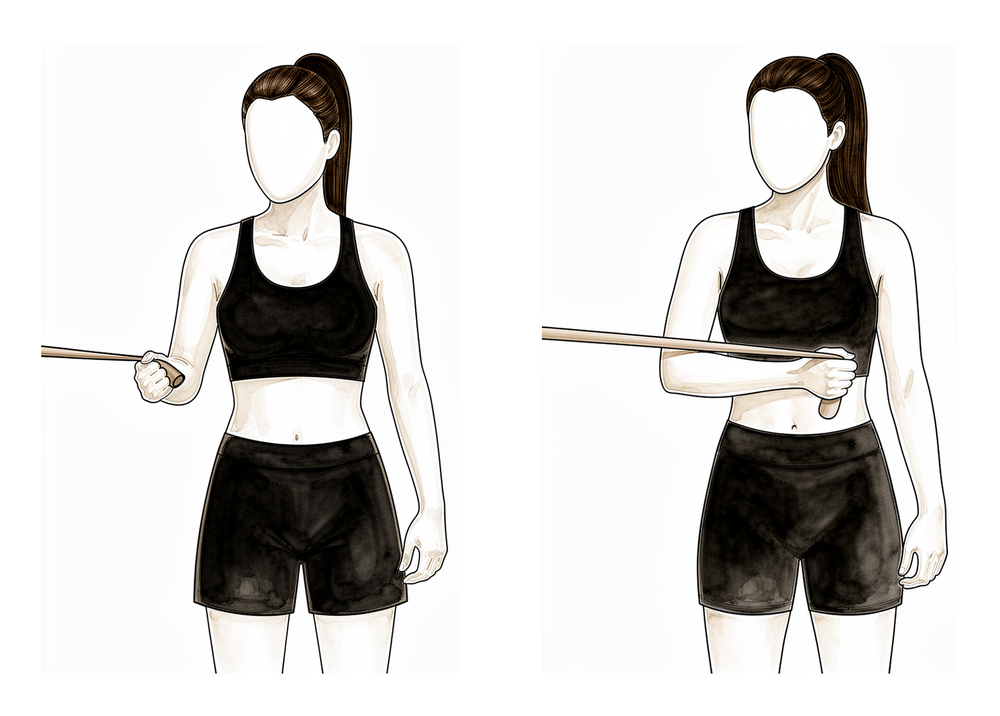
Kieran Hirpara 4.0
بینڈ کے ساتھ اندر کی طرف گھمانا
کہنی کو پہلو سے لگا کر، ایک طرف بندھا ہوا بینڈ پکڑیں اور بازو کے نچلے حصے کو بینڈ کے زور کے خلاف جسم کے آر پار اندر کی طرف گھمائیں، پھر آہستہ سے واپس لائیں۔
10 سے 15 بار کے 2 سے 3 سیٹ، ہفتے میں 5 دن
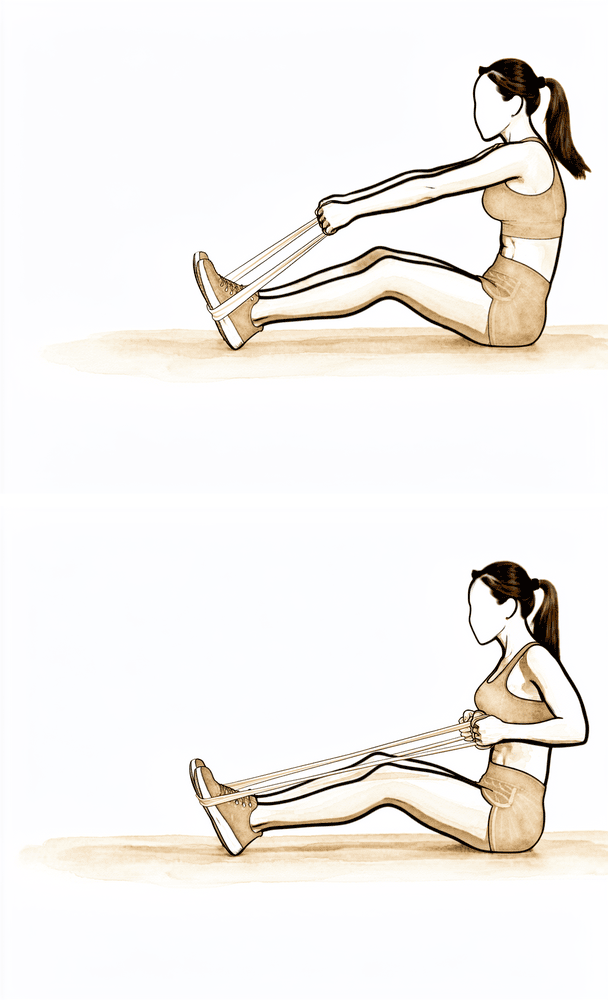
Kieran Hirpara 4.0
نیچے کی طرف کھینچنا (low row)
اپنے سامنے کمر (waist) کی اونچائی پر بندھا ہوا بینڈ پکڑیں۔ بازو کو کافی حد تک سیدھا رکھتے ہوئے، اسے پیچھے اور نیچے اپنے کولہے کی طرف کھینچیں، اور کندھے کی پچھلی چپٹی ہڈی کو نیچے اور پیچھے کی طرف دبائیں، پھر آہستہ سے واپس لائیں۔
10 سے 15 بار کے 2 سے 3 سیٹ، ہفتے میں 5 دن
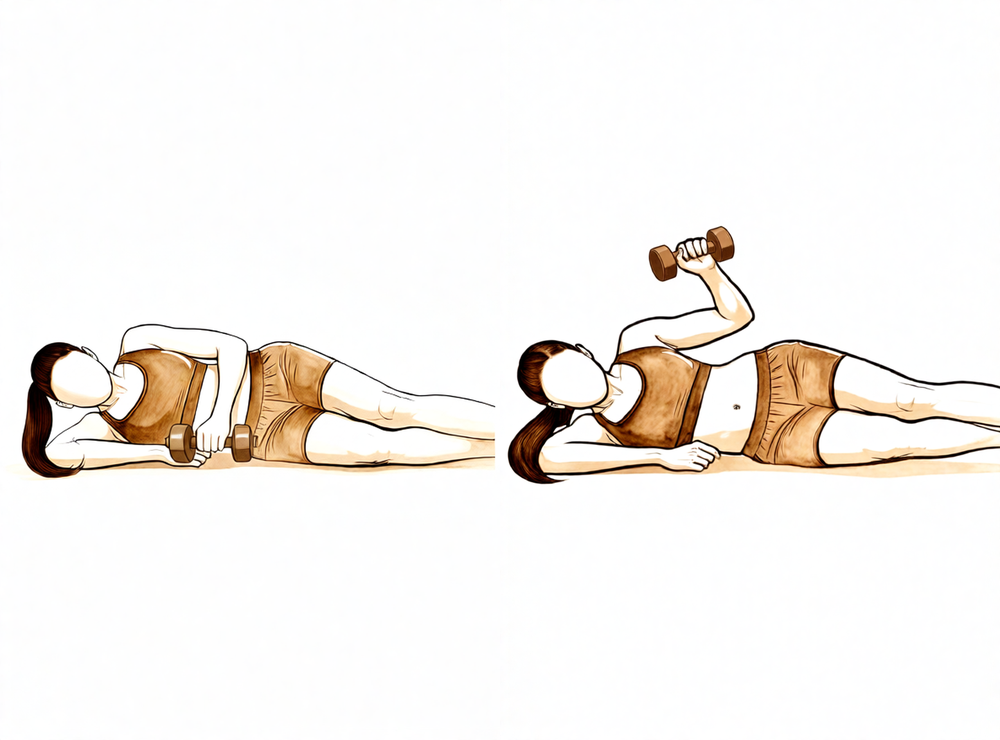
Kieran Hirpara 4.0
کروٹ کے بل لیٹ کر باہر کی طرف گھمانا (ہلکا وزن)
اپنی ٹھیک کروٹ پر لیٹیں، آپریشن والی کہنی 90 ڈگری پر مڑی ہو اور پہلو سے لگی ہو، اور ایک ہلکا وزن (تقریباً 0.5 سے 1.5 کلوگرام) پکڑیں۔ بازو کے نچلے حصے کو اوپر کی طرف گھمائیں، پھر آہستہ سے نیچے لائیں: آہستہ نیچے لانا ہی اہم حصہ ہے۔ ورزش کو کندھے کی اونچائی سے نیچے رکھیں۔
10 سے 15 بار کے 2 سے 3 سیٹ، کم وزن کے ساتھ
جب آپ کی حرکت کی حد مستحکم ہو جائے تو توجہ کندھے کی طاقت دوبارہ بنانے پر مرکوز ہو جاتی ہے۔ اس پورے مرحلے میں روزانہ اسٹریچنگ جاری رہتی ہے، کیونکہ طاقت بڑھانے کی قیمت ہرگز وہ حرکت کی حد نہیں ہونی چاہیے جس کے لیے آپ نے محنت کی ہے۔ مزاحمت والی ورزشیں آہستگی سے شروع ہوتی ہیں، جن میں روٹیٹر کف (rotator cuff)، یعنی ٹینڈنوں کا وہ گروپ جو کندھے کو تھامتا اور گھماتا ہے، اور کندھے کی پچھلی چپٹی ہڈی (shoulder blade) کے پٹھوں کے لیے لچکدار بینڈ اور ہلکے وزن استعمال کیے جاتے ہیں، کم وزن اور زیادہ دہرائی کے ساتھ۔ روزمرہ کی عام سرگرمیاں زیادہ تر معمول پر واپس آ چکی ہونی چاہئیں، اور ہلکی تفریحی سرگرمیاں عام طور پر اسی مرحلے میں، آپ کے فزیوتھراپسٹ کی رہنمائی کے مطابق، دوبارہ شروع ہو جاتی ہیں۔
اگلے مرحلے کے لیے آپ اس وقت تیار ہیں جب… آپ کو ہر سمت میں مکمل، یا تقریباً مکمل، بغیر درد کے حرکت حاصل ہو، اور آپ طاقت بڑھانے والی ورزشیں درد بھڑکے بغیر اور حرکت کی حد میں کسی کمی کے بغیر کر سکیں۔
مرحلہ 4 — مکمل سرگرمی پر واپسی (ہفتہ 12 اور اس کے بعد)
آخری مرحلہ بھاری کام، سر سے اوپر کے کاموں اور کھیلوں کی طرف بتدریج واپسی ہے۔ باقاعدہ بحالی عام طور پر کل ملا کر 3 سے 4 ماہ چلتی ہے، اور کندھا اس کے بعد بھی کافی عرصے تک بہتر ہوتا رہتا ہے: زیادہ تر لوگوں کو 6 سے 9 ماہ تک، اور بعض اوقات ایک سال تک، مزید آرام اور اعتماد حاصل ہوتا رہتا ہے۔ اسٹریچنگ کا ایک مختصر معمول اس وقت تک جاری رکھنا فائدہ مند ہے جب تک آپ کی حرکت کی حد باقاعدہ ورزشوں کے بغیر خود برقرار نہ رہنے لگے۔ آگے بڑھنے کی رفتار اسی بات سے طے ہوتی ہے کہ آپ کیسا محسوس کرتے ہیں، اس لیے اگر اکڑاؤ یا درد واپس آنے لگے تو حل یہ ہے کہ ورزش کی شدت کچھ کم کریں اور حرکت کی حد بحال کریں، کندھے کو آرام دینا نہیں۔
سرگرمیوں پر واپسی
زیادہ تر لوگ 4 سے 6 ہفتے تک روزمرہ کی عام سرگرمیوں اور کئی قسم کے کاموں پر واپس آ جاتے ہیں، کیونکہ یہاں صحت یابی کا دارومدار ٹشو (بافت) کے بھرنے کا انتظار کرنے کے بجائے حرکت کی حد برقرار رکھنے پر ہے۔ زیادہ بھاری، جسمانی مشقت والا کام اور سر سے اوپر والے کھیل، طاقت واپس آنے کے ساتھ ساتھ، اگلے ہفتوں سے مہینوں میں آہستہ آہستہ واپس آتے ہیں۔ اگر کسی بھی وقت کندھا دوبارہ اکڑنے لگے تو اسے آرام کرنے کا نہیں بلکہ اپنے اسٹریچ زیادہ زور سے کرنے اور اپنے فزیوتھراپسٹ سے ملنے کا اشارہ سمجھیں۔
آپ کی ورزشیں
یہ آپ کے ہینڈ آؤٹ (handout) والی ورزشیں ہیں۔ انہیں ڈاکٹر ہِرپرا اور اپنے فزیوتھراپسٹ کی رہنمائی کے مطابق شروع کریں۔ کیپسولر ریلیز کے بعد حفاظت کے لیے کوئی مرمت نہیں ہوتی، اس لیے کندھے کو ساکن رکھنا آپ کے خلاف جاتا ہے — ڈھیلا کیا گیا کندھا دو سیشنوں کے درمیان بس دوبارہ سخت ہو جاتا ہے۔ اسی لیے فہرست لمبی ہے اور اسی لیے تھوڑا تھوڑا اور بار بار کرنا ایک لمبے سیشن سے بہتر ہے: کلائی، ہاتھ اور کہنی کی ابتدائی حرکتیں اور پینڈولم ورزشیں پورے بازو کو ڈھیلا رکھتی ہیں، مدد والے اسٹریچ (لیٹ کر بازو آگے اور اوپر اٹھانا، بازو کو گود کی طرح تھام کر باہر کی طرف لے جانا، چھڑی سے بازو کو باہر کی طرف گھمانا) آپریشن سے حاصل ہونے والی حرکت کی حد کو برقرار رکھتے ہیں، اور بینڈ اور کندھے کی پچھلی چپٹی ہڈی (scapula) والی ورزشیں بعد میں کنٹرول بنانے کے لیے شامل کی جاتی ہیں۔ زور سے زیادہ بار بار کرنا اہم ہے۔ جو بھی ورزش کھنچاؤ کے بجائے تیز درد پیدا کرے، اسے روک دیں۔
پروٹوکول کے بعد
اوپر دیے گئے، ہسپتال سے چھٹی کے بعد کے مراحل دوربین کے ذریعے کیے جانے والے کیپسولر ریلیز کے لیے شائع شدہ بحالی کے پروٹوکول سے لیے گئے ہیں، اور صحت یابی کے سنگ میل بھی انہی ذرائع سے لیے گئے ہیں۔ ہفتوں کی حدیں عام اندازہ ہیں، طے شدہ نہیں، اور آپ کی جاری بحالی کی رہنمائی آپ کا فزیوتھراپسٹ، پریکٹس کے ساتھ مل کر، انفرادی طور پر اس بنیاد پر کرتا ہے کہ آپ کے کندھے کی حرکت کیسے بحال ہو رہی ہے۔ یہ صفحہ پریکٹس کی صحت یابی سے متعلق عمومی ہدایات کے ساتھ مل کر کام کرتا ہے: آپریشن کے بعد درد پر قابو اور زخم کی دیکھ بھال دیکھیں۔ خود آپریشن اور جس مسئلے کا یہ علاج کرتا ہے، ان کے بارے میں کیپسولر ریلیز اور فروزن شولڈر دیکھیں۔
Evidence & references
This is the clinical evidence summary written for health professionals. It is technical, and it lists the research this page was built from. You do not need to read it to understand your treatment or to make a decision about it.
Adhesive Capsulitis (Frozen Shoulder) — Non-operative Staged Management & Post-operative Rehabilitation (Capsular Release)
Topic scope: Both (A) non-operative staged management of primary/secondary adhesive capsulitis (freezing -> frozen -> thawing), including physiotherapy, intra-articular steroid and hydrodilatation; and (B) post-operative rehabilitation after arthroscopic capsular release (ACR).
Defining principle of surgical rehab here (the inversion): Unlike virtually every other shoulder operation -- where a repair (cuff, labrum, pec major, instability) must be protected with a sling and ROM is restricted to avoid disrupting healing tissue -- frozen-shoulder release rehab is the OPPOSITE: the goal is to prevent re-formation of the capsular contracture. So the protocol is immediate, aggressive ROM, usually NO sling, passive + active ROM starting the same day or day 1, with stretching to the end of the freshly gained range. Delay or immobilisation is the enemy (re-stiffening), not the protector. This is the single most important point distinguishing this protocol from the others in this audit.
A. NON-OPERATIVE STAGED MANAGEMENT
Natural history / staging (consensus, weak evidence -- descriptive, no RCT)
Frozen shoulder is self-limiting in most but typically lasts 12-18 months across 3 clinical stages (Reeves' classic model; staging boundaries overlap and are not sharply separable in practice -- flagged as weak/consensus evidence; the original Reeves model was a single prospective cohort of 49 patients, not an RCT) [Brigham SOC; Chan 2017; Reeves 1975 via Willmore 2020]:
| Stage | Name | Typical duration | Clinical picture | Management emphasis |
|---|---|---|---|---|
| 1 | Freezing (painful/inflammatory) | 2-9 months | Diffuse constant pain, worse at night; progressive ROM loss in a capsular pattern (ER > ABD > flexion > IR); loss of passive ER with arm at side is the hallmark | Pain control; intra-articular steroid; gentle ROM within pain limits -- do NOT force end-range while highly inflamed |
| 2 | Frozen (adhesive/stiff) | 4-12 months | Pain subsides to dull ache; stiffness dominant; marked functional loss | Restore motion: stretching, joint mobilisation grades III-IV, hydrodilatation; consider surgery if recalcitrant |
| 3 | Thawing | 6-9 months (Brigham) | Gradual spontaneous return of motion | Progressive ROM + strengthening; PT 2-3x/week |
(Stage durations from Brigham Standard of Care 2010 and Chan 2017: freezing 2-9 mo, frozen 4-12 mo, thawing 6-9 mo.)
Stepped non-operative interventions
- Education / "supervised neglect" + analgesia -- many resolve with reassurance, activity modification and analgesia alone (Codman; Hsu 2011 review). Weak (cohort/expert).
- Physiotherapy -- pendulum, PROM/AAROM/AROM, capsular stretching, joint mobilisation (grades I-II early for pain, III-IV later for tissue extensibility), scapular/posture work. Brigham: PT 1-2x/week in early stages (mainly HEP instruction), 2-3x/week in thawing. PT is best supported as an adjunct to mobilisation/injection/distension, not as a stand-alone cure (Itoi 2016 Current Concepts; Kelley/McClure/Leggin JOSPT 2009 guidance). Moderate; intensity/timing debated. Intensity caveat: end-range/high-intensity stretching is appropriate in the frozen/thawing phase but can be counter-productive in the acutely inflamed freezing phase -- match intensity to irritability (Kelley 2009).
- Intra-articular corticosteroid (glenohumeral) -- superior to placebo and to physiotherapy for short-term (up to 4-12 weeks) pain and function; benefit wanes after ~3 months. Strong for short term (multiple RCTs; Koh 2016 systematic review of 10 RCTs; Cochrane Buchbinder shoulder injection review). BESS pathway: GH steroid recommended for short-term symptom control; long-term (>3 mo) benefit not demonstrated (Rupani/Gwilym BESS 2025). Earlier injection (freezing phase) is the rationale -- steroid targets the inflammatory component.
- Hydrodilatation (distension arthrography) -- distends/ruptures the contracted capsule with saline +/- steroid +/- LA. A controlled, image-guided alternative to surgery. RCT/meta-analytic evidence is mixed: generally produces a transient functional/ROM gain, with no clear superiority over IA steroid alone in several network meta-analyses (Wu 2017 SR/MA of RCTs; Lin 2018 network MA). Some evidence hydrodilatation + steroid > steroid alone in refractory cases (Lee 2017 RCT). Low rate of needing later surgery after distension arthrogram (Nicholson 2020). Moderate; conflicting.
B. POST-OPERATIVE REHABILITATION (the "immediate aggressive ROM" protocols)
Surgery is reserved for cases recalcitrant to >=3-6 months of adequate non-operative care (Struyf 2024; Mullen 2025).
Arthroscopic capsular release (ACR)
- Controlled, direct-vision release of the contracted capsule (rotator interval, CHL, anterior +/- inferior +/- 360 degree capsulotomy; care re axillary nerve inferiorly). Allows graded release with a low risk of iatrogenic fracture or cuff tear (Kanbe 2018, n=255; Jerosch 2001 360 degree release). Achieves reliable gains in final forward elevation and may shorten recovery (most improved by ~4 months -- McAllister/CORR Insights 2025; Saade 2023 MA favoured ACR for AFE). A gentle, controlled manipulation is often performed as part of the arthroscopic release to confirm the gained range.
Consensus POST-OP phased timeline (applies after arthroscopic capsular release)
The hallmark is immediate motion, no protective sling, same-day/day-1 ROM to hold the range just won in theatre.
| Phase | Window | Sling | ROM | Active ROM | Strengthening | Notes |
|---|---|---|---|---|---|---|
| 0 -- Immediate | Day 0-1 (same day) | NO sling (or sling only briefly for comfort/analgesia, discarded fast) | Full passive ROM immediately; PT-assisted forward flexion + ER begun day 1; +/- continuous passive motion (CPM); pendulums; patient does HEP several times/day | AAROM/AROM started day 1 alongside PROM (no protected period) | -- | Intra-articular steroid often injected at time of release to damp post-op inflammatory re-stiffening |
| 1 -- Early | Week 0-2 | None | Aggressive PROM/AAROM to maintain gained range; stretch into end-range daily; hold ER/ABD/flexion | Active motion continued | Light scapular/rotator-cuff activation as pain allows | Pain control critical to allow the patient to move -- adequate analgesia / interscalene block / oral steroid taper |
| 2 -- Strengthening | Week 2-6 | None | Continue to full ROM | Full AROM goal | Rotator cuff + scapular strengthening begins ~week 2 (Kanbe protocol) | Most back to normal daily activity / work by 4-6 weeks |
| 3 -- Return to function | ~6 weeks-3 months | None | Maintain full ROM | Full | Progressive strengthening to full | Recurrence of stiffness is the main failure mode -> continued HEP emphasised |
Representative published protocol (Kanbe 2018, J Orthop Surg Res, n=255, ACR): "passive, assisted-active and stooping (pendulum) exercises for forward flexion and external rotation commenced 1 day after surgery... after 2 weeks of passive exercise, patients began active exercise to strengthen the rotator cuff and scapular stabilisers... after 4-6 weeks patients returned to normal work without limitation." Many ACR series add an intra-articular steroid + controlled manipulation at the index procedure (Filip Struyf 2024; PMC5137660).
Post-surgical physiotherapy is universally agreed to be essential but is under-standardised -- there is no high-level RCT defining the optimal post-release regimen; protocols are consensus/expert and vary widely (Willmore 2020 Shoulder & Elbow, "Post-surgical physiotherapy in frozen shoulder: a review"). Weak/consensus.
KEY CONTROVERSIES
- Evidence base for arthroscopic release. ACR gives a controlled, direct-vision release with a low iatrogenic fracture/cuff-tear risk and reliable gains in final elevation. Systematic reviews show consistently acceptable results, though there is no definitive RCT defining the optimal technique (Saade 2023 MA; McAllister 2025). Weak/moderate evidence (large cohorts).
- Steroid timing. Strong short-term benefit (<12 wk) but no durable >3-month benefit; debate over injecting early (freezing/inflammatory phase) vs reserving for refractory cases (Koh 2016; Rupani/Gwilym BESS 2025; Lin 2018).
- Aggressive vs gentle physiotherapy. High-intensity end-range stretching helps in the frozen/thawing phases but may worsen pain and prolong the condition if applied to the acutely inflamed freezing phase -- "intensity should match irritability" (Kelley/McClure 2009; Itoi 2016). Post-operatively, by contrast, aggressive immediate ROM is mandatory to prevent re-stiffening.
- Hydrodilatation worth it? Transient benefit only and not clearly better than IA steroid alone in pooled RCT data (Wu 2017; Lin 2018), though some refractory-case RCT support (Lee 2017) and a low rate of needing later surgery (Nicholson 2020).
- Does anything change the natural history? No intervention is proven to shorten the overall 12-18 month course in the highest-quality reviews; most accelerate symptom relief rather than alter end-point (Rookmoneea 2010 JBJS Br; Hsu 2011). Strong (negative).
EVIDENCE STRENGTH FLAGS (summary)
- STRONG (RCT / SR-MA): IA corticosteroid short-term benefit (Koh 2016 SR of 10 RCTs; Cochrane); hydrodilatation = transient, not superior to steroid (Wu 2017 SR-MA of RCTs; Lin 2018 network MA).
- MODERATE: end-range/scapular mobilisation (Yang 2012 RCT); ACR clinical outcomes (large cohorts -- Kanbe 2018 n=255; Jerosch 2001).
- WEAK / CONSENSUS ONLY: 3-stage natural-history model & stage durations (Reeves cohort, descriptive); the post-operative rehab protocol itself (no defining RCT; expert/consensus -- Willmore 2020); optimal ACR technique (published series are heterogeneous).
CITATIONS
RAG corpus (180,000+ Orthopaedic articles)
- Guyver P, Bruce D, Rees J. Frozen shoulder -- a stiff problem that requires a flexible approach. Maturitas. 2014.
- Kim J, Gahlot N, Park HB. Frozen shoulder: a narrative review of current treatment concepts and the underlying scientific evidence. Clinics in Shoulder and Elbow. 2025;28(4).
- Hsu JE, Anakwenze OA, Warrender WJ, et al. Current review of adhesive capsulitis. J Shoulder Elbow Surg. 2011;20(3):502-514.
- Koh KH. Corticosteroid injection for adhesive capsulitis in primary care: a systematic review of randomised clinical trials. Singapore Med J. 2016.
- Rupani N, Gwilym SE. British Elbow and Shoulder Society patient care pathway: Frozen shoulder. Shoulder & Elbow. 2025;17(4).
- Sheridan MA, Hannafin JA. Upper Extremity: Emphasis on Frozen Shoulder. Orthop Clin North Am. 2006.
- Chan H, Pua P, How C. Physical therapy in the management of frozen shoulder. Singapore Med J. 2017.
- Willmore EG, Millar NL, van der Windt D. Post-surgical physiotherapy in frozen shoulder: a review. Shoulder & Elbow. 2020;14(4).
- Lamplot JD, Lillegraven O, Brophy RH. Outcomes from conservative treatment of shoulder idiopathic adhesive capsulitis... Orthop J Sports Med. 2018.
- Itoi E, Arce G, Bain GI, et al. Shoulder Stiffness: Current Concepts and Concerns. Arthroscopy. 2016;32(7).
- Kanbe K. Clinical outcome of arthroscopic capsular release for frozen shoulder: essential technical points in 255 patients. J Orthop Surg Res. 2018;13(1). (post-op protocol: day-1 ROM, 4-6 wk RTW)
- Jerosch J. 360 degree arthroscopic capsular release in patients with adhesive capsulitis... Knee Surg Sports Traumatol Arthrosc. 2001;9(3).
- McAllister NB. CORR Insights: Releasing forces in adhesive capsulitis... Clin Orthop Relat Res. 2025.
- Saade F, van Rooij F, Saffarini M, et al. Management of shoulder stiffness following rotator cuff repair: a systematic review and meta-analysis. JSES Rev Rep Tech. 2023.
- Wu W, Chang K, Han D, et al. Effectiveness of glenohumeral joint dilatation for treatment of frozen shoulder: a systematic review and meta-analysis of RCTs. Sci Rep. 2017. (SR-MA of RCTs)
- Lin M, Hsiao M, Tu Y, et al. Comparative efficacy of intra-articular steroid injection and distension... a systematic review and network meta-analysis. Arch Phys Med Rehabil. 2018. (network MA)
- Lee D, Yoon S, Lee MY, et al. Capsule-preserving hydrodilatation with corticosteroid vs corticosteroid alone in refractory adhesive capsulitis: a randomized controlled trial. Arch Phys Med Rehabil. 2017. (RCT)
- Nicholson JA, Slader B, Martindale A, et al. Distension arthrogram in the treatment of adhesive capsulitis has a low rate of repeat intervention. Bone Joint J. 2020;102-B(5).
- Uppal HS. Frozen shoulder: a systematic review of therapeutic options. World J Orthop. 2015.
- Mullen JP, Hauer TM, Lau EN, et al. Adhesive capsulitis of the shoulder. Arthroscopy. 2025;41(7).
- Yang J, Jan M, Chang C, et al. Effectiveness of the end-range mobilization and scapular mobilization approach... a randomized control trial. Manual Therapy. 2012. (RCT)
- Rookmoneea M, et al. The effectiveness of interventions in the management of patients with primary frozen shoulder. J Bone Joint Surg Br. 2010;92-B(9).
- Struyf F. Frozen Shoulder. 2024 (surgical indication & post-op steroid + controlled manipulation).
Published rehab protocols (URLs)
- Brigham & Women's Hospital -- Standard of Care: Shoulder Adhesive Capsulitis (Dept of Rehabilitation Services, 2010): https://www.brighamandwomens.org/assets/BWH/patients-and-families/rehabilitation-services/pdfs/shoulder-adhesive-capsulitis.pdf (source for the 12-18 mo / 3-stage durations, capsular pattern, PT frequency 1-2x/wk early & 2-3x/wk thawing, mobilisation grades, steroid 4-6 wk short-term benefit).
- BESS (British Elbow & Shoulder Society) Frozen Shoulder patient care pathway -- Rupani & Gwilym, Shoulder & Elbow 2025 (GH steroid short-term only, no >3 mo benefit).
- Kanbe 2018 ACR open-access (post-op day-1 ROM protocol): https://pmc.ncbi.nlm.nih.gov/articles/PMC5857121/
- ChoosePT / APTA patient guide to frozen shoulder (lay phased overview): https://www.choosept.com/guide/physical-therapy-guide-frozen-shoulder-adhesive-capsulitis