Patients › Hand
پیرونیکیا (ناخن کے ساتھ والی جلد کا انفیکشن)
آپ کو کیا محسوس ہوتا ہے
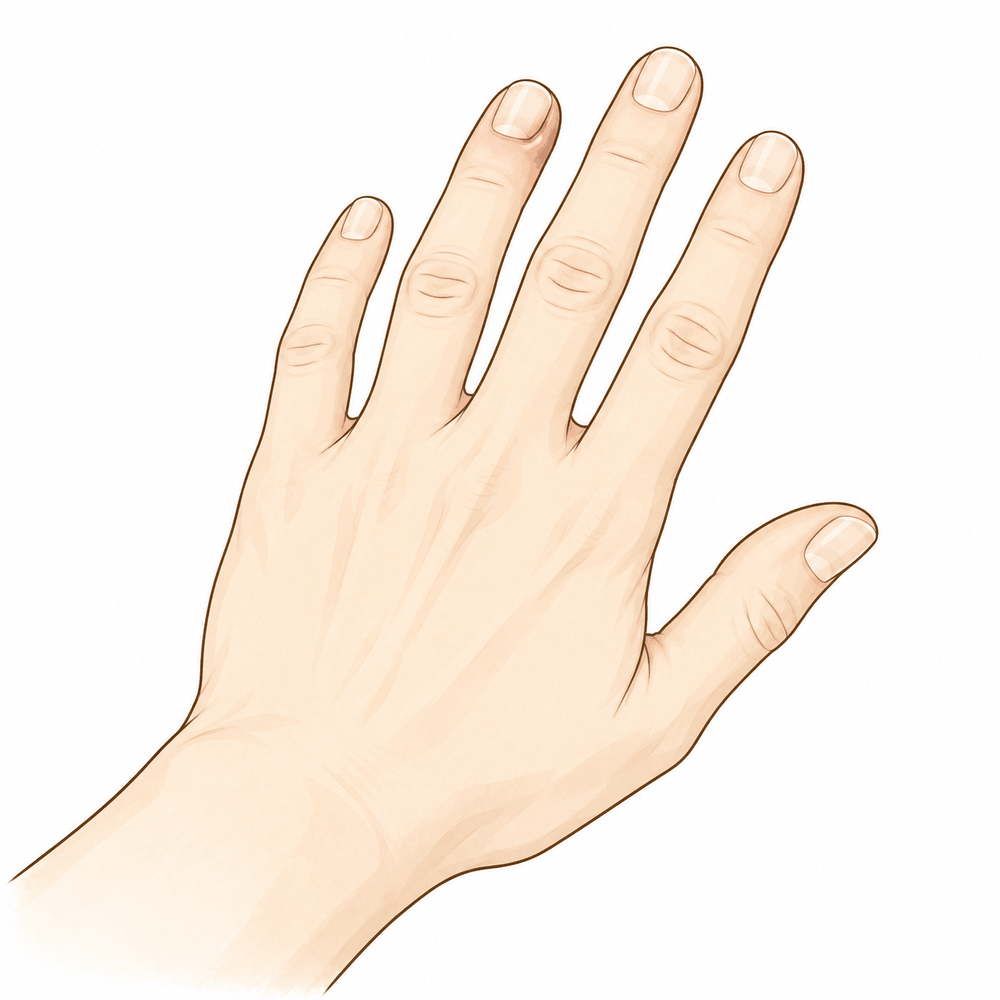
پیرونیکیا (paronychia) کا مطلب ہے آپ کے ناخن کے ساتھ والی جلد کی تہہ (nail fold) میں انفیکشن یا سوزش۔ یہ تیزی سے بھی شروع ہو سکتا ہے اور آہستہ آہستہ بھی بڑھ سکتا ہے، اور ان دونوں قسموں کا احساس مختلف ہوتا ہے۔
تیزی سے ہونے والی قسم عام طور پر ناخن کے کنارے کی اکھڑی ہوئی جلد (hangnail)، ناخن کو دانت سے کاٹنے، یا ناخن کے ساتھ والی جلد کی کسی چھوٹی سی چوٹ کے بعد شروع ہوتی ہے۔ ایک یا دو دن کے اندر تہہ میں چھونے پر درد، سوجن اور سرخی آ جاتی ہے، اور اس تہہ کے نیچے پیپ جمع ہو سکتی ہے۔ درد تیز اور ٹیس والا ہوتا ہے، اور یہ انگلی میں ہاتھ کی طرف آگے ہونے کے بجائے بالکل ناخن کے کنارے پر ہوتا ہے۔ روزمرہ کے وہ کام مشکل ہو جاتے ہیں جن میں انگلی کے سرے پر دباؤ پڑتا ہے: سکے اٹھانا، ٹائپ کرنا، بٹن بند کرنا، یا کیتلی پکڑنا۔
آہستہ ہونے والی قسم چھ ہفتوں یا اس سے زیادہ عرصے میں بنتی ہے۔ سوجن اور سرخی ہلکی ہوتی ہیں، لیکن تہہ دکھتی اور پھولی ہوئی رہتی ہے۔ جلد کی تہہ ناخن سے الگ ہو کر اٹھ سکتی ہے، اور خود ناخن میں ابھری ہوئی لکیریں، نالیاں یا رنگت کی تبدیلی آ سکتی ہے۔ یہ اکثر اس وقت بھڑکتی ہے جب آپ کے ہاتھ کچھ دیر گیلے رہے ہوں، اس لیے برتن دھونا، نہانا، یا نمی والے کام میں گزرا ایک دن اسے شروع کر سکتا ہے۔ بار بار گیلا کام، بار بار ہاتھ دھونا، یا مینیکیور سے کیوٹیکل (cuticle، یعنی ناخن کی جڑ پر جلد کی وہ پٹی جو ناخن کو انگلی سے جوڑ کر بند رکھتی ہے) کو پہنچنے والا نقصان، یہ سب اسے جاری رکھ سکتے ہیں۔ اگر اس کا علاج نہ کیا جائے تو بھڑکنے کے تکلیف دہ دورے بار بار لوٹتے رہتے ہیں۔
اگر سرخی، سوجن اور درد آپ کی انگلی میں ہاتھ کی طرف پھیلنے لگیں، یا آپ کو بخار ہو جائے، تو اسی دن ہسپتال کی ایمرجنسی جائیں۔ آپ کو ریفرل (referral) کی ضرورت نہیں۔
دراصل کیا ہو رہا ہے
آپ کا ناخن جلد کی ایک تنگ جیب میں بیٹھا ہوتا ہے۔ جلد کی جو تہہ ناخن کو اس کی جڑ اور اطراف سے گھیرتی ہے وہ دروازے کے گرد لگی ربڑ کی پٹی کی طرح کام کرتی ہے: یہ ناخن کو انگلی پر دبا کر بند رکھتی ہے اور پانی، میل اور جراثیم کو نیچے کی تہوں سے باہر رکھتی ہے۔ پیرونیکیا وہ ہے جو اس بندش کے ٹوٹنے پر ہوتا ہے۔
تیزی سے ہونے والی قسم میں، بیکٹیریا ناخن کے کنارے کی اکھڑی ہوئی جلد، دانت سے کاٹنے کی جگہ یا ناخن کے ساتھ کسی چھوٹے سے کٹ کے ذریعے اندر داخل ہو جاتے ہیں۔ جسم وہاں سیال اور انفیکشن سے لڑنے والے خلیے بھیجتا ہے، اور بند جیب میں پیپ جمع ہو جاتی ہے۔ چونکہ یہ جیب زیادہ پھیل نہیں سکتی، اس لیے یہی دباؤ آپ کو بالکل ناخن کے کنارے پر وہ تیز، ٹیس والا درد دیتا ہے۔
آہستہ ہونے والی قسم مختلف ہے۔ یہ بنیادی طور پر انفیکشن نہیں ہے۔ یہ اس وقت شروع ہوتی ہے جب کیوٹیکل، یعنی ناخن کی جڑ پر چھوٹی سی بندش، گیلے کام، بار بار ہاتھ دھونے، مینیکیور یا جلن (irritation) پیدا کرنے والی کسی چیز سے خراب ہو جاتا ہے۔ ایک بار یہ بندش ختم ہو جائے تو پانی اور جلن پیدا کرنے والی چیزیں تہہ میں جذب ہو جاتی ہیں اور تہہ میں سوزش ہو جاتی ہے۔ سوجی ہوئی تہہ واپس ناخن پر دب کر نہیں بیٹھ سکتی، اس لیے وہ اٹھی رہتی ہے اور نمی کو روکے رکھتی ہے، اور اس نم خلا میں جراثیم بس جاتے ہیں۔ وہاں اکثر پایا جانے والا خمیر (yeast) وجہ سے زیادہ ایک مسافر ہوتا ہے۔ مسلسل جلن کیوٹیکل کے نیچے کی اس تہہ میں بھی خلل ڈالتی ہے جو ناخن بناتی ہے، اسی لیے ابھری ہوئی لکیریں اور نالیاں ظاہر ہوتی ہیں۔ ہر بار بھڑکنا بندش کو ٹھیک ہونے نہیں دیتا، اس لیے یہ مسئلہ خود کو جاری رکھتا ہے۔
اگر پیپ کو ویسے ہی چھوڑ دیا جائے تو وہ ناخن کے نیچے یا گھوم کر انگلی کی دوسری طرف تک جا سکتی ہے۔
ہم اس کے لیے کیا کر سکتے ہیں
ڈاکٹر کیرن ہِرپرا، جو Mater Private Hospital Rockhampton میں بازو اور ہاتھ کے سرجن (upper-limb surgeon) ہیں، سب سے کم مداخلت والے ان طریقوں سے آغاز کرتے ہیں جو آپ کی حالت کے لیے مناسب ہوں۔ مریض عام طور پر اپنے فیملی ڈاکٹر (GP) کے بھیجنے پر ہمارے کلینک آتے ہیں؛ اگر کسی فزیوتھراپسٹ نے آپ کو ہمیں دکھانے کا مشورہ دیا ہے، تب بھی میڈیکیئر (Medicare) کی رقم واپسی کا حق دار ہونے کے لیے آپ کو اپنے فیملی ڈاکٹر سے ریفرل لینا ہوگا۔ ہم آپ کے ہاتھ کا جائزہ لیتے ہیں، ناخن کے گرد جلد کی تہہ کا معائنہ کرتے ہیں، اور صرف ضرورت ہونے پر ہی اسکین یا تصاویر (imaging) کا انتظام کرتے ہیں۔
آہستہ ہونے والی قسم میں، اپنی دیکھ بھال سب سے پہلے آتی ہے۔ ناخن کے گرد جلد کی تہوں کی حفاظت کسی بھی کریم سے زیادہ اہم ہے: اپنے ہاتھ خشک رکھیں، گیلے کام کے لیے دستانے پہنیں، اور کیوٹیکل کو کریدنا یا کاٹنا بند کر دیں۔ ہم ایک اسٹیرائیڈ کریم یا مرہم تجویز کر سکتے ہیں جسے آپ تہہ پر مل کر لگاتے ہیں، جو سوزش کو کم کرتا ہے۔ اس قسم میں تہہ پر لگائی جانے والی کریمیں گولیوں سے بہتر کام کرتی ہیں۔ اسے کئی ہفتوں کا وقت دیں، اور جلد کے ٹھیک ہو جانے کے بعد بھی ہاتھوں کو خشک اور محفوظ رکھنے کا معمول جاری رکھیں، کیونکہ بندش کو ٹھیک ہونے میں وقت لگتا ہے۔
پیپ والی تیزی سے ہونے والی قسم میں، ہم اینٹی بائیوٹک گولیاں تجویز کر سکتے ہیں، بعض اوقات گھر پر نیم گرم نمکین پانی میں انگلی بھگونے کے ساتھ۔ گرمائش پیپ کی تھوڑی سی مقدار کو خود بخود نکلنے میں مدد دے سکتی ہے۔ اگر تہہ کے نیچے پیپ پہلے ہی جمع ہو چکی ہو، تو عام طور پر اسے صرف اینٹی بائیوٹک پر چھوڑنے کے بجائے نکالنا ضروری ہوتا ہے۔ ابتدائی مرحلے میں علاج سے ناخن کا کوئی بھی حصہ نکالے بغیر چند دنوں میں معاملہ ٹھیک ہو سکتا ہے۔
اگر ان اقدامات کو مناسب حد تک آزمانے کے بعد بھی آہستہ ہونے والی قسم ٹھیک نہ ہوئی ہو، تو سرجری پر غور کیا جاتا ہے۔ آپریشن میں ناخن کی جڑ پر موٹی ہو چکی، سوزش والی جلد کی تہہ کا ایک ہلال نما ٹکڑا نکالا جاتا ہے، جس سے تہہ واپس ناخن پر بیٹھ کر ٹھیک ہو جاتی ہے اور دوبارہ بند ہو جاتی ہے۔ اگر خود ناخن پر ابھری ہوئی لکیریں بن گئی ہوں یا وہ بے قاعدہ ہو گیا ہو، تو اسی وقت ناخن کی پلیٹ نکالنے سے نتیجہ بہتر ہوتا ہے۔ ہم آپ کے ساتھ بات کریں گے کہ سرجری آپ کی انگلی کے لیے مناسب ہے یا نہیں، اور آپ کے ساتھ مل کر فیصلہ کریں گے۔
کیا توقع رکھیں
تیزی سے ہونے والی قسم کا اگر ابتدائی مرحلے میں علاج ہو جائے تو یہ عام طور پر اچھی طرح ٹھیک ہو جاتی ہے۔ بہت سے لوگ کوئی بھی ناخن نکلوائے بغیر ٹھیک ہو جاتے ہیں۔ جب پیپ نکال دی جاتی ہے اور جلد کی تہہ ٹھیک ہو سکتی ہے، تو درد کم ہو جاتا ہے اور انگلی چند دنوں سے چند ہفتوں میں معمول پر آ جاتی ہے۔
آہستہ ہونے والی قسم میں زیادہ وقت لگتا ہے۔ یہ ایک ایسی بیماری ہے جو آتی جاتی رہتی ہے: گیلے کام کے بعد بھڑک اٹھتی ہے اور تہہ کی حفاظت کرنے پر ٹھیک ہو جاتی ہے۔ مستقل دیکھ بھال سے، جس میں ہاتھوں کو خشک رکھنا اور کیوٹیکل کو سلامت رکھنا کسی بھی کریم سے زیادہ اہم ہے، جلد کی تہہ اور ناخن کے درمیان کا خلا 6 سے 8 ہفتوں میں بھر جاتا ہے اور بندش خود ٹھیک ہو جاتی ہے۔ کچھ لوگوں کو تہہ کے مستقل طور پر ٹھیک ہونے سے پہلے کئی مہینے یہ معمول اپنانا پڑتا ہے۔ اگر اسے ویسے ہی چھوڑ دیا جائے تو بھڑکنے کے تکلیف دہ دورے بار بار لوٹتے رہتے ہیں، اور ناخن موٹا ہو سکتا ہے اور اس پر دیرپا ابھری ہوئی لکیریں یا نالیاں بن سکتی ہیں۔
آہستہ ہونے والی قسم کی سرجری میں موٹی ہو چکی تہہ کو نکالا جاتا ہے تاکہ وہ واپس ناخن پر بیٹھ کر ٹھیک ہو سکے۔ جن انگلیوں کا ناخن ہموار رہا ہو، وہ عام طور پر صرف تہہ کی سرجری سے ٹھیک ہو جاتی ہیں۔ جہاں ناخن پر پہلے ہی ابھری ہوئی لکیریں ہوں یا وہ بے قاعدہ ہو، وہاں اسی وقت ناخن کی پلیٹ نکالنے سے اس بات کا امکان بہتر ہوتا ہے کہ مسئلہ دوبارہ نہ لوٹے۔ جن لوگوں کو صحت کے دوسرے مسائل نہ ہوں، ان میں اس بیماری کی سرجری کے بعد عام طور پر اینٹی بائیوٹک دواؤں کی ضرورت نہیں ہوتی۔
اس دوران چند باتیں جاننا مفید ہے۔ ہاتھ کے انفیکشن ایسی پیچیدگیوں کا باعث بن سکتے ہیں جن سے نمٹنا مشکل ہوتا ہے، اس لیے جو انگلی بہتر نہ ہو رہی ہو اسے نظرانداز نہ کرنا ہی بہتر ہے۔ اگر آپ کی علامات ٹھیک نہ ہو رہی ہوں، ہفتوں کے دوران بگڑ رہی ہوں، رات کو آپ کو جگا دیتی ہوں، یا آپ کو کام کرنے یا اپنا ہاتھ استعمال کرنے سے روکتی ہوں، تو اپنے فیملی ڈاکٹر سے ملیں یا کسی ماہر ڈاکٹر سے معائنے کی درخواست کریں۔
ڈاکٹر کو کب دکھائیں
ناخن کے گرد جلد کی تہہ کے زیادہ تر انفیکشن ابتدائی دیکھ بھال سے ٹھیک ہو جاتے ہیں، لیکن کچھ علامات کا مطلب ہے کہ آپ کو انتظار نہیں کرنا چاہیے۔ اگر آپ کی انگلی گرم، سرخ، سوجی ہوئی اور دردناک ہو جائے، خاص طور پر بخار کے ساتھ، یا اگر پیپ انگلی میں ہاتھ کی طرف پھیل رہی ہو، تو اسی دن ہسپتال کی ایمرجنسی جائیں۔ آپ کو ریفرل کی ضرورت نہیں۔ ہاتھ کے انفیکشن ایک بار جڑ پکڑ لیں تو ایسی پیچیدگیوں کا باعث بن سکتے ہیں جن سے نمٹنا مشکل ہوتا ہے، اس لیے اسی دن علاج اہم ہے۔
اگر دکھن اور سوجن چھ ہفتے یا اس سے زیادہ عرصے سے ہو، یا تہہ کو خشک اور محفوظ رکھنے کے باوجود گیلے کام کے بعد وہ بار بار بھڑک اٹھتی ہو، تو اپنے فیملی ڈاکٹر کو دکھائیں۔ اگر جلد کی تہہ اٹھی ہوئی اور پھولی ہوئی رہے، ناخن پر ابھری ہوئی لکیریں یا نالیاں بن جائیں، یا ناخن کا کوئی مسئلہ کریموں سے ٹھیک نہ ہو، تو کسی ماہر ڈاکٹر سے معائنے کی درخواست کریں۔ ناخن کے گرد جلد کی جو تہہ مناسب علاج کے بعد بھی ٹھیک نہ ہو، اس کا زیادہ غور سے معائنہ ضروری ہے، کیونکہ بعض اوقات دوسری وجوہات کو غلطی سے یہی بیماری سمجھ لیا جاتا ہے۔
مزید تفصیل
Advanced reading: the deeper science (optional)
یہ حصہ اس سے زیادہ تفصیل میں جاتا ہے جتنی آپ کو اپنے علاج کے فیصلوں کے لیے ضرورت ہے۔ پیرونیکیا کے بارے میں اضافی مطالعہ اس لیے فائدہ مند ہے کہ ایک ہی لفظ دو ایسی بیماریوں کے لیے استعمال ہوتا ہے جو مختلف طرح سے برتاؤ کرتی ہیں، ایک دوسرے سے الٹ علاج سے ٹھیک ہوتی ہیں اور عام طور پر آپس میں گڈمڈ کر دی جاتی ہیں، اور اس لیے بھی کہ دیر تک رہنے والی قسم کا سرجیکل حل زیادہ تر لوگوں کی توقع سے زیادہ پرانا، سادہ اور بہتر شواہد پر مبنی ہے۔
ایک نام، دو بیماریاں
اچانک ہونے والا پیرونیکیا (acute paronychia) ناخن کے گرد جلد کی تہہ کا بیکٹیریا سے ہونے والا انفیکشن ہے، جو اکثر اسٹیفائلوکوکس اوریئس (Staphylococcus aureus) سے ہوتا ہے، اور ناخن اور جلد کے درمیان بندش ٹوٹنے کے بعد 24 سے 48 گھنٹوں میں پیدا ہوتا ہے [1]۔ یہ سرخ، گرم اور تنا ہوا ہوتا ہے، اس کا درد اس کے حجم کے مقابلے میں کہیں زیادہ ہوتا ہے، اور اس میں پیپ بنتی ہے۔
دیر تک رہنے والا پیرونیکیا (chronic paronychia)، جسے روایتی طور پر چھ ہفتے سے زیادہ چلنے پر یہ نام دیا جاتا ہے، بنیادی طور پر انفیکشن ہے ہی نہیں۔ یہ ناخن کے گرد جلد کی تہہ کی سوزش والی جلدی بیماری (dermatitis) ہے جو بار بار گیلا ہونے اور جلن پیدا کرنے والی چیزوں سے ہوتی ہے، اور اس میں کیوٹیکل کی بندش ختم ہونے سے جلن پیدا کرنے والی مزید چیزیں اندر آتی ہیں، اور یوں ایک ایسا چکر بن جاتا ہے جو خود کو جاری رکھتا ہے [2]۔ ان تہوں سے لیے گئے نمونوں میں اکثر کینڈیڈا (Candida) اُگ آتا ہے، اور ٹھیک یہی وجہ ہے کہ اس بیماری کا طویل عرصے تک پھپھوندی کے انفیکشن کے طور پر علاج کیا گیا، لیکن اس کی موجودگی کو بیماری کی وجہ کے بجائے پہلے سے خراب تہہ میں جراثیم کا بس جانا (colonisation) سمجھنا زیادہ درست ہے۔
وہ تحقیق جس نے دیر تک رہنے والی قسم کو نئے سرے سے سمجھایا
جو شواہد اس سوال کو طے کرتے ہیں وہ ایک رینڈمائزڈ، ڈبل بلائنڈ، ڈبل ڈمی ٹرائل (randomised double-blind double-dummy trial، یعنی مریضوں کو قرعہ اندازی سے گروپوں میں بانٹا گیا اور نہ مریضوں کو نہ ڈاکٹروں کو معلوم تھا کہ کس کو کون سا علاج ملا) ہے، جس میں جلد پر لگانے والے ایک اسٹیرائیڈ (methylprednisolone aceponate) کا موازنہ پورے جسم پر اثر کرنے والی پھپھوندی کش دو دواؤں سے کیا گیا۔ جلد پر لگانے والے اسٹیرائیڈ سے علاج کیے گئے 48 ناخنوں میں سے 41 بہتر ہوئے یا ٹھیک ہو گئے، جبکہ ٹربینافین (terbinafine) پر 57 میں سے 30 اور اٹراکونازول (itraconazole) پر 64 میں سے 29، جو اسٹیرائیڈ کے حق میں شماریاتی طور پر نمایاں (statistically significant) برتری تھی [3]۔
اسی ٹرائل میں اس سے بھی زیادہ فیصلہ کن مشاہدہ موجود ہے۔ کینڈیڈا کی موجودگی بیماری کی سرگرمی سے براہِ راست جڑی ہوئی نہیں تھی، اور جن مریضوں میں شروع میں کینڈیڈا موجود تھا، ان میں کینڈیڈا کے خاتمے کے ساتھ بیماری کا ٹھیک ہونا 18 میں سے صرف 2 مریضوں میں دیکھا گیا [3]۔
یہ بات پھپھوندی کو وجہ ماننے سے مشکل سے میل کھاتی ہے اور سوزش کو وجہ ماننے سے آسانی سے: خمیر خراب تہہ میں محض ایک مسافر ہے، گاڑی چلانے والا نہیں۔ یہ اس بیماری کو بندش کے مسئلے کے طور پر نئے سرے سے سمجھاتا ہے: کیوٹیکل بندش ہے، گیلا کام اسے تباہ کرتا ہے، تہہ سوج جاتی ہے، سوجی ہوئی تہہ دوبارہ بند نہیں ہو پاتی، اور جراثیم خلا میں بس جاتے ہیں۔ بس جانے والے جراثیم کا علاج کرنے سے اصل وجہ جوں کی توں رہتی ہے۔
اس کا عملی نتیجہ غیر دلچسپ ہے اور یہی وہ حصہ ہے جسے مریض سب سے زیادہ نظرانداز کرتے ہیں: سب سے مؤثر واحد قدم ہاتھوں کو خشک اور جلن پیدا کرنے والی چیزوں سے دور رکھنا ہے۔ یہاں دستانے نسخے کی دواؤں سے بہتر کام کرتے ہیں۔
اچانک ہونے والا پیرونیکیا: پیپ نکالنا، اور کتنی چھیڑ چھاڑ کی جائے
ایک بار پیپ بن جائے تو صرف اینٹی بائیوٹک اسے ختم نہیں کر سکتیں؛ جمع شدہ پیپ کو باہر نکالنا ضروری ہے [1]۔ روایتی طریقے میں پیپ کی تھیلی کا دباؤ ختم کرنے کے لیے ناخن کے گرد جلد کی تہہ کو ناخن کی پلیٹ سے اٹھایا جاتا ہے، اور جہاں پیپ ناخن کے نیچے پہنچ گئی ہو وہاں ناخن کا کچھ حصہ نکال دیا جاتا ہے۔
ناخن کو بچانے والا ایک متبادل سوئس رول طریقہ (Swiss roll technique) ہے، جس میں ناخن کے گرد جلد کی تہہ کو کاٹنے یا نکالنے کے بجائے اٹھا کر ایک ٹانکے کے اوپر پیچھے کی طرف لپیٹ دیا جاتا ہے، چند دن اسی حالت میں رکھا جاتا ہے اور پھر واپس کھول دیا جاتا ہے [4]۔ اس کی خوبی یہ ہے کہ یہ پوری تہہ میں پھیلی ہوئی پیپ کو ناخن کی پلیٹ یا تہہ کو قربان کیے بغیر نکال دیتا ہے، جو وہاں اہم ہے جہاں دوسری صورت میں ایک بڑا چیرا لگانا پڑتا۔
دونوں طریقوں میں عمومی اصول یہ ہے کہ چیرا تہہ کا دباؤ ختم کرے لیکن انگلی کے پور کے گودے (pulp) میں داخل نہ ہو، کیونکہ پور کا گودا ایک الگ خانہ ہے اور اسے کھولنے سے ایک سیدھا سادہ پیرونیکیا ایک زیادہ پریشان کن زخم میں بدل جاتا ہے۔
ناخن کی جڑ کی جلد کی مارسوپیئلائزیشن (eponychial marsupialisation)
دیر تک رہنے والے پیرونیکیا میں، جو ٹھیک نہ ہوا ہو، آپریشن وہی ہے جو 1976 میں بیان کیا گیا تھا اور تب سے بنیادی طور پر ویسا ہی ہے۔
کیسر اور ایٹن (Keyser and Eaton) کے طریقے میں ناخن کی جڑ کے اوپر موٹی ہو چکی جلد کی تہہ کا ہلال نما ٹکڑا نکالا جاتا ہے، یعنی سوزش والی بافت نکال دی جاتی ہے لیکن ناخن بنانے والی جڑ (germinal matrix) تک پہنچنے سے پہلے رک جایا جاتا ہے، اور زخم کو کھلا چھوڑ دیا جاتا ہے تاکہ وہ سکڑ کر بھرے، جس سے تہہ کھنچ کر واپس ناخن کی پلیٹ پر آ جاتی ہے اور وہ بندش بحال ہو جاتی ہے جسے بیماری نے تباہ کیا تھا [5]۔
اناٹومی ہی وہ وجہ ہے جو اس کنارے کو اتنا اہم بناتی ہے۔ کیوٹیکل کے نیچے ناخن بنانے والی جڑ کی دو سے تین ملی میٹر گہری بند جیب ہوتی ہے جو ناخن کی پلیٹ بناتی ہے، اور اس کے اوپر جلد کے نیچے کی تہہ ناخن کی سطح کو کنٹرول کرتی ہے۔ اگر انفیکشن، دباؤ یا چوٹ سے اس تہہ میں خلل پڑے تو ناخن بننے کا عمل اسی تناسب سے بگڑ جاتا ہے: مختصر دوروں سے ناخن پر آڑی لکیریں بنتی ہیں، جبکہ طویل عرصے کی بیماری سے لمبائی کے رخ نالیاں بنتی ہیں اور ناخن موٹا ہو جاتا ہے، جو دیر تک رہنے والے پیرونیکیا کی پہچان ہے [5]۔
لہٰذا ناخن بنانے والی جڑ کو بچانا ہی ناخن کی مستقل خرابی کو روکتا ہے، اور زخم کو کھلا چھوڑنا ہی وہ سکڑاؤ پیدا کرتا ہے جو تہہ کو دوبارہ بند کرتا ہے؛ اسے ٹانکے لگا کر بند کرنا مقصد کو ہی ناکام بنا دے گا۔
وہ بہتری جس نے بیماری کا لوٹنا ختم کر دیا
نتائج کا سب سے مفید ڈیٹا ایک چھوٹی سیریز سے ملتا ہے جس کے اندر ایک واضح موازنہ موجود ہے۔ رپورٹ کے مطابق، ناخن کی بے قاعدگی والی جن انگلیوں کا علاج صرف مارسوپیئلائزیشن سے کیا گیا، ان میں سے کچھ (اقلیت) میں بیماری دوبارہ لوٹ آئی، جبکہ بعد کے ایک گروپ میں ناخن کی بے قاعدگی والی جن انگلیوں کا علاج مارسوپیئلائزیشن کے ساتھ ناخن کی پلیٹ نکال کر کیا گیا، ان میں بیماری نہیں لوٹی؛ اور ناخن کی بے قاعدگی کے بغیر انگلیاں صرف مارسوپیئلائزیشن سے ٹھیک ہو گئیں [6]۔
یہ سیریز چھوٹی ہے اور رینڈمائزڈ ہونے کے بجائے ایک کے بعد ایک مریضوں پر مبنی ہے، اس لیے یہ ثبوت نہیں بلکہ ایک اشارہ ہے — اور اس کا مکمل متن ہمیں دستیاب نہیں تھا، اس لیے اوپر دیے گئے اعداد و شمار مقالے سے براہِ راست پڑھے ہوئے نہیں بلکہ دوسری تحریروں میں دیے گئے خلاصے کے مطابق ہیں۔ لیکن اس سے آپریشن کے دوران کے لیے ایک ٹھوس اصول ملتا ہے: بے قاعدہ یا لکیروں والا ناخن اس بات کا ثبوت ہے کہ بیماری پہلے ہی نیچے کی جڑ تک پہنچ چکی ہے، اور ایسی انگلی میں ناخن کی پلیٹ بھی نکال دینی چاہیے۔ عام نظر آنے والا ناخن چھوڑا جا سکتا ہے۔
اتنی عام بیماری کے لیے یہ غیر معمولی طور پر قابلِ عمل نتیجہ ہے، اور یہی وجہ ہے کہ آپریشن کا فیصلہ کرنے سے پہلے صرف تہہ ہی نہیں بلکہ ناخن کی پلیٹ کی حالت کا معائنہ کرنا بھی فائدہ مند ہے۔
حوالہ جات
[1] Ritting AW, O'Malley MP, Rodner CM. Acute paronychia. J Hand Surg Am. 2012;37(5):1068-70. https://doi.org/10.1016/j.jhsa.2011.11.021
[2] Shafritz AB, Coppage JM. Acute and chronic paronychia of the hand. J Am Acad Orthop Surg. 2014;22(3):165-74. https://doi.org/10.5435/JAAOS-22-03-165
[3] Tosti A, Piraccini BM, Ghetti E, Colombo MD. Topical steroids versus systemic antifungals in the treatment of chronic paronychia: an open, randomized double-blind and double dummy study. J Am Acad Dermatol. 2002;47(1):73-6. https://doi.org/10.1067/mjd.2002.122191
[4] Pabari A, Iyer S, Khoo CTK. Swiss roll technique for treatment of paronychia. Tech Hand Up Extrem Surg. 2011;15(2):75-7. https://doi.org/10.1097/BTH.0b013e3181ec089e
[5] Keyser JJ, Eaton RG. Surgical cure of chronic paronychia by eponychial marsupialization. Plast Reconstr Surg. 1976;58(1):66-70. https://doi.org/10.1097/00006534-197607000-00011
[6] Bednar MS, Lane LB. Eponychial marsupialization and nail removal for surgical treatment of chronic paronychia. J Hand Surg Am. 1991;16(2):314-7. https://doi.org/10.1016/S0363-5023(10)80118-2
Evidence & references
This is the clinical evidence summary written for health professionals. It is technical, and it lists the research this page was built from. You do not need to read it to understand your treatment or to make a decision about it.
Overview
- In chronic paronychia, C. albicans involvement was found in the outer epidermis with mycelium, but without involvement of the dermis [1].
- Candida albicans was recovered in approximately 15% of paronychia cases [3].
- Untreated paronychial infection can cross the eponychium to the contralateral paronychial fold, course anteriorly into the pulp tissue, and decompress into the periosteum and distal tuft, causing osteomyelitis and necrosis [5].
Anatomy & Pathophysiology
Microbiology & Histopathology
- In chronic paronychia, C. albicans involvement is present in the outer epidermis with mycelium, but there is no involvement of the dermis [1].
Surgical Anatomy & Pathology
- In recalcitrant cases of chronic paronychia, surgical treatment may include en bloc excision of the proximal nail fold or eponychial marsupialization, with or without nail plate removal [2].
Clinical Presentation
- Candida albicans was recovered in about 15% of paronychia cases [3].
- In a patient with habitual nail biting, an untreated paronychial infection crossed the eponychium to the contralateral paronychial fold, coursed anteriorly into the pulp tissue, and decompressed into the periosteum and distal tuft, causing osteomyelitis and necrosis [5].
Investigations
- In chronic paronychia, C. albicans involvement was found in the outer epidermis with mycelium, but no involvement of the dermis was observed [1].
- A careful physical examination is essential to direct care and future testing, as diagnostic tests such as imaging and serum laboratory studies can be expensive, time-consuming, and often nonspecific [27].
Treatment
Operative
- In recalcitrant cases of chronic paronychia, surgical treatment may include en bloc excision of the proximal nail fold [2].
- In recalcitrant cases of chronic paronychia, surgical treatment may include eponychial marsupialization [2].
- Surgical treatment for recalcitrant chronic paronychia may be performed with or without nail plate removal [2].
- The eponychial folding flap demonstrated statistically superior outcomes in terms of apparent nail-plate exposure compared to rectangle recession after fingertip amputation [15].
- The mean difference in apparent nail-plate exposure between the eponychial folding flap and rectangle recession was 0.61 mm (95% CI, 0.35—0.87 mm; P < .001) [15].
- The eponychial folding flap demonstrated statistically superior aesthetic satisfaction compared to rectangle recession after fingertip amputation [15].
- The eponychial folding flap demonstrated statistically superior postoperative pain outcomes compared to rectangle recession after fingertip amputation [15].
- The application of the eponychial flap allowed a nail lengthening ranging from 28.5 to 80% of the exposed nail body [9].
Non-Operative
- In chronic paronychia, C. albicans involvement is present in the outer epidermis with mycelium [1].
- In chronic paronychia, C. albicans involvement does not extend to the dermis [1].
- The nail should be retained whenever possible because it can be used as a splint and simultaneous waterproof dressing in many finger tip injuries [12].
- Retaining the nail eliminates most of the pain attributable to exposure of the nail bed in many cases [12].
Complications
- In recalcitrant cases of chronic paronychia, surgical treatment may include en bloc excision of the proximal nail fold or an eponychial marsupialization, with or without nail plate removal [2].
Recovery
- The eponychial folding flap demonstrated statistically superior outcomes in terms of apparent nail-plate exposure compared to rectangle recession, with a mean difference of 0.61 mm (95% CI, 0.35—0.87 mm; P < .001) [15].
- The eponychial folding flap demonstrated statistically superior outcomes in terms of aesthetic satisfaction compared to rectangle recession [15].
- The eponychial folding flap demonstrated statistically superior outcomes in terms of postoperative pain compared to rectangle recession [15].
Key Evidence
- [L4] Each lesion studied had C. albicans involvement with mycelium in the outer epidermis but no involvement of the dermis. [1] (10.1001/archderm.1962.01590090066015)
- [L4] In recalcitrant cases, surgical treatment may be resorted to, which includes en bloc excision of the proximal nail fold or an eponychial marsupialization, with or without nail plate removal. [2] (10.4103/0019-5154.123482)
- [L4] Candida albicans was recovered in about 15% of the cases. [3] (10.1016/0266-7681(93)90063-l)
- [L5] This patient with habitual nail biting developed a paronychial infection, which untreated, crossed the eponychium to the contralateral paronychial fold, coursed anteriorly into the pulp tissue, and finally decompressed into the periosteum and distal tuft, causing osteomyelitis and necrosis. [5] (10.1016/s0363-5023(05)80062-0)
- [L4] The application of the eponychial flap allowed a nail lengthening ranging from 28.5 to 80% of the exposed nail body. [9] (10.1016/s0363-5023(03)80451-3)
- [L5] The nail should be retained whenever possible because it can be used as a splint and simultaneous waterproof dressing in many finger tip injuries, and in many cases eliminates most of the pain attributable to exposure of the nail bed. [12] (10.1016/s0266-7681(84)80030-3)
- [L4] The eponychial folding flap demonstrated statistically superior outcomes in terms of apparent nail-plate exposure (mean difference 0.61 mm; 95% CI, 0.35—0.87 mm; P < .001), aesthetic satisfaction, and postoperative pain, without compromising scar quality or functional recovery. [15] (10.1016/j.jhsg.2026.101101)
References
[1] Chronic Paronychia. Archives of Dermatology. 1962. DOI: 10.1001/archderm.1962.01590090066015
[2] Management of chronic paronychia. Indian Journal of Dermatology. 2014. DOI: 10.4103/0019-5154.123482
[3] Paronychia: a Mixed Infection. Journal of Hand Surgery. 1993. DOI: 10.1016/0266-7681(93)90063-l
[5] Eikenella osteomyelitis in a chronic nail biter: A case report. The Journal of Hand Surgery. 1995. DOI: 10.1016/s0363-5023(05)80062-0
[9] The eponychial flap: A new technique to restore the length of a short nail. The Journal of Hand Surgery. 2003. DOI: 10.1016/s0363-5023(03)80451-3
[12] The Best Dressing for a Nail Bed is the Nail Itself. Journal of Hand Surgery. 1984. DOI: 10.1016/s0266-7681(84)80030-3
[15] Comparative Outcomes of Rectangle Recession Versus Eponychial Folding Flaps for Nail-Plate Length After Fingertip Amputation. Journal of Hand Surgery Global Online. 2026. DOI: 10.1016/j.jhsg.2026.101101
[27] Orthopaedic Knowledge Update 13 Ebook Without Multimedia. Anatomy, Evaluation, Clinical Examination, and Imaging > Evaluation and Clinical Examination: Current Concepts.