Patients › Rehabilitation
ہسپتال میں ورزشیں — کندھے کی تبدیلی کے بعد
Early in-hospital exercises after a shoulder replacement (total, reverse, or for fracture) — gentle hand, elbow and shoulder movement, with sleep-in-sling precautions for the first six weeks.
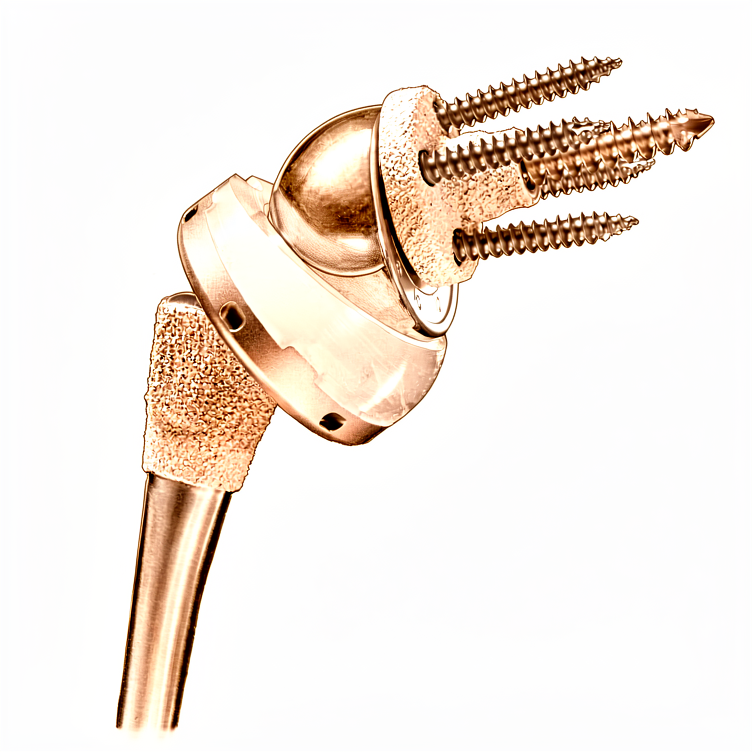
یہ وہ ہلکی ورزشیں ہیں جو کندھے کی تبدیلی کے آپریشن (مکمل، ریورس، یا فریکچر (ہڈی کا ٹوٹنا) کی وجہ سے کندھے کی تبدیلی) کے بعد ہسپتال میں شروع کی جاتی ہیں۔ یہ مرمت کے ٹھیک ہونے کے دوران ہاتھ، کہنی اور کندھے کو حرکت میں رکھتی ہیں۔
آپ کی ورزشیں
Kieran Hirpara 4.0
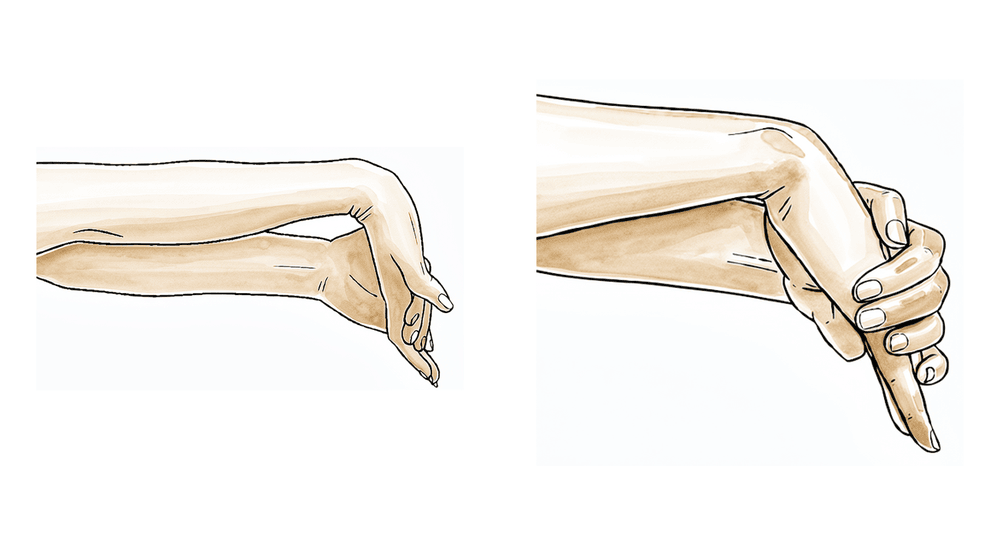
کلائی کی حرکت
اپنی کلائی کو آگے، پیچھے اور دائیں بائیں موڑ کر ہاتھ کو حرکت میں رکھیں۔
10 بار، دن میں 3 مرتبہ
Kieran Hirpara 4.0
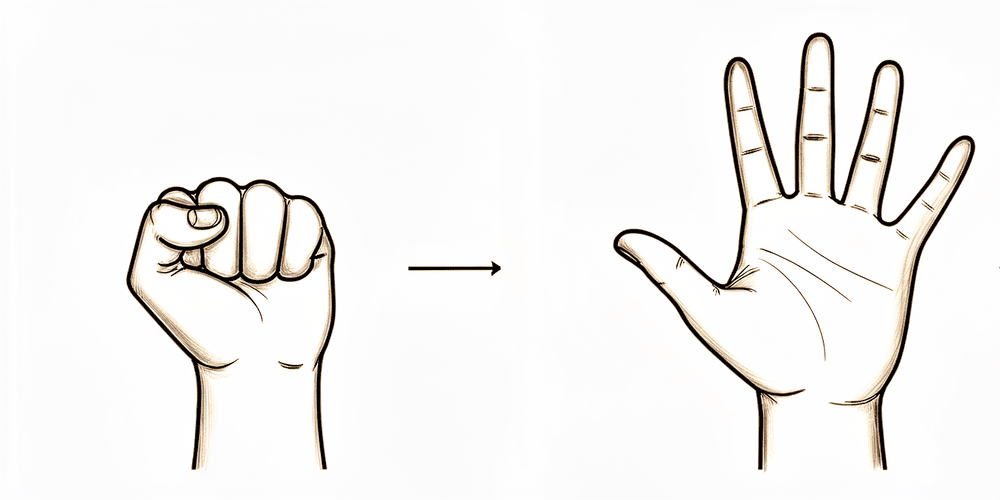
ہاتھ کھولنا اور بند کرنا
ہاتھ اور انگلیوں کو کھول بند کر کے، یا اسٹریس بال (نرم گیند) کو دبا کر، انہیں حرکت میں رکھیں۔
10 بار، دن میں 3 مرتبہ
Kieran Hirpara 4.0
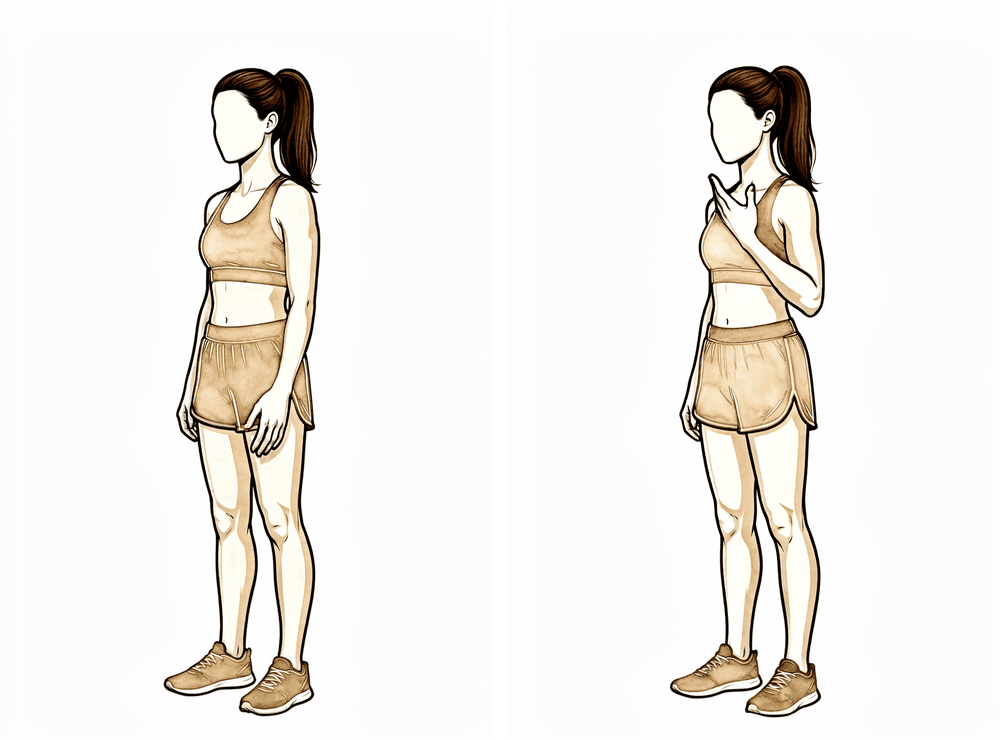
کہنی موڑنا
اپنی کہنی کو موڑیں اور سیدھا کریں۔
10 بار، دن میں 3 مرتبہ
Kieran Hirpara 4.0
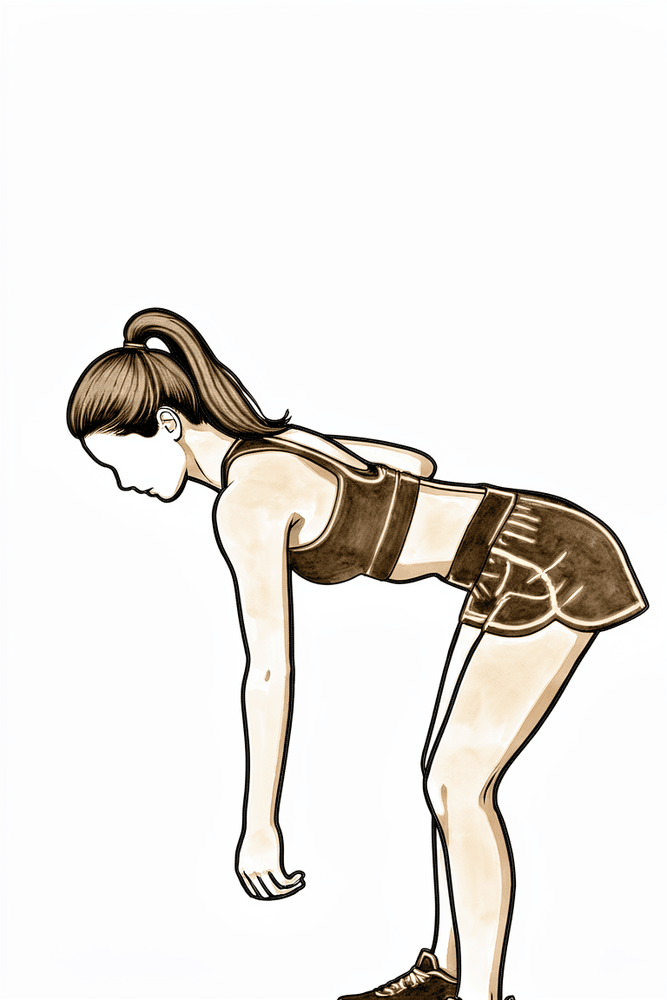
پینڈولم ورزش
یہ غیر فعال (passive) ورزش ہے۔ آگے کی طرف جھکیں اور اپنے بازو کو ڈھیلا چھوڑ کر نیچے لٹکنے دیں۔ اپنے جسم کی حرکت سے بازو کو آہستہ سے گھڑی کی سوئیوں کی سمت میں یا الٹی سمت میں گھمائیں، اور ساتھ ہی آگے، پیچھے اور دائیں بائیں بھی۔
ہر سمت میں تقریباً 30 سیکنڈ، دن میں 3 مرتبہ
Kieran Hirpara 4.0
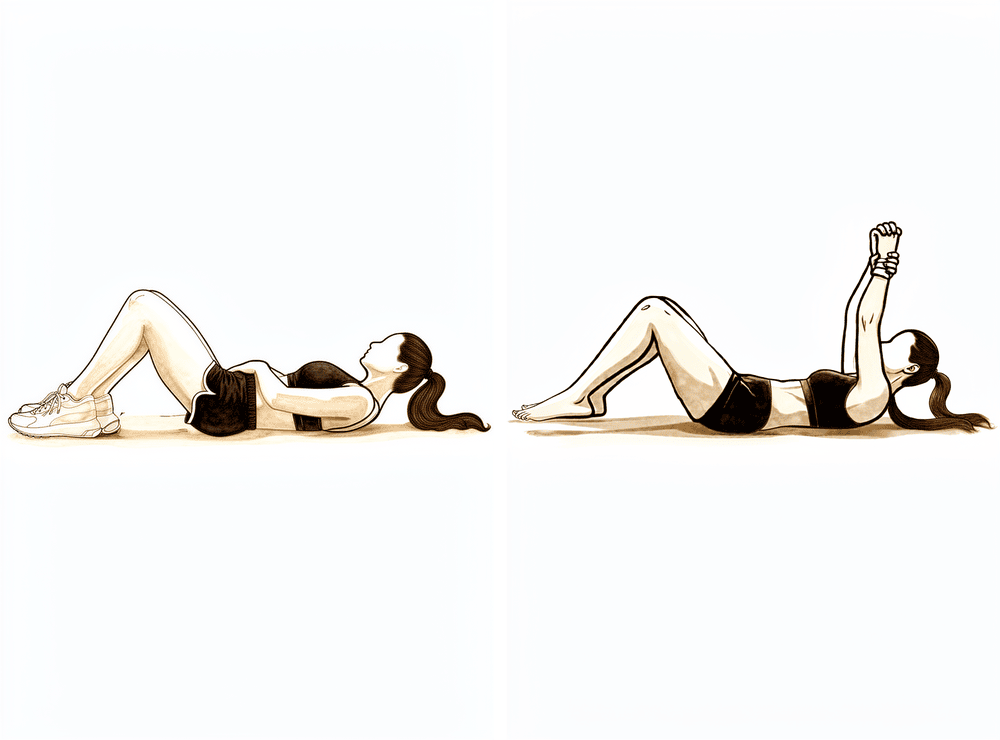
مدد سے بازو آگے اور اوپر اٹھانا (assisted forward flexion)
کرسی پر بیٹھ کر اور آگے جھک کر، آپریشن والے بازو کو دوسرے بازو میں گود کی طرح تھامیں اور آہستہ سے اسے اپنے سامنے اوپر کی طرف لے جائیں۔ اس بازو کی مدد سے جس کا آپریشن نہیں ہوا، اسے واپس نیچے لائیں۔ اگر آپ چاہیں تو بستر پر کمر کے بل لیٹ کر بھی بازو کو اوپر اٹھانے میں مدد دے سکتے ہیں۔
10 بار، دن میں 3 مرتبہ
Kieran Hirpara 4.0
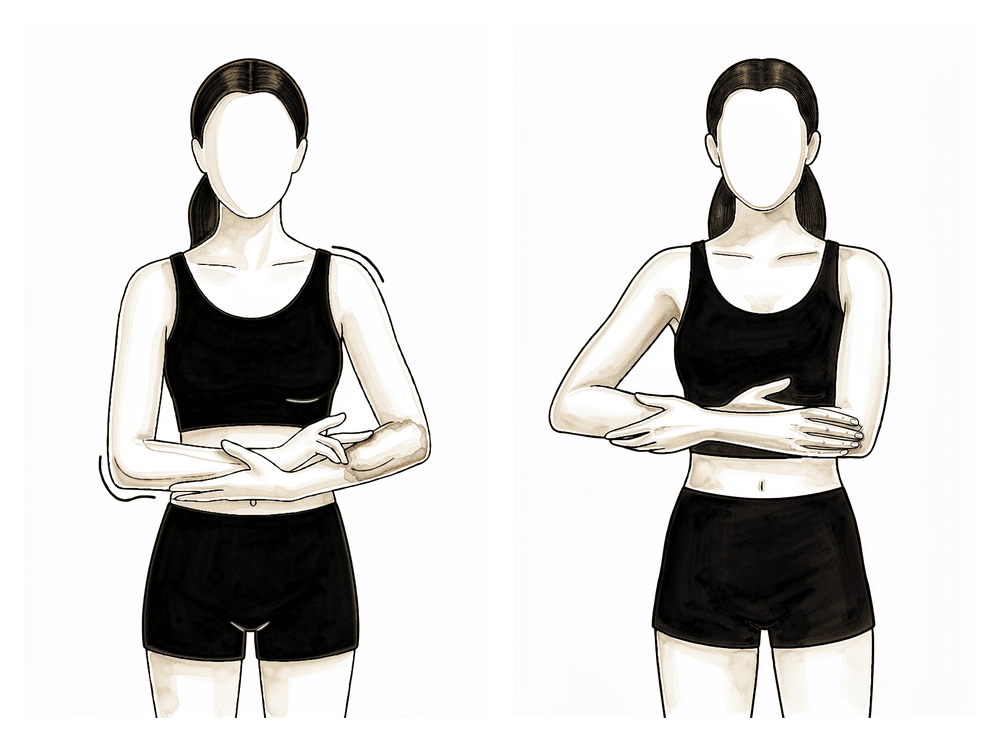
مدد سے بازو کو پہلو کی طرف لے جانا (assisted abduction)
کرسی پر بیٹھ کر اور آگے جھک کر، بازو کو دوبارہ دوسرے بازو میں گود کی طرح تھامیں اور اسے پہلو کی طرف باہر لے جانے میں مدد دیں (جیسے بچے کو جھلاتے ہیں)۔
10 بار، دن میں 3 مرتبہ
Kieran Hirpara 4.0
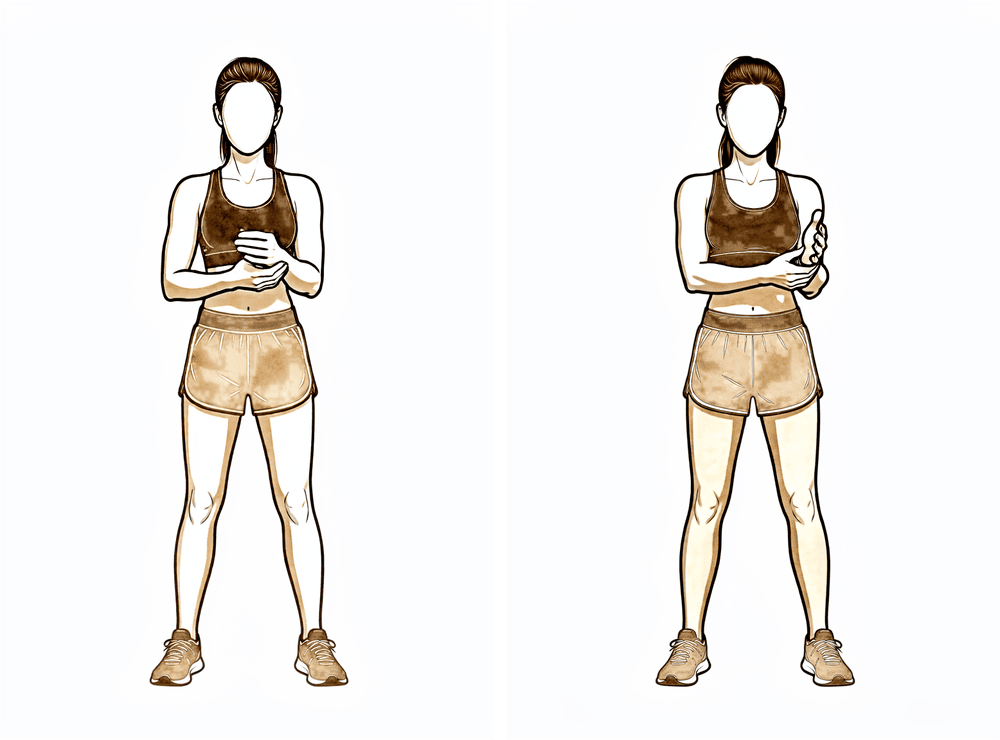
بازو کو باہر کی طرف گھمانا (external rotation)
کرسی پر بیٹھ کر، اپنے بازو کو صرف اس جگہ سے جہاں وہ سلنگ میں رہتا ہے، سیدھا سامنے کی طرف اشارہ کرنے تک لے جائیں۔ اس سے زیادہ باہر کی طرف نہ لے جائیں۔
10 بار، دن میں 3 مرتبہ
Kieran Hirpara 4.0
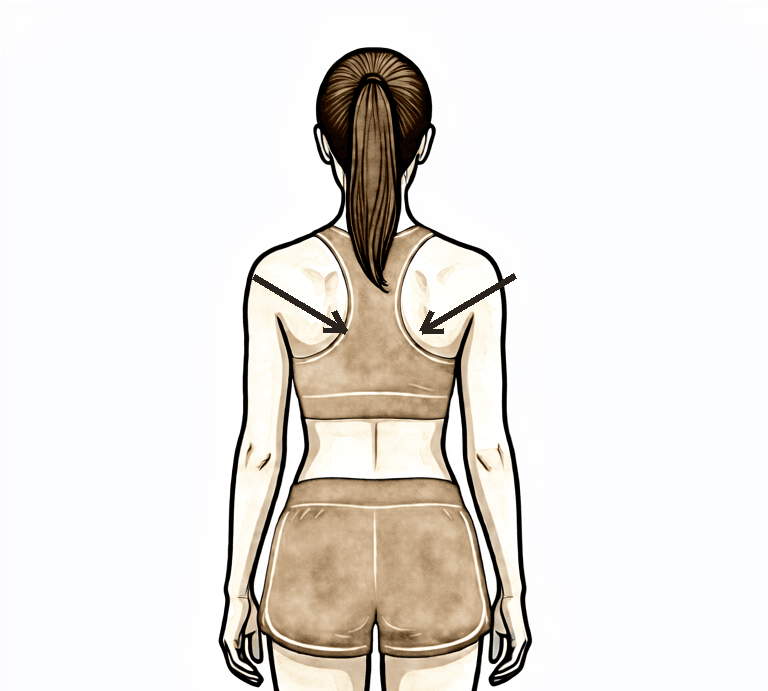
کندھے کی پچھلی ہڈیوں کو نیچے کھینچنا (lower trapezius setting)
اپنے کندھوں کی پچھلی چپٹی ہڈیوں (shoulder blades) کو نیچے اور ایک دوسرے کی طرف دبائیں۔
5 سیکنڈ روکیں، 5 بار، دن میں 3 مرتبہ
Kieran Hirpara 4.0
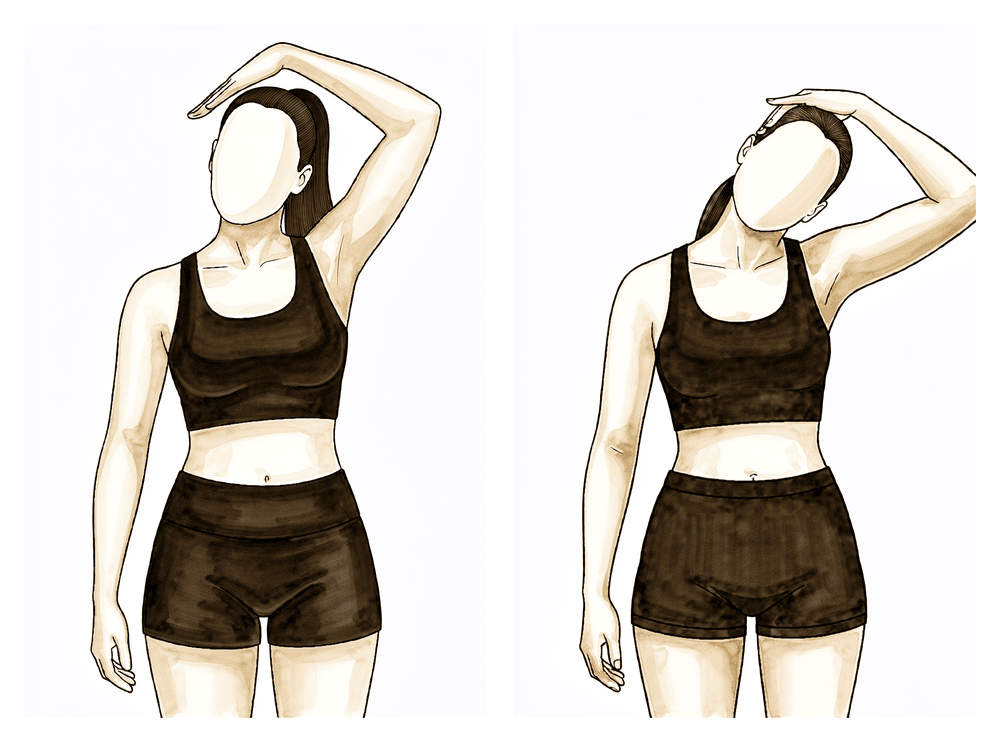
گردن کے اوپری پٹھے کا اسٹریچ (upper trapezius stretch)
اپنے اس بازو کی مدد سے جس کا آپریشن نہیں ہوا، اپنے کان کو کندھے کی طرف لائیں، آپریشن والی طرف سے دور۔
10 سیکنڈ روکیں، 3 بار، دن میں 3 مرتبہ
Kieran Hirpara 4.0
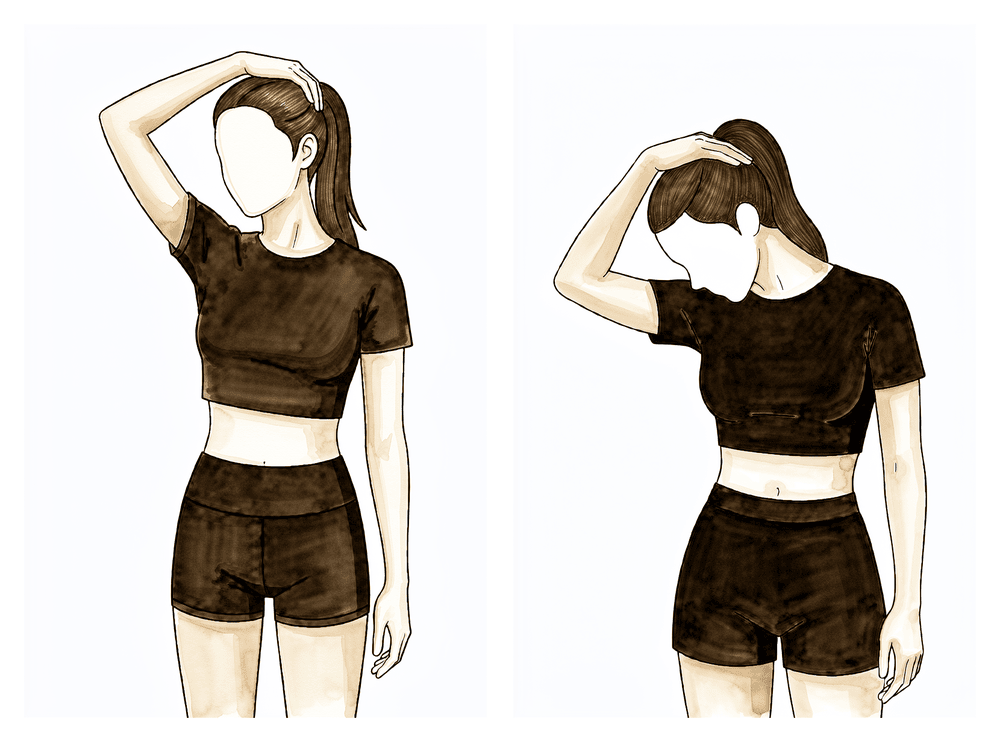
گردن کے پچھلے پٹھے کا اسٹریچ (levator scapulae stretch)
اپنے اس بازو کی مدد سے جس کا آپریشن نہیں ہوا، اپنی ناک کو بغل کی طرف لائیں، آپریشن والی طرف سے دور۔
10 سیکنڈ روکیں، 3 بار، دن میں 3 مرتبہ
Kieran Hirpara 4.0
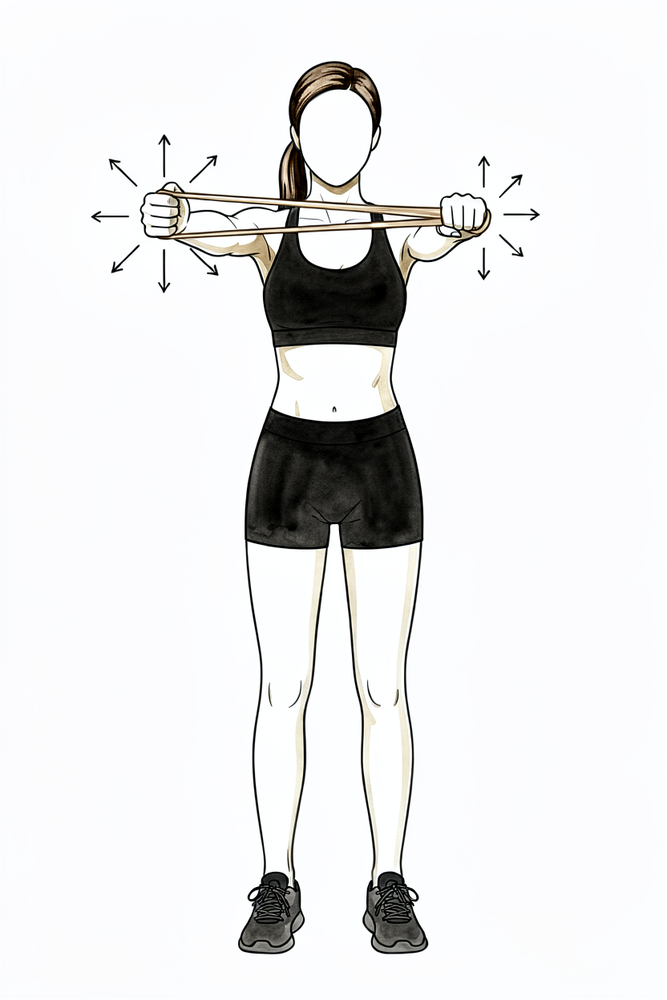
کندھے کو مستحکم رکھنے کی ورزش (rhythmic stabilisation)
اپنے بازو کو اپنے سامنے تقریباً کندھے کی اونچائی پر سہارا دے کر رکھیں، اور اپنے فزیوتھراپسٹ (یا اپنے ٹھیک ہاتھ) سے مختلف سمتوں سے چھوٹے، ہلکے دھکے لگوائیں جبکہ آپ بازو کو ساکن اور مستحکم رکھیں — اسے حرکت نہ کرنے دیں۔ اس سے کندھے کو مستحکم رکھنے والے پٹھے ردعمل دینا سیکھتے ہیں۔ ہر کوشش ہلکی رکھیں۔
آپ کے فزیوتھراپسٹ کی رہنمائی کے مطابق
یہ ہلکی ورزشیں ہسپتال میں شروع کریں اور گھر جا کر جاری رکھیں۔ یہ آرام سے ہونی چاہییں؛ اگر درد بڑھ جائے تو کچھ کم کر دیں۔
اگر آپ کی کندھے کی ریورس تبدیلی (reverse replacement) ہوئی ہے تو آپ کندھے کو جلد حرکت دینا شروع کر سکتے ہیں؛ مدد سے اور کشش ثقل کی مدد سے کی جانے والی حرکتوں سے شروع کریں (یہ کمر کے بل لیٹ کر سب سے آسان ہیں، جب کشش ثقل مدد کرتی ہے)، پھر جتنا آرام اجازت دے ہلکی فعال حرکت شامل کریں، اور اتنی ہی حد میں رہیں جو آرام دہ محسوس ہو۔ بس ان پوزیشنوں سے دور رہیں جن سے بچنے کا ذکر “سلنگ پہننا” کے تحت کیا گیا ہے۔
اگر آپ کی مکمل (anatomic) تبدیلی ہوئی ہے یا فریکچر کی وجہ سے تبدیلی ہوئی ہے، تو اپنی ابتدائی حرکتیں مدد کے ساتھ اور ہلکی رکھیں، جیسا کہ دکھایا گیا ہے؛ کام اپنے دوسرے بازو کو کرنے دیں، اور آپریشن والے بازو کو اس حد سے زیادہ باہر کی طرف نہ دھکیلیں جتنا ورزشوں میں کہا گیا ہے، تاکہ کندھے کے سامنے والے حصے میں بھرتی ہوئی مرمت محفوظ رہے۔
سلنگ پہننا
آپ کو سلنگ (sling)، یعنی گلے سے لٹکی وہ پٹی جو بازو کو سہارا دیتی ہے، کتنی دیر پہننی ہے، یہ اس بات پر منحصر ہے کہ آپ کی کون سی تبدیلی ہوئی ہے؛ براہ کرم اپنے آپریشن والا اصول اپنائیں۔
اگر آپ کی ریورس تبدیلی ہوئی ہے:
- سلنگ زیادہ تر آرام اور سہارے کے لیے ہے، اور آپ اسے 6 ہفتے تک ہر وقت پہننے کے بجائے تقریباً 2 ہفتے پہنیں گے۔
- آپ ورزشوں اور نہانے (شاور) کے لیے اپنا بازو سلنگ سے نکال سکتے ہیں۔
- آپ کندھے کی ہلکی حرکتیں فوراً شروع کر سکتے ہیں (اپنی ورزشیں دیکھیں)؛ بازو کو بالکل ساکن رکھنے کی ضرورت نہیں۔
- ابتدائی ہفتوں میں، جب سب کچھ ٹھیک ہو رہا ہو، چند پوزیشنوں سے بچنا ہے: اپنا بازو نہ جسم کے پیچھے لے جائیں اور نہ کمر کے پیچھے، پیچھے کی طرف ہاتھ بڑھانے کے ساتھ بازو کو اندر کی طرف نہ گھمائیں، کوئی چیز نہ اٹھائیں، اور اپنے ہاتھوں کے زور سے خود کو اوپر نہ دھکیلیں (مثلاً کرسی سے اٹھنے کے لیے ہاتھوں سے زور لگانا)۔ آپ کا فزیوتھراپسٹ یہ سب آپ کو تفصیل سے سمجھائے گا۔
اگر آپ کی مکمل (anatomic) تبدیلی ہوئی ہے، یا فریکچر کی وجہ سے تبدیلی ہوئی ہے:
- آپ کو سلنگ پہن کر سونا ہے۔
- آپ ورزشوں اور نہانے (شاور) کے لیے اپنا بازو سلنگ سے نکال سکتے ہیں۔
- آپ کو 6 ہفتے تک سلنگ پہننی ہے، خاص طور پر گھر سے باہر جاتے وقت۔
- آپ کے کندھے کے سامنے والے حصے میں کی گئی مرمت کو بھرنے کے لیے وقت چاہیے، اس لیے آپ کی ابتدائی حرکتیں زیادہ ہلکی اور محتاط ہوتی ہیں؛ دکھائی گئی مدد والی ورزشوں تک محدود رہیں اور بازو کو زبردستی اس حد سے زیادہ باہر کی طرف نہ لے جائیں جتنا ورزشوں میں کہا گیا ہے۔
سب کے لیے:
- ضرورت ہو تو درد کم کرنے کے لیے برف استعمال کریں۔
- سلنگ پہنتے وقت اپنے کندھے کو ڈھیلا چھوڑیں اور بازو کا وزن سلنگ پر آنے دیں۔
- اپنی ورزشیں کرنے سے پہلے، اور فزیوتھراپی کی ملاقاتوں سے پہلے، اپنی درد کش دوا لیں۔
- اگر آپ نے فزیوتھراپی کا انتظام خود نہیں کیا تو آپ کے لیے ملاقات کا وقت طے کر دیا گیا ہے، جس کی تفصیل ہسپتال سے چھٹی کے وقت ملنے والے کاغذات میں ہے۔
- اگر کوئی مسئلہ ہو تو کلینک سے رابطہ کریں یا اپنے فزیوتھراپسٹ کو بتائیں۔
جب آپ گھر جائیں
گھر پہنچنے کے بعد، آپ کی صحت یابی آپ کے آپریشن کے مکمل بحالی پروٹوکول کے ساتھ جاری رہتی ہے: کندھے کی ریورس تبدیلی؛ کندھے کی مکمل تبدیلی؛ فریکچر کی وجہ سے کندھے کی تبدیلی۔
ہسپتال کے اس ابتدائی مرحلے کے پیچھے شواہد (سلنگ اور ہلکی حرکتیں کیوں اہم ہیں، ریورس تبدیلی کے بعد کندھا کیوں جلد اور آزادی سے حرکت کر سکتا ہے جبکہ بنیادی احتیاط بازو کو جسم کے پیچھے جانے سے روکنا ہے، اور مکمل تبدیلی کے بعد زیادہ احتیاط کیوں کی جاتی ہے اور کندھے کے سامنے والے حصے کی مرمت کی حفاظت کے لیے بازو کو باہر کی طرف گھمانا کیوں محدود رکھا جاتا ہے) شواہد والے حصے میں خلاصہ کیے گئے ہیں، جو اس صفحے کے اوپر سے پی ڈی ایف کی شکل میں دستیاب ہے۔
Evidence & references
This is the clinical evidence summary written for health professionals. It is technical, and it lists the research this page was built from. You do not need to read it to understand your treatment or to make a decision about it.
Inpatient (In-Hospital) Phase After Shoulder Replacement — Early Rehabilitation Evidence
Topic scope: This page covers only the early in-hospital phase of recovery after a shoulder replacement — the first days on the ward and the principles of the first protected weeks — for anatomic total shoulder arthroplasty (TSA), reverse total shoulder arthroplasty (RSA), and shoulder replacement performed for a proximal-humerus fracture. The companion patient page (the synthesis) lists the actual in-hospital exercises and sling rules; this page sets out the evidence behind them. The full course of rehabilitation for each operation lives in its own protocol — follow that one once you are home: total shoulder replacement, reverse shoulder replacement, and shoulder replacement for fracture, each of which carries its own detailed evidence page.
Defining principle of the early phase: the two pathways now differ. A reverse replacement is run on an accelerated, permissive footing, while an anatomic total replacement (and a replacement for a fracture) remains protective. In every case the hand/wrist/elbow are kept active from the start, but what the shoulder itself is allowed to do — and what is being protected — differs by operation:
- Anatomic TSA protects the subscapularis repair. To put the ball-and-socket implant in, the surgeon detaches and re-attaches the subscapularis tendon (or its bone block) at the front of the shoulder. Early external rotation is limited, active and resisted internal rotation is delayed, and shoulder elevation is kept passive/assisted — because these are the positions that strain the healing repair. This is why the in-hospital ER exercise only moves the arm from the sling position to pointing straight ahead — and no further. The sling is worn full-time for about 6 weeks.
- Reverse TSA is accelerated. Often there is no subscapularis repair to protect, and the deltoid (not the cuff) powers the arm, so the shoulder can move early. The sling is for comfort and support only (~2 weeks), and active-assisted and active-as-tolerated shoulder motion begins from the start (supine/gravity-assisted first), within comfort. The main early constraint is dislocation precautions, whose at-risk position is hand-behind-the-back (combined extension + adduction + internal rotation): avoid reaching the arm behind the body or behind the back, no lifting, and no pushing up through the hands. This aligns with the accelerated reverse literature (see the reverse protocol's evidence page).
- Replacement for fracture adds a third constraint: the tuberosities (the bony muscle attachments) must heal, so this pathway follows the protective line (like anatomic TSA) and is usually the most protective of the three.
Common to all three: the hand/wrist/elbow are kept active immediately, and adequate analgesia makes early gentle motion possible. The sling duration and how freely the shoulder moves then differ — permissive for reverse, guarded for anatomic and fracture.
The early in-hospital phase, in brief
Most patients stay in hospital a short time after a shoulder replacement — commonly about one to two nights, and selected patients are now safely discharged the same day. Before discharge the ward physiotherapist fits the sling, teaches independent sling management, and starts the gentle exercises shown in the synthesis: keeping the hand, wrist and elbow active; pendulums; and shoulder elevation — assisted (passive) and limited in external rotation after an anatomic repair, but active-assisted and active-as-tolerated from the start after a reverse replacement. The arm is commonly numb from a nerve block when you wake, with sensation returning over roughly 24 hours. The job of this phase is pain control, swelling reduction, keeping the non-shoulder joints moving, and protecting the new joint while it settles — not building strength, which comes later in the home protocol.
Evidence by theme
1. Length of stay is short, and same-day discharge appears safe in selected patients
Shoulder replacement has traditionally been an inpatient operation, but length of stay is short and falling. At an orthopaedic specialty hospital the average stay was about 1.3 days versus ~1.85 days at a general centre [RAG corpus — 10.1016/j.jse.2016.01.010]. A large series found same-day discharge was not inferior to a longer in-hospital stay for 90-day readmissions [RAG corpus — 10.1016/j.jse.2019.09.037], and outpatient TSA in an ambulatory centre was reported as a safe alternative to inpatient care in a matched cohort (2016 Neer Award) [RAG corpus — 10.1016/j.jse.2016.07.011]. Same-day discharge appears safe even in patients aged ≥65 with appropriate selection [RAG corpus — 10.1016/j.jse.2021.02.022]. Whether you stay one night or go home the same day is an individual decision; the early-exercise and sling principles are the same either way.
Evidence: MODERATE (cohort / matched-cohort data).
2. Pain control is the patient's and the system's primary early concern
When patients consider shorter stays, perioperative pain control is their primary concern [RAG corpus — 10.1016/j.jse.2022.07.009] — which is why the synthesis emphasises taking analgesia before exercises and physiotherapy. Adequate pain relief is also what makes early gentle motion possible. A regional nerve block is commonly used, explaining the early numbness that recovers over about a day.
Evidence: MODERATE (survey / practice data).
3. Early motion depends on the operation — accelerated for reverse, guarded for anatomic
The ward starts active hand/wrist/elbow motion immediately after every replacement. What the shoulder is allowed to do then splits by operation. For reverse replacement the conservative-versus-early question has been tested directly: randomised trials show that earlier motion and shorter (or even no) immobilisation do not increase dislocation or complications, including a 3-week-versus-no-immobilisation RCT in primary RSA [RAG corpus — 10.1016/j.jse.2025.02.015], and home-based physiotherapy matched formal outpatient therapy after RSA [RAG corpus — 10.1016/j.jse.2023.03.023]. Dr Hirpara's reverse pathway now follows this accelerated line: a short (~2-week) comfort sling, and active-assisted and active-as-tolerated shoulder motion (supine/gravity-assisted first) from the start, within comfort — with dislocation precautions (no arm behind the body, no lifting, no pushing through the hands) the main early constraint. By contrast, anatomic TSA and replacement for fracture keep the protective early line — passive/assisted elevation only, no active shoulder lifting, and the front-of-shoulder repair (or the tuberosities) guarded — because there is a repair that the reverse construct does not have.
Evidence: MODERATE–STRONG for RSA early motion (RCTs), which the reverse pathway now reflects; the specific in-hospital timings are consensus/surgeon preference.
4. Why external rotation is limited after anatomic TSA but freer after reverse
In anatomic TSA the subscapularis must be detached to seat the implant and then repaired, and external rotation (especially with the arm out to the side) puts the greatest strain on that repair — so early ER is restricted while forward elevation and scaption, which do not load the repair, are allowed sooner [literature — Brigham & Women's Faulkner TSA guideline; subscapularis management review]. Typical published protocols cap early external rotation at around 20–30° and release it at about 6 weeks; the synthesis applies this by moving the arm only from the sling position to "pointing straight ahead." After reverse replacement there is usually no subscapularis repair to protect, so ER is more permissive and the dominant precaution is instead the hand-behind-the-back dislocation position [parent reverse protocol — RAG corpus 10.1016/j.jse.2016.12.073; 10.1016/j.jse.2020.05.019].
Evidence: MODERATE (biomechanical + protocol consensus); no single defining rehab RCT for the early in-hospital window.
Phased timeline — the early phase only
This focuses on the in-hospital and immediately-post-discharge window. The complete multi-phase course (intermediate, transitional, advanced strengthening, return to sport) lives in each parent protocol; the rows below are intentionally consistent with the Phase I content of those pages.
| Phase | Window | Sling | Shoulder motion | Operation-specific note |
|---|---|---|---|---|
| In hospital | Days 0–2 | Reverse: comfort/support. Anatomic + fracture: worn incl. overnight | Active hand/wrist/elbow (all); pendulums. Reverse: active-assisted + active-as-tolerated from the start (supine/gravity-assisted first). Anatomic + fracture: passive/assisted elevation, limited assisted ER | Ward physio fits sling, teaches management, starts the synthesis exercises before discharge |
| Early protection | Weeks 0–3 | Reverse: ~2 weeks for comfort. Anatomic + fracture: full-time (worn overnight) | Reverse: continue active-assisted/active motion within comfort; dislocation precautions (no arm behind body, no lifting, no pushing through hands). Anatomic TSA: passive/assisted only, no active lifting, ER limited (sling-to-straight-ahead), IR delayed. Fracture: most protective | Pain + swelling control; keep adjacent joints moving |
After this early window, follow the full protocol for your specific operation (linked above), where the sling is weaned, active motion is progressed, and strengthening begins.
Key controversies / evidence quality
- Inpatient vs same-day discharge. Cohort evidence supports same-day discharge in selected patients, but selection matters and pain control is the limiting factor; whether you stay overnight is a clinical judgement, not a fixed rule. Moderate.
- How protective to be early. Randomised data (strongest for reverse) show early motion and shorter immobilisation are safe. The reverse pathway now applies this accelerated approach (short comfort sling, early active-assisted/active motion, dislocation precautions). The anatomic pathway stays protective because it has a subscapularis repair to guard — there the protective early phase is a deliberate surgeon clinical decision, not an oversight relative to the accelerated literature. Moderate–strong evidence; applied per operation.
- The in-hospital protocol itself is consensus/expert. The specific early exercises and ROM limits are drawn from published institutional protocols and surgeon guidance, not from a rehab RCT of the in-hospital window. Weak/consensus.
Evidence-strength flags (summary)
- MODERATE (cohort): short length of stay; same-day discharge non-inferior for readmissions and safe in selected and older patients; pain control as the primary patient concern.
- MODERATE–STRONG (RCT, mainly reverse): early motion / shorter immobilisation safe after RSA; home-based PT equivalent to formal outpatient PT after RSA.
- MODERATE (biomechanical + protocol consensus): ER restriction protects the subscapularis repair in anatomic TSA; reverse rehab more permissive in ER but constrained by the dislocation position.
- WEAK / CONSENSUS: the specific in-hospital exercise set and early-phase timings (institutional protocols + surgeon preference; no defining rehab RCT of the inpatient window).
Citations
RAG corpus (180,000+ Orthopaedic articles) — real DOIs returned by search
- Length of stay after shoulder arthroplasty — the effect of an orthopedic specialty hospital. J Shoulder Elbow Surg. 2016. DOI: 10.1016/j.jse.2016.01.010
- Same-day discharge is not inferior to longer length of in-hospital stay for 90-day readmissions following shoulder arthroplasty. J Shoulder Elbow Surg. 2020. DOI: 10.1016/j.jse.2019.09.037
- Outpatient total shoulder arthroplasty in an ambulatory surgery center is a safe alternative to inpatient total shoulder arthroplasty in a hospital: a matched cohort study (2016 Neer Award). J Shoulder Elbow Surg. 2016. DOI: 10.1016/j.jse.2016.07.011
- Is outpatient shoulder arthroplasty safe in patients aged ≥65 years? A comparison of readmissions and complications in inpatient and outpatient settings. J Shoulder Elbow Surg. 2021. DOI: 10.1016/j.jse.2021.02.022
- Perioperative pain control represents the primary concern for patients considering outpatient shoulder arthroplasty: a survey-based study. J Shoulder Elbow Surg. 2022. DOI: 10.1016/j.jse.2022.07.009
- Three-week immobilization vs. no immobilization in primary reverse total shoulder arthroplasty: a randomized controlled trial. J Shoulder Elbow Surg. 2025. DOI: 10.1016/j.jse.2025.02.015
- Home-based physical therapy results in similar outcomes to formal outpatient physical therapy after reverse total shoulder arthroplasty: a randomized controlled trial. J Shoulder Elbow Surg. 2023. DOI: 10.1016/j.jse.2023.03.023
- The American Society of Shoulder and Elbow Therapists' consensus statement on rehabilitation for anatomic total shoulder arthroplasty. J Shoulder Elbow Surg. 2020. DOI: 10.1016/j.jse.2020.05.019
- Dislocation following reverse total shoulder arthroplasty. J Shoulder Elbow Surg. 2017. DOI: 10.1016/j.jse.2016.12.073
Literature (URLs)
- The effect of subscapularis-specific rehabilitation following total shoulder arthroplasty: a prospective, double-blinded, randomized controlled trial. J Hand Ther / ScienceDirect. 2023. https://pubmed.ncbi.nlm.nih.gov/37263480/
- Management of the subscapularis tendon during total shoulder arthroplasty (early ER strains the repair most). J Hand Ther / ScienceDirect. 2016. https://www.sciencedirect.com/science/article/abs/pii/S1058274616305791
Published rehabilitation protocols (basis for the early-phase structure)
- Brigham & Women's Faulkner Hospital — Department of Rehabilitation Services: Total Shoulder Arthroplasty Guideline (early ER restriction to protect the subscapularis repair). https://www.brighamandwomensfaulkner.org/assets/BWH/patients-and-families/rehabilitation-services/pdfs/total-shoulder-arthroplasty-guideline.pdf
- Massachusetts General Brigham Sports Medicine — Rehabilitation Protocol for Total Shoulder Arthroplasty and Hemiarthroplasty (Revised December 2018). https://www.massgeneral.org/assets/MGH/pdf/orthopaedics/sports-medicine/physical-therapy/rehabilitation-protocol-for-total-shoulder-arthroplasty-and-hemi.pdf
- Massachusetts General Brigham Sports Medicine — Rehabilitation Protocol for Reverse Shoulder Arthroplasty (Revised December 2018). https://www.massgeneral.org/assets/mgh/pdf/orthopaedics/sports-medicine/physical-therapy/rehabilitation-protocol-for-reverse-shoulder-arthroplasty.pdf