Patients › Rehabilitation
ہسپتال میں ورزشیں — کندھے کی جھلی کھولنے اور سب ایکرومیئل ڈیکمپریشن کے بعد
Early in-hospital exercises after capsular release or subacromial decompression — gentle movement with a comfort-only sling to keep the shoulder moving freely.
یہ وہ ہلکی ورزشیں ہیں جو کندھے کی جھلی کو کھولنے کے آپریشن (capsular release) یا سب ایکرومیئل ڈیکمپریشن (subacromial decompression، کندھے کی ہڈی کے نیچے ٹینڈنوں کے لیے جگہ کھولنے کا آپریشن) کے بعد ہسپتال میں شروع کی جاتی ہیں۔ ان آپریشنوں کے بعد سب سے اہم بات کندھے کو آزادی سے حرکت میں رکھنا ہے۔
آپ کی ورزشیں
Kieran Hirpara 4.0
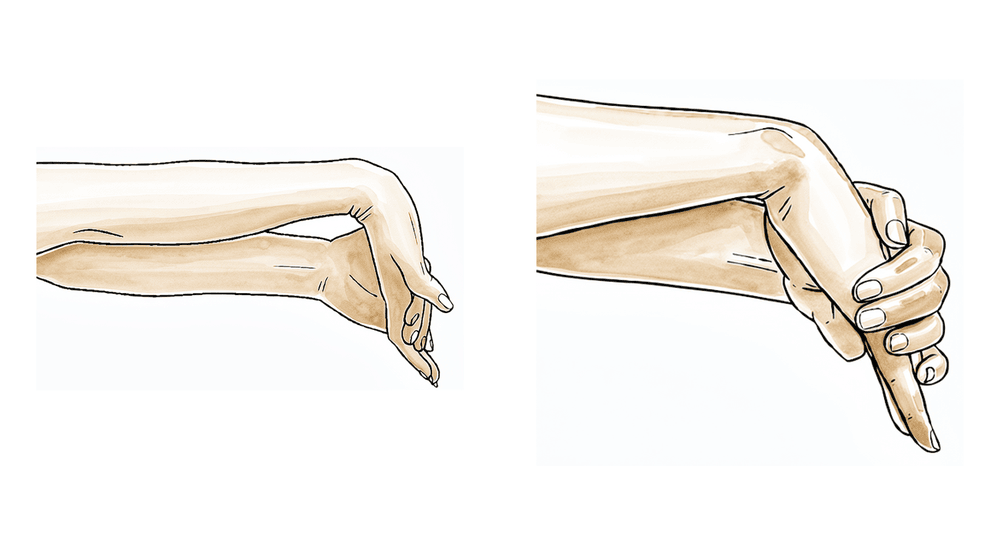
کلائی کی حرکت
اپنی کلائی کو آگے، پیچھے اور دائیں بائیں موڑ کر ہاتھ کو حرکت میں رکھیں۔
10 بار، دن میں 3 مرتبہ
Kieran Hirpara 4.0
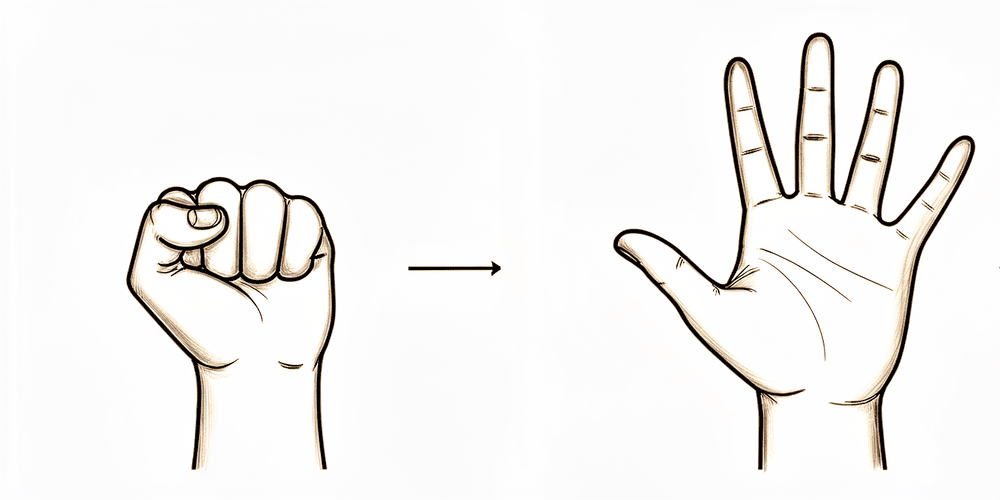
ہاتھ کھولنا اور بند کرنا
ہاتھ اور انگلیوں کو کھول بند کر کے، یا اسٹریس بال (نرم گیند) کو دبا کر، انہیں حرکت میں رکھیں۔
10 بار، دن میں 3 مرتبہ
Kieran Hirpara 4.0
کہنی موڑنا
اپنی کہنی کو موڑیں اور سیدھا کریں۔
10 بار، دن میں 3 مرتبہ
Kieran Hirpara 4.0
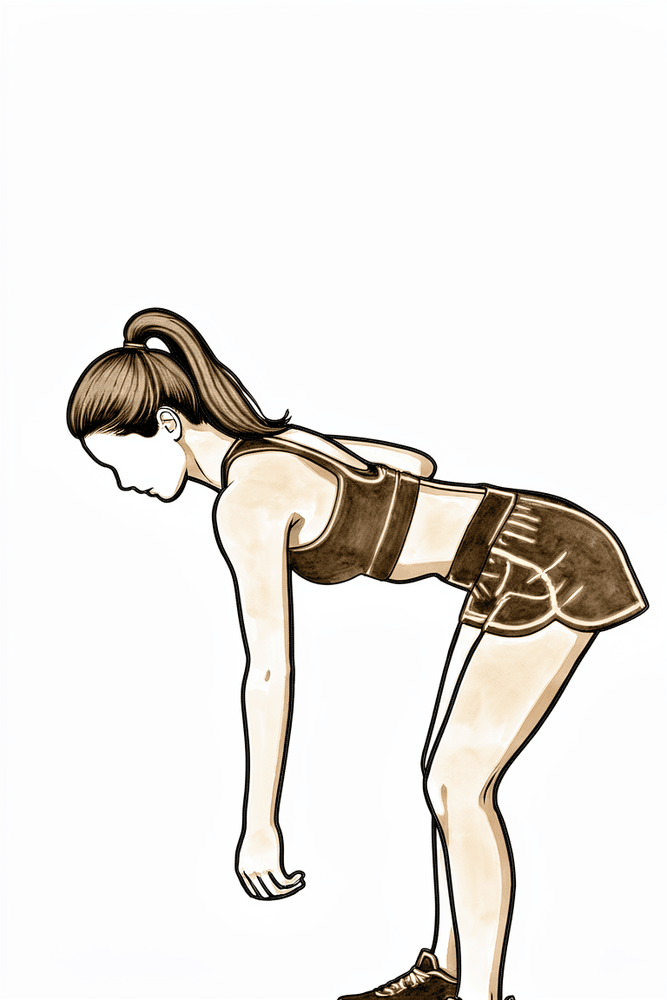
پینڈولم ورزش
یہ غیر فعال (passive) ورزش ہے۔ آگے کی طرف جھکیں اور اپنے بازو کو ڈھیلا چھوڑ کر نیچے لٹکنے دیں۔ اپنے جسم کی حرکت سے بازو کو آہستہ سے گھڑی کی سوئیوں کی سمت میں یا الٹی سمت میں گھمائیں، اور ساتھ ہی آگے، پیچھے اور دائیں بائیں بھی۔
ہر سمت میں تقریباً 30 سیکنڈ، دن میں 3 مرتبہ
Kieran Hirpara 4.0
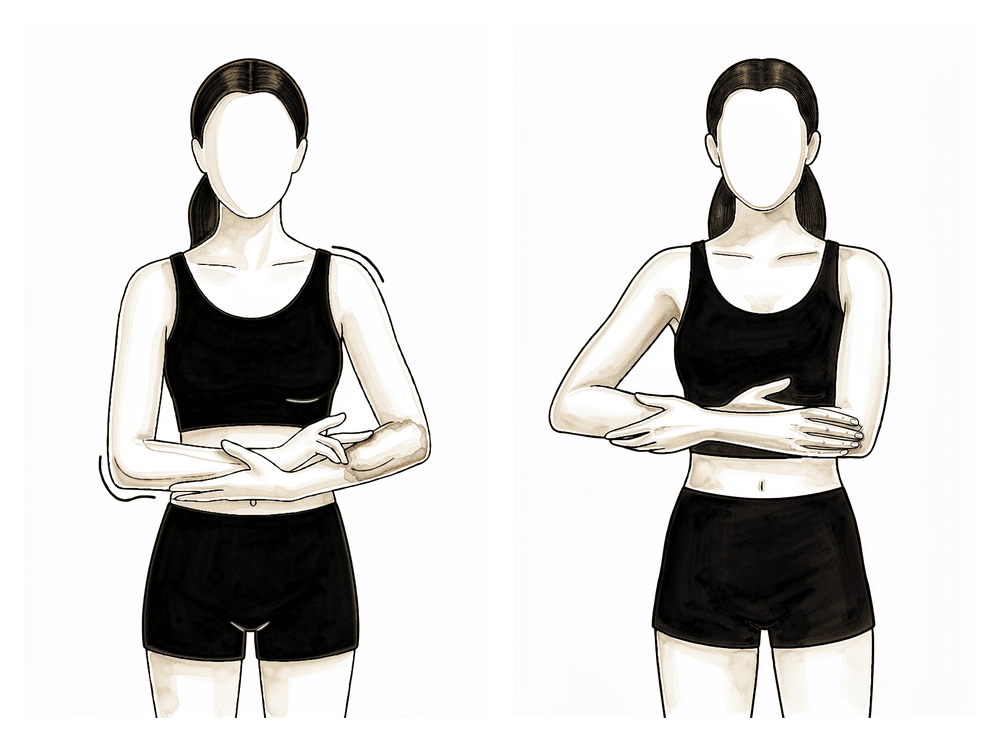
مدد سے بازو کو پہلو کی طرف لے جانا (assisted abduction)
کرسی پر بیٹھ کر آگے کی طرف جھکیں، آپریشن والے بازو کو گود کی طرح تھامیں اور اسے پہلو کی طرف باہر لے جانے میں مدد دیں (جیسے بچے کو جھولا جھلاتے ہیں)۔
10 بار، دن میں 3 مرتبہ
Kieran Hirpara 4.0
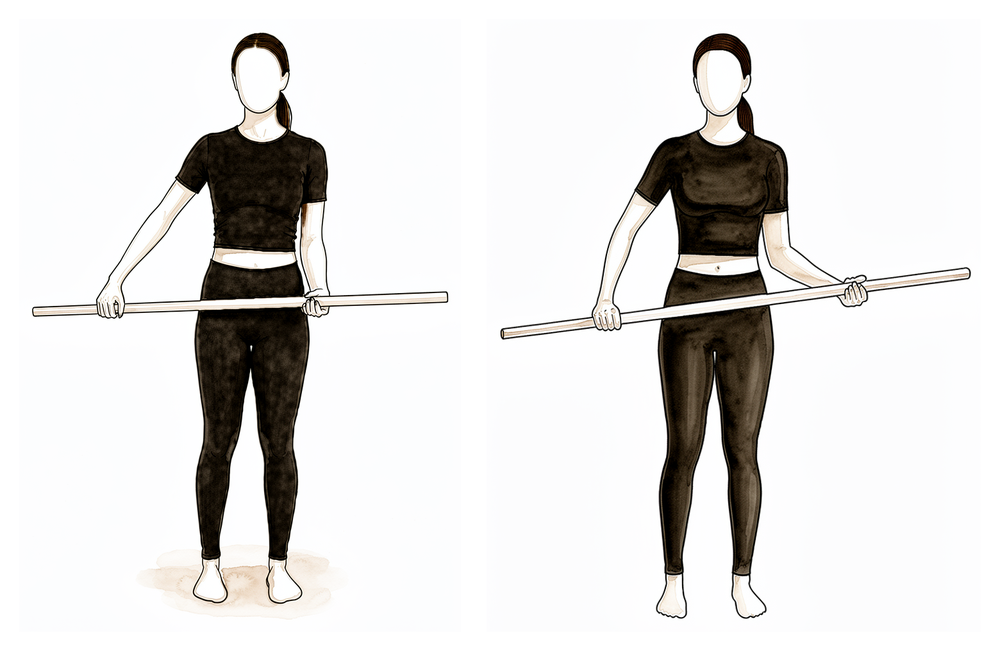
چھڑی کی مدد سے بازو کو باہر کی طرف گھمانا
کمر کے بل لیٹیں، کہنی کو اپنے پہلو سے لگا کر سیدھے زاویے (right angle) پر موڑ لیں۔ دونوں ہاتھوں میں ایک چھڑی پکڑیں اور اپنے ٹھیک بازو سے آپریشن والے ہاتھ کو باہر کی طرف گھمائیں، تاکہ کندھا گھومے۔ اس آپریشن کے بعد اس بات کی کوئی حد نہیں کہ آپ باہر کی طرف کتنا جائیں، اس لیے جیسے جیسے کندھا کھلتا جائے، حرکت کی حد کو آہستہ سے تھوڑا اور آگے بڑھائیں۔
10 بار، دن میں 3 مرتبہ
Kieran Hirpara 4.0
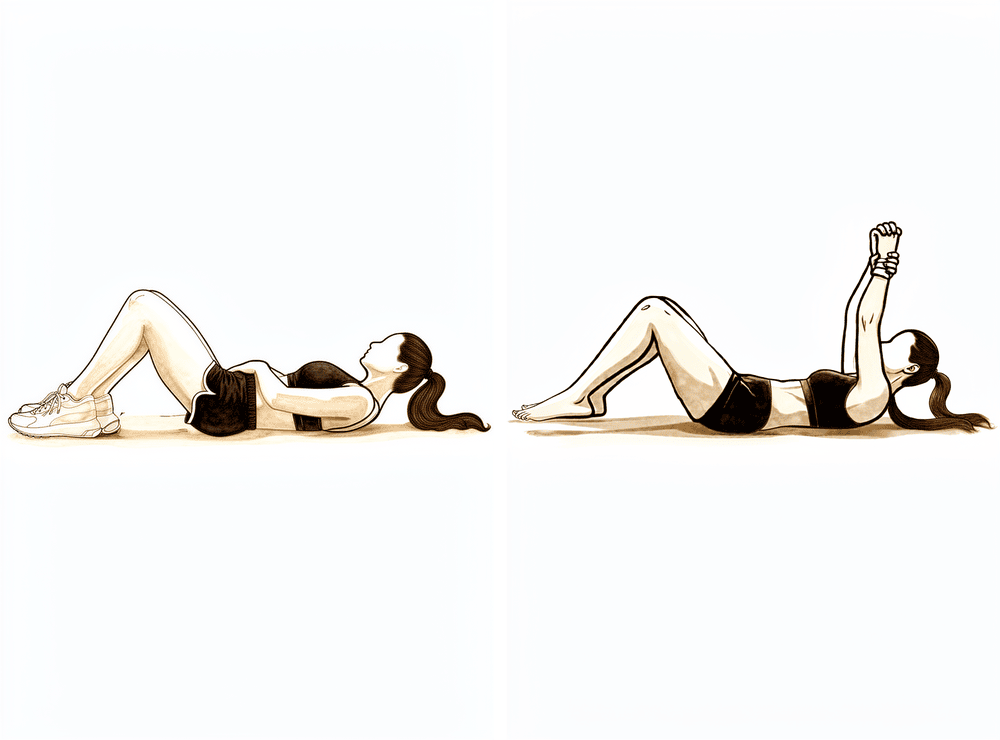
لیٹ کر مدد سے بازو آگے اور اوپر اٹھانا (assisted forward flexion)
اگر آپ چاہیں تو کمر کے بل لیٹ جائیں اور دونوں ہاتھوں میں ایک چھڑی یا لپیٹا ہوا تولیہ پکڑیں۔ اپنے ٹھیک بازو سے آپریشن والے بازو کو سر کے اوپر کی طرف، جتنا آرام سے جا سکے، دھکیلیں، پھر اسے آہستہ سے نیچے لائیں۔ ہر بار واضح کھنچاؤ تک دھکیلیں۔
10 بار، دن میں 3 مرتبہ
Kieran Hirpara 4.0
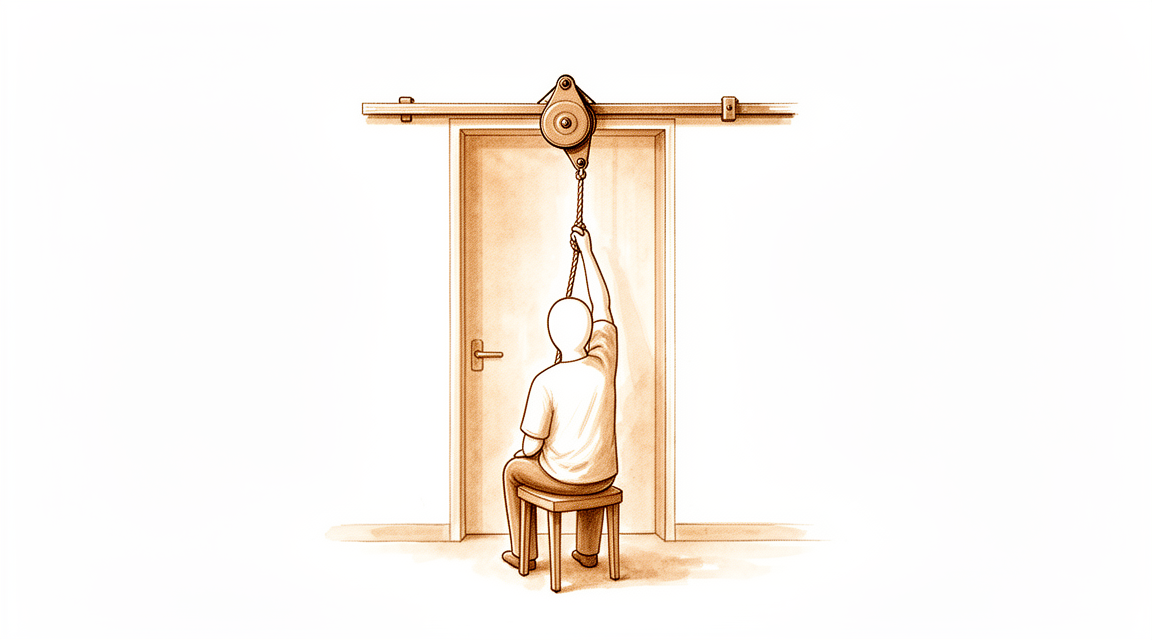
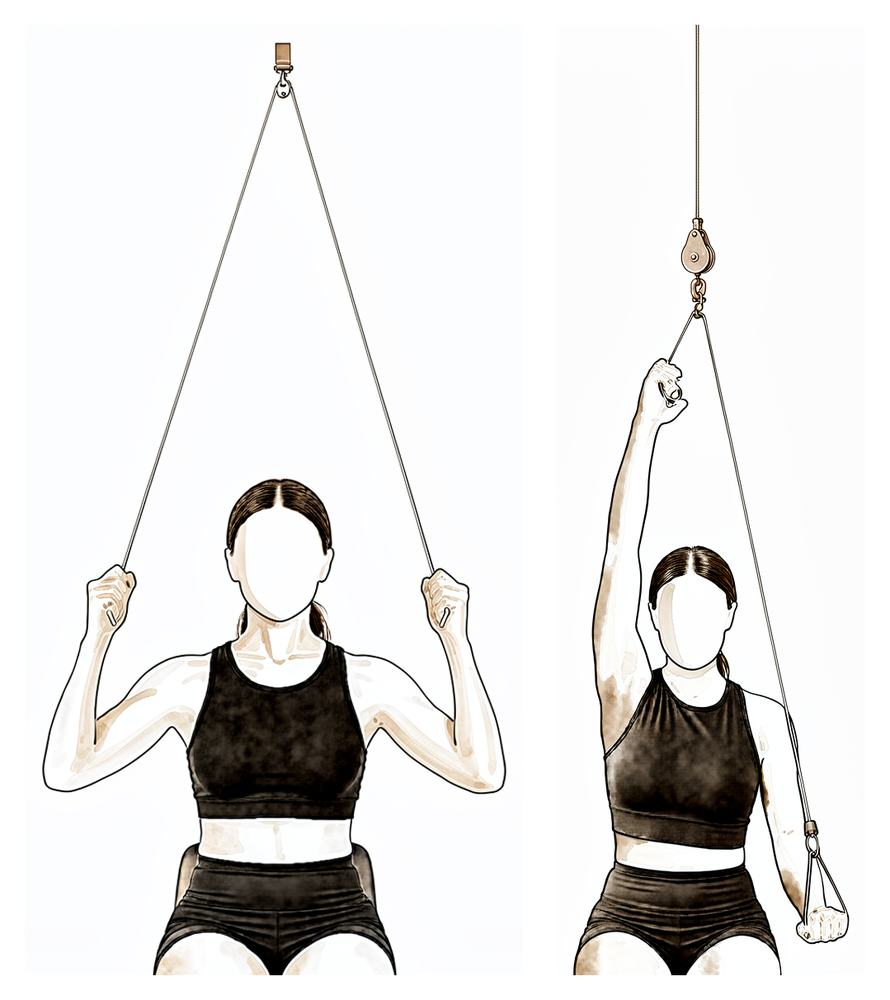
دروازے پر لگی چرخی (over-door pulley)
دروازے کے اوپر لگی چرخی کے نیچے بیٹھیں اور ہر ہاتھ میں ایک ہینڈل پکڑیں۔ اپنے ٹھیک بازو سے نیچے کھینچیں تاکہ آپریشن والا بازو سر کے اوپر جتنا جا سکے اٹھے، پھر آہستہ سے نیچے لائیں۔ ہر بار واضح کھنچاؤ تک لے جائیں، شدید درد تک نہیں۔
10 بار، دن میں 3 مرتبہ
Kieran Hirpara 4.0
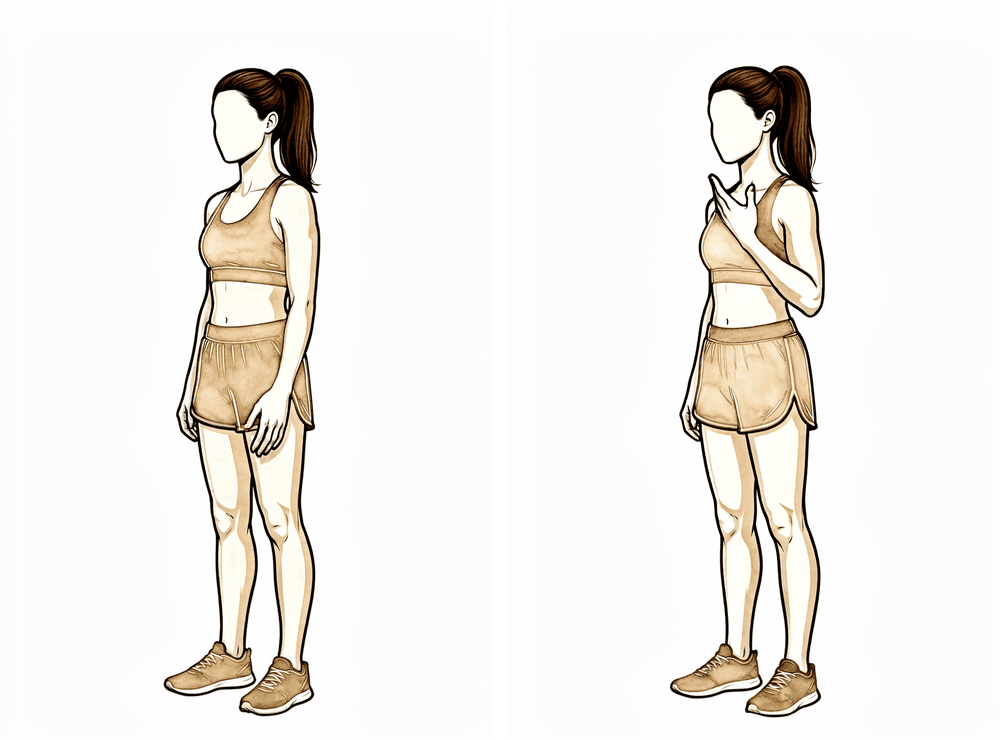
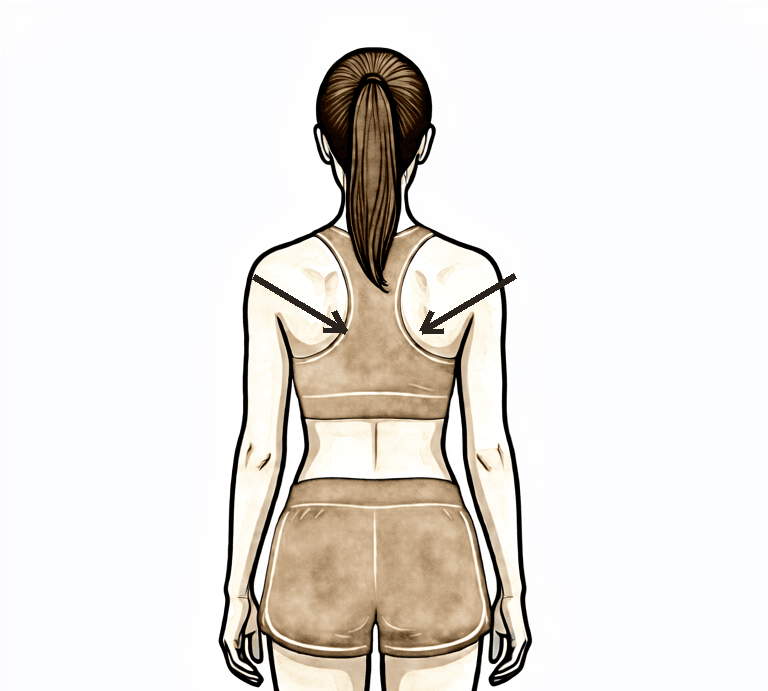
کندھے کی پچھلی ہڈیوں کو نیچے کھینچنا (lower trapezius setting)
اپنے کندھوں کی پچھلی چپٹی ہڈیوں (shoulder blades) کو نیچے اور ایک دوسرے کی طرف دبائیں۔
5 سیکنڈ روکیں، 5 بار، دن میں 3 مرتبہ
Kieran Hirpara 4.0
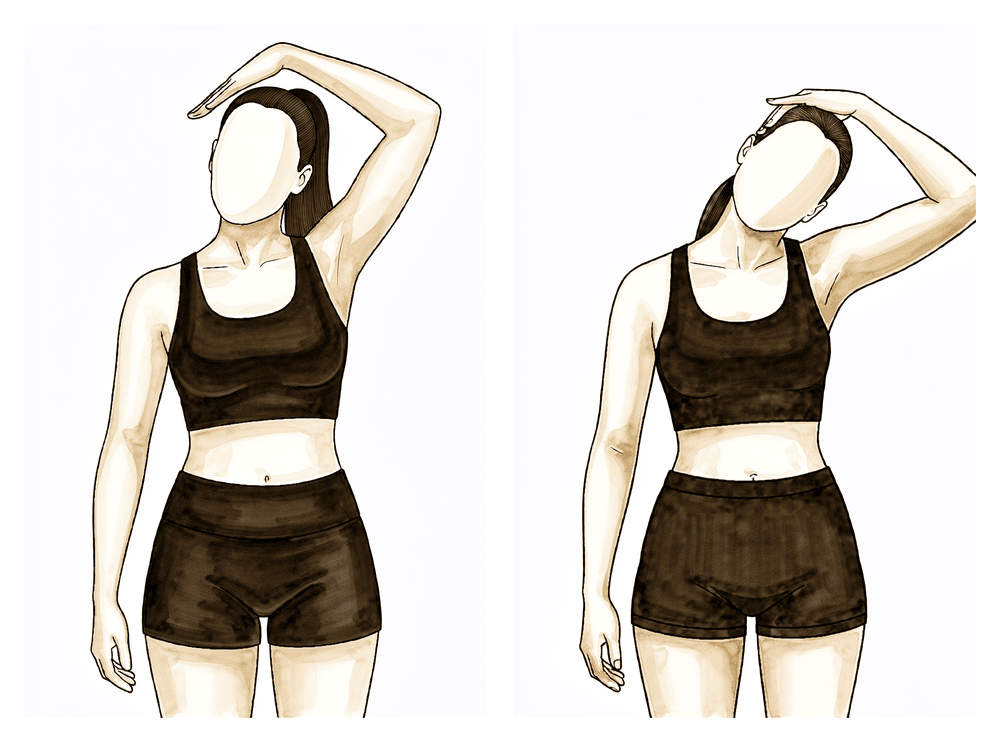
گردن کے اوپری پٹھے کا اسٹریچ (upper trapezius stretch)
اپنے اس بازو کی مدد سے جس کا آپریشن نہیں ہوا، اپنے کان کو کندھے کی طرف لائیں، آپریشن والی طرف سے دور۔
10 سیکنڈ روکیں، 3 بار، دن میں 3 مرتبہ
Kieran Hirpara 4.0
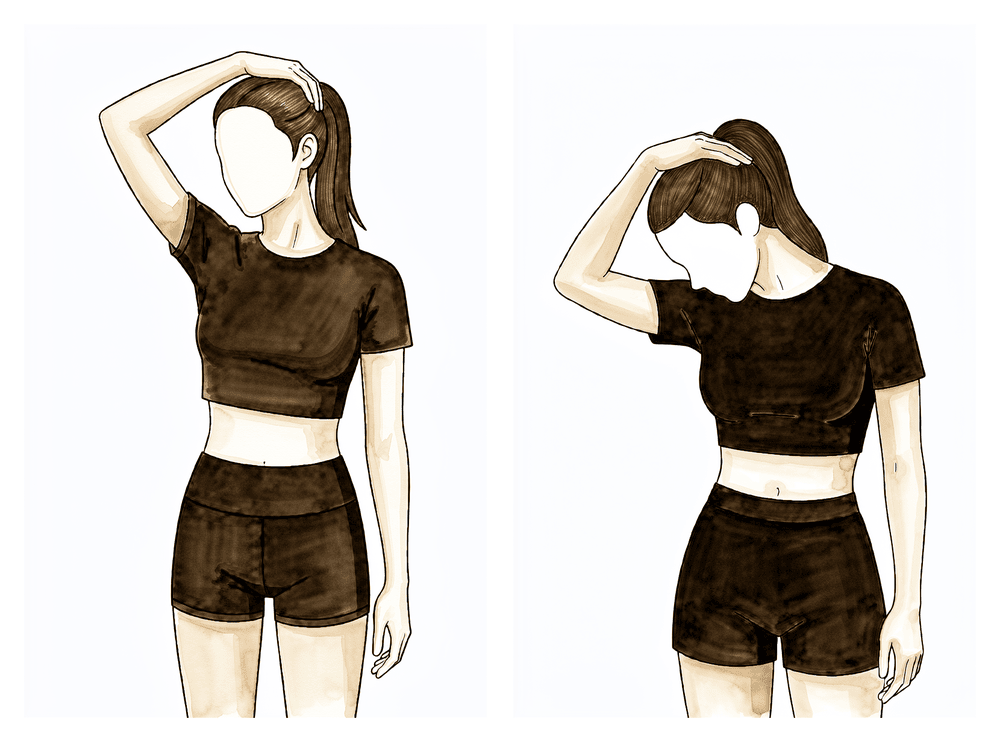
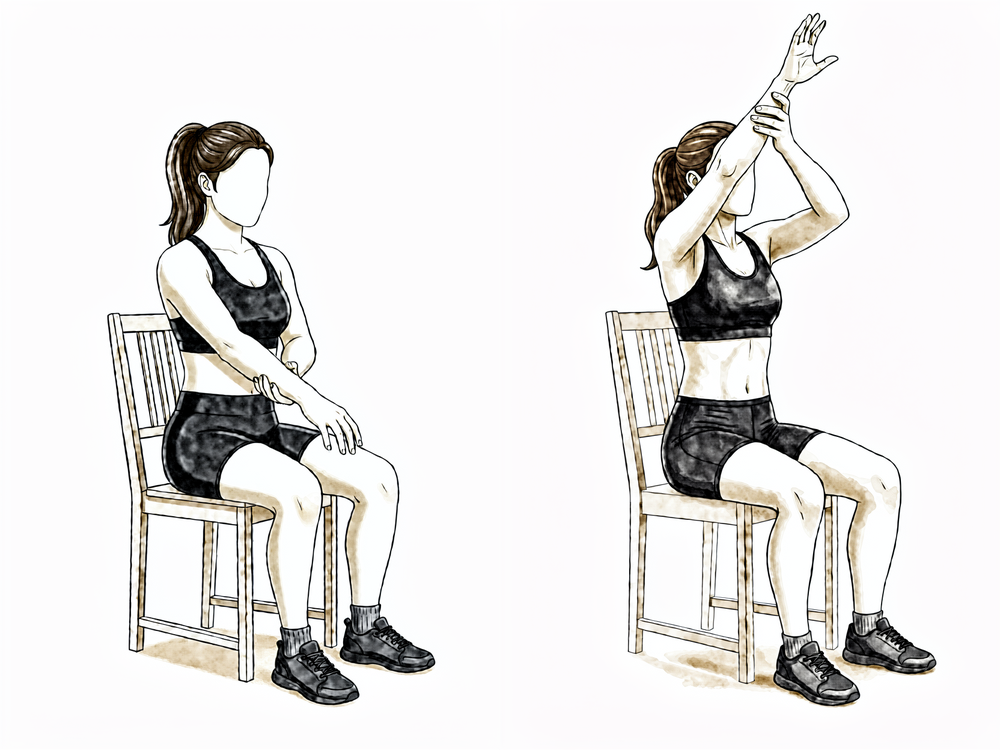
گردن کے پچھلے پٹھے کا اسٹریچ (levator scapulae stretch)
اپنے اس بازو کی مدد سے جس کا آپریشن نہیں ہوا، اپنی ناک کو بغل کی طرف لائیں، آپریشن والی طرف سے دور۔
10 سیکنڈ روکیں، 3 بار، دن میں 3 مرتبہ
Kieran Hirpara 4.0
بیٹھ کر مدد سے بازو آگے اور اوپر اٹھانا (assisted forward elevation)
بیٹھ کر اور تھوڑا سا آگے جھک کر، آپریشن والے بازو کے نچلے حصے کو اپنے ٹھیک ہاتھ سے سہارا دیں اور اسی کے ذریعے آپریشن والے بازو کو اپنے سامنے آگے اور اوپر، جتنا آرام سے ہو سکے، اٹھائیں، پھر آہستہ سے نیچے لائیں۔ سارا کام ٹھیک بازو کو کرنے دیں تاکہ آپریشن والا کندھا ڈھیلا رہے۔
آپ کے فزیوتھراپسٹ کی رہنمائی کے مطابق
یہ ہلکی ورزشیں ہسپتال میں شروع کریں اور گھر جا کر جاری رکھیں۔ یہ آرام سے ہونی چاہییں؛ اگر درد بڑھ جائے تو کچھ کم کر دیں۔
سلنگ پہننا
- سلنگ (sling)، یعنی گلے سے لٹکی وہ پٹی جو بازو کو سہارا دیتی ہے، صرف آرام کے لیے پہنی جاتی ہے، اور جتنا ہو سکے اسے اتار کر رکھنا چاہیے۔ آپ کو سلنگ پہن کر سونے کی ضرورت نہیں۔
- اپنے بازو کو جتنا ہو سکے حرکت دیں اور استعمال کریں۔
- گھر سے باہر جاتے وقت سلنگ پہننا بہتر ہے، تاکہ لوگ آپ کے بازو سے نہ ٹکرائیں۔
- پہلے چھ ہفتے ہفتے میں کم از کم دو بار فزیوتھراپی کے سیشن رکھنے کی کوشش کریں۔
- ضرورت ہو تو درد کم کرنے کے لیے برف استعمال کریں۔
- سلنگ پہنتے وقت اپنے کندھے کو ڈھیلا چھوڑیں اور بازو کا وزن سلنگ پر آنے دیں۔
- اپنی ورزشیں کرنے سے پہلے، اور فزیوتھراپی کی ملاقاتوں سے پہلے، اپنی درد کش دوا لیں۔
- اگر آپ نے فزیوتھراپی کا انتظام خود نہیں کیا تو آپ کے لیے ملاقات کا وقت طے کر دیا گیا ہے، جس کی تفصیل ہسپتال سے چھٹی کے وقت ملنے والے کاغذات میں ہے۔
- اگر کوئی مسئلہ ہو تو کلینک سے رابطہ کریں یا اپنے فزیوتھراپسٹ کو بتائیں۔
جب آپ گھر جائیں
گھر پہنچنے کے بعد، آپ کی صحت یابی آپ کے آپریشن کے مکمل بحالی پروٹوکول کے ساتھ جاری رہتی ہے: کندھے کی جھلی کو کھولنے کا آپریشن (capsular release)؛ سب ایکرومیئل ڈیکمپریشن (subacromial decompression)۔
ہسپتال میں کی جانے والی یہ ابتدائی ورزشیں ان آپریشنوں کے لیے مریضوں کی شائع شدہ رہنمائی اور بحالی کے پروٹوکولز سے لی گئی ہیں، اور بتایا گیا وقت عام اندازہ ہے، طے شدہ نہیں؛ آپ کا فزیوتھراپسٹ آپ کے کندھے کے ردعمل کی بنیاد پر آپ کی صحت یابی میں انفرادی طور پر رہنمائی کرتا ہے۔ اس ابتدائی مرحلے کے پیچھے شواہد (کہ کندھے کی جھلی کو کھولنے کے آپریشن کے بعد سب سے اہم بات کندھے کو بچا کر رکھنے کے بجائے فوراً حرکت کیوں ہے) شواہد والے حصے میں خلاصہ کیے گئے ہیں، جو اس صفحے کے اوپر سے پی ڈی ایف کی شکل میں دستیاب ہے۔
Evidence & references
This is the clinical evidence summary written for health professionals. It is technical, and it lists the research this page was built from. You do not need to read it to understand your treatment or to make a decision about it.
Inpatient (Early In-Hospital) Phase — Capsular Release ± Subacromial Decompression
Topic scope: the early in-hospital phase of rehabilitation for patients who have just had an arthroscopic capsular release (for a stiff/frozen shoulder) and/or an arthroscopic subacromial decompression (acromioplasty). This page covers only the first day or two after surgery — getting the shoulder moving before the patient goes home. The full recovery course lives in the parent protocols: capsular release and subacromial decompression. Read those for the week-by-week plan, strengthening and return to work/sport.
Defining principle of this pathway (the inversion): unlike most shoulder operations — where a repair (cuff, labrum, instability) must be protected in a sling and range of motion is restricted to let the tissue heal — capsular release does the opposite. Nothing has been repaired, so there is no construct to protect. The shoulder was deliberately freed up in theatre, and the enemy now is re-stiffening. The in-hospital priority is therefore immediate, aggressive range of motion from day 0–1, usually with no protective sling (or a sling only for comfort, discarded quickly), to hold on to the range gained at surgery. A subacromial decompression is also a "make room / take pressure off" operation with no repair, so it follows the same early-movement logic. The single thing that changes this is if the surgeon also had to repair a rotator cuff tear at the same time — then the slower, protected cuff-repair pathway applies and the surgeon will say so.
The early in-hospital phase
The aim of the first day or two is simple: keep the shoulder moving and keep the patient comfortable enough to do so. In hospital, patients are started on gentle hand, wrist and elbow movements, pendulum (Codman) swings, and assisted elevation and external rotation — exactly the gentle exercises listed on the patient page. Adequate pain relief is the practical key, because a comfortable patient will move the arm, and a moving arm does not re-stiffen.
For capsular release in particular, surgeons commonly inject an intra-articular corticosteroid and perform a gentle controlled manipulation at the end of the operation to confirm the gained range and to damp down the post-operative inflammation that drives re-contracture [Smith 2017, PMC5137660]. The early motion exercises then begin straight away — often the same day or the first day after surgery.
Evidence by theme
Immediate-motion capsular-release protocols
Published arthroscopic capsular release (ACR) series describe starting motion immediately, not after a protected period. The largest cohort (Kanbe 2018, n = 255) commenced "passive, assisted-active and stooping (pendulum) exercises for forward flexion and external rotation 1 day after surgery," progressing to active strengthening at ~2 weeks and return to work by 4–6 weeks [Kanbe 2018]. Surgical-technique reviews echo this: active-assisted and passive range-of-motion exercises — pendulum/circumduction and pulley work — "can be started on the first postoperative day," and patients perceive the improvement in motion immediately, which reinforces their commitment to moving the arm [Essential Surgical Technique, PMC6221416]. Several ACR series pair the release with an intra-articular steroid + controlled manipulation at the index procedure to limit re-stiffening [Smith 2017, PMC5137660]. Evidence: large cohorts + expert/consensus.
Subacromial decompression — early motion, sling for comfort only
Arthroscopic subacromial decompression (acromioplasty) likewise has no repair to protect. Patient-guidance protocols start physiotherapy immediately after surgery, with a sling worn only 1–2 weeks for comfort and early active range of motion (forward elevation below shoulder height, gentle rotation) from the outset; strengthening follows at 4–6 weeks and unrestricted activity by 6–12 weeks [Boston Shoulder Institute SAD protocol; London Shoulder Partnership]. The important caveat, stated in every protocol, is that a concomitant rotator cuff repair (or biceps/SLAP repair) converts the recovery to the slower, protected pathway [PMC6145625].
Why immediate motion (and not protection)
A small number of patients develop stiffness after even simple arthroscopic shoulder procedures, which is the failure mode early movement is designed to prevent [Frozen shoulder after simple arthroscopic procedures, 10.1302/0301-620x.97b7.35387]. Conversely, the corpus also flags chondrolysis after shoulder arthroscopy as a rare but serious complication — a reminder that "aggressive" here means aggressive motion, on a comfortable, well-analgesed patient, not aggressive intra-articular intervention [10.1177/0363546503262176].
Phased timeline — early phase only
| Phase | Window | Sling | ROM / use | Notes |
|---|---|---|---|---|
| 0 — In hospital (this page) | Day 0–1 | None, or comfort only — left off as much as possible, not worn to sleep | Gentle hand/wrist/elbow movement; pendulums; assisted forward flexion + external rotation begun day 1; HEP several times/day | Take painkillers before exercises and physio; ice for pain. Capsular release: intra-articular steroid ± gentle manipulation often given in theatre |
| 1 — First weeks (see parent protocol) | Week 0–2+ | Comfort only, discarded early | Continue assisted/active motion to hold the gained range; physio ≥ 2×/week early on | Full week-by-week plan, strengthening and return to function are in the capsular release and subacromial decompression protocols |
Branch point — if a rotator cuff repair was also performed: the recovery converts to the protected rotator-cuff-repair pathway (sling ~6 weeks, restricted motion, delayed strengthening). The surgeon confirms which pathway applies before discharge — this is a surgeon-decided point, not a default.
Key controversies / evidence quality
- The post-operative rehab protocol is consensus/expert, not RCT-derived. There is no high-level trial defining the optimal regimen after capsular release; published protocols are large cohorts and surgeon patient-guidance documents and vary in detail [Kanbe 2018; Willmore 2020 review]. What is consistent across them all is the immediate-motion, no-protective-sling principle.
- Sling: comfort only vs none. Protocols differ on whether to use a comfort sling at all and for how long (days to ~2 weeks for decompression). All agree it must be left off as much as possible and is never a protective device here.
- Steroid + manipulation at the index procedure. Common in ACR to limit re-stiffening, but the exact regimen (dose, whether to manipulate) is surgeon preference, not standardised by trial.
Evidence-strength flags
- MODERATE (large cohorts): clinical outcomes of arthroscopic capsular release with day-1 motion (Kanbe 2018, n = 255); subacromial decompression outcomes.
- WEAK / CONSENSUS: the early-phase rehab protocol itself — immediate motion, sling-for-comfort rules, intra-articular steroid + manipulation timing (surgeon patient-guidance and expert review; no defining rehab RCT).
- Branch-point claim (cuff repair → protected pathway): STRONG rationale and uniformly stated across protocols.
Citations
RAG corpus (180,000+ Orthopaedic articles)
- Arthroscopic capsular release for refractory shoulder stiffness: a critical analysis of effectiveness in specific etiologies. J Shoulder Elbow Surg. DOI: 10.1016/j.jse.2009.08.004
- Arthroscopic release of postoperative capsular contracture of the shoulder. J Bone Joint Surg Am. 1997. DOI: 10.2106/00004623-199708000-00006
- Arthroscopic release for chronic, refractory adhesive capsulitis of the shoulder. J Bone Joint Surg Am. 1996. DOI: 10.2106/00004623-199612000-00003
- Clinical outcome of arthroscopic capsular release for frozen shoulder: essential technical points in 255 patients (Kanbe 2018; day-1 ROM, 4–6 wk return to work). J Orthop Surg Res. 2018. DOI: 10.1186/s13018-018-0758-5
- Establishing the MCID and PASS thresholds following arthroscopic capsular release for idiopathic adhesive capsulitis. Arthroscopy. 2023. DOI: 10.1016/j.arthro.2023.08.083
- Frozen shoulder after simple arthroscopic shoulder procedures. Bone Joint J. 2015. DOI: 10.1302/0301-620x.97b7.35387
- Glenohumeral chondrolysis after shoulder arthroscopy (rare serious complication; "aggressive" = motion, not intra-articular intervention). Am J Sports Med. 2004. DOI: 10.1177/0363546503262176
- Effect of capsular release in the treatment of shoulder stiffness concomitant with rotator cuff repair. Am J Sports Med. 2014. DOI: 10.1177/0363546513519326
Literature & published protocols (URLs)
- Kanbe K. Clinical outcome of arthroscopic capsular release for frozen shoulder (day-1 ROM protocol). PMC: https://pmc.ncbi.nlm.nih.gov/articles/PMC5857121/
- Smith CD et al. Arthroscopic capsular release for idiopathic frozen shoulder with intra-articular injection and controlled manipulation. PMC5137660: https://pmc.ncbi.nlm.nih.gov/articles/PMC5137660/
- Essential surgical technique for arthroscopic capsular release (active-assisted/passive ROM from first post-op day). PMC6221416: https://pmc.ncbi.nlm.nih.gov/articles/PMC6221416/
- Arthroscopic subacromial decompression and acromioplasty — rehabilitation and concomitant-repair caveat. PMC6145625: https://pmc.ncbi.nlm.nih.gov/articles/PMC6145625/
- Boston Shoulder Institute — Post-operative arthroscopic subacromial decompression protocol (sling 1–2 wk for comfort, immediate physio): https://bostonshoulderinstitute.com/wp-content/uploads/2014/07/Shoulder-Subacromial-Decompression-protocol2.pdf
- The London Shoulder Partnership — Subacromial decompression (acromioplasty): http://thelondonshoulderpartnership.co.uk/shoulder/shoulder-surgery/subacromial-decompression-acromioplasty/
- J Paget NHS — Patient information: arthroscopic capsular release following a frozen shoulder (sling for comfort, early movement): https://www.jpaget.nhs.uk/media/efmf3bab/arthroscopic-capsular-release-following-a-frozen-shoulder.pdf