Patients › Rehabilitation
کہنی کے مکمل جوڑ کی تبدیلی (total elbow arthroplasty)
کہنی کے مکمل جوڑ کی تبدیلی کے بعد صحت یابی: شروع میں سادہ سلنگ کے ساتھ مدد والی ہلکی حرکت، ہدف کے طور پر روزمرہ کاموں کے لیے کارآمد حرکت کا دائرہ، اور امپلانٹ (جسم میں لگایا گیا مصنوعی پرزہ) کی حفاظت کے لیے وزن اٹھانے کی ایک مستقل، تاحیات حد۔

یہ پروٹوکول (protocol، یعنی بحالی کا مرحلہ وار منصوبہ) کہنی کے مکمل جوڑ کی تبدیلی (total elbow arthroplasty) کے بعد آپ کی صحت یابی میں رہنمائی کرتا ہے، جو ڈاکٹر کیرن ہِرپرا Mater Private Hospital Rockhampton میں کرتے ہیں۔ اس کا آغاز آپ کے گھر پر کرنے والی ورزشوں کے پروگرام سے ہوتا ہے، اور اس کے بعد آپ کے فزیوتھراپسٹ یا ہینڈ تھراپسٹ (ہاتھ کی بحالی کے ماہر) کے لیے لکھا گیا باقاعدہ کلینیکل پروٹوکول آتا ہے: تھراپی کی پہلی ملاقات پر یہ صفحہ یا اس کی پی ڈی ایف ساتھ لائیں تاکہ آپ کی بحالی میں سب کا آپس میں رابطہ رہے۔ آپ کا تھراپسٹ آپ کی صحت یابی کی رفتار کے مطابق اس منصوبے میں تبدیلی کر سکتا ہے۔
اگر سرجری کے بعد آپ کو اپنے زخم کے بارے میں کوئی تشویش ہو تو کلینک سے رابطہ کریں۔ زخم کی تصویر لے کر جائزے کے لیے ای میل کر دینا اکثر مددگار ہوتا ہے۔
کیا توقع رکھیں
کہنی کے مکمل جوڑ کی تبدیلی میں کہنی کے گھسے ہوئے یا خراب جوڑ کی سطحوں کو نکال کر ان کی جگہ دھات اور پلاسٹک کا امپلانٹ (جسم میں لگایا گیا مصنوعی پرزہ) لگایا جاتا ہے۔ اس کے دونوں حصے (ایک آپ کے بازو کے اوپری حصے کی ہڈی (humerus) میں جمایا جاتا ہے، اور دوسرا بازو کے نچلے حصے کی ہڈی النا (ulna)، یعنی چھوٹی انگلی والی طرف کی ہڈی، میں) عموماً ایک چھوٹے قبضے (hinge) سے آپس میں جڑے ہوتے ہیں، اسی لیے اسے نیم بندھی ہوئی (semi-constrained) یا "جڑی ہوئی" (linked) تبدیلی کہا جاتا ہے۔ یہ آپریشن زیادہ تر شدید ریومیٹائیڈ آرتھرائٹس کے لیے، آخری درجے کے جوڑ کے گھسنے والے آرتھرائٹس (osteoarthritis) کے لیے، یا بڑی عمر کے مریضوں میں کہنی کے بعض فریکچر (ہڈی کا ٹوٹنا) کے لیے کیا جاتا ہے جن میں ہڈی کی مرمت ممکن نہ ہو۔
آپ کی صحت یابی کا مقصد کہنی کو پرسکون کرنا، بھرتے ہوئے ٹشو کی حفاظت کرنا، اور حرکت کا ایک آرام دہ، بغیر درد کا کارآمد دائرہ (functional arc) بحال کرنا ہے (اتنا موڑنا اور سیدھا کرنا کہ کھانا کھانے، نہانے دھونے اور کپڑے پہننے جیسے روزمرہ کام ہو سکیں)، نہ کہ کہنی کو زیادہ سے زیادہ طاقتور بنانا۔ زخم، سوجن اور زخم کے نشان کی دیکھ بھال کے لیے کلینک کی زخم کی دیکھ بھال کی رہنمائی دیکھیں۔
سب سے اہم بات جو سمجھنی ہے وہ یہ ہے: یہ امپلانٹ آرام دہ روزمرہ زندگی کے لیے بنایا گیا ہے، بھاری کام کے لیے نہیں۔ طویل مدت میں اس کے دشمن پلاسٹک کی بیئرنگ (bearing، وہ حصہ جس پر جوڑ حرکت کرتا ہے) کا گھساؤ اور ہڈی میں امپلانٹ کا آہستہ آہستہ ڈھیلا ہو جانا ہیں، اور یہ دونوں بھاری بوجھ کی وجہ سے ہوتے ہیں۔ اسی وجہ سے، کہنی کے مکمل جوڑ کی تبدیلی کے بعد زور دار مضبوطی کا پروگرام مناسب نہیں ہے، اور وزن اٹھانے کی ایک حد ساری زندگی آپ کے ساتھ رہتی ہے، صرف زخم بھرنے کے دوران نہیں۔ اس حد کی پابندی کرنا سب سے بڑا کام ہے جو آپ اپنی نئی کہنی کو زیادہ دیر تک چلانے کے لیے کر سکتے ہیں۔
سرجری کے بعد آپ آرام کے لیے ایک سادہ سلنگ (sling، یعنی گلے سے لٹکی وہ پٹی جو بازو کو سہارا دیتی ہے) میں ہوں گے، سخت اسپلنٹ یا بریس میں نہیں۔ مدد کے ساتھ ہلکی حرکت پہلے ہفتے کے اندر شروع ہو جاتی ہے، اور وہاں سے منصوبہ آہستہ آہستہ اور احتیاط سے آگے بڑھتا ہے۔
احتیاطیں اور پابندیاں
یہ کریں:
- آرام کے لیے اپنی سادہ سلنگ پہنیں، اور اسے ہدایت کے مطابق استعمال کریں۔
- ڈاکٹر ہِرپرا اور اپنے تھراپسٹ کی رہنمائی کے مطابق نیچے دی گئی مدد والی ہلکی حرکتیں پہلے ہفتے کے اندر شروع کریں۔
- اکڑاؤ سے بچنے کے لیے اپنے ہاتھ، کلائی اور کندھے کو حرکت میں رکھیں۔
- صحت یاب ہونے کے بعد وزن اٹھانے کی تاحیات حد (نیچے دیکھیں) کی پابندی کریں۔
یہ نہ کریں:
- پہلے 6 ہفتوں میں آپریشن والے بازو سے چائے کے ایک کپ (1 پاؤنڈ / 0.45 کلوگرام) سے زیادہ وزنی کوئی چیز نہ اٹھائیں۔
- اپنی کہنی کو زبردستی نہ موڑیں، اور نہ اسے جھٹکے سے یا دھکیل کر سیدھا کریں۔
- آپریشن والے بازو کے زور پر کرسی سے نہ اٹھیں، اس سے کوئی چیز اٹھا کر نہ لے جائیں، نہ اس سے دھکیلیں اور نہ اس پر اپنا وزن ڈالیں، اور نہ کسی کو اسے کھینچنے یا مروڑنے دیں۔
- اگر سرجری کے دوران آپ کا ٹرائسیپس (triceps، بازو کے اوپری حصے کی پشت کا پٹھا) اس کی جگہ سے ہٹایا گیا تھا، تو جب تک آپ کا سرجن اجازت نہ دے (عموماً 6 سے 12 ہفتے)، کہنی کو مزاحمت کے خلاف خود سیدھا نہ کریں۔
- مستقل، تاحیات حدیں: تقریباً 2 کلوگرام سے زیادہ وزن بار بار نہ اٹھائیں، اور ایک ہی بار میں تقریباً 4.5 سے 5 کلوگرام سے زیادہ وزن نہ اٹھائیں۔ یہ حدیں مستقل ہیں، ساری زندگی کے لیے۔ ٹینس، پھینکنے والے کھیل اور جھٹکے والے کھیل کبھی بھی نہ کھیلیں۔
آپ کی ورزشیں
Kieran Hirpara 4.0
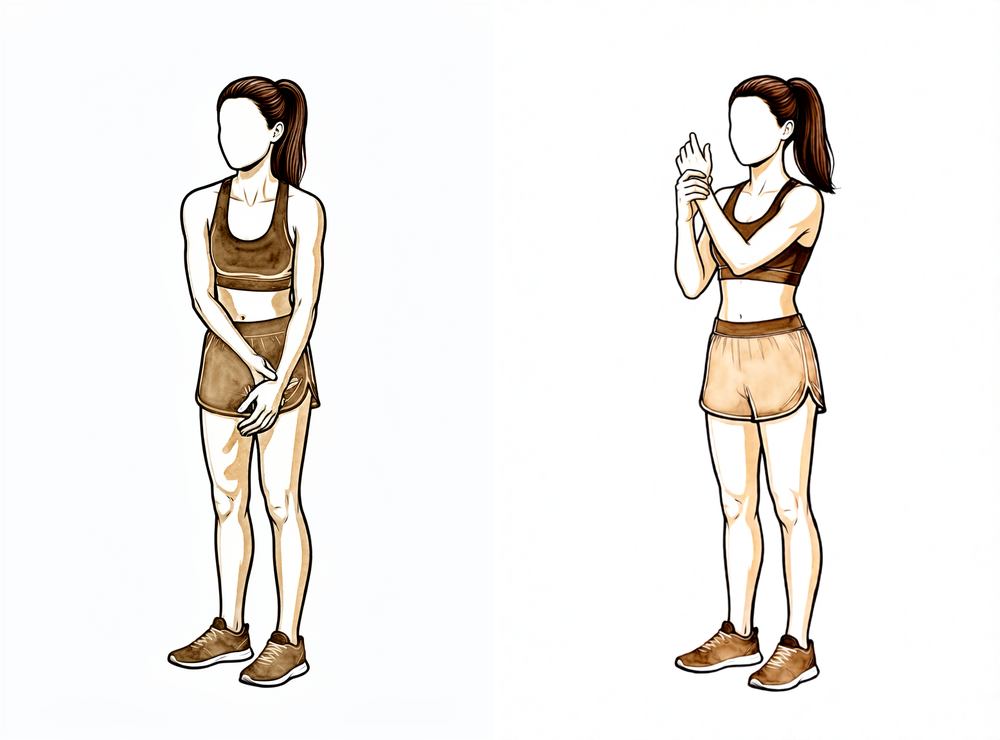
مدد کے ساتھ کہنی موڑنا (passive flexion)
بازو کا اوپری حصہ پہلو کے ساتھ لگا کر رکھیں، اور دوسرے ہاتھ سے آپریشن والی کہنی کو آہستہ سے کندھے کی طرف اوپر موڑنے میں مدد دیں، صرف اتنا جتنا آرام دہ ہو۔ اس پر زور نہ لگائیں۔ اسے آہستہ سے واپس نیچے لائیں۔ آپ کا تھراپسٹ بتائے گا کہ کتنا موڑنا ہے۔
5 سے 10 بار، دن میں کئی بار، آرام کی حد میں
Kieran Hirpara 4.0
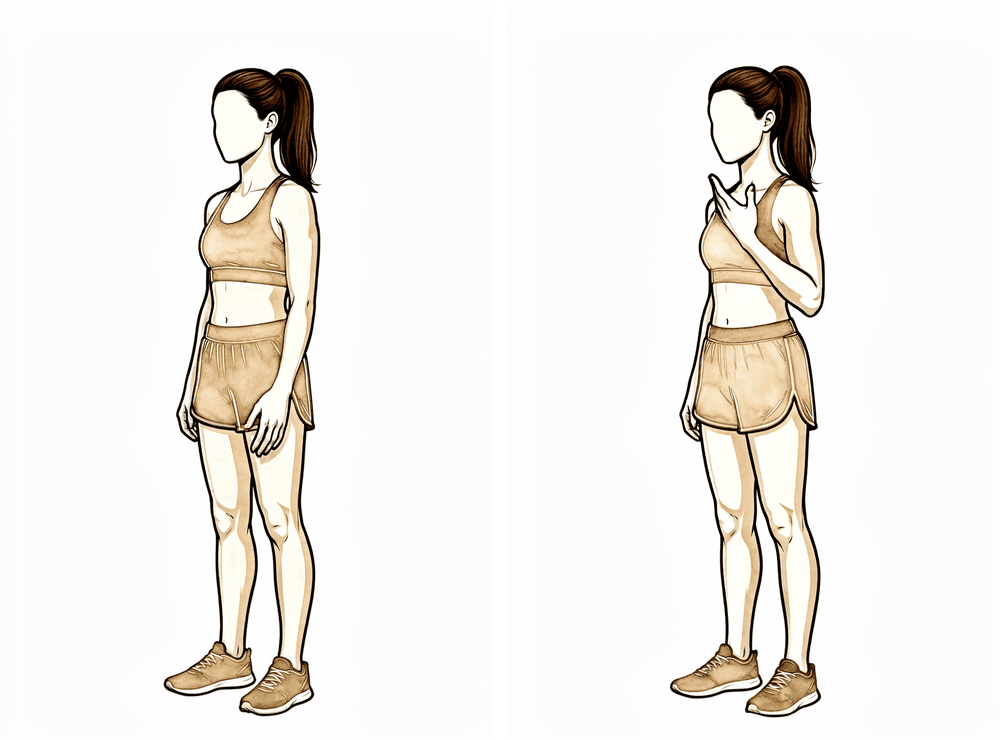
کہنی کو ہلکا موڑنا اور سیدھا کرنا
ہتھیلی اوپر کی طرف اور بازو کا اوپری حصہ پہلو کے ساتھ رکھ کر، کہنی کو جتنا آرام سے مڑ سکے آہستہ سے موڑیں، پھر کشش ثقل کی مدد سے اسے واپس سیدھا ہونے دیں۔ حرکت کو آہستہ اور بغیر زور کے رکھیں — بازو کو خود کام کرنے دیں، اور حرکت کی آخری حدوں پر زور سے نہ دھکیلیں۔
5 سے 10 بار، دن میں کئی بار

Kieran Hirpara 4.0
کشش ثقل کی مدد سے کہنی سیدھی کرنا (active extension)
بازو کے اوپری حصے کو سہارے پر رکھیں (مثلاً تکیے یا کرسی کے بازو پر) اور بازو کے نچلے حصے کو نیچے آنے دیں تاکہ کشش ثقل کی مدد سے کہنی آہستہ سے سیدھی ہو جائے۔ کہنی کو جھٹکے سے یا زبردستی سیدھا نہ کریں۔ اگر آپ کے سرجن نے آپ کو بتایا ہے کہ سرجری کے دوران آپ کا ٹرائسیپس (triceps، بازو کے اوپری حصے کی پشت کا پٹھا) اس کی جگہ سے ہٹایا گیا تھا، تو یہ ورزش ہلکی رکھیں اور جب تک اجازت نہ ملے، کہنی کو خود زور لگا کر سیدھا کرنے سے پرہیز کریں۔
5 سے 10 بار، دن میں کئی بار، آرام کی حد میں
Kieran Hirpara 4.0
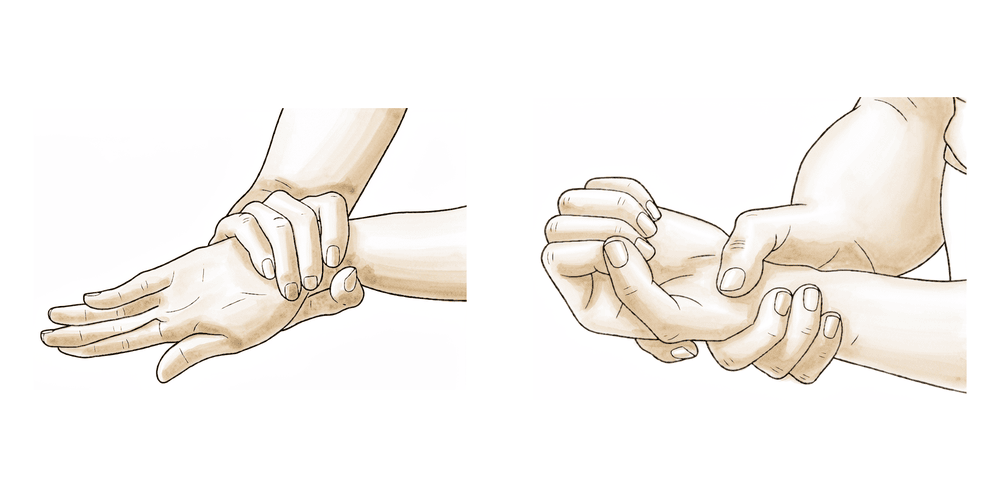
بازو کے نچلے حصے کو گھمانا (ہتھیلی اوپر / ہتھیلی نیچے)
کہنی کو مڑا ہوا اور پہلو کے ساتھ لگا کر رکھیں، ہتھیلی کو آہستہ سے چھت کی طرف اوپر گھمائیں، ایک لمحہ روکیں، پھر اسے فرش کی طرف نیچے گھمائیں۔ بازو کے اوپری حصے کو ساکن رکھیں تاکہ حرکت بازو کے نچلے حصے سے ہو۔
ہر سمت میں 10 بار، دن میں چند بار
Kieran Hirpara 4.0
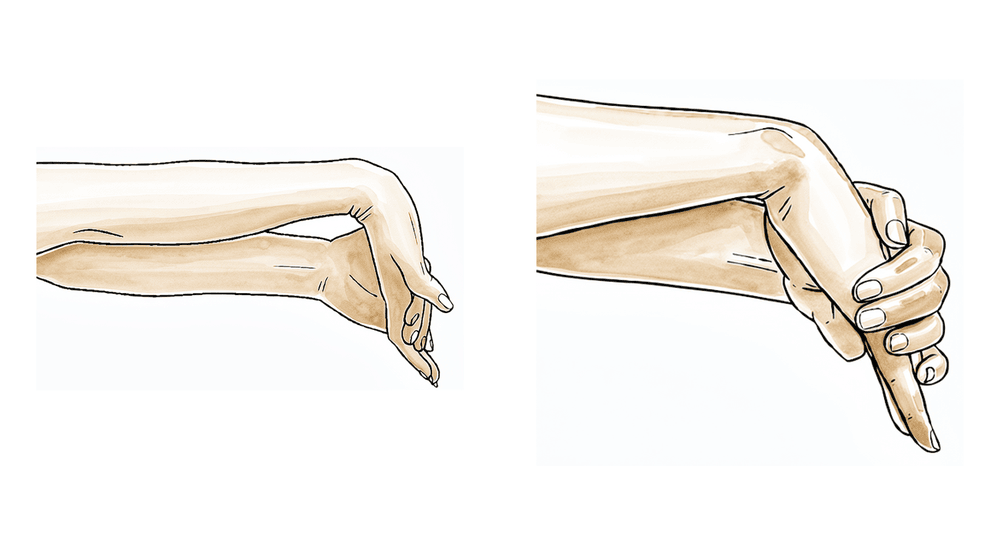
کلائی کی حرکت
اپنی کلائی کو آہستہ سے آگے، پھر پیچھے، جتنا آرام سے ہو سکے موڑیں۔ اس سے کلائی اور ہاتھ حرکت میں رہتے ہیں اور کہنی کے ٹھیک ہونے کے دوران اکڑاؤ اور سوجن سے بچاؤ میں مدد ملتی ہے۔
10 سے 15 بار، دن میں کئی بار

Kieran Hirpara 4.0
ٹرائسیپس پٹھے کو کسنا (isometric)
یہ بعد کی ورزش ہے — اسے صرف اس وقت شروع کریں جب آپ کا سرجن یا تھراپسٹ بتائے کہ آپ کا ٹرائسیپس تیار ہے، عموماً تقریباً 6 ہفتے یا اس کے بعد۔ کہنی کو آرام دہ موڑ پر ساکن رکھتے ہوئے، بازو کے اوپری حصے کی پشت کے پٹھے کو آہستہ سے ایسے کسیں جیسے کہنی سیدھی کرنے والے ہوں، لیکن اسے اصل میں ہلائے بغیر۔ ہلکا سا روکیں، پھر ڈھیلا چھوڑ دیں۔
5 سیکنڈ روکیں، 10 بار، اجازت ملنے کے بعد
یہ آپ کے ہینڈ آؤٹ والی ورزشیں ہیں، جو کہنی، بازو کے نچلے حصے (forearm)، کلائی اور ہاتھ کی حرکت آہستہ آہستہ واپس لانے کے لیے ہیں۔ انہیں ڈاکٹر ہِرپرا اور اپنے تھراپسٹ کی رہنمائی کے مطابق شروع کریں۔ ہر حرکت ہلکی اور بغیر زور کے رکھیں؛ شروع میں مقصد آسان، مدد والی حرکت ہے، نہ کہ زور لگانا یا کھینچنا۔
آپ کا کلینیکل پروٹوکول
اس صفحے کا باقی حصہ نیم بندھی ہوئی کہنی کے مکمل جوڑ کی تبدیلی (پیچھے کی طرف سے آپریشن (posterior approach)، یہ فرض کرتے ہوئے کہ ٹرائسیپس کو نہیں چھیڑا گیا (triceps-sparing)) کے بعد بحالی کا کلینیکل پروٹوکول ہے۔ یہ حصہ آپ کے فزیوتھراپسٹ یا ہینڈ تھراپسٹ کو دیا جانا ہے، اور نیچے ہر مرحلہ آسان زبان میں اس وضاحت سے شروع ہوتا ہے کہ کیا ہو رہا ہے۔
علاج سے پہلے مریض کی آپریشن رپورٹ اور پچھلی طبی تاریخ دیکھیں، اور آپریشن کے طریقے کے بارے میں علاج کرنے والے سرجن سے رابطہ کریں، خاص طور پر یہ کہ ٹرائسیپس کو بچایا گیا تھا، ہٹایا گیا تھا یا دوبارہ جوڑا گیا تھا (Bryan–Morrey)، کیونکہ اسی سے ابتدائی دنوں میں کہنی سیدھی کرنے کی پابندیاں اور آرام کی پوزیشن طے ہوتی ہیں۔
مرحلہ I — آپریشن کے فوراً بعد، ہفتہ 0 سے 6
پہلے چھ ہفتوں میں توجہ بھرتے ہوئے نرم ٹشو اور ٹرائسیپس کی حفاظت، زخم اور سوجن کو پرسکون کرنے، اور مدد کے ساتھ ہلکی حرکت شروع کرنے پر ہوتی ہے تاکہ کہنی اکڑ نہ جائے۔ ڈاکٹر ہِرپرا آرام کے لیے سادہ سلنگ استعمال کرتے ہیں، پیچھے والا اسپلنٹ (posterior splint) یا بریس نہیں۔ کہنی کو مدد کے ساتھ (active-assisted) ہلکا موڑنا اور سیدھا کرنا دن 1 اور 7 کے درمیان شروع ہوتا ہے، جس میں کہنی پہلو کے ساتھ لگی رہتی ہے اور بازو کا نچلا حصہ درمیانی سے ہتھیلی نیچے والی پوزیشن میں ہوتا ہے، اور سیدھا کرنے میں کشش ثقل کی مدد لی جاتی ہے۔ آپریشن والے بازو سے 1 پاؤنڈ (0.45 کلوگرام) سے زیادہ وزن بالکل نہیں اٹھانا، اور نہ اس پر وزن ڈالنا ہے اور نہ اس سے دھکیلنا ہے۔
آپ کے فزیوتھراپسٹ کے لیے:
بازو کو ساکن رکھنا اور احتیاطیں
- آرام کے لیے سادہ سلنگ (ڈاکٹر ہِرپرا کا طریقہ: پیچھے والا اسپلنٹ یا بریس نہیں)۔ اگر سرجن نے نرم ٹشو کے بارے میں تشویش کی وجہ سے بریس یا اسپلنٹ لگایا ہو تو اس ہدایت پر عمل کریں؛ ورنہ سادہ سلنگ تقریباً چھ ہفتے تک پہنی جاتی ہے، اور ورزشوں اور صفائی کے لیے اتاری جاتی ہے۔
- ٹرائسیپس ہٹا کر دوبارہ جوڑے جانے والے کیس (triceps-reflected / reattached، مثلاً Bryan–Morrey): کہنی کو سیدھی پوزیشن کے زیادہ قریب ساکن رکھیں، اور مرمت کی حفاظت کے لیے شروع میں کہنی کو خود سیدھا کرنے اور مزاحمت کے خلاف سیدھا کرنے سے پرہیز کریں (ٹرائسیپس کے نچلے سرے کی مرمت (distal triceps repair) والے اصول کی طرح)۔
- کہنی کو زبردستی نہ موڑیں (اس سے ٹرائسیپس کی مرمت پر دباؤ پڑتا ہے)، اور نہ اچانک یا زبردستی سیدھا کریں۔
- نہ بازو پر وزن ڈالیں، نہ مزاحمت کے خلاف دھکیلیں، اور نہ کہنی پر اندر یا باہر کی طرف ٹیڑھا دباؤ (varus/valgus stress) ڈالیں۔
- آپریشن والے بازو سے 1 پاؤنڈ (0.45 کلوگرام) سے زیادہ وزنی چیزیں نہ اٹھائیں۔
ورزشیں
- دن 1 سے 7 کے درمیان سے کہنی کو مدد کے ساتھ ہلکا موڑنا/سیدھا کرنا (AAROM)، کہنی پہلو کے ساتھ لگی ہو، بازو کا نچلا حصہ درمیانی سے ہتھیلی نیچے والی پوزیشن میں ہو؛ کشش ثقل کی مدد سے کہنی سیدھی کرنے والا اسٹریچ۔
- اکڑاؤ سے بچنے کے لیے ہاتھ، کلائی اور کندھے کی خود حرکت کی حد (active range of motion)۔
مرحلہ II میں جانے کی شرائط: زخم بھر چکا ہو، درد قابو میں ہو، اور مدد کے ساتھ ہلکی حرکت (AAROM) قائم ہو چکی ہو۔ 6 ہفتوں سے پہلے مضبوطی کی ورزشوں کی طرف نہ بڑھیں۔
مرحلہ II — روزمرہ کام کاج کی سرگرمی، 6 ہفتوں سے (اس سے پہلے نہیں)
اس مرحلے میں پٹھوں کو ہلکا سا فعال کرنا شروع کیا جاتا ہے اور بعد میں بہت ہلکی مضبوطی کی ورزشیں، لیکن کبھی بھی زور دار پروگرام نہیں۔ حرکت کو آہستہ آہستہ کارآمد دائرے تک بڑھایا جاتا ہے، اور مزاحمت احتیاط سے شامل کی جاتی ہے اور ہلکی رکھی جاتی ہے۔ وزن اٹھانے کی پابندی پورے مرحلے میں جاری رہتی ہے۔
آپ کے فزیوتھراپسٹ کے لیے:
مرحلہ II کے اندر وقت کی ترتیب
- 6 ہفتے: درمیانی حد میں، تمام سمتوں میں، پوری طاقت سے کم زور والی، بغیر درد کی آئسومیٹرک ورزشیں (isometrics، جوڑ کو ہلائے بغیر پٹھے کو کسنا) شروع کریں۔ اگر ٹرائسیپس ہٹا کر دوبارہ جوڑا گیا تھا تو کہنی سیدھی کرنے والی آئسومیٹرک ورزشیں شامل کرنے سے پہلے تصدیق کریں کہ اس کی اجازت مل چکی ہے۔
- 8 ہفتے: مختلف زاویوں پر، پوری طاقت سے کم زور والی آئسومیٹرک ورزشوں کی طرف بڑھیں، اور حرکت کی آخری حد سے بچیں۔
- 10 سے 12 ہفتے: ہلکی آئسوٹونک (isotonic) مضبوطی کی ورزشیں شامل کریں (5 پاؤنڈ (2.3 کلوگرام) سے زیادہ نہ وزن اور نہ مزاحمت)، پہلے ایک سمت میں، پھر ملی جلی حرکتیں۔
حرکت کی حد کا ہدف
- کارآمد دائرہ: 30 سے 120/130 ڈگری تک کہنی کا موڑ (flexion)، اور ساتھ 60 ڈگری ہتھیلی نیچے کی طرف گھماؤ (pronation) اور 60 ڈگری ہتھیلی اوپر کی طرف گھماؤ (supination)۔
- اگر 10 سے 12 ہفتوں تک کہنی کا موڑ 120 ڈگری سے کم ہو تو ڈائنامک یا بتدریج کھینچنے والے (static-progressive) اسپلنٹ پر غور کریں۔
احتیاطیں
- بھاری بوجھ، دھکیلنے اور جھٹکوں سے پرہیز جاری رکھیں۔
- مضبوطی کے بارے میں اصول (ماخذ پروٹوکول سے اقتباس): "کہنی کے مکمل جوڑ کی تبدیلی کے بعد زور دار مضبوطی کے پروگرام کی ضرورت مناسب نہیں ہے۔"
اگلے مرحلے میں جانے کی شرائط: بغیر درد کا کارآمد دائرہ حاصل ہو جائے اور برقرار رہے۔
مرحلہ II کا آخری حصہ اور تاحیات، 12 ہفتوں سے
تقریباً 12 ہفتوں سے کہنی کے لیے گھر پر کرنے والا ایک پروگرام شروع ہوتا ہے جس کا مقصد بغیر درد کے کارآمد دائرے کو برقرار رکھنا ہے۔ بھاری مضبوطی کی کوئی باقاعدہ ورزش کبھی نہیں ہوگی۔ نیچے دی گئی سرگرمی اور وزن اٹھانے کی تاحیات حدیں اب مستقل طور پر لاگو ہوتی ہیں۔
آپ کے فزیوتھراپسٹ کے لیے:
- بغیر درد کے کارآمد دائرے کو برقرار رکھنے کے لیے گھر پر ورزشوں کا پروگرام۔
- مریض کے ساتھ مستقل سرگرمی کی پابندیوں کو بار بار دہرائیں۔
- جب کہنی کا مستحکم، آرام دہ کارآمد دائرہ اور روزمرہ کام کاج کی مناسب واپسی حاصل ہو جائے تو علاج ختم کرنے پر غور کریں۔
کام اور سرگرمیوں پر واپسی
آپ کی نئی کہنی آرام دہ روزمرہ زندگی کے لیے بنائی گئی ہے، اور نیچے دی گئی حدیں مستقل ہیں؛ یہی حدیں امپلانٹ کو زیادہ دیر تک چلاتی ہیں۔
- وزن اٹھانا (ساری زندگی کے لیے): آپریشن والے بازو سے کبھی بھی تقریباً 2 کلوگرام (دو بھرے ہوئے مگ) سے زیادہ وزن بار بار نہ اٹھائیں، اور ایک ہی بار میں تقریباً 4.5 سے 5 کلوگرام (تقریباً پانی سے بھری کیتلی) سے زیادہ وزن نہ اٹھائیں۔ پہلے 6 ہفتوں میں حد اس سے کہیں زیادہ سخت ہے: تقریباً 1 پاؤنڈ (0.45 کلوگرام) سے زیادہ وزنی کوئی چیز نہیں۔
- کھیل اور جھٹکے: ساری زندگی کسی بھی وقت نہ ٹینس، نہ پھینکنے والے کھیل، اور نہ جھٹکے والا بوجھ۔ اجازت ملنے کے بعد ہلکی، کم بوجھ والی سرگرمیوں کی حوصلہ افزائی کی جاتی ہے، لیکن کہنی پر کبھی بھی بھاری بوجھ نہیں ڈالنا چاہیے اور نہ اسے جھٹکا لگنا چاہیے۔
- گاڑی چلانا: صرف اس وقت دوبارہ شروع کریں جب آپ آرام دہ ہوں، گاڑی چلانے کے لیے سلنگ اتار چکے ہوں، اور اسٹیئرنگ کو محفوظ طریقے سے قابو میں رکھ سکیں۔ وقت کی تصدیق اپنے معائنے پر ڈاکٹر ہِرپرا سے کریں۔
- کام: ہلکے دفتری کام اور اپنی دیکھ بھال کے کام آرام کی حد میں جلد دوبارہ شروع ہو جاتے ہیں۔ جس کام میں وزن اٹھانا، اٹھا کر لے جانا، دھکیلنا یا بازو پر بار بار بوجھ پڑتا ہو، اس پر ڈاکٹر ہِرپرا سے الگ سے بات کرنی ہوگی، کیونکہ تاحیات حدیں کام پر بھی لاگو ہوتی ہیں۔
ان حدوں کی پوری پابندی کرنا سب سے بڑا کام ہے جو آپ اپنے جوڑ کی تبدیلی کی حفاظت کرنے اور برسوں تک امپلانٹ کے ڈھیلا ہونے یا گھسنے سے بچنے کے لیے کر سکتے ہیں۔
آپ کے پروٹوکول کے بعد
یہ پروٹوکول کلینک کی عمومی صحت یابی کی ہدایات کے ساتھ مل کر کام کرتا ہے؛ دیکھیں آپریشن کے بعد درد پر قابو پانا اور زخم کی دیکھ بھال۔ آپ کی آگے کی صحت یابی کی رہنمائی آپ کا فزیوتھراپسٹ یا ہینڈ تھراپسٹ انفرادی طور پر، آپ کی کہنی کی بہتری کے مطابق کرتا ہے، اور ہر معائنے پر آپ کی سرگرمی کی تاحیات حدوں کو ذہن میں رکھنا چاہیے۔
Evidence & references
This is the clinical evidence summary written for health professionals. It is technical, and it lists the research this page was built from. You do not need to read it to understand your treatment or to make a decision about it.
Total Elbow Arthroplasty (TEA) — Rehabilitation Evidence
Topic scope: post-operative rehabilitation after semi-constrained (linked/hinged) total elbow replacement — most commonly for rheumatoid arthritis, end-stage osteoarthritis, or a non-reconstructable distal humerus fracture in an elderly patient. This brief covers the phased rehabilitation timeline, the early triceps-protection rationale, the functional-arc goal, and — critically — the lifelong lifting restriction that exists to protect the implant against polyethylene wear and aseptic loosening.
Defining principle: unlike most joint replacements, the goal of TEA rehabilitation is a pain-free functional arc (~30–130° flexion, 60°/60° rotation), not maximal strength. The implant's long-term enemies are polyethylene wear and aseptic loosening, both driven by load, so heavy loading is restricted permanently, not just during healing — "the need for a vigorous strengthening program is not appropriate following total elbow arthroplasty." Dr Hirpara's practice: a simple sling for comfort (not a posterior splint or brace), gentle active-assisted motion from day 1–7, isometrics from ~6 weeks, light isotonic (≤ 5 lb) from 10–12 weeks, triceps protection where the triceps was reflected or detached, and a lifelong lifting limit (no repetitive lift > ~2.3 kg; no single lift > ~4.5–5 kg; no tennis/throwing/impact ever).
Consensus phased timeline (week windows)
Anchored to the Brigham & Women's Hospital (BWH) Total Elbow Arthroplasty Protocol (Thornhill; semi-constrained, hinged/linked prosthesis; posterior triceps-sparing approach assumed) and cross-checked against the primary literature. Dr Hirpara's practice substitutes a simple sling for comfort in place of BWH's 60° posterior resting splint; the ROM and strengthening cadence and the lifelong limits are retained.
| Phase | Window | Sling / immobilisation | ROM and use | Strengthening | Lifting |
|---|---|---|---|---|---|
| I — Immediate post-surgical | Weeks 0–6 | Simple sling for comfort (KH — no posterior splint/brace); triceps-reflected cases immobilised nearer extension | Gentle AAROM flexion/extension from day 1–7, elbow adducted, forearm neutral-to-pronated, gravity-assisted extension; hand/wrist/shoulder AROM | None | No lifting > 1 lb (0.45 kg); no weight-bearing/pushing |
| II — Functional activity | From 6 weeks (not before) | Sling weaned | 6 wk: submaximal mid-range isometrics, all planes · 8 wk: multi-angle submaximal isometrics (avoid end-range) · target functional arc 30–120/130°, 60°/60° | 10–12 wk: light isotonic, no resistance > 5 lb (2.3 kg), single-plane → composite | Restriction continues |
| Late II / lifelong | 12 weeks onward | — | Maintain pain-free functional arc | No vigorous strengthening — ever | Lifelong limits apply (see below) |
Triceps-protection note. Where the triceps is reflected (Bryan–Morrey) rather than spared, early rehabilitation is stricter — immobilisation nearer extension and delayed/limited active and resisted extension to protect the reattachment (cf. distal-triceps-repair logic). Wiesel keeps the elbow in full extension ~24–36 h then begins active-assisted ROM, and adds no pushing/overhead for 3 months to protect the triceps; Wolfe & Ranawat's osteo-anconeus flap is immobilised ~16 days. Triceps insufficiency is a recognised TEA complication.
CRITICAL — lifelong lifting restriction numbers + sources
| Source | Repetitive limit | Single-event limit | Lifelong? |
|---|---|---|---|
| BWH Standard of Care (Thornhill) | no repetitive lifts > 5 lb | no single lift > 15 lb | yes — "no heavier than 15 lb for life"; "no tennis or throwing for life" |
| Wiesel, Operative Techniques in Orthopaedic Surgery (2011) | > 5 lb (~2.3 kg) | > 10 lb (~4.5 kg) | yes (also no pushing/overhead × 3 months to protect triceps) |
| Toulemonde et al., Int Orthop 2015 (100 semi-constrained TEA) | > 1 kg | 5 kg | yes; all weight-lifting avoided entirely for the first 3 months |
| Kumar & Mahanta, Indian J Orthop 2013 | — | 5 kg | permanent restriction of strenuous activity |
Bottom line / patient-facing range: the canonical teaching is a lifelong restriction of roughly ~5 lb (2.3 kg) repetitive and ~10–15 lb (4.5–5 kg) single event. The exact ceiling varies by source: BWH allows up to 15 lb once; Wiesel caps single lift at 10 lb; the European series (Toulemonde) is most conservative at 1 kg repetitive / 5 kg single. Dr Hirpara quotes the conservative patient-facing range: do not repetitively lift more than ~2 kg, or lift more than ~5 kg in a single event, for life; no tennis/throwing/impact ever.
Key controversies / evidence quality
- Lifting-limit variation. Numbers range from 1 kg / 5 kg (Toulemonde 2015) to 5 lb / 15 lb (BWH). The restriction exists to protect against polyethylene wear and aseptic loosening, the dominant long-term failure mode — hence its permanence.
- Triceps-sparing vs reflected approach. Surgical handling of the triceps dictates early rehab: triceps-sparing (BWH default) permits earlier gentle AAROM; reflected approaches require protecting the reattachment with immobilisation nearer extension and delayed active/resisted extension. Triceps insufficiency/weakness is a recognised complication.
- Longevity and compliance. TEA was historically reserved for elderly low-demand patients owing to implant-longevity concerns (survivorship ~85–96% at 5 y, ~70–92% at 10 y in RA). As indications expand to younger, more active and post-traumatic patients, non-compliance with activity limits drives higher complication and failure rates — which is precisely why the lifelong limit is emphasised to every patient.
Evidence strength flags
- MODERATE–STRONG (published protocol + restriction numbers): the BWH institutional Standard of Care provides an explicit phased timeline with verbatim lifting limits, independently corroborated by multiple peer-reviewed primary sources (JBJS, JHS, JSES, Int Orthop, JAAOS) for the lifelong restriction and the triceps-protection rationale.
- MODERATE (ROM / strengthening cadence): phase timings and the isometric → light-isotonic progression are consensus/expert-driven; no high-level RCT dictates the rehab cadence. The exact lifting ceiling varies by source.
- CONSENSUS: the simple-sling (vs posterior-splint) choice and the precise functional-arc targets reflect surgeon practice and institutional protocols rather than trial data.
CITATIONS
RAG corpus (180,000+ Orthopaedic articles)
- Toulemonde J, Ancelin D, Azoulay V, et al. Complications and revisions after semi-constrained total elbow arthroplasty: a mono-centre analysis of 100 cases. Int Orthop. 2015. (1 kg repetitive / 5 kg single; no weight-lifting first 3 months)
- Kumar S, Mahanta S. Primary total elbow arthroplasty. Indian J Orthop. 2013. (5-kg weight-lifting restriction)
- Schoch B, Wong J, Abboud J, et al. Results of total elbow arthroplasty in patients less than 50 years old. J Hand Surg Am. 2017. (longevity/survivorship driving the restriction)
- Seitz WH, Evans PJ, Bismar H, Peers S. Complications of total elbow arthroplasty in nonrheumatoid patients. J Hand Surg Am. 2014. (active patients, poor compliance → complications)
- Baghdadi YM, Veillette CJ, Malone AA, et al. Total elbow arthroplasty in obese patients. J Bone Joint Surg Am. 2014;96(9). (higher failure with high BMI)
- Barlow JD, Morrey BF, O'Driscoll SW, et al. Activities after total elbow arthroplasty. J Shoulder Elbow Surg. 2013;22(6):787–791.
- You D, King G, Dehghan N, et al. Optimizing outcomes in total elbow arthroplasty. J Am Acad Orthop Surg (JAAOS). 2025. (modern failure-reduction review)
- Burnier M, Nguyen NTV, Morrey ME, et al. Revision elbow arthroplasty using a proximal ulnar allograft with allograft triceps for combined ulnar bone loss and triceps insufficiency. J Bone Joint Surg Am. 2020;102(22). (triceps insufficiency complication)
- Na K, Song S, Lee Y, et al. Modified triceps fascial tongue approach for primary total elbow arthroplasty. J Shoulder Elbow Surg. 2018;27(5):887–893. (triceps weakness after TEA; approach effect)
- Wolfe SW, Ranawat CS. The osteo-anconeus flap: an approach for total elbow arthroplasty. J Bone Joint Surg Am. 1990;72(5). (triceps-continuity-preserving approach; ~16-day immobilisation)
- Ring D. Instability after total elbow arthroplasty. Hand Clin. 2008. (triceps/LCL reattachment and stability)
- Wiesel SW. Operative Techniques in Orthopaedic Surgery. 2011. (5 lb repetitive / 10 lb single; full-extension splint 24–36 h; no pushing/overhead × 3 months to protect triceps)
Published protocol (web)
- Brigham & Women's Hospital, Department of Rehabilitation Services. Total Elbow Arthroplasty Protocol (J. Sayles OTR/L, R.B. Wilcox III PT; reviewer T.S. Thornhill MD; 2010). https://www.brighamandwomens.org/assets/bwh/patients-and-families/rehabilitation-services/pdfs/elbow-total-elbow-arthroplasty-bwh.pdf
- Brigham & Women's Hospital — Physical Therapy Standards of Care index. https://www.brighamandwomens.org/patients-and-families/rehabilitation-services/physical-therapy-protocols