Patients › Rehabilitation
لاٹارژے آپریشن (Latarjet procedure)
Rehabilitation protocol after the Latarjet coracoid bone-block transfer for anterior shoulder instability — union-gated loading and subscapularis/graft precautions.
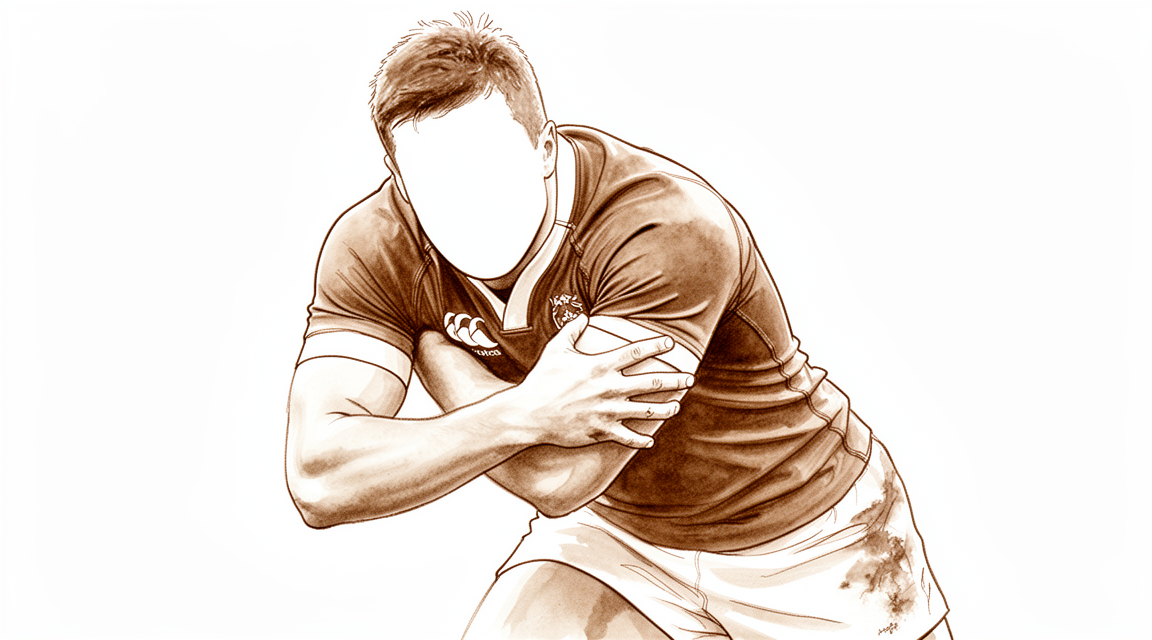
یہ پروٹوکول Mater Private Hospital Rockhampton میں ڈاکٹر کیرن ہِرپرا کے ہاتھوں لاٹارژے آپریشن (Latarjet procedure) کے بعد آپ کی صحت یابی میں رہنمائی کرتا ہے۔ اس میں ہر مرحلے کی آسان زبان میں وضاحت کے ساتھ ایک منظم پروگرام بھی دیا گیا ہے جو آپ اپنے فزیوتھراپسٹ کو دکھا سکتے ہیں؛ اپنی پہلی ملاقات پر یہ صفحہ یا اس کی پی ڈی ایف ساتھ لائیں تاکہ آپ کی بحالی میں سب ایک ہی طریقے پر چلیں۔ آپ کا فزیوتھراپسٹ آپ کی صحت یابی کی پیش رفت کے مطابق اس منصوبے میں تبدیلی کر سکتا ہے۔
اگر سرجری کے بعد آپ کو اپنے زخم کے بارے میں کوئی تشویش ہو تو کلینک سے رابطہ کریں۔ اکثر یہ مددگار ہوتا ہے کہ آپ زخم کی تصویر لیں اور جائزے کے لیے ای میل کر دیں۔
کیا توقع رکھیں
لاٹارژے ایک ہڈی کے بلاک (bone block) والا آپریشن ہے، اُس کندھے کے لیے جو بار بار آگے کی طرف سے اپنی جگہ سے نکل جاتا ہے۔ چونکہ اس میں پیچوں سے لگائی گئی ٹھوس ہڈی استعمال ہوتی ہے (صرف نرم بافتوں کو ٹانکے لگانے کے بجائے)، اس لیے مرمت شروع ہی سے مضبوط ہوتی ہے، اور آپ کی صحت یابی عام طور پر نرم بافتوں کی مرمت (بینکارٹ ریپیئر، Bankart repair) کے مقابلے میں تیز ہوتی ہے۔ اوسطاً لوگ تقریباً 20 ہفتوں میں کھیل پر واپس آ جاتے ہیں، جبکہ بینکارٹ کے بعد یہ مدت تقریباً 32 ہفتے ہوتی ہے۔
لیکن "تیز" کا مطلب یہ نہیں کہ "سب کچھ جائز ہے"۔ آپ کی صحت یابی کی رفتار سب سے بڑھ کر ایک چیز طے کرتی ہے: منتقل کی گئی ہڈی کا آپ کے کندھے کے ساکٹ (کندھے کے جوڑ کا پیالہ) سے جڑ جانا۔ ہڈی کے اس جڑنے (جسے یونین (union) کہتے ہیں) میں عام طور پر تقریباً 6 سے 8 ہفتے لگتے ہیں۔ جب تک آپ کا سرجن تصدیق نہ کر دے کہ ہڈی جڑ گئی ہے، کندھے پر بوجھ ڈالنا روکا جاتا ہے، چاہے بازو کتنا ہی اچھا محسوس ہو۔ لاٹارژے میں دو اضافی ڈھانچوں کی حفاظت بھی کرنی ہوتی ہے جو بینکارٹ میں نہیں ہوتے، اسی لیے نیچے دی گئی ابتدائی پابندیوں میں سے کچھ خاص طور پر اسی آپریشن کے لیے ہیں۔
آپریشن
لاٹارژے میں ہڈی کا ایک چھوٹا ٹکڑا جسے کوراکوئڈ (coracoid) کہتے ہیں (کندھے کی پچھلی چپٹی ہڈی کے اگلے حصے پر ہڈی کا ایک ابھار) وہاں سے ہٹا کر آپ کے کندھے کے ساکٹ کے اگلے کنارے پر، جہاں ہڈی ضائع ہو چکی ہے، پیچوں سے لگا دیا جاتا ہے۔ اس سے جہاں ہڈی کم تھی وہاں ہڈی بڑھ جاتی ہے، اور کندھے کے اگلے حصے پر ایک "سہارا دینے والی پٹی" جیسا اثر (sling effect) پیدا ہوتا ہے جو کندھے کو اپنی جگہ سے نکلنے سے روکنے میں مدد کرتا ہے۔
اس ہڈی کو اپنی جگہ تک پہنچانے کے لیے سرجن کو اسے سب اسکیپولیرس (subscapularis) (کندھے کے اگلے حصے کا ایک پٹھا) میں سے گزارنا پڑتا ہے، جسے چیرا جاتا ہے، یا جزوی طور پر الگ کر کے پھر مرمت کیا جاتا ہے۔ اس لیے بھرنے کے دوران دو چیزوں کی حفاظت ضروری ہے:
- ہڈی کا بلاک اور اس کے پیچ، جنہیں آپ کے ساکٹ سے جڑنا ہے (یونین، تقریباً 6 سے 8 ہفتے)؛ اور
- اگلے حصے کا سب اسکیپولیرس پٹھا، جس کی منتقل کی گئی ہڈی کے گرد مرمت کی جاتی ہے۔
کچھ لوگوں میں بازو کو باہر کی طرف گھمانے (ہاتھ کو باہر کی طرف موڑنے) کی حد میں تقریباً 7 سے 8 ڈگری کی ایک چھوٹی مستقل کمی رہ جاتی ہے۔ یہ متوقع ہے اور یہ کوئی پیچیدگی نہیں ہے؛ زیادہ تر لوگوں کی روزمرہ زندگی پر اس کا کوئی فرق نہیں پڑتا۔
اپنی سلنگ پہننا
آپ ایک سادہ کندھے کی سلنگ (sling)، یعنی گلے سے لٹکی وہ پٹی جو بازو کو سہارا دیتی ہے، پہنیں گے، تکیے یا ویج والی (abduction-pillow) سلنگ نہیں۔ ڈاکٹر ہِرپرا کندھے کو مستحکم کرنے والی سرجری کے بعد سادہ سلنگ استعمال کرتے ہیں، کیونکہ ہڈی کی فکسیشن مضبوط ہوتی ہے اور حفاظت زیادہ تر بازو کو محفوظ پوزیشن میں رکھنے سے ہوتی ہے، سلنگ کی شکل سے نہیں۔
- دن کے وقت سہارے اور آرام کے لیے سلنگ تقریباً 3 ہفتے پہنیں (تقریباً ہفتہ 3 سے اسے آہستہ آہستہ چھوڑا جاتا ہے)۔ ہڈی والے لاٹارژے میں نرم بافتوں کی مرمت کے مقابلے میں سلنگ کم مدت کے لیے درکار ہوتی ہے۔
- آپ سلنگ پہن کر نہیں سوتے۔ سلنگ اتار کر سوئیں؛ سوتے وقت اپنے بازو کو محفوظ پوزیشن میں رکھیں: اسے پہلو کی طرف باہر گرنے اور باہر کی طرف مڑنے نہ دیں (یہی وہ پوزیشن ہے جس سے آپریشن حفاظت کر رہا ہے)۔ بازو کو جسم کے سامنے تکیے پر سہارا دے کر یا پہلو کے ساتھ رکھ کر لیٹنا آرام دہ اور محفوظ ہے۔
- نہانے اور اپنی ورزشوں کے لیے سلنگ اتاریں (جب آپ کو طریقہ سکھا دیا جائے)۔ جب بھی سلنگ اتری ہو، اپنے بازو کو ڈھیلا اور پہلو کے ساتھ رکھیں۔
- اگر کندھا سوجا ہوا ہو یا اس میں درد ہو تو برف استعمال کریں، خاص طور پر ورزش کے بعد۔
سلنگ استعمال کرتے ہوئے اپنے اٹھنے بیٹھنے کے انداز کا خیال رکھیں: اپنے کان، کندھے اور کولہے ایک سیدھ میں رکھیں اور جھک کر نہ بیٹھیں۔
اہم احتیاطیں — یہ ہرگز نہ کریں
یہ احتیاطیں ہڈی کے بلاک، اس کے پیچوں اور اگلے پٹھے کی حفاظت کرتی ہیں جب تک وہ بھر رہے ہوں۔
- شروع میں بازو کو زبردستی باہر کی طرف گھمانے (ہاتھ کو باہر کی طرف موڑنے) کی ہرگز کوشش نہ کریں۔ پہلے 2 ہفتوں میں باہر کی طرف گھماؤ سہارے والی پوزیشن میں تقریباً 25 ڈگری تک رکھا جاتا ہے، اور اس کے بعد ہی آہستہ آہستہ بڑھایا جاتا ہے، ہمیشہ اس حد کے اندر جو آپ کا سرجن طے کرے۔
- بازو کو اپنے جسم کے پیچھے کی طرف (کندھے کو پیچھے کھینچنا، shoulder extension) ہرگز نہ دھکیلیں، اور بازو کو ایک ساتھ باہر کی طرف گھمانے اور پیچھے کھینچنے والی پوزیشن سے بچیں۔ اس سے منتقل کی گئی ہڈی سے جڑے ٹینڈن (tendon)، یعنی وہ مضبوط ڈوری جو پٹھے کو ہڈی سے جوڑتی ہے، پر کھنچاؤ پڑتا ہے۔
- شروع میں مزاحمت کے خلاف اندر کی طرف گھمانے والی طاقت کی ورزش ہرگز نہ کریں (ہاتھ کو مزاحمت کے خلاف زور سے جسم کے آگے اندر کی طرف دبانا)۔ اس سے بھرتا ہوا اگلا پٹھا (سب اسکیپولیرس) کام کرتا ہے، اس لیے یہ ورزش تب تک روکی جاتی ہے جب تک آپ کا سرجن اجازت نہ دے۔
- جب تک آپ کا سرجن تصدیق نہ کر دے کہ ہڈی جڑ گئی ہے (تقریباً 6 سے 8 ہفتے)، بازو یا ہاتھ پر وزن ہرگز نہ ڈالیں، بازو کے زور سے کرسی سے نہ اٹھیں، اور کوئی بھاری چیز نہ اٹھائیں، نہ دھکیلیں اور نہ کھینچیں۔ زیادہ بوجھ کب شروع ہو سکتا ہے، یہ ہڈی کا جڑنا طے کرتا ہے، کیلنڈر نہیں۔
- شروع میں سینے یا سر سے اوپر والی بھاری جم ورزشیں ہرگز نہ کریں: صحت یابی کے آخری حصے تک نہ پیک فلائی (pec flys)، نہ چوڑی گرفت والا بینچ پریس، نہ سر سے اوپر ملٹری پریس (military press)، نہ گردن کے پیچھے لیٹ پل ڈاؤن (lat pulldowns) اور نہ ٹرائسیپس ڈِپس (triceps dips)۔
- بازو کو کسی بھی اچانک جھٹکے، کسی چیز کو جھپٹ کر پکڑنے یا بازو کے بل گرنے سے بچائیں۔
مرحلہ I — فوری حفاظت (ہفتہ 0 سے 2)
Kieran Hirpara 4.0
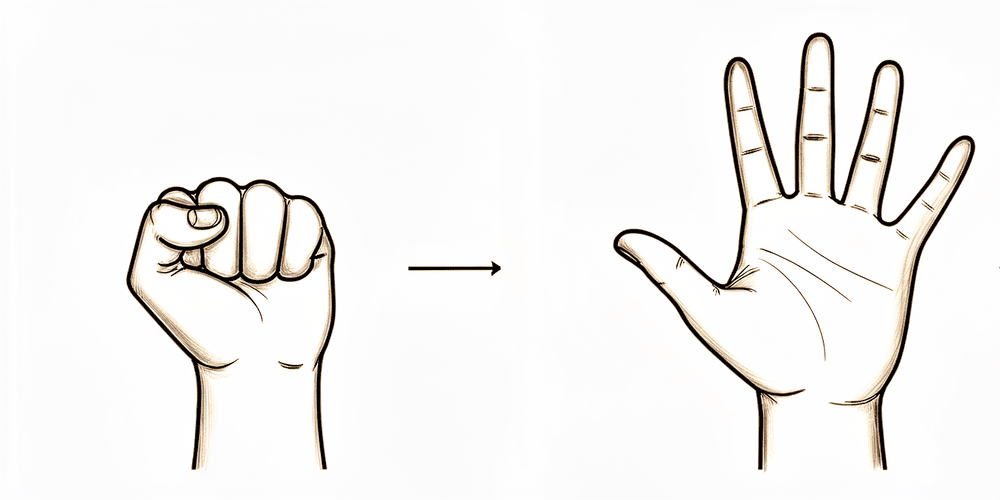
ہاتھ کھولنا اور بند کرنا
اپنے ہاتھ کی مضبوط مٹھی بنائیں، پھر اسے پوری طرح کھول دیں۔ اس سے آپ کا ہاتھ حرکت میں رہتا ہے اور اکڑاؤ اور سوجن سے بچنے میں مدد ملتی ہے۔
ہر گھنٹے میں 10 بار
Kieran Hirpara 4.0
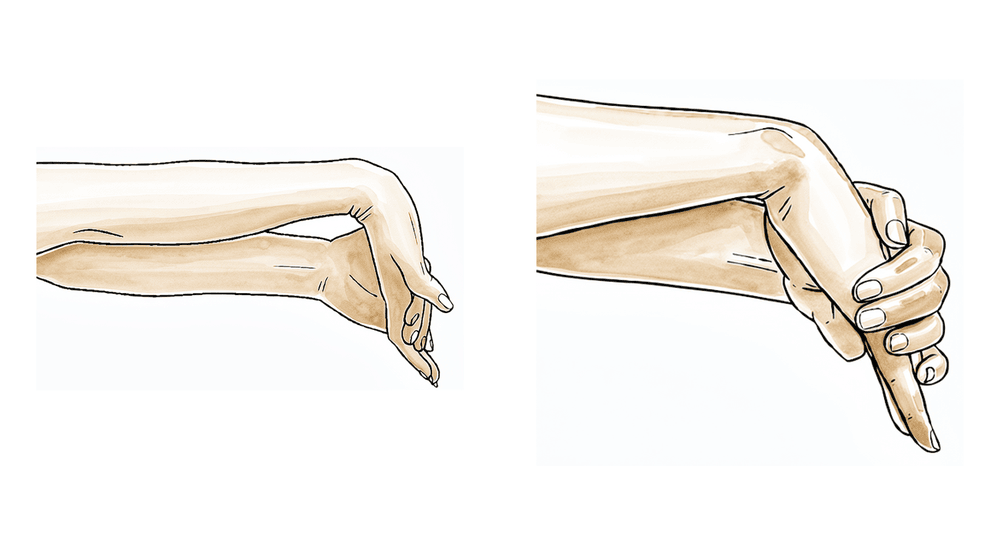
کلائی کو خود موڑنا
اپنی کلائی کو ہلکے سے آگے کی طرف موڑیں، پھر پیچھے کی طرف، جتنا آرام دہ ہو۔
ہر گھنٹے میں 10 سے 15 بار
Kieran Hirpara 4.0
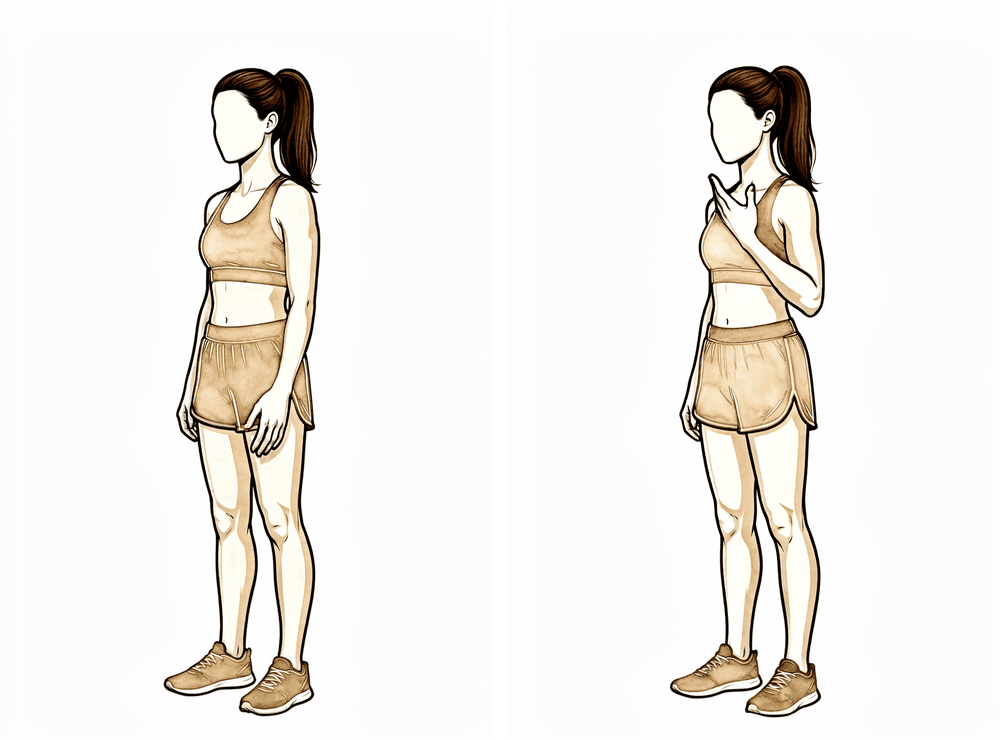
کہنی کو خود موڑنا
ہتھیلی اوپر کی طرف رکھتے ہوئے اپنی کہنی کو ہلکے سے جتنا ہو سکے موڑیں، پھر بازو کو دوبارہ سیدھا کریں۔ بازو کا اوپری حصہ اپنے پہلو کے ساتھ لگائے رکھیں۔ بازو کو اپنے جسم کے پیچھے کی طرف ہرگز نہ جھولنے دیں۔
10 سے 15 بار، دن میں 2 سے 3 مرتبہ
Kieran Hirpara 4.0
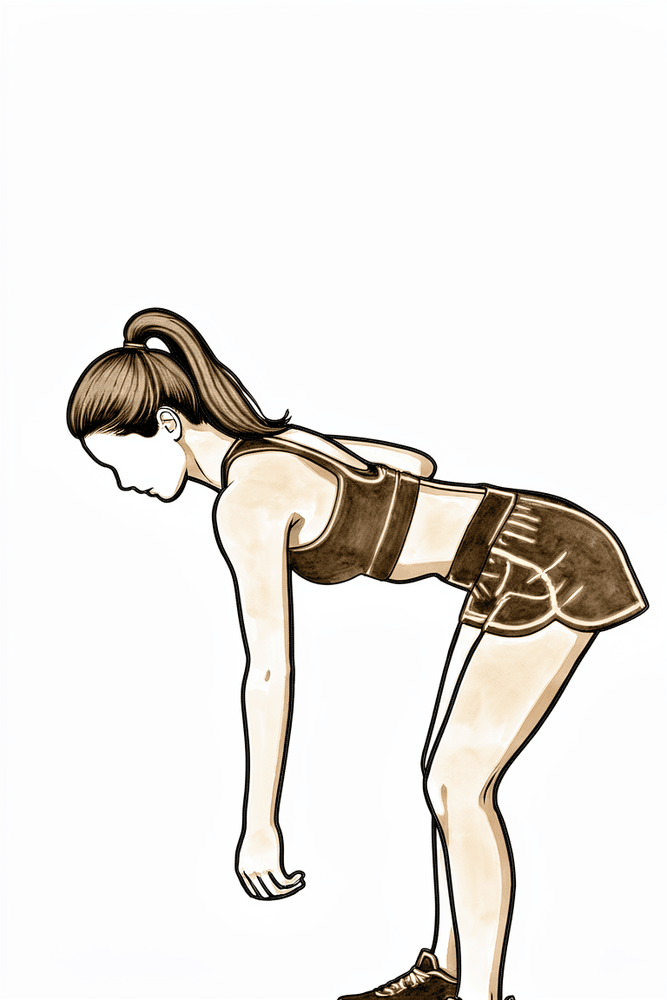
پینڈولم کی طرح بازو جھلانا
آگے کی طرف جھکیں اور اپنے آپریشن والے بازو کو بالکل ڈھیلا چھوڑ کر نیچے لٹکنے دیں۔ اپنے جسم کو ہلا کر چھوٹے دائرے بنائیں — پہلے گھڑی کی سوئی کی سمت میں، پھر الٹی سمت میں — کندھے کے پٹھوں کو استعمال کر کے نہیں۔ دائرہ چھوٹا رکھیں (تقریباً 20 سینٹی میٹر سے کم)۔ آپ کا آپریشن والا بازو شروع سے آخر تک ڈھیلا رہتا ہے — آپ اسے اٹھا نہیں رہے۔ بازو کو اپنے جسم کے پیچھے کی طرف ہرگز نہ جانے دیں۔
ہر سمت میں 10 بار، دن میں 2 سے 3 مرتبہ
Kieran Hirpara 4.0
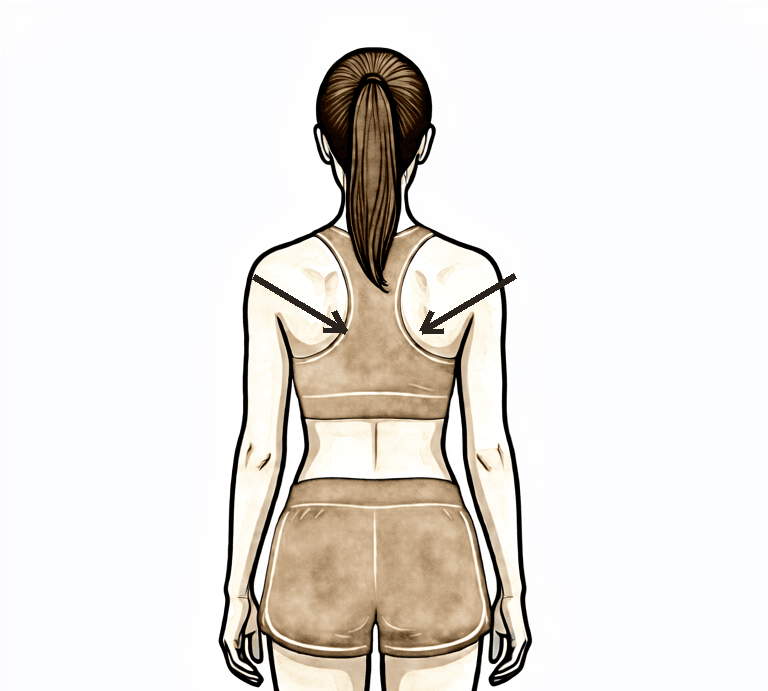
کندھے کی پچھلی چپٹی ہڈی کو جمانا
اپنی کندھے کی پچھلی چپٹی ہڈیوں کو ہلکے سے نیچے اور ایک دوسرے کی طرف دبائیں، روکیں، پھر ڈھیلا چھوڑ دیں۔ یہ پٹھوں کو ہلکا سا متحرک کرنے کی مشق ہے — آپ کا بازو حرکت نہیں کرتا۔
5 سیکنڈ روکیں، 5 بار، دن میں 2 سے 3 مرتبہ
Kieran Hirpara 4.0
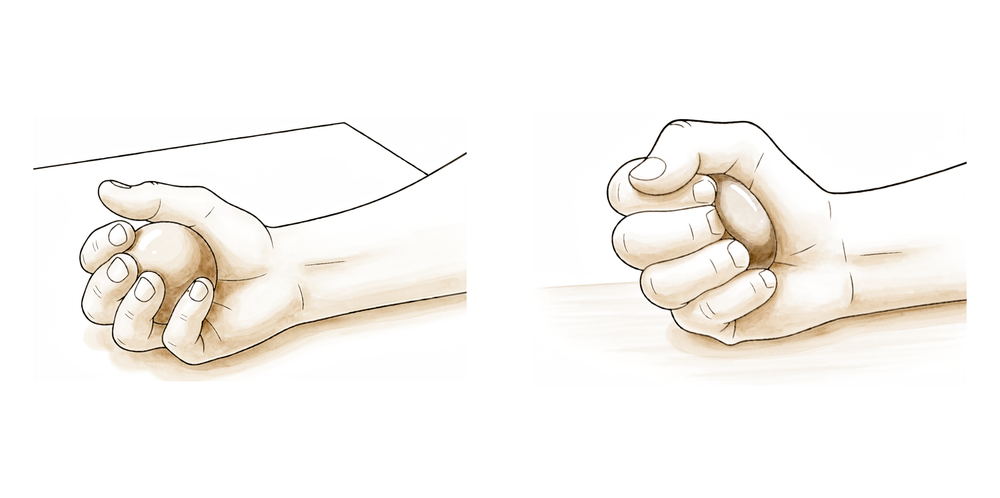
گیند دبانا
ایک نرم گیند یا لپیٹا ہوا موزہ ہاتھ میں پکڑیں اور ہلکے سے دبائیں، پھر ڈھیلا چھوڑ دیں۔ اس سے کندھے کے آرام کے دوران ہاتھ اور بازو کا نچلا حصہ متحرک رہتے ہیں۔
10 بار، دن میں 2 سے 3 مرتبہ
پہلے دو ہفتوں کا مقصد تازہ منتقل کیے گئے ہڈی کے بلاک اور مرمت شدہ اگلے پٹھے کی حفاظت ہے جبکہ سوجن کم ہو رہی ہو۔ آپ دن میں سادہ سلنگ پہنتے ہیں، سلنگ کے بغیر سوتے ہیں (بازو کو محفوظ پوزیشن میں رکھتے ہوئے)، اور ہلکی ورزشیں کرتے ہیں جو کندھے پر زور ڈالے بغیر آپ کے ہاتھ، کلائی اور کہنی کو حرکت میں رکھتی ہیں۔ کندھے کو خود صرف آہستہ اور غیر فعال طریقے سے (کسی اور کی مدد سے) حرکت دی جاتی ہے؛ ابھی آپ بازو کو اس کی اپنی طاقت سے نہیں اٹھاتے۔
- سلنگ: دن کے وقت سہارے اور آرام کے لیے سادہ سلنگ؛ سلنگ کے بغیر سوئیں اور بازو کو محفوظ پوزیشن میں رکھیں؛ ورزش اور صفائی کے لیے اتار دیں۔
- اجازت شدہ حرکت: صرف ہلکی مدد والی اور غیر فعال حرکت؛ کندھے کی اپنی طاقت سے بازو نہ اٹھائیں۔ بازو کو آگے اوپر اٹھانا اور پہلو کی طرف بڑھانا اتنا جتنا آرام دہ ہو؛ باہر کی طرف گھماؤ سہارے والی پوزیشن میں تقریباً 25 ڈگری تک؛ بازو کو جسم کے پیچھے کی طرف نہ دھکیلیں۔
- ورزشیں: کندھے کی پچھلی چپٹی ہڈی کو صحیح جگہ پر جمانا؛ گیند دبانا؛ ہاتھ، کلائی اور کہنی کی ہلکی حرکت؛ پینڈولم کی طرح بازو جھلانا (بازو ڈھیلا، پیچھے کی طرف نہ جائے)۔
اگلے مرحلے کے لیے تیار جب: آپ کا درد کم ہو رہا ہو اور سادہ درد کش دوا سے قابو میں ہو؛ آپ کا زخم بغیر کسی مسئلے کی علامت کے بھر گیا ہو؛ آپ سلنگ کے بغیر آرام سے ہوں؛ اور آپ کی ہلکی حرکت اس محفوظ حد کے اندر رہے جو آپ کے سرجن نے طے کی ہے۔
مرحلہ II — حرکت کی بحالی (ہفتہ 3 سے 9)

Kieran Hirpara 4.0
کندھے کی اونچائی تک فل کین (full-can) طریقے سے بازو اٹھانا
تقریباً ہفتہ 6 سے، جب آپ بازو کو اس کی اپنی طاقت سے حرکت دینے لگیں۔ اپنا بازو آگے اور تھوڑا سا پہلو کی طرف اٹھائیں اور آپ کا انگوٹھا اوپر کی طرف ہو — یہ "فل کین" پوزیشن ہے — شروع میں صرف تقریباً کندھے کی اونچائی (90 ڈگری) تک، پھر قابو کے ساتھ نیچے لائیں۔ کوئی وزن نہ لیں یا بہت ہلکا وزن لیں (تقریباً 1 سے 1.5 کلوگرام) اور زیادہ تکرار کریں۔
جیسا آپ کا فزیوتھراپسٹ بتائے
Kieran Hirpara 4.0
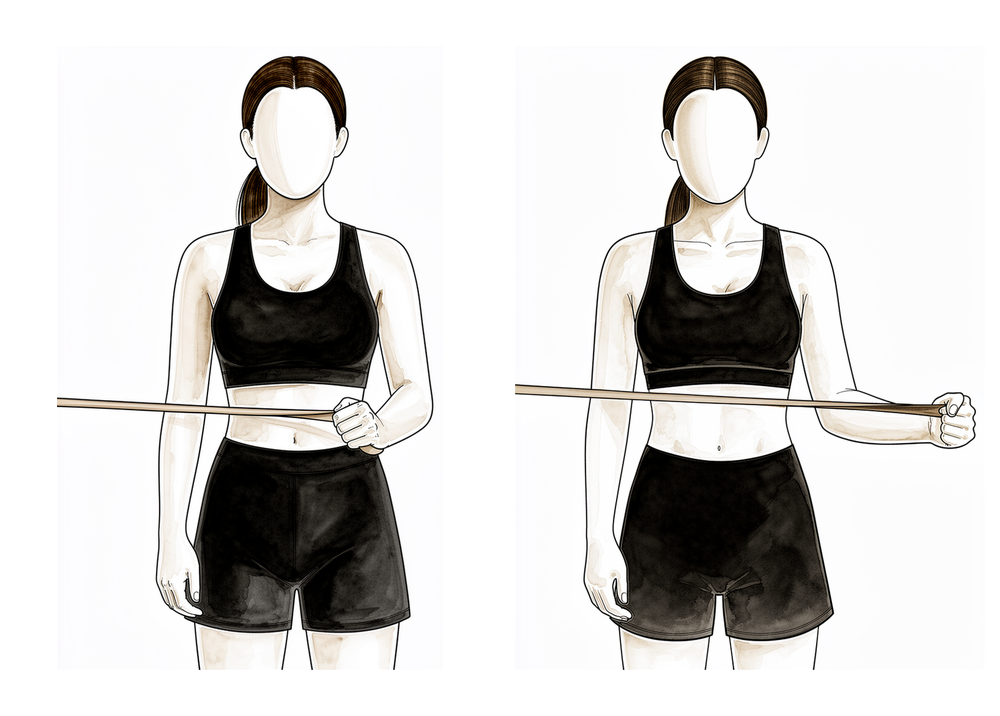
پہلو کے ساتھ بازو کو باہر کی طرف گھمانا (بینڈ کے ساتھ)
تقریباً ہفتہ 6 سے، باہر کی طرف گھماؤ کی اس حد کے اندر جو آپ کے سرجن نے طے کی ہے۔ اپنی کہنی کو پہلو کے ساتھ لگائیں، کہنی اور جسم کے درمیان لپیٹا ہوا تولیہ رکھیں، اور کہنی 90 ڈگری پر مڑی ہو۔ ہلکے بینڈ کے خلاف بازو کے نچلے حصے کو ہلکے سے باہر کی طرف گھمائیں، پھر قابو کے ساتھ واپس لائیں۔ اپنی محفوظ حد کے اندر رہیں اور کبھی زور نہ لگائیں۔ ہلکا بینڈ اور زیادہ تکرار استعمال کریں، بھاری مزاحمت نہیں۔
جیسا آپ کا فزیوتھراپسٹ بتائے
Kieran Hirpara 4.0
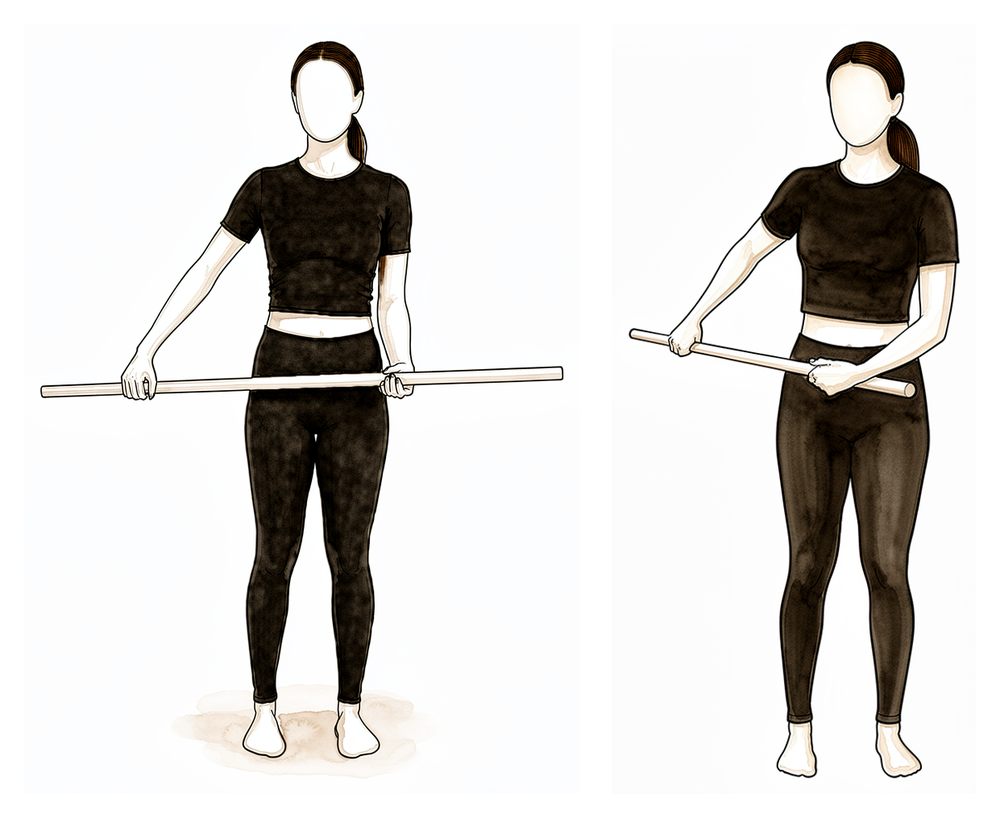
چھڑی کی مدد سے اندر کی طرف گھمانا
تقریباً ہفتہ 6 سے، ہلکے سے اور صرف ہدایت کے مطابق۔ اپنی کہنی پہلو کے ساتھ لگائے رکھیں اور اپنے ٹھیک ہاتھ میں چھڑی پکڑ کر آپریشن والے بازو کے نچلے حصے کو پیٹ کے آگے سے ہلکے سے اندر کی طرف گھمائیں، پھر واپس لائیں۔ یہ صرف ہلکی حرکت ہے — شروع میں زور سے نہ دھکیلیں اور نہ مزاحمت شامل کریں، کیونکہ آپ کے کندھے کا اگلا حصہ (سب اسکیپولیرس پٹھا، subscapularis) ابھی بھر رہا ہے۔
جیسا آپ کا فزیوتھراپسٹ بتائے
Kieran Hirpara 4.0
لو رو (low row) (کندھے کی پچھلی چپٹی ہڈی کو جمانا)
تقریباً ہفتہ 6 سے۔ اپنا ہاتھ اپنے ساتھ کسی مضبوط سطح پر رکھ کر نیچے اور پیچھے کی طرف دبائیں تاکہ کندھے کی پچھلی چپٹی ہڈی نیچے اور اندر کی طرف کھنچے، اور تھوڑی دیر روکیں۔ اس سے کندھے کی پچھلی چپٹی ہڈی مستحکم ہوتی ہے۔
جیسا آپ کا فزیوتھراپسٹ بتائے
Kieran Hirpara 4.0
آئسومیٹرک (isometric) باہر کی طرف گھماؤ
تقریباً ہفتہ 6 سے، اگر آپ کا فزیوتھراپسٹ متفق ہو اور صرف اپنی محفوظ حد کے اندر۔ کھڑے ہو کر اپنی کہنی پہلو کے ساتھ لگائیں اور 90 ڈگری پر موڑیں، ہاتھ کی پشت دیوار یا دروازے کی چوکھٹ کے قریب ہو۔ ہاتھ کی پشت کو ہلکے سے باہر کی طرف سطح پر دبائیں اور بازو کو حرکت نہ کرنے دیں — ہلکا زور، اپنی طاقت کا تقریباً ایک چوتھائی، اور کوئی درد نہ ہو۔ روکیں، پھر ڈھیلا چھوڑ دیں۔
تقریباً 5 سیکنڈ روکیں، ہلکا زور (تقریباً 25 فیصد)، جیسا آپ کا فزیوتھراپسٹ بتائے
Kieran Hirpara 4.0
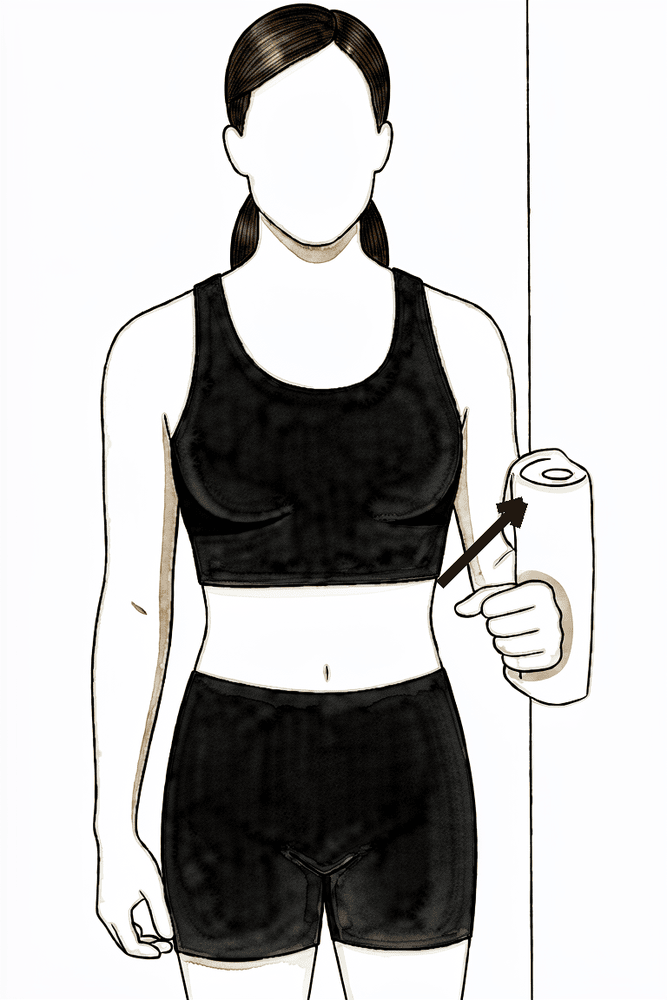
آئسومیٹرک اندر کی طرف گھماؤ
یہ بعد تک روکی جاتی ہے (عام طور پر ہڈی کا ٹکڑا جڑ جانے کے بعد اور جب آپ کا سرجن متفق ہو)، کیونکہ اندر کی طرف دبانے سے بھرتا ہوا اگلا پٹھا (سب اسکیپولیرس) کام کرتا ہے۔ اجازت ملنے پر کھڑے ہو کر اپنی کہنی پہلو کے ساتھ لگائیں، ہتھیلی دیوار پر رکھیں، اور ہتھیلی کو ہلکے سے اندر کی طرف دبائیں اور بازو کو حرکت نہ کرنے دیں — تقریباً ایک چوتھائی زور، کوئی درد نہیں۔ روکیں، پھر ڈھیلا چھوڑ دیں۔
تقریباً 5 سیکنڈ روکیں، ہلکا زور (تقریباً 25 فیصد)، جیسا آپ کا فزیوتھراپسٹ بتائے
Kieran Hirpara 4.0
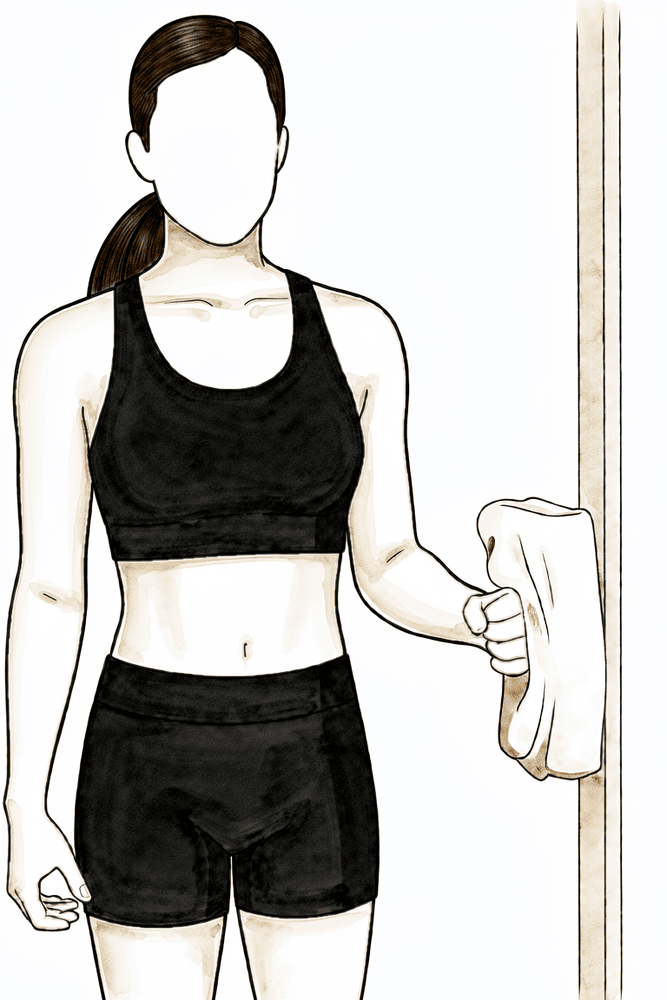
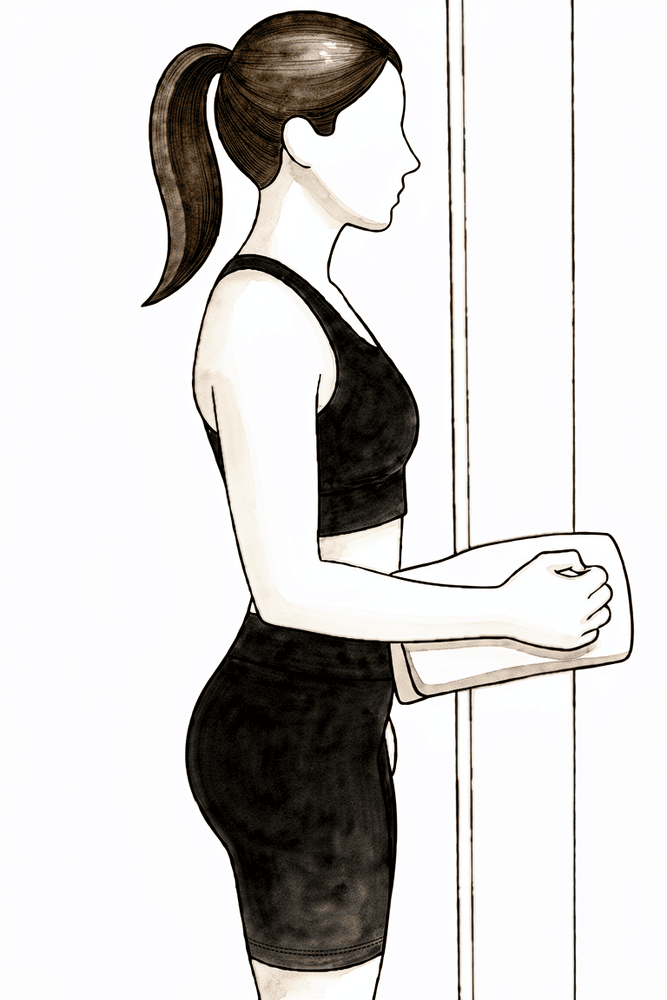
آئسومیٹرک طریقے سے بازو کو پہلو کی طرف اٹھانا (abduction)
تقریباً ہفتہ 6 سے، اگر آپ کا فزیوتھراپسٹ متفق ہو۔ دیوار کی طرف پہلو کر کے کھڑے ہوں، بازو کے اوپری حصے کا بیرونی حصہ دیوار کے قریب ہو اور کہنی پہلو کے ساتھ ہو۔ بازو کو ہلکے سے باہر کی طرف دیوار پر دبائیں اور اسے حرکت نہ کرنے دیں — تقریباً ایک چوتھائی زور، کوئی درد نہیں۔ روکیں، پھر ڈھیلا چھوڑ دیں۔
تقریباً 5 سیکنڈ روکیں، ہلکا زور (تقریباً 25 فیصد)، جیسا آپ کا فزیوتھراپسٹ بتائے
اب توجہ حرکت پر ہے، طاقت پر نہیں۔ تقریباً ہفتہ 3 سے سلنگ آہستہ آہستہ چھوڑ دی جاتی ہے۔ آپ مدد والی حرکت سے بازو کو اس کی اپنی طاقت سے حرکت دینے کی طرف بڑھتے ہیں، اور باہر کی طرف گھماؤ آہستہ آہستہ بڑھایا جاتا ہے؛ شروع میں سہارے والی پوزیشن میں تقریباً 45 ڈگری تک، پھر تقریباً ہفتہ 6 سے اتنا جتنا برداشت ہو، ہمیشہ آپ کے سرجن کی حدود کے اندر۔ ہلکی دبا کر روکنے والی (آئسومیٹرک، isometric) ورزشیں شامل کی جاتی ہیں، اور اگلے پٹھے کی حفاظت کے لیے اندر کی طرف گھمانے کا زور ہلکا رکھا جاتا ہے۔ بوجھ ڈالنا ابھی بھی انتظار کرتا ہے؛ اس مرحلے میں ہڈی کا بلاک ابھی جڑنا شروع ہی ہو رہا ہوتا ہے۔
- سلنگ: ہفتہ 3 سے آہستہ آہستہ چھوڑ دی جاتی ہے۔
- اجازت شدہ حرکت: مدد والی حرکت، جو تقریباً ہفتہ 6 تک بازو کی اپنی طاقت سے حرکت تک پہنچتی ہے (تقریباً 90 سے 110 ڈگری تک بازو اٹھانے کی طرف)۔ باہر کی طرف گھماؤ آہستہ آہستہ بڑھایا جاتا ہے؛ شروع میں سہارے کے ساتھ تقریباً 45 ڈگری، بعد میں جتنا برداشت ہو، اس حد کے اندر جو آپ کا سرجن طے کرے۔ اندر کی طرف گھماؤ ہلکے سے تقریباً 45 ڈگری تک۔
- ورزشیں: بازو کو کندھے کی اونچائی تک فل کین (full-can) طریقے سے اٹھانا؛ تولیے کے رول پر ہلکی بینڈ کے ساتھ باہر کی طرف گھمانے کی ورزش؛ چھڑی کی مدد سے ہلکے سے اندر کی طرف گھمانا (زور کے بغیر)؛ لو رو (low row)؛ تقریباً ہفتہ 6 سے باہر کی طرف گھمانے اور بازو کو پہلو کی طرف اٹھانے کی ہلکی دبا کر روکنے والی آئسومیٹرک ورزشیں (اندر کی طرف گھمانے والی آئسومیٹرک ورزشیں بعد تک روکی جاتی ہیں)۔ آپ کا فزیوتھراپسٹ کنٹرول دوبارہ سکھانے کے لیے ہلکی ردھمک اسٹیبلائزیشن (rhythmic stabilisation) بھی شامل کر سکتا ہے (بازو کو ساکن رکھنے کی مشقیں جن میں وہ آپ کے بازو کو ہلکے سے دھکیلتے ہیں اور آپ مزاحمت کرتے ہیں)؛ یہ ہاتھوں سے کیا جانے والا کام ہے جس کی کوئی تصویر نہیں ہے۔
اگلے مرحلے کے لیے تیار جب: آپ کے سرجن نے تصدیق کر دی ہو (عام طور پر تقریباً 6 سے 8 ہفتے پر معائنے میں) کہ ہڈی کا بلاک جڑ گیا ہے؛ آپ بازو کو اس کی اپنی طاقت سے اچھے کنٹرول کے ساتھ حرکت دے سکیں؛ آپ کی مدد والی اور غیر فعال حرکت مکمل یا تقریباً مکمل اور آرام دہ ہو؛ اور ہلکی آئسومیٹرک ورزشوں کے بعد درد نہ بھڑکے۔ طاقت کی ورزشیں تب تک شروع نہیں ہوتیں جب تک یونین کی تصدیق نہ ہو جائے: اس کا فیصلہ ہڈی کے جڑنے سے ہوتا ہے، جس کی تصدیق آپ کا سرجن کرتا ہے، کیلنڈر سے نہیں۔
مرحلہ III — طاقت بڑھانا (ہفتہ 10 سے 15)
Kieran Hirpara 4.0
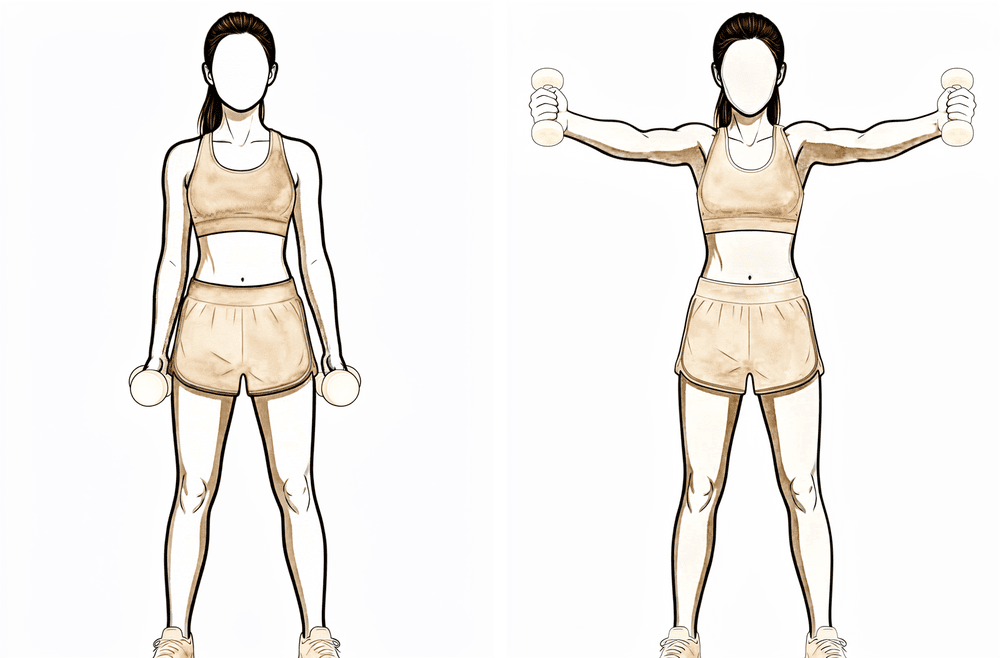
ہلکے وزن کے ساتھ فل کین طریقے سے بازو اٹھانا
تقریباً ہفتہ 10 سے، جب آپ کا سرجن تصدیق کر دے کہ ہڈی کا بلاک جڑ گیا ہے۔ پہلے کی طرح فل کین طریقے سے بازو اٹھائیں، اب اونچائی بڑھاتے ہوئے اور آہستہ آہستہ ہلکا وزن شامل کرتے ہوئے۔ انگوٹھا اوپر رکھیں۔ اگر بعد میں کندھے میں درد ہو یا سوجن آئے تو رک جائیں۔
جیسا آپ کا فزیوتھراپسٹ بتائے
Kieran Hirpara 4.0
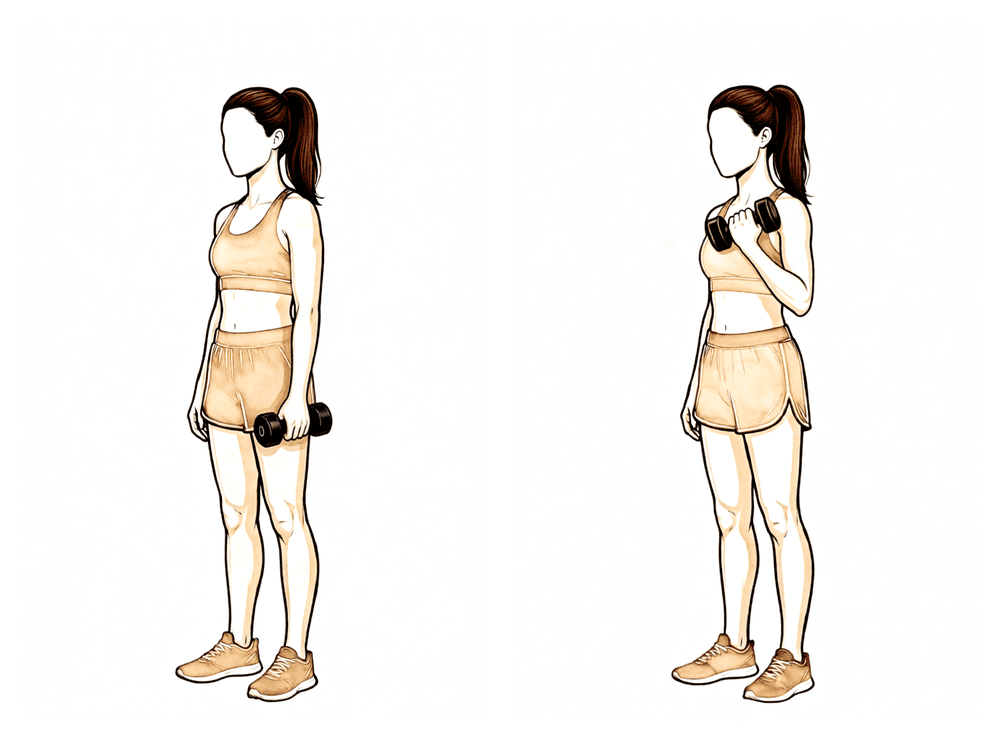
بائسیپس (biceps) کی ہلکی کرلز
تقریباً ہفتہ 10 سے، جب یونین (ہڈی کے جڑنے) کی تصدیق ہو جائے۔ بازو کا اوپری حصہ پہلو کے ساتھ لگا کر کہنی موڑیں اور ہلکا وزن اوپر لائیں، پھر قابو کے ساتھ نیچے لائیں۔ وزن آہستہ آہستہ بڑھائیں۔ بائسیپس کا ٹینڈن (tendon)، یعنی وہ مضبوط ڈوری جو پٹھے کو ہڈی سے جوڑتی ہے، ہڈی کے بلاک کے قریب جڑا ہوتا ہے، اس لیے ہلکے وزن سے شروع کریں اور آہستہ آہستہ بڑھائیں۔
جیسا آپ کا فزیوتھراپسٹ بتائے
Kieran Hirpara 4.0
چھڑی کی مدد سے کمر کے پیچھے اوپر کی طرف اندرونی گھماؤ (طریقہ 1)
تقریباً ہفتہ 12 سے، جب آپ کا سرجن اور فزیوتھراپسٹ مطمئن ہوں کہ اگلا پٹھا (سب اسکیپولیرس) بھر گیا ہے۔ اپنی کمر کے پیچھے ایک چھڑی پکڑیں اور اپنے ٹھیک ہاتھ سے آپریشن والے ہاتھ کو ہلکے سے کمر پر اوپر کی طرف کھینچیں، پھر قابو کے ساتھ نیچے لائیں۔ اسے آرام دہ اور اپنے فزیوتھراپسٹ کی حدود کے اندر رکھیں۔
جیسا آپ کا فزیوتھراپسٹ بتائے
Kieran Hirpara 4.0
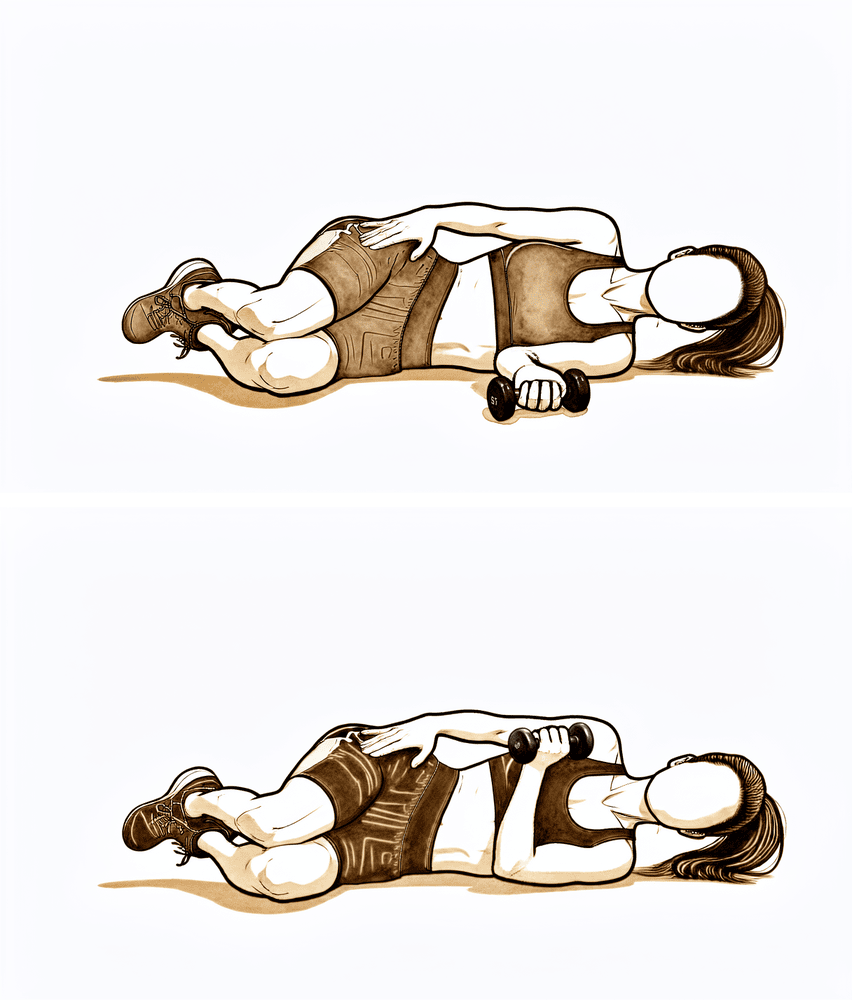
پہلو کے بل لیٹ کر ہلکے وزن کے ساتھ اندر کی طرف گھماؤ (طریقہ 2)
چھڑی والے طریقے کا متبادل، اسی وقت پر (تقریباً ہفتہ 12 سے، جب اگلا پٹھا بھر چکا ہو)۔ آپریشن والے پہلو کے بل لیٹیں، کہنی کمر کے ساتھ لگی ہو اور 90 ڈگری پر مڑی ہو؛ بازو کے نچلے حصے کو گھمائیں تاکہ ہاتھ ہلکا وزن پیٹ کی طرف اٹھائے، پھر قابو کے ساتھ نیچے لائیں۔ آپ کا فزیوتھراپسٹ ان میں سے جو طریقہ آپ کے لیے مناسب ہو وہ چنے گا — دونوں اندر کی طرف گھمانے کی ایک جیسی طاقت بڑھاتے ہیں۔
جیسا آپ کا فزیوتھراپسٹ بتائے
Kieran Hirpara 4.0
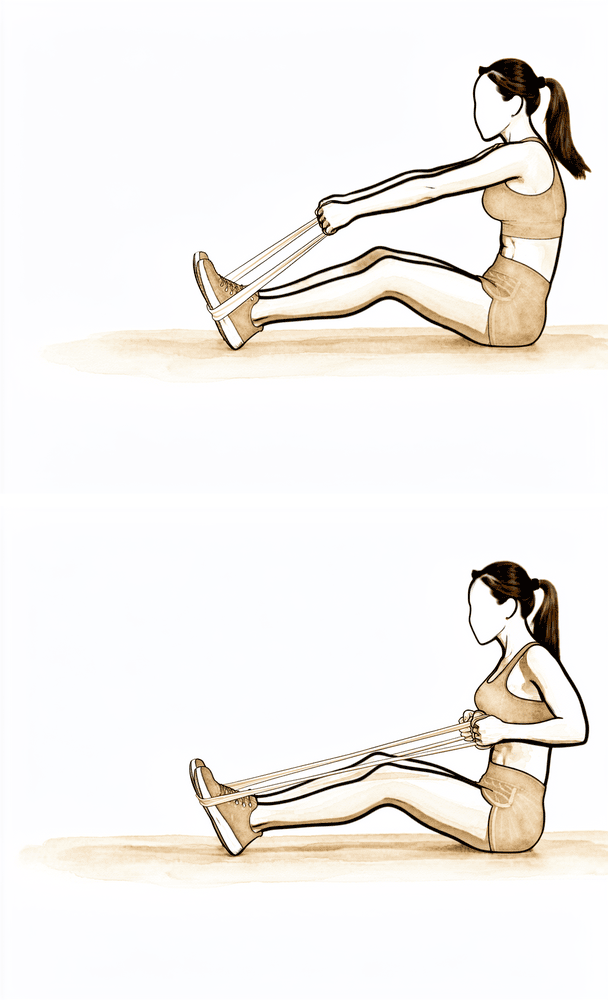
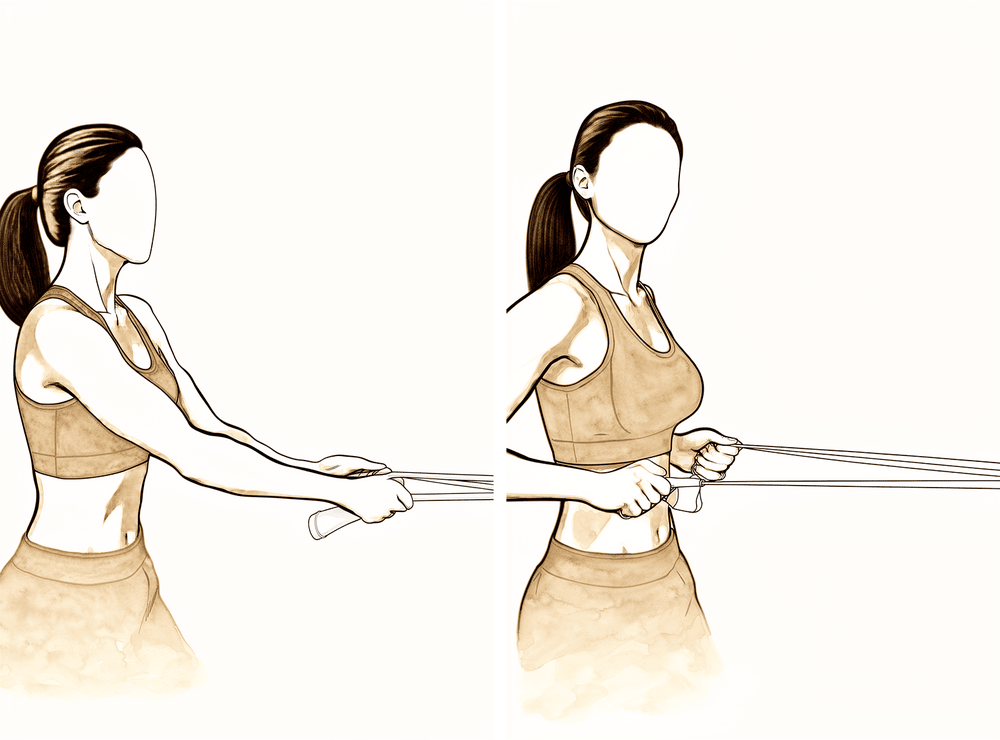
ریزسٹنس بینڈ کے ساتھ رو (row)
تقریباً ہفتہ 10 سے، جب یونین کی تصدیق ہو جائے۔ اپنے سامنے بندھے ہوئے بینڈ کے ہینڈل اپنی طرف کھینچیں، کہنیوں کو پیچھے لاتے ہوئے اور کندھے کی پچھلی چپٹی ہڈیوں کو ایک دوسرے کی طرف دباتے ہوئے، پھر قابو کے ساتھ واپس لائیں۔ ہلکا بینڈ، زیادہ تکرار؛ اگر کندھے میں درد ہونے لگے تو رک جائیں۔
جیسا آپ کا فزیوتھراپسٹ بتائے
Kieran Hirpara 4.0
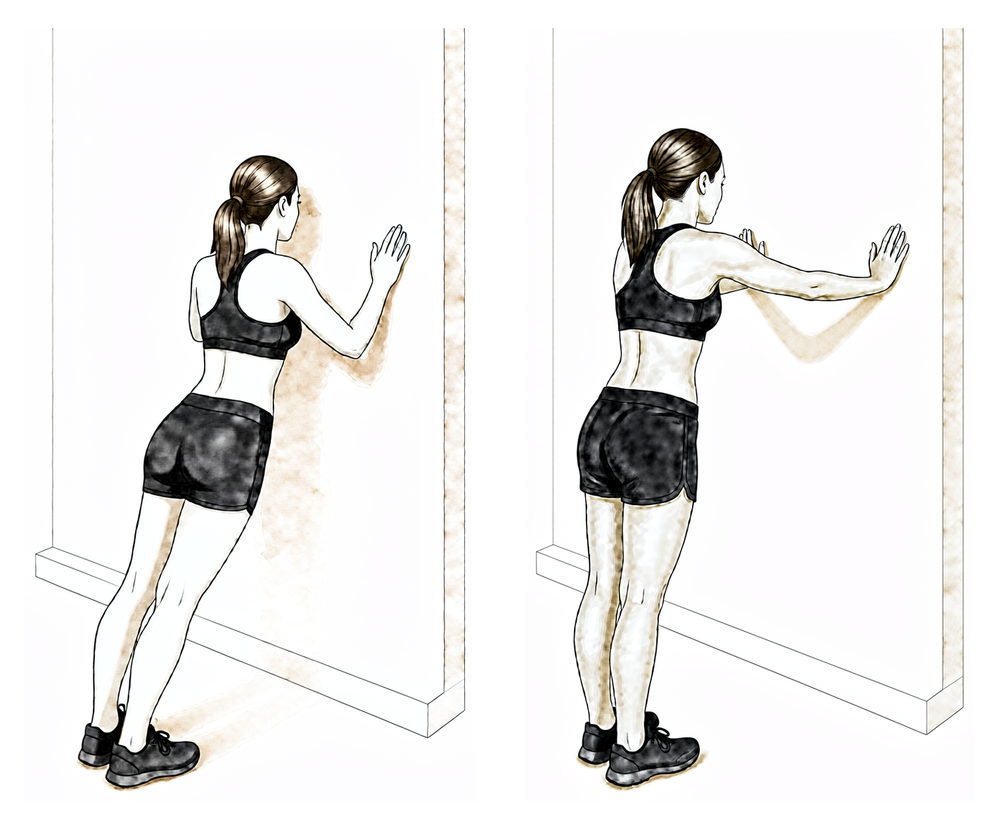
دیوار پر پُش اپ پلس (push-up-plus)
تقریباً ہفتہ 10 سے، جب یونین کی تصدیق ہو جائے۔ دیوار کے ساتھ شروع کریں (فرش پر نہیں)۔ آہستہ پُش اپ کریں؛ اوپر پہنچ کر تھوڑا اور دھکیلیں تاکہ آپ کی کندھے کی پچھلی چپٹی ہڈیاں ایک دوسرے سے دور ہو جائیں اور کمر کا اوپری حصہ ہلکا سا گول ہو جائے۔ اپنی کہنیوں کو اپنے کندھوں سے زیادہ پیچھے نہ جانے دیں۔ اس سے اگلا پٹھا (سب اسکیپولیرس) کام کرتا ہے — اسے ہلکا اور بے درد رکھیں۔
جیسا آپ کا فزیوتھراپسٹ بتائے
Kieran Hirpara 4.0
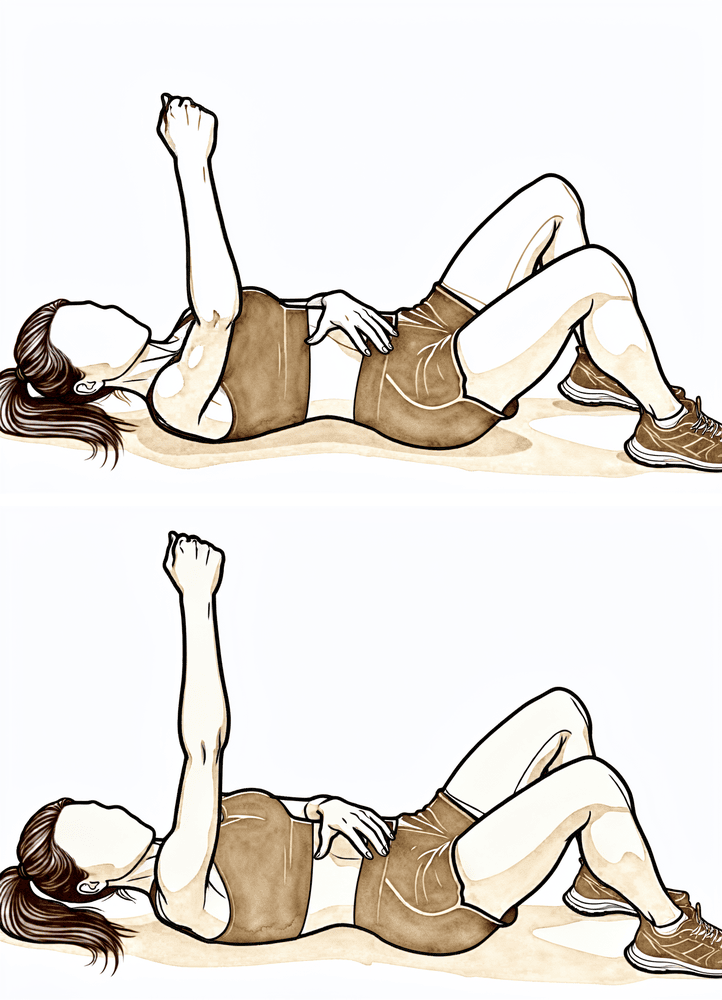
کمر کے بل لیٹ کر آگے کی طرف مکا
تقریباً ہفتہ 10 سے، جب یونین کی تصدیق ہو جائے۔ کمر کے بل لیٹیں، بازو چھت کی طرف سیدھا ہو، ہاتھ میں ہلکا وزن ہو یا کوئی وزن نہ ہو۔ ہاتھ کو چھت کی طرف تھوڑا اور اوپر بڑھائیں تاکہ کندھے کی پچھلی چپٹی ہڈی بستر سے اٹھ جائے، پھر قابو کے ساتھ نیچے لائیں۔ یہ سب اسکیپولیرس کی ایک ہلکی ورزش ہے — اسے ہلکا رکھیں۔
جیسا آپ کا فزیوتھراپسٹ بتائے
Kieran Hirpara 4.0
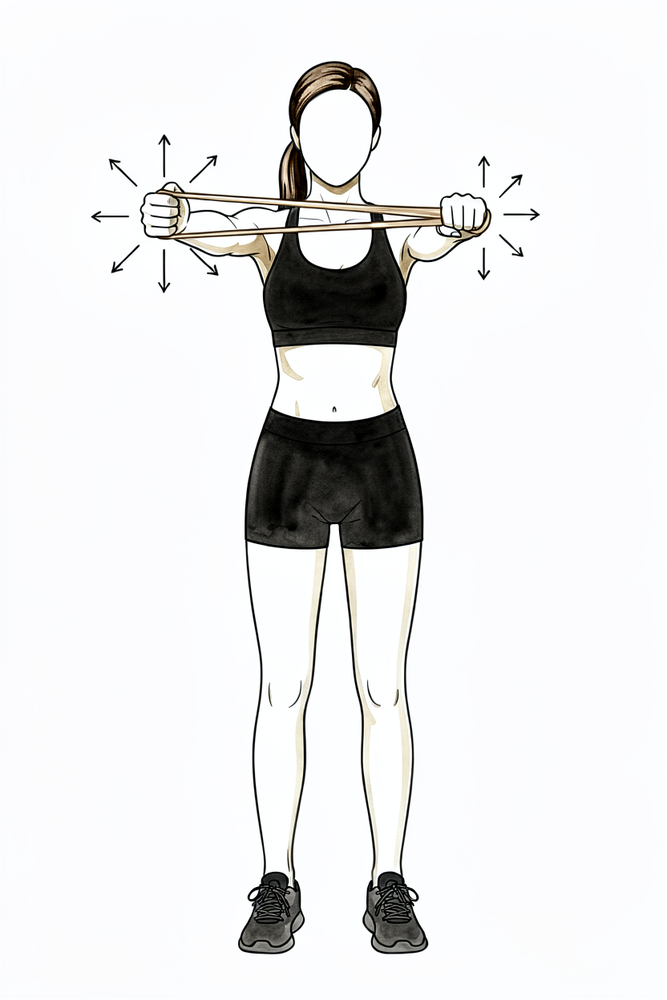
ردھمک اسٹیبلائزیشن (rhythmic stabilisation)
اپنے بازو کو سامنے تقریباً کندھے کی اونچائی پر سہارا دے کر رکھیں، اور آپ کا فزیوتھراپسٹ (یا آپ کا ٹھیک ہاتھ) مختلف سمتوں سے چھوٹے، ہلکے دھکے دے جبکہ آپ بازو کو ساکن اور مستحکم رکھیں — اسے حرکت نہ کرنے دیں۔ اس سے کندھے کو مستحکم رکھنے والے پٹھے ردِعمل دینا سیکھتے ہیں۔ ہر زور ہلکا رکھیں۔
جیسا آپ کا فزیوتھراپسٹ بتائے
جب آپ کا سرجن تصدیق کر دے کہ ہڈی جڑ گئی ہے، تو آپ کندھے پر بوجھ ڈالنا شروع کر سکتے ہیں۔ طاقت کی ورزشیں شروع میں ہلکے بینڈ اور ہلکے وزن سے کی جاتی ہیں: زیادہ تکرار اور کم بوجھ، جو آہستہ آہستہ بڑھایا جاتا ہے۔ سنہری اصول ہے ایک وقت میں ایک سمت: آپ کسی سمت میں طاقت کی ورزش تبھی کرتے ہیں جب اس سمت میں آپ کی حرکت آرام دہ اور تقریباً مکمل ہو۔ اندر کی طرف گھمانے اور اگلے پٹھے (سب اسکیپولیرس) کی طاقت کی ورزشیں اب بھی احتیاط سے اور بعد میں شروع کی جاتی ہیں، کیونکہ آپ کے آپریشن کے دوران اس پٹھے کی مرمت کی گئی تھی۔
- سلنگ: کوئی نہیں؛ کسی سمت میں بوجھ ڈالنے سے پہلے اس سمت میں تقریباً مکمل اور آرام دہ حرکت متوقع ہے۔
- ورزشیں: ہلکے، بتدریج بڑھتے وزن کے ساتھ فل کین طریقے سے بازو اٹھانا؛ بائسیپس (biceps) کی ہلکی کرلز؛ ریزسٹنس بینڈ کے ساتھ رو (row)؛ اگلے پٹھے کے لیے دیوار پر پُش اپ پلس اور کمر کے بل لیٹ کر آگے کی طرف مکا؛ چھڑی کی مدد سے کمر کے پیچھے اوپر کی طرف اندرونی گھماؤ (ہلکے سے، تقریباً ہفتہ 12 سے، جب اگلا پٹھا بھر چکا ہو)۔ بوجھ آہستہ آہستہ بڑھائیں اور اگر کندھے میں درد ہو یا سوجن آئے تو رک جائیں۔
اگلے مرحلے کے لیے تیار جب: آپ کے بازو کی اپنی طاقت سے حرکت مکمل اور بے درد ہو اور کندھے کی پچھلی چپٹی ہڈی پر اچھا کنٹرول ہو؛ طاقت کی ورزشوں کے بعد نہ درد ہو نہ سوجن؛ کندھے کی اونچائی سے نیچے مزاحمت کے خلاف بازو اٹھانا آرام دہ ہو؛ اور باہر کی طرف گھمانے کی طاقت دوسری طرف کے برابر پہنچ رہی ہو۔
مرحلہ IV — سر سے اوپر کی سرگرمیاں اور کھیل پر واپسی (ہفتہ 16 سے 20)

Kieran Hirpara 4.0
سر سے اوپر تک فل کین طریقے سے بازو اٹھانا
تقریباً ہفتہ 16 سے، جب کندھے کی اونچائی سے نیچے آپ کی طاقت اچھی ہو جائے۔ انگوٹھا اوپر رکھتے ہوئے اپنا بازو آگے اور تھوڑا سا پہلو کی طرف اٹھائیں، اب کندھے کی اونچائی سے اوپر تک، ہلکے اور آہستہ آہستہ بڑھتے وزن کے ساتھ۔ اگر بعد میں کندھے میں درد ہو یا سوجن آئے تو رک جائیں۔
جیسا آپ کا فزیوتھراپسٹ بتائے
Kieran Hirpara 4.0
بتدریج بڑھتی ریزسٹنس بینڈ رو
بینڈ رو جاری رکھیں، اب بھاری کام اور کھیل کے مطابق کنڈیشننگ کی بنیاد کے طور پر مزاحمت اور تکرار بڑھاتے ہوئے۔ کندھے کی پچھلی چپٹی ہڈی پر اچھا کنٹرول رکھیں۔
جیسا آپ کا فزیوتھراپسٹ بتائے
یہ مرحلہ پوری طرح کام کرنے والے کندھے اور کھیل اور بھاری کام پر مرحلہ وار واپسی کی طرف پل ہے۔ آپ حاصل کی گئی حرکت کو برقرار رکھتے ہیں اور اسے اعتماد سے استعمال کرنے کے لیے طاقت، زور اور برداشت بڑھاتے ہیں، جس میں سر سے اوپر کی حرکت بھی شامل ہے۔ واپسی مرحلہ وار ہوتی ہے، اچانک نہیں؛ کھیل کے لیے ایک وقفہ وار پروگرام، جو قدم بہ قدم مقدار اور شدت بڑھاتا ہے، واپسی کا سب سے محفوظ راستہ ہے۔
- سلنگ: کوئی نہیں۔
- ورزشیں: جب کندھے کی اونچائی سے نیچے طاقت اچھی ہو جائے تو ہلکے، بتدریج بڑھتے وزن کے ساتھ سر سے اوپر تک فل کین طریقے سے بازو اٹھانا؛ بتدریج بڑھتی بینڈ رو؛ کھیل اور کام کے مطابق کنڈیشننگ، اور مرحلے کے آخر میں، جہاں مناسب ہو، قابو میں رکھی گئی تیز رفتار (پلائیومیٹرک، plyometric) مشقیں۔ پُش اپس شامل کیے جا سکتے ہیں، بشرطیکہ کہنیاں زیادہ پیچھے نہ جائیں۔
واپسی کے لیے تیار جب: آپ کی باہر کی طرف گھمانے کی طاقت دوسری طرف کے مقابلے میں تقریباً 8 سے 10 فیصد کے اندر ہو اور گھمانے کی مجموعی طاقت یکساں طور پر بڑھ رہی ہو؛ آپ کی حرکت مکمل اور بے درد ہو اور بھاری بوجھ کے بعد سوجن نہ آئے؛ اور آپ اپنے کھیل یا کام کے مخصوص ٹیسٹ پاس کر لیں۔ کھیل پر واپسی عام طور پر تقریباً 20 ہفتوں میں ہوتی ہے، اور ایسے کھیل جن میں کھلاڑی آپس میں ٹکراتے ہیں (contact sport) اکثر کچھ بعد میں (تقریباً 5 سے 6 ماہ)، ان معیارات کو پورا کرنے اور ڈاکٹر ہِرپرا اور آپ کے فزیوتھراپسٹ کی اجازت کی بنیاد پر، صرف کیلنڈر کی بنیاد پر نہیں۔
کھیل اور کام پر واپسی
آپ کی واپسی معیارات پر مبنی ہے: بے درد، مناسب حرکت، طاقت اور برداشت کے ساتھ، اور ڈاکٹر ہِرپرا اور آپ کے فزیوتھراپسٹ دونوں کی منظوری سے، صرف کیلنڈر کی بنیاد پر نہیں۔ چونکہ لاٹارژے میں ٹھوس ہڈی استعمال ہوتی ہے، اس لیے صحت یابی عام طور پر نرم بافتوں کی مرمت سے تیز ہوتی ہے، لیکن ہلکی حرکت سے زیادہ بھاری ہر کام تب تک انتظار کرتا ہے جب تک ہڈی کا بلاک جڑ نہ جائے (تقریباً 6 سے 8 ہفتے، جس کی تصدیق آپ کا سرجن کرے)۔
- سینے کی اونچائی تک ہلکی سرگرمیاں تقریباً 10 سے 15 ہفتوں سے دوبارہ شروع ہوتی ہیں۔
- سر سے اوپر کی اور پھینکنے والی سرگرمیاں تقریباً 4 ماہ سے۔
- کھیل پر واپسی اوسطاً تقریباً 20 ہفتوں میں ہوتی ہے؛ مکمل طور پر ٹکراؤ والے کھیل اکثر تقریباً 5 سے 6 ماہ میں، اور ہمیشہ تب جب آپ طاقت اور حرکت کے معیارات پورے کر لیں۔
آپ کے پروٹوکول کے بعد
یہ پروٹوکول کلینک کی صحت یابی سے متعلق عمومی ہدایات کے ساتھ کام کرتا ہے؛ دیکھیں آپریشن کے بعد درد پر قابو پانا اور زخم کی دیکھ بھال۔
Evidence & references
This is the clinical evidence summary written for health professionals. It is technical, and it lists the research this page was built from. You do not need to read it to understand your treatment or to make a decision about it.
Latarjet (Coracoid Transfer) for Anterior Instability with Bone Loss: Rehabilitation Evidence
Topic: Open Latarjet / Bristow-Latarjet coracoid transfer for anterior glenohumeral instability with glenoid bone loss (>~20% glenoid, or off-track Hill-Sachs / failed soft-tissue repair). Compiled: 2026-06-16. Sources: local RAG Orthopaedic corpus + published fellowship/PT "standard of care" protocols.
How Latarjet rehab DIFFERS from arthroscopic Bankart
- It is a BONY procedure (coracoid autograft screw-fixed to the antero-inferior glenoid). Fixation is rigid -> the structural construct is stronger than soft-tissue suture anchors, so AROM and return to sport are generally FASTER than Bankart (Beletsky 2020: mean RTS ~19.6 wk Latarjet vs ~32.4 wk Bankart, p<0.001).
- BUT two distinct soft-tissue structures must be protected that Bankart does not involve: (1) the subscapularis (split, or taken down and repaired, to pass the graft); (2) the coracoid graft osseous union (~6-8 weeks to unite) plus the conjoint-tendon (biceps short head + coracobrachialis) "dynamic sling" still attached to the graft.
- Graft-protection precautions: avoid aggressive shoulder extension and combined extension + external rotation stretching early (tensions the conjoint origin on the graft). Progress biceps/coracobrachialis strengthening gradually. If subscapularis was taken down & repaired, slow ER progression and avoid aggressive IR strengthening until subscap healed - get an intra-operative "safe-zone" ER from the surgeon.
- Expect a permanent mild ER deficit (Hovelius: mean loss ~7.4 deg in adduction, ~8 deg in abduction) - this is accepted, not a complication.
Consensus phased timeline (BWH Latarjet standard of care)
| Phase | Week window | Sling/brace | ROM allowed & restrictions | AROM / strengthening | RTS |
|---|---|---|---|---|---|
| I - Immediate post-surgical | 0-2 wk | Sling at all times (remove only to shower, arm at side); towel under elbow to prevent hyperextension (graft protection); sleep in sling | No AROM. PROM only, no forcing: flexion/elevation & scaption to tolerance; IR to 45 deg at 30 deg abd; ER 0-25 deg in scapular plane at 30-40 deg abd (open-packed); respect anterior capsule; use intra-op ER measurements | Scapular isometrics, ball squeezes; cryotherapy | None |
| II - Intermediate / ROM | 3-9 wk | Wean from sling beginning wk 3 | Early (wk 3-4): ER to 0-45 deg at 30-40 deg abd, IR 45 deg at 30 deg abd. Late (wk 6): ER to tolerance, progress to multiple abd angles once >=35 deg; IR multi-angle. AAROM from wk 3 -> AROM by ~wk 6 (good mechanics, up to 90-110 deg elevation) | Begin balanced AROM/strengthening late phase II (~wk 6): high-rep/low-load (1-3 lb), full-can scaption to 90 deg, ER/IR tubing at 0 deg abd (towel roll), prone rows, rhythmic stabilisation. Subscap-specific work (upper+lower fibres) | None |
| III - Strengthening | 10-15 wk | None | Continue A/PROM; near-full ROM before loading a plane | Biceps curls light; progressive pec major/minor (avoid anterior-capsule-stress positions); subscap strengthening (push-up plus, cross-body diagonals, IR band 0/45/90, forward punch) | Chest-level functional activities |
| IV - Overhead / return to activity | 16-20 wk | None | Full pain-free ROM | Overhead strengthening once sub-90 strength good; progressive weightlifting (15-25 reps); plyometrics/interval program if cleared; push-ups allowed but elbows not past 90 deg | Throwing/overhead not before 4 months; pre-injury sport when cleared by MD |
Active ROM start: AAROM wk 3, AROM ~wk 6. Strengthening start: scapular isometrics immediately; isotonic/RC strengthening ~wk 6. RTS: chest-level ~10-15 wk; overhead/throwing >=4 months; full/contact sport typically ~5-6 months (RAG cohorts: open Latarjet RTS averages ~6 months; bone-block soft-tissue/graft healing requires the 3-month minimum). ER milestones to advance: PE >=155 deg, ER within 8-10 deg of contralateral at 20 deg abd and >=75 deg at 90 deg abd.
Graft-protection summary (the Latarjet-specific precautions): no aggressive extension or extension+ER stretch early; protect conjoint tendon/biceps origin; protect subscapularis (slower ER + delayed IR strengthening if taken down); no pec flys/wide-grip bench/military press/behind-neck lat pulls; tricep dips avoided; osseous union ~6-8 wk gates heavier loading.
Key controversies & evidence flags
-
Is a sling even necessary after open Latarjet? An RCT (Kourimpetis/PMC9969622, "Is sling immobilization necessary after open Latarjet surgery...") challenges routine immobilisation - because rigid bony fixation may not need the soft-tissue protection a Bankart does. This is the leading edge of "accelerated Latarjet." Evidence: STRONG (single RCT) - emerging, not yet standard.
-
Accelerated Latarjet rehab / faster RTS. Multiple comparative studies (Beletsky 2020; Delgado 2025 matched-pair; Rogowski 2025 JSES) confirm Latarjet RTS is earlier than Bankart and that bony union (~3 months) - not soft-tissue - is the rate limiter. Rogowski (JSES 2025) argues functional dominant/non-dominant testing at 4.5 months predicts successful RTS better than time alone, supporting criteria-based acceleration. Evidence: MODERATE (good cohorts, no large RCT on the rehab pace itself).
-
Contact/collision-sport return & procedure choice. Latarjet is often preferred in collision athletes (rugby) precisely because of bone block + dynamic sling. Tanaka 2022 / Hirose 2026 (Bristow vs Latarjet in rugby) and Gowd 2021 (JSES, RTS after Latarjet) inform RTS rates and timing; subluxation/pain after RTS more frequent in some Latarjet vs Bristow series. Contact RTS still generally ~5-6 months and criteria-based. Evidence: MODERATE cohort-level.
-
Subscapularis split vs takedown-and-repair changes ER progression: takedown demands slower ER and delayed IR strengthening. Protocol explicitly defers to an intra-operative surgeon-defined ER "safe zone." Evidence: consensus / biomechanical rationale.
CITATIONS
Published rehabilitation protocols (URLs)
- Brigham & Women's Hospital, Dept. of Rehabilitation Services - Anterior Stabilization of the Shoulder: Latarjet Protocol (orig. 2009, updated May 2016): https://www.brighamandwomens.org/assets/BWH/patients-and-families/rehabilitation-services/pdfs/shoulder-latarjet.pdf
- Rehabilitation Guidelines for Latarjet/Coracoid Process Transfer (Eichinger, MD): https://www.josefeichingermd.com/pdf/rehab-guideline-for-latarjet.pdf
- Rehabilitation Protocol - Latarjet (Coracoid Transfer/Eden-Hybinette), Lindsay Sports Med (2025): https://www.lindsaysportsmed.com/pdf/laterjet-and-edenhybinette-center-2025.pdf
- Rehabilitation Protocol: Latarjet Coracoid Process Transfer (Utz, MD): https://www.christopherutzmd.com/pdfs/latarjet-protocol.pdf
- Latarjet Procedure overview - Physiopedia: https://www.physio-pedia.com/Latarjet_Procedure
Local RAG corpus (article / journal / year)
- Beletsky A, Cancienne JM, Manderle BJ, et al. A Comparison of Physical Therapy Protocols Between Open Latarjet Coracoid Transfer and Arthroscopic Bankart Repair. Sports Health. 2020. [protocol comparison - Latarjet RTS ~19.6 wk vs Bankart ~32.4 wk, p<0.001; AAROM ~6-8 wk]
- Matache BA, Hurley ET, Wong I, et al. Anterior Shoulder Instability Part III - Revision Surgery, Rehabilitation and Return to Play - An International Consensus Statement. Arthroscopy. 2021;38(2). (Poses the open questions on immobilisation duration after coracoid transfer vs Bankart vs glenoid bone grafting.) [consensus]
- Gowd AK, Liu JN, Polce EM, et al. Return to sport following Latarjet glenoid reconstruction for anterior shoulder instability. Journal of Shoulder and Elbow Surgery. 2021;30(11):2549-2559. [systematic review - RTS]
- Rogowski I, Nove-Josserand L, Godeneche A, et al. Are the dominant-nondominant functional differences at 4.5 months after open Latarjet better predictors for successful RTS at 1 year than operated-nonoperated differences? Journal of Shoulder and Elbow Surgery. 2025;34(10):2338-2349. (3-month delay needed for graft healing; RTS ~6 months; criteria-based prediction.) [prospective cohort]
- Delgado C, Calvo E, Valencia M, et al. Arthroscopic Bankart Repair Versus Arthroscopic Latarjet for Anterior Shoulder Instability: A Matched-Pair Long-Term Follow-up Study. Orthopaedic Journal of Sports Medicine. 2025. [matched-pair comparative]
- Tanaka M, Hanai H, Kotani Y, et al. Open Bristow Versus Open Latarjet for Anterior Shoulder Instability in Rugby Players. Orthopaedic Journal of Sports Medicine. 2022. [comparative - contact athletes]
- Hirose T, Tanaka M, Nakai H, et al. Comparing Bristow and Latarjet procedures for anterior shoulder instability in competitive rugby players. Journal of Shoulder and Elbow Surgery. 2026;35(4). [within-subject comparative]
- Bonnevialle N, Girard M, Dalmas Y, et al. Short-Term Bone Fusion With Arthroscopic Double-Button Latarjet Versus Open-Screw Latarjet. The American Journal of Sports Medicine. 2021. [fixation/union]
- Salem HS, Vasconcellos AL, Sax OC, et al. Intra-articular Versus Extra-articular Coracoid Grafts: A Systematic Review of Capsular Repair Techniques During the Latarjet Procedure. Orthopaedic Journal of Sports Medicine. 2022. (Documents post-Latarjet ER loss ~4.5-6.3 deg.) [systematic review]
Additional online RCT/evidence
- "Is sling immobilization necessary after open Latarjet surgery for anterior shoulder instability? A randomized controlled trial." PMC9969622: https://www.ncbi.nlm.nih.gov/pmc/articles/PMC9969622/ [STRONG - RCT challenging routine immobilisation]
- "Latarjet procedure enables 73% to return to play within 8 months depending on preoperative SIRSI and Rowe scores." PMC8298242: https://www.ncbi.nlm.nih.gov/pmc/articles/PMC8298242/ [cohort - RTS rate/timing]
Overall evidence grade for the phased protocol itself: CONSENSUS / institutional standard-of-care (Level V). The "sling necessary?" question is the only RCT-level datapoint; accelerated/criteria-based RTS rests on good comparative cohorts (Level III).