Skip to content

Patients › General-Health

ہڈی کیسے جڑتی ہے اور نئی شکل پاتی ہے

Illustration: ہڈی کیسے جڑتی ہے اور نئی شکل پاتی ہے

اس صفحے کا ترجمہ مشین سے کیا گیا ہے اور ابھی تک کسی ڈاکٹر نے اس کی جانچ نہیں کی۔ انگریزی نسخہ ہی مستند ہے۔

ہڈی ٹھوس اور مستقل محسوس ہوتی ہے، لیکن یہ ایک زندہ ٹشو (tissue) ہے جس میں خلیے اور خون کی نالیاں پھیلی ہوئی ہیں، اور آپ کی زندگی کے ہر دن اسے توڑا اور دوبارہ بنایا جا رہا ہوتا ہے۔ یہی وجہ ہے کہ ٹوٹی ہوئی ہڈی دوبارہ جڑ کر اتنی ہی مضبوط ہو سکتی ہے جتنی وہ پہلے تھی۔ ہڈی کا جڑنا ایک متوقع ترتیب سے ہوتا ہے، اور اس میں زیادہ تر لوگوں کی توقع سے زیادہ وقت لگتا ہے، اس لیے اس ترتیب کو جان لینے سے انتظار کہیں کم پریشان کن ہو جاتا ہے۔ یہ صفحہ سادہ زبان میں بتاتا ہے کہ ہڈی کیا ہے اور یہ کیسے ٹھیک ہوتی ہے؛ اور پھر، جو لوگ مزید جاننے کا شوق رکھتے ہیں ان کے لیے، اس کی حیاتیات میں کافی گہرائی تک جاتا ہے، جس میں یہ بھی شامل ہے کہ ہڈی مسلسل اپنی نئی تشکیل کیسے کرتی رہتی ہے اور جب یہی نظام خود ہڈی کے خلاف ہو جائے تو کیا ہوتا ہے۔

ہڈی کیا ہے اور کیا کام کرتی ہے

ہڈی ایک ساتھ کئی کام کرتی ہے۔ یہ جسم کا ڈھانچہ ہے: وہ فریم جو آپ کو سیدھا کھڑا رکھتا ہے اور جسے کھینچ کر پٹھے آپ کو حرکت دیتے ہیں۔ یہ ایک حفاظتی خول ہے، جو دماغ، دل اور پھیپھڑوں کی حفاظت کرتا ہے۔ اور یہ معدنیات، خاص طور پر کیلشیم، کا ایک ذخیرہ ہے، جس سے باقی جسم مسلسل کام لیتا رہتا ہے۔

یہ سب کرنے کے لیے ہڈی ایک مرکب مادہ ہے، کچھ کچھ سریے والے کنکریٹ جیسا۔ پروٹین کا ایک لچکدار جال (زیادہ تر کولاجن (collagen)) اسے یہ مضبوطی دیتا ہے کہ وہ ٹوٹے بغیر تھوڑا سا مڑ سکے، اور اس جال میں بھرا ہوا ایک سخت معدنی مادہ (کیلشیم فاسفیٹ کا ایک کرسٹل) اسے سختی اور دباؤ سہنے کی طاقت دیتا ہے۔ معدنی مادہ نکال دیں تو ہڈی ربڑ جیسی ہو جاتی ہے؛ کولاجن نکال دیں تو یہ چاک کی طرح بھربھری ہو جاتی ہے۔ آپ کو دونوں کی ضرورت ہے۔

لیکن ہڈی بے جان نہیں ہے۔ یہ زندہ خلیوں سے بھری ہوئی ہے اور اس میں خون کی نالیاں پھیلی ہوئی ہیں، اسی لیے ٹوٹنے پر اس سے خون بہتا ہے، اسی لیے ہڈی جڑنے کے لیے خون کی اچھی فراہمی اتنی اہم ہے، اور اسی لیے ہڈی، کسی کھرونچ لگی میز کے برعکس، خود کو ٹھیک کر سکتی ہے۔

ٹوٹی ہوئی ہڈی کیسے جڑتی ہے

جب کوئی ہڈی ٹوٹتی ہے تو یہ ایک دوسرے میں گھلے ملے مرحلوں میں جڑتی ہے جو خالی جگہ کو دوبارہ ٹھوس ہڈی میں بدل دیتے ہیں۔

  1. خون کا لوتھڑا (پہلے چند دن)۔ ٹوٹنے سے ہڈی کے اندر اور اردگرد کی خون کی نالیاں پھٹ جاتی ہیں، اور یہ خون فریکچر (ہڈی کا ٹوٹنا) کی جگہ پر لوتھڑا بنا لیتا ہے۔ یہ صرف ایک ڈاٹ نہیں ہے؛ یہ وہ ڈھانچہ اور اشاروں کا مرکز ہے جو مرمت کرنے والے خلیوں کو بلاتا ہے۔ اسی وجہ سے شروع میں یہ جگہ سوجی ہوئی ہوتی ہے، اس پر نیل پڑا ہوتا ہے اور اس میں درد ہوتا ہے۔
  2. نرم کالس (پہلے چند ہفتے)۔ مرمت کرنے والے خلیے وہاں پہنچ کر خالی جگہ کے آر پار کارٹلیج (cartilage)، یعنی ایک مضبوط مگر لچکدار ٹشو، اور کچے ٹشو کا ایک نرم، ربڑ جیسا پل بنا دیتے ہیں۔ اب ہڈی جڑ تو گئی ہے، لیکن صرف ڈھیلے طریقے سے: اسی لیے جب تک یہ پل کمزور ہے، تازہ فریکچر کو پلستر، اسپلنٹ یا سرجری کے ذریعے حفاظت کی ضرورت ہوتی ہے۔
  3. سخت کالس (چند ہفتوں سے لے کر دو ایک مہینوں تک)۔ نرم پل آہستہ آہستہ سخت، معدنیات سے بھری ہڈی میں بدل جاتا ہے، جو ٹوٹی جگہ کے گرد ایک موٹا سا کڑا (کالس (callus)) بنا دیتا ہے۔ اس مرحلے کے آخر تک ہڈی عام طور پر روزمرہ استعمال کے لیے کافی ٹھوس ہو جاتی ہے۔
  4. نئی تشکیل (remodelling)، کئی مہینوں سے کئی سالوں تک۔ ابھرے ہوئے، بے ڈھنگے کالس کو آہستہ آہستہ تراش کر دباؤ کی سمتوں کے مطابق نئی شکل دی جاتی ہے، یہاں تک کہ ہڈی تقریباً ویسی ہی دکھائی دینے اور کام کرنے لگتی ہے جیسی پہلے تھی۔ بچوں میں نئی شکل دینے کا یہ عمل اتنا اچھا ہوتا ہے کہ تھوڑی سی ٹیڑھی ٹوٹی ہڈی بھی وقت کے ساتھ سیدھی ہو سکتی ہے۔

ہڈی کا جڑنا واقعی سست عمل ہے، اور یہ معمول کی بات ہے۔ ایک موٹے اندازے کے طور پر بالغوں کے بہت سے فریکچر ٹھوس ہونے میں تقریباً چھ سے بارہ ہفتے لیتے ہیں، اور پوری طاقت واپس آنے میں اس سے زیادہ؛ شکل کو مکمل کرنے والی نئی تشکیل ایک سال یا اس سے زیادہ تک جاری رہ سکتی ہے۔ یہ مدت ہڈی، مریض اور چوٹ پر منحصر ہے، اس لیے ان کو رہنمائی سمجھیں، وعدہ نہیں۔

ہڈی کے جڑنے میں کیا مدد دیتا ہے

کچھ چیزیں واقعی فرق ڈالتی ہیں، اور ان میں سے زیادہ تر آپ کے اختیار میں ہیں:

  • خون کی فراہمی اور ٹوٹی جگہ کا ٹکا رہنا۔ ہڈی سب سے اچھی طرح تب جڑتی ہے جب ٹوٹے ہوئے سروں کو خون کی اچھی فراہمی ملے اور انہیں مناسب حد تک ساکن رکھا جائے، اور پلستر یا آپریشن کا اصل مقصد یہی ہے۔ بہت زیادہ حرکت، یا خون کی کمزور فراہمی، سب سے عام وجہ ہے کہ ٹوٹی ہڈی دیر سے جڑتی ہے۔
  • تمباکو نوشی نہ کرنا۔ تمباکو نوشی اور نکوٹین خون کی نالیوں کو تنگ کر دیتی ہیں اور ہڈی کے جڑنے کو نمایاں طور پر سست کر دیتی ہیں۔ اسے چھوڑ دینا، چاہے چوٹ یا آپریشن کے آس پاس کے وقت ہی میں ہو، مددگار ہے۔
  • غذا۔ ہڈی پروٹین اور معدنیات سے بنتی ہے، اس لیے مناسب مقدار میں پروٹین، کیلشیم اور وٹامن ڈی ہڈی کے جڑنے میں مدد دیتے ہیں۔ زیادہ تر لوگوں کو بہت بڑی خوراکوں کی ضرورت نہیں ہوتی؛ انہیں بس اس بات کی ضرورت ہوتی ہے کہ ان میں کمی نہ ہو۔
  • سمجھداری سے بوجھ ڈالنا۔ ہڈی استعمال پر ردعمل دیتی ہے۔ آپ کو وزن ڈالنے اور ورزش کے بارے میں جو ہدایات دی جائیں، ان پر عمل کرنا، نہ بہت زیادہ نہ بہت کم، جڑتی ہوئی ہڈی کو صحیح جگہوں پر دوبارہ بننے کی رہنمائی دیتا ہے۔
  • وقت اور معائنہ۔ زیادہ تر ٹوٹی ہڈیاں اپنی رفتار سے جڑ جاتی ہیں۔ اگر کوئی ہڈی جسے بہتر ہونا چاہیے تھا بہتر نہیں ہو رہی، تو اس کا معائنہ کروانا مناسب ہے؛ بعض کو سرجری کی مدد درکار ہوتی ہے۔

مزید تفصیل

Advanced reading: the deeper science (optional)

یہ حصہ اوپر کی ہر بات کے پیچھے موجود حیاتیات کی زیادہ تفصیلی، طالب علم کی سطح کی وضاحت پیش کرتا ہے۔ فریکچر یا اس کے علاج کو سمجھنے کے لیے اس کی ضرورت نہیں، لیکن اگر آپ یہ جاننا چاہتے ہیں کہ ہڈی دراصل کیسے کام کرتی ہے، اور وہی نظام جو ٹوٹی ہڈی کو جوڑتا ہے کیسے ڈھانچے کے خلاف بھی ہو سکتا ہے، تو آگے پڑھیں۔

ہڈی بطور زندہ ٹشو

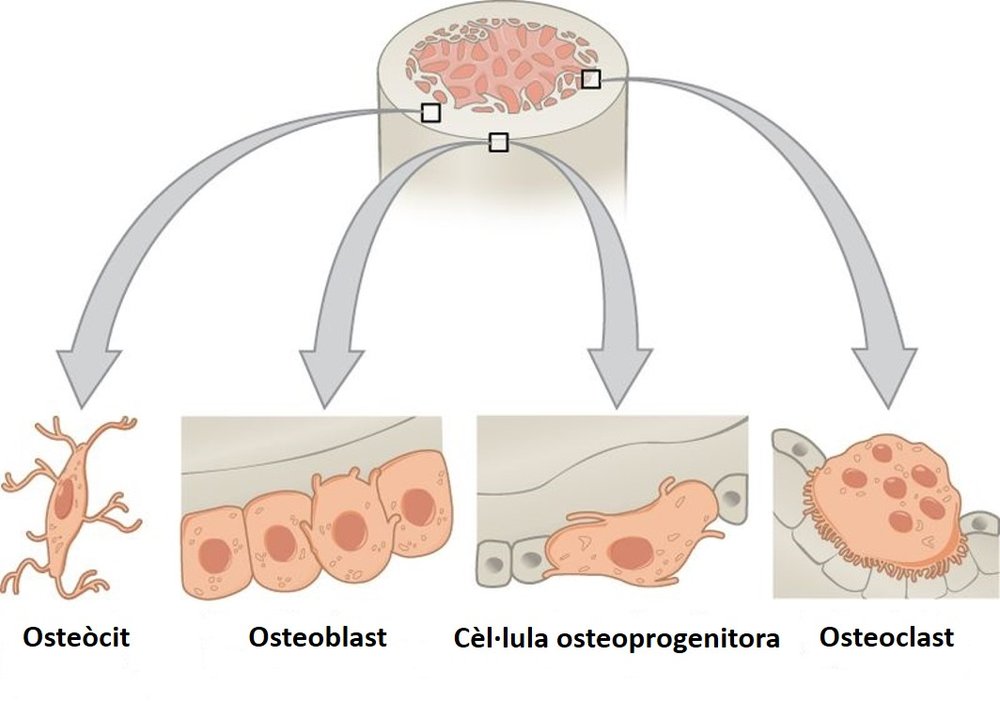
ہڈی کے خلیے: ایک اوسٹیوجینک خلیہ (osteogenic cell)، ہڈی بنانے والا اوسٹیوبلاسٹ، ہڈی میں دبا ہوا اوسٹیوسائٹ، اور ہڈی کی سطح پر ایک بڑا، کئی مرکزوں والا اوسٹیوکلاسٹ۔
اس کہانی کے کردار: ہڈی بنانے والے اوسٹیوبلاسٹ، وہ اوسٹیوسائٹ جن میں اوسٹیوبلاسٹ ہڈی کے اندر بند ہو جانے کے بعد بدل جاتے ہیں، اور ہڈی گھلانے والا بڑا اوسٹیوکلاسٹ۔ OpenStax, Anatomy & Physiology, CC BY 3.0

ہڈی کو تین بنیادی قسم کے خلیے بناتے اور سنبھالتے ہیں، اور ان کے نام جان لینا مفید ہے کیونکہ آگے آنے والی تقریباً ہر بات انہی کے درمیان توازن کی کہانی ہے:

  • اوسٹیوبلاسٹ (osteoblasts) بنانے والے ہیں۔ یہ نئی ہڈی بناتے ہیں: پہلے کولاجن کا نرم ڈھانچہ (اوسٹیوئڈ (osteoid))، جس میں پھر معدنیات بھر کر یہ اسے سخت ہڈی بنا دیتے ہیں۔
  • اوسٹیوکلاسٹ (osteoclasts) توڑ پھوڑ کرنے والا عملہ ہیں۔ یہ بڑے، کئی مرکزوں (nuclei) والے خلیے ہیں جو ہڈی کو گھلا دیتے ہیں: معدنیات کو تیزاب سے گلاتے ہیں اور کولاجن کو خامروں (enzymes) سے ہضم کر دیتے ہیں۔
  • اوسٹیوسائٹ (osteocytes) سابقہ اوسٹیوبلاسٹ ہیں جو اپنی ہی بنائی ہوئی ہڈی میں قید ہو گئے۔ یہ ننھے ننھے خانوں میں بیٹھے ہوتے ہیں جو نالیوں کے ایک وسیع جال سے آپس میں جڑے ہوتے ہیں، اور پوری ہڈی میں سینسروں کے ایک جال کی طرح ایک دوسرے سے منسلک ہوتے ہیں۔ جیسا کہ ہم آگے دیکھیں گے، یہی وہ خلیے ہیں جو میکانکی بوجھ کو محسوس کرتے ہیں اور باقی دو قسموں کو ہدایت دیتے ہیں۔

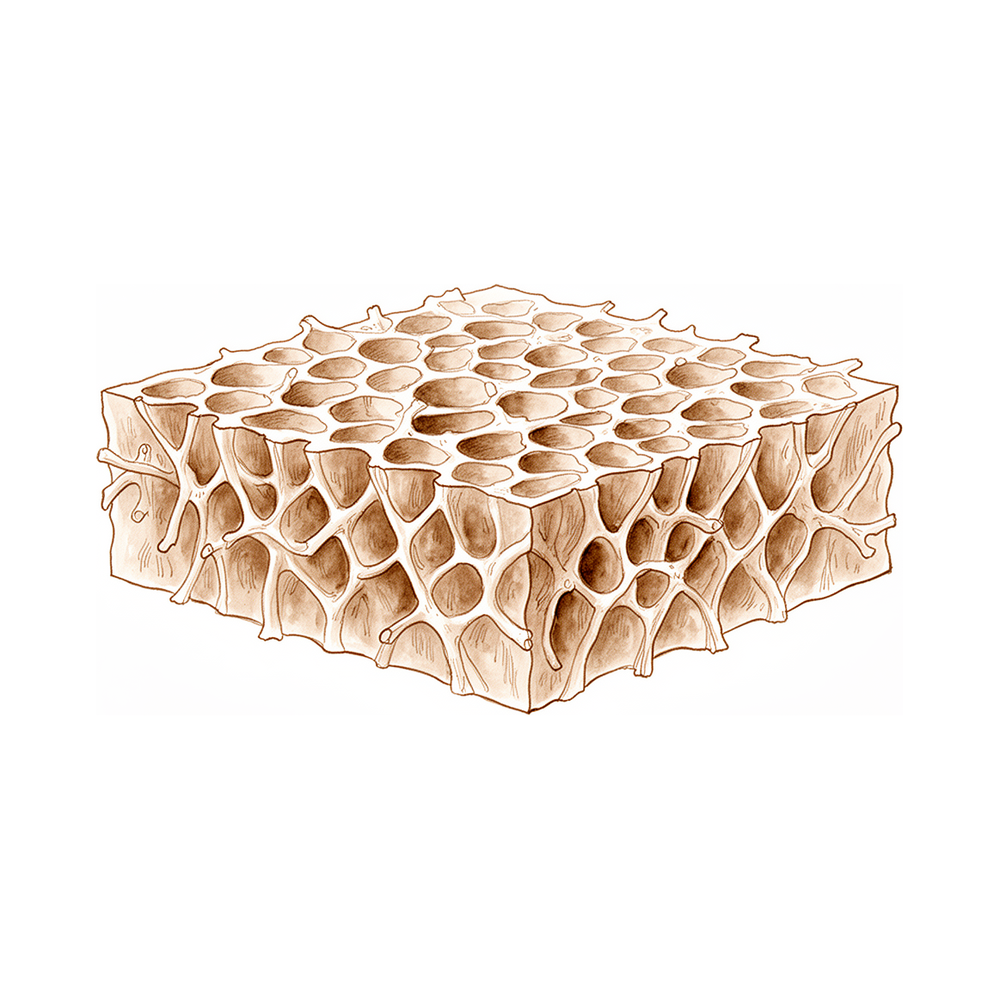
یہ خلیے جس سخت مادے میں رہتے ہیں وہ ٹائپ I کولاجن (type I collagen) ہے جسے ہائیڈروکسی اپیٹائٹ (hydroxyapatite، کیلشیم فاسفیٹ کا ایک معدنی مادہ) کے کرسٹل سخت بناتے ہیں۔ ہڈی دو بناوٹوں میں پائی جاتی ہے: لمبی ہڈیوں کے درمیانی لمبے حصے میں گھنی کورٹیکل (cortical، یعنی ٹھوس یا compact) ہڈی، اور ہڈیوں کے سروں پر اور ریڑھ کی ہڈی کے اندر اسفنج جیسی ٹرابیکیولر (trabecular، یعنی cancellous) ہڈی (ایک کھلی جالی دار ساخت)۔

ہڈی جڑنے کا مرحلہ وار سلسلہ

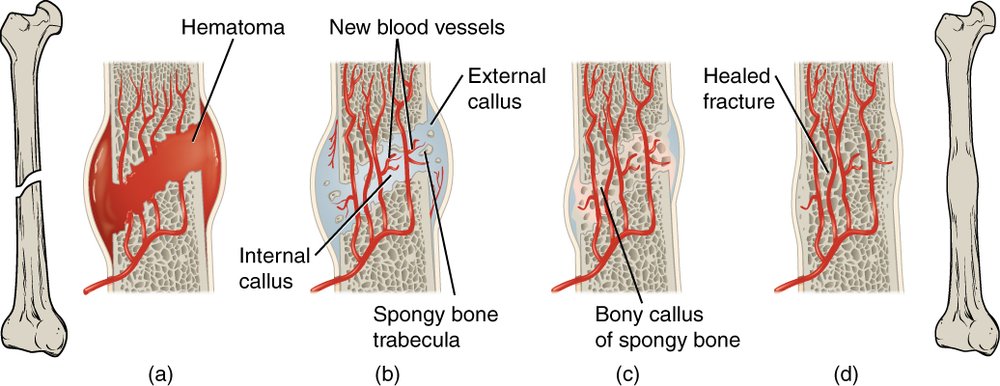
فریکچر کی مرمت کے چار مرحلے: فریکچر کا ہیماٹوما (خون کا لوتھڑا)، ریشے دار کارٹلیج والا (نرم) کالس، ہڈی والا (سخت) کالس، اور نئی تشکیل۔
جڑنے کا مرحلہ وار سلسلہ: فریکچر کی جگہ خون کا لوتھڑا (ہیماٹوما) بنتا ہے، ایک نرم (کارٹلیج والا) کالس خلا پر پل بناتا ہے، اس کی جگہ ہڈی کا سخت کالس لے لیتا ہے، اور آخرکار نئی تشکیل کے ذریعے ہڈی دوبارہ اپنی اصل شکل کے قریب آ جاتی ہے۔ OpenStax, Anatomy & Physiology, CC BY 3.0

اوپر سادہ زبان میں بیان کیے گئے چار مرحلے ایک باقاعدہ حیاتیاتی ترتیب سے مطابقت رکھتے ہیں۔ فریکچر کا ہیماٹوما (haematoma، یعنی خون کا لوتھڑا) سوزش کے اشاروں اور نشوونما کے عوامل (growth factors) کا ایک ریلا چھوڑتا ہے جو اسٹیم سیلوں (stem cells) کو بلاتے ہیں۔ یہ خلیے پہلے ایک نرم (کارٹلیج والا) کالس بناتے ہیں: ہڈی کارٹلیج کے ایک سانچے پر بنتی ہے، ایک ایسے عمل میں جسے اینڈوکونڈرل اوسیفیکیشن (endochondral ossification) کہتے ہیں، اور یہ وہی عمل ہے جس سے بچپن میں ڈھانچے کا زیادہ تر حصہ بڑھتا ہے۔ پھر کارٹلیج میں خون کی نالیاں داخل ہو جاتی ہیں اور اس کی جگہ بُنی ہوئی (woven) ہڈی لے لیتی ہے، یعنی سخت کالس، جسے آخرکار نئی تشکیل کے ذریعے پختہ، منظم تہہ دار (lamellar) ہڈی میں بدل دیا جاتا ہے۔

یہ ثانوی (بالواسطہ) جڑنا (secondary healing) ہے (یعنی کالس کے ذریعے جڑنا)، اور یہ تب ہوتا ہے جب ٹوٹی جگہ میں تھوڑی سی حرکت ہو، جیسے پلستر میں۔ ایک بنیادی (براہ راست) جڑنا (primary healing) بھی ہوتا ہے، جو صرف تب ہوتا ہے جب ہڈی کے ٹوٹے سروں کو بغیر کسی خلا اور بغیر کسی حرکت کے مضبوطی سے ایک ساتھ جکڑ کر رکھا جائے (مثال کے طور پر، دھات کی پلیٹ کے نیچے دبا کر)۔ تب کالس بنتا ہی نہیں: ہڈی بس ٹوٹی جگہ کے آر پار سیدھی نئی تشکیل پا جاتی ہے۔ ان میں سے کوئی بھی "بہتر" نہیں؛ یہ مختلف میکانکی حالات کے لیے ہڈی کے دو جواب ہیں، اسی لیے سرجن فریکچر کے مطابق ہڈی کو جکڑنے کا طریقہ (fixation) چنتے ہیں۔

نئی تشکیل اور کاٹنے والا مخروط (cutting cone)

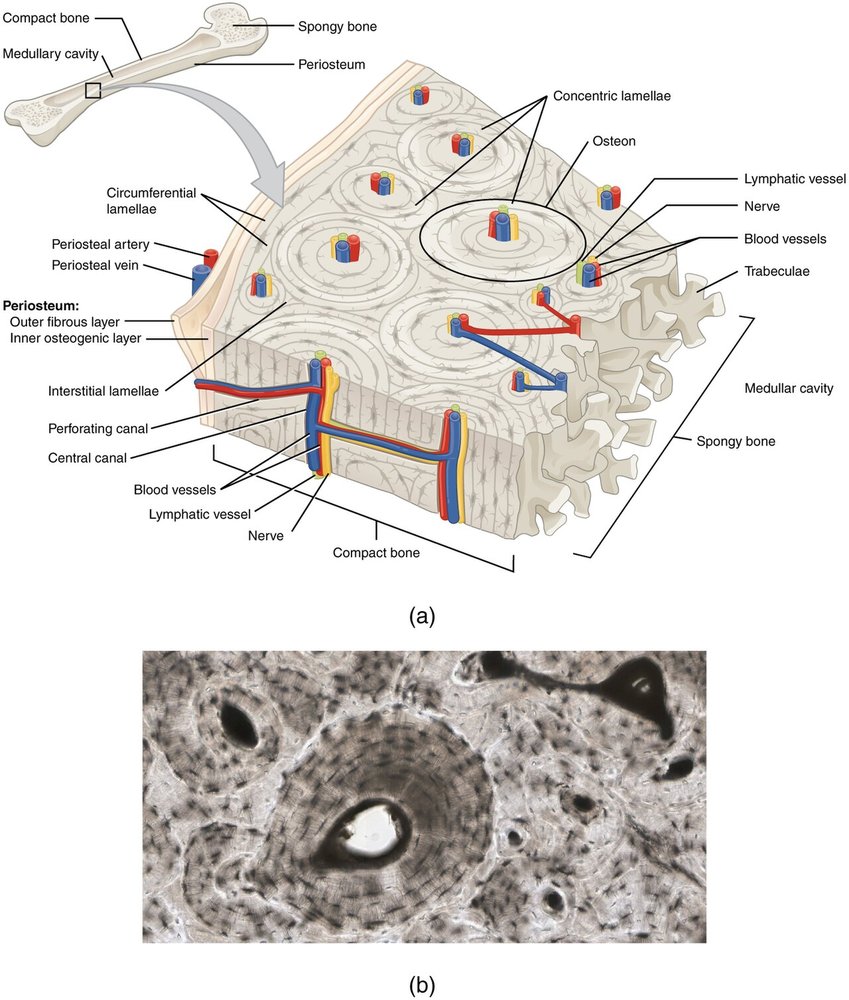
ٹھوس ہڈی کا خاکہ جس میں اوسٹیون (osteons، یعنی Haversian systems) دکھائے گئے ہیں: ایک درمیانی نالی کے گرد ہڈی کے ہم مرکز حلقے (lamellae)، اور ننھے خانوں (lacunae) میں اوسٹیوسائٹ۔
ٹھوس ہڈی اوسٹیون سے بنتی ہے: خون کی نالی والی ایک درمیانی نالی کے گرد لپٹے ہڈی کے ہم مرکز حلقے۔ ہر اوسٹیون ایک کاٹنے والے مخروط کا مکمل کیا ہوا کام ہے۔ OpenStax, Anatomy & Physiology, CC BY 3.0

جو ہڈی ٹوٹی نہ ہو وہ بھی مسلسل دوبارہ بنتی رہتی ہے: آپ ہر سال اپنے ڈھانچے کا تقریباً دسواں حصہ بدل دیتے ہیں۔ عمر بھر جاری رہنے والی یہ تجدید نئی تشکیل ہے، اور اسے خلیوں کی ٹیمیں انجام دیتی ہیں جنہیں بنیادی کثیر خلوی اکائیاں (Basic Multicellular Units, BMUs) کہا جاتا ہے۔

گھنی کورٹیکل ہڈی میں آپ ایک BMU کو ایک خوردبینی سرنگ کھودنے والی مشین کی طرح کام کرتے دیکھ سکتے ہیں۔ اس کے اگلے سرے پر اوسٹیوکلاسٹ کا ایک جھنڈ ہڈی میں سیدھی سرنگ کھودتا ہے، اور آگے بڑھتے ہوئے اسے گھلاتا جاتا ہے: یہ گھلانے والا سرا کاٹنے والا مخروط (cutting cone) ہے۔ اس کے بالکل پیچھے، بند کرنے والے مخروط (closing cone) میں، اوسٹیوبلاسٹ تازہ سرنگ کی دیواروں پر قطار باندھ لیتے ہیں اور دیواروں سے اندر کی طرف اسے دوبارہ بھرتے ہیں، اور ایک درمیانی نالی کے گرد، جس میں خون کی ایک نالی ہوتی ہے، نئی ہڈی کے ہم مرکز حلقے بچھاتے جاتے ہیں۔ تیار شدہ سلنڈر، یعنی ایک درمیانی نالی کے گرد ہڈی کے حلقے، ایک اوسٹیون (osteon) ہے، جو ٹھوس ہڈی کی بنیادی ساختی اکائی ہے۔ لہٰذا نئی تشکیل بے ترتیب نہیں ہوتی: یہ توڑ پھوڑ اور اس کے بعد تعمیر کا ایک منظم قافلہ ہے، جو پرانی ہڈی کے بیچ سے نئی، درست سمت میں ترتیب پائی ہوئی ہڈی گزارتا جاتا ہے۔

یہی وجہ ہے کہ صحت مند ہڈی کو دونوں قسم کے خلیوں کی ضرورت ہے جو ہم آہنگی سے کام کریں۔ کاٹنے والے مخروط کی قیادت کرنے والے اوسٹیوکلاسٹ بالکل وہی خلیے ہیں جو بے قابو ہو جائیں تو نیچے بیان کی گئی ہڈی کی کمی والی بیماریوں کا سبب بنتے ہیں۔

ربط کا سوئچ: RANK، RANKL اور OPG

بنانے والا خلیہ توڑ پھوڑ کرنے والے عملے کو کیسے قابو میں رکھتا ہے؟ ایک مالیکیولی سوئچ کے ذریعے، جسے جاننا مفید ہے کیونکہ یہی عام نئی تشکیل اور کئی بیماریوں (اور کئی دواؤں) دونوں کے پیچھے کارفرما لیور ہے۔

اوسٹیوبلاسٹ کے خاندان کے خلیے اپنی سطح پر ایک اشارہ ظاہر کرتے ہیں جسے RANKL کہتے ہیں۔ جب RANKL اوسٹیوکلاسٹ کے پیش رو خلیوں کی سطح پر موجود اپنے ریسیپٹر، RANK، سے جڑتا ہے تو یہ انہیں فعال، ہڈی گھلانے والے اوسٹیوکلاسٹ میں پختہ ہونے کا حکم دیتا ہے۔ یوں بنانے والوں کے ہاتھ میں توڑ پھوڑ کرنے والے عملے کا ریموٹ کنٹرول ہوتا ہے۔ بریک لگانے کے لیے یہی اوسٹیوبلاسٹ ایک دھوکا دینے والا مالیکیول خارج کرتے ہیں جسے OPG (osteoprotegerin) کہتے ہیں، جو RANKL کو RANK تک پہنچنے سے پہلے ہی جذب کر لیتا ہے۔ اس لیے RANKL اور OPG کا تناسب ہڈی کے گھلنے کی رفتار طے کرتا ہے: زیادہ RANKL توازن کو ہڈی کی کمی کی طرف جھکاتا ہے، اور زیادہ OPG ہڈی کے محفوظ رہنے کی طرف۔

ہڈی پر اثر ڈالنے والا تقریباً ہر اشارہ (ہارمون، سوزش، دوائیں) بالآخر اسی لیور کو کھینچتا ہے۔ مثال کے طور پر، ہڈیوں کی کمزوری (osteoporosis) کی دوا ڈینوسومیب (denosumab) بالکل یہیں کام کرتی ہے: یہ انسان کی بنائی ہوئی ایک اینٹی باڈی ہے جو OPG کی طرح کام کرتی ہے، اور RANKL کو جذب کر کے اوسٹیوکلاسٹ کو بند کر دیتی ہے۔ اس سوئچ کو ذہن میں رکھیں؛ اگلے دونوں حصے RANKL کے غلط سمت میں دھکیلے جانے کی کہانیاں ہیں۔

میکانکی اشاروں کی منتقلی اور وولف کا قانون

ہڈی مشہور طور پر اپنے اوپر پڑنے والے بوجھ کے مطابق ڈھل جاتی ہے۔ "ہڈی وہاں بنتی ہے جہاں اس کی ضرورت ہو اور وہاں سے گھلا دی جاتی ہے جہاں ضرورت نہ ہو"، یہ وولف کا قانون (Wolff's law) ہے، اور اسی وجہ سے ٹینس کے کھلاڑی کے ریکٹ والے بازو کی ہڈی زیادہ گھنی ہوتی ہے، خلا بازوں اور بستر تک محدود مریضوں کی ہڈی کم ہو جاتی ہے، اور سمجھداری سے ڈالا گیا بوجھ فریکچر کو صحیح جگہوں پر دوبارہ بننے میں مدد دیتا ہے۔

بوجھ کو محسوس کرنے والے خلیے ہڈی میں دبے ہوئے اوسٹیوسائٹ ہیں۔ جب ہڈی پر بوجھ پڑتا ہے تو ان کے اردگرد کی ننھی نالیوں میں سے سیال دب کر گزرتا ہے، اور اوسٹیوسائٹ اس بہاؤ کو محسوس کرتے ہیں؛ اس عمل کو میکانوٹرانسڈکشن (mechanotransduction) کہتے ہیں (یعنی ایک میکانکی اشارے کو حیاتیاتی اشارے میں بدلنا)۔ بوجھ اٹھانے والے اوسٹیوسائٹ اسکلیروسٹن (sclerostin) نامی ایک بریک لگانے والے مالیکیول کو کم کر دیتے ہیں، جس سے اوسٹیوبلاسٹ تعمیر کے لیے آزاد ہو جاتے ہیں؛ جس ہڈی پر بوجھ نہ پڑے اس میں اس کا الٹ ہوتا ہے، اور وہ گھلنے کے حوالے کر دی جاتی ہے۔ لہٰذا "استعمال کریں ورنہ کھو دیں" صرف ایک نعرہ نہیں؛ یہ اوسٹیوسائٹ ہیں جو آپ کی سرگرمی کے مطابق RANKL/OPG کا توازن بدلتے رہتے ہیں۔

جب نئی تشکیل بگڑ جائے: اوسٹیولائسس اور سونک ہیج ہاگ

اوسٹیولائسس (osteolysis) کا سیدھا سا مطلب ہے ہڈی کا گھل کر ختم ہونا: اوسٹیوکلاسٹ کا بے روک ٹوک کام کرنا، عموماً اس لیے کہ کوئی چیز RANKL کے سوئچ کو "آن" کی حالت میں اٹکا دیتی ہے۔ یہی عمل رسولی (tumour) کو ہڈی میں گھسنے اور اسے کھانے دیتا ہے، یہی امپلانٹ (جسم میں لگایا گیا مصنوعی پرزہ) کو ڈھیلا کر دیتا ہے (اگلا حصہ)، اور یہی بعض سوزشی بیماریوں میں ہڈی کو کھوکھلا کر دیتا ہے۔

یہاں کے زیادہ حیران کن کنٹرول کرنے والوں میں سے ایک سونک ہیج ہاگ (Shh) ہے، جو اشارہ دینے والا ایک مالیکیول ہے اور سب سے زیادہ جنین (embryo) کے جسمانی خاکے کو تراشنے کے لیے جانا جاتا ہے (یہ ہاتھ پاؤں اور انگلیوں کی ترتیب بنانے میں مدد دیتا ہے)۔ یہی راستہ بالغ کے ڈھانچے میں دوبارہ استعمال ہوتا ہے، اور اس کے اثرات دونوں طرف جاتے ہیں۔ جڑتے ہوئے فریکچر میں Shh کا اشارہ دراصل مدد کرتا ہے؛ یہ اوسٹیوبلاسٹ اور ہڈی بننے کو سہارا دیتا ہے۔ لیکن اوسٹیولائسس میں یہ الٹا کام کرتا ہے: Shh، اپنے آگے کے پیغام رساں Gli کے ذریعے، سہارا دینے والے اسٹرومل خلیوں (stromal cells) کو زیادہ RANKL بنانے پر اکساتا ہے، اور زیادہ RANKL کا مطلب ہے زیادہ اوسٹیوکلاسٹ اور زیادہ ہڈی کا گھلنا۔ قابل غور بات یہ ہے کہ Shh اکیلا ہڈی کو نہیں گھلاتا؛ یہ RANKL کے راستے کو بڑھا کر کام کرتا ہے، اور یہی وجہ ہے کہ یہ کینسر سے جڑی ہڈی کی تباہی جیسی حالتوں میں مرض کو بگاڑنے والے عنصر کے طور پر سامنے آتا ہے۔ یہ اس پورے صفحے میں چلنے والے ایک موضوع کی عمدہ مثال ہے: ہڈی کی زیادہ تر بیماریاں عام نئی تشکیل کا وہی نظام ہیں (کاٹنے والا مخروط، RANKL کا سوئچ) جسے ایک سمت میں حد سے زیادہ دھکیل دیا گیا ہو۔

پولی ایتھیلین کا گھساؤ اور امپلانٹ کا ڈھیلا ہونا

یہاں حیاتیات بہت عملی ہو جاتی ہے، کیونکہ اس سے پتا چلتا ہے کہ جوڑ کی تبدیلی (joint replacement) آخرکار کیوں ناکام ہو جاتی ہے۔ کولہے یا گھٹنے کی تبدیلی میں ایک ہموار رگڑ سہنے والی سطح ہوتی ہے، روایتی طور پر ایک سخت گیند یا دھات کا پرزہ جو پولی ایتھیلین (polyethylene، یعنی طبی درجے کا پلاسٹک) کے ایک استر پر حرکت کرتا ہے۔ برسوں کے استعمال میں رگڑ سے پولی ایتھیلین کے انتہائی باریک گھساؤ کے ذرات (wear particles) جھڑتے ہیں، جو اتنے چھوٹے ہوتے ہیں کہ نظر نہیں آتے اور اربوں کی تعداد میں جھڑتے ہیں۔

جسم ان ذرات کو گھس بیٹھیے سمجھتا ہے۔ امپلانٹ کے اردگرد صفائی کرنے والے مدافعتی خلیے (میکروفیج (macrophages)) انہیں نگلنے کی کوشش کرتے ہیں، لیکن پلاسٹک ہضم نہیں ہو سکتا، اس لیے ناکام میکروفیج اس کے بجائے سوزش کے اشارے خارج کرنے لگتے ہیں۔ یہ اشارے حسب توقع RANKL کو بڑھا دیتے ہیں، اور اوسٹیوکلاسٹ کو بلاتے ہیں جو امپلانٹ کے اردگرد کی ہڈی کو گھلا دیتے ہیں۔ یہ ذرات سے پیدا ہونے والا (یا گھساؤ والا) اوسٹیولائسس (particle-induced osteolysis) خاموشی سے ہڈی کی اس گرفت کو کھا جاتا ہے جس میں امپلانٹ ٹکا ہوتا ہے، اور آخرکار امپلانٹ ڈھیلا ہو جاتا ہے؛ یہ جوڑ کی تبدیلی کے گھس جانے اور دوبارہ آپریشن (revision) کی ضرورت پڑنے کی ایک بڑی وجہ ہے، اکثر سرجری کے ایک دہائی یا اس سے زیادہ عرصے بعد۔ یہ وہی آخری راستہ ہے جس پر اوپر کی ہر بات ختم ہوتی ہے: ایک بیرونی محرک، جو RANKL سے ہو کر گزرتا ہے، اور جس کا انجام اوسٹیوکلاسٹ کے ہاتھوں ہڈی کے گھلنے پر ہوتا ہے۔ اسے سمجھنا ہی وجہ ہے کہ بہتر رگڑ سہنے والے ایسے مادوں (جیسے کراس لنکڈ پولی ایتھیلین (cross-linked polyethylene)) پر اتنی انجینئرنگ کی جاتی ہے جن سے کم اور کم نقصان دہ ذرات جھڑتے ہیں۔

جڑنے میں کیا مدد دیتا ہے اور کیا نقصان پہنچاتا ہے

آخر میں، عملی عوامل، اب ان کی وضاحت کرنے والی حیاتیات کے ساتھ:

  • خون کی فراہمی وہ خلیے، آکسیجن اور اشارے پہنچاتی ہے جن کی جڑنے کے عمل کو ضرورت ہوتی ہے؛ اگر اردگرد کے نرم ٹشو کا غلاف اتر گیا ہو یا کچلا گیا ہو، یا ٹوٹ ایسی ہڈی میں ہو جسے خون کم ملتا ہے، تو ہڈی دیر سے جڑتی ہے۔ یہ سب سے بڑا واحد عنصر ہے۔
  • استحکام کالس کو پختہ ہونے دیتا ہے؛ ضرورت سے زیادہ حرکت شروع کے نازک پل کو بار بار توڑتی رہتی ہے، اور نان یونین (non-union، یعنی ایسی ٹوٹی ہڈی جو جڑ نہ سکے) کی طرف لے جانے والا ایک عام راستہ ہے۔
  • تمباکو نوشی اور نکوٹین خون کی نالیوں کو سکیڑتی ہیں اور مرمت کرنے والے خلیوں کو نقصان پہنچاتی ہیں: یہ ہڈی کے جڑنے پر ایک اچھی طرح ثابت شدہ بریک ہے۔
  • ذیابیطس (شوگر) اور بعض دوائیں (اسٹیرائیڈ کے لمبے کورس، اور تازہ فریکچر کے وقت کے آس پاس بعض سوزش کم کرنے والی دوائیں) ہڈی کے جڑنے کو سست کر سکتی ہیں۔
  • غذا (مناسب پروٹین، کیلشیم اور وٹامن ڈی) خام مال فراہم کرتی ہے؛ جس مسئلے سے بچنا ہے وہ کمی ہے، کثرت نہیں۔
  • عمر خلیوں کے نظام کو سست کر دیتی ہے، لیکن ہڈی عمر بھر جڑنے کی حیرت انگیز صلاحیت برقرار رکھتی ہے۔

یہ بھی دیکھیں


Creative Commons BY-NC 4.0

CC Creative Commons licence
BY Attribution — you must credit the source
NC NonCommercial — not for commercial use

Attribution-NonCommercial 4.0 International


Creative Commons Corporation ("Creative Commons") is not a law firm and does not provide legal services or legal advice. Distribution of Creative Commons public licenses does not create a lawyer-client or other relationship. Creative Commons makes its licenses and related information available on an "as-is" basis. Creative Commons gives no warranties regarding its licenses, any material licensed under their terms and conditions, or any related information. Creative Commons disclaims all liability for damages resulting from their use to the fullest extent possible.

Using Creative Commons Public Licenses

Creative Commons public licenses provide a standard set of terms and conditions that creators and other rights holders may use to share original works of authorship and other material subject to copyright and certain other rights specified in the public license below. The following considerations are for informational purposes only, are not exhaustive, and do not form part of our licenses.

Considerations for licensors: Our public licenses are intended for use by those authorized to give the public permission to use material in ways otherwise restricted by copyright and certain other rights. Our licenses are irrevocable. Licensors should read and understand the terms and conditions of the license they choose before applying it. Licensors should also secure all rights necessary before applying our licenses so that the public can reuse the material as expected. Licensors should clearly mark any material not subject to the license. This includes other CC- licensed material, or material used under an exception or limitation to copyright. More considerations for licensors: wiki.creativecommons.org/Considerations_for_licensors

Considerations for the public: By using one of our public licenses, a licensor grants the public permission to use the licensed material under specified terms and conditions. If the licensor's permission is not necessary for any reason--for example, because of any applicable exception or limitation to copyright--then that use is not regulated by the license. Our licenses grant only permissions under copyright and certain other rights that a licensor has authority to grant. Use of the licensed material may still be restricted for other reasons, including because others have copyright or other rights in the material. A licensor may make special requests, such as asking that all changes be marked or described. Although not required by our licenses, you are encouraged to respect those requests where reasonable. More considerations for the public: wiki.creativecommons.org/Considerations_for_licensees


Creative Commons Attribution-NonCommercial 4.0 International Public License

By exercising the Licensed Rights (defined below), You accept and agree to be bound by the terms and conditions of this Creative Commons Attribution-NonCommercial 4.0 International Public License ("Public License"). To the extent this Public License may be interpreted as a contract, You are granted the Licensed Rights in consideration of Your acceptance of these terms and conditions, and the Licensor grants You such rights in consideration of benefits the Licensor receives from making the Licensed Material available under these terms and conditions.

Section 1 -- Definitions.

a. Adapted Material means material subject to Copyright and Similar Rights that is derived from or based upon the Licensed Material and in which the Licensed Material is translated, altered, arranged, transformed, or otherwise modified in a manner requiring permission under the Copyright and Similar Rights held by the Licensor. For purposes of this Public License, where the Licensed Material is a musical work, performance, or sound recording, Adapted Material is always produced where the Licensed Material is synched in timed relation with a moving image.

b. Adapter's License means the license You apply to Your Copyright and Similar Rights in Your contributions to Adapted Material in accordance with the terms and conditions of this Public License.

c. Copyright and Similar Rights means copyright and/or similar rights closely related to copyright including, without limitation, performance, broadcast, sound recording, and Sui Generis Database Rights, without regard to how the rights are labeled or categorized. For purposes of this Public License, the rights specified in Section 2(b)(1)-(2) are not Copyright and Similar Rights.

d. Effective Technological Measures means those measures that, in the absence of proper authority, may not be circumvented under laws fulfilling obligations under Article 11 of the WIPO Copyright Treaty adopted on December 20, 1996, and/or similar international agreements.

e. Exceptions and Limitations means fair use, fair dealing, and/or any other exception or limitation to Copyright and Similar Rights that applies to Your use of the Licensed Material.

f. Licensed Material means the artistic or literary work, database, or other material to which the Licensor applied this Public License.

g. Licensed Rights means the rights granted to You subject to the terms and conditions of this Public License, which are limited to all Copyright and Similar Rights that apply to Your use of the Licensed Material and that the Licensor has authority to license.

h. Licensor means the individual(s) or entity(ies) granting rights under this Public License.

i. NonCommercial means not primarily intended for or directed towards commercial advantage or monetary compensation. For purposes of this Public License, the exchange of the Licensed Material for other material subject to Copyright and Similar Rights by digital file-sharing or similar means is NonCommercial provided there is no payment of monetary compensation in connection with the exchange.

j. Share means to provide material to the public by any means or process that requires permission under the Licensed Rights, such as reproduction, public display, public performance, distribution, dissemination, communication, or importation, and to make material available to the public including in ways that members of the public may access the material from a place and at a time individually chosen by them.

k. Sui Generis Database Rights means rights other than copyright resulting from Directive 96/9/EC of the European Parliament and of the Council of 11 March 1996 on the legal protection of databases, as amended and/or succeeded, as well as other essentially equivalent rights anywhere in the world.

l. You means the individual or entity exercising the Licensed Rights under this Public License. Your has a corresponding meaning.

Section 2 -- Scope.

a. License grant.

1. Subject to the terms and conditions of this Public License, the Licensor hereby grants You a worldwide, royalty-free, non-sublicensable, non-exclusive, irrevocable license to exercise the Licensed Rights in the Licensed Material to:

a. reproduce and Share the Licensed Material, in whole or in part, for NonCommercial purposes only; and

b. produce, reproduce, and Share Adapted Material for NonCommercial purposes only.

2. Exceptions and Limitations. For the avoidance of doubt, where Exceptions and Limitations apply to Your use, this Public License does not apply, and You do not need to comply with its terms and conditions.

3. Term. The term of this Public License is specified in Section 6(a).

4. Media and formats; technical modifications allowed. The Licensor authorizes You to exercise the Licensed Rights in all media and formats whether now known or hereafter created, and to make technical modifications necessary to do so. The Licensor waives and/or agrees not to assert any right or authority to forbid You from making technical modifications necessary to exercise the Licensed Rights, including technical modifications necessary to circumvent Effective Technological Measures. For purposes of this Public License, simply making modifications authorized by this Section 2(a) (4) never produces Adapted Material.

5. Downstream recipients.

a. Offer from the Licensor -- Licensed Material. Every recipient of the Licensed Material automatically receives an offer from the Licensor to exercise the Licensed Rights under the terms and conditions of this Public License.

b. No downstream restrictions. You may not offer or impose any additional or different terms or conditions on, or apply any Effective Technological Measures to, the Licensed Material if doing so restricts exercise of the Licensed Rights by any recipient of the Licensed Material.

6. No endorsement. Nothing in this Public License constitutes or may be construed as permission to assert or imply that You are, or that Your use of the Licensed Material is, connected with, or sponsored, endorsed, or granted official status by, the Licensor or others designated to receive attribution as provided in Section 3(a)(1)(A)(i).

b. Other rights.

1. Moral rights, such as the right of integrity, are not licensed under this Public License, nor are publicity, privacy, and/or other similar personality rights; however, to the extent possible, the Licensor waives and/or agrees not to assert any such rights held by the Licensor to the limited extent necessary to allow You to exercise the Licensed Rights, but not otherwise.

2. Patent and trademark rights are not licensed under this Public License.

3. To the extent possible, the Licensor waives any right to collect royalties from You for the exercise of the Licensed Rights, whether directly or through a collecting society under any voluntary or waivable statutory or compulsory licensing scheme. In all other cases the Licensor expressly reserves any right to collect such royalties, including when the Licensed Material is used other than for NonCommercial purposes.

Section 3 -- License Conditions.

Your exercise of the Licensed Rights is expressly made subject to the following conditions.

a. Attribution.

1. If You Share the Licensed Material (including in modified form), You must:

a. retain the following if it is supplied by the Licensor with the Licensed Material:

i. identification of the creator(s) of the Licensed Material and any others designated to receive attribution, in any reasonable manner requested by the Licensor (including by pseudonym if designated);

ii. a copyright notice;

iii. a notice that refers to this Public License;

iv. a notice that refers to the disclaimer of warranties;

v. a URI or hyperlink to the Licensed Material to the extent reasonably practicable;

b. indicate if You modified the Licensed Material and retain an indication of any previous modifications; and

c. indicate the Licensed Material is licensed under this Public License, and include the text of, or the URI or hyperlink to, this Public License.

2. You may satisfy the conditions in Section 3(a)(1) in any reasonable manner based on the medium, means, and context in which You Share the Licensed Material. For example, it may be reasonable to satisfy the conditions by providing a URI or hyperlink to a resource that includes the required information.

3. If requested by the Licensor, You must remove any of the information required by Section 3(a)(1)(A) to the extent reasonably practicable.

4. If You Share Adapted Material You produce, the Adapter's License You apply must not prevent recipients of the Adapted Material from complying with this Public License.

Section 4 -- Sui Generis Database Rights.

Where the Licensed Rights include Sui Generis Database Rights that apply to Your use of the Licensed Material:

a. for the avoidance of doubt, Section 2(a)(1) grants You the right to extract, reuse, reproduce, and Share all or a substantial portion of the contents of the database for NonCommercial purposes only;

b. if You include all or a substantial portion of the database contents in a database in which You have Sui Generis Database Rights, then the database in which You have Sui Generis Database Rights (but not its individual contents) is Adapted Material; and

c. You must comply with the conditions in Section 3(a) if You Share all or a substantial portion of the contents of the database.

For the avoidance of doubt, this Section 4 supplements and does not replace Your obligations under this Public License where the Licensed Rights include other Copyright and Similar Rights.

Section 5 -- Disclaimer of Warranties and Limitation of Liability.

a. UNLESS OTHERWISE SEPARATELY UNDERTAKEN BY THE LICENSOR, TO THE EXTENT POSSIBLE, THE LICENSOR OFFERS THE LICENSED MATERIAL AS-IS AND AS-AVAILABLE, AND MAKES NO REPRESENTATIONS OR WARRANTIES OF ANY KIND CONCERNING THE LICENSED MATERIAL, WHETHER EXPRESS, IMPLIED, STATUTORY, OR OTHER. THIS INCLUDES, WITHOUT LIMITATION, WARRANTIES OF TITLE, MERCHANTABILITY, FITNESS FOR A PARTICULAR PURPOSE, NON-INFRINGEMENT, ABSENCE OF LATENT OR OTHER DEFECTS, ACCURACY, OR THE PRESENCE OR ABSENCE OF ERRORS, WHETHER OR NOT KNOWN OR DISCOVERABLE. WHERE DISCLAIMERS OF WARRANTIES ARE NOT ALLOWED IN FULL OR IN PART, THIS DISCLAIMER MAY NOT APPLY TO YOU.

b. TO THE EXTENT POSSIBLE, IN NO EVENT WILL THE LICENSOR BE LIABLE TO YOU ON ANY LEGAL THEORY (INCLUDING, WITHOUT LIMITATION, NEGLIGENCE) OR OTHERWISE FOR ANY DIRECT, SPECIAL, INDIRECT, INCIDENTAL, CONSEQUENTIAL, PUNITIVE, EXEMPLARY, OR OTHER LOSSES, COSTS, EXPENSES, OR DAMAGES ARISING OUT OF THIS PUBLIC LICENSE OR USE OF THE LICENSED MATERIAL, EVEN IF THE LICENSOR HAS BEEN ADVISED OF THE POSSIBILITY OF SUCH LOSSES, COSTS, EXPENSES, OR DAMAGES. WHERE A LIMITATION OF LIABILITY IS NOT ALLOWED IN FULL OR IN PART, THIS LIMITATION MAY NOT APPLY TO YOU.

c. The disclaimer of warranties and limitation of liability provided above shall be interpreted in a manner that, to the extent possible, most closely approximates an absolute disclaimer and waiver of all liability.

Section 6 -- Term and Termination.

a. This Public License applies for the term of the Copyright and Similar Rights licensed here. However, if You fail to comply with this Public License, then Your rights under this Public License terminate automatically.

b. Where Your right to use the Licensed Material has terminated under Section 6(a), it reinstates:

1. automatically as of the date the violation is cured, provided it is cured within 30 days of Your discovery of the violation; or

2. upon express reinstatement by the Licensor.

For the avoidance of doubt, this Section 6(b) does not affect any right the Licensor may have to seek remedies for Your violations of this Public License.

c. For the avoidance of doubt, the Licensor may also offer the Licensed Material under separate terms or conditions or stop distributing the Licensed Material at any time; however, doing so will not terminate this Public License.

d. Sections 1, 5, 6, 7, and 8 survive termination of this Public License.

Section 7 -- Other Terms and Conditions.

a. The Licensor shall not be bound by any additional or different terms or conditions communicated by You unless expressly agreed.

b. Any arrangements, understandings, or agreements regarding the Licensed Material not stated herein are separate from and independent of the terms and conditions of this Public License.

Section 8 -- Interpretation.

a. For the avoidance of doubt, this Public License does not, and shall not be interpreted to, reduce, limit, restrict, or impose conditions on any use of the Licensed Material that could lawfully be made without permission under this Public License.

b. To the extent possible, if any provision of this Public License is deemed unenforceable, it shall be automatically reformed to the minimum extent necessary to make it enforceable. If the provision cannot be reformed, it shall be severed from this Public License without affecting the enforceability of the remaining terms and conditions.

c. No term or condition of this Public License will be waived and no failure to comply consented to unless expressly agreed to by the Licensor.

d. Nothing in this Public License constitutes or may be interpreted as a limitation upon, or waiver of, any privileges and immunities that apply to the Licensor or You, including from the legal processes of any jurisdiction or authority.


Creative Commons is not a party to its public licenses. Notwithstanding, Creative Commons may elect to apply one of its public licenses to material it publishes and in those instances will be considered the “Licensor.” The text of the Creative Commons public licenses is dedicated to the public domain under the CC0 Public Domain Dedication. Except for the limited purpose of indicating that material is shared under a Creative Commons public license or as otherwise permitted by the Creative Commons policies published at creativecommons.org/policies, Creative Commons does not authorize the use of the trademark "Creative Commons" or any other trademark or logo of Creative Commons without its prior written consent including, without limitation, in connection with any unauthorized modifications to any of its public licenses or any other arrangements, understandings, or agreements concerning use of licensed material. For the avoidance of doubt, this paragraph does not form part of the public licenses.

Creative Commons may be contacted at creativecommons.org.