Patients › Rehabilitation
ہسپتال میں ورزشیں — روٹیٹر کف کی مرمت اور کندھے کو مستحکم کرنے کے آپریشن کے بعد
Early in-hospital exercises after rotator cuff repair or shoulder stabilisation — gentle hand, elbow and shoulder movement, with six-week sling precautions.
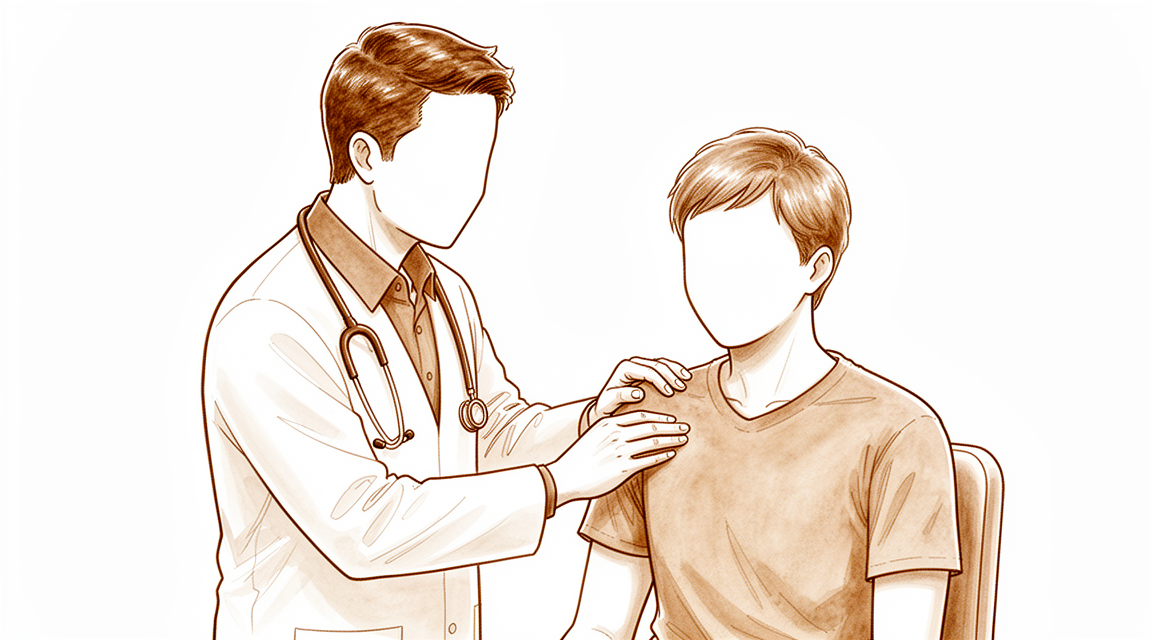
یہ وہ ہلکی ورزشیں ہیں جو روٹیٹر کف (rotator cuff)، یعنی ٹینڈنوں کا وہ گروپ جو کندھے کو تھامتا اور گھماتا ہے، کی مرمت یا کندھے کو مستحکم کرنے کے آپریشن (stabilisation) کے بعد ہسپتال میں شروع کی جاتی ہیں۔ یہ مرمت کے بھرنے کے دوران ہاتھ، کہنی اور کندھے کو حرکت میں رکھتی ہیں۔
آپ کی ورزشیں
Kieran Hirpara 4.0
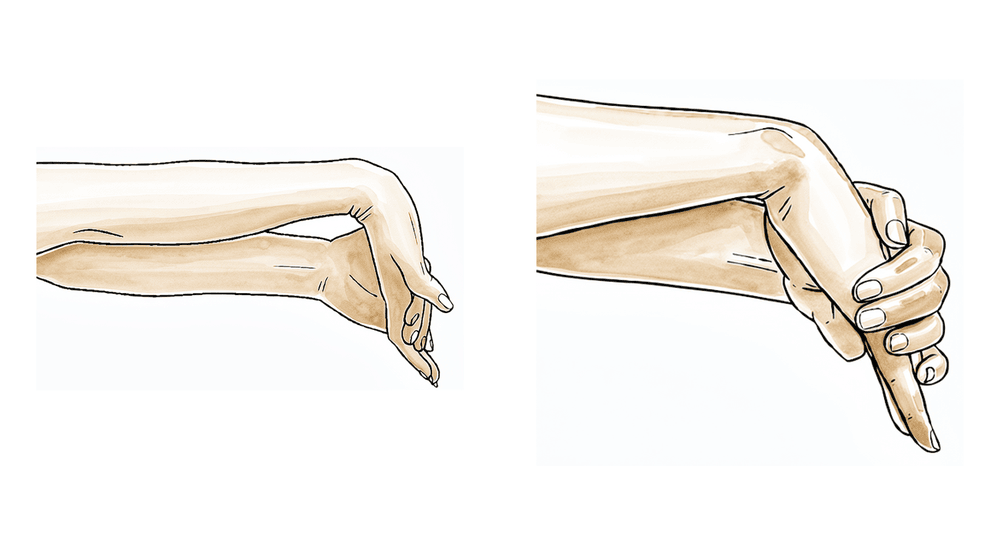
کلائی کی حرکت
اپنی کلائی کو آگے، پیچھے اور دائیں بائیں موڑ کر ہاتھ کو حرکت میں رکھیں۔
10 بار، دن میں 3 مرتبہ
Kieran Hirpara 4.0
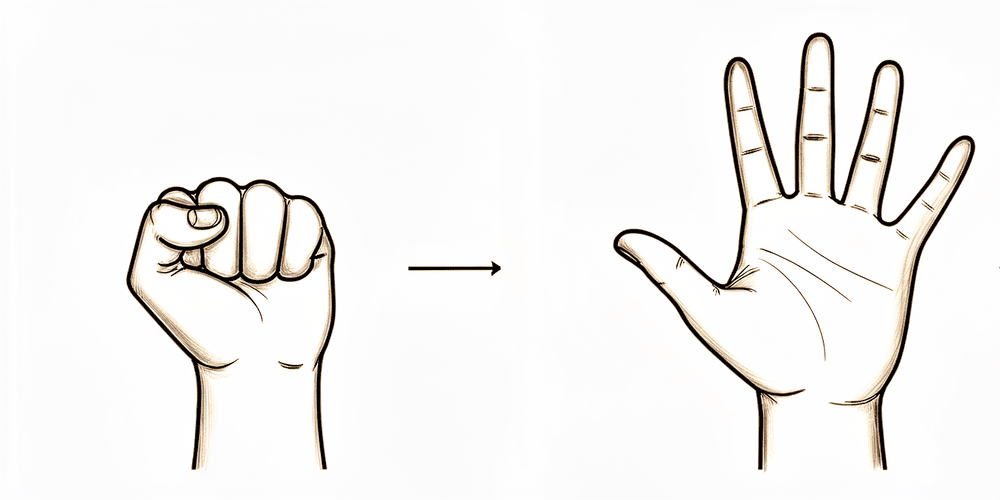
ہاتھ کھولنا اور بند کرنا
ہاتھ اور انگلیوں کو کھول بند کر کے، یا اسٹریس بال (نرم گیند) کو دبا کر، انہیں حرکت میں رکھیں۔
10 بار، دن میں 3 مرتبہ
Kieran Hirpara 4.0
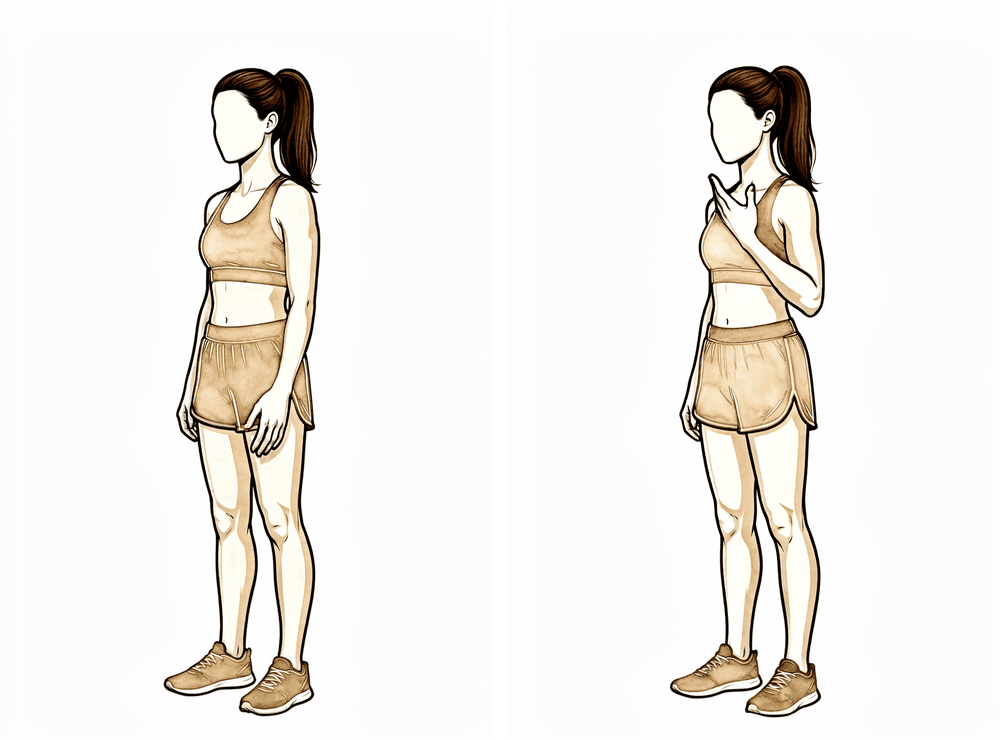
کہنی موڑنا
اپنی کہنی کو موڑیں اور سیدھا کریں۔
10 بار، دن میں 3 مرتبہ
Kieran Hirpara 4.0
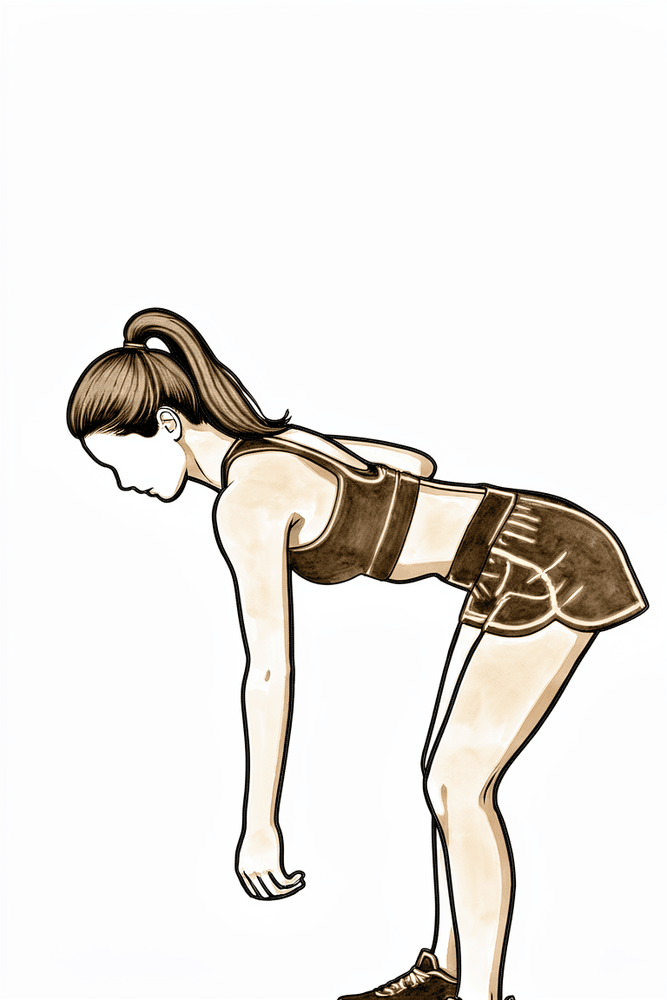
پینڈولم ورزش
یہ غیر فعال (passive) ورزش ہے۔ آگے کی طرف جھکیں اور اپنے بازو کو ڈھیلا چھوڑ کر نیچے لٹکنے دیں۔ اپنے جسم کی حرکت سے بازو کو آہستہ سے گھڑی کی سوئیوں کی سمت میں یا الٹی سمت میں گھمائیں، اور ساتھ ہی آگے، پیچھے اور دائیں بائیں بھی۔
ہر سمت میں تقریباً 30 سیکنڈ، دن میں 3 مرتبہ
Kieran Hirpara 4.0
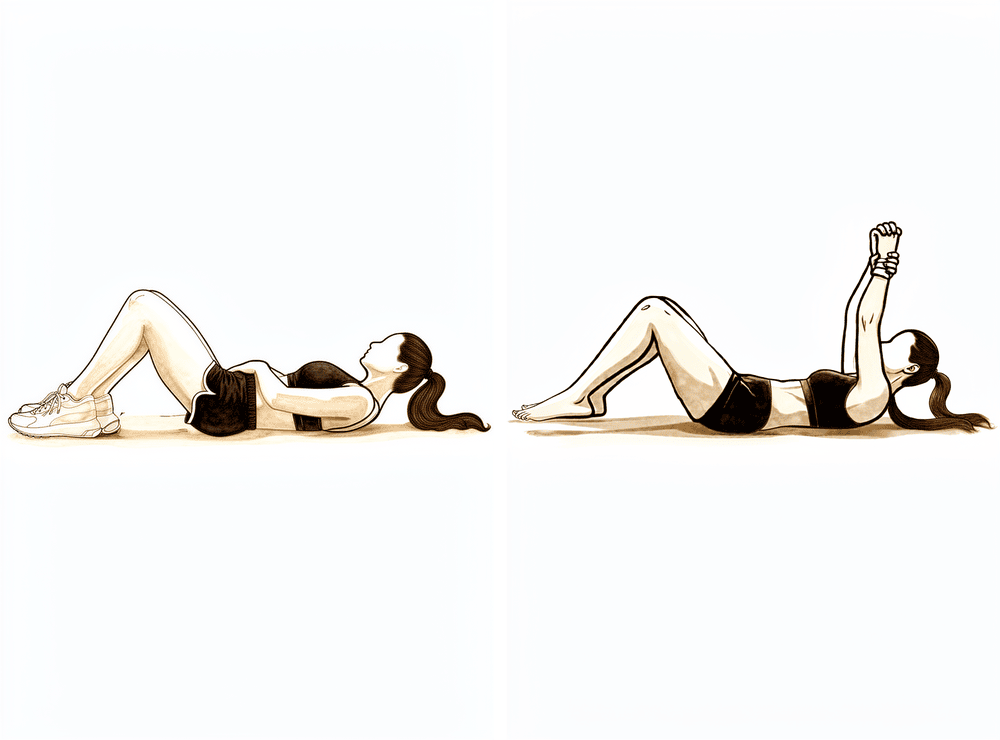
مدد سے بازو آگے اور اوپر اٹھانا (assisted forward flexion)
کرسی پر بیٹھ کر اور آگے جھک کر، آپریشن والے بازو کو دوسرے بازو میں گود کی طرح تھامیں اور آہستہ سے اسے اپنے سامنے اوپر کی طرف لے جائیں۔ اس بازو کی مدد سے جس کا آپریشن نہیں ہوا، اسے واپس نیچے لائیں۔ اگر آپ چاہیں تو بستر پر کمر کے بل لیٹ کر بھی بازو کو اوپر اٹھانے میں مدد دے سکتے ہیں۔
10 بار، دن میں 3 مرتبہ
Kieran Hirpara 4.0
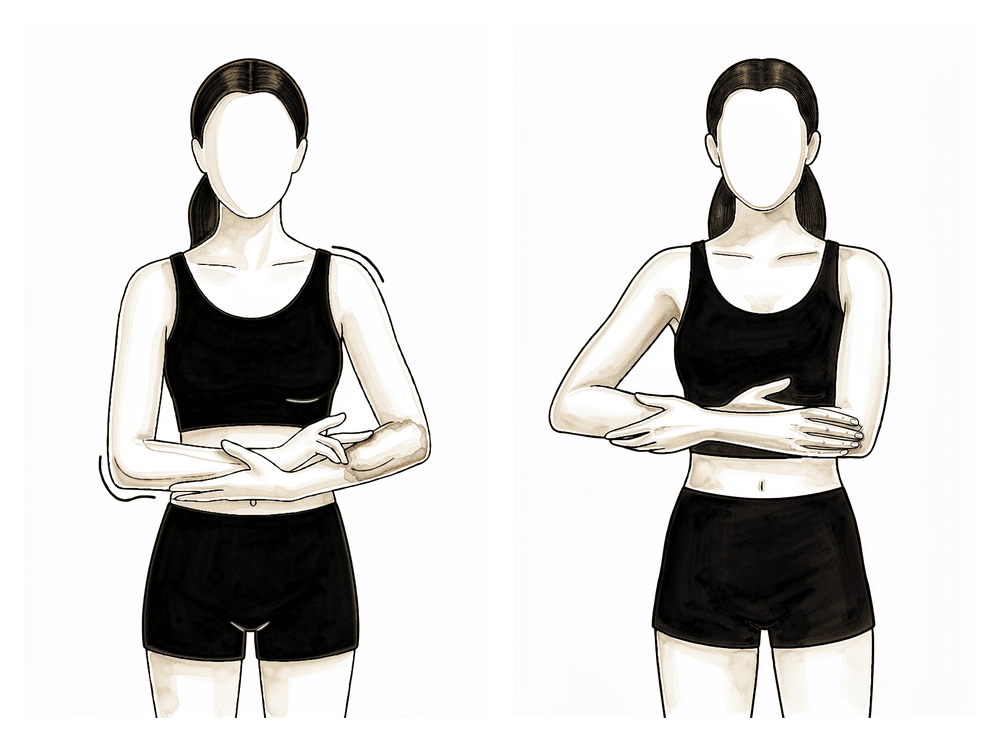
مدد سے بازو کو پہلو کی طرف لے جانا (assisted abduction)
کرسی پر بیٹھ کر اور آگے جھک کر، بازو کو دوبارہ دوسرے بازو میں گود کی طرح تھامیں اور اسے پہلو کی طرف باہر لے جانے میں مدد دیں (جیسے بچے کو جھلاتے ہیں)۔
10 بار، دن میں 3 مرتبہ
Kieran Hirpara 4.0
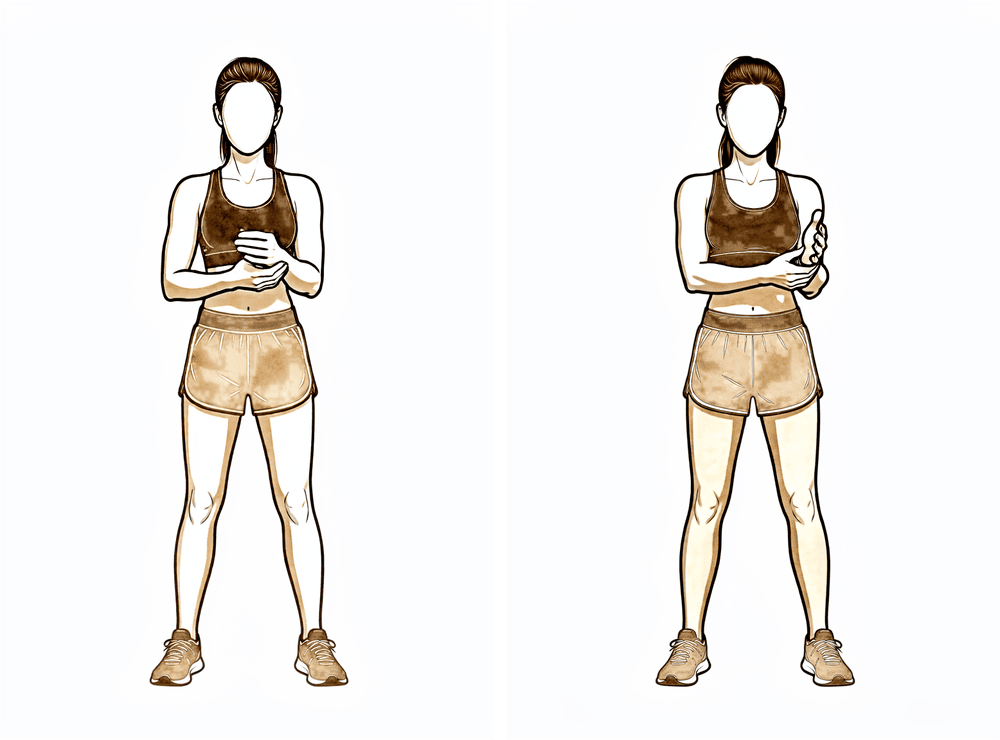
بازو کو باہر کی طرف گھمانا (external rotation)
کرسی پر بیٹھ کر، اپنے بازو کو صرف اس جگہ سے جہاں وہ سلنگ میں رہتا ہے، سیدھا سامنے کی طرف اشارہ کرنے تک لے جائیں۔ اس سے زیادہ باہر کی طرف نہ لے جائیں۔
10 بار، دن میں 3 مرتبہ
Kieran Hirpara 4.0
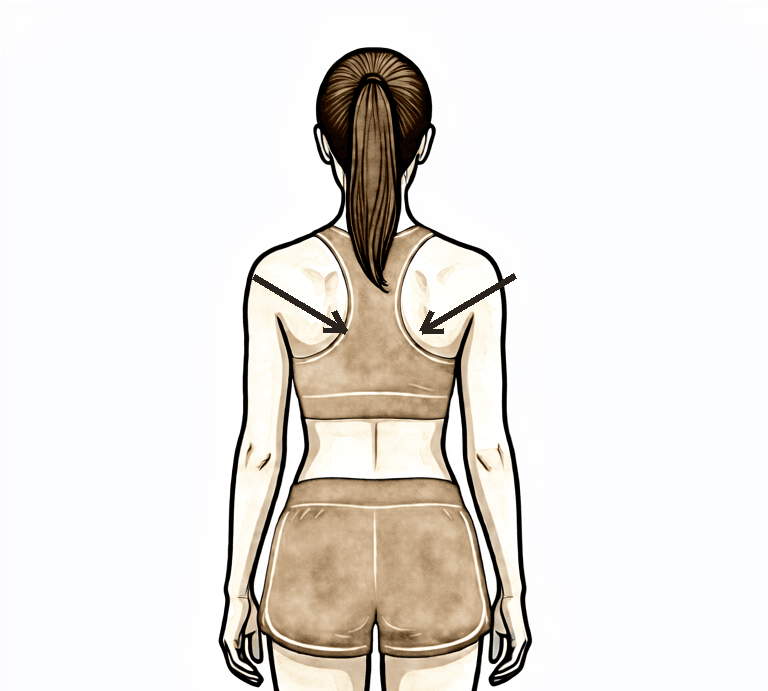
کندھے کی پچھلی ہڈیوں کو نیچے کھینچنا (lower trapezius setting)
اپنے کندھوں کی پچھلی چپٹی ہڈیوں (shoulder blades) کو نیچے اور ایک دوسرے کی طرف دبائیں۔
5 سیکنڈ روکیں، 5 بار، دن میں 3 مرتبہ
Kieran Hirpara 4.0
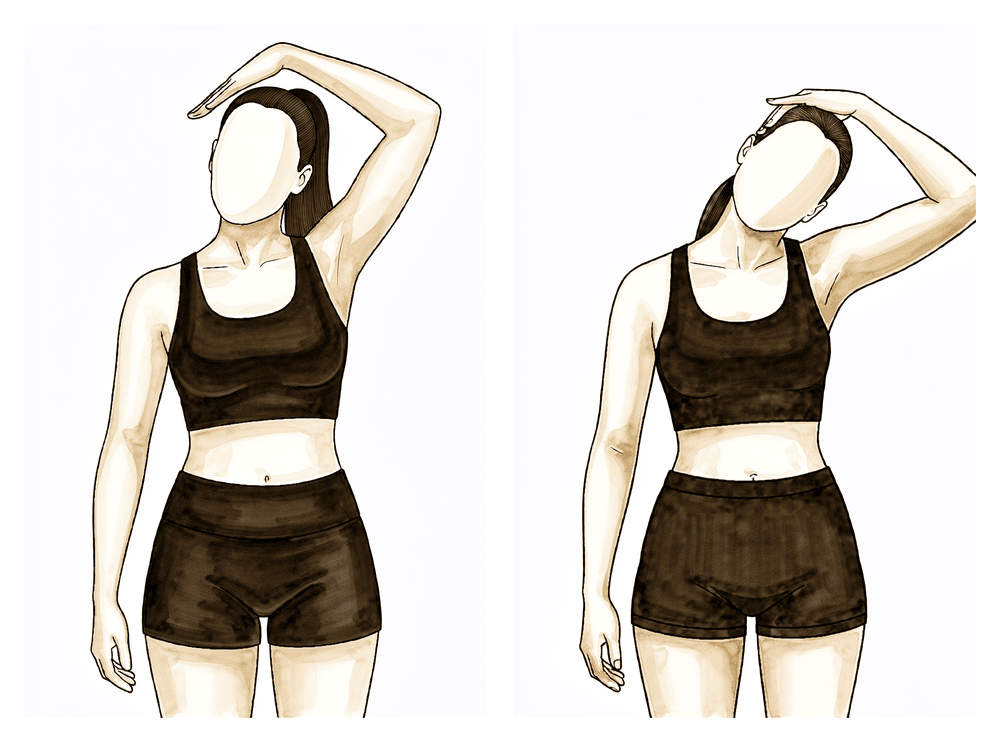
گردن کے اوپری پٹھے کا اسٹریچ (upper trapezius stretch)
اپنے اس بازو کی مدد سے جس کا آپریشن نہیں ہوا، اپنے کان کو کندھے کی طرف لائیں، آپریشن والی طرف سے دور۔
10 سیکنڈ روکیں، 3 بار، دن میں 3 مرتبہ
Kieran Hirpara 4.0
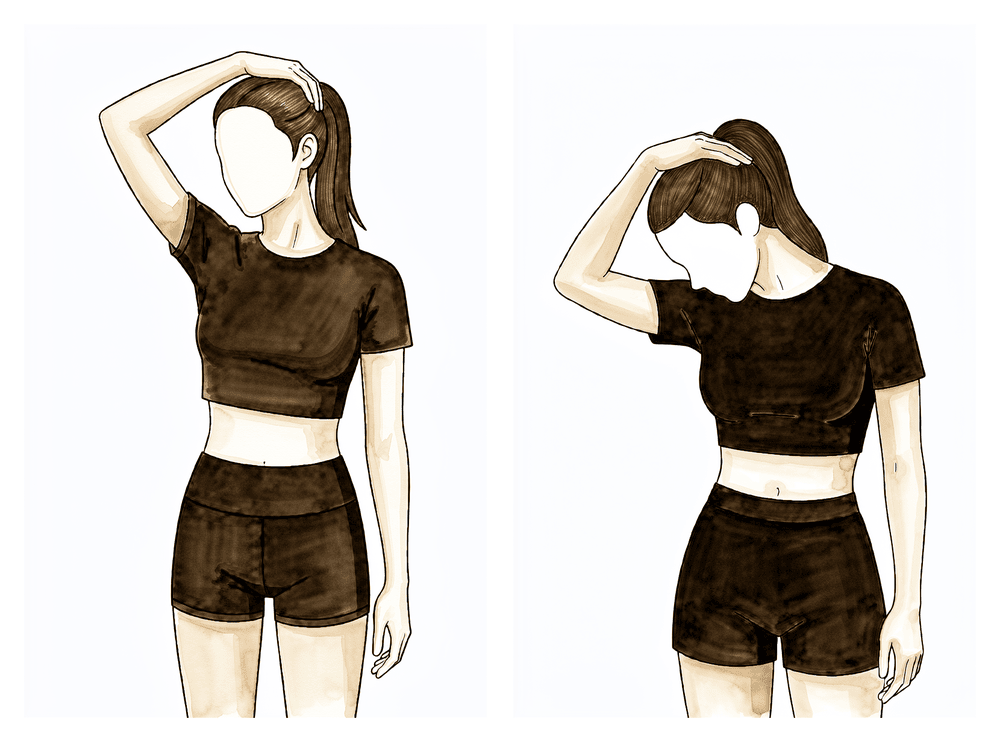
گردن کے پچھلے پٹھے کا اسٹریچ (levator scapulae stretch)
اپنے اس بازو کی مدد سے جس کا آپریشن نہیں ہوا، اپنی ناک کو بغل کی طرف لائیں، آپریشن والی طرف سے دور۔
10 سیکنڈ روکیں، 3 بار، دن میں 3 مرتبہ
یہ ہلکی ورزشیں ہسپتال میں شروع کریں اور گھر جا کر جاری رکھیں۔ یہ آرام سے ہونی چاہییں؛ اگر درد بڑھ جائے تو کچھ کم کر دیں۔
سلنگ پہننا
- آپ ورزشوں اور نہانے (شاور) کے لیے اپنا بازو سلنگ (sling)، یعنی گلے سے لٹکی وہ پٹی جو بازو کو سہارا دیتی ہے، سے نکال سکتے ہیں۔
- آپ کو 6 ہفتے تک سلنگ پہننی ہے، خاص طور پر گھر سے باہر جاتے وقت۔
- آپ کو سلنگ پہن کر سونے کی ضرورت نہیں۔
- ضرورت ہو تو درد کم کرنے کے لیے برف استعمال کریں۔
- سلنگ پہنتے وقت اپنے کندھے کو ڈھیلا چھوڑیں اور بازو کا وزن سلنگ پر آنے دیں۔
- اپنی ورزشیں کرنے سے پہلے، اور فزیوتھراپی کی ملاقاتوں سے پہلے، اپنی درد کش دوا لیں۔
- اگر آپ نے فزیوتھراپی کا انتظام خود نہیں کیا تو آپ کے لیے ملاقات کا وقت طے کر دیا گیا ہے، جس کی تفصیل ہسپتال سے چھٹی کے وقت ملنے والے کاغذات میں ہے۔
- اگر کوئی مسئلہ ہو تو کلینک سے رابطہ کریں یا اپنے فزیوتھراپسٹ کو بتائیں۔
جب آپ گھر جائیں
گھر پہنچنے کے بعد، آپ کی صحت یابی آپ کے آپریشن کے مکمل بحالی پروٹوکول کے ساتھ جاری رہتی ہے: روٹیٹر کف کی مرمت؛ کندھے کو آگے سے مستحکم کرنے کا آپریشن اور لاٹارژے (Latarjet)؛ کندھے کو پیچھے سے مستحکم کرنے کا آپریشن۔
پروٹوکول کے بعد
یہ ابتدائی ورزشیں روٹیٹر کف کی مرمت اور کندھے کو مستحکم کرنے کے آپریشن، دونوں کے لیے ہسپتال میں شروعات کا مشترکہ نقطہ ہیں: جب مرمت کی حفاظت کی جا رہی ہو تو یہ ہاتھ، کہنی اور کندھے کو ہلکے سے حرکت میں رکھتی ہیں۔ بتائی گئی مقداریں عام اندازہ ہیں، طے شدہ نہیں، اور آپ کی آگے کی بحالی میں آپ کا فزیوتھراپسٹ، پریکٹس کے ساتھ مل کر، آپ کے کندھے کی صحت یابی کی بنیاد پر انفرادی طور پر رہنمائی کرتا ہے۔ یہ صفحہ پریکٹس کی صحت یابی سے متعلق عمومی ہدایات کے ساتھ مل کر کام کرتا ہے؛ آپریشن کے بعد درد پر قابو اور زخم کی دیکھ بھال دیکھیں۔ آپریشن کے لحاظ سے مکمل علاج آپ کے اپنے پروٹوکول میں جاری رہتا ہے (جس کا لنک اوپر دیا گیا ہے)۔ اس ابتدائی مرحلے کے پیچھے شواہد (روٹیٹر کف کی مرمت کے بعد جلد بمقابلہ تاخیر سے حرکت پر تحقیق، اور کندھے کو مستحکم کرنے کے آپریشن کے بعد حرکت روکنے (immobilisation) کے شواہد) شواہد والے حصے میں خلاصہ کیے گئے ہیں، جو اس صفحے کے اوپر سے پی ڈی ایف کی شکل میں دستیاب ہے۔
Evidence & references
This is the clinical evidence summary written for health professionals. It is technical, and it lists the research this page was built from. You do not need to read it to understand your treatment or to make a decision about it.
Inpatient (Early In-Hospital) Phase — Rotator Cuff Repair &/or Shoulder Stabilisation
Topic scope: This is the early in-hospital / early-protected phase of a combined pathway covering patients who had a rotator cuff repair and/or a shoulder stabilisation procedure (anterior labral/Bankart repair, Latarjet, or posterior labral/capsular repair). It deliberately stops at the point of discharge plus the first protected weeks — the gentle hand/elbow/shoulder exercises that keep the limb moving while the repair is protected by the sling. The full, operation-specific rehabilitation course lives in the parent protocols, which this page hands the patient back to once they go home:
Defining principle of this early phase — PROTECT the repair: Unlike a frozen-shoulder release (where immediate aggressive motion is the goal), a cuff repair and a labral/capsular stabilisation both create a construct that must heal undisturbed. So the early phase is the same for both: sling immobilisation, gentle/passive-only motion within safe limits, and NO active or resisted shoulder work. Tendon-to-bone and labrum-to-bone healing is weak in the first weeks, so the sling and the movement limits are the protectors. The hand, wrist and elbow are kept moving freely throughout (these don't stress the repair) to prevent swelling and stiffness; the shoulder itself is only moved passively/with assistance within the limits the surgeon and physiotherapist set.
The early in-hospital phase (what this page covers)
In the first hours-to-days after surgery the aims are simple and shared across both operation families:
- Protect the repair — arm in the sling, no active lifting or reaching, no loading.
- Keep the rest of the limb moving — wrist, fingers and elbow exercises to prevent swelling and stiffness (these put no stress on the cuff or labral repair).
- Gentle, assisted shoulder motion only — pendulums and assisted/passive elevation within a safe arc; for an anterior repair, external rotation is limited; for a posterior repair, internal rotation and reaching behind the back are limited (the at-risk directions are opposite).
- Pain control and a safe discharge plan — analgesia before exercise, sling instructions, and a physiotherapy follow-up arranged in the discharge pack.
The standalone protocols then drive the rest of recovery (the full sling-weaning schedule, when active motion and strengthening begin, and return to work/sport). The same first-phase principles appear at the head of each of those protocols — this inpatient page simply consolidates that shared early phase for patients who had the procedure(s) performed together or are still in hospital.
Evidence by theme
Theme 1 — Early vs delayed motion after rotator cuff repair (the central debate)
This is the best-studied question that shapes the early phase, and the corpus is rich on it. Two competing concerns: early passive motion reduces post-operative stiffness, while delayed/immobilisation may better protect tendon-to-bone healing (lower retear), especially in larger tears.
- Multiple RCTs and systematic reviews of overlapping meta-analyses converge on the same bottom line: early and delayed passive motion give superior early range of motion for the early group but equivalent final outcomes by ~6–12 months for small-to-medium tears — so timing is largely surgeon preference and does not change the end result [Saltzman 2017; Mazzocca 2017].
- For large/massive tears the balance tilts toward a delayed / protected approach to favour healing [systematic-review/meta-analysis evidence; BMC Musculoskelet Disord 2025].
- A "knowing the speed limit" theme runs through the reviews: tendon repairs are mechanically weak early, and very aggressive early therapy can compromise the construct [Thigpen 2015 review].
Practical consequence for this page: the early in-hospital phase is passive/assisted-only with the sling on regardless of which approach the surgeon ultimately chooses for the home phase — the disagreement in the literature is about how soon to progress, not about whether to protect the repair in the first days. A defining surgical decision (early vs delayed progression, and how it is size-stratified) is made by the surgeon and detailed in the cuff-repair protocol.
Theme 2 — Immobilisation after stabilisation (anterior and posterior)
The stabilisation literature also supports an early protected phase, though high-level evidence is sparser and protocols are more consensus-driven.
- Anterior (Bankart/capsulolabral) repair: the American Society of Shoulder and Elbow Therapists' consensus guideline recommends 0–4 weeks of absolute immobilisation, then relative immobilisation (out of the sling only for exercises) to ~6 weeks, with no forced external rotation/extension for ~3 months; early ER is progressed gradually (e.g. ~15° at 0–2 wk → ~35° at 2–4 wk → ~55° at 4–6 wk). A simple sling is used in the large majority of published protocols.
- Posterior (labral/capsular) repair: the precaution is reversed — the sling is positioned in slight abduction and neutral/slight external rotation, the arm is kept in front of the body, and internal rotation, adduction and reaching behind the back are avoided early. Posterior instability is uncommon (~3–5%), so the protocols are biomechanically reasoned (Level IV–V) rather than RCT-tested.
- Both share the same headline as the cuff-repair early phase: sling on, gentle motion within the safe arc, no active/resisted shoulder work while the labrum/capsule heals.
Early-phase timeline (consolidated; first weeks only)
This focuses on the shared early-protected window and is consistent with the synthesis page. The full operation-specific schedules continue in the parent protocols.
| Phase | Window | Sling | Shoulder motion | Active / strengthening | Notes |
|---|---|---|---|---|---|
| Inpatient / immediate | Day 0 — discharge | On at all times (off only for exercises & showering) | Wrist/hand/elbow moving freely; pendulums; gentle assisted/passive elevation within safe limits | None for the shoulder (no active lift, no resisted work) | Analgesia before exercises; ice for comfort; physiotherapy follow-up arranged |
| Early protected | Week 0–6 | Worn ~6 weeks, especially out of the house; not needed for sleep | Continue gentle assisted/passive motion within limits — anterior repair: limit external rotation; posterior repair: limit internal rotation / no reaching behind the back | Still no active/resisted shoulder work | The sling and the direction limits are the protectors; ease back if pain rises |
| Handover to parent protocol | ~Week 6 onward | Weaned per the operation-specific protocol | Active-assisted → active motion begins in the parent protocol, not here | Strengthening begins later (cuff repair typically ~12 wk; stabilisation per its own schedule) | Recovery continues with the rotator cuff repair, anterior stabilisation & Latarjet, or posterior stabilisation protocol |
The sling duration, the exact motion limits, and when active motion and strengthening begin are surgeon-set clinical decisions; the windows above are the typical shared early phase, not trial-derived precise cut-offs.
Key controversies / evidence quality
- Early vs delayed progression after cuff repair is the one well-studied question, and it is about the home phase rather than the in-hospital phase. RCTs/meta-analyses show equivalent final outcomes for small/medium tears and a protect-healing tilt for large/massive tears — the early in-hospital protected phase is common ground either way. Strong (RCT / SR-MA), but Cochrane-level certainty for any single optimal schedule remains low.
- Stabilisation immobilisation duration and sling position are largely consensus/biomechanical — there is no RCT defining the optimal early regimen, and posterior protocols in particular are extrapolated. Weak–moderate / consensus.
- The combined early-phase protocol itself is a surgeon patient-guidance consolidation, not a trial-derived schedule. It is deliberately brief and defers to the parent protocols for the full course.
Evidence-strength flags (summary)
- STRONG (RCT / SR-MA): early-vs-delayed passive motion after cuff repair → equivalent final outcomes for small/medium tears, protect-healing tilt for large/massive (Saltzman 2017; Mazzocca 2017; BMC Musculoskelet Disord 2025 SR-MA).
- MODERATE / CONSENSUS: anterior stabilisation immobilisation schedule (ASSET/JOSPT consensus guideline); graded early ER limits.
- WEAK / CONSENSUS (Level IV–V): posterior stabilisation sling position and precautions (biomechanical, no RCT); the consolidated early in-hospital protocol itself.
Citations
RAG corpus (180,000+ Orthopaedic articles)
- Saltzman BM, Zuke WA, Go B, et al. Early Versus Delayed Motion After Rotator Cuff Repair: A Systematic Review of Overlapping Meta-analyses. Am J Sports Med. 2017. DOI: 10.1177/0363546517692543
- Mazzocca AD, Arciero RA, Shea KP, et al. The Effect of Early Range of Motion on Quality of Life, Clinical Outcome, and Repair Integrity After Arthroscopic Rotator Cuff Repair. Arthroscopy. 2017. DOI: 10.1016/j.arthro.2016.10.017
- Effects of early exercise and immobilization after arthroscopic rotator cuff repair surgery: a systematic review and meta-analysis of randomized controlled trials. BMC Musculoskelet Disord. 2025. DOI: 10.1186/s12891-025-08500-7
- Which is better? Early versus delayed rehabilitation after arthroscopic rotator cuff repair. Knee Surg Sports Traumatol Arthrosc. 2024. DOI: 10.1002/ksa.12129
- Thigpen CA, Shaffer MA, Kissenberth MJ. Knowing the Speed Limit (post-cuff-repair rehab progression). Clin Sports Med. 2015. DOI: 10.1016/j.csm.2014.12.007
- Rehabilitation Following Arthroscopic Rotator Cuff Repair. J Bone Joint Surg. DOI: 10.2106/jbjs.m.00034
- Anterior Shoulder Instability Part I — Diagnosis, Nonoperative Management, and Bankart Repair — An International Consensus Statement. Arthroscopy. 2021. DOI: 10.1016/j.arthro.2021.07.022
Literature / consensus guidelines (URLs)
- The American Society of Shoulder and Elbow Therapists' Consensus Rehabilitation Guideline for Arthroscopic Anterior Capsulolabral Repair of the Shoulder. JOSPT. 2010. https://www.jospt.org/doi/10.2519/jospt.2010.3186
- Rehabilitation Protocol Variability Following Arthroscopic Bankart Repair and Remplissage: A Systematic Review. Int J Sports Phys Ther. https://pmc.ncbi.nlm.nih.gov/articles/PMC11446737/
- Current Concepts in Rehabilitation for Traumatic Anterior Shoulder Instability. PMC. https://pmc.ncbi.nlm.nih.gov/articles/PMC5685970/
- Rehabilitation Following Posterior Shoulder Stabilization (clinical commentary). PMC8168996. https://pmc.ncbi.nlm.nih.gov/articles/PMC8168996/
Published patient/rehab protocols (basis for the early-phase structure)
- Massachusetts General Hospital — Rehabilitation Protocol for Bankart Repair. https://www.massgeneral.org/assets/MGH/pdf/orthopaedics/sports-medicine/physical-therapy/rehabilitation-protocol-for-bankart-repair.pdf
- University of Virginia Sports Medicine — Posterior Labral Repair Rehabilitation Protocol. https://med.virginia.edu/orthopaedic-surgery/wp-content/uploads/sites/242/2021/06/Posterior-Labral-Repair.pdf
- Brigham & Women's Hospital — Arthroscopic Rotator Cuff Repair Protocol (early protected phase, tear-size stratification). https://www.brighamandwomens.org/assets/BWH/patients-and-families/rehabilitation-services/pdfs/shoulder-arthroscopic-rct-repair-protocol-hybrid-patient-therapist.pdf