Patients › Rehabilitation
ریڈیل ہیڈ کی تبدیلی
کہنی پر ریڈیل ہیڈ (radial head، کہنی کے پاس ریڈیس ہڈی کا گول سرا) کی جگہ دھات کا امپلانٹ لگانے کے بعد صحت یابی کا محفوظ منصوبہ، جس کی بنیاد اکڑاؤ سے بچنے کے لیے کہنی اور بازو کے نچلے حصے کی حفاظت کے ساتھ جلد حرکت ہے؛ اس دوران مرمت شدہ لیگامنٹ کی حفاظت کے لیے بازو کے نچلے حصے کو ایک خاص حالت میں رکھا جاتا ہے اور کہنی کو آرام کے لیے ایک سادہ سلنگ میں رکھا جاتا ہے۔

یہ پروٹوکول (protocol، یعنی بحالی کا مرحلہ وار منصوبہ) Mater Private Hospital Rockhampton میں ڈاکٹر کیرن ہِرپرا کے ہاتھوں کہنی پر ریڈیل ہیڈ کی تبدیلی (radial head replacement) کے بعد آپ کی صحت یابی میں رہنمائی کرتا ہے (اس آپریشن میں ٹوٹ کر ٹکڑے ٹکڑے ہو جانے والے ریڈیل ہیڈ کی جگہ دھات کا ایک چھوٹا امپلانٹ لگایا جاتا ہے)۔ یہ آپ کے گھر پر ورزشوں کے پروگرام سے شروع ہوتا ہے، اور اس کے بعد آپ کے ہینڈ تھراپسٹ (ہاتھ کی بحالی کے ماہر) کے لیے لکھا گیا باقاعدہ طبی پروٹوکول آتا ہے؛ تھراپی کی اپنی پہلی ملاقات پر یہ صفحہ یا اس کی پی ڈی ایف ساتھ لائیں تاکہ آپ کی بحالی کا علاج مربوط رہے۔ آپ کا تھراپسٹ آپ کی صحت یابی کی رفتار کے مطابق، اور اس بات کے مطابق کہ آپ کے آپریشن میں بالکل کس چیز کی مرمت کی گئی، اس منصوبے میں تبدیلی کر سکتا ہے۔
اگر سرجری کے بعد آپ کو اپنے زخم کے بارے میں کوئی تشویش ہو تو کلینک سے رابطہ کریں۔ اکثر یہ مددگار ہوتا ہے کہ زخم کی تصویر لے کر جائزے کے لیے ای میل کر دیں۔
کیا توقع رکھیں
ریڈیل ہیڈ (radial head) بازو کے نچلے حصے کی دو ہڈیوں میں سے ایک، یعنی ریڈیس (radius)، کا گول اوپری سرا ہے، جہاں وہ کہنی سے ملتی ہے۔ جب یہ اتنے زیادہ ٹکڑوں میں ٹوٹ جائے کہ اسے جوڑا نہ جا سکے تو اس کی جگہ دھات کا ایک چھوٹا امپلانٹ (جسم میں لگایا گیا مصنوعی پرزہ) لگایا جاتا ہے، جو کہنی کو دوبارہ مستحکم اور ٹھیک طرح بیٹھا ہوا جوڑ بناتا ہے اور بازو کے نچلے حصے کے گھومنے کا ہموار محور بحال کرتا ہے۔ یہ اکثر ایک زیادہ پیچیدہ چوٹ کی مرمت کے حصے کے طور پر کیا جاتا ہے، یعنی فریکچر (ہڈی کا ٹوٹنا) کے ساتھ جوڑ کا اپنی جگہ سے نکل جانا (fracture-dislocation)، جسے بعض اوقات "ٹیریبل ٹرائیڈ" (terrible triad) کہا جاتا ہے، جس میں ریڈیل ہیڈ، کورونائیڈ (coronoid، کہنی میں النا ہڈی کا آگے کو ابھرا ہوا حصہ) کا ایک ٹکڑا، اور کہنی کے پہلو کے لیگامنٹ (ligament)، یعنی وہ مضبوط بندھن جو ایک ہڈی کو دوسری ہڈی سے جوڑتے ہیں، سب ایک ساتھ زخمی ہوتے ہیں۔
چونکہ امپلانٹ استحکام بحال کر دیتا ہے، اس لیے آپ کی بحالی کی ترجیح اکڑاؤ سے بچنے کے لیے حفاظت کے ساتھ جلد حرکت ہے؛ اس قسم کی چوٹ کے بعد کہنیاں بہت آسانی سے اکڑ جاتی ہیں، اور اس سے بچنے کا بہترین طریقہ جلد حرکت شروع کرنا ہے۔ ورزشوں کے درمیان آپ کی کہنی کو آرام کے لیے ایک سادہ سلنگ میں رکھا جاتا ہے (قبضے والا بریس نہیں)؛ سلنگ (sling)، یعنی گلے سے لٹکی وہ پٹی جو بازو کو سہارا دیتی ہے، ورزشوں اور نہانے دھونے کے لیے اتار دی جاتی ہے۔
دو باتیں طے کرتی ہیں کہ آپ کتنی جلدی اور کتنی حد تک حرکت کریں گے:
- جن لیگامنٹ کی مرمت کی گئی ہے ان کی حفاظت ضروری ہے۔ اگر کہنی کے باہر والی طرف کے لیگامنٹ (lateral collateral ligament) کی مرمت کی گئی ہو تو ابتدا میں بازو کے نچلے حصے کو ہتھیلی نیچے کی طرف گھما کر (pronated) رکھا جاتا ہے اور اسی حالت میں ورزش کرائی جاتی ہے؛ اگر اندر والی طرف کے لیگامنٹ (medial collateral ligament) کی مرمت کی گئی ہو تو اسے ہتھیلی اوپر کی طرف (supinated) رکھا جاتا ہے؛ اگر دونوں کی مرمت ہوئی ہو تو درمیانی سیدھی حالت میں۔ آپ کا تھراپسٹ آپ کو بتائے گا کہ آپ پر کون سی بات لاگو ہوتی ہے۔
- اگر کہنی غیر مستحکم تھی تو کہنی کو پہلو کی طرف سے پڑنے والے دباؤ (varus) سے، اور ابتدا میں پوری طرح سیدھا کرنے سے، بچانا ضروری ہے۔ اسی لیے حرکت ایک ساتھ نہیں بلکہ مرحلہ وار کھولی جاتی ہے۔
حرکت کو باقاعدگی سے بڑھایا جاتا ہے؛ طاقت بڑھانے کی ورزشیں عام طور پر تقریباً چھ ہفتے سے شروع ہوتی ہیں اور پوری سرگرمی پر واپسی تقریباً تین ماہ پر ہوتی ہے۔ امپلانٹ اور زخم کا بھرنا کئی ماہ تک بیٹھتے رہتے ہیں، اسی لیے زیادہ وزن والا بوجھ آہستہ آہستہ واپس لایا جاتا ہے۔
احتیاطیں اور پابندیاں
- ہدایت کے مطابق آرام کے لیے سادہ سلنگ پہنیں؛ یہ قبضے والا بریس نہیں ہے، اور ورزشوں اور نہانے دھونے کے لیے اتار دی جاتی ہے۔
- ابتدائی ورزشوں کے دوران بازو کے نچلے حصے کو اسی حالت میں رکھیں جو آپ کا تھراپسٹ بتائے (اگر باہر والے لیگامنٹ کی مرمت ہوئی ہو تو ہتھیلی نیچے، اگر اندر والے کی ہوئی ہو تو ہتھیلی اوپر، اگر دونوں کی ہوئی ہو تو درمیانی حالت)، کیونکہ اس سے مرمت محفوظ رہتی ہے۔
- کہنی پر پہلو کی طرف سے دباؤ (varus) ہرگز نہ ڈالیں؛ ابتدا میں کہنی کے بل ٹیک نہ لگائیں اور بازو کو بغیر سہارے کے جسم کے آگے سے آر پار لٹکنے نہ دیں۔
- اگر آپ کو بتایا گیا ہے کہ کہنی غیر مستحکم تھی تو ابتدا میں کہنی کو زبردستی پوری طرح سیدھا ہرگز نہ کریں؛ صرف اپنی اجازت شدہ حد کے اندر سیدھا کریں۔
- اجازت ملنے تک (عام طور پر تقریباً چھ ہفتے پر) آپریشن والے بازو سے نہ کچھ اٹھائیں، نہ دھکیلیں، نہ کھینچیں اور نہ اس پر وزن ڈالیں؛ ابتدا میں ہاتھ کا استعمال ہلکا رکھیں۔
- شروع سے ہی اپنے کندھے، کلائی اور انگلیوں کو حرکت دیتے رہیں، اور جب تک آپ کا بازو سلنگ میں ہو یا آپ اسٹیئرنگ کو محفوظ طریقے سے قابو میں نہ رکھ سکتے ہوں، گاڑی ہرگز نہ چلائیں۔
زخم، سوجن اور زخم کے نشان کی دیکھ بھال کے لیے پریکٹس کی زخم کی دیکھ بھال کی رہنمائی دیکھیں۔
آپ کی ورزشیں
Kieran Hirpara 4.0
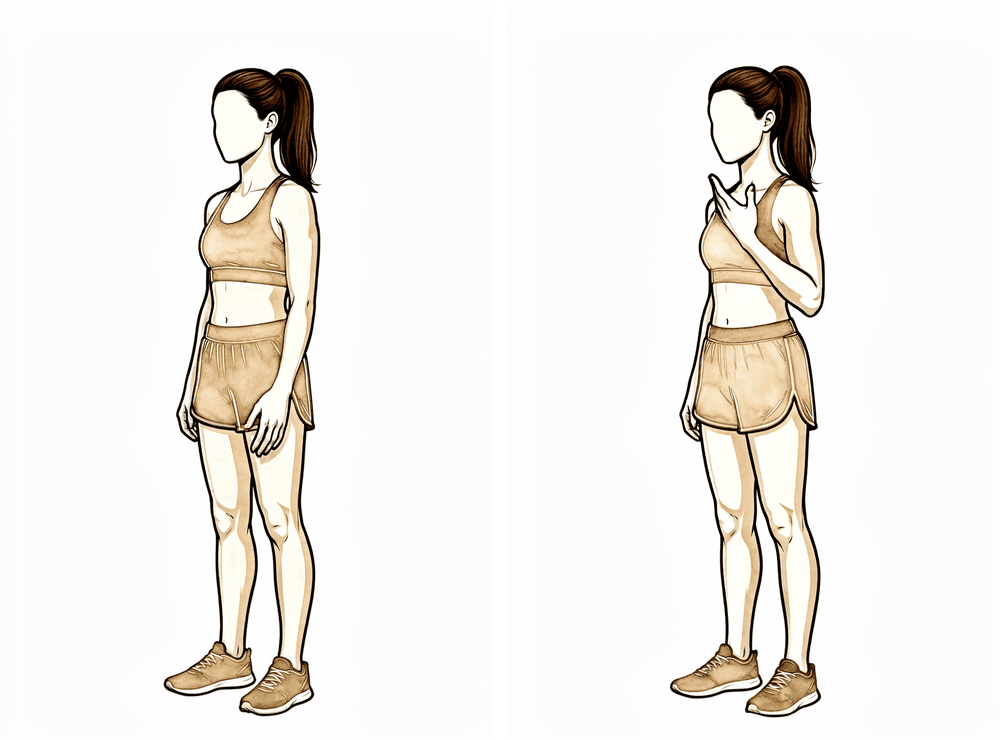
کہنی کو موڑنا اور سیدھا کرنا (دوسرے ہاتھ کی مدد سے)
سلنگ سے باہر، آپریشن والی کہنی کو آپ کو دی گئی حد کے اندر آہستہ سے موڑیں اور سیدھا کریں، اور اپنے دوسرے ہاتھ سے اسے رہنمائی دینے میں مدد کریں تاکہ بازو کو زیادہ زور نہ لگانا پڑے۔ یہاں سب سے اہم چیز جلد حرکت ہے — دھات کے امپلانٹ نے کہنی کو دوبارہ مستحکم کر دیا ہے اس لیے اسے حرکت دینا محفوظ ہے، اور جلد حرکت ہی کہنی کو اکڑنے سے بچاتی ہے۔ اگر آپ کو پوری طرح سیدھا کرنے کی کوئی حد بتائی گئی ہے تو اس کے اندر رہیں۔
10 بار، دن میں 3 سے 4 مرتبہ، اپنی اجازت شدہ حد کے اندر
Kieran Hirpara 4.0
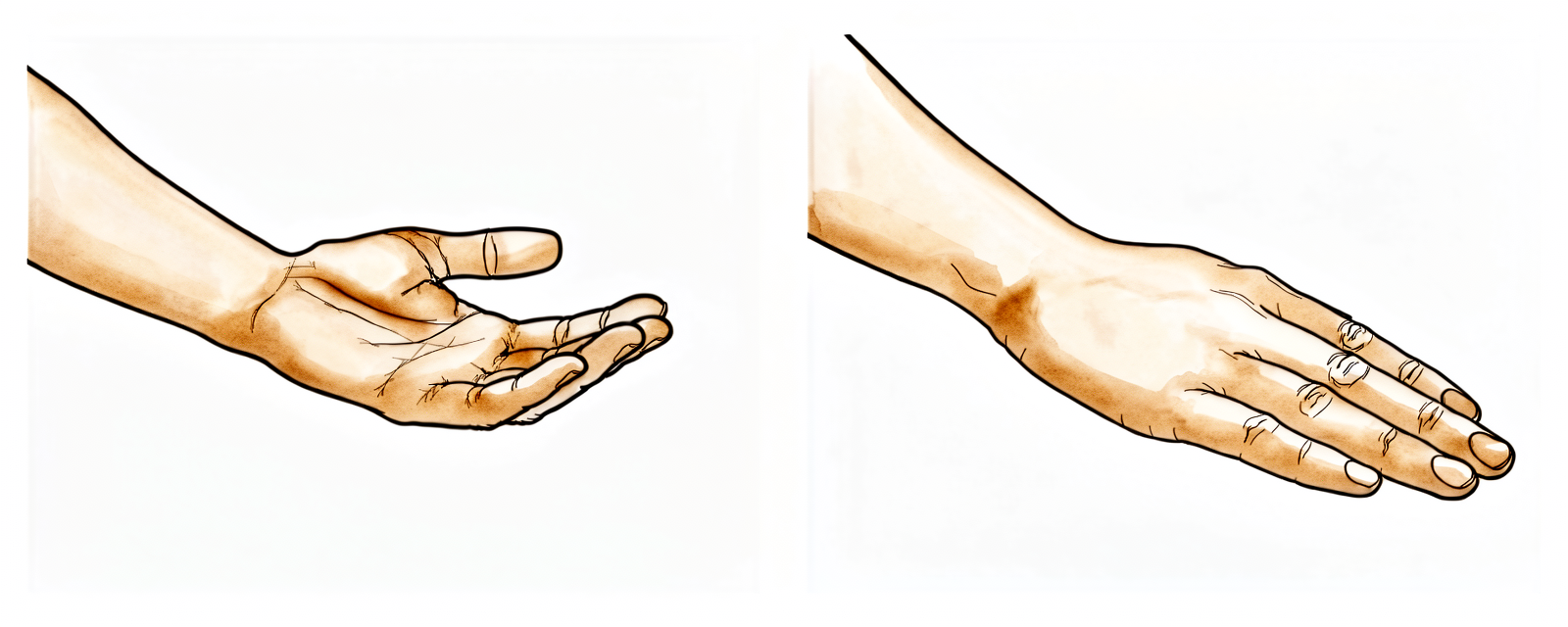
بازو کے نچلے حصے کو گھمانا (ہتھیلی اوپر / ہتھیلی نیچے)
کہنی کو اپنے پہلو سے لگا کر اور قائمہ زاویے (right angle) پر موڑ کر، ہتھیلی کو آہستہ سے اوپر چھت کی طرف گھمائیں، پھر نیچے فرش کی طرف۔ کہنی کو ساکن رکھیں اور صرف بازو کے نچلے حصے کو گھومنے دیں۔ ابتدا میں آپ سے کہا جا سکتا ہے کہ مرمت شدہ لیگامنٹ کی حفاظت کے لیے ایک سمت (ہتھیلی نیچے، یا ہتھیلی اوپر) کو ترجیح دیں — اپنے تھراپسٹ کی بتائی ہوئی سمت پر عمل کریں۔ اس سے بازو کا نچلا حصہ لچکدار رہتا ہے، اور اس چوٹ کے بعد یہی حرکت سب سے پہلے اکڑنے والی حرکتوں میں سے ایک ہے۔
ہر اجازت شدہ سمت میں 10 بار، دن میں 3 سے 4 مرتبہ
Kieran Hirpara 4.0
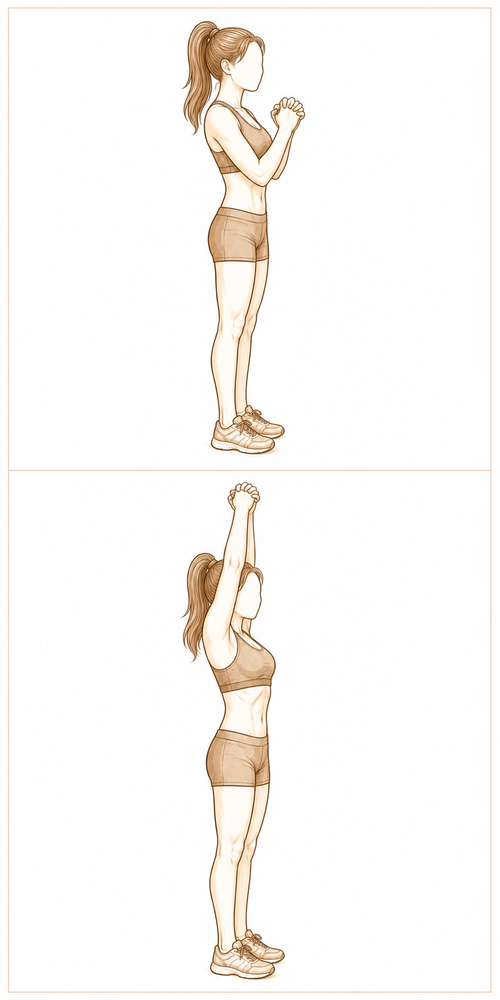
کندھے اور ہاتھ کی حرکت
پہلے دن سے ہی اپنے کندھے، کلائی اور انگلیوں کو آزادانہ حرکت دیتے رہیں تاکہ کہنی کی صحت یابی کے دوران یہ اکڑ نہ جائیں۔ پوری مٹھی بنائیں اور انگلیوں کو پوری طرح کھولیں، کلائی کو گول گھمائیں، اور کندھے کو آہستہ سے حرکت دیں۔ آرام کی حد کے اندر روزمرہ کے ہلکے کاموں کے لیے ہاتھ استعمال کریں۔ ان میں سے کوئی بھی چیز کہنی کی مرمت پر بوجھ نہیں ڈالتی۔
ہر ایک 10 بار، دن میں کئی مرتبہ

Kieran Hirpara 4.0
زخم کے نشان کی دیکھ بھال
جب زخم پوری طرح بھر جائے اور سرجن یا تھراپسٹ اجازت دے دے، تو تھوڑی سی موئسچرائزنگ کریم لگا کر چند منٹ تک چھوٹے دائروں میں زخم کے نشان کی مالش کریں۔ اس سے نشان نرم اور کم حساس رہتا ہے۔ جب تک زخم پوری طرح بند نہ ہو جائے، یہ شروع نہ کریں۔
چند منٹ، دن میں 2 سے 3 مرتبہ، زخم بھر جانے کے بعد

Kieran Hirpara 4.0
6 ہفتے سے طاقت بڑھانے کی ورزشیں
یہ بعد کے مرحلے کی ورزش ہے — صرف اجازت ملنے کے بعد، عام طور پر تقریباً چھ ہفتے سے۔ کہنی، بازو کے نچلے حصے اور گرفت کی ہلکی طاقت بڑھانے والی ورزشیں شروع کریں — مثال کے طور پر ایک نرم گیند دبانا، پھر ہلکی مزاحمت کے ساتھ موڑنا اور سیدھا کرنا — اور اگلے ہفتوں میں زور آہستہ آہستہ بڑھائیں۔ زیادہ بوجھ ڈالنے میں جلدی نہ کریں؛ کہنی کئی ماہ تک ابھی مضبوط ہوتی رہتی ہے۔
اپنے ہینڈ تھراپسٹ کی رہنمائی کے مطابق (صرف تقریباً 6 ہفتے سے)
یہ آپ کے ہدایت نامے (handout) میں دی گئی ورزشیں ہیں۔ انہیں صرف ڈاکٹر ہِرپرا اور اپنے ہینڈ تھراپسٹ کی رہنمائی کے مطابق شروع کریں، اور اس حد اور بازو کے نچلے حصے کی اس حالت کے اندر رہیں جو آپ کو بتائی گئی ہو۔ ابتدائی ورزشیں کسی بھی مرمت پر زور ڈالے بغیر کہنی اور بازو کے نچلے حصے کو حرکت میں رکھتی ہیں تاکہ اکڑاؤ نہ ہو: دوسرے ہاتھ کی مدد سے کہنی کو موڑنا اور سیدھا کرنا، اجازت شدہ سمت میں بازو کے نچلے حصے کو آہستہ سے گھمانا، اور کندھے اور ہاتھ کو آزادانہ حرکت دیتے رہنا۔ طاقت بڑھانے کی ورزشیں اور زخم کے نشان کی دیکھ بھال بعد کے مراحل کا حصہ ہیں، اور انہیں اس وقت تک شروع نہیں کرنا چاہیے جب تک آپ کو خاص طور پر اجازت نہ دی جائے۔ جو بھی ورزش تیز درد پیدا کرے یا ایسا محسوس ہو کہ کہنی ڈھیلی پڑ رہی ہے، اسے روک دیں۔
آپ کا طبی پروٹوکول
اس صفحے کا باقی حصہ ریڈیل ہیڈ کی تبدیلی (radial head arthroplasty) کے بعد بحالی کا مرحلہ وار طبی پروٹوکول ہے؛ یہ آپریشن زیادہ تر ریڈیل ہیڈ کے ایسے فریکچر کے لیے کیا جاتا ہے جو بہت سے ٹکڑوں میں ٹوٹا ہو اور جوڑا نہ جا سکے (unreconstructable comminuted radial head fracture)، اور اکثر ٹیریبل ٹرائیڈ قسم کے فریکچر کے ساتھ جوڑ کے نکل جانے کے علاج کا حصہ ہوتا ہے۔ یہ حصہ ہینڈ تھراپسٹ کو دینا ہے، اور ہر مرحلہ آسان زبان میں اس وضاحت سے شروع ہوتا ہے کہ کیا ہو رہا ہے۔ امپلانٹ ریڈیس اور کیپیٹیلم کے درمیان ایک مستحکم اور ٹھیک طرح بیٹھا ہوا جوڑ (radiocapitellar articulation) بحال کرتا ہے، اس لیے رہنما اصول یہ ہے کہ ان کہنیوں میں عام اکڑاؤ سے بچنے کے لیے حفاظت کے ساتھ جلد حرکت کی جائے، جبکہ حرکت کی حد اور بازو کے نچلے حصے کے گھماؤ کو کولیٹرل لیگامنٹ اور کورونائیڈ کی کسی بھی مرمت کی مضبوطی کے مطابق کھولا جائے۔
علاج شروع کرنے سے پہلے مریض کی آپریشن رپورٹ اور بے ہوشی کی حالت میں کیے گئے استحکام کے معائنے (examination under anaesthesia) کو دیکھیں، اور علاج کرنے والے سرجن سے ان باتوں کے بارے میں رابطہ کریں: کون سے کولیٹرل لیگامنٹ اور/یا کورونائیڈ کی مرمت کی گئی، آپریشن کے دوران حرکت کی کون سی حد مستحکم پائی گئی، اور بازو کے نچلے حصے کا کون سا حفاظتی گھماؤ رکھنا ہے۔ ڈاکٹر ہِرپرا کہنی کو آرام کے لیے ایک سادہ سلنگ میں رکھتے ہیں (قبضے والا بریس نہیں) اور جہاں استحکام اجازت دے وہاں تیز، جلد حرکت والے طریقے کو ترجیح دیتے ہیں۔ بازو کے نچلے حصے کی حالت کا اصول: LCL کی مرمت ← ورزش اور آرام ہتھیلی نیچے (pronation) میں؛ MCL کی مرمت ← ہتھیلی اوپر (supination)؛ دونوں ← درمیانی سیدھی حالت؛ پہلو کی طرف سے دباؤ (varus stress) سے بچیں، اور جہاں کہنی غیر مستحکم تھی وہاں ابتدا میں آخری حد تک سیدھا کرنے (terminal extension) سے بچیں۔
مرحلہ I — حفاظت کے ساتھ ابتدائی حرکت (ہفتہ 0 سے 2)
پہلے دو ہفتوں میں، جیسے ہی زخم کا استحکام اجازت دے (اکثر پہلے ہفتے کے اندر)، ہلکی محفوظ حرکت شروع کی جاتی ہے تاکہ اکڑاؤ سے پہلے ہی بچاؤ ہو جائے۔ بازو آرام کے لیے ایک سادہ سلنگ میں رہتا ہے، جو ورزشوں اور صفائی کے لیے اتار دی جاتی ہے۔ کہنی اپنی محفوظ حد میں حرکت کرتی ہے، اور بازو کے نچلے حصے کو اس حفاظتی گھماؤ میں رکھا جاتا ہے جو مرمت شدہ لیگامنٹ کے لیے درکار ہو۔
آپ کے ہینڈ تھراپسٹ کے لیے:
آگاہی اور احتیاطی تدابیر - آرام کے لیے سادہ سلنگ میں رکھیں (قبضے والا بریس نہیں)؛ ورزشوں اور نہانے دھونے کے لیے اتار دیں - آپریشن کے دوران مستحکم پائی گئی حد کے اندر کہنی کو معاون فعال/فعال طریقے سے موڑنا اور سیدھا کرنا (flexion–extension) شروع کریں؛ اگر کہنی غیر مستحکم تھی تو آخری حد تک سیدھا کرنے سے بچیں - بازو کے نچلے حصے کا گھماؤ حفاظتی حالت میں: LCL کی مرمت ہو تو ہتھیلی نیچے (pronation)، MCL کی مرمت ہو تو ہتھیلی اوپر (supination)، دونوں کی ہو تو درمیانی حد - کسی بھی وقت پہلو کی طرف سے دباؤ (varus stress) نہیں؛ جہاں کہنی غیر مستحکم ہو وہاں سر سے اوپر والی ورزشیں کمر کے بل لیٹ کر (supine) کرائیں تاکہ varus دباؤ ختم ہو اور کشش ثقل جوڑ کو آپس میں دبا کر رکھے - آپریشن والے بازو پر نہ وزن ڈالنا ہے اور نہ اس سے دھکیلنا ہے
علاج کا طریقہ - زخم: ہدایت کے مطابق سرجری کی پٹی؛ حرکت شروع کرنے سے پہلے تصدیق کریں کہ زخم مستحکم ہے - سوجن (oedema): اونچا رکھنا، ہاتھ سے ہلکا پمپ کرنا (مٹھی کھولنا اور بند کرنا)، ضرورت کے مطابق برف - ورزشیں: مستحکم حد کے اندر کہنی کو معاون فعال/فعال طریقے سے (AAROM/active) موڑنا اور سیدھا کرنا؛ کہنی 90° پر رکھ کر محفوظ سمت میں بازو کے نچلے حصے کا گھماؤ (pro/sup)؛ کندھے، کلائی، ہاتھ اور گرفت کی پوری فعال حرکت کی حد (ROM)
اگلے مرحلے میں جانے کی شرائط - زخم ٹھیک ہو رہا ہو؛ محفوظ حد کے اندر آرام دہ اور قابو میں حرکت
مرحلہ II — حرکت کی حد اور بازو کے نچلے حصے کا گھماؤ بڑھانا (ہفتہ 2 سے 6)
تقریباً دو سے چھ ہفتوں کے دوران محفوظ حد کو آہستہ آہستہ پوری طرح سیدھا کرنے کی طرف بڑھایا جاتا ہے اور بازو کے نچلے حصے کا گھماؤ دونوں سمتوں میں کھولا جاتا ہے، اس مقصد کے ساتھ کہ تقریباً آٹھ ہفتے تک ہتھیلی کو پوری طرح نیچے اور اوپر گھمایا جا سکے (pronation/supination)۔ طاقت بڑھانے کی ورزشیں اور بوجھ ڈالنا ابھی بھی روک کر رکھے جاتے ہیں۔
آپ کے ہینڈ تھراپسٹ کے لیے:
جائزے - کہنی کو موڑنے اور سیدھا کرنے اور بازو کے نچلے حصے کے گھماؤ کی فعال اور غیر فعال حد؛ درد اور سوجن؛ زخم اور زخم کے نشان کا جائزہ؛ عدم استحکام کی علامات
آگاہی اور احتیاطی تدابیر - جتنا استحکام اجازت دے، پوری طرح سیدھا کرنے کی طرف بڑھیں (ابتدا میں سیدھا کرنے پر لگی کسی بھی روک کو آہستہ آہستہ ختم کریں) - بازو کے نچلے حصے کے گھماؤ کو دونوں سمتوں میں پوری حد کی طرف بڑھائیں، اس مرحلے کے شروع میں مرمت شدہ لیگامنٹ کا اب بھی خیال رکھتے ہوئے - پہلو کی طرف سے دباؤ (varus stress) اور بازو پر کسی بھی قسم کے بوجھ سے بچتے رہیں
علاج کا طریقہ - ورزشیں: کہنی کو موڑنے اور سیدھا کرنے کی حد کو پورا کرنے تک بڑھائیں؛ ہتھیلی نیچے/اوپر گھمانے (pro/sup) کو پوری حرکت کی حد (ROM) کی طرف بڑھائیں (ہدف: تقریباً 8 ہفتے تک پوری حد)؛ زخم بھر جانے کے بعد زخم کے نشان کی دیکھ بھال شروع کریں؛ کندھے، کلائی اور ہاتھ کی حرکت کی حد کی ورزشیں جاری رکھیں - جہاں باقی رہ جانے والا عدم استحکام تشویش کا باعث ہو، وہاں کمر کے بل لیٹ کر (supine) سر سے اوپر حرکت کا پروگرام مفید رہتا ہے
اگلے مرحلے میں جانے کی شرائط - حرکت کی حد درد کے بغیر تقریباً پوری ہو رہی ہو؛ عدم استحکام کی کوئی علامت نہ ہو؛ درد ≤3/10
مرحلہ III — طاقت بڑھانا اور واپسی (ہفتہ 6 سے 12 اور اس کے بعد)
جب حرکت بحال ہو جائے اور مرمت کو مضبوط سمجھا جائے (عام طور پر تقریباً چھ ہفتے پر)، تو طاقت بڑھانے کی ورزشیں شروع ہوتی ہیں اور آہستہ آہستہ بڑھائی جاتی ہیں (پہلے گرفت، پھر مزاحمت کے ساتھ کہنی اور بازو کے نچلے حصے کی ورزشیں)، اور اگلے ہفتوں میں آگے بڑھتی ہیں۔ زیادہ بھاری سرگرمی پر واپسی مقررہ شرائط پوری ہونے پر ہوتی ہے، عام طور پر تقریباً تین ماہ پر۔
آپ کے ہینڈ تھراپسٹ کے لیے:
جائزے - دوسری طرف کے مقابلے میں کہنی اور بازو کے نچلے حصے کی طاقت؛ بوجھ ڈالنے پر درد اور سوجن کا ردعمل؛ ضرورت کے مطابق روزمرہ کام، ملازمت اور کھیل سے متعلق ٹیسٹ
آگاہی اور احتیاطی تدابیر - تقریباً چھ ہفتے سے مزاحمت کے ساتھ ہلکی طاقت بڑھانے والی ورزشیں شروع کریں (گرفت ← مزاحمت کے ساتھ کہنی کو موڑنا اور سیدھا کرنا اور ہتھیلی نیچے/اوپر گھمانا)؛ بوجھ آہستہ آہستہ بڑھائیں - برداشت کے مطابق روزمرہ اور ملازمت سے متعلق بوجھ کی طرف بڑھیں؛ ابتدا میں اچانک بھاری یا جھٹکے والے بوجھ سے بچیں
علاج کا طریقہ - ورزشیں: کہنی اور بازو کے نچلے حصے کی بتدریج بڑھتی مزاحمت والی طاقت کی ورزشیں (بینڈ ← ہلکے وزن)؛ گرفت کی طاقت کی ورزشیں؛ درجہ بدرجہ روزمرہ کاموں کا بوجھ؛ حرکت کی جو کمی باقی ہو اس پر کام جاری رکھیں - مسلسل رہنے والے یا بڑھتے ہوئے درد، جوڑ میں اٹکنے یا کڑکڑانے جیسی میکانکی علامات، یا حرکت کم ہو جانے پر نظر رکھیں اور اطلاع دیں (ممکنہ طور پر امپلانٹ کا ضرورت سے بڑا ہونا (overstuffing)، امپلانٹ کا ڈھیلا ہو جانا، یا کیپیٹیلم (capitellum) کا گھساؤ)، اور اگر صحت یابی رک جائے یا نتیجہ اچھا نہ ہو تو مریض کو دوبارہ علاج کرنے والے ڈاکٹر کے پاس بھیجیں - جب حرکت روزمرہ کاموں کے لیے کافی ہو اور طاقت دونوں طرف تقریباً برابر ہو تو علاج ختم کرنے پر غور کریں
پوری سرگرمی پر واپسی کی شرائط - روزمرہ کاموں کے لیے کافی اور درد کے بغیر حرکت کی حد؛ دونوں طرف تقریباً برابر طاقت؛ بوجھ کے نیچے پُراعتماد اور مستحکم کہنی
کام اور سرگرمیوں پر واپسی
شروع سے ہی آرام کی حد کے اندر ہاتھ کا ہلکا روزمرہ استعمال (کھانا کھانا، لکھنا، اپنی ہلکی دیکھ بھال) کرنے کی حوصلہ افزائی کی جاتی ہے، بشرطیکہ اس میں کہنی سے دھکیلنا، کچھ اٹھانا یا اس پر وزن ڈالنا شامل نہ ہو۔ چونکہ جب تک بازو سلنگ میں ہو یا آپ اسٹیئرنگ کو محفوظ طریقے سے قابو میں نہ رکھ سکتے ہوں، آپ کو گاڑی ہرگز نہیں چلانی، اس لیے ابتدائی ہفتوں میں آنے جانے کے لیے مدد کا انتظام کر لیں؛ گاڑی چلانا اس وقت دوبارہ شروع ہوتا ہے جب آپ سلنگ سے باہر ہوں اور گاڑی کو قابو میں رکھ سکیں، جس کی تصدیق آپ کے معائنے میں کی جائے۔
طاقت بڑھانے کی ورزشیں عام طور پر تقریباً چھ ہفتے سے شروع ہوتی ہیں اور آہستہ آہستہ بڑھائی جاتی ہیں۔ زیادہ بھاری کام، وزن اٹھانے اور کھیل پر واپسی عام طور پر تقریباً تین ماہ پر ہوتی ہے، اور اس کا فیصلہ صرف کیلنڈر سے نہیں بلکہ اس بنیاد پر ہوتا ہے کہ درد کے بغیر پوری حرکت واپس آ گئی ہو اور مستحکم کہنی کے ساتھ دونوں طرف مناسب اور برابر طاقت ہو، جس کا اندازہ ڈاکٹر ہِرپرا اور آپ کا ہینڈ تھراپسٹ لگاتے ہیں۔ جسمانی مشقت والا بھاری کام اور ایسے کھیل جن میں کھلاڑی آپس میں ٹکراتے ہیں (contact sport) بھی انہی شرائط پر مبنی مرحلہ وار طریقے کے مطابق شروع کیے جاتے ہیں۔
آپ کے پروٹوکول کے بعد
یہ پروٹوکول پریکٹس کے صحت یابی کے عمومی مشوروں کے ساتھ مل کر کام کرتا ہے؛ دیکھیں آپریشن کے بعد درد پر قابو، زخم کی دیکھ بھال اور زخم کے نشان کی دیکھ بھال۔ اوپر دیا گیا مرحلہ وار منصوبہ ریڈیل ہیڈ کی تبدیلی اور ٹیریبل ٹرائیڈ کی مرمت کے بعد بحالی کی شائع شدہ رہنمائی کی عکاسی کرتا ہے، اور آپ کی آگے کی صحت یابی کی رہنمائی ڈاکٹر ہِرپرا اور آپ کا ہینڈ تھراپسٹ انفرادی طور پر کرتے ہیں، اس بات کے مطابق کہ آپ کی کہنی کیسے ترقی کر رہی ہے اور بالکل کس چیز کی مرمت کی گئی تھی۔
Evidence & references
This is the clinical evidence summary written for health professionals. It is technical, and it lists the research this page was built from. You do not need to read it to understand your treatment or to make a decision about it.
Radial Head Replacement — Procedure Outcomes & Post-operative Rehabilitation (Radial Head Arthroplasty for Unreconstructable Fracture / Terrible Triad)
Topic scope: post-operative rehabilitation after radial head arthroplasty (RHA) — replacement of an unreconstructable comminuted radial head with a metallic implant — performed either in isolation or, more commonly, as one component of reconstructing a fracture-dislocation (the "terrible triad": radial head + coronoid + lateral collateral ligament ± medial collateral ligament). The radial head is a key secondary stabiliser of the elbow against valgus and axial (posterolateral rotatory) load, so the implant exists to restore a stable, congruent radiocapitellar articulation and forearm axis — not merely to fill a defect.
Defining principle of the rehab here: the implant restores stability, so the dominant clinical enemy is stiffness, to which these elbows are strongly predisposed. The rehab is therefore an early protected-motion pathway — start moving within days to a week — explicitly gated by the integrity of the collateral-ligament and coronoid repairs done at the same operation. The two deliberate restraints are (1) the forearm rotation position that offloads the repaired ligament (pronation protects a repaired LCL; supination protects a repaired MCL; neutral mid-range when both), and (2) avoidance of varus stress and, where the elbow was unstable, early terminal extension. A simple sling is worn for comfort — not a hinged brace. The single biggest branch point is how much residual instability was demonstrated on examination under anaesthesia, which determines how fast the arc and forearm rotation are released.
A. PROCEDURE OUTCOMES (radial head arthroplasty; repair-vs-replace context)
Metallic RHA is a reliable reconstruction for the unreconstructable radial head, and — critically for rehab — it restores enough stability to permit early motion even in the setting of associated dislocation, provided the ligaments and coronoid are addressed.
- RHA restores elbow stability and kinematics when the native head is unreconstructable, but ligament repair is required to fully restore stability. Cadaveric work shows radial head excision alters kinematics and stability, arthroplasty restores them in the ligament-intact elbow, and in the ligament-disrupted elbow arthroplasty plus LCL repair is needed to correct varus–valgus laxity [Beingessner et al., J Bone Joint Surg Am 2004, DOI 10.2106/00004623-200408000-00018]. Strong (mechanistic/biomechanical).
- RHA gives functional, durable ROM in unstable elbow injuries equivalent to stable injuries. A 15-year single-surgeon series (68 patients) found patients with unstable radial head fractures plus dislocation achieved flexion and rotational arcs similar to stable injuries, with no difference in complication rate or implant survivorship — though supination loss was ~10° greater in the unstable group [Lott et al., J Shoulder Elbow Surg 2018, DOI 10.1016/j.jse.2017.10.011]. Moderate (Level II cohort).
- Long-term monopolar implant survival is good, with stiffness/sizing the main failure modes. A 15-year follow-up of the Acumed anatomical (press-fit, monopolar) implant for Mason III–IV fractures confirms durable function and survival, with the principal complications being joint stiffness, malpositioning and improper sizing [Tarallo et al., J Shoulder Elbow Surg 2026, DOI 10.1016/j.jse.2025.05.038]. Moderate (long-term cohort).
- Implant failure/revision risk is real, especially with associated instability. In a young active (military) cohort, RHA carried higher implant-failure rates than ORIF (20% vs 2.9%), and dislocation, coronoid fracture and concomitant ligament repair each predicted complications — underscoring that the injury complex, not just the implant, drives outcome [Kusnezov et al., HAND 2017, DOI 10.1177/1558944717715136]. Moderate.
- Terrible-triad reconstruction aims explicitly to restore stability sufficient for early motion. Comprehensive reviews frame the entire surgical sequence (LCL repair, radial head fix/replace, ± coronoid, ± MCL/fixator) as a means to permit early ROM and pre-empt stiffness, posttraumatic arthrosis and instability [Fahs et al., J Am Acad Orthop Surg 2024, DOI 10.5435/jaaos-d-24-00310]. Moderate–strong (narrative review).
B. REHABILITATION / THERAPY EVIDENCE
The rehab evidence base is built on biomechanics + surgical-series protocols rather than RCTs: there is strong agreement on early protected motion and on forearm-position-based ligament protection, but the exact arc and timing are individualised to intra-operative stability.
- Early motion is the consensus priority to prevent stiffness. Across operative series and textbook protocols, formal active and active-assisted ROM is begun within the first week once wound stability is confirmed, with splinting between sessions usually discontinued by 2–3 weeks and strengthening from ~6 weeks [Monica & Mudgal, Hand Clin 2010, DOI 10.1016/j.hcl.2010.04.008; Duckworth et al., Clin Orthop Relat Res 2014, DOI 10.1007/s11999-014-3516-y]. Moderate (consensus/series).
- Motion is gated by stability, with varus stress avoided at all times. Where instability is a concern, an overhead (supine) rehabilitation protocol begun ~10–14 days post-op achieves early motion while gravity coapts the joint and neutralises varus; "a stiff stable elbow is preferred over a loose incongruous one" [Rockwood and Green's Fractures in Adults, 2019]. Moderate (textbook consensus).
- Forearm rotation is positioned to protect the repaired ligament. Published RHA protocols position and exercise the forearm in pronation when the LCL was repaired, supination when the MCL was repaired, and neutral mid-range when both were repaired, progressing to full rotation as the repair consolidates [single-centre RHA protocol & narrative review, ResearchGate 2018; UVA / Christ Hospital RHA PT protocols — see URLs]. Weak–moderate (protocol consensus).
- A coronoid fracture treated without fixation does not preclude early motion in selected triads. Where the LCL and radial head are addressed and intra-operative fluoroscopic stability is confirmed, type I–II coronoid fractures can be left unfixed and still rehabilitated with early motion to good ROM and DASH scores [Papatheodorou et al., Clin Orthop Relat Res 2014, DOI 10.1007/s11999-014-3471-7]. Moderate (Level IV series).
- Restoring radiocapitellar contact (by replacement) is what permits the early-motion pathway in the unstable elbow; conservative or excision pathways are reserved for stable patterns and depend on the same early-mobilisation principle [Charalambous et al., J Shoulder Elbow Surg 2011, DOI 10.1016/j.jse.2011.02.013]. Moderate.
Recovery trajectory (expected, evidence-anchored)
| Phase | Window | Restraint | Therapy focus | Strength / load | Notes |
|---|---|---|---|---|---|
| I — Early protected motion | Week 0–2 (often start <1 wk) | Simple sling for comfort (no hinged brace); stable-arc only; forearm in ligament-protective rotation; no varus stress | Active/active-assisted elbow flexion–extension within the intra-operative stable arc; forearm pro/sup in the protected direction; full shoulder/wrist/hand ROM; supine overhead programme if unstable | None | Wound stability confirmed before motion; "stiff-stable > loose-incongruous" |
| II — Arc & rotation progression | Week 2–6 | Release extension block / forearm rotation gradually as stability allows | Progress elbow arc to full extension; open forearm rotation both directions; scar management once healed | None | Aim full pronation/supination by ~8 weeks; supination is the slowest to recover (~10° residual loss common) |
| III — Strengthening & return | Week 6–12+ | Restrictions lifted as repairs consolidate | Grip → resisted elbow/forearm strengthening; graded functional and work-specific loading | Begin ~6 wk, build gradually | Return to heavier work/sport criterion-based ~3 months; watch for overstuffing/loosening/capitellar wear |
(Phase windows mirror the precautions in the patient protocol; they are typical, stability-gated guides, not trial-derived deadlines.)
C. KEY CONTROVERSIES / EVIDENCE QUALITY
- Repair (ORIF) vs replace (RHA) the radial head. For reconstructable heads, ORIF is generally preferred and no prosthesis equals the native head biomechanically; for unreconstructable comminution (Mason III–IV) or in the unstable/dislocated elbow, RHA is the more reliable option because fixation constructs fail under the higher stresses [Kusnezov et al. 2017; Charalambous et al. 2011; Leigh & Ball, J Shoulder Elbow Surg 2012, DOI 10.1016/j.jse.2012.03.005]. Moderate; selection-dependent.
- Terrible-triad early motion vs protected immobilisation. Modern practice favours restoring enough stability (LCL ± radial head ± coronoid ± MCL/fixator) to permit early motion and avoid stiffness; the supine/overhead protocol exists precisely to reconcile early motion with residual instability. The trade-off ("stiff-stable preferred over loose-incongruous") is consensus, not RCT-settled [Rockwood and Green 2019; Fahs et al. 2024]. Moderate (consensus).
- Monopolar vs bipolar implants. Both are used; bipolar designs were intended to self-align and tolerate sizing imperfection, while monopolar anatomical implants show good long-term survival. No clear superiority is established, and overstuffing/sizing error harms either design more than the bearing type does [Tarallo et al. 2026; Doornberg et al., J Bone Joint Surg 2007, DOI 10.2106/jbjs.e.01340]. Weak (no head-to-head superiority).
- Implant-related complications. Overstuffing the radiocapitellar joint, malsizing and stem loosening cause capitellar erosion/osteopenia, pain and stiffness; capitellar erosion is reported from metal-on-cartilage articulation, and accurate head height/diameter is the key technical guard [Van Riet et al., J Bone Joint Surg 2004, DOI 10.2106/00004623-200405000-00028; Monica & Mudgal 2010]. Rehab cannot fix a malsized implant — persistent loading pain/stiffness warrants surgical review. Moderate.
- Supination is the laggard. Across series, forearm supination is the motion most likely to remain mildly deficient (≈10° loss), partly from scarring and partly from MCL-protective early positioning; patients should be counselled accordingly [Lott et al. 2018]. Moderate natural-history.
D. EVIDENCE STRENGTH FLAGS (summary)
- STRONG (biomechanical / mechanistic): RHA restores elbow stability and kinematics only in concert with collateral-ligament repair (varus–valgus laxity corrected by RHA + LCL repair, not RHA alone).
- MODERATE: functional ROM after RHA in unstable injuries equivalent to stable injuries with good implant survivorship (Level II–IV cohorts); long-term monopolar implant survival with stiffness/sizing as main failure modes; early-motion-to-prevent-stiffness as the governing rehab principle; supine/overhead protocol for the unstable elbow; supination as the slowest-recovering arc.
- WEAK / CONSENSUS: the specific forearm-position-by-repaired-ligament rehab rule (pronation for LCL, supination for MCL, neutral for both) and the exact phase timings (protocol-derived, stability-gated, not RCT-validated); monopolar-vs-bipolar bearing choice (no proven superiority).
CITATIONS
RAG corpus (180,000+ Orthopaedic articles)
- The Effect of Radial Head Excision and Arthroplasty on Elbow Kinematics and Stability. J Bone Joint Surg Am. 2004. DOI: 10.2106/00004623-200408000-00018
- Radial Head Arthroplasty. Hand Clin. 2010. DOI: 10.1016/j.hcl.2010.04.008
- Results after radial head arthroplasty in unstable fractures. J Shoulder Elbow Surg. 2018. DOI: 10.1016/j.jse.2017.10.011
- Long-term survival of Acumed anatomical radial head implant for Mason type III-IV fractures: a 15-year follow-up. J Shoulder Elbow Surg. 2026. DOI: 10.1016/j.jse.2025.05.038
- Operative Management of Unstable Radial Head Fractures in a Young Active Population. HAND. 2017. DOI: 10.1177/1558944717715136
- Management of Elbow Terrible Triad Injuries: A Comprehensive Review and Update. J Am Acad Orthop Surg. 2024. DOI: 10.5435/jaaos-d-24-00310
- Terrible Triad Injuries of the Elbow: Does the Coronoid Always Need to Be Fixed? Clin Orthop Relat Res. 2014. DOI: 10.1007/s11999-014-3471-7
- Radial Head Replacement for Acute Complex Fractures: What Are the Rate and Risk Factors for Revision or Removal? Clin Orthop Relat Res. 2014. DOI: 10.1007/s11999-014-3516-y
- Radial head reconstruction versus replacement in the treatment of terrible triad injuries of the elbow. J Shoulder Elbow Surg. 2012. DOI: 10.1016/j.jse.2012.03.005
- Comminuted radial head fractures: aspects of current management. J Shoulder Elbow Surg. 2011. DOI: 10.1016/j.jse.2011.02.013
- Radial Head Arthroplasty with a Modular Metal Spacer to Treat Acute Traumatic Elbow Instability. J Bone Joint Surg Am. 2007. DOI: 10.2106/jbjs.e.01340
- Capitellar Erosion Caused by a Metal Radial Head Prosthesis. J Bone Joint Surg Am. 2004. DOI: 10.2106/00004623-200405000-00028
- Comparative study of radial head resection and prosthetic replacement in surgical release of stiff elbows. Int Orthop. 2014. DOI: 10.1007/s00264-014-2594-5
- Rockwood and Green's Fractures in Adults (terrible-triad surgical pitfalls; overhead/early-motion protocol; "stiff-stable preferred"). Wolters Kluwer, 2019.
Radial head replacement rehabilitation literature (URLs)
- Rehabilitation protocol after radial head arthroplasty — a single-centre experience and narrative review of the literature. ResearchGate (2018). https://www.researchgate.net/publication/326168570
- University of Virginia, Department of Orthopaedic Surgery — Radial Head Replacement Rehabilitation Guidelines (forearm-position-by-ligament; arc progression). https://med.virginia.edu/orthopaedic-surgery/wp-content/uploads/sites/242/2024/09/Radial-head-replacement.pdf
- The Christ Hospital — Radial Head Replacement Physical Therapy Protocol (Rao). https://www.thechristhospital.com/landingpages/Documents/Rao%20PT%20Protocols/Operative/Elbow/Rao%20Radial%20Head%20Replacement%20r1.pdf
- Cheshire Arm Clinic — Physiotherapy Protocol for Radial Head Replacement. https://cheshirearmclinic.co.uk/wp-content/uploads/2021/09/Radial-Head-Replacement.pdf
- Denver Shoulder — Rehabilitation Protocol: Radial Head Replacement. https://www.denvershouldersurgeon.com/pdf/radial-head-replacement-protocol.pdf