Patients › Rehabilitation
جامع دوربینی علاج (Comprehensive Arthroscopic Management, CAM)
یہ پروٹوکول (protocol، یعنی بحالی کا مرحلہ وار منصوبہ) جامع دوربینی علاج (Comprehensive Arthroscopic Management, CAM) کے آپریشن کے بعد کی بحالی کے بارے میں ہے، جو ڈاکٹر کیرن ہِرپرا کے ساتھ Mater Private Hospital Rockhampton میں کیا جاتا ہے، اور اس میں ہسپتال میں ہونے والی چیزیں اور اس کے بعد کے ہفتے اور مہینے دونوں شامل ہیں۔ یہ صفحہ یا اس کی پی ڈی ایف (PDF) فزیوتھراپی کی پہلی ملاقات پر ساتھ لائیں تاکہ آپ کی بحالی کا علاج ایک ہی منصوبے کے مطابق چلے۔ آپ کا فزیوتھراپسٹ نیچے دیے گئے مراحل میں آپ کو آپ کی اپنی حالت کے مطابق آگے بڑھائے گا، اس بات پر منحصر کہ آپ کا کندھا کیسے حرکت کر رہا ہے اور آپریشن کے وقت کیا کیا گیا تھا۔
اگر آپریشن کے بعد آپ کو اپنے زخم کے بارے میں کوئی تشویش ہو تو کلینک سے رابطہ کریں۔ اکثر یہ مددگار ہوتا ہے کہ آپ زخم کی تصویر لے کر ای میل کر دیں تاکہ اسے دیکھا جا سکے۔
کیا توقع رکھیں
سی اے ایم (CAM) آپریشن گھسے ہوئے، آرتھرائٹس (جوڑ کی خرابی اور سوزش) والے کندھے کے لیے دوربین کے ذریعے آپریشن (keyhole, arthroscopic) ہے۔ جوڑ کو تبدیل کرنے کے بجائے اس کا مقصد جوڑ کو صاف کرنا اور کھولنا ہے تاکہ وہ بہتر حرکت کرے اور کم درد کرے: سرجن کھردرے کارٹلیج (cartilage)، یعنی جوڑ میں ہڈیوں کے سروں پر چکنی، لچکدار تہہ، کو ہموار کرتا ہے، ڈھیلے ٹکڑے اور ہڈی کے ابھار (bone spurs) نکالتا ہے، جوڑ کی سخت اندرونی جھلی کو ڈھیلا کرتا ہے (release) تاکہ کندھا دوبارہ گھوم سکے، اور اس عصب کو آزاد کرتا ہے جو جوڑ کے بالکل نیچے سے گزرتا ہے (axillary nerve)۔ اس کا مقصد یہ ہے کہ آپ کو کئی اچھے سال ایسے کندھے کے ساتھ ملیں جو زیادہ آرام دہ اور زیادہ حرکت کے قابل ہو، اور جوڑ کی تبدیلی کو مؤخر کیا جائے یا اس سے بچا جائے۔
آپریشن میں کیے گئے ان مختلف کاموں سے ہی طے ہوتا ہے کہ آپ کی صحت یابی کیسی ہو گی۔ چونکہ سرجن نے ایک سخت، اکڑے ہوئے کندھے کو کھولا ہے اور آپ کا گھماؤ واپس لانے کے لیے بہت محنت کی ہے، اس لیے اس کے بعد سب سے اہم کام اس حرکت کو برقرار رکھنا ہے: ایسا کندھا اگر ساکن چھوڑ دیا جائے تو دوبارہ اکڑنے کی کوشش کرتا ہے۔ لیکن چونکہ سرجن نے گھسی ہوئی جوڑ کی سطحوں پر بھی کام کیا ہے، اس لیے ابتدائی حرکت ناپ تول کر، درجہ بدرجہ کی جاتی ہے: آپ جلد اور بار بار حرکت کرتے ہیں، لیکن اسٹریچ میں زبردستی کرنے کے بجائے آہستہ آہستہ داخل ہوتے ہیں، تاکہ جوڑ بھڑکنے کے بجائے پرسکون ہو۔ اس لیے صحت یابی کی بنیاد حرکت پر ہوتی ہے، جیسے فروزن شولڈر (کندھے کا جم جانا) کو کھولنے کے آپریشن کے بعد، لیکن یہ زیادہ نرم اور زیادہ بتدریج ہوتی ہے۔
آپ کی ورزشوں میں تین قسم کی حرکت استعمال ہوتی ہے، اور آپ کی ٹیم نشان لگا دے گی کہ آپ پر کون سی لاگو ہوتی ہے:
- غیر فعال حرکت (passive) کا مطلب ہے کہ کندھا مکمل طور پر ڈھیلا رہتا ہے جبکہ آپ کا دوسرا بازو، ایک چھڑی یا ایک پُلی (pulley) کام کرتی ہے۔
- معاون فعال حرکت (active-assisted) کا مطلب ہے کہ آپ بازو کو خود حرکت دیتے ہیں اور دوسرا بازو یا کوئی چیز کچھ مدد کرتی ہے۔
- فعال حرکت (active) کا مطلب ہے کہ آپ بازو کو اس کی اپنی طاقت سے، بغیر کسی مدد کے، حرکت دیتے ہیں۔
آپ کی سلنگ کے بارے میں
عام طور پر آپ کو پہلے ایک یا دو ہفتے آرام کے لیے سلنگ (sling)، یعنی گلے سے لٹکی وہ پٹی جو بازو کو سہارا دیتی ہے، دی جائے گی۔ یہ بازو کو آرام دینے اور جوڑ کے پرسکون ہونے تک اسے ٹکرانے سے بچانے کے لیے ہے؛ یہ کسی مرمت کو تھامے ہوئے نہیں ہوتی۔ اہم پیغام ٹینڈن (tendon)، یعنی وہ مضبوط ڈوری جو پٹھے کو ہڈی سے جوڑتی ہے، یا لیگامنٹ (ligament)، یعنی وہ مضبوط بندھن جو ایک ہڈی کو دوسری ہڈی سے جوڑتا ہے، کی مرمت کے بالکل برعکس ہے: سلنگ صرف آرام کے لیے ہے، اور کندھے کو ہرگز اکڑنے کے لیے نہ چھوڑا جائے۔ پہلے دن سے ہی ورزشوں کے لیے سلنگ اتاریں، آرام کے مطابق بازو کو روزمرہ کے ہلکے کاموں کے لیے استعمال کریں، اور شروع کی دکھن کم ہونے کے بعد جتنا ہو سکے سلنگ اتار کر رکھیں۔
اگر آپریشن کے دوران سرجن نے آپ کے بائسیپس کے ٹینڈن کو دوبارہ جوڑا ہو (بائسیپس ٹینوڈیسس، biceps tenodesis، بائسیپس کے ٹینڈن کو ہڈی سے نئی جگہ جوڑنا)، تو آپ کی ٹیم آپ سے کہے گی کہ جب تک یہ جڑ رہا ہے، تقریباً چھ ہفتے تک وزن اٹھانے سے اور کہنی کو زور سے موڑنے سے بچیں، اور وہ آپ کو بتائیں گے کہ کیا یہ آپ پر لاگو ہوتا ہے۔
اہم نکات
- اسے حرکت میں رکھیں۔ شروع سے ہی بازو کو روزمرہ کے ہلکے کاموں جیسے دھونے، کپڑے پہننے اور کھانے کے لیے استعمال کریں۔ ہلکی، باقاعدہ حرکت ہی کندھے کو دوبارہ اکڑنے سے روکتی ہے۔
- گھماؤ پر کام کریں۔ بازو کو باہر کی طرف گھمانا (external rotation) ان اہم حرکتوں میں سے ایک ہے جو یہ آپریشن واپس لاتا ہے، اس لیے بار بار اس پر لوٹ کر آئیں۔ اسے واپس پانا اور برقرار رکھنا ایک اہم مقصد ہے۔
- اسٹریچ میں آہستہ آہستہ داخل ہوں، زبردستی نہ کریں۔ اتنا اسٹریچ کریں کہ ہلکا کھنچاؤ محسوس ہو، تیز درد نہیں۔ جوڑ کی سطحوں پر کام کیا گیا ہے، اس لیے زور لگا کر، درد والے سخت اسٹریچ کرنے سے کندھے میں سوزش ہو سکتی ہے اور آپ پیچھے جا سکتے ہیں۔ لمبے، زور دار سیشنز سے تھوڑا تھوڑا اور بار بار کرنا بہتر ہے۔
- درد کو قابو میں رکھیں تاکہ آپ حرکت کر سکیں۔ ورزش سے پہلے اور فزیوتھراپی کی ملاقاتوں سے پہلے اپنی درد کش دوا لیں۔ بہت سے لوگوں کو اسٹریچ سے پہلے سینک اور بعد میں برف مددگار لگتی ہے۔
- باقاعدگی سے فزیوتھراپی پر جائیں۔ پہلے چھ ہفتوں کے دوران باقاعدہ سیشنز کی کوشش کریں۔ یہ صفحہ اپنی پہلی ملاقات پر ساتھ لائیں۔
ہسپتال میں — آپ کی پہلی ورزشیں
Kieran Hirpara 4.0
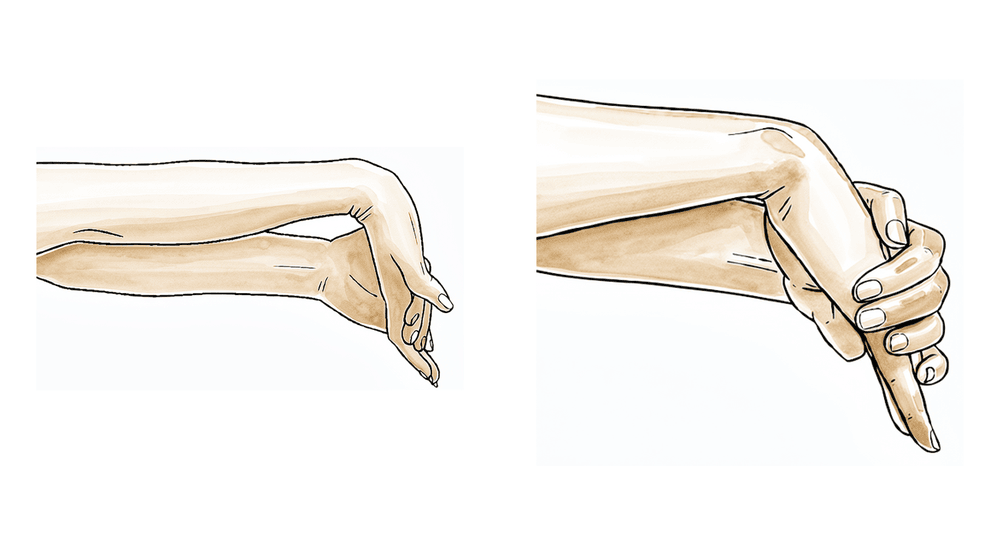
کلائی کی حرکت
کلائی کو آگے، پیچھے اور دائیں بائیں موڑ کر اپنے ہاتھ کو حرکت میں رکھیں۔
10 بار، دن میں 3 بار
Kieran Hirpara 4.0
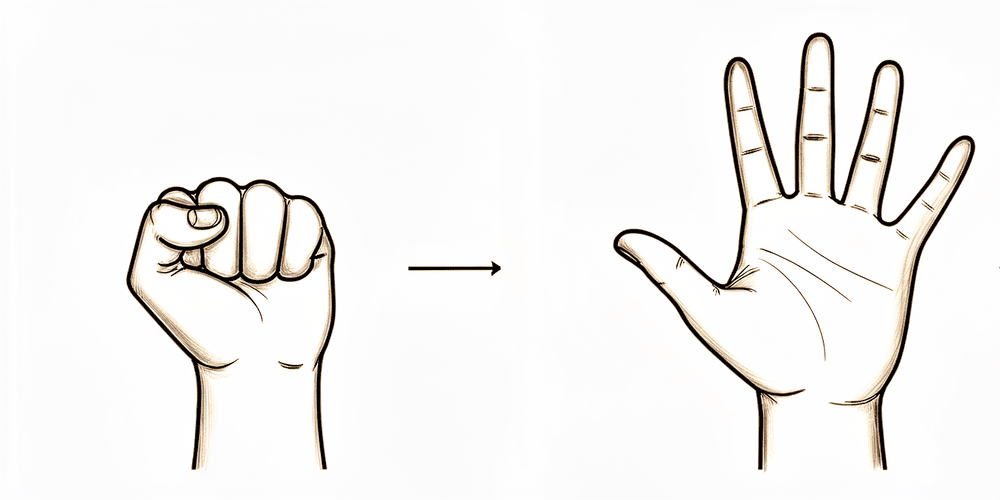
ہاتھ کھولنا اور بند کرنا
ہاتھ اور انگلیوں کو کھول اور بند کر کے، یا ایک نرم گیند دبا کر، انہیں حرکت میں رکھیں۔
10 بار، دن میں 3 بار
Kieran Hirpara 4.0
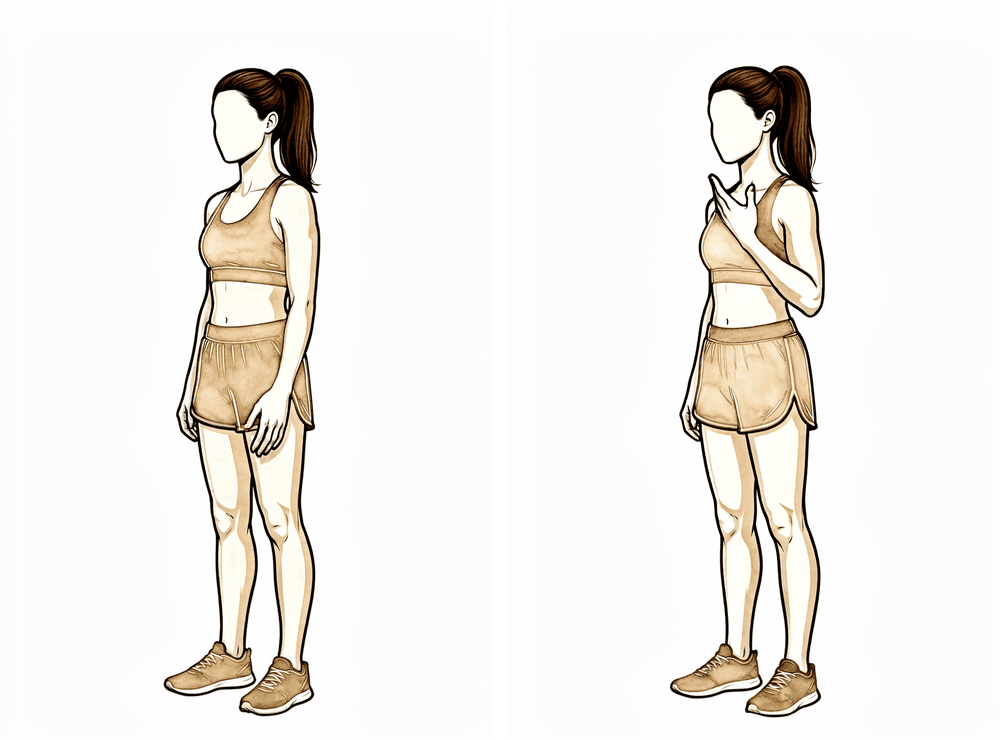
کہنی موڑنا
اپنی کہنی کو موڑیں اور سیدھا کریں۔ اگر آپریشن کے دوران آپ کے بائسیپس کا ٹینڈن (tendon)، یعنی وہ مضبوط ڈوری جو پٹھے کو ہڈی سے جوڑتی ہے، دوبارہ جوڑا گیا ہو تو آپ کی ٹیم آپ کو بتائے گی کہ یہ ورزش آہستگی سے کریں اور پہلے چند ہفتوں تک اس بازو سے وزن اٹھانے سے بچیں۔
10 بار، دن میں 3 بار
Kieran Hirpara 4.0
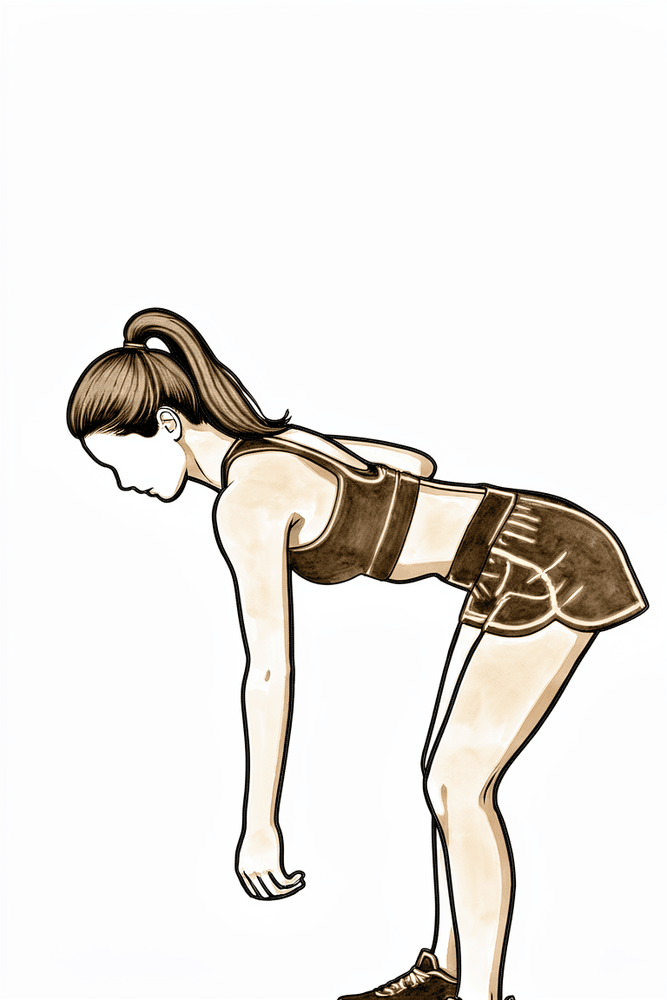
پینڈولم ورزشیں (pendulums)
یہ ایک ڈھیلی، غیر فعال ورزش ہے۔ آگے کی طرف جھکیں اور اپنے بازو کو نیچے لٹکنے اور ڈھیلا ہونے دیں۔ اپنے جسم کی مدد سے بازو کو ہلکے سے چھوٹے دائروں میں جھلائیں، گھڑی کی سوئیوں کی سمت میں اور الٹی سمت میں، اور آگے پیچھے۔ کام بازو کے وزن کو کرنے دیں، اور کندھے کے پٹھے ڈھیلے رکھیں۔
ہر سمت میں تقریباً 30 سیکنڈ، دن میں 3 بار
Kieran Hirpara 4.0
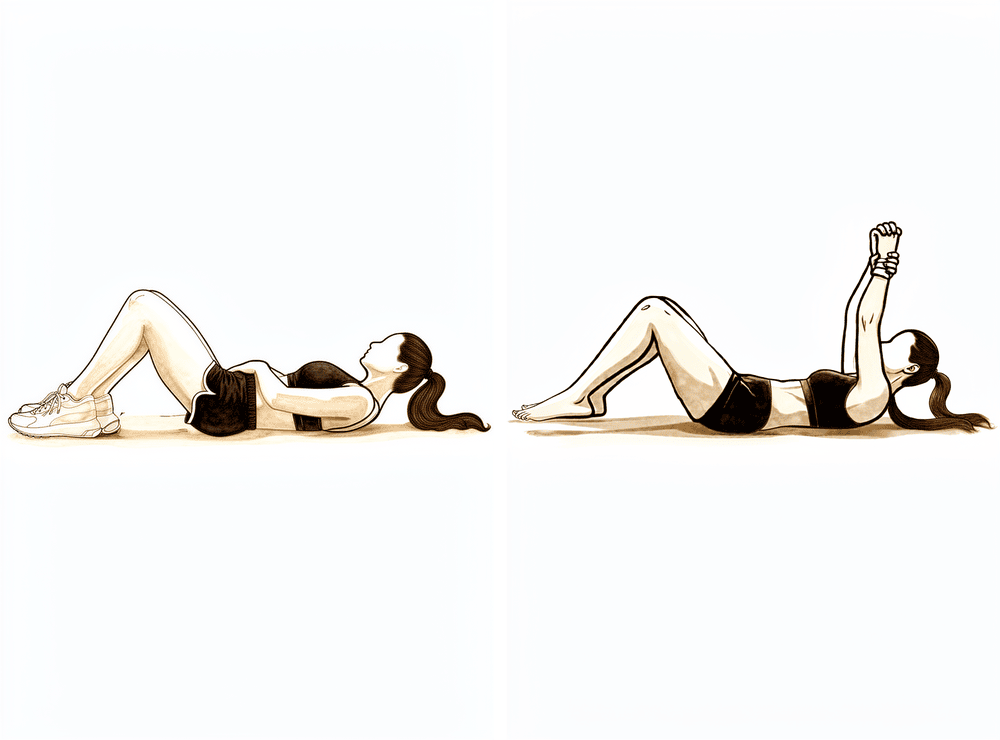
لیٹ کر مدد سے بازو آگے اٹھانا (assisted forward flexion)
اگر آپ چاہیں تو کمر کے بل لیٹ جائیں اور ایک چھڑی (یا لپیٹا ہوا تولیہ) دونوں ہاتھوں میں پکڑیں۔ اپنے ٹھیک بازو کی مدد سے آپریشن والے بازو کو سر کے اوپر جتنا آرام سے جا سکے لے جائیں، پھر آہستہ سے نیچے لائیں۔
10 بار، دن میں 3 بار
Kieran Hirpara 4.0
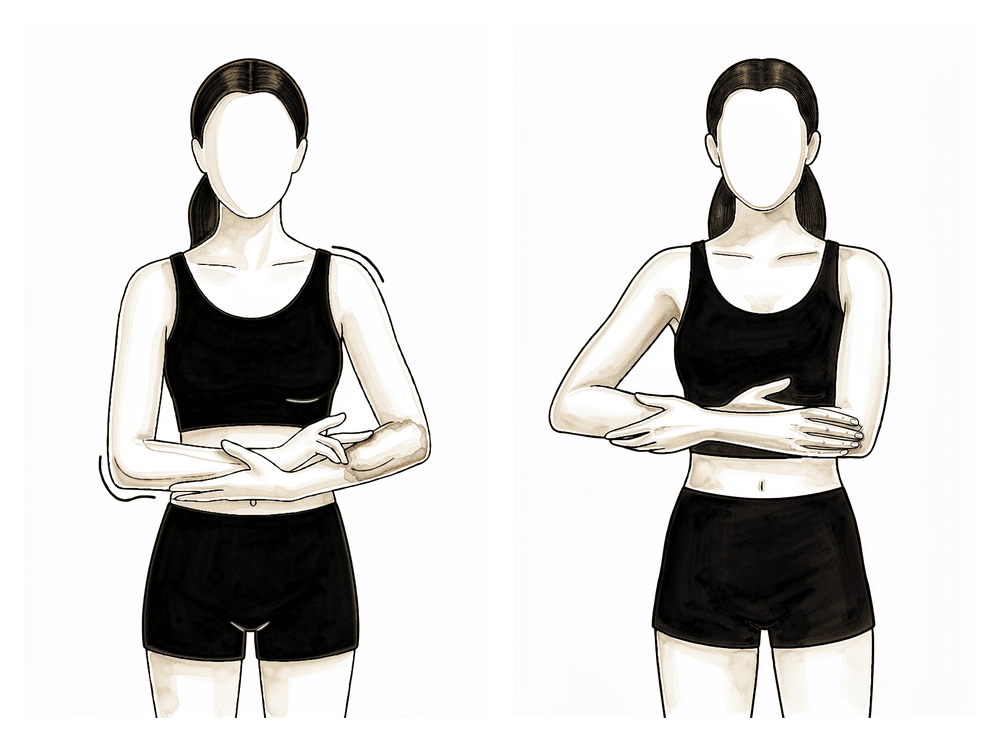
گود میں لے کر مدد سے بازو پہلو کی طرف لے جانا (assisted abduction)
آپریشن والے بازو کو اپنے دوسرے بازو میں اس طرح تھامیں جیسے گود میں لیا ہو، کہنی کے نیچے سہارا دیتے ہوئے، اور اسے ہلکے سے پہلو کی طرف باہر اور واپس جھلائیں، جیسے بچے کو جھلاتے ہیں۔ ہر بار اسے پہلو کی طرف ایک آرام دہ کھنچاؤ تک لے جائیں۔
10 بار، دن میں 3 بار
Kieran Hirpara 4.0
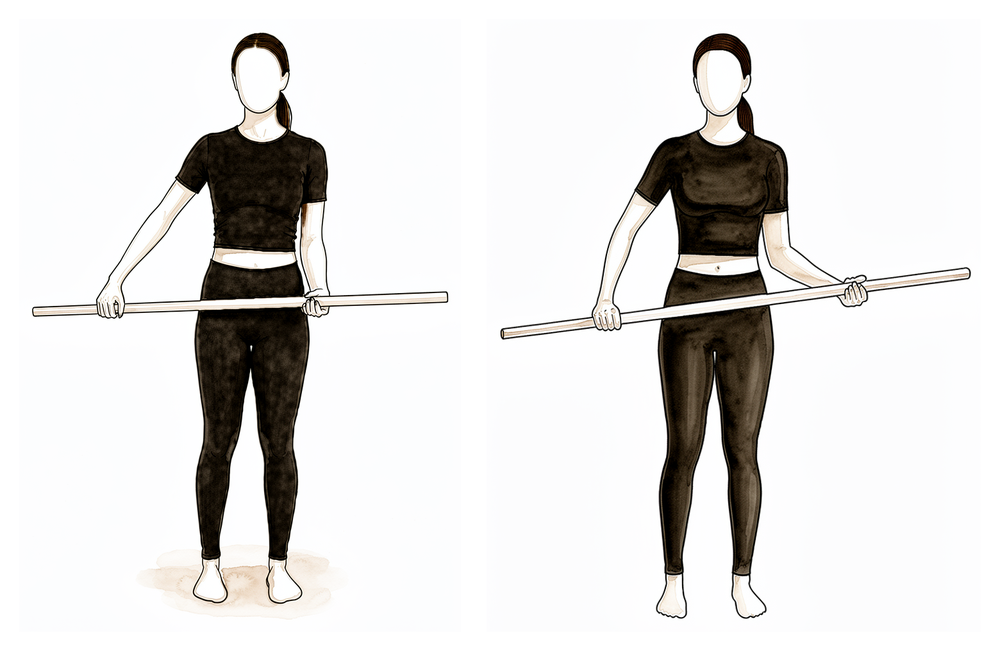
چھڑی کی مدد سے باہر کی طرف گھماؤ
کمر کے بل لیٹ جائیں، کہنی پہلو سے لگی ہو اور 90 ڈگری پر مڑی ہو۔ ایک چھڑی دونوں ہاتھوں میں پکڑیں اور اپنے ٹھیک بازو سے آپریشن والے بازو کے ہاتھ کو باہر کی طرف موڑیں، جس سے کندھا گھومے۔ باہر کی طرف گھمانا اس آپریشن کے بعد واپس پانے والی ایک اہم حرکت ہے، اس لیے ہفتے گزرنے کے ساتھ اس پر ہلکے سے اور تھوڑا تھوڑا آگے تک کام کرتے رہیں۔
10 بار، دن میں 3 بار
Kieran Hirpara 4.0
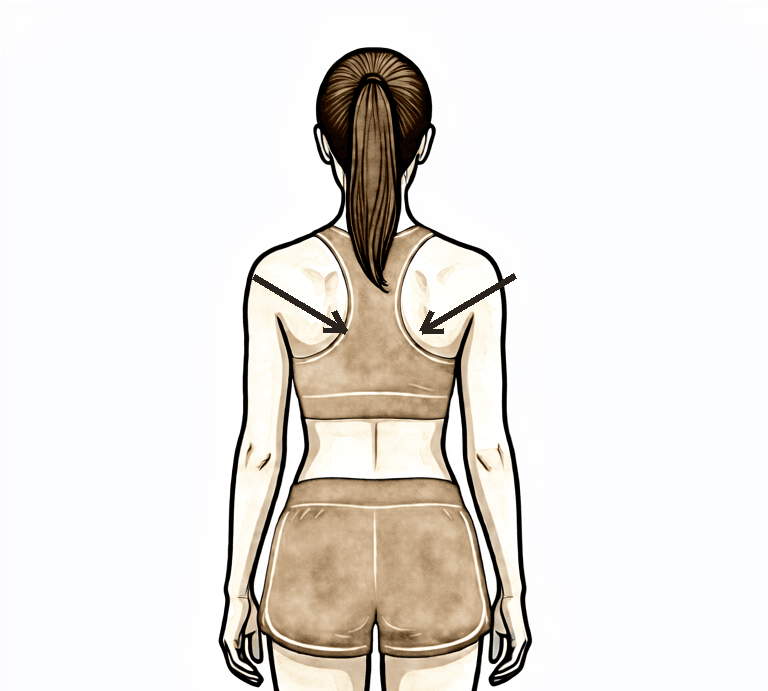
کندھے کی پچھلی ہڈی کے نچلے پٹھے کو جمانا (lower trapezius setting)
کندھے کی پچھلی چپٹی ہڈیوں (shoulder blades) کو نیچے اور ایک دوسرے کی طرف دبائیں، روکے رکھیں، پھر ڈھیلا چھوڑ دیں۔
5 سیکنڈ روکیں، 5 بار؛ روزانہ 3 بار دہرائیں
ہسپتال میں ایک فزیوتھراپسٹ آپ سے ملے گا اور گھر جانے سے پہلے آپ کو نیچے دی گئی ورزشیں شروع کروائے گا۔ یہ ہاتھ، کہنی اور کندھے کو حرکت میں رکھتی ہیں اور فوراً ہی کندھے کی حرکت کی حد بحال کرنا شروع کر دیتی ہیں۔ پہلے سے اپنی درد کش دوا لے لیں تاکہ آپ آرام سے حرکت کر سکیں۔ یہ ورزشیں اپنی ٹیم کے نشان لگانے کے مطابق کریں، اور گھر پر بھی جاری رکھیں۔
آپ کی بیرونی مریض (outpatient) بحالی
سی اے ایم آپریشن کے بعد بحالی کی بنیاد حرکت پر ہوتی ہے: کندھا اکڑا ہوا تھا اور اسے کھولا گیا ہے، اس لیے شروع کی ساری کوشش اس حرکت کی حد کو دوبارہ سخت ہونے سے پہلے برقرار رکھنے اور بڑھانے پر لگتی ہے، لیکن درجہ بدرجہ، ان جوڑ کی سطحوں کا خیال رکھتے ہوئے جن پر کام کیا گیا تھا۔ فزیوتھراپی جلد شروع ہوتی ہے، باقاعدہ رہتی ہے، اور کئی مہینوں تک جاری رہتی ہے۔ نیچے دیے گئے مراحل اس آپریشن کے لیے شائع شدہ بحالی کے پروٹوکول کے نمونے پر ہیں۔ ہفتوں کے اندازے عام صورت حال بتاتے ہیں، یہ طے شدہ نہیں ہیں: آپ کا فزیوتھراپسٹ آپ کو کیلنڈر کے مطابق نہیں بلکہ اس بات کے مطابق آگے بڑھائے گا کہ آپ کا کندھا کیسے حرکت کر رہا ہے۔ کلینک میں معائنہ عام طور پر تقریباً 2 ہفتے، 6 ہفتے، اور 3 سے 4 ماہ پر رکھا جاتا ہے۔
پورے سفر پر ایک نظر:
- مرحلہ I — ابتدائی حرکت: تقریباً پہلے دو ہفتے
- مرحلہ II — حرکت کی حد کی بحالی: ہفتہ 2 سے 6
- مرحلہ III — مضبوطی: ہفتہ 6 سے 12
- مرحلہ IV — مکمل سرگرمی میں واپسی: ہفتہ 12 اور اس کے بعد (تقریباً تین ماہ)
زیادہ تر لوگ پہلے ایک سے تین ماہ کے اندر درد میں واضح کمی اور حرکت میں آسانی محسوس کرتے ہیں، اور بہتری عام طور پر چھ سے بارہ ماہ تک بڑھتی رہتی ہے۔
مرحلہ I — ابتدائی حرکت (ہفتہ 0 سے 2)
ان پہلے دو ہفتوں کا مقصد کندھے کو حرکت میں لانا اور آپریشن میں کھولی گئی حرکت کی حد کو برقرار رکھنا ہے، جوڑ کو چھیڑے بغیر۔ آپ ہسپتال والی ورزشیں گھر پر دن میں کئی بار جاری رکھتے ہیں: غیر فعال اور معاون فعال حرکتیں، پینڈولم ورزشیں، اور ہر سمت میں ہلکے اسٹریچ، جن میں بازو کو باہر کی طرف گھمانا بھی شامل ہے۔ سلنگ صرف آرام کے لیے استعمال کریں، اور ورزشوں اور روزمرہ کے ہلکے کاموں کے لیے اسے اتار دیں۔ درد پر اچھا قابو ہی حرکت کو ممکن بناتا ہے، اس لیے ورزش سے پہلے اپنی درد کش دوا لیتے رہیں، اور اگر مددگار ہو تو پہلے سینک اور بعد میں برف استعمال کریں۔ ہر اسٹریچ میں آہستہ آہستہ ہلکے کھنچاؤ تک جائیں، تیز درد تک نہیں۔
اگلے مرحلے کے لیے آپ تب تیار ہیں جب… آپ دن میں کئی بار اعتماد سے اپنا گھریلو ورزش کا پروگرام کر رہے ہوں، آپ کا درد کم ہو رہا ہو، اور کندھا اپنی ابتدائی حد میں آزادی سے حرکت کر رہا ہو۔
مرحلہ II — حرکت کی حد کی بحالی (ہفتہ 2 سے 6)
Kieran Hirpara 4.0
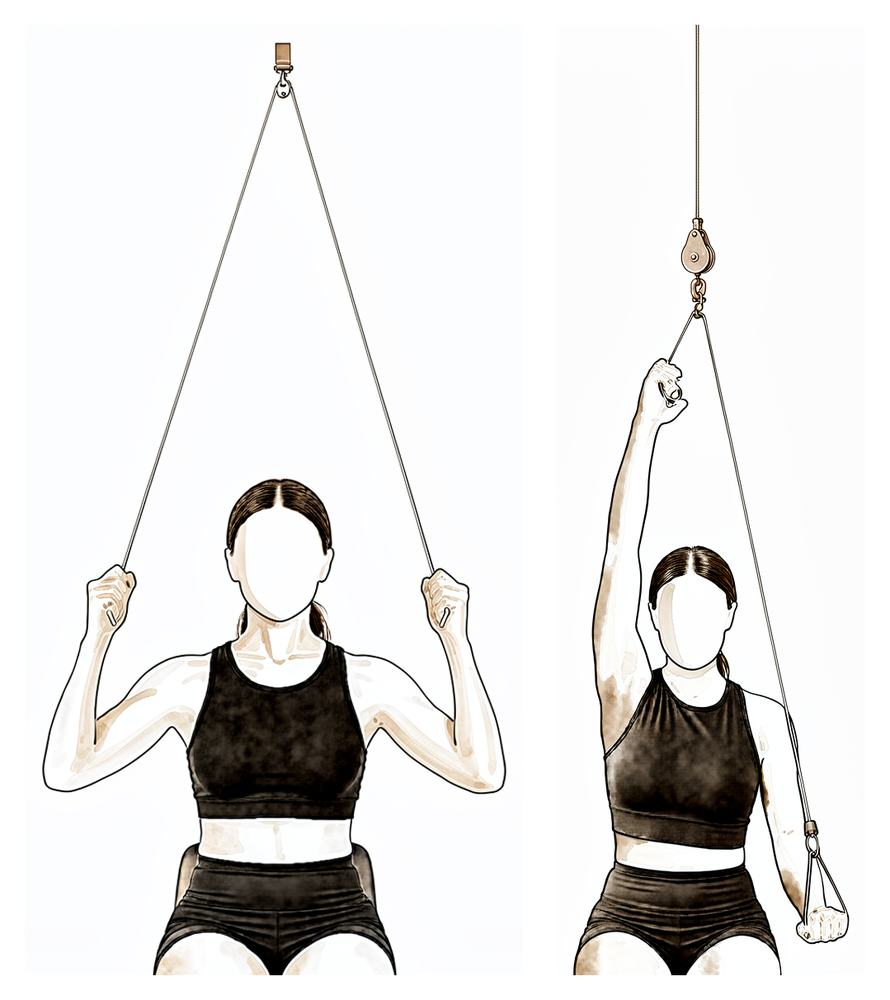
دروازے پر لگی پُلی (over-door pulley)
دروازے کے اوپر لگی پُلی کے نیچے بیٹھیں، ہر ہاتھ میں ایک ہینڈل ہو۔ اپنے ٹھیک بازو سے نیچے کھینچیں تاکہ آپریشن والا بازو سر کے اوپر جتنا آرام سے جا سکے اٹھے، پھر آہستہ سے نیچے لائیں۔ ہلکے کھنچاؤ تک جائیں، تیز درد تک نہیں۔
10 بار، روزانہ 3 سے 4 بار
Kieran Hirpara 4.0
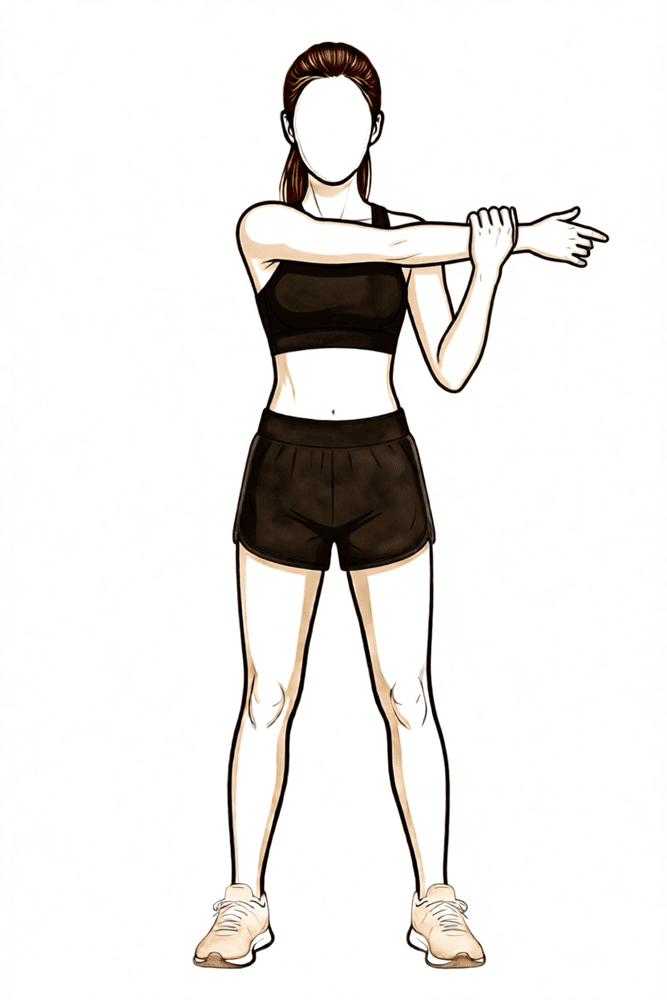
سینے کے آر پار اسٹریچ (cross-body stretch)
اپنے ٹھیک ہاتھ سے آپریشن والے بازو کو سینے کے آر پار کھینچیں یہاں تک کہ کندھے کی پچھلی طرف ہلکا کھنچاؤ محسوس ہو، پھر چھوڑ دیں۔
10 بار، روزانہ 3 سے 4 بار
Kieran Hirpara 4.0
ڈنڈے سے باہر کی طرف گھماؤ (wand external rotation)
ہسپتال سے شروع کی گئی چھڑی کی مدد والی باہر کی طرف گھماؤ کی ورزش جاری رکھیں، اور جیسے جیسے حرکت کی حد کھلتی جائے تھوڑا آگے تک جائیں۔ کہنی پہلو سے لگا کر بازو کے نچلے حصے کو باہر کی طرف جتنا آرام سے جا سکے موڑیں، پھر واپس لائیں۔
10 بار، روزانہ 3 سے 4 بار
Kieran Hirpara 4.0
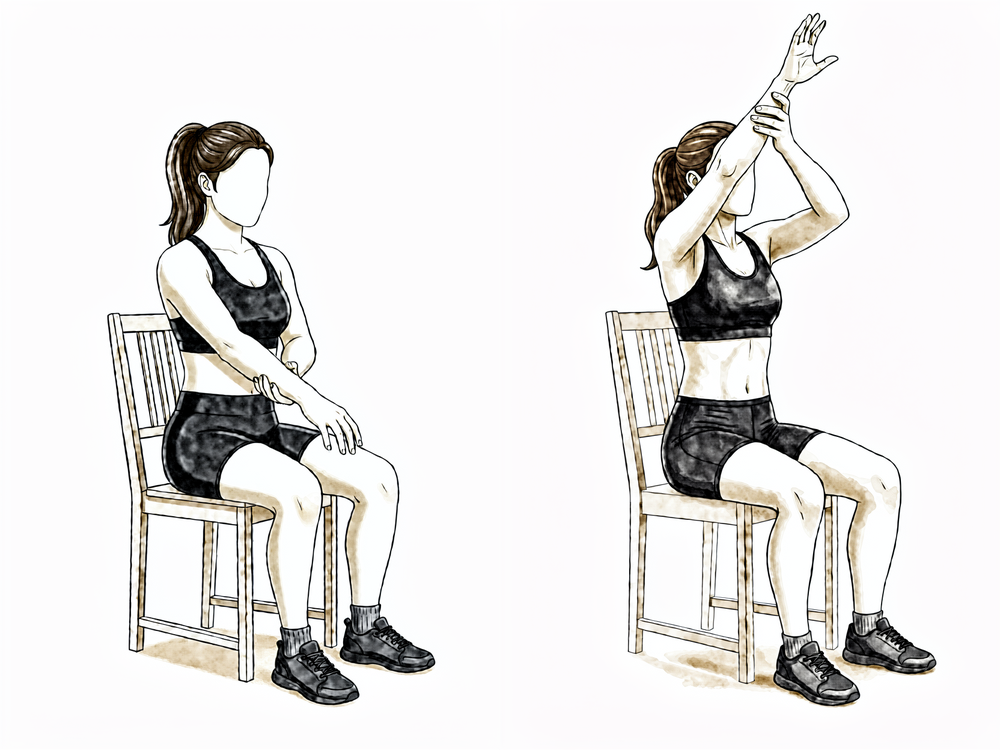
بیٹھ کر مدد سے بازو آگے اٹھانا (assisted forward elevation)
بیٹھ کر اور تھوڑا سا آگے جھک کر، آپریشن والے بازو کے نچلے حصے کو اپنے ٹھیک ہاتھ سے سہارا دیں اور اسی کی مدد سے آپریشن والے بازو کو اپنے سامنے آگے اور اوپر جتنا آرام سے ہو سکے اٹھائیں، پھر آہستہ سے نیچے لائیں۔ کام ٹھیک بازو کو کرنے دیں تاکہ آپریشن والا کندھا ڈھیلا رہے۔
آپ کے فزیوتھراپسٹ کی رہنمائی کے مطابق
اس مرحلے میں باقاعدہ فزیوتھراپی اور گھریلو پروگرام جاری رہتا ہے، اور کندھا جتنی اجازت دے حرکت کی حد پر مزید کام کیا جاتا ہے۔ آپ کی ورزشیں مدد والی حرکتوں سے آگے بڑھ کر ہر سمت میں بازو کو خود فعال طور پر حرکت دینے کی طرف جاتی ہیں، آپ کا فزیوتھراپسٹ ہاتھوں سے جوڑ کو حرکت دینے کا علاج (joint mobilisation) شامل کر سکتا ہے، اور آپ باہر کی طرف گھماؤ پر بار بار لوٹتے رہتے ہیں۔ اسٹریچ درجہ بدرجہ ہی رہتے ہیں، پہلے ہفتے سے کچھ زیادہ مضبوط، لیکن اب بھی زبردستی کے بجائے آہستہ آہستہ۔ اس مرحلے کے دوران زیادہ تر لوگ سلنگ چھوڑ چکے ہوتے ہیں اور روزمرہ کی ہلکی سرگرمیوں کے لیے بازو معمول کے مطابق استعمال کر رہے ہوتے ہیں۔
اگلے مرحلے کے لیے آپ تب تیار ہیں جب… آپ کی حرکت کی حد مسلسل بہتر ہو رہی ہو، کندھے کی اونچائی سے نیچے حرکت آرام دہ ہو، اور آپ کا درد اتنا کم ہو چکا ہو کہ مزاحمت کی ہلکی ورزش شروع کی جا سکے۔
مرحلہ III — مضبوطی (ہفتہ 6 سے 12)
Kieran Hirpara 4.0
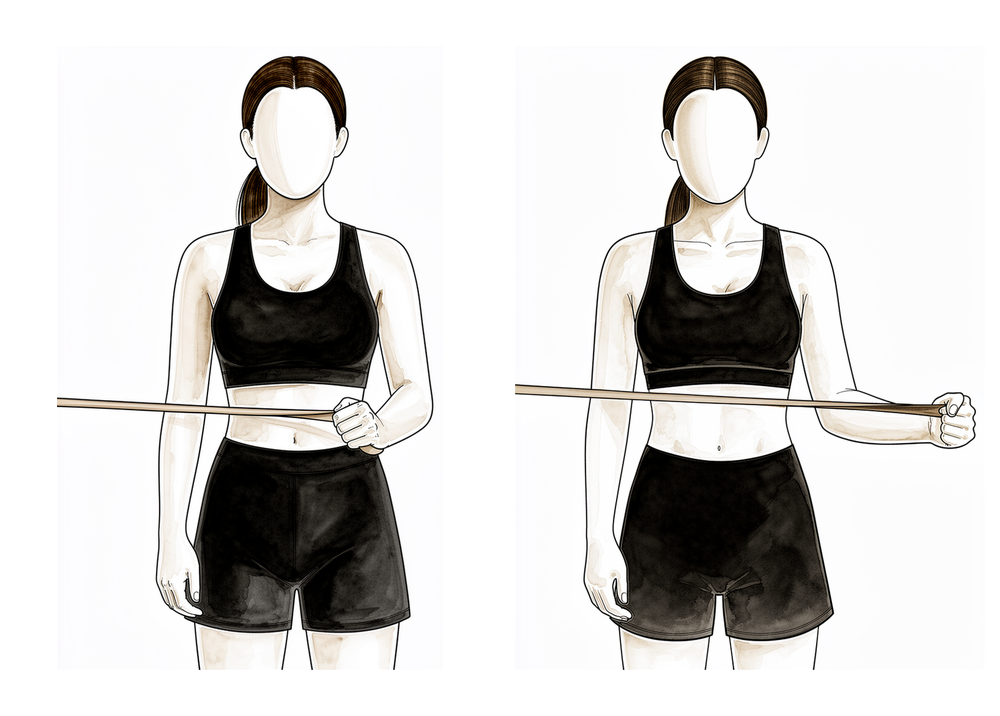
بینڈ کے ساتھ باہر کی طرف گھماؤ
کہنی پہلو سے لگا کر اور 90 ڈگری پر موڑ کر کھڑے ہوں، اور کمر کی اونچائی پر بندھا ہوا لچکدار بینڈ پکڑیں۔ کہنی پہلو سے لگائے رکھتے ہوئے بازو کے نچلے حصے کو بینڈ کے خلاف باہر کی طرف گھمائیں، پھر آہستہ سے واپس لائیں۔
10 سے 15 بار کے 2 سے 3 سیٹ، ہفتے میں 5 دن
Kieran Hirpara 4.0
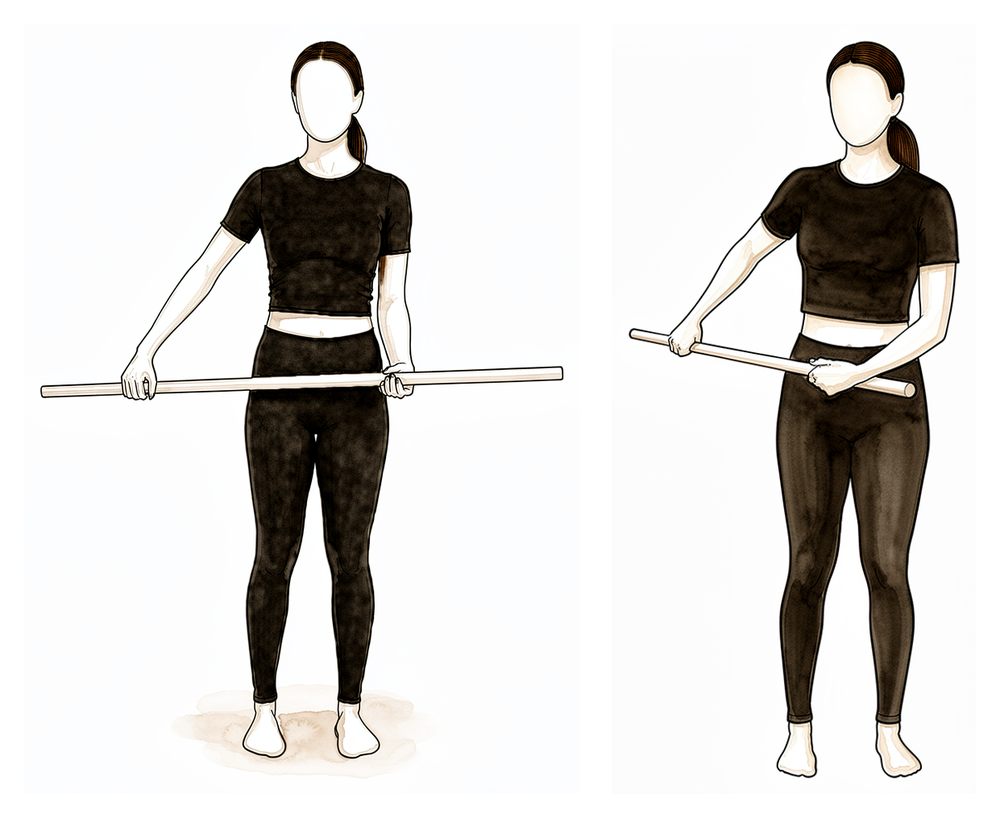
بینڈ کے ساتھ اندر کی طرف گھماؤ
کہنی پہلو سے لگا کر، ایک طرف بندھا ہوا بینڈ پکڑیں اور بازو کے نچلے حصے کو بینڈ کے خلاف جسم کے آر پار اندر کی طرف گھمائیں، پھر آہستہ سے واپس لائیں۔
10 سے 15 بار کے 2 سے 3 سیٹ، ہفتے میں 5 دن
Kieran Hirpara 4.0
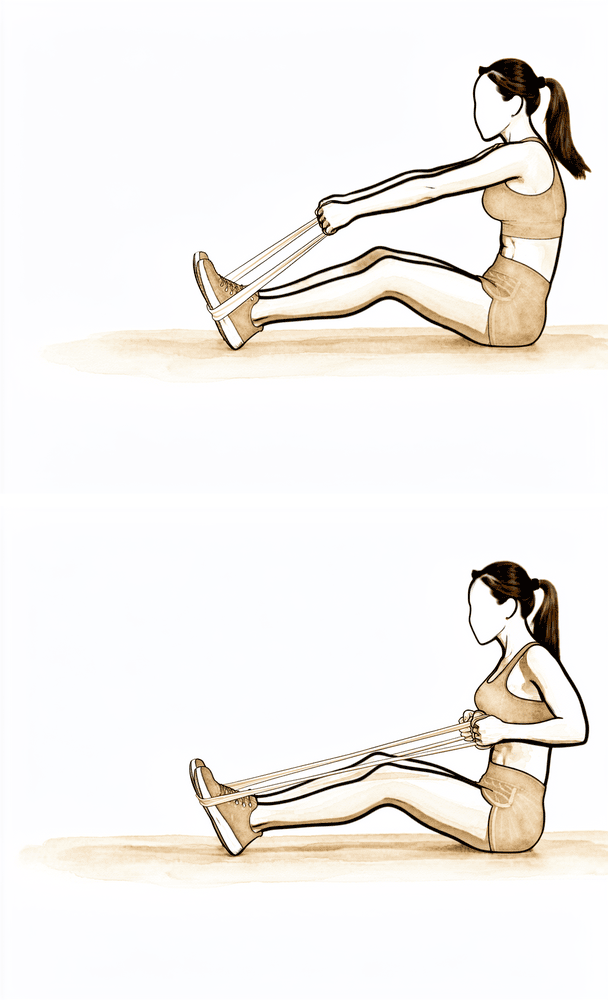
نیچی رو (low row)
اپنے سامنے کمر کی اونچائی پر بندھا ہوا بینڈ پکڑیں۔ بازو کو کافی حد تک سیدھا رکھتے ہوئے اسے پیچھے اور نیچے اپنے کولہے کی طرف کھینچیں، کندھے کی پچھلی ہڈی کو نیچے اور پیچھے دباتے ہوئے، پھر آہستہ سے واپس لائیں۔
10 سے 15 بار کے 2 سے 3 سیٹ، ہفتے میں 5 دن
Kieran Hirpara 4.0
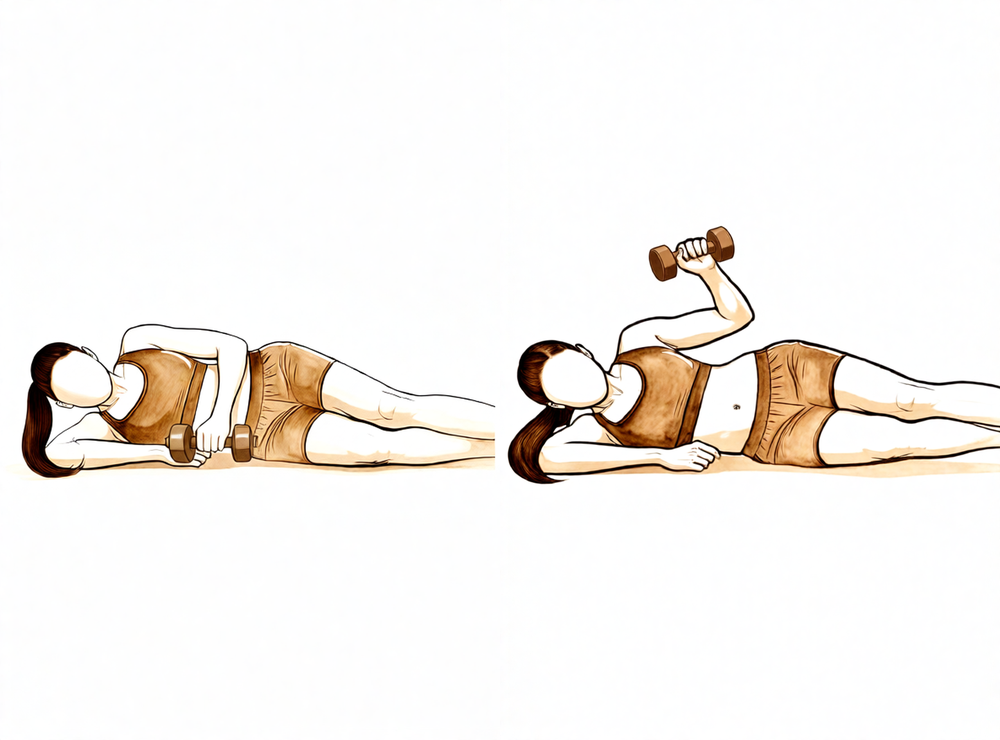
پہلو کے بل لیٹ کر باہر کی طرف گھماؤ (ہلکا وزن)
اپنے ٹھیک پہلو پر لیٹیں، آپریشن والی کہنی 90 ڈگری پر مڑی ہو اور پہلو سے لگی ہو، اور ایک ہلکا وزن (تقریباً 0.5 سے 1.5 کلوگرام) پکڑیں۔ بازو کے نچلے حصے کو اوپر کی طرف گھمائیں، پھر آہستہ سے نیچے لائیں: آہستہ سے نیچے لانا ہی اہم حصہ ہے۔ یہ ورزش کندھے کی اونچائی سے نیچے رکھیں۔
10 سے 15 بار کے 2 سے 3 سیٹ، کم وزن
حرکت کی حد بہتر ہونے کے ساتھ توجہ طاقت کو دوبارہ بنانے کی طرف جاتی ہے۔ ہلکے اسٹریچ جاری رہتے ہیں تاکہ جس حرکت کے لیے آپ نے محنت کی ہے وہ ضائع نہ ہو۔ مزاحمت کی ورزش تقریباً چھ ہفتے پر ہلکے سے شروع ہوتی ہے، جس میں روٹیٹر کف (rotator cuff)، یعنی ٹینڈنوں کا وہ گروپ جو کندھے کو تھامتا اور گھماتا ہے، اور کندھے کی پچھلی چپٹی ہڈی (shoulder blade) کے پٹھوں کے لیے لچکدار بینڈ اور ہلکے وزن استعمال ہوتے ہیں، کم وزن اور زیادہ تکرار کے ساتھ۔ روزمرہ کی معمول کی سرگرمیاں زیادہ تر معمول پر آ جانی چاہئیں، اور تفریح کی ہلکی سرگرمیاں عام طور پر اسی مرحلے میں، آپ کے فزیوتھراپسٹ کی رہنمائی کے مطابق، دوبارہ شروع ہوتی ہیں۔
اگلے مرحلے کے لیے آپ تب تیار ہیں جب… ہر سمت میں آپ کی حرکت مکمل، یا تقریباً مکمل، اور آرام دہ ہو، اور آپ درد بھڑکے بغیر مضبوطی کی ورزشیں کر سکیں۔
مرحلہ IV — مکمل سرگرمی میں واپسی (ہفتہ 12 اور اس کے بعد)
آخری مرحلہ، تقریباً تین ماہ سے، زیادہ بھاری کام، سر سے اوپر کے کاموں اور کھیل کی طرف مرحلہ وار واپسی ہے، زیادہ جدید مضبوطی کی ورزشوں کے ساتھ۔ کندھا اس کے کافی بعد تک بہتر ہوتا رہتا ہے: زیادہ تر لوگوں کو چھ سے بارہ ماہ تک آرام اور اعتماد میں اضافہ ہوتا رہتا ہے۔ آگے بڑھنا اس بات سے طے ہوتا رہتا ہے کہ آپ کیسا محسوس کرتے ہیں: اگر اکڑاؤ یا دکھن بڑھنے لگے تو زور لگا کر آگے بڑھنے کے بجائے پیچھے ہٹیں، حرکت کی حد بحال کریں اور جوڑ کو پرسکون ہونے دیں۔
سرگرمیوں میں واپسی
زیادہ تر لوگ پہلے چند ہفتوں کے اندر، جب وہ آرام محسوس کریں اور سلنگ چھوڑ دیں، دفتری کام اور روزمرہ کی ہلکی سرگرمیوں پر واپس آ جاتے ہیں۔ زیادہ بھاری، جسمانی مشقت والا کام اور سر سے اوپر والے کھیل اگلے ہفتوں سے مہینوں میں آہستہ آہستہ واپس آتے ہیں، عام طور پر تقریباً تین ماہ سے، جیسے جیسے آپ کی طاقت واپس آتی ہے۔ کندھے کے کسی بھی آپریشن کے بعد گاڑی چلانا اس پروٹوکول کے کسی طے شدہ مرحلے کے بجائے کلینک کی معیاری پالیسی کے مطابق ہوتا ہے: دیکھیں بازو اور ہاتھ کی سرجری کے بعد گاڑی چلانا اور معائنے پر اپنے سرجن سے اس کی تصدیق کریں۔
آپ کی ورزشیں
یہ آپ کے ہینڈ آؤٹ (handout) والی ورزشیں ہیں۔ انہیں ڈاکٹر ہِرپرا اور اپنے فزیوتھراپسٹ کی رہنمائی کے مطابق شروع کریں۔ ابتدائی ورزشیں — کلائی کی حرکت، ہاتھ کھولنا اور بند کرنا، کہنی موڑنا اور پینڈولم — کندھے کے پرسکون ہونے تک بازو کے باقی حصوں کو حرکت میں رکھتی ہیں۔ مدد والے اسٹریچ (لیٹ کر آگے اٹھانا، گود میں لے کر بازو کو پہلو کی طرف لے جانا، چھڑی سے باہر کی طرف گھماؤ) جوڑ پر بوجھ ڈالے بغیر حرکت کی حد بحال کرتے ہیں، اور بینڈ، نیچی رو (low row) اور پہلو کے بل لیٹ کر کی جانے والی ورزشیں بعد میں، حرکت آرام دہ ہونے پر، شامل کی جاتی ہیں۔ پہلے حرکت کی حد بڑھائیں اور طاقت بعد میں۔ جو چیز کھنچاؤ کے بجائے تیز درد پیدا کرے، اسے روک دیں۔
اپنے پروٹوکول کے بعد
اوپر دیے گئے بیرونی مریض کے مراحل سی اے ایم آپریشن کے شائع شدہ بحالی کے پروٹوکول سے اخذ کیے گئے ہیں، اور صحت یابی کے سنگ میل بھی انہی ذرائع سے لیے گئے ہیں۔ ہفتوں کے اندازے عام صورت حال بتاتے ہیں، یہ طے شدہ نہیں ہیں، اور آپ کی جاری بحالی کی رہنمائی آپ کا فزیوتھراپسٹ کلینک کے ساتھ مل کر، آپ کی حالت کے مطابق کرتا ہے، اس بنیاد پر کہ آپ کا کندھا کیسے ٹھیک ہو رہا ہے اور آپ کے آپریشن میں بالکل کیا کیا گیا تھا۔ یہ صفحہ کلینک کے صحت یابی کے عمومی مشوروں کے ساتھ مل کر کام کرتا ہے: دیکھیں آپریشن کے بعد درد کو سنبھالنا اور زخم کی دیکھ بھال۔ خود آپریشن اور اس سے علاج کیے جانے والے مسئلے کے بارے میں جاننے کے لیے دیکھیں جامع دوربینی علاج (CAM) اور کندھے کا آرتھرائٹس۔
Evidence & references
This is the clinical evidence summary written for health professionals. It is technical, and it lists the research this page was built from. You do not need to read it to understand your treatment or to make a decision about it.
Comprehensive Arthroscopic Management (CAM) of Glenohumeral Osteoarthritis — Post-operative Rehabilitation
Topic scope: Post-operative rehabilitation after the Comprehensive Arthroscopic Management (CAM) procedure — a joint-preserving arthroscopic treatment for advanced glenohumeral osteoarthritis in young, active patients who wish to avoid or defer arthroplasty.
Defining principle of CAM rehab (a hybrid): CAM is not a repair, so — like a capsular release for frozen shoulder — there is no healing construct to protect and the priority is to keep the motion that was restored at surgery, especially external rotation freed by the capsular release and axillary nerve neurolysis. BUT, unlike a pure capsular release, CAM also resurfaces and reshapes the articular surfaces themselves (chondroplasty, microfracture, humeral osteoplasty). So the rehab is motion-led but graded: early and frequent passive/active-assisted ROM, short sling for comfort only, stretching eased to end-range rather than forced — Millett's own protocol instructs the patient to "proceed with caution while stretching to avoid joint inflammation and pain." Re-stiffening is the failure mode to prevent; joint flare from over-aggressive forcing is the one to avoid.
A. THE PROCEDURE (what is being rehabilitated)
CAM is a systematic, inclusive arthroscopic approach to the multiple pathologies of early-to-advanced glenohumeral OA, described by Millett and colleagues. It bundles, in one sitting, as many of the following as the joint requires [Millett 2013; Millett EATS 2015]:
- Debridement, chondroplasty, synovectomy and loose-body removal — smoothing frayed cartilage and clearing mechanical debris.
- Capsular release — to restore range, particularly external rotation, lost to the arthritic contracture.
- Inferior humeral osteoplasty — excision of the inferior humeral "goat's-beard" osteophyte that tethers the axillary nerve and blocks motion.
- Axillary nerve neurolysis — freeing the nerve adjacent to that osteophyte (a defining CAM step; note a validated CAM variant deliberately omits axillary nerve release and subacromial decompression with satisfactory durable results [Mahmoud/KSSTA 2023]).
- Subacromial decompression ± biceps tenodesis ± microfracture of focal chondral defects, where indicated.
Patient selection (drives prognosis, not the rehab itself): best results with > 2 mm of joint space and glenohumeral congruity without significant deformity; less joint space and abnormal posterior glenoid shape (Walch B2/C) predict early failure [Millett 2016 predictors]. Survivorship (freedom from arthroplasty): 76.9% at minimum 5 years, 63.2% at minimum 10 years in suitable candidates [Mitchell 2016; Spiegl/Horan 2020].
B. POST-OPERATIVE PHASED TIMELINE
The published protocol is a 3-phase, individually-tailored program (Millett group; mirrored in clinic patient materials). Mapped here onto the practice's standard 4-phase patient structure. Clinic follow-up at 2 weeks, 6 weeks, and 3–4 months.
| Phase | Window | Sling | ROM | Strengthening | Notes |
|---|---|---|---|---|---|
| I — Early motion | Week 0–2 | Comfort only, ~1–2 wk, off for exercise from day 0 | Passive + active-assisted ROM immediately; pendulums; gentle stretch in all planes incl. external rotation; caution — ease to end-range, do not force | Hand/elbow/scapular setting only | Goal: maintain the motion gained at surgery + prevent scar/re-contracture; pain control to permit motion |
| II — Restoring range | Week 2–6 | Off | Progress AAROM → AROM all planes; keep working external rotation; add joint mobilisation; stretching graded (firmer, still not forced) | Light scapular/cuff activation as pain allows | Most back to light daily activity/work by this window |
| III — Strengthening | Week 6–12 | Off | Maintain full/near-full ROM | Elastic-resistance + light-weight cuff & scapular strengthening from ~6 wk, low load / higher reps; continued stretching | Lighter recreation resumes |
| IV — Return to function/sport | ~3 months + | Off | Full | Advanced strengthening; graduated return to sport/heavy work | Outcomes continue to improve over 6–12 months |
Procedure-specific modifiers (surgeon-dependent): - Biceps tenodesis performed → avoid resisted elbow flexion / lifting ~6 weeks. - Microfracture of a focal chondral defect → early passive motion is beneficial for the marrow-stimulation clot (as in knee microfracture), but avoid heavy axial loading in the early weeks; favour motion over load. - Axillary nerve neurolysis performed → prioritise early external-rotation ROM to hold the gain; transient axillary nerve paraesthesia is recognised and usually settles.
Recovery milestones (from CAM outcome series, not a rehab trial): meaningful pain/function improvement within the first 1–3 months; sustained patient-reported improvement and satisfaction by 6–12 months [Outcomes/Survivorship series].
C. KEY CONTROVERSIES / EVIDENCE QUALITY
- No rehabilitation RCT exists for CAM. The post-operative regimen is expert/consensus from the originating group (Millett), not a tested protocol. Intensity and timing are reasoned from the procedure's components, not from comparative data. Weak/consensus.
- The evidence base for the operation is itself debated. CAM outcome series are predominantly Level IV (case series from a small number of high-volume centres); systematic reviews conclude arthroscopic debridement for GHOA lacks high-quality evidence for routine use, and isolated debridement + capsular release "may not provide substantial benefit" in most patients [Kelly 2014; van der Bracht 2013 critical review]. CAM's value is strongest in carefully selected young, high-demand patients with preserved joint space.
- Motion vs protection balance. The capsular-release component argues for aggressive early motion (re-stiffening is the enemy); the cartilage/microfracture/osteoplasty components argue for graded loading (joint flare is the enemy). The published protocol resolves this as early but cautious motion — the central rehab judgement.
- CAM is a family of procedures, not one operation. Exactly which steps were done (axillary nerve release, microfracture, biceps tenodesis) legitimately shifts the rehab — hence the per-patient modifiers above. A validated variant omits axillary nerve release/SAD entirely [Mahmoud 2023].
D. EVIDENCE STRENGTH FLAGS (summary)
- MODERATE (large/long-term cohorts): CAM mid- and long-term survivorship + PRO improvement (Mitchell 2016 n-series, 76.9% @5 yr; Spiegl/Horan 2020, 63.2% @10 yr); preoperative predictors of failure (Morrison/Millett 2016).
- WEAK / CONSENSUS ONLY: the post-operative rehabilitation protocol itself (no defining RCT; expert protocol from the originating group); debridement-based arthroscopy for GHOA (systematic reviews: low-quality evidence, Kelly 2014; van der Bracht 2013).
- EXTRAPOLATED: early-motion rationale borrowed from arthroscopic capsular-release rehab; microfracture early-motion / load-caution rationale borrowed from marrow-stimulation cartilage literature.
CITATIONS
RAG corpus (180,000+ Orthopaedic articles) — CAM clinical evidence base
- Millett PJ, Gobezie R, Boykin RE. Comprehensive Arthroscopic Management (CAM) procedure for treatment of glenohumeral osteoarthritis. Arthroscopy Techniques. 2015. (technique + post-op rehab description) DOI: 10.1016/j.eats.2015.04.003
- Millett PJ, et al. Comprehensive Arthroscopic Management (CAM) Procedure: clinical results of a joint-preserving arthroscopic treatment for young, active patients with advanced shoulder osteoarthritis. Arthroscopy. 2013. DOI: 10.1016/j.arthro.2012.10.028
- Mitchell JJ, et al. Survivorship and patient-reported outcomes after CAM of glenohumeral osteoarthritis (minimum 5 years; 76.9% survivorship). Am J Sports Med. 2016. DOI: 10.1177/0363546516656372
- Morrison/Millett, et al. CAM of glenohumeral osteoarthritis: preoperative factors predictive of treatment failure. Am J Sports Med. 2016. DOI: 10.1177/0363546516668823
- Survivorship and PROs after CAM, minimum 10-year follow-up (63.2% survivorship). Am J Sports Med. 2020. DOI: 10.1177/0363546520962756 / OJSM 2021. DOI: 10.1177/2325967121s00213
- Comprehensive arthroscopic management without axillary nerve release or subacromial decompression — satisfactory durable results in young patients. Knee Surg Sports Traumatol Arthrosc. 2023. DOI: 10.1007/s00167-023-07377-0
- Arthroscopic Management of Glenohumeral Arthritis: a joint-preservation approach. JAAOS. 2018. DOI: 10.5435/jaaos-d-17-00214
- Outcomes and survivorship after arthroscopic treatment of glenohumeral arthritis: a systematic review (ROM + PRO improvement, minimal complications). Arthroscopy. 2020. DOI: 10.1016/j.arthro.2020.02.036
- Kelly EW, et al. Arthroscopic debridement and capsular release for the treatment of shoulder osteoarthritis (may not justify routine use). Arthroscopy. 2014. DOI: 10.1016/j.arthro.2014.08.025
- van der Bracht H, et al. What is the role of arthroscopic debridement for glenohumeral arthritis? A critical examination of the literature (lacks high-quality evidence). Arthroscopy. 2013. DOI: 10.1016/j.arthro.2013.02.022
- CAM vs total shoulder arthroplasty and hemiarthroplasty in patients < 50 years. EFORT Open Reviews. 2026. DOI: 10.1530/eor-2023-0156
Published rehab protocol (URLs)
- Dr Peter Millett — Comprehensive Arthroscopic Management of Glenohumeral Osteoarthritis (procedure + components incl. inferior humeral osteoplasty, axillary nerve neurolysis, biceps tenodesis, microfracture): https://drmillett.com/wp-content/uploads/2017/02/comprehensive-arthroscopic-management-glenohumeral-osteoarthritis.pdf
- The Upper Limb Clinic — Comprehensive Arthroscopic Management (3-phase rehab description: sling few weeks; Phase 1 passive/active-assisted ROM + cautious stretching; Phase 2 strengthening ~6 wk; Phase 3 advanced/return-to-sport ~3 mo; follow-up 2 wk / 6 wk / 3–4 mo): https://theupperlimbclinic.co.uk/comprehensive-arthroscopic-management-a-joint-preserving-solution-for-shoulder-arthritis/
- Millett PJ, et al. CAM clinical results (open journal record): https://www.arthroscopyjournal.org/article/S0749-8063(12)01801-4/fulltext
- CAM (EATS technique record, PubMed): https://pubmed.ncbi.nlm.nih.gov/26697301/
Note on the rehab evidence: there is no CAM-specific rehabilitation trial in the corpus or the literature. The phased protocol above is the originating group's expert protocol (Millett, mirrored in clinic patient materials), with the early-motion and load-caution rationale extrapolated from arthroscopic-capsular-release and cartilage marrow-stimulation rehab respectively. Treat phase timings as typical, surgeon-adjustable defaults — not as trial-derived prescriptions.