Skip to content

Patients › Recovery

سرجری سے پہلے خالی پیٹ رہنا: آپ کیا کھا پی سکتے ہیں، اور کیوں

بے ہوشی سے پہلے آپ کو کھانا کیوں بند کرنا ہوتا ہے، آپ کب تک پانی کے گھونٹ لے سکتے ہیں، اور اگر آپ خالی پیٹ نہ رہیں تو کیا ہو سکتا ہے۔ خالی پیٹ رہنے کے واضح اصول جو سرجری کے دوران آپ کا معدہ خالی اور آپ کے پھیپھڑے محفوظ رکھتے ہیں۔
Updated May 2026
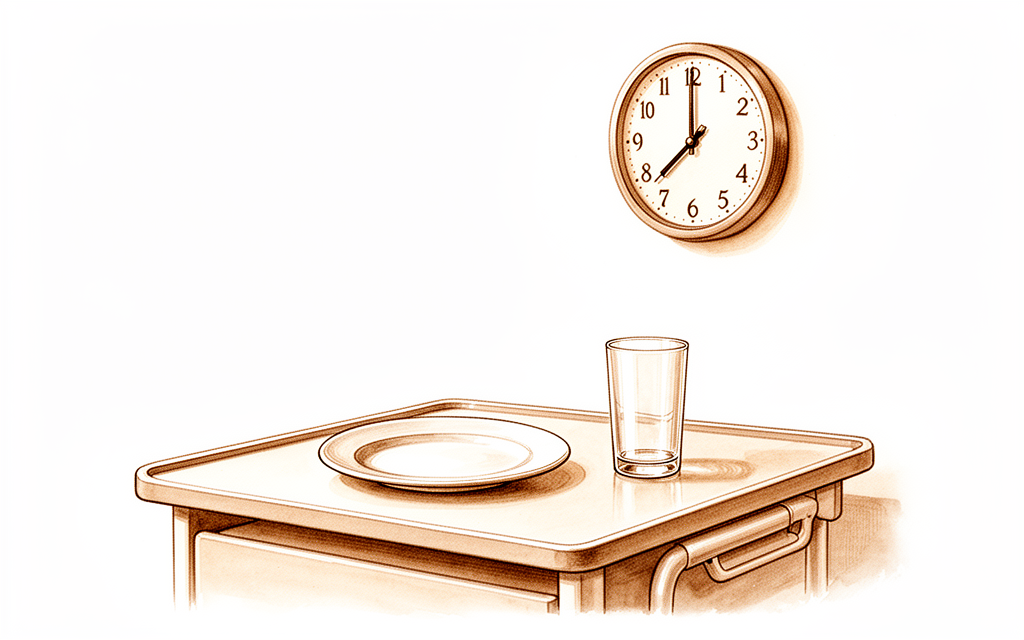
گھڑی کے ساتھ رکھی خالی پلیٹ اور گلاس کی تصویر، جو سرجری سے پہلے خالی پیٹ رہنے کو ظاہر کرتی ہے۔
بے ہوشی سے پہلے خالی پیٹ رہنا: بتائے گئے وقت تک کچھ نہ کھائیں اور نہ پیئیں۔ Kieran Hirpara 4.0

اس صفحے کا ترجمہ مشین سے کیا گیا ہے اور ابھی تک کسی ڈاکٹر نے اس کی جانچ نہیں کی۔ انگریزی نسخہ ہی مستند ہے۔

سرجری کے دن آپ کی حفاظت کے لیے دو باتیں سب سے زیادہ اہم ہیں: آپ کو دی جانے والی بے ہوشی کی قسم، اور یہ کہ آپ خالی پیٹ رہنے کی ان ہدایات پر کتنی سختی سے عمل کرتے ہیں جو آپ کو دی گئی تھیں۔

ہم آپ کو خالی پیٹ رہنے کو کیوں کہتے ہیں

جنرل اینستھیزیا (مکمل بے ہوشی) ان پٹھوں کو ڈھیلا کر دیتا ہے جو عام طور پر معدے کی چیزوں کو حلق میں واپس آنے سے روکتے ہیں۔ اگر آپ کا معدہ بھرا ہوا ہو تو بے ہوشی کی حالت میں یہ چیزیں آپ کے پھیپھڑوں میں جا سکتی ہیں، جو ایک سنگین بات ہے۔ خالی پیٹ رہنے سے معدہ خالی ہو جاتا ہے، جس سے ایسا ہونے کا امکان بہت کم رہ جاتا ہے۔ عام اصول یہ ہیں:

  • آپ کی سرجری کی تفصیلات والی ای میل میں لکھے گئے خالی پیٹ رہنے کے وقت سے کچھ نہ کھائیں اور نہ پیئیں۔ نہ کھانا، نہ دودھ، نہ پانی، نہ چائے یا کافی، نہ ٹافیاں یا چیونگم۔ یہ وقت آپ کے ہسپتال میں داخلے کے وقت سے طے کیا جاتا ہے: عام طور پر داخلے سے سات گھنٹے پہلے، یا اگر آپ کا داخلہ صبح سویرے ہو تو آدھی رات سے۔
  • اگر آپ ذیابیطس (شوگر) یا وزن کم کرنے کی کوئی انجکشن والی دوا لیتے ہیں (Ozempic، Wegovy، Mounjaro، Trulicity، Byetta)، تو اسے لیتے رہیں، لیکن آپ کو اپنی سرجری کے وقت سے 24 گھنٹے پہلے سے خالی پیٹ رہنا ہو گا۔ یہ دوائیں معدے کے خالی ہونے کی رفتار سست کر دیتی ہیں، اور خالی پیٹ رہنے کا عام وقت کافی نہیں ہوتا۔
  • اگر آپ کا طریقۂ علاج صرف لوکل اینستھیزیا (صرف اس حصے کو سُن کرنا) میں ہو رہا ہے تو آپ کی ای میل میں لکھا ہو گا کہ آپ کو خالی پیٹ رہنے کی ضرورت نہیں۔

اگر آپ صبح کو بلڈ پریشر یا مرگی کی اپنی معمول کی گولیاں لیتے ہیں تو انہیں پانی کے ایک چھوٹے گھونٹ کے ساتھ لیں، جب تک آپ کے بے ہوشی کے ڈاکٹر (anaesthetist) نے آپ کو کچھ اور نہ کہا ہو۔ ذیابیطس کی گولیاں سرجری کی صبح نہیں لی جاتیں؛ اسپرین اور کلوپیڈوگریل (clopidogrel) جاری رکھی جاتی ہیں، اور وارفرین (warfarin) جیسی خون پتلا کرنے والی دوائیں 48 گھنٹے پہلے بند کی جاتی ہیں؛ تفصیلات خون پتلا کرنے والی دوائیں اور سرجری کی تیاری والے صفحات پر موجود ہیں۔

ہم کن اقسام کی بے ہوشی استعمال کرتے ہیں

بازو اور ہاتھ (upper limb) کی زیادہ تر سرجری تین میں سے کسی ایک طریقے سے، اور کبھی کبھی ان کو ملا کر، کی جاتی ہے:

  • جنرل اینستھیزیا (مکمل بے ہوشی): آپ مکمل طور پر بے ہوش ہوتے ہیں۔ بے ہوشی کے ڈاکٹر آپ کے ہاتھ کی پشت پر لگی ایک چھوٹی ڈرپ کے ذریعے آپ کو بے ہوش کرتے ہیں اور پورا وقت آپ کی دیکھ بھال کرتے ہیں۔
  • ریجنل بلاک (regional block): آپ کی گردن یا بغل میں اعصاب کے گرد سُن کرنے والی دوا کا انجکشن لگایا جاتا ہے، جس سے پورا بازو کئی گھنٹوں کے لیے سُن ہو جاتا ہے۔ آپ کو غنودگی کی دوا (sedation) بھی دی جا سکتی ہے تاکہ آپ سرجری کے دوران سوئے رہیں، لیکن آپ کو سانس دلانے والی مشین (ventilator) پر نہیں رکھا جاتا۔
  • لوکل اینستھیزیا (صرف اس حصے کو سُن کرنا): چھوٹے آپریشن (جیسے ٹریگر فنگر (انگلی کا اٹک جانا) کی ریلیز) اکثر اس طرح کیے جا سکتے ہیں کہ صرف متعلقہ حصہ سُن ہو اور آپ پوری طرح جاگ رہے ہوں، کبھی کبھی ہلکی غنودگی کی دوا کے ساتھ۔

بے ہوشی کے ڈاکٹر اس دن آپ کے ساتھ ان راستوں پر بات کریں گے۔ انتخاب آپریشن، آپ کی عمومی صحت، اور آپ کی اپنی پسند پر منحصر ہوتا ہے۔

اس دن کیا توقع رکھیں

آپ آپریشن تھیٹر کے مقررہ وقت سے 1 سے 2 گھنٹے پہلے پہنچیں گے۔ ایک نرس چیک کریں گی کہ آپ خالی پیٹ ہیں، ڈرپ لگائیں گی، اور رضامندی کے آخری فارم پر آپ کے ساتھ بات کریں گی۔ آپریشن تھیٹر جانے سے پہلے بے ہوشی کے ڈاکٹر خود آپ سے ملیں گے۔

سرجری کے بعد آپ ریکوری روم میں جاگیں گے۔ اگر آپ کو ریجنل بلاک دیا گیا تھا تو آپ کا بازو بھاری اور سُن محسوس ہو گا؛ یہ معمول کی بات ہے اور 8 سے 24 گھنٹے تک رہتا ہے۔ سُن بازو کی حفاظت کریں: اسے سلنگ (sling)، یعنی گلے سے لٹکی وہ پٹی جو بازو کو سہارا دیتی ہے، میں رکھیں، اس پر وزن نہ ڈالیں، اور اسے گرم رکھیں۔ احساس آہستہ آہستہ واپس آتا ہے، اکثر کچھ سوئیاں چبھنے جیسے احساس کے ساتھ۔

پہلے چند گھنٹوں میں متلی، غنودگی، اور گلے میں خراش (سانس کی نالی کی وجہ سے) عام ہیں۔ آہستہ آہستہ پیئیں، ہلکا کھائیں، اور آرام کریں۔

مزید تفصیل

Advanced reading: the deeper science (optional)

یہ حصہ اس سے زیادہ تفصیل میں جاتا ہے جتنی آپ کو اپنے علاج کے فیصلوں کے لیے ضرورت ہے۔ بے ہوشی کے بارے میں یہ اضافی مطالعہ اس لیے فائدہ مند ہے کہ جن دو باتوں پر مریض سب سے زیادہ تسلی چاہتے ہیں، یعنی بلاک سے اعصاب کو نقصان، اور یہ کہ آیا "جاگتے رہنا" بے ہوش ہونے سے زیادہ محفوظ ہے، دونوں کے بارے میں معقول اعداد و شمار موجود ہیں، اور کسی کا بھی جواب وہ نہیں جو عام اندازہ بتاتا ہے۔

بلاک سے اعصاب میں دیرپا مسئلے کا خطرہ

بازو اور ہاتھ کی سرجری کروانے والے تقریباً ہر شخص کو اعصابی بلاک (nerve block)، یعنی ایک انجکشن جو جسم کے ایک حصے کو سُن کر دیتا ہے، کی پیشکش کی جاتی ہے، اور تقریباً ہر شخص پوچھتا ہے کہ کیا سوئی عصب کو نقصان پہنچا سکتی ہے۔ یہ ایک جائز سوال ہے، اور اس کے ایمان دارانہ جواب میں ایک فرق سمجھنا ضروری ہے: احساس میں عارضی تبدیلی کم یاب نہیں، لیکن دیرپا نقصان کم یاب ہے۔

ایک منظم جائزے (systematic review) نے، جس میں 12,532 مریضوں کا ڈیٹا اکٹھا کیا گیا، بازو اور ہاتھ کی سرجری کے لیے ریجنل بے ہوشی کے بعد اعصابی علامات کا جائزہ لیا، اور اس کا مرکزی نکتہ طریقۂ تحقیق سے متعلق ہے لیکن آپ کے لیے اہم ہے: مجموعی خطرہ اس بات پر منحصر ہو کر بہت مختلف نظر آتا ہے کہ اسے کس طرح ناپا گیا [1]۔ پہلے سے منصوبہ بندی کے ساتھ جانچے گئے رینڈمائزڈ کنٹرولڈ ٹرائل (randomised controlled trial)، جن میں کوئی ہر مریض سے خود پوچھتا ہے، ان پرانے ریکارڈ پر مبنی تحقیقات سے کہیں زیادہ شرحیں بتاتے ہیں جن میں صرف وہی مریض گنے جاتے ہیں جو اتنی زور سے شکایت کریں کہ ان کی بات سنی جائے [1]۔

عملی مطلب یہ ہے: اگر کوئی تحقیق آپ کو بہت کم شرح بتائے تو پوچھیں کہ کیا کسی نے اسے ڈھونڈنے کی کوشش کی تھی۔ ٹھیک ہو جانے والی علامات اتنی عام ہیں کہ انہیں آپ کے سامنے پیچیدگی کے بجائے ایک متوقع بات کے طور پر بیان کیا جانا چاہیے؛ جو علامات برقرار رہیں وہ واقعی کم ہوتی ہیں۔

جاگتے رہنا خود بخود زیادہ محفوظ نہیں

ایک عام خیال ہے، جو مریضوں میں اور صرف مریضوں میں ہی نہیں پایا جاتا، کہ جنرل اینستھیزیا سے بچنا ضرور زیادہ محفوظ ہو گا، خاص طور پر بڑی عمر کے لوگوں میں، اور خاص طور پر بعد میں ذہنی الجھن کے حوالے سے۔

اس کی سب سے براہ راست جانچ کولہے کے فریکچر کی سرجری سے ملتی ہے، جہاں یہ سوال بڑے پیمانے پر جانچا گیا ہے کیونکہ یہ مریض بوڑھے اور کمزور ہوتے ہیں۔ 3,736 مریضوں کا ڈیٹا اکٹھا کرنے پر، ریجنل بے ہوشی نے جنرل اینستھیزیا کے مقابلے میں آپریشن کے بعد کی ذہنی الجھن (delirium) یا اموات کو شماریاتی طور پر نمایاں (statistically significant) حد تک کم نہیں کیا [2]۔

یہ واقعی حیران کن نتیجہ ہے اور اسے سمجھنے میں احتیاط کی ضرورت ہے۔ اس کا مطلب یہ نہیں کہ انتخاب غیر اہم ہے، بلکہ اس کا مطلب یہ ہے کہ انتخاب اس عام خیال کی بنیاد پر نہیں ہونا چاہیے کہ ایک قسم زیادہ محفوظ ہے، بلکہ آپ کے دل، پھیپھڑوں، سانس کی نالی اور منصوبہ بند آپریشن کی تفصیلات کی بنیاد پر ہونا چاہیے۔ ایک صحت مند مریض میں جدید جنرل اینستھیزیا بہت محفوظ ہے، اور بلاک ہر خطرے سے آزادی کی ضمانت نہیں۔

جہاں بلاک واقعی اپنی جگہ بناتے ہیں

ریجنل بے ہوشی کے حق میں سب سے مضبوط دلیل حفاظت نہیں، بلکہ درد ہے۔ بازو کے اوپری حصے کی ہڈی (humerus) کے اوپری سرے کے فریکچر کی سرجری کروانے والے 1,872 مریضوں کے ایک منظم جائزے نے یہ نتیجہ نکالا کہ آپریشن کے بعد درد میں آرام کے لیے ریجنل بے ہوشی ایک اچھا راستہ ہے [3]، کندھے کے آپریشن کے بعد پہلے گھنٹے سب سے مشکل ہوتے ہیں، اور بلاک ٹھیک اسی وقت کو ڈھانپتا ہے۔

اسے کرنے کا ایک سے زیادہ طریقہ بھی ہے۔ کندھے کی آرتھروسکوپی (دوربین سے جوڑ کے اندر دیکھ کر علاج) کے لیے، 1,382 مریضوں کے ایک جائزے میں پایا گیا کہ کندھے کی پچھلی ہڈی کے اوپر والے عصب کا بلاک (suprascapular nerve block) درد پر قابو پانے میں گردن میں اعصاب کے گرد لگائے جانے والے بلاک (interscalene block) سے زیادہ مؤثر نہیں تھا، لیکن اس کے مضر اثرات کم تھے [4]۔ گردن والے بلاک سے بازو عارضی طور پر لازماً کمزور ہو جاتا ہے اور یہ ڈایافرام (سانس لینے والا بڑا پٹھا) کے عصب کو متاثر کر سکتا ہے، جو اس صورت میں اہم ہے جب آپ کا سانس پہلے ہی بمشکل پورا ہو رہا ہو۔ جہاں یہ فکر ہو، وہاں مختلف بلاک کوئی سمجھوتہ نہیں، بلکہ اس آپریشن کے لیے بہتر انتخاب ہے۔

خالی پیٹ رہنے کا اصول ایسا کیوں ہے

خالی پیٹ رہنے کی صرف ایک وجہ ہے: بے ہوشی کی حالت میں سانس کی نالی اپنی حفاظت خود نہیں کر سکتی، اس لیے معدے سے اوپر آنے والی چیزیں پھیپھڑوں میں جا سکتی ہیں۔ ایسا بہت کم ہوتا ہے اور یہ سنگین ہے، اور خالی پیٹ رہنے کا اصول اس کے خلاف ایک سستا بچاؤ ہے۔

عام غلطی یہ ہے کہ "منہ سے کچھ نہیں" کو ایک مقابلہ سمجھ لیا جائے۔ زیادہ دیر خالی پیٹ رہنے سے حفاظت نہیں بڑھتی، اور پانی کی کمی کے ساتھ پہنچنے سے آپ کی طبیعت زیادہ خراب ہوتی ہے، ڈرپ کی سوئی (cannula) لگانا مشکل ہو جاتا ہے اور اس سے آپ کے معدے کو کوئی فائدہ نہیں ہوتا۔ صاف مائعات واقعی کھانے سے جلد معدے سے نکل جاتے ہیں، اور کچھ ہسپتال انہیں سرجری کے زیادہ قریب تک پینے کی اجازت دیتے ہیں۔ ہم سات گھنٹے تک کچھ نہ کھانے اور نہ پینے کو کہتے ہیں، یعنی ایک وقت اور ایک اصول، اور اس کی ایک عملی وجہ ہے: آپریشن کی فہرستیں کبھی کبھی وقت سے پہلے چلتی ہیں، اور جس مریض نے پوری طرح خالی پیٹ رکھا ہو اسے انتظار کروانے کے بجائے پہلے کے وقت میں لیا جا سکتا ہے۔ آپ کو دیے گئے وقت سے پہلے خالی پیٹ رہنا شروع نہ کریں: خالی پیٹ رہنے کے اضافی گھنٹے پیاس کے سوا کچھ نہیں دیتے۔ اور اگر اس دن سرجری میں تاخیر ہو جائے تو یہ سوچ کر پیاسے نہ بیٹھے رہیں کہ زیادہ دیر خالی پیٹ رہنا ضرور بہتر ہو گا، بلکہ پوچھ لیں۔

حوالہ جات

[1] Albaum JM, Abdallah FW, Ahmed MM, Siddiqui U, Brull R. What is the risk of postoperative neurologic symptoms after regional anesthesia in upper extremity surgery? A systematic review and meta-analysis of randomized trials. Clin Orthop Relat Res. 2022;480(12):2374-89. https://doi.org/10.1097/CORR.0000000000002367

[2] Zhou S, Zhang S, Si H, Shen B. Regional versus general anesthesia in older patients for hip fracture surgery: a systematic review and meta-analysis. J Orthop Surg Res. 2023;18(1). https://doi.org/10.1186/s13018-023-03903-5

[3] Iliaens J, Metsemakers W, Coppens S, Hoekstra H, Sermon A, Van de Velde M, et al. Regional anaesthesia for surgical repair of proximal humerus fractures: a systematic review. Arch Orthop Trauma Surg. 2019;139(12):1731-41. https://doi.org/10.1007/s00402-019-03253-0

[4] Kay J, Memon M, Hu T, Simunovic N, Duong A, Paul J, et al. Suprascapular nerve blockade for postoperative pain control after arthroscopic shoulder procedures: a systematic review and meta-analysis. Orthop J Sports Med. 2018;6(12). https://doi.org/10.1177/2325967118815859


Creative Commons BY-NC 4.0

CC Creative Commons licence
BY Attribution — you must credit the source
NC NonCommercial — not for commercial use

Attribution-NonCommercial 4.0 International


Creative Commons Corporation ("Creative Commons") is not a law firm and does not provide legal services or legal advice. Distribution of Creative Commons public licenses does not create a lawyer-client or other relationship. Creative Commons makes its licenses and related information available on an "as-is" basis. Creative Commons gives no warranties regarding its licenses, any material licensed under their terms and conditions, or any related information. Creative Commons disclaims all liability for damages resulting from their use to the fullest extent possible.

Using Creative Commons Public Licenses

Creative Commons public licenses provide a standard set of terms and conditions that creators and other rights holders may use to share original works of authorship and other material subject to copyright and certain other rights specified in the public license below. The following considerations are for informational purposes only, are not exhaustive, and do not form part of our licenses.

Considerations for licensors: Our public licenses are intended for use by those authorized to give the public permission to use material in ways otherwise restricted by copyright and certain other rights. Our licenses are irrevocable. Licensors should read and understand the terms and conditions of the license they choose before applying it. Licensors should also secure all rights necessary before applying our licenses so that the public can reuse the material as expected. Licensors should clearly mark any material not subject to the license. This includes other CC- licensed material, or material used under an exception or limitation to copyright. More considerations for licensors: wiki.creativecommons.org/Considerations_for_licensors

Considerations for the public: By using one of our public licenses, a licensor grants the public permission to use the licensed material under specified terms and conditions. If the licensor's permission is not necessary for any reason--for example, because of any applicable exception or limitation to copyright--then that use is not regulated by the license. Our licenses grant only permissions under copyright and certain other rights that a licensor has authority to grant. Use of the licensed material may still be restricted for other reasons, including because others have copyright or other rights in the material. A licensor may make special requests, such as asking that all changes be marked or described. Although not required by our licenses, you are encouraged to respect those requests where reasonable. More considerations for the public: wiki.creativecommons.org/Considerations_for_licensees


Creative Commons Attribution-NonCommercial 4.0 International Public License

By exercising the Licensed Rights (defined below), You accept and agree to be bound by the terms and conditions of this Creative Commons Attribution-NonCommercial 4.0 International Public License ("Public License"). To the extent this Public License may be interpreted as a contract, You are granted the Licensed Rights in consideration of Your acceptance of these terms and conditions, and the Licensor grants You such rights in consideration of benefits the Licensor receives from making the Licensed Material available under these terms and conditions.

Section 1 -- Definitions.

a. Adapted Material means material subject to Copyright and Similar Rights that is derived from or based upon the Licensed Material and in which the Licensed Material is translated, altered, arranged, transformed, or otherwise modified in a manner requiring permission under the Copyright and Similar Rights held by the Licensor. For purposes of this Public License, where the Licensed Material is a musical work, performance, or sound recording, Adapted Material is always produced where the Licensed Material is synched in timed relation with a moving image.

b. Adapter's License means the license You apply to Your Copyright and Similar Rights in Your contributions to Adapted Material in accordance with the terms and conditions of this Public License.

c. Copyright and Similar Rights means copyright and/or similar rights closely related to copyright including, without limitation, performance, broadcast, sound recording, and Sui Generis Database Rights, without regard to how the rights are labeled or categorized. For purposes of this Public License, the rights specified in Section 2(b)(1)-(2) are not Copyright and Similar Rights.

d. Effective Technological Measures means those measures that, in the absence of proper authority, may not be circumvented under laws fulfilling obligations under Article 11 of the WIPO Copyright Treaty adopted on December 20, 1996, and/or similar international agreements.

e. Exceptions and Limitations means fair use, fair dealing, and/or any other exception or limitation to Copyright and Similar Rights that applies to Your use of the Licensed Material.

f. Licensed Material means the artistic or literary work, database, or other material to which the Licensor applied this Public License.

g. Licensed Rights means the rights granted to You subject to the terms and conditions of this Public License, which are limited to all Copyright and Similar Rights that apply to Your use of the Licensed Material and that the Licensor has authority to license.

h. Licensor means the individual(s) or entity(ies) granting rights under this Public License.

i. NonCommercial means not primarily intended for or directed towards commercial advantage or monetary compensation. For purposes of this Public License, the exchange of the Licensed Material for other material subject to Copyright and Similar Rights by digital file-sharing or similar means is NonCommercial provided there is no payment of monetary compensation in connection with the exchange.

j. Share means to provide material to the public by any means or process that requires permission under the Licensed Rights, such as reproduction, public display, public performance, distribution, dissemination, communication, or importation, and to make material available to the public including in ways that members of the public may access the material from a place and at a time individually chosen by them.

k. Sui Generis Database Rights means rights other than copyright resulting from Directive 96/9/EC of the European Parliament and of the Council of 11 March 1996 on the legal protection of databases, as amended and/or succeeded, as well as other essentially equivalent rights anywhere in the world.

l. You means the individual or entity exercising the Licensed Rights under this Public License. Your has a corresponding meaning.

Section 2 -- Scope.

a. License grant.

1. Subject to the terms and conditions of this Public License, the Licensor hereby grants You a worldwide, royalty-free, non-sublicensable, non-exclusive, irrevocable license to exercise the Licensed Rights in the Licensed Material to:

a. reproduce and Share the Licensed Material, in whole or in part, for NonCommercial purposes only; and

b. produce, reproduce, and Share Adapted Material for NonCommercial purposes only.

2. Exceptions and Limitations. For the avoidance of doubt, where Exceptions and Limitations apply to Your use, this Public License does not apply, and You do not need to comply with its terms and conditions.

3. Term. The term of this Public License is specified in Section 6(a).

4. Media and formats; technical modifications allowed. The Licensor authorizes You to exercise the Licensed Rights in all media and formats whether now known or hereafter created, and to make technical modifications necessary to do so. The Licensor waives and/or agrees not to assert any right or authority to forbid You from making technical modifications necessary to exercise the Licensed Rights, including technical modifications necessary to circumvent Effective Technological Measures. For purposes of this Public License, simply making modifications authorized by this Section 2(a) (4) never produces Adapted Material.

5. Downstream recipients.

a. Offer from the Licensor -- Licensed Material. Every recipient of the Licensed Material automatically receives an offer from the Licensor to exercise the Licensed Rights under the terms and conditions of this Public License.

b. No downstream restrictions. You may not offer or impose any additional or different terms or conditions on, or apply any Effective Technological Measures to, the Licensed Material if doing so restricts exercise of the Licensed Rights by any recipient of the Licensed Material.

6. No endorsement. Nothing in this Public License constitutes or may be construed as permission to assert or imply that You are, or that Your use of the Licensed Material is, connected with, or sponsored, endorsed, or granted official status by, the Licensor or others designated to receive attribution as provided in Section 3(a)(1)(A)(i).

b. Other rights.

1. Moral rights, such as the right of integrity, are not licensed under this Public License, nor are publicity, privacy, and/or other similar personality rights; however, to the extent possible, the Licensor waives and/or agrees not to assert any such rights held by the Licensor to the limited extent necessary to allow You to exercise the Licensed Rights, but not otherwise.

2. Patent and trademark rights are not licensed under this Public License.

3. To the extent possible, the Licensor waives any right to collect royalties from You for the exercise of the Licensed Rights, whether directly or through a collecting society under any voluntary or waivable statutory or compulsory licensing scheme. In all other cases the Licensor expressly reserves any right to collect such royalties, including when the Licensed Material is used other than for NonCommercial purposes.

Section 3 -- License Conditions.

Your exercise of the Licensed Rights is expressly made subject to the following conditions.

a. Attribution.

1. If You Share the Licensed Material (including in modified form), You must:

a. retain the following if it is supplied by the Licensor with the Licensed Material:

i. identification of the creator(s) of the Licensed Material and any others designated to receive attribution, in any reasonable manner requested by the Licensor (including by pseudonym if designated);

ii. a copyright notice;

iii. a notice that refers to this Public License;

iv. a notice that refers to the disclaimer of warranties;

v. a URI or hyperlink to the Licensed Material to the extent reasonably practicable;

b. indicate if You modified the Licensed Material and retain an indication of any previous modifications; and

c. indicate the Licensed Material is licensed under this Public License, and include the text of, or the URI or hyperlink to, this Public License.

2. You may satisfy the conditions in Section 3(a)(1) in any reasonable manner based on the medium, means, and context in which You Share the Licensed Material. For example, it may be reasonable to satisfy the conditions by providing a URI or hyperlink to a resource that includes the required information.

3. If requested by the Licensor, You must remove any of the information required by Section 3(a)(1)(A) to the extent reasonably practicable.

4. If You Share Adapted Material You produce, the Adapter's License You apply must not prevent recipients of the Adapted Material from complying with this Public License.

Section 4 -- Sui Generis Database Rights.

Where the Licensed Rights include Sui Generis Database Rights that apply to Your use of the Licensed Material:

a. for the avoidance of doubt, Section 2(a)(1) grants You the right to extract, reuse, reproduce, and Share all or a substantial portion of the contents of the database for NonCommercial purposes only;

b. if You include all or a substantial portion of the database contents in a database in which You have Sui Generis Database Rights, then the database in which You have Sui Generis Database Rights (but not its individual contents) is Adapted Material; and

c. You must comply with the conditions in Section 3(a) if You Share all or a substantial portion of the contents of the database.

For the avoidance of doubt, this Section 4 supplements and does not replace Your obligations under this Public License where the Licensed Rights include other Copyright and Similar Rights.

Section 5 -- Disclaimer of Warranties and Limitation of Liability.

a. UNLESS OTHERWISE SEPARATELY UNDERTAKEN BY THE LICENSOR, TO THE EXTENT POSSIBLE, THE LICENSOR OFFERS THE LICENSED MATERIAL AS-IS AND AS-AVAILABLE, AND MAKES NO REPRESENTATIONS OR WARRANTIES OF ANY KIND CONCERNING THE LICENSED MATERIAL, WHETHER EXPRESS, IMPLIED, STATUTORY, OR OTHER. THIS INCLUDES, WITHOUT LIMITATION, WARRANTIES OF TITLE, MERCHANTABILITY, FITNESS FOR A PARTICULAR PURPOSE, NON-INFRINGEMENT, ABSENCE OF LATENT OR OTHER DEFECTS, ACCURACY, OR THE PRESENCE OR ABSENCE OF ERRORS, WHETHER OR NOT KNOWN OR DISCOVERABLE. WHERE DISCLAIMERS OF WARRANTIES ARE NOT ALLOWED IN FULL OR IN PART, THIS DISCLAIMER MAY NOT APPLY TO YOU.

b. TO THE EXTENT POSSIBLE, IN NO EVENT WILL THE LICENSOR BE LIABLE TO YOU ON ANY LEGAL THEORY (INCLUDING, WITHOUT LIMITATION, NEGLIGENCE) OR OTHERWISE FOR ANY DIRECT, SPECIAL, INDIRECT, INCIDENTAL, CONSEQUENTIAL, PUNITIVE, EXEMPLARY, OR OTHER LOSSES, COSTS, EXPENSES, OR DAMAGES ARISING OUT OF THIS PUBLIC LICENSE OR USE OF THE LICENSED MATERIAL, EVEN IF THE LICENSOR HAS BEEN ADVISED OF THE POSSIBILITY OF SUCH LOSSES, COSTS, EXPENSES, OR DAMAGES. WHERE A LIMITATION OF LIABILITY IS NOT ALLOWED IN FULL OR IN PART, THIS LIMITATION MAY NOT APPLY TO YOU.

c. The disclaimer of warranties and limitation of liability provided above shall be interpreted in a manner that, to the extent possible, most closely approximates an absolute disclaimer and waiver of all liability.

Section 6 -- Term and Termination.

a. This Public License applies for the term of the Copyright and Similar Rights licensed here. However, if You fail to comply with this Public License, then Your rights under this Public License terminate automatically.

b. Where Your right to use the Licensed Material has terminated under Section 6(a), it reinstates:

1. automatically as of the date the violation is cured, provided it is cured within 30 days of Your discovery of the violation; or

2. upon express reinstatement by the Licensor.

For the avoidance of doubt, this Section 6(b) does not affect any right the Licensor may have to seek remedies for Your violations of this Public License.

c. For the avoidance of doubt, the Licensor may also offer the Licensed Material under separate terms or conditions or stop distributing the Licensed Material at any time; however, doing so will not terminate this Public License.

d. Sections 1, 5, 6, 7, and 8 survive termination of this Public License.

Section 7 -- Other Terms and Conditions.

a. The Licensor shall not be bound by any additional or different terms or conditions communicated by You unless expressly agreed.

b. Any arrangements, understandings, or agreements regarding the Licensed Material not stated herein are separate from and independent of the terms and conditions of this Public License.

Section 8 -- Interpretation.

a. For the avoidance of doubt, this Public License does not, and shall not be interpreted to, reduce, limit, restrict, or impose conditions on any use of the Licensed Material that could lawfully be made without permission under this Public License.

b. To the extent possible, if any provision of this Public License is deemed unenforceable, it shall be automatically reformed to the minimum extent necessary to make it enforceable. If the provision cannot be reformed, it shall be severed from this Public License without affecting the enforceability of the remaining terms and conditions.

c. No term or condition of this Public License will be waived and no failure to comply consented to unless expressly agreed to by the Licensor.

d. Nothing in this Public License constitutes or may be interpreted as a limitation upon, or waiver of, any privileges and immunities that apply to the Licensor or You, including from the legal processes of any jurisdiction or authority.


Creative Commons is not a party to its public licenses. Notwithstanding, Creative Commons may elect to apply one of its public licenses to material it publishes and in those instances will be considered the “Licensor.” The text of the Creative Commons public licenses is dedicated to the public domain under the CC0 Public Domain Dedication. Except for the limited purpose of indicating that material is shared under a Creative Commons public license or as otherwise permitted by the Creative Commons policies published at creativecommons.org/policies, Creative Commons does not authorize the use of the trademark "Creative Commons" or any other trademark or logo of Creative Commons without its prior written consent including, without limitation, in connection with any unauthorized modifications to any of its public licenses or any other arrangements, understandings, or agreements concerning use of licensed material. For the avoidance of doubt, this paragraph does not form part of the public licenses.

Creative Commons may be contacted at creativecommons.org.