Patients › Hand
پائروکاربن امپلانٹ سے جوڑ کی سطح کی تبدیلی (pyrocarbon interposition arthroplasty)
یہ آپریشن کیوں تجویز کیا گیا ہے
ڈاکٹر کیرن ہِرپرا، جو Mater Private Hospital Rockhampton میں بازو اور ہاتھ کے سرجن (upper-limb surgeon) ہیں، علاج کا آغاز ان کم سے کم چیر پھاڑ والے طریقوں سے کرتے ہیں جو آپ کی حالت کے لیے موزوں ہوں۔ مریضوں کو عام طور پر ان کے فیملی ڈاکٹر (GP) ہمارے کلینک بھیجتے ہیں؛ اگر کسی فزیوتھراپسٹ نے آپ کو ہم سے ملنے کا مشورہ دیا ہے، تب بھی میڈیکیئر (Medicare) سے رقم کی واپسی (rebate) کا اہل ہونے کے لیے آپ کو اپنے فیملی ڈاکٹر سے ریفرل (referral) لینا ہو گا۔ آپ کی ملاقات پر ہم آپ سے آپ کی تکلیف کی تفصیل پوچھتے ہیں، آپ کے ہاتھ کا معائنہ کرتے ہیں، اور اگر تشخیص کی تصدیق کے لیے ضرورت ہو تو امیجنگ (ایکسرے یا اسکین جیسی تصاویر) کا انتظام کرتے ہیں۔
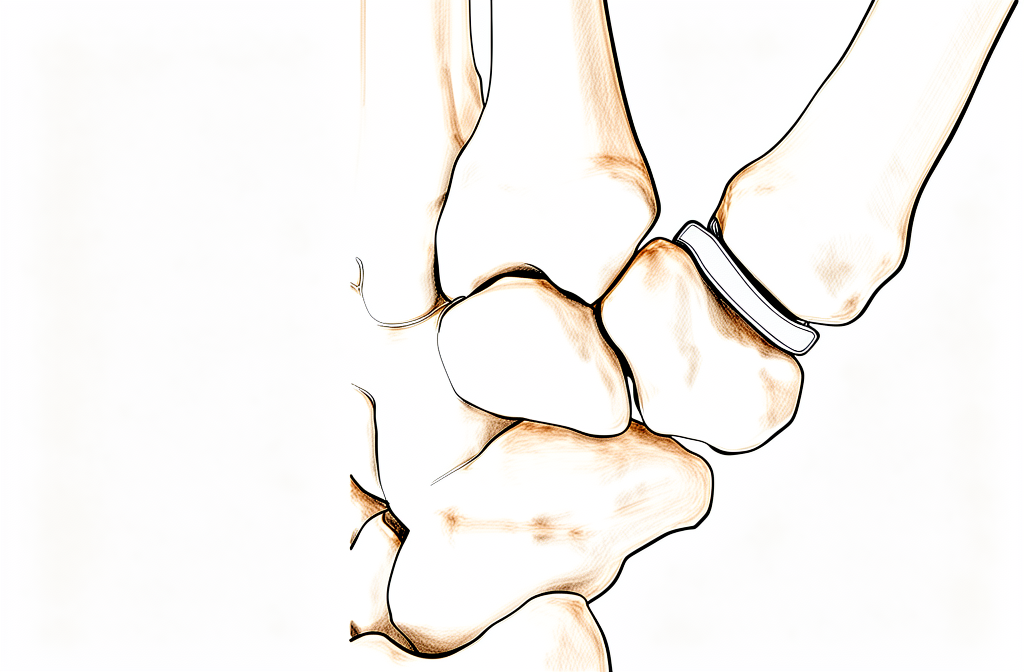
یہ آپریشن ایک چھوٹے جوڑ کی گھسی ہوئی سطح کو کاربن کے ایک ہموار، خاص شکل میں بنے ٹکڑے سے بدل دیتا ہے۔ یہ عام طور پر طویل عرصے سے چلے آ رہے آرتھرائٹس (جوڑ کی خرابی اور سوزش) کے لیے پیش کیا جاتا ہے، جو سرگرمیوں میں تبدیلی، ہینڈ تھراپی (ہاتھ کی بحالی کا علاج) یا اسپلنٹ (splint، جوڑ کو سہارا دینے والا سانچہ) لگانے سے ٹھیک نہ ہوا ہو۔ ہم عام طور پر پہلے آپریشن کے بغیر علاج آزماتے ہیں، اور جب اس سے کافی بہتری نہ آئے تو سرجری پر غور کرتے ہیں۔ بعض ساختی مسائل (جوڑ یا ہڈی کی بناوٹ کے مسائل) میں سرجری فوراً تجویز کی جا سکتی ہے۔
اس آپریشن کا مقصد جوڑ کو حرکت میں رکھتے ہوئے درد کم کرنا ہے۔ اس کا مقصد انگوٹھے کی قدرتی لمبائی برقرار رکھنا اور چٹکی کی گرفت اور ہاتھ کی گرفت کی طاقت کو محفوظ رکھنا بھی ہے۔ انگوٹھے کی جڑ والے جوڑ میں، درمیانی مدت کے بعد کیے گئے معائنوں میں 91 فیصد امپلانٹ (جسم میں لگایا گیا مصنوعی پرزہ) اب بھی اچھی طرح کام کر رہے ہوتے ہیں۔ ہم آپ کے ساتھ اس طریقۂ علاج پر بات کریں گے اور آپ کے ساتھ مل کر فیصلہ کریں گے کہ یہ آپ کے ہاتھ اور آپ کے مقاصد کے لیے مناسب ہے یا نہیں۔
آپریشن سے پہلے
آپریشن سے پہلے کے سات گھنٹوں میں کچھ بھی نہ کھائیں اور نہ پئیں۔ ہم چھ کے بجائے سات گھنٹے اس لیے کہتے ہیں تاکہ اگر آپریشن کی فہرست وقت سے پہلے چل رہی ہو تو آپ کا آپریشن پہلے کیا جا سکے۔ آپ کے سرجن آپ کو بتائیں گے کہ آپ کی معمول کی دواؤں میں سے کون سی دوا روکنی ہے اور کب، اور جو کچھ بھی آپ لیتے ہیں اس سب کی لکھی ہوئی فہرست ساتھ لانا مددگار ہوتا ہے۔ کسی ایسے شخص کا انتظام کریں جو بعد میں آپ کو گاڑی میں گھر لے جائے، اور ڈھیلے، آرام دہ کپڑے پہنیں۔ آپریشن کی منصوبہ بندی کے لیے عام طور پر ہمیں صرف ایکسرے کی ضرورت ہوتی ہے، اگرچہ کبھی کبھی ایم آر آئی یا الٹراساؤنڈ اسکین بھی استعمال کیا جاتا ہے۔ اگر آپ کو کوئی اور طبی مسئلہ ہو تو ہو سکتا ہے آپ کو خون کے ٹیسٹ یا بے ہوشی کے ڈاکٹر (anaesthetist)، یعنی وہ ڈاکٹر جو بے ہوشی کی دوا دیتے ہیں، سے معائنے کی ضرورت ہو۔ زیادہ تر مریضوں کو ان دونوں میں سے کسی کی ضرورت نہیں ہوتی۔
آپریشن کے دن
آپ ہسپتال کے سرجری کے داخلے کے شعبے میں پہنچیں گے، جہاں آپ کا اندراج کیا جاتا ہے اور آپ کو آپریشن تھیٹر کے لیے تیار کیا جاتا ہے۔ آپ بے ہوشی کے ڈاکٹر سے ملیں گے، یعنی وہ ڈاکٹر جو آپ کی بے ہوشی کی دیکھ بھال کرتے ہیں۔ یہ آپریشن جنرل اینستھیزیا (مکمل بے ہوشی) میں کیا جاتا ہے۔ آپریشن کے دوران آپ پوری طرح بے ہوش ہوں گے۔ کچھ مریضوں کو آپریشن کے بعد درد میں آرام کے لیے ریجنل اعصابی بلاک (regional nerve block)، یعنی ایک انجکشن جو جسم کے ایک حصے کو سُن کر دیتا ہے، بھی دیا جا سکتا ہے؛ بے ہوشی کے ڈاکٹر آپ کے انفرادی حالات کی بنیاد پر اسی دن اس کا فیصلہ کرتے ہیں۔
پھر آپ کو آپریشن تھیٹر لے جایا جاتا ہے، جہاں آپریشن کیا جاتا ہے۔ اس کے بعد آپ ریکوری روم میں جاگتے ہیں، جہاں نرسیں آپ کی نگرانی کرتی ہیں جب تک اینستھیزیا کا اثر ختم ہو رہا ہوتا ہے۔ جب آپ کی حالت مستحکم ہو جائے تو آپ یا تو وارڈ میں جاتے ہیں یا گھر، اس کا انحصار طریقۂ کار پر اور اس بات پر ہے کہ آپ کی صحت یابی کیسی چل رہی ہے۔
آپریشن میں کیا کیا جاتا ہے
آپ کے سرجن ہاتھ کے اس حصے کے اوپر، جس کا آپریشن ہو رہا ہے، ایک ہی چیرا لگاتے ہیں۔ اس راستے سے وہ جوڑ کی گھسی ہوئی، خراب سطحیں نکال دیتے ہیں۔ گھسی ہوئی سطحوں کی جگہ وہ کاربن کا ایک ہموار، خاص شکل میں بنا ٹکڑا لگاتے ہیں جو ہڈیوں کے درمیان رہتا ہے۔ یہ درمیانی ٹکڑا (spacer) جوڑ کی گھسی ہوئی سطح کا کام سنبھال لیتا ہے، تاکہ ہڈیاں ایک دوسرے پر رگڑنے کے بجائے آسانی سے پھسلیں۔
ہاتھ کی جڑ میں انگوٹھے کے جوڑ کے لیے، آپ کے سرجن ہڈیوں کے درمیان یہ درمیانی ٹکڑا رکھ کر انگوٹھے کی قدرتی لمبائی برقرار رکھتے ہیں۔ پھر جوڑ کی مرمت کی جاتی ہے اور اسے سہارا دیا جاتا ہے تاکہ یہ درست حالت میں ٹھیک ہو۔ ٹھیک ہونے کے دوران آپ کے انگوٹھے کو سیدھی حالت میں ساکن رکھا جا سکتا ہے۔
چیرے کو ٹانکوں سے بند کیا جاتا ہے۔ زخم پر پٹی لگائی جاتی ہے، اور ہماری ٹیم آپ کو بتائے گی کہ پہلے چند دنوں میں اس کی دیکھ بھال کیسے کرنی ہے۔
آپریشن کے بعد
اس آپریشن کے بعد زیادہ تر مریض ایک رات ہسپتال میں رہتے ہیں، اگرچہ کچھ اسی دن گھر جا سکتے ہیں۔ آپ ریکوری روم میں جاگتے ہیں، پھر وارڈ میں منتقل ہو جاتے ہیں۔ نرسیں آپ کو آرام میں رکھیں گی اور اگر آپ کو ضرورت ہو تو درد کی دوا دیں گی۔ آپ کے ہاتھ پر زخم کی پٹی اور اسپلنٹ ہو گا، جو ٹھیک ہونے کے دوران آپریشن والی جگہ کی حفاظت کرتے ہیں۔ جیسے ہی آپ خود کو مستحکم محسوس کریں، آپ بستر سے اٹھ کر چل پھر سکتے ہیں۔ براہِ کرم انتظام کریں کہ گھر پر پہلے 24 گھنٹے کوئی آپ کے ساتھ رہے۔ ہم زخم کی پٹی تقریباً 10 دن تک لگی رہنے دیتے ہیں؛ براہِ کرم اس سے پہلے اسے نہ اتاریں، سوائے اس کے کہ ہم آپ کو ایسا کرنے کو کہیں۔ جب ہم آپ سے ملیں گے تو اسے بدل دیں گے یا اتار دیں گے۔
صحت یابی
پہلے دنوں اور ہفتوں کے دوران اپنے ہاتھ میں کچھ درد اور سوجن کی توقع رکھیں۔ یہ ٹھیک ہونے کے عمل کا معمول کا حصہ ہے اور آہستہ آہستہ کم ہو جاتا ہے۔ آرام کرتے وقت اپنا ہاتھ اونچا رکھنے سے مدد ملتی ہے، اور ہم جو درد کی دوا دیتے ہیں وہ تکلیف کو کم کرے گی۔ زیادہ تر لوگوں کو محسوس ہوتا ہے کہ سب سے زیادہ درد شروع ہی میں گزر جاتا ہے، اور اس کے بعد آرام بتدریج بہتر ہوتا جاتا ہے۔
آپ کے ہاتھ پر زخم کی پٹی اور اسپلنٹ ہو گا، جو ٹھیک ہونے کے دوران جوڑ کی حفاظت کرتے ہیں۔ ہم زخم کی پٹی تقریباً 10 دن تک لگی رہنے دیتے ہیں اور جب آپ سے ملتے ہیں تو اسے بدل دیتے ہیں یا اتار دیتے ہیں۔ ہاتھ کی سرجری کے بعد بحالی ہینڈ تھراپی سے ہوتی ہے، فزیوتھراپی سے نہیں۔ سرجری کے بعد آپ کی ہینڈ تھراپی Extend Rehabilitation میں Ruby Doolan کے ساتھ ہوتی ہے۔ Ruby ہینڈ تھراپسٹ (ہاتھ کی بحالی کی ماہر) ہیں: وہ آپ کی ورزشوں میں رہنمائی کریں گی اور ہاتھ کے ٹھیک ہونے کے دوران آپ کو جس اسپلنٹ کی بھی ضرورت ہو، وہ بنائیں گی۔ شروع میں ورزشیں نرم ہوتی ہیں اور ان کی توجہ سوجن کم رکھنے پر ہوتی ہے۔ جیسے جیسے حرکت واپس آتی ہے، ورزشیں بتدریج بڑھائی جاتی ہیں تاکہ انگلیوں کے مڑنے، سیدھا ہونے اور گرفت کی صلاحیت بحال ہو۔
آپ اپنے اسپلنٹ کی حدود کے اندر رہتے ہوئے گھر کے ہلکے روزمرہ کام کر سکیں گے۔ جب تک آپریشن والا ہاتھ ساکن رکھا گیا ہو، آپ اس ہاتھ سے نہ گرفت کر سکیں گے، نہ چٹکی کی گرفت، اور نہ کوئی چیز اٹھا سکیں گے۔ اسپلنٹ اترنے اور آپ کے سرجن کی اجازت کے بعد، آپ ہاتھ کو زیادہ معمول کے مطابق استعمال کرنا شروع کر سکتے ہیں، اور اس کے بعد گاڑی چلانا بھی ممکن ہو گا۔ تفصیلات کے لیے ہمارا صفحہ بازو اور ہاتھ کی سرجری کے بعد گاڑی چلانا دیکھیں۔
صحت یابی ہر شخص میں مختلف ہوتی ہے۔ آپ کی صحت یابی کا دورانیہ مختلف ہو سکتا ہے، اور آپ کے سرجن اور تھراپسٹ ہر قدم پر آپ کی رہنمائی کریں گے۔
کیا مسائل پیدا ہو سکتے ہیں
زیادہ تر مریض اچھی طرح ٹھیک ہو جاتے ہیں، لیکن کبھی کبھار مسائل پیدا ہو سکتے ہیں۔ آپ کے سرجن اور ٹیم آپ کی قریب سے نگرانی کرتے ہیں تاکہ کسی بھی مسئلے کو جلد پہچان سکیں۔
کبھی کبھی امپلانٹ اپنی جگہ بدل لیتا ہے یا ہڈی میں دھنس جاتا ہے۔ آپ کو جوڑ میں نیا درد، یہ احساس کہ انگلی یا انگوٹھا سیدھا نہیں بیٹھا، یا اس کی حرکت میں تبدیلی محسوس ہو سکتی ہے۔ اگر آپ ان میں سے کچھ بھی محسوس کریں تو اپنے اگلے معائنے پر اس کا ذکر کریں۔
امپلانٹ ڈھیلا بھی ہو سکتا ہے۔ یہ عام طور پر ایسے درد کی طرح محسوس ہوتا ہے جو کافی عرصے کی بہتری کے بعد واپس آ جائے، اور اکثر گرفت یا چٹکی کی گرفت کے وقت زیادہ ہوتا ہے۔ اگر ایسا ہو تو اپنے سرجن کو بتائیں۔
جوڑ میں اکڑاؤ پیدا ہو سکتا ہے۔ ہو سکتا ہے انگلی یا انگوٹھا پہلے جتنا نہ مڑ سکے یا سیدھا نہ ہو سکے، اور جوڑ کی پشت والا ٹینڈن (tendon)، یعنی وہ مضبوط ڈوری جو پٹھے کو ہڈی سے جوڑتی ہے، زخم بھرنے سے بننے والے سخت ریشے (scar tissue) سے چپک کر رہ سکتا ہے۔ اپنے معائنے پر اس کا ذکر کریں تاکہ آپ کے تھراپسٹ آپ کی ورزشوں میں ردوبدل کر سکیں۔
جوڑ غیر مستحکم ہو سکتا ہے (instability)، یا جوڑ کا اصل ٹیڑھا پن واپس آ سکتا ہے۔ ہو سکتا ہے آپ دیکھیں کہ انگلی دوبارہ اپنی سیدھ سے ہٹ رہی ہے۔ اپنی اگلی ملاقات پر اس کا ذکر کریں۔
انفیکشن غیر معمولی ہے لیکن اس پر جلد توجہ کی ضرورت ہوتی ہے۔ اگر آپ کو بخار ہو، زخم کے ارد گرد سرخی پھیل رہی ہو، یا اس سے رطوبت یا پیپ رس رہی ہو، تو اسی دن کلینک کو فون کریں۔ درد کش دواؤں کے باوجود بڑھتا ہی جانے والا درد بھی اس بات کی علامت ہے کہ آپ کو اسی دن کلینک کو فون کرنا چاہیے۔
اس قسم کی سرجری کے دوران قریبی ساختوں میں جلن (irritation) پیدا ہو سکتی ہے یا انہیں چوٹ لگ سکتی ہے۔ انگوٹھے کے قریب ایک عصب (nerve) حساس ہو سکتا ہے، جس سے جلد میں جھنجھناہٹ یا احساس میں تبدیلی ہو سکتی ہے۔ کلائی کی انگوٹھے والی طرف کی شریان، یا کلائی کے سامنے والا کوئی ٹینڈن متاثر ہو سکتا ہے۔ اگر اعصابی بلاک کا اثر ختم ہونے کے بعد، یعنی تقریباً 24 گھنٹے بعد، آپ کو سُن پن محسوس ہو یا آپ اپنی انگلیاں حرکت نہ دے سکیں، تو کلینک کو فون کریں۔ اعصابی بلاک کے بعد پہلے 24 گھنٹوں میں سُن پن اور کمزوری متوقع ہیں۔
سرجری کے دوران یا اس کے بعد کبھی کبھار ہاتھ کی کوئی ہڈی ٹوٹ سکتی ہے۔ اس سے اچانک درد اور سوجن ہوتی ہے۔ اگر ایسا ہو تو کلینک کو فون کریں۔
اگر امپلانٹ ناکام ہو جائے اور اسے بچایا نہ جا سکے، تو دوسرے آپریشن مدد کر سکتے ہیں۔ امپلانٹ نکال کر جوڑ کا کسی اور طریقے سے علاج کیا جا سکتا ہے، جس سے درد میں بھروسے کے ساتھ آرام آتا ہے۔ کچھ نادر صورتوں میں جوڑ کا فیوژن (دو ہڈیوں کو جوڑ کر ایک کر دینا) کیا جا سکتا ہے، یعنی اسے مستقل طور پر اکڑا ہوا کر دیا جاتا ہے، یا انگلی کاٹنی پڑ سکتی ہے۔
اگر آپ تفصیلات جاننا چاہیں تو اس صفحے پر پیچیدگیوں کی جدول میں عام شرحیں درج ہیں۔
ہمیں کب فون کریں
زیادہ تر مسائل جلد ظاہر ہو جاتے ہیں، اور جلدی قدم اٹھانے سے انہیں حل کرنا آسان ہو جاتا ہے۔ اگر آپ کو بخار ہو، زخم کے ارد گرد سرخی پھیل رہی ہو، یا اس سے رطوبت یا پیپ رس رہی ہو، تو اسی دن کلینک کو فون کریں۔ اگر درد کش دواؤں کے باوجود درد بڑھتا ہی جائے تو بھی اسی دن کلینک کو فون کریں۔ اگر اعصابی بلاک کا اثر ختم ہونے کے بعد، یعنی تقریباً 24 گھنٹے بعد، آپ کو سُن پن محسوس ہو یا آپ اپنی انگلیاں حرکت نہ دے سکیں، تو کلینک کو فون کریں۔ اعصابی بلاک کے بعد پہلے 24 گھنٹوں میں سُن پن اور کمزوری متوقع ہیں۔
اگر آپ کی پنڈلی کے پچھلے حصے میں سوجن یا درد ہو، یا سانس پھولے یا سینے میں درد ہو، تو ہسپتال کی ایمرجنسی جائیں۔ یہ خون کے لوتھڑے کی علامات ہو سکتی ہیں۔ اگر آپ کی انگلیاں، ہاتھ یا انگوٹھا سفید پڑ جائے، ٹھنڈا ہو جائے، یا اس کا رنگ بالکل سفید، نیلا یا گہرا ہو جائے، تو ہسپتال کی ایمرجنسی جائیں۔ یہ خون کی گردش کا مسئلہ ہو سکتا ہے۔
اگر آپ دفتری اوقات کے بعد یا ہفتے کے آخر میں کلینک سے رابطہ نہ کر سکیں، تو اپنے قریبی ہسپتال کی ایمرجنسی جائیں۔
اس مسئلے کے بارے میں مزید کہاں پڑھیں
یہ صفحہ خود آپریشن کے بارے میں ہے۔ جس مسئلے کا یہ علاج کرتا ہے، اور اس بارے میں کہ شواہد کیا بتاتے ہیں کہ سرجری کب فائدہ دیتی ہے اور کب نہیں، اس کی مزید تفصیل انگوٹھے کی جڑ کا آرتھرائٹس صفحے پر موجود ہے۔
Evidence & references
This is the clinical evidence summary written for health professionals. It is technical, and it lists the research this page was built from. You do not need to read it to understand your treatment or to make a decision about it.
Overview
- Pyrocarbon interpositional arthroplasty provided pain relief and high patient satisfaction with good implant longevity in a study with minimum 8-year follow-up [1].
- Partial trapeziectomy with pyrocarbon arthroplasty may prove to be a successful option for the treatment of trapeziometacarpal joint osteoarthritis, providing excellent pain relief and high patient satisfaction [2].
- PyroCarbon implant hemiarthroplasty is a promising surgical technique for stages II and III trapeziometacarpal arthritis and can provide a stable, mobile, and pain-free joint [3].
- The Pyrocardan implant is not superior to other arthroplasty methods and has a high complication rate [4].
- The Pyrocardan implant appears as a simple alternative to the Dubert procedure for ulnar carpo-metacarpal osteoarthritis, particularly in cases involving the 4th ray [5].
- The PyroDisk implant for treating advanced trapeziometacarpal arthritis did not demonstrate superiority over published outcome data of trapeziectomy with or without ligament reconstruction and tendon interposition [6].
- The good functional and radiographic outcomes, and the absence of surgical complications are evidence that the Pyrocardan resurfacing implant is a valid option for treating STT osteoarthritis [7].
- Arthroplasty is recommended for patients with post-trauma painful PIP joints [8].
- Active patients, under 65 years of age with Eaton-Littler stage III osteoarthritis of the thumb CMC joint who are treated with anatomic pyrolytic carbon resurfacing hemiarthroplasty and stabilisation may achieve sustained improvement in pain and hand function for up to 6.5 years [9].
- The insertion of pyrolytic carbon implants for PIPJ arthroplasty is a technically demanding procedure, but it has the potential to achieve pain relief, stability, satisfactory ROM, and correction of the deformity [10].
- The results of pyrolytic carbon PIPJ arthroplasty in review were unpredictable and may not be superior to those achieved with other methods of arthroplasty [10].
- A study with long-term follow-up after pyrocarbon disc interposition for the treatment of CMC1 osteoarthritis grade 2 to 3 in more than 150 thumbs was conducted [11].
- The PyroDisk interposition arthroplasty confirmed good 5-year clinical results [12, 13].
- PyroDisk interposition has merit in patients with early disease unresponsive to conservative measures, in whom trapeziectomy may be considered too destructive and hemi or total arthroplasty overzealous [14].
- The good results, the simple surgical procedure, the absence of complications, and the lack of a need for any fixation or ligamentoplasty confirm the advantages of this pyrocarbon implant in the treatment of STT arthrosis [15].
- All subjective and objective outcomes were similar following LRTI and pyrolytic interpositional arthroplasty in patients with TMC arthritis, except pinch strength, which was more improved following pyrolytic interpositional arthroplasty [16].
- The encouraging mid-term clinical results of the interposition implant (APSI) in the context of proximal pole scaphoid pseudarthrosis make this technique a proven alternative, without precluding a definitive therapeutic option in case of failure [18].
- The Pyrocardan implant may be contraindicated in patients with symptomatic STT OA who intend to continue high-load activities, particularly those involving wrist extension under load, such as tennis [20].
Anatomy & Pathophysiology
Bony Anatomy
- The skeleton of the hand and wrist consists of 27 bones, of which 19 are long bones [28].
- The radial ray or first ray is the shortest, made up of only three bones: a metacarpal and two phalanges [28].
- The trapezium is clearly angled out in front of the carpal plane so that the first metacarpal makes an angle of about 45 degrees with the second metacarpal in the sagittal plane [28].
- The thumb metacarpal is the shortest, while the index metacarpal is by far the longest [28].
- The epiphyseal plates are located at the proximal ends of the phalanges and the first metacarpal, whereas they are located at the distal ends of the other metacarpals [28].
- The thumb metacarpal is independent and articulates with the trapezium [35].
- The index metacarpal is the most firmly fixed [35].
- The ring metacarpal has about 10 degrees of mobility in flexion and extension [35].
- The fifth metacarpal has a range of flexion–extension of approximately 20 degrees [35].
Soft Tissue & Vascular Anatomy
- The extrinsic extensors run through six different fibroosseous retinacular compartments at the wrist level [27].
- The first (most radial) compartment contains the abductor pollicis longus and the extensor pollicis brevis [27].
- The second extensor compartment contains the extensor carpi radialis longus and the extensor carpi radialis brevis [27].
- The third compartment contains the extensor pollicis longus, which turns abruptly radialward about Lister tubercle [27].
- The fourth extensor compartment contains the extensor indicis proprius lying deep to the four tendons of the extensor digitorum communis [27].
- The fifth compartment contains the extensor digiti quinti [27].
- The sixth compartment contains the extensor carpi ulnaris tendon, which inserts at the base of the little finger metacarpal [27].
- The extrinsic finger flexors are the flexor digitorum profundus and the flexor digitorum superficialis [27].
- The flexor digitorum profundus inserts on the proximal volar aspect of the distal phalanx [27].
- The flexor digitorum superficialis acts as a flexor of the proximal interphalangeal and metacarpophalangeal joints [27].
- There are seven interosseous muscles, four dorsal and three volar [32].
- The dorsal interossei are abductors [32].
- The volar interossei are adductors [32].
- The middle finger has two dorsal interossei (abductors) and no volar interossei (adductors) because the central axis of the hand lies within it [32].
- The "princeps pollicis" artery is the terminal branch of the radial artery and crosses the first intermetacarpal space [36].
- The princeps pollicis runs along the ulnar side of the first metacarpal bone and along the volar surface of the adductor muscle [36].
- The princeps pollicis divides into two terminal rami, namely the collateral palmar arteries of the thumb, at the level of the cutaneous flexion crease of the metacarpophalangeal joint [36].
- An arcade located deep in the flexor tendon joins together the two arteries at the level of the distal metaphysis of the first phalanx [36].
- The dorsal arteries of the thumb originate from the palmar arteries (princeps, commissural or anastomoses of the superficial arcade) at the level of the first metacarpal [36].
Functional Mechanics
- The wrist has three axes of movement, permitting the hand to be positioned in any spatial configuration [28].
- The thumb ray is more mobile, shorter, and more proximal than the other rays, allowing it to project in front of the plane of the palm to oppose itself to the other four rays [28].
- The skeleton of the hand presents a longitudinal and transverse concavity, giving it the shape of a cup with a palmar concavity when the thumb is placed next to the index finger [28].
- The transverse axis of the palm forms an acute angle of approximately 75 degrees with the longitudinal axis [28].
- The metacarpal arch is endowed with a great deal of adaptability because of the mobility of the peripheral metacarpals [35].
- The heads of the second and third metacarpals are fixed [35].
- The mobility of the ulnar metacarpals allows "flexion" of 10 degrees for the fourth metacarpal, and "flexion" of 20 degrees for the fifth metacarpal [35].
- The keystones of the longitudinal arches are the metacarpophalangeal articulations, whose thick anterior glenoid capsules, the volar plates, prevent hyperextension [35].
- The dorsal skin slides distally to allow metacarpophalangeal joint flexion [40].
- Interphalangeal flexion is accomplished by means of a special arrangement of skin folds on the dorsum of each articulation [40].
- The gliding mechanism for tendons in narrow crowded areas is assured by the synovial sheath, which allows a considerable amplitude of movement [40].
- The fibrous sheath assumes the role of a pulley when the tendon changes direction [40].
- The position of each articulation depends on the equilibrium of forces acting at that level, and this equilibrium is subject to the position of the immediately proximal articulation [40].
- Single articular movements around a fixed perpendicular axis simply do not exist in the hand [40].
- Almost all movements in the hand are around oblique and variable axes, resulting in combined movements permitting optimal orientation of the phalanges at the time of prehension [40].
Indications and Disease Staging
- PyroCarbon implant hemiarthroplasty is a promising surgical technique for stages II and III trapeziometacarpal arthritis [3].
- The Pyrocardan resurfacing implant is a valid option for treating scaphotrapeziotrapezoid (STT) osteoarthritis [7].
- The pyrocarbon implant is indicated for the treatment of STT arthrosis [15].
- The pyrocarbon interposition implant (APSI) is an alternative for the treatment of proximal pole scaphoid pseudarthrosis [18].
- The Pyrocardan implant may be contraindicated in patients with symptomatic STT osteoarthritis who intend to continue high-load activities, particularly those involving wrist extension under load, such as tennis [20].
Patient Selection and Demographics
- Active patients under 65 years of age with Eaton-Littler stage III osteoarthritis of the thumb CMC joint are candidates for anatomic pyrolytic carbon resurfacing hemiarthroplasty and stabilisation [9].
- Pyrocarbon disc interposition is used for the treatment of CMC1 osteoarthritis grade 2 to 3 [11].
- Total trapezectomy associated with the placement of a NuGrip pyrocarbon implant is a procedure for the replacement of the TMC joint [22].
Comparative Classification and Efficacy
- The insertion of pyrolytic carbon implants for PIPJ arthroplasty has the potential to achieve pain relief, stability, satisfactory ROM, and correction of the deformity; however, the results in this review were unpredictable and may not be superior to those achieved with other methods of arthroplasty [10].
Clinical Presentation
- Pyrocarbon interpositional arthroplasty is indicated for trapeziometacarpal osteoarthritis [1].
- Pyrocarbon interpositional arthroplasty is indicated for trapeziometacarpal joint osteoarthritis [2].
- PyroCarbon implant hemiarthroplasty is a surgical technique for stages II and III trapeziometacarpal arthritis [3].
- The Pyrocardan implant is used for trapeziometacarpal osteoarthritis [4].
- The Pyrocardan implant is used for ulnar carpo-metacarpal osteoarthritis, particularly in cases involving the 4th ray [5].
- The PyroDisk implant is used for advanced trapeziometacarpal arthritis [6].
- The Pyrocardan resurfacing implant is used for scaphotrapeziotrapezoid (STT) osteoarthritis [7].
- Pyrocarbon PIP arthroplasty is used for post-trauma painful joints [8].
- Anatomic pyrolytic carbon resurfacing hemiarthroplasty is used for Eaton-Littler stage III osteoarthritis of the thumb CMC joint in patients under 65 years of age [9].
- Pyrolytic carbon implants are used for proximal interphalangeal joint (PIPJ) arthroplasty [10].
- Pyrocarbon disc interposition is used for CMC1 osteoarthritis grade 2 to 3 [11].
- PyroDisk interposition arthroplasty is used for trapeziometacarpal osteoarthritis [12].
- PyroDisk interposition is indicated for patients with early disease unresponsive to conservative measures, in whom trapeziectomy may be considered too destructive and hemi or total arthroplasty overzealous [14].
- The pyrocarbon implant is used for STT arthrosis [15].
- Pyrolytic interpositional arthroplasty is used for TMC arthritis [16].
- Pi2 pyrocarbon spacer arthroplasty is used for carpometacarpal joint osteoarthritis [17].
- The interposition implant (APSI) is used for pseudarthrosis of the proximal pole of the scaphoid [18].
- A pyrocarbon implant is used for Kienböck disease [19].
- Total trapeziectomy associated with the placement of a pyrocarbon type Nugrip implant is used after replacement of the TMC joint [22].
- The Pyrocardan implant is used for stage 2 trapeziometacarpal osteoarthritis [23].
- The Pi2 pyrocarbon implant is used in total trapeziectomy and suspension ligamentoplasty [24].
- The Pi2 pyrocarbon implant is used in destructions of the capitolunate joint space [25].
Investigations
- Clinical evaluation of the hand and wrist requires combining patient history with a careful physical examination to pinpoint or narrow the scope of possible pathologic processes [26].
- Diagnostic tests such as imaging and serum laboratory studies are useful in determining hand pathology but can be expensive, time-consuming, and often nonspecific [26].
- A systematic method to approaching the physical examination of the hand is essential due to the number of structures in a small space [26].
Treatment
Trapeziometacarpal Joint Osteoarthritis
- Pyrocarbon interpositional arthroplasty provided pain relief and high patient satisfaction with good implant longevity in a minimum 8-year follow-up study [1].
- Partial trapeziectomy with pyrocarbon arthroplasty provides excellent pain relief and high patient satisfaction for trapeziometacarpal joint osteoarthritis [2].
- PyroCarbon implant hemiarthroplasty is a promising surgical technique for stages II and III trapeziometacarpal arthritis that can provide a stable, mobile, and pain-free joint [3].
- The Pyrocardan implant is not superior to other arthroplasty methods and has a high complication rate for trapeziometacarpal osteoarthritis [4].
- Long-term follow-up data for pyrocarbon disc interposition for the treatment of CMC1 osteoarthritis grade 2 to 3 is available in a study involving more than 150 thumbs [11].
- Interposition arthroplasty with PyroDisk confirmed good 5-year clinical results [12, 13].
- The modified procedure of partial trapeziectomy and pyrocarbon interpositional arthroplasty improves functional results by increasing active and passive range of movement at the TMCJ, providing joint stability and pain relief comparable to standard techniques, while preserving thumb length and key pinch strength [29].
- Pyrocarbon interposition arthroplasty for trapeziometacarpal osteoarthritis does not preclude subsequent conventional arthroplasty techniques in the event of failure [23].
Scaphotrapeziotrapezoid Joint Osteoarthritis
- The Pyrocardan resurfacing implant is a valid option for treating STT osteoarthritis, evidenced by good functional and radiographic outcomes and the absence of surgical complications [7].
- The good results, simple surgical procedure, absence of complications, and lack of need for fixation or ligamentoplasty confirm the advantages of the pyrocarbon implant in the treatment of STT arthrosis [15].
Other Indications
- Pyrocarbon PIP arthroplasty is recommended for post-trauma painful joints [8].
- The insertion of pyrolytic carbon implants for PIPJ arthroplasty is a technically demanding procedure with the potential to achieve pain relief, stability, satisfactory ROM, and correction of deformity, though results were unpredictable and may not be superior to other methods of arthroplasty [10].
- Range of motion improved after Pi2 pyrocarbon spacer arthroplasty in carpometacarpal joint osteoarthritis, especially in opposition with a mean Kapandji score of 9.60, with no major aggravation of metacarpophalangeal extension [17].
- The interposition implant (APSI) for proximal scaphoid pseudarthrosis provides encouraging mid-term clinical results and serves as a proven alternative without precluding a definitive therapeutic option in case of failure [18].
- There were no changes in range of motion after surgery for Kienböck disease treated with a pyrocarbon implant, and the average grip strength was 76.5% of the contralateral side [19].
Complications
- The Pyrocardan implant has a high complication rate [4].
- The Pyrocardan resurfacing implant for STT osteoarthritis was associated with the absence of surgical complications [7].
- The pyrocarbon implant for STT arthrosis was associated with the absence of complications [15].
Recovery
- Range of motion improved after Pi2 pyrocarbon spacer arthroplasty, especially in opposition, with a mean Kapandji score of 9.60 [17].
- There was no major aggravation of metacarpophalangeal extension following Pi2 pyrocarbon spacer arthroplasty [17].
- The average grip strength was 76.5% of the contralateral side after pyrocarbon implant treatment for Kienböck disease [19].
- There were no changes in range of motion after surgery for Kienböck disease treated with a pyrocarbon implant [19].
Key Evidence
- [L4] Pyrocarbon interpositional arthroplasty provided pain relief and high patient satisfaction with good implant longevity. [1] (10.1177/1753193420906805)
- [L3] Partial trapeziectomy with pyrocarbon arthroplasty may prove to be a successful option for the treatment of trapeziometacarpal joint osteoarthritis, providing excellent pain relief and high patient satisfaction. [2] (10.1177/1753193413519384)
- [L4] PyroCarbon implant hemiarthroplasty is a promising surgical technique for stages II and III trapeziometacarpal arthritis and can provide a stable, mobile, and pain-free joint. [3] (10.1097/bth.0b013e318271aab7)
- [L4] The study concludes that the Pyrocardan implant is not superior to other arthroplasty methods and has a high complication rate. [4] (10.1016/j.hansur.2016.09.004)
- [L4] The Pyrocardan implant appears as a simple alternative to the Dubert procedure for ulnar carpo-metacarpal osteoarthritis, particularly in cases involving the 4th ray. [5] (10.1016/j.hansur.2018.10.044)
- [L4] The PyroDisk implant for treating advanced trapeziometacarpal arthritis did not demonstrate superiority over published outcome data of trapeziectomy with or without ligament reconstruction and tendon interposition. [6] (10.1016/j.jhsa.2014.07.011)
- [L3] The good functional and radiographic outcomes, and the absence of surgical complications are evidence that the Pyrocardan1 resurfacing implant is a valid option for treating STT osteoarthritis. [7] (10.1016/j.hansur.2017.01.003)
- [L4] We recommend arthroplasty for this group of patients. [8] (10.1016/s0363-5023(03)80384-2)
- [L3] Active patients, under 65 years of age with Eaton-Littler stage III osteoarthritis of the thumb CMC joint who are treated with anatomic pyrolytic carbon resurfacing hemiarthroplasty and stabilisation may achieve sustained improvement in pain and hand function for up to 6.5 years. [9] (10.1142/s2424835518500443)
- [L4] The insertion of pyrolytic carbon implants for PIPJ arthroplasty is a technically demanding procedure, but it has the potential to achieve pain relief, stability, satisfactory ROM, and correction of the deformity; however, the results in this review were unpredictable and may not be superior to those achieved with other methods of arthroplasty. [10] (10.1016/j.jhsa.2006.02.018)
- [L4] This is the first study with long-term follow-up after pyrocarbon disc interposition for the treatment of CMC1 osteoarthritis grade 2 to 3 in more than 150 thumbs. [11] (10.1016/j.jhsa.2018.06.086)
- [L4] Our study confirms the good 5-year clinical results of interposition arthroplasty with PyroDisk. [12] (10.1177/1558944716660555n)
- [L4] Our study confirms the good 5-year clinical results of interposition arthroplasty with PyroDisk. [13] (10.1177/1558944716660555m)
- [L4] PyroDisk interposition has merit in patients with early disease unresponsive to conservative measures, in whom trapeziectomy may be considered too destructive and hemi or total arthroplasty overzealous. [14] (10.1177/1753193420981552)
- [L4] The good results, the simple surgical procedure, the absence of complications, and the lack of a need for any fixation or ligamentoplasty confirm the advantages of this pyrocarbon implant in the treatment of STT arthrosis. [15] (10.1016/j.main.2005.04.010)
- [L3] All subjective and objective outcomes were similar following LRTI and pyrolytic interpositional arthroplasty in patients with TMC arthritis, except pinch strength, which was more improved following pyrolytic interpositional arthroplasty. [16] (10.1155/2019/7961507)
- [L3] Range of motion improved, especially in opposition (mean Kapandji score, 9.60), with no major aggravation of metacarpophalangeal extension. [17] (10.1016/j.hansur.2016.05.002)
- [L4] Les résultats cliniques encourageants à moyen terme de l’implant d’interposition (APSI), dans le cadre d’une pseudarthrose du pôle proximal du scaphoïde, font de cette technique une alternative probante, sans interdire une option thérapeutique définitive en cas d’échec. [18] (10.1016/j.main.2011.10.031)
- [L5] There were no changes in range of motion after surgery and the average grip strength was 76.5% of the contralateral side. [19] (10.1016/j.main.2014.09.002)
- [Case_report] The Pyrocardan implant may be contraindicated in patients with symptomatic STT OA who intend to continue high-load activities, particularly those involving wrist extension under load, such as tennis. [20] (10.1016/j.jhsg.2026.100964)
- [L4] La trapézectomie totale associée à la mise en place d'un implant en pyrocarbone type Nugrip après le remplacement de l'articulation TMC semble être une procédure attrayante. [22] (10.1016/j.hansur.2018.10.166)
- [L3] Il ne coupe pas les ponts en cas d'éventuel échec à des techniques d'arthroplastie plus conventionnelles. [23] (10.1016/j.main.2011.10.132)
- [L3] The implant Pi2 seems to contribute keeping trapezial height, without functional advantages and with a risk of dislocation. [24] (10.1016/j.main.2013.04.003)
- [L4] Cette technique a l'avantage de préserver les mobilités médio-carpiennes et les ligaments extrinsèques du poignet. [25] (10.1016/j.hansur.2016.10.125)
- [L4] The modified procedure improves functional results by increasing active and passive range of movement at the TMCJ, providing joint stability and pain relief comparable to standard techniques, while preserving thumb length and key pinch strength. [29] (10.1177/1753193414553368)
References
[1] Partial trapeziectomy and pyrocarbon interpositional arthroplasty for trapeziometacarpal osteoarthritis: minimum 8-year follow-up. Journal of Hand Surgery (European Volume). 2020. DOI: 10.1177/1753193420906805
[2] Partial trapeziectomy and pyrocarbon interpositional arthroplasty for trapeziometacarpal joint osteoarthritis: results after minimum 2 years of follow-up. Journal of Hand Surgery (European Volume). 2014. DOI: 10.1177/1753193413519384
[3] PyroCarbon Implant Hemiarthroplasty for Trapeziometacarpal Arthritis. Techniques in Hand & Upper Extremity Surgery. 2013. DOI: 10.1097/bth.0b013e318271aab7
[4] Early outcomes of Pyrocardan® implants for trapeziometacarpal osteoarthritis. Hand Surgery and Rehabilitation. 2016. DOI: 10.1016/j.hansur.2016.09.004
[5] L’implant en Pyrocarbone (Pyrocardan®) dans le traitement de l’arthrose carpo-métacarpienne ulnaire post-traumatique. Hand Surgery and Rehabilitation. 2018. DOI: 10.1016/j.hansur.2018.10.044
[6] Pyrocarbon Interposition (PyroDisk) Implant for Trapeziometacarpal Osteoarthritis: Minimum 5-Year Follow-Up. The Journal of Hand Surgery. 2014. DOI: 10.1016/j.jhsa.2014.07.011
[7] Treatment of scaphotrapeziotrapezoid osteoarthritis with the Pyrocardan® implant: Results with a minimum follow-up of 2 years. Hand Surgery and Rehabilitation. 2017. DOI: 10.1016/j.hansur.2017.01.003
[8] Pyrocarbon PIP arthroplasty for post trauma painful joints. The Journal of Hand Surgery. 2003. DOI: 10.1016/s0363-5023(03)80384-2
[9] Anatomic Pyrocarbon Hemiarthroplasty for Thumb Carpometacarpal Osteoarthritis in Patients under 65 Years: Mid Term Results. The Journal of Hand Surgery (Asian-Pacific Volume). 2018. DOI: 10.1142/s2424835518500443
[10] Pyrolytic Carbon Proximal Interphalangeal Joint Resurfacing Arthroplasty. The Journal of Hand Surgery. 2006. DOI: 10.1016/j.jhsa.2006.02.018
[11] Long-Term Follow-Up After Pyrocarbon Disc Interposition for Thumb CMC Osteoarthritis. The Journal of Hand Surgery. 2018. DOI: 10.1016/j.jhsa.2018.06.086
[12] Pyrocarbon Interposition Arthroplasty of the Trapeziometacarpal Joint With the PyroDisk. HAND. 2016. DOI: 10.1177/1558944716660555n
[13] PyroDisk Interposition Implant for Trapeziometacarpal Osteoarthritis. HAND. 2016. DOI: 10.1177/1558944716660555m
[14] Re: Smeraglia F, et al. Partial trapeziectomy and pyrocarbon interpositional arthroplasty for trapeziometacarpal osteoarthritis: minimum 8-year follow-up. J Hand Surg Eur. 2020, 45: 472–6. Journal of Hand Surgery (European Volume). 2021. DOI: 10.1177/1753193420981552
[15] Traitement de l'arthrose S.T.T. par un Implant en pyrocarbone. Premiers résultats. Chirurgie de la Main. 2005. DOI: 10.1016/j.main.2005.04.010
[16] Tendon versus Pyrocarbon Interpositional Arthroplasty in the Treatment of Trapeziometacarpal Osteoarthritis. BioMed Research International. 2019. DOI: 10.1155/2019/7961507
[17] A ten-year prospective outcome study of Pi2 pyrocarbon spacer arthroplasty in carpometacarpal joint osteoarthritis. Hand Surgery and Rehabilitation. 2016. DOI: 10.1016/j.hansur.2016.05.002
[18] Pseudarthrose du scaphoïde : résection proximale et interposition d’un implant en pyrocarbone, à propos de 20 cas. Chirurgie de la Main. 2011. DOI: 10.1016/j.main.2011.10.031
[19] Le traitement de la maladie de Kienböck par un implant en pyrocarbone : fait clinique. Chirurgie de la Main. 2014. DOI: 10.1016/j.main.2014.09.002
[20] Game, Set… Revision! A Case Report of a Tennis Player Who Smashed His Scaphotrapeziotrapezoid-Joint Pyrocardan Implant Twice. Journal of Hand Surgery Global Online. 2026. DOI: 10.1016/j.jhsg.2026.100964
[22] Reprise de prothèses totales trapézo-métacarpiennes par un implant en Pyrocarbone type NuGrip. À propos de 6 cas. Hand Surgery and Rehabilitation. 2018. DOI: 10.1016/j.hansur.2018.10.166
[23] L’implant pyrocardan : interposition libre en pyrocarbone trapezometacarpienne pour l’arthrose de stade 2. Chirurgie de la Main. 2011. DOI: 10.1016/j.main.2011.10.132
[24] Trapézectomie totale et ligamentoplastie de suspension : une interposition par un implant Pi2® en pyrocarbone a-t-elle un intérêt ?. Chirurgie de la Main. 2013. DOI: 10.1016/j.main.2013.04.003
[25] Utilisation de l’implant en pyrocarbone de type Pi2 dans les destructions de l’interligne articulaire capito-lunaire. Hand Surgery and Rehabilitation. 2016. DOI: 10.1016/j.hansur.2016.10.125
[26] Orthopaedic Knowledge Update 13 Ebook Without Multimedia. Anatomy, Evaluation, Clinical Examination, and Imaging > Evaluation and Clinical Examination: Current Concepts.
[27] A Lange Medical Book Current Diagnosis Treatment In Orthopedics Fifth Edition. 9Hand Surgery > Image DISORDERS OF THE MUSCULATURE OF THE HAND.
[28] Exam Of The Hand Wrist 2Ed. 1.1 SKELETON OF THE HAND > The osseous skeleton.
[29] Re: Mariconda et al. Partial trapeziectomy and pyrocarbon interpositional arthroplasty for trapeziometacarpal joint osteoarthritis: results after minimum 2 years of follow-up. J Hand Surg Eur. 2014, 39: 604–610. Journal of Hand Surgery (European Volume). 2014. DOI: 10.1177/1753193414553368
[32] Green S Operative Hand Surgery. Interosseous and Hypothenar Muscles.
[35] Exam Of The Hand Wrist 2Ed. The arches of the hand > The metacarpal arch.
[36] Exam Of The Hand Wrist 2Ed. Techniques of investigation of the arterial supply by J P Melki > Vascularization of the thumb > Palmar aspect.
[40] Exam Of The Hand Wrist 2Ed. 1.3 MOVEMENTS OF THE HAND AND WRIST > Gliding mechanisms.