Skip to content

Patients › Hand

Fijación de la fractura-luxación del hueso ganchoso y de las articulaciones carpometacarpianas
Updated Sep 2026
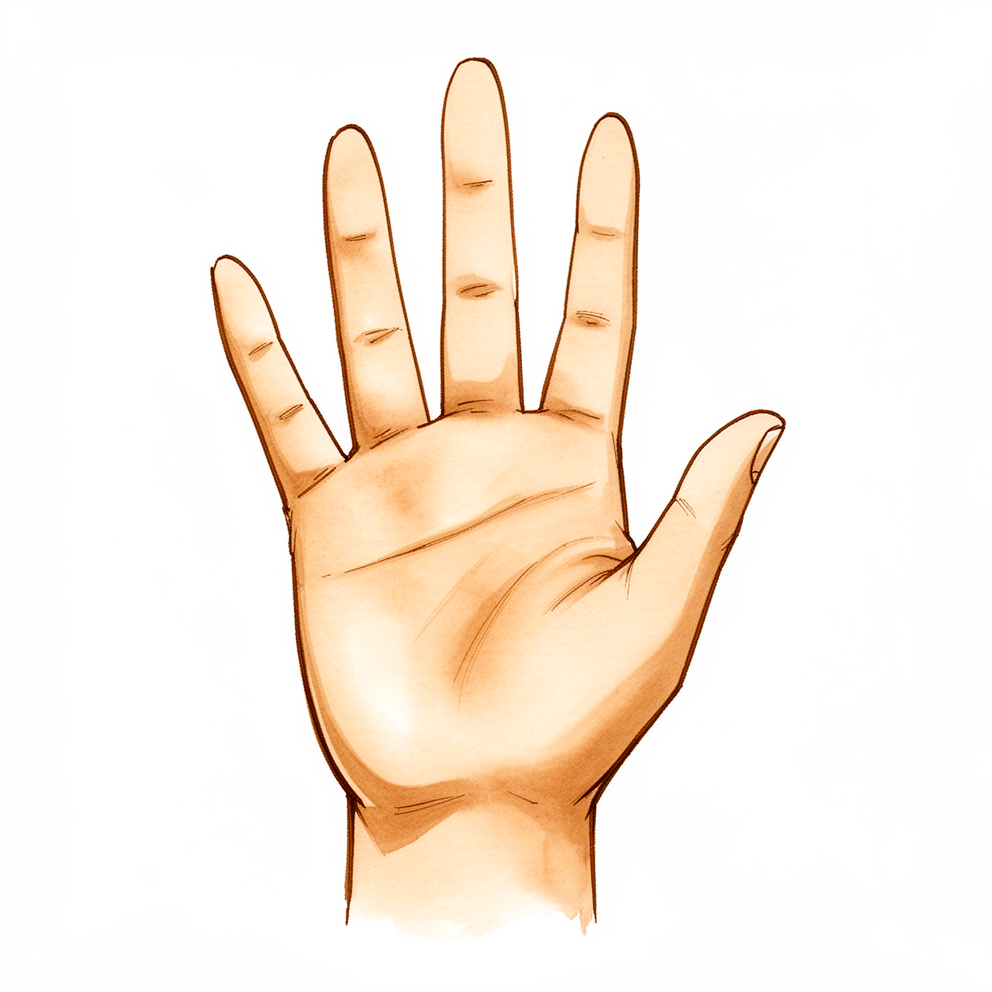
Illustration: hand

Esta página se tradujo automáticamente y todavía no la ha revisado un médico. La versión en inglés es la versión oficial.

¿Por qué se ha recomendado esta operación?

El Dr Kieran Hirpara, cirujano de miembro superior del Mater Private Hospital Rockhampton, adapta el tratamiento a su lesión concreta. Los pacientes suelen ser derivados a nuestra clínica por su médico de cabecera; si un fisioterapeuta le ha sugerido que acuda a nosotros, seguirá necesitando una derivación de su médico de cabecera para tener derecho al reembolso de Medicare. En la clínica, sus antecedentes, la exploración y las pruebas de imagen permiten establecer el diagnóstico.

Esta operación alinea el hueso ganchoso fracturado y las articulaciones de la base de los dedos, y los mantiene en su sitio mientras se curan. Suele ofrecerse cuando el hueso se ha desplazado o cuando las articulaciones de los dedos son inestables. Algunas lesiones pueden tratarse sin cirugía si se detectan pronto y la articulación vuelve a su sitio y se mantiene ahí. Cuando la articulación no se mantiene en su sitio, o la lesión es más grave, se recomienda la cirugía. En estas lesiones, la cirugía tiene como objetivo evitar una deformidad duradera y la pérdida de función de la mano. La mayoría de las personas que se someten a esta operación recupera una buena movilidad y fuerza en la mano. Hablaremos con usted de las opciones y decidiremos juntos el tratamiento que mejor se adapte a su lesión.

Antes de la operación

Necesitará algunas pruebas de imagen antes de la cirugía, como radiografías, una resonancia magnética o una ecografía. Estas muestran dónde se ha roto el hueso y si las articulaciones de los dedos se han desplazado, lo que ayuda a planificar la operación. Traiga a su cita una lista de los medicamentos que toma actualmente. Puede que haya que suspender algunos medicamentos antes de la cirugía, y su cirujano le dirá cuáles y durante cuánto tiempo. Deje de comer y de beber siete horas antes de la operación, para que su cirugía pueda adelantarse si la lista de quirófano va antes de lo previsto; su cirujano le dará instrucciones exactas sobre el ayuno y la bebida. Organícese para que alguien le lleve a casa después y lleve ropa holgada y cómoda. Si tiene otros problemas de salud, puede que necesite análisis de sangre o una valoración por el anestesista (el médico que le administra la anestesia).

El día de la intervención

El día de la operación, acudirá a la unidad de admisión quirúrgica del hospital. Allí se registrará su ingreso y le prepararán para el quirófano. Después conocerá al anestesista, el médico que le administra la anestesia. Esta operación se realiza con anestesia general. Estará completamente dormido durante la operación. A algunos pacientes también se les puede aplicar un bloqueo nervioso regional para aliviar el dolor después de la operación; el anestesista lo decide ese mismo día según sus circunstancias personales.

A continuación, le llevarán al quirófano, donde se realiza la operación. Cuando termine, se despertará en la sala de recuperación. Allí las enfermeras le vigilarán mientras desaparece el efecto de la anestesia. Una vez que esté estable, pasará a la planta o se irá a casa. Cuál de las dos cosas ocurra depende del procedimiento y de cómo evolucione su recuperación.

¿En qué consiste la operación?

Su cirujano puede realizar esta operación de dos maneras, y la elección depende de su lesión. Si los fragmentos rotos pueden alinearse sin abrir la piel, su cirujano trabaja a través de pequeñas punciones. Los huesos se guían de nuevo a su sitio y se sujetan con agujas finas o, a veces, con un tornillo, introducidos a través de esas pequeñas aberturas. Si hace falta ver los fragmentos y encajarlos de nuevo, su cirujano hace en su lugar una sola incisión sobre el hueso roto. Este abordaje abierto se utiliza cuando la fractura llega a la articulación, cuando el hueso está roto en varios fragmentos o cuando los fragmentos no se alinean por sí solos.

Una vez que su cirujano llega a la lesión, los huesos se colocan de nuevo en su sitio. Las bases de los dedos anular y meñique se alinean con el hueso ganchoso, el hueso de la muñeca contra el que normalmente se apoyan. Después se pasan agujas finas a través de las articulaciones para mantenerlo todo estable mientras se cura. Estas agujas permanecen colocadas varias semanas y se retiran más adelante. Si el propio hueso ganchoso se ha roto en un fragmento grande, pueden utilizarse pequeños tornillos para mantenerlo unido. En ocasiones también se necesita una pequeña placa. Su cirujano elige la combinación que mejor se adapte a su fractura concreta.

Cuando los huesos están alineados y bien sujetos, su cirujano comprueba la posición antes de terminar. Después la incisión se cierra con puntos. Se coloca un apósito por encima, que mantendrá durante unos 10 días. Su cirujano le explicará cómo y cuándo se retiran las agujas al planificar con usted su recuperación.

Después de la operación

Se despertará en la sala de recuperación, donde las enfermeras le vigilarán mientras desaparece el efecto de la anestesia. Tendrá la mano en una férula con apósitos sobre las heridas, y le daremos analgésicos para que esté cómodo. Puede levantarse y moverse en cuanto se sienta estable; es la mano la que se está curando, así que caminar no supone ningún problema. Alguien debe quedarse con usted durante las primeras 24 horas después de volver a casa. Tras esta operación puede irse a casa el mismo día o pasar una noche en el hospital. Ambas opciones son habituales, y su equipo hablará con usted sobre cuál le conviene. Dejamos el apósito puesto durante unos 10 días; no lo retire antes de ese momento a menos que se lo indiquemos. Lo cambiaremos o lo retiraremos cuando venga a la consulta.

Recuperación

Durante los primeros días, la mano estará dolorida e hinchada. Esto se calma poco a poco. Mantener la mano elevada sobre una almohada, también por la noche, ayuda a que baje la hinchazón. Los analgésicos que le damos le mantienen cómodo mientras tanto.

Llevará la mano en una férula confeccionada por su terapeuta de mano, Ruby Doolan, de Extend Rehabilitation. Ella también le guiará en los ejercicios una vez que se retire la férula. No debe conducir mientras lleve la férula, porque le impide sujetar el volante con seguridad. Una vez retirada la férula y cuando su cirujano lo autorice, podrá volver a conducir. Nuestra página sobre conducción tras cirugía de miembro superior lo explica con más detalle.

En casa, puede realizar la mayoría de las tareas diarias ligeras en cuanto se sienta estable. Caminar no supone ningún problema desde el principio. Evitará levantar objetos pesados y cualquier cosa que cargue la mano en proceso de curación hasta que su terapeuta le diga que es seguro. A medida que la hinchazón baje y vuelva el movimiento, empezará ejercicios suaves para soltar los dedos y la muñeca. La fuerza de agarre aumenta poco a poco a medida que se cura el hueso.

La mayoría de las personas nota una mejoría constante con el tiempo. Una vez que pueda agarrar sin dolor, podrá hacer más actividades, y el trabajo más pesado y el deporte llegan más adelante en la recuperación. La recuperación varía de una persona a otra, así que sus plazos pueden ser distintos. Su cirujano y su terapeuta de mano le guiarán en cada etapa y le dirán qué es seguro hacer a continuación.

Qué puede salir mal

La mayoría de los pacientes evolucionan bien, pero en ocasiones pueden surgir problemas. Su cirujano y el equipo le vigilarán de cerca para detectar cualquier problema a tiempo.

A veces, una articulación de la base de un dedo puede volver a salirse parcialmente de su sitio después de la cirugía. Puede notar una sensación de chasquido o de roce, un cambio en la forma de la base del dedo o un dolor que reaparece cuando ya había empezado a calmarse. Si lo nota, llame a la clínica en lugar de esperar a su próxima consulta.

Una articulación también puede seguir fuera de su sitio sin que se vea claramente en una radiografía convencional. Si nota que el dedo sigue inestable o doloroso después de la cirugía, dígaselo a su cirujano. Puede que se necesiten más pruebas de imagen para encontrar la causa.

En estas lesiones, el momento del tratamiento es importante. Cuando el tratamiento se retrasa, es más difícil mantener la articulación en su sitio y el resultado puede no ser tan bueno. Si su lesión se produjo hace algún tiempo y todavía no le ha visto un cirujano, coméntelo en su cita para que pueda tenerse en cuenta al planificar el tratamiento.

Si nota cualquiera de estos cambios, póngase en contacto con la clínica. Si el dolor es intenso, o la mano se pone caliente, roja o cada vez más hinchada, busque atención urgente en un servicio de urgencias. Para cualquier cosa menos urgente, coméntela en su próxima revisión para que pueda comprobarse adecuadamente.

En la tabla de complicaciones de esta página se detallan las tasas habituales, por si desea conocer los datos específicos.

¿Cuándo deben llamarnos?

Llámenos si tiene fiebre, o si la herida se pone roja, caliente o empieza a supurar líquido. Llámenos si el dolor empeora de repente, o si la mano cambia de color o de sensibilidad. Acuda a urgencias si no puede mover los dedos, o si la mano se le entumece, se hincha mucho o le duele mucho. Acuda a urgencias si tiene hinchazón en la pantorrilla o dificultad para respirar. Pueden ser signos de un coágulo de sangre. Si tiene dudas, llame a la clínica. Preferimos que nos llame pronto a que lo haga tarde.


Creative Commons BY-NC 4.0

CC Creative Commons licence
BY Attribution — you must credit the source
NC NonCommercial — not for commercial use

Attribution-NonCommercial 4.0 International


Creative Commons Corporation ("Creative Commons") is not a law firm and does not provide legal services or legal advice. Distribution of Creative Commons public licenses does not create a lawyer-client or other relationship. Creative Commons makes its licenses and related information available on an "as-is" basis. Creative Commons gives no warranties regarding its licenses, any material licensed under their terms and conditions, or any related information. Creative Commons disclaims all liability for damages resulting from their use to the fullest extent possible.

Using Creative Commons Public Licenses

Creative Commons public licenses provide a standard set of terms and conditions that creators and other rights holders may use to share original works of authorship and other material subject to copyright and certain other rights specified in the public license below. The following considerations are for informational purposes only, are not exhaustive, and do not form part of our licenses.

Considerations for licensors: Our public licenses are intended for use by those authorized to give the public permission to use material in ways otherwise restricted by copyright and certain other rights. Our licenses are irrevocable. Licensors should read and understand the terms and conditions of the license they choose before applying it. Licensors should also secure all rights necessary before applying our licenses so that the public can reuse the material as expected. Licensors should clearly mark any material not subject to the license. This includes other CC- licensed material, or material used under an exception or limitation to copyright. More considerations for licensors: wiki.creativecommons.org/Considerations_for_licensors

Considerations for the public: By using one of our public licenses, a licensor grants the public permission to use the licensed material under specified terms and conditions. If the licensor's permission is not necessary for any reason--for example, because of any applicable exception or limitation to copyright--then that use is not regulated by the license. Our licenses grant only permissions under copyright and certain other rights that a licensor has authority to grant. Use of the licensed material may still be restricted for other reasons, including because others have copyright or other rights in the material. A licensor may make special requests, such as asking that all changes be marked or described. Although not required by our licenses, you are encouraged to respect those requests where reasonable. More considerations for the public: wiki.creativecommons.org/Considerations_for_licensees


Creative Commons Attribution-NonCommercial 4.0 International Public License

By exercising the Licensed Rights (defined below), You accept and agree to be bound by the terms and conditions of this Creative Commons Attribution-NonCommercial 4.0 International Public License ("Public License"). To the extent this Public License may be interpreted as a contract, You are granted the Licensed Rights in consideration of Your acceptance of these terms and conditions, and the Licensor grants You such rights in consideration of benefits the Licensor receives from making the Licensed Material available under these terms and conditions.

Section 1 -- Definitions.

a. Adapted Material means material subject to Copyright and Similar Rights that is derived from or based upon the Licensed Material and in which the Licensed Material is translated, altered, arranged, transformed, or otherwise modified in a manner requiring permission under the Copyright and Similar Rights held by the Licensor. For purposes of this Public License, where the Licensed Material is a musical work, performance, or sound recording, Adapted Material is always produced where the Licensed Material is synched in timed relation with a moving image.

b. Adapter's License means the license You apply to Your Copyright and Similar Rights in Your contributions to Adapted Material in accordance with the terms and conditions of this Public License.

c. Copyright and Similar Rights means copyright and/or similar rights closely related to copyright including, without limitation, performance, broadcast, sound recording, and Sui Generis Database Rights, without regard to how the rights are labeled or categorized. For purposes of this Public License, the rights specified in Section 2(b)(1)-(2) are not Copyright and Similar Rights.

d. Effective Technological Measures means those measures that, in the absence of proper authority, may not be circumvented under laws fulfilling obligations under Article 11 of the WIPO Copyright Treaty adopted on December 20, 1996, and/or similar international agreements.

e. Exceptions and Limitations means fair use, fair dealing, and/or any other exception or limitation to Copyright and Similar Rights that applies to Your use of the Licensed Material.

f. Licensed Material means the artistic or literary work, database, or other material to which the Licensor applied this Public License.

g. Licensed Rights means the rights granted to You subject to the terms and conditions of this Public License, which are limited to all Copyright and Similar Rights that apply to Your use of the Licensed Material and that the Licensor has authority to license.

h. Licensor means the individual(s) or entity(ies) granting rights under this Public License.

i. NonCommercial means not primarily intended for or directed towards commercial advantage or monetary compensation. For purposes of this Public License, the exchange of the Licensed Material for other material subject to Copyright and Similar Rights by digital file-sharing or similar means is NonCommercial provided there is no payment of monetary compensation in connection with the exchange.

j. Share means to provide material to the public by any means or process that requires permission under the Licensed Rights, such as reproduction, public display, public performance, distribution, dissemination, communication, or importation, and to make material available to the public including in ways that members of the public may access the material from a place and at a time individually chosen by them.

k. Sui Generis Database Rights means rights other than copyright resulting from Directive 96/9/EC of the European Parliament and of the Council of 11 March 1996 on the legal protection of databases, as amended and/or succeeded, as well as other essentially equivalent rights anywhere in the world.

l. You means the individual or entity exercising the Licensed Rights under this Public License. Your has a corresponding meaning.

Section 2 -- Scope.

a. License grant.

1. Subject to the terms and conditions of this Public License, the Licensor hereby grants You a worldwide, royalty-free, non-sublicensable, non-exclusive, irrevocable license to exercise the Licensed Rights in the Licensed Material to:

a. reproduce and Share the Licensed Material, in whole or in part, for NonCommercial purposes only; and

b. produce, reproduce, and Share Adapted Material for NonCommercial purposes only.

2. Exceptions and Limitations. For the avoidance of doubt, where Exceptions and Limitations apply to Your use, this Public License does not apply, and You do not need to comply with its terms and conditions.

3. Term. The term of this Public License is specified in Section 6(a).

4. Media and formats; technical modifications allowed. The Licensor authorizes You to exercise the Licensed Rights in all media and formats whether now known or hereafter created, and to make technical modifications necessary to do so. The Licensor waives and/or agrees not to assert any right or authority to forbid You from making technical modifications necessary to exercise the Licensed Rights, including technical modifications necessary to circumvent Effective Technological Measures. For purposes of this Public License, simply making modifications authorized by this Section 2(a) (4) never produces Adapted Material.

5. Downstream recipients.

a. Offer from the Licensor -- Licensed Material. Every recipient of the Licensed Material automatically receives an offer from the Licensor to exercise the Licensed Rights under the terms and conditions of this Public License.

b. No downstream restrictions. You may not offer or impose any additional or different terms or conditions on, or apply any Effective Technological Measures to, the Licensed Material if doing so restricts exercise of the Licensed Rights by any recipient of the Licensed Material.

6. No endorsement. Nothing in this Public License constitutes or may be construed as permission to assert or imply that You are, or that Your use of the Licensed Material is, connected with, or sponsored, endorsed, or granted official status by, the Licensor or others designated to receive attribution as provided in Section 3(a)(1)(A)(i).

b. Other rights.

1. Moral rights, such as the right of integrity, are not licensed under this Public License, nor are publicity, privacy, and/or other similar personality rights; however, to the extent possible, the Licensor waives and/or agrees not to assert any such rights held by the Licensor to the limited extent necessary to allow You to exercise the Licensed Rights, but not otherwise.

2. Patent and trademark rights are not licensed under this Public License.

3. To the extent possible, the Licensor waives any right to collect royalties from You for the exercise of the Licensed Rights, whether directly or through a collecting society under any voluntary or waivable statutory or compulsory licensing scheme. In all other cases the Licensor expressly reserves any right to collect such royalties, including when the Licensed Material is used other than for NonCommercial purposes.

Section 3 -- License Conditions.

Your exercise of the Licensed Rights is expressly made subject to the following conditions.

a. Attribution.

1. If You Share the Licensed Material (including in modified form), You must:

a. retain the following if it is supplied by the Licensor with the Licensed Material:

i. identification of the creator(s) of the Licensed Material and any others designated to receive attribution, in any reasonable manner requested by the Licensor (including by pseudonym if designated);

ii. a copyright notice;

iii. a notice that refers to this Public License;

iv. a notice that refers to the disclaimer of warranties;

v. a URI or hyperlink to the Licensed Material to the extent reasonably practicable;

b. indicate if You modified the Licensed Material and retain an indication of any previous modifications; and

c. indicate the Licensed Material is licensed under this Public License, and include the text of, or the URI or hyperlink to, this Public License.

2. You may satisfy the conditions in Section 3(a)(1) in any reasonable manner based on the medium, means, and context in which You Share the Licensed Material. For example, it may be reasonable to satisfy the conditions by providing a URI or hyperlink to a resource that includes the required information.

3. If requested by the Licensor, You must remove any of the information required by Section 3(a)(1)(A) to the extent reasonably practicable.

4. If You Share Adapted Material You produce, the Adapter's License You apply must not prevent recipients of the Adapted Material from complying with this Public License.

Section 4 -- Sui Generis Database Rights.

Where the Licensed Rights include Sui Generis Database Rights that apply to Your use of the Licensed Material:

a. for the avoidance of doubt, Section 2(a)(1) grants You the right to extract, reuse, reproduce, and Share all or a substantial portion of the contents of the database for NonCommercial purposes only;

b. if You include all or a substantial portion of the database contents in a database in which You have Sui Generis Database Rights, then the database in which You have Sui Generis Database Rights (but not its individual contents) is Adapted Material; and

c. You must comply with the conditions in Section 3(a) if You Share all or a substantial portion of the contents of the database.

For the avoidance of doubt, this Section 4 supplements and does not replace Your obligations under this Public License where the Licensed Rights include other Copyright and Similar Rights.

Section 5 -- Disclaimer of Warranties and Limitation of Liability.

a. UNLESS OTHERWISE SEPARATELY UNDERTAKEN BY THE LICENSOR, TO THE EXTENT POSSIBLE, THE LICENSOR OFFERS THE LICENSED MATERIAL AS-IS AND AS-AVAILABLE, AND MAKES NO REPRESENTATIONS OR WARRANTIES OF ANY KIND CONCERNING THE LICENSED MATERIAL, WHETHER EXPRESS, IMPLIED, STATUTORY, OR OTHER. THIS INCLUDES, WITHOUT LIMITATION, WARRANTIES OF TITLE, MERCHANTABILITY, FITNESS FOR A PARTICULAR PURPOSE, NON-INFRINGEMENT, ABSENCE OF LATENT OR OTHER DEFECTS, ACCURACY, OR THE PRESENCE OR ABSENCE OF ERRORS, WHETHER OR NOT KNOWN OR DISCOVERABLE. WHERE DISCLAIMERS OF WARRANTIES ARE NOT ALLOWED IN FULL OR IN PART, THIS DISCLAIMER MAY NOT APPLY TO YOU.

b. TO THE EXTENT POSSIBLE, IN NO EVENT WILL THE LICENSOR BE LIABLE TO YOU ON ANY LEGAL THEORY (INCLUDING, WITHOUT LIMITATION, NEGLIGENCE) OR OTHERWISE FOR ANY DIRECT, SPECIAL, INDIRECT, INCIDENTAL, CONSEQUENTIAL, PUNITIVE, EXEMPLARY, OR OTHER LOSSES, COSTS, EXPENSES, OR DAMAGES ARISING OUT OF THIS PUBLIC LICENSE OR USE OF THE LICENSED MATERIAL, EVEN IF THE LICENSOR HAS BEEN ADVISED OF THE POSSIBILITY OF SUCH LOSSES, COSTS, EXPENSES, OR DAMAGES. WHERE A LIMITATION OF LIABILITY IS NOT ALLOWED IN FULL OR IN PART, THIS LIMITATION MAY NOT APPLY TO YOU.

c. The disclaimer of warranties and limitation of liability provided above shall be interpreted in a manner that, to the extent possible, most closely approximates an absolute disclaimer and waiver of all liability.

Section 6 -- Term and Termination.

a. This Public License applies for the term of the Copyright and Similar Rights licensed here. However, if You fail to comply with this Public License, then Your rights under this Public License terminate automatically.

b. Where Your right to use the Licensed Material has terminated under Section 6(a), it reinstates:

1. automatically as of the date the violation is cured, provided it is cured within 30 days of Your discovery of the violation; or

2. upon express reinstatement by the Licensor.

For the avoidance of doubt, this Section 6(b) does not affect any right the Licensor may have to seek remedies for Your violations of this Public License.

c. For the avoidance of doubt, the Licensor may also offer the Licensed Material under separate terms or conditions or stop distributing the Licensed Material at any time; however, doing so will not terminate this Public License.

d. Sections 1, 5, 6, 7, and 8 survive termination of this Public License.

Section 7 -- Other Terms and Conditions.

a. The Licensor shall not be bound by any additional or different terms or conditions communicated by You unless expressly agreed.

b. Any arrangements, understandings, or agreements regarding the Licensed Material not stated herein are separate from and independent of the terms and conditions of this Public License.

Section 8 -- Interpretation.

a. For the avoidance of doubt, this Public License does not, and shall not be interpreted to, reduce, limit, restrict, or impose conditions on any use of the Licensed Material that could lawfully be made without permission under this Public License.

b. To the extent possible, if any provision of this Public License is deemed unenforceable, it shall be automatically reformed to the minimum extent necessary to make it enforceable. If the provision cannot be reformed, it shall be severed from this Public License without affecting the enforceability of the remaining terms and conditions.

c. No term or condition of this Public License will be waived and no failure to comply consented to unless expressly agreed to by the Licensor.

d. Nothing in this Public License constitutes or may be interpreted as a limitation upon, or waiver of, any privileges and immunities that apply to the Licensor or You, including from the legal processes of any jurisdiction or authority.


Creative Commons is not a party to its public licenses. Notwithstanding, Creative Commons may elect to apply one of its public licenses to material it publishes and in those instances will be considered the “Licensor.” The text of the Creative Commons public licenses is dedicated to the public domain under the CC0 Public Domain Dedication. Except for the limited purpose of indicating that material is shared under a Creative Commons public license or as otherwise permitted by the Creative Commons policies published at creativecommons.org/policies, Creative Commons does not authorize the use of the trademark "Creative Commons" or any other trademark or logo of Creative Commons without its prior written consent including, without limitation, in connection with any unauthorized modifications to any of its public licenses or any other arrangements, understandings, or agreements concerning use of licensed material. For the avoidance of doubt, this paragraph does not form part of the public licenses.

Creative Commons may be contacted at creativecommons.org.