Patients › General-Health
Plasma rico en plaquetas (PRP) y terapias de inyección
What the evidence shows for platelet-rich plasma and related injection therapies in tendinopathy, osteoarthritis and rotator cuff disease — where they help and where the data is weak.
¿Qué es?
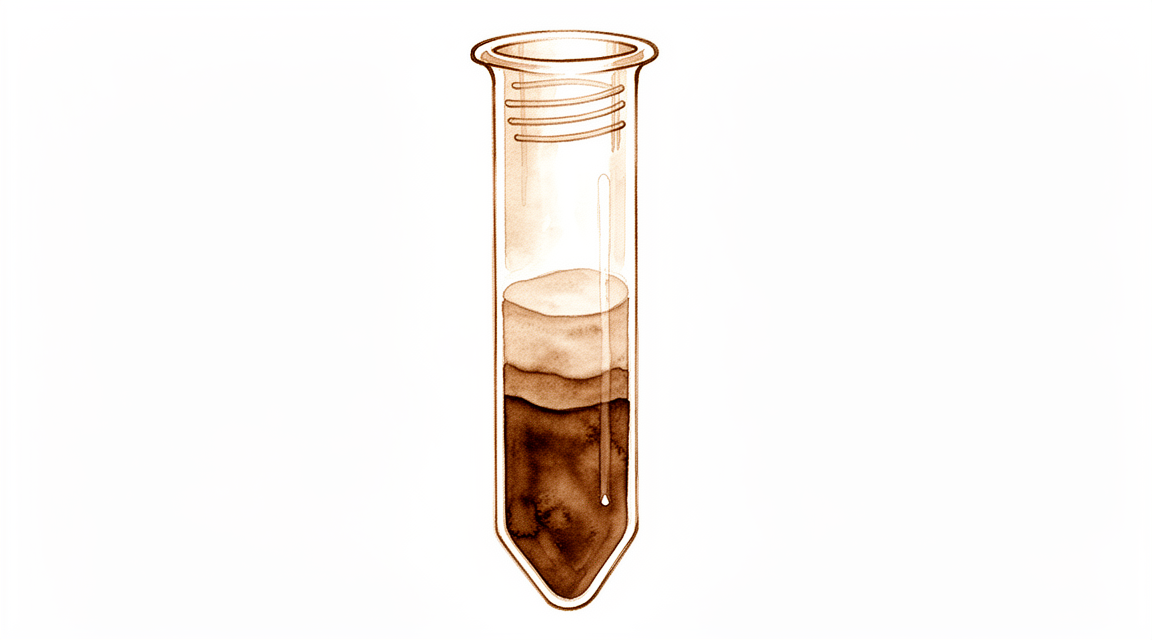
El plasma rico en plaquetas, a menudo abreviado como PRP, es un tratamiento que se prepara a partir de su propia sangre. Una pequeña muestra de su sangre se centrifuga en una máquina para separar y concentrar las plaquetas. Las plaquetas son las diminutas partes de la sangre que ayudan a la coagulación, y además contienen factores de crecimiento, que son sustancias naturales que pueden favorecer la curación. Después, las plaquetas concentradas se inyectan en la zona dolorida.
Su médico puede plantearse el PRP para problemas como la artrosis por desgaste de la rodilla, los problemas de tendones del codo, el hombro o la muñeca, y algunas lesiones musculares en el deporte. No se utiliza en todas las afecciones. En el codo de tenista, las pruebas son dispares: algunos estudios observaron que el PRP funcionaba mejor que las inyecciones de corticoides a más largo plazo [1], mientras que una revisión de ensayos no lo respaldó frente al placebo [2]. En la artrosis de rodilla, a menudo se recomiendan dos inyecciones, con efectos que duran al menos 24 semanas [3]. En el síndrome del túnel carpiano, el PRP mostró beneficios más duraderos que una inyección de corticoides en el seguimiento a los 6 meses [4].
La idea en la que se basa el PRP es que los factores de crecimiento de las plaquetas podrían reducir la inflamación y favorecer la reparación de los tejidos. La investigación todavía está aclarando los detalles. Los estudios muestran que las distintas preparaciones se comportan de forma diferente: un tipo rico en glóbulos blancos parece adecuado para la artrosis inicial, mientras que otro con más plaquetas y menos glóbulos blancos podría ser adecuado para fases más avanzadas [5]. Algunos ensayos observaron que el PRP funcionaba mejor que las inyecciones de anestésico en los problemas de tendones del hombro y del codo, pero no mejor que la punción seca ni que las inyecciones de solución salina [6]. En general, las pruebas varían de una afección a otra, y su médico le explicará si el PRP tiene sentido para su problema concreto.
¿Funciona?
La respuesta sincera es que depende de la afección y que, en algunos casos, la investigación todavía se está poniendo al día. Una revisión de las pruebas concluyó que el PRP es un tratamiento potencialmente interesante, pero que todavía no hay suficiente investigación de buena calidad para respaldar su uso generalizado [7]. Los investigadores también han señalado que algunos resúmenes de ensayos sobre el PRP en la artrosis de rodilla presentan sus resultados de forma favorable, lo que puede hacer que el tratamiento parezca mejor de lo que realmente demuestran las pruebas [8].
En algunas afecciones, los resultados son más alentadores. En los problemas de tendones, los ensayos observaron que el PRP mejoraba el dolor y el funcionamiento de la parte afectada, y que funcionaba mejor que las inyecciones de corticoides a medio plazo [9]. En la artrosis de rodilla, el PRP mejoró la función general, sobre todo en las personas más jóvenes [10]. Combinar el PRP con ácido hialurónico, una sustancia lubricante que se encuentra de forma natural en las articulaciones, proporcionó mejor alivio del dolor y mejor función que el PRP solo [11].
En otras afecciones, el panorama es dispar o poco claro. En el codo de tenista, algunos ensayos observaron que el PRP reducía el dolor y mejoraba la función en los primeros meses [12], mientras que otras investigaciones no lo respaldaron como tratamiento [2]. En las roturas del manguito rotador, no hay suficientes pruebas de calidad para pronunciarse en un sentido u otro [13]. En el cartílago dañado de la rodilla, las pruebas todavía no respaldan las inyecciones de PRP por sí solas [14].
¿Qué significa esto para usted? El PRP puede ayudar en algunos problemas, pero no es una solución demostrada para todo. Su médico le explicará lo que muestran las pruebas sobre su afección concreta, para que puedan decidir juntos si merece la pena probarlo.
¿Cuáles son los riesgos?
El PRP se prepara a partir de su propia sangre, por lo que es poco probable que su cuerpo reaccione mal al propio material. Eso no significa que el tratamiento esté libre de riesgos. La propia inyección puede causar dolor, hinchazón y rigidez en los días siguientes, y la zona tratada puede notarse dolorida antes de empezar a mejorar. Su médico le explicará cómo controlarlo.
La investigación sobre el PRP en la artrosis de rodilla no ha resuelto la cuestión de hasta qué punto funciona, y algunos resúmenes publicados han presentado sus resultados de forma favorable [8]. Esto importa cuando está valorando si seguir adelante, porque un tratamiento que suena prometedor puede no darle el alivio que espera. En la reparación del manguito rotador, añadir PRP aumentó las tasas de cicatrización, pero no cambió lo bien que los pacientes podían usar el hombro en la vida diaria [15]. En los problemas del tendón de Aquiles, los ensayos observaron que el PRP no funcionaba mejor que el placebo [16].
La forma en que responde su cuerpo también puede depender de sus circunstancias. Las inyecciones previas de corticoides y el consumo de tabaco parecen reducir la eficacia del PRP en la epicondilitis medial crónica, un problema de tendón en la parte interna del codo [17]. Si fuma o le han puesto inyecciones de corticoides en la misma zona, coméntelo antes de decidir el tratamiento.
Algunas preguntas siguen abiertas. Los investigadores han señalado que se necesitan más estudios para confirmar los efectos a largo plazo del PRP [18]. Los estudios sobre el PRP en el codo de tenista han mostrado resultados dispares: algunos ensayos describen alivio del dolor y mejor función al principio [12] y otros no encuentran un beneficio claro frente al placebo [2]. Tampoco hay todavía suficientes pruebas de calidad para respaldar las inyecciones de PRP por sí solas en el cartílago dañado de la rodilla [14].
Si nota un aumento del dolor, enrojecimiento o calor alrededor del punto de inyección en los días posteriores al tratamiento, póngase en contacto con nuestra consulta para que podamos revisarlo. Su médico le explicará los riesgos concretos de su afección antes de que decida si seguir adelante.
¿Es adecuado para usted?
El PRP suele ser más adecuado para unas personas que para otras. Si tiene artrosis por desgaste en la rodilla, se recomiendan al menos dos inyecciones, con efectos que duran al menos 24 semanas [3]. Si practica deporte de competición, los investigadores han recomendado ofrecer el tratamiento con PRP a quienes practican deportes de competición [19]. Si tiene síndrome del túnel carpiano en ambas muñecas, el PRP mostró beneficios más duraderos que una inyección de corticoides en el seguimiento a los 6 meses [4].
Hay situaciones en las que es menos probable que el PRP sea la opción adecuada. Si tiene el cartílago de la rodilla dañado, las pruebas todavía no respaldan las inyecciones de PRP por sí solas [14]. En el codo de tenista, las pruebas son dispares, por lo que puede ayudarle o no. Si fuma o le han puesto inyecciones de corticoides en la misma zona anteriormente, es posible que el PRP le funcione peor.
El PRP es una opción entre varias. Las inyecciones de corticoides son la principal alternativa en algunas afecciones, y en algunos casos el PRP ha mostrado beneficios más duraderos que los corticoides [4]. Otra opción es el ácido hialurónico, una sustancia lubricante que se encuentra de forma natural en las articulaciones. La investigación que compara ambos todavía está en una fase inicial, por lo que su médico le explicará lo que se sabe hasta ahora.
Esta debe ser una decisión compartida entre usted y su médico. Piense en sus objetivos, en su afección y en lo que muestran las pruebas sobre ella. Su médico le explicará las opciones, incluidos los riesgos descritos en el apartado anterior, para que puedan decidir juntos si el PRP tiene sentido para usted.
Conclusión
Merece la pena considerar el PRP para algunos problemas, pero con expectativas realistas. Puede aliviar el dolor y mejorar la función en la artrosis de rodilla y en algunas afecciones de los tendones, aunque los resultados varían de una persona a otra. La advertencia más importante es que la investigación todavía se está poniendo al día y que, en varias afecciones, aún no hay suficientes pruebas de buena calidad para respaldar su uso generalizado [7]. Su médico le ayudará a valorar si tiene sentido para su problema concreto.
Referencias
[1] A Randomized Controlled Trial of 1-Year Clinical Outcomes of a Single Platelet-Rich Plasma Injection Versus Corticosteroid for the Treatment of Lateral Elbow Tendinopathy. Orthopaedic Journal of Sports Medicine. 2026. DOI: 10.1177/23259671251386862
[2] Platelet-Rich Plasma Does Not Improve Pain or Function in Patients With Lateral Epicondylitis as Compared With Placebo: A Meta-analysis of Randomized Clinical Trials. The American Journal of Sports Medicine. 2026. DOI: 10.1177/03635465251383039
[3] Efficacy of multiple autologous apheresis platelet-rich plasma injections for treating knee osteoarthritis and its influencing factors: a retrospective cohort study. Journal of Orthopaedic Surgery and Research. 2025. DOI: 10.1186/s13018-025-05756-6
[4] Comparison of the effectiveness of platelet-rich plasma (PRP) injection and steroid injection in patients with bilateral moderate carpal tunnel syndrome: a prospective randomized controlled trial. Injury. 2026. DOI: 10.1016/j.injury.2026.113018
[5] The efficacy of platelet-rich plasma preparation protocols in the treatment of osteoarthritis: a network meta-analysis of randomized controlled trials. Journal of Orthopaedic Surgery and Research. 2025. DOI: 10.1186/s13018-025-06026-1
[6] Update on Platelet-rich Plasma for Shoulder and Elbow Tendinopathy. Techniques in Shoulder & Elbow Surgery. 2017. DOI: 10.1097/bte.0000000000000118
[7] Platelet-Rich Plasma for Chronic Tennis Elbow: Letters to the Editor. The American Journal of Sports Medicine. 2014. DOI: 10.1177/0363546513512784
[8] Statistically Significant Results Favored in Abstracts of Platelet Rich Plasma Treatment of Knee Osteoarthritis: A Systematic Review and Spin Analysis. Arthroscopy. 2026. DOI: 10.1002/arj.70027
[9] Platelet-rich plasma and corticosteroid injection for tendinopathy: a systematic review and meta-analysis. BMC Musculoskeletal Disorders. 2025. DOI: 10.1186/s12891-025-08566-3
[10] Investigating the therapeutic impact of platelet-rich plasma on knee, hip, and traumatic osteoarthritis: a meta-analysis and systematic review. BMC Musculoskeletal Disorders. 2026. DOI: 10.1186/s12891-026-09486-6
[11] RETRACTED ARTICLE: A meta-analysis and systematic review of the clinical efficacy and safety of platelet-rich plasma combined with hyaluronic acid (PRP + HA) versus PRP monotherapy for knee osteoarthritis (KOA). Journal of Orthopaedic Surgery and Research. 2025. DOI: 10.1186/s13018-024-05429-w
[12] Poster 58: Decreased Pain After Platelet-Rich Plasma Injection in Lateral Epicondylitis Patients in the Early Follow-up Period. Orthopaedic Journal of Sports Medicine. 2025. DOI: 10.1177/2325967125s00169
[13] Use of Platelet-Rich Plasma for the Improvement of Pain and Function in Rotator Cuff Tears: Response. The American Journal of Sports Medicine. 2020. DOI: 10.1177/0363546520918190
[14] Orthobiologic Injections Adjunctive to Cartilage‐Preserving Surgery May Improve Outcomes for Focal Knee Chondral Defects: A Systematic Review of Randomized Controlled Trials With Subgroup Meta‐analyses. Arthroscopy. 2026. DOI: 10.1002/arj.70548
[15] Injection of Leukocyte‐Poor Platelet‐Rich Plasma During Rotator Cuff Repair Can Increase Healing Rate but Does Not Affect Clinical Outcomes: A Systematic Review and Meta‐analysis of Randomized Controlled Trials. Arthroscopy. 2026. DOI: 10.1002/arj.70537
[16] Editor’s Spotlight/Take 5: Is Platelet-rich Plasma Effective in Treating Achilles Tendinopathy? A Meta-analysis of Randomized Clinical Trials. Clinical Orthopaedics & Related Research. 2025. DOI: 10.1097/corr.0000000000003478
[17] Efficacy of platelet-rich plasma injections for chronic medial epicondylitis. Journal of Hand Surgery (European Volume). 2015. DOI: 10.1177/1753193414567012
[18] Overview of Available Treatments and Their Limitations for Hypertrophic Facet Joints—A Systematic Review of the Literature. JAAOS: Global Research and Reviews. 2025. DOI: 10.5435/jaaosglobal-d-24-00140
[19] Platelet-rich plasma treatment for large joint osteoarthritis: retrospective study highlighting a possible treatment protocol with long-lasting stimulation of the joint with an adequate dose of platelets. BMC Musculoskeletal Disorders. 2025. DOI: 10.1186/s12891-025-08663-3
Evidence & references
This is the clinical evidence summary written for health professionals. It is technical, and it lists the research this page was built from. You do not need to read it to understand your treatment or to make a decision about it.
Overview
- PRP remains a potentially interesting intervention for chronic tennis elbow but currently lacks sufficient high-quality evidence of effectiveness to warrant widespread use [1].
- At least two PRP injections are recommended for treating knee osteoarthritis, with effects lasting for at least 24 weeks [2].
- The conclusions of the study on PRP for knee osteoarthritis do not provide a conclusive statement but aim to stimulate further research and shed light on factors influencing efficacy in clinical practice [3].
- There is no definitive evidence regarding the effectiveness of PRP treatment when the literature is evaluated [4].
- Further studies are needed to evaluate PRP’s long-term efficacy and cost-effectiveness for practical patient use in the future [5].
- Conclusions regarding the clinical utility of PRP should be interpreted with caution due to major methodological concerns, including lack of PRP characterization and short-term follow-up [6].
- Future studies should prioritize long-term outcomes to guide clinical decision-making more effectively [6].
- Both leukocyte-rich (L-PRP) and leukocyte-poor (LP-PRP) are effective treatment options with comparable efficacy based on current evidence [7].
- PRP was superior to anesthetics in 2 studies for shoulder and elbow tendinopathy [8].
- PRP showed no clinical efficacy compared with dry needling or saline injections in 3 studies for shoulder and elbow tendinopathy [8].
- Interventions employing PRP, MSCs, and exosomes are considered in the context of degenerative osteoarthritis as a reversible chronic disease [9].
- Findings from a randomized controlled trial refute claims of PRP equivalence to placebo and support its efficacy over placebo in chronic tenosynovitis [10].
- The authors recommend systematically offering PRP therapy for competition sports practitioners [11].
- PRP provides a greater clinical improvement at 12 weeks than a single corticosteroid injection for gluteal tendinopathy [12].
- The authors argue that they fulfilled the reporting requirements for the injected PRP product as defined by MIBO [13].
- PRP demonstrated some indications of more sustained benefits, particularly at the 6-month follow-up, compared to steroid injection in bilateral moderate carpal tunnel syndrome [14].
- Rigorous basic, translational, and clinical research remains fundamental to realize the promise of PRP treatment for musculoskeletal disease [15].
- There is insufficient evidence to recommend for or against the use of PRP for rotator cuff tears given the heterogeneity of the literature and the inability of effect sizes to reach MCID values even when significant [16].
- Current evidence supports the selective use of PRP in sports settings for acute muscle injuries, though standardization in protocols and outcomes is needed [18].
- Studies evaluating the outcomes and procedures of the use of PRP in the setting of lateral epicondylitis have poor adherence to MIBO guidelines [22].
- The statement regarding the standard of care for knee osteoarthritis was intended to reflect frequent clinical use of hyaluronic acid and platelet-rich plasma rather than formal guideline recommendations [24].
- Findings from a meta-analysis of randomized clinical trials do not support PRP as a recommended treatment for lateral epicondylitis as compared with placebo [27].
- It is recommended to wait for at least one month before considering another injection or alternative treatments for first presentation trigger digits [28].
- The authors do not support the routine use of PRP for the treatment of greater trochanteric pain syndrome [29].
How It Works
Tendinopathy and Soft Tissue
- PRP was superior to anesthetics in 2 studies but showed no clinical efficacy compared with dry needling or saline injections in 3 studies for shoulder and elbow tendinopathy [8].
- A direct, linear relationship was observed between the concentration factor of PRP used and the magnitude of patient-reported symptom relief after PRP injection for lateral epicondylitis [23].
- High-dose PRP showed significant efficacy over alternative treatment strategies for lateral epicondylitis [23].
- Corticosteroids resulted in greater short-term improvement, while PRP demonstrated superior longer-term outcomes at 6 and 12 months for lateral elbow tendinopathy [20].
- PRP is no more effective than placebo for treating Achilles tendinopathy [21].
- Previous corticosteroid injections and tobacco seem to unfavourably affect the response to PRP for chronic medial epicondylitis [35].
- Time-dependent growth factor kinetics and platelet concentration influence clinical response following PRP versus saline in chronic tenosynovitis [10].
- Findings from a randomized controlled trial refute claims of PRP equivalence to placebo and support its efficacy over placebo for chronic tenosynovitis [10].
- PRP enhances anabolic gene expression patterns in flexor digitorum superficialis tendons [34].
- An innovative biological approach to the treatment of muscle injuries is the application of Plasma Rich in Growth Factors (PRGF) in intramuscular infiltrations [32].
Osteoarthritis
- At least two PRP injections are recommended for knee osteoarthritis, with effects lasting for at least 24 weeks [2].
- Both leukocyte-rich PRP (L-PRP) and leukocyte-poor PRP (LP-PRP) are effective treatment options with comparable efficacy for knee osteoarthritis based on current evidence [7].
- Optimizing osteoarthritis treatment involves tailoring PRP protocols to disease stage, with low platelet, high leukocyte PRP recommended for early OA due to its anti-inflammatory effects [36].
- High platelet, low leukocyte PRP is preferred for advanced osteoarthritis to promote tissue repair and regeneration [36].
- The improvement from PRP injections for knee osteoarthritis is clinically significant and influenced by platelet concentration [3].
- PRP demonstrated some indications of more sustained benefits, particularly at the 6-month follow-up, compared to steroid injection for bilateral moderate carpal tunnel syndrome [14].
- The study compared the efficacy of intra-articular injections of platelet-rich plasma (PRP) and viscosupplementation (hyaluronic acid [HA]) for the treatment of knee degenerative cartilage lesions and osteoarthritis [19].
- The authors recommend systematically offering PRP therapy for competition sports practitioners with large joint osteoarthritis [11].
- Further studies will be needed to evaluate PRP’s long-term efficacy and cost-effectiveness for practical patient use in the future for hypertrophic facet joints [5].
Fracture Healing and Nonunion
- The effectiveness rate for excellent and good limb function was 85.19% in the combined group (PRP plus extracorporeal shock wave) versus 60.71% in the PRP group for long diaphysis aseptic nonunion [25].
- At final follow-up, all patients in the PRP-enhanced group healed, while 80.49% of the non-PRP group healed for aseptic femoral shaft nonunion (p = 0.049) [37].
- Although PRP has been reported in literature to be a biological treatment which increases healing, adequate healing was not determined in the patient group of a specific study on delayed union or non-union [31].
Rotator Cuff Repair
- LP-PRP augmentation increases healing rates but does not affect clinically meaningful functional outcomes for rotator cuff repair [40].
- The authors state that the significant difference in the retear rate, even in an underpowered study, has further confirmed the positive effect of platelet-rich plasma (PRP) for arthroscopic repair of medium to large rotator cuff tears [26].
General Mechanisms and Evidence Status
- PRP remains a potentially interesting intervention but is currently lacking sufficient high-quality evidence of effectiveness to warrant widespread use for chronic tennis elbow [1].
- The authors' conclusions regarding the clinical utility of PRP should be interpreted with caution due to major methodological concerns, including lack of PRP characterization and short-term follow-up [6].
- Future studies should prioritize long-term outcomes to guide clinical decision-making more effectively for PRP [6].
- The goal of a specific study was to discern key molecular mediators between leukocyte-rich PRP (LR-PRP) and leukocyte-poor PRP (LP-PRP) derived from the same patient with equivalent platelet concentrations [33].
- The authors agree that results from an in vitro study should be interpreted with caution and mention a subsequent prospective randomized double-blind clinical trial comparing autogenous PRP to HA for the treatment of OA [17].
- The PRP used in a specific study came from healthy donors, which may encourage research toward the use of allogeneic healthy PRP [38].
What the Evidence Shows
Tendinopathy and Soft Tissue Injuries
- A meta-analysis of randomized clinical trials found that PRP is no more effective than placebo for treating Achilles tendinopathy and should not be used for this indication until new, large, high-quality RCTs upend current knowledge [21].
- A meta-analysis of randomized clinical trials found that PRP does not improve pain or function in patients with lateral epicondylitis as compared with placebo and does not support PRP as a recommended treatment for this condition [27].
- A direct, linear relationship was observed between the concentration factor of PRP used and the magnitude of patient-reported symptom relief after PRP injection for lateral epicondylitis, with high-dose PRP showing significant efficacy over alternative treatment strategies [23].
- PRP injections are a safe and effective conservative treatment method for reducing pain symptoms and increasing functionality in patients with lateral epicondylitis in the early follow-up period [45].
- After autologous blood injection therapy, 22 patients (79%) in whom nonsurgical modalities had failed were relieved completely of pain even during strenuous activity for refractory lateral epicondylitis [47].
- PRP can effectively improve pain and functional impairment in patients with tendinopathy, and its midterm efficacy is superior to that of corticosteroids [43].
- PRP demonstrated some indications of more sustained benefits, particularly at the 6-month follow-up, compared to steroid injection in patients with bilateral moderate carpal tunnel syndrome [14].
Osteoarthritis
- A double-blind randomized controlled trial demonstrated that leukocytes did not affect the safety and efficacy of intra-articular PRP injections for the treatment of patients with knee osteoarthritis [41].
- Intra-articular PRP injection is an effective treatment for improving overall function in patients with primary osteoarthritis, particularly in younger individuals [46].
- For patients with knee osteoarthritis, PRP combined with hyaluronic acid (HA) therapy is safe and yields better outcomes in pain relief and functional improvement compared to PRP monotherapy [44].
- The combination of PRP with non-crosslinked HA in mono-injection was found to be non-inferior to crosslinked HA, with regards to the percentage of responders over 6 months (WOMAC pain) for knee osteoarthritis [49].
- Spin bias is highly prevalent in the abstracts of systematic reviews and meta-analyses of intra-articular PRP to treat knee osteoarthritis, with identified spin tending to favor the use of PRP [48].
- Further studies will be needed to evaluate PRP’s long-term efficacy and cost-effectiveness for practical patient use in the treatment of hypertrophic facet joints [5].
Rotator Cuff and Shoulder
- Among level 1 RCTs reporting VAS pain scores after PRP injection for partial-thickness rotator cuff tears, platelet concentration was not significantly associated with improved pain outcomes [50].
Other Indications and Methodology
- The application of PRP following core decompression results in significant pain relief, improved short-term functional outcomes, and enhanced quality of life compared to core decompression alone for early osteonecrosis of the femoral head [42].
- Current evidence is insufficient to support orthobiologic injections adjunctive to cartilage-preserving surgery as standalone procedures for focal knee chondral defects [30].
Practical Considerations
General Evidence Status and Research Needs
- PRP remains a potentially interesting intervention but is currently lacking sufficient high-quality evidence of effectiveness to warrant widespread use [1].
- There is no definitive evidence regarding the effectiveness of PRP treatment [4].
- Further studies will be needed to evaluate PRP’s long-term efficacy and cost-effectiveness for practical patient use in the future [5].
- Current evidence supports the selective use of PRP in sports settings, though standardization in protocols and outcomes is needed [18].
Dosing, Protocol, and Preparation
- At least two PRP injections are recommended, with effects lasting for at least 24 weeks [2].
- Both L-PRP and LP-PRP are effective treatment options with comparable efficacy based on current evidence [7].
Indication-Specific Outcomes and Comparisons
- These findings refute claims of PRP equivalence to placebo and support its efficacy over placebo in chronic tenosynovitis [10].
- PRP is no more effective than placebo for treating Achilles tendinopathy and should not be used for this indication until new, large, high-quality RCTs upend current knowledge [21].
- There is insufficient evidence to recommend for or against the use of PRP given the heterogeneity of the literature and the inability of effect sizes to reach MCID values even when significant for rotator cuff tears [16].
- The economic value of LP-PRP is conditional rather than uniform and depends on revision probability and preparation cost after arthroscopic rotator cuff repair [39].
- Current evidence is insufficient to support orthobiologic injections as standalone procedures for focal knee chondral defects [30].
Methodological and Interpretive Caveats
- The conclusions of a study on intra-articular PRP injections for knee osteoarthritis do not intend to provide a conclusive statement but rather to stimulate further research [3].
- The authors clarify that their statement regarding the standard of care for knee osteoarthritis was intended to reflect frequent clinical use of hyaluronic acid and platelet-rich plasma rather than formal guideline recommendations [24].
Key Evidence
- [L5] The authors conclude that PRP remains a potentially interesting intervention but is currently lacking sufficient high-quality evidence of effectiveness to warrant widespread use. [1] (10.1177/0363546513512784)
- [L3] At least two PRP injections are recommended, with effects lasting for at least 24 weeks. [2] (10.1186/s13018-025-05756-6)
- [Paper] The conclusions of this study do not intend to provide a conclusive statement but rather to stimulate further research in this complex field and contribute to shedding light on the several aspects influencing the efficacy of intra-articular platelet-rich plasma (PRP) injections for knee osteoarthritis (OA) in clinical practice. [3] (10.1177/03635465251387701)
- [L5] When the literature is evaluated, it is understood that there is no definitive evidence regarding the effectiveness of PRP treatment. [4] (10.1177/23259671241255700)
- [L4] Further studies will be needed to evaluate PRP’s long-term efficacy and cost-effectiveness for practical patient use in the future. [5] (10.5435/jaaosglobal-d-24-00140)
- [L5] The authors' conclusions regarding the clinical utility of PRP should be interpreted with caution due to major methodological concerns, including lack of PRP characterization and short-term follow-up; future studies should prioritize long-term outcomes to guide clinical decision-making more effectively. [6] (10.1016/j.arth.2025.05.007)
- [L1] Both L-PRP and LP-PRP are effective treatment options with comparable efficacy based on current evidence. [7] (10.1186/s13018-026-06689-4)
- [L1] PRP was superior to anesthetics in 2 studies but showed no clinical efficacy compared with dry needling or saline injections in 3 studies. [8] (10.1097/bte.0000000000000118)
- [L5] Interventions employing PRP, MSCs and exosomes are considered in this article. [9] (10.1016/j.reth.2020.07.007)
- [L1] These findings refute claims of PRP equivalence to placebo and support its efficacy over placebo. [10] (10.1186/s12891-025-09339-8)
- [L4] The authors recommend systematically offering PRP therapy for competition sports practitioners. [11] (10.1186/s12891-025-08663-3)
- [L5] The authors state that the conclusion of the referenced randomized controlled trial is that PRP provides a greater clinical improvement at 12 weeks than a single corticosteroid injection. [12] (10.1177/0363546518773719)
- [Paper] The authors argue that they fulfilled the reporting requirements for the injected PRP product as defined by MIBO. [13] (10.1177/03635465231203202)
- [L1] PRP demonstrated some indications of more sustained benefits, particularly at the 6-month follow-up. [14] (10.1016/j.injury.2026.113018)
- [Paper] Rigorous basic, translational, and clinical research remains fundamental to realize the promise of PRP treatment for musculoskeletal disease. [15] (10.1177/03635465251395284)
- [L5] There is insufficient evidence to recommend for or against the use of PRP given the heterogeneity of the literature and the inability of effect sizes to reach MCID values even when significant. [16] (10.1177/0363546520918190)
- [L5] The authors agree that results from an in vitro study should be interpreted with caution and mention a subsequent prospective randomized double-blind clinical trial comparing autogenous PRP to HA for the treatment of OA. [17] (10.1177/0363546514537991)
- [L2] Current evidence supports the selective use of PRP in sports settings, though standardization in protocols and outcomes is needed. [18] (10.1177/23259671251399907)
- [L1] Corticosteroids resulted in greater short-term improvement, while PRP demonstrated superior longer-term outcomes at 6 and 12 months. [20] (10.1177/23259671251386862)
- [L1] PRP is no more effective than placebo for treating Achilles tendinopathy and should not be used for this indication until new, large, high-quality RCTs upend current knowledge. [21] (10.1097/corr.0000000000003478)
- [L2] This review demonstrated that studies evaluating the outcomes and procedures of the use of PRP in the setting of LE have poor adherence to MIBO guidelines. [22] (10.5397/cise.2024.01060)
- [L1] A direct, linear relationship was observed between the concentration factor of PRP used and the magnitude of patient-reported symptom relief after PRP injection, with high-dose PRP showing significant efficacy over alternative treatment strategies. [23] (10.1016/j.jisako.2025.100442)
- [L5] The authors clarify that their statement regarding the standard of care for knee osteoarthritis was intended to reflect frequent clinical use of hyaluronic acid and platelet-rich plasma rather than formal guideline recommendations. [24] (10.1177/0363546517703364)
- [L1] The effectiveness rate for excellent and good limb function was 85.19% in the combined group versus 60.71% in the PRP group. [25] (10.1016/j.otsr.2022.103417)
- [L5] The authors state that the significant difference in the retear rate, even in this underpowered study, has further confirmed the positive effect of platelet-rich plasma (PRP). [26] (10.1177/0363546515625958)
- [L1] These findings do not support PRP as a recommended treatment for this condition. [27] (10.1177/03635465251383039)
- [L3] It is recommended to wait for at least one month before considering another injection or alternative treatments. [28] (10.1142/s2424835520500253)
- [L1] As a result, we do not support the routine use of PRP for the treatment of this condition. [29] (10.2106/jbjs.24.00763)
- [L2] Current evidence is insufficient to support such injections as standalone procedures. [30] (10.1002/arj.70548)
- [L4] Although PRP has been reported in literature to be a biological treatment which increases healing, adequate healing was not determined in the patient group of the current study. [31] (10.1016/s0020-1383(13)70158-x)
- [L5] An innovative biological approach to the treatment of muscle injuries is the application of Plasma Rich in Growth Factors (PRGF) in intramuscular infiltrations. [32] (10.1016/s0020-1383(14)70004-x)
- [L5] The goal of the study was to discern key molecular mediators between leukocyte-rich PRP (LR-PRP) and leukocyte-poor PRP (LP-PRP) derived from the same patient with equivalent platelet concentrations. [33] (10.1177/03635465231206930)
- [Paper] These findings support in vivo investigation of PRP as an autogenous, patient-side treatment for tendonitis. [34] (10.1002/jor.20278)
- [L4] Previous corticosteroid injections and tobacco seem to unfavourably affect the response to PRP. [35] (10.1177/1753193414567012)
- [L1] Optimizing OA treatment involves tailoring PRP protocols to disease stage, with low platelet, high leukocyte PRP recommended for early OA due to its anti-inflammatory effects and high platelet, low leukocyte PRP preferred for advanced OA to promote tissue repair and regeneration. [36] (10.1186/s13018-025-06026-1)
- [L3] At final follow-up, all patients in Group 1 (PRP-enhanced) healed, while 80.49% of Group 2 (non-PRP) healed (p = 0.049). [37] (10.1016/j.injury.2025.112325)
- [L5] The authors also highlight that the PRP used in the study came from healthy donors, which may encourage research toward the use of allogeneic healthy PRP. [38] (10.1177/0363546514537996)
- [L1] The economic value of LP-PRP is conditional rather than uniform and depends on revision probability and preparation cost. [39] (10.1016/j.jse.2026.02.018)
- [L1] Consequently, LP-PRP augmentation increases healing rates but does not affect clinically meaningful functional outcomes. [40] (10.1002/arj.70537)
- [L1] This double-blind randomized controlled trial demonstrated that leukocytes did not affect the safety and efficacy of intra-articular PRP injections for the treatment of patients with knee OA. [41] (10.1177/03635465241283500)
- [L3] The application of PRP following CD results in significant pain relief, improved short-term functional outcomes, and enhanced quality of life compared to CD alone. [42] (10.1186/s12891-024-08243-x)
- [L1] PRP can effectively improve pain and functional impairment in patients with tendinopathy, and its midterm efficacy is superior to that of corticosteroids. [43] (10.1186/s12891-025-08566-3)
- [L1] This meta-analysis reveals that, for patients with KOA, PRP + HA therapy is safe and yields better outcomes in pain relief and functional improvement compared to PRP monotherapy. [44] (10.1186/s13018-024-05429-w)
- [L4] PRP injections are a safe and effective conservative treatment method for reducing pain symptoms and increasing functionality in patients with lateral epicondylitis. [45] (10.1177/2325967125s00169)
- [L1] Intra-articular PRP injection is an effective treatment for improving overall function in patients with primary OA, particularly in younger individuals. [46] (10.1186/s12891-026-09486-6)
- [L4] After autologous blood injection therapy 22 patients (79%) in whom nonsurgical modalities had failed were relieved completely of pain even during strenuous activity. [47] (10.1053/jhsu.2003.50041)
- [L1] Spin bias is highly prevalent in the abstracts of systematic reviews and meta-analyses of intra-articular PRP to treat knee osteoarthritis, with identified spin tending to favor the use of PRP. [48] (10.1002/arj.70027)
- [L1] The combination of PRP with non-crosslinked HA in mono-injection was found to be non-inferior to crosslinked HA, with regards to the percentage of responders over 6 months (WOMAC pain). [49] (10.1186/s12891-026-09625-z)
- [L1] Among level 1 RCTs reporting VAS pain scores after PRP injection for partial-thickness rotator cuff tears, platelet concentration was not significantly associated with improved pain outcomes. [50] (10.1177/23259671261480483)
References
[1] Platelet-Rich Plasma for Chronic Tennis Elbow: Letters to the Editor. The American Journal of Sports Medicine. 2014. DOI: 10.1177/0363546513512784
[2] Efficacy of multiple autologous apheresis platelet-rich plasma injections for treating knee osteoarthritis and its influencing factors: a retrospective cohort study. Journal of Orthopaedic Surgery and Research. 2025. DOI: 10.1186/s13018-025-05756-6
[3] PRP Injections for the Treatment of Knee Osteoarthritis: The Improvement Is Clinically Significant and Influenced by Platelet Concentration: Response. The American Journal of Sports Medicine. 2026. DOI: 10.1177/03635465251387701
[4] Comparison of Conventional Dose Versus Superdose Platelet-Rich Plasma for Knee Osteoarthritis: Letter to the Editor. Orthopaedic Journal of Sports Medicine. 2024. DOI: 10.1177/23259671241255700
[5] Overview of Available Treatments and Their Limitations for Hypertrophic Facet Joints—A Systematic Review of the Literature. JAAOS: Global Research and Reviews. 2025. DOI: 10.5435/jaaosglobal-d-24-00140
[6] Letter Regarding “Platelet-Rich Plasma Injections are Inferior to Corticosteroid Injections for Short-Term Pain Relief: A Prospective, Double-Blinded, Randomized Controlled Trial”. The Journal of Arthroplasty. 2025. DOI: 10.1016/j.arth.2025.05.007
[7] Leukocyte-rich versus leukocyte-poor platelet-rich plasma and hyaluronic acid for knee osteoarthritis: a systematic review and network meta-analysis. Journal of Orthopaedic Surgery and Research. 2026. DOI: 10.1186/s13018-026-06689-4
[8] Update on Platelet-rich Plasma for Shoulder and Elbow Tendinopathy. Techniques in Shoulder & Elbow Surgery. 2017. DOI: 10.1097/bte.0000000000000118
[9] Degenerative osteoarthritis a reversible chronic disease. Regenerative Therapy. 2020. DOI: 10.1016/j.reth.2020.07.007
[10] Time-dependent growth factor kinetics, platelet concentration, and clinical response following platelet-rich plasma versus saline in chronic tenosynovitis: a randomized controlled trial. BMC Musculoskeletal Disorders. 2025. DOI: 10.1186/s12891-025-09339-8
[11] Platelet-rich plasma treatment for large joint osteoarthritis: retrospective study highlighting a possible treatment protocol with long-lasting stimulation of the joint with an adequate dose of platelets. BMC Musculoskeletal Disorders. 2025. DOI: 10.1186/s12891-025-08663-3
[12] The Effectiveness of Platelet-Rich Plasma Injections in Gluteal Tendinopathy: Response. The American Journal of Sports Medicine. 2018. DOI: 10.1177/0363546518773719
[13] Improving Injectable Orthobiologics Reporting Guidelines Adherence: Response. The American Journal of Sports Medicine. 2023. DOI: 10.1177/03635465231203202
[14] Comparison of the effectiveness of platelet-rich plasma (PRP) injection and steroid injection in patients with bilateral moderate carpal tunnel syndrome: a prospective randomized controlled trial. Injury. 2026. DOI: 10.1016/j.injury.2026.113018
[15] Platelet-Rich Plasma in the Treatment of Musculoskeletal Disease in 2025 and Beyond. The American Journal of Sports Medicine. 2026. DOI: 10.1177/03635465251395284
[16] Use of Platelet-Rich Plasma for the Improvement of Pain and Function in Rotator Cuff Tears: Response. The American Journal of Sports Medicine. 2020. DOI: 10.1177/0363546520918190
[17] The Anti-inflammatory and Matrix Restorative Mechanisms of Platelet-Rich Plasma in Osteoarthritis: Response to Patel and Dhillon. The American Journal of Sports Medicine. 2014. DOI: 10.1177/0363546514537991
[18] Platelet-Rich Plasma in Acute Muscle Injuries: An Umbrella Review and Meta-analysis of Return to Sport and Reinjury Outcomes. Orthopaedic Journal of Sports Medicine. 2026. DOI: 10.1177/23259671251399907
[19] Platelet-Rich_Plasma_Versus_Hyaluronic_Acid_S0749806312015812. 2015.
[20] A Randomized Controlled Trial of 1-Year Clinical Outcomes of a Single Platelet-Rich Plasma Injection Versus Corticosteroid for the Treatment of Lateral Elbow Tendinopathy. Orthopaedic Journal of Sports Medicine. 2026. DOI: 10.1177/23259671251386862
[21] Editor’s Spotlight/Take 5: Is Platelet-rich Plasma Effective in Treating Achilles Tendinopathy? A Meta-analysis of Randomized Clinical Trials. Clinical Orthopaedics & Related Research. 2025. DOI: 10.1097/corr.0000000000003478
[22] Adherence rates to the Minimum Information for Studies Evaluating Biologics in Orthopedics guidelines for clinical studies on platelet-rich plasma for the treatment of lateral epicondylitis: a systematic review. Clinics in Shoulder and Elbow. 2026. DOI: 10.5397/cise.2024.01060
[23] Platelet Concentration Factor Explains Variability in Outcomes of Platelet-rich Plasma for Lateral Epicondylitis: High Dose Critical for Positive Response. Journal of ISAKOS. 2025. DOI: 10.1016/j.jisako.2025.100442
[24] Hyaluronic Acid Versus Platelet-rich Plasma: Response. The American Journal of Sports Medicine. 2017. DOI: 10.1177/0363546517703364
[25] Synergistic effects of autologous platelet-rich plasma combined with an extracorporeal shock wave in treatment of long diaphysis aseptic nonunion. Orthopaedics & Traumatology: Surgery & Research. 2024. DOI: 10.1016/j.otsr.2022.103417
[26] PRP for Arthroscopic Repair of Medium to Large Rotator Cuff Tears: Response. The American Journal of Sports Medicine. 2016. DOI: 10.1177/0363546515625958
[27] Platelet-Rich Plasma Does Not Improve Pain or Function in Patients With Lateral Epicondylitis as Compared With Placebo: A Meta-analysis of Randomized Clinical Trials. The American Journal of Sports Medicine. 2026. DOI: 10.1177/03635465251383039
[28] Time to Resolution of Triggering after Steroid Injection for First Presentation Trigger Digits. The Journal of Hand Surgery (Asian-Pacific Volume). 2020. DOI: 10.1142/s2424835520500253
[29] Efficacy of Platelet-Rich Plasma Versus Placebo for the Treatment of Greater Trochanteric Pain Syndrome. Journal of Bone and Joint Surgery. 2025. DOI: 10.2106/jbjs.24.00763
[30] Orthobiologic Injections Adjunctive to Cartilage‐Preserving Surgery May Improve Outcomes for Focal Knee Chondral Defects: A Systematic Review of Randomized Controlled Trials With Subgroup Meta‐analyses. Arthroscopy. 2026. DOI: 10.1002/arj.70548
[31] PS9 Is platelet-rich plasma injection an effective choice in cases of delayed union or non-union?. Injury. 2013. DOI: 10.1016/s0020-1383(13)70158-x
[32] Muscle repair: platelet-rich plasma derivates as a bridge from spontaneity to intervention. Injury. 2014. DOI: 10.1016/s0020-1383(14)70004-x
[33] The Accurate Characterization of Platelet-Rich Plasma Enables Its Classification and Comparison: Response. The American Journal of Sports Medicine. 2023. DOI: 10.1177/03635465231206930
[34] Platelet rich plasma (PRP) enhances anabolic gene expression patterns in flexor digitorum superficialis tendons. Journal of Orthopaedic Research. 2006. DOI: 10.1002/jor.20278
[35] Efficacy of platelet-rich plasma injections for chronic medial epicondylitis. Journal of Hand Surgery (European Volume). 2015. DOI: 10.1177/1753193414567012
[36] The efficacy of platelet-rich plasma preparation protocols in the treatment of osteoarthritis: a network meta-analysis of randomized controlled trials. Journal of Orthopaedic Surgery and Research. 2025. DOI: 10.1186/s13018-025-06026-1
[37] Based on the diamond concept, application of platelet-rich plasma in the treatment of aseptic femoral shaft nonunion: A retrospective controlled study on 66 patients. Injury. 2025. DOI: 10.1016/j.injury.2025.112325
[38] Anti-inflammatory and Matrix Restorative Mechanisms of Platelet-Rich Plasma in Osteoarthritis: Response to Andia and Maffulli. The American Journal of Sports Medicine. 2014. DOI: 10.1177/0363546514537996
[39] Leukocyte-poor platelet-rich plasma reduces retear risk after arthroscopic rotator cuff repair: a meta-analysis with mechanistic and economic evaluation. Journal of Shoulder and Elbow Surgery. 2026. DOI: 10.1016/j.jse.2026.02.018
[40] Injection of Leukocyte‐Poor Platelet‐Rich Plasma During Rotator Cuff Repair Can Increase Healing Rate but Does Not Affect Clinical Outcomes: A Systematic Review and Meta‐analysis of Randomized Controlled Trials. Arthroscopy. 2026. DOI: 10.1002/arj.70537
[41] Leukocytes Do Not Influence the Safety and Efficacy of Platelet-Rich Plasma Injections for the Treatment of Knee Osteoarthritis: A Double-Blind Randomized Controlled Trial. The American Journal of Sports Medicine. 2024. DOI: 10.1177/03635465241283500
[42] Efficacy of small-diameter core decompression with platelet-rich plasma in early osteonecrosis of the femoral head: a retrospective study. BMC Musculoskeletal Disorders. 2025. DOI: 10.1186/s12891-024-08243-x
[43] Platelet-rich plasma and corticosteroid injection for tendinopathy: a systematic review and meta-analysis. BMC Musculoskeletal Disorders. 2025. DOI: 10.1186/s12891-025-08566-3
[44] RETRACTED ARTICLE: A meta-analysis and systematic review of the clinical efficacy and safety of platelet-rich plasma combined with hyaluronic acid (PRP + HA) versus PRP monotherapy for knee osteoarthritis (KOA). Journal of Orthopaedic Surgery and Research. 2025. DOI: 10.1186/s13018-024-05429-w
[45] Poster 58: Decreased Pain After Platelet-Rich Plasma Injection in Lateral Epicondylitis Patients in the Early Follow-up Period. Orthopaedic Journal of Sports Medicine. 2025. DOI: 10.1177/2325967125s00169
[46] Investigating the therapeutic impact of platelet-rich plasma on knee, hip, and traumatic osteoarthritis: a meta-analysis and systematic review. BMC Musculoskeletal Disorders. 2026. DOI: 10.1186/s12891-026-09486-6
[47] Autologous blood injections for refractory lateral epicondylitis. The Journal of Hand Surgery. 2003. DOI: 10.1053/jhsu.2003.50041
[48] Statistically Significant Results Favored in Abstracts of Platelet Rich Plasma Treatment of Knee Osteoarthritis: A Systematic Review and Spin Analysis. Arthroscopy. 2026. DOI: 10.1002/arj.70027
[49] Efficacy and safety of a combination of platelet-rich plasma with non-crosslinked hyaluronic acid versus a crosslinked hyaluronic acid, in single-injection for knee osteoarthritis. Randomized, controlled, multicenter, non-inferiority trial. BMC Musculoskeletal Disorders. 2026. DOI: 10.1186/s12891-026-09625-z
[50] Platelet Concentration Is Not Associated With Improved Pain for Partial-Thickness Rotator Cuff Tears Treated With Platelet-Rich Plasma: A Systematic Review and Meta-analysis With Meta-regression of Level 1 Randomized Controlled Trials. Orthopaedic Journal of Sports Medicine. 2026. DOI: 10.1177/23259671261480483