Patients › Elbow
ਕੂਹਣੀ ਦੇ ਲਿਗਾਮੈਂਟ ਨੂੰ ਦੁਬਾਰਾ ਬਣਾਉਣ ਦੀ ਸਰਜਰੀ (ਸਥਿਰ ਕਰਨਾ)
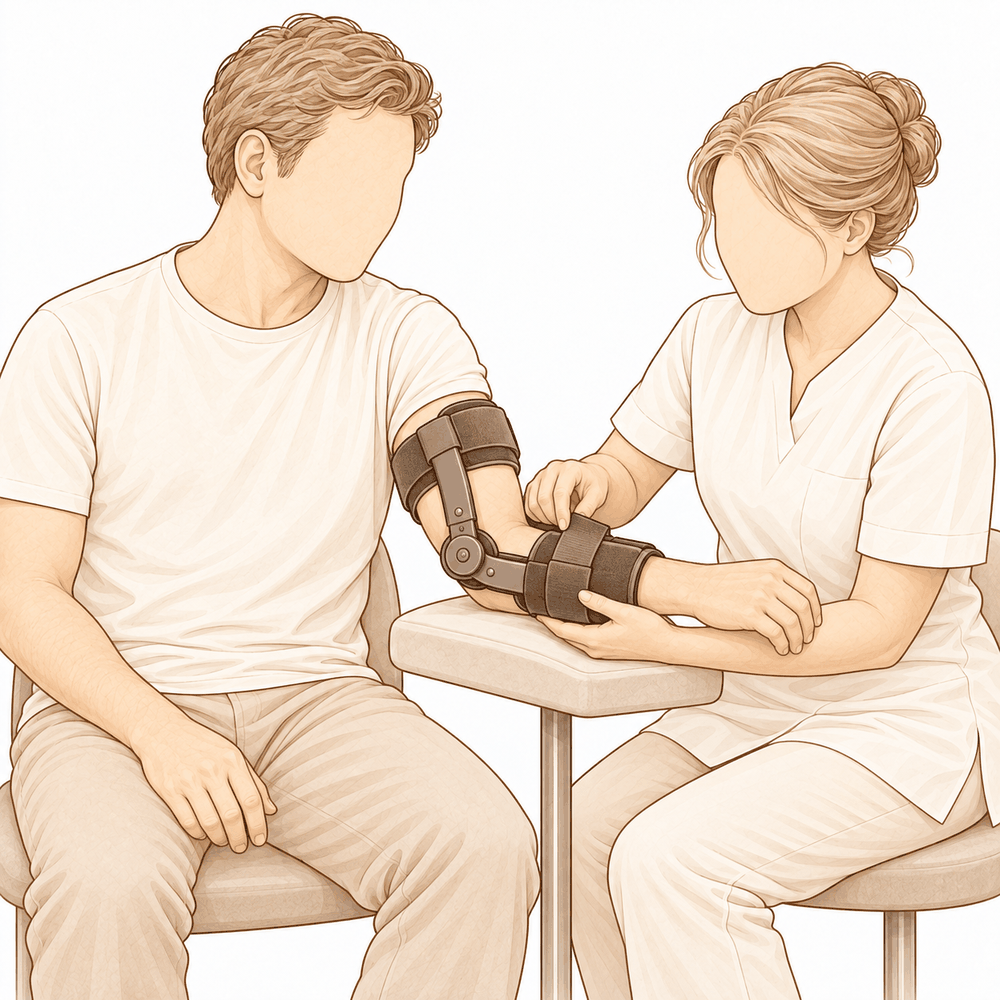
ਇਹ ਓਪਰੇਸ਼ਨ ਕਿਉਂ ਸੁਝਾਇਆ ਗਿਆ ਹੈ
ਡਾ. ਕੀਰਨ ਹਿਰਪਰਾ, ਮਾਟਰ ਪ੍ਰਾਈਵੇਟ ਹਸਪਤਾਲ ਰੌਕਹੈਂਪਟਨ ਵਿੱਚ ਉੱਪਰਲੇ ਅੰਗ (ਮੋਢੇ ਤੋਂ ਹੱਥ ਤੱਕ ਦੀ ਬਾਂਹ) ਦੇ ਸਰਜਨ, ਇਲਾਜ ਨੂੰ ਤੁਹਾਡੀ ਖ਼ਾਸ ਸੱਟ ਦੇ ਅਨੁਸਾਰ ਚੁਣਦੇ ਹਨ। ਮਰੀਜ਼ਾਂ ਨੂੰ ਆਮ ਤੌਰ 'ਤੇ ਉਨ੍ਹਾਂ ਦੇ ਜੀਪੀ (ਫ਼ੈਮਿਲੀ ਡਾਕਟਰ) ਵੱਲੋਂ ਸਾਡੇ ਕਲੀਨਿਕ ਵਿੱਚ ਭੇਜਿਆ ਜਾਂਦਾ ਹੈ; ਜੇ ਕਿਸੇ ਫਿਜ਼ੀਓਥੈਰੇਪਿਸਟ ਨੇ ਤੁਹਾਨੂੰ ਸਾਨੂੰ ਮਿਲਣ ਦੀ ਸਲਾਹ ਦਿੱਤੀ ਹੈ, ਤਾਂ ਵੀ ਮੈਡੀਕੇਅਰ ਰਿਬੇਟ (Medicare rebate, ਸਰਕਾਰ ਵੱਲੋਂ ਫ਼ੀਸ ਦੀ ਵਾਪਸੀ) ਦੇ ਯੋਗ ਹੋਣ ਲਈ ਤੁਹਾਨੂੰ ਆਪਣੇ ਜੀਪੀ ਤੋਂ ਰੈਫ਼ਰਲ (referral) ਦੀ ਲੋੜ ਪਵੇਗੀ। ਤੁਹਾਡੀ ਮੁਲਾਕਾਤ ਵੇਲੇ ਅਸੀਂ ਤੁਹਾਡੀ ਤਕਲੀਫ਼ ਦਾ ਇਤਿਹਾਸ ਲੈਂਦੇ ਹਾਂ, ਤੁਹਾਡੀ ਕੂਹਣੀ ਦੀ ਜਾਂਚ ਕਰਦੇ ਹਾਂ, ਅਤੇ ਇਹ ਪਤਾ ਲਗਾਉਣ ਲਈ ਕਿ ਕੀ ਗੜਬੜ ਹੈ, ਲੋੜ ਹੋਵੇ ਤਾਂ ਸਕੈਨ ਦਾ ਪ੍ਰਬੰਧ ਕਰਦੇ ਹਾਂ।
ਕੂਹਣੀ ਦੇ ਲਿਗਾਮੈਂਟ (ligament, ਹੱਡੀ ਨੂੰ ਹੱਡੀ ਨਾਲ ਜੋੜਨ ਵਾਲਾ ਬੰਧਨ) ਦਾ ਰੀਕੰਸਟ੍ਰਕਸ਼ਨ (reconstruction) ਇੱਕ ਓਪਰੇਸ਼ਨ ਹੈ ਜਿਸ ਵਿੱਚ ਘਿਸੇ ਹੋਏ ਜਾਂ ਪਾਟੇ ਹੋਏ ਲਿਗਾਮੈਂਟ ਨੂੰ ਦਾਨ ਕੀਤੇ ਟੈਂਡਨ (tendon, ਪੱਠੇ ਨੂੰ ਹੱਡੀ ਨਾਲ ਜੋੜਨ ਵਾਲੀ ਮਜ਼ਬੂਤ ਤੰਦ) ਦੇ ਇੱਕ ਟੁਕੜੇ ਨਾਲ ਦੁਬਾਰਾ ਬਣਾਇਆ ਜਾਂਦਾ ਹੈ, ਤਾਂ ਜੋ ਜੋੜ ਸਥਿਰ ਰਹੇ। ਅਸੀਂ ਆਮ ਤੌਰ 'ਤੇ ਇਹ ਉਦੋਂ ਸੁਝਾਉਂਦੇ ਹਾਂ ਜਦੋਂ ਹੋਰ ਇਲਾਜ ਨਾਲ ਕਾਫ਼ੀ ਸੁਧਾਰ ਨਾ ਹੋਣ ਤੋਂ ਬਾਅਦ ਵੀ ਤੁਹਾਡੀ ਕੂਹਣੀ ਜਵਾਬ ਦਿੰਦੀ (ਨਿਕਲਦੀ) ਮਹਿਸੂਸ ਹੁੰਦੀ ਹੈ, ਜਾਂ ਆਪਣੀ ਥਾਂ ਉੱਤੇ ਨਹੀਂ ਟਿਕਦੀ। ਇਹ ਉਦੋਂ ਵੀ ਪੇਸ਼ ਕੀਤਾ ਜਾਂਦਾ ਹੈ ਜਦੋਂ ਕੂਹਣੀ ਨੂੰ ਸਿਰਫ਼ ਲਗਭਗ ਸਿੱਧਾ ਰੱਖ ਕੇ ਹੀ ਜੋੜ ਵਿੱਚ ਟਿਕਾਇਆ ਜਾ ਸਕਦਾ ਹੋਵੇ, ਜਾਂ ਜਦੋਂ ਜੋੜ ਦੇ ਦੁਆਲੇ ਕਿਸੇ ਫ੍ਰੈਕਚਰ (ਹੱਡੀ ਦਾ ਟੁੱਟਣਾ) ਨੇ ਇਸ ਨੂੰ ਅਸਥਿਰ ਛੱਡ ਦਿੱਤਾ ਹੋਵੇ। ਮਕਸਦ ਇੱਕ ਸਥਿਰ ਕੂਹਣੀ ਹੈ ਜਿਸ ਨੂੰ ਤੁਸੀਂ ਹਿਲਾ ਸਕੋ, ਵਰਤ ਸਕੋ, ਅਤੇ ਬਿਨਾਂ ਦਰਦ ਦੇ ਉਸ ਉੱਤੇ ਭਰੋਸਾ ਕਰ ਸਕੋ। ਪੋਸਟੀਰੋਲੈਟਰਲ ਰੋਟੇਟਰੀ ਇਨਸਟੇਬਿਲਿਟੀ (posterolateral rotatory instability, ਕੂਹਣੀ ਦਾ ਪਿੱਛੇ ਅਤੇ ਬਾਹਰ ਵੱਲ ਘੁੰਮ ਕੇ ਖਿਸਕਣਾ) ਵਾਲੀਆਂ ਲਗਭਗ 85% ਕੂਹਣੀਆਂ ਵਿੱਚ ਦਾਨ ਕੀਤੇ ਟਿਸ਼ੂ (allograft) ਨਾਲ ਕੀਤਾ ਰੀਕੰਸਟ੍ਰਕਸ਼ਨ ਕੂਹਣੀ ਦੀ ਸਥਿਰਤਾ ਵਾਪਸ ਲਿਆ ਦਿੰਦਾ ਹੈ। ਅਸੀਂ ਇਸ ਬਾਰੇ ਤੁਹਾਡੇ ਨਾਲ ਗੱਲ ਕਰਾਂਗੇ ਅਤੇ ਮਿਲ ਕੇ ਫ਼ੈਸਲਾ ਕਰਾਂਗੇ ਕਿ ਕੀ ਇਹ ਤੁਹਾਡੀ ਕੂਹਣੀ ਅਤੇ ਤੁਹਾਡੇ ਟੀਚਿਆਂ ਲਈ ਢੁਕਵਾਂ ਹੈ।
ਓਪਰੇਸ਼ਨ ਤੋਂ ਪਹਿਲਾਂ
ਸਰਜਰੀ ਤੋਂ ਪਹਿਲਾਂ ਦੇ ਹਫ਼ਤਿਆਂ ਵਿੱਚ ਅਸੀਂ ਐਕਸ-ਰੇ, MRI (ਇੱਕ ਸਕੈਨ ਜੋ ਲਿਗਾਮੈਂਟ ਵਰਗੇ ਨਰਮ ਟਿਸ਼ੂ ਦਿਖਾਉਂਦਾ ਹੈ), ਜਾਂ ਅਲਟਰਾਸਾਊਂਡ ਵਰਗੇ ਸਕੈਨਾਂ ਨਾਲ ਯੋਜਨਾ ਪੂਰੀ ਕਰਦੇ ਹਾਂ। ਓਪਰੇਸ਼ਨ ਵਾਲੇ ਦਿਨ, ਸੱਤ ਘੰਟੇ ਪਹਿਲਾਂ ਖਾਣਾ ਅਤੇ ਪੀਣਾ ਬੰਦ ਕਰ ਦਿਓ। ਅਸੀਂ ਸੱਤ ਘੰਟੇ ਇਸ ਲਈ ਕਹਿੰਦੇ ਹਾਂ ਤਾਂ ਜੋ ਜੇ ਓਪਰੇਸ਼ਨ ਥੀਏਟਰ ਦੀ ਸੂਚੀ ਸਮੇਂ ਤੋਂ ਪਹਿਲਾਂ ਚੱਲ ਰਹੀ ਹੋਵੇ ਤਾਂ ਤੁਹਾਡਾ ਓਪਰੇਸ਼ਨ ਪਹਿਲਾਂ ਕੀਤਾ ਜਾ ਸਕੇ; ਤੁਹਾਡਾ ਸਰਜਨ ਤੁਹਾਡੇ ਭੁੱਖੇ ਰਹਿਣ ਦਾ ਸਹੀ ਸਮਾਂ ਪੱਕਾ ਕਰੇਗਾ। ਤੁਹਾਨੂੰ ਸਰਜਰੀ ਤੋਂ ਪਹਿਲਾਂ ਕੁਝ ਦਵਾਈਆਂ ਰੋਕਣੀਆਂ ਪੈ ਸਕਦੀਆਂ ਹਨ, ਅਤੇ ਅਸੀਂ ਤੁਹਾਨੂੰ ਸਾਫ਼ ਹਦਾਇਤਾਂ ਦੇਵਾਂਗੇ ਕਿ ਕਿਹੜੀਆਂ ਅਤੇ ਕਿੰਨੇ ਸਮੇਂ ਲਈ। ਜੋ ਕੁਝ ਵੀ ਤੁਸੀਂ ਲੈਂਦੇ ਹੋ, ਗੋਲੀਆਂ, ਬੂੰਦਾਂ ਅਤੇ ਕਰੀਮਾਂ ਸਮੇਤ, ਉਸ ਦੀ ਲਿਖਤੀ ਸੂਚੀ ਨਾਲ ਲਿਆਓ। ਬਾਅਦ ਵਿੱਚ ਤੁਹਾਨੂੰ ਘਰ ਲਿਜਾਣ ਲਈ ਕਿਸੇ ਗੱਡੀ ਚਲਾਉਣ ਵਾਲੇ ਦਾ ਪ੍ਰਬੰਧ ਕਰੋ। ਢਿੱਲੇ, ਆਰਾਮਦਾਇਕ ਕੱਪੜੇ ਪਾਓ ਜਿਨ੍ਹਾਂ ਦੀਆਂ ਬਾਹਾਂ ਕੂਹਣੀ ਉੱਤੋਂ ਸੌਖਿਆਂ ਲੰਘ ਜਾਣ। ਜੇ ਤੁਹਾਨੂੰ ਹੋਰ ਬਿਮਾਰੀਆਂ ਹਨ, ਤਾਂ ਤੁਹਾਨੂੰ ਖ਼ੂਨ ਦੇ ਟੈਸਟਾਂ ਜਾਂ ਅਨੱਸਥੀਟਿਸਟ (ਬੇਹੋਸ਼ੀ ਵਾਲਾ ਡਾਕਟਰ, ਜੋ ਅਨੱਸਥੀਸੀਆ ਦਿੰਦਾ ਹੈ) ਨਾਲ ਜਾਂਚ ਦੀ ਲੋੜ ਵੀ ਪੈ ਸਕਦੀ ਹੈ।
ਓਪਰੇਸ਼ਨ ਵਾਲੇ ਦਿਨ
ਤੁਸੀਂ ਹਸਪਤਾਲ ਦੇ ਸਰਜੀਕਲ ਦਾਖ਼ਲਾ ਵਿਭਾਗ ਵਿੱਚ ਪਹੁੰਚਦੇ ਹੋ, ਜਿੱਥੇ ਤੁਹਾਡਾ ਦਾਖ਼ਲਾ ਕੀਤਾ ਜਾਂਦਾ ਹੈ ਅਤੇ ਓਪਰੇਸ਼ਨ ਥੀਏਟਰ ਲਈ ਤਿਆਰ ਕੀਤਾ ਜਾਂਦਾ ਹੈ। ਉੱਥੇ ਤੁਸੀਂ ਅਨੱਸਥੀਟਿਸਟ ਨੂੰ ਮਿਲੋਗੇ। ਇਹ ਓਪਰੇਸ਼ਨ ਜਨਰਲ ਅਨੱਸਥੀਸੀਆ (ਬੇਹੋਸ਼ੀ ਵਾਲੀ ਦਵਾਈ) ਹੇਠ ਕੀਤਾ ਜਾਂਦਾ ਹੈ। ਓਪਰੇਸ਼ਨ ਤੋਂ ਬਾਅਦ ਦਰਦ ਤੋਂ ਰਾਹਤ ਲਈ ਕਈ ਵਾਰ ਨਾਲ ਰੀਜਨਲ ਨਰਵ ਬਲਾਕ (ਨਸ ਨੂੰ ਸੁੰਨ ਕਰਨ ਵਾਲਾ ਟੀਕਾ) ਵੀ ਲਗਾਇਆ ਜਾਂਦਾ ਹੈ; ਅਨੱਸਥੀਟਿਸਟ ਉਸੇ ਦਿਨ ਤੁਹਾਡੇ ਨਾਲ ਇਸ ਬਾਰੇ ਗੱਲ ਕਰੇਗਾ। ਫਿਰ ਤੁਹਾਨੂੰ ਓਪਰੇਸ਼ਨ ਥੀਏਟਰ ਵਿੱਚ ਲਿਜਾਇਆ ਜਾਂਦਾ ਹੈ, ਜਿੱਥੇ ਓਪਰੇਸ਼ਨ ਕੀਤਾ ਜਾਂਦਾ ਹੈ। ਜਦੋਂ ਇਹ ਪੂਰਾ ਹੋ ਜਾਂਦਾ ਹੈ, ਤੁਸੀਂ ਰਿਕਵਰੀ ਵਾਲੀ ਥਾਂ ਵਿੱਚ ਜਾਗਦੇ ਹੋ, ਜਿੱਥੇ ਅਨੱਸਥੀਸੀਆ ਦਾ ਅਸਰ ਉਤਰਨ ਤੱਕ ਨਰਸਾਂ ਤੁਹਾਡੀ ਨਿਗਰਾਨੀ ਕਰਦੀਆਂ ਹਨ। ਜਦੋਂ ਤੁਹਾਡੀ ਹਾਲਤ ਸਥਿਰ ਹੋ ਜਾਂਦੀ ਹੈ, ਤਾਂ ਪ੍ਰਕਿਰਿਆ ਅਤੇ ਤੁਹਾਡੇ ਠੀਕ ਹੋਣ ਦੇ ਹਿਸਾਬ ਨਾਲ ਤੁਸੀਂ ਜਾਂ ਤਾਂ ਵਾਰਡ ਵਿੱਚ ਜਾਂਦੇ ਹੋ ਜਾਂ ਘਰ ਚਲੇ ਜਾਂਦੇ ਹੋ।
ਇਸ ਦਿਨ ਦਾ ਮਕਸਦ ਸਿੱਧਾ ਹੈ: ਤੁਹਾਡੀ ਕੂਹਣੀ ਵਿੱਚ ਇੰਨੀ ਸਥਿਰਤਾ ਵਾਪਸ ਲਿਆਉਣਾ ਕਿ ਇਹ ਸਰਜਰੀ ਤੋਂ ਜਲਦੀ ਬਾਅਦ ਹਿੱਲਣਾ ਸ਼ੁਰੂ ਕਰ ਸਕੇ। ਬਾਅਦ ਵਿੱਚ ਕੂਹਣੀ ਨੂੰ ਲੰਮੇ ਸਮੇਂ ਤੱਕ ਸਥਿਰ ਰੱਖਣ ਨਾਲ ਇਹ ਅਕਸਰ ਅਕੜ ਜਾਂਦੀ ਹੈ, ਇਸ ਲਈ ਜਲਦੀ ਹਿਲਾਉਣਾ ਯੋਜਨਾ ਦਾ ਹਿੱਸਾ ਹੈ।
ਓਪਰੇਸ਼ਨ ਵਿੱਚ ਕੀ ਕੀਤਾ ਜਾਂਦਾ ਹੈ
ਸਹੀ ਕਦਮ ਇਸ ਗੱਲ ਉੱਤੇ ਨਿਰਭਰ ਕਰਦੇ ਹਨ ਕਿ ਤੁਹਾਡੀ ਕੂਹਣੀ ਦੇ ਦੁਆਲੇ ਕਿਹੜੇ ਹਿੱਸਿਆਂ ਨੂੰ ਸੱਟ ਲੱਗੀ ਹੈ, ਅਤੇ ਅਸੀਂ ਇਸ ਦੀ ਯੋਜਨਾ ਓਪਰੇਸ਼ਨ ਵਾਲੇ ਦਿਨ ਤੋਂ ਪਹਿਲਾਂ ਤੁਹਾਡੇ ਸਕੈਨਾਂ ਤੋਂ ਬਣਾਉਂਦੇ ਹਾਂ। ਜੇ ਫ੍ਰੈਕਚਰ ਸਮੱਸਿਆ ਦਾ ਹਿੱਸਾ ਹੈ, ਤਾਂ ਤੁਹਾਡਾ ਸਰਜਨ ਪਹਿਲਾਂ ਸਕਰੂਆਂ ਜਾਂ ਇੱਕ ਛੋਟੀ ਪਲੇਟ ਨਾਲ ਹੱਡੀ ਦੇ ਟੁੱਟੇ ਟੁਕੜਿਆਂ ਨੂੰ ਜੋੜਦਾ ਹੈ। ਜੇ ਬਾਂਹ ਦੇ ਹੇਠਲੇ ਹਿੱਸੇ (forearm) ਦੇ ਉੱਪਰਲੇ ਸਿਰੇ ਉੱਤੇ ਹੱਡੀ ਦਾ ਟੁੱਟਿਆ ਟੁਕੜਾ ਠੀਕ ਨਹੀਂ ਕੀਤਾ ਜਾ ਸਕਦਾ, ਤਾਂ ਉਸ ਨੂੰ ਧਾਤ ਦੇ ਇੰਪਲਾਂਟ ਨਾਲ ਬਦਲਿਆ ਜਾ ਸਕਦਾ ਹੈ। ਜਦੋਂ ਹੱਡੀ ਪੱਕੀ ਤਰ੍ਹਾਂ ਜੁੜ ਜਾਂਦੀ ਹੈ, ਤਾਂ ਪਾਟੇ ਹੋਏ ਲਿਗਾਮੈਂਟਾਂ ਦੀ ਮੁਰੰਮਤ ਕੀਤੀ ਜਾਂਦੀ ਹੈ ਜਾਂ ਉਨ੍ਹਾਂ ਨੂੰ ਦੁਬਾਰਾ ਬਣਾਇਆ ਜਾਂਦਾ ਹੈ।
ਲਿਗਾਮੈਂਟ ਨੂੰ ਦੁਬਾਰਾ ਬਣਾਉਣ ਦਾ ਮਤਲਬ ਹੈ ਟੈਂਡਨ ਦੇ ਇੱਕ ਟੁਕੜੇ ਤੋਂ ਨਵਾਂ ਲਿਗਾਮੈਂਟ ਬਣਾਉਣਾ। ਇਹ ਦਾਨ ਕੀਤੇ ਟਿਸ਼ੂ ਤੋਂ, ਜਾਂ ਤੁਹਾਡੇ ਆਪਣੇ ਸਰੀਰ ਤੋਂ ਲਿਆ ਜਾ ਸਕਦਾ ਹੈ। ਛੋਟੇ ਐਂਕਰ (anchors, ਹੱਡੀ ਵਿੱਚ ਲਗਾਏ ਜਾਣ ਵਾਲੇ ਛੋਟੇ ਕਿੱਲ) ਨਵੇਂ ਲਿਗਾਮੈਂਟ ਨੂੰ ਸਹੀ ਥਾਵਾਂ ਉੱਤੇ ਹੱਡੀ ਨਾਲ ਜੋੜ ਕੇ ਰੱਖਦੇ ਹਨ, ਅਤੇ ਓਪਰੇਸ਼ਨ ਖ਼ਤਮ ਕਰਨ ਤੋਂ ਪਹਿਲਾਂ ਤੁਹਾਡਾ ਸਰਜਨ ਜਾਂਚਦਾ ਹੈ ਕਿ ਕੂਹਣੀ ਆਪਣੀ ਪੂਰੀ ਹਰਕਤ ਦੌਰਾਨ ਜੋੜ ਵਿੱਚ ਟਿਕੀ ਰਹਿੰਦੀ ਹੈ। ਕਈ ਵਾਰ ਮੁਰੰਮਤ ਦੇ ਨਾਲ ਇੱਕ ਮਜ਼ਬੂਤ ਟਾਂਕਿਆਂ ਵਾਲੀ ਟੇਪ (suture tape) ਵੀ ਲਗਾਈ ਜਾਂਦੀ ਹੈ ਜੋ ਅੰਦਰੂਨੀ ਬ੍ਰੇਸ ਵਾਂਗ ਕੰਮ ਕਰਦੀ ਹੈ ਅਤੇ ਲਿਗਾਮੈਂਟ ਦੇ ਠੀਕ ਹੋਣ ਦੌਰਾਨ ਉਸ ਨੂੰ ਸਹਾਰਾ ਦਿੰਦੀ ਹੈ। ਜੇ ਕੂਹਣੀ ਫਿਰ ਵੀ ਆਪਣੇ ਆਪ ਸਥਿਰ ਨਹੀਂ ਰਹਿੰਦੀ, ਤਾਂ ਹਾਲਤ ਸੰਭਲਣ ਤੱਕ ਇਸ ਨੂੰ ਥਾਂ ਸਿਰ ਰੱਖਣ ਲਈ ਇੱਕ ਆਰਜ਼ੀ ਕਬਜ਼ਾ (hinge) ਲਗਾਇਆ ਜਾ ਸਕਦਾ ਹੈ।
ਓਪਰੇਸ਼ਨ ਅਕਸਰ ਇੱਕ ਲੰਮੇ ਚੀਰੇ ਦੀ ਬਜਾਏ ਛੋਟੇ ਚੀਰਿਆਂ ਰਾਹੀਂ ਕੀਤਾ ਜਾ ਸਕਦਾ ਹੈ। ਲਿਗਾਮੈਂਟ ਨੂੰ ਦੁਬਾਰਾ ਬਣਾਉਣ ਦੇ ਕੁਝ ਓਪਰੇਸ਼ਨਾਂ ਲਈ, ਲਗਭਗ 2 ਤੋਂ 3 ਸੈਂਟੀਮੀਟਰ ਦਾ ਚੀਰਾ ਕਾਫ਼ੀ ਹੁੰਦਾ ਹੈ। ਛੋਟੇ ਚੀਰਿਆਂ ਰਾਹੀਂ ਕੰਮ ਕਰਨ ਨਾਲ ਜੋੜ ਦੇ ਦੁਆਲੇ ਦੇ ਤੰਦਰੁਸਤ ਟੈਂਡਨ ਅਤੇ ਮਾਸਪੇਸ਼ੀਆਂ ਬਚੀਆਂ ਰਹਿੰਦੀਆਂ ਹਨ, ਅਤੇ ਜੋੜ ਦੀ ਅੰਦਰਲੀ ਝਿੱਲੀ ਨਾਲ ਛੇੜਛਾੜ ਨਹੀਂ ਹੁੰਦੀ।
ਜਦੋਂ ਮੁਰੰਮਤ ਪੂਰੀ ਹੋ ਜਾਂਦੀ ਹੈ, ਤਾਂ ਚੀਰਿਆਂ ਨੂੰ ਟਾਂਕਿਆਂ ਨਾਲ ਬੰਦ ਕਰਕੇ ਪੱਟੀ ਨਾਲ ਢਕ ਦਿੱਤਾ ਜਾਂਦਾ ਹੈ। ਪੂਰੇ ਓਪਰੇਸ਼ਨ ਦਾ ਟੀਚਾ ਇੱਕ ਸਥਿਰ ਕੂਹਣੀ ਹੈ ਜੋ ਜਲਦੀ ਬਾਅਦ ਹਿੱਲਣਾ ਸ਼ੁਰੂ ਕਰ ਸਕੇ, ਕਿਉਂਕਿ ਇਸ ਨੂੰ ਬਹੁਤ ਦੇਰ ਤੱਕ ਸਥਿਰ ਰੱਖਣ ਨਾਲ ਇਹ ਅਕਸਰ ਅਕੜ ਜਾਂਦੀ ਹੈ।
ਓਪਰੇਸ਼ਨ ਤੋਂ ਬਾਅਦ
ਤੁਸੀਂ ਰਿਕਵਰੀ ਵਾਲੀ ਥਾਂ ਵਿੱਚ ਜਾਗੋਗੇ, ਜਿੱਥੇ ਅਨੱਸਥੀਸੀਆ ਦਾ ਅਸਰ ਉਤਰਨ ਤੱਕ ਨਰਸਾਂ ਤੁਹਾਡਾ ਨੇੜਿਓਂ ਧਿਆਨ ਰੱਖਦੀਆਂ ਹਨ। ਤੁਹਾਡੀ ਬਾਂਹ ਸਲਿੰਗ (ਬਾਂਹ ਨੂੰ ਸਹਾਰਾ ਦੇਣ ਵਾਲੀ ਪੱਟੀ) ਵਿੱਚ ਹੋਵੇਗੀ ਜਾਂ ਸਿਰਹਾਣਿਆਂ ਉੱਤੇ ਟਿਕੀ ਹੋਵੇਗੀ, ਅਤੇ ਜ਼ਖ਼ਮਾਂ ਉੱਤੇ ਪੱਟੀ ਹੋਵੇਗੀ। ਅਸੀਂ ਤੁਹਾਨੂੰ ਦਰਦ ਤੋਂ ਰਾਹਤ ਦੀ ਦਵਾਈ ਦੇਵਾਂਗੇ ਅਤੇ ਤੁਹਾਡੇ ਤੁਰਨ-ਫਿਰਨ ਤੋਂ ਪਹਿਲਾਂ ਜਾਂਚਾਂਗੇ ਕਿ ਇਹ ਅਸਰ ਕਰ ਰਹੀ ਹੈ। ਘਰ ਜਾਣ ਤੋਂ ਬਾਅਦ ਪਹਿਲੇ 24 ਘੰਟੇ ਕਿਸੇ ਨੂੰ ਤੁਹਾਡੇ ਨਾਲ ਰਹਿਣਾ ਚਾਹੀਦਾ ਹੈ। ਤੁਹਾਡੀ ਟੀਮ ਦੱਸੇਗੀ ਕਿ ਤੁਸੀਂ ਉਸੇ ਦਿਨ ਘਰ ਜਾਓਗੇ ਜਾਂ ਇੱਕ ਰਾਤ ਹਸਪਤਾਲ ਵਿੱਚ ਰਹੋਗੇ। ਅਸੀਂ ਪੱਟੀ ਲਗਭਗ 10 ਦਿਨ ਲੱਗੀ ਰਹਿਣ ਦਿੰਦੇ ਹਾਂ; ਕਿਰਪਾ ਕਰਕੇ ਉਸ ਤੋਂ ਪਹਿਲਾਂ ਇਸ ਨੂੰ ਨਾ ਉਤਾਰੋ, ਜਦੋਂ ਤੱਕ ਅਸੀਂ ਨਾ ਕਹੀਏ। ਜਦੋਂ ਅਸੀਂ ਤੁਹਾਨੂੰ ਮਿਲਦੇ ਹਾਂ ਤਾਂ ਅਸੀਂ ਇਸ ਨੂੰ ਬਦਲਦੇ ਜਾਂ ਉਤਾਰਦੇ ਹਾਂ। ਜ਼ਿਆਦਾਤਰ ਲੋਕ ਤੁਰੰਤ ਤੁਰ-ਫਿਰ ਸਕਦੇ ਹਨ ਅਤੇ ਹਲਕੇ ਕੰਮ ਕਰ ਸਕਦੇ ਹਨ, ਪਰ ਜਦੋਂ ਤੁਸੀਂ ਉੱਠੇ ਹੋਵੋ ਅਤੇ ਤੁਰ-ਫਿਰ ਰਹੇ ਹੋਵੋ, ਤਾਂ ਆਪਣੀ ਕੂਹਣੀ ਨੂੰ ਸਲਿੰਗ ਵਿੱਚ ਆਰਾਮ ਨਾਲ ਰੱਖੋ।
ਸਿਹਤਯਾਬੀ
ਪਹਿਲੇ ਕੁਝ ਦਿਨ ਤੁਹਾਡੀ ਕੂਹਣੀ ਦੁਖੇਗੀ ਅਤੇ ਸੁੱਜੀ ਹੋਈ ਹੋਵੇਗੀ। ਇਹ ਹੌਲੀ-ਹੌਲੀ ਘਟਦਾ ਹੈ। ਆਰਾਮ, ਬਾਂਹ ਨੂੰ ਉੱਚਾ ਰੱਖਣਾ, ਅਤੇ ਜੋ ਦਰਦ ਦੀ ਦਵਾਈ ਅਸੀਂ ਦਿੰਦੇ ਹਾਂ, ਇਹ ਬੇਆਰਾਮੀ ਨੂੰ ਘਟਾਉਣਗੇ। ਜਦੋਂ ਤੁਸੀਂ ਪਹਿਲੀ ਵਾਰ ਜੋੜ ਨੂੰ ਹਿਲਾਉਣਾ ਸ਼ੁਰੂ ਕਰਦੇ ਹੋ ਤਾਂ ਕੁਝ ਦੁਖਣਾ ਆਮ ਗੱਲ ਹੈ ਅਤੇ ਹਫ਼ਤੇ ਬੀਤਣ ਨਾਲ ਇਹ ਸੁਧਰਦਾ ਹੈ।
ਤੁਸੀਂ ਆਪਣੀ ਬਾਂਹ ਸਲਿੰਗ ਵਿੱਚ ਪਾ ਕੇ ਘਰ ਜਾਓਗੇ। ਤੁਸੀਂ ਤੁਰੰਤ ਤੁਰ-ਫਿਰ ਸਕਦੇ ਹੋ ਅਤੇ ਹਲਕੇ ਕੰਮ ਕਰ ਸਕਦੇ ਹੋ, ਪਰ ਜਦੋਂ ਤੁਸੀਂ ਉੱਠੇ ਹੋਵੋ ਅਤੇ ਤੁਰ-ਫਿਰ ਰਹੇ ਹੋਵੋ, ਤਾਂ ਆਪਣੀ ਕੂਹਣੀ ਨੂੰ ਸਲਿੰਗ ਵਿੱਚ ਆਰਾਮ ਨਾਲ ਰੱਖੋ। ਤੁਹਾਡਾ ਹੱਥ ਅਤੇ ਗੁੱਟ ਜਲਦੀ ਹਿਲਾਏ ਜਾ ਸਕਦੇ ਹਨ, ਅਤੇ ਇਨ੍ਹਾਂ ਲਈ ਹਲਕੀਆਂ ਕਸਰਤਾਂ ਆਮ ਤੌਰ 'ਤੇ ਕੁਝ ਦਿਨਾਂ ਦੇ ਅੰਦਰ ਸ਼ੁਰੂ ਹੋ ਜਾਂਦੀਆਂ ਹਨ। ਸਰਜਰੀ ਤੋਂ ਬਾਅਦ ਹੈਂਡ ਥੈਰੇਪੀ ਐਕਸਟੈਂਡ ਰੀਹੈਬਿਲੀਟੇਸ਼ਨ (Extend Rehabilitation) ਵਿੱਚ ਰੂਬੀ ਡੂਲਨ (Ruby Doolan) ਨਾਲ ਹੁੰਦੀ ਹੈ। ਰੂਬੀ ਇੱਕ ਹੈਂਡ ਥੈਰੇਪਿਸਟ ਹੈ: ਉਹ ਤੁਹਾਡੀਆਂ ਕਸਰਤਾਂ ਵਿੱਚ ਤੁਹਾਡੀ ਅਗਵਾਈ ਕਰੇਗੀ ਅਤੇ ਜਿਸ ਵੀ ਸਪਲਿੰਟ ਦੀ ਲੋੜ ਹੋਵੇ, ਉਹ ਬਣਾਏਗੀ। ਥੈਰੇਪੀ ਦਾ ਮਕਸਦ ਲਗਾਤਾਰ, ਜਲਦੀ ਸ਼ੁਰੂ ਹੋਣ ਵਾਲੀ ਹਰਕਤ ਹੈ, ਕਿਉਂਕਿ ਕੂਹਣੀ ਨੂੰ ਬਹੁਤ ਦੇਰ ਤੱਕ ਸਥਿਰ ਰੱਖਣ ਨਾਲ ਇਹ ਅਕਸਰ ਅਕੜ ਜਾਂਦੀ ਹੈ।
ਜਿਵੇਂ-ਜਿਵੇਂ ਸੋਜ ਘਟਦੀ ਹੈ, ਤੁਸੀਂ ਆਪਣੀ ਬਾਂਹ ਜ਼ਿਆਦਾ ਵਰਤੋਗੇ: ਖਾਣਾ, ਲਿਖਣਾ, ਅਤੇ ਘਰ ਦੇ ਹਲਕੇ ਕੰਮ। ਜਦੋਂ ਤੁਹਾਡੇ ਸਰਜਨ ਨੂੰ ਤਸੱਲੀ ਹੋ ਜਾਂਦੀ ਹੈ ਕਿ ਮੁਰੰਮਤ ਸੁਰੱਖਿਅਤ ਹੈ, ਤਾਂ ਸਲਿੰਗ ਉਤਰ ਜਾਂਦੀ ਹੈ ਅਤੇ ਤੁਸੀਂ ਕੂਹਣੀ ਨੂੰ ਖ਼ੁਦ ਮੋੜਨਾ ਅਤੇ ਸਿੱਧਾ ਕਰਨਾ ਸ਼ੁਰੂ ਕਰਦੇ ਹੋ। ਹਰਕਤ ਅਕਸਰ ਪਹਿਲਾਂ ਜਲਦੀ ਸੁਧਰਦੀ ਹੈ, ਫਿਰ ਹੌਲੀ। ਜਦੋਂ ਤੁਸੀਂ ਬਿਨਾਂ ਦਰਦ ਦੇ ਚੀਜ਼ਾਂ ਨੂੰ ਫੜ ਅਤੇ ਸੰਭਾਲ ਸਕਦੇ ਹੋ, ਤਾਂ ਰੋਜ਼ਾਨਾ ਦੇ ਕੰਮ ਸੌਖੇ ਲੱਗਦੇ ਹਨ। ਜਦੋਂ ਤੱਕ ਤੁਹਾਡੀ ਬਾਂਹ ਸਲਿੰਗ ਵਿੱਚ ਹੈ, ਗੱਡੀ ਚਲਾਉਣਾ ਸੁਰੱਖਿਅਤ ਨਹੀਂ ਹੈ, ਅਤੇ ਗੱਡੀ ਚਲਾਉਣ ਲਈ ਤੁਹਾਨੂੰ ਦੋਵਾਂ ਹੱਥਾਂ ਨਾਲ ਸਟੀਅਰਿੰਗ ਫੜਨ ਅਤੇ ਅਚਾਨਕ ਬ੍ਰੇਕ ਲਗਾਉਣ ਵੇਲੇ ਫੁਰਤੀ ਨਾਲ ਪ੍ਰਤੀਕਿਰਿਆ ਕਰਨ ਦੇ ਯੋਗ ਹੋਣਾ ਚਾਹੀਦਾ ਹੈ, ਅਤੇ ਤਾਕਤਵਰ ਦਰਦ ਨਿਵਾਰਕ ਦਵਾਈਆਂ ਬੰਦ ਹੋ ਚੁੱਕੀਆਂ ਹੋਣੀਆਂ ਚਾਹੀਦੀਆਂ ਹਨ। ਸਾਡੀ ਉੱਪਰਲੇ ਅੰਗ ਦੀ ਸਰਜਰੀ ਤੋਂ ਬਾਅਦ ਗੱਡੀ ਚਲਾਉਣ ਬਾਰੇ ਗਾਈਡ ਦੱਸਦੀ ਹੈ ਕਿ ਤੁਸੀਂ ਕਦੋਂ ਦੁਬਾਰਾ ਗੱਡੀ ਚਲਾ ਸਕਦੇ ਹੋ।
ਹਰ ਕੋਈ ਆਪਣੀ ਰਫ਼ਤਾਰ ਨਾਲ ਠੀਕ ਹੁੰਦਾ ਹੈ। ਤੁਹਾਡੀ ਸਮਾਂ-ਸੀਮਾ ਵੱਖਰੀ ਹੋ ਸਕਦੀ ਹੈ, ਅਤੇ ਤੁਹਾਡਾ ਸਰਜਨ ਅਤੇ ਥੈਰੇਪਿਸਟ ਰਸਤੇ ਵਿੱਚ ਤੁਹਾਡੀ ਅਗਵਾਈ ਕਰਨਗੇ।
ਕੀ ਗ਼ਲਤ ਹੋ ਸਕਦਾ ਹੈ
ਜ਼ਿਆਦਾਤਰ ਮਰੀਜ਼ ਠੀਕ ਰਹਿੰਦੇ ਹਨ, ਪਰ ਕਦੇ-ਕਦਾਈਂ ਸਮੱਸਿਆਵਾਂ ਹੋ ਸਕਦੀਆਂ ਹਨ। ਤੁਹਾਡਾ ਸਰਜਨ ਅਤੇ ਟੀਮ ਕਿਸੇ ਵੀ ਮੁਸ਼ਕਲ ਨੂੰ ਜਲਦੀ ਫੜਨ ਲਈ ਤੁਹਾਡੀ ਨੇੜਿਓਂ ਨਿਗਰਾਨੀ ਕਰਦੇ ਹਨ।
ਤੁਹਾਡੀ ਕੂਹਣੀ ਦੇ ਅੰਦਰਲੇ ਪਾਸੇ ਚੱਲਣ ਵਾਲੀ ਨਸ (nerve) ਸਰਜਰੀ ਤੋਂ ਬਾਅਦ ਚਿੜ ਸਕਦੀ ਹੈ (irritated)। ਤੁਸੀਂ ਆਪਣੀ ਮੁੰਦਰੀ ਵਾਲੀ ਅਤੇ ਛੋਟੀ ਉਂਗਲ ਵਿੱਚ ਝਰਨਾਹਟ, ਸੂਈਆਂ ਚੁਭਣ ਵਰਗਾ ਅਹਿਸਾਸ, ਜਾਂ ਸੁੰਨਪਨ ਮਹਿਸੂਸ ਕਰ ਸਕਦੇ ਹੋ। ਅਕਸਰ ਇਹ ਆਪਣੇ ਆਪ ਠੀਕ ਹੋ ਜਾਂਦਾ ਹੈ, ਪਰ ਜੇ ਇਹ ਨਾ ਘਟੇ, ਜਾਂ ਜੇ ਉਂਗਲਾਂ ਕਮਜ਼ੋਰ ਮਹਿਸੂਸ ਹੋਣ, ਤਾਂ ਸਾਨੂੰ ਦੱਸੋ।
ਕੂਹਣੀ ਕਈ ਵਾਰ ਢਿੱਲੀ ਰਹਿ ਸਕਦੀ ਹੈ ਜਾਂ ਦੁਬਾਰਾ ਜਵਾਬ ਦਿੰਦੀ ਮਹਿਸੂਸ ਹੋ ਸਕਦੀ ਹੈ। ਜੇ ਤੁਹਾਡੀ ਕੂਹਣੀ ਡਾਵਾਂਡੋਲ ਮਹਿਸੂਸ ਹੋਣ ਲੱਗੇ, ਜਾਂ ਆਪਣੀ ਥਾਂ ਤੋਂ ਖਿਸਕ ਜਾਵੇ, ਤਾਂ ਤੁਰੰਤ ਕਲੀਨਿਕ ਨਾਲ ਸੰਪਰਕ ਕਰੋ।
ਕੂਹਣੀ ਅਕੜ ਵੀ ਸਕਦੀ ਹੈ। ਤੁਹਾਨੂੰ ਬਾਂਹ ਨੂੰ ਪੂਰੀ ਤਰ੍ਹਾਂ ਸਿੱਧਾ ਕਰਨਾ ਜਾਂ ਮੋੜਨਾ ਔਖਾ ਲੱਗ ਸਕਦਾ ਹੈ, ਅਤੇ ਹਰਕਤ ਦੁਖਣ ਦੀ ਬਜਾਏ ਰੁਕੀ ਹੋਈ ਮਹਿਸੂਸ ਹੋ ਸਕਦੀ ਹੈ। ਆਪਣੀ ਜਾਂਚ ਵੇਲੇ ਇਸ ਦਾ ਜ਼ਿਕਰ ਕਰੋ, ਕਿਉਂਕਿ ਵਾਧੂ ਥੈਰੇਪੀ ਜਾਂ ਹੋਰ ਇਲਾਜ ਮਦਦ ਕਰ ਸਕਦਾ ਹੈ।
ਲਾਗ (ਇਨਫੈਕਸ਼ਨ) ਘੱਟ ਹੁੰਦੀ ਹੈ ਪਰ ਗੰਭੀਰ ਹੁੰਦੀ ਹੈ। ਡੂੰਘੇ, ਧੜਕਦੇ ਦਰਦ ਦਾ ਧਿਆਨ ਰੱਖੋ ਜੋ ਆਮ ਦਰਦ ਨਿਵਾਰਕ ਦਵਾਈਆਂ ਨਾਲ ਨਾ ਘਟੇ, ਜ਼ਖ਼ਮ ਤੋਂ ਬਾਹਰ ਵੱਲ ਫੈਲਦੀ ਲਾਲੀ ਦਾ, ਜਾਂ ਇਸ ਵਿੱਚੋਂ ਤਰਲ ਰਿਸਣ ਦਾ। ਜੇ ਤੁਸੀਂ ਇਹ ਦੇਖਦੇ ਹੋ, ਤਾਂ ਉਸੇ ਦਿਨ ਕਲੀਨਿਕ ਨੂੰ ਫ਼ੋਨ ਕਰੋ, ਜਾਂ ਜੇ ਤੁਹਾਨੂੰ ਬੁਖ਼ਾਰ ਮਹਿਸੂਸ ਹੁੰਦਾ ਹੈ ਜਾਂ ਤਬੀਅਤ ਠੀਕ ਨਹੀਂ ਲੱਗਦੀ ਤਾਂ ਐਮਰਜੈਂਸੀ ਵਿਭਾਗ ਜਾਓ।
ਮੁਰੰਮਤ ਨੂੰ ਟਿਕਾਈ ਰੱਖਣ ਲਈ ਵਰਤੇ ਗਏ ਧਾਤ ਦੇ ਛੋਟੇ ਐਂਕਰਾਂ ਜਾਂ ਸਕਰੂਆਂ ਨਾਲ ਕਈ ਵਾਰ ਆਲੇ-ਦੁਆਲੇ ਦੇ ਟਿਸ਼ੂ ਚਿੜ ਸਕਦੇ ਹਨ, ਜਾਂ ਆਰਜ਼ੀ ਕਬਜ਼ਾ ਢਿੱਲਾ ਹੋ ਸਕਦਾ ਹੈ। ਤੁਹਾਨੂੰ ਨਵੀਂ ਕਲਿੱਕ, ਅਟਕਣਾ, ਜਾਂ ਚਮੜੀ ਹੇਠ ਕੋਈ ਗੰਢ ਮਹਿਸੂਸ ਹੋ ਸਕਦੀ ਹੈ। ਆਪਣੀ ਅਗਲੀ ਜਾਂਚ ਵੇਲੇ ਇਸ ਦਾ ਜ਼ਿਕਰ ਕਰੋ।
ਜਿੱਥੇ ਲਿਗਾਮੈਂਟ ਨੂੰ ਦੁਬਾਰਾ ਬਣਾਉਣ ਲਈ ਤੁਹਾਡੇ ਆਪਣੇ ਟੈਂਡਨ ਦਾ ਟੁਕੜਾ ਵਰਤਿਆ ਜਾਂਦਾ ਹੈ, ਉਹ ਥਾਂ ਕੁਝ ਸਮੇਂ ਲਈ ਛੂਹਣ 'ਤੇ ਦੁਖਦੀ ਜਾਂ ਦਰਦ ਵਾਲੀ ਰਹਿ ਸਕਦੀ ਹੈ। ਜੇ ਇਹ ਸੁਧਰਨ ਦੀ ਬਜਾਏ ਵਿਗੜਦੀ ਹੈ ਤਾਂ ਸਾਨੂੰ ਦੱਸੋ।
ਕਈ ਵਾਰ ਜੋੜ ਦੇ ਦੁਆਲੇ ਜਾਂ ਅੰਦਰ ਉੱਥੇ ਹੱਡੀ ਬਣ ਸਕਦੀ ਹੈ ਜਿੱਥੇ ਨਹੀਂ ਬਣਨੀ ਚਾਹੀਦੀ। ਇਸ ਨਾਲ ਹਰਕਤ ਸੀਮਤ ਹੋ ਸਕਦੀ ਹੈ ਜਾਂ ਅਟਕਣਾ ਅਤੇ ਰਗੜ ਹੋ ਸਕਦੀ ਹੈ। ਜੇ ਤੁਹਾਡੀ ਕੂਹਣੀ ਵਿੱਚ ਸੁਧਾਰ ਰੁਕ ਜਾਵੇ, ਤਾਂ ਆਪਣੀ ਜਾਂਚ ਵੇਲੇ ਇਸ ਬਾਰੇ ਗੱਲ ਕਰੋ।
ਦਾਗ਼ ਖ਼ੁਦ ਕਦੇ-ਕਦਾਈਂ ਖੁੱਲ੍ਹ ਸਕਦਾ ਹੈ ਜਾਂ ਉਸ ਵਿੱਚੋਂ ਪਾਣੀ ਰਿਸ ਸਕਦਾ ਹੈ। ਜੇ ਜ਼ਖ਼ਮ ਖੁੱਲ੍ਹ ਜਾਵੇ, ਵਧੇਰੇ ਲਾਲ ਹੋ ਜਾਵੇ, ਜਾਂ ਉਸ ਵਿੱਚੋਂ ਰਿਸਾਵ ਸ਼ੁਰੂ ਹੋ ਜਾਵੇ, ਤਾਂ ਉਡੀਕ ਕਰਨ ਦੀ ਬਜਾਏ ਸਾਡੇ ਨਾਲ ਸੰਪਰਕ ਕਰੋ।
ਜੇ ਤੁਸੀਂ ਵੇਰਵੇ ਜਾਣਨਾ ਚਾਹੁੰਦੇ ਹੋ, ਤਾਂ ਇਸ ਸਫ਼ੇ ਉੱਤੇ ਪੇਚੀਦਗੀਆਂ ਵਾਲੀ ਸਾਰਣੀ ਆਮ ਦਰਾਂ ਦੱਸਦੀ ਹੈ।
ਸਾਨੂੰ ਕਦੋਂ ਫ਼ੋਨ ਕਰਨਾ ਹੈ
ਜ਼ਿਆਦਾਤਰ ਸਮੱਸਿਆਵਾਂ ਜਲਦੀ ਸਾਹਮਣੇ ਆ ਜਾਂਦੀਆਂ ਹਨ, ਅਤੇ ਅਸੀਂ ਇਨ੍ਹਾਂ ਬਾਰੇ ਦੇਰ ਨਾਲੋਂ ਜਲਦੀ ਸੁਣਨਾ ਪਸੰਦ ਕਰਾਂਗੇ। ਜੇ ਤੁਹਾਨੂੰ ਬੁਖ਼ਾਰ ਹੈ, ਜੇ ਜ਼ਖ਼ਮ ਵਧੇਰੇ ਲਾਲ ਹੋ ਜਾਂਦਾ ਹੈ ਜਾਂ ਉਸ ਵਿੱਚੋਂ ਤਰਲ ਰਿਸਣ ਲੱਗਦਾ ਹੈ, ਜਾਂ ਜੇ ਤੁਹਾਡਾ ਦਰਦ ਘਟਣ ਦੀ ਬਜਾਏ ਵਧਦਾ ਜਾਂਦਾ ਹੈ, ਤਾਂ ਸਾਨੂੰ ਫ਼ੋਨ ਕਰੋ। ਜੇ ਤੁਹਾਡੀ ਪਿੰਨੀ (ਲੱਤ ਦੀ ਪਿੰਨੀ, calf) ਵਿੱਚ ਸੋਜ ਜਾਂ ਦਰਦ ਹੈ, ਜਾਂ ਅਚਾਨਕ ਸਾਹ ਚੜ੍ਹਦਾ ਹੈ, ਤਾਂ ਐਮਰਜੈਂਸੀ ਵਿਭਾਗ ਜਾਓ। ਜੇ ਤੁਹਾਡੀ ਮੁੰਦਰੀ ਵਾਲੀ ਅਤੇ ਛੋਟੀ ਉਂਗਲ ਸੁੰਨ ਹੋ ਜਾਣ, ਜੇ ਤੁਹਾਡਾ ਹੱਥ ਕਮਜ਼ੋਰ ਮਹਿਸੂਸ ਹੋਵੇ, ਜਾਂ ਜੇ ਤੁਸੀਂ ਆਪਣੀ ਬਾਂਹ ਬਿਲਕੁਲ ਵੀ ਨਹੀਂ ਹਿਲਾ ਸਕਦੇ, ਤਾਂ ਤੁਰੰਤ ਸਾਨੂੰ ਫ਼ੋਨ ਕਰੋ। ਜੇ ਤੁਹਾਡੀ ਕੂਹਣੀ ਆਪਣੀ ਥਾਂ ਤੋਂ ਖਿਸਕ ਜਾਂਦੀ ਹੈ ਜਾਂ ਦੁਬਾਰਾ ਜਵਾਬ ਦਿੰਦੀ ਮਹਿਸੂਸ ਹੁੰਦੀ ਹੈ, ਤਾਂ ਉਸੇ ਦਿਨ ਕਲੀਨਿਕ ਨਾਲ ਸੰਪਰਕ ਕਰੋ।
Evidence & references
This is the clinical evidence summary written for health professionals. It is technical, and it lists the research this page was built from. You do not need to read it to understand your treatment or to make a decision about it.
Overview
- Surgical ligament reconstruction or repair is the most favorable treatment option for restoration of normal elbow function in posterolateral rotatory instability [4].
- Repair and reconstruction of the lateral ulnar collateral ligament offers practical and often successful solutions for patients with posterolateral rotatory instability of the elbow [10].
- Improving arthroscopic techniques provide a satisfactory alternative in stabilizing the elbow [7].
- The gravity varus test has biomechanical plausibility and confirms that pronation stabilizes the lateral elbow [1].
- An all-arthroscopic reconstruction technique for the lateral ulnar collateral ligament is reproducible and avoids residual instability [2].
- Open posterolateral ligament plication and lateral ulnar collateral ligament repair using an all-suture construct allows for complete posterolateral stabilization of the elbow with a single implant and bone preservation [3].
- Suture-augmented lateral ulnar collateral ligament and radial collateral ligament reconstruction provides a reproducible, anatomically based construct that restores posterolateral elbow stability and addresses the complex spectrum of lateral-sided injuries observed in posterolateral rotatory instability [5].
- Further follow-up and wider experience of the Surgilig/LockDown technique is required to assess its long-term functional outcome in comparison with more established surgical techniques for stabilization of posterolateral elbow instability [6].
- Arthroscopic lateral ulnar collateral ligament plication/reconstruction with augmented lateral collateral ligament imbrication allows effective management of elbow instability while promoting quicker patient recovery and long-term functional restoration [8].
- Acute repair of the lateral ulnar collateral ligament with a cortical button resulted in satisfactory clinical outcomes and successful restoration of elbow stability [9].
- The use of suture button fixation for repair of the lateral ulnar collateral ligament in terrible triad injuries has not been previously described [11].
- Corrective open-wedge osteotomy with structural bone allograft restored radial head alignment, eliminated dynamic subluxation, and achieved stable elbow function without the need for ligament reconstruction in complex posterolateral rotatory instability due to malunited radius fracture [12].
- Reconstruction of the lateral ulnar collateral ligament with a tendon graft offers an alternative that restores stability through a dynamic “sling effect” rather than rigid constraint [13].
Anatomy & Pathophysiology
Bony Anatomy
- The elbow is a trocho-ginglymoid joint consisting of medial and lateral articulations that provide bony stability [22].
- The ulnohumeral joint is formed by the articulation of the trochlea with the ulna within the greater sigmoid notch [22].
- The ulnohumeral joint provides highly congruent anatomy through almost 180° of articular contact, except for a bare area of the greater sigmoid notch devoid of cartilage [22].
- The radiocapitellar joint is formed by the articulation of the capitellum and the radial head [22].
- The radial head is a concave elliptical structure covered with articular cartilage along the radiocapitellar joint and approximately 270° of the articular margin [22].
- The radius is held in close approximation to the ulna at the proximal radioulnar joint by the annular ligament [22].
- The distal humeral articulation is angled 30° from the longitudinal axis of the humerus [22].
- The axis of rotation is angulated 5° to 7° in the coronal plane relative to the epicondylar axis, with the medial side more distal than the lateral side [22].
- The articular surface of the distal humerus is angled 30 degrees anterior to the humeral shaft axis [28].
- In full extension, 60% of axial load is transmitted through the radiocapitellar joint [28].
- The medial column of the distal humerus diverges from the humeral shaft at a 45-degree angle in the coronal plane [30].
- The lateral column of the distal humerus diverges from the humeral shaft at a 20-degree angle in the coronal plane [30].
- The trochlea is covered by articular cartilage anteriorly, inferiorly, and posteriorly, creating an arc of almost 270 degrees [33].
- The olecranon fossa and coronoid fossa are separated by a thin bony septum which is occasionally absent [33].
- The ulna medially bends approximately 8° at 8 cm from the tip of the olecranon [22].
- The articulation to the tip of the coronoid is approximately 30° from the long axis of the ulna in the sagittal plane [22].
Ligamentous Anatomy
- The lateral collateral ligament complex consists of the radial collateral ligament, the lateral ulnar collateral ligament (LUCL), and the annular ligament [33].
- The radial collateral ligament originates from an isometric point on the lateral epicondyle and fans out to attach to the annular ligament [33].
- The LUCL arises from an isometric point on the lateral epicondyle and attaches to the crista supinatoris of the proximal ulna [33].
- The annular ligament attaches to the anterior and posterior margins of the lesser sigmoid notch [33].
- The LUCL origin center is located 10.7 mm from the lateral epicondyle [21].
- The LUCL insertion is located 3.3 mm from the apex of the supinator crest [21].
- The LUCL acts as a posterior buttress for the radial head and the ulna to prevent subluxation [17].
- The LUCL is considered the principal constraint of the elbow joint against posterolateral rotatory instability (PLRI) [17].
- The lateral collateral ligament contributes 14% of varus stability of the elbow with the joint in full extension [37].
- The lateral collateral ligament contributes 9% of varus stability of the elbow with the joint in 90 degrees of flexion [37].
- The medial ulnar collateral ligament (MUCL) is the primary restraint to valgus stress within functional elbow range of motion [28].
- The MUCL originates on the posterior medial epicondyle and inserts on the sublime tubercle of the medial coronoid process [28].
- The anterior bundle of the MUCL is the primary restraint to valgus stress within functional elbow range of motion [28].
- The posterior bundle of the MUCL is the primary restraint to valgus stress with the elbow in maximal flexion [28].
- The common extensor tendon is a secondary stabilizer of the lateral elbow [16].
- The joint capsule is a secondary stabilizer of the elbow [19].
- The radiocapitellar articulation is a secondary stabilizer of the elbow [19].
Biomechanics & Pathophysiology
- Elbow stability is determined by primary and secondary stabilizers, with injury to these structures causing instability [19].
- The three primary stabilizers of the elbow are the ulnohumeral articulation, the MUCL, and the LUCL complex [19].
- Secondary stabilizers of the elbow include the radiocapitellar articulation, common flexor tendon, common extensor tendon, and joint capsule [19].
- Tensile forces are present at the medial elbow while compressive forces are present at the lateral elbow [23].
- The capsule allows maximum distension at approximately 70 to 80 degrees of flexion [23].
- The anterior capsule attaches at a point approximately 6 mm distal to the tip of the coronoid [23].
- Pronation stabilizes the lateral elbow [1].
- The LUCL is taut in both flexion and extension [37].
- Disruption of the LUCL results in posterolateral rotatory instability [37].
- Failure of primary stabilizers results in increased stress on secondary stabilizers, leading to capsular contractures, chondromalacia, osteophytes, and loose bodies [37].
- Ulnar nerve symptoms may develop from traction, scarring, or osteophyte impingement following primary stabilizer failure [37].
- The typical injury pattern for traumatic elbow dislocation involves a valgus internal rotation force of the forearm on a slightly flexed extremity [37].
- In traumatic elbow dislocation, structures are disrupted on the lateral side first, progressing medially as more force is applied [37].
- Posterolateral structures are most commonly affected when recurrence or persistence of instability results from traumatic dislocation [37].
- A coronoid fracture in association with disruption of the posterior band of the ulnar collateral ligament can result in symptomatic posteromedial instability [37].
- The normal elbow has a range of motion from 0° to 140° from extension to flexion [19].
- The normal elbow has a range of motion of 75° and 85° in pronation and supination respectively [19].
- A functional arc for elbow flexion and extension is 100° [19].
- A functional arc for forearm rotation is 100° [19].
- The normal valgus carrying angle of the elbow is 5 to 10 degrees for men and 10 to 15 degrees for women [28].
- The overall valgus angle of the elbow in extension, including the ulna, is 10 to 17 degrees [33].
- The distal humerus articular surface is internally rotated 3 to 8 degrees axially [33].
- As the elbow flexes, it internally rotates resulting in slight varus alignment [33].
Classification
- The lateral ulnar collateral ligament (LUCL) acts as a posterior buttress for the radial head and the ulna to prevent subluxation [17].
- Pronation stabilizes the lateral elbow in a cadaveric model of posterolateral rotatory instability [1].
Clinical Presentation
- The gravity varus test has biomechanical plausibility for evaluating posterolateral rotatory instability of the elbow [1].
- Complex posterolateral rotatory instability can be caused by a malunited radius fracture [12].
- Four-dimensional computed tomography scan can be used to diagnose complex posterolateral rotatory instability due to malunited radius fracture [12].
- Dynamic subluxation is a feature of complex posterolateral rotatory instability associated with malunited radius fracture [12].
Investigations
Physical Examination
- Pronation stabilizes the lateral elbow during the gravity varus test [1].
- Elbow stability is determined by primary stabilizers, which include the ulnohumeral articulation, the medial ulnar collateral ligament (MUCL), and the lateral ulnar collateral ligament (LUCL) complex [19].
- Secondary stabilizers of the elbow include the radiocapitellar articulation, the common flexor tendon, the common extensor tendon, and the joint capsule [19].
- The physical examination for elbow pathology is directed by the history and the location of patient pain in the anterior, posterior, medial, or lateral aspect of the elbow [19].
- The LUCL is considered the principal constraint of the elbow joint against posterolateral rotatory instability [17].
- The lateral ulnar collateral ligament injury is the cause of recurrent instability following elbow dislocation [41].
Imaging
- Plain radiographs remain the hallmark and best screening test for elbow evaluation [19].
- Standard radiographic views for elbow evaluation include AP, lateral, and oblique views [36].
- CT is helpful when assessing for malunion architecture and the location and pattern of osteophytes or loose bodies [36].
- Three-dimensional CT is used to check for heterotopic ossification [36].
- CT is not necessary when elbow stiffness is entirely soft-tissue related [36].
- CT is beneficial if any joint incongruity or abnormal bony anatomy is present [36].
- MRI can be used to evaluate ligaments and tendons, but it is rarely indicated for elbow stiffness [36].
- Magnetic resonance evaluation of the elbow includes imaging of ligament complexes [20].
- MRI findings in acute elbow dislocation provide insight into the mechanism of injury [20].
- MR evaluation of instability patterns emphasizes the soft-tissue lesions that result from dislocation [20].
- Four-dimensional computed tomography scan can be used for diagnosis in complex posterolateral rotatory instability due to malunited radius fracture [12].
Treatment
Operative Techniques and Constructs
- Surgical ligament reconstruction or repair is the most favorable treatment option for restoration of normal elbow function [4].
- Repair and reconstruction of the lateral ulnar collateral ligament (LUCL) offers practical and often successful solutions for patients with posterolateral rotatory instability (PLRI) of the elbow [10].
- An all-arthroscopic reconstruction technique for the LUCL is reproducible and achieves reconstruction while avoiding residual instability [2].
- Open posterolateral ligament plication and LUCL repair using an all-suture construct allows for complete posterolateral stabilization of the elbow with a single implant and bone preservation [3].
- A suture-augmented LUCL and radial collateral ligament reconstruction method provides a reproducible, anatomically based construct that restores posterolateral elbow stability and addresses the complex spectrum of lateral-sided injuries observed in PLRI [5].
- Acute repair of the LUCL with a cortical button resulted in satisfactory clinical outcomes and successful restoration of elbow stability [9].
- Arthroscopic LUCL plication/reconstruction with augmented lateral collateral ligament imbrication is a minimally invasive method that allows effective management of elbow instability while promoting quicker patient recovery and long-term functional restoration [8].
- Arthroscopic-assisted LUCL reconstruction provides less insult and dissection to the soft tissue at the lateral side of the elbow while being an excellent tool to diagnose any concomitant intraarticular pathologies [15].
- A knotless, onlay technique for LUCL reconstruction performs reconstruction with a tendon graft without violation of the extensor origin and soft tissue envelop [16].
- The use of knotless anchors and an onlay technique shortens operative time, reduces the required surgical exposure, and removes the risk of tunnel osteolysis or fracture and resultant graft failure while maintaining a broad bone surface for graft incorporation [16].
- A minimally-invasive dissection prevents iatrogenic injury to the common extensor origin, an important secondary stabilizer of the lateral elbow, and the articular capsule [16].
- Remaining extracapsular with a minimally-invasive technique avoids plication of the capsular structures or risk of formation of intra-articular adhesions, theoretically reducing the risk of any postoperative loss of range of motion [16].
Outcomes and Considerations
- The docking technique originally described by Jones et al. in 2012 is the most common method in use in contemporary practice for LUCL reconstruction [16].
- The docking technique has shown recurrent instability rates as high as 25% [16].
- A minimally-invasive approach allows for earlier rehabilitation and return of range of motion, reduced postoperative pain, and reduced operative time as a repair of the common extensor origin is not required following LUCL reconstruction [16].
- Fluoroscopic guidance can help to reduce injuries to unintended structures that could be foreseen due to a limited exposure [16].
- Postoperative stiffness is a known complication of LUCL reconstruction and occurs not uncommonly [16].
Non-Ligamentous Interventions
- Corrective open-wedge osteotomy with structural bone allograft restored radial head alignment, eliminated dynamic subluxation, and achieved stable elbow function without the need for ligament reconstruction in cases of complex PLRI due to malunited radius fracture [12].
Instability and Recurrence
- The docking technique for LUCL reconstruction has shown recurrent instability rates as high as 25% [16].
- The knotless, onlay technique for LUCL reconstruction removes the risk of tunnel osteolysis or fracture and resultant graft failure [16].
- The arthroscopic technique for LUCL reconstruction achieves reconstruction and avoids residual instability [2].
- The all-suture construct for posterolateral ligament plication and LUCL repair allows for complete posterolateral stabilization of the elbow [3].
- The suture-augmented LUCL and radial collateral ligament reconstruction method restores posterolateral elbow stability [5].
- Acute repair of the LUCL with a cortical button resulted in successful restoration of elbow stability [9].
- Repair and reconstruction of the LUCL offers practical and often successful solutions for patients with PLRI of the elbow [10].
- Reconstruction of the lateral ulnar collateral ligament with a tendon graft restores stability through a dynamic “sling effect” rather than rigid constraint [13].
Stiffness and Range of Motion
- The minimally-invasive, extracapsular technique for LUCL reconstruction theoretically reduces the risk of postoperative loss of range of motion by avoiding plication of capsular structures or risk of formation of intra-articular adhesions [16].
- The minimally-invasive method for managing elbow instability promotes quicker patient recovery and long-term functional restoration [8].
Iatrogenic Injury and Soft Tissue
- The minimally-invasive dissection for LUCL reconstruction prevents iatrogenic injury to the common extensor origin, an important secondary stabilizer of the lateral elbow [16].
- The minimally-invasive dissection for LUCL reconstruction prevents iatrogenic injury to the articular capsule [16].
- The arthroscopic-assisted LUCL reconstruction provides less insult and dissection to the soft tissue at the lateral side of the elbow [15].
Long-Term Outcomes
Recovery
- The minimally invasive arthroscopic method allows effective management of elbow instability while promoting quicker patient recovery and long-term functional restoration [8].
- The all-arthroscopic reconstruction technique is reproducible and achieves the reconstruction of the lateral ulnar collateral ligament as well as avoids residual instability [2].
- The open posterolateral ligament plication and lateral ulnar collateral ligament repair technique allows for complete posterolateral stabilization of the elbow with a single implant and bone preservation [3].
- The suture-augmented lateral ulnar collateral ligament and radial collateral ligament reconstruction method provides a reproducible, anatomically based construct that restores posterolateral elbow stability and addresses the complex spectrum of lateral-sided injuries observed in posterolateral rotatory instability [5].
- Reconstruction of the lateral ulnar collateral ligament with a tendon graft offers an alternative, restoring stability through a dynamic “sling effect” rather than rigid constraint [13].
- Clinical practice supports formal reconstruction of the lateral ulnar collateral ligament for chronic late presenting injury with posterolateral rotatory instability in the patient with open physes, without concern for causing significant growth arrest [14].
Key Evidence
- [L5] These findings support the biomechanical plausibility of the test and confirm that pronation stabilizes the lateral elbow. [1] (10.1016/j.jseint.2026.101792)
- [L5] The presented arthroscopic technique is reproducible and achieves the reconstruction of the LUCL of the elbow as well as avoids residual instability. [2] (10.1016/j.eats.2024.103096)
- [L5] The technique allows for complete posterolateral stabilization of the elbow with a single implant and bone preservation. [3] (10.1016/j.eats.2024.103172)
- [L4] Surgical ligament reconstruction or repair is the most favorable treatment option for restoration of normal elbow function. [4] (10.1016/s1058-2746(03)00091-0)
- [L5] The described method provides a reproducible, anatomically based construct that restores posterolateral elbow stability and addresses the complex spectrum of lateral-sided injuries observed in PLRI. [5] (10.1016/j.eats.2025.103797)
- [L4] Further follow-up and wider experience of the technique is required to assess its long-term functional outcome in comparison with more established surgical techniques for stabilization of posterolateral elbow instability. [6] (10.1097/bte.0000000000000025)
- [L5] Improving arthroscopic techniques provide a satisfactory alternative in stabilizing the elbow. [7] (10.1016/s0278-5919(05)70246-5)
- [L5] This minimally invasive method allows effective management of elbow instability while promoting quicker patient recovery and long-term functional restoration. [8] (10.1016/j.eats.2025.103529)
- [L4] The study found that acute repair of the LUCL with a cortical button resulted in satisfactory clinical outcomes and successful restoration of elbow stability. [9] (10.1097/bte.0000000000000178)
- [L5] Repair and reconstruction of the LUCL now offers practical and often successful solutions for patients with PLRI of the elbow. [10] (10.1016/j.csm.2004.06.010)
- [L4] The use of suture button fixation for repair of lateral ulnar collateral ligament has not been previously described. [11] (10.1016/j.eats.2023.10.004)
- [L5] Corrective open-wedge osteotomy with structural bone allograft restored radial head alignment, eliminated dynamic subluxation, and achieved stable elbow function without the need for ligament reconstruction. [12] (10.1016/j.xrrt.2026.100840)
- [L5] Reconstruction of the lateral ulnar collateral ligament with a tendon graft offers an alternative, restoring stability through a dynamic “sling effect” rather than rigid constraint. [13] (10.1002/atn2.70037)
- [L5] Clinical practice supports formal reconstruction of the LUCL for chronic late presenting injury with PLRI in the patient with open physes, without concern for causing significant growth arrest. [14] (10.1097/bth.0b013e3181dd88f3)
- [L5] It provides less insult and dissection to the soft tissue at the lateral side of the elbow while being an excellent tool to diagnose any concomitant intraarticular pathologies. [15] (10.1016/j.eats.2024.103101)
- [L5] [16] (10.1002/atn2.70135)
- [L5] On the basis of these morphological features, the LUCL might act a posterior buttress for the radial head and the ulna to prevent its subluxation, and therefore it is considered to be the principal constraint of the elbow joint against PLRI. [17] (10.1177/1558944716660555mm)
References
[1] Biomechanical Evaluation of the Gravity Varus Test in a Cadaveric Model of Posterolateral Rotatory Instability of the Elbow. JSES International. 2026. DOI: 10.1016/j.jseint.2026.101792
[2] Posterolateral Elbow Dislocation: An All‐Arthroscopic Reconstruction of the Lateral Ulnar Collateral Ligament. Arthroscopy Techniques. 2024. DOI: 10.1016/j.eats.2024.103096
[3] Open Posterolateral Ligament Plication and Lateral Ulnar Collateral Ligament Repair in Posterolateral Rotatory Instability of the Elbow Using an All‐Suture Construct. Arthroscopy Techniques. 2024. DOI: 10.1016/j.eats.2024.103172
[4] Surgical reconstruction for posterolateral rotatory instability of the elbow. Journal of Shoulder and Elbow Surgery. 2003. DOI: 10.1016/s1058-2746(03)00091-0
[5] Suture‐Augmented Lateral Ulnar Collateral Ligament and Radial Collateral Ligament Reconstruction for Subacute and Chronic Posterolateral Rotatory Instability. Arthroscopy Techniques. 2025. DOI: 10.1016/j.eats.2025.103797
[6] Surgical Repair of Posterolateral Rotatory Instability of the Elbow Using Surgilig/LockDown. Techniques in Shoulder & Elbow Surgery. 2014. DOI: 10.1097/bte.0000000000000025
[7] Posterolateral Rotatory Instability of the Elbow. Clinics in Sports Medicine. 2001. DOI: 10.1016/s0278-5919(05)70246-5
[8] Arthroscopic Lateral Ulnar Collateral Ligament Plication/Reconstruction With Augmented Lateral Collateral Ligament Imbrication. Arthroscopy Techniques. 2025. DOI: 10.1016/j.eats.2025.103529
[9] Clinical Outcomes of Lateral Ulnar Collateral Ligament Repair of the Elbow Using a Cortical Button. Techniques in Shoulder & Elbow Surgery. 2019. DOI: 10.1097/bte.0000000000000178
[10] PLRI: posterolateral rotatory instability of the elbow. Clinics in Sports Medicine. 2004. DOI: 10.1016/j.csm.2004.06.010
[11] Suture Button Repair for Lateral Ulnar Collateral Ligament in Terrible Triad Injuries: Surgical Technique. Arthroscopy Techniques. 2024. DOI: 10.1016/j.eats.2023.10.004
[12] Complex posterolateral rotatory instability due to malunited radius fracture: diagnosis with four-dimensional computed tomography scan and corrective osteotomy. JSES Reviews, Reports, and Techniques. 2026. DOI: 10.1016/j.xrrt.2026.100840
[13] Arthroscopic Lateral Collateral Ligament Reconstruction With Tendon Graft in High‐Grade Atraumatic Posterolateral Rotatory Instability in Elbows. Arthroscopy Techniques. 2026. DOI: 10.1002/atn2.70037
[14] Surgical Treatment of Posterolateral Rotatory Instability of the Elbow in Children. Techniques in Hand & Upper Extremity Surgery. 2010. DOI: 10.1097/bth.0b013e3181dd88f3
[15] Arthroscopic‐Assisted Lateral Ulnar Collateral Ligament Reconstruction for Posterolateral Rotatory Instability of the Elbow: A Technical Note. Arthroscopy Techniques. 2024. DOI: 10.1016/j.eats.2024.103101
[16] Lateral Ulnar Collateral Ligament Reconstruction Through a Mini‐Invasive Approach. Arthroscopy Techniques. 2026. DOI: 10.1002/atn2.70135
[17] Morphology of the Lateral Ulnar Collateral Ligament of the Elbow. HAND. 2016. DOI: 10.1177/1558944716660555mm
[19] Orthopaedic Knowledge Update 13 Ebook Without Multimedia. Anatomy, Biomechanics, Physical Examination, and Imaging of the Elbow > Summary and Conclusions.
[20] Orthopaedic Knowledge Update Sports Medicine 6. Magnetic Resonance Imaging of the Elbow > Annotated References.
[21] Orthopaedic Knowledge Update 13 Ebook Without Multimedia. Anatomy, Biomechanics, Physical Examination, and Imaging of the Elbow > Annotated References.
[22] Orthopaedic Knowledge Update 13 Ebook Without Multimedia. Anatomy, Biomechanics, Physical Examination, and Imaging of the Elbow > Anatomy > Bony Anatomy.
[23] Miller S Review Of Orthopaedics. SECTION 16 PATELLAR TRACKING IN TOTAL KNEE ARTHROPLASTY > TABLE 2.3 Shoulder Spaces.
[28] Miller S Review Of Orthopaedics. ELBOW.
[30] A Lange Medical Book Current Diagnosis Treatment In Orthopedics Fifth Edition. 2Musculoskeletal Trauma Surgery > INJURIES AROUND THE ELBOW.
[33] Rockwood And Green S Fractures In Adults. 29: Principles of Nonunion and Bone Defect Treatment > Pathoanatomy and Applied Anatomy Related to Distal Humerus Fractures.
[36] Aaos Comprehensive Orthopaedic Review 3. Elbow Stiffness* > IV. Evaluation.
[37] Campbell S Operative Orthopaedics 4 Volume Set. POSTERIOR SURGICAL APPROACH FOR QUADRILATERAL SPACE SYNDROME > MCLAUGHLIN PROCEDURE > ARTHROSCOPIC SURGERY.
[41] A Lange Medical Book Current Diagnosis Treatment In Orthopedics Fifth Edition. 2Musculoskeletal Trauma Surgery > ELBOW DISLOCATION.